4 Cottage Garden Ideas for Kansas City, MO | English Garden Design in Zone 6a
Native plants from the Central Tallgrass prairie (Zone 6a) — Humid continental (hot summer) climate
Why Cottage/English Gardens in Kansas City?
Kansas City is the most thoroughly English-friendly climate in this guide. Zone 6a means winters with lows reaching -10°F — cold enough to support the full classical cottage plant palette: delphiniums, foxgloves, peonies, David Austin English roses, and the hybrid perpetuals and Gallica roses that define the romantic English garden at its best. The cold winters that make Kansas City gardening feel challenging are actually the reason cottage gardens succeed here when they struggle in warmer Southern cities. Cold stratification produces vigorous spring emergence; reliable dormancy prevents the year-round stress that shortens plant lifespans in Zone 8+.
The climate delivers dramatically. Kansas City's springs are spectacular and reliable — May is the city's cottage garden high season, with cool temperatures, generous rainfall (the city receives 40 inches annually), and a long gradual warm-up that lets every spring-blooming cottage plant reach its peak simultaneously. A Kansas City cottage garden in the third week of May — peonies, roses, delphiniums, foxgloves, and irises all in simultaneous bloom under a canopy of flowering crabapples — is genuinely one of the best garden experiences in the American Midwest. The contrast between the lushness of May and the bleakness of January makes both seasons feel more vivid and meaningful.
Kansas City's neighborhoods are among the Midwest's best for cottage garden character. Brookside, Waldo, and Westwood Hills are filled with 1920s–1940s English Tudor, Craftsman, and colonial revival homes that are architecturally inseparable from cottage garden treatment. Country Club Plaza and the surrounding Mission Hills neighborhood in the Kansas portion have grand-scale period revival architecture where cottage gardens are estates rather than front yards. The Hyde Park and Valentine neighborhoods in midtown have smaller-scale craftsman bungalows where a cottage front yard is both accessible and architecturally ideal. The Kansas City area also benefits from the extraordinary Powell Gardens (40 miles east) and Loose Park Rose Garden — public gardens that demonstrate what's possible and serve as the best local reference for zone-appropriate plant selection.
4 Cottage/English Design Ideas for Kansas City
AI-generated image
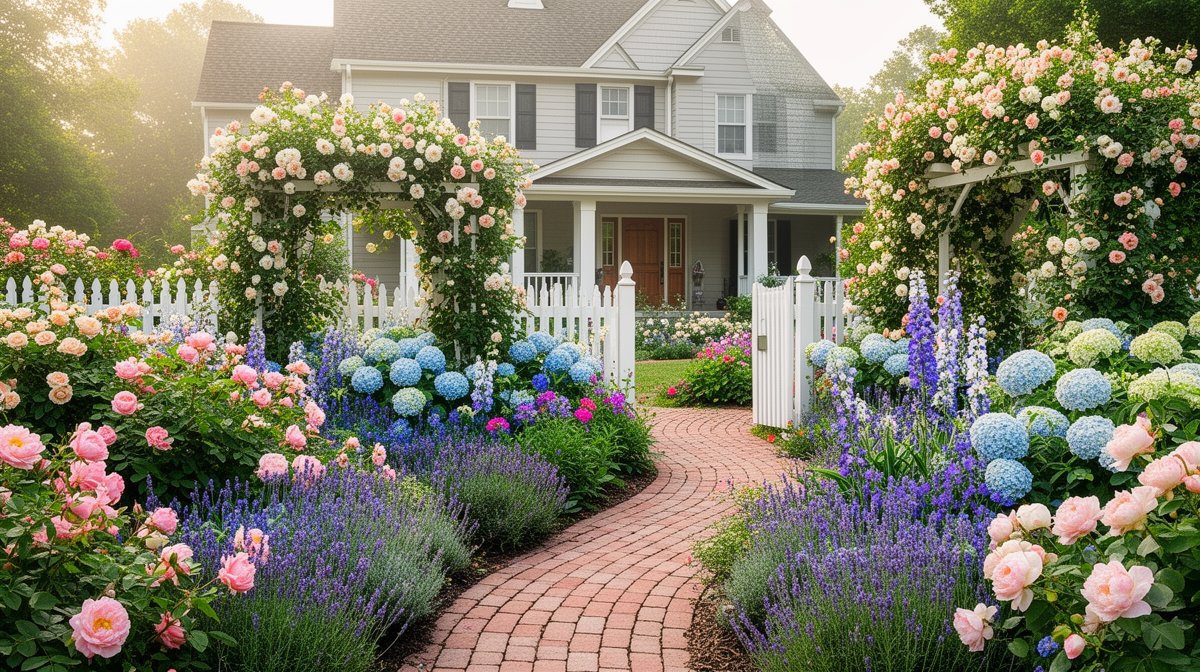
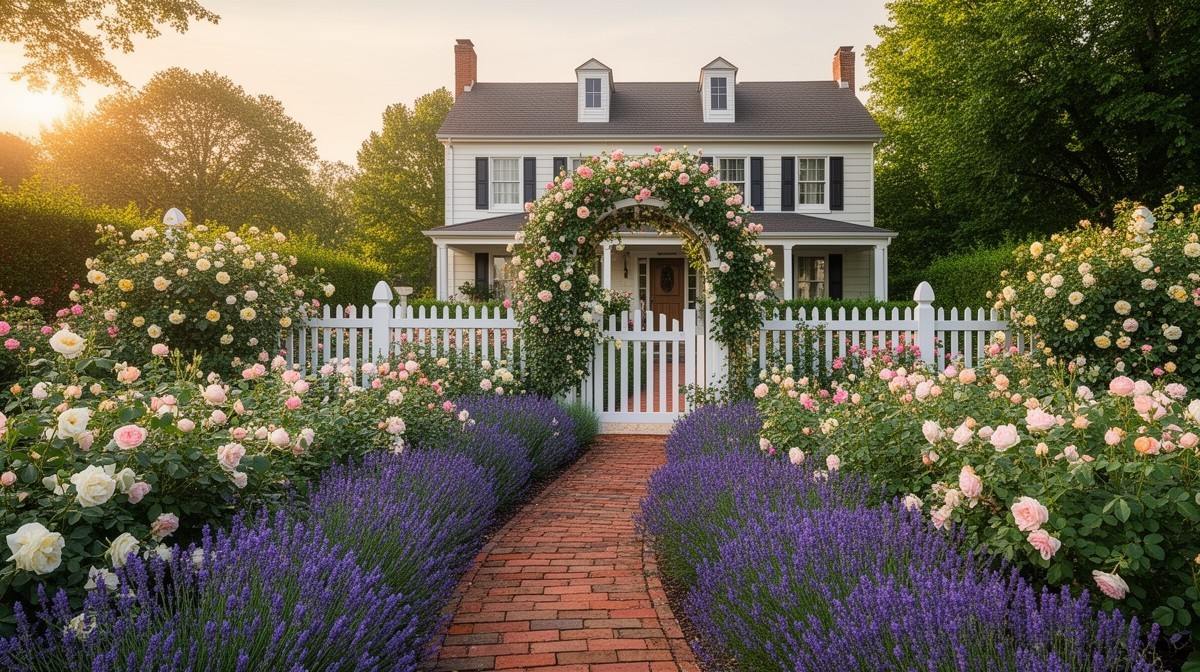
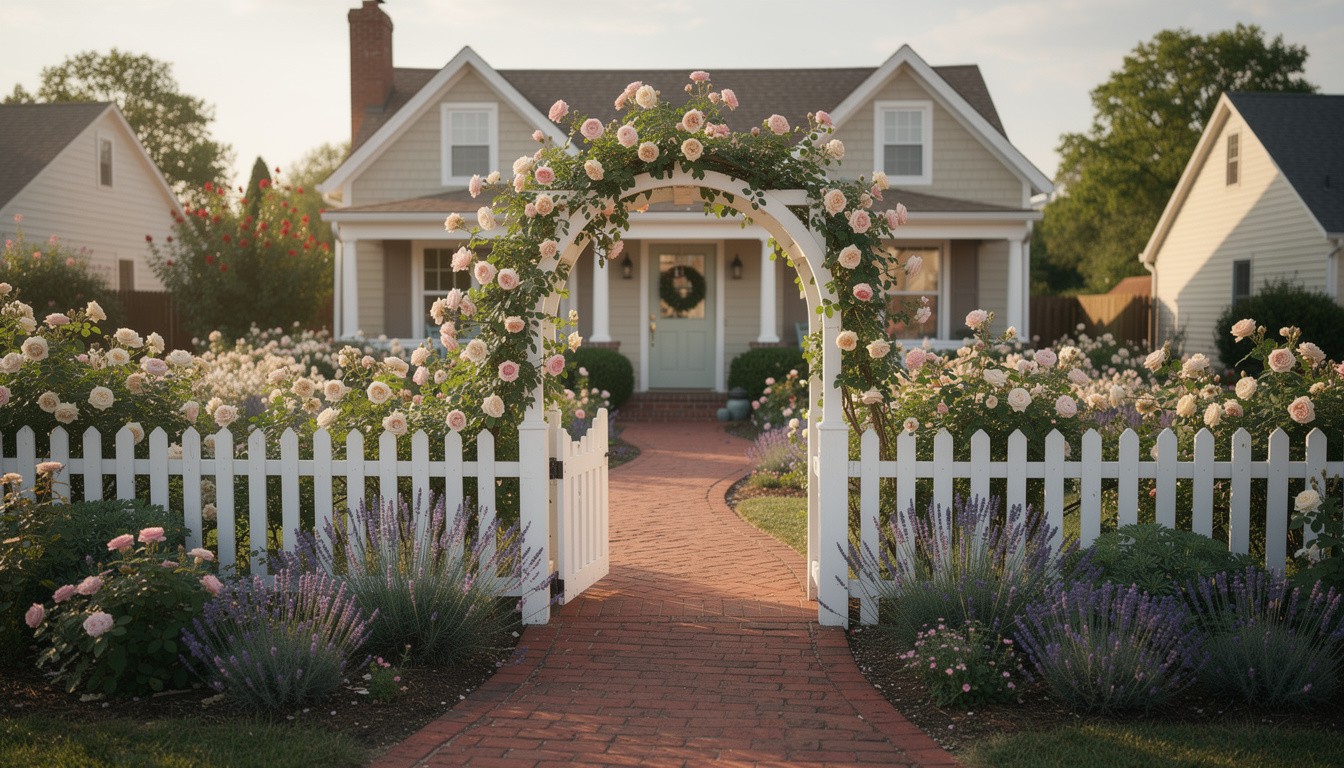
The White Picket Rose Arbor and Lavender Entry
$12–22/sqftA white picket fence with a climbing rose arbor gate frames a brick pathway to the front porch of a Kansas City craftsman cottage. White and pale pink climbing roses drape the wooden arch in full spring bloom, and lavender borders line the path symmetrically. A mature oak tree overhead provides the dappled light that extends the lavender and rose season and gives this classic cottage entry its atmospheric quality. Kansas City's Zone 6b climate allows a wider range of cold-hardy cottage roses than any Southern city — David Austin varieties like 'Graham Thomas' and 'Scepter'd Isle' bloom reliably here, delivering the full English garden character that inspired the style.
AI-generated image
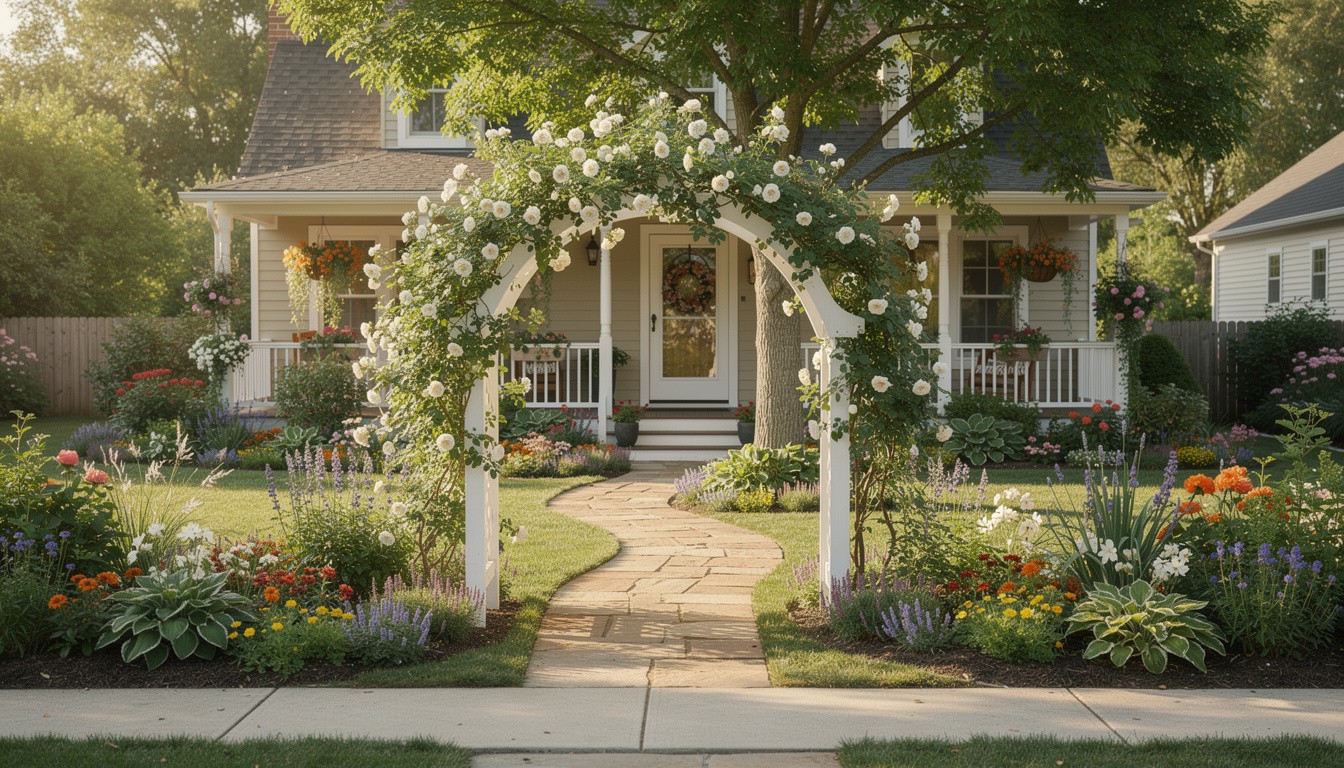
The Cottage Arch and Summer Border Walk
$13–24/sqftA white rose arch frames the front of a craftsman cottage, wrapped in white climbing roses at full bloom. Wide informal perennial borders run along a stone path with roses, foxgloves, lavender, coneflowers, and annuals in simultaneous summer color. Hanging flower baskets on the porch add vertical layers of color. Kansas City's genuine four seasons allow a wider cottage plant palette than Southern cities: foxgloves and delphiniums perform reliably in the cooler spring, summer hostas thrive in the filtered shade of the large oak, and asters and ornamental kales extend the season into November. The spring and early summer bloom window here is the cottage garden season at its fullest.
AI-generated image
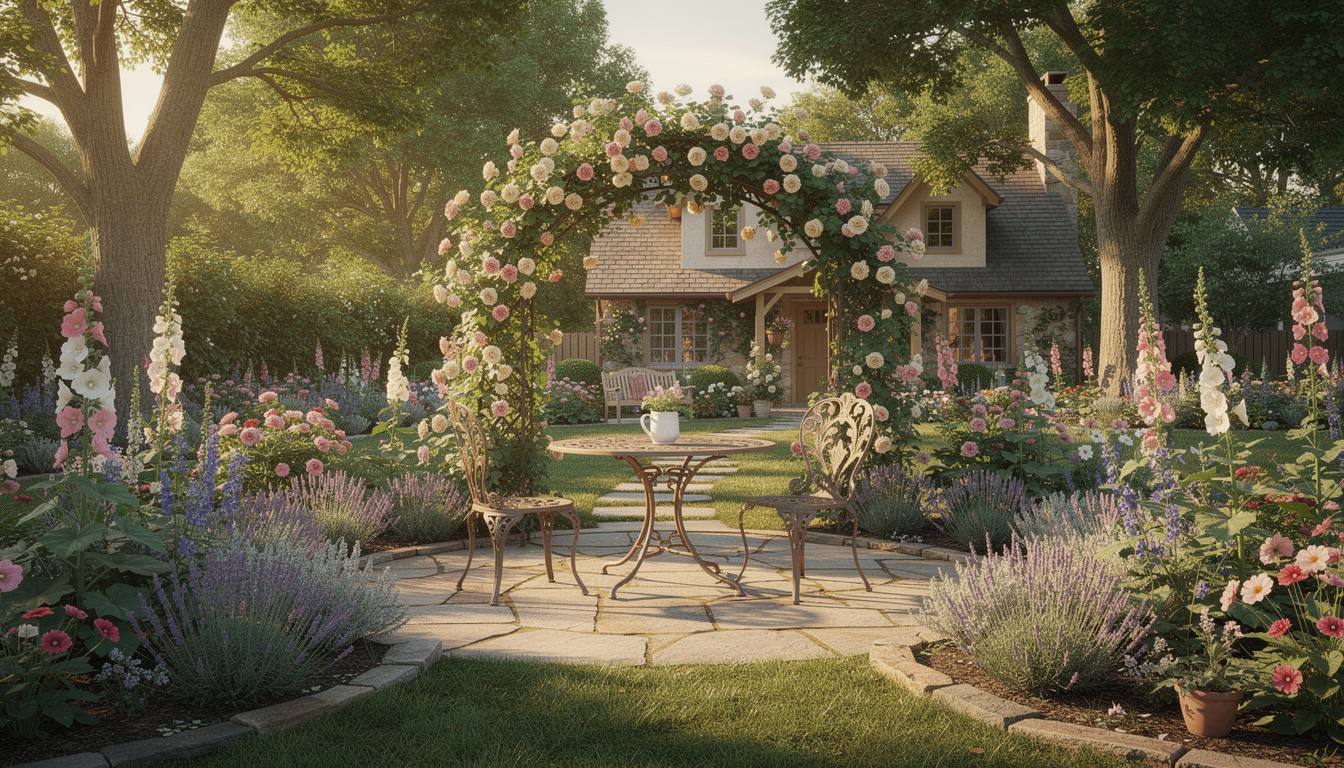
The Garden Arch and Flagstone Patio
$15–28/sqftA white rose arch frames the entrance to a backyard flagstone patio where a small bistro table and chairs sit beneath the shade of large deciduous trees. Cottage borders of lavender, foxgloves, roses, and summer perennials press in from all sides. Kansas City's summer canopy shade is essential — the temperature differential under a mature oak versus open lawn can be 10–15°F, which makes a tree-shaded garden room like this genuinely comfortable on July afternoons that would be unbearable in full sun. The rose arch marks the transition between lawn and garden, and the flagstone patio creates a surface that stays level through Kansas City's freeze-thaw cycles better than brick.
AI-generated image
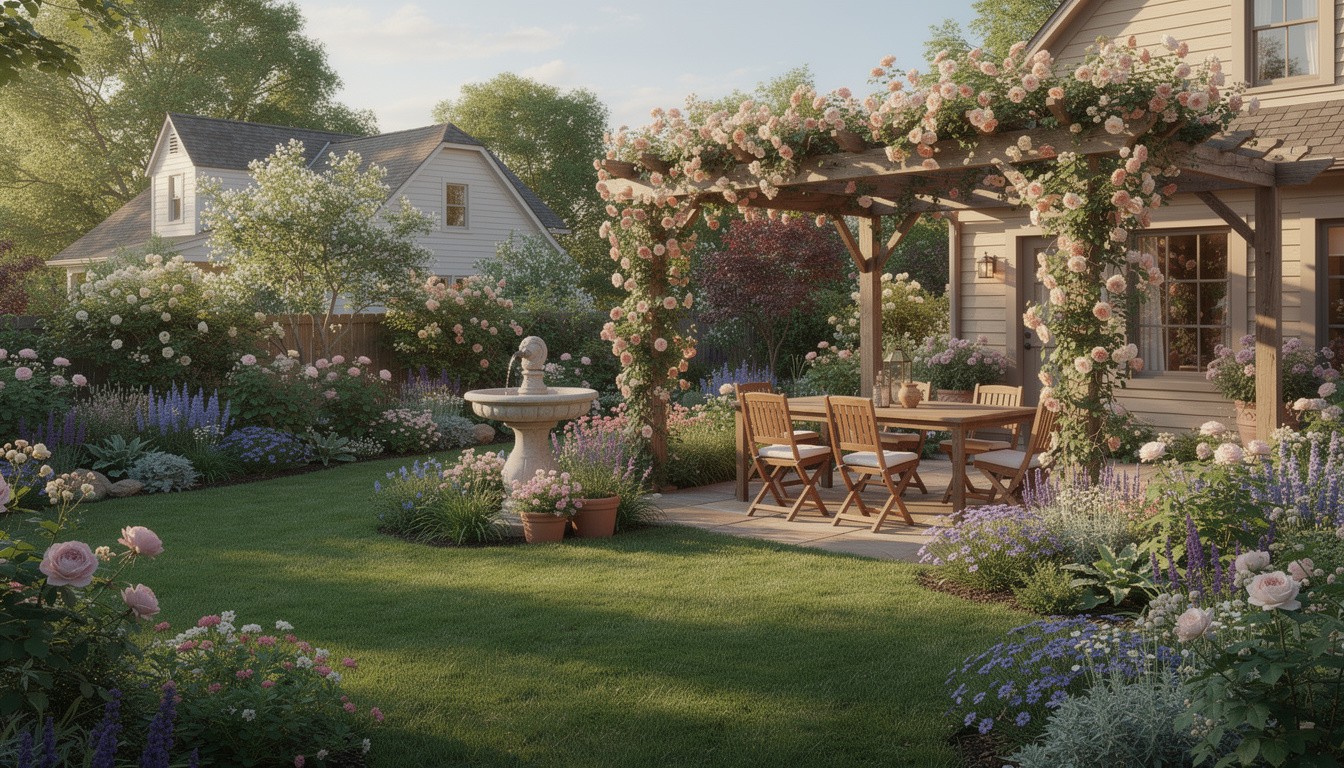
The Rose Pergola and Fountain Garden
$18–40/sqftA white pergola covered in climbing roses shelters a dining table at the rear of a Kansas City cottage garden, while a round stone bird bath fountain anchors a circular island bed at the center of a lawn panel. Mixed cottage borders of roses, lavender, foxgloves, and summer perennials surround the space on all sides. Kansas City's four-season climate makes this the best full-backyard cottage garden value in the region — the spring bloom is genuinely impressive (cool temperatures extend the display into late May), the summer borders perform through July, and the pergola becomes a seating destination again from September through October when fall color arrives in the surrounding canopy trees.
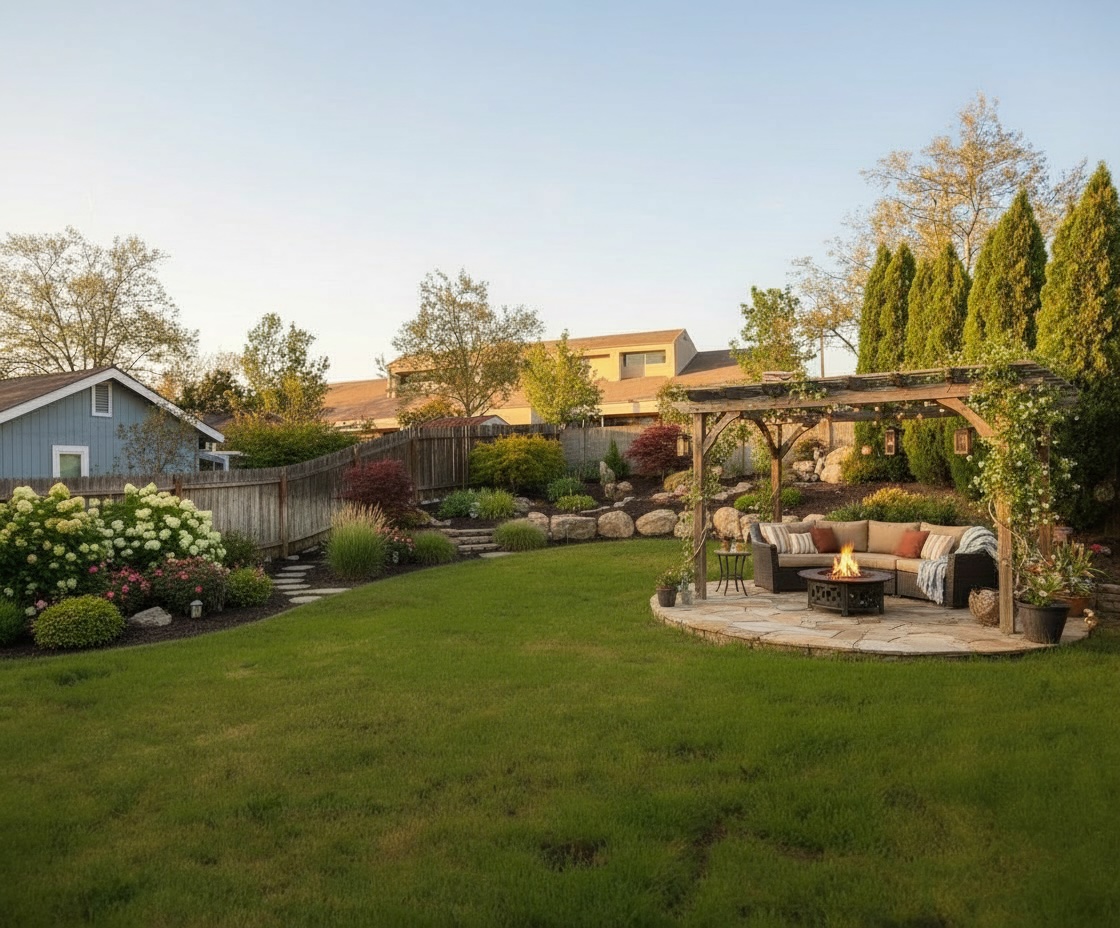
See how a cottage/english garden looks on YOUR property
Upload a photo of your Kansas City yard and visualize your dream garden in seconds.
Try ProScapeAI Free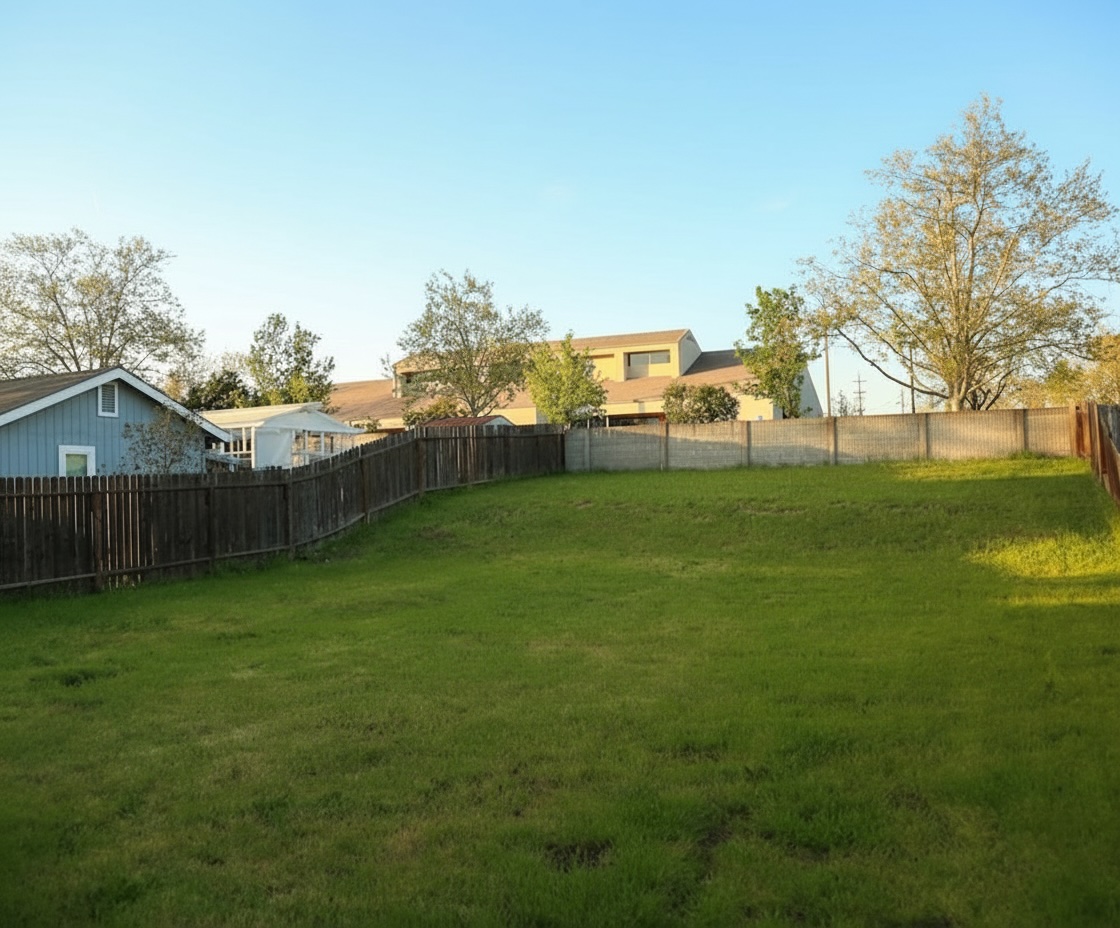
AI-generated image
Featured Trees & Shrubs for Cottage/English Gardens
Browse all 194 plants for Kansas City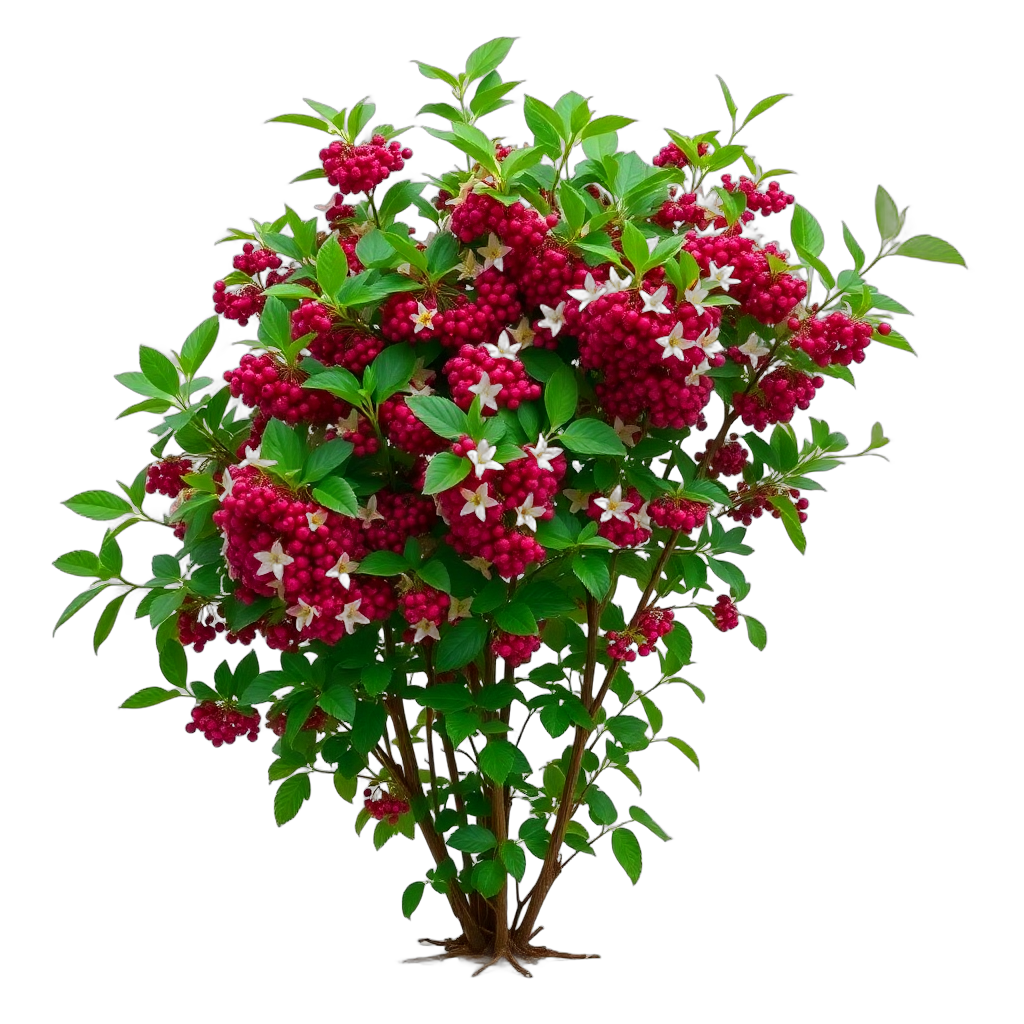
Clove Currant
Ribes odoratum
grows to 6 feet, yellow blooms in spring. Attracts hummingbirds.

Fragrant Sumac
Rhus aromatica
grows to 4 feet, yellow blooms in spring. Attracts butterflies.
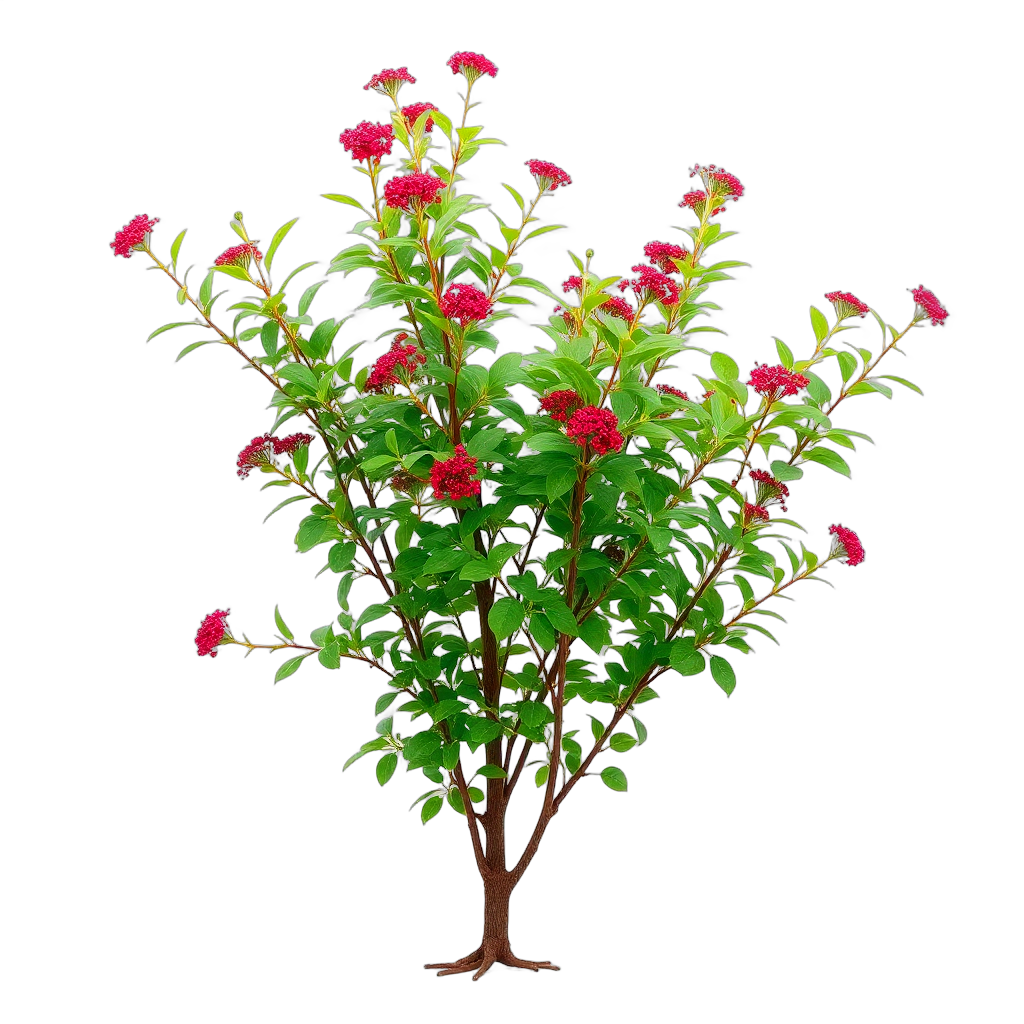
Smooth Sumac
Rhus glabra
medium-sized at 12 feet, white,green blooms in summer. Attracts butterflies.
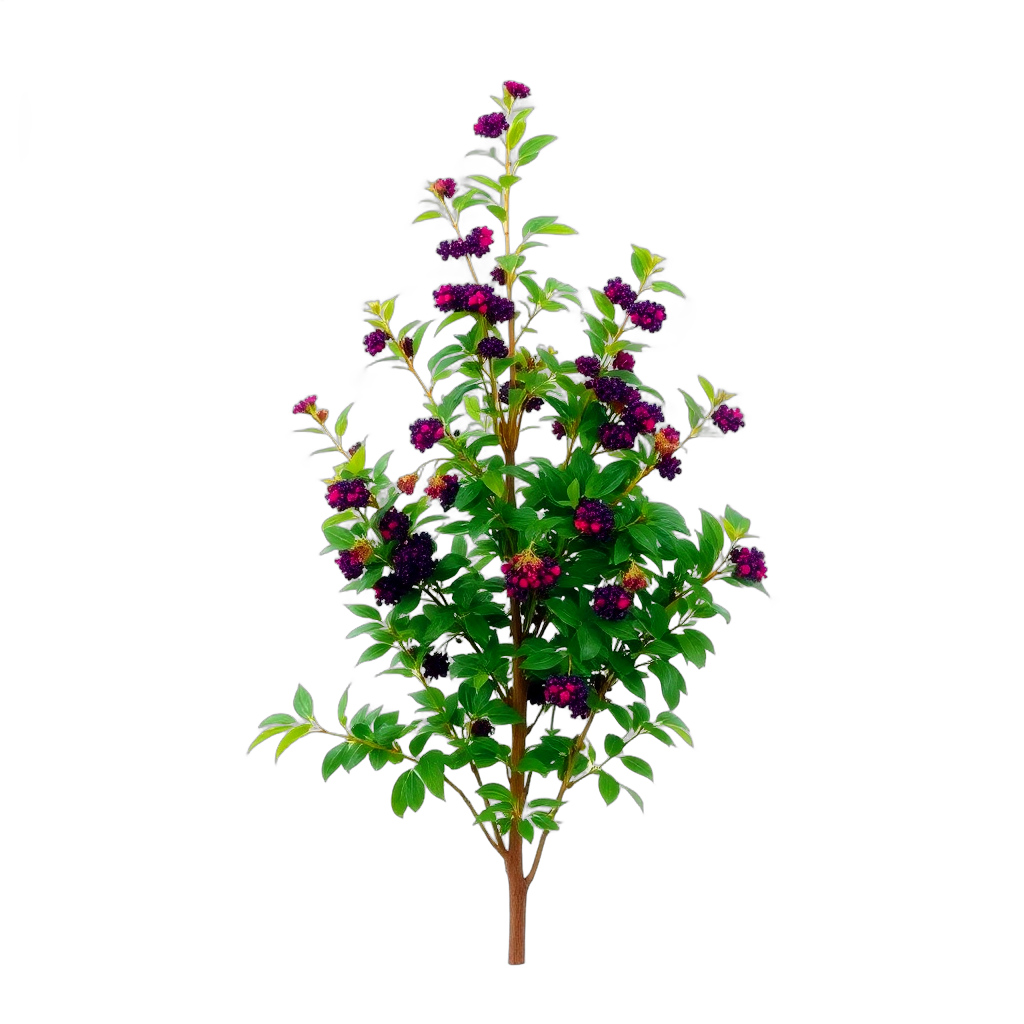
American Beautyberry
Callicarpa americana
grows to 6 feet, pink blooms in summer. Pollinator-friendly.
Featured Grasses & Groundcovers for Cottage/English Gardens
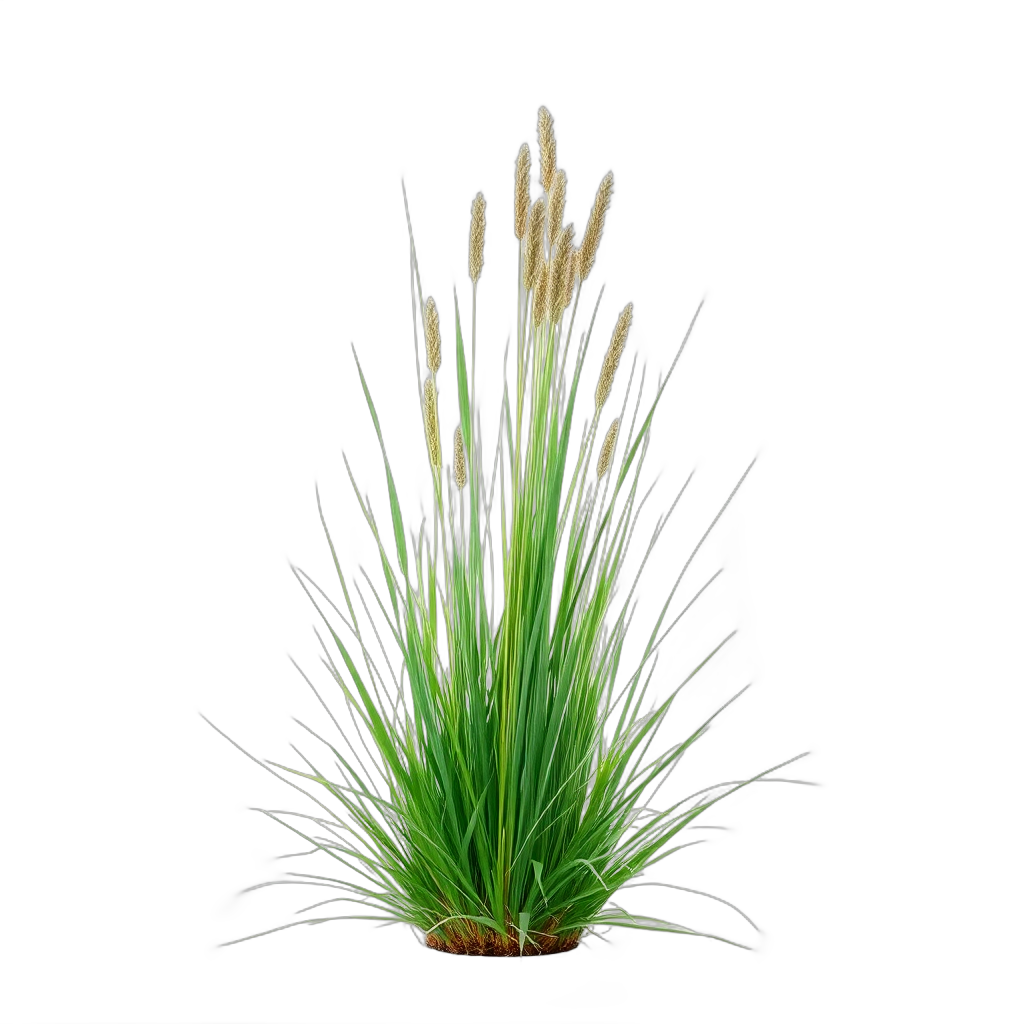
Big Bluestem
Andropogon gerardii
medium-sized at 7 feet, purple blooms in fall. Bronze,burgundy fall color.
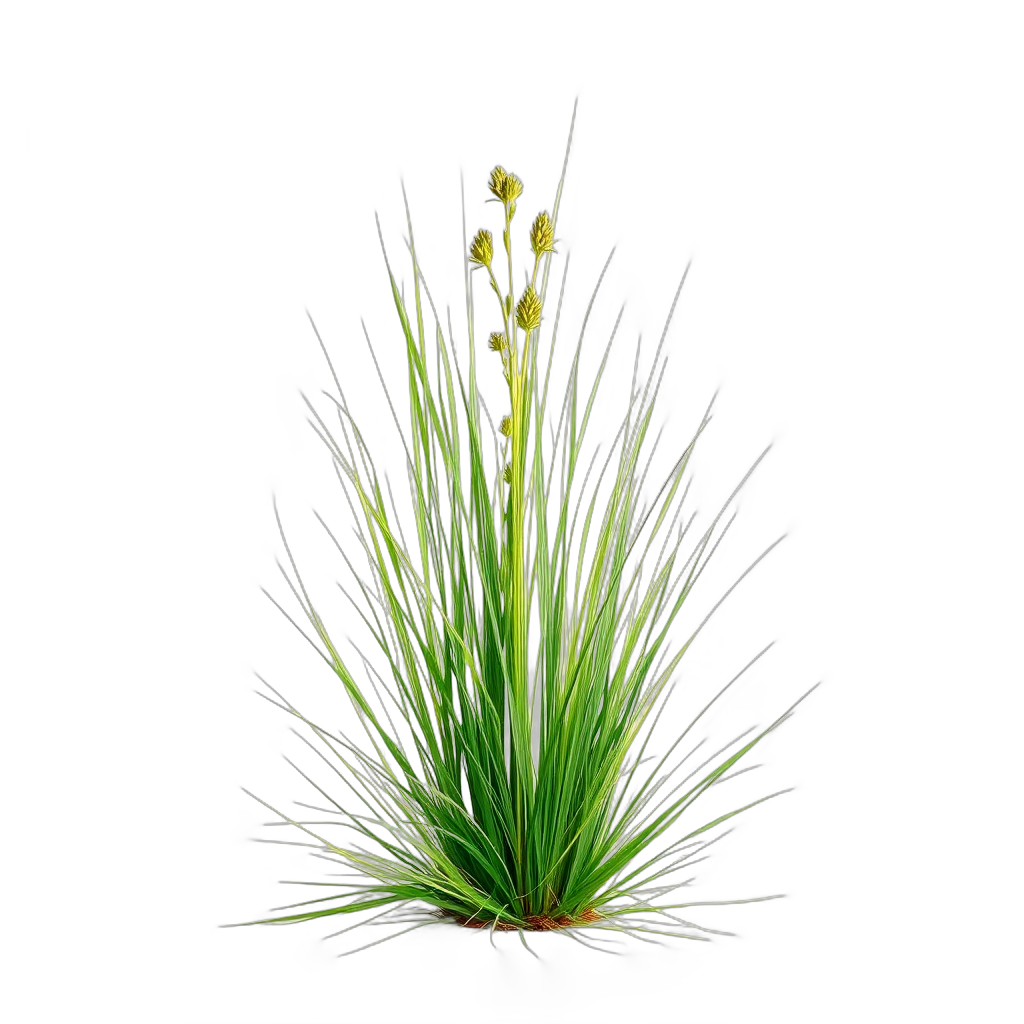
Canada Wild Rye
Elymus canadensis
grows to 4 feet, blooms in summer. Yellow fall color.
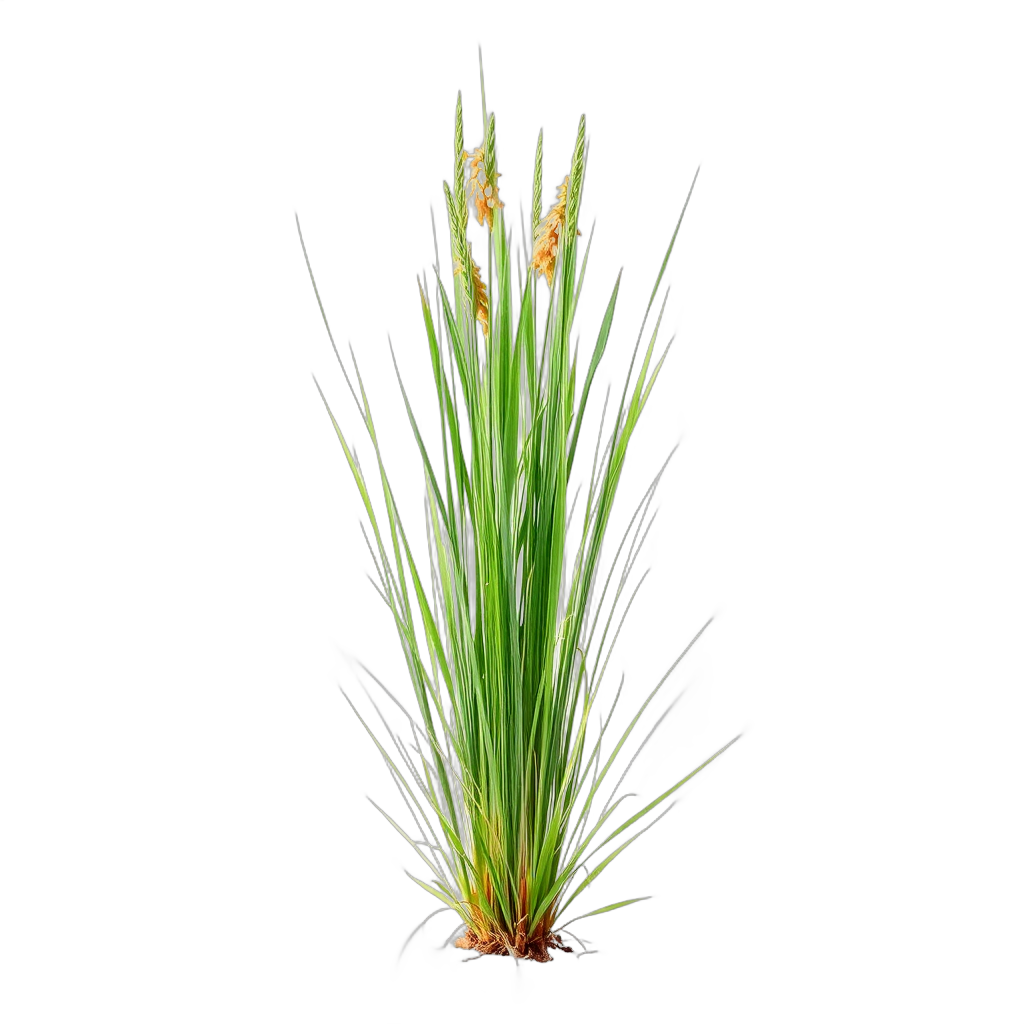
Eastern Gamagrass
Tripsacum dactyloides
grows to 6 feet, blooms in summer. Yellow fall color.
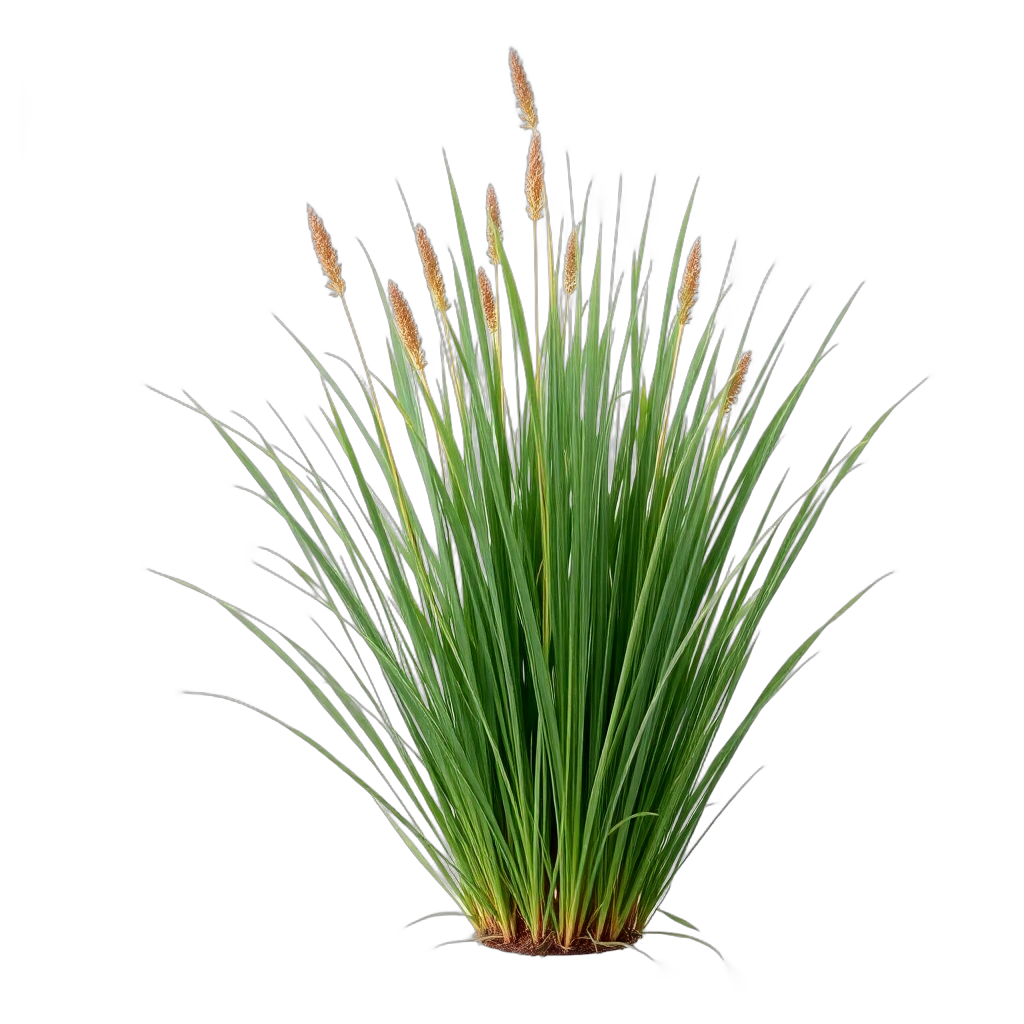
Heavy Metal Switchgrass
Panicum 'Heavy Metal'
grows to 4 feet, pink blooms in summer. Yellow fall color.
Featured Flowers & Perennials for Cottage/English Gardens
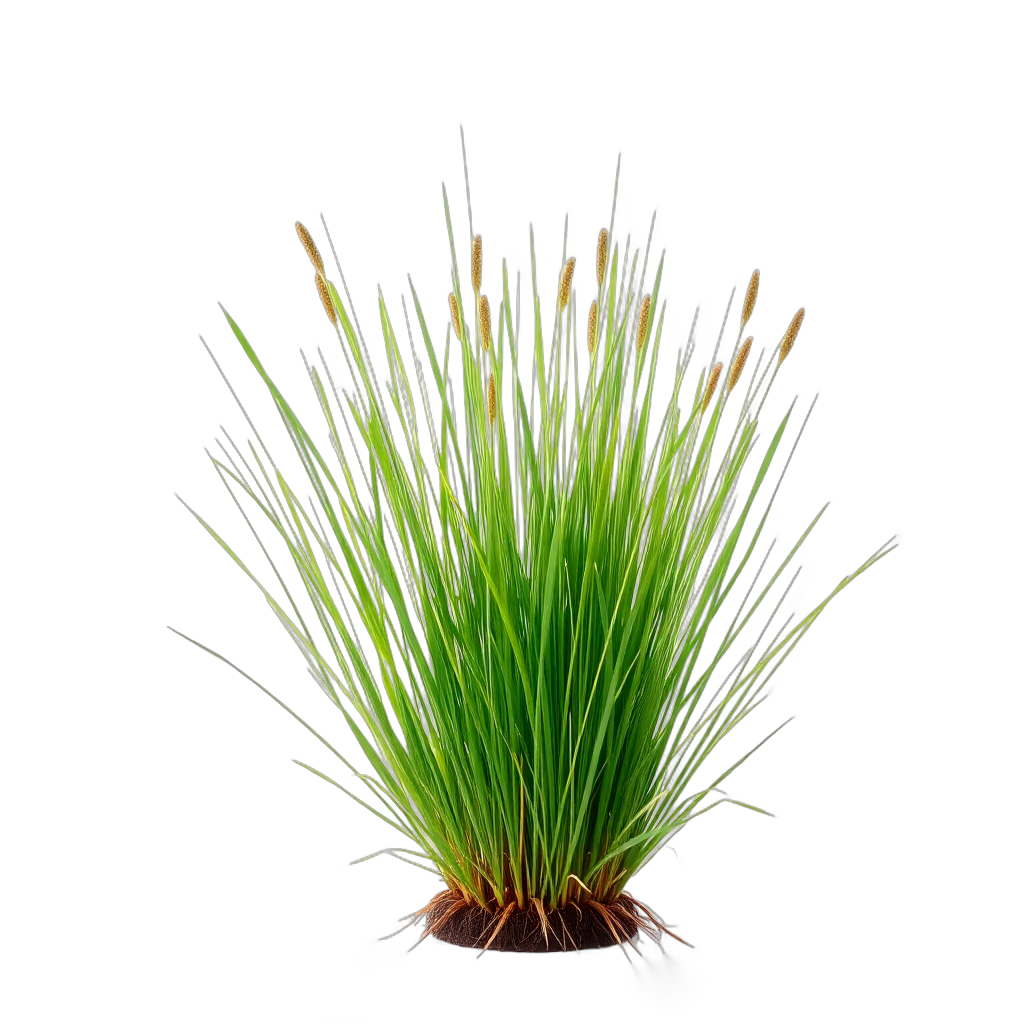
Path Rush
Juncus tenuis
low-growing ground cover, blooms in summer. Evergreen year-round.
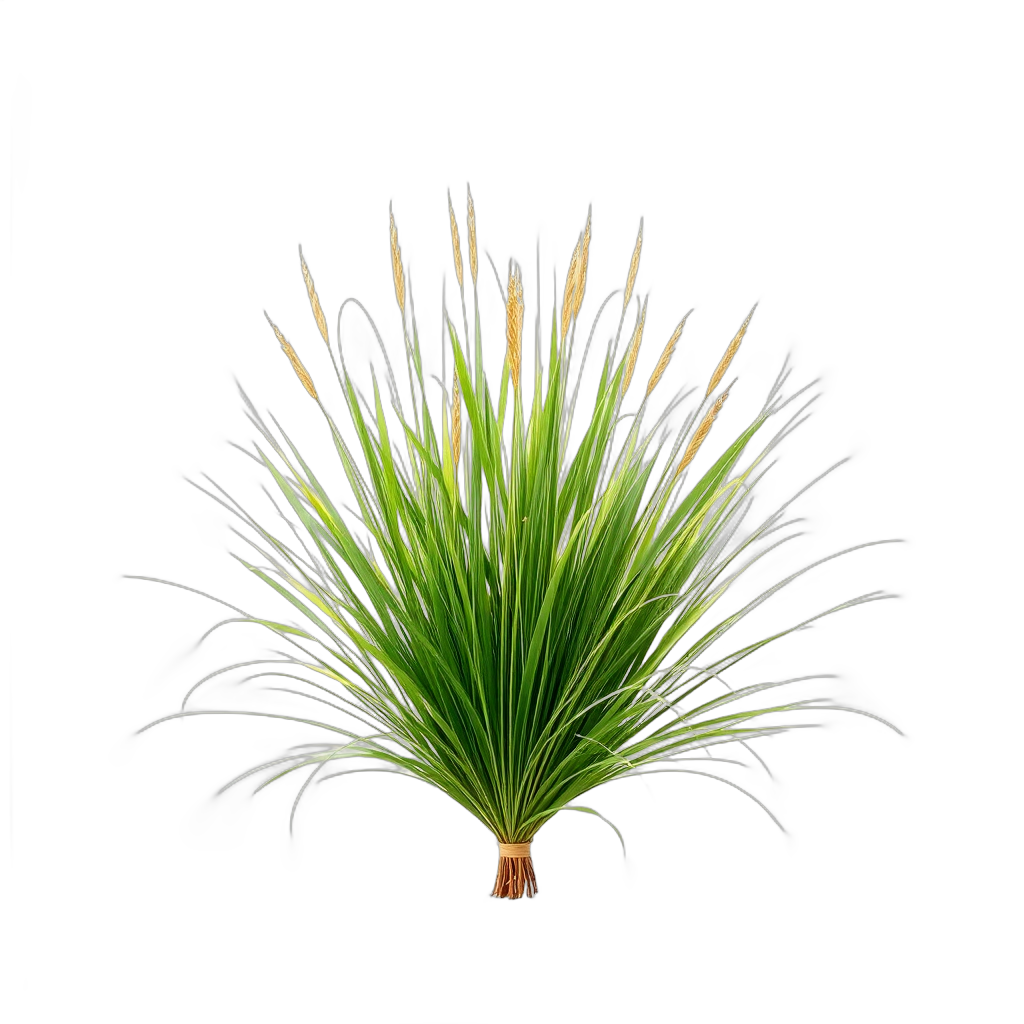
Prairie Cordgrass
Spartina pectinata
grows to 6 feet, blooms in summer. Yellow fall color.
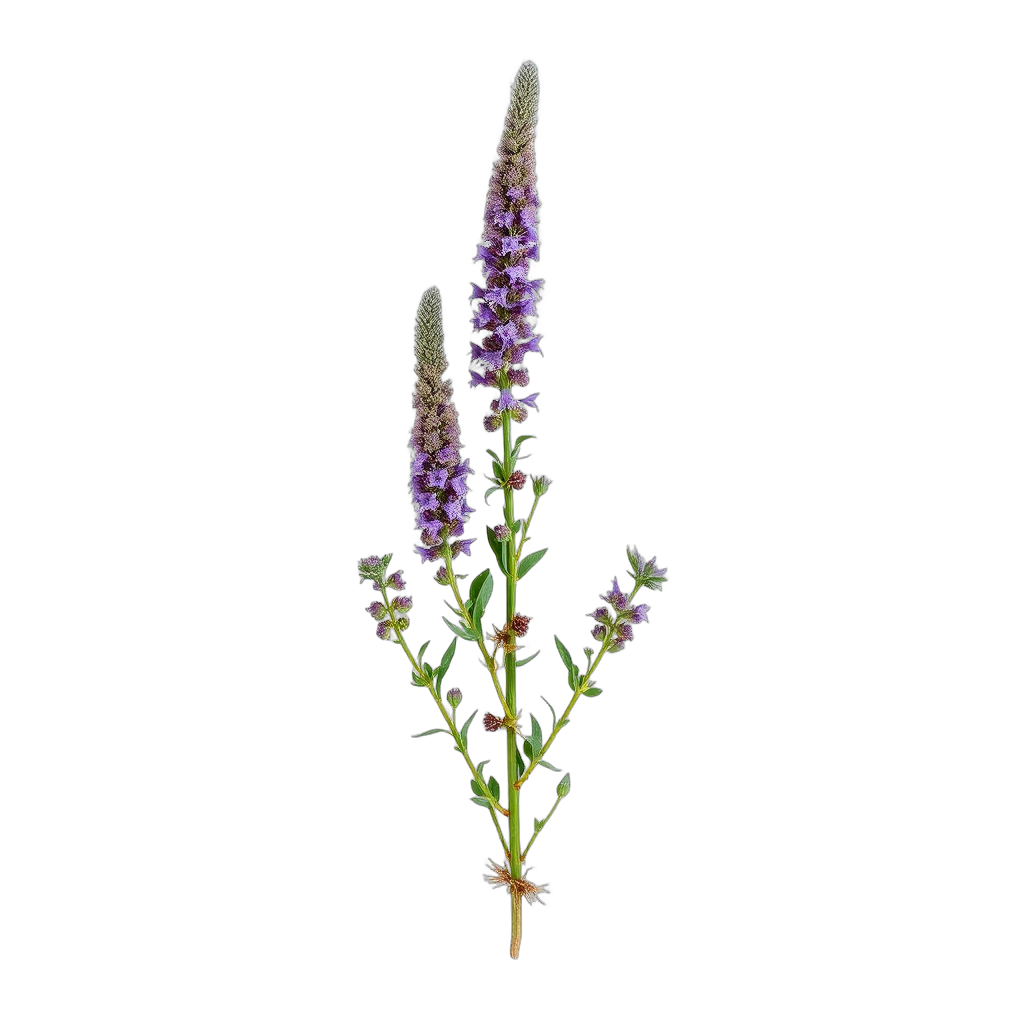
Anise Hyssop
Agastache foeniculum
grows to 3 feet, purple blooms in summer. Attracts hummingbirds.
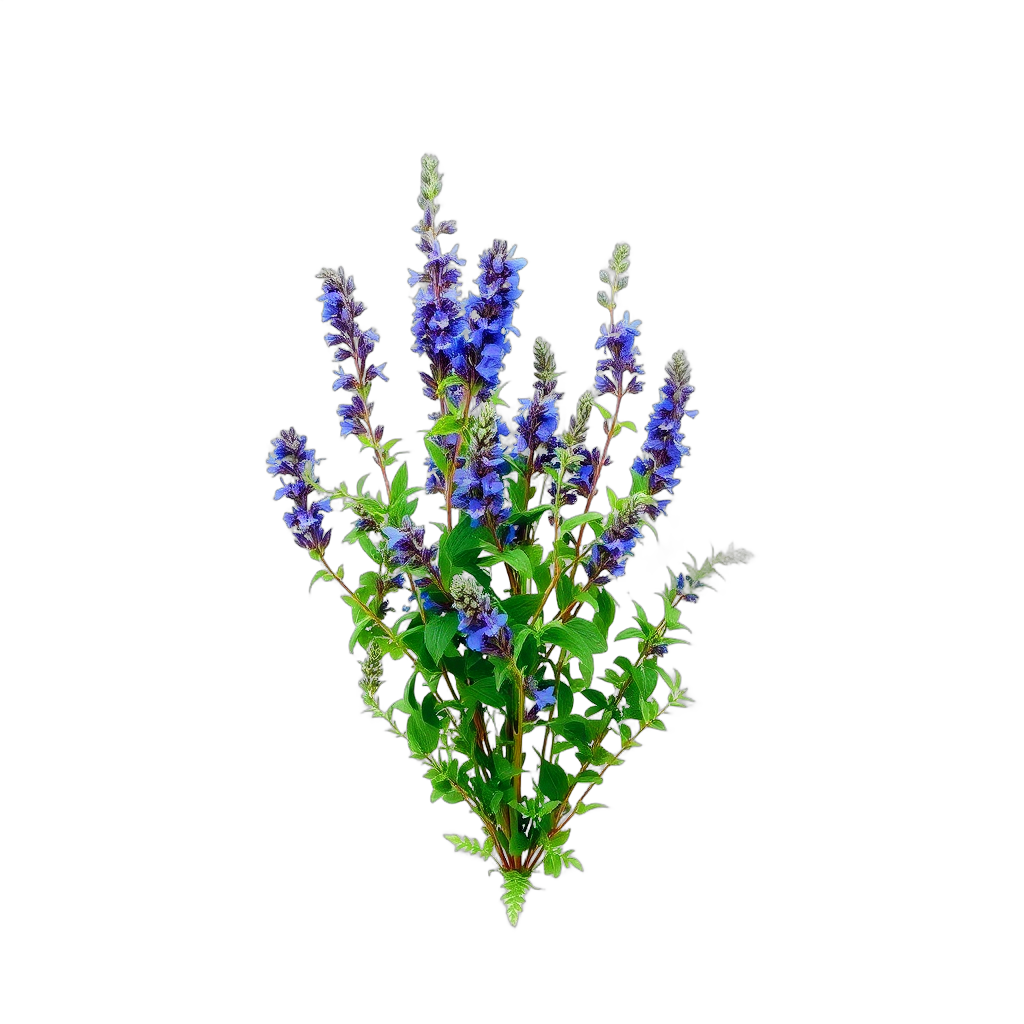
Azure Sage
Salvia azurea
grows to 4 feet, blue blooms in fall. Attracts hummingbirds.
Zone and sun checks come from our database — confirm with your local nursery before you buy.
Bloom Calendar for Kansas City
spring
Blue False Indigo, Foxglove Beardtongue, Golden Alexandersummer
Path Rush, Prairie Cordgrass, Anise Hyssopfall
Azure Sage, Maximilian Sunflower, New England Asterwinter
Limited bloomsDesign Tips for Kansas City (Zone 6a)
- Zone 6a winters allow the most romantic antique roses — Gallica, Bourbon, and Hybrid Perpetual classes thrive in Kansas City where they'd be unreliable in Zone 7+ cities; use them confidently
- Peonies are the cottage garden plant Kansas City is made for: plant tubers in fall with eyes 1.5 inches below soil surface, and they'll bloom for 30+ years with virtually no care
- Mulch roses with 6–8 inches of compost over the graft union in late November — the difference between a winter-killed rose and a healthy one in Zone 6a is almost always winter mulching
- Plan the May glory peak as your design's defining moment: when peonies, delphiniums, roses, foxgloves, and irises are all simultaneously in bloom in Kansas City, the result is genuinely spectacular
- Loose Park Rose Garden in the Brookside neighborhood is the best free reference for Kansas City rose performance — visit in peak May bloom before selecting varieties for your own garden
- Powell Gardens (40 miles east of Kansas City) hosts exceptional horticultural events and plant sales with Zone 6a-appropriate stock; their spring plant sale is a must for serious cottage gardeners
Where to Source Plants in Kansas City
Skip the big-box stores. These independent Kansas City nurseries specialize in the plants that make cottage/english gardens thrive in Zone 6a.
Family Tree Nursery
Prairie Village, KS (Johnson County)
Perennials, roses, trees, native plants — full-service locally owned since 1956
Suburban Lawn & Garden
Multiple Kansas City metro locations
Full-service garden center, roses, perennials, annuals, trees
Soil Service Garden Center
Troost Avenue, south Kansas City
Family-owned since 1934; bulk compost, mulch and soil blends alongside a well-curated perennial, peony and heirloom-plant selection for KC-area gardens
Grass Pad
Bonner Springs (Wyandotte County)
Regional Kansas independent best known for turf, soil amendments and compost by the yard, plus shrubs, trees and mulch for cottage bed prep
Cottage/English Landscaping Costs in Kansas City
| Project Scope | Estimated Cost |
|---|---|
| Rose arbor + picket fence cottage entry | $5,000 – $12,000 |
| Full cottage front yard redesign (400–600 sqft) | $6,500 – $15,000 |
| Backyard cottage patio with arch + planting | $8,000 – $20,000 |
| Pergola + fountain + cottage garden (full backyard) | $18,000 – $44,000 |
| Soil amendment + raised beds | $1,200 – $3,200 |
| Drip / soaker irrigation system | $1,000 – $2,600 |
| AI visualization with ProScapeAI | Free to start |
Estimates based on Kansas City, MO-area contractor rates as of 2026. Actual costs vary by site conditions, materials, and contractor.
Kansas City Climate & Growing Zone
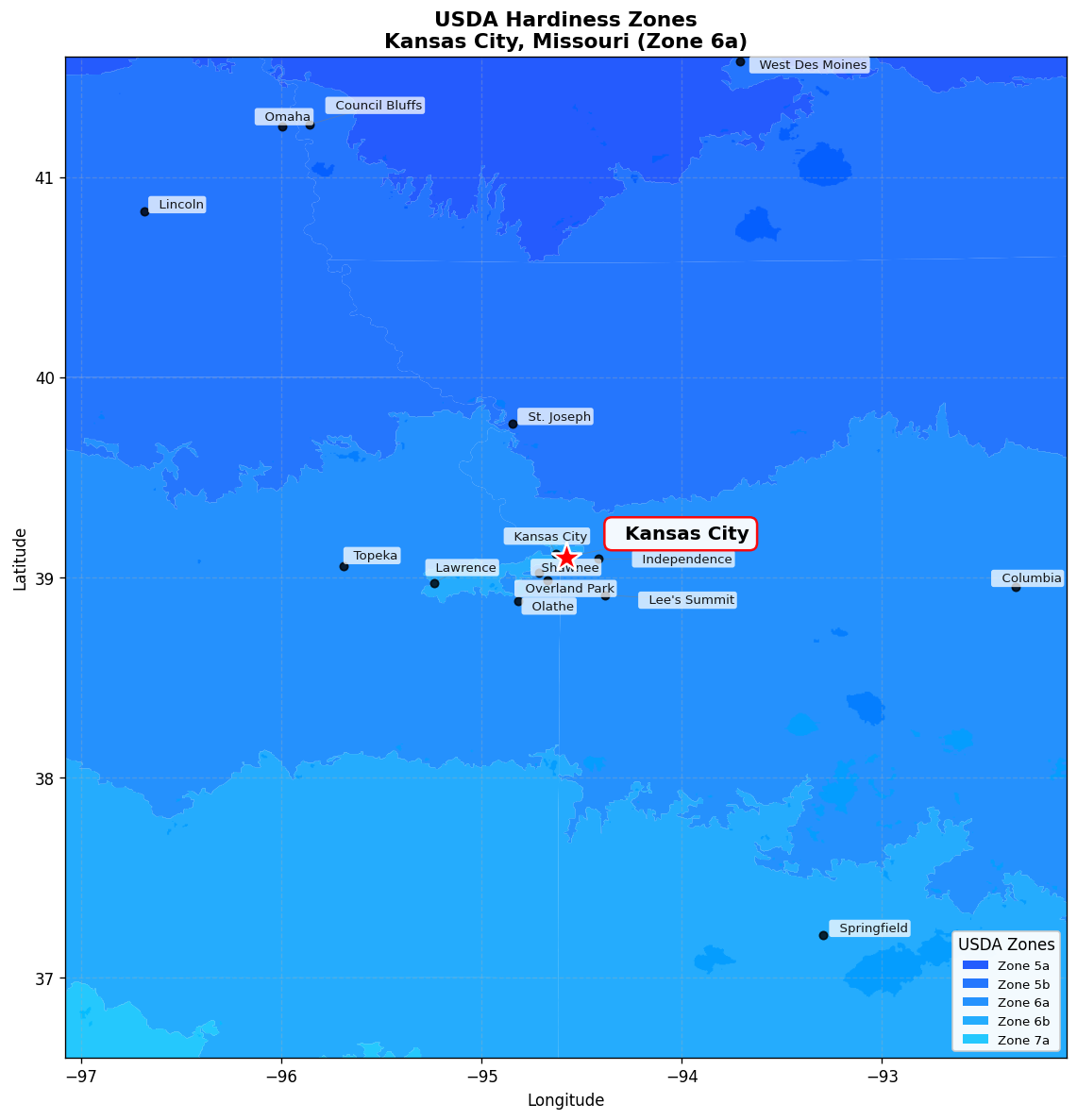
USDA Zone 6a
Hardiness zone for Kansas City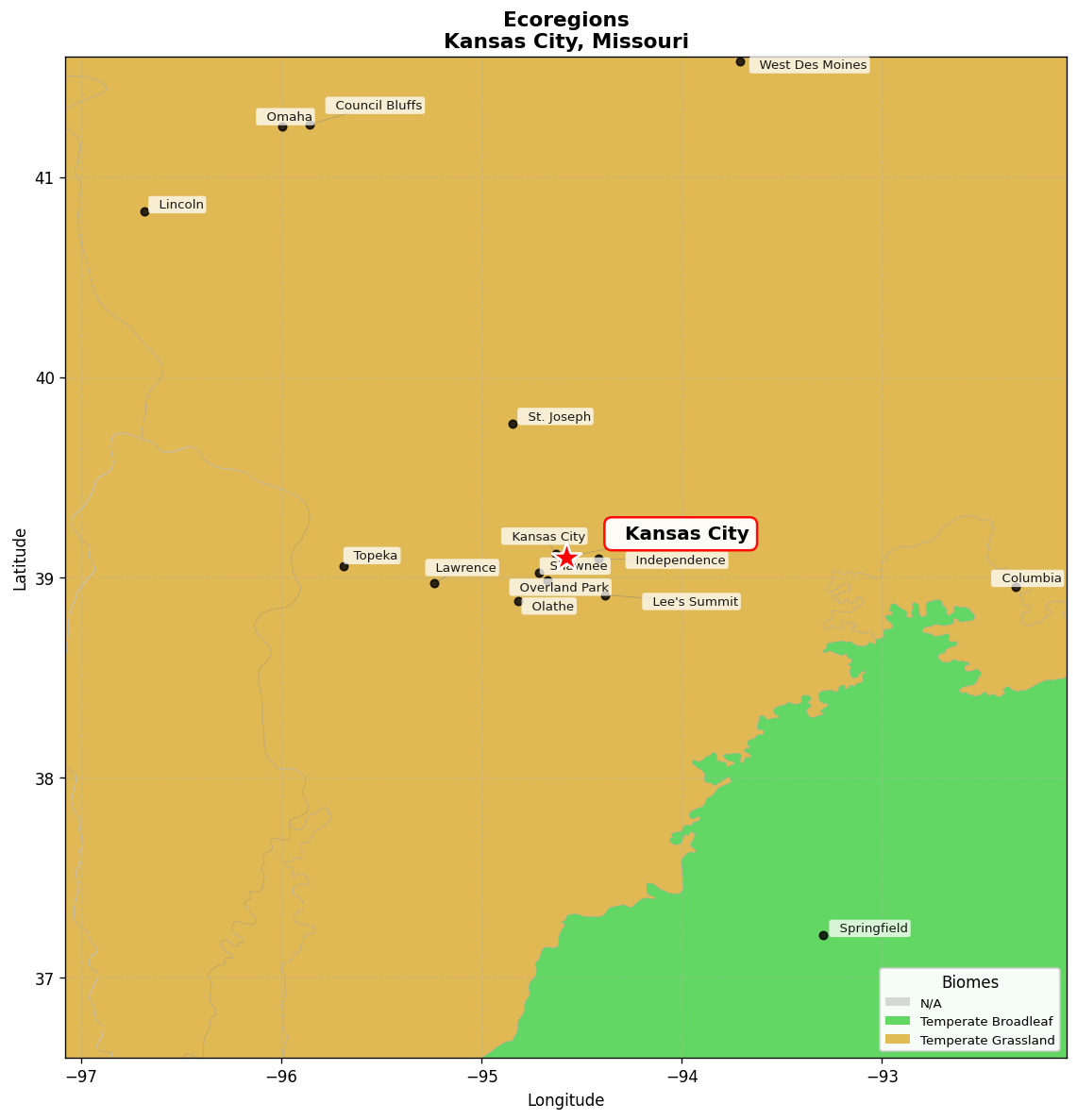
Central Tallgrass prairie
Native ecoregionFrequently Asked Questions
Why is Kansas City particularly good for cottage gardens?
Zone 6a is genuinely the sweet spot for classic English cottage gardening in the American Midwest. The cold winters (-10°F lows) allow the full cottage plant palette including peonies, delphiniums, foxgloves, David Austin English roses, Gallica roses, and Bourbon antique roses that warmer cities can't reliably grow. The 40 inches of annual rainfall distributed across the year does significant irrigation work. And May — when cool temperatures, reliable moisture, and long days coincide with peak bloom — produces cottage garden performances that rival anything in the Pacific Northwest or New England. Kansas City's spring is legitimately spectacular for cottage gardens.
What roses work best in Kansas City Zone 6a?
Zone 6a is ideal for the most romantic antique roses. Top performers: David Austin English roses — 'Gertrude Jekyll', 'James Galway', 'Olivia Rose Austin', 'Roald Dahl' — reliably hardy here where they'd struggle in Zone 8+. Gallica roses: 'Cardinal de Richelieu', 'Rosa Mundi', 'Tuscany Superb' — these 16th–18th century European roses are fully Zone 5 hardy and perform beautifully in Kansas City. Bourbon roses: 'Madame Isaac Pereire', 'Louise Odier'. Hybrid perpetuals: 'Paul Neyron', 'Mrs. John Laing', 'Frau Karl Druschki'. Climbing: 'Zephirine Drouhin' (Zone 6, thornless), 'Constance Spry' (Zone 5). The Kansas City Rose Society hosts annual shows and maintains a local performance database.
Do peonies grow well in Kansas City?
Peonies are among the very best cottage garden plants for Kansas City — they need cold winters to bloom reliably, and Zone 6a delivers exactly that. Herbaceous peonies are the traditional cottage garden type: plant the tubers in fall with the eyes no more than 1.5–2 inches below the soil surface (deeper planting prevents blooming). Top cottage varieties for Kansas City: 'Sarah Bernhardt' (soft pink, fragrant), 'Festiva Maxima' (white with red flecks, classic double), 'Karl Rosenfield' (deep crimson), 'Bowl of Beauty' (anemone form, pink and cream). Intersectional (Itoh) peonies bridge the herbaceous and tree peony characters and are extremely reliable in Zone 6. Tree peonies are fully hardy and produce spectacular early blooms.
How does Kansas City clay soil affect cottage garden planting?
Kansas City's clay soils (heavy in the low areas, sometimes lighter on the upland ridges of Brookside and Westwood) require standard cottage garden preparation: till to 12 inches, work in 4–6 inches of compost, add grit or coarse sand to problem drainage areas. Raised beds are the most reliable solution for roses and lavender where drainage is consistently poor. Winter frost heaving is more significant in Zone 6a than in Texas cities — mulch beds to 3–4 inches in November to moderate freeze-thaw cycles that can heave newly planted perennials out of the ground. Crown roses with 6–8 inches of compost mulch mounded over the graft union for winter protection, especially in the first two years.
What Kansas City neighborhoods have the best cottage garden architecture?
Brookside is Kansas City's most celebrated cottage garden neighborhood: the 1920s–1940s English Tudor, Colonial Revival, and Craftsman homes on streets like 63rd and Holmes Road are architecturally perfect for cottage treatment, and many already have established cottage gardens maintained by long-term residents. Waldo (just south of Brookside) has similar period architecture at a more modest scale. Hyde Park and Valentine in midtown have craftsman bungalows on tree-lined streets. Westwood Hills (Kansas side) has larger-scale period revival homes. Mission Hills (Kansas) is the grand-estate cottage garden territory. Loose Park, in the heart of the Brookside-Waldo area, has Kansas City's famous public rose garden which is the definitive local reference.
When should I plant a cottage garden in Kansas City?
Fall (October–November, before hard freeze) is ideal for roses, peonies, perennials, and spring bulbs. Zone 6a winters provide the cold stratification that makes spring emergence vigorous. Spring (April–May, after last frost — average April 7–10) works well for annuals and summer-blooming perennials. For spring-blooming cottage plants (delphiniums, foxgloves, sweet Williams), plant as early transplants in mid-April or start indoors in February. Avoid November–March planting for bare-root roses in Zone 6a — the ground freezes and heaves repeatedly. The Kansas City area's last freeze date (April 7–10 on average) is 2–3 weeks later than Dallas or OKC, so be patient with spring planting schedules.