4 Tropical Garden Ideas for Sunrise, FL | Zone 10b Palms and Heliconia
Native plants from the Everglades flooded grasslands (Zone 10b) — Tropical monsoon climate
For a tropical garden in Sunrise, FL, a zone 10b city with a tropical monsoon climate, start with Wodyetia bifurcata, Philodendron 'Xanadu' and Ixora 'Maui', the plants this guide's first design is built on.
Why Tropical/Lush Gardens in Sunrise?
Sunrise sits on the old Everglades edge in west Broward, and most of it is flat, sunny and built from concrete block and stucco, which is a good backdrop for big leaves. Single-family blocks in Sunrise often come with a screened pool or a covered lanai, and the plain walls behind them let one clump of Strelitzia nicolai or a Wodyetia bifurcata carry the whole view. Condo communities have less ground, but a patio bed of Dypsis lutescens and Philodendron 'Xanadu' works on the same logic.
NOAA's 1991–2020 normals for Fort Lauderdale-Hollywood International Airport, about 9 miles southeast of Sunrise, give an average January low of 60.9°F and an average July high of 90.0°F. They count 0.0 days a year at or below 32°F and 0.8 days at or below 40°F. Rain totals about 61 inches of rain a year, and June is the wettest month at 9.55 inches while February and March fall to 2.38 inches each, so irrigation matters most from November through April. Zone 10b suits Heliconia psittacorum 'Lady Di', Alpinia zerumbet 'Variegata', Musa 'Ice Cream' and Codiaeum variegatum 'Petra' through a normal winter, though the rare cold night near 40°F can still scorch new Heliconia leaves.
Drainage is the part to plan around. Broward's soil survey maps much of the county's eastern flats as poorly drained fine sand, with limestone close to the surface in places, and many Sunrise lots also sit on imported fill. A June downpour can leave water standing for days. Mound the beds 8–12 inches and plant palms high, then pick forgiving species: Sabal palmetto, Zamia furfuracea and Clusia guttifera tolerate wet feet and alkaline fill better than Gardenia or Ixora, which show yellow new growth. Frost depth is not a design factor in Sunrise, but soil pH is: a soil test costs little before you buy 15-gallon palms.
Water rules are simple. The South Florida Water Management District limits landscape irrigation to two days a week all year, with no watering between 10 a.m. and 4 p.m.: odd street addresses use Wednesday and Saturday, even addresses Thursday and Sunday. New plantings get extra watering for up to 90 days, so a fresh Wodyetia can be settled in properly. Confirm the current schedule on the City of Sunrise site, and check your HOA covenants before planting a canopy palm near a boundary wall.
4 Tropical/Lush Design Ideas for Sunrise
AI-generated image
The Foxtail Palm Entry
$18–40/sqftTwo Wodyetia bifurcata flank the front door of a stucco ranch, with Philodendron 'Xanadu' massed at their feet and a low Ixora 'Maui' hedge tracing the walk. A band of white Mexican beach pebble separates the porcelain paver path from the bed, and small uplights wash the palm trunks after dark. A south-facing front means full afternoon sun, so the beds sit on 10-inch mounds to shed June rain.
Try this on your yard: The Foxtail Palm EntryAI-generated image
The Heliconia Pool Screen
$22–48/sqftBehind a screened pool, a tall back border layers Strelitzia nicolai at the rear, clumps of Alpinia zerumbet 'Variegata' in the middle and Heliconia psittacorum 'Lady Di' along the front edge. Three Veitchia merrillii rise beside the enclosure corner, far enough from the screen to keep fronds off the mesh. Orange and red bracts show against dark foliage from the pool deck, and the beds are mounded so the pool apron drains away from the roots.
Try this on your yard: The Heliconia Pool ScreenAI-generated image
The Banana and Bromeliad Lanai
$20–42/sqftA covered lanai opens onto a tight courtyard planted floor to fence with Musa 'Ice Cream' and Ensete ventricosum 'Maurelii', their red-flushed leaves backed by a white wall. Aechmea blanchetiana and Neoregelia 'Fireball' wedge into the gaps at ground level, and a crushed-shell path runs to a corner bench. Morning sun reaches the bananas and afternoon shade from the roofline keeps the bromeliad cups from scorching in July.
Try this on your yard: The Banana and Bromeliad LanaiAI-generated image
The Silver Bismarck Lawn Island
$16–36/sqftA single Bismarckia nobilis anchors a curved lawn island in a larger back yard, ringed with Cycas revoluta and swathes of Dietes bicolor. A loose pass of Hibiscus rosa-sinensis 'Brilliant' lines the fence for color, and a clump of Dypsis decaryi on the far side picks up the palm's blue-gray cast. The island sits on a 12-inch mound so the silver palm stays out of standing water, and the whole layout is open enough to keep sightlines across the lot.
Try this on your yard: The Silver Bismarck Lawn IslandSee how a tropical/lush garden looks on YOUR property
Upload a photo of your Sunrise yard and visualize your dream garden in seconds.
Try ProScapeAI Free

AI-generated image
Featured Trees & Shrubs for Tropical/Lush Gardens
Browse all 150 plants for Sunrise
Bismarck Palm
Bismarckia nobilis
reaches 30 feet tall, blooms in summer. Pollinator-friendly.

Clustering Fishtail Palm
Caryota mitis
medium-sized at 15 feet, yellow blooms in summer. Pollinator-friendly.

Pygmy Date Palm
Phoenix roebelenii
grows to 6 feet, yellow blooms in spring. Pollinator-friendly.

Royal Palm
Roystonea regia
large shade tree reaching 50+ feet, white blooms in spring. Pollinator-friendly.
Featured Grasses & Groundcovers for Tropical/Lush Gardens
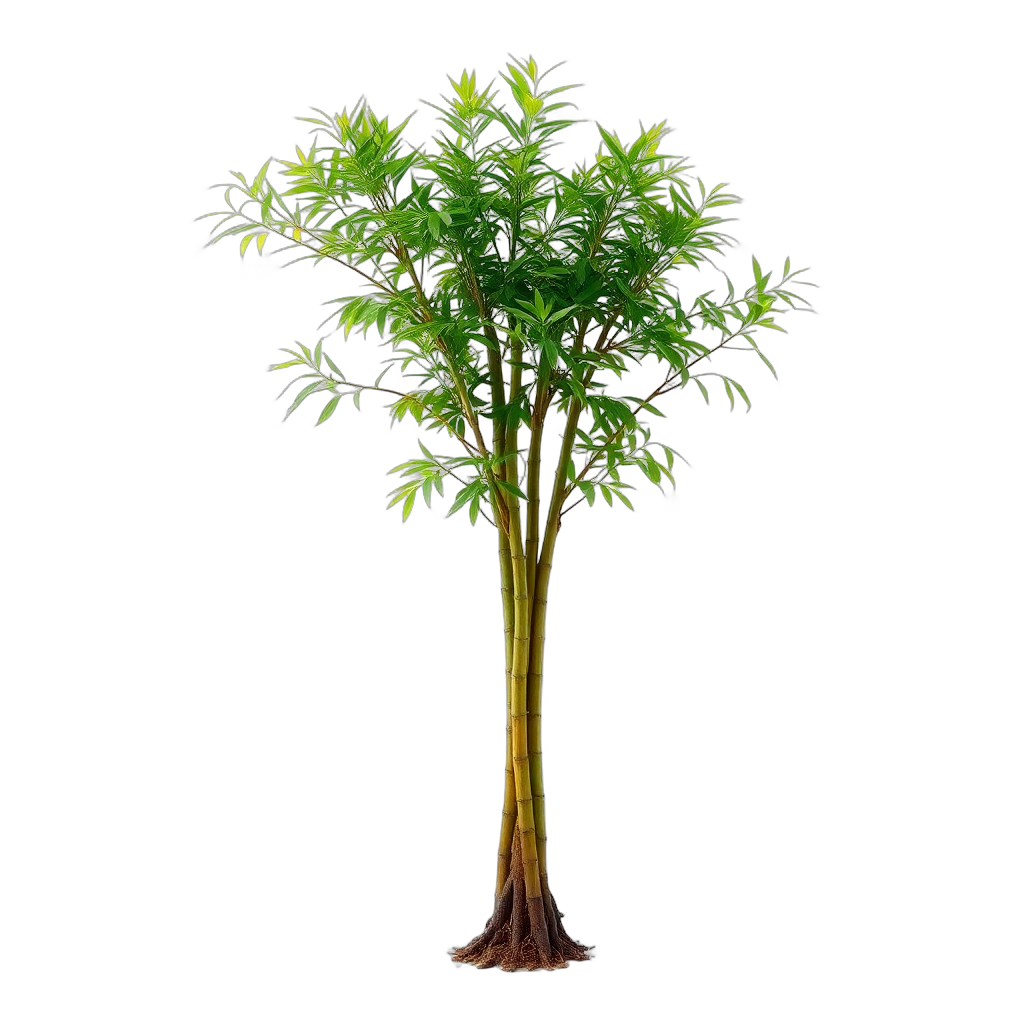
Anceps Bamboo
Yushania anceps
medium-sized at 12 feet, blooms in none. Evergreen year-round.
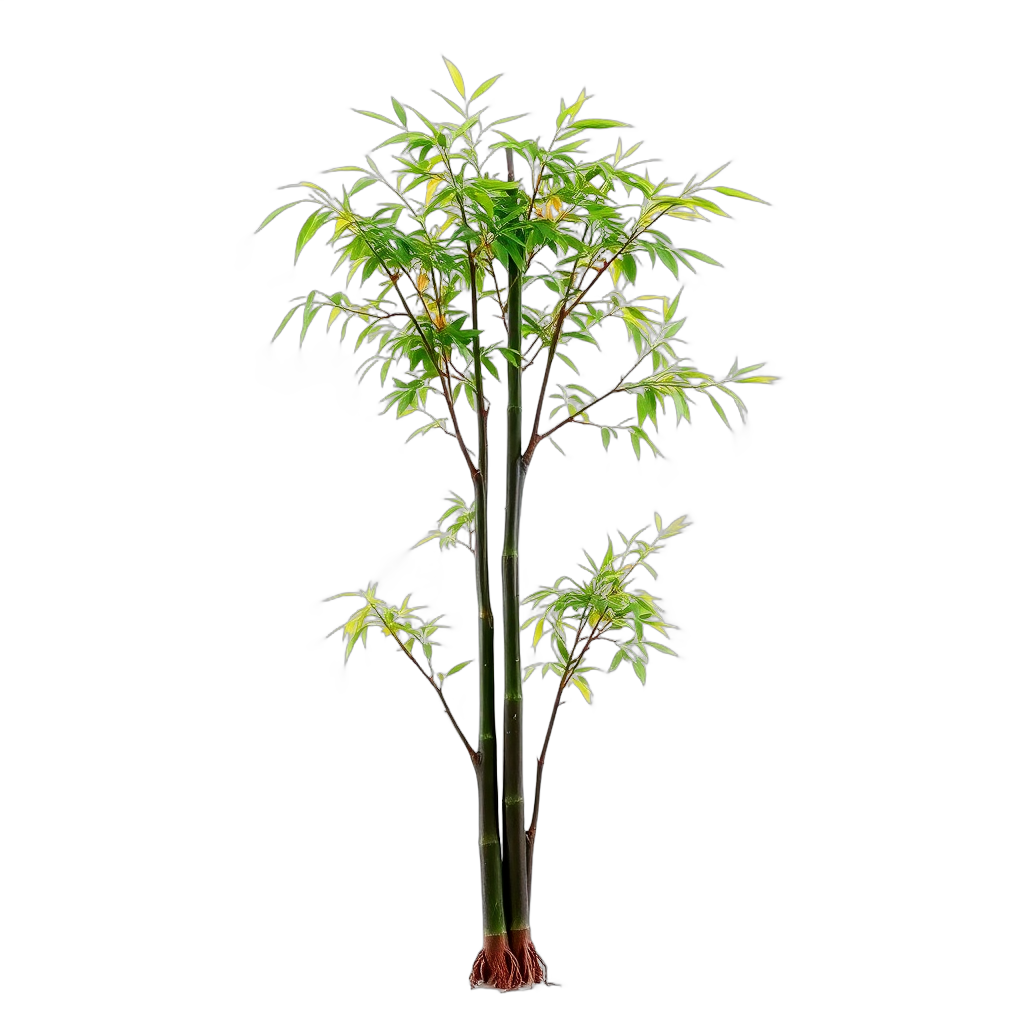
Black Bamboo
Phyllostachys nigra
reaches 25 feet tall, blooms in none. Evergreen year-round.
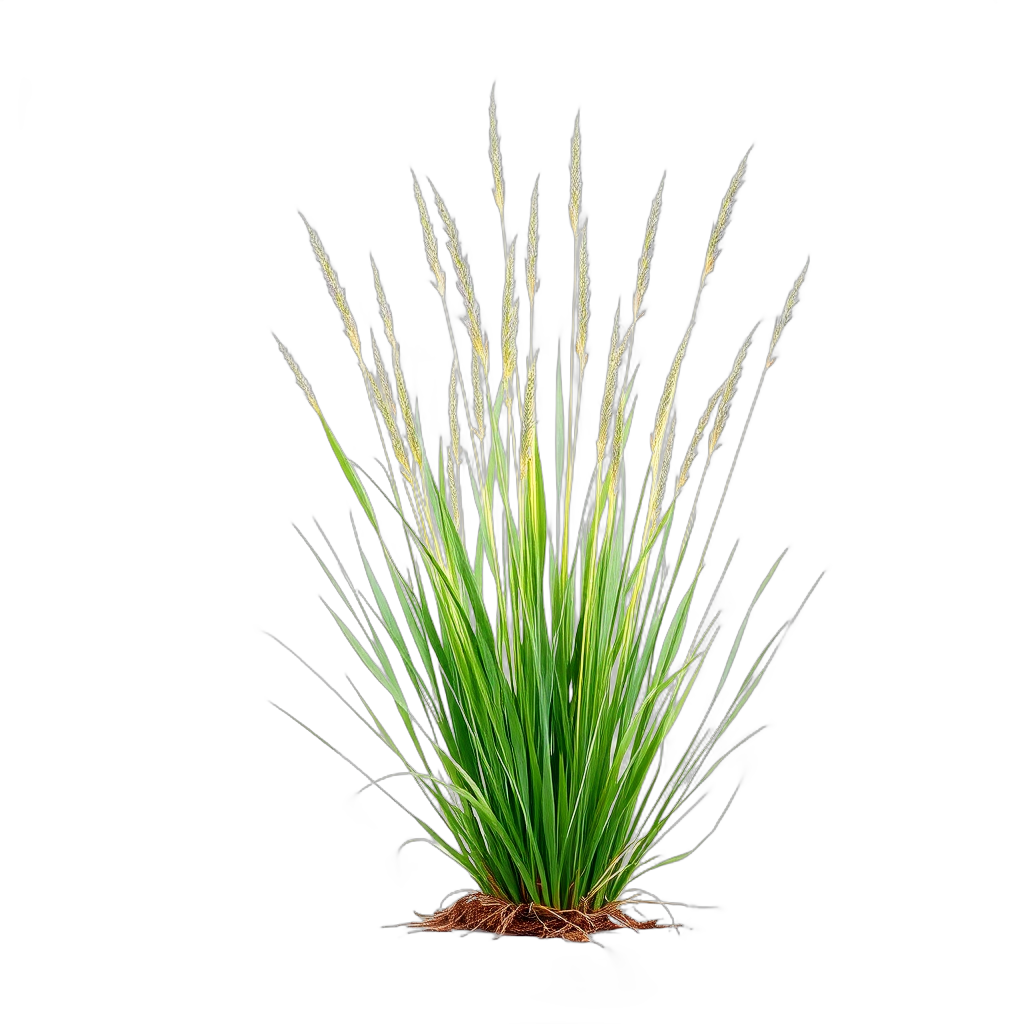
Blue Grama Grass
Bouteloua gracilis
low-growing ground cover, purple blooms in summer. Yellow fall color.
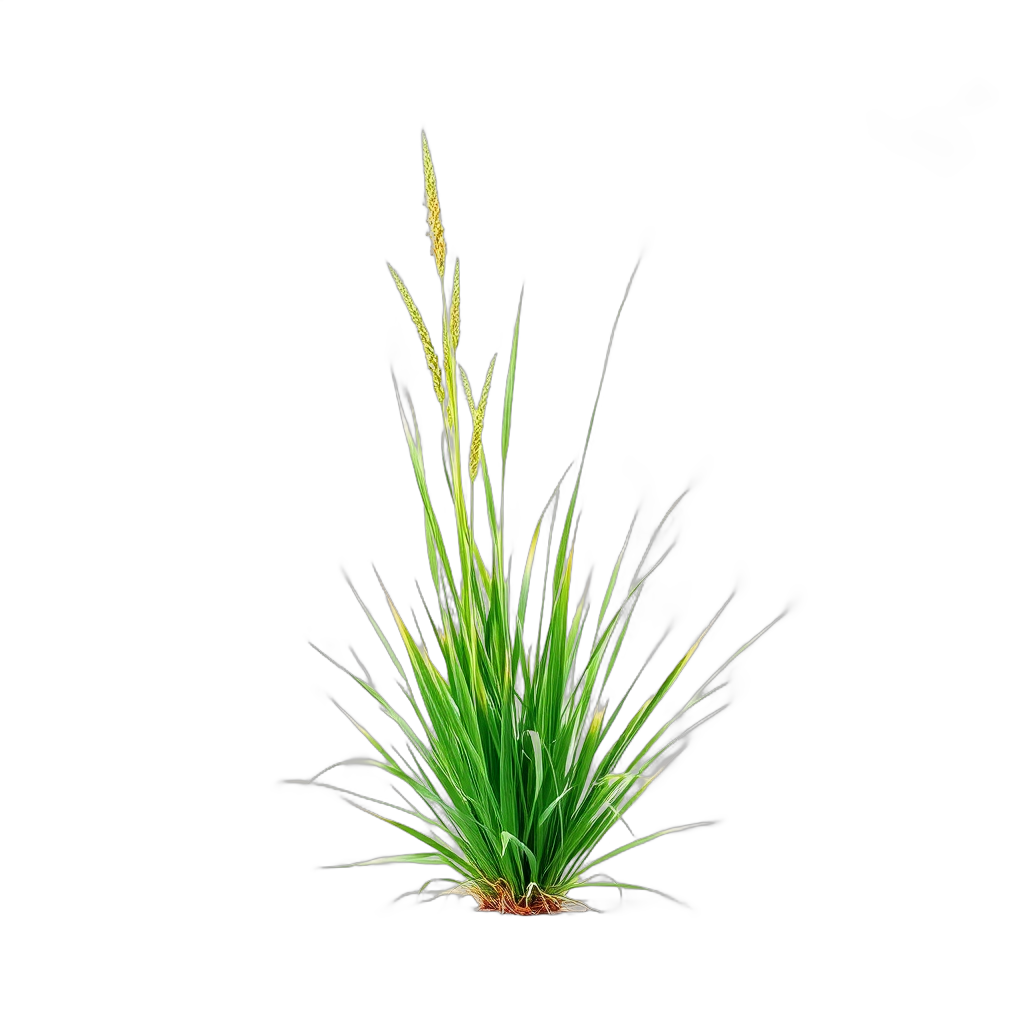
Bull Grass
Muhlenbergia emersleyi
grows to 4 feet, purple blooms in fall. Yellow fall color.
Featured Flowers & Perennials for Tropical/Lush Gardens

Canadian Waterweed
Elodea canadensis
grows to 3 feet, white blooms in spring. Evergreen year-round.

Common Cattail
Typha latifolia
grows to 5 feet, blooms in summer. Pollinator-friendly.

Common Duckweed
Lemna minor
low-growing ground cover, white blooms in summer. Evergreen year-round.

European Frogbit
Hydrocharis morsus-ranae
low-growing ground cover, white blooms in summer. Pollinator-friendly.
Zone and sun checks come from our database — confirm with your local nursery before you buy.
Bloom Calendar for Sunrise
spring
Canadian Waterweed, Sweet Flag, African Daisysummer
Canadian Waterweed, Common Cattail, Common Duckweedfall
Canadian Waterweed, Pickerelweed, African Daisywinter
Limited bloomsDesign Tips for Sunrise (Zone 10b)
- Mound every bed 8–12 inches: Sunrise's flat, poorly drained sand holds June rain (9.55 inches in the wettest month) and standing water rots palm roots faster than any cold night will
- Test the soil before buying acid-lovers: fill and limestone can run alkaline, and Gardenia or Ixora show yellow new growth, while Sabal palmetto, Zamia furfuracea and Clusia guttifera cope without fuss
- Keep canopy palms 15 feet from the roofline and pool screen, and choose self-cleaning Veitchia merrillii or Wodyetia bifurcata over Roystonea regia near an enclosure
- Plan irrigation around the two-day limit: drip lines on a timer set for your odd or even address days, nothing between 10 a.m. and 4 p.m., and a temporary extra schedule for new plantings
- Plant the cold-tender group, Heliconia psittacorum 'Lady Di', Codiaeum variegatum 'Petra' and Ixora 'Maui', on the east or south side of the house, because a 40°F night happens about once a year
- Feed palms with a slow-release palm fertilizer that includes manganese and potassium before the June rains, then again in late summer, instead of using a general lawn fertilizer
- Use Neoregelia 'Fireball' and Aechmea blanchetiana for color in shade: they hold red through the humid months when flowering shrubs are quiet
Where to Source Plants in Sunrise
Skip the big-box stores. These independent Sunrise nurseries specialize in the plants that make tropical/lush gardens thrive in Zone 10b.
Jesse Durko's Nursery & Gardens
Davie (SW 70th Avenue)
Rare tropical and subtropical plants including aroids, heliconias, gingers, bromeliads, palms and bamboos, plus Florida natives; open to the public seven days a week
Perfect Choice Nursery
Southwest Ranches
Wholesale and retail rare and exotic plants, aroids, palms, topiaries and succulents, with installation services
Florida Nursery Mart
Cooper City (Griffin Road)
Retail nursery with palms, shade and flowering trees, hedges, shrubs, Florida natives and St. Augustine 'Palmetto' sod, plus delivery across South Florida
Tropical/Lush Landscaping Cost Ranges
| Project Scope | Estimated Cost |
|---|---|
| Interlocking concrete pavers patio (200 sqft) | $4,300–$5,700 |
| Low-voltage landscape lighting (6 fixtures) | $1,200–$2,000 |
| Tree planting labor, tree not included (2 trees) | $1,200–$1,500 |
| AI visualization (ProScapeAI) | Free to start |
National average installed ranges for 2026 from our landscaping price list (Homewyse and other published sources). Prices in Sunrise, FL vary with site, materials and contractor, so get two or three local quotes.
Sunrise Climate & Growing Zone

USDA Zone 10b
Hardiness zone for Sunrise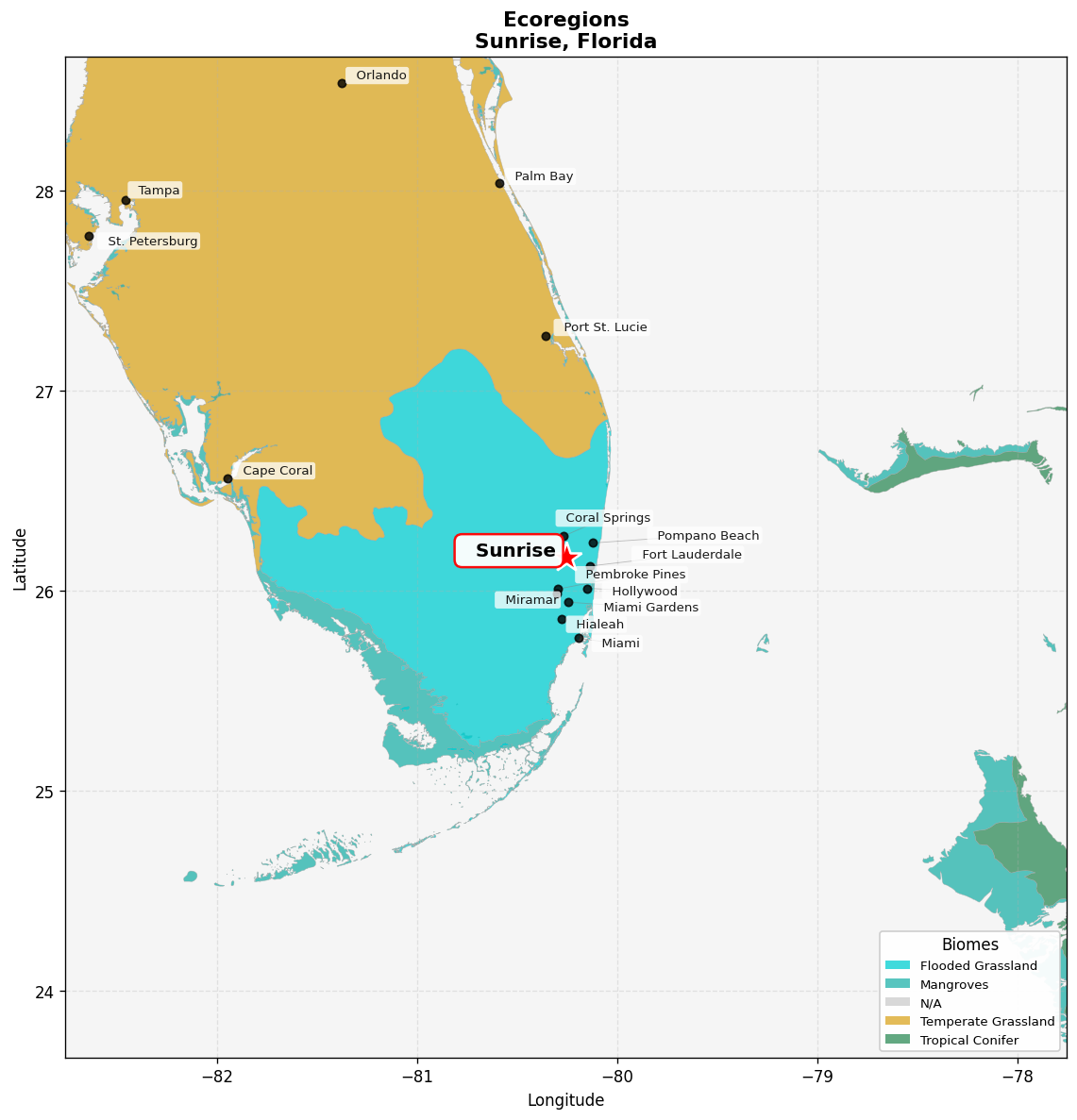
Everglades flooded grasslands
Native ecoregionFrequently Asked Questions
How much does tropical landscaping cost in Sunrise, FL?
Buying in 3-gallon and 7-gallon pots and planting the groundcover yourself cuts the total noticeably. Prices vary with site, size and finishes, so get two or three local quotes.
How much maintenance does a tropical garden need here?
The growing season runs all year, so expect trimming every 6–8 weeks from May to October. Palms need a slow-release palm fertilizer with manganese and potassium two or three times a year, since deficiency shows as frizzled or yellow fronds. Wodyetia bifurcata and Veitchia merrillii shed their own fronds, while Roystonea regia needs a crew. Heliconia psittacorum 'Lady Di' should be cut to the ground after the main bloom, and Musa 'Ice Cream' clumps need old stems removed. Drip irrigation on a timer keeps the two-day watering limit easy to follow.
When is the best time to plant in Sunrise?
Plant palms and large shrubs from May through September, when soil and air are warm and roots grow fastest, and the daily rain does some of the watering. October through December works well for perennials and bromeliads. Avoid planting tender Heliconia and Ixora in January and February, when NOAA's normals show an average low near 61°F and the occasional cold night can set them back. New plantings may be watered more often than the standard two days a week for up to 90 days under the district rule.
What are the watering rules in Sunrise?
The South Florida Water Management District limits landscape irrigation to two days a week year-round, with no watering between 10 a.m. and 4 p.m. Odd-numbered addresses water on Wednesdays and Saturdays, and even-numbered addresses on Thursdays and Sundays. New landscaping gets extra watering for up to 90 days after installation. Cities can adopt stricter rules, so check the City of Sunrise watering page for your address and confirm any HOA irrigation requirements before you set the timer.
Which tropical plants survive a cold night in Sunrise?
NOAA's 1991–2020 normals for the nearby airport count 0.0 days a year at or below 32°F and 0.8 days at or below 40°F, so frost is a rare event. Sabal palmetto, Zamia furfuracea, Philodendron 'Xanadu' and Strelitzia nicolai shrug off a 40°F night. Heliconia psittacorum 'Lady Di', Codiaeum variegatum 'Petra' and Ixora 'Maui' can show leaf burn on a cold clear night, so keep a frost cloth handy and plant them on the sheltered south or east side of the house.
Do I need a permit or HOA approval to plant palms or remove a tree?
Planting palms in your own beds usually needs no permit, but many Sunrise communities, including condo and HOA neighborhoods, set rules on tree height, setbacks and screen-enclosure clearance. Removing a mature tree or changing grade near a property line can trigger city or county review. Contact the City of Sunrise and your HOA before you cut or raise a bed, and keep any canopy palm at least 15 feet from the roofline.
Why do beds flood in Sunrise, and what is the fix?
Broward's soil survey maps large parts of the eastern county as poorly drained fine sand, often over shallow limestone, and Sunrise lots frequently sit on imported fill. June is the wettest month at 9.55 inches in the NOAA normals, so water can stand in flat beds. Mound beds 8–12 inches, slope them away from the house, and choose Sabal palmetto, Zamia furfuracea and Clusia guttifera for the lowest spots. A French drain or a dry swale at the property edge also helps.



