4 Desert Garden Ideas for Surprise, AZ | Sonoran Plants for Zone 9b and 8.7 Inches of Rain
Native plants from the Sonoran desert (Zone 9b) — Hot desert climate
Why Desert/Xeriscape Gardens in Surprise?
Surprise sits on the open Sonoran Desert floor between the Agua Fria River and the White Tank Mountains, and a lot of it was cotton fields and creosote flats not long ago. So a desert garden here goes back to the plants this ground already grows. The hard part is making it look planted and looked after. A good Surprise desert garden has a canopy (a foothills palo verde, an ironwood or a velvet mesquite), a middle layer of flowering shrubs, a few strong cactus and agave accents, and enough bare granite between them for the shapes to read.
Rain is scarce and comes in two seasons. The Youngtown co-op weather station on the city's eastern edge averages about 8.7 inches of annual rain, roughly an inch a month from December to March, almost nothing in May and June, and then the July to September monsoon. July highs average about 106°F. Winter is the part people forget: nights average near 40°F in December and January, and the station has recorded lows of 20–21°F. By Valley standards, Surprise is cold. Ironwood (Olneya tesota), Bougainvillea, Lantana and organ pipe cactus (Stenocereus thurberi) can take frost damage on those nights. Lean on the plants that do not care: Carnegiea gigantea, Fouquieria splendens, Parkinsonia microphylla, Ferocactus wislizeni, Larrea tridentata, Leucophyllum frutescens 'Green Cloud' and Hesperaloe parviflora 'Brakelights'. Plant ironwood where it gets reflected warmth from a south wall rather than in a low corner where cold air pools.
The soil is alkaline (pH 7.5–8.5), lean and often sitting on caliche, a cemented layer that can be inches or feet down. Desert plants love lean soil, so do not amend it with compost; just make sure water drains. Frost depth is not a factor here because the ground does not freeze, but caliche is, and a saguaro or barrel cactus in a hole that holds water will rot. Test every planting hole, break through the hardpan where you find it, and plant cactus slightly high.
A desert garden also cuts the water bill. The City of Surprise points homeowners to the AMWUA water-saving plant guide and publishes landscape watering guidelines, and it has offered turf-removal and smart-controller rebates in past years, usually with pre-approval required. Many protected Sonoran natives, including saguaro and ocotillo, need Arizona Department of Agriculture tags when they are sold or moved, so buy tagged plants from a licensed nursery and keep the paperwork for your HOA.
4 Desert/Xeriscape Design Ideas for Surprise

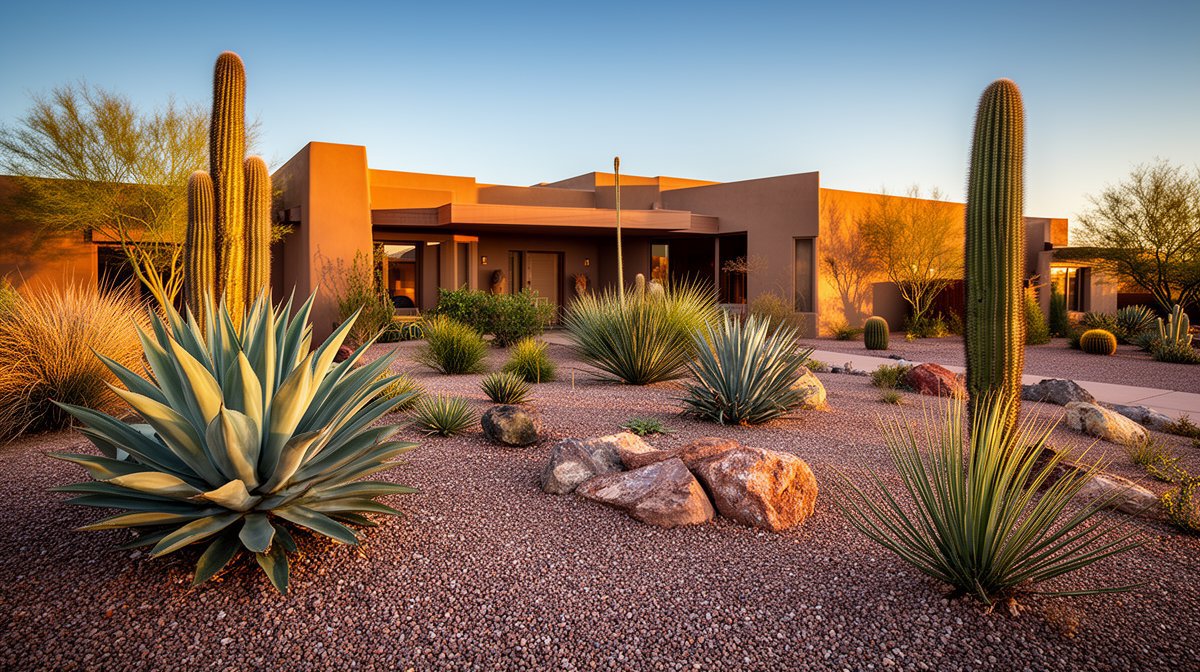
AI-generated image
The Foothills Palo Verde Front Yard
$6–12/sqftA tile-roof stucco ranch house typical of Sun City Grand, the lawn replaced by tan crushed granite and two foothills palo verdes placed off the front corners so their light shade falls on the house in the afternoon. Beneath them, drifts of 'Green Cloud' Texas sage, brittlebush and desert marigold fill in, and three golden barrel cactus sit in a loose triangle by the walk. The design leans on yellow: palo verde blooms in April, brittlebush in March, desert marigold most of the year.

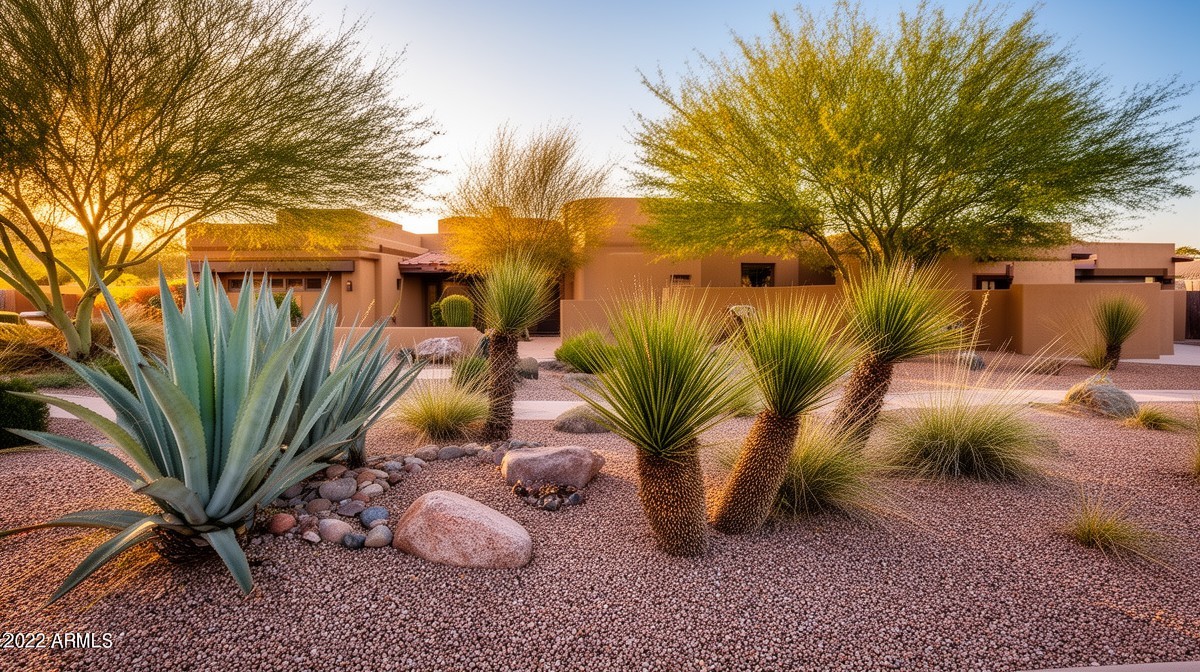
AI-generated image
The Saguaro and Ocotillo Wash
$10–20/sqftA shallow dry wash lined with river cobble curves across the front of a two-story Surprise Farms or Marley Park home, collecting roof runoff from the downspouts. A tagged nursery saguaro and two ocotillos stand on the high side of the wash where they stay dry, while desert milkweed, chuparosa and Parry's penstemon grow along the low edges that get the extra water. In a monsoon storm the wash actually runs, then dries out within the day.

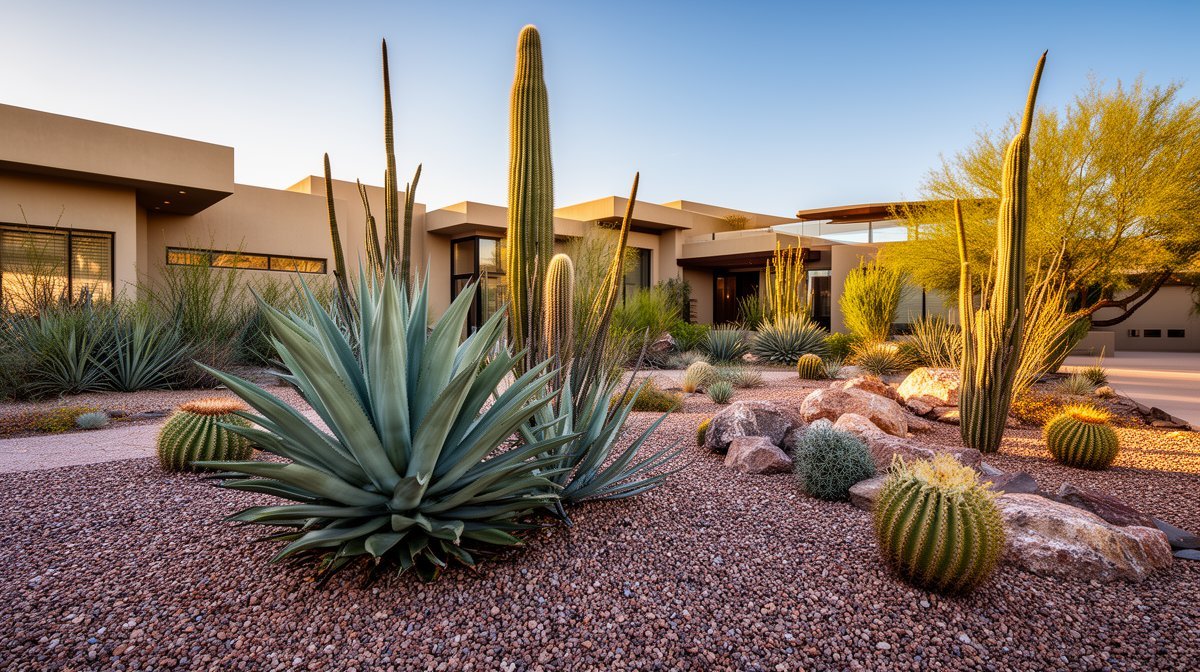
AI-generated image
The Hummingbird Courtyard
$14–28/sqftA walled backyard behind a tile-roof home, with a flagstone patio under the shade of a velvet mesquite and a border along the wall planted for hummingbirds and butterflies through all 12 months. Red Hesperaloe 'Brakelights' and 'Furman's Red' autumn sage carry spring and summer, fairy duster flowers in winter, and globe mallow puts up apricot blooms in March. A shallow stone bird bath at the edge of the patio is the focal point.

AI-generated image
The Creosote and Boulder Edge
$8–16/sqftA larger lot at the city's west edge near the White Tank Mountains, where the back wall opens onto native desert. The planting repeats what grows past the wall: creosote bush, triangle-leaf bursage, fishhook barrel cactus and a hedgehog cactus cluster set among large tan boulders, so the garden blurs into the view. Near the house a single ironwood stands against a south-facing wall for warmth, with a gravel seating area and a fire bowl beside it.
See how a desert/xeriscape garden looks on YOUR property
Upload a photo of your Surprise yard and visualize your dream garden in seconds.
Try ProScapeAI Free

AI-generated image
Featured Trees & Shrubs for Desert/Xeriscape Gardens
Browse all 186 plants for Surprise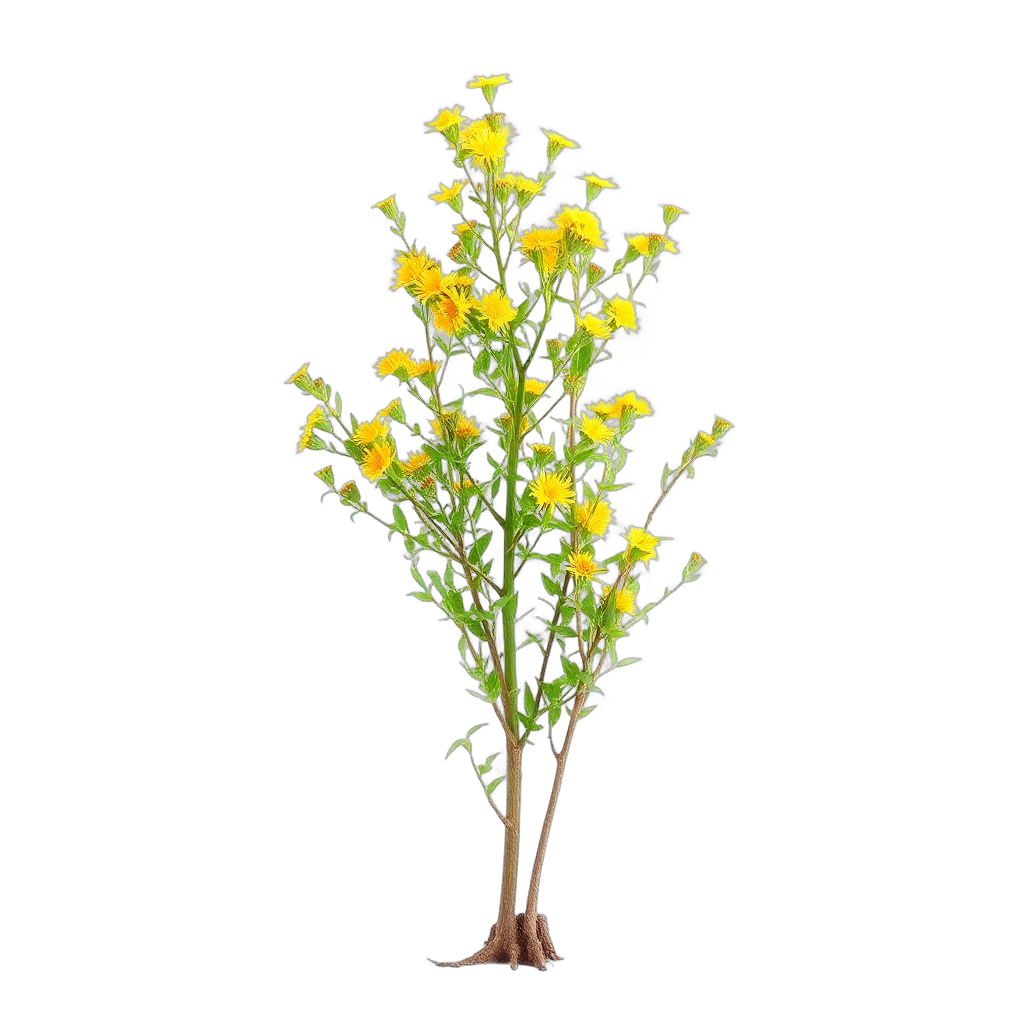
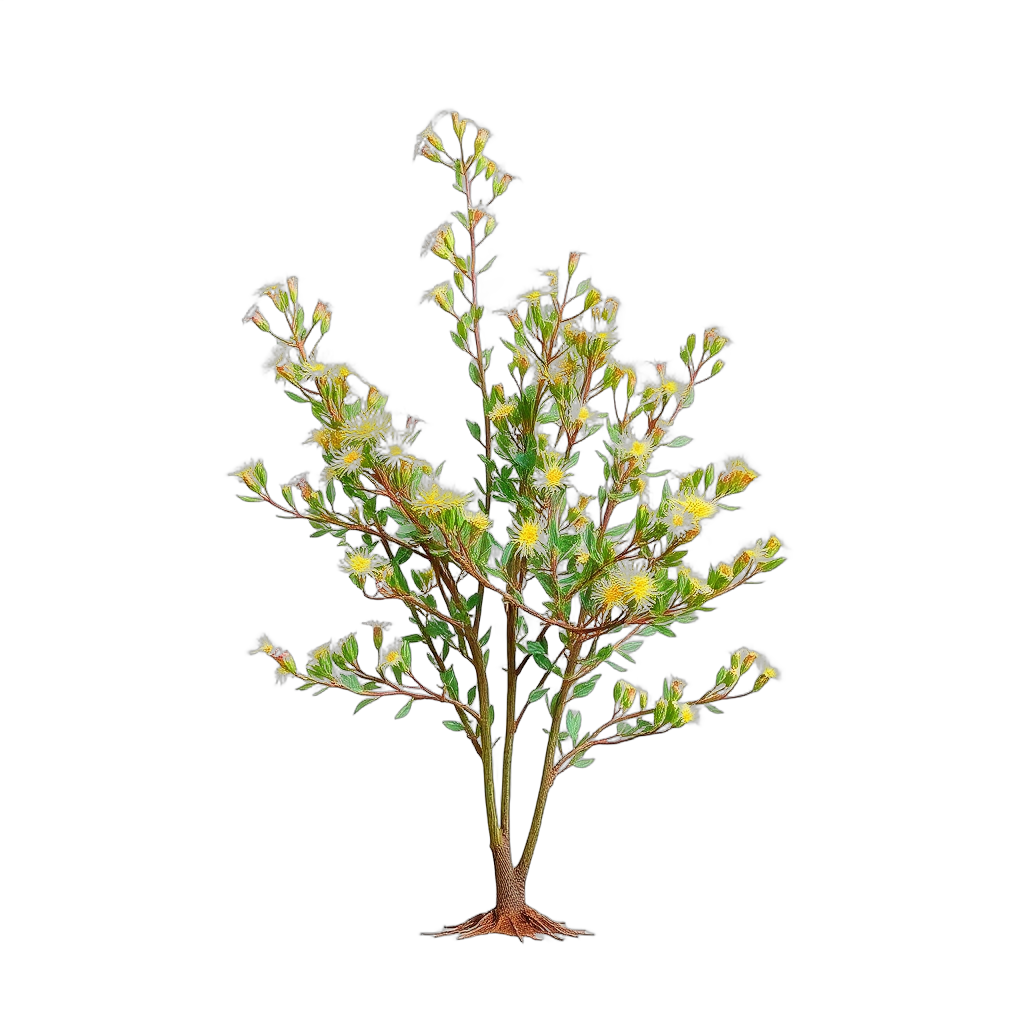
Brittlebush
Encelia farinosa
grows to 3 feet, yellow blooms in spring. Attracts butterflies.
Catclaw Acacia
Acacia greggii
medium-sized at 15 feet, yellow blooms in spring. Pollinator-friendly.
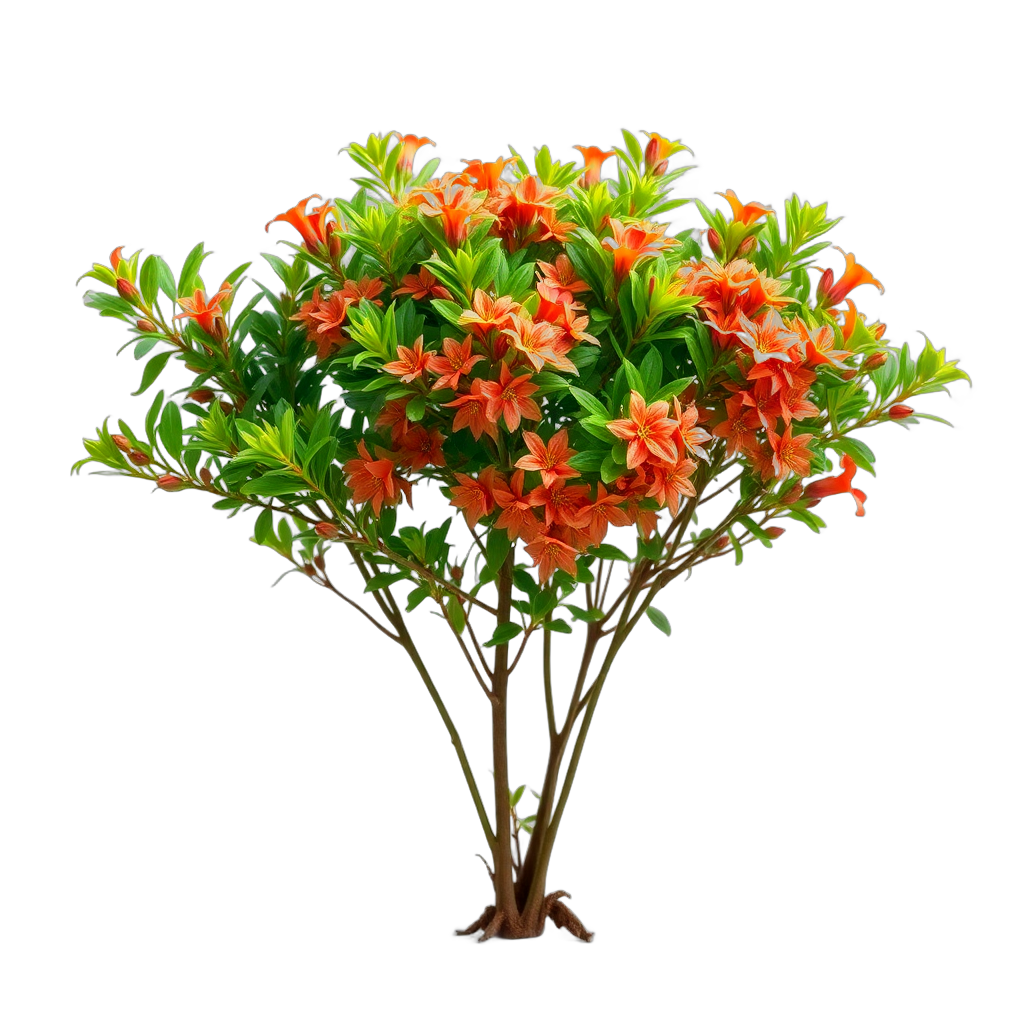
Chuparosa
Justicia californica
grows to 5 feet, red blooms in spring. Attracts hummingbirds.
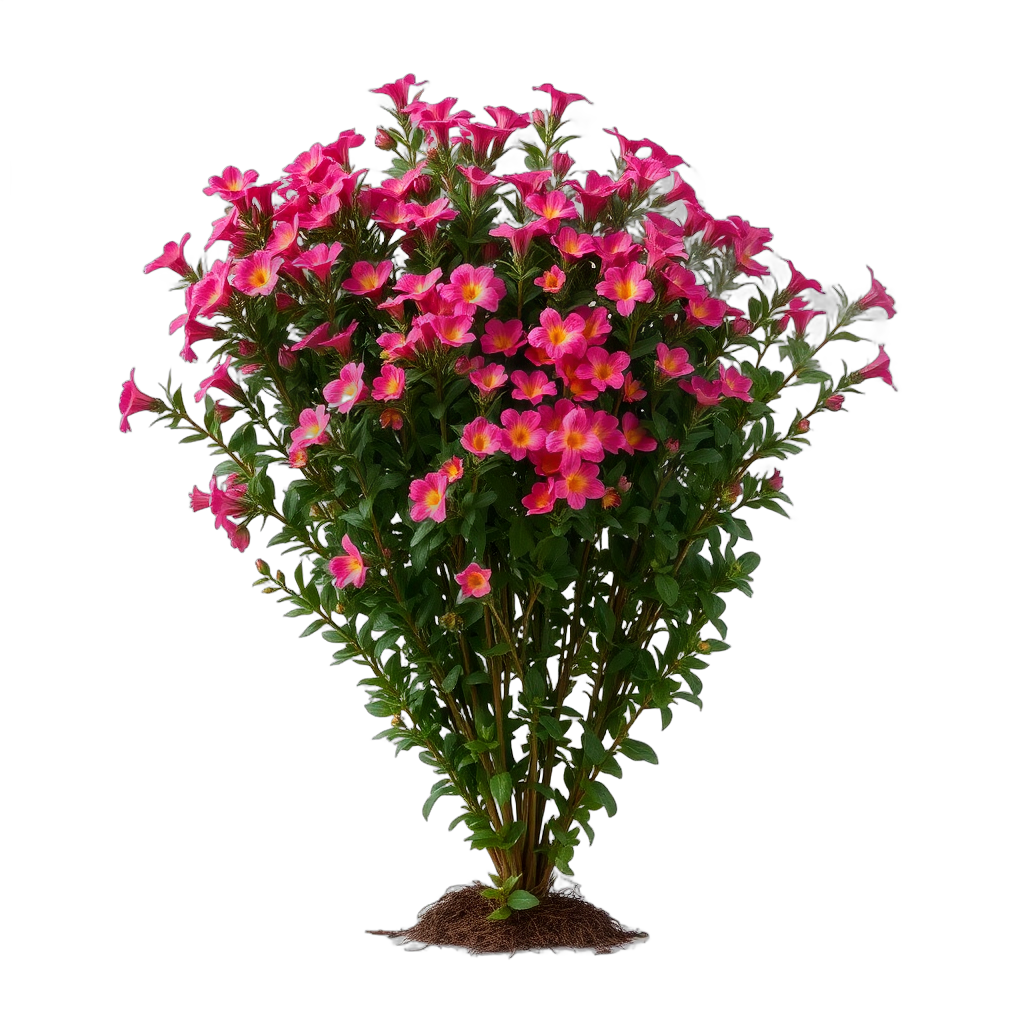
Cliffrose
Purshia mexicana
medium-sized at 8 feet, yellow blooms in spring. Attracts butterflies.
Featured Grasses & Groundcovers for Desert/Xeriscape Gardens
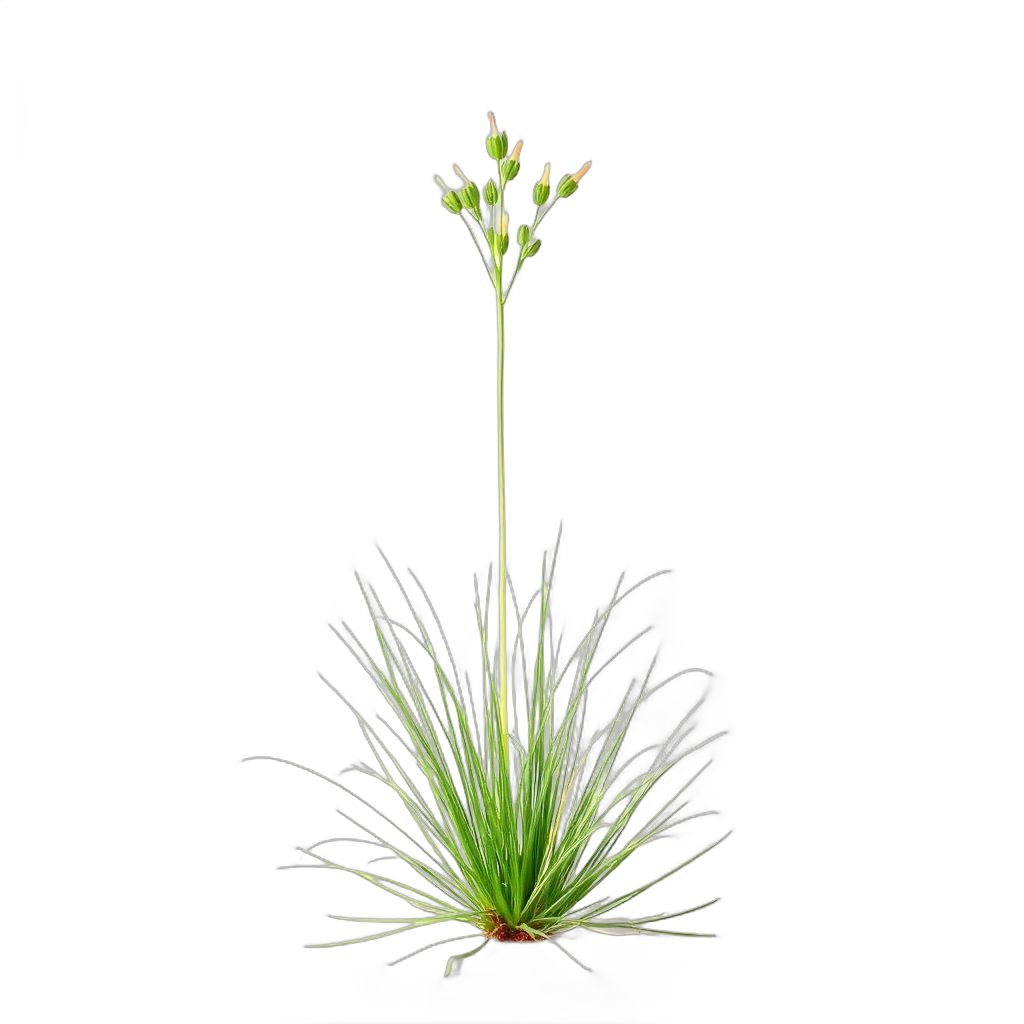
Alkali Sacaton
Sporobolus airoides
grows to 3 feet, blooms in summer. Yellow fall color.
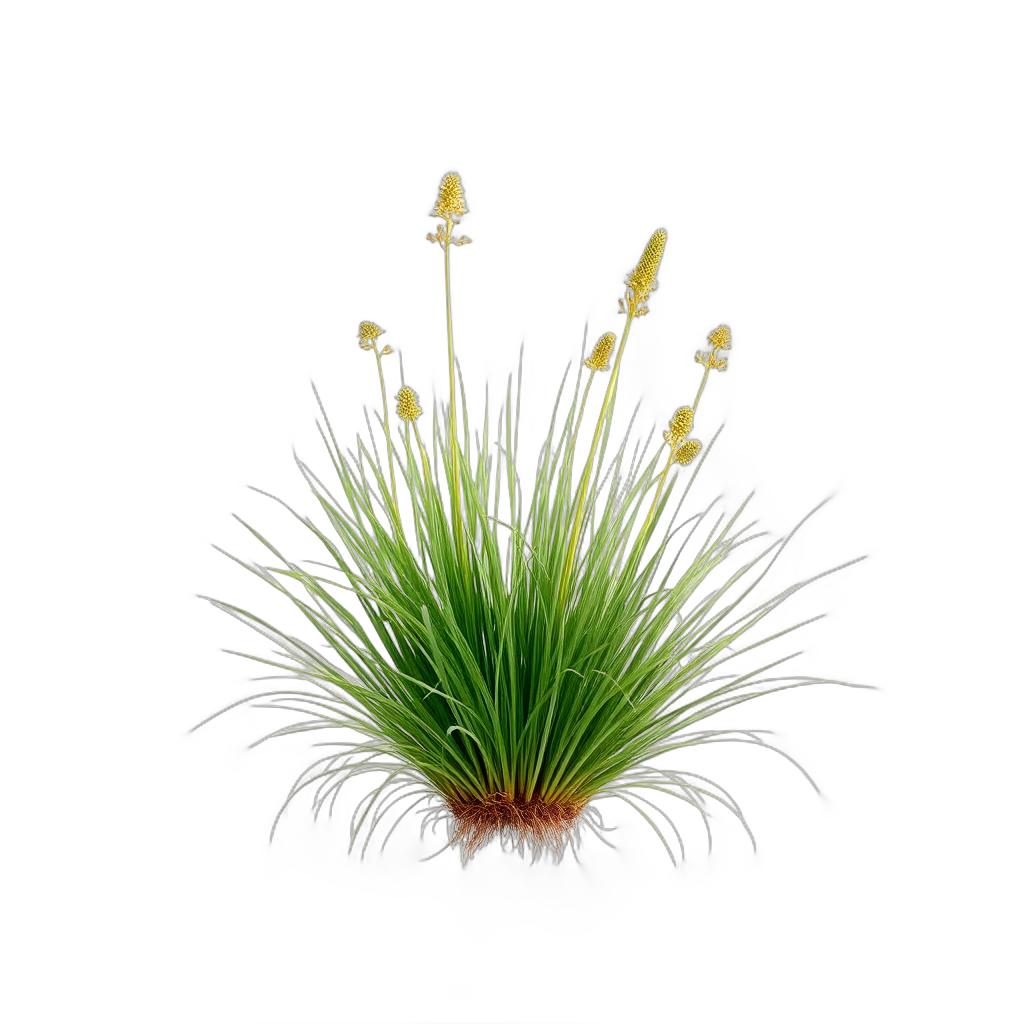
Big Sacaton
Sporobolus wrightii
grows to 5 feet, blooms in summer. Yellow fall color.
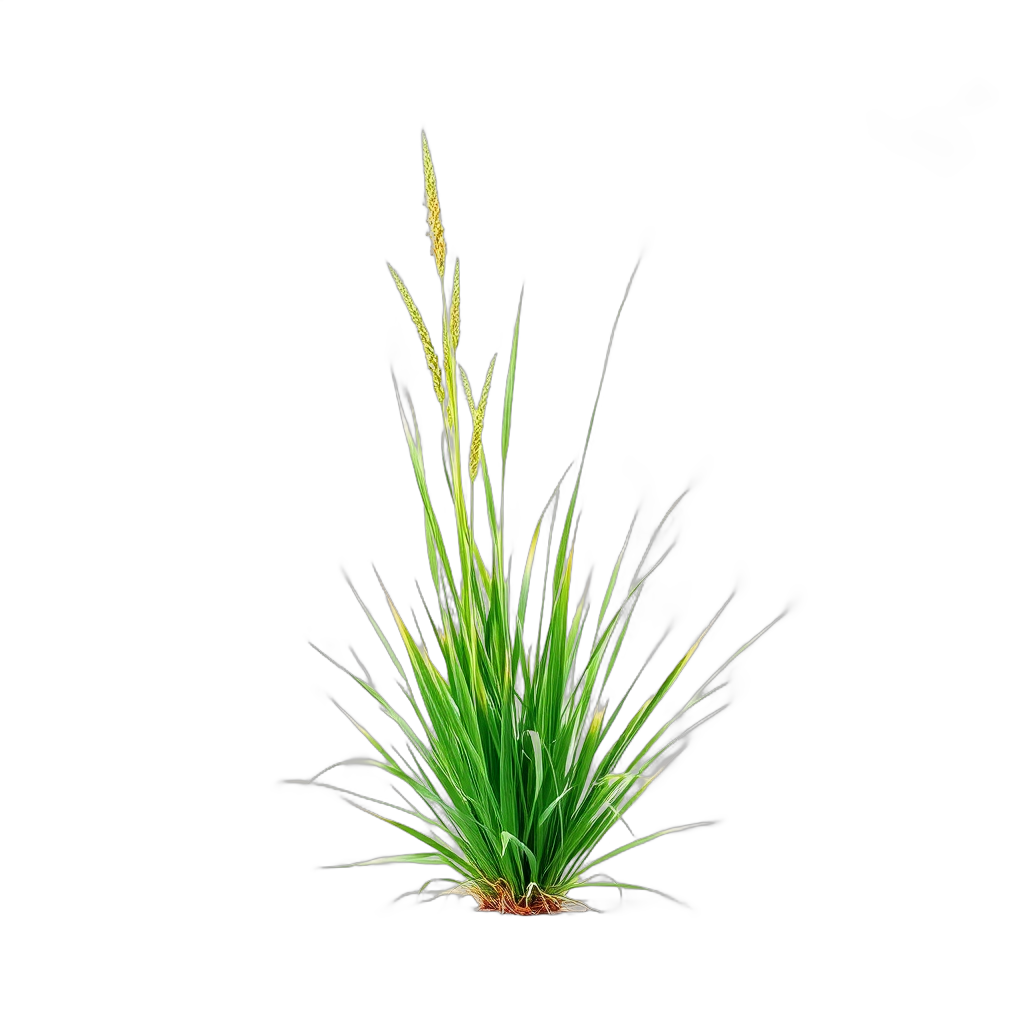
Bull Grass
Muhlenbergia emersleyi
grows to 4 feet, purple blooms in fall. Yellow fall color.
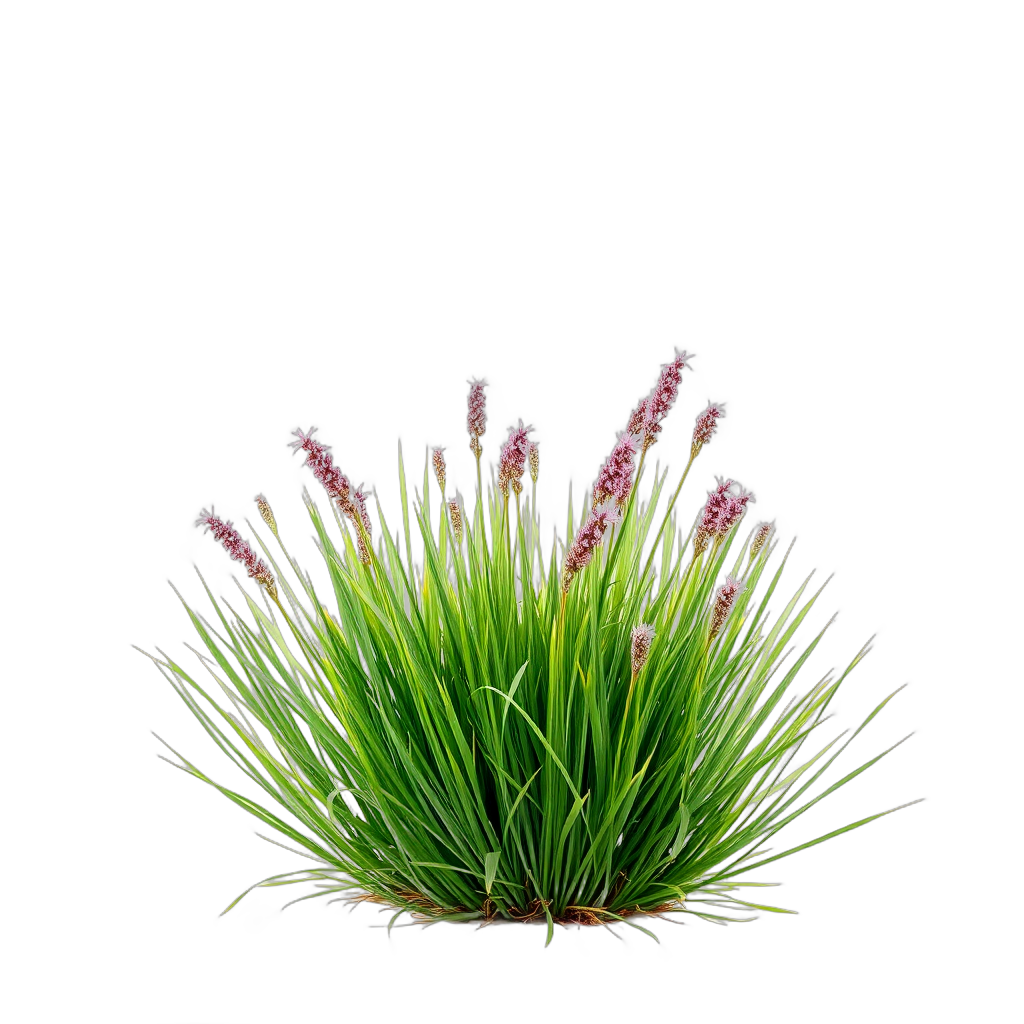
Purple Three-Awn
Aristida purpurea
low-growing ground cover, purple blooms in fall. Yellow fall color.
Featured Flowers & Perennials for Desert/Xeriscape Gardens
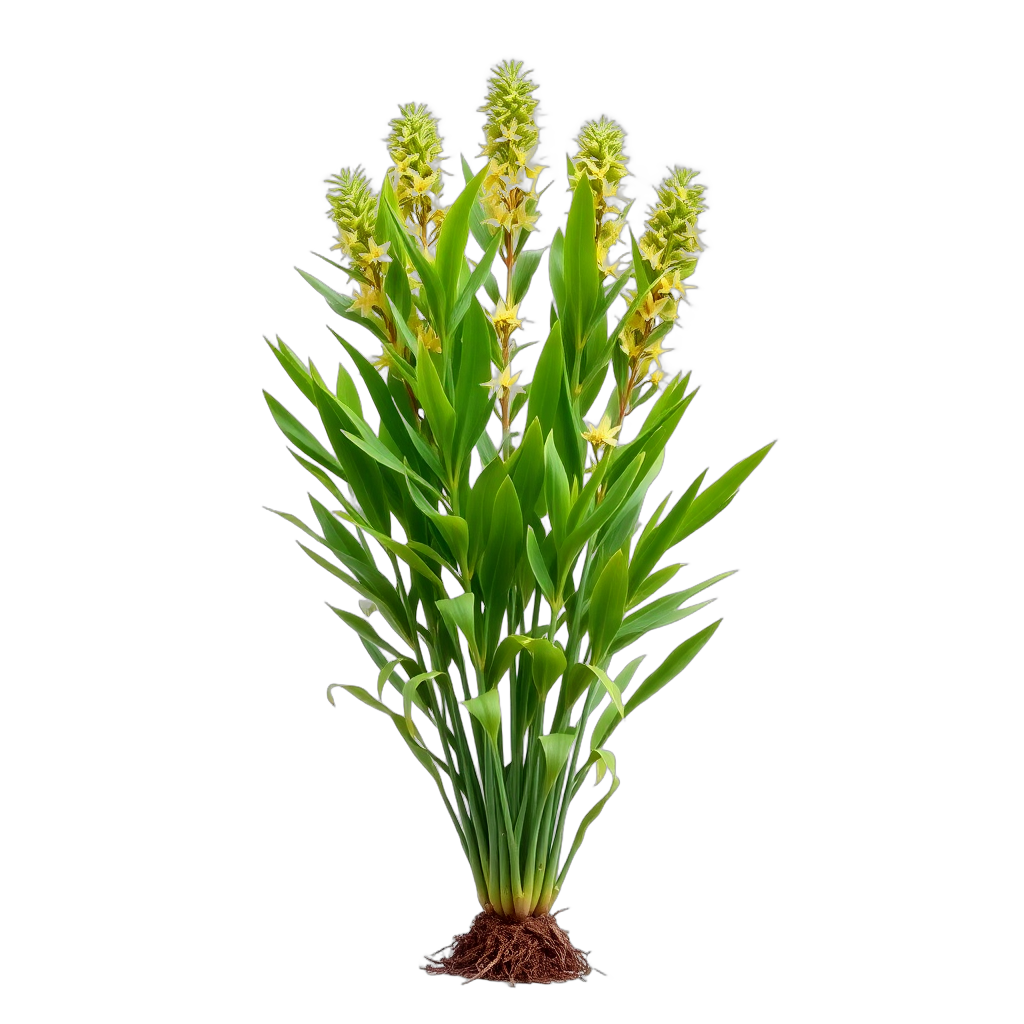
Banana Yucca
Yucca baccata
low-growing ground cover, white blooms in spring. Attracts hummingbirds.
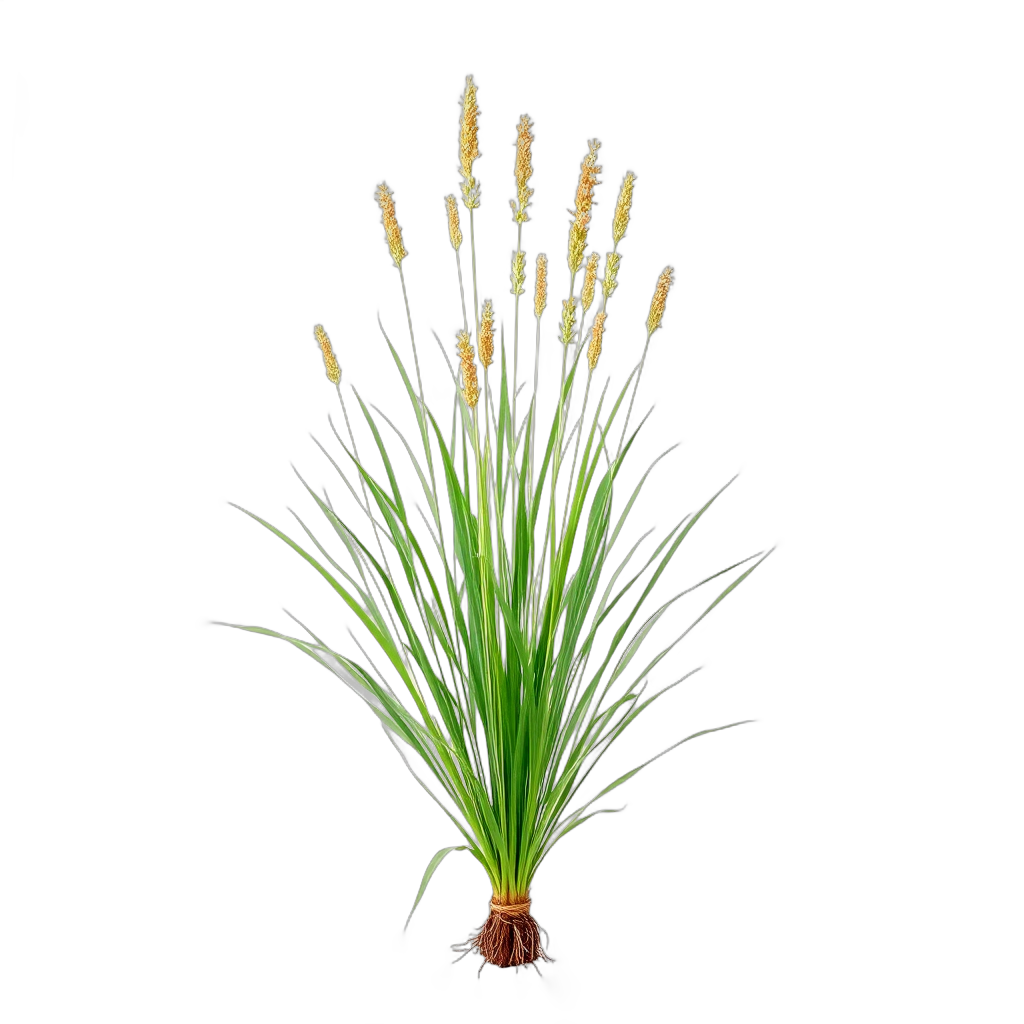
Beargrass
Nolina microcarpa
low-growing ground cover, white blooms in summer. Evergreen year-round.
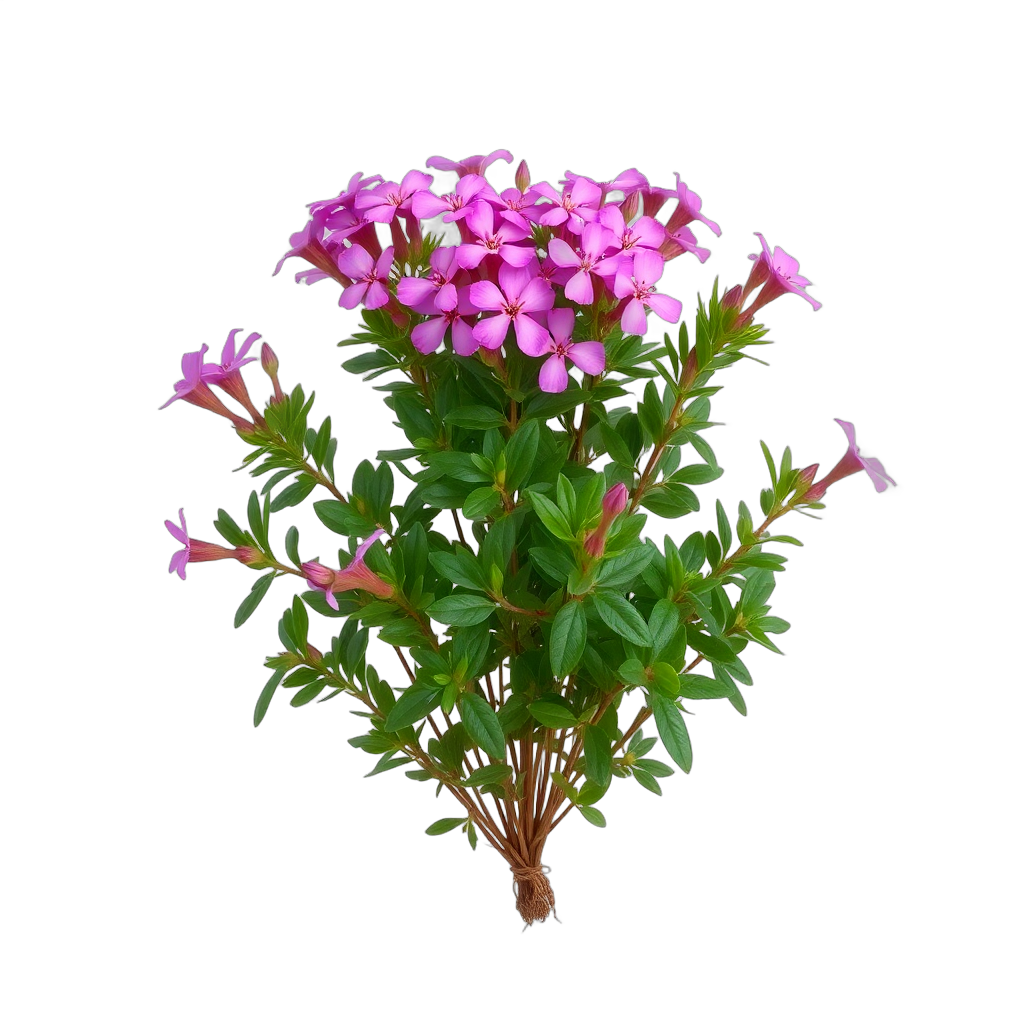
Desert Phlox
Phlox austromontana
low-growing ground cover, pink blooms in spring. Attracts hummingbirds.
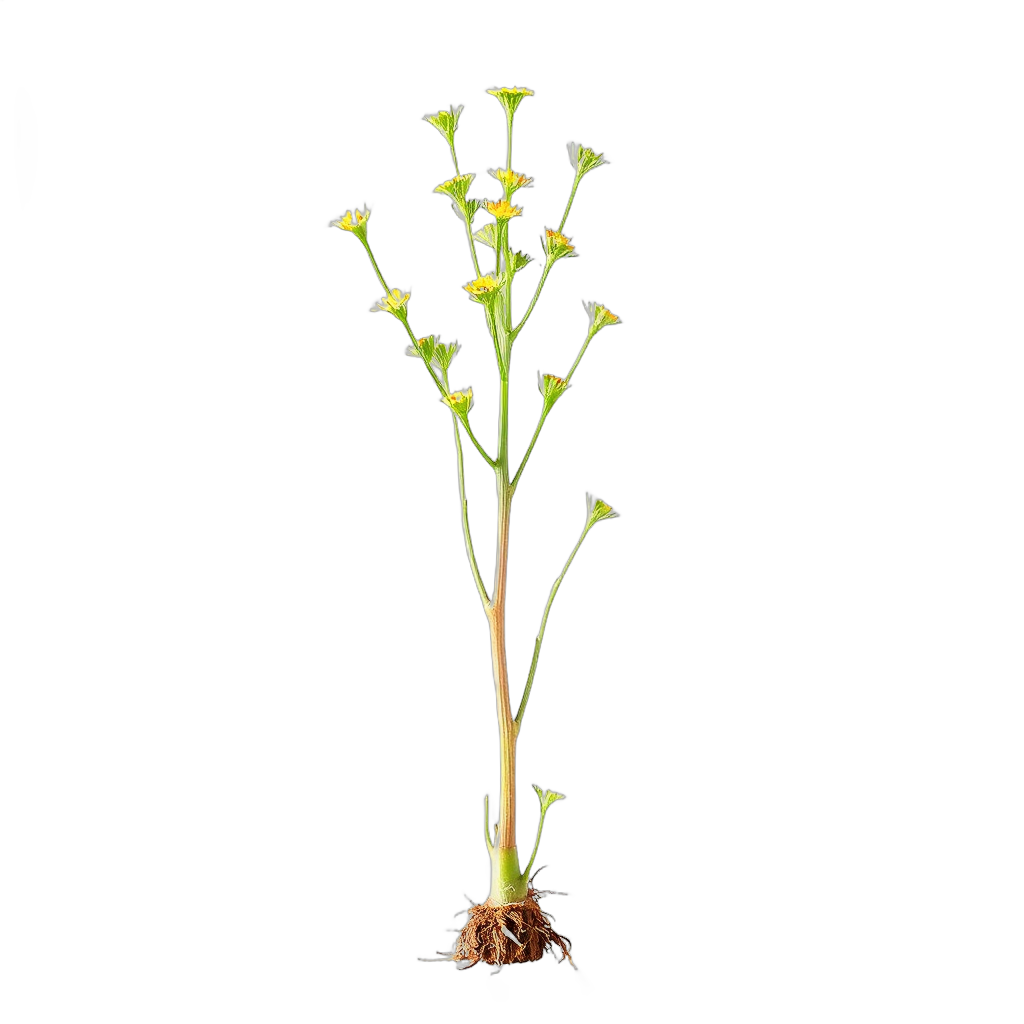
Desert Spoon
Dasylirion wheeleri
grows to 4 feet, white blooms in summer. Evergreen year-round.
Zone and sun checks come from our database — confirm with your local nursery before you buy.
Bloom Calendar for Surprise
spring
Banana Yucca, Desert Phlox, Brittlebushsummer
Beargrass, Desert Spoon, Alkali Sacatonfall
Bull Grass, Purple Three-Awnwinter
Limited bloomsDesign Tips for Surprise (Zone 9b)
- Test every planting hole for caliche: fill it with water and come back the next day. If water is still standing, break the hardpan with a digging bar or plant on a low mound
- Do not add compost to cactus and desert shrub beds. Surprise soil is alkaline (pH 7.5–8.5) and lean, which is exactly what Carnegiea gigantea and Larrea tridentata want
- Put frost-sensitive plants like ironwood and Justicia californica near a south or west wall, where they get reflected heat on the 20°F nights, never in a low corner
- Use roof water. Run downspouts into a cobble wash or a basin around a palo verde; a single winter storm can fill it
- Pick granite color to match the native soil around you (tans and golds), so the garden blends into the desert and passes HOA review
- Put pre-emergent on the granite in late January and again before the monsoon, and pull weeds while the ground is still soft after rain
- Give each plant room for its adult size. A Leucophyllum 'Green Cloud' gets 6 feet wide, so plant it 6 feet from the walk and never shear it into a ball
Where to Source Plants in Surprise
Skip the big-box stores. These independent Surprise nurseries specialize in the plants that make desert/xeriscape gardens thrive in Zone 9b.
Desert Forrest Nursery
Waddell (just south of Surprise)
Large wholesale grower of desert-adapted trees and shrubs, from 1-gallon plants to 72-inch box specimen trees, and open to the public
SummerWinds Nursery Glendale
Glendale (Bell Road)
Full-service garden centre with cacti and succulents, low-water and pollinator plants, shade trees and a large pottery selection
Elgin Nursery & Tree Farm
West Phoenix (McDowell Road)
Retail and wholesale nursery growing its own trees and shrubs on its farm, serving the Phoenix metro since 1986
Desert/Xeriscape Landscaping Costs in Surprise
| Project Scope | Estimated Cost |
|---|---|
| DIY grass-to-desert conversion (materials only) | $3 – $6/sqft |
| Contractor desert front yard (600–1,000 sqft) | $5,000 – $14,000 |
| Dry wash with river cobble and downspout catch basins | $2,000 – $6,000 |
| Flagstone patio, dry-laid (200–350 sqft) | $4,000 – $10,000 |
| Specimen trees and cactus, placed (palo verde, saguaro, barrels) | $1,500 – $6,000 |
| Full desert backyard with patio, fire bowl and planting | $18,000 – $45,000 |
| AI visualization (ProScapeAI) | Free to start |
Estimates based on Surprise, AZ-area contractor rates as of 2026. Actual costs vary by site conditions, materials, and contractor.
Surprise Climate & Growing Zone
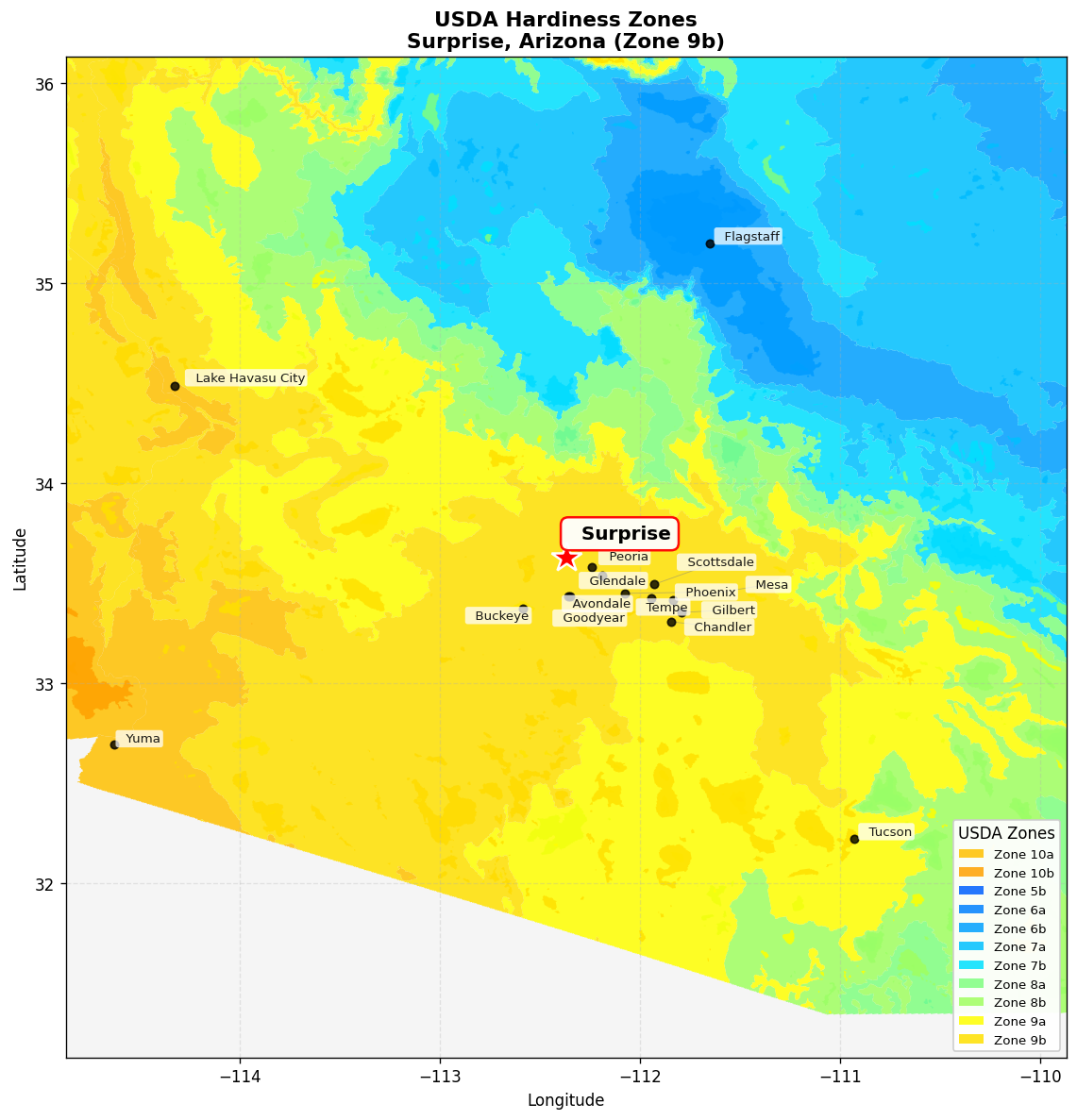
USDA Zone 9b
Hardiness zone for Surprise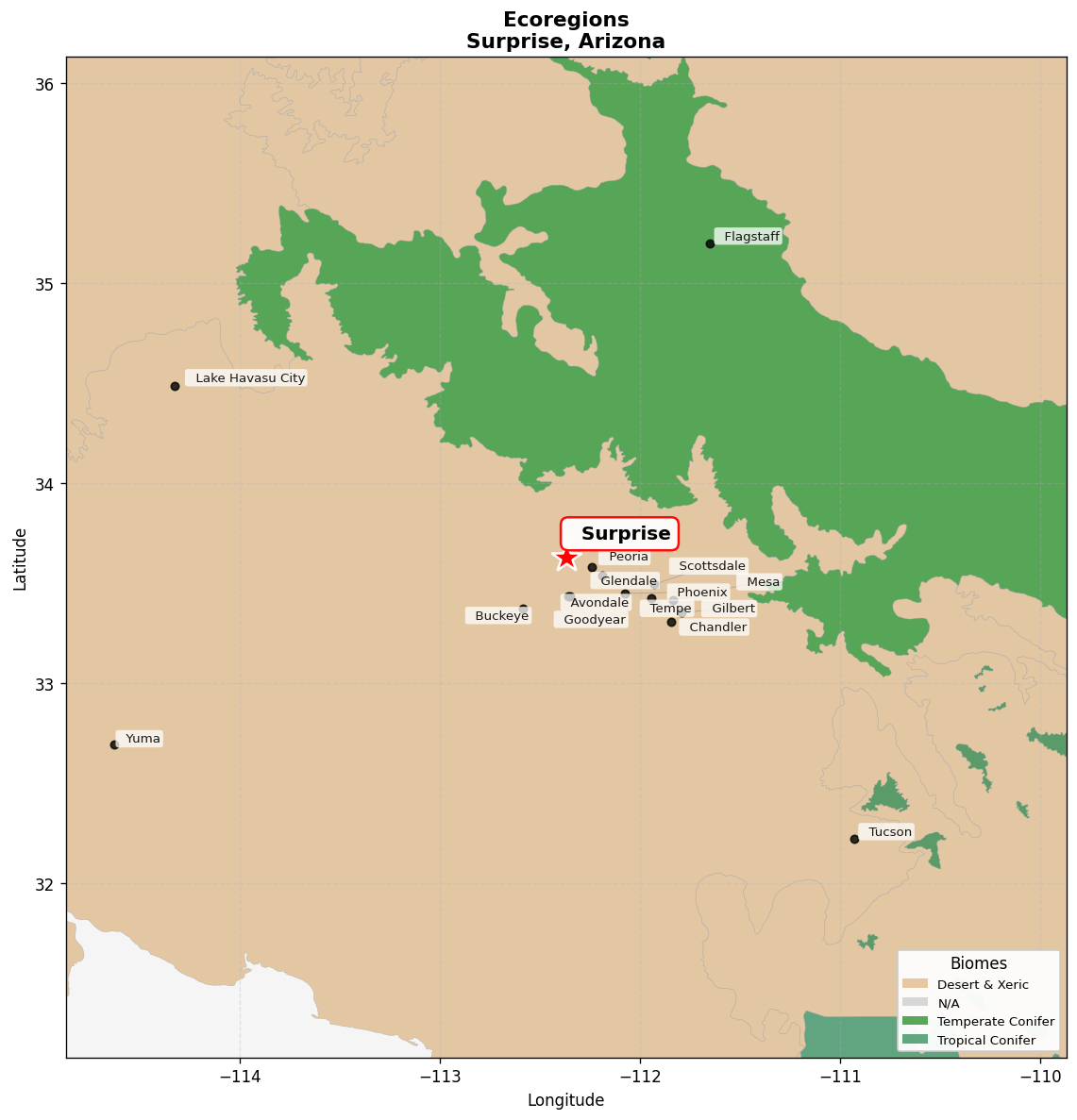
Sonoran desert
Native ecoregionFrequently Asked Questions
How much does a desert garden cost in Surprise, AZ?
West Valley crews generally charge around $45–65 per hour, and most price by the job. A contractor-installed desert front yard of 600–1,000 sqft with grass removal, crushed granite, drip, boulders and plants usually runs about $5,000–14,000. Doing it yourself costs roughly $3–6/sqft in materials. Specimen plants drive the budget: a 5-gallon Hesperaloe parviflora 'Brakelights' or Leucophyllum 'Green Cloud' is inexpensive, but a 24-inch box Parkinsonia microphylla or a tagged nursery Carnegiea gigantea placed with equipment can cost hundreds to a few thousand dollars.
What desert plants survive Surprise's cold winter nights?
The Youngtown station next to Surprise has recorded lows of 20–21°F, which is colder than most people expect. Saguaro, ocotillo, foothills palo verde, creosote, fishhook barrel, Texas sage and Hesperaloe 'Brakelights' take that without damage. Ironwood (Olneya tesota) can lose leaves or twig tips in a hard freeze, so plant it near a south wall. Bougainvillea, Lantana and organ pipe cactus (Stenocereus thurberi) often get frost burn in Surprise. Use them only in warm spots, or swap them for Calliandra eriophylla and Justicia californica, which handle the cold better.
When should I plant a desert garden in Surprise?
Plant trees and shrubs from October through March so roots grow over the cool months. Plant cactus, including saguaro and golden barrel, in spring from April to early June, when warm soil lets roots heal. Skip July and August entirely: highs average near 106°F and new plants need daily water. Wildflower seed such as Baileya multiradiata and Penstemon parryi goes down in October and November, ahead of the December to March rains.
How often should I water a desert garden in Surprise?
Water deeply and rarely. Established desert trees like Parkinsonia microphylla want water soaking 2–3 feet deep, about every 2–4 weeks in summer and much less in winter. Shrubs like Leucophyllum 'Green Cloud' want about 2 feet deep, roughly weekly to every two weeks in summer. Established saguaro and barrel cactus need little or no irrigation. New plants need more for their first year or two. The City of Surprise publishes landscape watering guidelines, and a WaterSense controller makes the seasonal changes for you.
Do I need a permit or tag for a saguaro in Surprise?
Under the Arizona Native Plant Law, many protected natives, including saguaro and ocotillo, must carry an Arizona Department of Agriculture tag when they are sold or moved from land. Buy from a licensed nursery, make sure the plant is tagged and keep the receipt. Moving protected plants off a property, even your own, can require notifying the department first. Your HOA may also have rules on cactus near sidewalks, so check with the architectural committee before you plant.
Are there rebates for replacing grass with desert landscaping in Surprise?
The City of Surprise has offered water conservation rebates in past years, including turf removal and WaterSense irrigation controller rebates, usually with pre-approval needed from the city's Water Conservation Office before work begins. Programs, eligibility and amounts change from year to year and funding runs out, so check the city's current programs before removing a lawn. The AMWUA water-saving plant guide that the city recommends is a good source for choosing approved low-water plants.
How do I stop rabbits from eating my new desert plants?
Cottontails and jackrabbits are common in Surprise, especially on lots near open desert, and they eat new Penstemon, Justicia, globe mallow and young Hesperaloe down to the ground. Put an 18-inch cage of chicken wire or hardware cloth around new plants for the first year. Once plants are big, rabbits mostly leave them alone. Creosote, Ferocactus wislizeni and Fouquieria splendens are rarely touched.