4 Desert Garden Ideas for Temecula, CA | Zone 9b Water-Wise Designs
Native plants from the California coastal sage and chaparral (Zone 9b) — Cold semi-arid climate
For a desert garden in Temecula, CA, a zone 9b city with a cold semi-arid climate, start with Fouquieria splendens, Agave ovatifolia 'Vanzie' and Agave parryi var. truncata, the plants this guide's first design is built on.
Why Desert/Xeriscape Gardens in Temecula?
A desert garden is the natural answer to a Temecula front yard. The tile-roof, stucco tracts of Redhawk, Wolf Creek, Morgan Hill and Roripaugh Ranch, and the older ranch homes of Meadowview and Margarita Village, sit on lots that bake from June through October, and the lawns planted in front of them are among the most expensive square footage in the city to keep alive. Replace one with gold decomposed granite, buff boulders and a few well-placed agaves, and the house suddenly looks like it belongs to its setting. Inland Southern California has a long tradition of this look, and its materials are cheap, local and easy to maintain.
Zone 9b means winter lows in the upper 20s and the occasional frost on valley-floor mornings, with about 13 inches of rain a year arriving mostly between November and March, and July highs averaging near 97°F. That suits the desert palette's cold-hardy half: Agave ovatifolia 'Vanzie', Agave parryi var. truncata, Yucca rostrata 'Sapphire Skies', Dasylirion wheeleri, Hesperaloe parviflora 'Brakelights' and Fouquieria splendens. Where the classic desert list falls short is the tender end. Agave attenuata and Echinocactus grusonii scorch in a hard frost, so tuck them against a warm south-facing wall or leave them out of low-lying yards where cold air settles.
The soil sets the planting method. Much of the valley sits on decomposed granite and sandy loam that drains fast and holds few nutrients, with heavier clay in the older flats and swales. Fill a one-foot test hole with water and time it: under four hours and you can set cactus and agave straight into native grade with a gravel collar; still holding water the next morning and you build a 12–18 inch berm and plant on the shoulder. Frost line is effectively zero here, and soil pH on the granitic ground usually tests near neutral, so skip lime and sulfur unless a test says otherwise. Gold decomposed granite and 3/4-inch crushed rock are the standard desert mulches, and a weed-barrier fabric under them, laid after planting, saves hours of work a year.
Watering rules and rebates are part of the plan. Rancho California Water District serves most of Temecula and bills on a customized monthly water budget (47 gallons per person per day indoors, three people by default), with higher tiered rates for households that overshoot. Turf replacement rebates run through the Metropolitan Water District; artificial turf does not qualify, so confirm terms and get approval before removing any lawn. Many neighborhoods also have an HOA architectural committee, so submit plant names and gravel colors before you order stone.
4 Desert/Xeriscape Design Ideas for Temecula
AI-generated image
The Ocotillo and Agave Front Yard
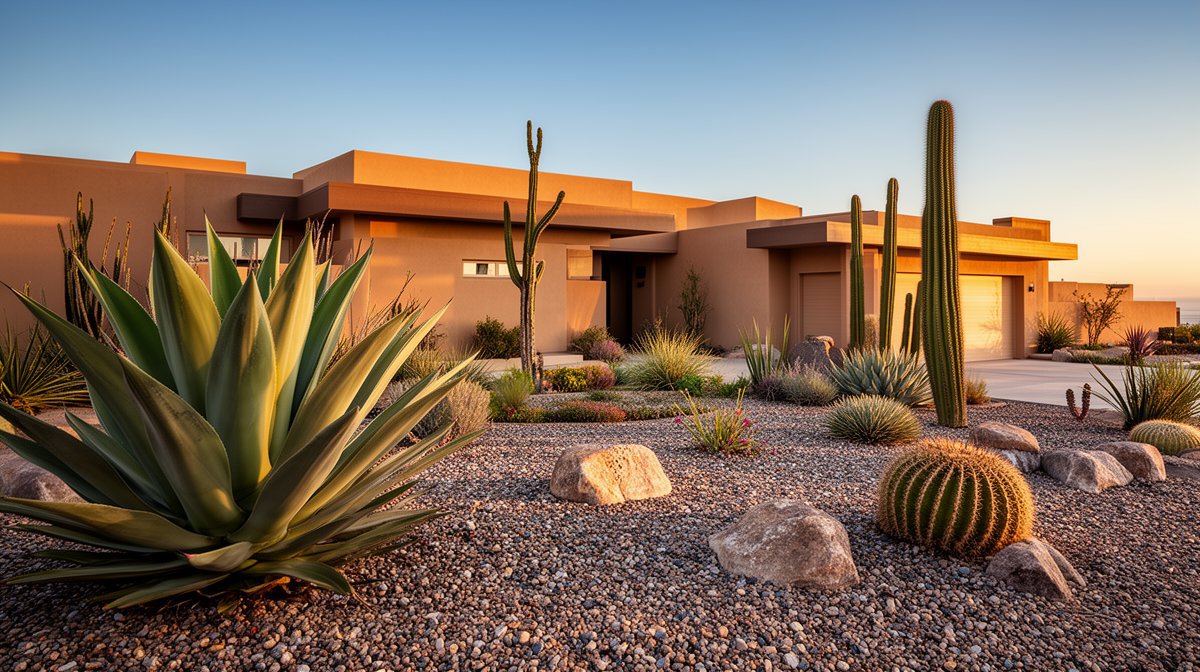
$8–16/sqftA single-story stucco ranch with a dark clay-tile roof loses its lawn to a sweep of gold decomposed granite, with three tall ocotillo as the only vertical notes, their bare wands catching the last low sun. Blue-gray Agave ovatifolia 'Vanzie' rosettes are spaced wide enough that each reads as a specimen, buff sandstone boulders sit a third buried, and loose tufts of Bouteloua gracilis 'Blonde Ambition' are scattered through the gravel. One straight concrete walk cuts from drive to door.
Try this on your yard: The Ocotillo and Agave Front YardAI-generated image
The Yucca and Boulder Dry Wash
$10–20/sqftA curved dry creek bed of rounded river stone winds across the front yard of a two-story tile-roof tract home, ending at a pair of Yucca rostrata 'Sapphire Skies' with trunks the height of a person. Along its banks sit clumps of Muhlenbergia rigens, sheaves of Salvia clevelandii 'Winnifred Gilman', and ground-hugging Dymondia margaretae between the stones. The wash doubles as a drain: roof downspouts are piped into its head, which keeps winter storm water out of the street and into the root zone.
Try this on your yard: The Yucca and Boulder Dry WashAI-generated image
The Cactus Courtyard
$12–24/sqftA walled entry court at a Spanish-style home holds a round gravel bed packed with Echinocactus grusonii, tall Cereus 'Peruvianus', Opuntia ficus-indica 'Burbank Spineless' and a rust-colored Aloe 'Blue Elf' border. Terracotta pots stand against the wall, a mosaic tile number sign hangs by the door, and a bench in the shade of the entry holds the eye. The courtyard walls reflect heat, so only the toughest plants go here, and the cacti do well on it.
Try this on your yard: The Cactus CourtyardAI-generated image
The Gravel Patio Garden
$14–28/sqftA level backyard behind a Harveston home becomes a gravel-floored patio with a long flagstone-topped fire bench, a pair of Parkinsonia 'Desert Museum' trees for lacy afternoon shade and clusters of Hesperaloe 'Brakelights' catching hummingbirds in summer. Pink-flowered Salvia 'Bee's Bliss' and Agave ovatifolia 'Vanzie' fill the borders, and a string-light line gives the seating area an evening glow. The trees drop litter, so keep the patio gravel instead of turf and sweep once a week in spring.
Try this on your yard: The Gravel Patio GardenSee how a desert/xeriscape garden looks on YOUR property
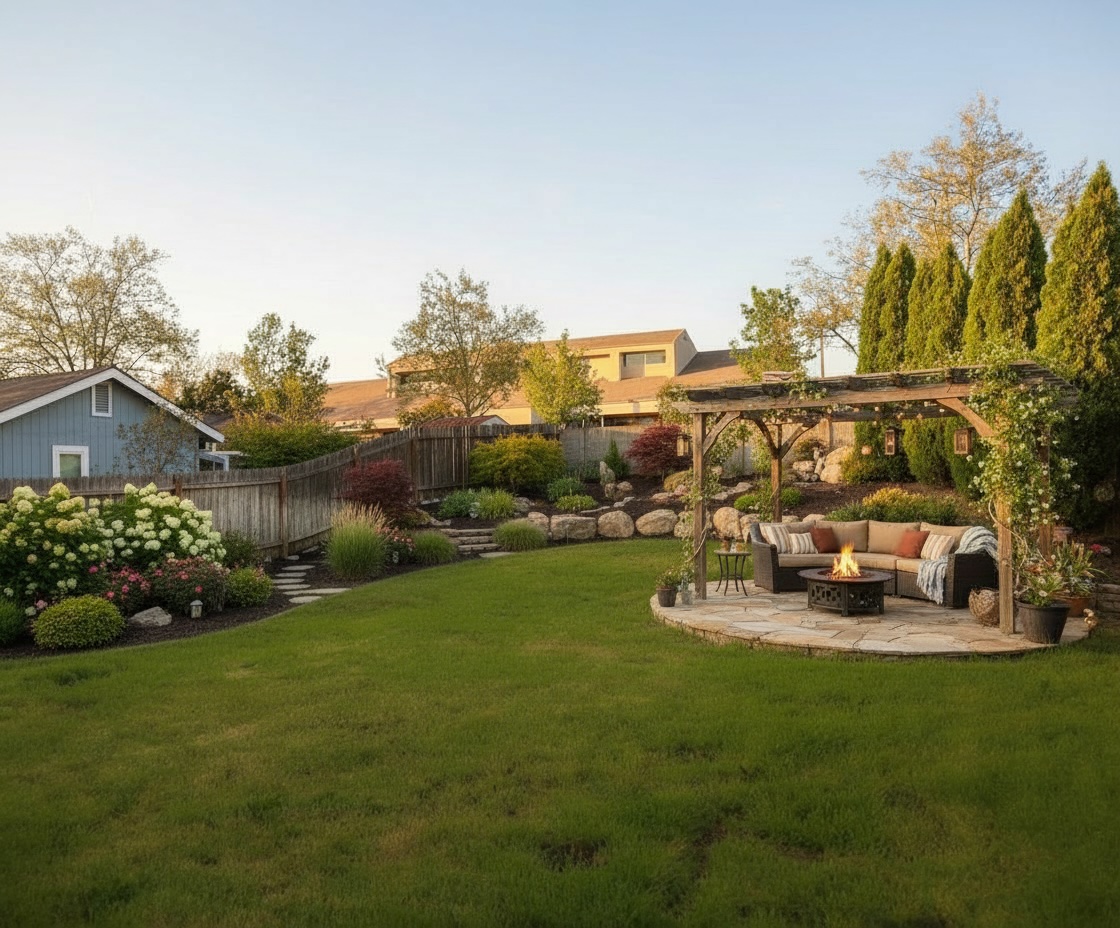
Upload a photo of your Temecula yard and visualize your dream garden in seconds.
Try ProScapeAI Free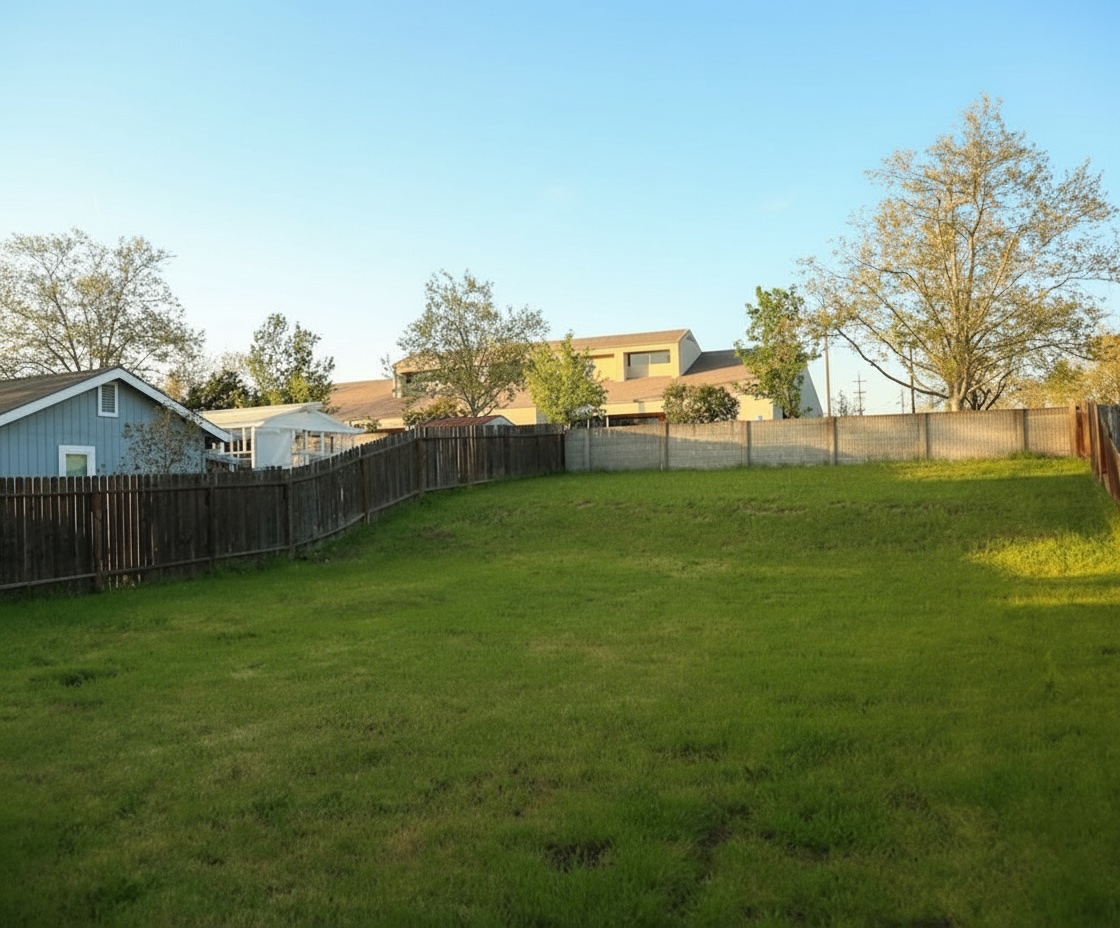
AI-generated image
Featured Trees & Shrubs for Desert/Xeriscape Gardens
Browse all 220 plants for Temecula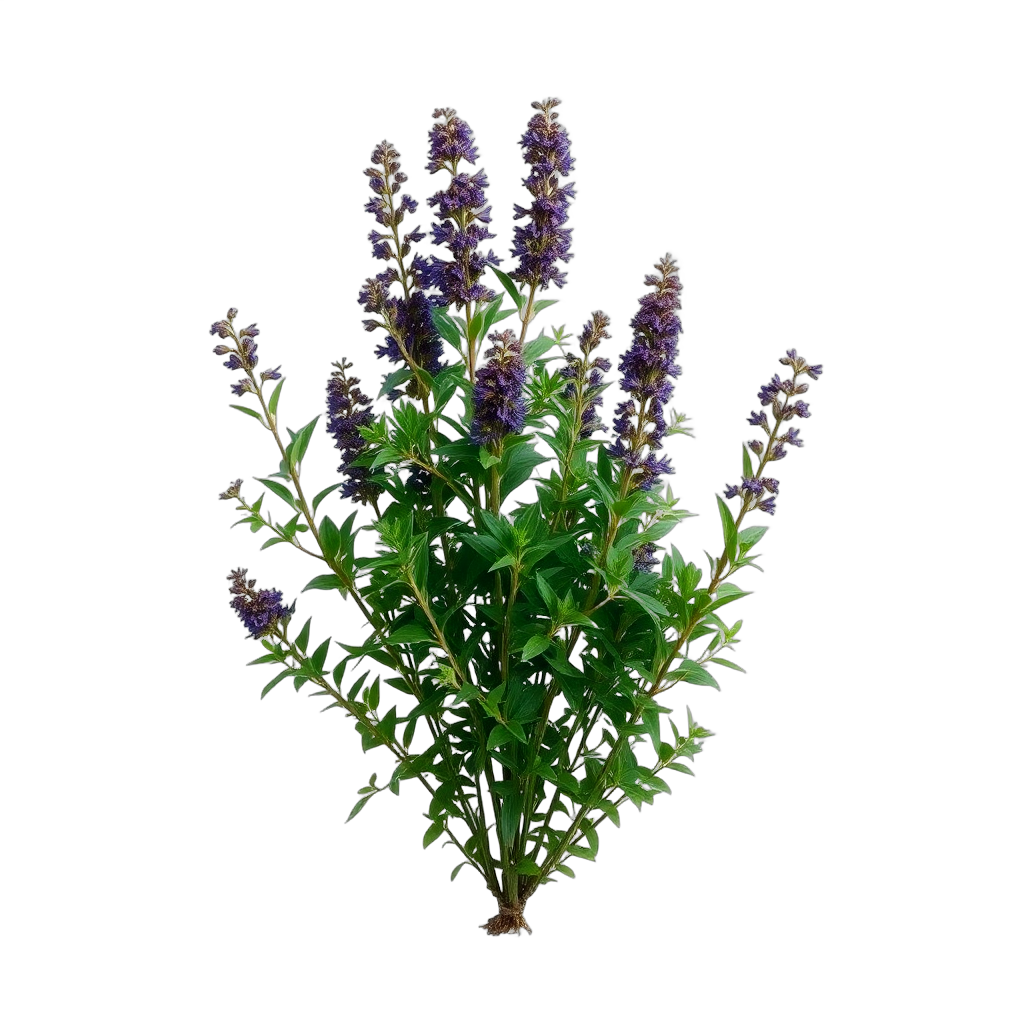
Black Sage
Salvia mellifera
grows to 4 feet, white blooms in spring. Attracts butterflies.
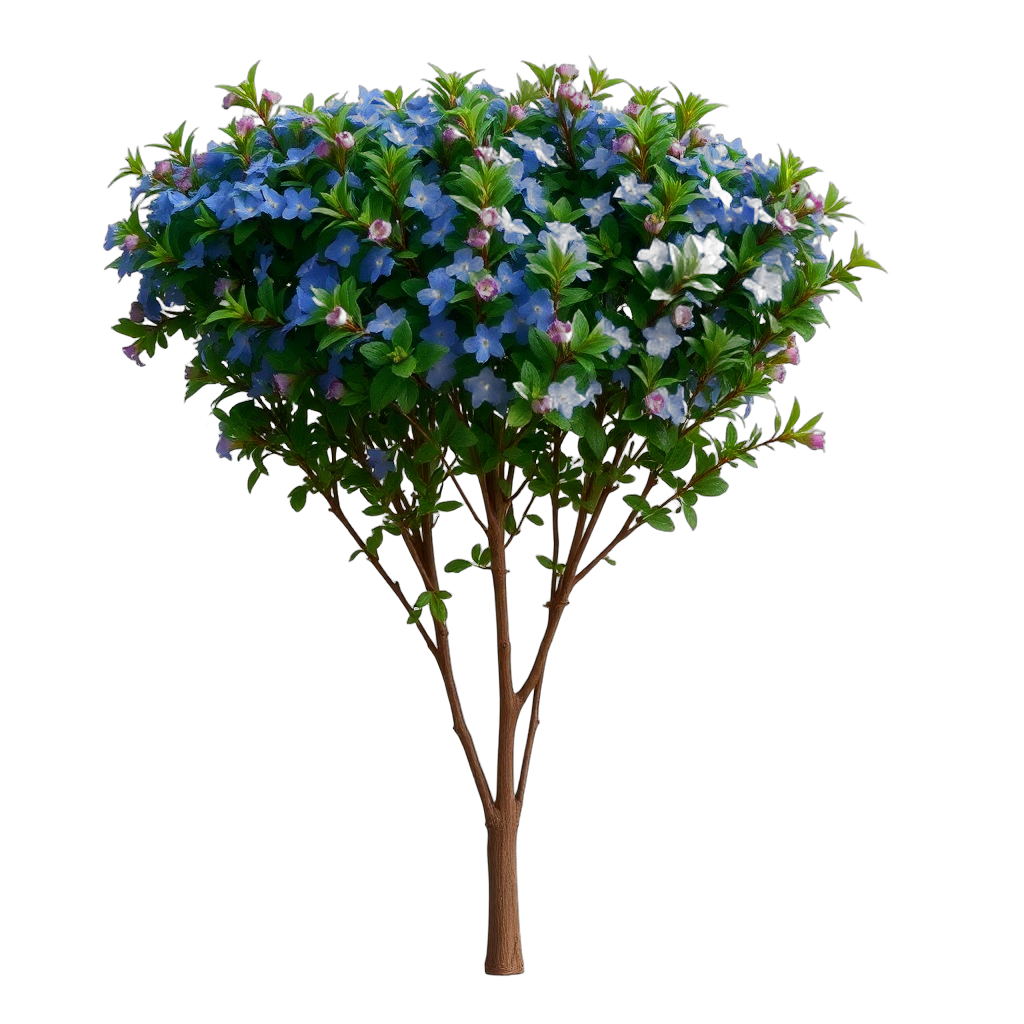
Blue Blossom
Ceanothus thyrsiflorus
medium-sized at 12 feet, blue blooms in spring. Attracts butterflies.
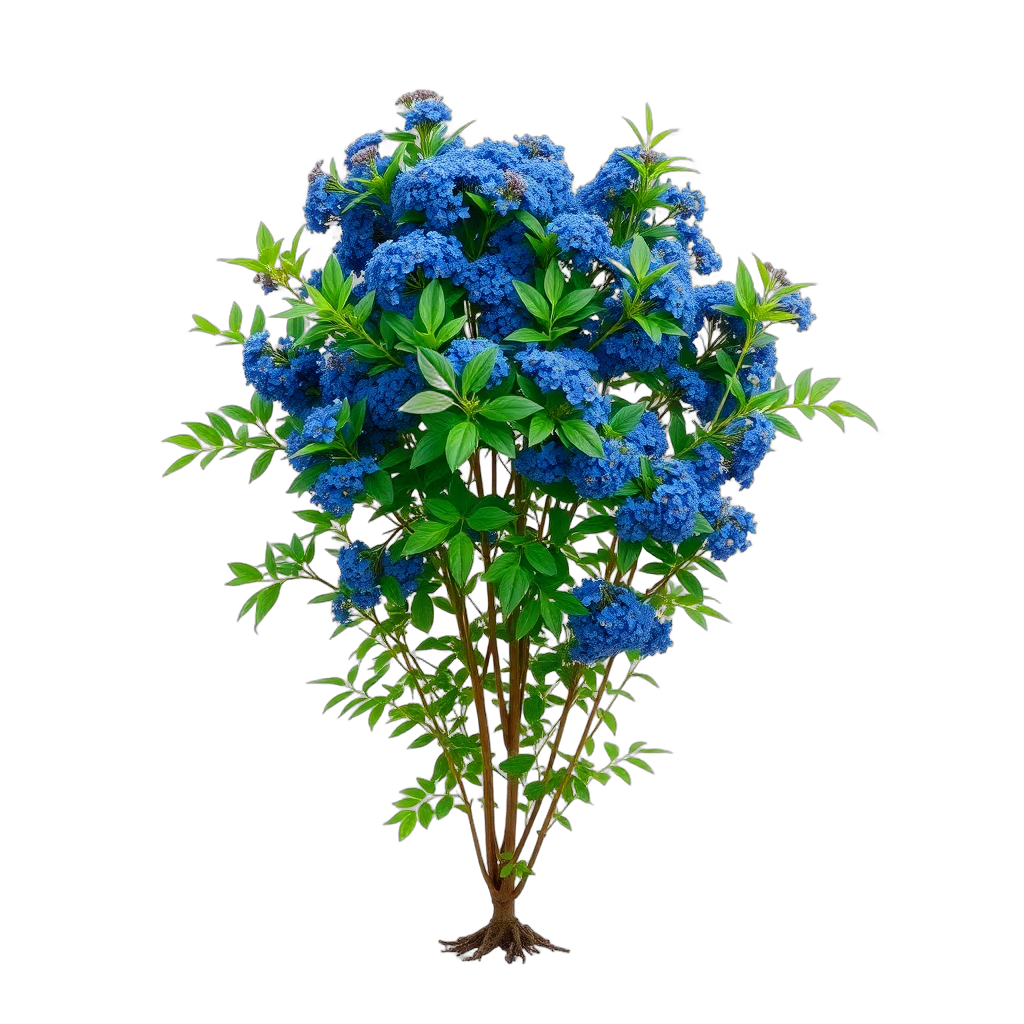
Blue Elderberry
Sambucus cerulea
medium-sized at 15 feet, white blooms in spring. Attracts butterflies.
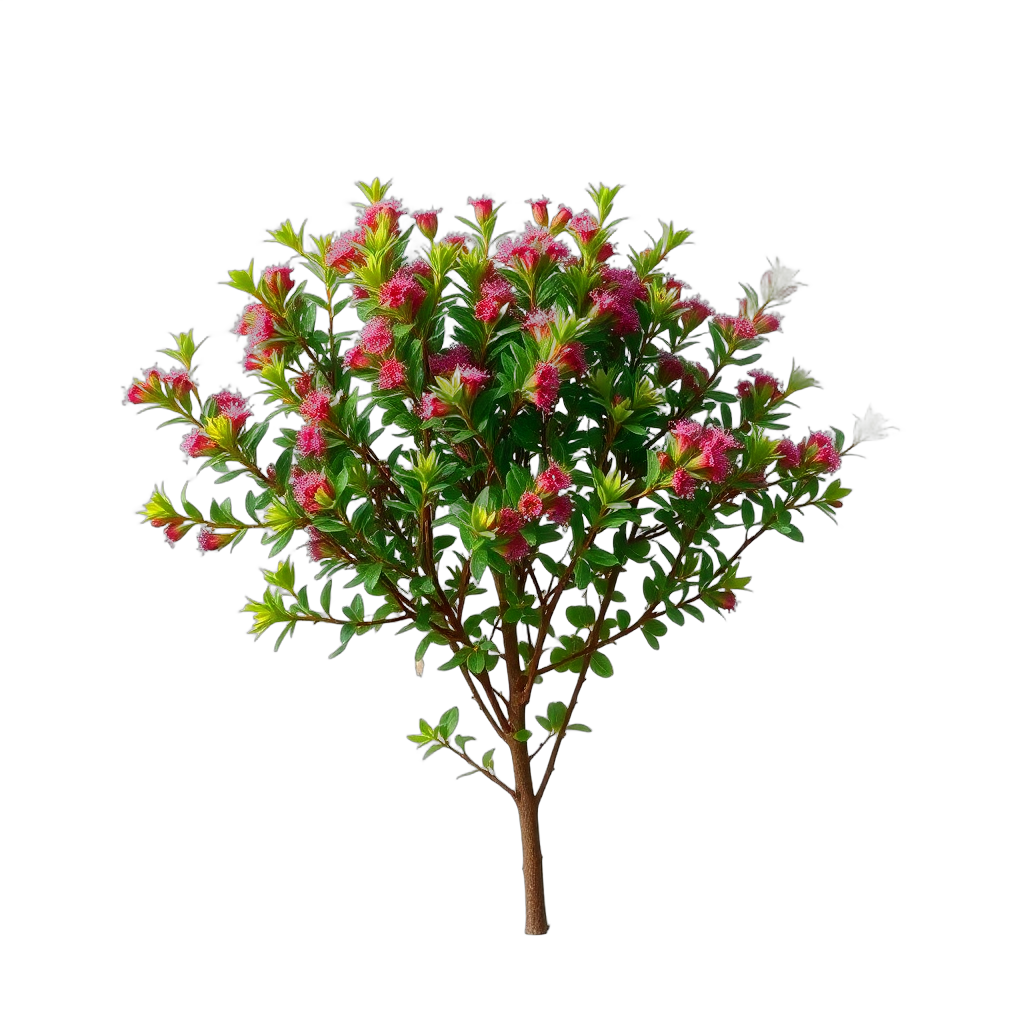
Buckbrush
Ceanothus cuneatus
medium-sized at 7 feet, white blooms in spring. Attracts butterflies.
Featured Grasses & Groundcovers for Desert/Xeriscape Gardens
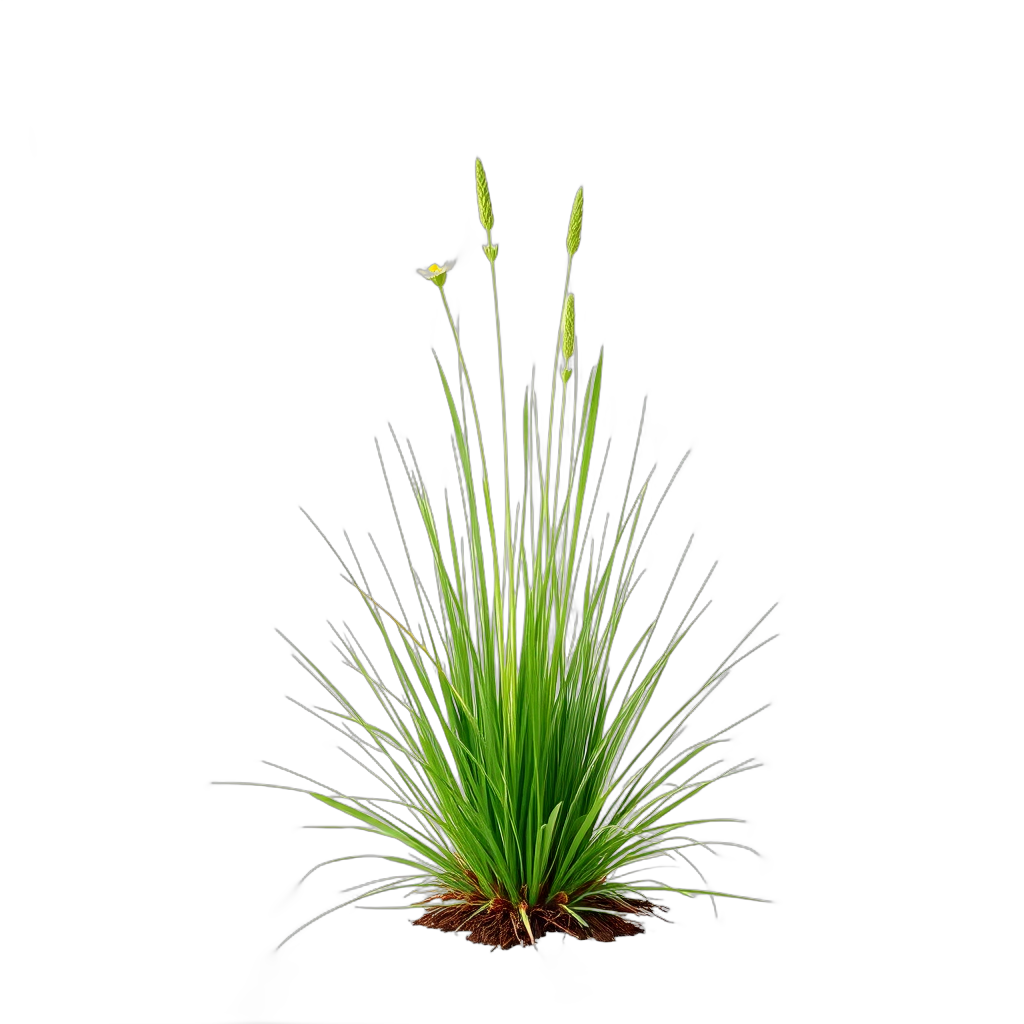
California Brome
Bromus carinatus
low-growing ground cover, blooms in spring. Yellow fall color.
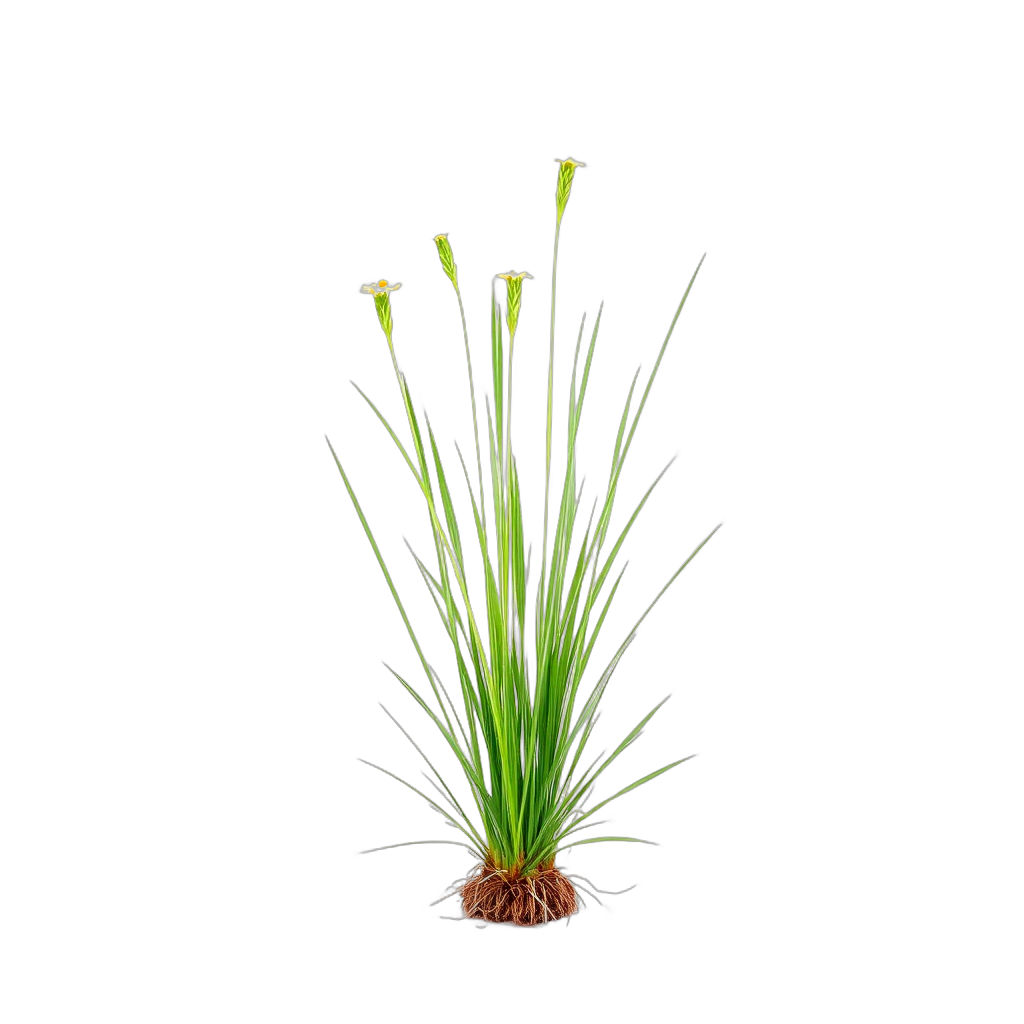
California Melic
Melica californica
low-growing ground cover, blooms in spring.
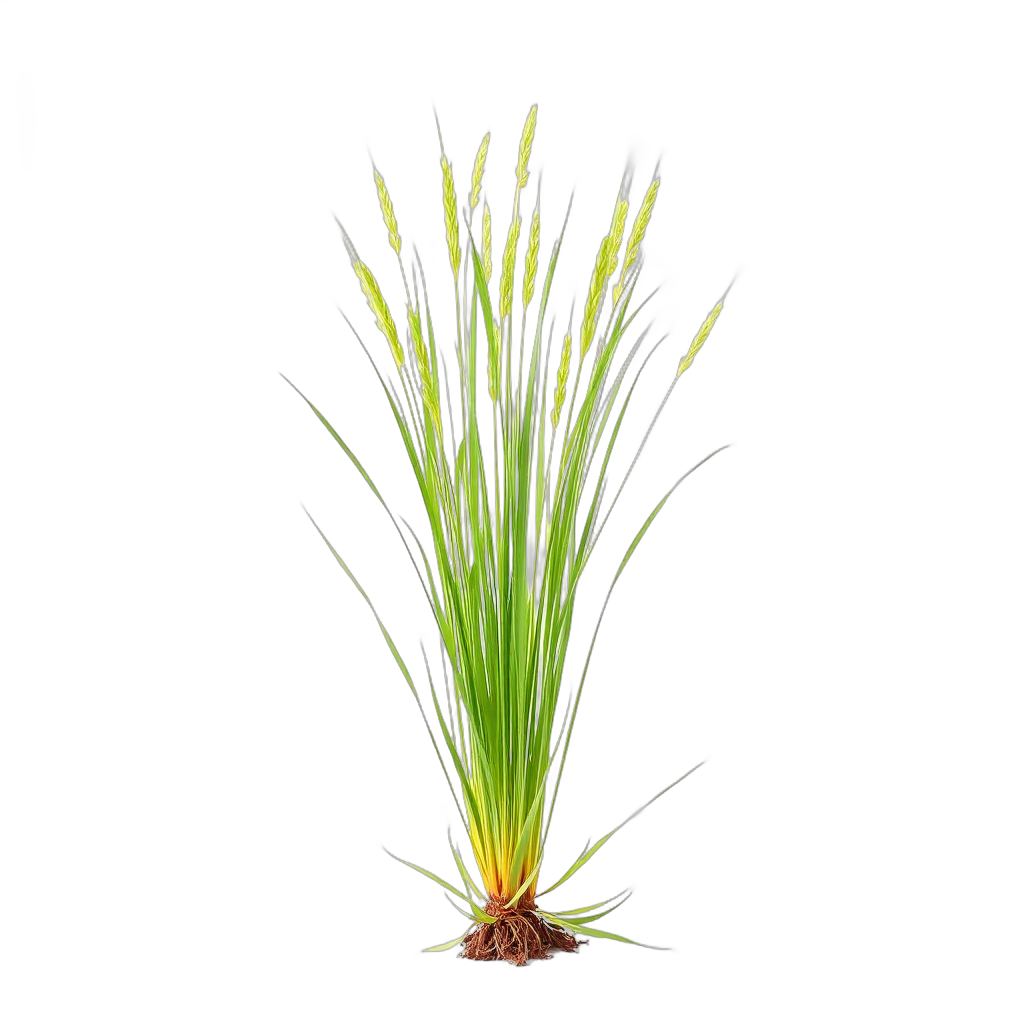
California Oatgrass
Danthonia californica
low-growing ground cover, blooms in spring. Yellow fall color.
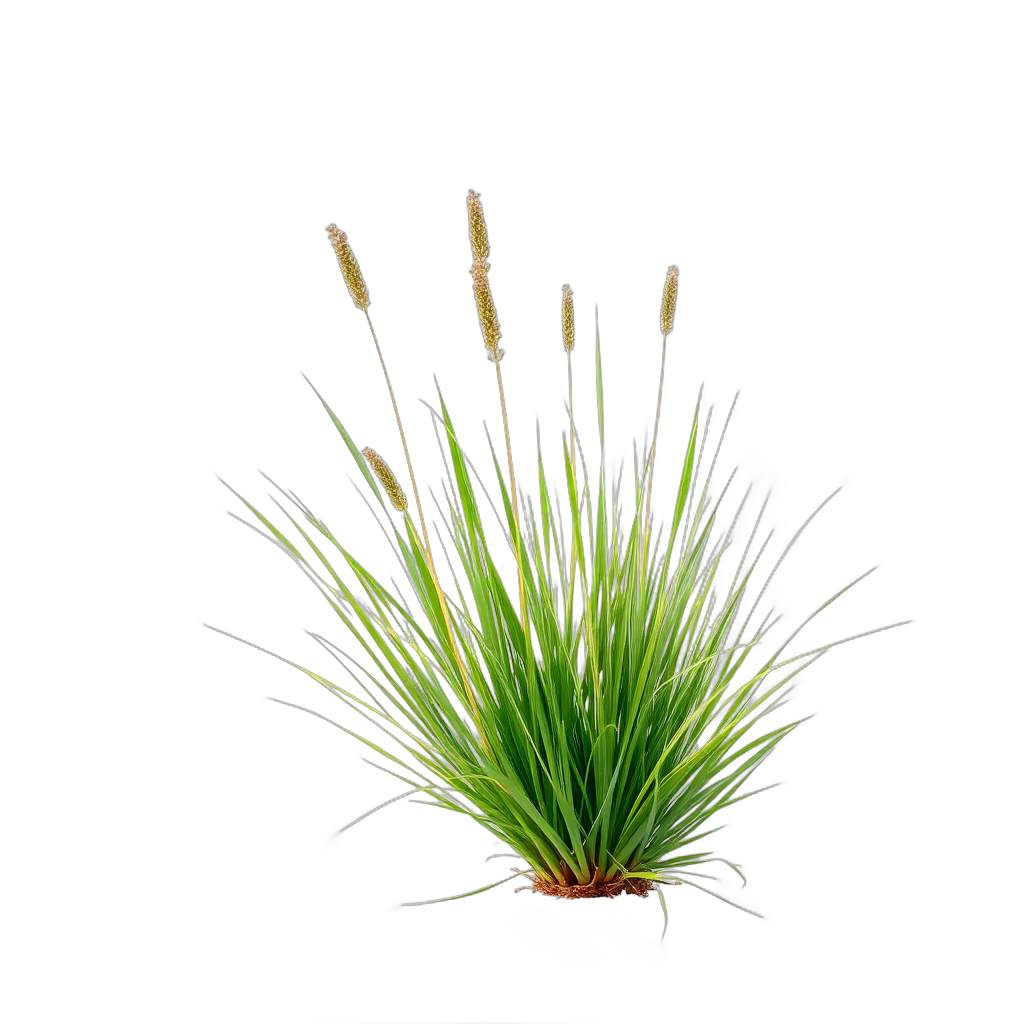
Deer Grass
Muhlenbergia rigens
grows to 3 feet, yellow blooms in fall. Evergreen year-round.
Featured Flowers & Perennials for Desert/Xeriscape Gardens
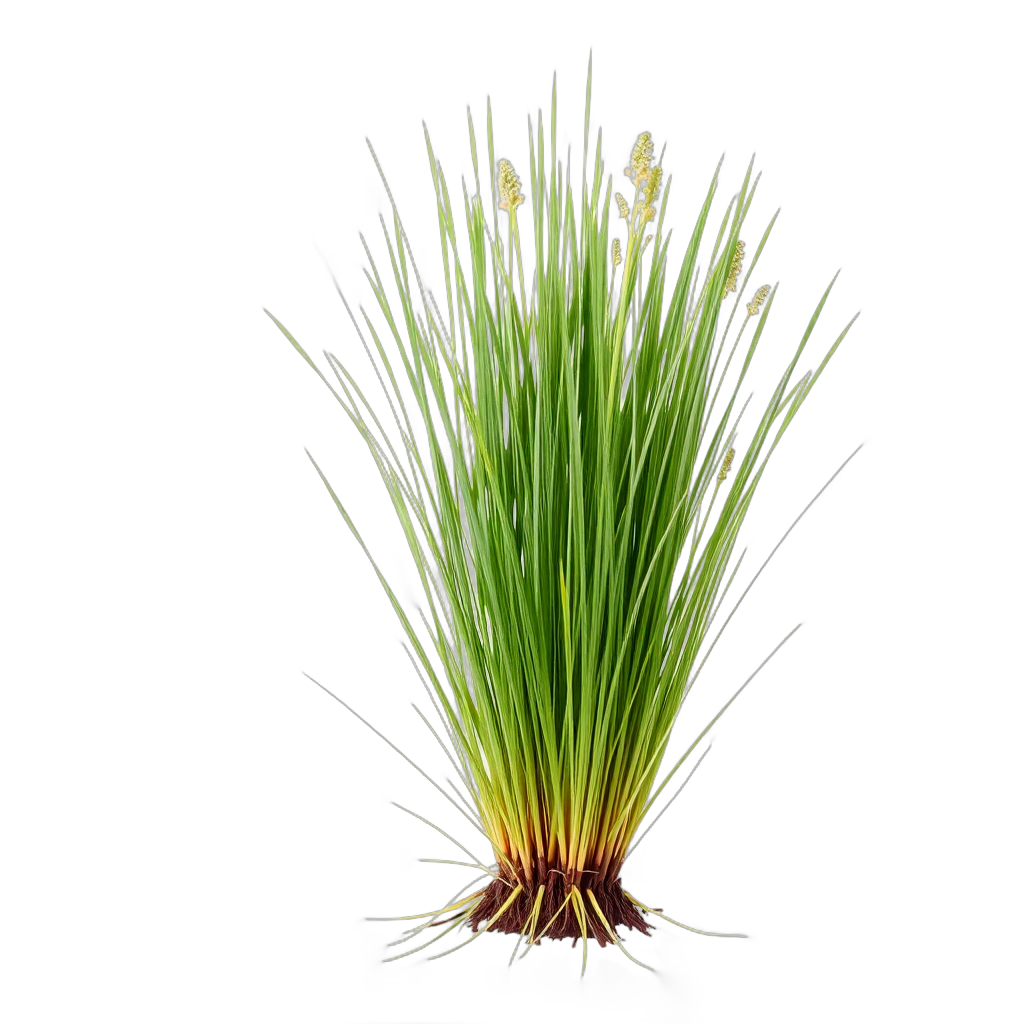
California Gray Rush
Juncus patens
low-growing ground cover, blooms in summer. Evergreen year-round.
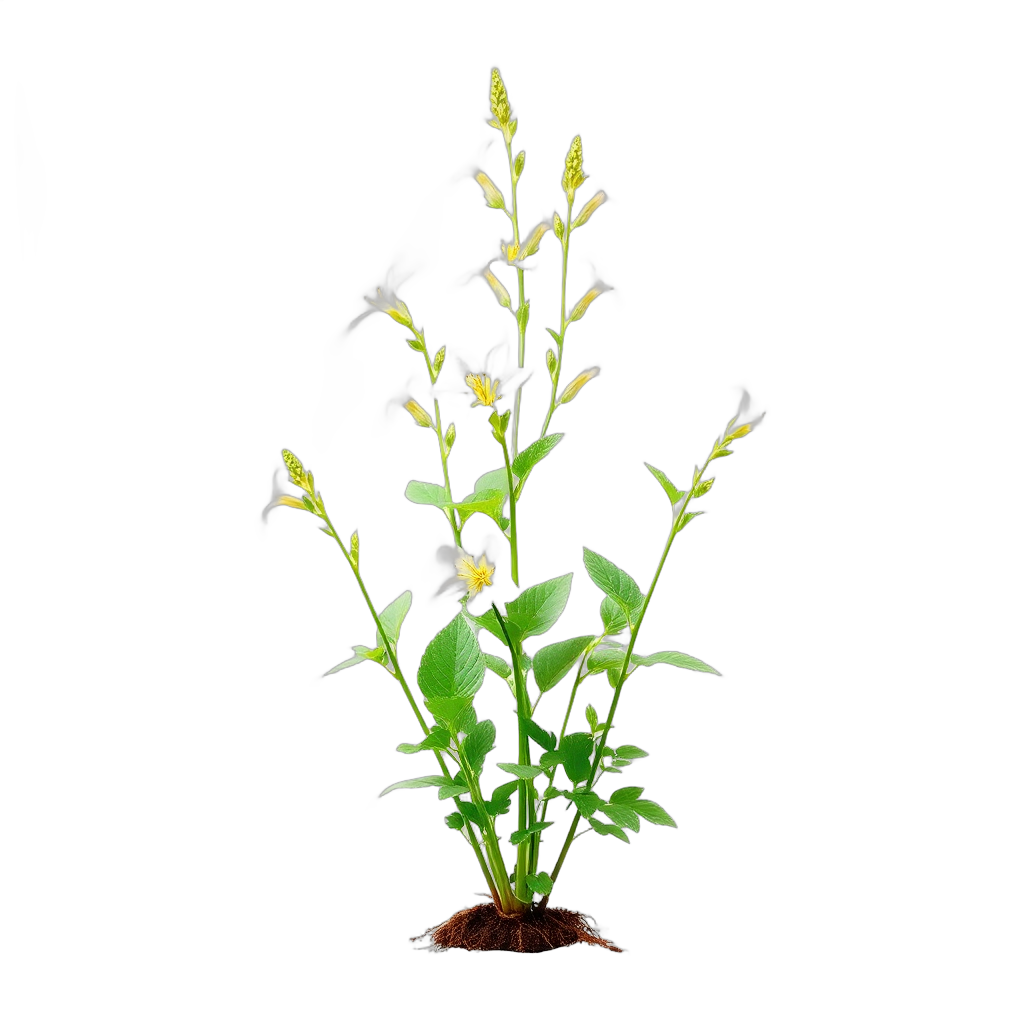
Beach Evening Primrose
Camissonia cheiranthifolia
low-growing ground cover, yellow blooms in spring. Attracts butterflies.
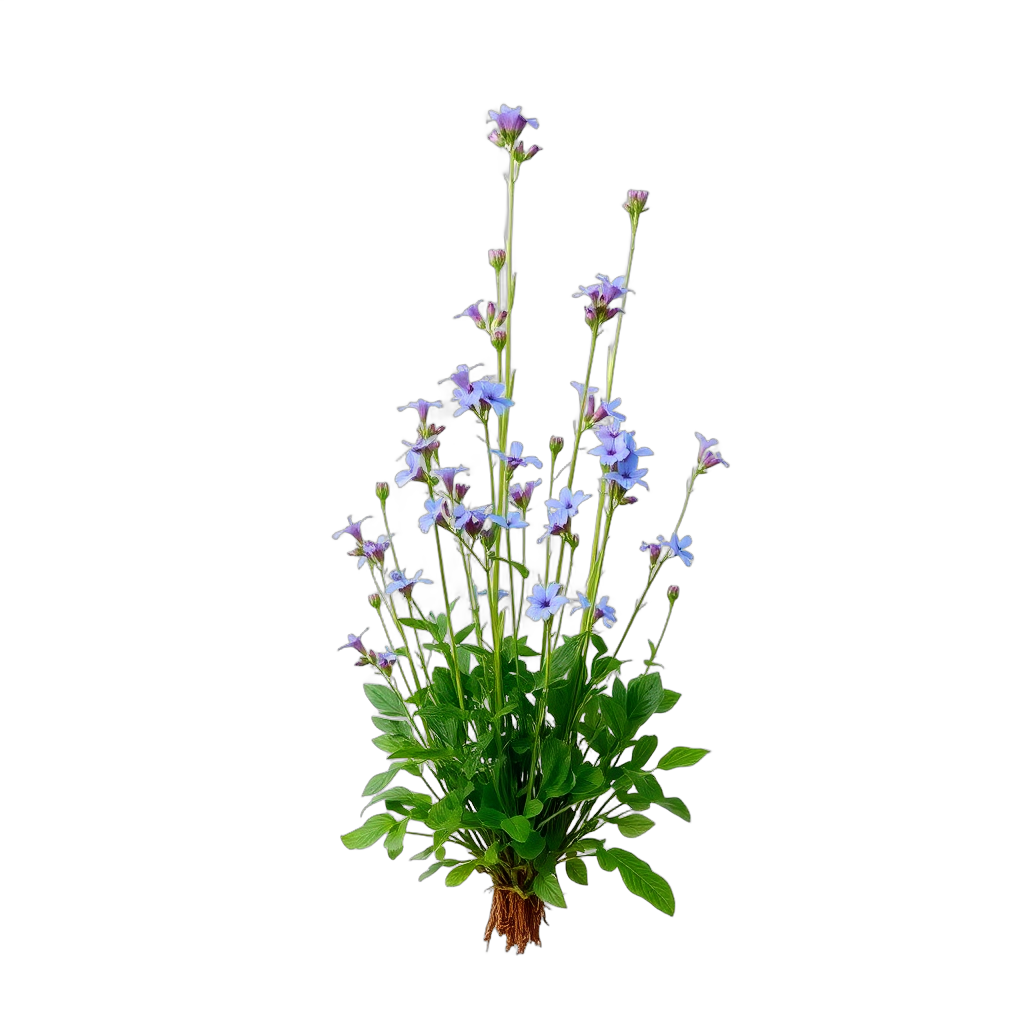
Blue Dicks
Dichelostemma capitatum
low-growing ground cover, blue blooms in spring. Pollinator-friendly.
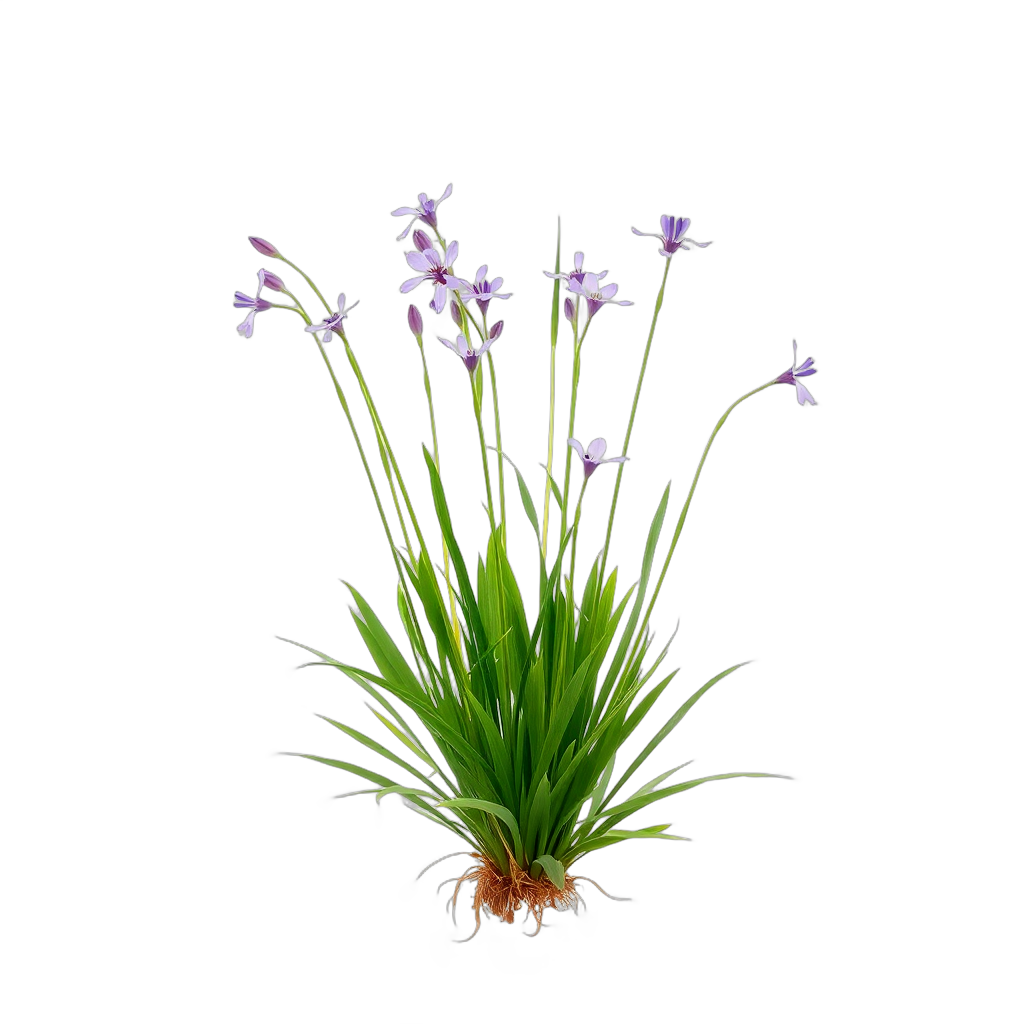
Blue-Eyed Grass
Sisyrinchium bellum
low-growing ground cover, blue blooms in spring. Attracts butterflies.
Zone and sun checks come from our database — confirm with your local nursery before you buy.
Bloom Calendar for Temecula
spring
Beach Evening Primrose, Blue Dicks, Blue-Eyed Grasssummer
California Gray Rush, Hooker's Evening Primrose, Hummingbird Mintfall
California Fuchsiawinter
Limited bloomsDesign Tips for Temecula (Zone 9b)
- Time a percolation test before planting: Temecula's decomposed granite takes water in minutes while the older-flat clay holds it overnight, and cactus rot in the second
- Match the gravel color to the roof tile and stucco before you order; gold decomposed granite warms a tan house, while gray crushed stone suits a cooler palette
- Keep drip emitters off the cactus bodies and on the roots: wet spines at midday scar the plant in 95°F afternoons, and uniform deep soaking works better than frequent light watering
- Choose frost-tough over frost-tender in low spots: winter lows reach the upper 20s on clear nights, so Yucca rostrata 'Sapphire Skies' and Dasylirion wheeleri outlast Agave attenuata in the open yard
- Lay weed fabric after the plants are in, not before; cutting holes in finished fabric is easier than planting through it, and the gravel then hides it
- Use the marine layer's gentler summer mornings to schedule planting and watering: water at dawn, and avoid midday irrigation that evaporates before it sinks in
- Include a few California natives such as Salvia apiana and Eriogonum fasciculatum 'Dana Point' to bring in pollinators and soften the stark gravel; they also ride the dry season without supplemental water once established
Where to Source Plants in Temecula
Skip the big-box stores. These independent Temecula nurseries specialize in the plants that make desert/xeriscape gardens thrive in Zone 9b.
Curby's Nursery
Temecula (Calle Chapos, Rancho California)
Family-operated wholesale nursery open to homeowners as well as landscapers, with palms, shrubs, perennials, succulents, drought-tolerant stock and large trees at discount pricing
Moosa Creek Nursery
Valley Center (north San Diego County, about 40 miles south)
Grower of California native plants for water-wise gardens; sells through partner retailers (its own site lists Curby's in Temecula) and invites contact for a consultation
Desert/Xeriscape Landscaping Cost Ranges
| Project Scope | Estimated Cost |
|---|---|
| Drip irrigation system (500 sqft of planted area) | $1,200–$2,200 |
| Block fire pit, stacked block, capped (1 fire pit) | $580–$770 |
| Landscape gravel court (200 sqft) | $170–$370 |
| AI visualization (ProScapeAI) | Free to start |
National average installed ranges for 2026 from our landscaping price list (Homewyse and other published sources). Prices in Temecula, CA vary with site, materials and contractor, so get two or three local quotes.
Temecula Climate & Growing Zone
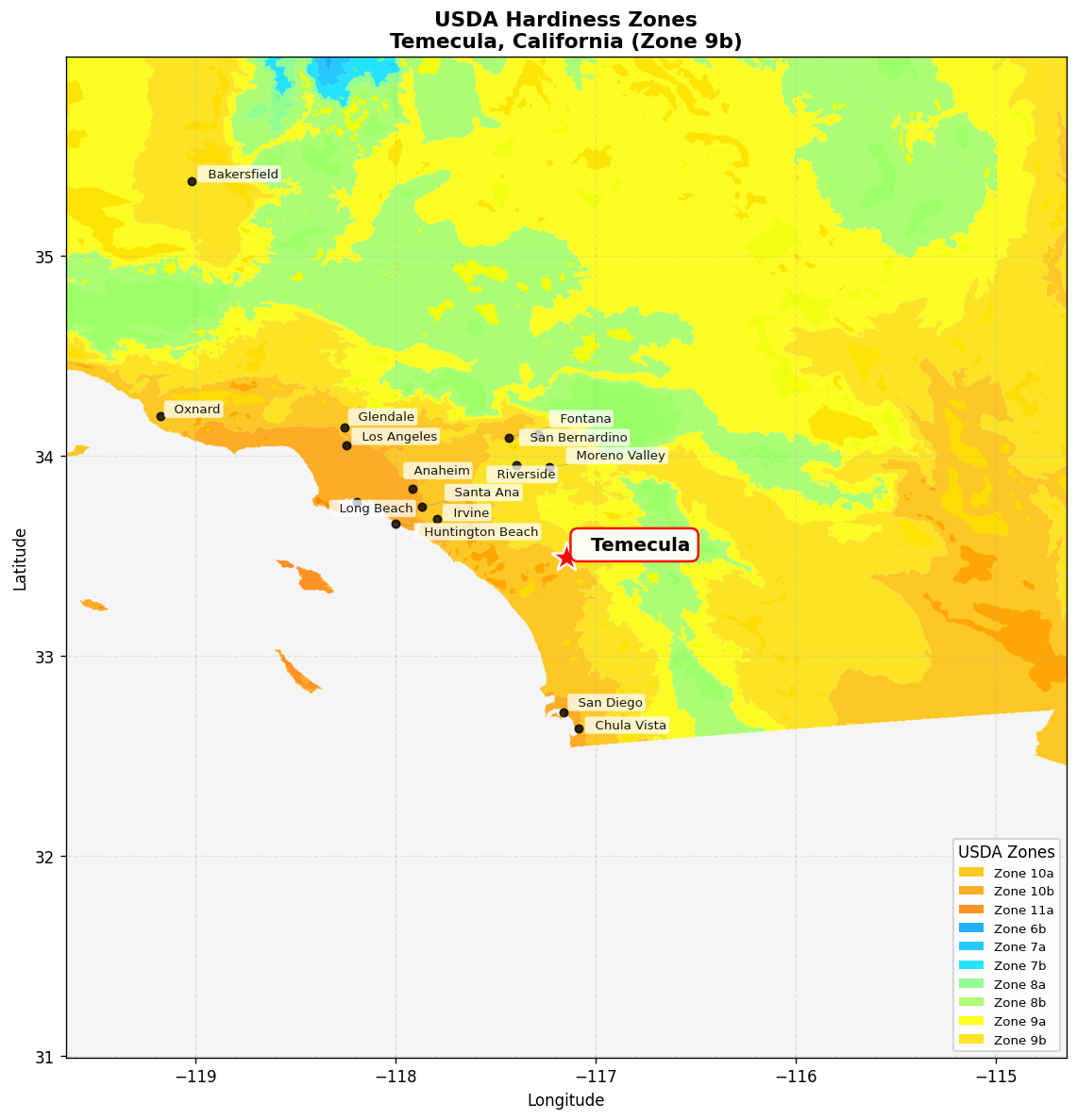
USDA Zone 9b
Hardiness zone for Temecula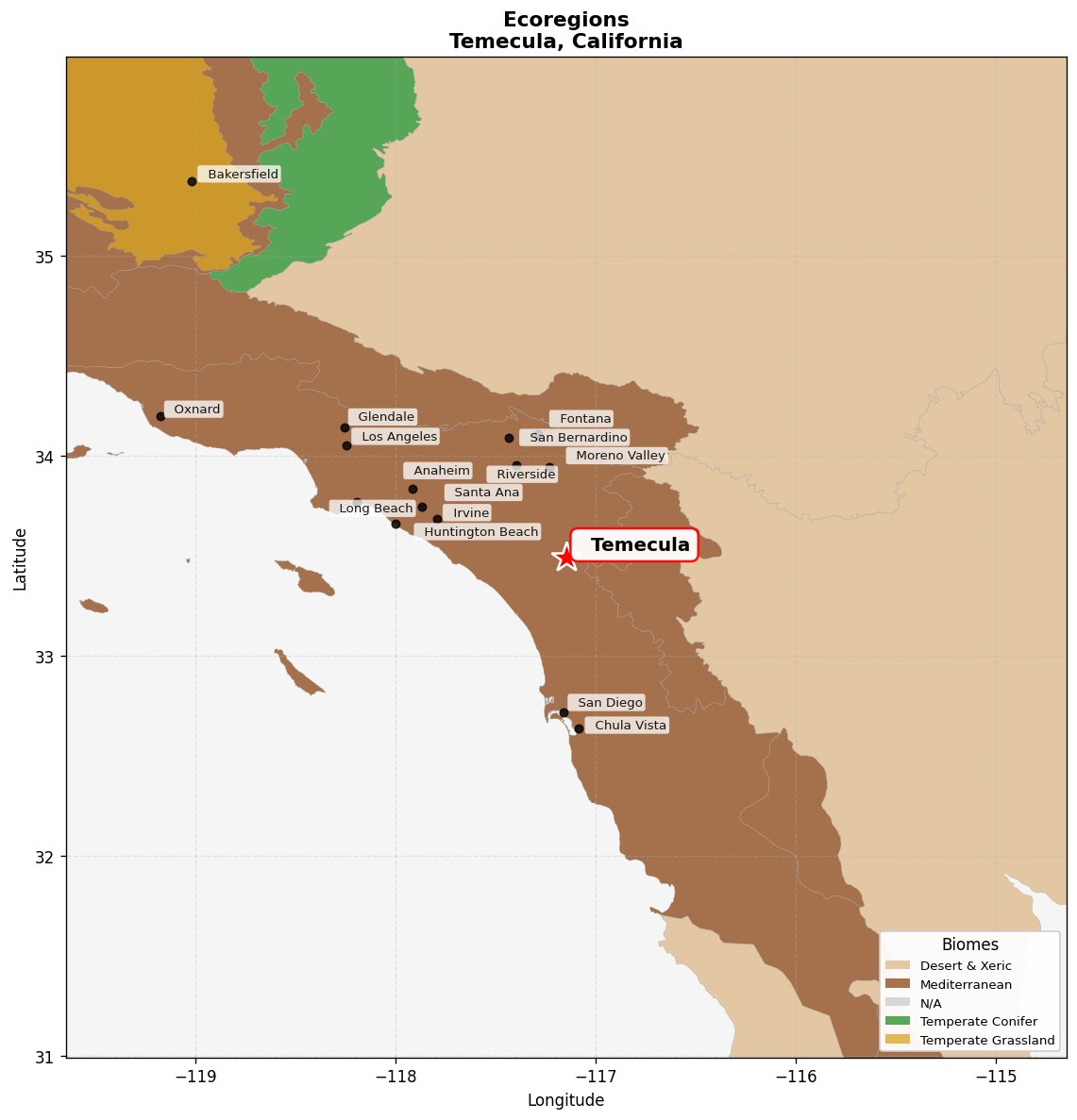
California coastal sage and chaparral
Native ecoregionFrequently Asked Questions
How much does a desert garden cost in Temecula?
Larger specimen plants such as Yucca rostrata 'Sapphire Skies' or mature ocotillo push the planting line higher. Buying Agave ovatifolia 'Vanzie' and Hesperaloe parviflora 'Brakelights' in one-gallon sizes keeps the planting budget down. Prices vary with site, size and finishes, so get two or three local quotes.
Is a desert garden really low maintenance in Temecula?
After the first year, yes. Agave, yucca and Hesperaloe need only dead flower stalks removed, drip lines checked each spring, and a seasonal weed pass through the gravel. Expect to water new plants weekly for the first summer and then taper to every two to three weeks. The cacti and agave in the front yard rarely need more than occasional deep watering once established.
When is the best time to plant a desert garden in Temecula?
October through early December gives the best results, since winter rain does the establishing work for free. February to April is the second window after frost danger passes. Avoid July and August when afternoons exceed 95°F; heat-stressed new agave and cactus can sunburn on exposed western sides.
Do I need a permit or HOA approval for desert landscaping in Temecula?
Most Temecula neighborhoods sit inside an HOA, and the architectural committee usually reviews plans, plant lists and gravel color before work starts. Check your CC&Rs. Turf rebate programs require approval before removal, and any work touching drainage, retaining walls or large structures should be confirmed with the City of Temecula building division.
What desert plants survive Temecula's winters?
The cold-hardy list is long: Agave ovatifolia 'Vanzie', Agave parryi var. truncata, Yucca rostrata 'Sapphire Skies', Dasylirion wheeleri, Hesperaloe parviflora 'Brakelights', Fouquieria splendens and Parkinsonia 'Desert Museum' all handle lows in the upper 20s. The tender group, including Agave attenuata and Echinocactus grusonii, needs a warm south-facing wall or frost cloth on the coldest nights.
What do water bills and rebates look like for a Temecula desert garden?
Rancho California Water District serves most of Temecula and bills on a customized monthly water budget (47 gallons per person per day indoors, three people by default), with higher tiered rates for households that overshoot. Turf replacement rebates run through the Metropolitan Water District; artificial turf does not qualify, so confirm terms and get approval before removing any lawn.
Can I use native California plants in a desert garden here?
Yes, and they blend well. Natives found around Temecula and Murrieta include Salvia apiana, Salvia mellifera, Eriogonum fasciculatum, Cercocarpus betuloides and Muhlenbergia rigens, and they suit gravel-mulched beds because they want fast drainage and little summer water. Mixing Eriogonum fasciculatum 'Dana Point' and Salvia clevelandii 'Winnifred Gilman' with agave gives a softer, more local look than a strict Sonoran palette.