4 Desert Garden Ideas for Murrieta, CA | Frost-Safe Plants for Zone 9b
Native plants from the California coastal sage and chaparral (Zone 9b) — Cold semi-arid climate
For a desert garden in Murrieta, CA, a zone 9b city with a cold semi-arid climate, start with Agave 'Blue Glow', Dasylirion wheeleri and Yucca rostrata, the plants this guide's first design is built on.
Why Desert/Xeriscape Gardens in Murrieta?
Murrieta is close enough to desert conditions for a desert garden to work here. The city gets about 15.6 inches of rain a year, nearly all between November and April, and the stretch from June to September is close to dry, with July and August highs near 91°F. Desert plants from the Sonoran and Mojave grow well on that pattern as long as winter drainage is right. The part to plan for is the other side of the calendar: winter lows average 40–41°F, and clear January nights can drop to 25–30°F in Zone 9b, which is colder than Phoenix and enough to scar a few of the tender classics.
The housing stock gives the style a ready backdrop. Bear Creek, Alta Murrieta, Los Alamos Hills and Copper Canyon are mostly stucco homes with tile roofs in tan, cream and terracotta, and those warm tones sit well against boulders, golden barrel cactus and gray-green foliage. Many front yards are one rectangle of lawn that the owner no longer wants to water. A typical method: pull the sod, set three or four boulders first, then place the specimen plants around them, and finish with 3 inches of decomposed granite so the whole yard reads as one surface.
Plant choice needs a little caution. Parkinsonia 'Desert Museum' palo verde, Fouquieria splendens (ocotillo), Echinocactus grusonii (golden barrel), Dasylirion wheeleri (desert spoon) and Hesperaloe parviflora 'Brakelights' all take Murrieta's frost and heat, while saguaro and organ pipe are too frost-tender in the colder pockets and should be left out. Aloe vera and the tall Agave americana forms burn below about 28°F; use Aloe 'Blue Elf' and Agave 'Blue Glow' instead. Soil changes across town: hillside lots tend toward decomposed granite and sandy loam that drains fast, while the flatter ground near Murrieta Creek can hold clay that stays wet after a February storm, so mound cactus beds 10–12 inches and mix in pumice or coarse grit.
Water and rebates deserve a call before you start. Several districts serve Murrieta: Western Water covers the historic downtown area, Eastern Municipal Water District (EMWD) serves much of the rest, and parts fall under Rancho California Water District and Elsinore Valley MWD. EMWD's turf removal program lists a total rebate of $5 per square foot, including $3 from EMWD, plus an optional $100 per qualifying new tree for up to five trees, first-come and subject to funding. An HOA will usually want a plan and plant list; California law limits HOA bans on water-efficient landscaping, but the architectural committee still reviews materials and layout.
4 Desert/Xeriscape Design Ideas for Murrieta
AI-generated image
The Agave Courtyard Entry
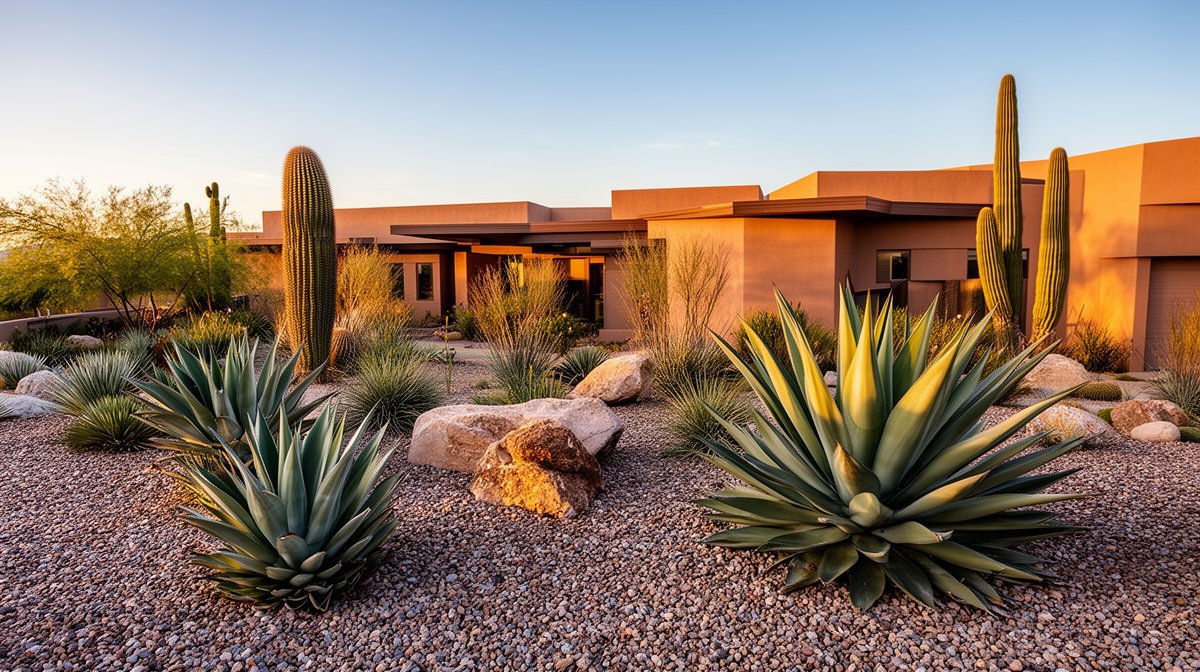
$14–30/sqftA low stucco courtyard wall frames a gravel entry where three large Agave 'Blue Glow' rise from a bed of golden decomposed granite, with a path of irregular flagstone leading to a terracotta-colored front door. Dasylirion wheeleri sits in the corner nearest the garage, and the late-afternoon sun lights the spines in gold. A trunk of Yucca rostrata anchors the opposite corner so the composition feels balanced from the street.
Try this on your yard: The Agave Courtyard EntryAI-generated image
The Boulder and Barrel Cactus Front Yard
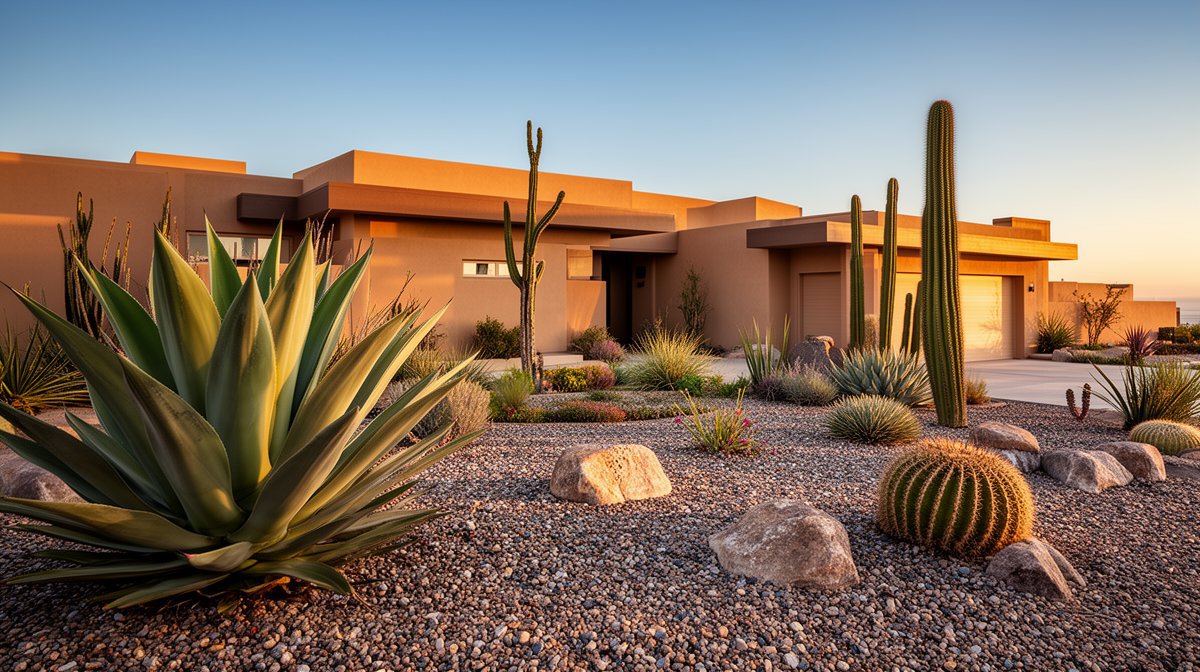
$16–34/sqftFive granite boulders in three sizes are half-buried in a sweep of tan gravel, with a cluster of golden barrel cactus between them and a stand of ocotillo against the garage wall. Salvia clevelandii 'Winnifred Gilman' gives a blue haze at the base in spring, and Baileya multiradiata adds yellow flowers from March to June. A curved dry path of crushed gravel moves through the rocks to the porch.
Try this on your yard: The Boulder and Barrel Cactus Front YardAI-generated image
The Palo Verde Dry Wash
$18–38/sqftA shallow swale of river rock curves across the side yard and under a multi-trunk Parkinsonia 'Desert Museum' palo verde, designed to catch winter runoff and carry it to a lower bed. Eremophila 'Valentine' and Encelia farinosa line the banks, and larger cobbles mark the outer edge so the swale reads as a natural dry creek bed. In the bloom weeks of April the palo verde turns bright yellow over the gravel.
Try this on your yard: The Palo Verde Dry WashAI-generated image
The Gravel Patio and Fire Pit Garden
$24–50/sqftA backyard patio of crushed gravel is bordered by flagstone steps and a circular fire pit with four metal chairs, surrounded by beds of Dasylirion wheeleri, ocotillo and Aloe 'Blue Elf'. A pergola covers the table near the house, and the block wall behind the beds is painted a warm sand color to reflect the evening light. In August, when highs sit near 91°F, the shaded pergola and fire pit become a dusk gathering place.
Try this on your yard: The Gravel Patio and Fire Pit GardenSee how a desert/xeriscape garden looks on YOUR property
Upload a photo of your Murrieta yard and visualize your dream garden in seconds.
Try ProScapeAI Free

AI-generated image
Featured Trees & Shrubs for Desert/Xeriscape Gardens
Browse all 220 plants for Murrieta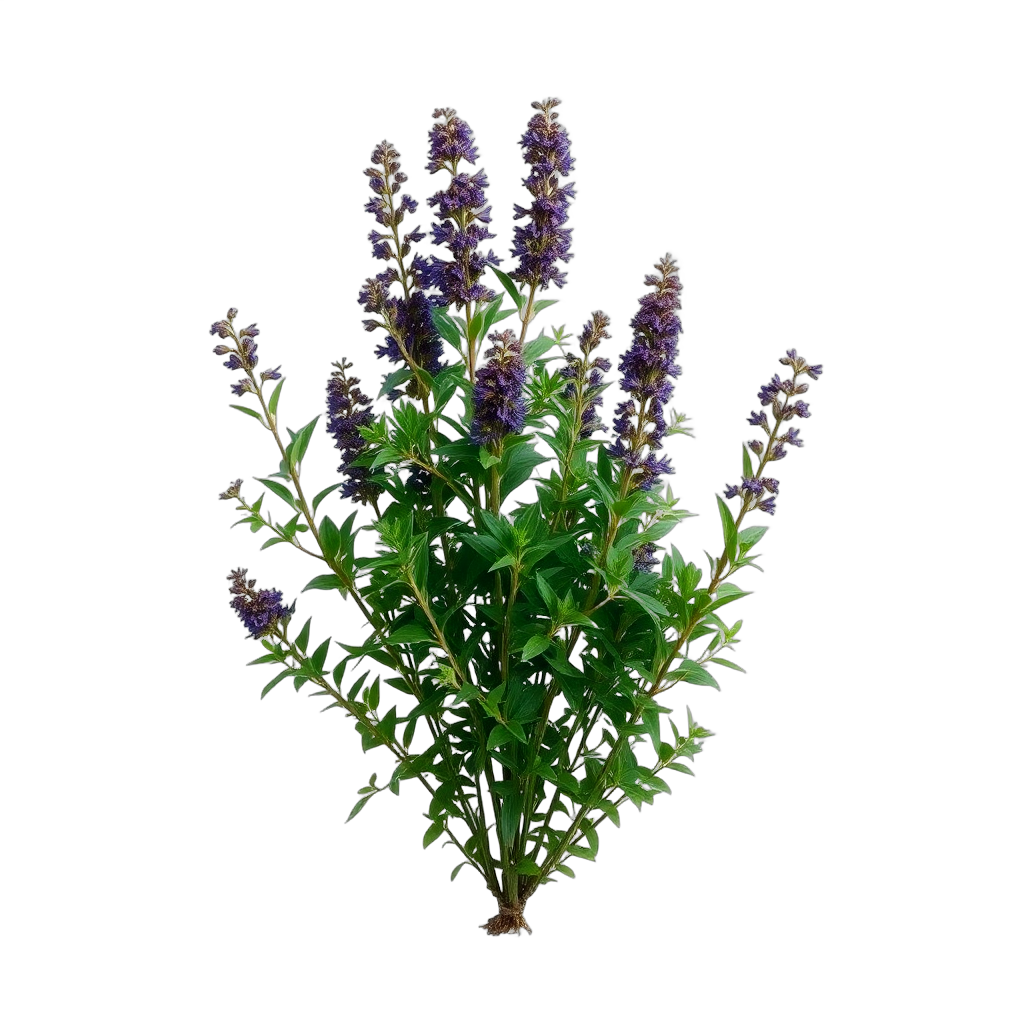
Black Sage
Salvia mellifera
grows to 4 feet, white blooms in spring. Attracts butterflies.
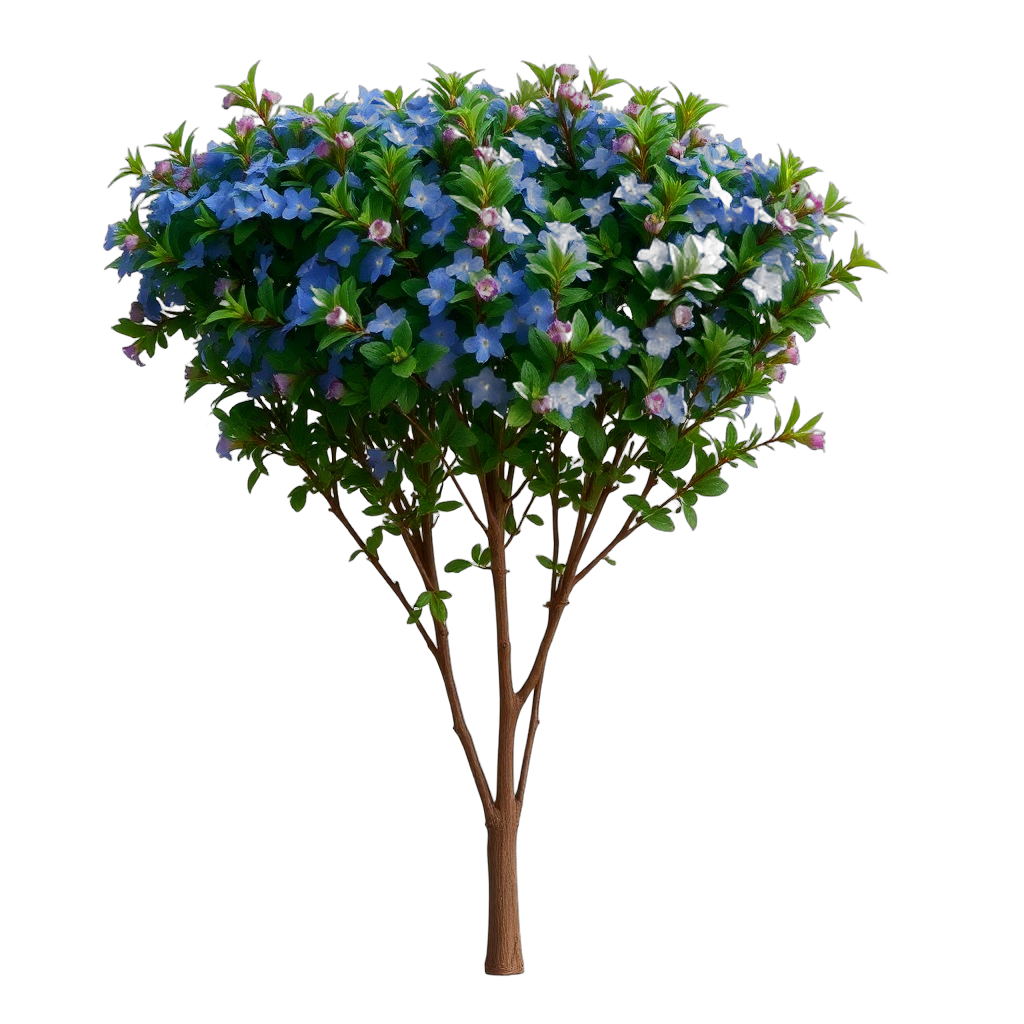
Blue Blossom
Ceanothus thyrsiflorus
medium-sized at 12 feet, blue blooms in spring. Attracts butterflies.
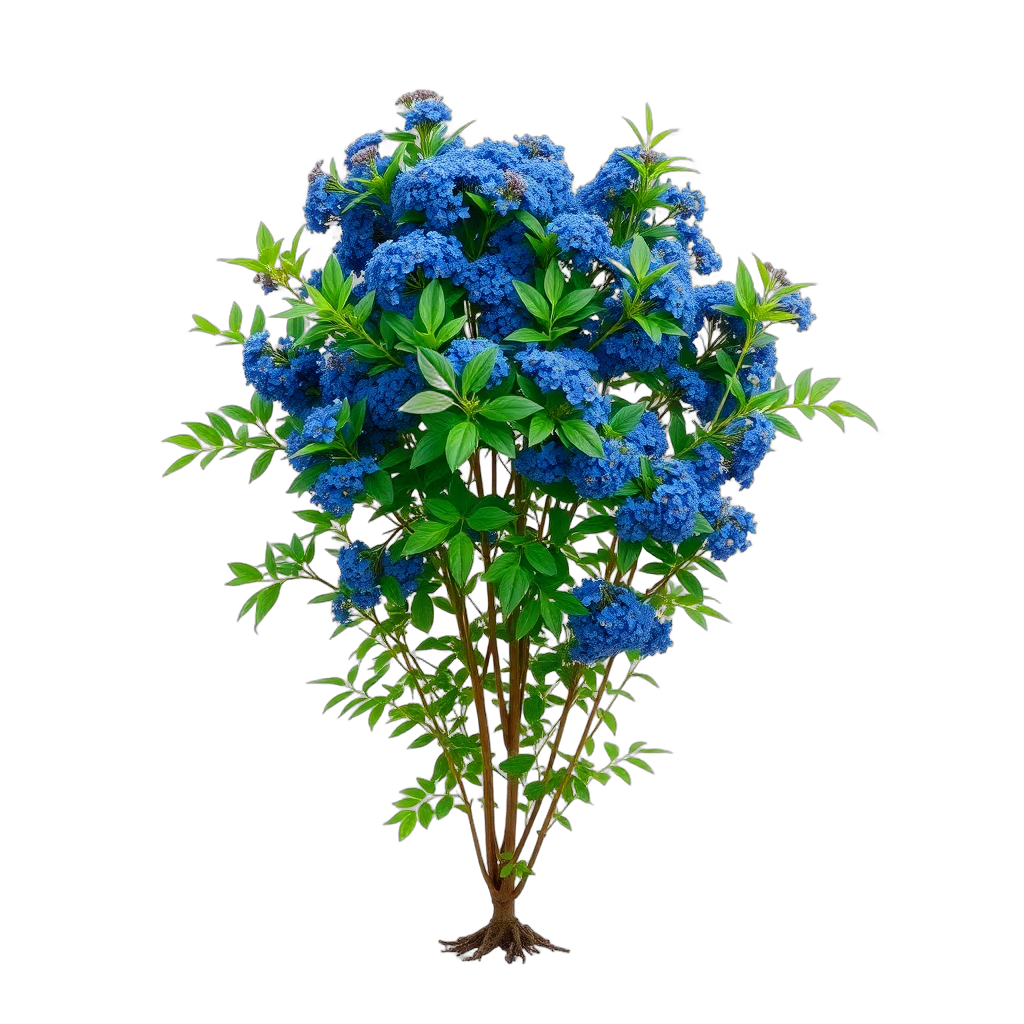
Blue Elderberry
Sambucus cerulea
medium-sized at 15 feet, white blooms in spring. Attracts butterflies.
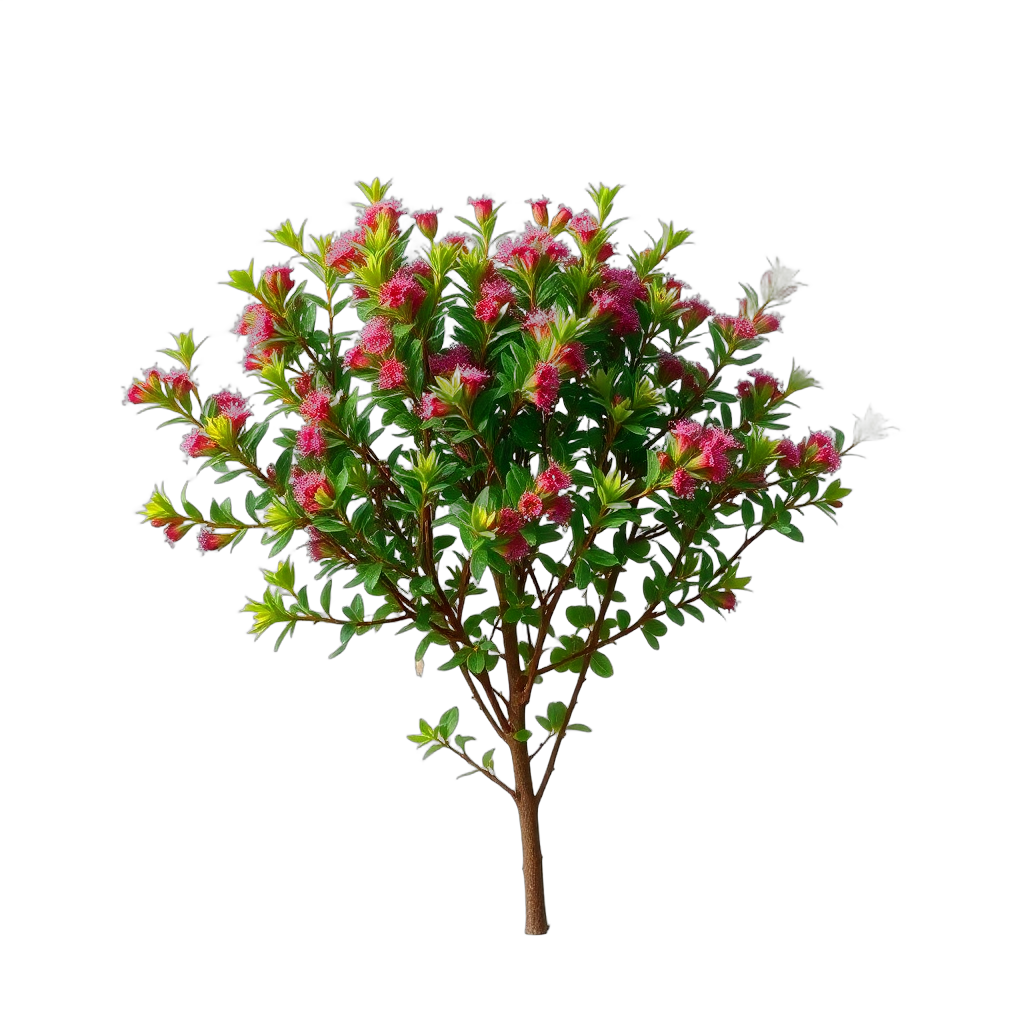
Buckbrush
Ceanothus cuneatus
medium-sized at 7 feet, white blooms in spring. Attracts butterflies.
Featured Grasses & Groundcovers for Desert/Xeriscape Gardens
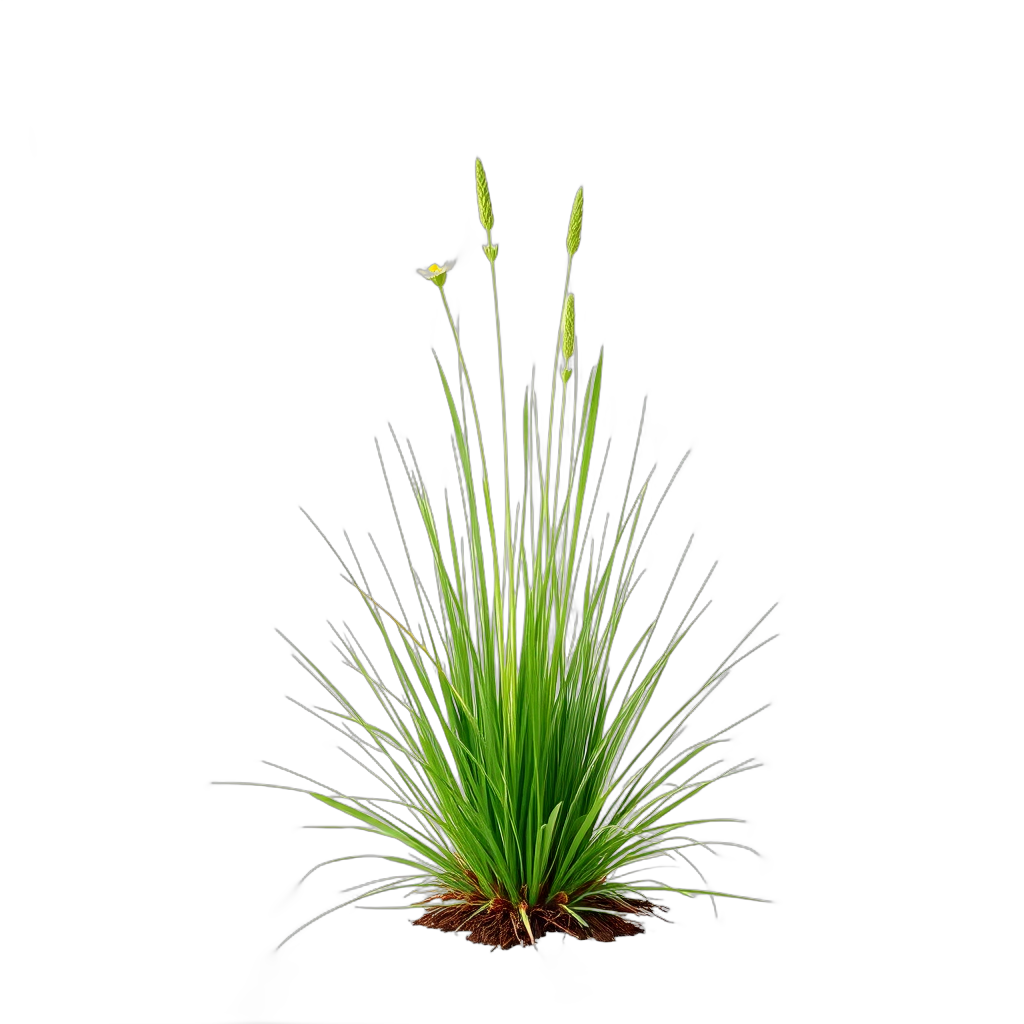
California Brome
Bromus carinatus
low-growing ground cover, blooms in spring. Yellow fall color.
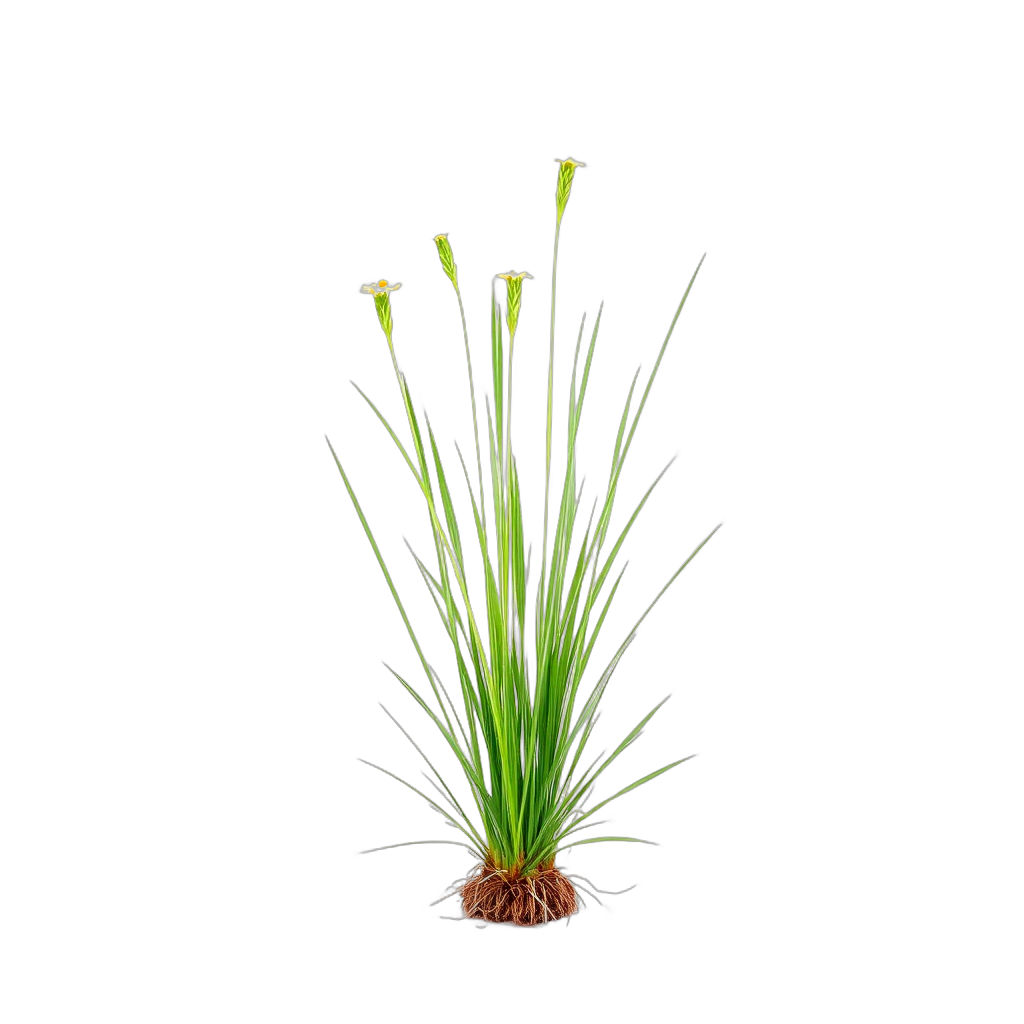
California Melic
Melica californica
low-growing ground cover, blooms in spring.
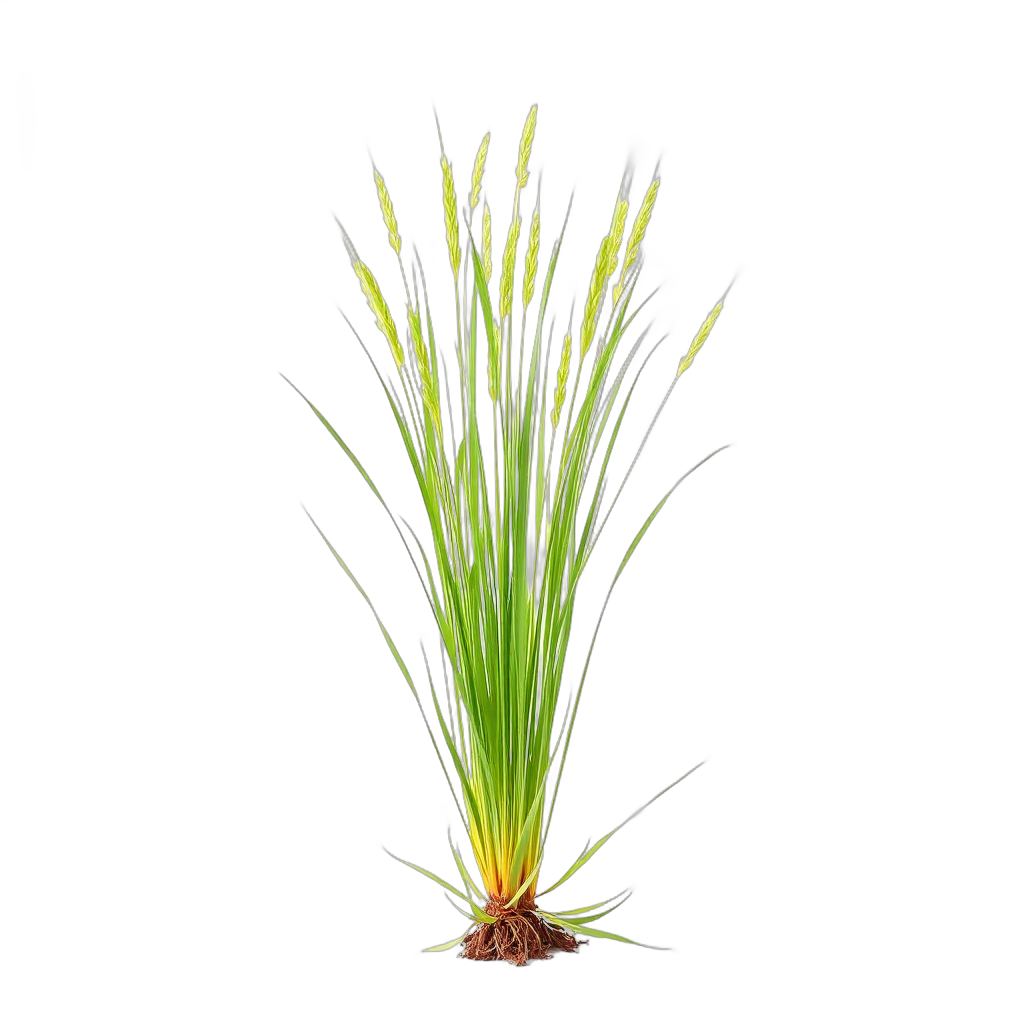
California Oatgrass
Danthonia californica
low-growing ground cover, blooms in spring. Yellow fall color.
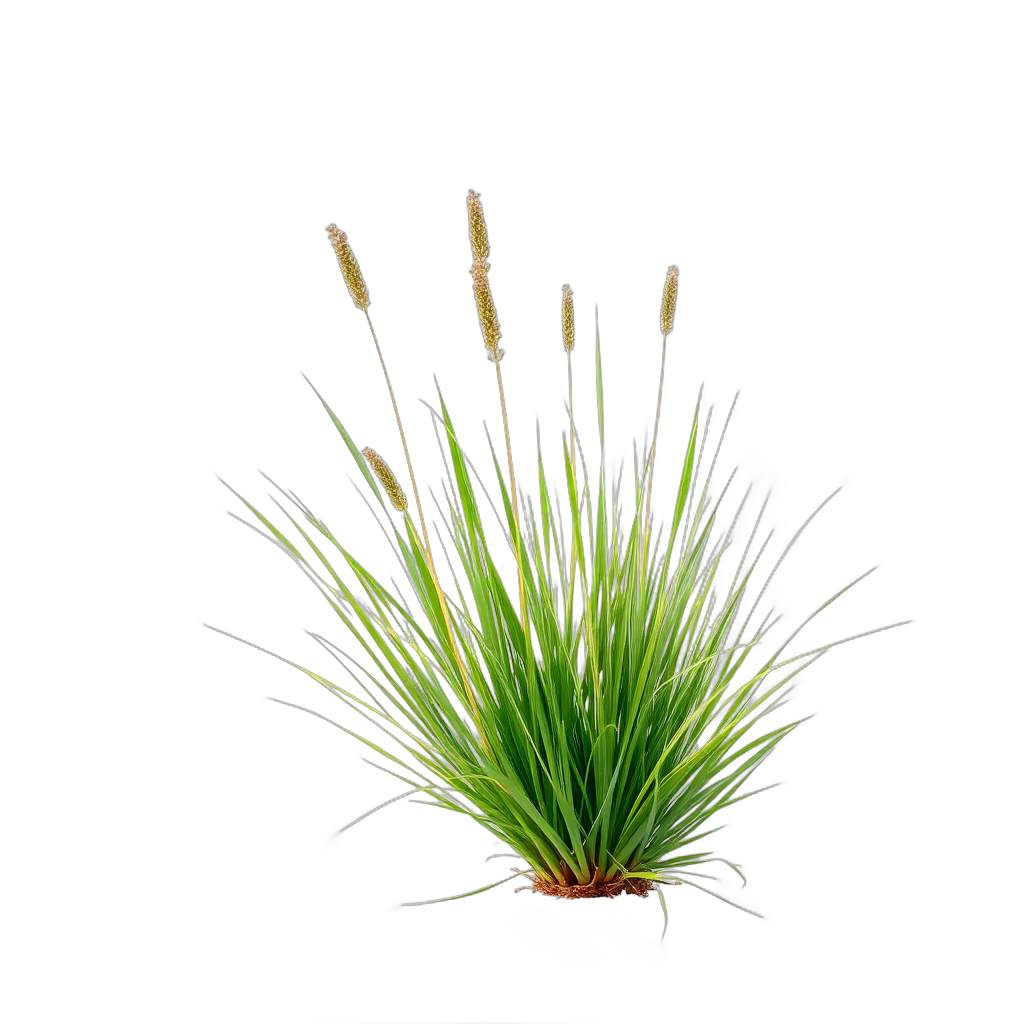
Deer Grass
Muhlenbergia rigens
grows to 3 feet, yellow blooms in fall. Evergreen year-round.
Featured Flowers & Perennials for Desert/Xeriscape Gardens
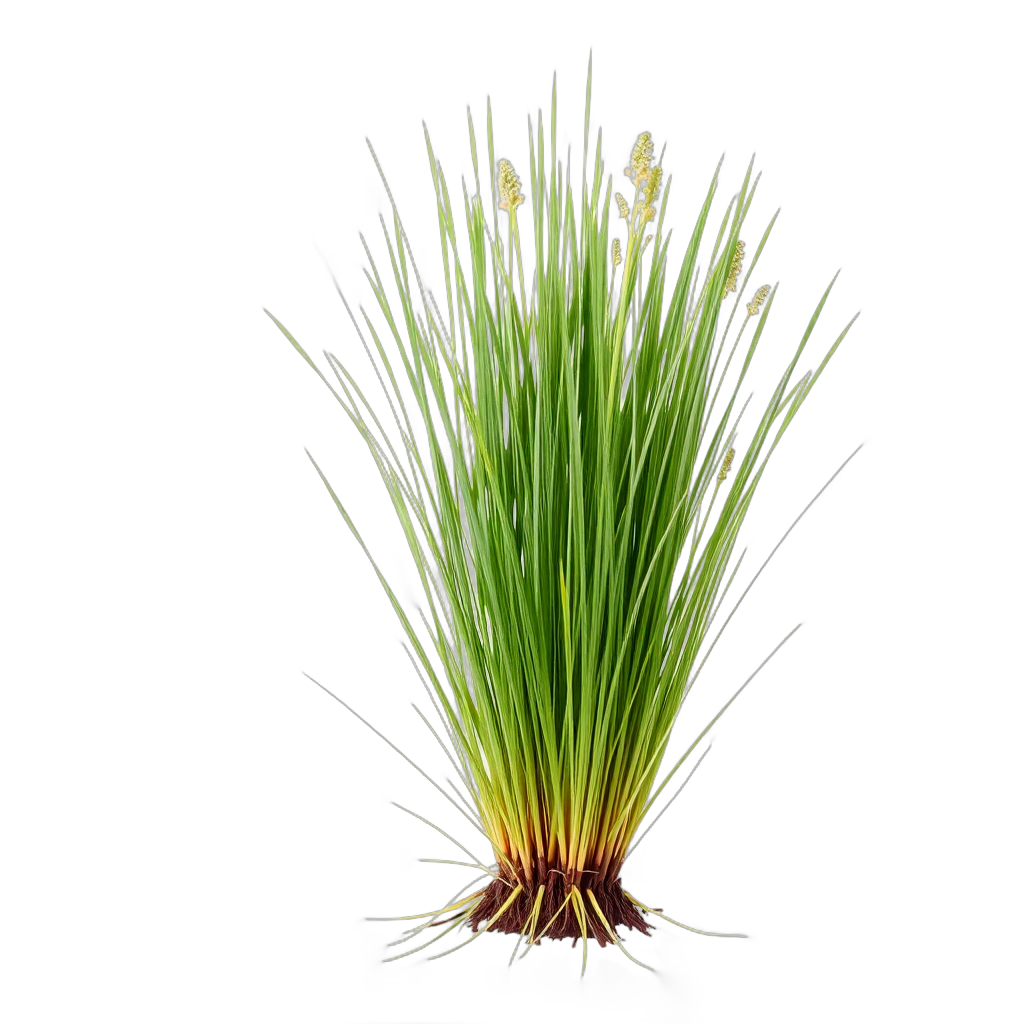
California Gray Rush
Juncus patens
low-growing ground cover, blooms in summer. Evergreen year-round.
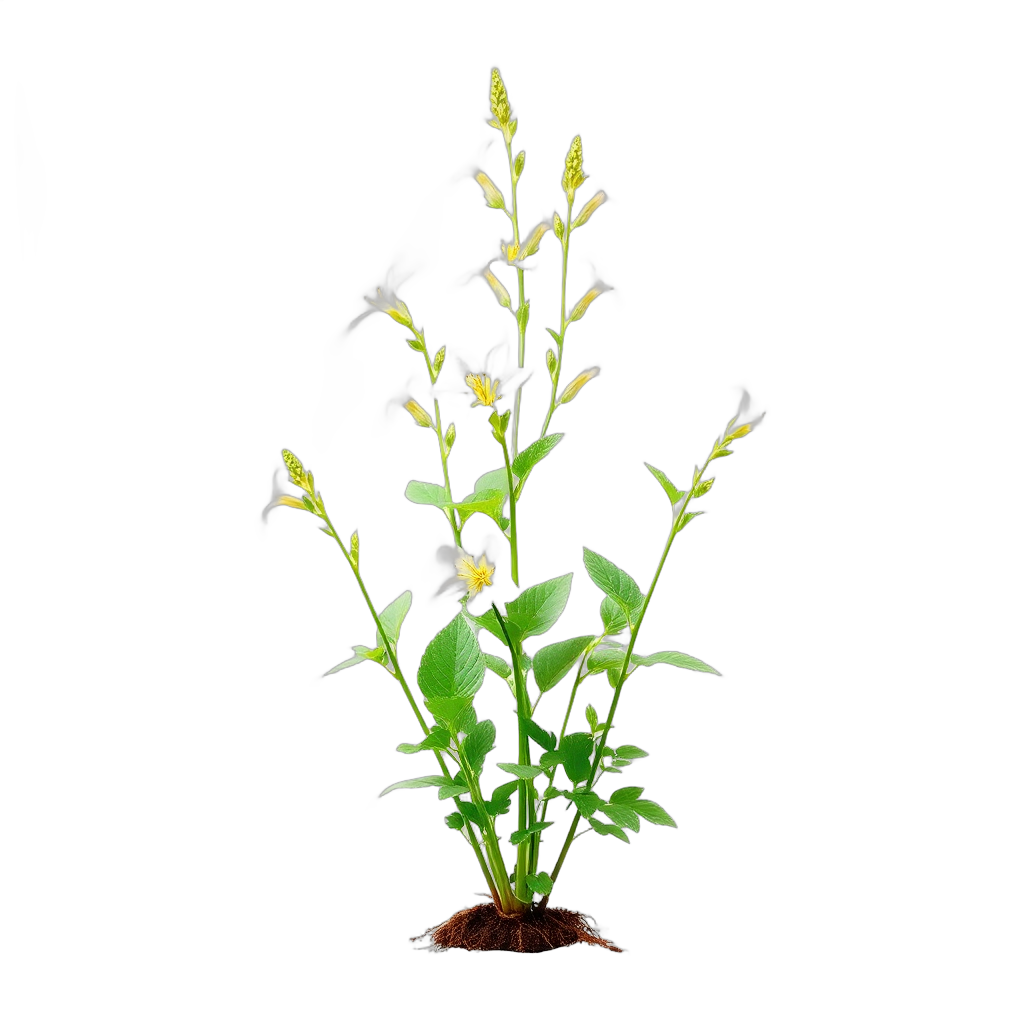
Beach Evening Primrose
Camissonia cheiranthifolia
low-growing ground cover, yellow blooms in spring. Attracts butterflies.
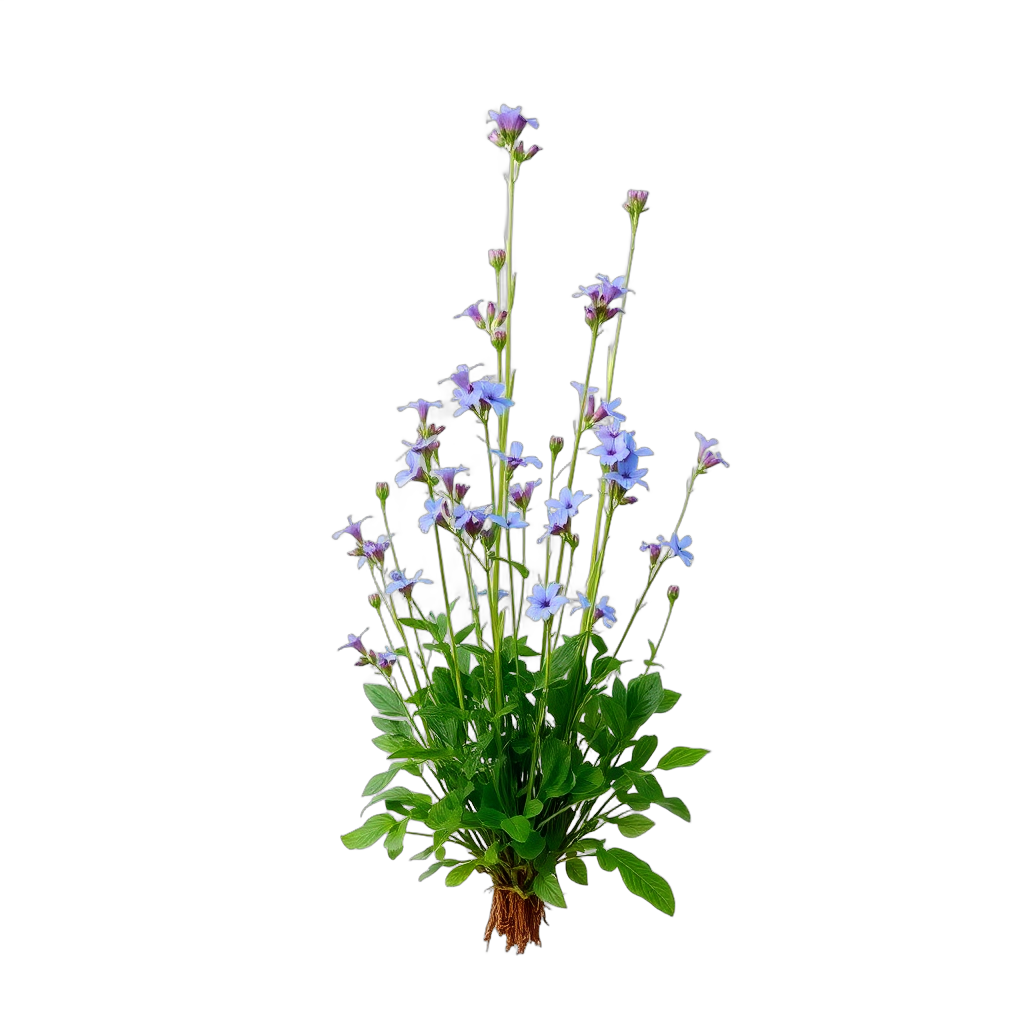
Blue Dicks
Dichelostemma capitatum
low-growing ground cover, blue blooms in spring. Pollinator-friendly.
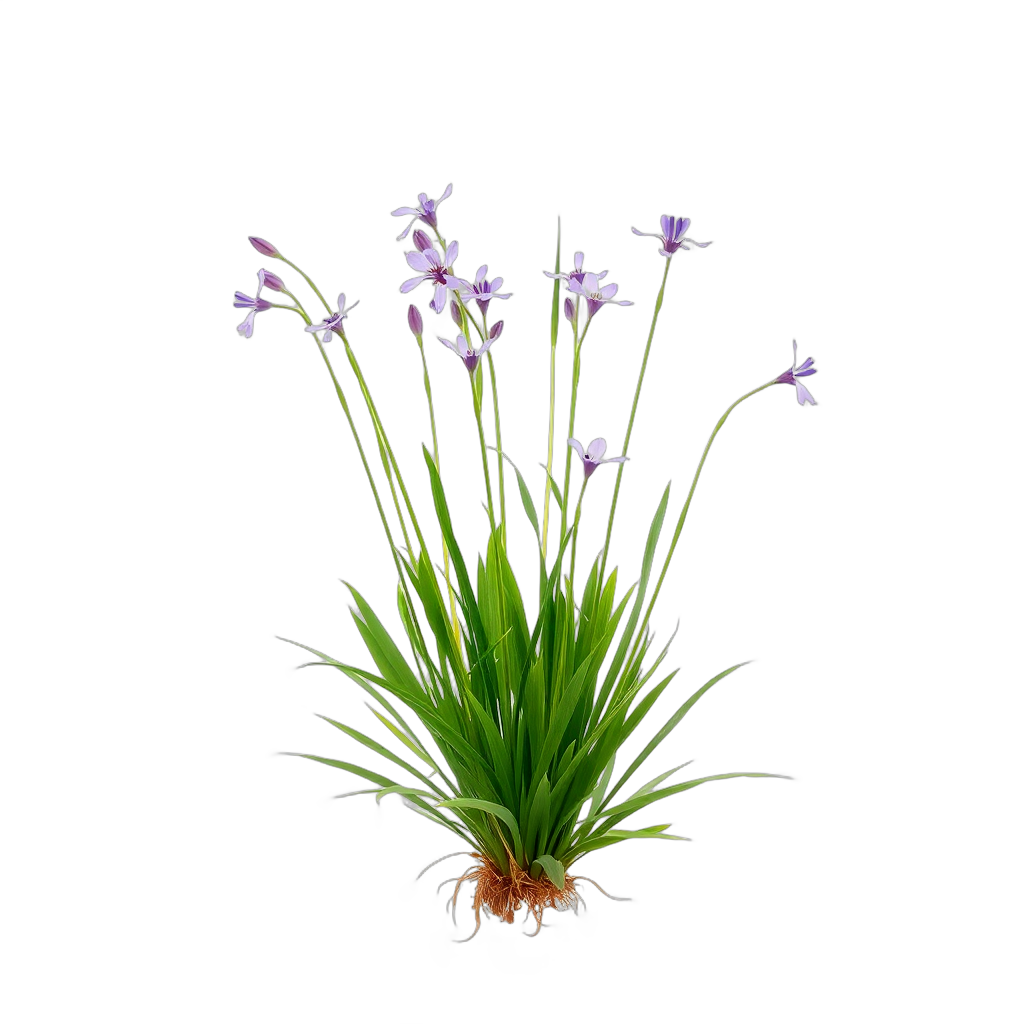
Blue-Eyed Grass
Sisyrinchium bellum
low-growing ground cover, blue blooms in spring. Attracts butterflies.
Zone and sun checks come from our database — confirm with your local nursery before you buy.
Bloom Calendar for Murrieta
spring
Beach Evening Primrose, Blue Dicks, Blue-Eyed Grasssummer
California Gray Rush, Hooker's Evening Primrose, Hummingbird Mintfall
California Fuchsiawinter
Limited bloomsDesign Tips for Murrieta (Zone 9b)
- Place the boulders first and plant second: a half-buried granite boulder anchors every bed, and moving a 400-pound rock after the cactus are in is expensive
- Mound all cactus and agave beds 10–12 inches and mix in pumice or grit: about 13 of Murrieta's 15.6 inches of rain fall November to April, and valley clay near Murrieta Creek rots roots faster than frost does
- Use Aloe 'Blue Elf' and Agave 'Blue Glow' instead of Aloe vera and Agave americana: Zone 9b lows of 25–30°F scar the tender forms in January
- Plant tender specimens such as Agave desmettiana against a south-facing stucco wall: the wall stores daytime heat and takes the edge off a 28°F night
- Give Parkinsonia 'Desert Museum' room to reach 20–25 feet wide and keep it 15 feet from the house and the pool: the litter of small yellow flowers in April is real
- Set drip on a 3–4 week summer schedule for cactus and every 10–14 days for Muhlenbergia rigens and Eremophila 'Valentine': mixing them on one valve cooks one group or drowns the other
- Choose a warm tan decomposed granite over white gravel: it reflects less heat onto stucco, hides dust and sits well with golden barrel cactus and terracotta tile roofs
Where to Source Plants in Murrieta
Skip the big-box stores. These independent Murrieta nurseries specialize in the plants that make desert/xeriscape gardens thrive in Zone 9b.
Murrieta Oaks Nursery
Murrieta (Greer Road)
Family-run, 20-acre nursery on the Murrieta Valley site since 1958, selling locally grown trees, palms, shrubs, roses and ground covers, with a strong selection of water-efficient and California native plants, plus compost, mulch, soil and local delivery
French Valley Nursery
Winchester (French Valley)
Independent nursery serving Murrieta, Temecula and Menifee with shade and ornamental trees, drought-tolerant plants, privacy hedges, pottery and soil; open seven days a week
Curby's Nursery
Temecula
Family-operated wholesale nursery that also serves homeowners, carrying palms, shrubs, perennials, succulents, large trees and an expanded drought-tolerant range
Desert/Xeriscape Landscaping Cost Ranges
| Project Scope | Estimated Cost |
|---|---|
| Drip irrigation system (500 sqft of planted area) | $1,200–$2,200 |
| Block fire pit, stacked block, capped (1 fire pit) | $580–$770 |
| Landscape gravel court (200 sqft) | $170–$370 |
| AI visualization (ProScapeAI) | Free to start |
National average installed ranges for 2026 from our landscaping price list (Homewyse and other published sources). Prices in Murrieta, CA vary with site, materials and contractor, so get two or three local quotes.
Murrieta Climate & Growing Zone
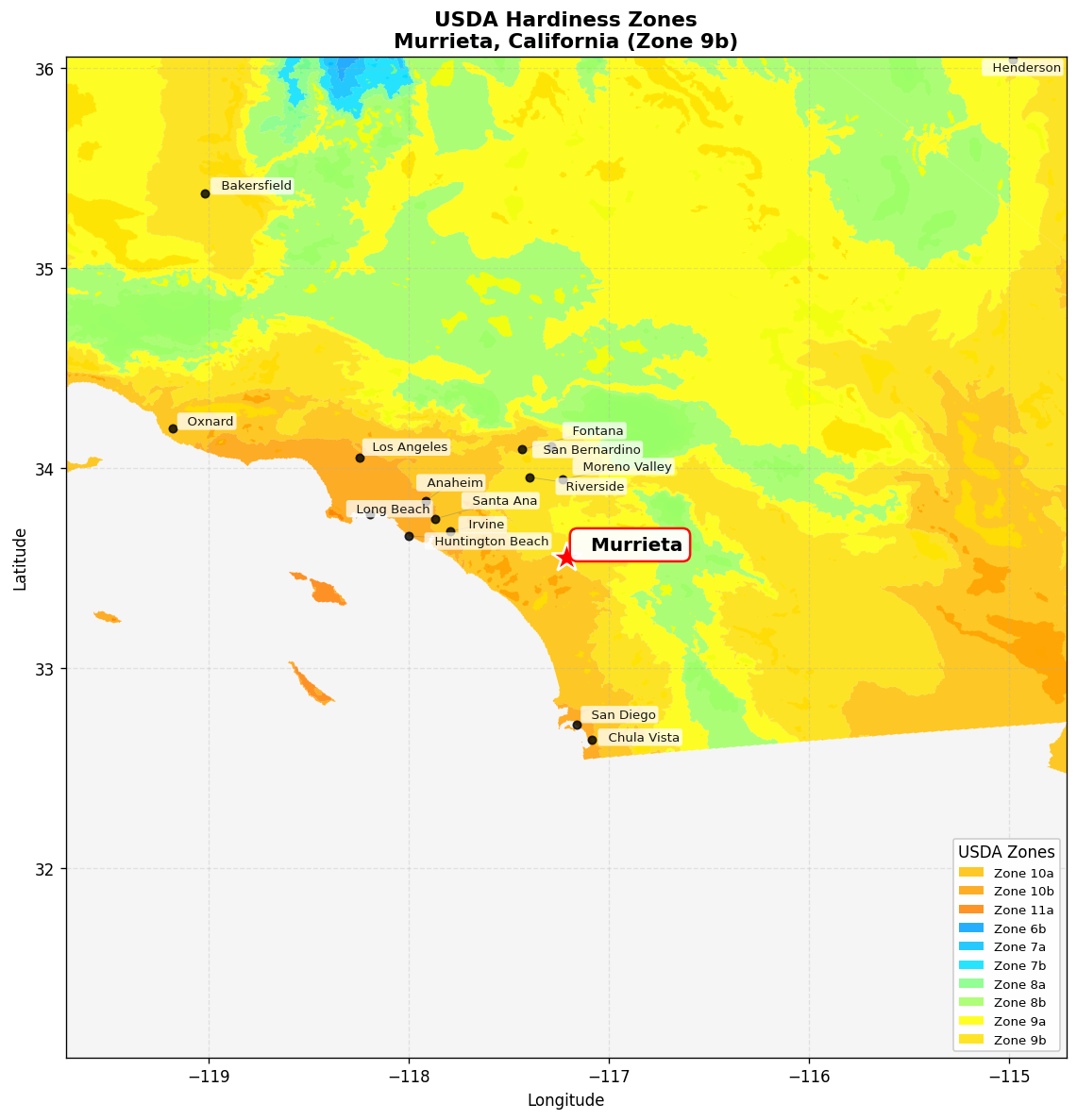
USDA Zone 9b
Hardiness zone for Murrieta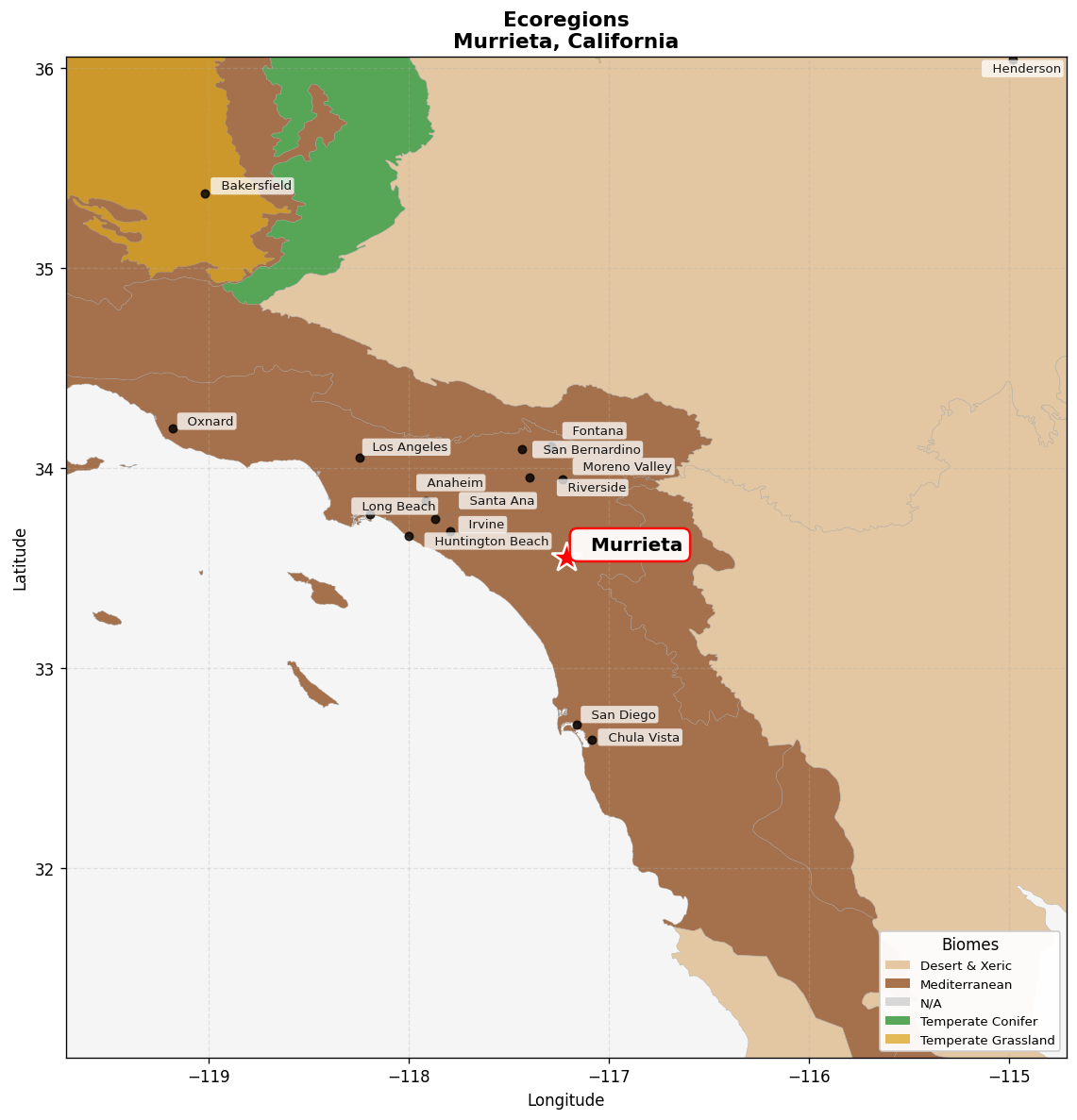
California coastal sage and chaparral
Native ecoregionFrequently Asked Questions
How much does a desert garden cost in Murrieta, CA?
An EMWD turf rebate of up to $5 per square foot can offset part of it if your address qualifies.
Is a desert garden low maintenance in Murrieta?
Yes, but it is not zero. Expect 1–2 hours a month once the plants are established: pulling winter weeds in the gravel, checking drip emitters, and cutting spent flower stalks from Hesperaloe parviflora 'Brakelights'. Water deeply once a month in summer, and shut it off in winter if rain has covered the soil. The main chore is weeds: a 3-inch gravel mulch over fabric keeps them down but the January and February rains will still bring a flush.
When is the best time to plant a desert garden in Murrieta?
October through early December and March through April are the best windows. The soil is still warm in autumn and winter rain does part of the watering. Avoid July and August, when highs average about 91°F and new plants can burn. Plant frost-tender species such as Aloe 'Blue Elf' and Agave desmettiana in March so they have a full season to harden off before the next winter, and cover them on a clear night forecast below 30°F.
Do I need a permit or HOA approval for a desert landscape in Murrieta?
Plants, drip, boulders and gravel typically need no city permit. Retaining walls over a set height, major grading, patio covers, pergolas and gas fire pit lines can require one, so check with the City of Murrieta. Most tracts have an HOA with an architectural committee that will want a plan and plant list. California law limits HOA bans on water-efficient landscaping, but committees still review layout and materials. Apply for your water district's rebate after the plan is approved, since funding is first-come.
Which desert plants survive Murrieta's frost?
Zone 9b means lows of 25–30°F, and these hold up: Echinocactus grusonii, Fouquieria splendens, Dasylirion wheeleri, Yucca rostrata, Agave 'Blue Glow', Opuntia santa-rita 'Tubac' and Parkinsonia 'Desert Museum'. Saguaro (Carnegiea gigantea) and organ pipe cactus are risky in the colder pockets, and Aloe vera and tall Agave americana forms scar below about 28°F. Use Aloe 'Blue Elf' and Agave 'Blue Glow' as substitutes, and plant tender specimens against a south-facing wall.
Which water district and rebate applies to my Murrieta address?
It depends on the street. Western Water serves the historic downtown area, EMWD serves much of the rest of Murrieta, and Rancho California Water District and Elsinore Valley MWD cover parts of the city. EMWD's published turf removal rebate is $5 per square foot in total, which includes $3 from EMWD, plus an optional $100 per qualifying new tree for up to five trees. Approvals are first-come and subject to funding. Check the district on your water bill and its rebate page before you pull any sod.
Will cactus rot in Murrieta's winter rain?
They can, in heavy clay. Roughly 13 of the city's 15.6 inches of annual rain fall between November and April, and valley soil near Murrieta Creek can stay wet for days after a storm. Plant cactus and agaves on a mound 10–12 inches high, blend in pumice or coarse grit, and keep gravel mulch pulled back an inch from each stem. On hillside lots with decomposed granite and sandy loam, a flat bed is usually fine.