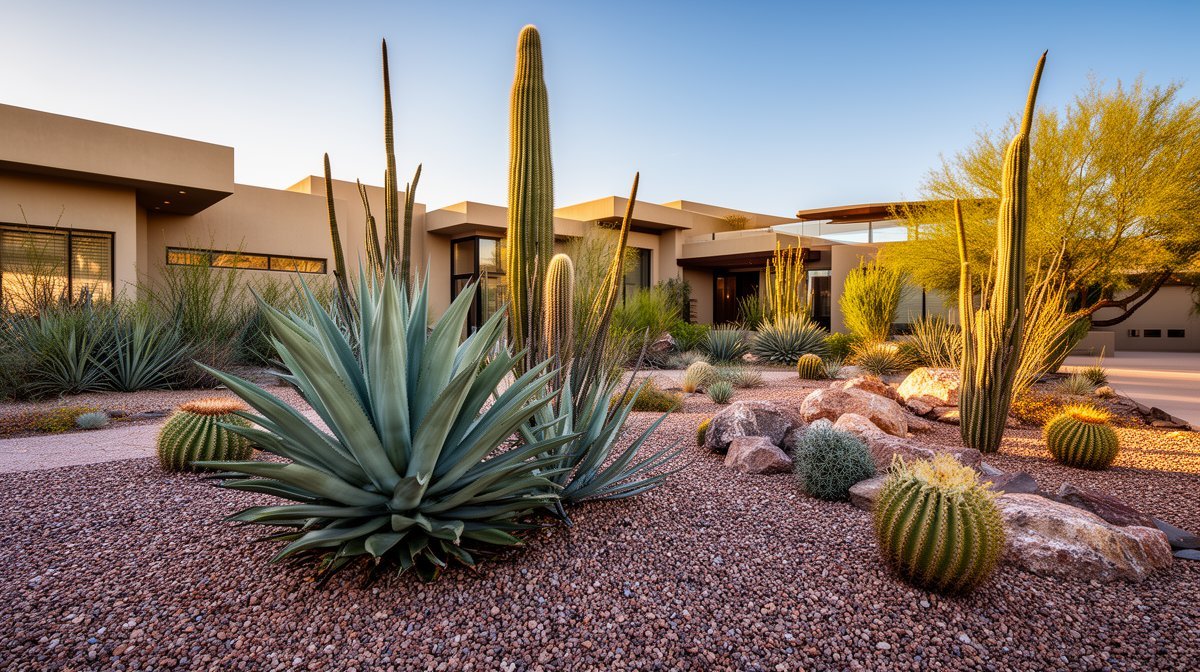
4 Desert & Xeriscape Garden Ideas for Tempe, AZ | Sonoran Landscape Design for Zone 9b
Native plants from the Sonoran desert (Zone 9b) — Hot desert climate
Why Desert/Xeriscape Gardens in Tempe?
Tempe is one of the hottest cities in the United States, but the number that should drive your landscape design isn't the afternoon high — it's the overnight low. The Phoenix-metro urban heat island keeps Tempe nights 10–15°F warmer than the open Sonoran Desert around it, and summer lows now routinely refuse to fall below 90°F. Every square foot of asphalt, west-facing stucco and bare rock on your lot absorbs radiant load all afternoon and releases it after dark. That reframes what xeriscape actually means here: a field of light granite with three token cacti is not a desert landscape, it is a heat battery. Real Sonoran design is layered — a canopy tree casting filtered shade, mid-height shrubs shading the ground beneath it, and gravel only where nothing better belongs. Getting a Parkinsonia ×'Desert Museum' or a velvet mesquite (Prosopis velutina) over your west wall buys more comfort than any other dollar you will spend outdoors in Tempe.
Zone 9b — brief winter lows near 28–32°F and roughly 9 inches of rain a year — opens a plant palette most of the country can only photograph. Agave ovatifolia 'Frosty Blue', Agave parryi var. truncata, Agave 'Blue Glow' and octopus agave (Agave vilmoriniana) hold their sculptural form twelve months a year; Yucca rostrata 'Sapphire Skies', Dasylirion wheeleri and Hesperaloe parviflora 'Brakelights' deliver vertical structure on almost no summer water once rooted; Leucophyllum frutescens 'Green Cloud' and Leucophyllum langmaniae 'Lynn's Legacy' flower on monsoon humidity alone. The catch is underground. Most Tempe lots hide a caliche hardpan — cemented calcium carbonate — somewhere between 12 and 36 inches down, and a planting hole dug into it becomes a sealed bathtub that rots an agave in a single winter storm. Break through it, or auger a drainage chimney beside the rootball, before anything goes in the ground.
Two more local realities shape the work. Monsoon microbursts from mid-June through September push 60–70 mph gusts across the Valley and topple exactly the trees that were watered shallowly at the trunk and over-thinned by a mow-and-blow crew — so move drip emitters outward toward the dripline as a tree grows, water deep and infrequently, and leave interior branches alone. And Tempe is landlocked and fully built out: Mitchell Park and Maple-Ash lots run roughly 6,000–7,500 square feet, much of the ASU-adjacent stock is rental, and a typical front yard here is only 500–900 square feet. That is good news for budgets — Phoenix-metro labor and locally quarried decomposed granite are inexpensive by national standards, and a complete, genuinely beautiful front-yard conversion usually lands between $4,000 and $11,000.
4 Desert/Xeriscape Design Ideas for Tempe
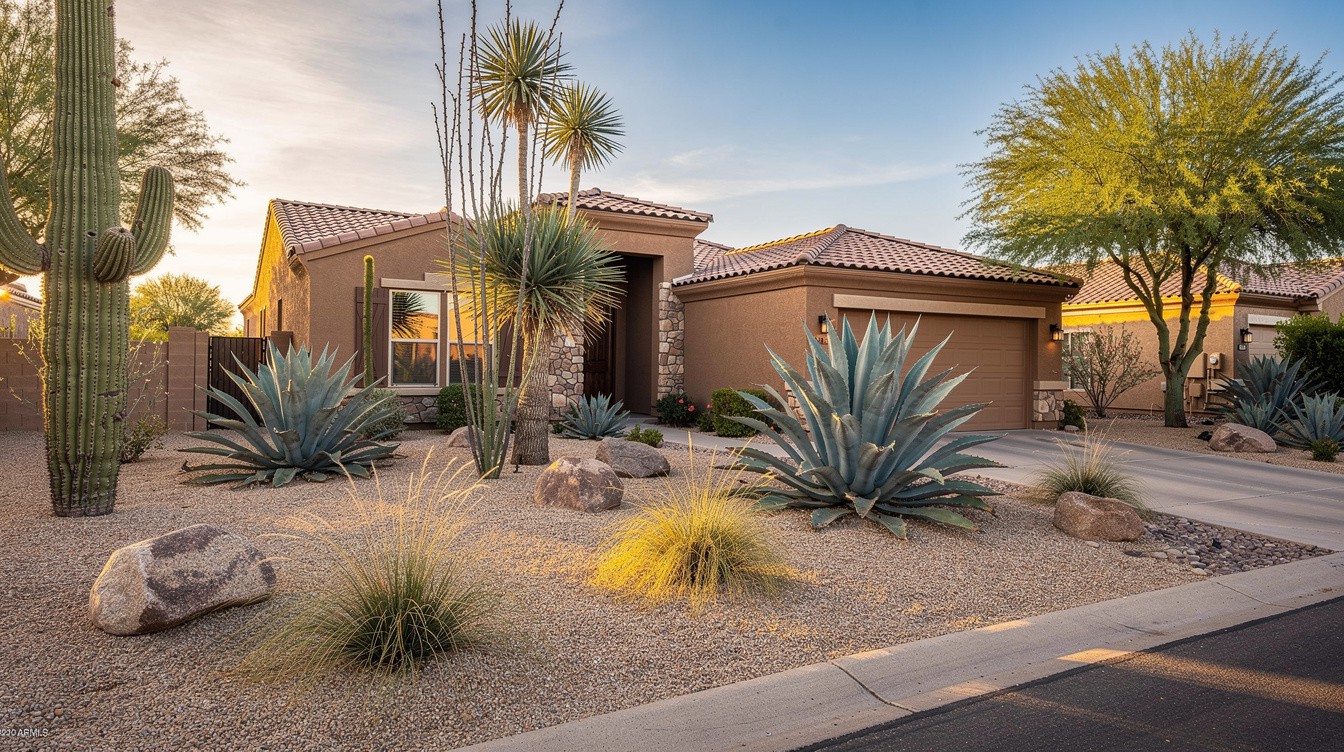
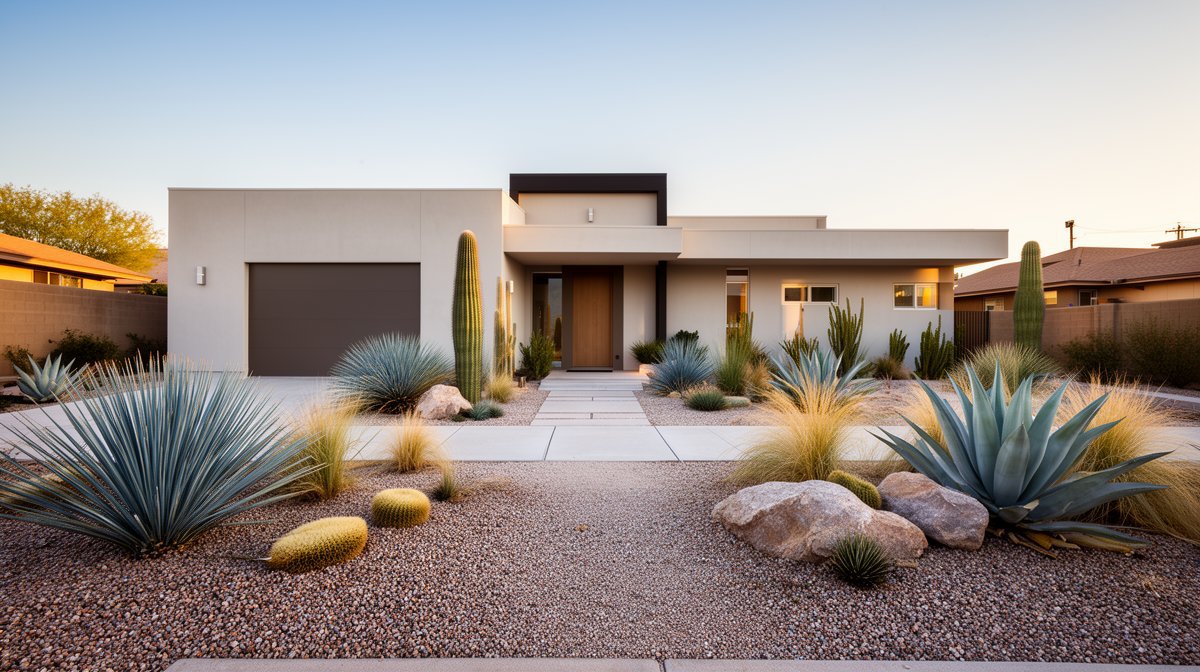
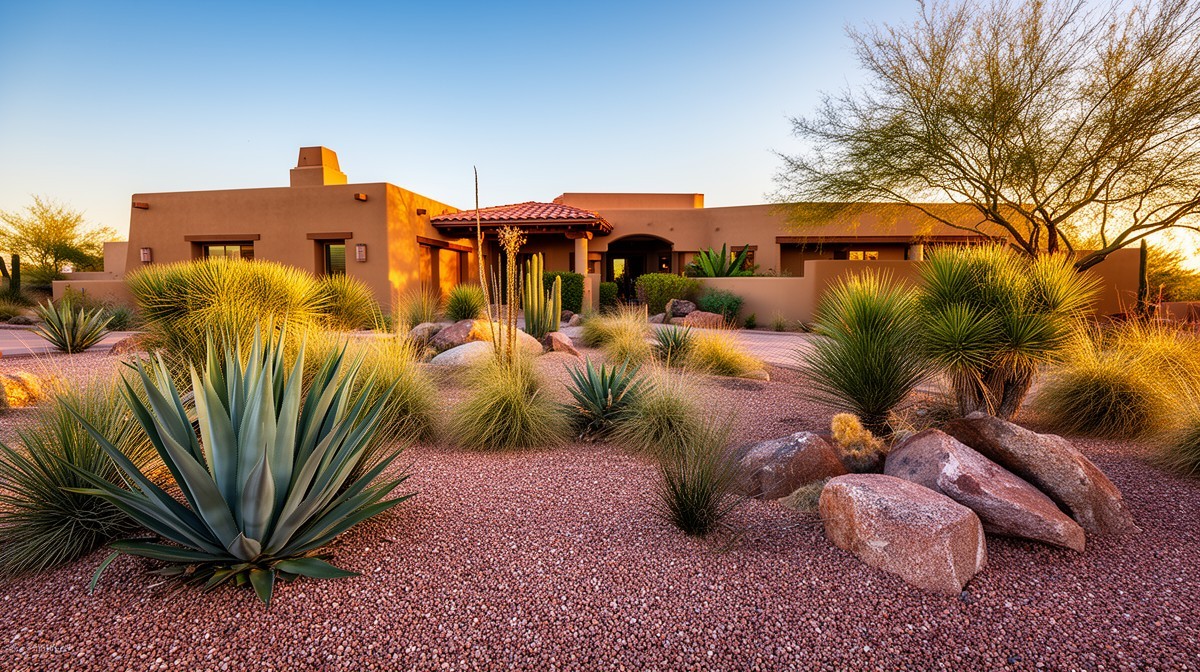
The Sculptural Sonoran Front Yard
$5–11/sqftA tile-roofed stucco ranch with no lawn at all, composed instead as a collection of specimens on a screened granite field. A mature saguaro (Carnegiea gigantea) anchors the far left, a multi-trunk Yucca torreyi throws its fountain of blades against the sky above the entry, and three enormous Agave americana rosettes are spaced far enough apart to read as individual objects rather than a hedge. Deer grass (Muhlenbergia rigens) breaks up the gravel at knee height, ocotillo canes (Fouquieria splendens) draw thin vertical lines through the composition, and a Parkinsonia ×'Desert Museum' at the driveway edge throws late-afternoon shade over the garage wall — the hottest surface on any Tempe front elevation.
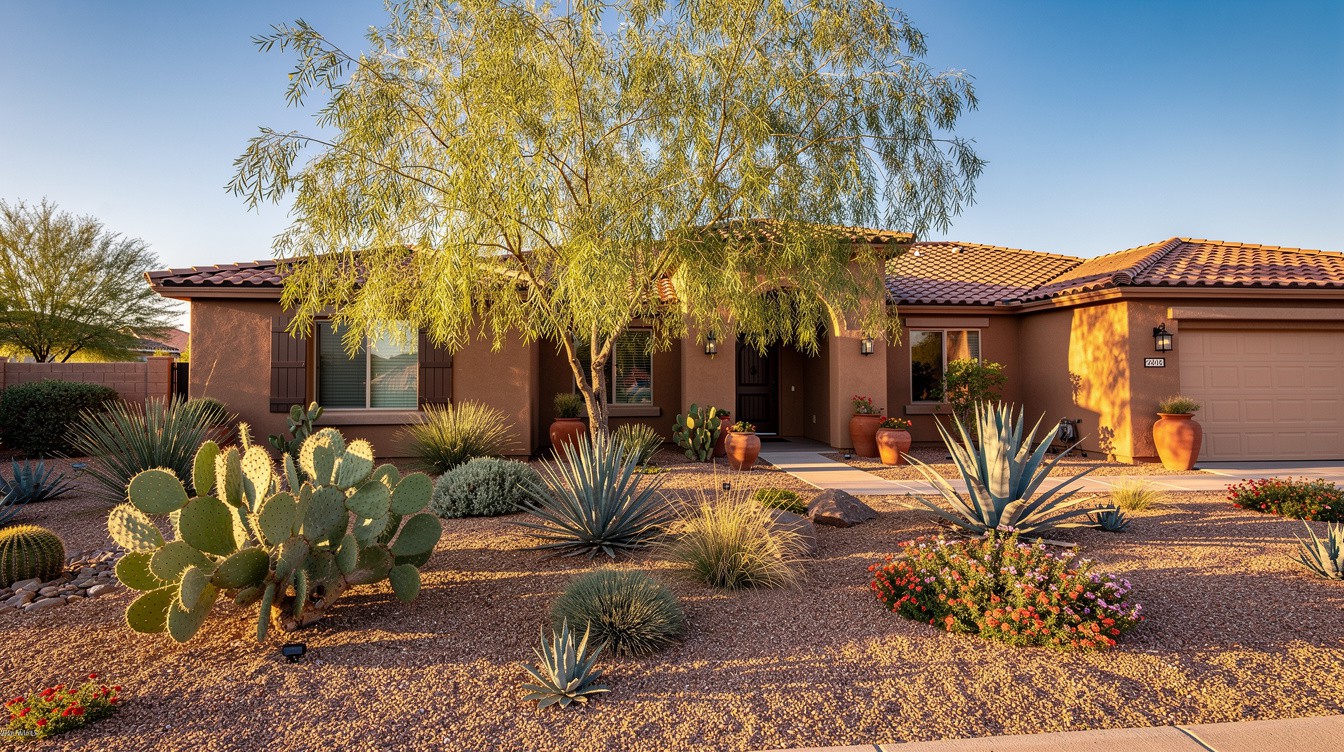
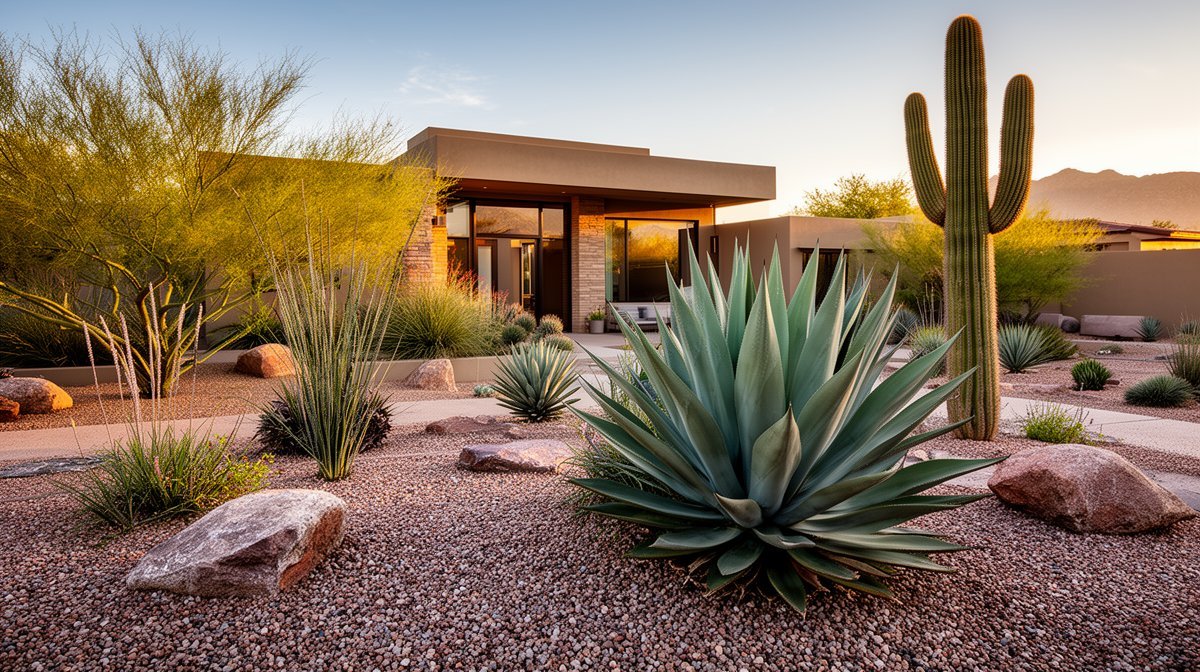
The Layered Cactus & Bloom Garden
$6–13/sqftSame zero-water bones, far more color. A mature Parkinsonia ×'Desert Museum' is planted close enough to the house that its canopy actually shades the front windows, and beneath it the beds are built in tiers: a wide clump of Opuntia engelmannii and golden barrels (Echinocactus grusonii) at the left, blue Agave americana and variegated Agave desmettiana at the right, Agave parryi var. truncata and Dasylirion wheeleri as mid-height punctuation, and a low ribbon of Lantana 'New Gold' and trailing purple Lantana montevidensis carrying flower color from March to Thanksgiving. Brittlebush (Encelia farinosa) fills the gaps for free, and terracotta pots by the door repeat the warm tone of the stucco.
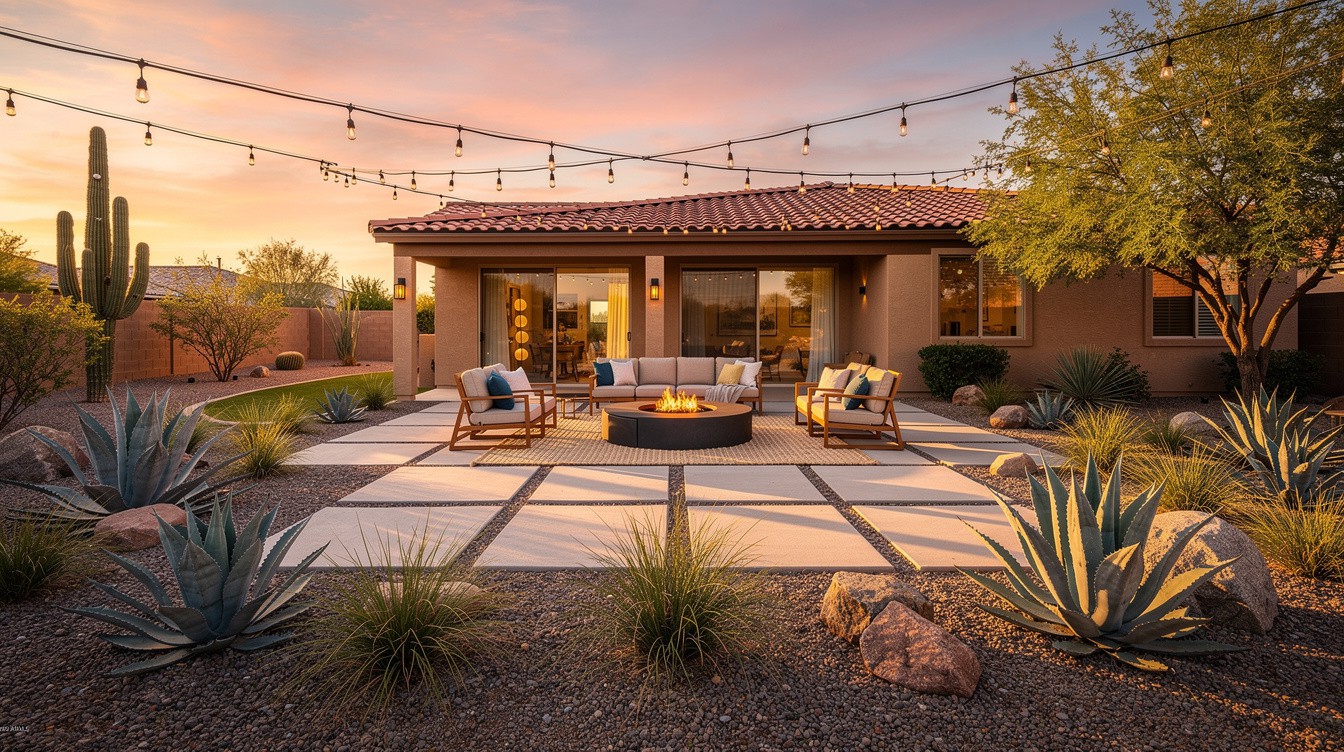
The Floating Paver Fire Court
$18–32/sqftA back patio built as a grid of oversized pale concrete pavers with open granite joints, so the whole floor drains during monsoon downpours instead of sheeting toward the slab. A round steel gas fire bowl sits dead center with low teak-frame lounge chairs around it, and bistro string lights span the yard on cable runs anchored to the fascia and a steel post. The planted edges do the heavy lifting: massed Agave ovatifolia and Agave weberi with boulders on both flanks, Muhlenbergia rigens and Muhlenbergia dumosa softening the paver perimeter, and a small retained strip of hybrid bermuda kept only where the dogs and kids actually use it.
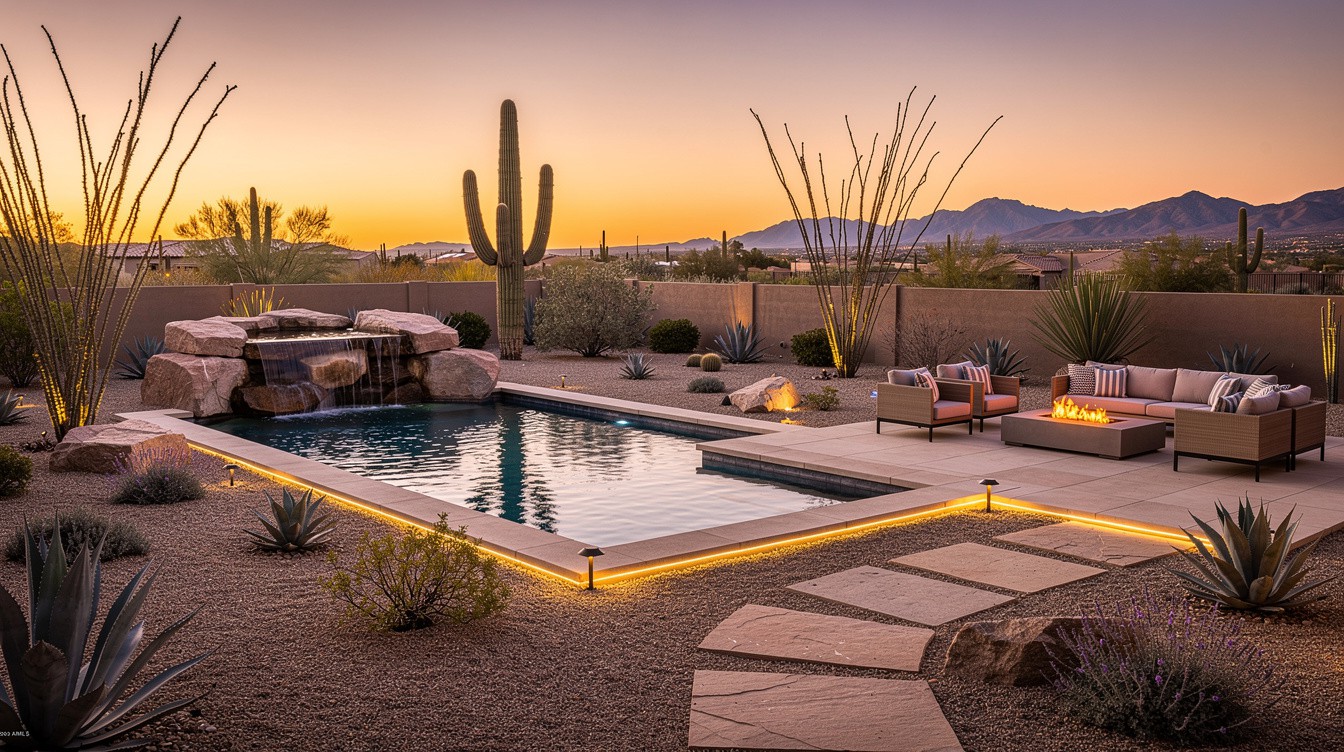
The Boulder Waterfall Pool Terrace
$60–120/sqft (pool area inclusive)A rectangular pool set flush into a pale concrete deck, with a stacked-boulder waterfall at the head end that returns the same water it filters — the only justifiable water feature in a 9-inch-rain climate. LED strip lighting is recessed under the coping so the whole pool edge glows at dusk, irregular flagstone pads step across the granite to a fire table and low seating, and the planting is deliberately open so the South Mountain and Superstition ridgelines stay in view: tall ocotillo on both flanks, a saguaro on axis behind the falls, Agave ovatifolia and Agave victoriae-reginae low along the deck, and Dasylirion longissimum where the eye needs a soft vertical.
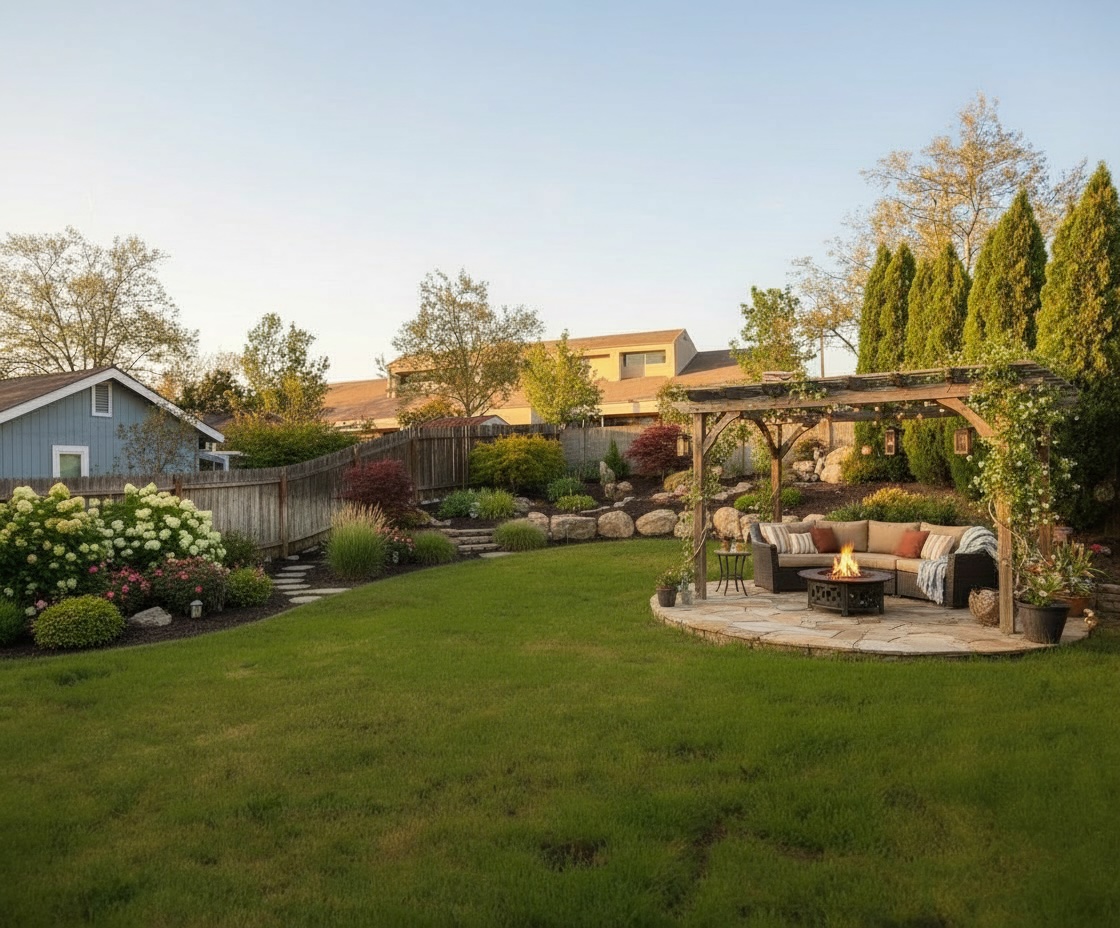
See how a desert/xeriscape garden looks on YOUR property
Upload a photo of your Tempe yard and visualize your dream garden in seconds.
Try ProScapeAI Free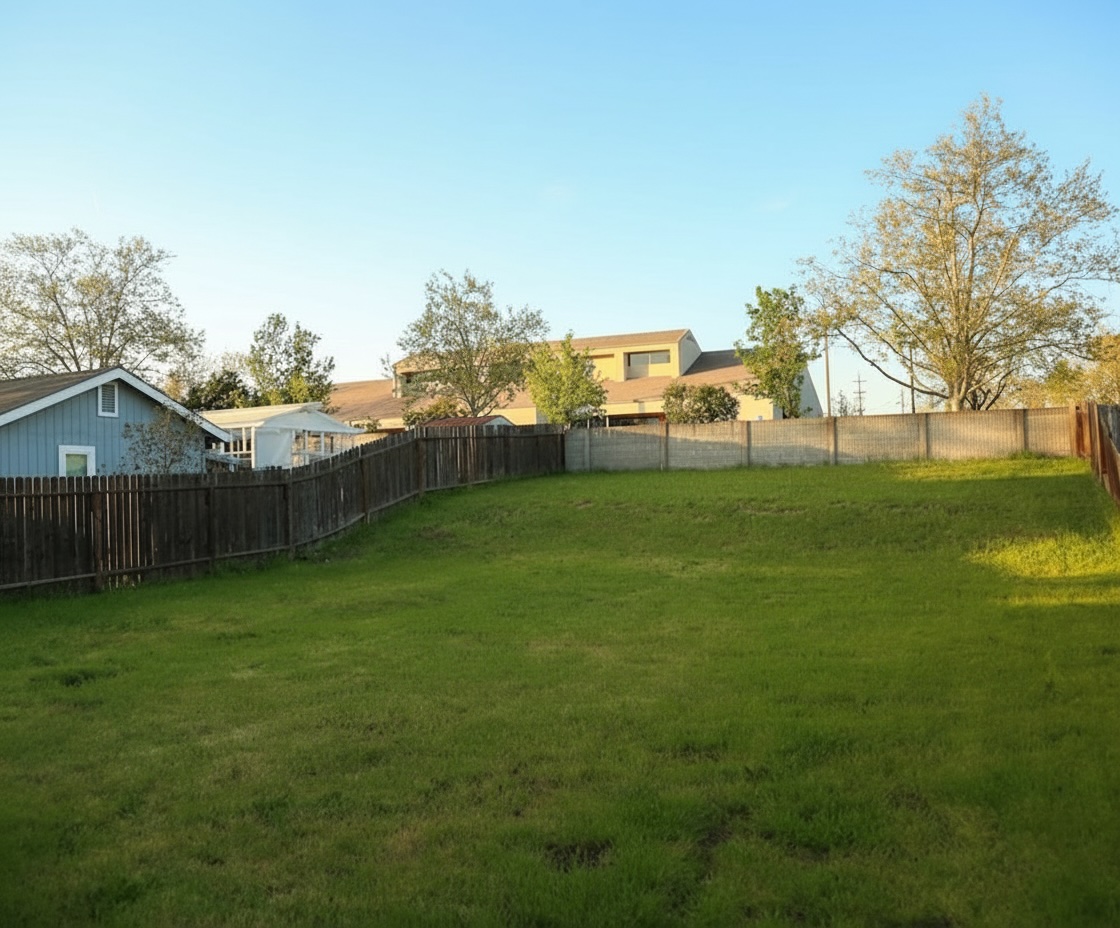
Featured Trees & Shrubs for Desert/Xeriscape Gardens
Browse all 185 plants for Tempe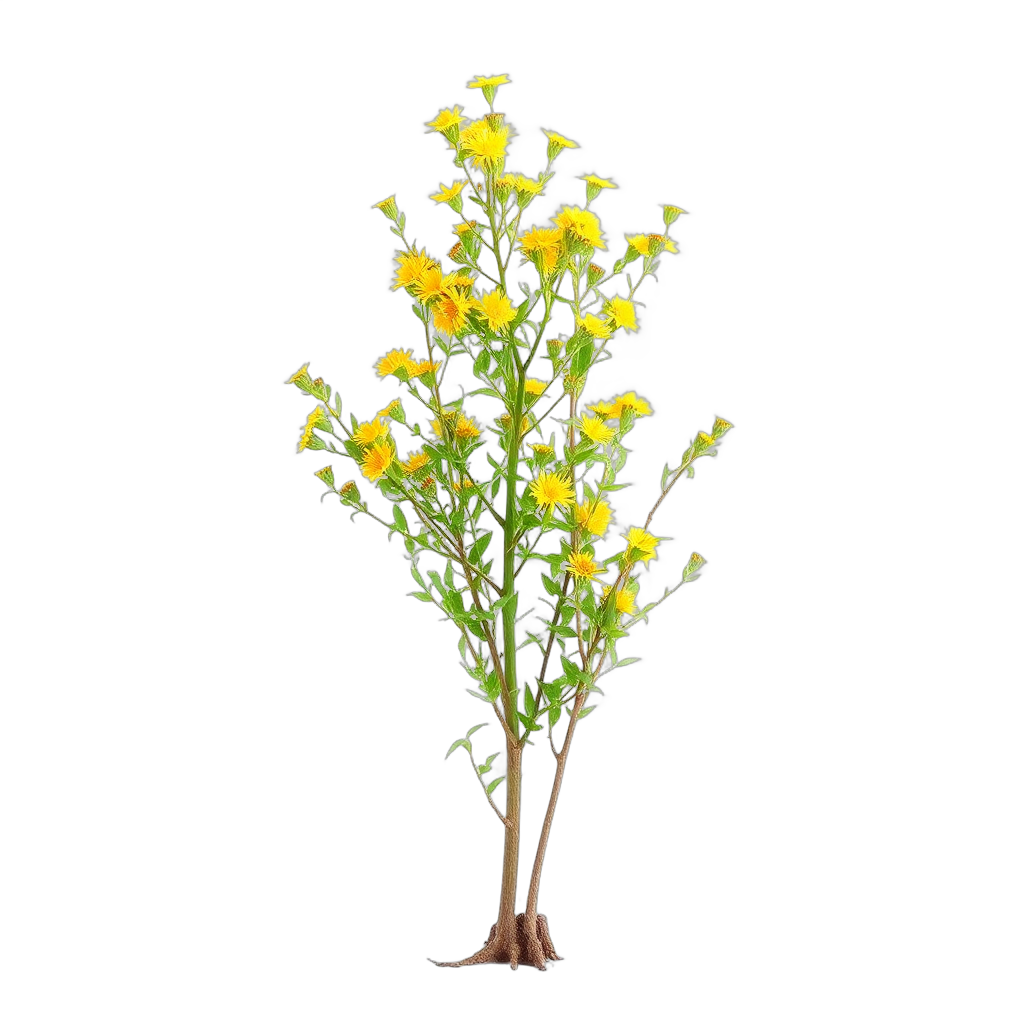
Brittlebush
Enca farinosa
grows to 3 feet, yellow blooms in spring. Attracts butterflies.
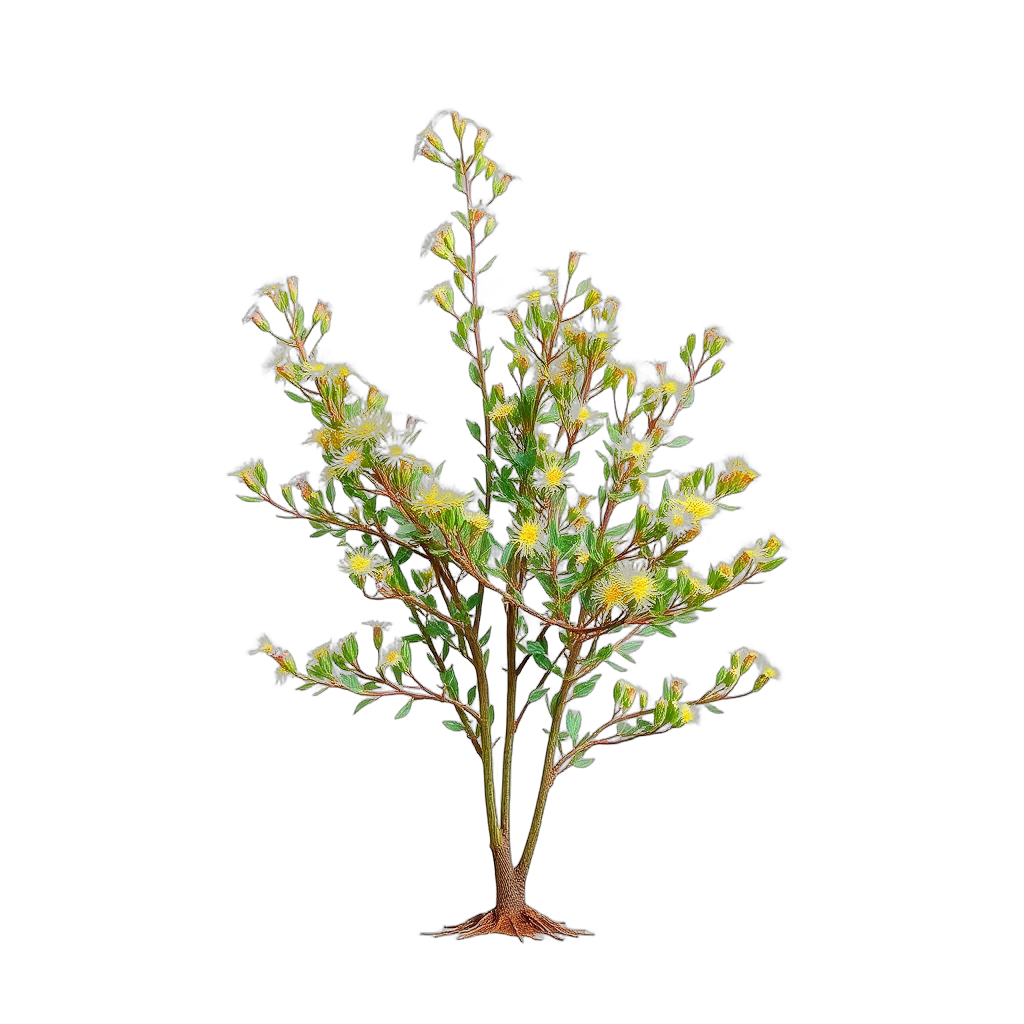
Catclaw Acacia
Acacia greggii
medium-sized at 15 feet, yellow blooms in spring. Pollinator-friendly.
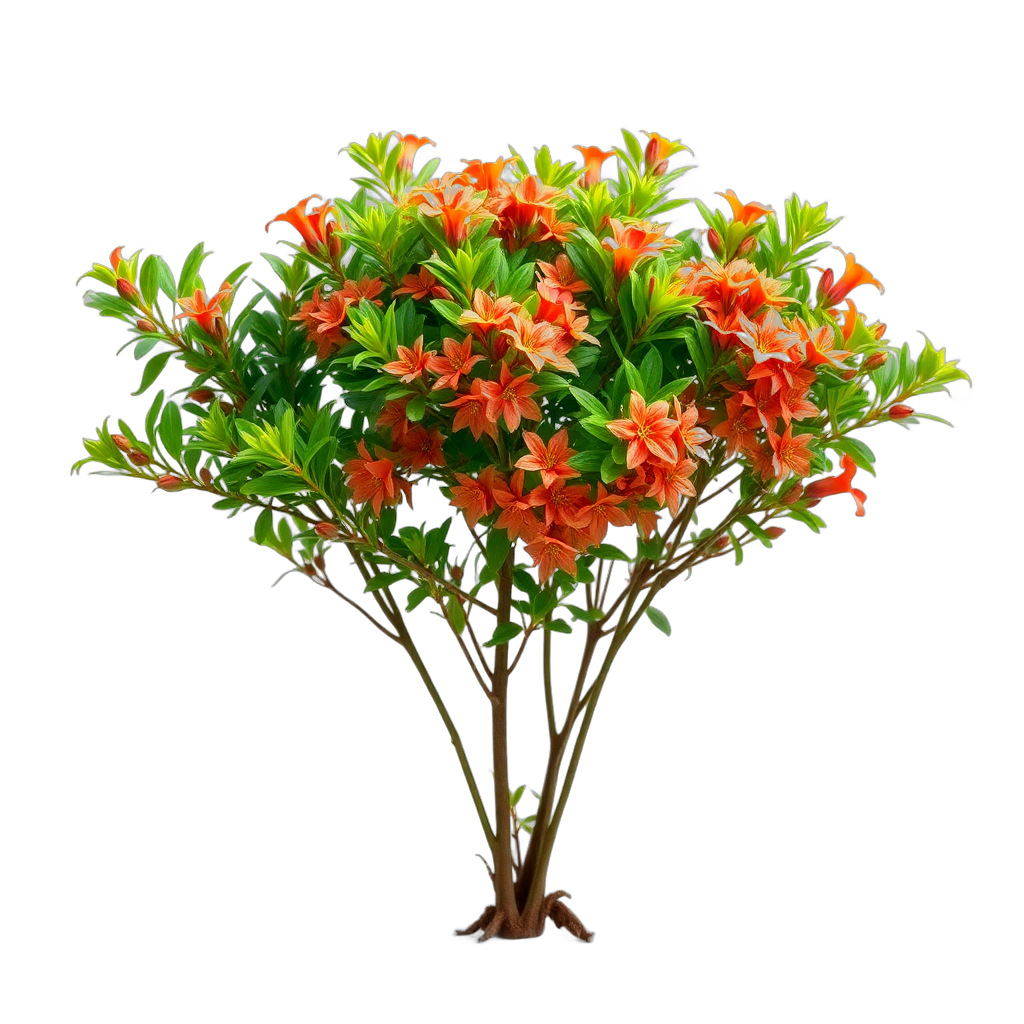
Chuparosa
Justicia californica
grows to 5 feet, red blooms in spring. Attracts hummingbirds.
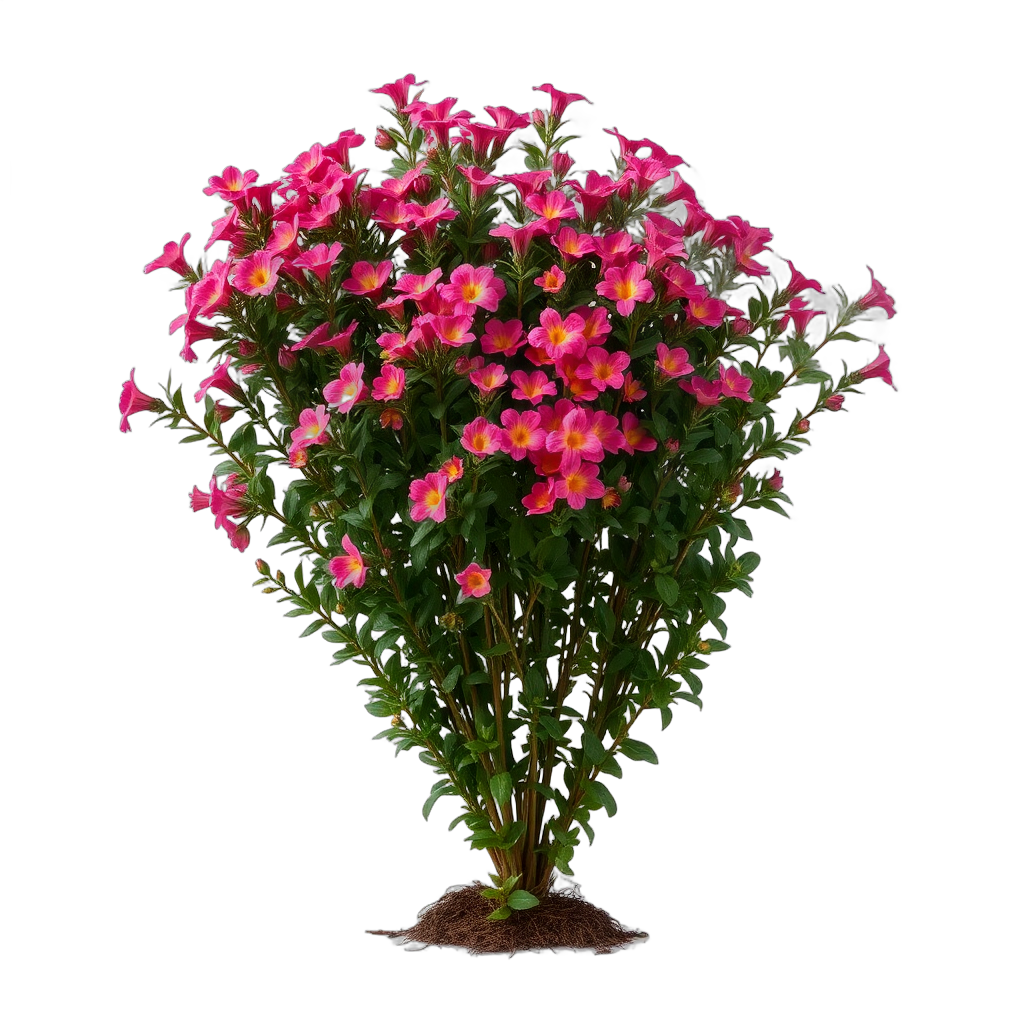
Cliffrose
Purshia mexicana
medium-sized at 8 feet, yellow blooms in spring. Attracts butterflies.
Featured Grasses & Groundcovers for Desert/Xeriscape Gardens
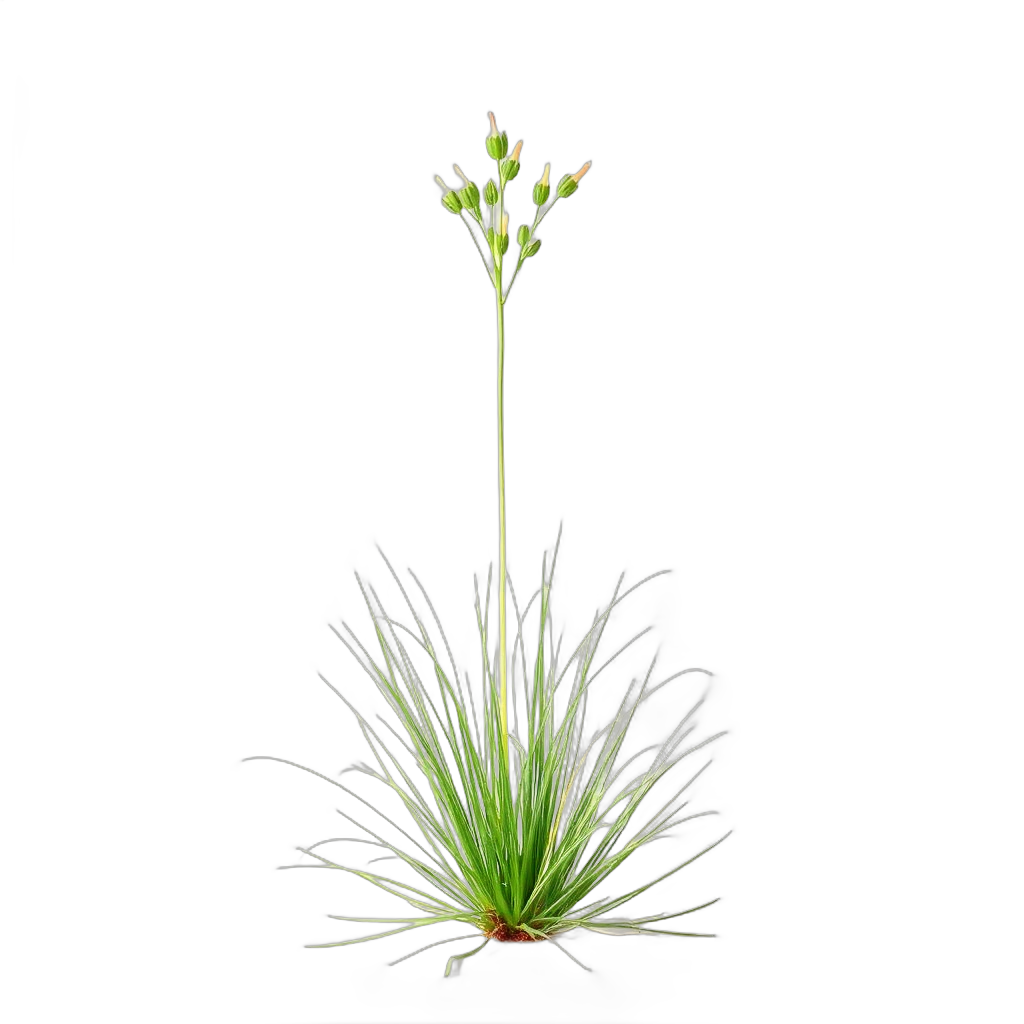
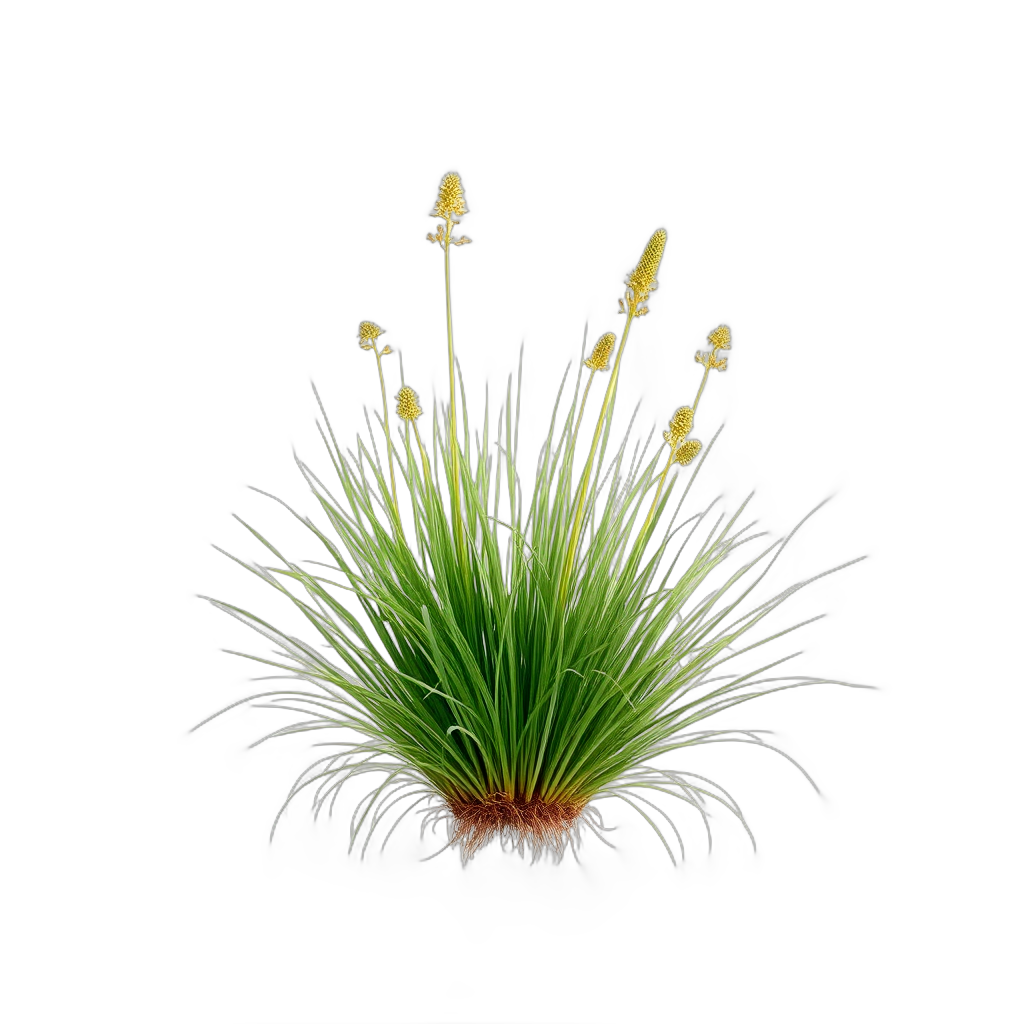
Alkali Sacaton
Sporobolus airoides
grows to 3 feet, blooms in summer. Yellow fall color.
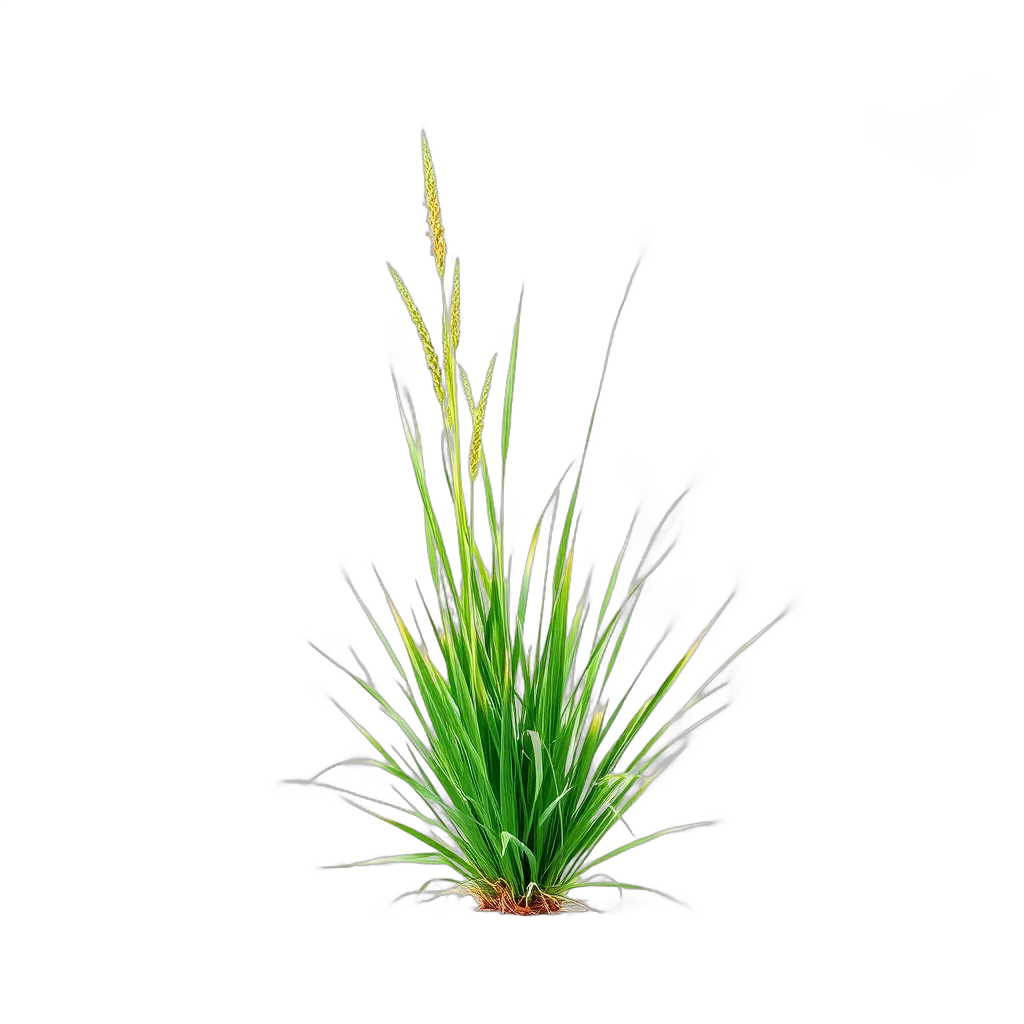
Big Sacaton
Sporobolus wrightii
grows to 5 feet, blooms in summer. Yellow fall color.
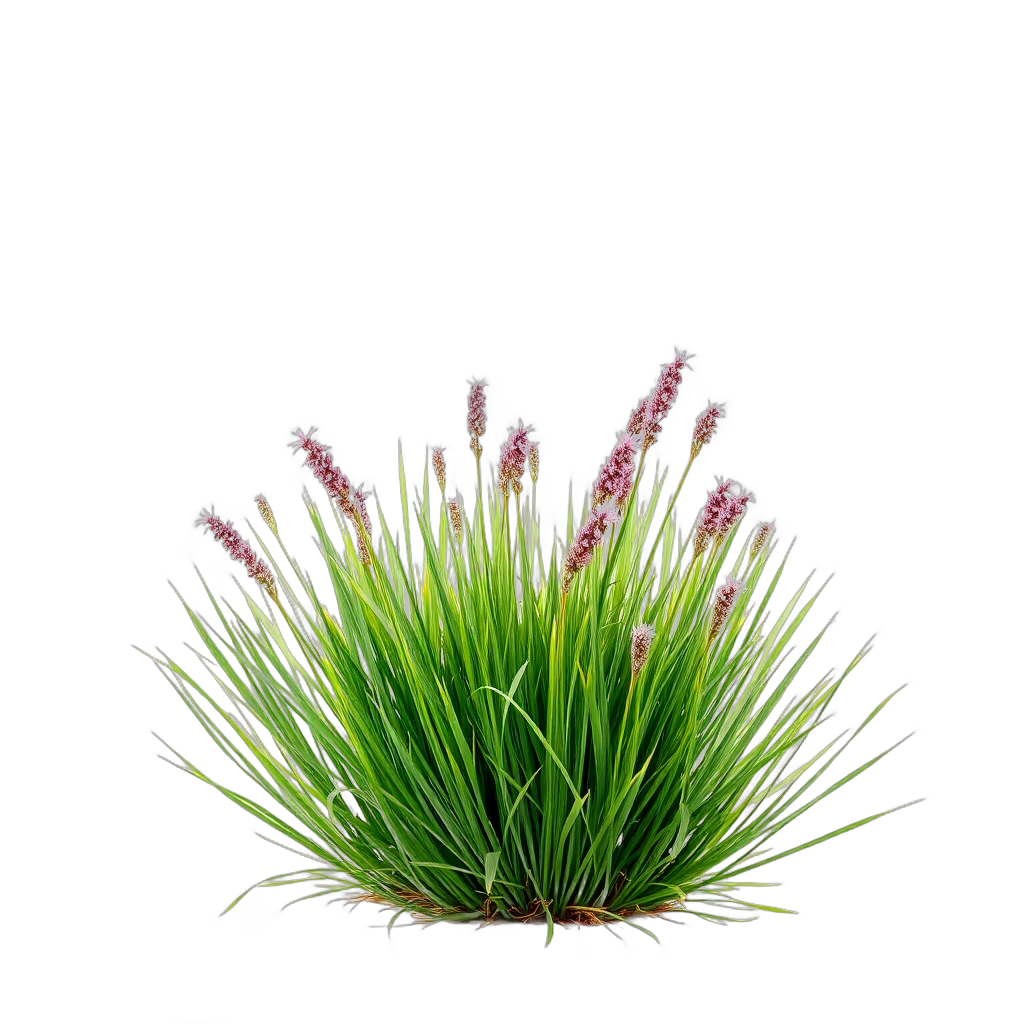
Bull Grass
Muhlenbergia emersleyi
grows to 4 feet, purple blooms in fall. Yellow fall color.
Purple Three-Awn
Aristida purpurea
low-growing ground cover, purple blooms in fall. Yellow fall color.
Featured Flowers & Perennials for Desert/Xeriscape Gardens
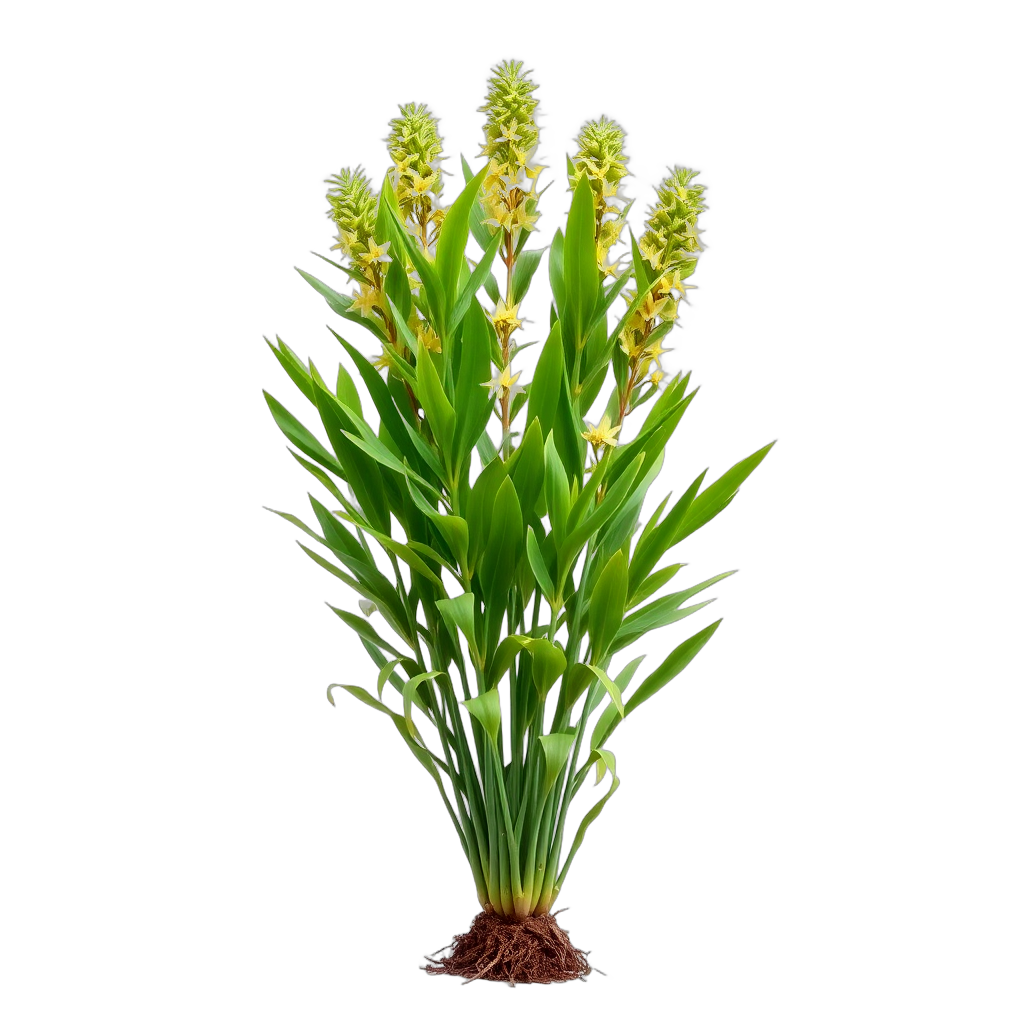
Banana Yucca
Yucca baccata
low-growing ground cover, white blooms in spring. Attracts hummingbirds.
Beargrass
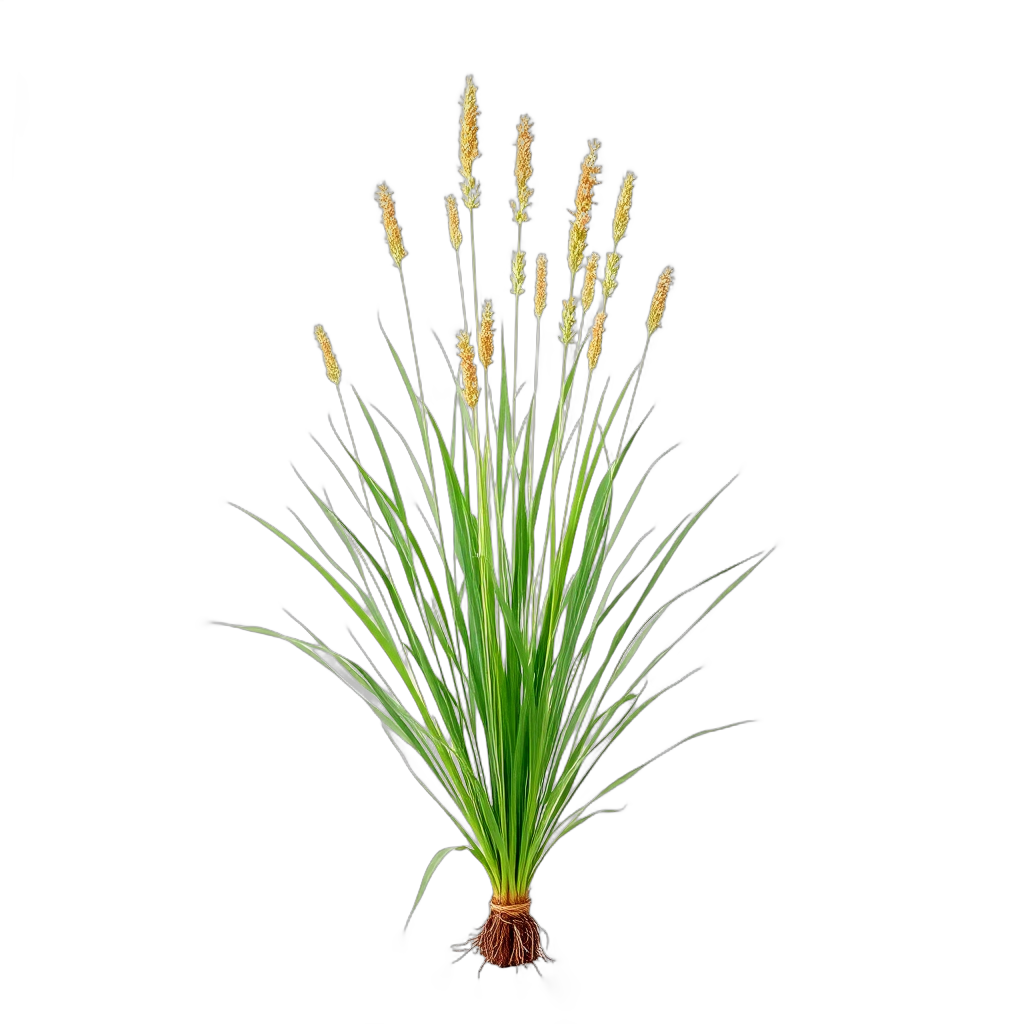
Nolina microcarpa
low-growing ground cover, white blooms in summer. Evergreen year-round.
Desert Phlox
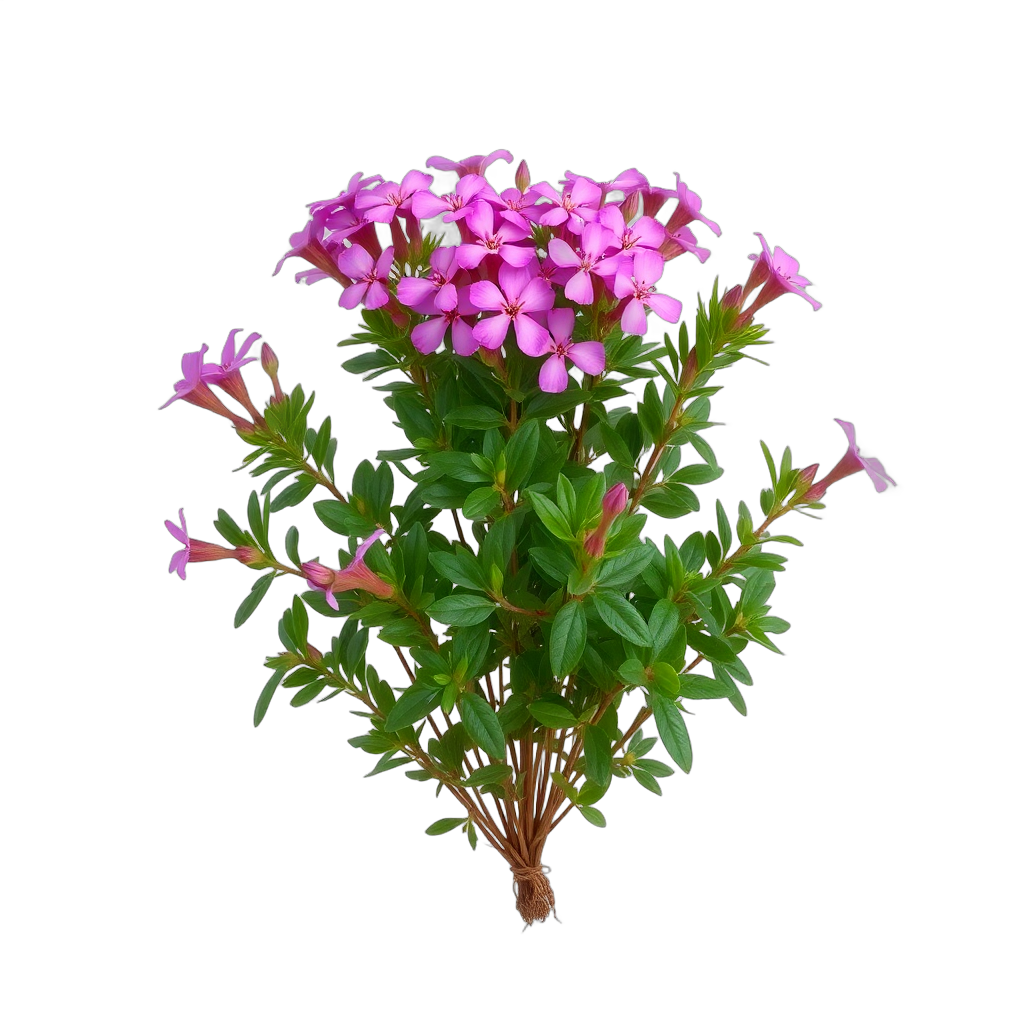
Phlox austromontana
low-growing ground cover, pink blooms in spring. Attracts hummingbirds.
Desert Spoon
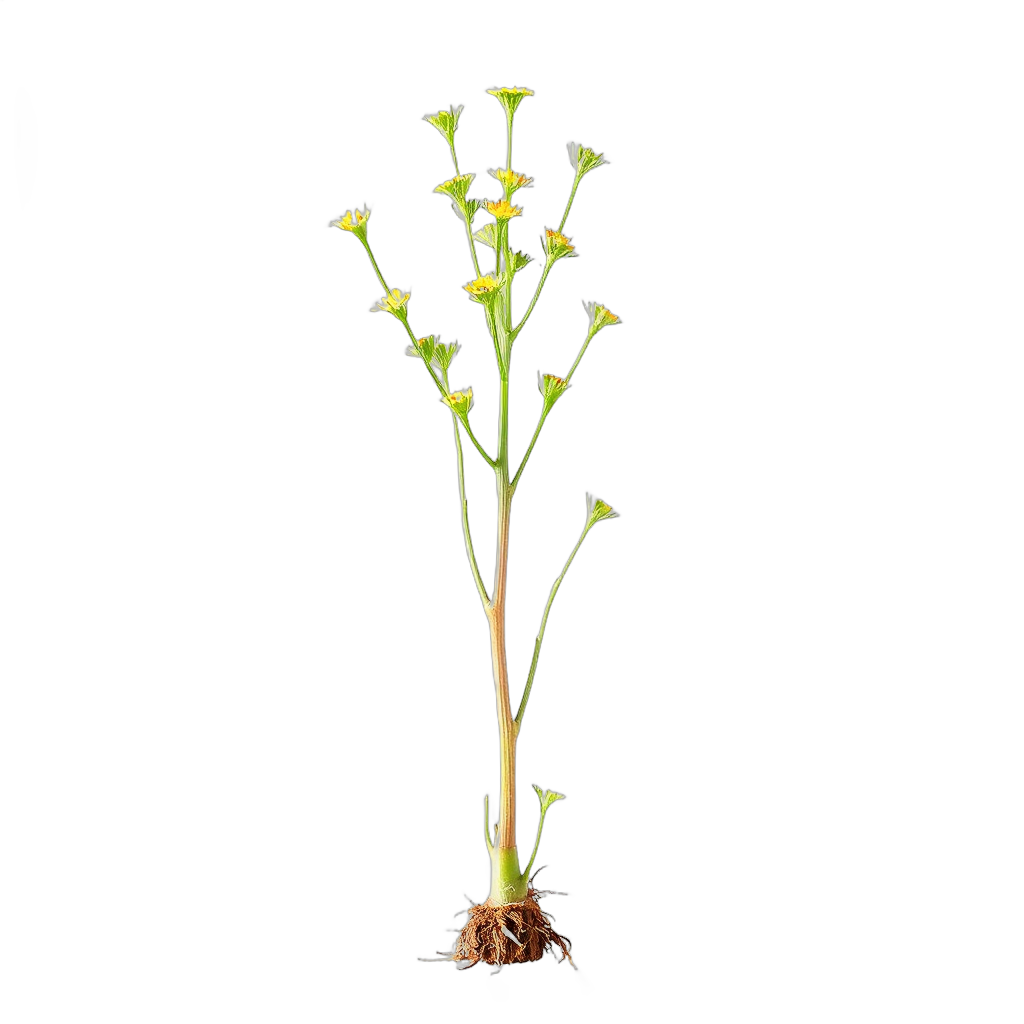
Dasylirion wheeleri
grows to 4 feet, white blooms in summer. Evergreen year-round.
Bloom Calendar for Tempe
spring
Banana Yucca, Desert Phlox, Brittlebushsummer
Beargrass, Desert Spoon, Alkali Sacatonfall
Bull Grass, Purple Three-Awnwinter
Limited bloomsDesign Tips for Tempe (Zone 9b)
- Buy shade before you buy rock — one 24-inch box Parkinsonia ×'Desert Museum' or Prosopis velutina placed on the west or southwest side does more for comfort, plant survival and your July power bill than $3,000 of additional granite ever will
- Choose gravel color for heat, not just looks: pale salt-and-pepper granite bounces glare and radiant heat straight back onto stucco and onto the agaves in front of it, while Apache Brown and darker screened granite cut reflection — and keep any gravel field at least 18 inches back from a west wall
- Plant every succulent slightly proud of grade on a low mound and confirm the hole drains within 24 hours; caliche kills far more Tempe agaves and barrel cactus than cold ever does
- Match the plant to the exposure — Agave 'Blue Glow', Agave victoriae-reginae and golden barrels scorch against reflected west-wall heat, so save those for east and north beds and put Agave weberi, Hesperaloe parviflora 'Brakelights', Dasylirion wheeleri and Leucophyllum candidum 'Silver Cloud' on the brutal exposures
- Design against the monsoon: water deep and wide rather than shallow at the trunk, move emitters out to the dripline yearly, skip the summer 'thin-out' pruning that turns a canopy into a sail, and stake new trees low and loosely so the trunk can flex
- Light the silhouettes, not the ground — a single uplight under a saguaro, a Yucca rostrata 'Sapphire Skies' or an ocotillo turns the yard into its best version exactly when Tempe is finally comfortable enough to sit outside, roughly 8pm to midnight, eight months a year
Where to Source Plants in Tempe
Skip the big-box stores. These independent Tempe nurseries specialize in the plants that make desert/xeriscape gardens thrive in Zone 9b.
The Plant Mill
Downtown Tempe (Mill Avenue)
Local plant shop offering healthy indoor and outdoor plants with expert care guidance.
A&P Nursery
Mesa (East Valley)
Family-owned nursery since 1970 specializing in desert-adapted trees, shrubs, and flowers.
Berridge Nurseries
Camelback East, Phoenix
Valley institution since 1938 with the largest rose selection in the Phoenix area plus cacti and succulents.
Desert/Xeriscape Landscaping Costs in Tempe
| Project Scope | Estimated Cost |
|---|---|
| Front yard turf-to-desert conversion (600–900 sqft, plants + granite + drip) | $4,000 – $11,000 |
| Decomposed granite, weed fabric, steel edging and boulder placement | $2.50 – $5.00/sqft |
| Specimen shade tree installed (24"–36" box palo verde, mesquite, ironwood) | $450 – $1,800 each |
| Salvaged saguaro or mature multi-cane ocotillo, craned and braced | $1,200 – $7,000 |
| Paver fire court with gas fire bowl (300–450 sqft) | $12,000 – $30,000 |
| AI visualization with ProScapeAI | Free to start |
Estimates based on Tempe, AZ-area contractor rates as of 2026. Actual costs vary by site conditions, materials, and contractor.
Tempe Climate & Growing Zone
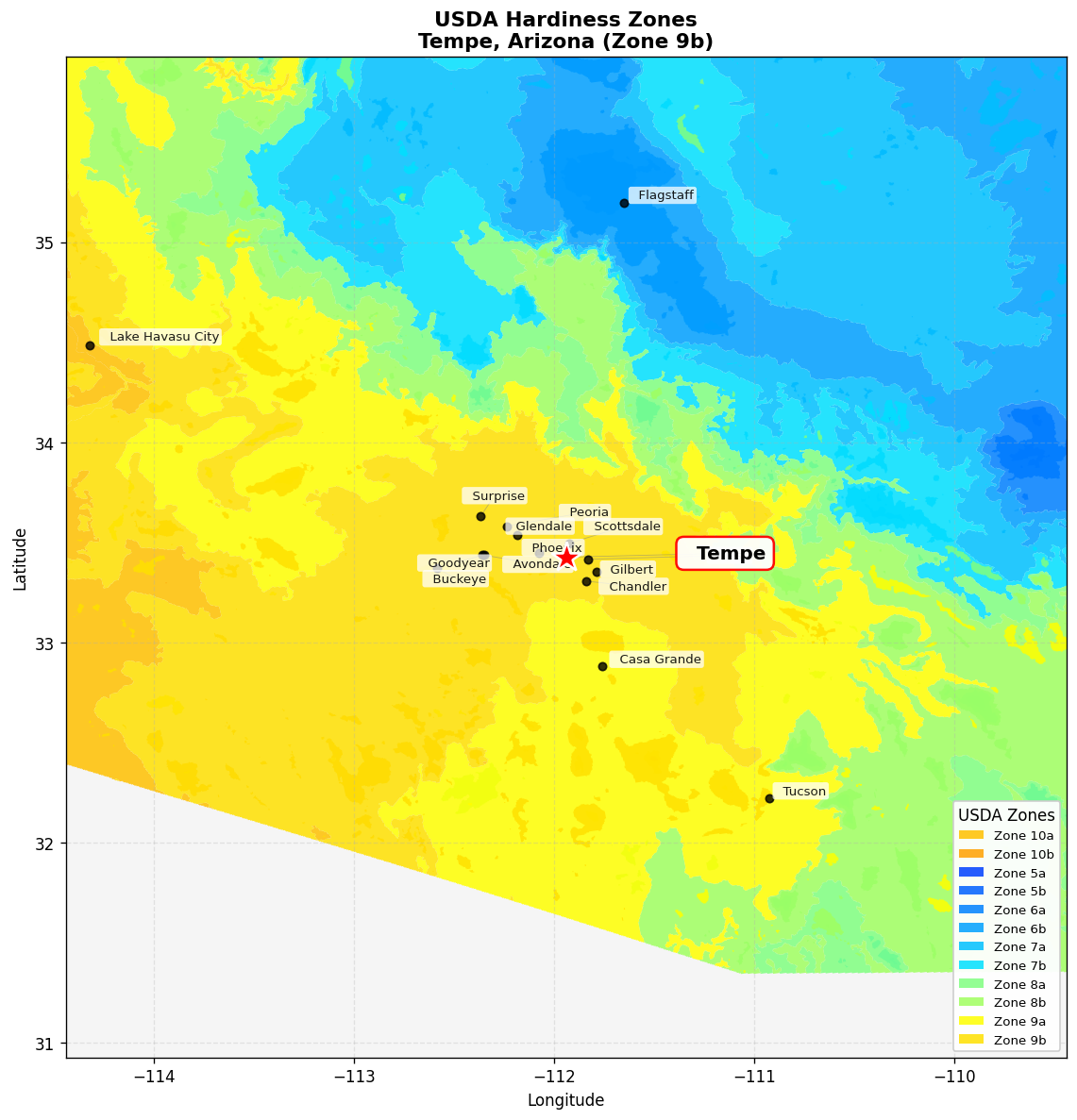
USDA Zone 9b
Hardiness zone for Tempe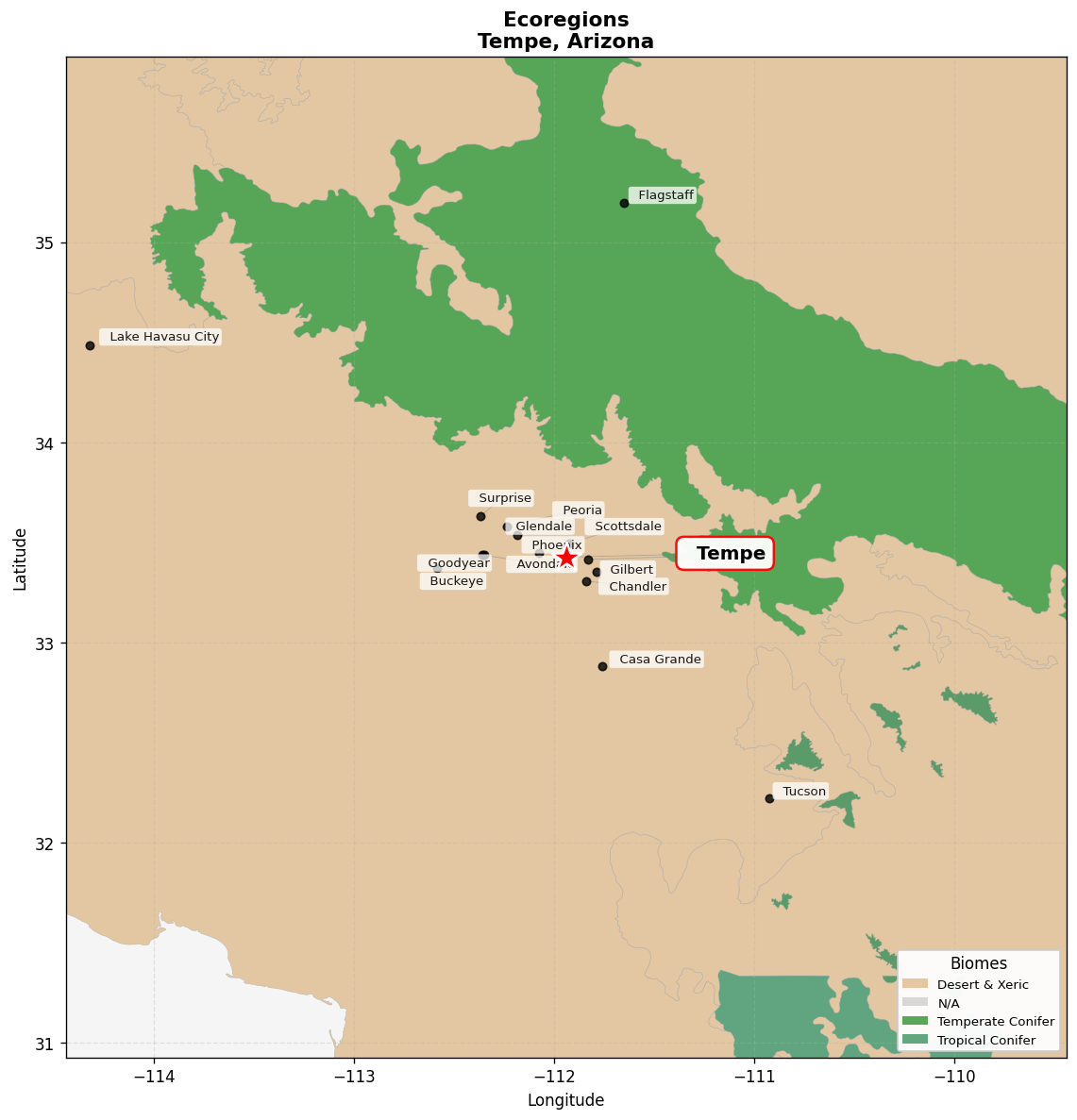
Sonoran desert
Native ecoregionFrequently Asked Questions
How much does a desert landscape or xeriscape cost in Tempe?
Tempe front yards are small — typically 500–900 sqft — and Phoenix-metro labor plus locally quarried granite keep costs well below coastal metros. A full turf-to-desert conversion with granite, edging, boulders, drip and a real plant list runs $4,000–$11,000, or roughly $5–11 per square foot. Plants drive the spread: a 5-gallon Hesperaloe parviflora 'Brakelights' is $30, but a specimen Agave ovatifolia is $150–300 and a craned 10-foot saguaro can reach $4,000. A 24-inch box Parkinsonia ×'Desert Museum' installed runs $450–800 and is the best return in the entire budget. DIY granite-and-plants conversions land near $2.50/sqft in materials.
Which shade trees actually survive and cool a Tempe yard?
This is the highest-value decision you'll make. Parkinsonia ×'Desert Museum' is the workhorse — thornless, fast, filtered canopy, and it needs structural pruning in years two through five so it doesn't split in a microburst. Velvet mesquite (Prosopis velutina) and thornless Prosopis glandulosa 'Maverick' give denser shade and deep roots. Desert ironwood (Olneya tesota) is slow but the best long-term tree in the Sonoran palette. For a dense, evergreen canopy over a west wall, Ebenopsis ebano (Texas ebony) and Ulmus parvifolia 'Drake' both work in 9b. Chilopsis linearis 'Bubba' and Caesalpinia cacalaco 'Smoothie' cover smaller courtyards. Avoid brittle, top-heavy Vachellia stenophylla and eucalyptus — they are what the monsoon takes down first.
What do I do about caliche when planting?
Caliche is cemented calcium carbonate and it sits 12–36 inches below most Tempe lots. Water does not pass through it, so a hole dug into caliche and backfilled becomes a bathtub — the single most common cause of dead agaves, dead palo verdes and rotted barrel cactus in the Valley. Before planting, fill the hole with water; if it hasn't drained in 24 hours you've hit caliche. Break through the layer with a rock bar, a caliche bar or an augered drainage chimney beside the rootball, backfill with native soil (not potting mix — amended pockets in alkaline soil hold water and salts), and set every succulent 1–2 inches high on a slight mound. Soil pH here runs 7.8–8.3, so choose plants adapted to alkalinity rather than trying to change it.
How much water do desert plants actually need in Tempe?
Less than you think, but deeper. Run drip on a dedicated valve, and water to depth rather than frequency: about 1 foot for cacti and succulents, 2 feet for shrubs like Leucophyllum 'Green Cloud' and Ruellia peninsularis, 3 feet for trees. Established Agave, Dasylirion wheeleri and Hesperaloe want deep soakings every 3–4 weeks in summer and essentially nothing November through February. Trees want a deep soak every 7–14 days in July. Move emitters outward as canopies grow — emitters left at the trunk create shallow, unstable root plates that microbursts exploit. Because rainfall never leaches our soils, run one long deep irrigation each spring and fall to flush accumulated salts. A smart controller with a 2–3 valve system costs $2,000–$5,000 installed and pays for itself in summer bills.
Can I plant a saguaro or ocotillo, and is a permit required?
Yes to both, with rules. Arizona's Native Plant Law protects saguaro, ocotillo, barrel cactus and several others — any specimen you buy should come with an ADA tag proving legal salvage, and moving a protected plant off land you don't own requires permits. On your own Tempe lot you can plant, remove or relocate freely, though anything over about 8 feet needs a crane or boom and professional bracing for a full year. Saguaros want the sunniest, driest, sharpest-draining spot you have and almost no supplemental water; mark the original north face and keep that orientation, or the exposed side will sunburn. Bare-root ocotillos are the classic disappointment — they can sulk leafless for two years. Buy container-grown Fouquieria splendens or ones sold with roots intact, plant in spring, and mist the canes weekly until they leaf out.
When should I install, and are there Tempe rebates or restrictions?
October through March is the install window for hardscape and for anything woody — trees and shrubs planted in fall root through the mild winter and hit their first June already established. Cacti, agaves and other succulents are the exception: plant them April through early June so they establish in warm soil and avoid winter rot. Never plant a tree in July. Tempe has no turf ban, and gravel front yards are standard citywide, but block walls above a set height, pools and any roofed ramada need permits, and Maricopa County pool barrier code (self-closing, self-latching gates and a compliant fence) is strictly enforced. Tempe's water conservation office and SRP have historically offered smart-controller and turf-conversion incentives — confirm current terms before you buy. A few older Tempe blocks still hold SRP flood irrigation rights, which changes the design entirely, so check your deed before removing turf.