4 Desert Garden Ideas for Thornton, CO | Cold-Hardy Cactus and Yucca for Zone 5b
Native plants from the Western shortgrass prairie (Zone 5b) — Cold semi-arid climate
Why Desert/Xeriscape Gardens in Thornton?
A desert garden in Thornton takes the north metro's own dry prairie and turns it up a notch. Thornton gets only about 14.48 inches of precipitation a year (NOAA 1991–2020 normals at Denver International Airport, the nearest long-record station), under strong high-altitude sun at roughly 5,250 to 5,400 feet. That is semi-arid country, and the wild ground here already grows cactus: plains prickly pear, pincushion cactus and soapweed yucca are native to the Front Range shortgrass prairie. A gravel garden built on those plants looks right against Thornton's brick ranches and stucco two-stories, and it uses a fraction of the water of bluegrass.
The catch is the cold. Zone 5b means the coldest night of a normal winter lands between -15°F and -10°F, the January average low is 18.7°F, and wet May snow is routine. Saguaro, golden barrel, Agave americana, ocotillo and most Sonoran cactus will die here, usually in their first winter. Use the cold-hardy substitutes instead: Opuntia polyacantha (plains prickly pear) for the paddle shapes, Cylindropuntia imbricata (tree cholla) for height, Echinocereus triglochidiatus (claret cup) and Escobaria vivipara for the small barrels, and Yucca glauca or Yucca rostrata for the spiky silhouette. Agave parryi is the one agave worth trying, and only on a gravel mound with perfect drainage. For color and softness add Fallugia paradoxa (Apache plume), Ericameria nauseosa (rabbitbrush), Delosperma 'Fire Spinner' and Agastache rupestris.
Drainage matters more than heat. North metro soils are mostly heavy clay, and Colorado State University Extension notes many Colorado soils carry free lime with a pH above 7.5. Cactus and yucca like the alkalinity, but they rot when winter water sits around their crowns in clay. So the rule in Thornton is to build up, not dig down: raise beds or berms 8–12 inches with a mix of native soil and squeegee or crusher fines, top-dress with 3/4-inch gravel, and never put fresh manure compost on cactus beds (CSU warns many Colorado composts are high in salts). The median last spring freeze is around May 5 and the first fall freeze around October 9, so plant cactus in late spring and early summer when roots grow fast.
Water rules make the style practical as well as handsome. Thornton Water's permanent rules limit lawn watering to three days a week from April 1 to October 31, with no lawn watering between 10 a.m. and 6 p.m., and in spring 2026 the city was under Stage 1 drought rules that cut lawns to two days. Garden beds may be watered as needed, and an established desert bed needs almost nothing after its second summer. The city also points residents to a lawn replacement program run with Resource Central that can save up to $750, which helps pay for the gravel.
4 Desert/Xeriscape Design Ideas for Thornton

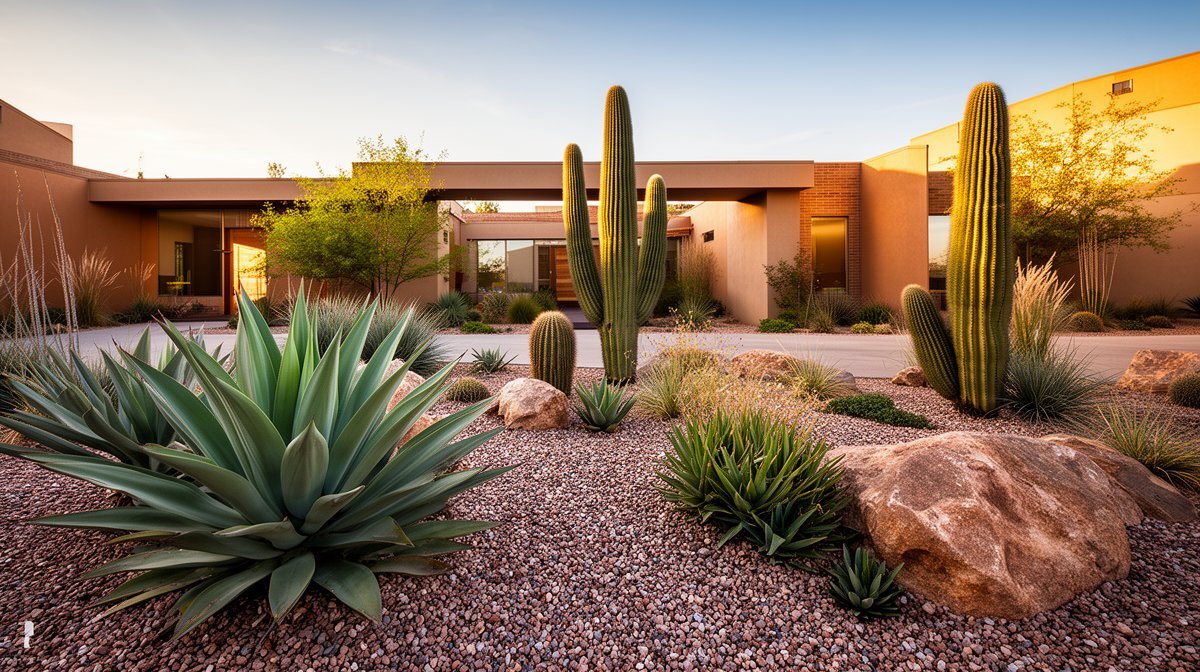
AI-generated image
The Prickly Pear Berm
$10–20/sqftAn Original Thornton brick ranch replaces its front lawn with a long, low berm of crusher fines mixed into the native clay, rising about a foot near the house and falling toward the sidewalk. Plains prickly pear and soapweed yucca spread across the sunny top, claret cup cactus sits among half-buried sandstone boulders on the south face, and rabbitbrush anchors the corners. The berm drains snowmelt away from the cactus crowns, and the south-facing slope warms first in spring.

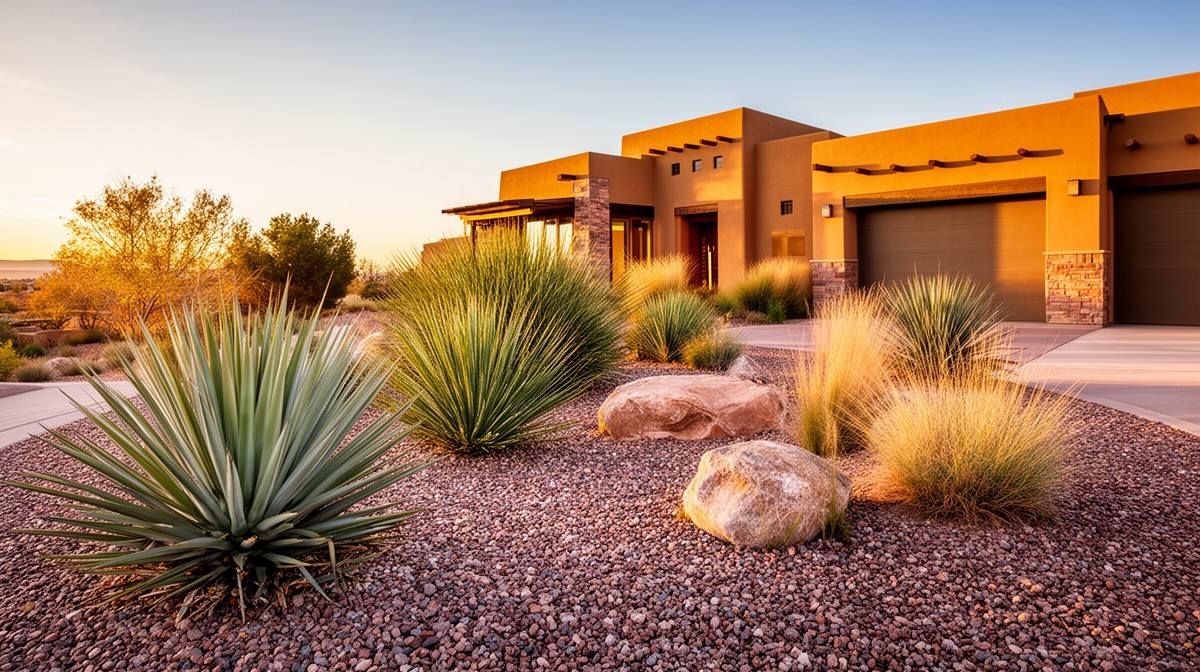
AI-generated image
The Tree Cholla Courtyard
$14–28/sqftA stucco two-story in Thorncreek gets a gravel courtyard beside the driveway, with three tree cholla rising to shoulder height as living sculpture and a single Yucca rostrata on a mound as the focal point. Apache plume fills the background with white flowers and pink, feathery seed heads from late spring into fall, and flagstone stepping pads cross the gravel to the side gate. The courtyard faces west, so the cholla and yucca take the hot afternoon sun that would scorch a lawn.

AI-generated image
The Ice Plant Parkway Strip
$8–15/sqftThe strip between sidewalk and curb, where bluegrass always browns out by August, becomes a ribbon of gravel planted with low ice plant, prairie winecups and chocolate flower, with small Escobaria cactus tucked against flat stones. Everything stays under a foot tall so sightlines and car doors are clear, and the full sun on the strip keeps the ice plant blooming from May into September. Snow piled from shovelling does no harm because these plants are dormant and flat under it.

AI-generated image
The Backyard Dry Wash
$15–30/sqftBehind a newer two-story near Todd Creek, a curving dry creek bed of river cobbles carries downspout and storm water across the yard to a small basin, solving the puddling that heavy clay causes. Agave parryi and claret cup sit on raised gravel pockets above the wash, Apache plume and rabbitbrush line its banks, and blue grama fills the flatter ground between. A sandstone seat wall at the end of the wash faces east, so it catches morning sun and the house shades it after lunch.
See how a desert/xeriscape garden looks on YOUR property
Upload a photo of your Thornton yard and visualize your dream garden in seconds.
Try ProScapeAI Free

AI-generated image
Featured Trees & Shrubs for Desert/Xeriscape Gardens
Browse all 159 plants for Thornton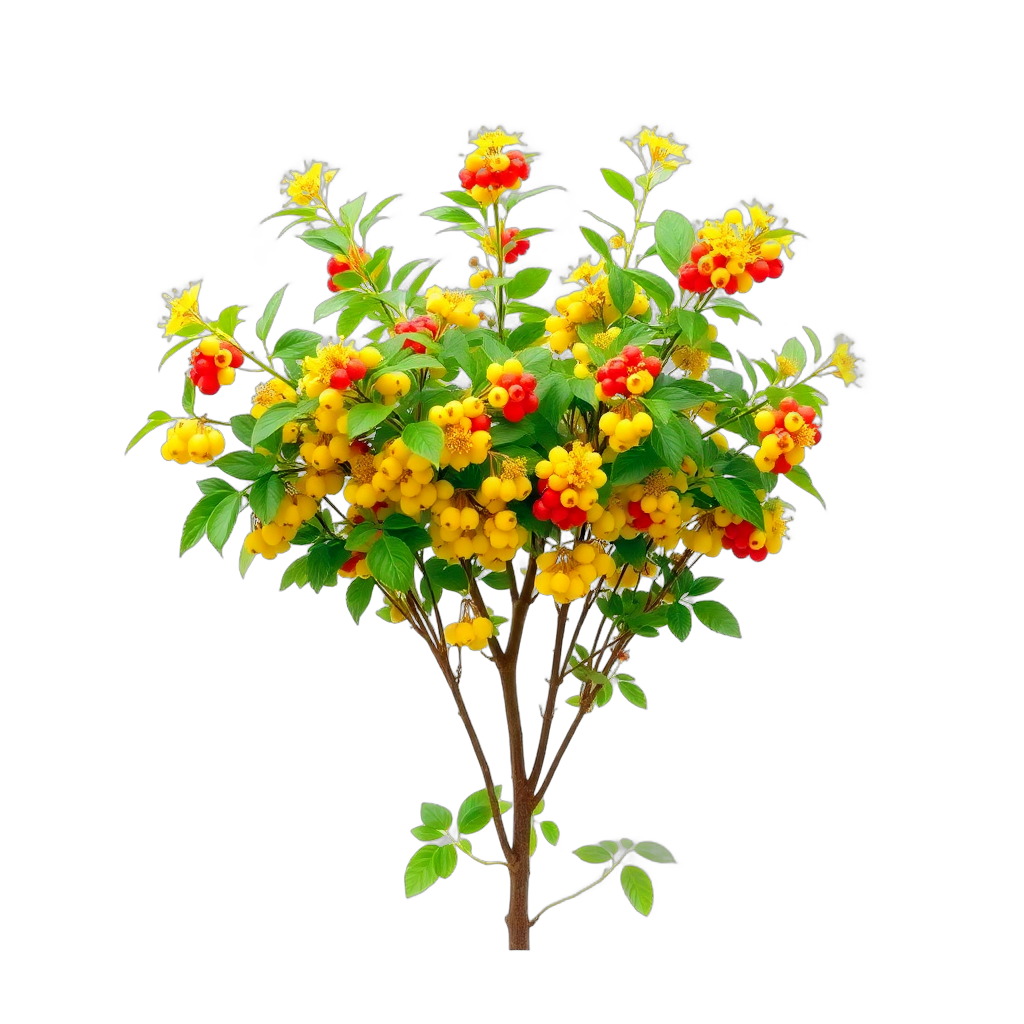
Golden Currant
Ribes aureum
grows to 6 feet, yellow blooms in spring. Attracts hummingbirds.
Featured Grasses & Groundcovers for Desert/Xeriscape Gardens
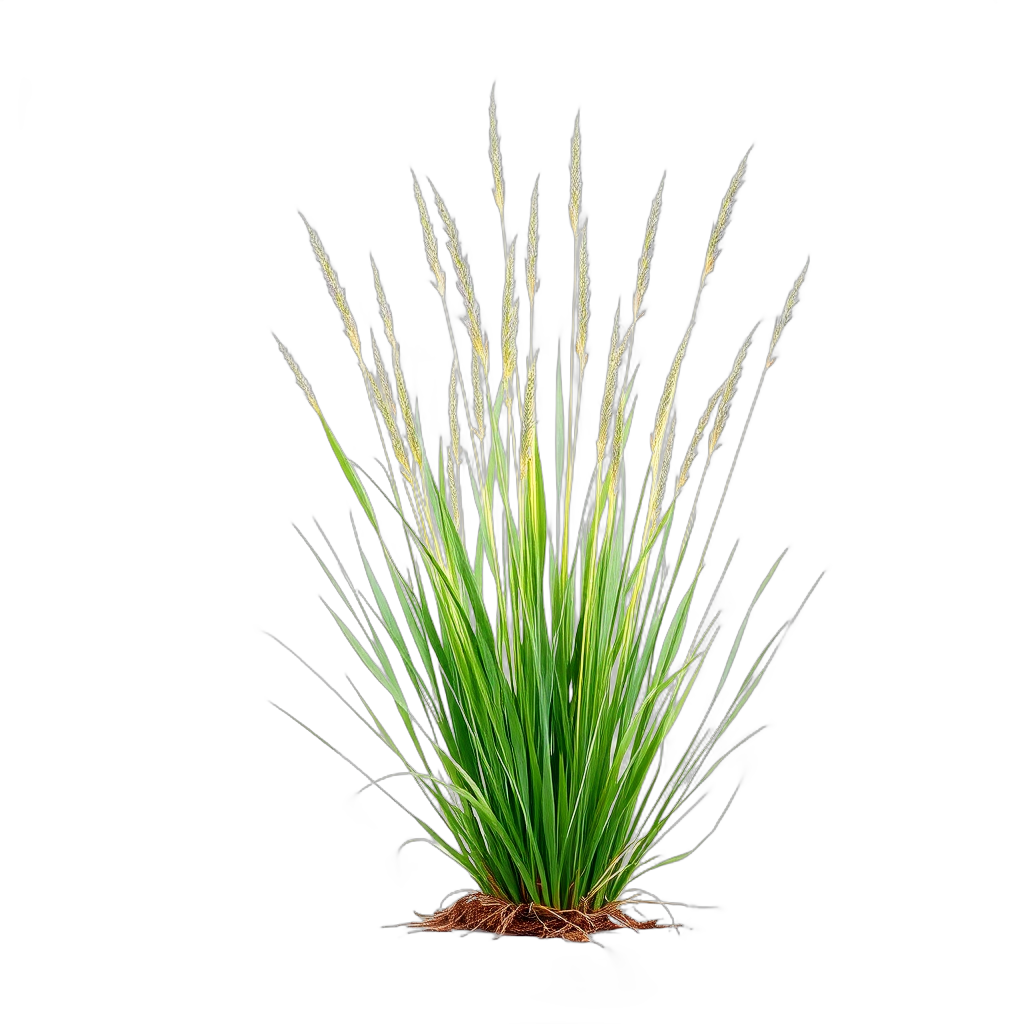
Blue Grama Grass
Bouteloua gracilis
low-growing ground cover, purple blooms in summer. Yellow fall color.
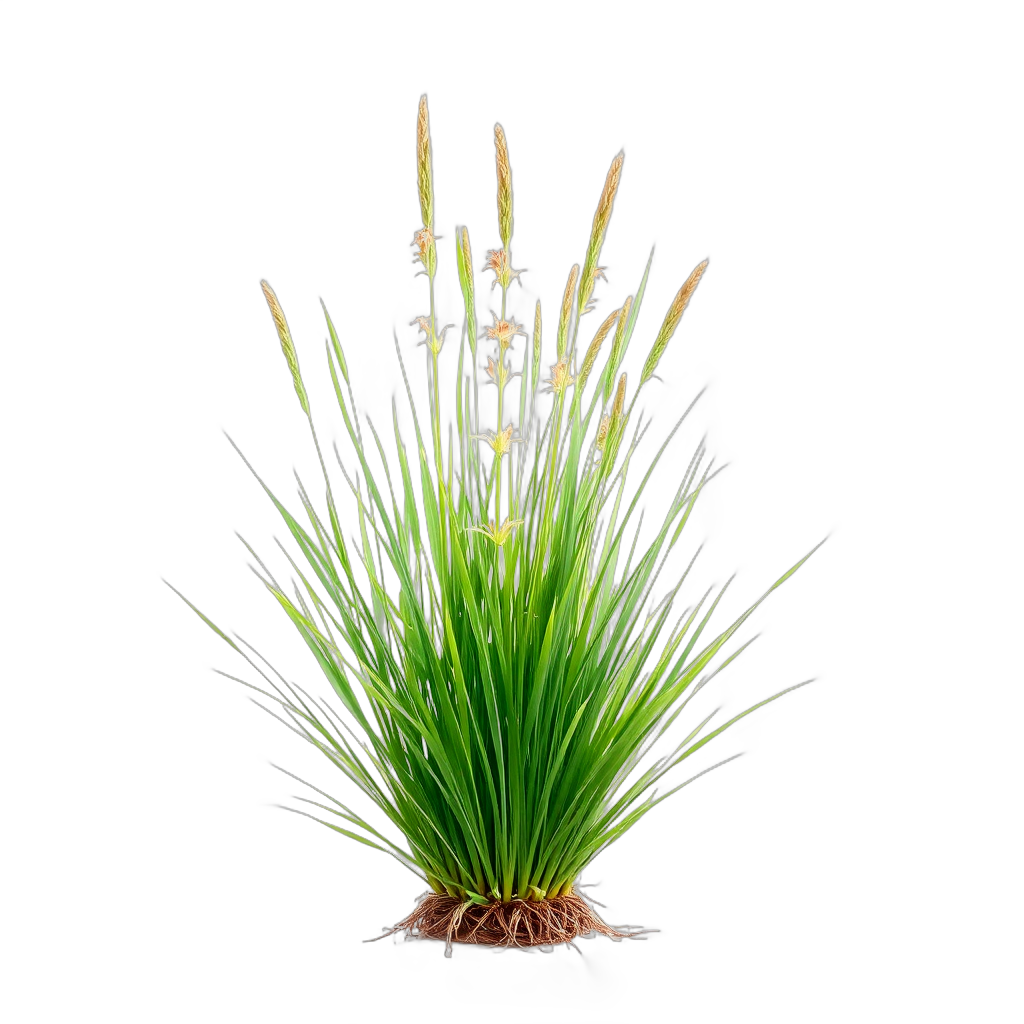
Buffalo Grass
Buchloe dactyloides
low-growing ground cover, blooms in summer. Yellow fall color.
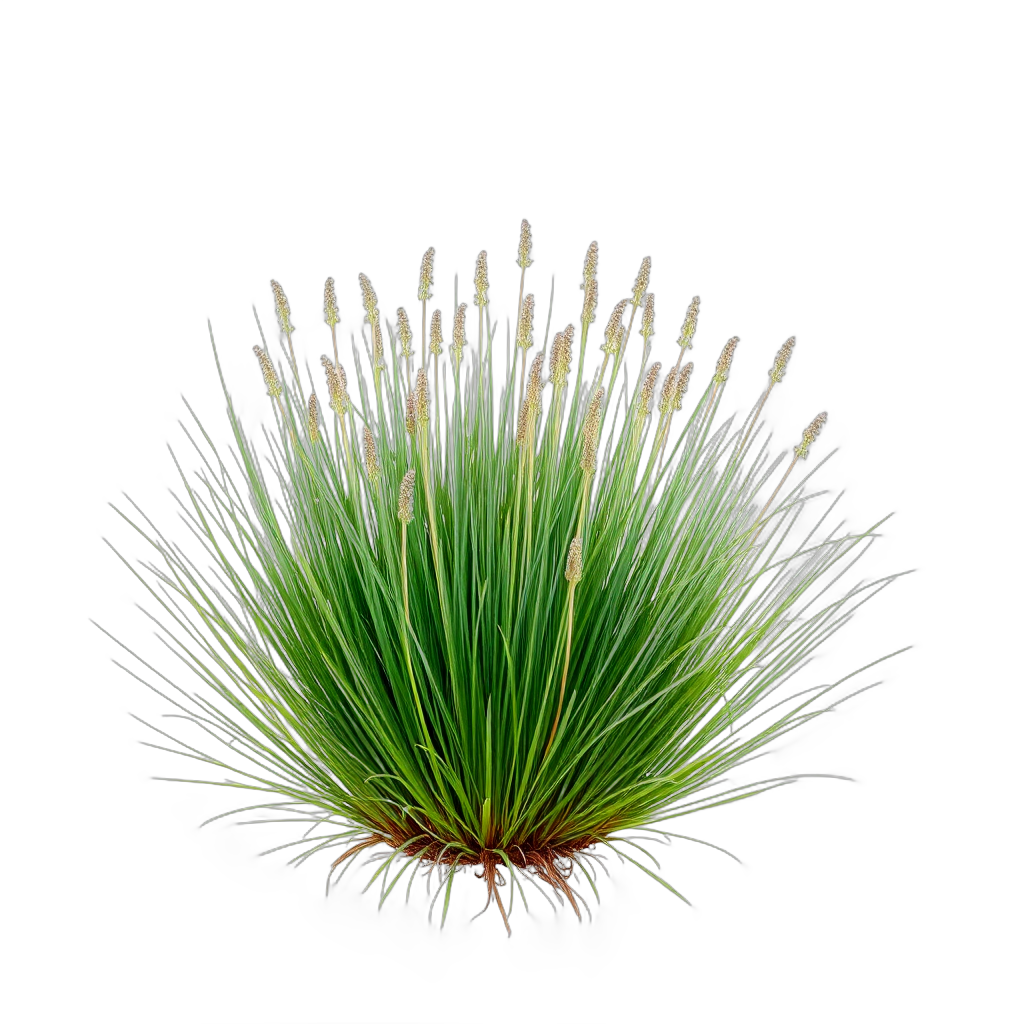
Little Bluestem
Schizachyrium scoparium
grows to 3 feet, blooms in summer. Red,burgundy fall color.
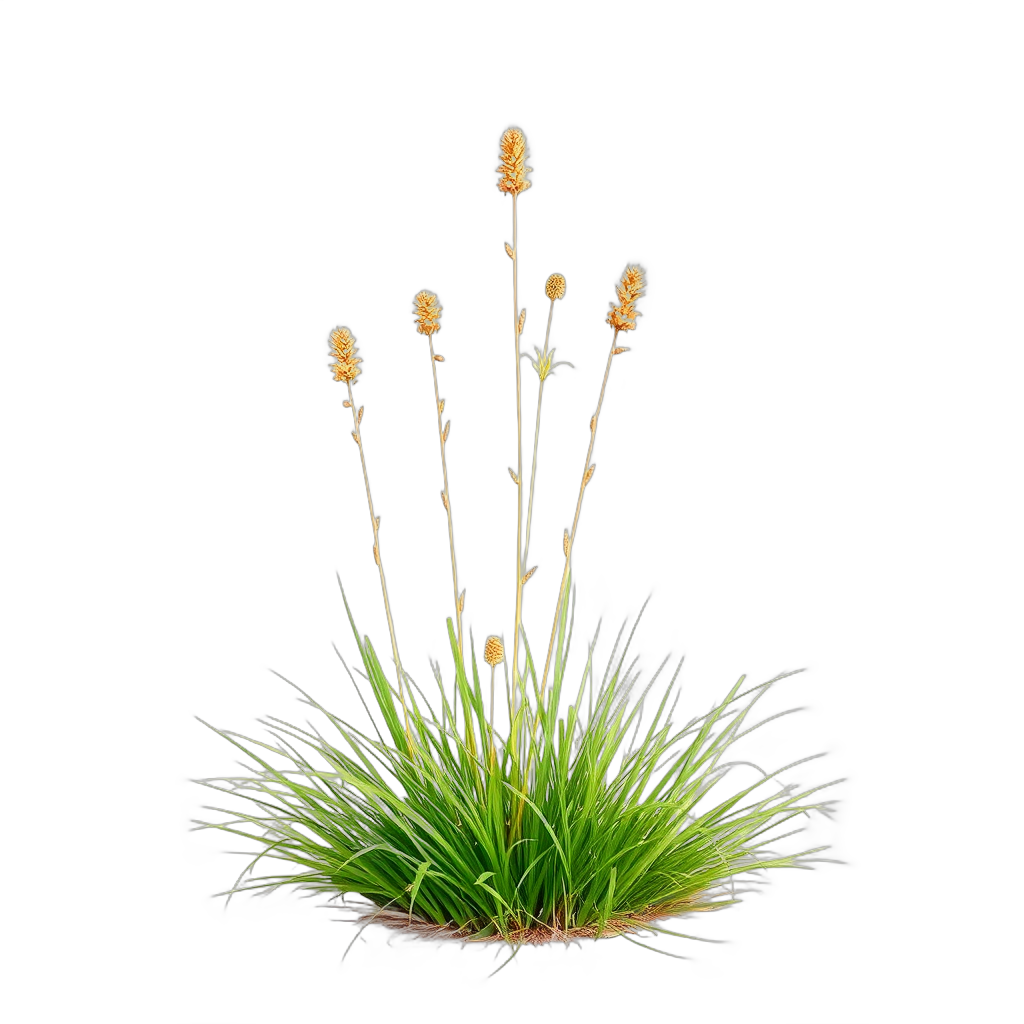
Sand Dropseed
Sporobolus cryptandrus
low-growing ground cover, blooms in summer. Orange fall color.
Featured Flowers & Perennials for Desert/Xeriscape Gardens
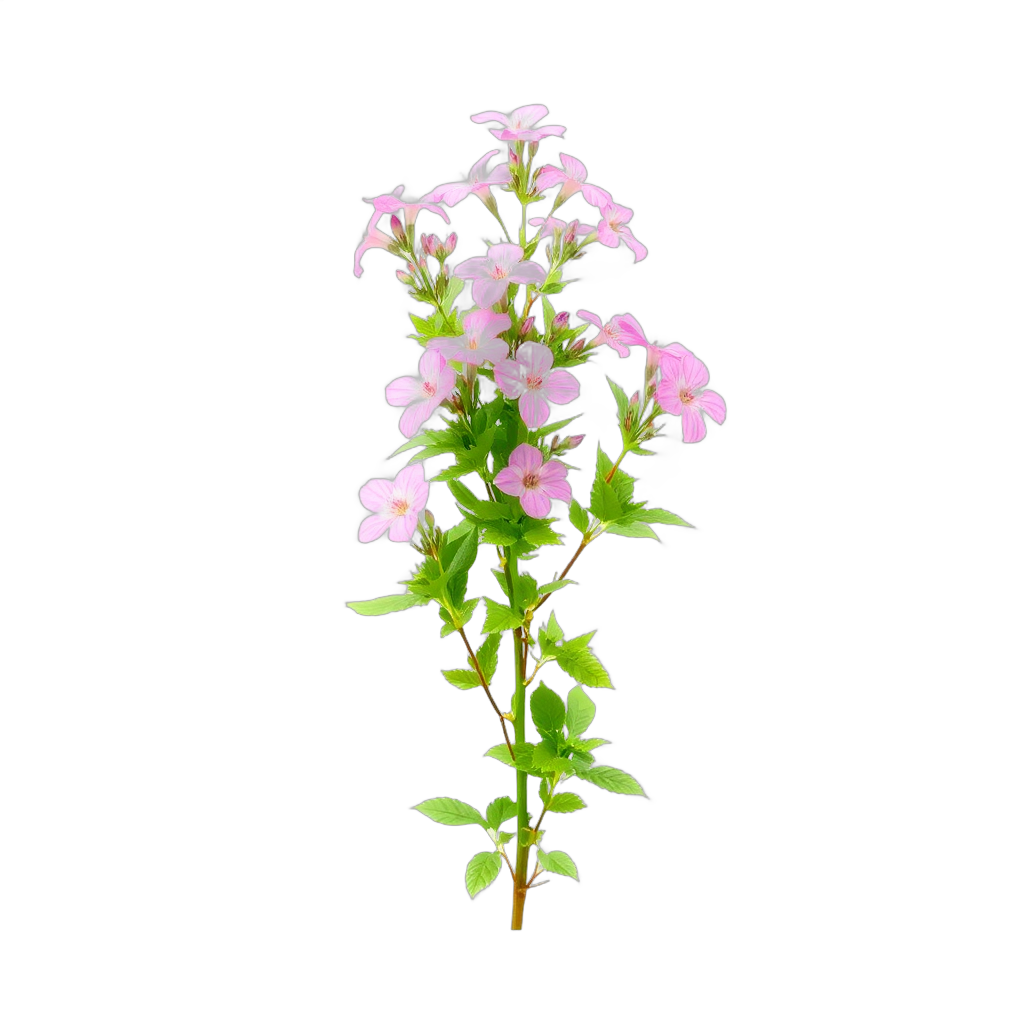
Hood's Phlox
Phlox hoodii
low-growing ground cover, white blooms in spring. Attracts butterflies.
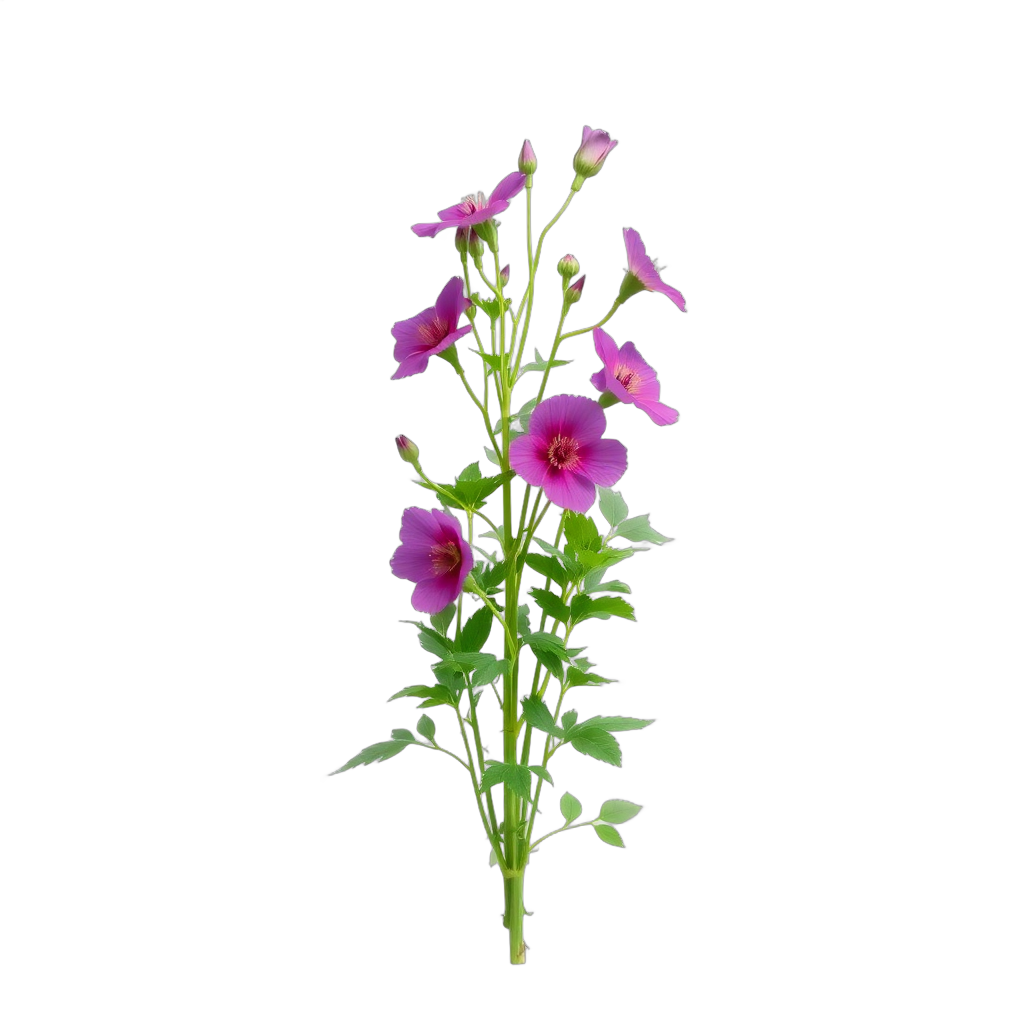
Purple Poppy Mallow
Callirhoe involucrata
low-growing ground cover, purple blooms in summer. Attracts butterflies.
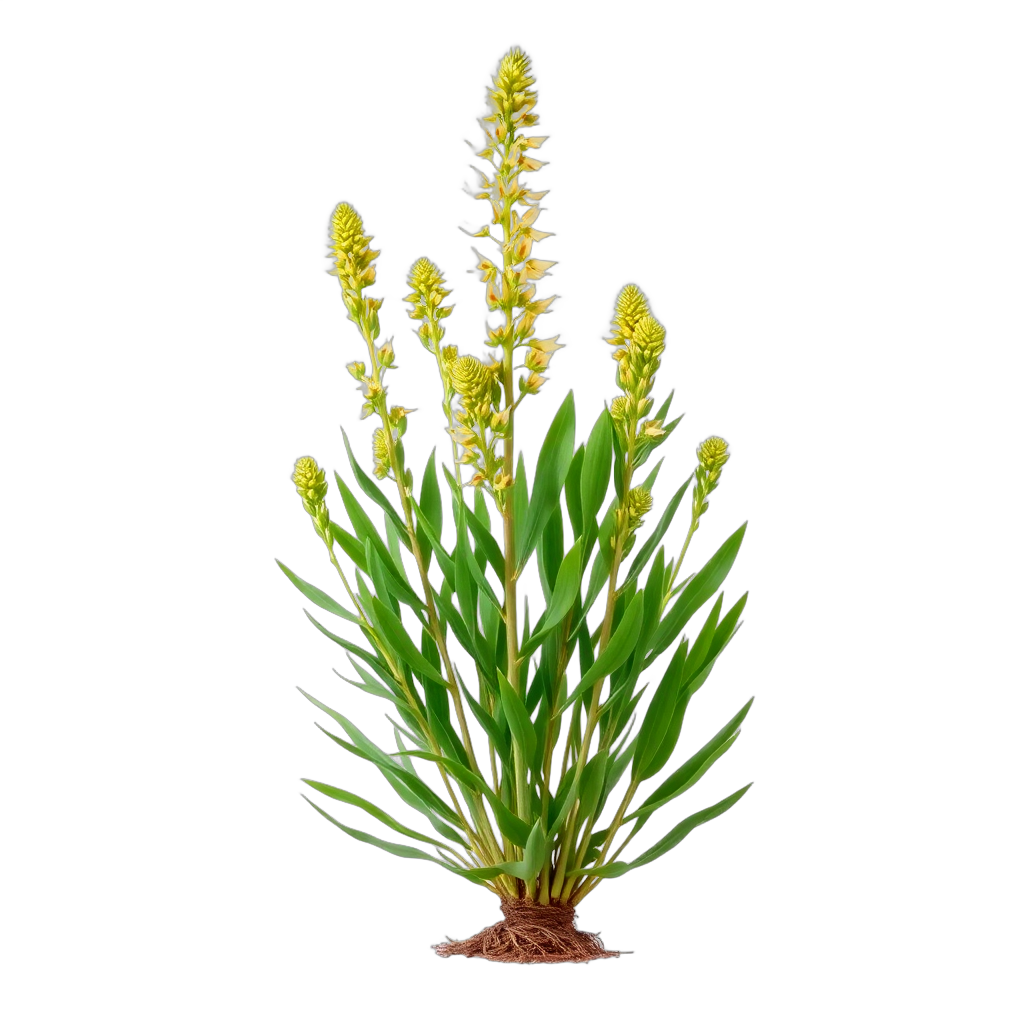
Soapweed Yucca
Yucca glauca
low-growing ground cover, white blooms in spring. Pollinator-friendly.
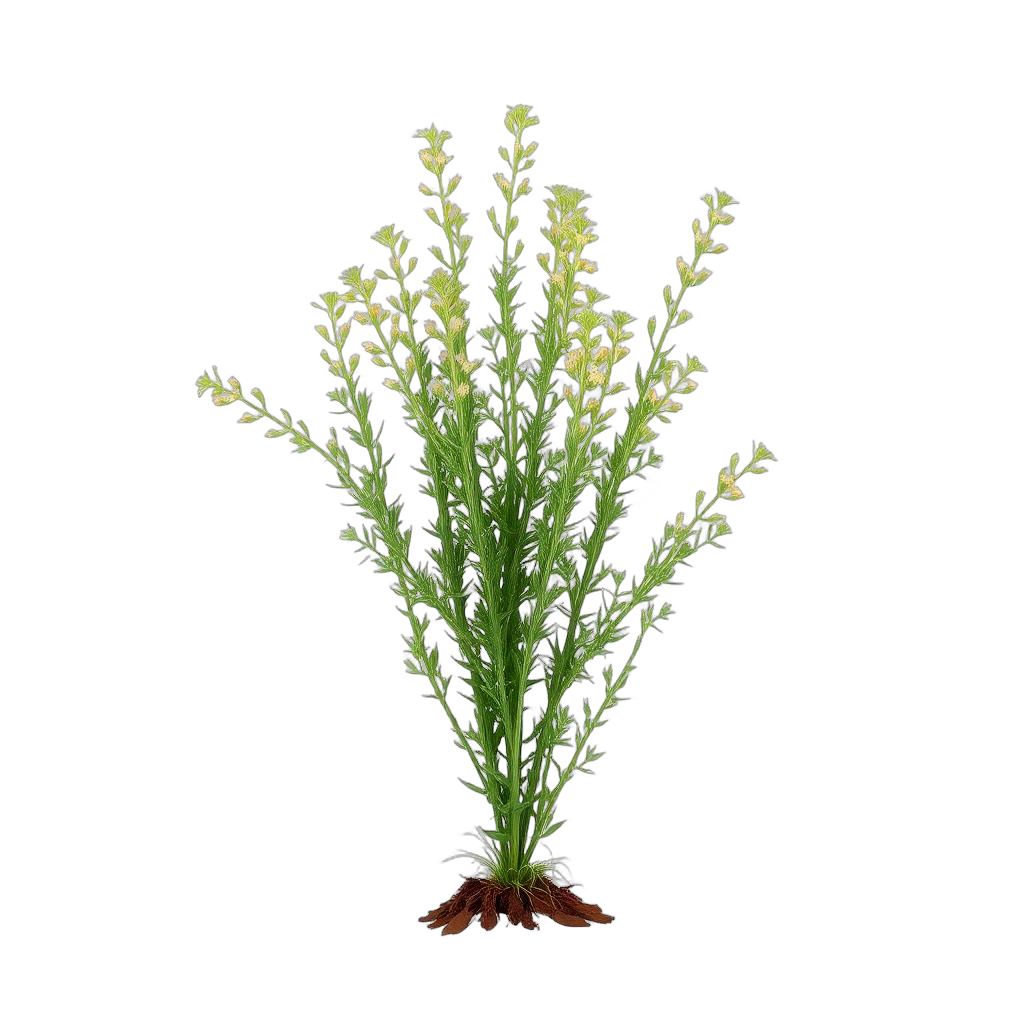
White Sage
Artemisia ludoviciana
low-growing ground cover, white blooms in summer. Fragrant.
Zone and sun checks come from our database — confirm with your local nursery before you buy.
Bloom Calendar for Thornton
spring
Hood's Phlox, Soapweed Yucca, Golden Currantsummer
Purple Poppy Mallow, White Sage, Blue Grama Grassfall
Limited bloomswinter
Limited bloomsDesign Tips for Thornton (Zone 5b)
- Never plant cactus flush in Thornton clay: build berms 8–12 inches high with crusher fines and set crowns slightly above grade so snowmelt drains away
- Swap Sonoran classics for hardy natives: Opuntia polyacantha instead of Santa Rita prickly pear, Yucca rostrata instead of a Joshua tree look, Cylindropuntia imbricata instead of ocotillo for height
- Top-dress with 3/4-inch gravel or larger; fine mulch and pea gravel blow off open lots in the spring winds
- Skip manure-based compost in cactus beds: CSU Extension warns many Colorado composts are high in salts, and cactus do not need the extra fertility
- Plant cactus between late May and July, after the May 5 median last freeze, so roots set before the first freeze around October 9
- Put the new beds on their own drip zone so they can be watered as needed while the lawn stays on Thornton's three-day (or two-day in a drought stage) schedule outside 10 a.m. to 6 p.m.
- Read the terms of Thornton's Resource Central lawn replacement program before removing any turf, so you do not disqualify the project by ripping out the lawn first
Where to Source Plants in Thornton
Skip the big-box stores. These independent Thornton nurseries specialize in the plants that make desert/xeriscape gardens thrive in Zone 5b.
Harlequin's Gardens
North Boulder
Native plant and xeriscape specialist, the best nearby source for Front Range natives such as Apache plume, rabbitbrush and penstemons
Echter's Garden Center
Arvada, about 20 minutes southwest of Thornton
Large family-run garden centre and Plant Select retailer, with xeric perennials such as Agastache and Delosperma
Front Range Gardens
Broomfield, on Wadsworth Boulevard
Local garden centre listed as a Plant Select retailer, carrying water-wise perennials bred and tested for Colorado
City Floral Garden Center
Denver (Kearney Street)
Year-round full-service garden centre since 1911, with outdoor perennials, trees and shrubs, plus landscaping and delivery services
Desert/Xeriscape Landscaping Costs in Thornton
| Project Scope | Estimated Cost |
|---|---|
| Front-yard lawn removal and grading (500 sqft) | $1,500 – $4,000 |
| Gravel and cactus front yard on raised berms (500 sqft) | $5,000 – $12,000 |
| Curbside tree-lawn conversion to gravel and ice plant (per sqft) | $8 – $15 per sqft |
| Dry creek bed with cobbles and downspout tie-in (40–60 linear ft) | $3,000 – $8,000 |
| Sandstone boulders and seat wall, set by machine | $2,500 – $9,000 |
| Full desert backyard: wash, paths, seat wall, planting | $20,000 – $50,000 |
| AI visualization (ProScapeAI) | Free to start |
Estimates based on Thornton, CO-area contractor rates as of 2026. Actual costs vary by site conditions, materials, and contractor.
Thornton Climate & Growing Zone
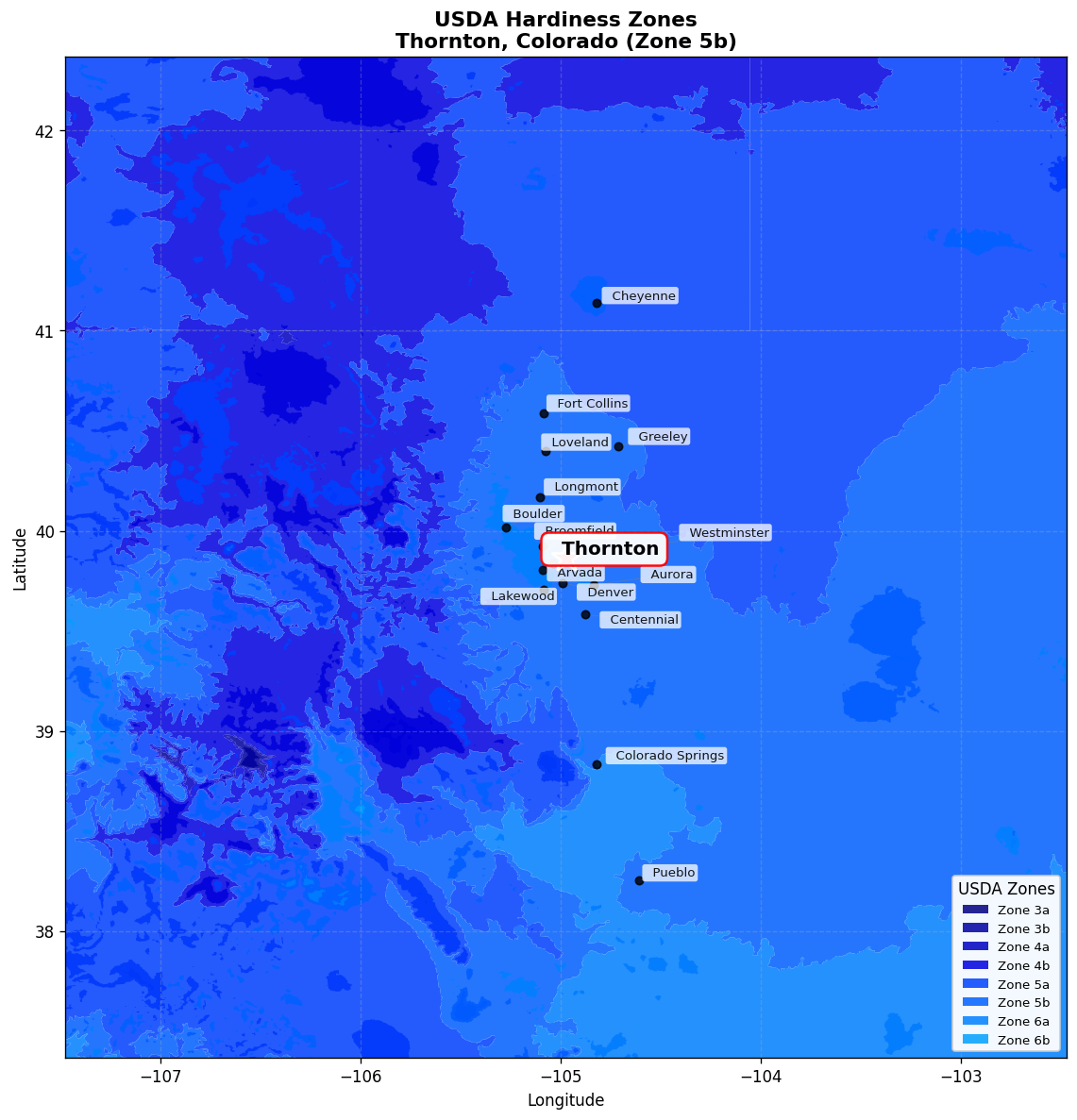
USDA Zone 5b
Hardiness zone for Thornton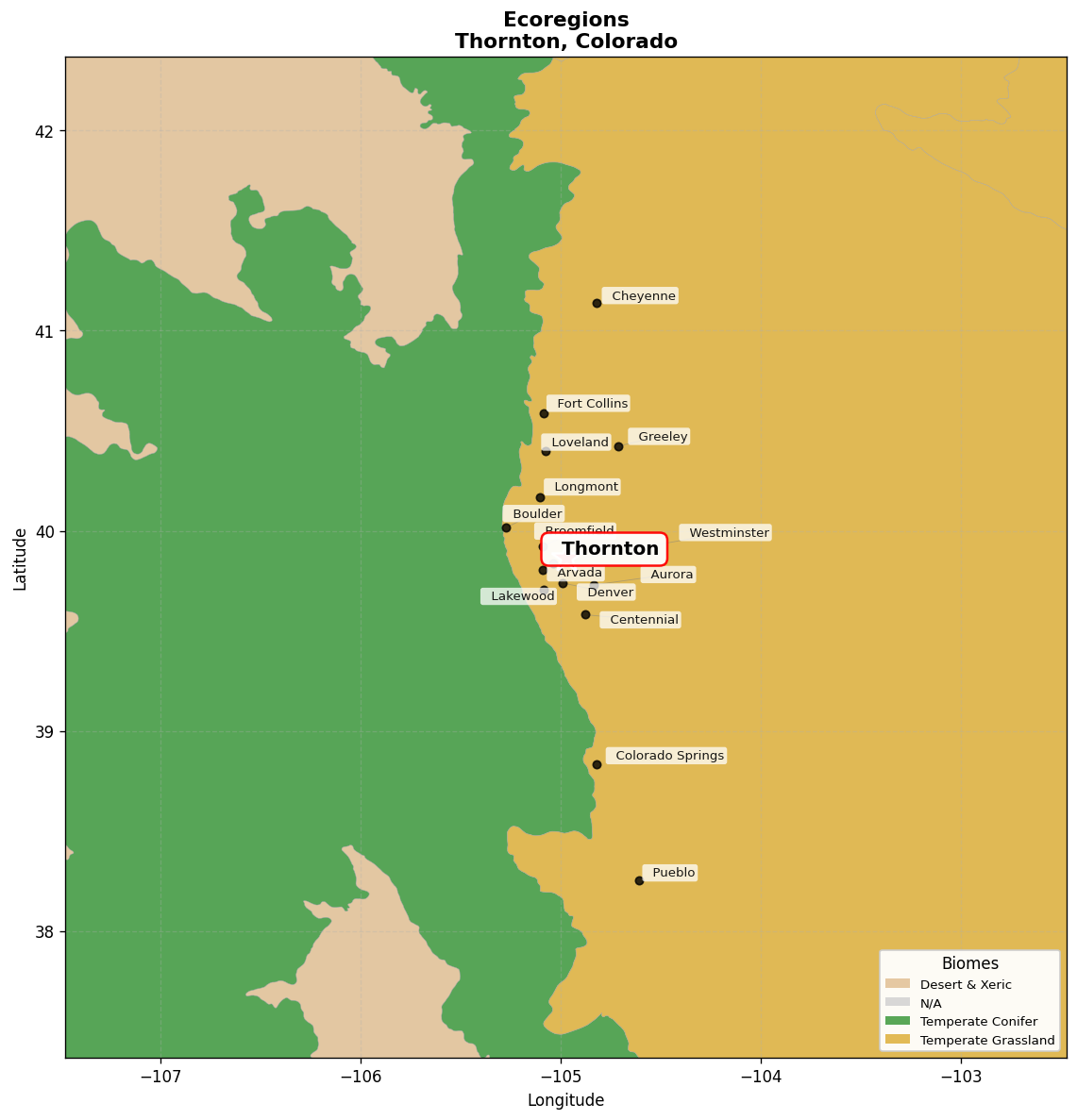
Western shortgrass prairie
Native ecoregionFrequently Asked Questions
How much does a desert garden cost in Thornton, CO?
As a rough north metro guide, a gravel and cactus front yard runs about $8–20 per square foot installed, so roughly $4,000–12,000 for a 500 square foot front yard, and $14–30 per square foot once boulders, flagstone, berms or a dry creek bed come in. Sod removal and grading is a large share of the bill. Plants are cheap: Opuntia polyacantha and Yucca glauca are often sold small and spread on their own. Thornton's lawn replacement program through Resource Central, worth up to $750, can cover part of the cost if you qualify, so check its terms before you remove turf.
Which cactus and agave actually survive Thornton winters?
The native and high-desert species do: Opuntia polyacantha (plains prickly pear), Cylindropuntia imbricata (tree cholla), Echinocereus triglochidiatus (claret cup), Escobaria vivipara and Opuntia fragilis are hardy well below the -15°F that Zone 5b can bring. Yucca glauca is native here and Yucca rostrata is reliable in a well-drained spot. Agave parryi is the only agave worth trying, and only on a raised gravel mound. Saguaro, golden barrel, Agave americana and ocotillo will not survive the winter here, so do not buy them even if a store has them.
Is a desert garden low maintenance in Thornton?
Very, once it is established. Water new plantings with drip every week or two through the first summer and taper off in the second; after that most beds live on the 14.48 inches of precipitation the area gets in a normal year. Pull weeds in May and June when the gravel is softest, shear Agastache rupestris and Delosperma 'Fire Spinner' lightly in spring, and cut Ericameria nauseosa back by a third in March to keep it tidy. Do not water cactus in winter.
When should I plant cactus and yucca in Thornton?
Late May to July. The median last spring freeze at Denver International Airport is May 5, and cactus and yucca root fastest in warm soil, so early summer planting gives them a full season before the median first freeze around October 9. Perennials such as Fallugia paradoxa and Penstemon pinifolius can also go in from late August to mid-September. Avoid fall planting of cactus, since unrooted pads sitting in cold, wet clay rot.
What are Thornton's watering rules and does my HOA have to allow xeriscape?
Thornton Water's permanent rules limit lawn watering to three days a week from April 1 to October 31, with no lawn watering between 10 a.m. and 6 p.m.; in spring 2026, under Stage 1 drought rules, lawns were cut to two days a week while other gardens could be watered as needed. Colorado law does not let an HOA ban drought-tolerant landscaping outright, but your HOA can still require design review, so submit a plan with the gravel color, boulders and plant list first. Ask Thornton's Building Inspection Division about permits and the required frost depth for footings before building retaining or seat walls.
How do I keep cactus from rotting in Thornton's clay soil?
Raise them. Build mounds or berms 8–12 inches high from native soil mixed with crusher fines or squeegee, plant the cactus so the crown sits slightly above grade, and top-dress with gravel instead of bark mulch. CSU Extension notes many Colorado soils have free lime and a pH above 7.5, which cactus and yucca like; it is wet clay in winter, not the pH, that kills them. Point downspouts away from cactus beds, or into a dry creek bed.
Will hail and snow damage a desert garden here?
Hail can scar prickly pear pads and shred ice plant flowers, but these plants recover within a season, and the scars fade as new pads grow. Snow helps: it insulates low plants like Delosperma 'Fire Spinner' and Escobaria vivipara through the coldest nights. Cholla and prickly pear often shrivel and lean in hard winter cold, which is normal; they plump up again in spring.