4 Desert Garden Ideas for Visalia, CA | Frost-Proof Xeriscape for Zone 9b
Native plants from the California Central Valley grasslands (Zone 9b) — Cold semi-arid climate
Why Desert/Xeriscape Gardens in Visalia?
Visalia gets about 10.3 inches of rain a year (NOAA 1991–2020 normals), almost all of it between November and April, and then nothing for five or six months while July averages close to 94°F and stretches past 100°F are normal. On rainfall alone, a desert garden is the honest choice here. Before the farms and the town, this was California Central Valley grassland, with bunchgrass, wildflowers and valley oaks along the Kaweah River's channels. A Visalia desert garden works best as a blend: the bold forms of the Southwest set among the grasses and sages that grew here first.
The one thing that separates Visalia from Phoenix or Palm Springs is winter. January nights average about 38°F, the coldest night of a typical year reaches about 29°F, and the city's records sit in the low teens. Tule fog can keep plants cold and damp for a week at a time. That rules out a lot of the classic desert catalogue. Saguaro (Carnegiea gigantea) and most columnar cacti sulk or rot in a wet, foggy valley winter, so use Yucca rostrata for the tall vertical silhouette instead. Agave attenuata, Euphorbia ingens and Aloe barberae need a pot you can move under the eaves. The plants that take both seasons are the high-desert and Chihuahuan ones: Agave parryi, Dasylirion wheeleri, Hesperaloe parviflora, Parkinsonia 'Desert Museum', Chilopsis linearis 'Bubba' and Leucophyllum frutescens 'Compactum', alongside California natives like Muhlenbergia rigens, Eriogonum fasciculatum and Salvia clevelandii 'Winnifred Gilman'.
The soil helps. The USDA soil survey maps most of Visalia as Nord fine sandy loam, with Grangeville sandy loam in places: deep river alluvium from the Kaweah, pH around 7.5–7.9, and good drainage. Cactus and agave like that far better than the heavy clay found elsewhere in the valley. Watch for pockets of Akers saline-sodic soil on parts of the south and east side, where pH runs near 8.5 and a white salt crust forms after irrigation. There, plant on low mounds of sandy mix and stick to salt-tolerant species such as Atriplex lentiformis and Muhlenbergia rigens.
Water rules make the style practical as well. Visalia sets sprinkler days by address and switches sprinkler watering off over the winter, while drip may run any day in the early-morning and evening windows. A desert garden on drip, with no turf, needs no exceptions to any of that. Cal Water, which supplies the city, also runs a Lawn-to-Garden rebate for converting grass to drought-tolerant planting, so check whether it is open before you start digging.
4 Desert/Xeriscape Design Ideas for Visalia

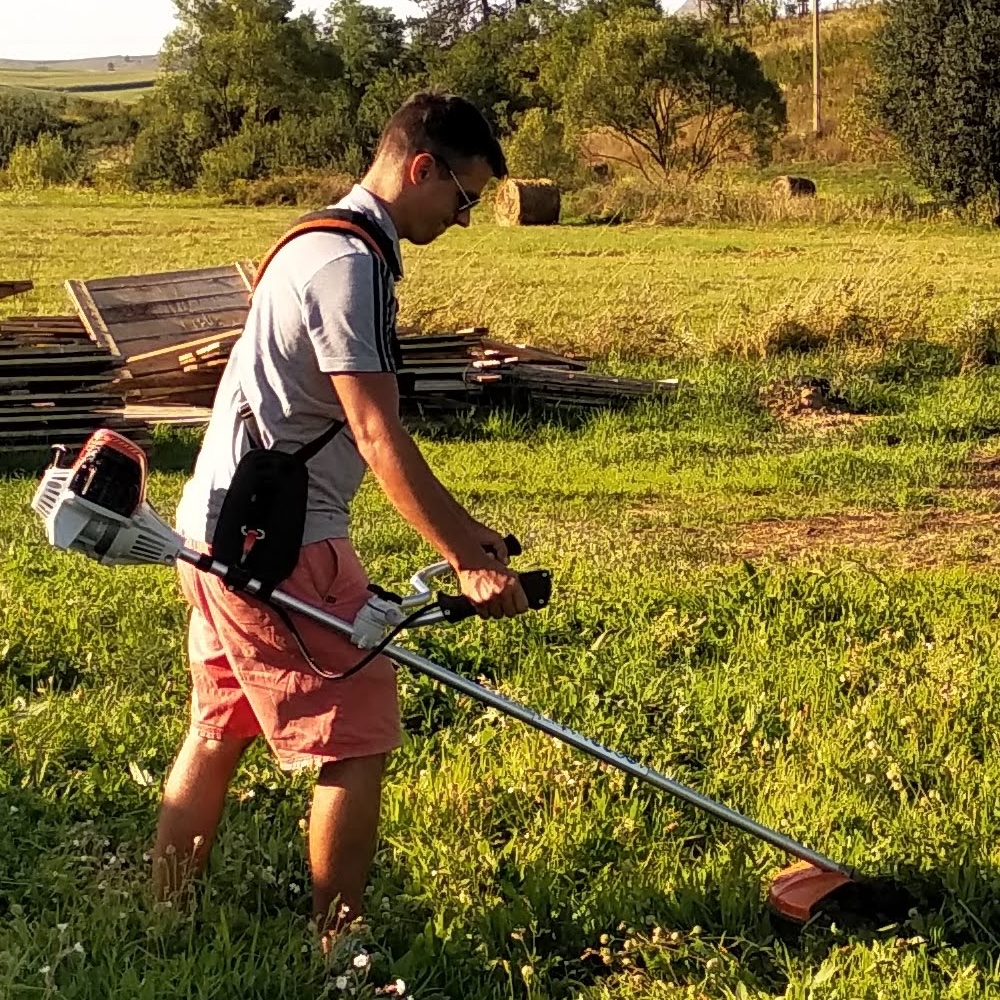
AI-generated image
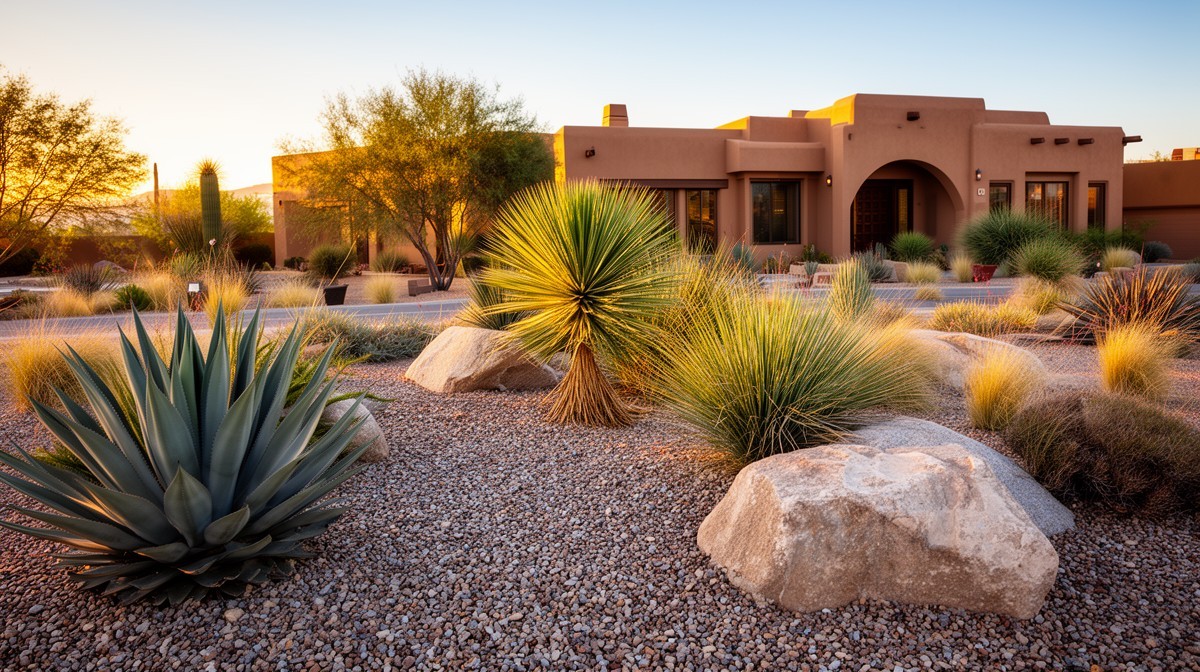
The Palo Verde Gravel Garden
$8–16/sqftA tan stucco ranch with a red tile roof sits behind a front yard of warm gold decomposed granite, with a single Desert Museum palo verde set off the west corner of the house to shade the front window by late afternoon. Low mounds dressed with sandstone boulders carry clusters of agave and red yucca, and drifts of Texas ranger fill the space between them. A curving path of flat flagstone runs from the driveway to the front door through the full sun.

AI-generated image
The Dry Creek Native Garden
$9–18/sqftA broad river-cobble dry creek runs diagonally across the front yard of a single-story ranch, catching roof runoff from a downspout and carrying it toward a gravel basin by the street. Both banks are planted in waves of deer grass and buckwheat, with a desert willow arching over the middle of the creek. In winter the channel actually runs, which is the whole point in a city that gets its 10 inches of rain in a few storms.

AI-generated image
The Yucca Courtyard
$20–38/sqftBehind a two-story stucco tract home, a square courtyard of tan concrete pavers is ringed by raised beds built from stacked rough stone, with three blue Yucca rostrata standing above everything as the focal point. Gray-blue sotol and agave fill the beds, and a steel pergola on the west side of the patio throws shade over a pair of lounge chairs from about 3 p.m. The raised beds lift every crown out of the cold air that settles on the yard on clear winter nights.

AI-generated image
The Pool Edge Xeriscape
$15–30/sqftA rectangular pool with a plain concrete deck is planted along its far side with a long band of agave, red yucca and globe mallow in gray gravel, kept 3 feet back from the coping so nothing spiny is within reach. Two palo verdes at the back fence give dappled shade over the deep end without dropping much litter into the water. The west-facing deck gets the full afternoon sun, so a shade structure stands over the near seating.
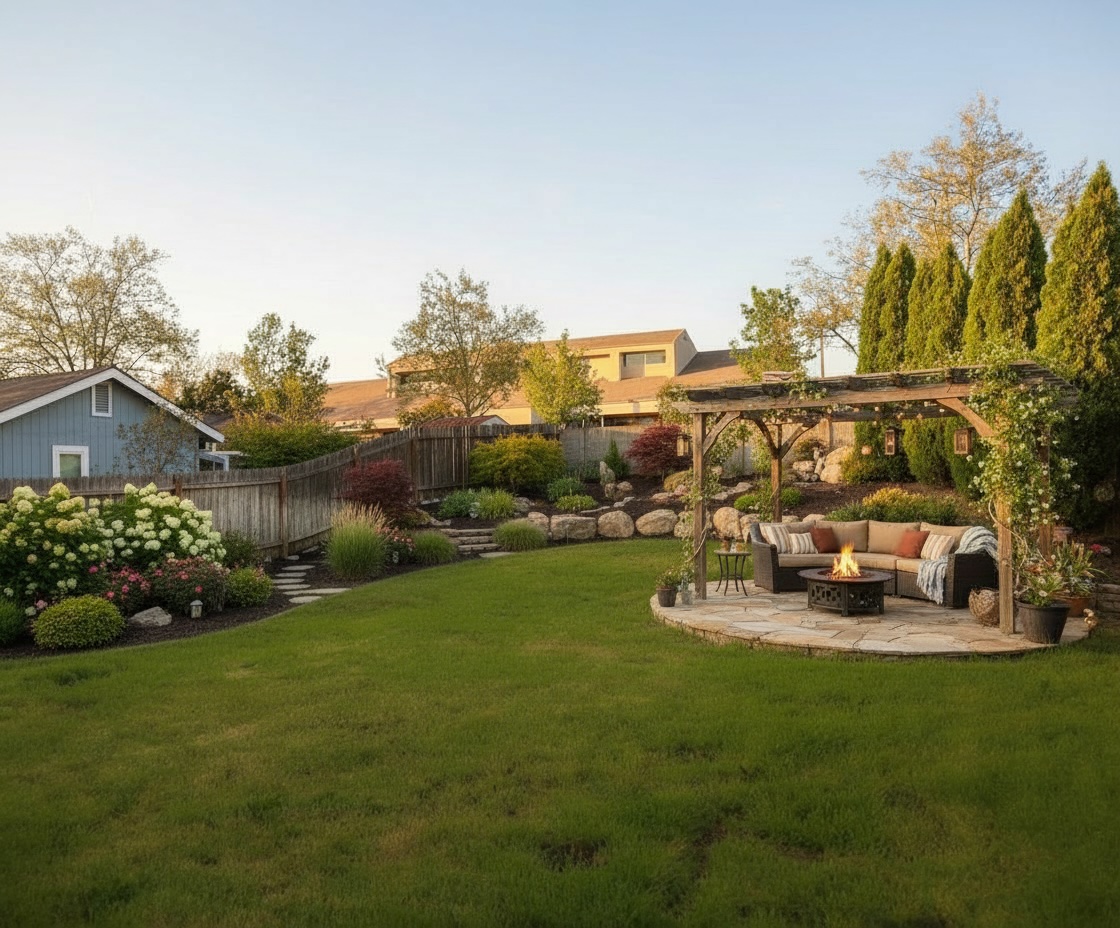
See how a desert/xeriscape garden looks on YOUR property
Upload a photo of your Visalia yard and visualize your dream garden in seconds.
Try ProScapeAI Free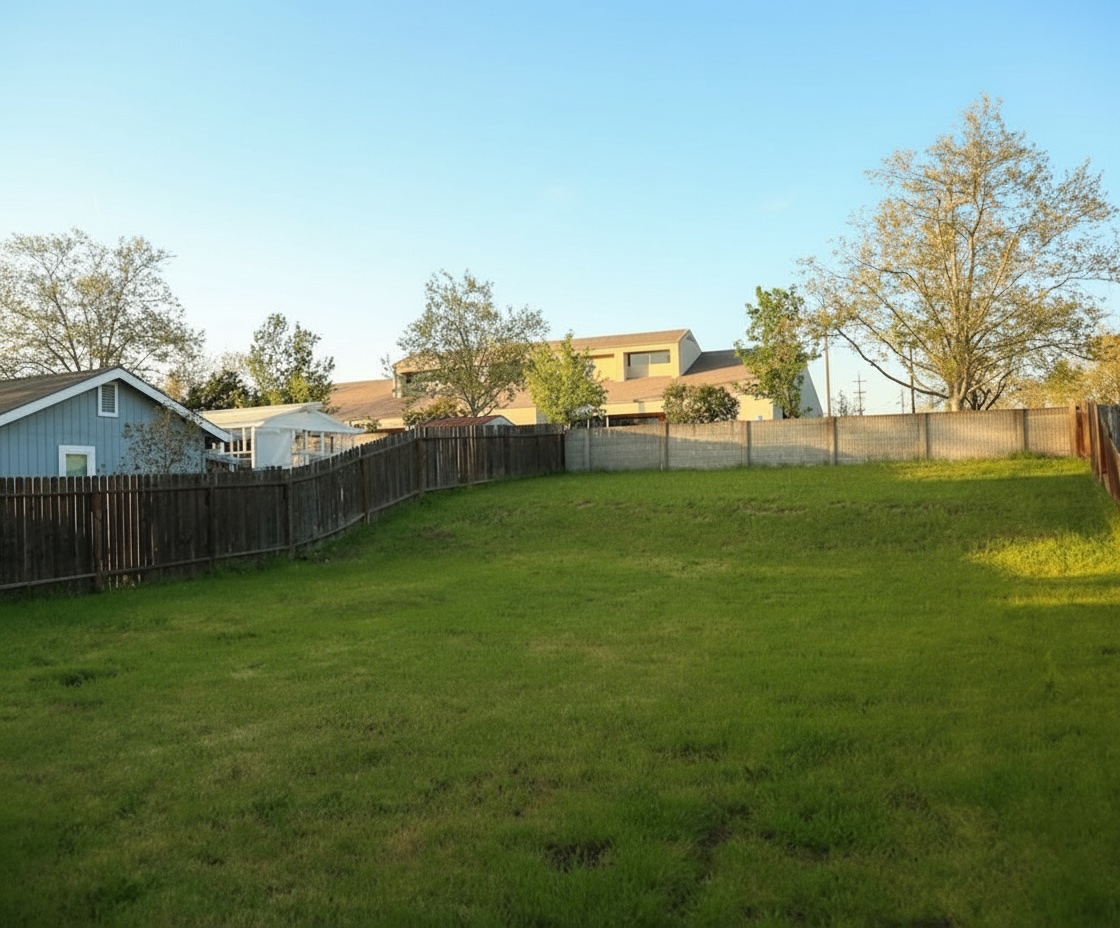
AI-generated image
Featured Trees & Shrubs for Desert/Xeriscape Gardens
Browse all 160 plants for Visalia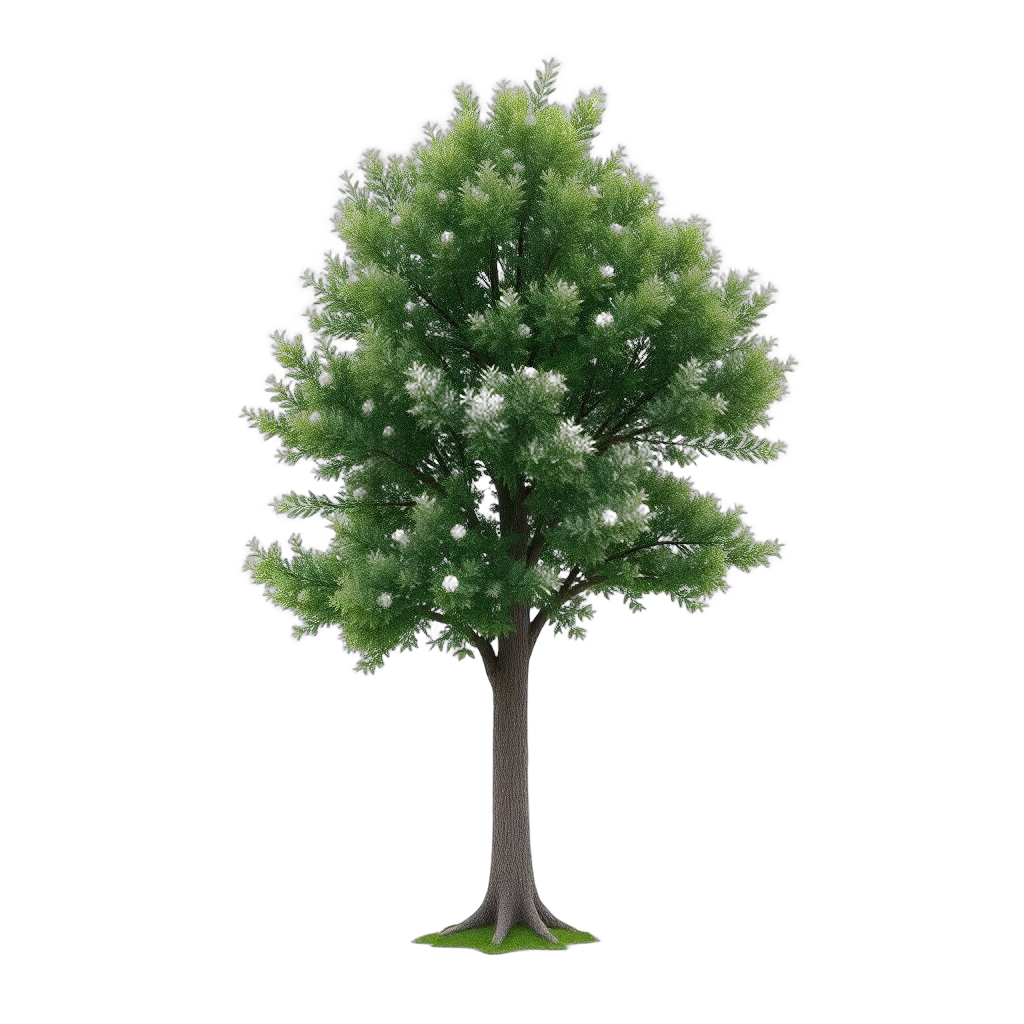
Blue Oak
Quercus douglasii
large shade tree reaching 50+ feet, blooms in spring. Yellow fall color.
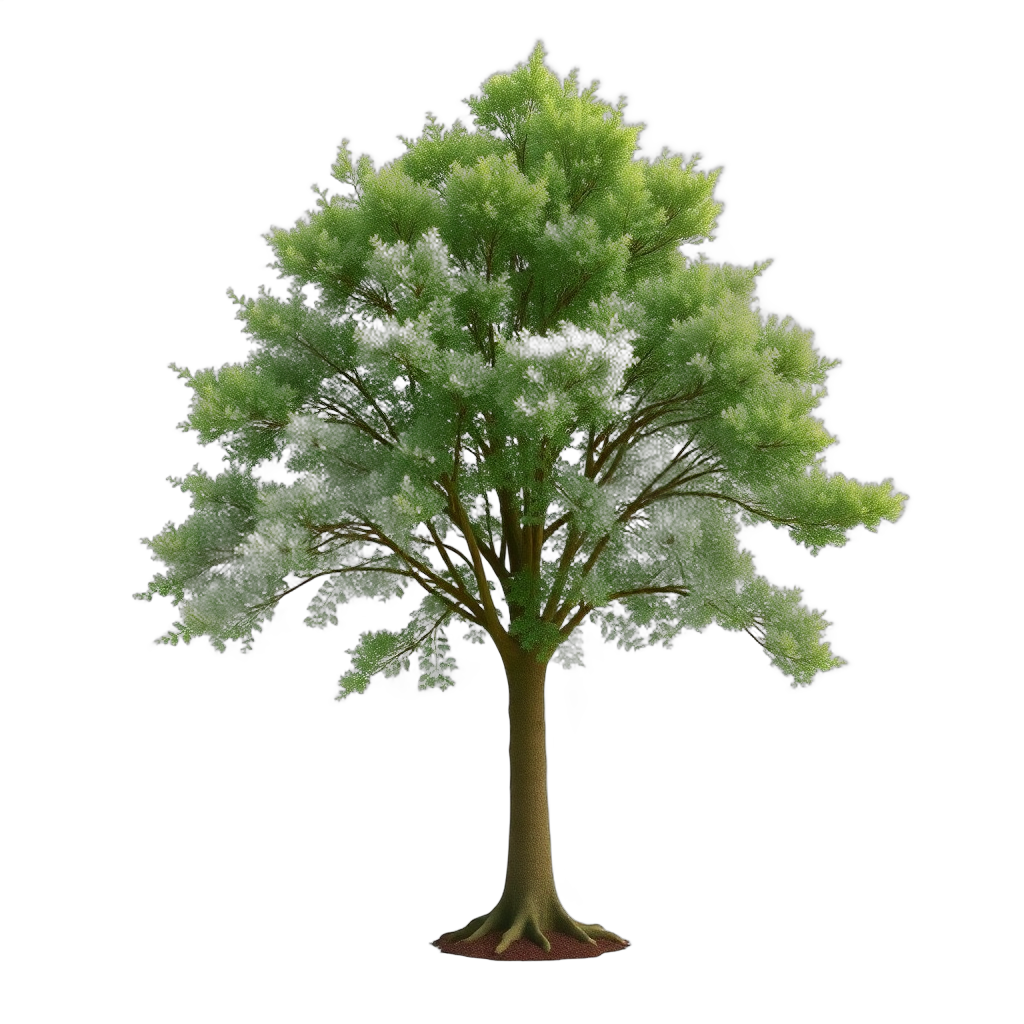
Fremont Cottonwood
Populus fremontii
large shade tree reaching 50+ feet, yellow blooms in spring. Yellow fall color.
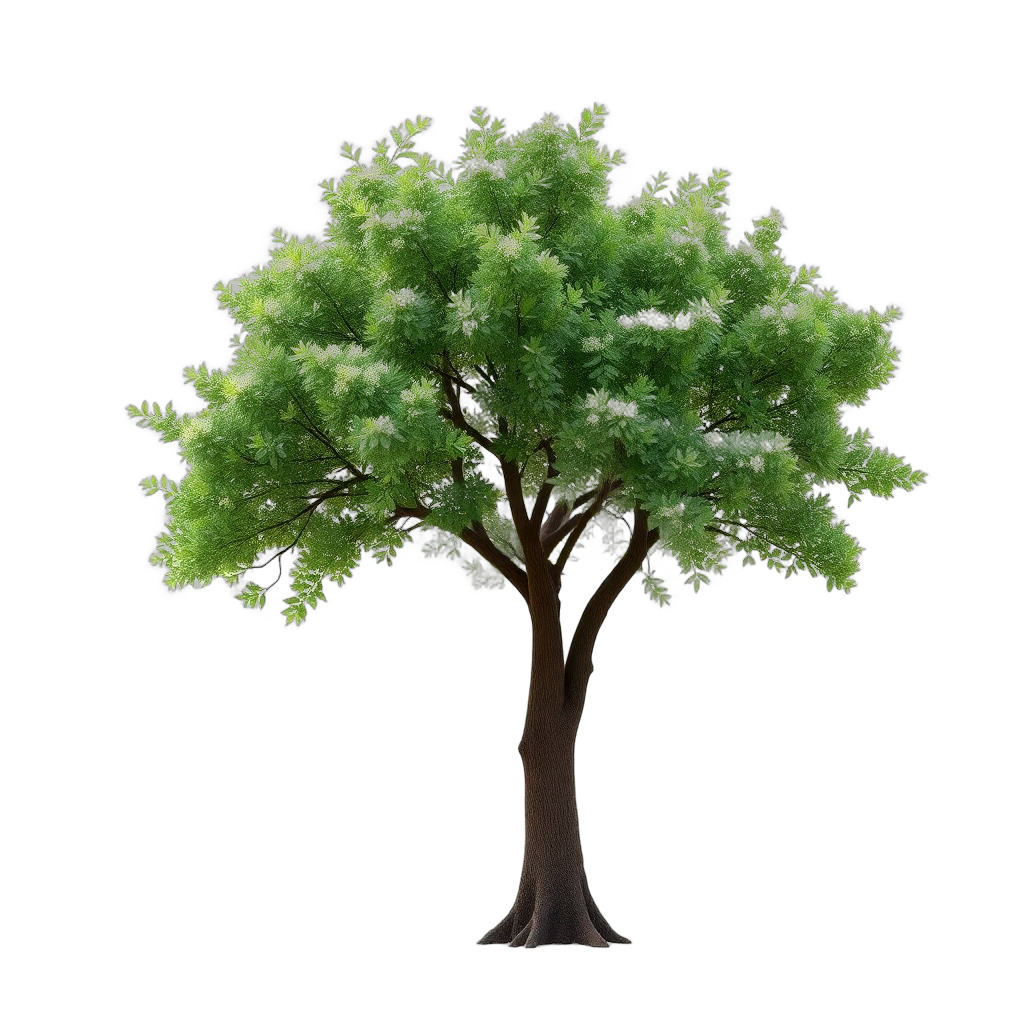
Valley Oak
Quercus lobata
large shade tree reaching 80+ feet, blooms in spring. Yellow fall color.
Featured Grasses & Groundcovers for Desert/Xeriscape Gardens
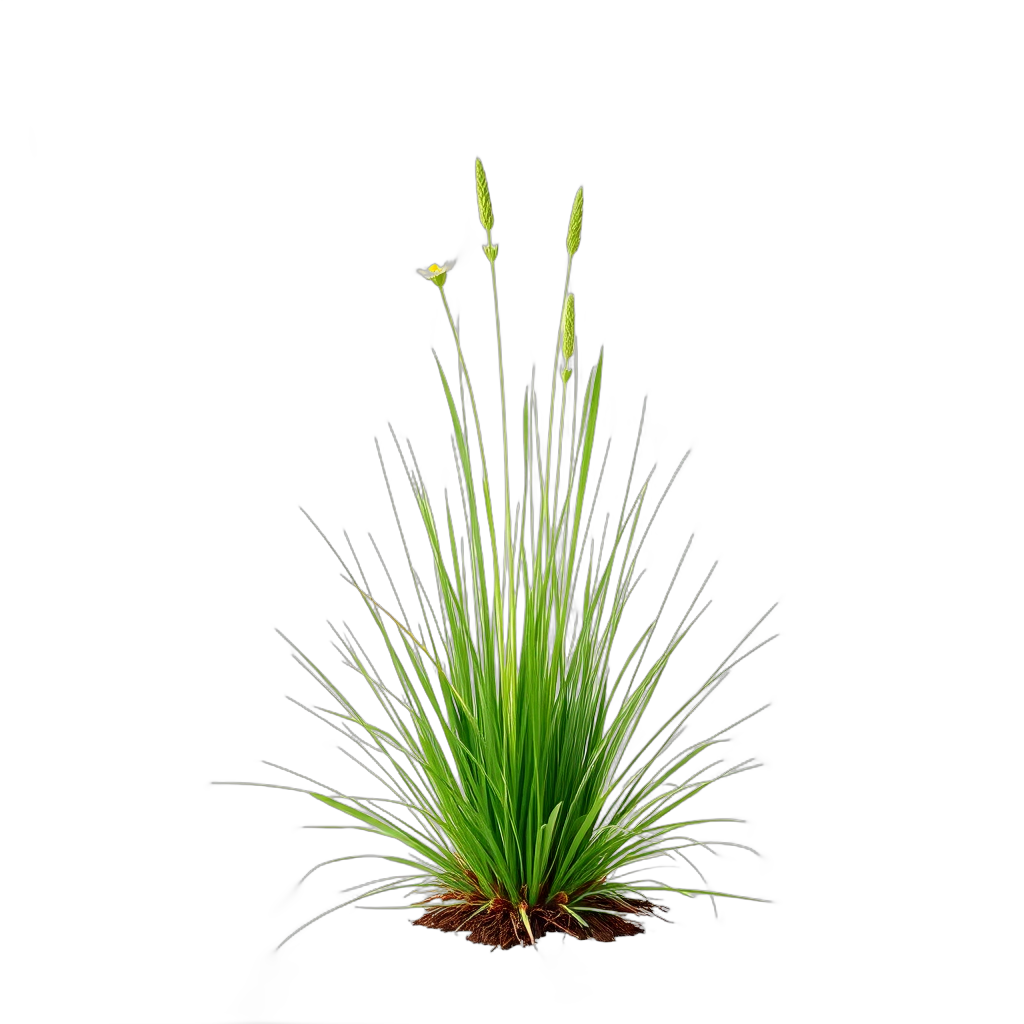
California Brome
Bromus carinatus
low-growing ground cover, blooms in spring. Yellow fall color.
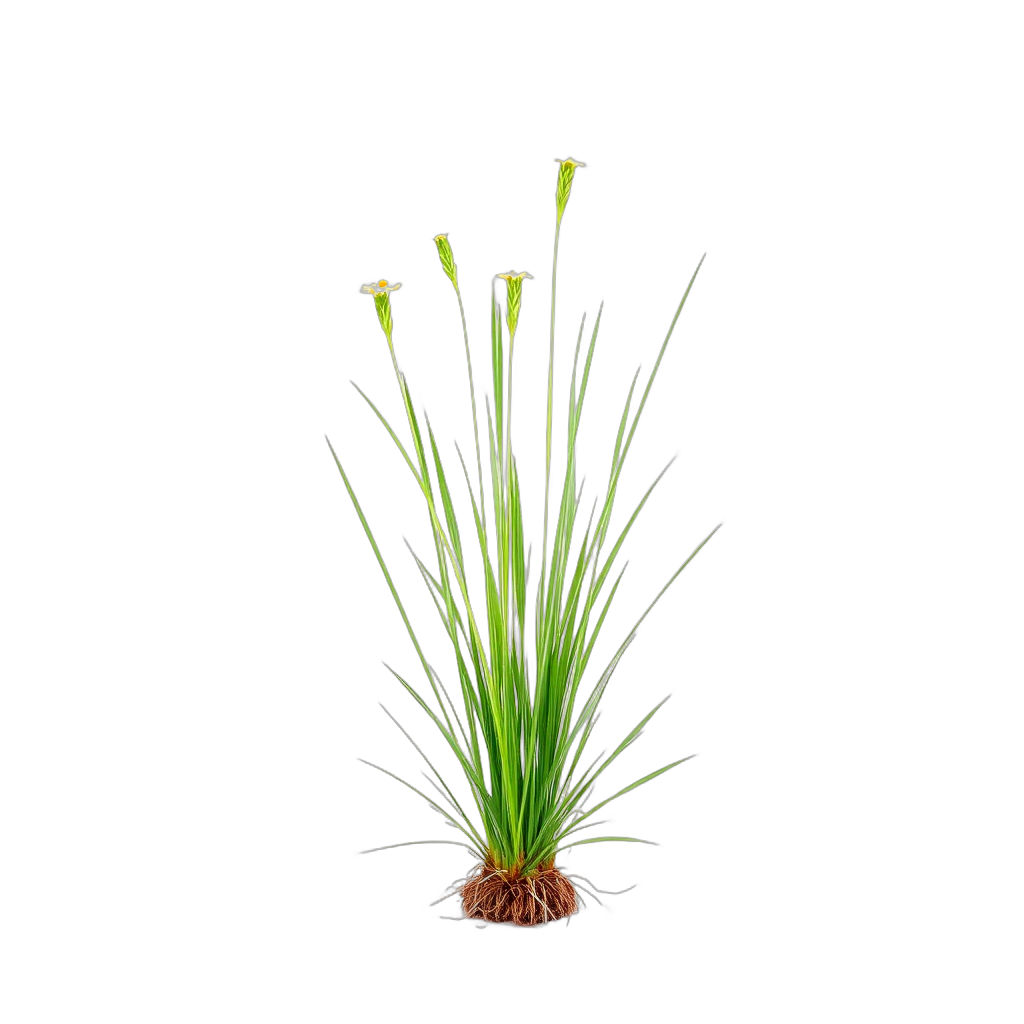
California Melic
Melica californica
low-growing ground cover, blooms in spring.
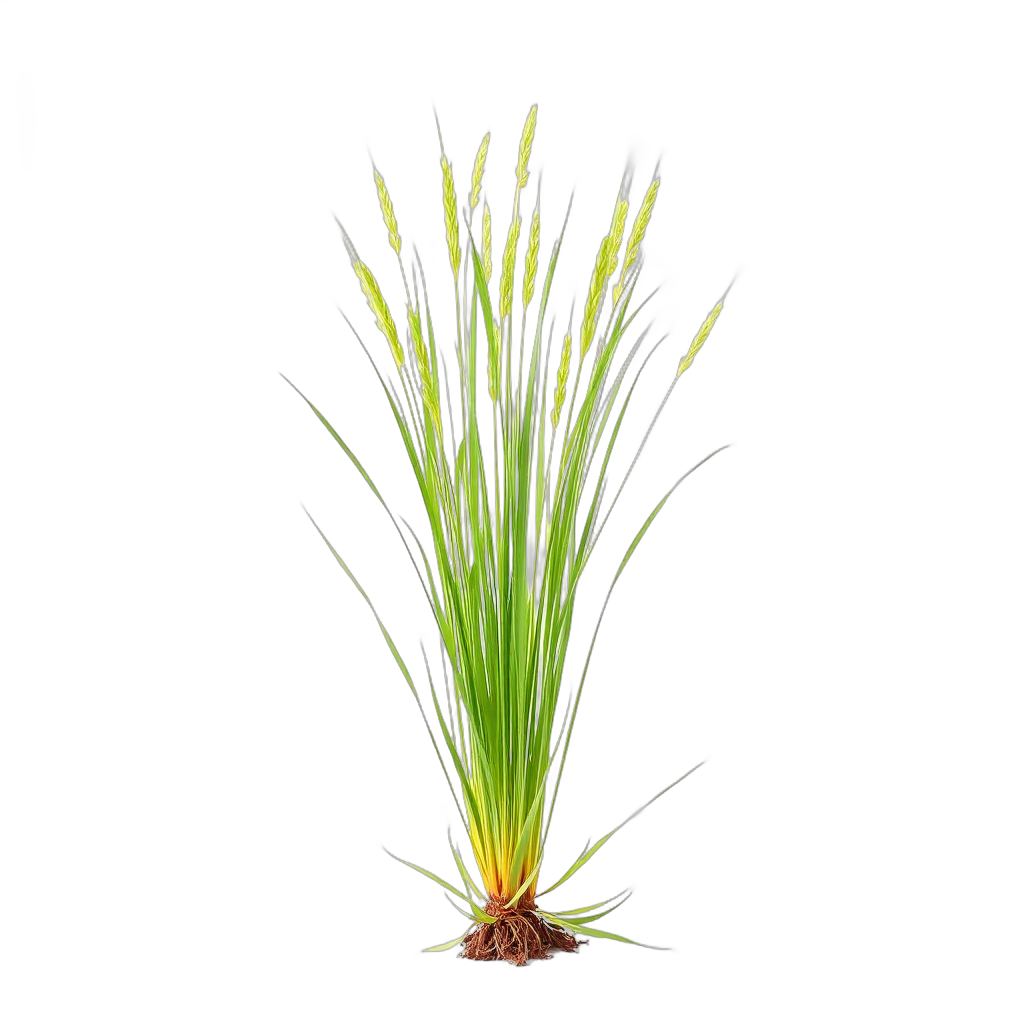
California Oatgrass
Danthonia californica
low-growing ground cover, blooms in spring. Yellow fall color.
Featured Flowers & Perennials for Desert/Xeriscape Gardens
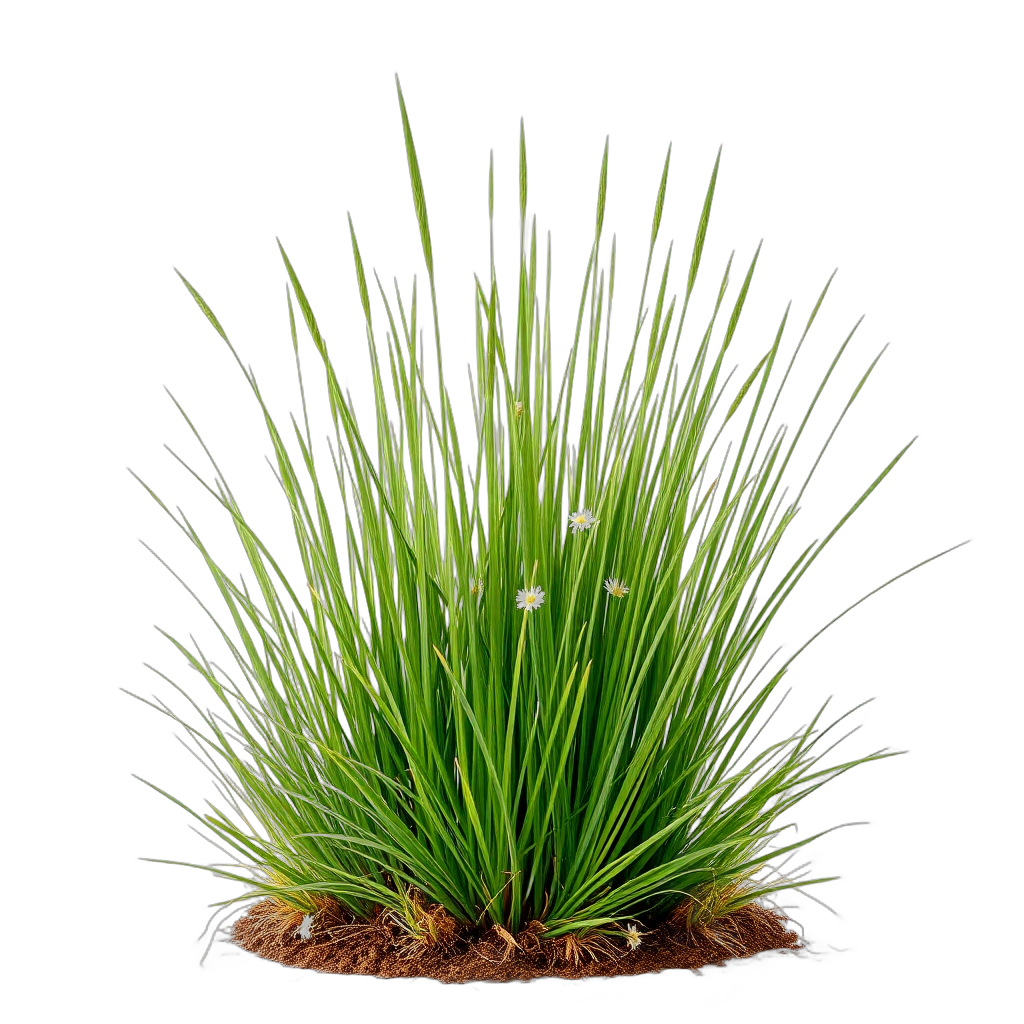
Baltic Rush
Juncus balticus
low-growing ground cover, blooms in summer. Evergreen year-round.
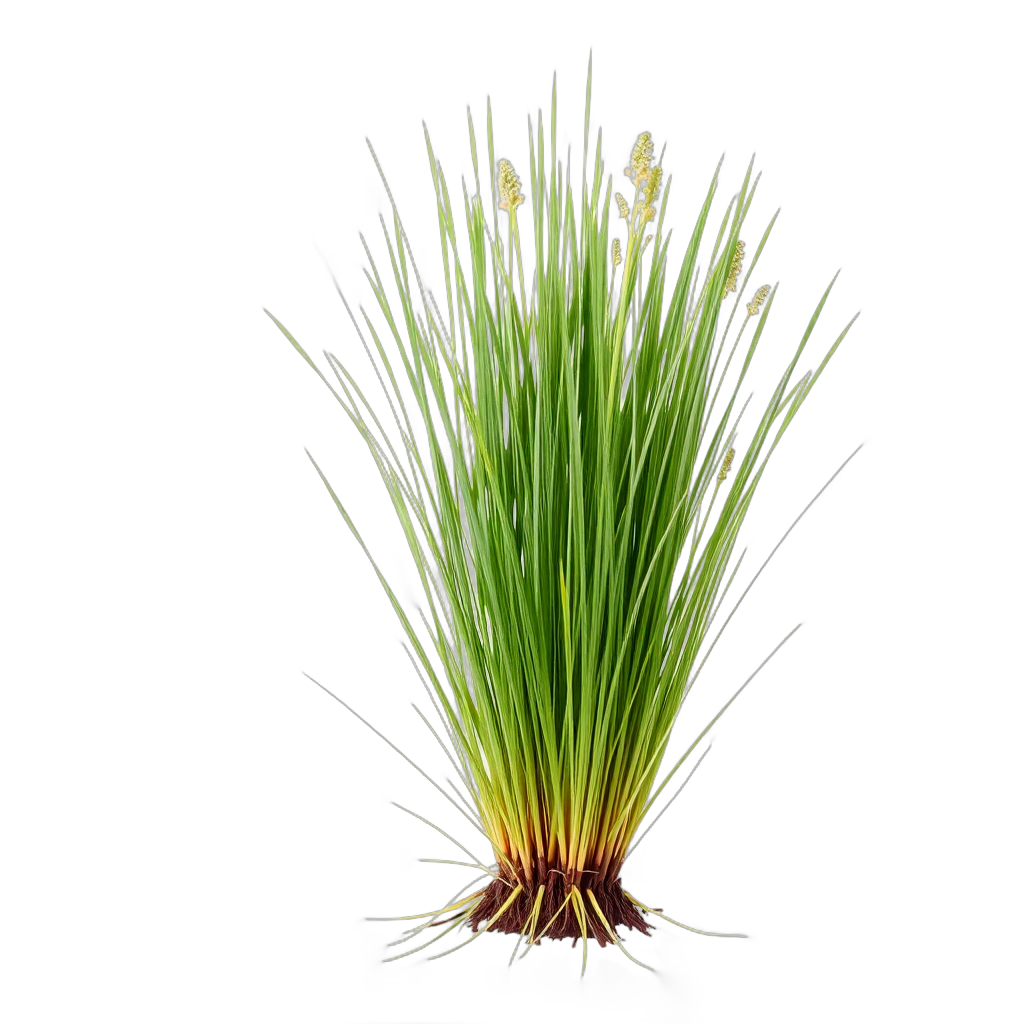
California Gray Rush
Juncus patens
low-growing ground cover, blooms in summer. Evergreen year-round.
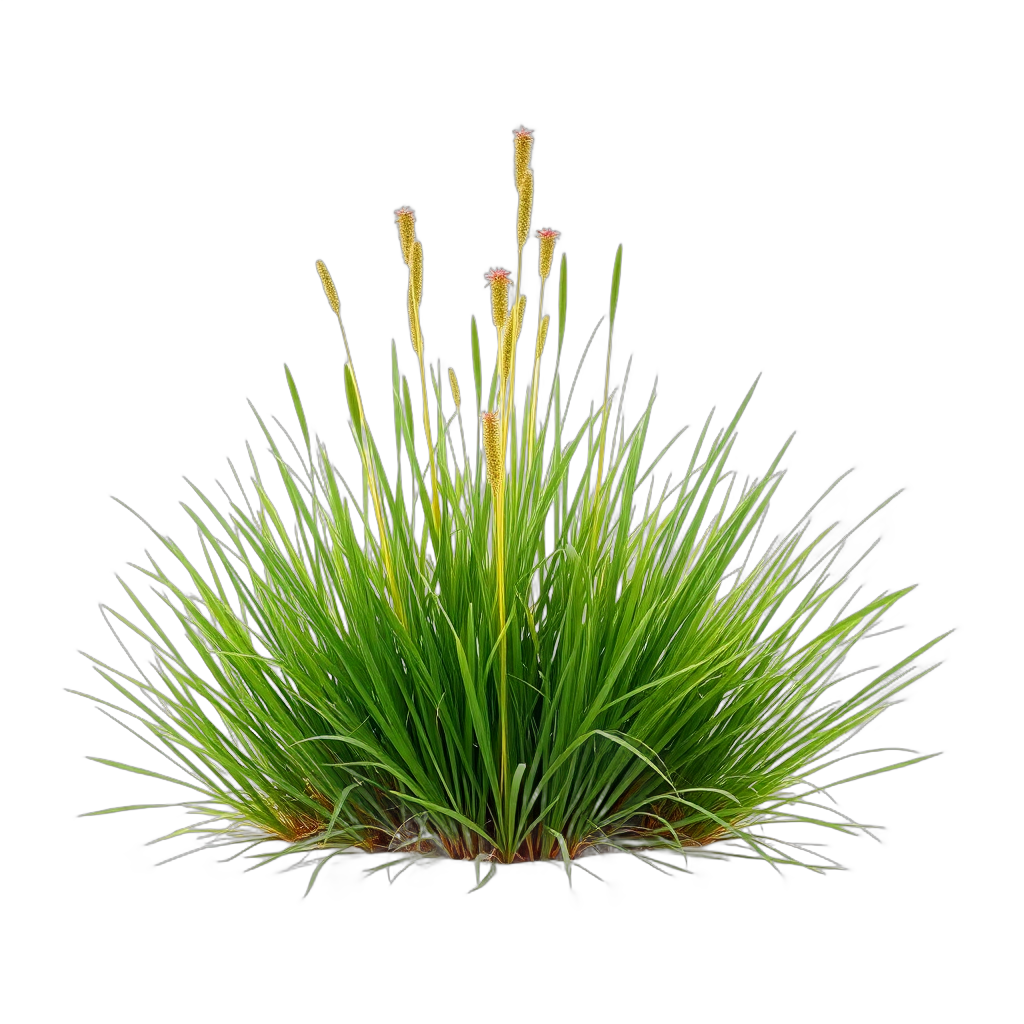
Clustered Field Sedge
Carex praegracilis
low-growing ground cover, blooms in spring.
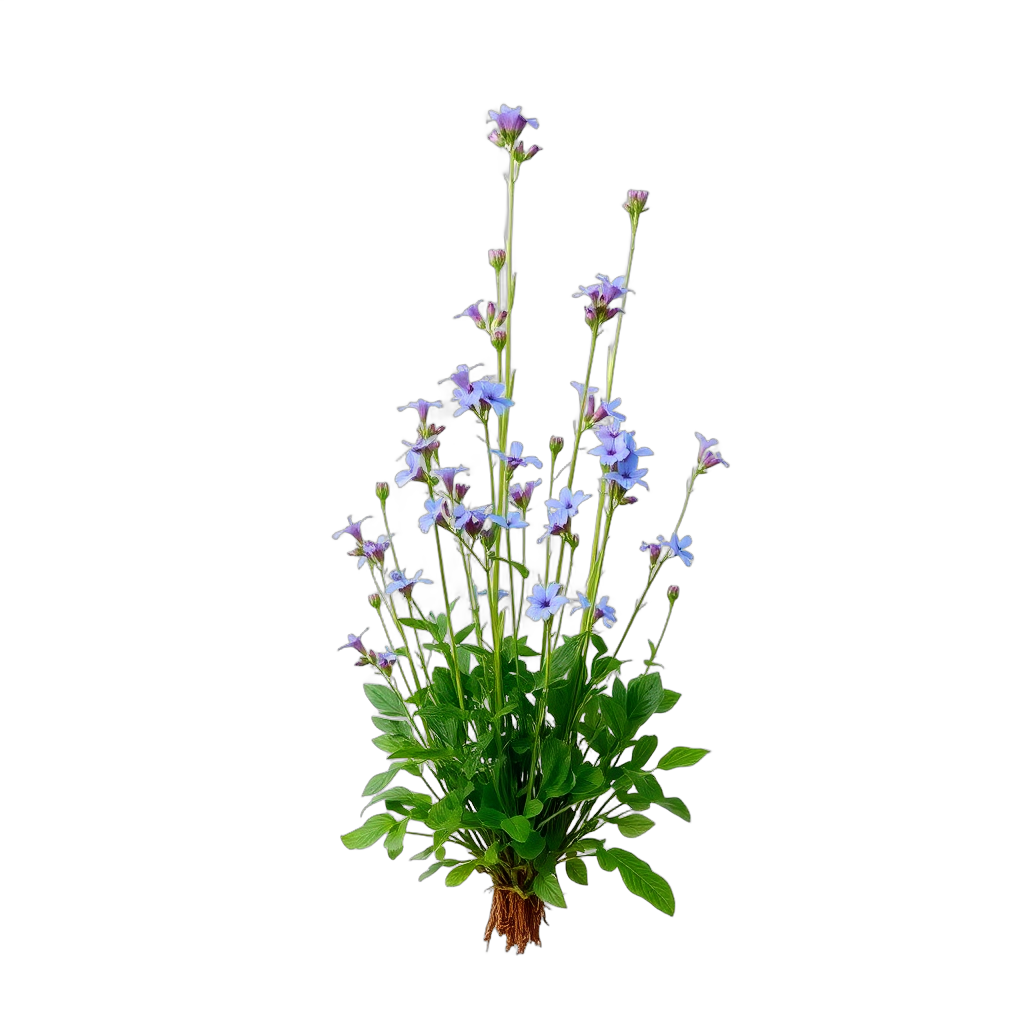
Blue Dicks
Dichelostemma capitatum
low-growing ground cover, blue blooms in spring. Pollinator-friendly.
Zone and sun checks come from our database — confirm with your local nursery before you buy.
Bloom Calendar for Visalia
spring
Clustered Field Sedge, Blue Dicks, Blue-Eyed Grasssummer
Baltic Rush, California Gray Rush, Papyrusfall
Limited bloomswinter
Limited bloomsDesign Tips for Visalia (Zone 9b)
- Plant every agave, cactus and yucca on a mound or in a raised bed 12–18 inches high: Visalia's winter damage comes from cold air and tule fog sitting on wet crowns, not from the cold alone
- Swap saguaro for Yucca rostrata when you want a tall desert silhouette; it takes the 29°F nights of a normal Visalia winter and does not mind damp fog
- Run downspouts into a dry creek or gravel basin; with only about 10 inches of rain a year, every gallon you keep on the lot in winter is water the deer grass and buckwheat use in spring
- Test for salt before planting on the south and east side; Akers saline-sodic soils near pH 8.5 need raised beds of sandy mix and salt-tolerant plants like Atriplex lentiformis
- Shade the west wall with a Parkinsonia 'Desert Museum' or Chilopsis linearis 'Bubba', which give filtered afternoon shade and lose little enough litter to sit near a patio or pool
- Keep valley oaks dry in summer: if a Quercus lobata shares your lot, keep drip lines and irrigated desert beds outside its drip line and check the city's Valley Oak Tree Ordinance before any digging under it
- Frost depth is not a design factor here, but frost pockets are: the lowest corner of a flat lot gets the hardest freeze, so put the frost-tender Agave 'Blue Glow' against a south-facing wall instead
Where to Source Plants in Visalia
Skip the big-box stores. These independent Visalia nurseries specialize in the plants that make desert/xeriscape gardens thrive in Zone 9b.
Luis' Nursery
Visalia (S. Mariposa Ave)
Family-owned and operated nursery with succulents, trees, shrubs and palms, plus pottery, fountains and bulk rock, bark and topsoil; hosts UC Master Gardener plant clinics
Dry Creek Nursery (Sequoia Riverlands Trust)
Woodlake, east of Visalia
Native plant nursery for drought-tolerant landscapes and habitat restoration; deer grass, sages and buckwheat for the native side of a desert garden, with an online store and monthly stalls at the Visalia Farmers Market
California Native Plant Society, Alta Peak Chapter
Tulare County (sale pickup in Three Rivers)
Yearly fall native plant sale for Tulare County, ordered in early October and picked up at the Three Rivers Arts Center
Desert/Xeriscape Landscaping Costs in Visalia
| Project Scope | Estimated Cost |
|---|---|
| Front yard turf-to-desert conversion (500–700 sqft) | $5,000 – $12,000 |
| Turf removal, decomposed granite and drip (per sqft) | $6 – $14 |
| River-cobble dry creek with boulders (20–40 linear ft) | $1,500 – $4,000 |
| Dry-stacked stone raised beds (two beds, 20–30 linear ft) | $3,500 – $8,000 |
| Backyard courtyard: pavers, raised beds, pergola, planting | $20,000 – $45,000 |
| Drip irrigation system with smart controller | $1,200 – $3,000 |
| AI visualization (ProScapeAI) | Free to start |
Estimates based on Visalia, CA-area contractor rates as of 2026. Actual costs vary by site conditions, materials, and contractor.
Visalia Climate & Growing Zone
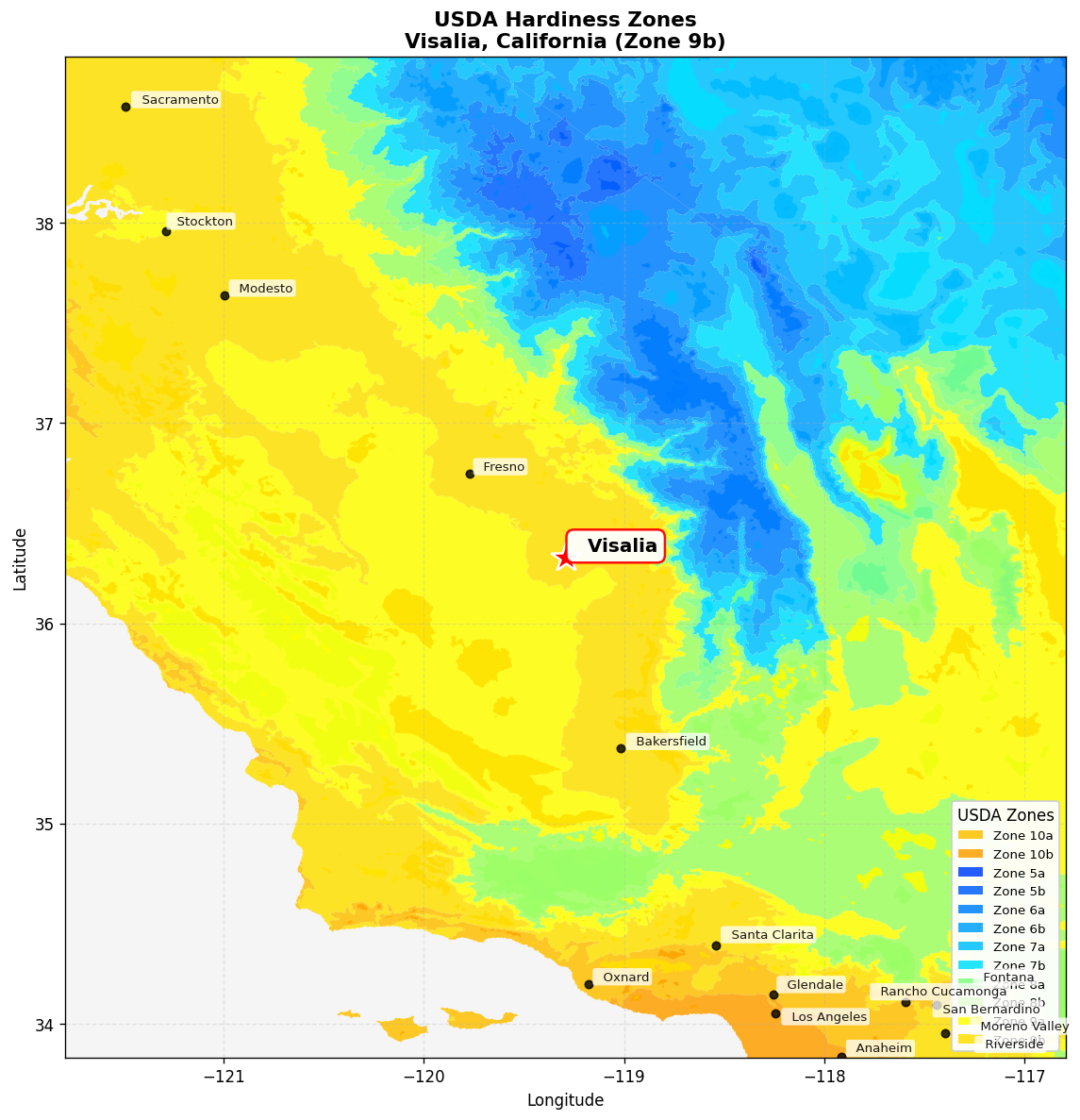
USDA Zone 9b
Hardiness zone for Visalia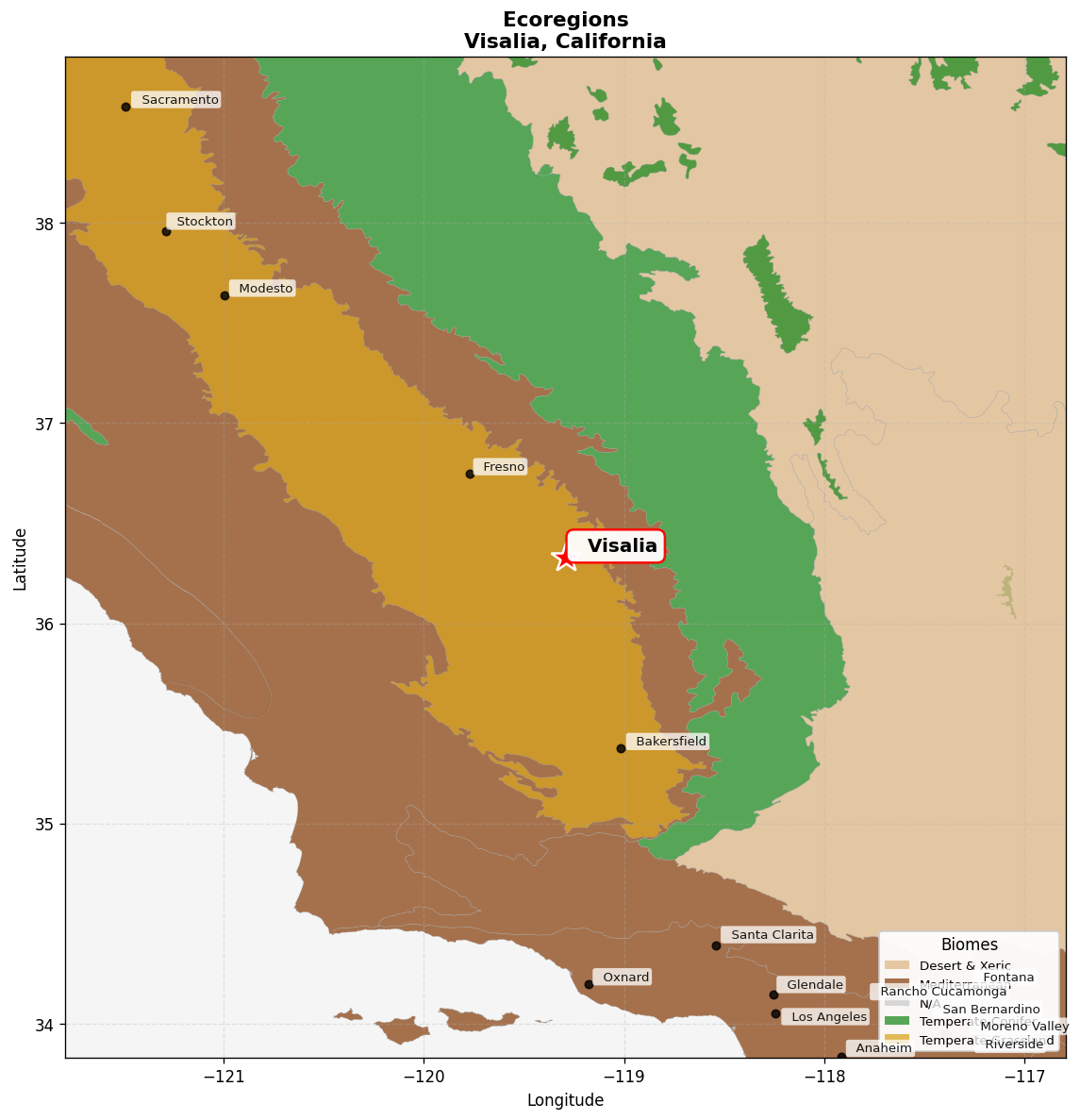
California Central Valley grasslands
Native ecoregionFrequently Asked Questions
How much does a desert garden cost in Visalia, CA?
Tulare County is one of the cheaper places in California to build a landscape. Local crews tend to bill roughly $55–75 per hour per worker. A front-yard conversion of 500–700 sqft, with turf removal, decomposed granite, boulders, drip and plants, typically runs $5,000–12,000. A dry creek adds $1,500–4,000 depending on length, and a backyard courtyard with pavers, raised stone beds and a pergola runs $20,000–45,000. Buying Agave parryi, Hesperaloe parviflora 'Brakelights' and Muhlenbergia rigens in 1- and 5-gallon sizes, and letting them fill in, is the biggest saving.
Will cactus and agave survive a Visalia winter?
Many will, but choose carefully. A typical Visalia winter brings a coldest night near 29°F and weeks of damp tule fog, with records in the low teens. Cold-hardy picks: Agave parryi, Agave americana, Yucca rostrata, Dasylirion wheeleri, Opuntia santa-rita and Hesperaloe parviflora. Saguaro, Agave attenuata, Aloe barberae and Euphorbia ingens are a gamble here; grow them in pots you can tuck under the eaves. Plant every succulent on a mound or in a raised bed so water drains off the crown, because cold plus wet is what kills cactus in the valley, not cold alone.
Can a desert garden live without summer water in Visalia?
The California natives can, after two or three summers: Muhlenbergia rigens, Eriogonum fasciculatum and Salvia clevelandii 'Winnifred Gilman' grew up on rainfall patterns like Visalia's 10 inches a year. Agave parryi and Yucca rostrata need almost nothing once rooted. Parkinsonia 'Desert Museum', Chilopsis linearis 'Bubba' and Leucophyllum frutescens look far better with a deep soak every two to three weeks from June through September. Put every plant on drip, run it deep and infrequent, and turn it off once the winter rains start.
When is the best time to plant a desert garden in Visalia?
Plant the California natives (deer grass, buckwheat, sages) in October and November, just before the winter rains, so they root in all winter. Plant agave, cactus, yucca and palo verde from mid-March through May, when the soil is warming and the cold nights are over; that gives them a full warm season to root in before their first frost. Avoid planting in July and August, when a new plant on sandy loam can dry out in a single 104°F afternoon.
What are the watering rules in Visalia?
Visalia sets sprinkler days by address (even and odd addresses get different days), allows watering only before 8 a.m. or after 6 p.m., and switches sprinkler watering off for everyone over the winter months. Drip irrigation may run any day within those morning and evening hours, and hand watering of non-turf plants is allowed. A desert garden on drip is the easiest landscape to keep inside the rules. The schedule follows the city's conservation stage, so check visalia.gov for the current version.
Is there a rebate for replacing my lawn with a desert garden?
Cal Water, which supplies Visalia, runs a Lawn-to-Garden rebate for converting grass to water-wise planting. You must get pre-approval before starting, plant at least three approved plants per 100 sqft converted, and artificial turf does not qualify. The amount and whether funding is open for the Visalia District change over time, so check Cal Water's conservation portal before you remove anything. A planting of Muhlenbergia rigens, Eriogonum fasciculatum and Penstemon eatonii easily meets the plant count.
What do I do about the salty white crust in my yard?
Parts of south and east Visalia sit on Akers saline-sodic soil, with a pH near 8.5 and salts that wick to the surface as a white crust after watering. Most cactus and agave tolerate it better than lawn does, but the planting holes still stay wet and stunt roots. Build beds and mounds 8–12 inches up with a sandy, low-salt mix, water deeply so salts flush down past the roots, and favor salt-tolerant plants such as Atriplex lentiformis, Muhlenbergia rigens and Agave americana. A soil test from a lab will tell you whether your lot is affected.