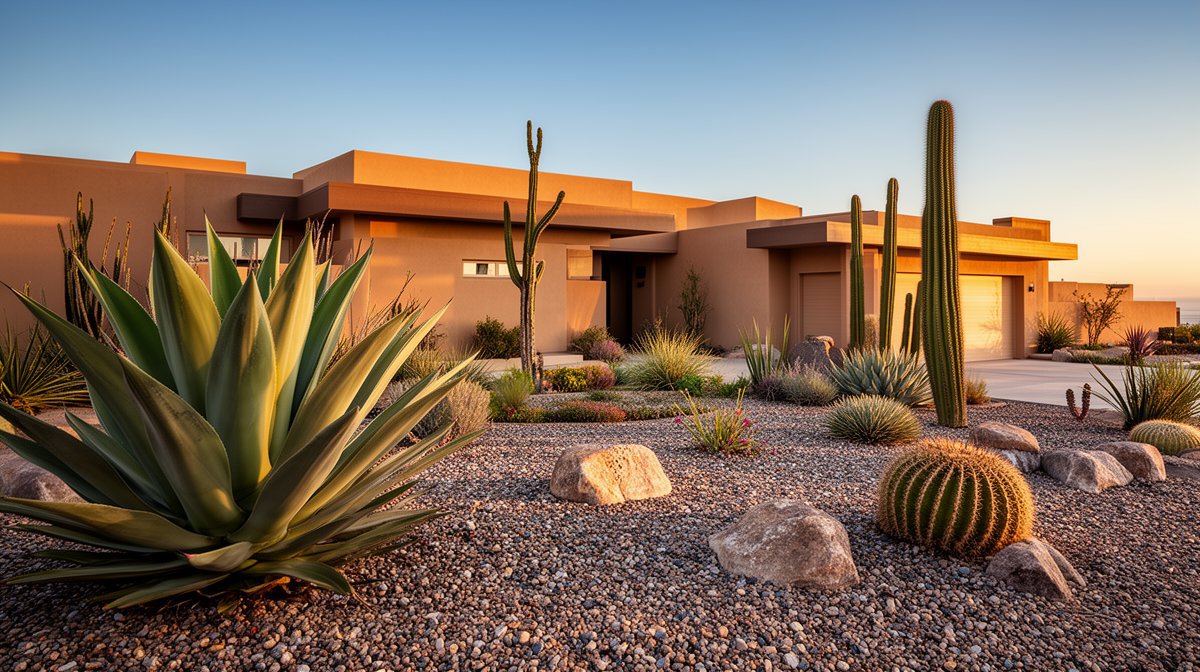
4 Desert Garden Ideas for Vista, CA | Water-Wise Zone 10a Yards
Native plants from the California coastal sage and chaparral (Zone 10a) — Cold semi-arid climate
For a desert garden in Vista, CA, a zone 10a city with a cold semi-arid climate, start with Agave vilmoriniana, Aloe striata and Yucca rostrata, the plants this guide's first design is built on.
Why Desert/Xeriscape Gardens in Vista?
Vista sits a few miles inland from the Pacific, where the marine layer softens the summer and the rain falls almost entirely between November and April. That pattern suits a desert garden better than most people expect: NOAA's 1991–2020 normals for the Vista station give about 13.4 inches of rain a year, with June through September each averaging under 0.2 inches. Agave, cactus and aloe wait out that long dry spell the way they do in Arizona, and the cooler coastal nights keep them from baking in August, when the average high is 80.7°F.
The January average low is 45.7°F and the station sees about one day a year at or below 32°F, so Zone 10a plants like Agave vilmoriniana, Aloe striata, Echinocactus grusonii and Yucca rostrata are all safe in most Vista yards. Cold pockets are the exception, along canyon bottoms and creek edges near Buena Creek, where still, clear winter nights can drop several degrees below the hillside above. Put the tender plants on the slope side of the yard, and leave the low corner for hardier Dasylirion wheeleri and Opuntia ficus-indica 'Burbank Spineless'.
Hillside lots often sit on decomposed granite that drains well, while valley ground and old orchard soil run heavier and will rot a golden barrel in a wet winter. On clay, build mounds 12–18 inches tall with a 50-50 mix of native soil and pumice or coarse sand, and cap them with gravel. Most Vista soil does not need pH correction, but a test is cheap. Dudleya brittonii and Encelia californica, both native to the Southern California coast, give the garden local roots and handle winter rain without help.
The design rules are simple: a few big plants, a lot of open gravel, and a path that curves with the grade. Check with the City of Vista and the Vista Irrigation District for permits, slope rules and any turf replacement rebate before you pull the lawn. Fire safety also matters on wildland edges, so keep dead agave leaves trimmed and plant low, spaced groups rather than a continuous mat of fuel.
4 Desert/Xeriscape Design Ideas for Vista
AI-generated image
The Agave Gravel Front Yard
$10–22/sqftA former lawn on a stucco ranch is replaced with a bed of tan crushed granite and a curving stepping-stone path to the door. Three large Agave vilmoriniana anchor the corner, a band of blue-green Aloe striata runs along the porch, and a sentinel Yucca rostrata stands near the street. Late afternoon sun lights up the agave leaf tips, and the soft blue-gray tones read well against warm beige stucco.
Try this on your yard: The Agave Gravel Front YardAI-generated image
The Barrel Cactus Courtyard
$16–32/sqftA small walled entry courtyard is given a gravel floor, one sculptural ocotillo in a corner planter, and a cluster of golden barrel cactus at the base of the wall. The stucco wall stores afternoon heat and releases it after dark, which keeps the barrels happy through a 45°F January night. A single bench sits under the porch eave so the cactus can be enjoyed from a seat.
Try this on your yard: The Barrel Cactus CourtyardAI-generated image
The Dry Wash Slope
$12–28/sqftA steep side yard becomes a faux dry stream bed lined with river rock and large boulders, with planting pockets for Encelia californica and Eriogonum fasciculatum on the banks. Dudleya brittonii tucks into rock crevices and Salvia clevelandii 'Winnifred Gilman' scents the air on warm days. The wash channels winter storm runoff away from the house and into a gravel soak area at the bottom.
Try this on your yard: The Dry Wash SlopeAI-generated image
The Backyard Cactus Lounge
$18–38/sqftA decomposed granite patio in a flat backyard holds a fire pit and four chairs, ringed by raised beds of large specimen plants. Yucca rostrata and Dasylirion wheeleri provide height along the fence, and a pair of Aloe 'Hercules' flower orange in winter when little else does. String lights overhead make the space usable from dusk, when the marine layer cools the air to the low 60s.
Try this on your yard: The Backyard Cactus LoungeSee how a desert/xeriscape garden looks on YOUR property
Upload a photo of your Vista yard and visualize your dream garden in seconds.
Try ProScapeAI Free

AI-generated image
Featured Trees & Shrubs for Desert/Xeriscape Gardens
Browse all 212 plants for Vista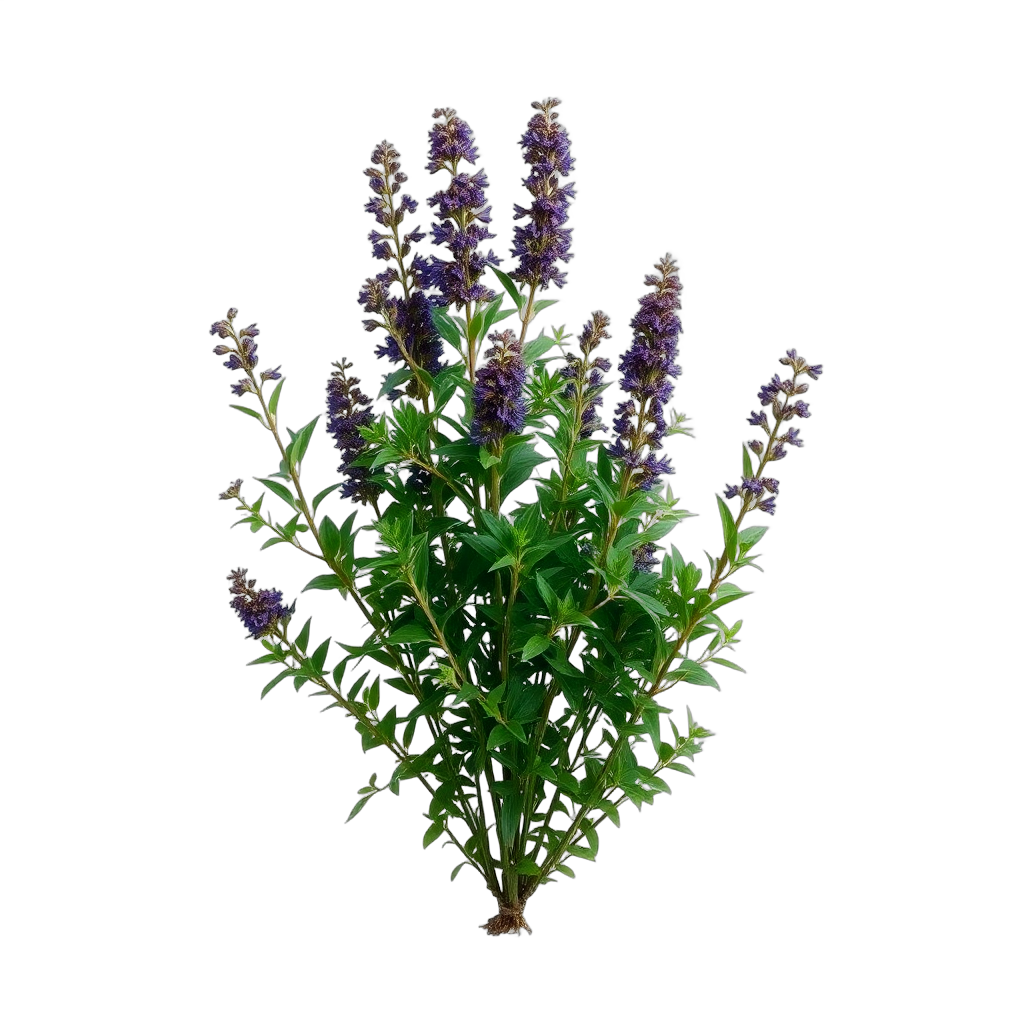
Black Sage
Salvia mellifera
grows to 4 feet, white blooms in spring. Attracts butterflies.
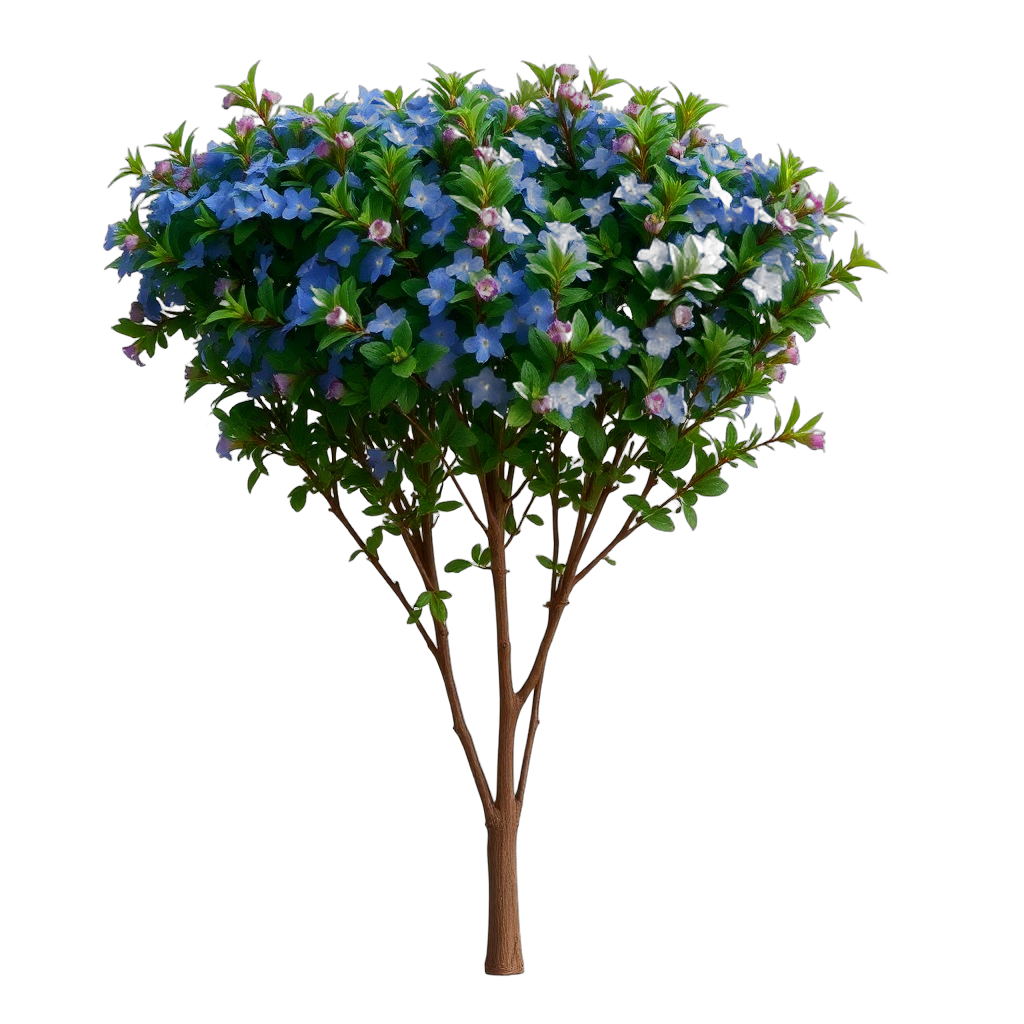
Blue Blossom
Ceanothus thyrsiflorus
medium-sized at 12 feet, blue blooms in spring. Attracts butterflies.
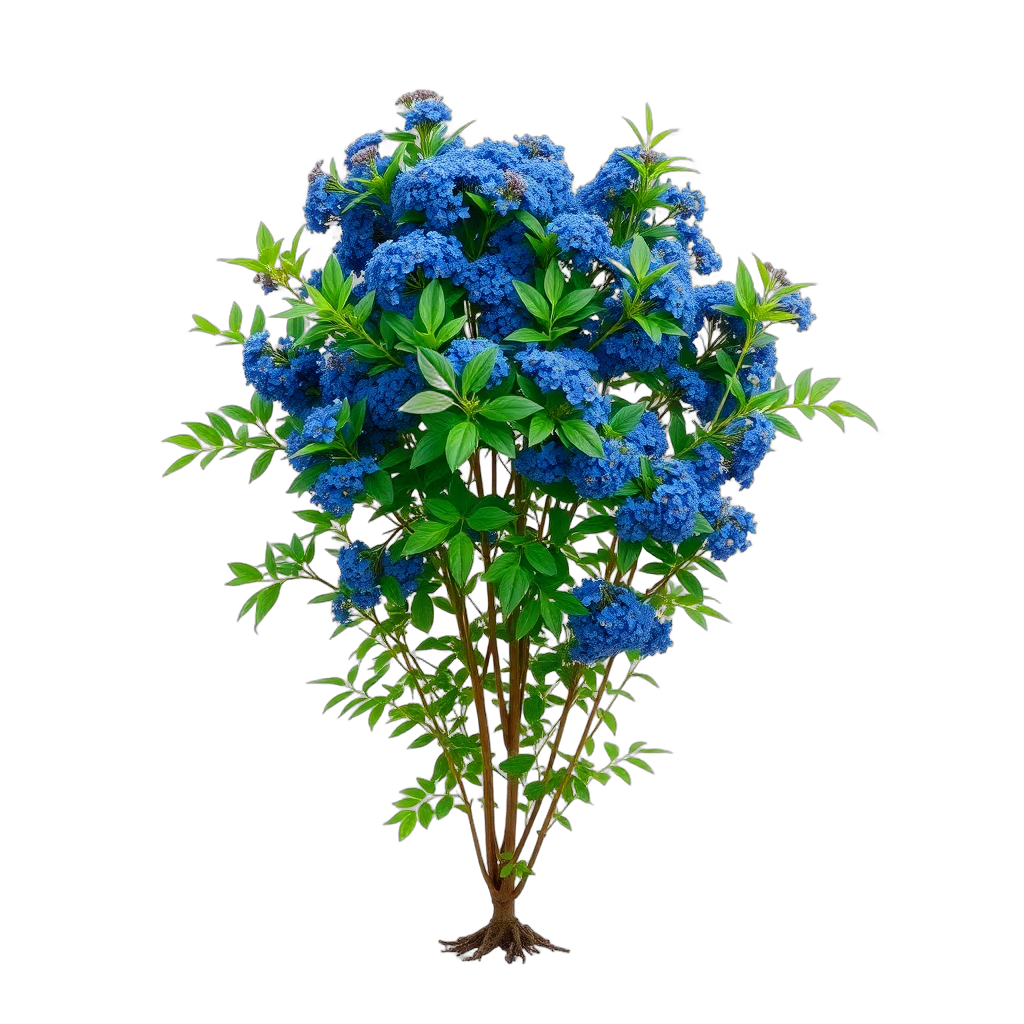
Blue Elderberry
Sambucus cerulea
medium-sized at 15 feet, white blooms in spring. Attracts butterflies.
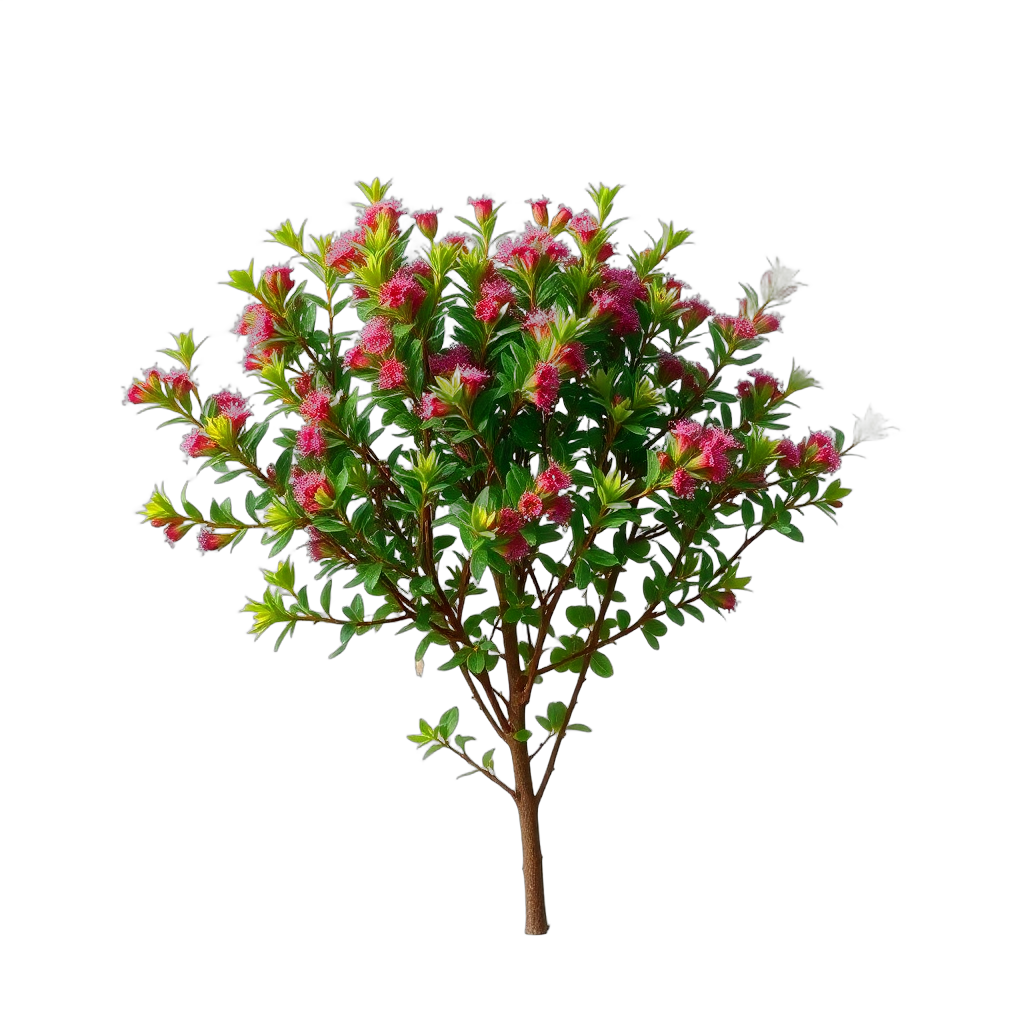
Buckbrush
Ceanothus cuneatus
medium-sized at 7 feet, white blooms in spring. Attracts butterflies.
Featured Grasses & Groundcovers for Desert/Xeriscape Gardens
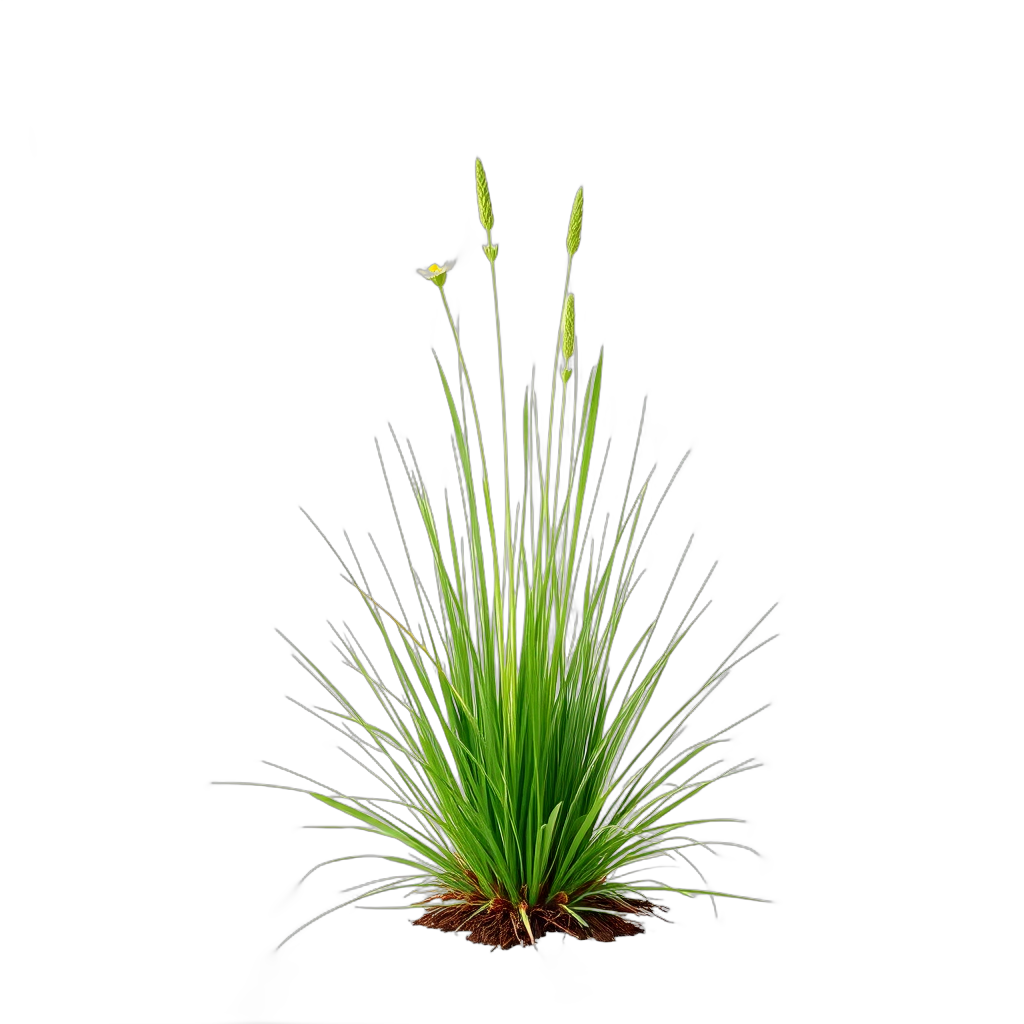
California Brome
Bromus carinatus
low-growing ground cover, blooms in spring. Yellow fall color.
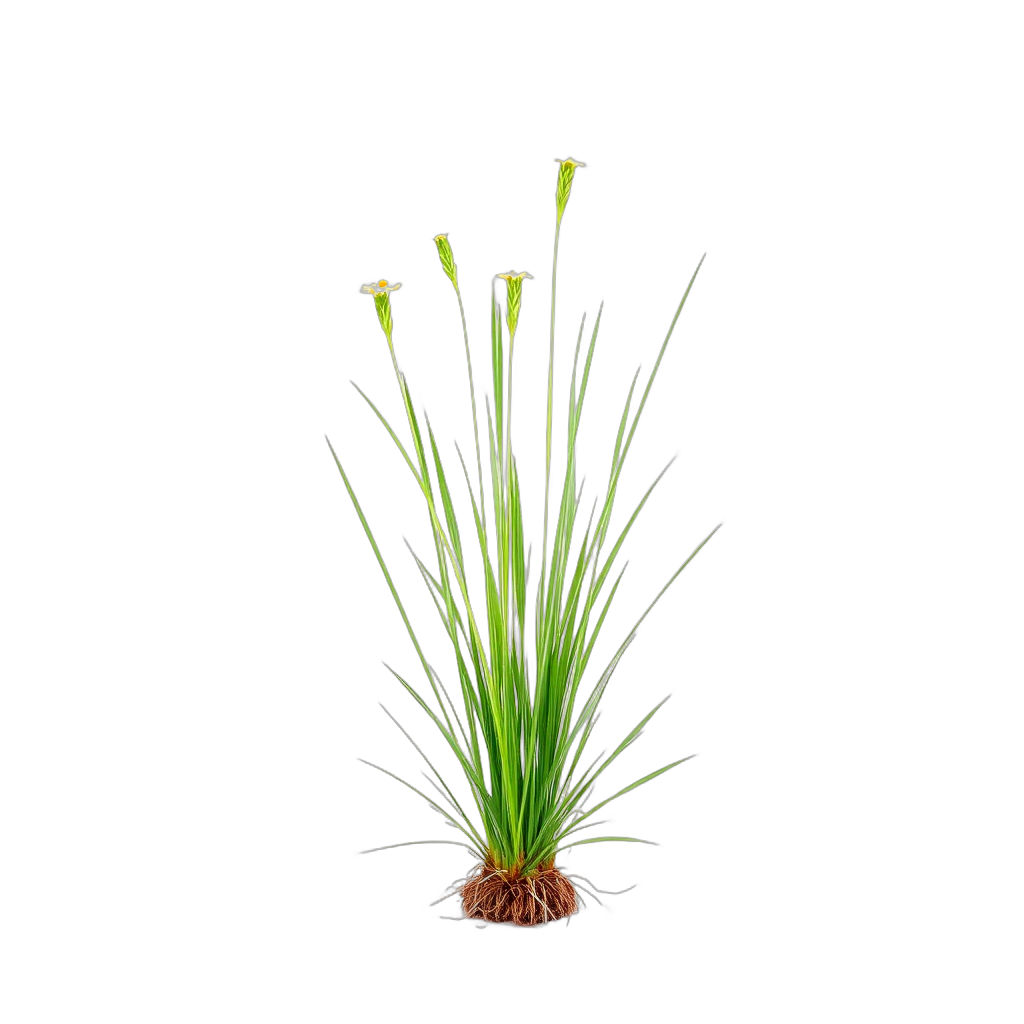
California Melic
Melica californica
low-growing ground cover, blooms in spring.
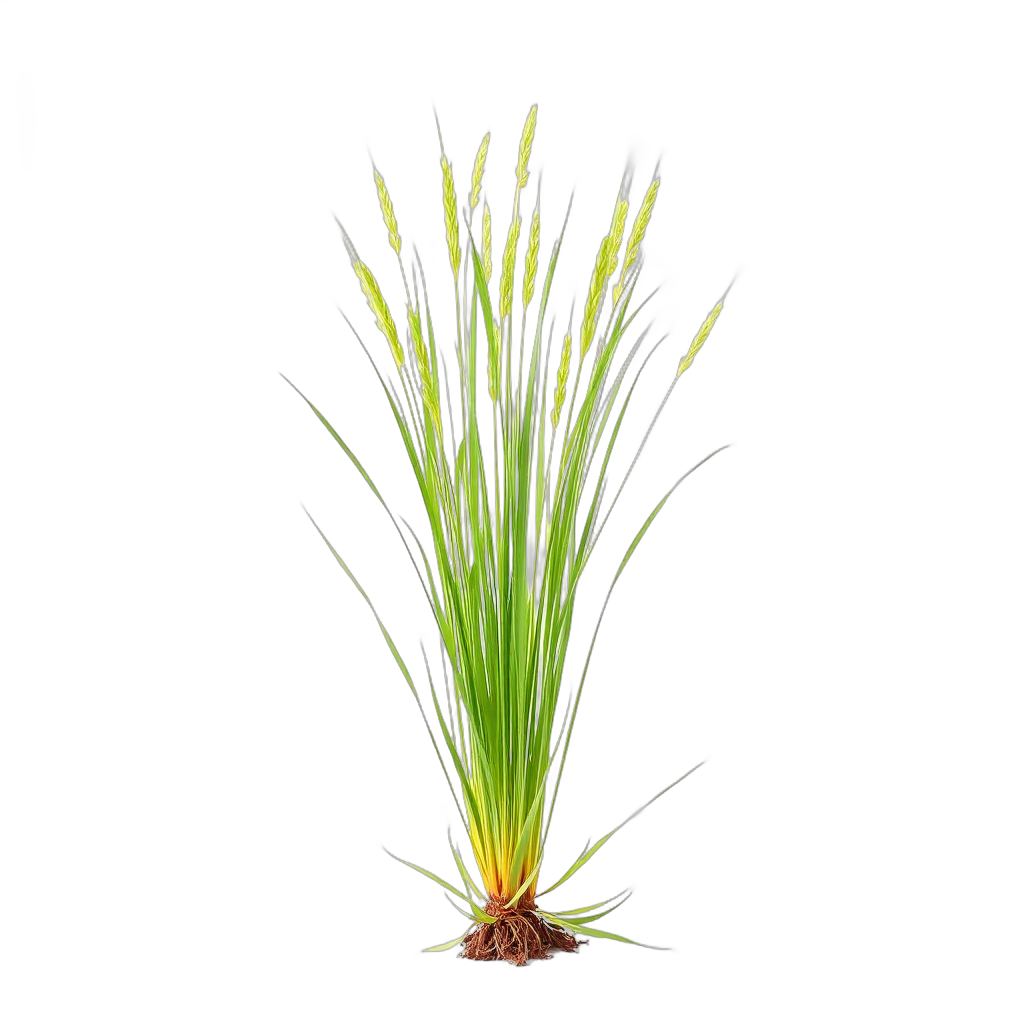
California Oatgrass
Danthonia californica
low-growing ground cover, blooms in spring. Yellow fall color.
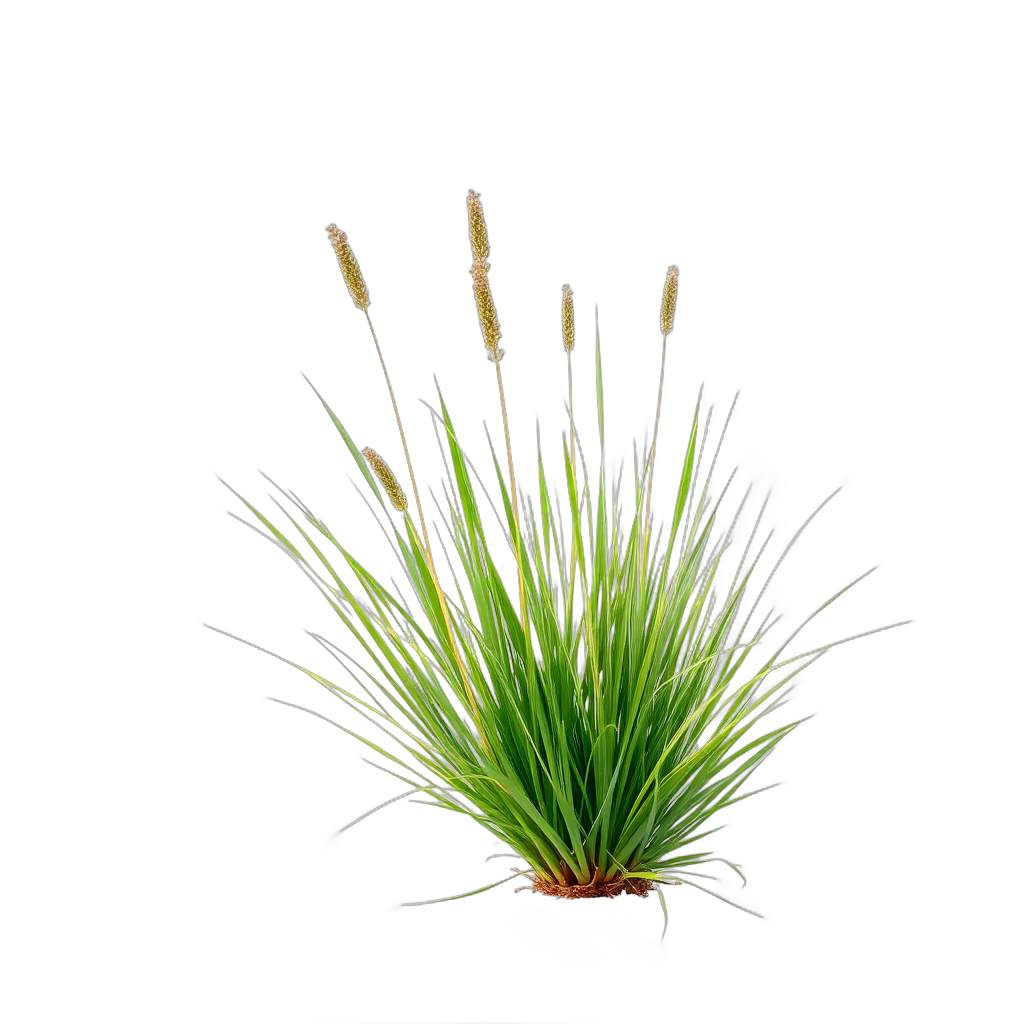
Deer Grass
Muhlenbergia rigens
grows to 3 feet, yellow blooms in fall. Evergreen year-round.
Featured Flowers & Perennials for Desert/Xeriscape Gardens
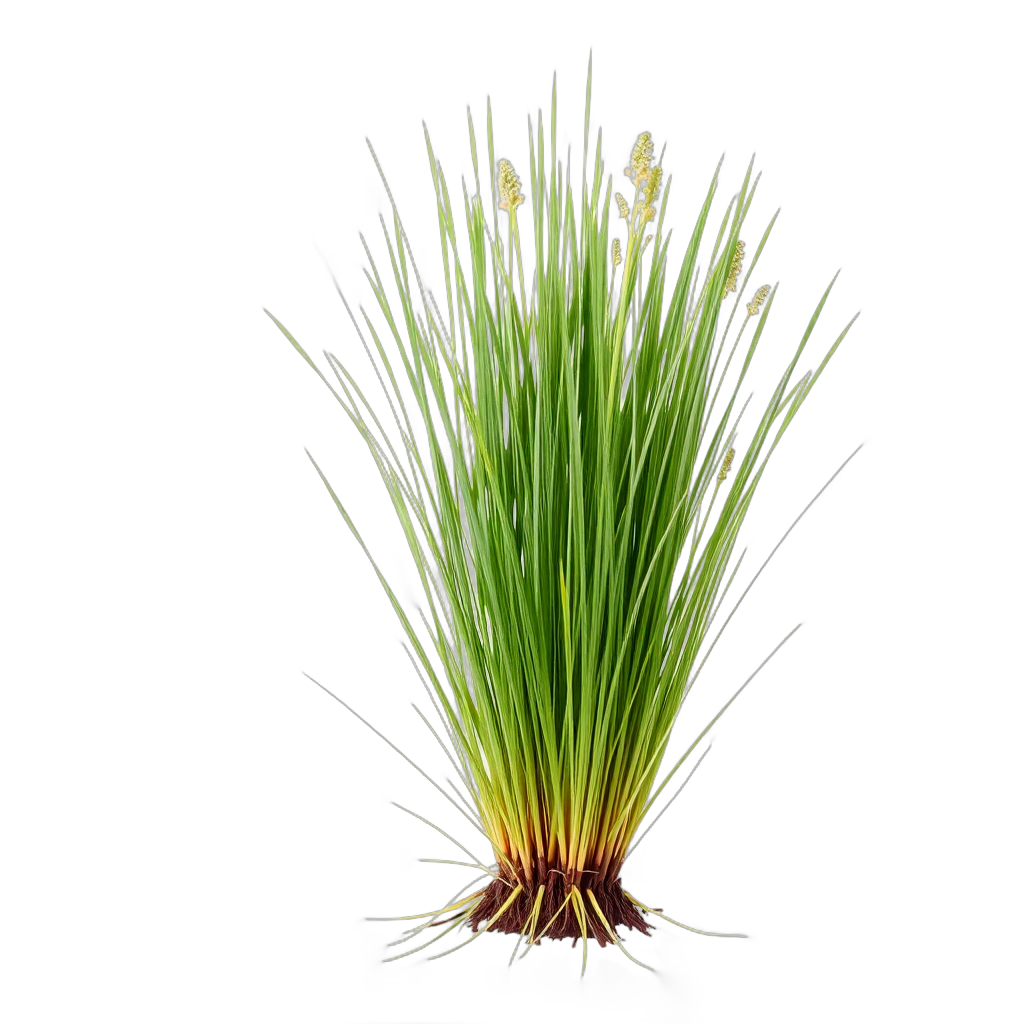
California Gray Rush
Juncus patens
low-growing ground cover, blooms in summer. Evergreen year-round.
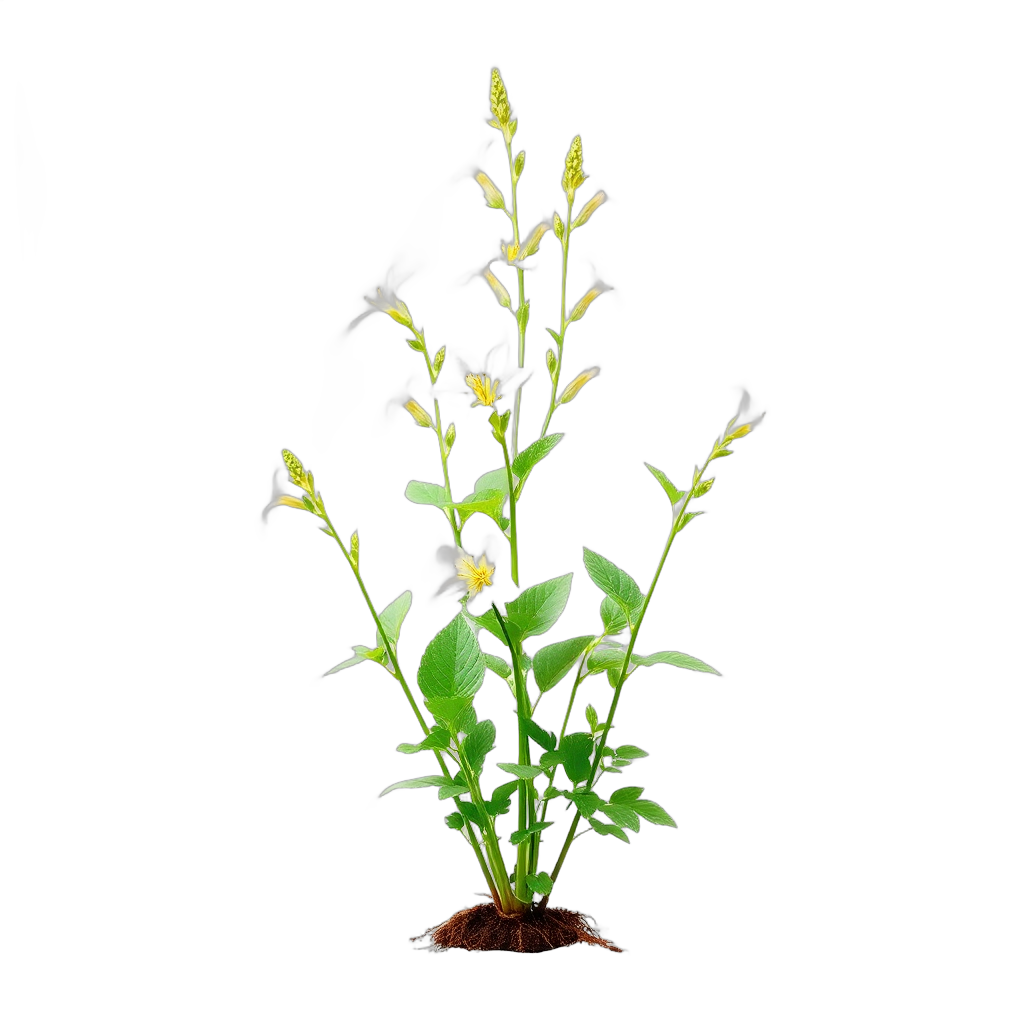
Beach Evening Primrose
Camissonia cheiranthifolia
low-growing ground cover, yellow blooms in spring. Attracts butterflies.
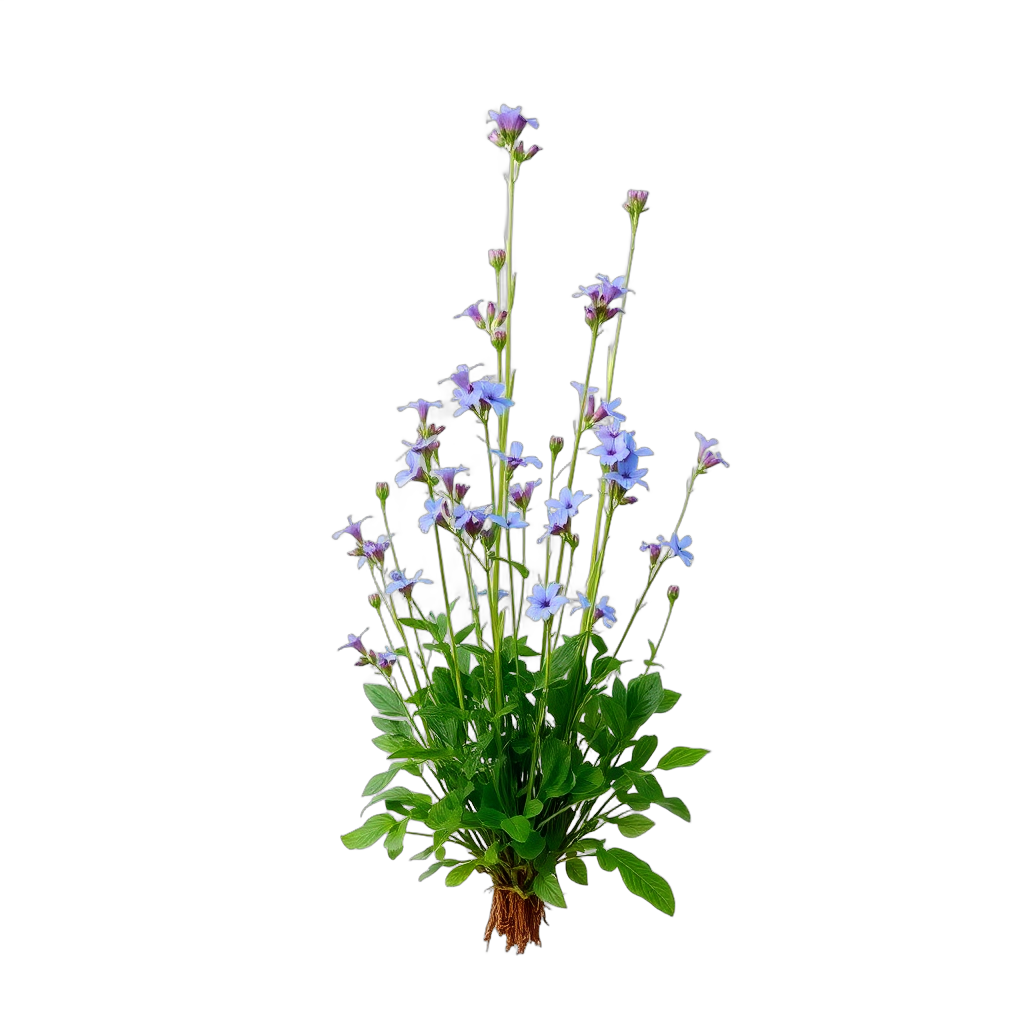
Blue Dicks
Dichelostemma capitatum
low-growing ground cover, blue blooms in spring. Pollinator-friendly.
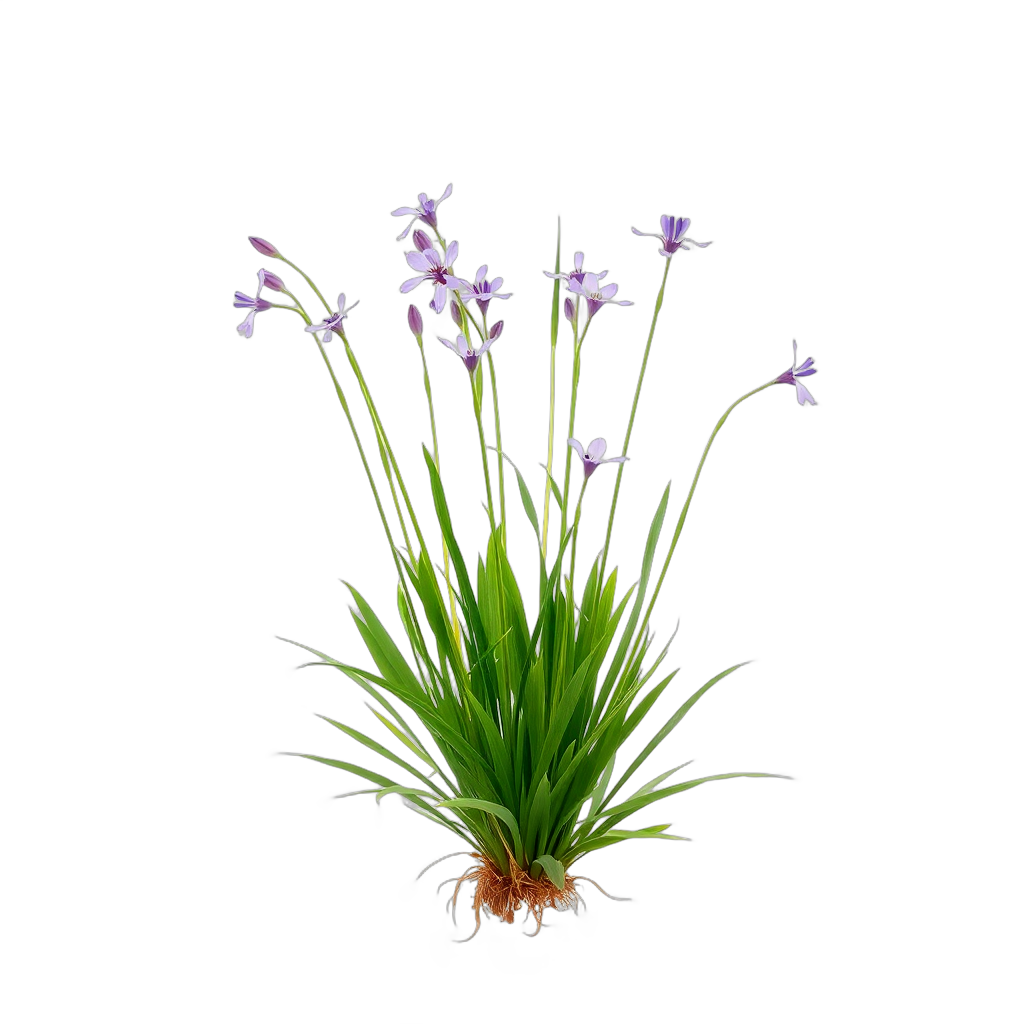
Blue-Eyed Grass
Sisyrinchium bellum
low-growing ground cover, blue blooms in spring. Attracts butterflies.
Zone and sun checks come from our database — confirm with your local nursery before you buy.
Bloom Calendar for Vista
spring
Beach Evening Primrose, Blue Dicks, Blue-Eyed Grasssummer
California Gray Rush, Hooker's Evening Primrose, Hummingbird Mintfall
California Fuchsiawinter
Limited bloomsDesign Tips for Vista (Zone 10a)
- Build drainage first: on Vista's heavier valley soil, mound every Echinocactus grusonii and Agave 'Blue Glow' 12–18 inches above grade, because rot in a wet winter kills more desert plants here than cold
- Put tender plants like Fouquieria splendens against a south-facing wall: with about one night a year at or below 32°F, a canyon-bottom cold pocket is the only real frost risk
- Use native Dudleya brittonii and Encelia californica alongside the imports: they already handle 13.4 inches of annual rain and give the garden a local look
- Run drip on a timer set for winter off and one deep soak every two to three weeks in summer; overwatering is the most common way to lose an agave in Vista
- Keep dead leaves and flower stalks trimmed on yards near open space, and group plants in low islands rather than one continuous bed
- Choose spineless Opuntia ficus-indica 'Burbank Spineless' near paths and play areas; the spiny species leave glochids in skin for weeks
- Cap every bed with 3 inches of crushed granite, not bark: gravel drains fast, stays cool in the marine layer, and blocks weeds from the cracks
Where to Source Plants in Vista
Skip the big-box stores. These independent Vista nurseries specialize in the plants that make desert/xeriscape gardens thrive in Zone 10a.
Pearson's Gardens & Herb Farm
Vista
Family farm nursery growing herbs, vegetables and California-friendly native, naturalized and water-wise blooming plants outdoors without chemical pesticides
Buena Creek Nursery
Vista
Plants for landscapers, contractors and home gardeners: drought-resistant plants, groundcovers, succulents, perennials, shrubs, evergreens and trees
Desert/Xeriscape Landscaping Cost Ranges
| Project Scope | Estimated Cost |
|---|---|
| Drip irrigation system (500 sqft of planted area) | $1,200–$2,200 |
| Block fire pit, stacked block, capped (1 fire pit) | $580–$770 |
| Landscape gravel court (200 sqft) | $170–$370 |
| AI visualization (ProScapeAI) | Free to start |
National average installed ranges for 2026 from our landscaping price list (Homewyse and other published sources). Prices in Vista, CA vary with site, materials and contractor, so get two or three local quotes.
Vista Climate & Growing Zone
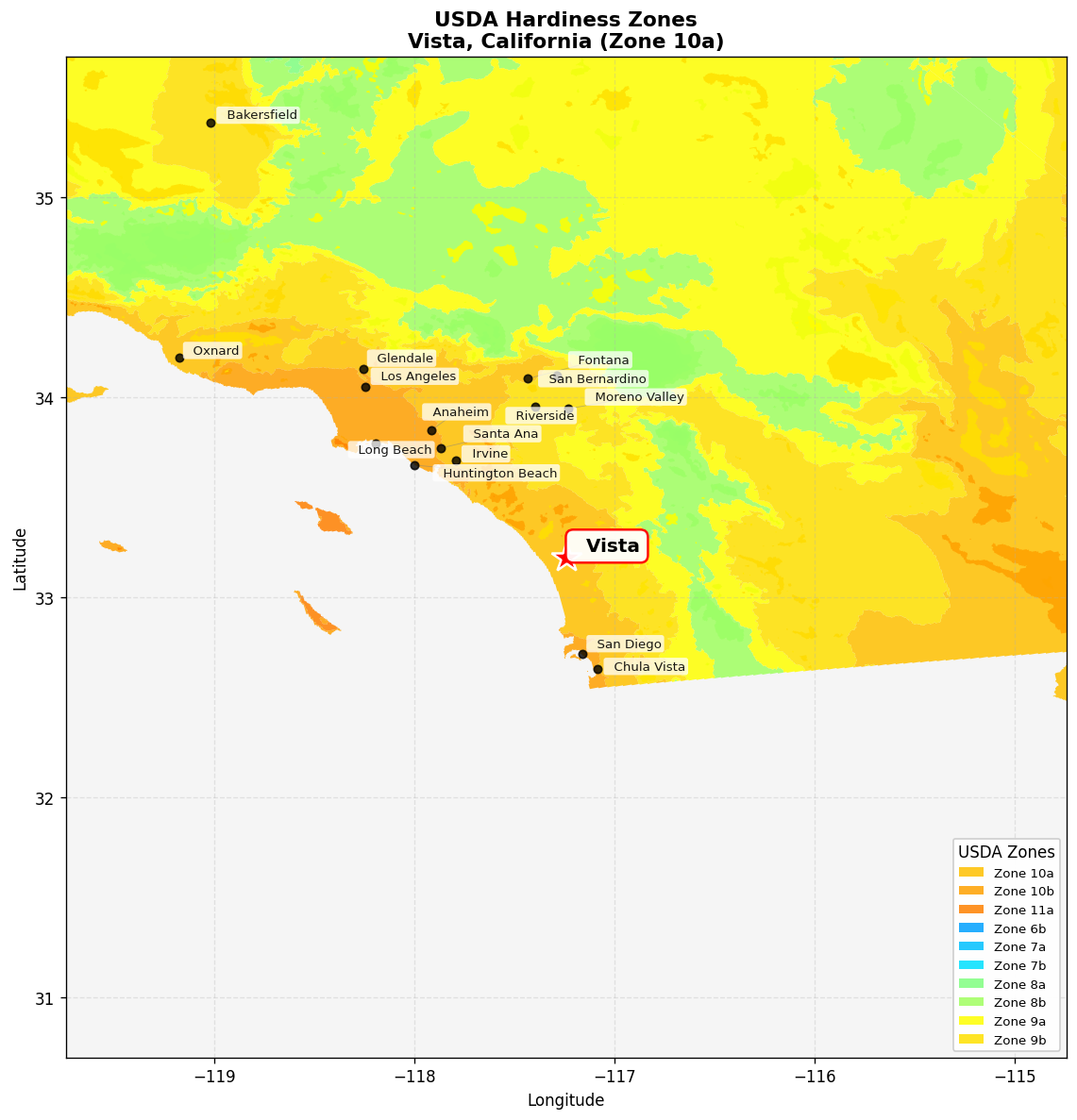
USDA Zone 10a
Hardiness zone for Vista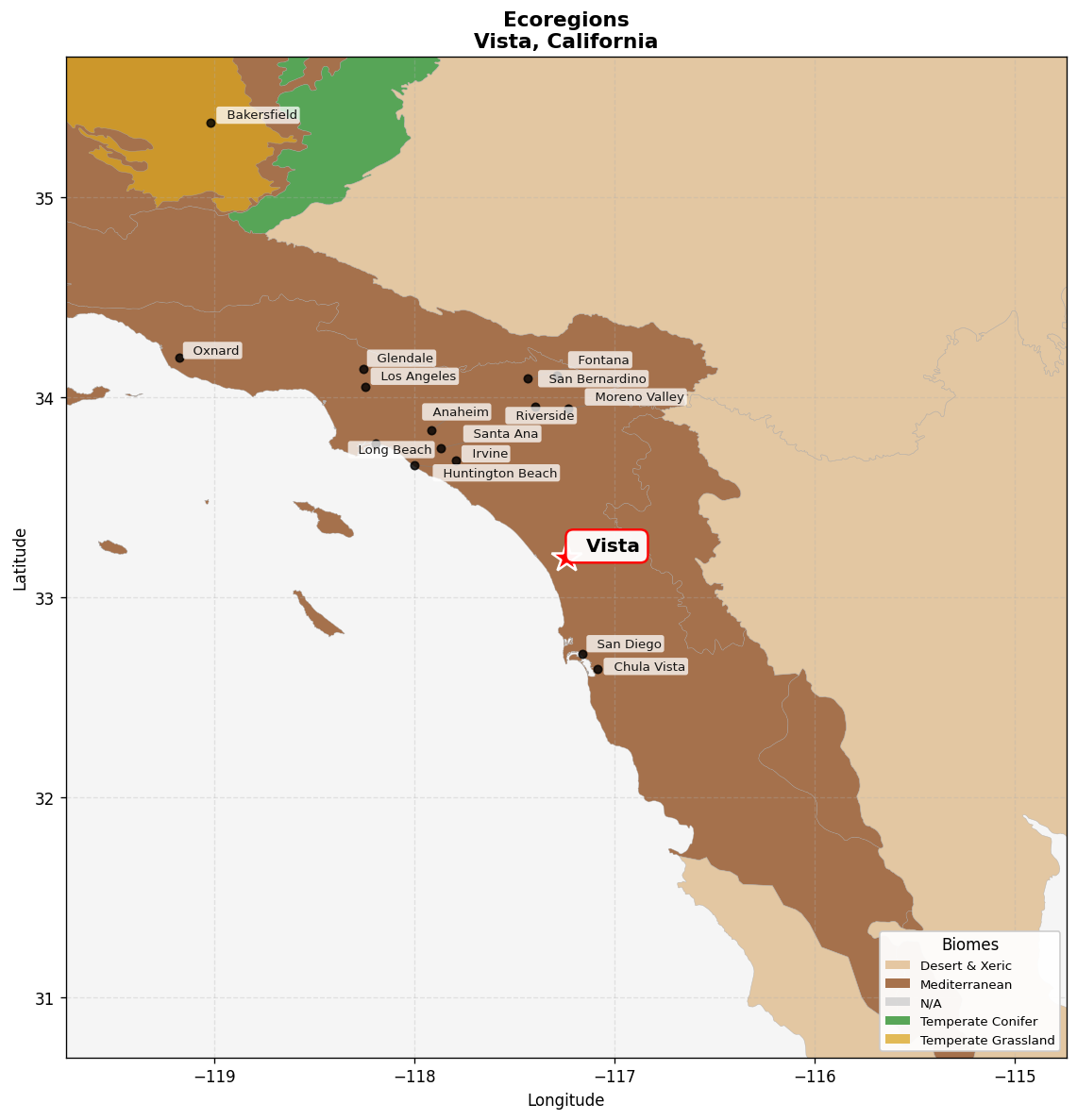
California coastal sage and chaparral
Native ecoregionFrequently Asked Questions
How much does a desert garden cost in Vista, CA?
Prices vary with site, size and finishes, so get two or three local quotes.
Is a desert garden really low maintenance here?
Very. With about 13.4 inches of rain (NOAA 1991–2020 normals) and dry summers, most plants need drip only every two to three weeks from May through October once established. Remove dead Aloe striata flower stalks in spring, trim Agave vilmoriniana leaves that die back, and weed the gravel twice a year. Expect about an hour a month, compared with a weekly lawn mow.
When is the best time to plant a desert garden in Vista?
Late October through March is ideal, since winter rain does the watering and roots settle before summer. Frost is rare, with a January average low of 45.7°F, so you can plant through winter. Cactus and agave can go in during summer, but protect new plants from direct afternoon sun for the first few weeks with shade cloth, and never water a new golden barrel during a cold wet spell.
Do I need a permit for a desert landscape in Vista?
Planting and gravel generally do not need one, but retaining walls, large patios, fire features and changes to grading can. Some Vista neighborhoods have an HOA that reviews front yard changes. Confirm walls, grading, drainage and any turf replacement rebate conditions with the City of Vista and the Vista Irrigation District before ordering materials.
What survives Vista's cold nights?
Most of it, since the station sees about one night a year at or below 32°F. Yucca rostrata and Dasylirion wheeleri are hardy to the teens, Opuntia ficus-indica 'Burbank Spineless' tolerates the low 20s, and Agave 'Blue Glow' and Aloe striata survive the mid-20s. Echinocactus grusonii and Fouquieria splendens are the most frost-sensitive, so plant them against a south-facing wall or on the slope side of the yard.
Will a desert garden rot in the winter rain?
It can, if the drainage is poor. Most losses in Vista come from heavy soil, not cold. On clay, raise each planting 12–18 inches, mix in pumice or coarse sand, and cap with 3 inches of gravel. Dudleya brittonii and Euphorbia rigida are especially quick to rot in standing water, so give them a rock pocket on a slope.
How do I keep a desert garden safe near open space?
Yards that back onto canyons and open land need defensible space. Group agave, yucca and aloe in low islands with gravel between them, trim dead leaves and flower stalks promptly, and keep woody shrubs like Eriogonum fasciculatum pruned back from the house. Check with the local fire authority for the current clearance distances for your lot.