4 Desert Garden Ideas for West Jordan, UT | Cold-Hardy Xeriscape for Zone 7a
Native plants from the Great Basin shrub steppe (Zone 7a) — Cold semi-arid climate
Why Desert/Xeriscape Gardens in West Jordan?
West Jordan is already cold desert country. The city sits in the Great Basin shrub steppe, between the Oquirrh Mountains on the west and the Jordan River on the east, and the plants that grew here before the subdivisions arrived were big sagebrush, rubber rabbitbrush, Indian ricegrass and blue grama. A well-made cold-desert garden simply puts that community back, with better structure: Artemisia tridentata for silver mass, Ericameria nauseosa for September gold, Bouteloua gracilis for movement, Penstemon strictus and Sphaeralcea ambigua for color, and a few hardy agaves and prickly pears where you want a strong shape.
The nearest long-term station, Salt Lake City airport, records 15.5 inches of precipitation a year (1991–2020), about 52 inches of snow, a 94°F average July high and a 24°F average January low, with roughly 56 days over 90°F. West Jordan is at about 4,370 feet and climbs toward the Oquirrhs, so Copper Hills and Jordan Hills run a touch colder. That Zone 7a cold, with lows of 0 to 5°F, is the limit: saguaro, Agave americana, ocotillo and most Sonoran cacti will not live here. The substitutes that hold the same look are Agave parryi var. neomexicana, Agave utahensis, Opuntia polyacantha, Echinocereus triglochidiatus, Yucca baccata and Hesperaloe parviflora 'Brakelights'.
Soil decides how you build. Low ground near the Jordan River and Gardner Village is old Lake Bonneville silt and clay, alkaline at roughly pH 7.5–8.3, that holds snowmelt for weeks; the higher benches in the west are gravelly fan deposits that drain quickly. Great Basin natives like high pH, so you do not need to acidify anything. What kills cacti and agaves here is a cold, wet crown in February, so on clay lots build planting berms 12–18 inches high from half native soil and half 3/8-inch crushed gravel, mulch with rock right up to the base, and turn the drip off from November to March. On the gravelly west side you can plant closer to grade.
West Jordan makes a desert yard easy to justify. The city's landscaping guide says lawn is not required on any residential lot, bans new lawn in park strips on new construction, and recommends at least 50% living plant cover at maturity with 3–4 inches of mulch in planting beds. A bare rock yard does not meet that cover target and will not qualify for rebates. The Flip Your Strip and Localscapes programs run through Utah Water Savers and need pre-approval before work starts. Before you buy, walk the Conservation Garden Park in West Jordan, a demonstration garden run with Jordan Valley Water Conservancy District, to see these plants grown in local soil.
4 Desert/Xeriscape Design Ideas for West Jordan

AI-generated image
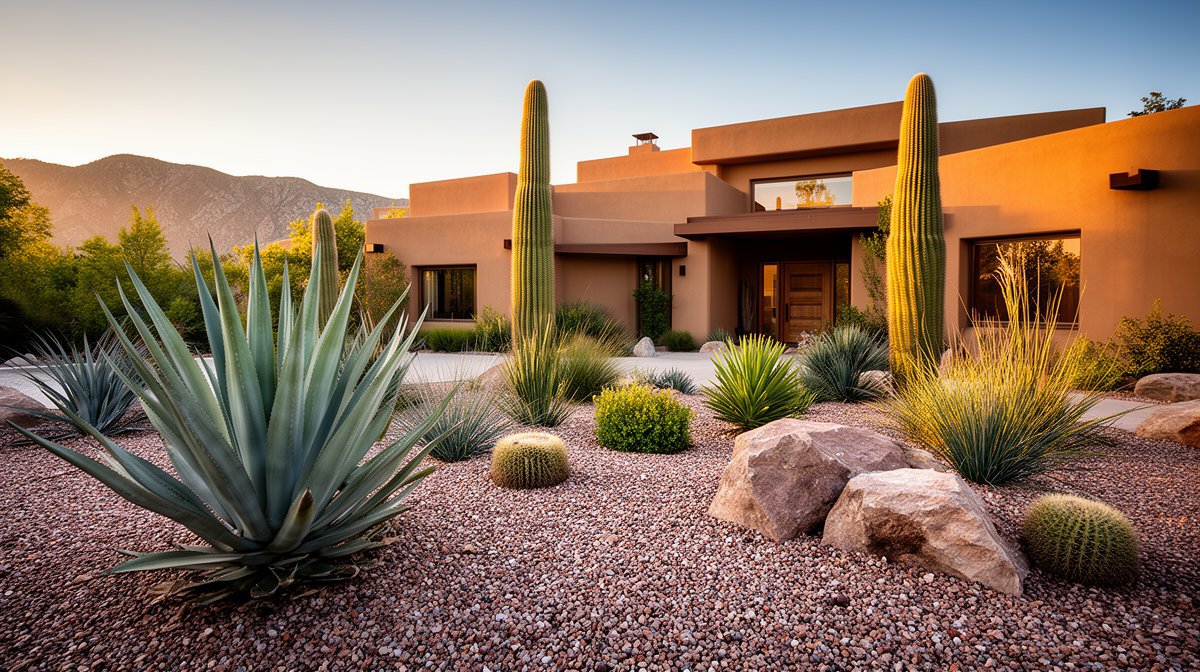
The Sagebrush and Boulder Front Yard
$10–20/sqftA brick rambler on the east side trades its front lawn for a low, rolling bed of silver sagebrush and gold rabbitbrush, broken by three Utah quartzite boulders set a third into the ground. A curving path of tan crushed gravel leads from the sidewalk to the porch, and penstemon spikes come up between the shrubs in June. The house faces west, so the boulders and gravel take the afternoon sun while the shrubs shade the soil around their own roots.

AI-generated image
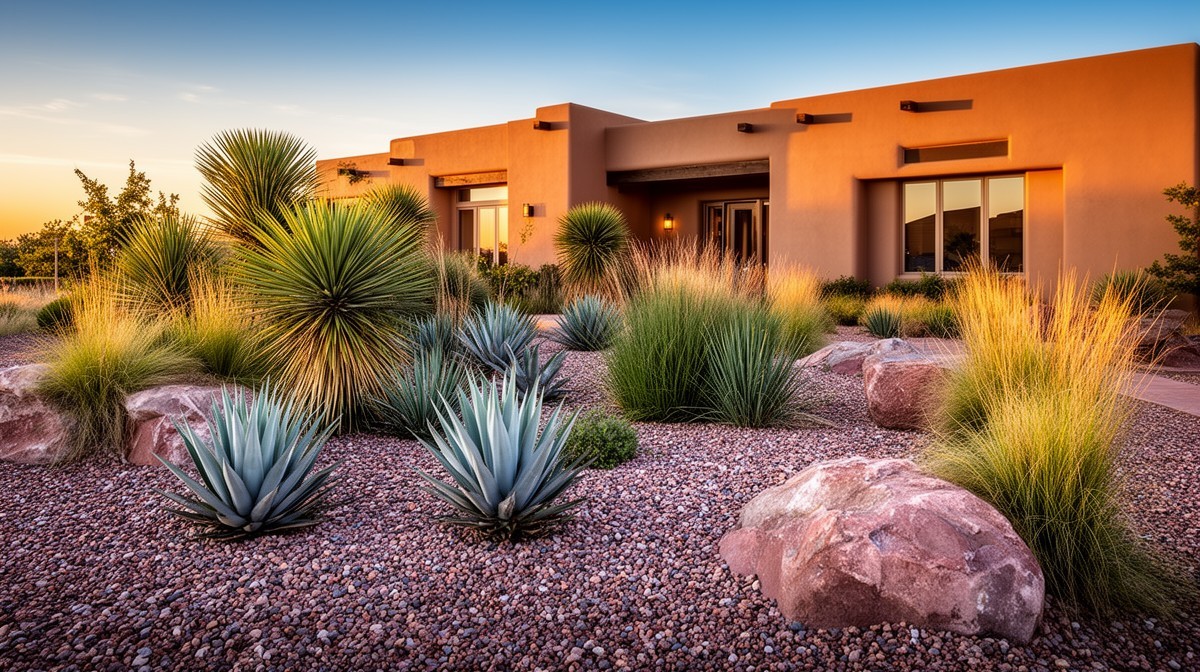
The Raised Agave Berm
$14–26/sqftOn a clay lot near the river, a curved gravel berm rises 18 inches along the south side of the front walk and carries a loose group of hardy agaves, claret cup cactus and prickly pear. A dry creek of rounded cobble wraps the low edge to carry snowmelt and roof water toward the street, away from the crowns. Blue grama fills in at the foot of the berm so the planting reads as a garden, not a rock pile, and the south-facing slope warms early in spring.

AI-generated image
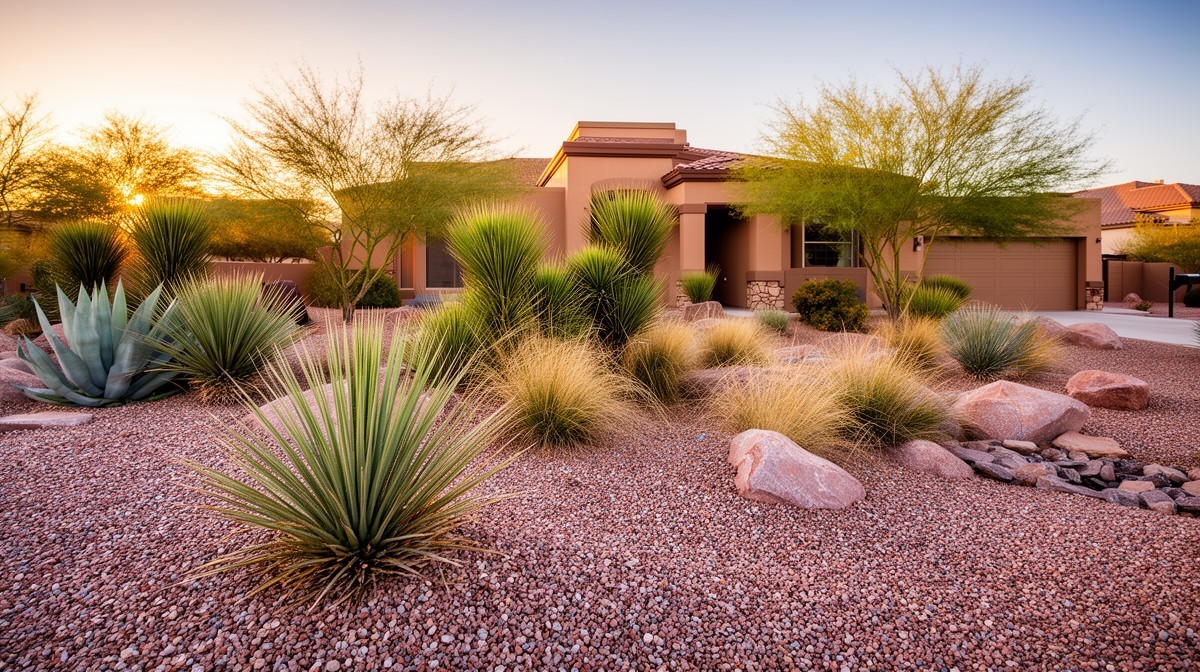
The Flip Your Strip Park Strip
$8–16/sqftThe grass park strip in front of a two-story stucco house becomes a strip of fine gravel planted with low, tough natives in drifts, with flagstone landing pads at each car door. Nothing grows taller than two feet near the driveway, and every plant sits on its own drip emitter. Planted densely enough to pass the 50% plant cover the city recommends, it qualifies for a Flip Your Strip rebate when pre-approved first.

AI-generated image
The Desert Patio Under a Bigtooth Maple
$18–38/sqftA back yard facing the Oquirrhs gets a flagstone patio shaded by a native bigtooth maple, with a gravel garden spreading out from it in drifts of Apache plume, cliffrose and New Mexico privet. A low dry-stack stone wall at seat height holds the gravel bed back from the patio. The maple cools the west wall of the house in July and turns red in October, and the shrubs need only a deep soak every couple of weeks once they are settled.
See how a desert/xeriscape garden looks on YOUR property
Upload a photo of your West Jordan yard and visualize your dream garden in seconds.
Try ProScapeAI Free

AI-generated image
Featured Trees & Shrubs for Desert/Xeriscape Gardens
Browse all 176 plants for West Jordan
Anderson Wolfberry
Lycium andersonii
grows to 5 feet, purple blooms in spring. Attracts hummingbirds.
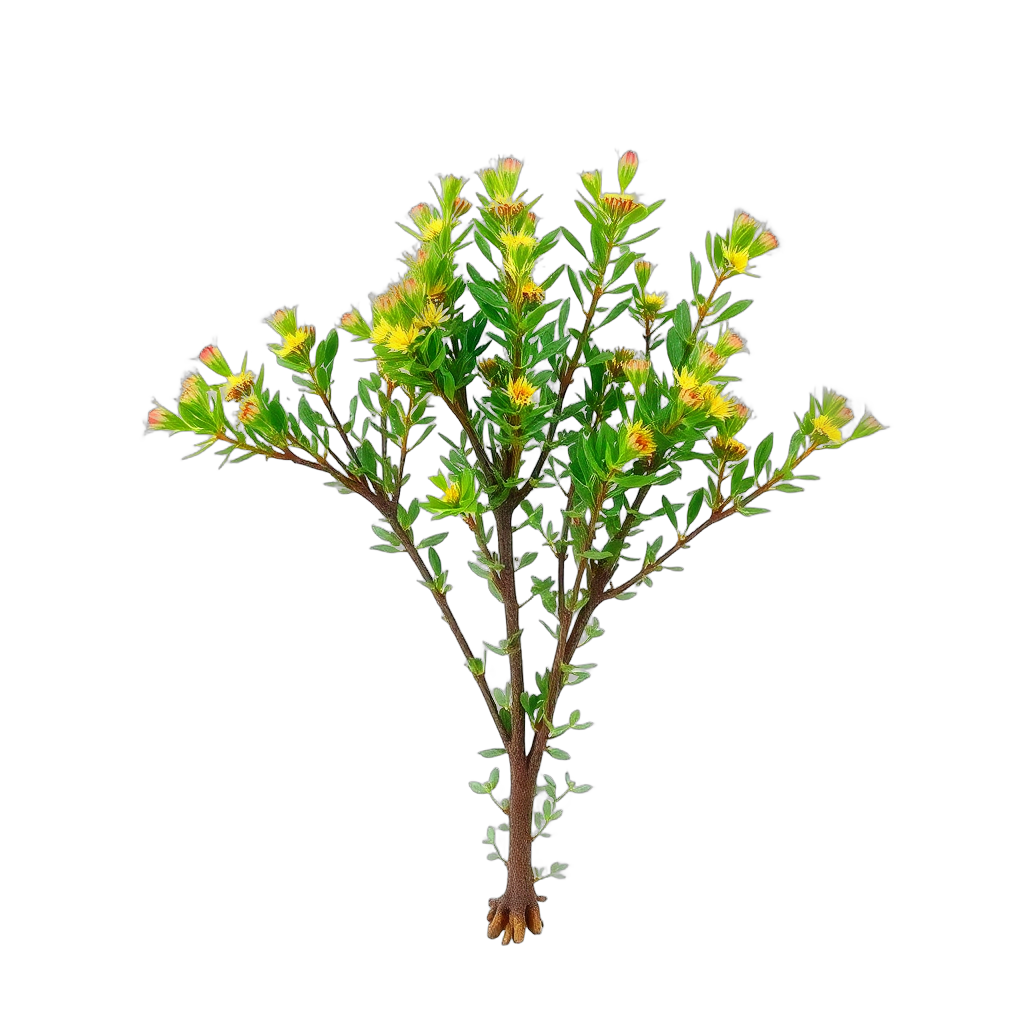
Antelope Bitterbrush
Purshia tridentata
grows to 6 feet, yellow blooms in spring. Fragrant.
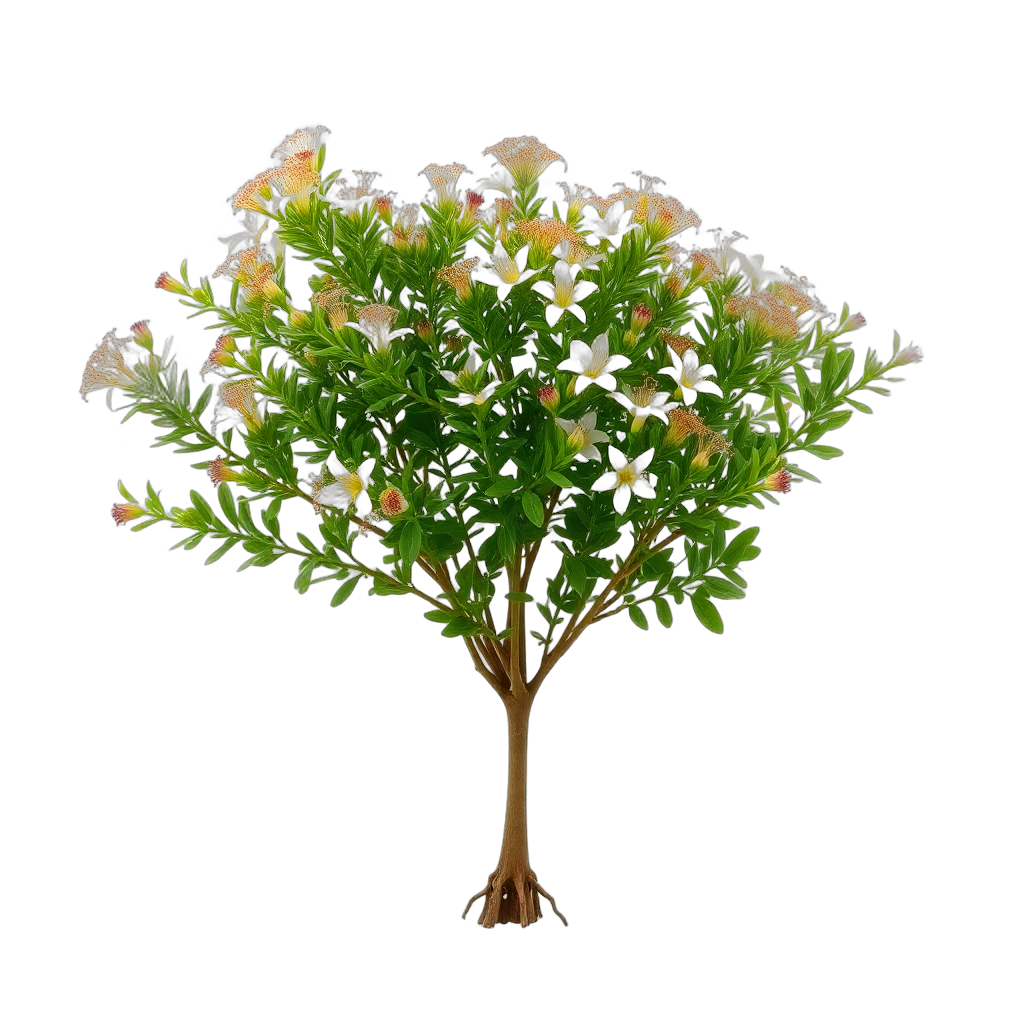
Apache Plume
Fallugia paradoxa
grows to 6 feet, white blooms in summer. Attracts butterflies.
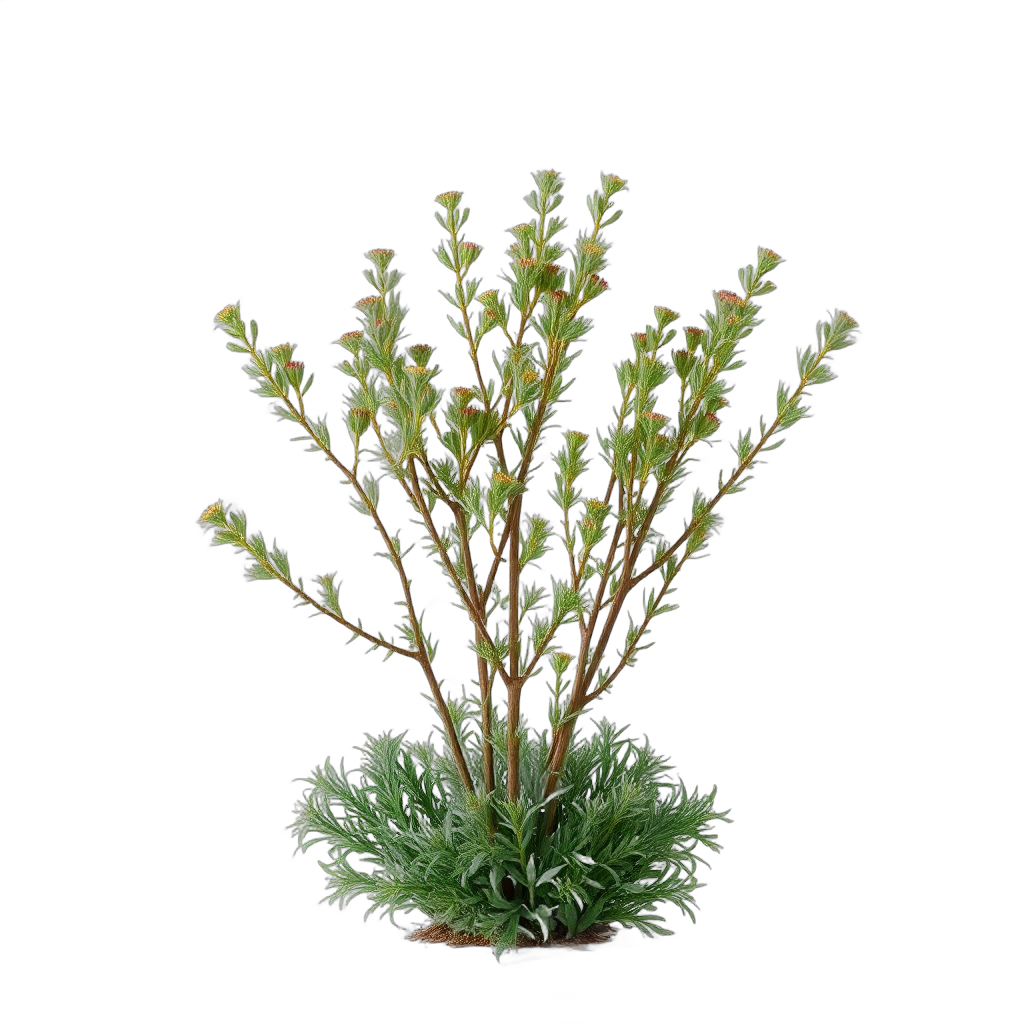
Big Sagebrush
Artemisia tridentata
grows to 6 feet, yellow blooms in fall. Evergreen year-round.
Featured Grasses & Groundcovers for Desert/Xeriscape Gardens
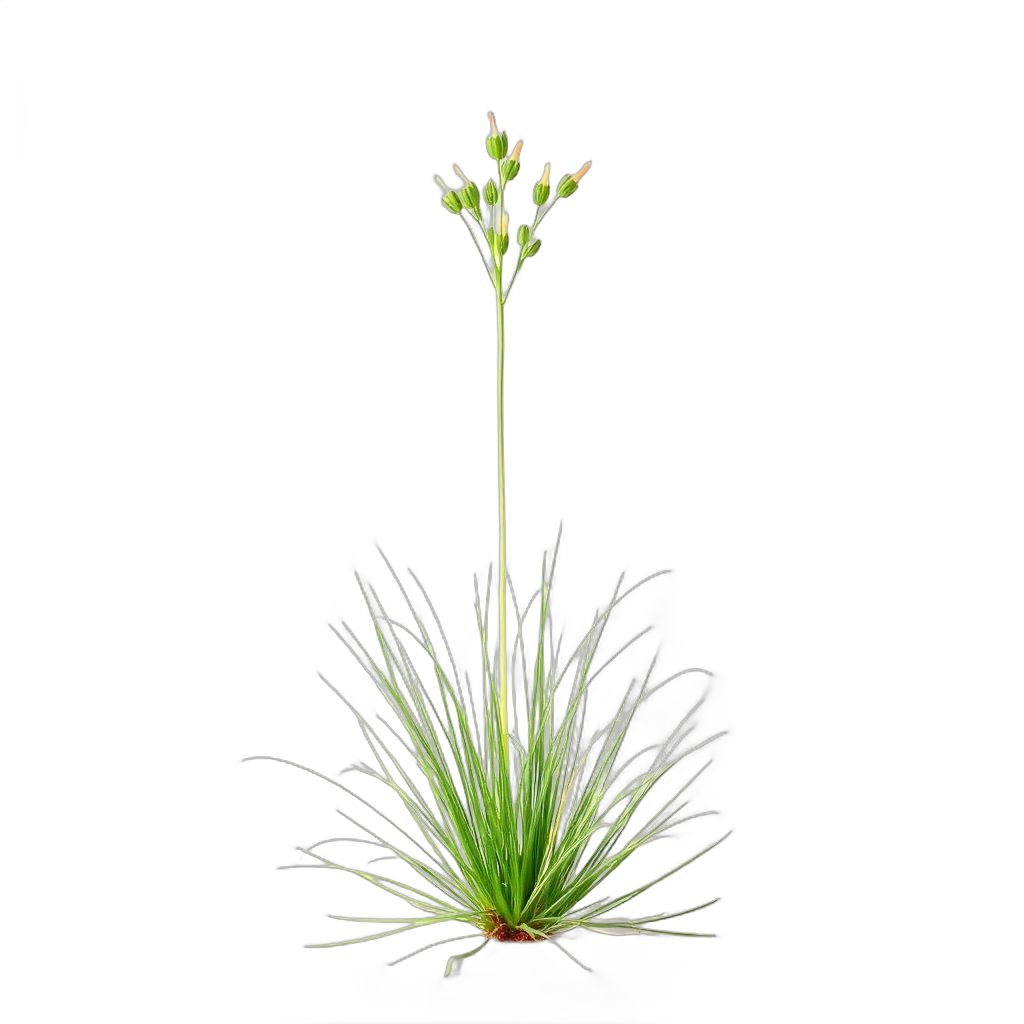
Alkali Sacaton
Sporobolus airoides
grows to 3 feet, blooms in summer. Yellow fall color.
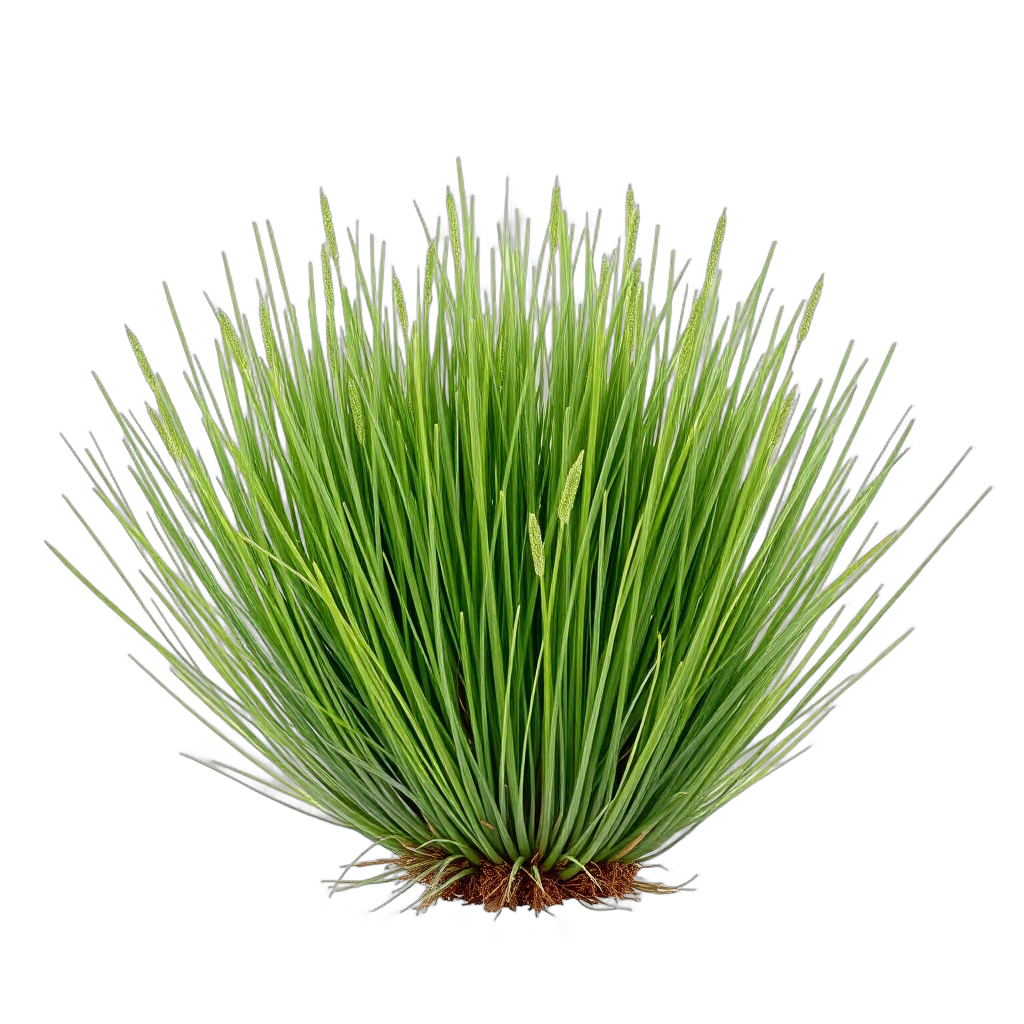
Great Basin Wild Rye
Leymus cinereus
grows to 3 feet, blooms in summer. Yellow fall color.
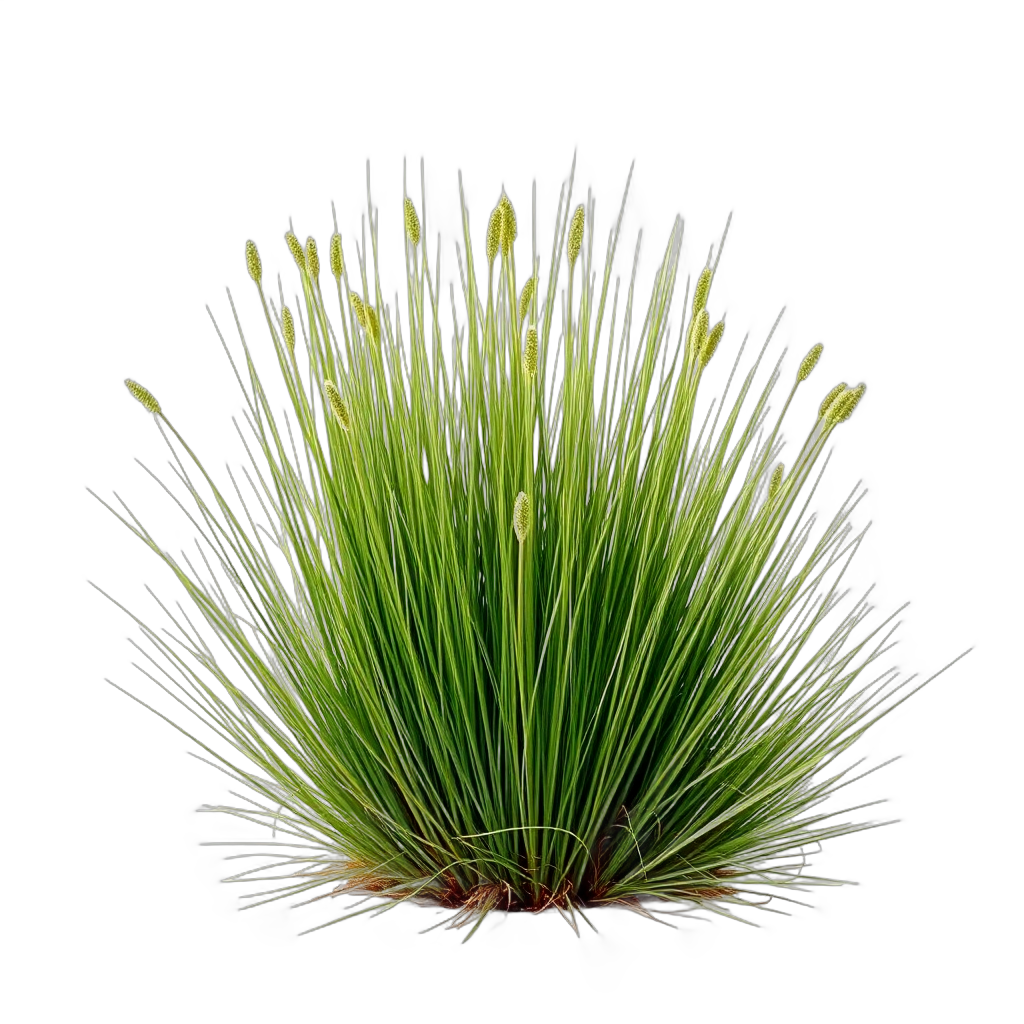
Idaho Fescue
Festuca idahoensis
low-growing ground cover, blooms in summer.
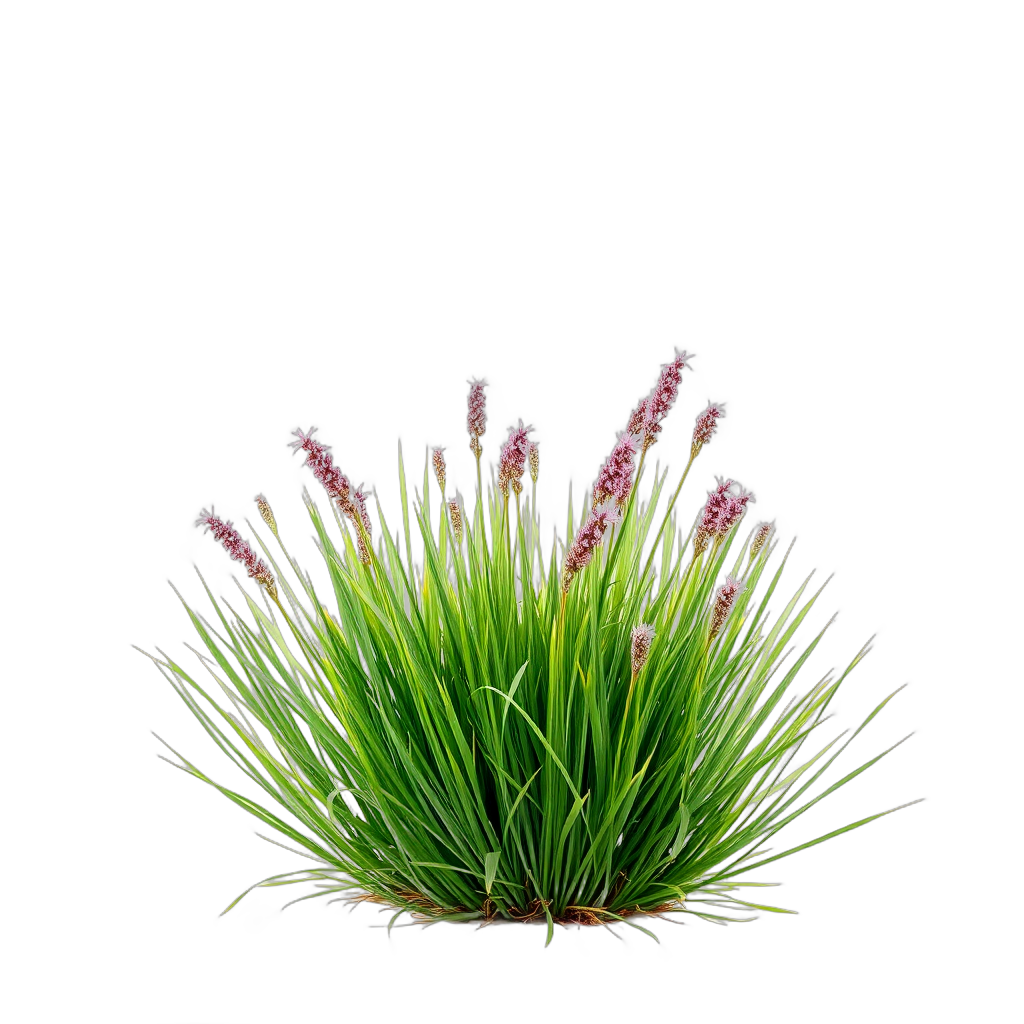
Purple Three-Awn
Aristida purpurea
low-growing ground cover, purple blooms in fall. Yellow fall color.
Featured Flowers & Perennials for Desert/Xeriscape Gardens
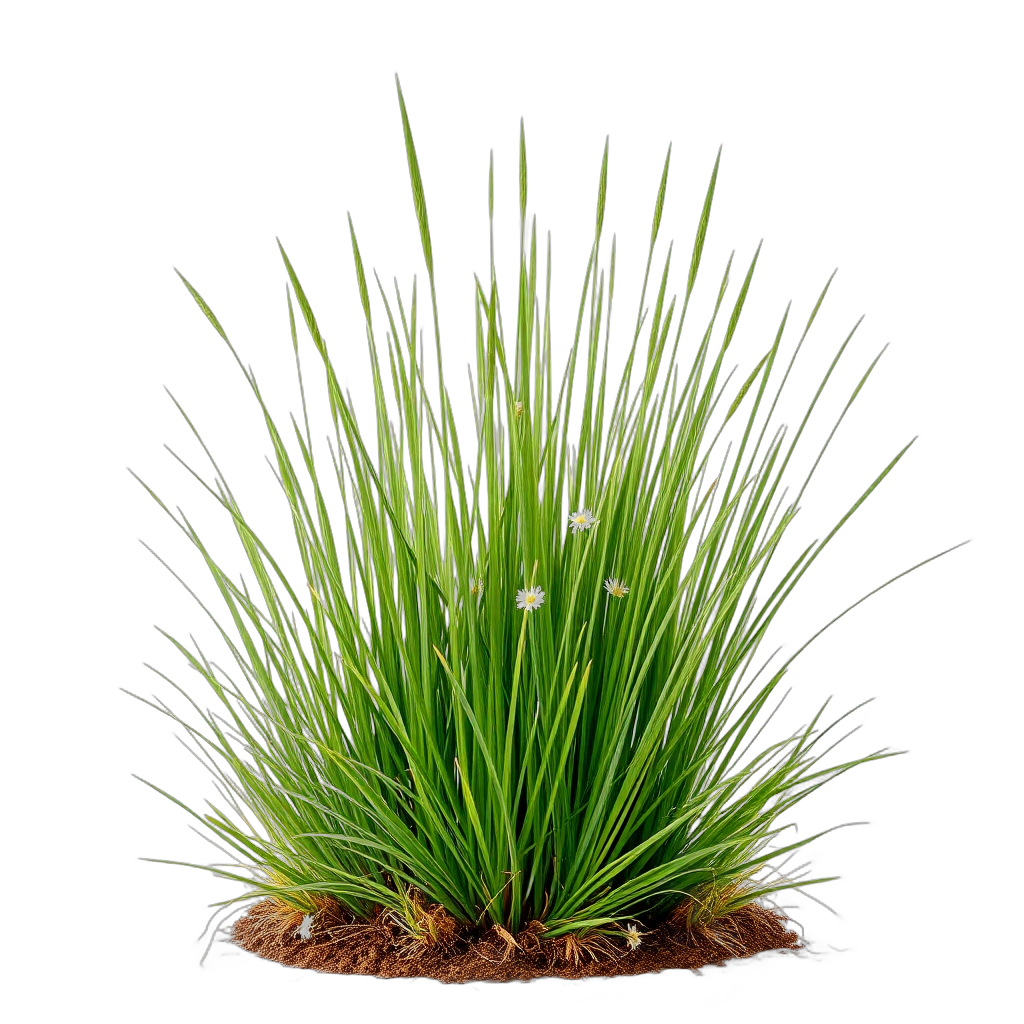
Baltic Rush
Juncus balticus
low-growing ground cover, blooms in summer. Evergreen year-round.
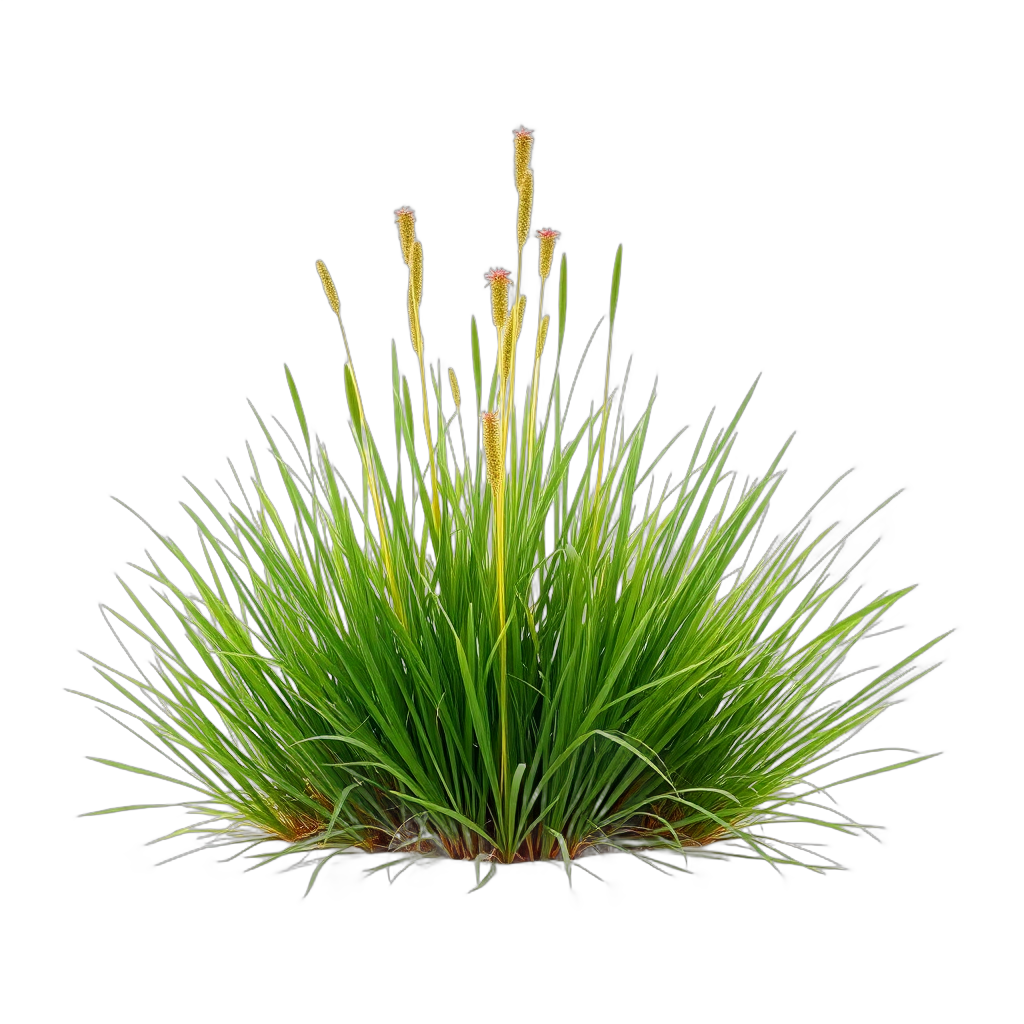
Clustered Field Sedge
Carex praegracilis
low-growing ground cover, blooms in spring.
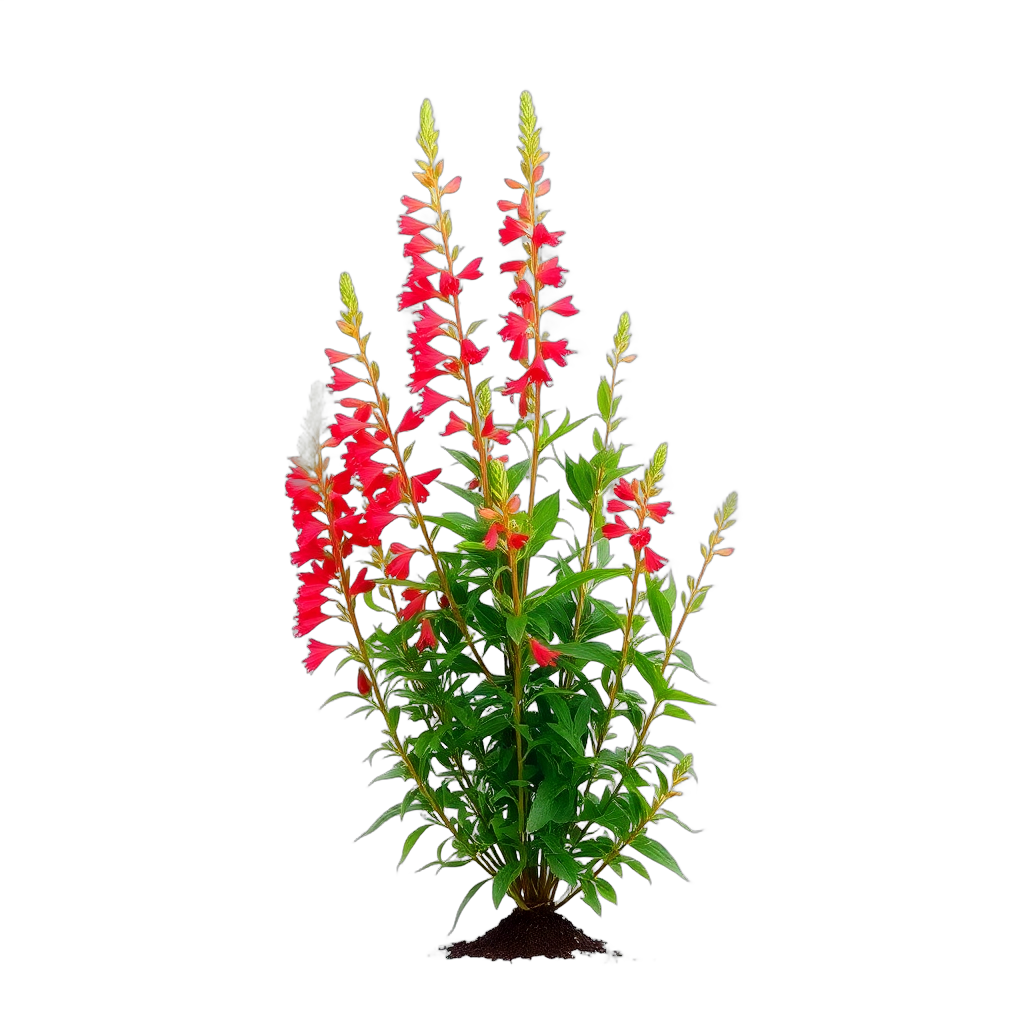
Firecracker Penstemon
Penstemon eatonii
low-growing ground cover, red blooms in spring. Attracts hummingbirds.

Palmer's Penstemon
Penstemon palmeri
grows to 4 feet, pink blooms in spring. Attracts hummingbirds.
Zone and sun checks come from our database — confirm with your local nursery before you buy.
Bloom Calendar for West Jordan
spring
Clustered Field Sedge, Firecracker Penstemon, Palmer's Penstemonsummer
Baltic Rush, Alkali Sacaton, Great Basin Wild Ryefall
Purple Three-Awn, Big Sagebrush, Rubber Rabbitbrushwinter
Limited bloomsDesign Tips for West Jordan (Zone 7a)
- On clay lots near the Jordan River, build agave and cactus berms 12–18 inches high from half native soil and half 3/8-inch crushed gravel; on the gravelly benches toward the Oquirrhs you can plant closer to grade
- Use the Great Basin palette (Artemisia tridentata, Ericameria nauseosa, Fallugia paradoxa, Purshia stansburiana, Bouteloua gracilis) instead of Sonoran plants; they like West Jordan's pH 7.5–8.3 soil and survive 0°F
- Plant densely enough to reach the city's recommended 50% living cover at maturity; a gravel yard with three shrubs fails that guide and the rebate rules
- Get Utah Water Savers pre-approval before you kill a park strip lawn, and do not lay artificial turf first; Flip Your Strip has required existing healthy grass
- Keep one shade tree on the west wall, such as Acer grandidentatum or Celtis occidentalis, because a wall-to-wall gravel yard re-radiates heat into the house on a 94°F afternoon
- Turn the drip off for agave and cactus beds from November through March; snowmelt sitting on a cold crown kills more succulents here than the cold itself
- Set boulders a third buried, in odd-numbered groups, with their flat faces level; half-buried rock makes a new desert garden look settled in its first year
Where to Source Plants in West Jordan
Skip the big-box stores. These independent West Jordan nurseries specialize in the plants that make desert/xeriscape gardens thrive in Zone 7a.
Glover Nursery
West Jordan (1300 West)
Family nursery with six generations in the trade and more than 140 years in Utah; trees, shrubs, privacy hedges, roses, perennials and hard-to-find plants chosen for Utah conditions, plus bulk mulch, compost, bark and rock
Cactus & Tropicals (Draper)
Draper, about 15 minutes southeast
Locally owned greenhouse and nursery carrying desert succulents and waterwise cacti alongside seasonal outdoor trees, shrubs and flowers, pottery and fountains
Cactus & Tropicals (Midvale)
Midvale, across the Jordan River
The closest of the chain's three stores to central West Jordan, with the same succulent, cactus and seasonal outdoor nursery range
Millcreek Gardens
Millcreek, Salt Lake City
Independent nursery started in 1955 by Vernon and Murriel Smith; deep bench of trees, shrubs, perennials, roses and herbs
Desert/Xeriscape Landscaping Costs in West Jordan
| Project Scope | Estimated Cost |
|---|---|
| Park strip conversion to gravel and natives (300–500 sqft, before rebate) | $2,500 – $7,000 |
| Full front yard desert conversion (800–1,200 sqft) | $9,000 – $22,000 |
| Raised gravel berm with agaves and cacti (100–200 sqft) | $1,800 – $5,000 |
| Sprinkler-to-drip retrofit with smart controller | $1,800 – $5,000 |
| Flagstone patio with dry-stack seat wall (250–400 sqft) | $8,000 – $20,000 |
| Boulder placement and gravel field, per 500 sqft | $3,000 – $7,500 |
| AI visualization (ProScapeAI) | Free to start |
Estimates based on West Jordan, UT-area contractor rates as of 2026. Actual costs vary by site conditions, materials, and contractor.
West Jordan Climate & Growing Zone
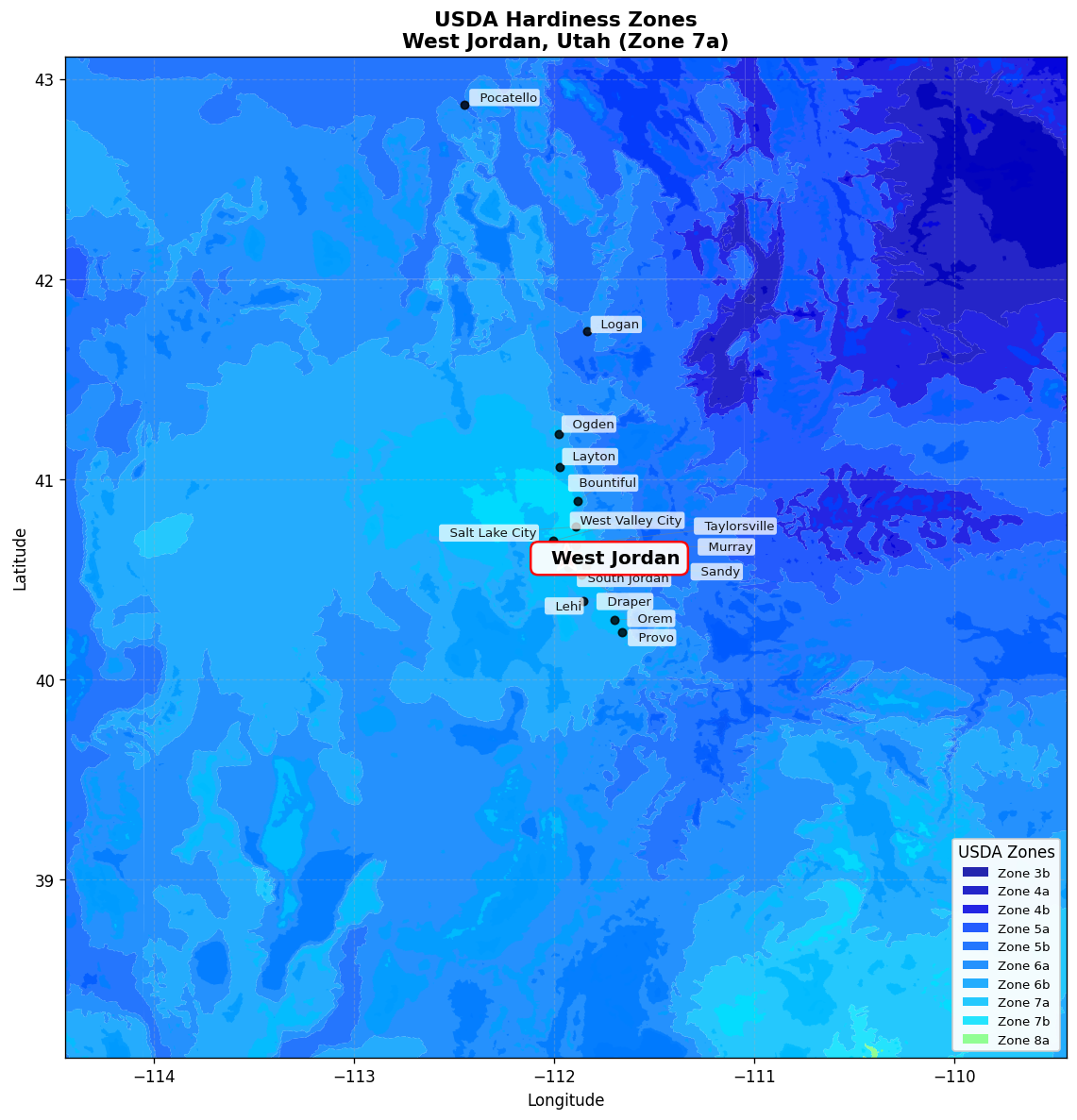
USDA Zone 7a
Hardiness zone for West Jordan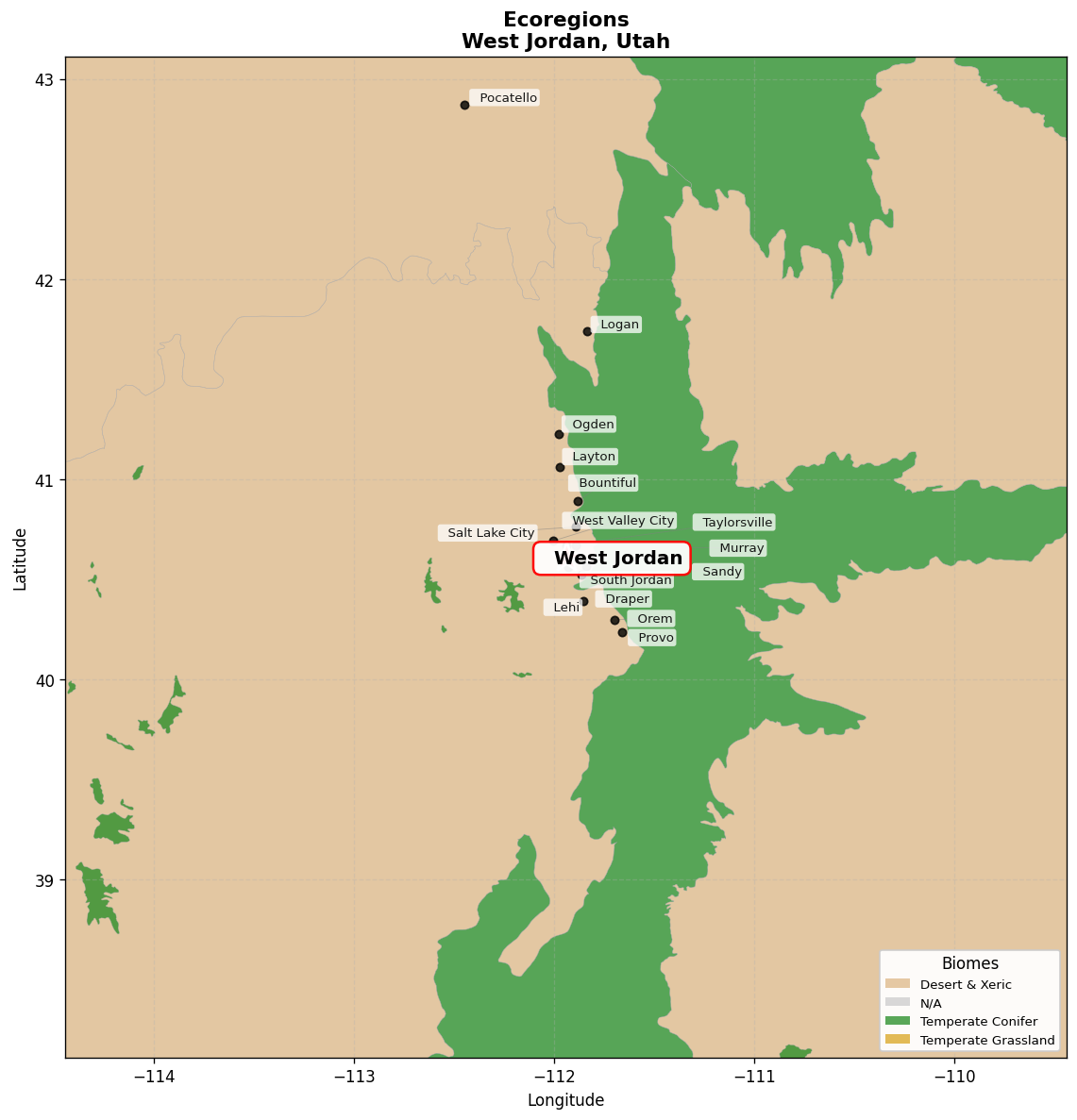
Great Basin shrub steppe
Native ecoregionFrequently Asked Questions
How much does a desert garden cost in West Jordan, UT?
As a rough guide for the Salt Lake Valley, a 300–500 sqft park strip conversion runs about $2,500–7,000 installed, or $2–4 per square foot if you do it yourself. A full 800–1,200 sqft front yard with boulders, gravel and native shrubs lands around $9,000–22,000, depending mostly on how many boulders and how much hardscape you add. A flagstone patio with a dry-stack seat wall adds $8,000–20,000. Rebates through Utah Water Savers can offset part of a lawn conversion, but only with pre-approval. Get two or three local bids, and plan the work for fall if you can, when crews are less busy.
Which cacti and agaves survive a West Jordan winter?
Pick cold-desert species, not Sonoran ones. Agave parryi var. neomexicana is the most reliable, with Agave utahensis close behind. For cactus, Opuntia polyacantha, Opuntia basilaris and Echinocereus triglochidiatus are hardy here. Saguaro, Agave americana and ocotillo will not survive Zone 7a lows of 0 to 5°F. The bigger danger is wet, though: plant on a raised gravel berm, mulch with rock right to the crown, and turn the drip off from November through March.
Is a desert garden really low maintenance here?
After two seasons, yes. In the first two summers, drip every week or so so roots go deep; most failures come from turning the water off too early. After that, a deep soak every two to three weeks in a 94°F July is enough for Artemisia tridentata, Ericameria nauseosa and Fallugia paradoxa. Yearly jobs: cut Bouteloua gracilis and Muhlenbergia reverchonii 'Undaunted' back in late February, shear rabbitbrush hard every second spring so it does not go woody, pull cheatgrass and puncturevine seedlings, and blow out the drip before the first hard freeze.
When should I plant a desert garden in West Jordan?
Plant shrubs and grasses from mid-September through October, or mid-April through May. The Salt Lake City airport normals put the freeze-free season at about April 30 to October 15, and the higher west side of the city is a little shorter. Plant agaves and cacti in spring only, so they have a whole warm season to root before they face winter wet. Boulders and gravel can go in any time the ground is not frozen.
What do West Jordan's landscaping rules say about gravel yards?
West Jordan's residential landscaping guide allows any mix of plants, mulch, gravel, rock, pavers and lawn, and says lawn is not required on any residential lot. It recommends at least 50% living plant cover at maturity and 3–4 inches of mulch in planting beds, so a bare rock yard is not what the city is asking for. On new construction, lawn may not go in park strips; park strip trees must come from the city's street tree list with the Urban Forester's approval, and retaining walls, fences and steps in park strips need specific city approval. Utah law stops an HOA from banning water-wise landscaping outright, but it can set design standards, so show your plan to the HOA first.
Do I need weed fabric under the gravel?
Not in planting beds. Fabric under beds clogs as dust and leaf litter build up on top, weeds root into it within a few years, and it stops spreading plants such as Sphaeralcea ambigua and Delosperma cooperi from filling in. Use fabric only under paths and pure gravel areas. In beds, lay gravel a full 3 inches deep, which also matches the city's 3–4 inch mulch recommendation, and use a spring pre-emergent plus a little hand weeding.
Where can I see a desert garden that grows in West Jordan soil?
Visit the Conservation Garden Park in West Jordan, a demonstration garden run with Jordan Valley Water Conservancy District that shows water-wise and Localscapes designs and runs classes. It is the best place to see how Artemisia tridentata, Ericameria nauseosa, Penstemon and hardy agave actually look after a few Salt Lake Valley winters. Bring photos of your yard and its sun direction, then buy plants locally once you know what you want.