4 Modern Landscape Ideas for West Jordan, UT | Clean Lines for Zone 7a
Native plants from the Great Basin shrub steppe (Zone 7a) — Cold semi-arid climate
Why Modern/Minimalist Gardens in West Jordan?
West Jordan is mostly a city of newer houses on open, sunny lots, and that is good news for modern design. The two-story stucco and stone subdivisions climbing toward the Oquirrhs in Copper Hills, Jordan Hills and Welby, and the brick ramblers and split-levels on the older east side between Bangerter Highway and the Jordan River, all have simple rooflines and wide, flat front yards. A modern landscape gives that kind of yard what it lacks: one strong idea. A row of large concrete pads, a rectangle of gravel held by steel edging, or a single block of grass repeated twelve times reads as deliberate from the street, and it keeps the view of the Oquirrhs or the Wasatch as the backdrop instead of fighting it.
The climate is high cold desert. At Salt Lake City airport, about 12 miles north and a little lower, the 1991–2020 normals give 15.5 inches of precipitation a year, about 52 inches of snow, a 94°F average July high, a 24°F average January low and around 56 days a year above 90°F. West Jordan sits at roughly 4,370 feet and its west side runs higher, so expect slightly colder nights in Copper Hills. Zone 7a means winter lows of 0 to 5°F, which rules out the tender agaves and palms that make modern gardens in Phoenix. The cold-climate version of the look uses Calamagrostis × acutiflora 'Karl Foerster' for vertical rhythm, Schizachyrium scoparium 'Standing Ovation' for copper autumn color, Hesperaloe parviflora 'Brakelights' and Yucca filamentosa 'Color Guard' for spikes, and Agave parryi var. neomexicana where you want a true rosette.
The soil changes as you cross the city. Low ground near the Jordan River is old Lake Bonneville silt and clay, alkaline at roughly pH 7.5–8.3 and slow to drain; the benches toward the Oquirrhs are coarser, gravelly alluvial fans that drain fast but hold little water. Both are high in lime, which is why Acer × freemanii 'Autumn Blaze' so often goes yellow between the veins here (iron chlorosis). For shade on a modern lot, use trees that ignore high pH: Gleditsia triacanthos 'Shademaster', Celtis occidentalis or Acer grandidentatum. On clay lots, raise the beds that hold agave and yucca and put a deep compacted base under every slab, because clay that swells and freezes will crack a large concrete panel.
The city's own rules point the same way. West Jordan's residential landscaping guide says lawn is not required on any residential lot, bans lawn in park strips on new construction, and under the Localscapes standard caps lawn at the greater of 250 square feet or 35% of the landscaped area, with a recommended 50% living plant cover at maturity. Water comes partly from Jordan Valley Water Conservancy District, and the statewide Flip Your Strip and Localscapes rebates run through Utah Water Savers, with pre-approval required before you dig. A modern plan fits these rules easily: one clean rectangle of turf where the kids actually play, gravel and steel everywhere else, and drip on every planted bed.
4 Modern/Minimalist Design Ideas for West Jordan

AI-generated image
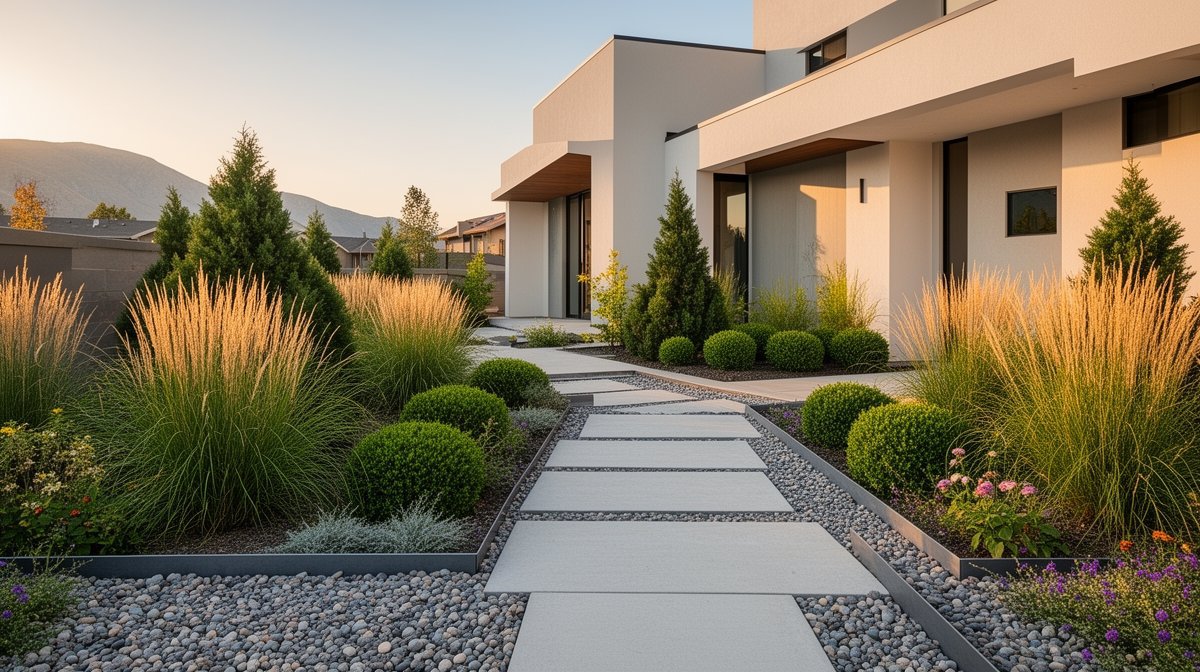
The Floating Pad Entry
$14–26/sqftFive oversized 3 by 6 foot concrete pads step from the driveway to the front door of a two-story stucco house, each set in a field of gray crushed rock with a 2-inch reveal. Between the pads and the house, a single repeated row of Karl Foerster grass runs the full width of the facade, backed by a low band of blue fescue that catches the low winter sun on a south-facing lot. One Shademaster honeylocust in the corner throws light, moving shade over the porch in July without blocking the view of the Wasatch.

AI-generated image
The Steel Park Strip
$9–18/sqftThe park strip in front of a brick rambler loses its lawn and becomes a long, low bed held by Corten steel edging, filled with a repeated pattern of blue grama and penstemon set in tan gravel. Large flagstone landing pads every 12 feet give car passengers somewhere to step, and nothing grows above two feet near the driveway so the sight lines stay open. The west sun hits this strip hardest in the afternoon, which is exactly what the grama and the Brakelights hesperaloe want.

AI-generated image
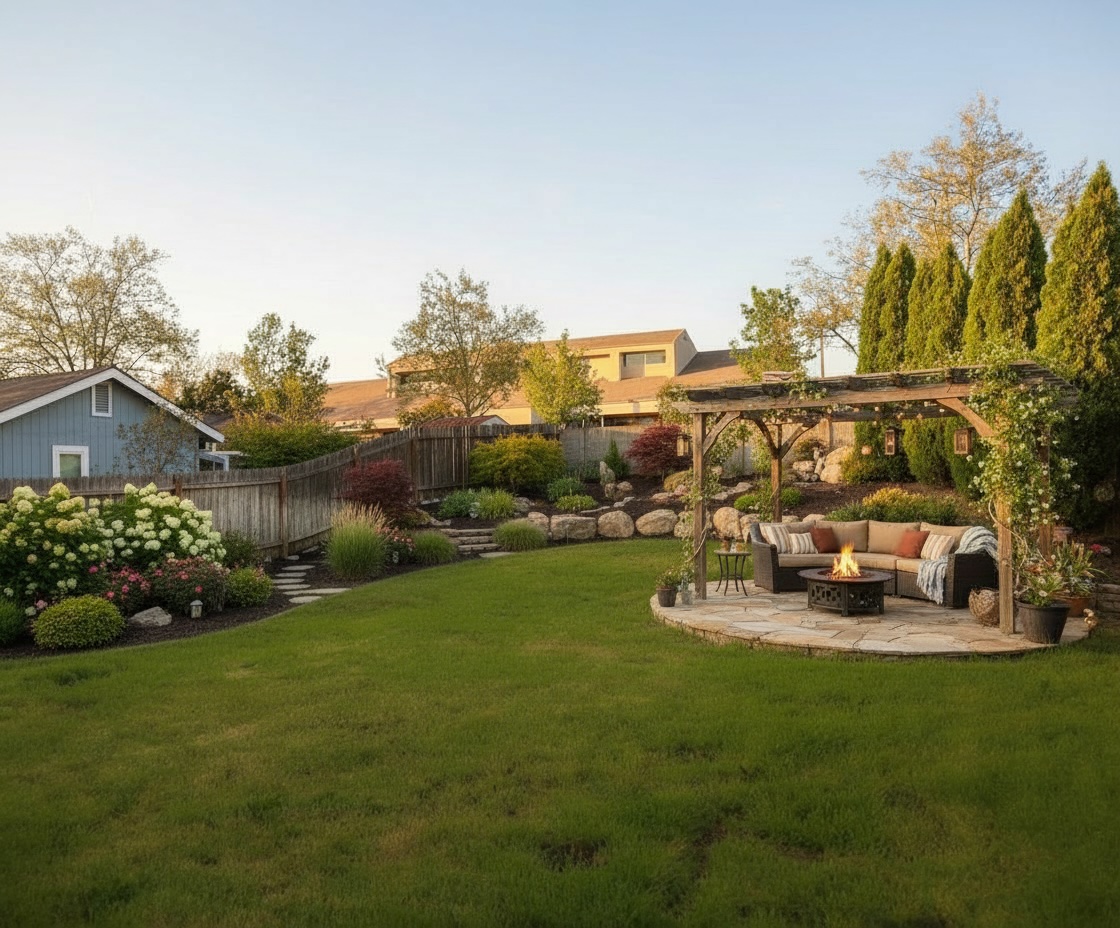
The Linear Fire Terrace
$28–55/sqftBehind a newer house in Welby, a rectangular paver terrace runs the width of the back wall and ends in a long gas fire table facing west toward the Oquirrh sunset. Two raised Corten planters along the edge hold switchgrass and yucca at seat height, so the screening is there without blocking the mountain view. A single 20 by 12 foot panel of turf on its own sprinkler zone sits beyond the terrace for kids and the dog, and the rest of the yard is gravel and drip.

AI-generated image
The Gravel Courtyard and Agave Berm
$20–40/sqftA side or back courtyard off a contemporary infill house is paved in large-format porcelain with a gravel field beyond it, where a raised berm of crushed granite holds a few rosettes of hardy agave and prickly pear. The berm sits 12 inches above the clay so snowmelt drains away from the crowns in March, and a pale stucco wall behind it reflects heat back onto the plants. The planting is sparse on purpose: each plant is a sculpture, lit from below at night.
See how a modern/minimalist garden looks on YOUR property
Upload a photo of your West Jordan yard and visualize your dream garden in seconds.
Try ProScapeAI Free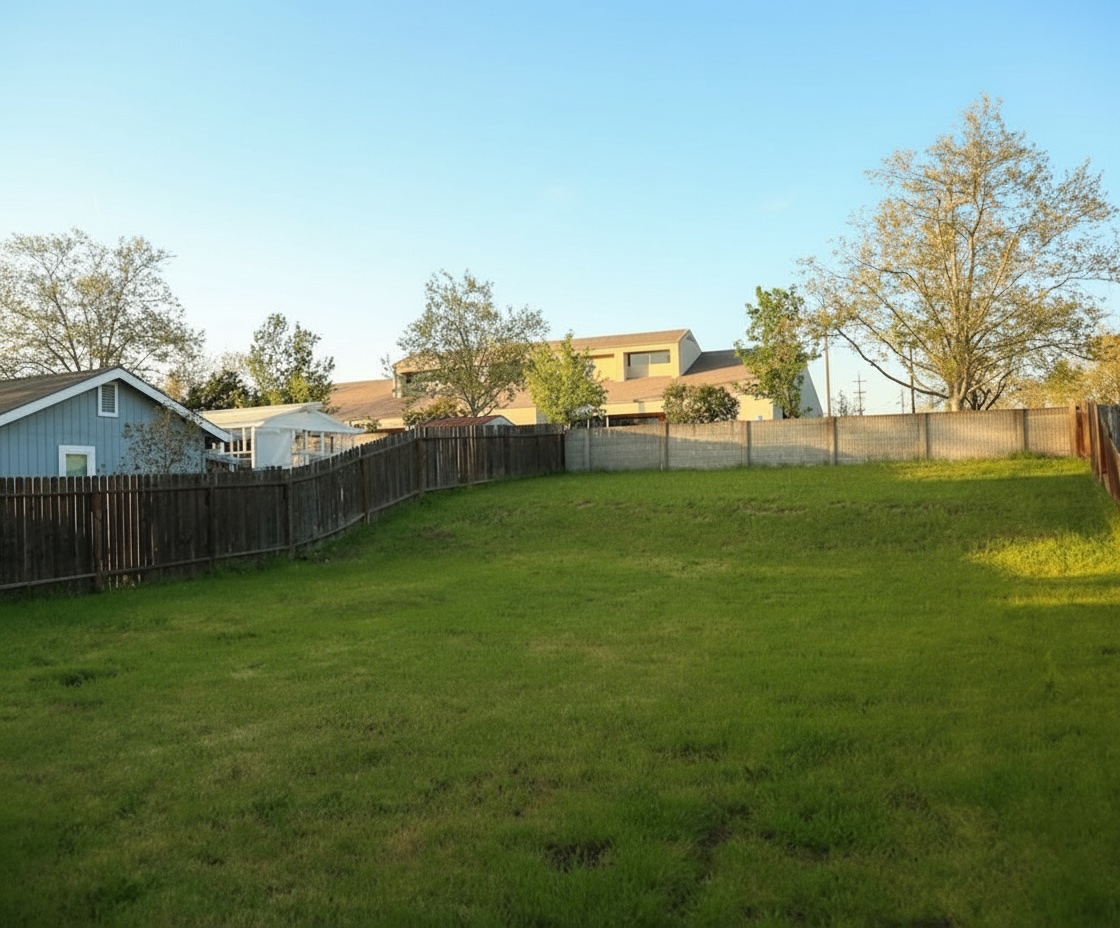
AI-generated image
Featured Trees & Shrubs for Modern/Minimalist Gardens
Browse all 176 plants for West Jordan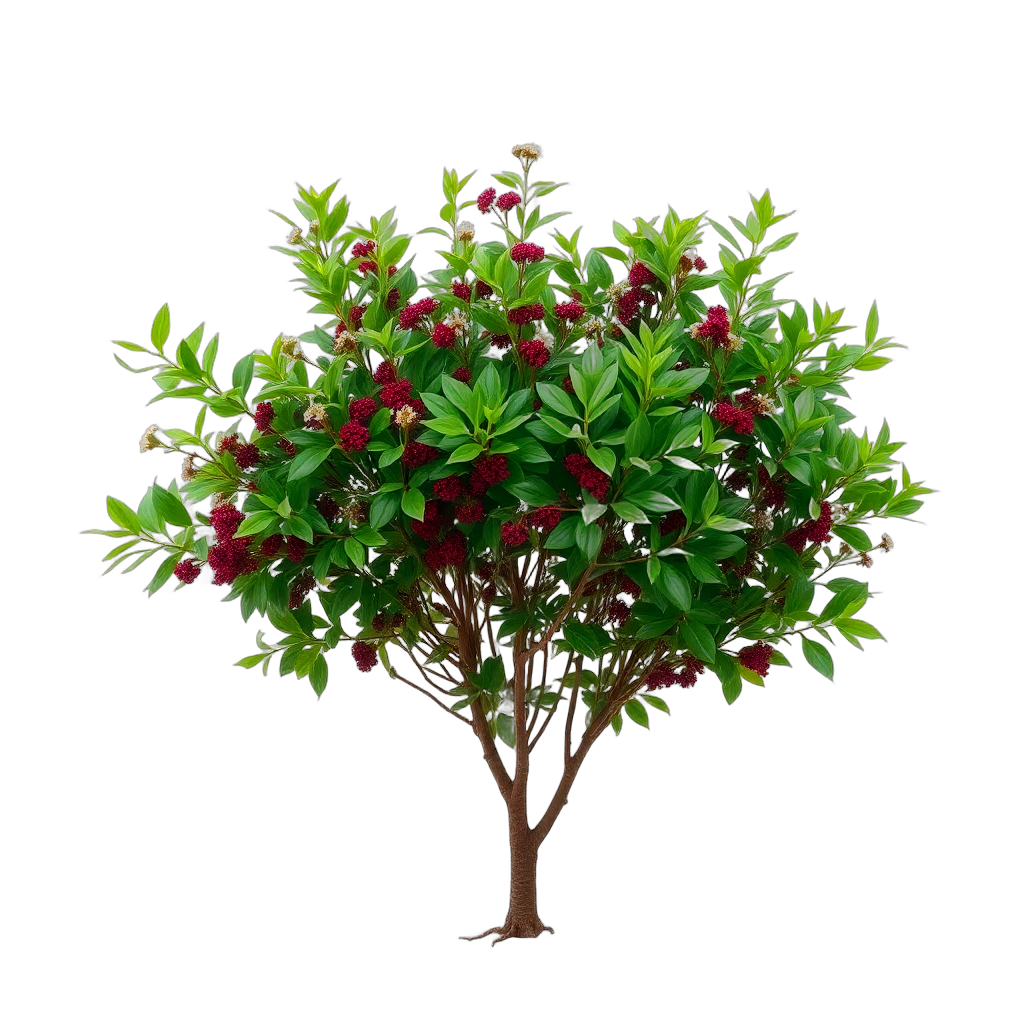
Anderson Wolfberry
Lycium andersonii
grows to 5 feet, purple blooms in spring. Attracts hummingbirds.
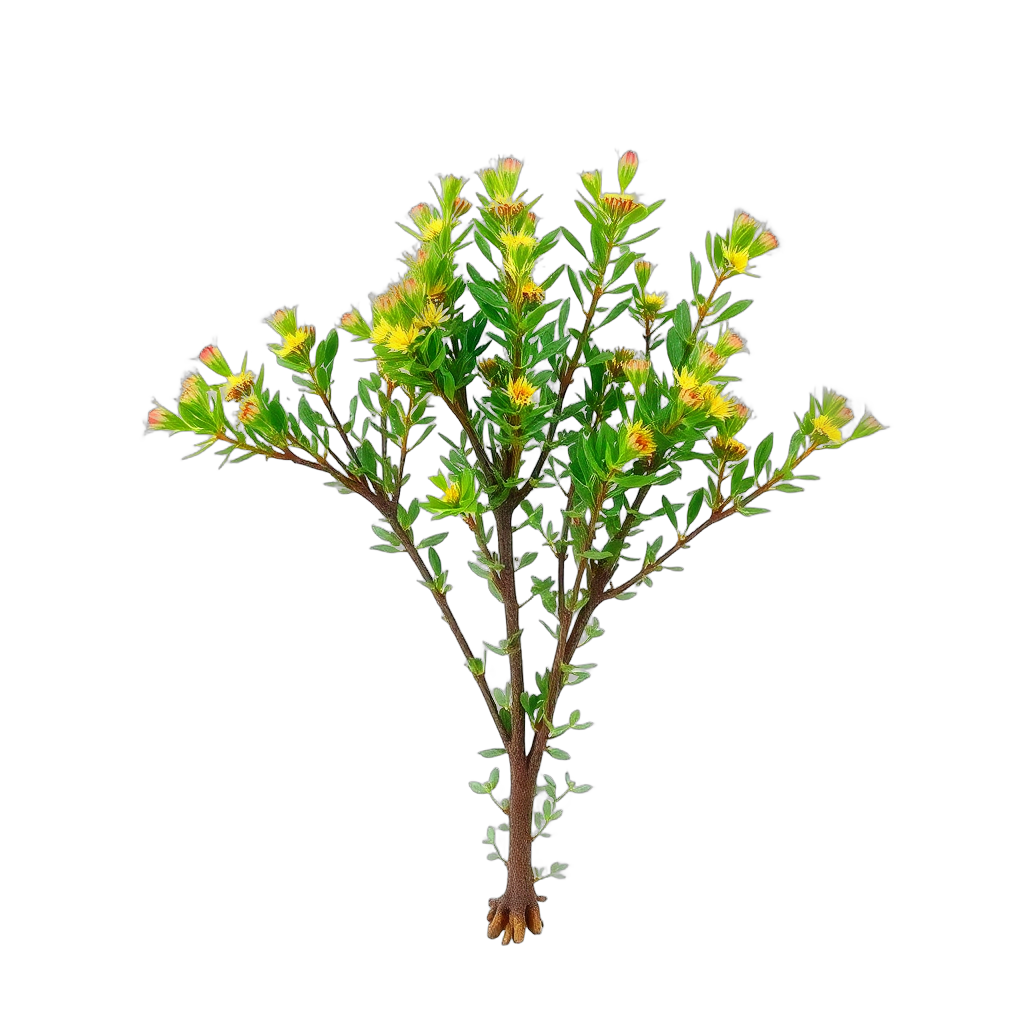
Antelope Bitterbrush
Purshia tridentata
grows to 6 feet, yellow blooms in spring. Fragrant.
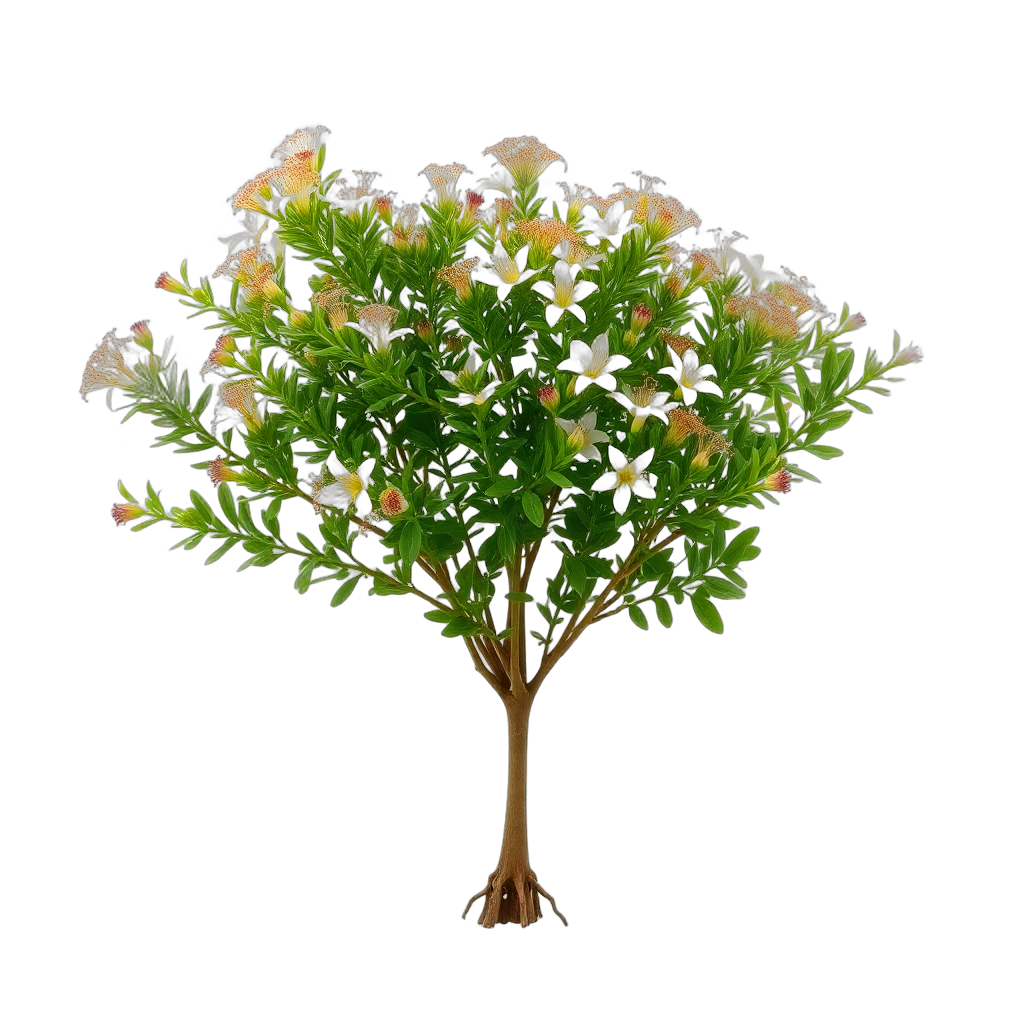
Apache Plume
Fallugia paradoxa
grows to 6 feet, white blooms in summer. Attracts butterflies.
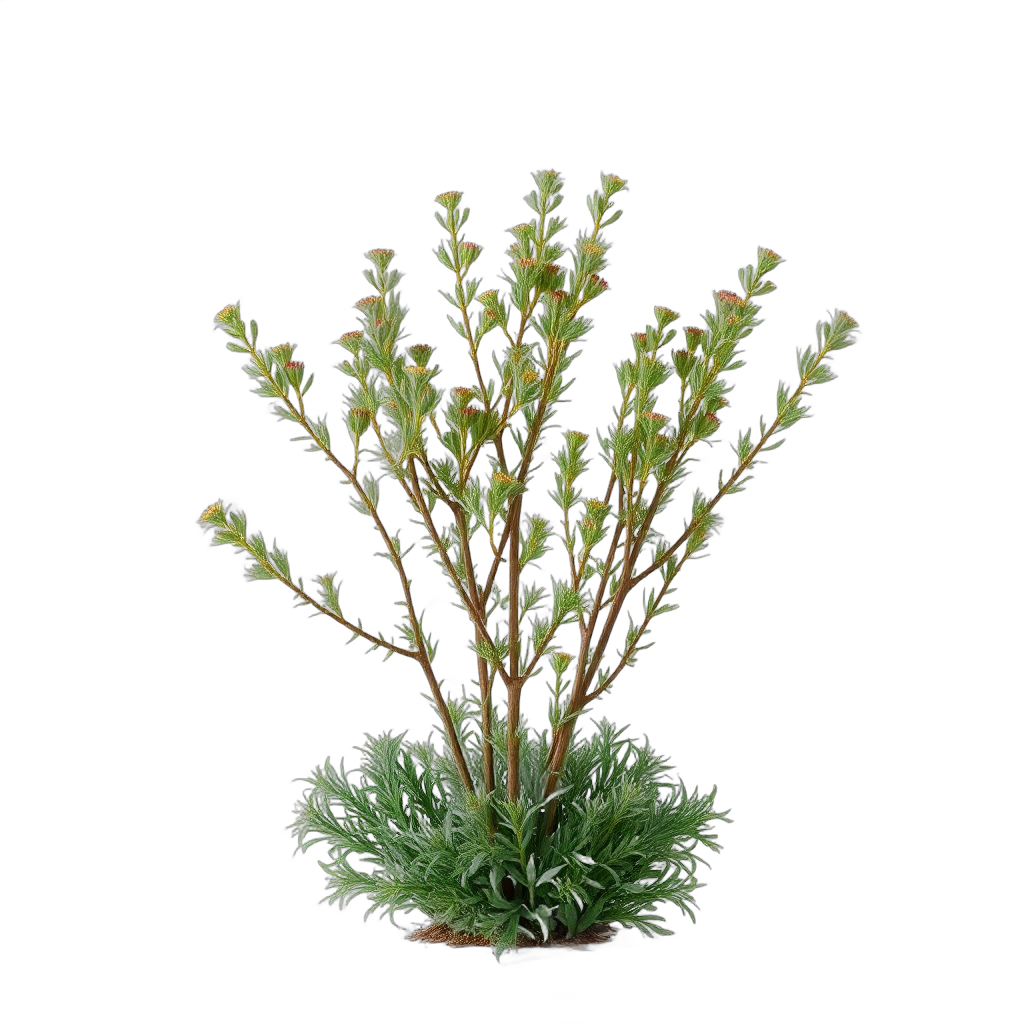
Big Sagebrush
Artemisia tridentata
grows to 6 feet, yellow blooms in fall. Evergreen year-round.
Featured Grasses & Groundcovers for Modern/Minimalist Gardens
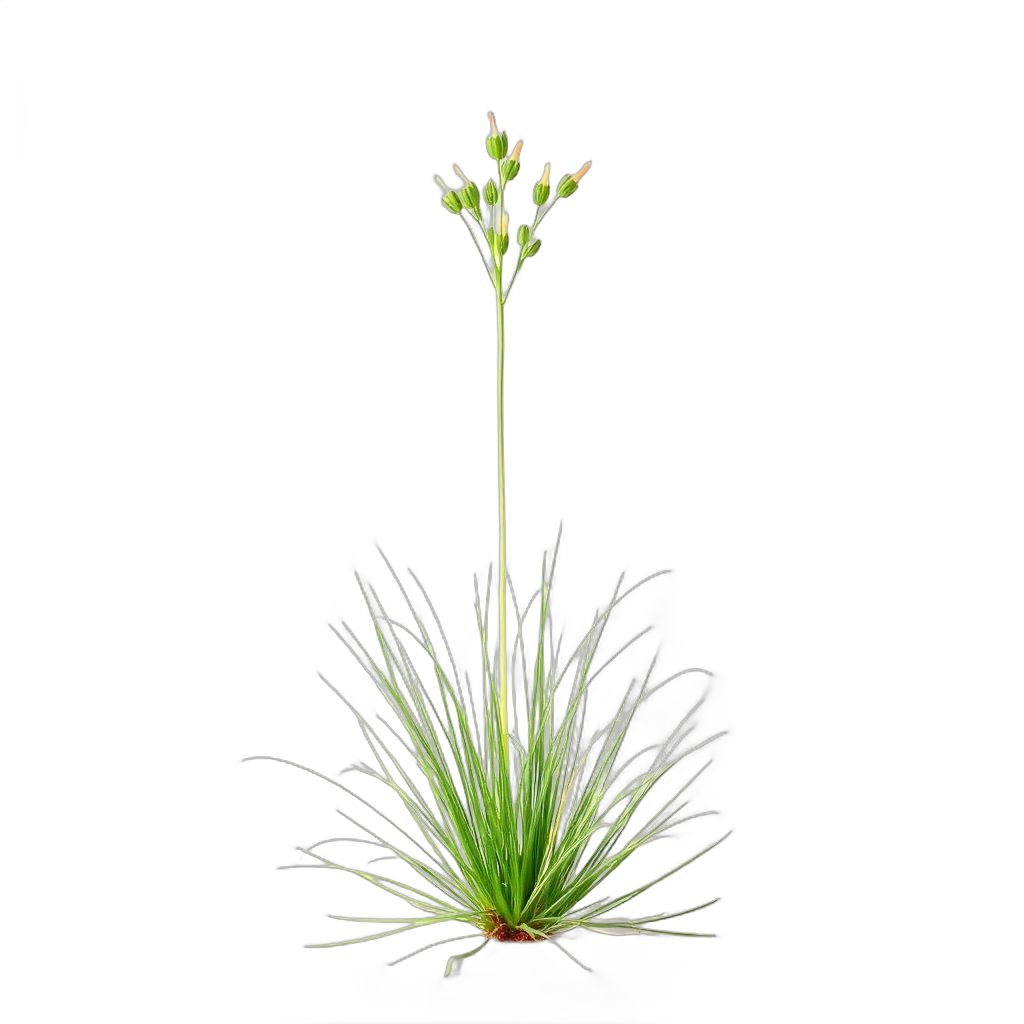
Alkali Sacaton
Sporobolus airoides
grows to 3 feet, blooms in summer. Yellow fall color.
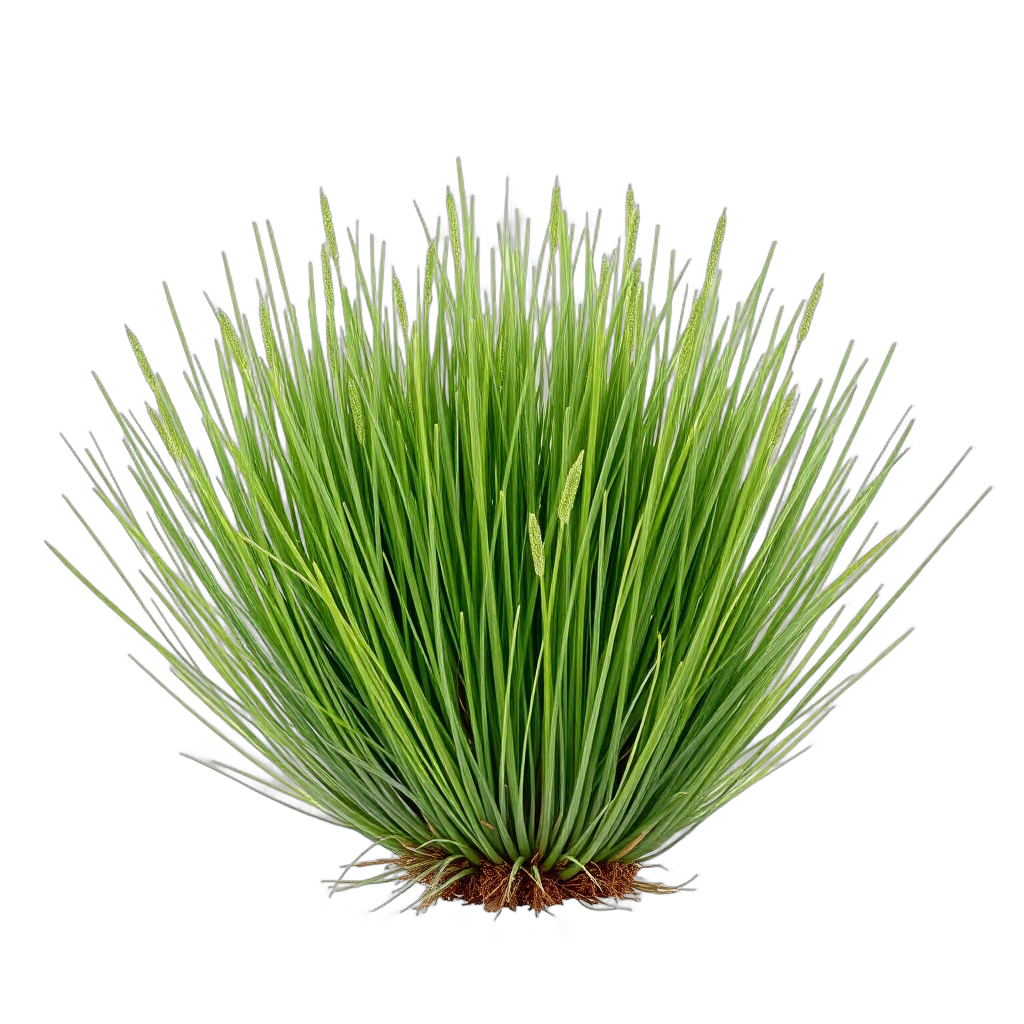
Great Basin Wild Rye
Leymus cinereus
grows to 3 feet, blooms in summer. Yellow fall color.
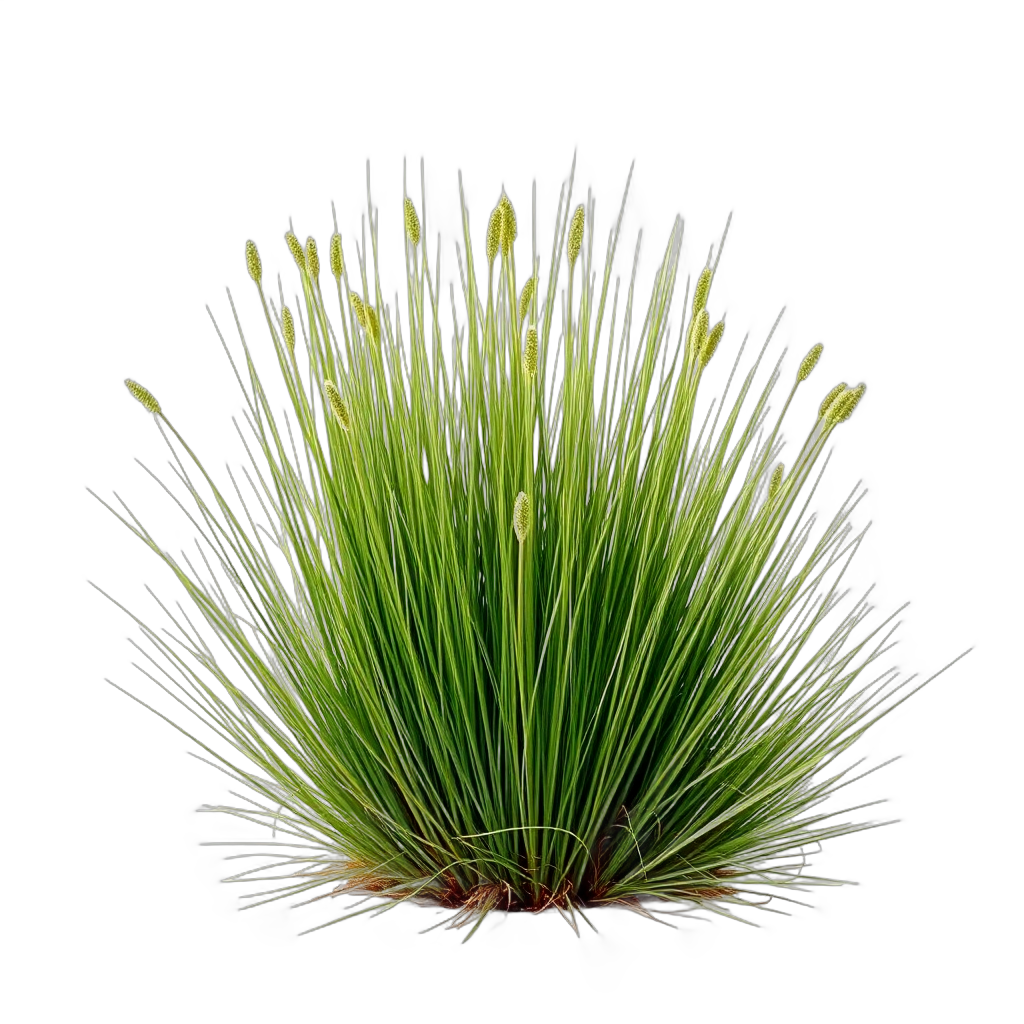
Idaho Fescue
Festuca idahoensis
low-growing ground cover, blooms in summer.
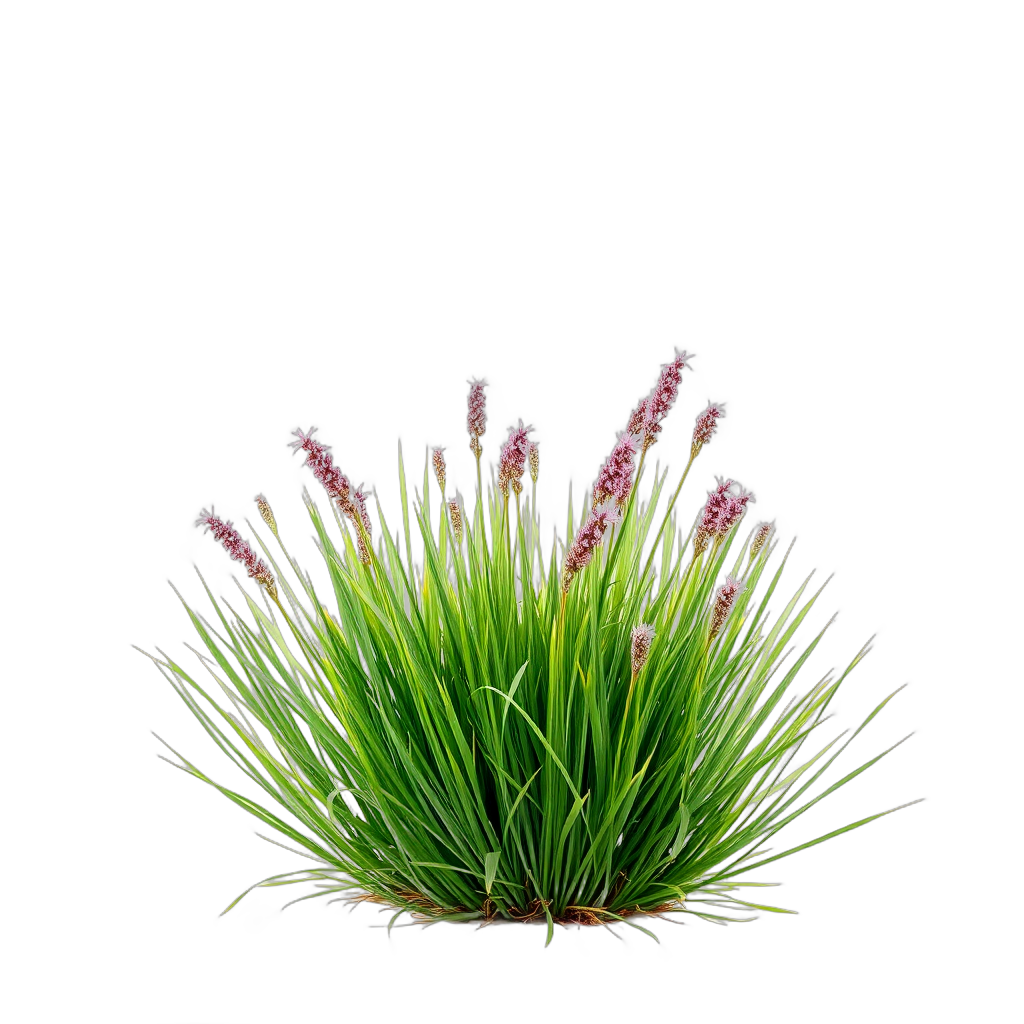
Purple Three-Awn
Aristida purpurea
low-growing ground cover, purple blooms in fall. Yellow fall color.
Featured Flowers & Perennials for Modern/Minimalist Gardens
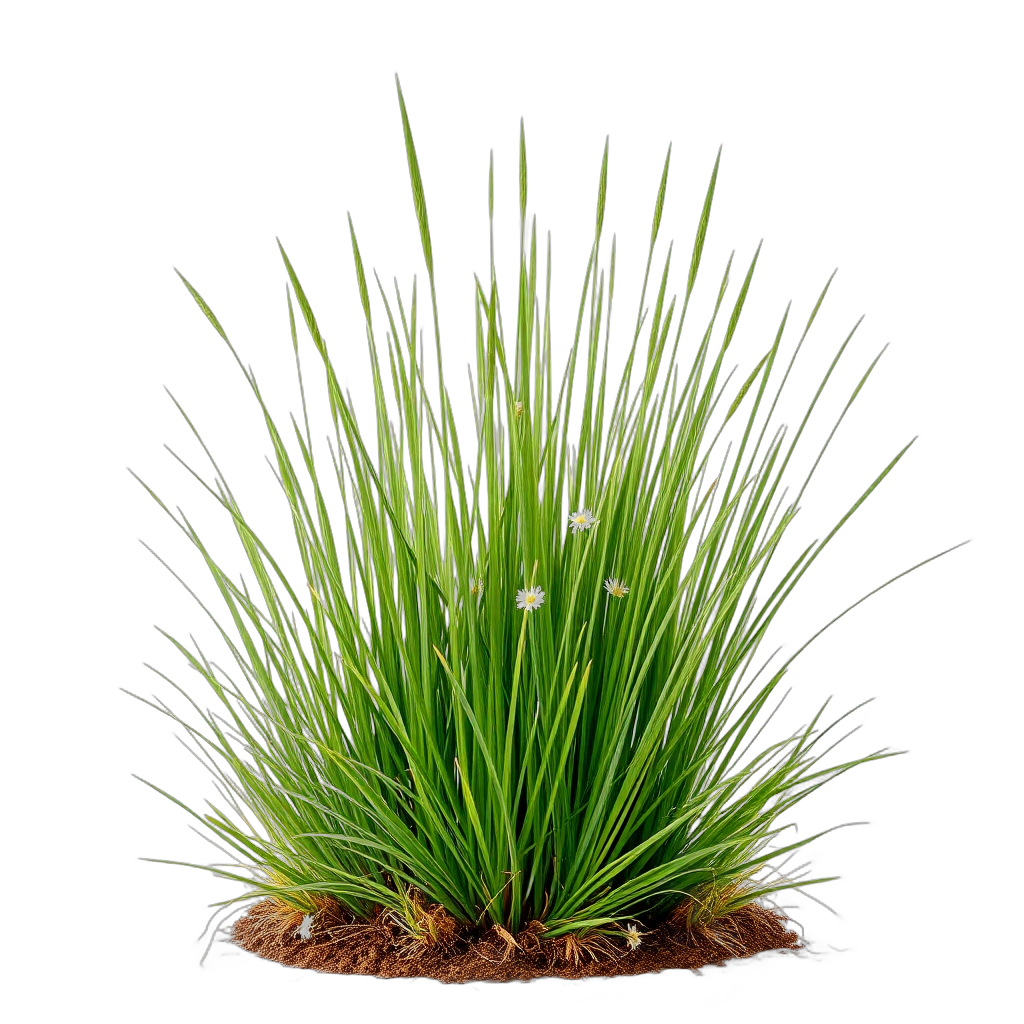
Baltic Rush
Juncus balticus
low-growing ground cover, blooms in summer. Evergreen year-round.
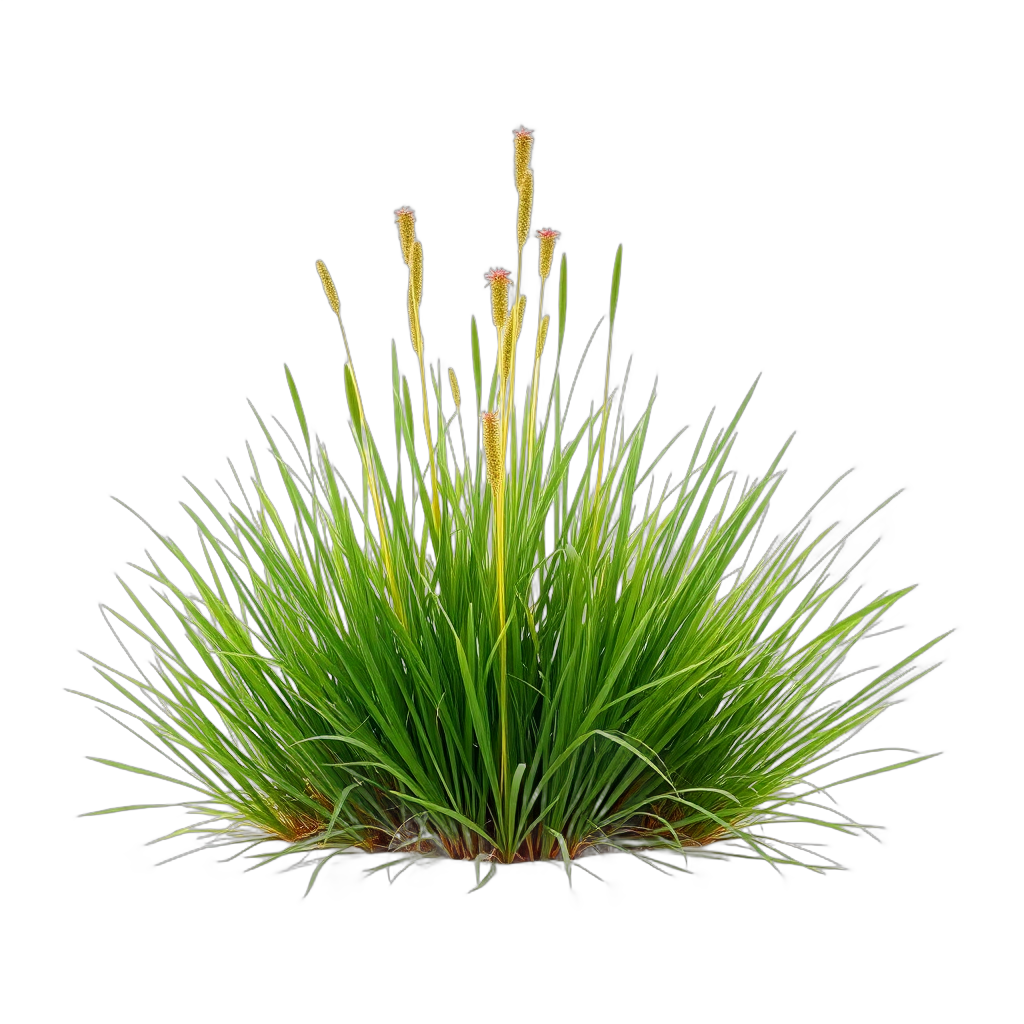
Clustered Field Sedge
Carex praegracilis
low-growing ground cover, blooms in spring.
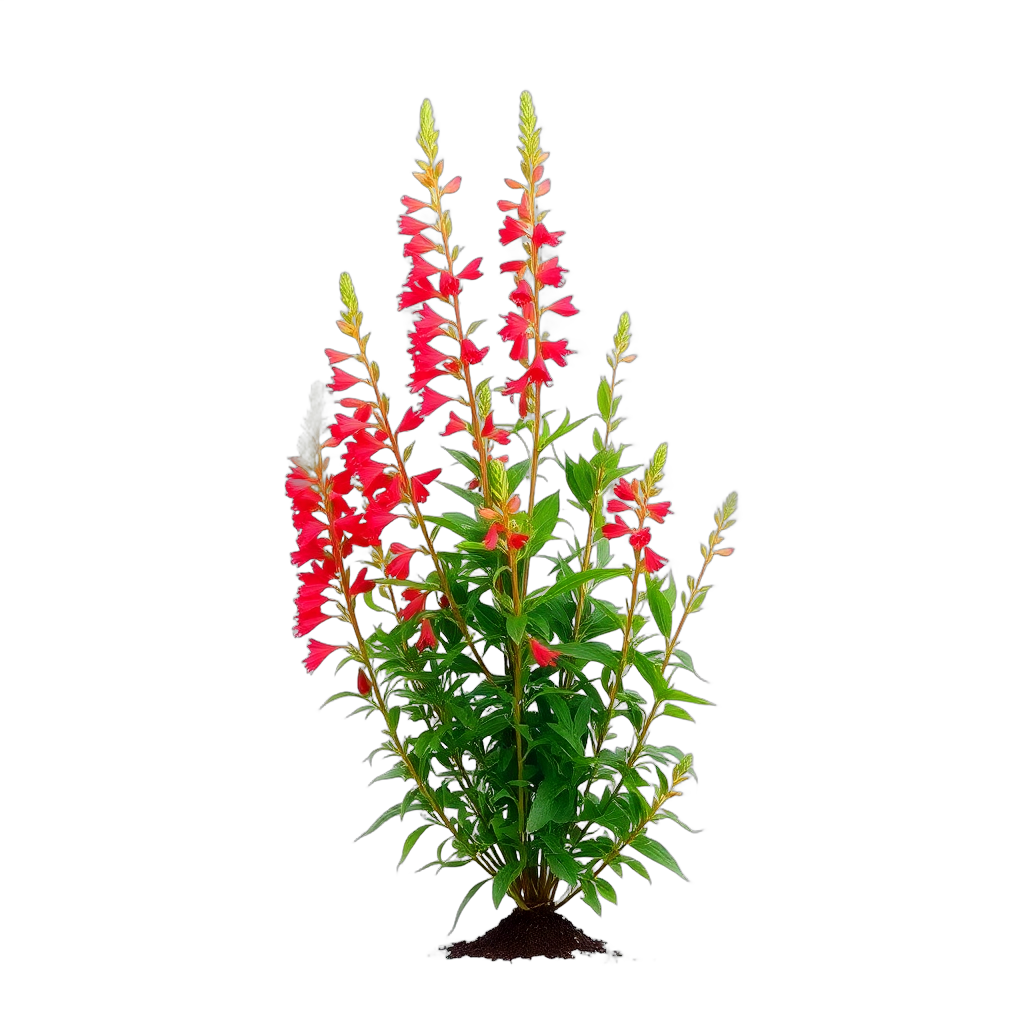
Firecracker Penstemon
Penstemon eatonii
low-growing ground cover, red blooms in spring. Attracts hummingbirds.

Palmer's Penstemon
Penstemon palmeri
grows to 4 feet, pink blooms in spring. Attracts hummingbirds.
Zone and sun checks come from our database — confirm with your local nursery before you buy.
Bloom Calendar for West Jordan
spring
Clustered Field Sedge, Firecracker Penstemon, Palmer's Penstemonsummer
Baltic Rush, Alkali Sacaton, Great Basin Wild Ryefall
Purple Three-Awn, Big Sagebrush, Rubber Rabbitbrushwinter
Limited bloomsDesign Tips for West Jordan (Zone 7a)
- Raise every bed that holds agave, yucca or Sempervivum 8–12 inches above the clay near the Jordan River and backfill with half native soil and half 3/8-inch crushed granite; in West Jordan it is the wet March snowmelt, not the 0°F night, that rots them
- Keep turf as one clean rectangle under the city's Localscapes cap (the greater of 250 sqft or 35% of the landscaped area), on its own zone, and let gravel and drip handle the rest of the yard
- Choose shade trees that ignore pH 8 soil: Gleditsia triacanthos 'Shademaster', Celtis occidentalis and Acer grandidentatum stay green where Acer × freemanii 'Autumn Blaze' goes yellow from iron chlorosis
- Use Calamagrostis × acutiflora 'Karl Foerster' in long repeated rows for the vertical rhythm Phoenix gets from agave; it takes 0°F, stands up under snow and costs a fraction per plant
- On a west-facing lot, keep rear screening under about 42 inches so the Oquirrh sunset stays in the picture, and put taller Panicum virgatum 'Northwind' on the side boundaries where the neighbors are
- Get Utah Water Savers pre-approval before you touch a healthy park strip lawn; killing the grass or laying artificial turf first can disqualify you from Flip Your Strip
- Plant only from West Jordan's street tree list in the park strip and get the Urban Forester's written approval, and keep everything under two feet near corners and driveways for the sight triangle
Where to Source Plants in West Jordan
Skip the big-box stores. These independent West Jordan nurseries specialize in the plants that make modern/minimalist gardens thrive in Zone 7a.
Glover Nursery
West Jordan (1300 West)
Family nursery with six generations in the trade and more than 140 years in Utah; trees, shrubs, privacy hedges, roses, perennials and hard-to-find plants chosen for Utah conditions, plus bulk mulch, compost, bark and rock
Cactus & Tropicals (Draper)
Draper, about 15 minutes southeast
Locally owned greenhouse and nursery carrying desert succulents and waterwise cacti alongside seasonal outdoor trees, shrubs and flowers, pottery and fountains
Cactus & Tropicals (Midvale)
Midvale, across the Jordan River
The closest of the chain's three stores to central West Jordan, with the same succulent, cactus and seasonal outdoor nursery range
Millcreek Gardens
Millcreek, Salt Lake City
Independent nursery started in 1955 by Vernon and Murriel Smith; deep bench of trees, shrubs, perennials, roses and herbs
Modern/Minimalist Landscaping Costs in West Jordan
| Project Scope | Estimated Cost |
|---|---|
| Front lawn to gravel, steel edging and drip-irrigated grasses (500 sqft, before rebate) | $5,000 – $12,000 |
| Park strip conversion with flagstone landing pads (300–500 sqft) | $2,700 – $9,000 |
| Concrete or large-format paver terrace on compacted base (300–500 sqft) | $9,000 – $25,000 |
| Gas linear fire table with plumbed line | $3,500 – $12,000 |
| Low-voltage landscape lighting (12–18 fixtures) | $2,500 – $6,500 |
| Full modern back yard: terrace, fire, lighting, lawn panel, planting | $40,000 – $90,000 |
| AI visualization (ProScapeAI) | Free to start |
Estimates based on West Jordan, UT-area contractor rates as of 2026. Actual costs vary by site conditions, materials, and contractor.
West Jordan Climate & Growing Zone
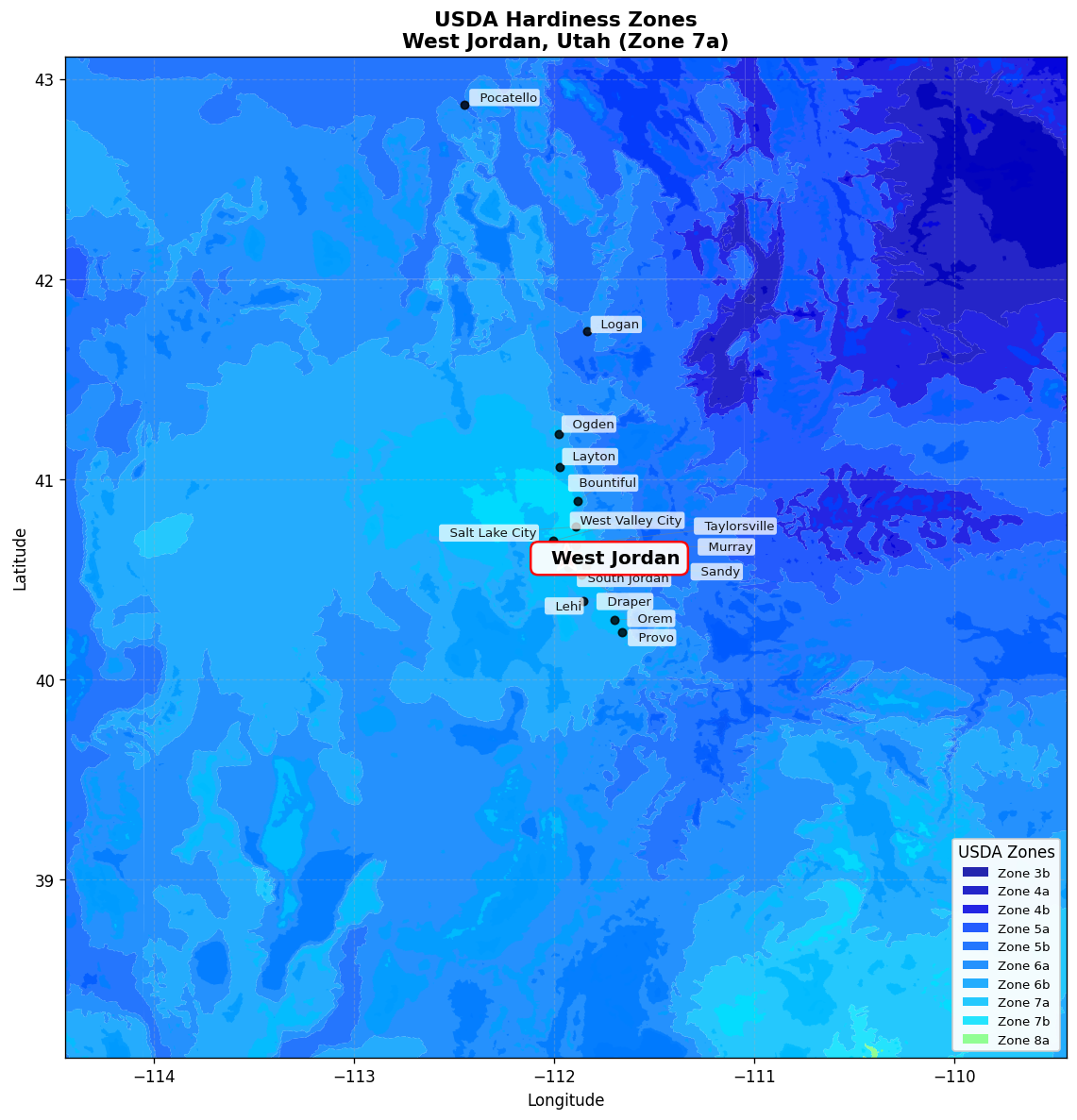
USDA Zone 7a
Hardiness zone for West Jordan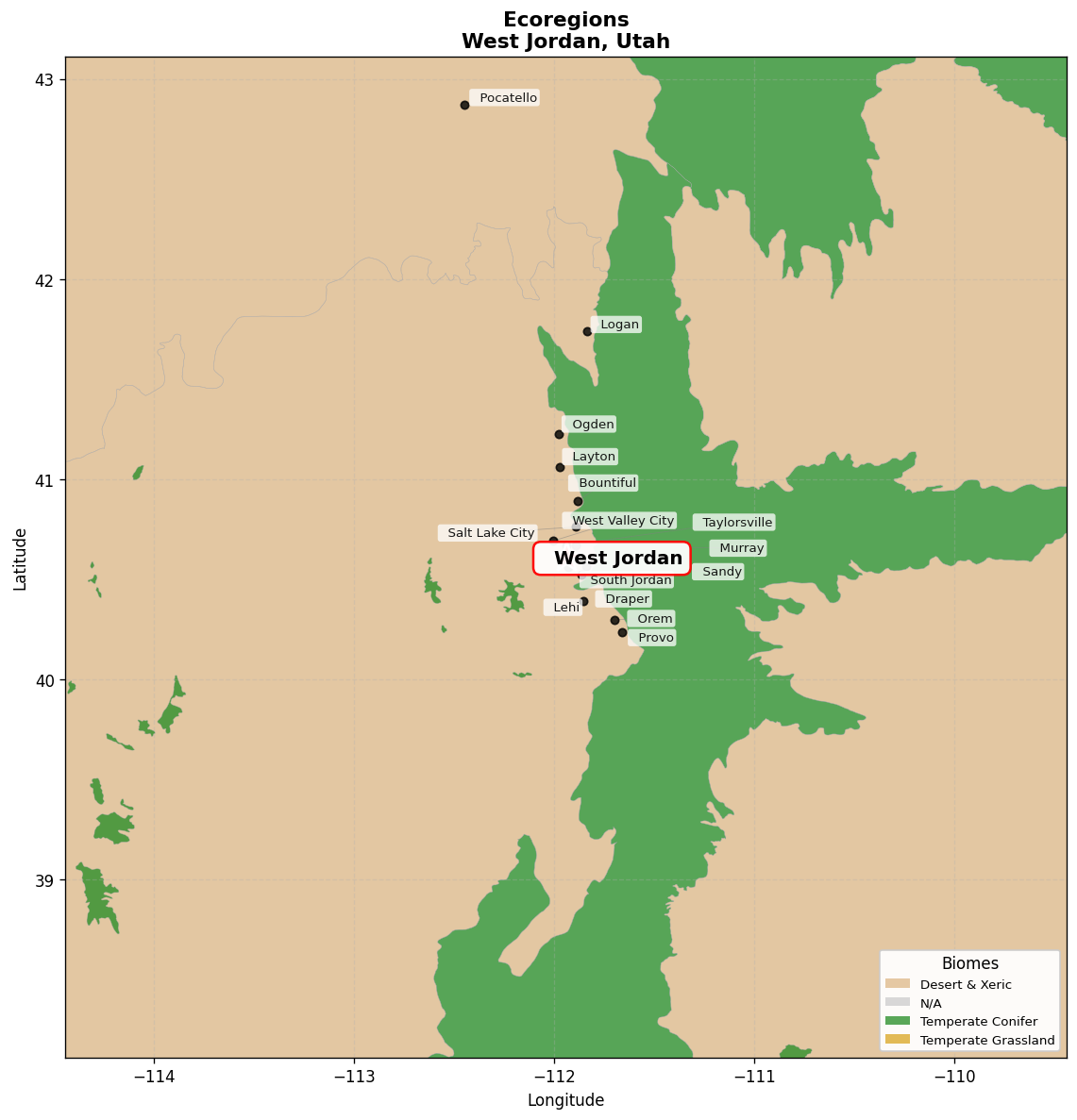
Great Basin shrub steppe
Native ecoregionFrequently Asked Questions
How much does modern landscaping cost in West Jordan, UT?
Salt Lake Valley pricing sits near the national metro average. As a rough guide, converting a 500 sqft front lawn to gravel, steel edging and drip-irrigated grasses runs about $5,000–12,000 installed before any rebate. A 300–500 sqft concrete or large-format paver terrace lands around $9,000–25,000, a gas fire table adds $3,500–12,000, and a full back yard with terrace, fire, lighting and a small lawn panel commonly runs $40,000–90,000. Doing the gravel and planting yourself, with one-gallon Calamagrostis × acutiflora 'Karl Foerster' and Bouteloua gracilis 'Blonde Ambition', can bring a front yard in under $6 per square foot. Get several local bids, because spring bids run higher than fall ones.
Is a modern landscape low maintenance in West Jordan's climate?
Yes, once it is established. With about 15.5 inches of precipitation a year at the nearest long-term station and July highs averaging 94°F, a gravel-and-grass modern yard on drip needs a deep soak every 10–14 days in summer after its first two seasons, versus two or three waterings a week for bluegrass. The main yearly job is cutting Karl Foerster, Panicum 'Northwind' and Schizachyrium 'Standing Ovation' back to 4 inches in early March. Rake leaves off the gravel in autumn so they do not rot into soil that weeds can root in, and blow out the drip lines before the first hard freeze.
When is the best time to plant in West Jordan?
Mid-April through May and mid-September through October. The Salt Lake City airport normals put the average freeze-free season at about 167 days, from April 30 to October 15, and West Jordan's higher west side runs a little shorter. Fall planting is the better bet for grasses and shrubs because roots keep growing in warm soil and the plant meets its first 90°F July already settled. Hold agave, yucca and other succulents for spring so they have a full summer to root before their first winter.
What are West Jordan's rules on lawns, park strips and HOAs?
West Jordan's residential landscaping guide says lawn is not required on any residential lot, and on new construction lawn may not be installed in park strips. Under the Localscapes standard it recommends for new and rehabilitated landscapes, lawn is capped at the greater of 250 square feet or 35% of the landscaped area. Park strip trees must come from the city's street tree list and need the Urban Forester's written approval, and planting near corners and driveways must meet the city's sight triangle rules. Utah law also stops an HOA from banning a water-wise conversion outright, though it can enforce reasonable design standards. Check the current guide with the city and your HOA before you build.
Are there rebates for removing lawn in West Jordan?
Yes. The statewide Flip Your Strip program (park strips) and Localscapes Rewards (larger yard conversions) are run through Utah Water Savers, and Jordan Valley Water Conservancy District has been a partner. Flip Your Strip has required an existing healthy grass park strip, so do not kill the lawn or lay artificial turf first. Both programs require pre-approval before work starts and set minimum plant coverage. Rates have changed between funding rounds, so check the current amount at utahwatersavers.com before you budget around it.
What survives West Jordan's winter cold and summer heat?
Plants that handle 0–5°F lows, 94°F July highs and alkaline soil. For a modern look: Calamagrostis × acutiflora 'Karl Foerster', Panicum virgatum 'Northwind', Schizachyrium scoparium 'Standing Ovation', Bouteloua gracilis 'Blonde Ambition', Hesperaloe parviflora 'Brakelights', Yucca filamentosa 'Color Guard' and Agave parryi var. neomexicana. Skip Agave americana and Muhlenbergia capillaris, which do not survive here; Muhlenbergia reverchonii 'Undaunted' is the hardy substitute for that pink autumn haze. For trees, Acer × freemanii 'Autumn Blaze' often goes chlorotic in this high-pH soil, so use Gleditsia triacanthos 'Shademaster', Celtis occidentalis or Acer grandidentatum.
Why do my concrete pads keep cracking in West Jordan?
Usually because they were poured straight on native soil. The clay and silt near the Jordan River swells when wet and shrinks in a dry August, and freeze-thaw cycles add to the movement. Large modern pads show every crack, so dig out 8–12 inches, compact 6–8 inches of road base in lifts, and cut control joints where you want the slab to break. On the gravelly benches toward Copper Hills the base still matters, mainly for drainage. Slope every hard surface at least 2% away from the foundation.