4 Xeriscape Garden Ideas for Salt Lake City, UT | Water-Wise Desert Design for Zone 7b
Native plants from the Great Basin shrub steppe (Zone 7b) — Temperate climate
Why Desert/Xeriscape Gardens in Salt Lake City?
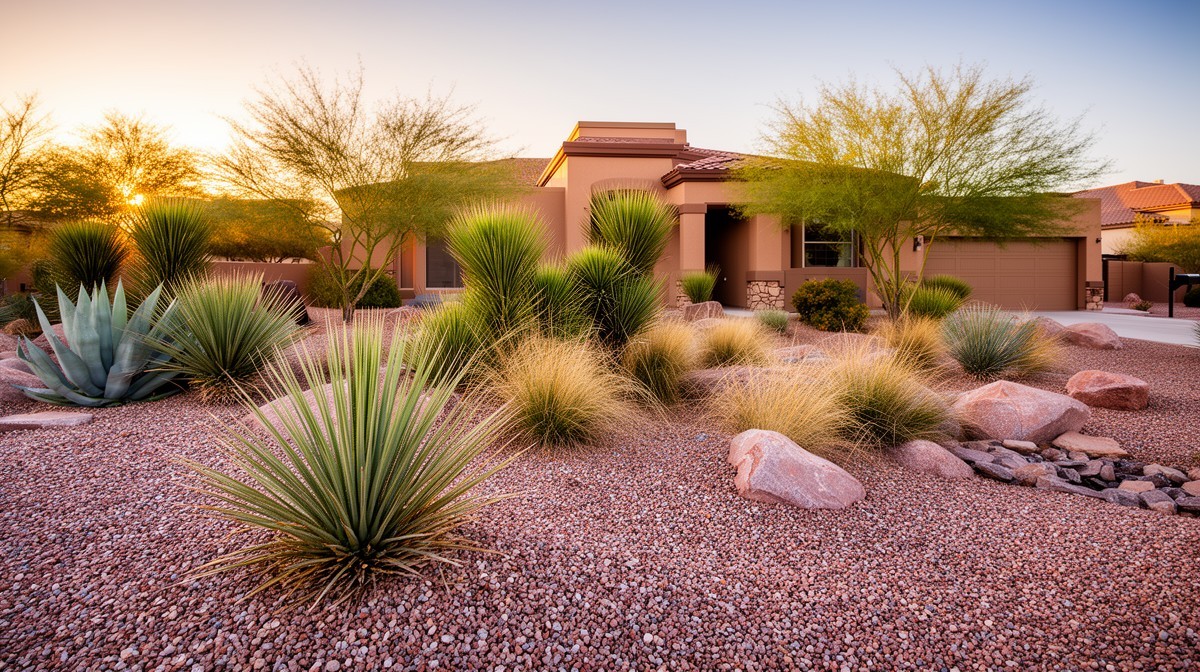
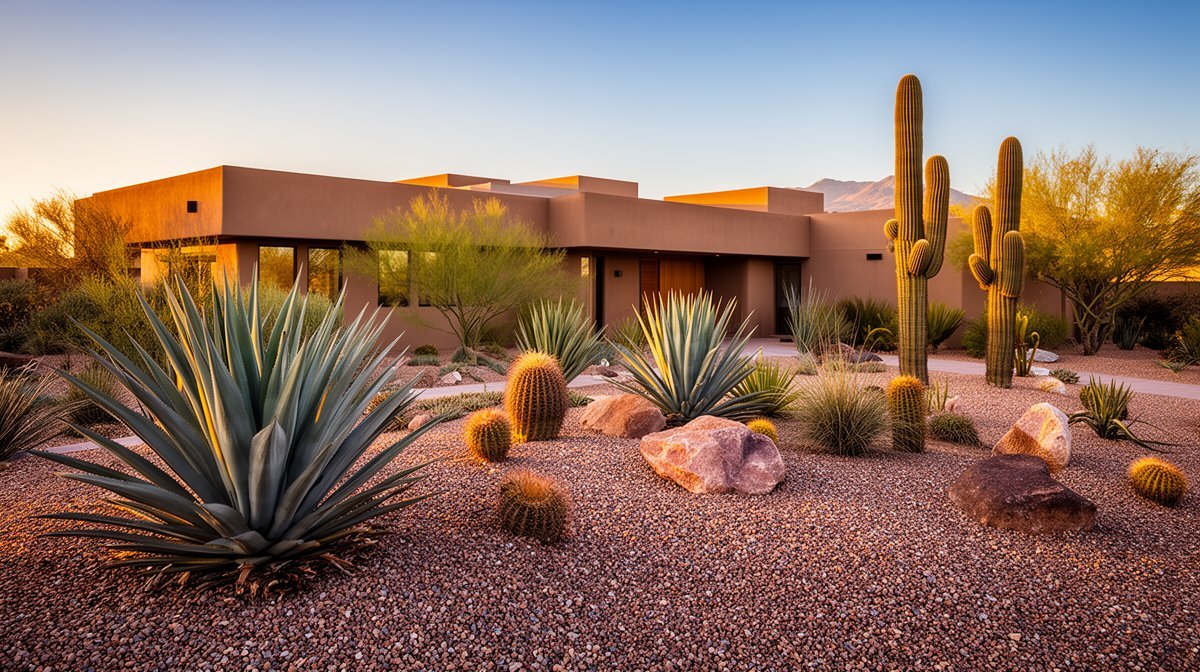
Salt Lake City sits in the Great Basin shrub steppe, and the honest version of a Utah front yard was never lawn. The valley averages roughly 16 inches of precipitation a year, most of it arriving as October-to-May snow, and the native plant community here - Artemisia tridentata, Ericameria nauseosa, Amelanchier utahensis, Bouteloua gracilis and Achnatherum hymenoides - evolved to run on exactly that budget. What has changed is that xeriscape finally looks good. The 1990s version was bark, red lava rock and three junipers. The current Wasatch Front version is layered and sculptural: Agave parryi var. neomexicana and Agave havardiana holding form all winter, Utah quartzite boulders set a third buried, Sporobolus airoides and Bouteloua gracilis 'Blonde Ambition' catching low October light, and rabbitbrush turning hard gold in September against the Oquirrhs.
Zone 7b lows of 5 to 10°F are not what kills desert plants in Salt Lake - winter wet is. Valley-floor Lake Bonneville clay holds snowmelt against an agave crown for weeks, and the plant rots at 35°F, not at 5°F. The fix is elevation and grit: build planting pockets 12 to 18 inches above grade in a 50/50 blend of native soil and 3/8-inch crushed gravel, mulch with rock right up to the crown so no organic material sits against the base, and shut the drip off completely from November through March. Bench neighborhoods such as Federal Heights and the upper Avenues sit on gravelly alluvial fan deposits that already drain like a colander, which is why serious cactus collections in this city live above 4,800 feet; flat west-side lots in Rose Park and Glendale need the berms. Soil alkalinity at pH 7.5-8.2 is a non-issue for this palette, since Great Basin natives are calcareous-soil specialists - the same chemistry that yellows a red maple leaves Fallugia paradoxa and Cercocarpus ledifolius completely unbothered.
The Great Salt Lake hit a record low of 4,188.5 feet in November 2022, exposing hundreds of square miles of dust-producing lakebed, and outdoor irrigation is the largest single lever a household controls. Utah responded with cash: the state's Flip Your Strip rebate pays per square foot to convert park-strip turf, and Localscapes Rewards extends the money to whole-yard conversions. Both require pre-approval before work begins, and both enforce a minimum living-plant coverage, so a pure gravel moonscape does not qualify. Utah State University Extension's water-wise plant lists and the free eight-acre Conservation Garden Park in West Jordan are the two references worth using before you buy anything. A converted front yard typically drops from roughly 20-25 gallons per square foot per season to 3-6 - though it still needs drip through two full establishment years before it earns that number.
4 Desert/Xeriscape Design Ideas for Salt Lake City
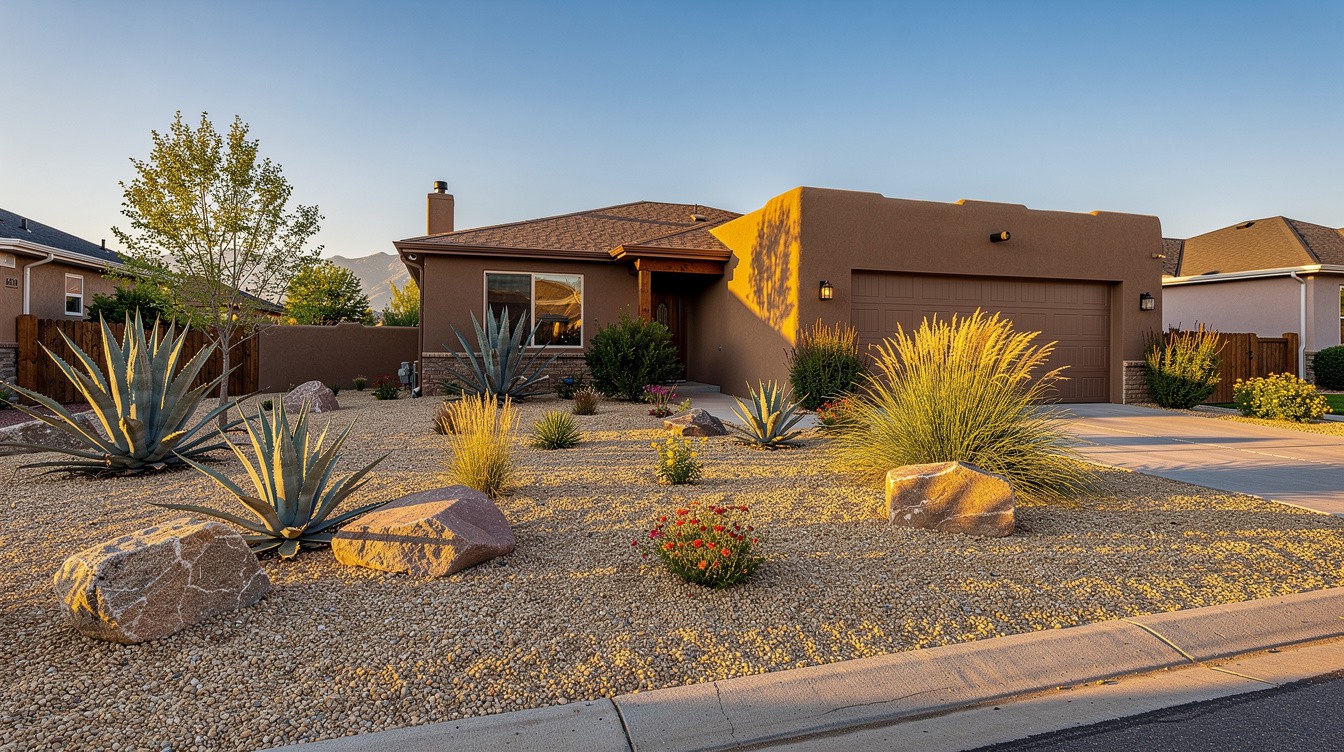
The Rose Park Zero-Lawn Flip
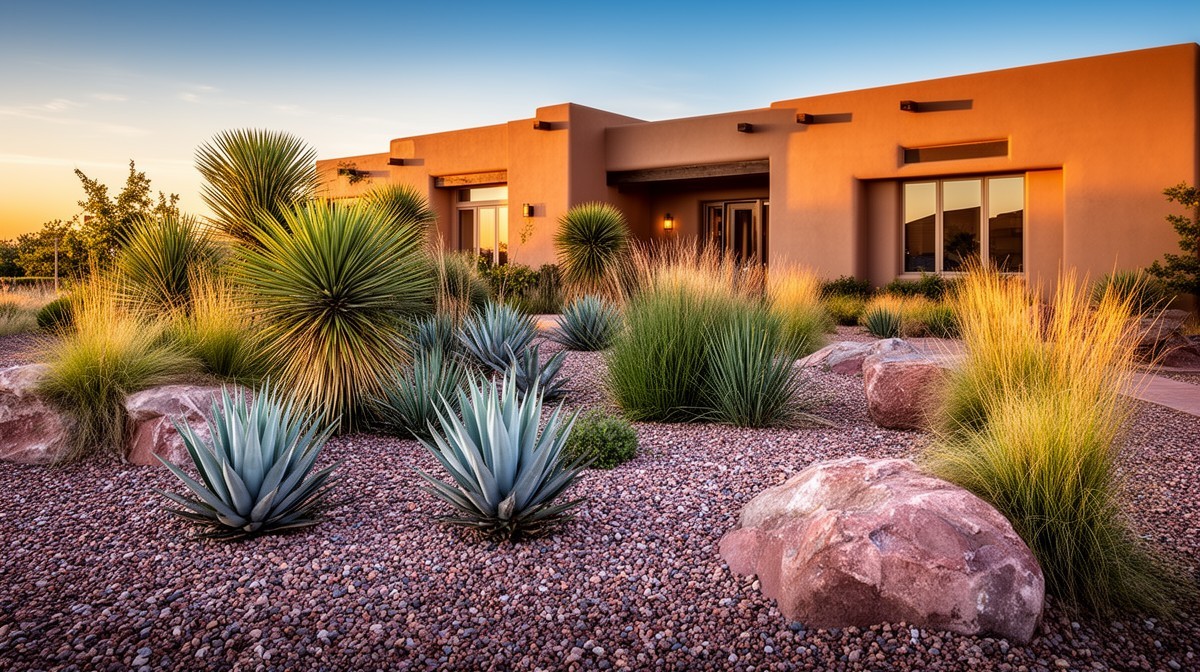
$8-16/sqftThe entire front lawn is gone, replaced with a graded field of screened gravel that reads as ground plane rather than filler. Three large blue agave rosettes anchor the left third at different distances from the curb so the eye moves through the yard, granite boulders sit a third buried alongside them, and a single tall golden grass beside the garage does the vertical work that a shrub would have taken a decade to do. Low mounding bunch grasses and a scatter of red-orange desert perennials keep the middle from going flat, and the yellow-flowering rabbitbrush on the right hand side is the plant that makes the whole composition read as Utah rather than Arizona.
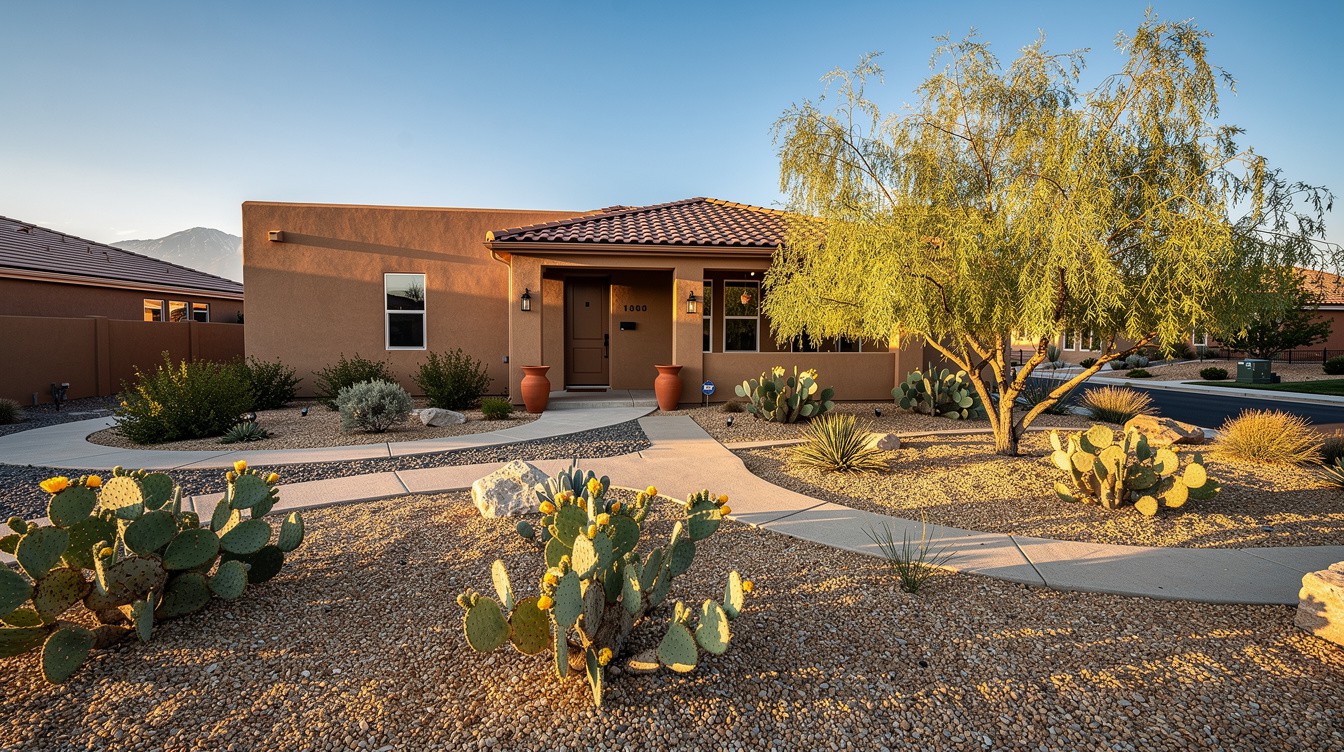
The Desert Willow Courtyard Walk
$10-20/sqftA pueblo-style stucco house gets a pair of curving broom-finished concrete walks that split around a prickly pear grouping instead of running straight to the door, turning the approach into a short journey. A multi-trunk desert willow supplies the only real canopy and throws a fine, willowy shadow across the stucco all afternoon. Terracotta urns flank the entry as the single note of saturated color, silver-leaved sagebrush cools the foundation line, and two gravel sizes in slightly different tones separate the planting field from the circulation zone without a single piece of edging showing.
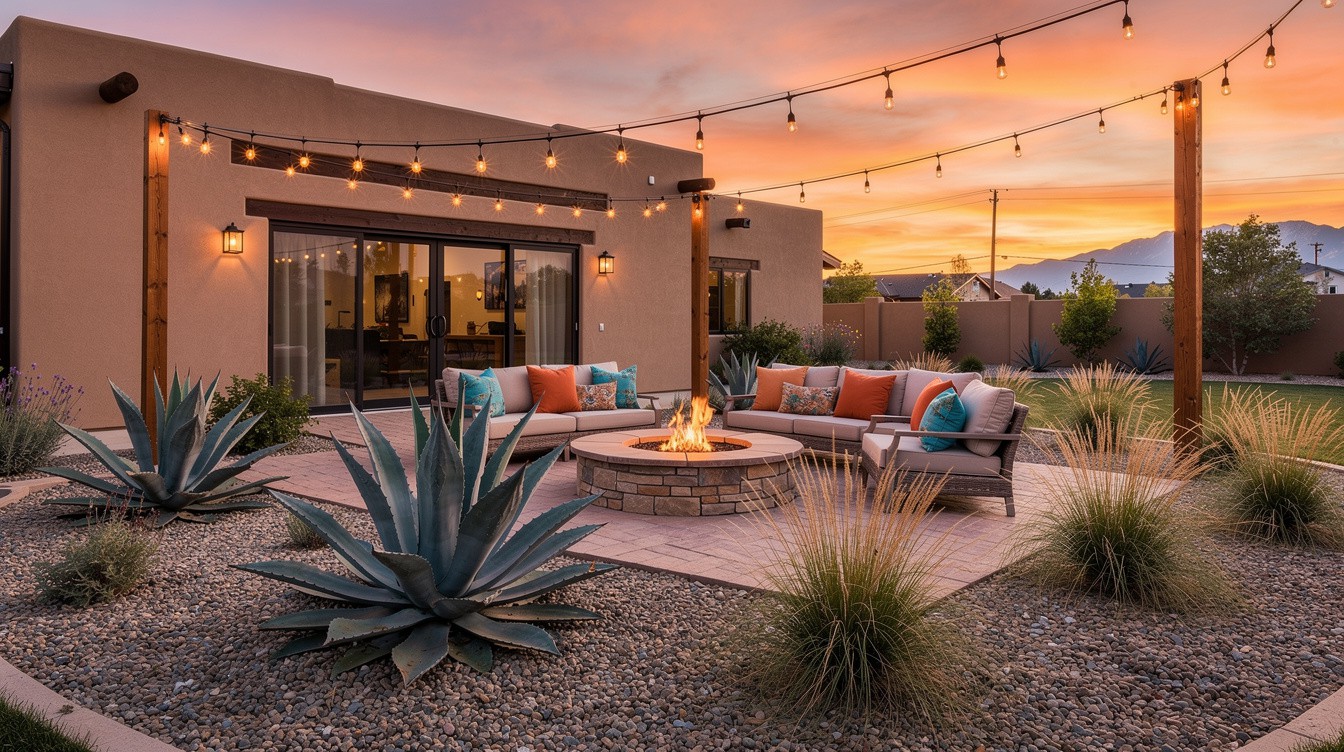
The Sunset Fire Pit Terrace
$22-40/sqftA paver terrace steps straight off the sliding glass, wrapping a round stacked-stone gas fire pit with two low sofas, and catenary string lights on cedar posts pull the ceiling down to human scale under a big Utah sunset. The planting does the heavy lifting at the edges: oversized blue agave rosettes in gravel on the near side for architectural weight, and soft warm-toned bunch grasses on the far side to catch the low light and blur the stucco privacy wall. A single narrow strip of lawn survives on the right for a dog or a kid, which is exactly the right amount of turf for a Salt Lake backyard.
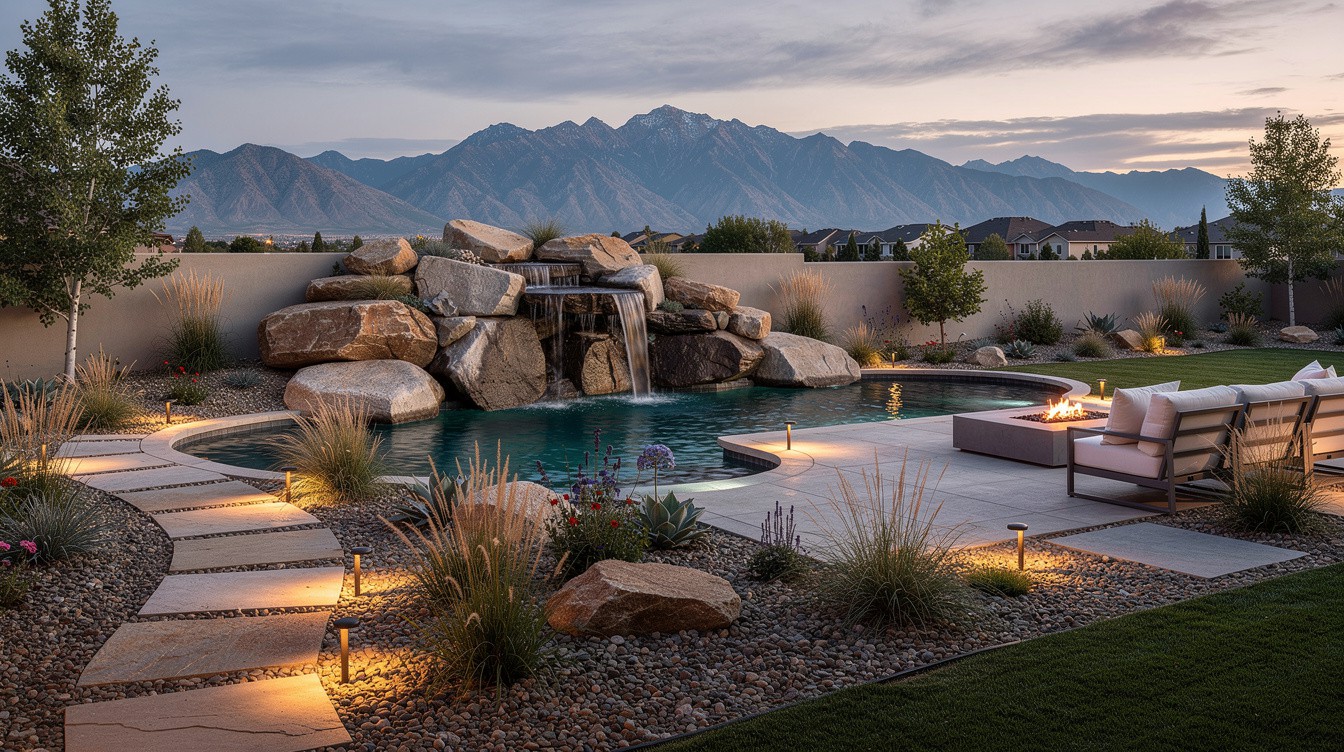
The Boulder Waterfall Pool
$60-140/sqftA freeform pool with a beach entry sits under a quarried boulder waterfall, staged so that the rock outcrop and the real Wasatch ridgeline behind it line up as one continuous view at dusk. Flagstone steppers float through a river-cobble bed on the approach, uplit grasses run the length of the stucco wall, and a linear gas fire table with a sectional balances the water on the opposite side. The planting stays deliberately loose and native-adjacent - grasses, small succulents and a few purple flower spikes in gravel - so the built rockwork reads as geology rather than as a water feature bolted onto a lawn.
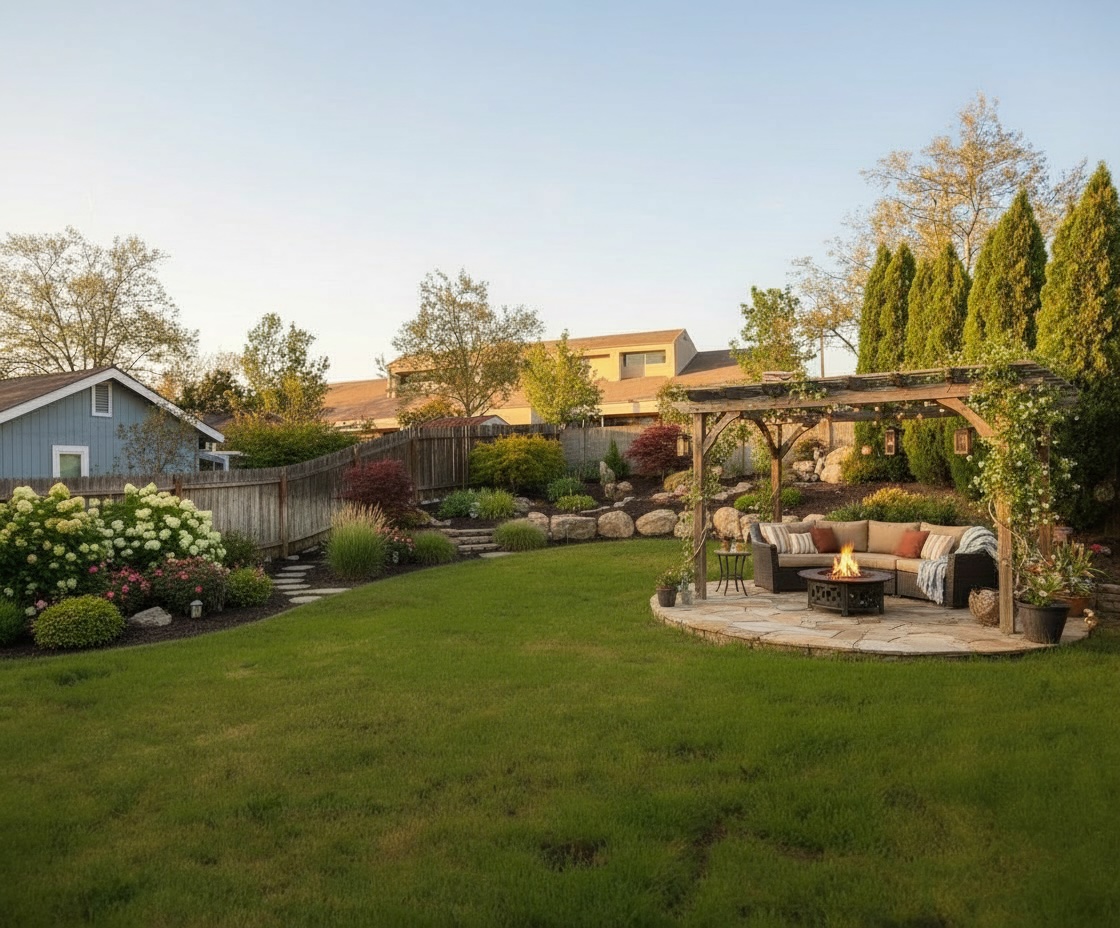
See how a desert/xeriscape garden looks on YOUR property
Upload a photo of your Salt Lake City yard and visualize your dream garden in seconds.
Try ProScapeAI Free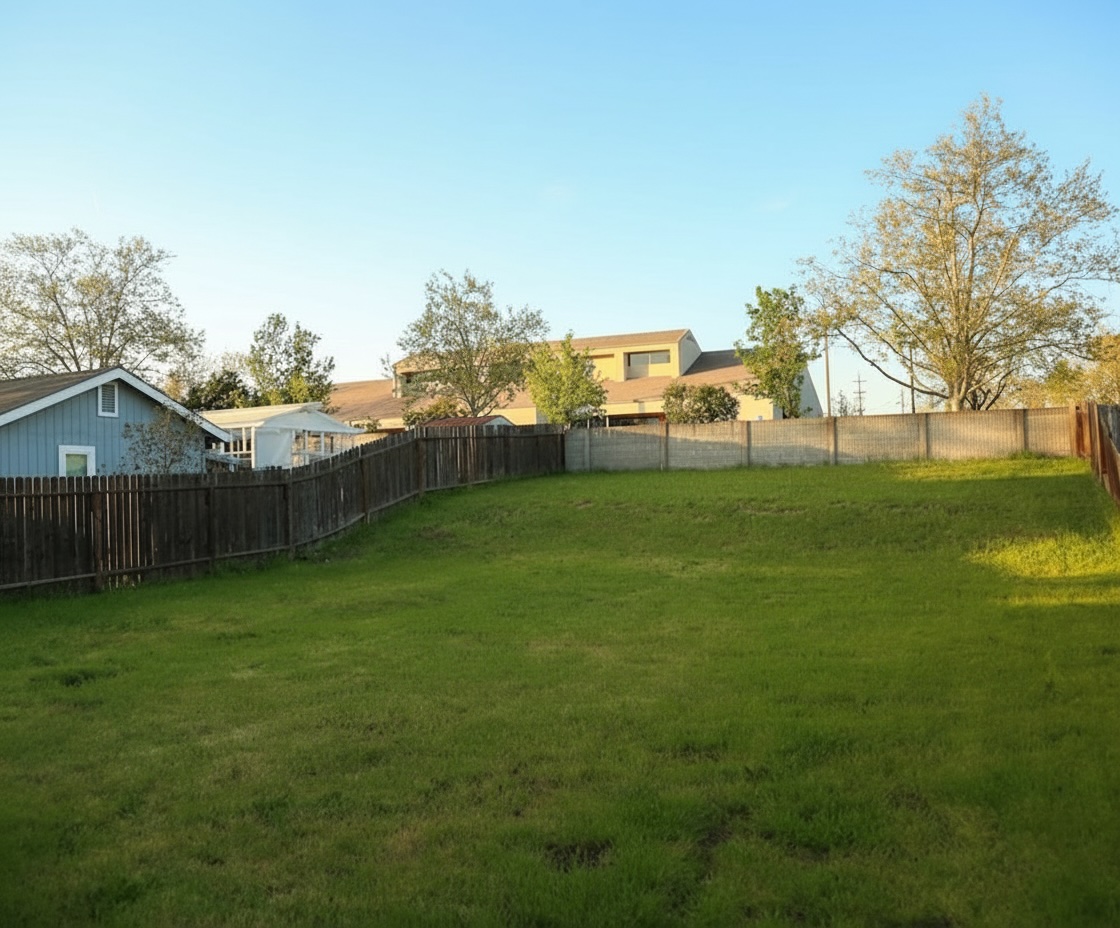
Featured Trees & Shrubs for Desert/Xeriscape Gardens
Browse all 40 plants for Salt Lake City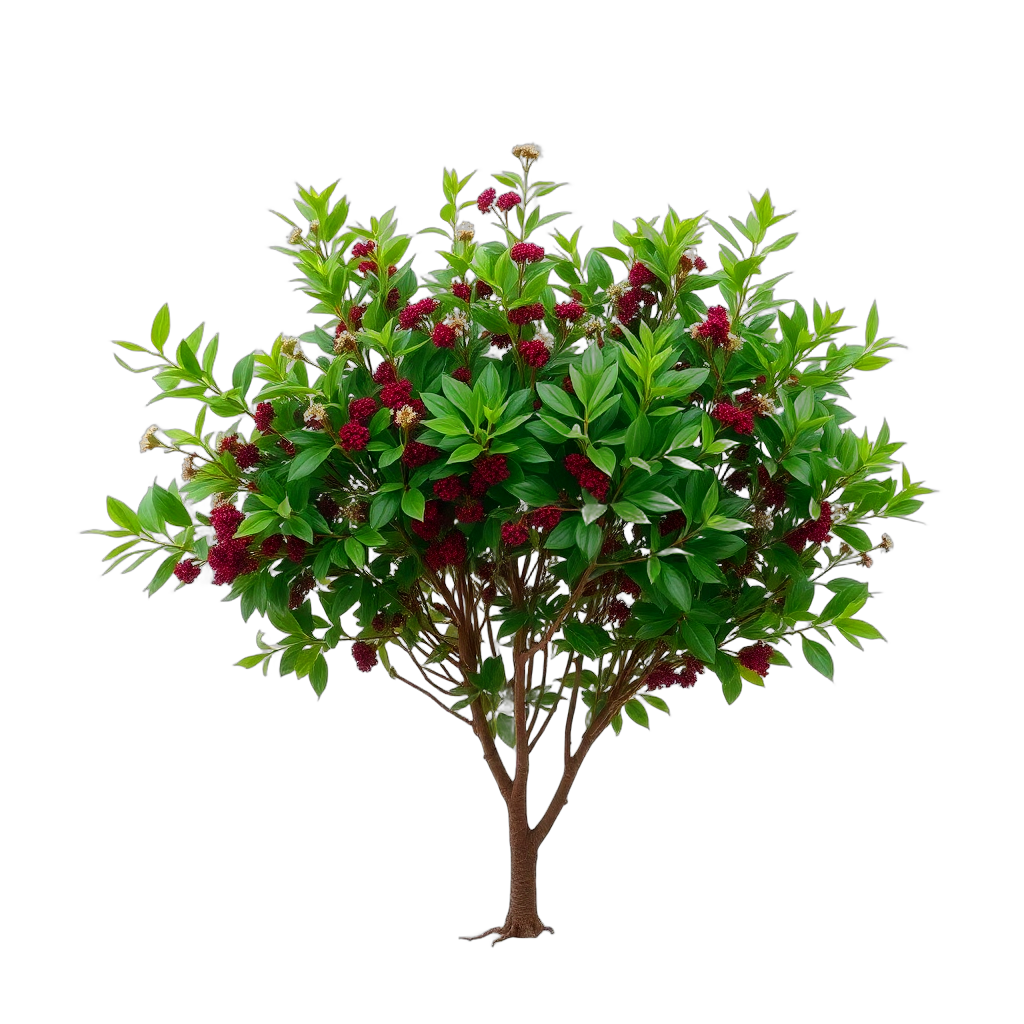
Anderson Wolfberry
Lycium andersonii
grows to 5 feet, purple blooms in spring. Attracts hummingbirds.
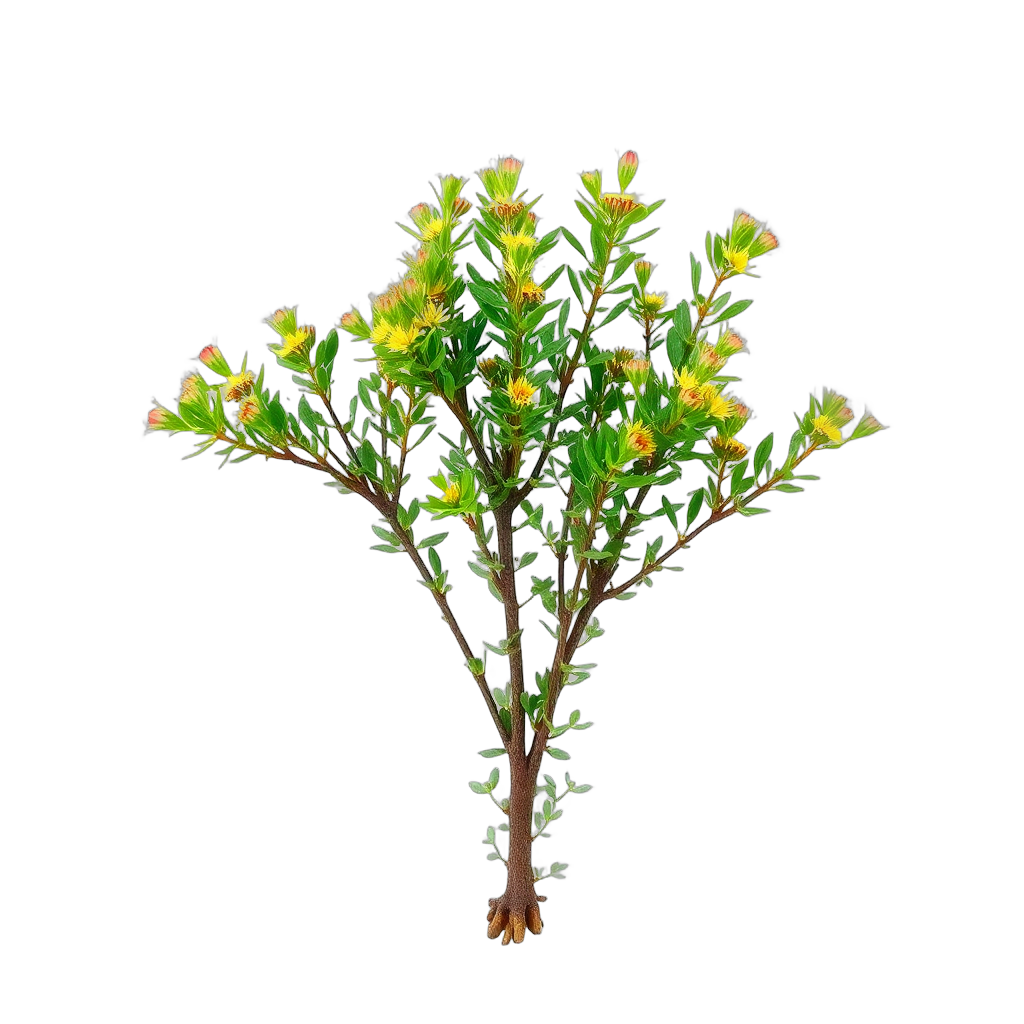
Antelope Bitterbrush
Purshia tridentata
grows to 6 feet, yellow blooms in spring. Fragrant.
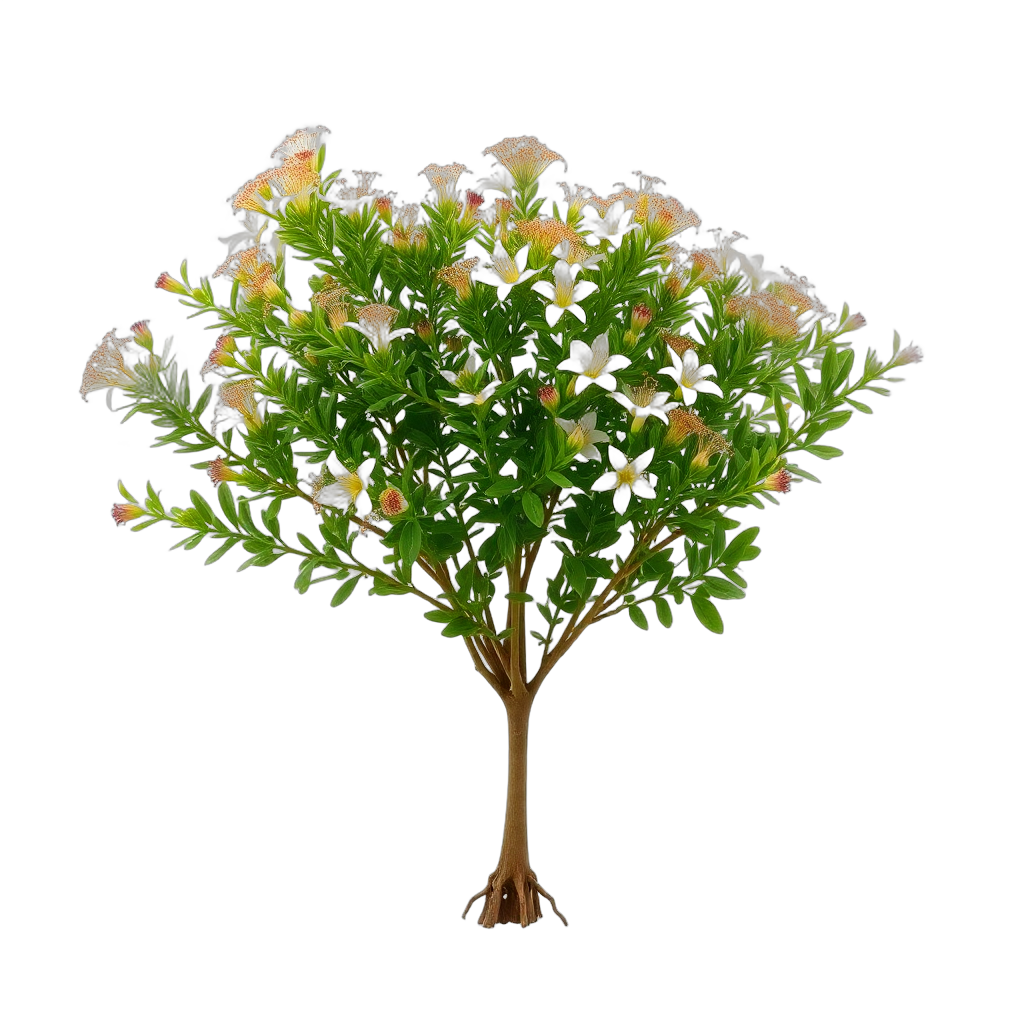
Apache Plume
Fallugia paradoxa
grows to 6 feet, white blooms in summer. Attracts butterflies.
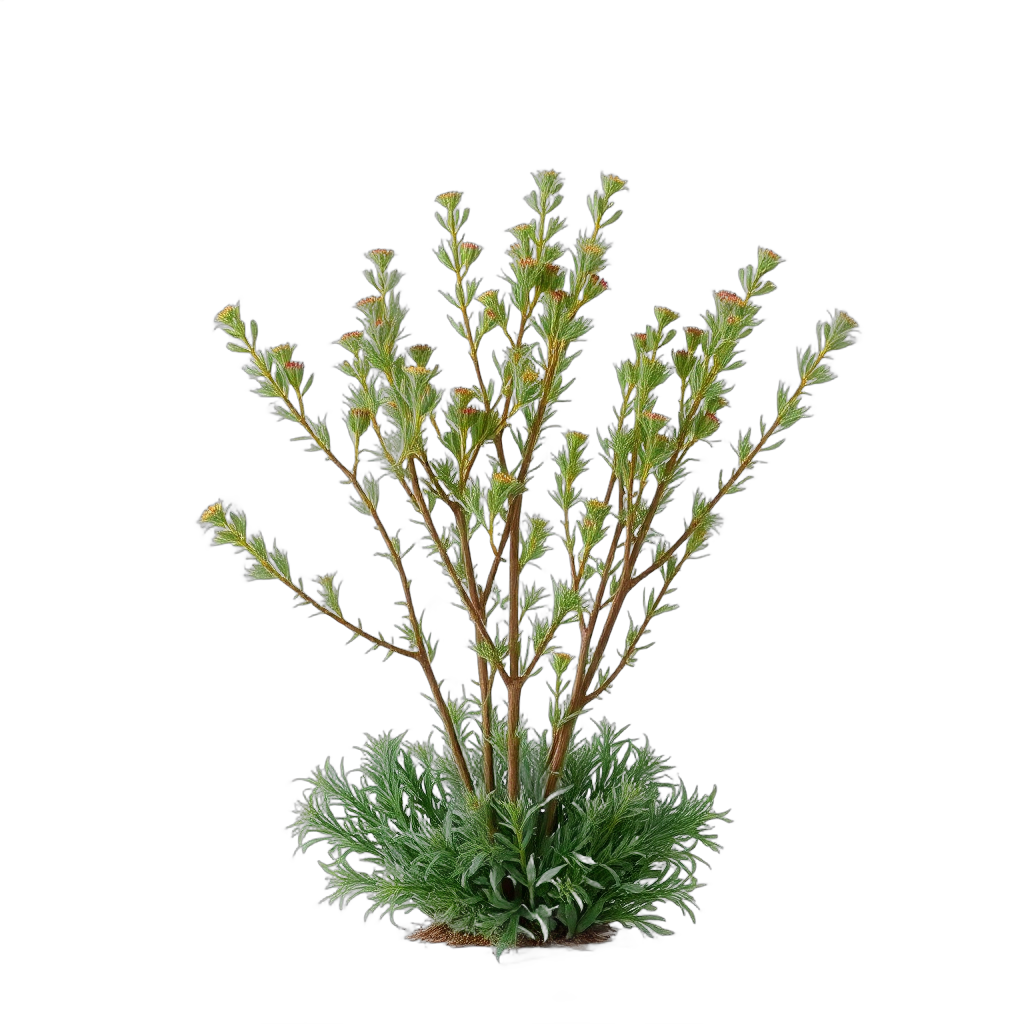
Big Sagebrush
Artemisia tridentata
grows to 6 feet, yellow blooms in fall. Evergreen year-round.
Featured Grasses & Groundcovers for Desert/Xeriscape Gardens
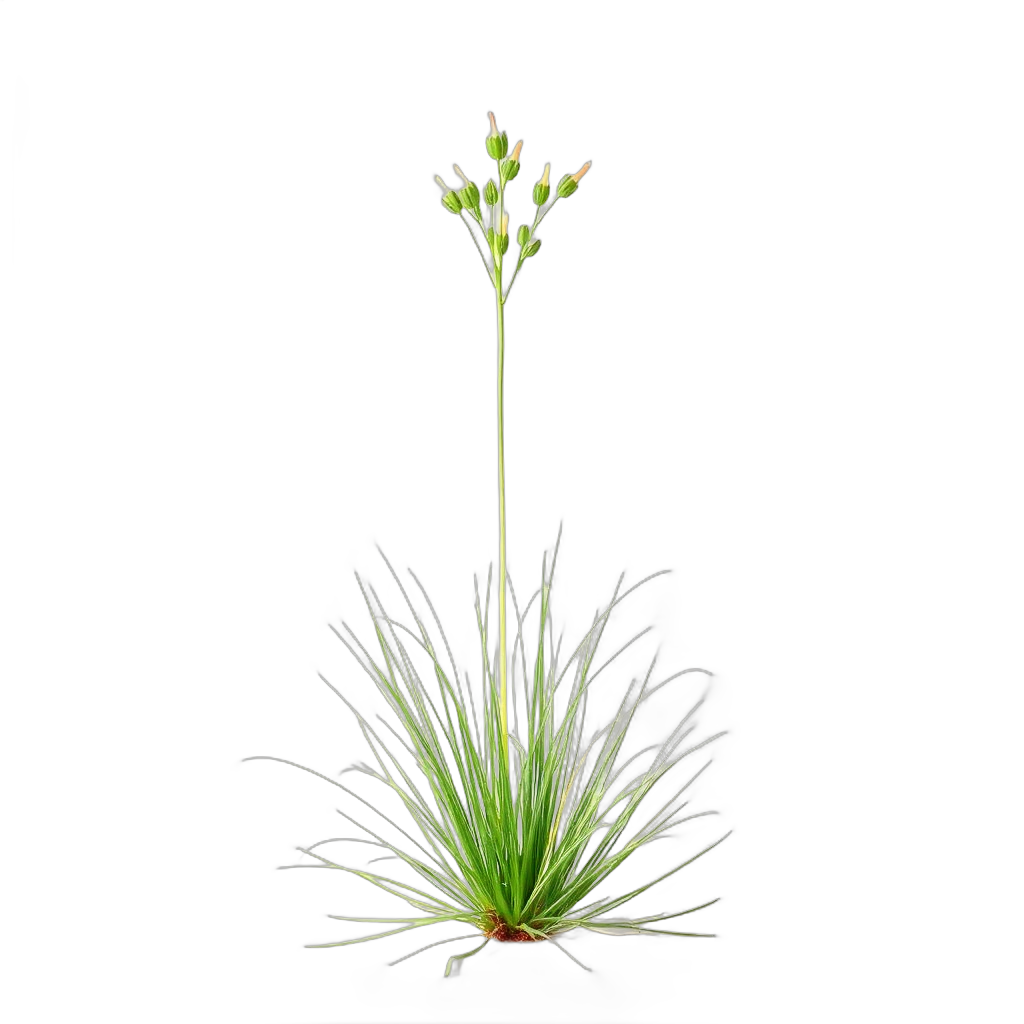
Alkali Sacaton
Sporobolus airoides
grows to 3 feet, blooms in summer. Yellow fall color.
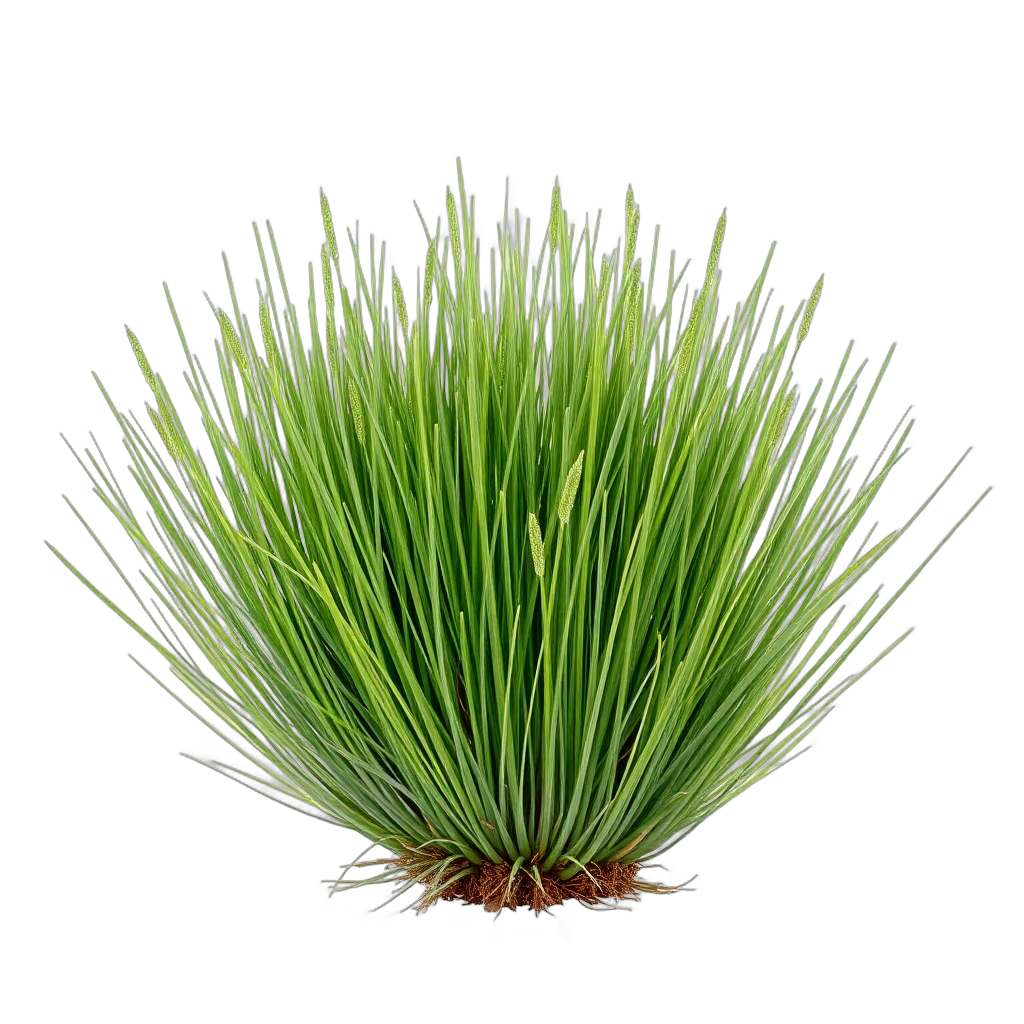
Great Basin Wild Rye
Leymus cinereus
grows to 3 feet, blooms in summer. Yellow fall color.
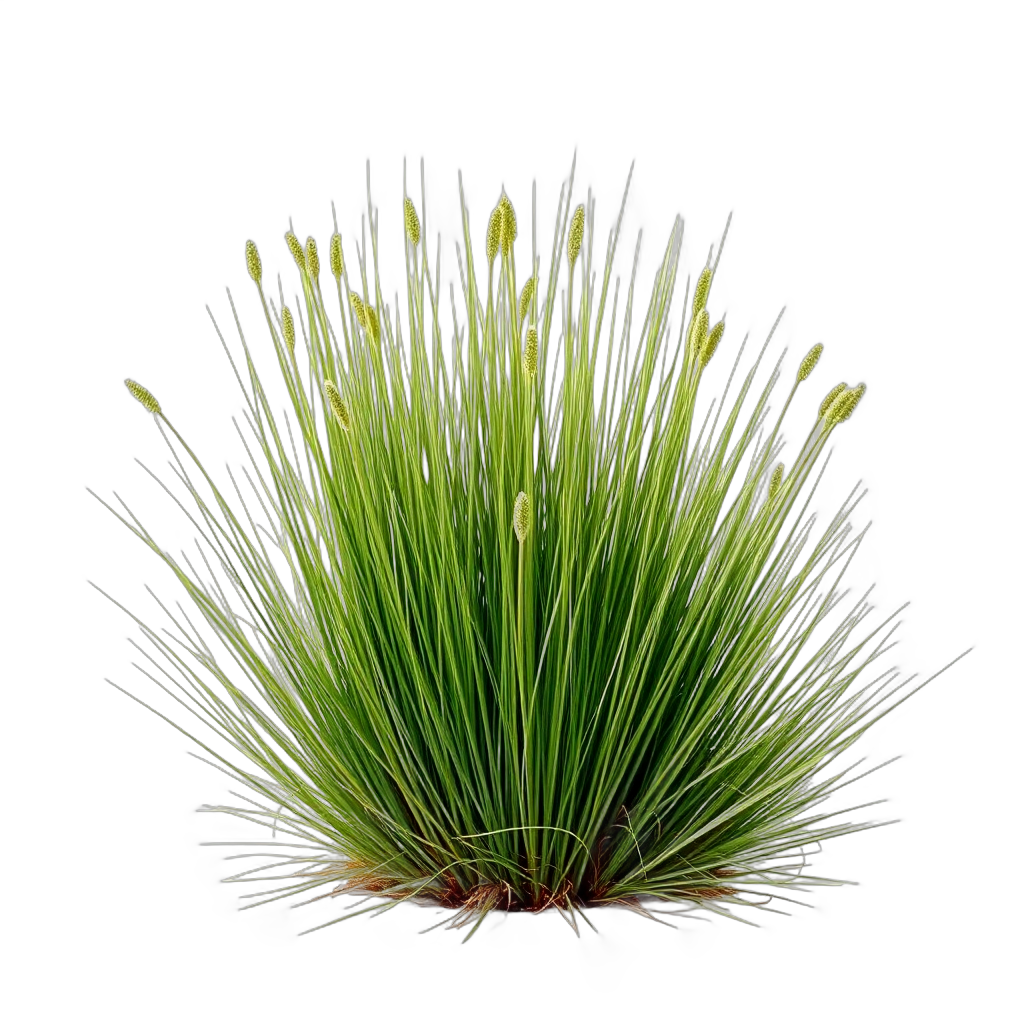
Idaho Fescue
Festuca idahoensis
low-growing ground cover, blooms in summer.
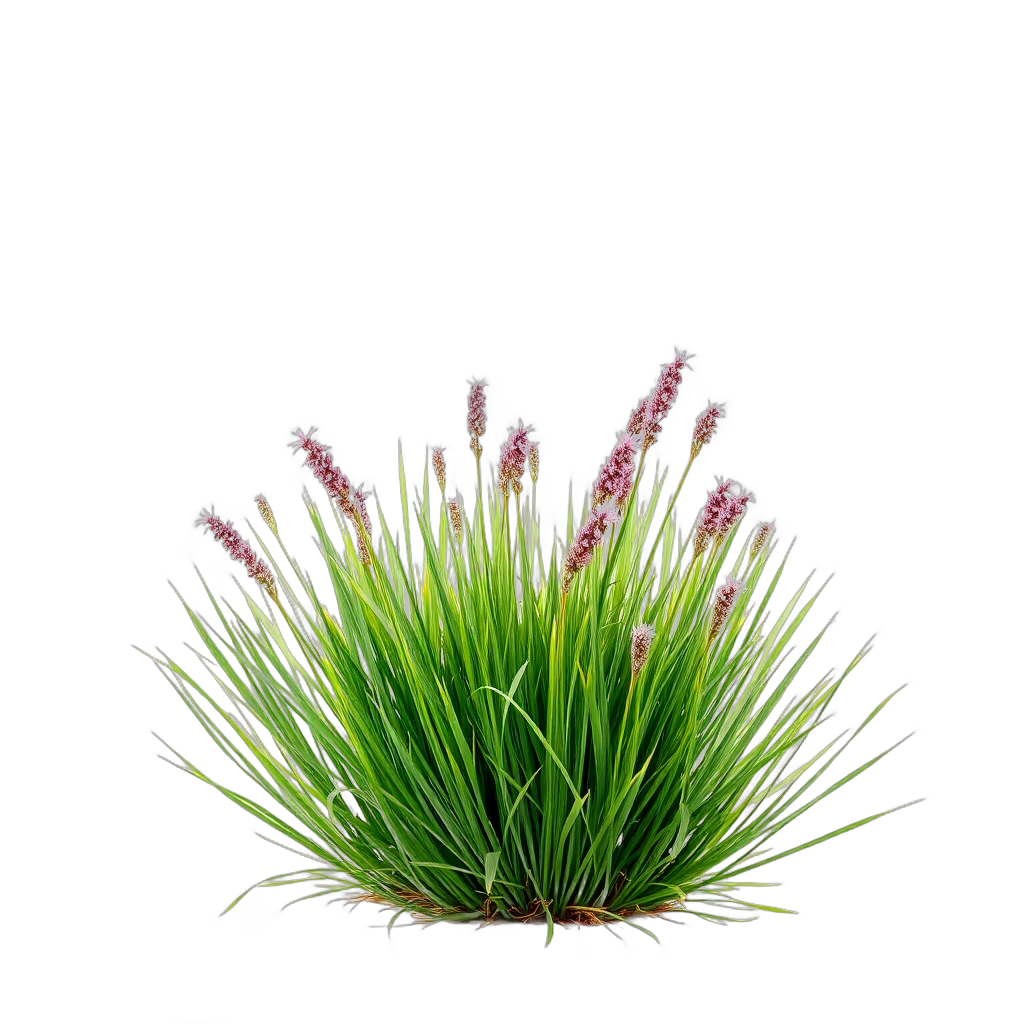
Purple Three-Awn
Aristida purpurea
low-growing ground cover, purple blooms in fall. Yellow fall color.
Featured Flowers & Perennials for Desert/Xeriscape Gardens
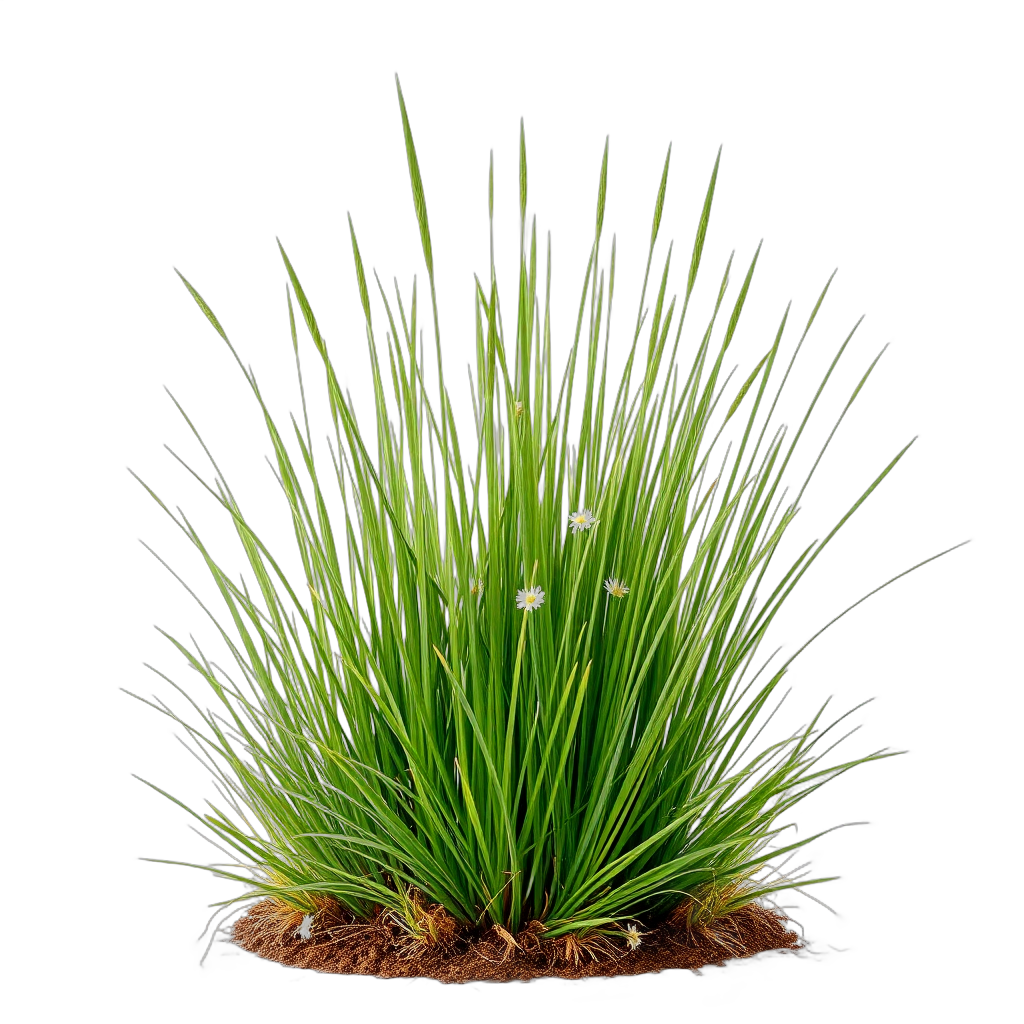
Baltic Rush
Juncus balticus
low-growing ground cover, blooms in summer. Evergreen year-round.
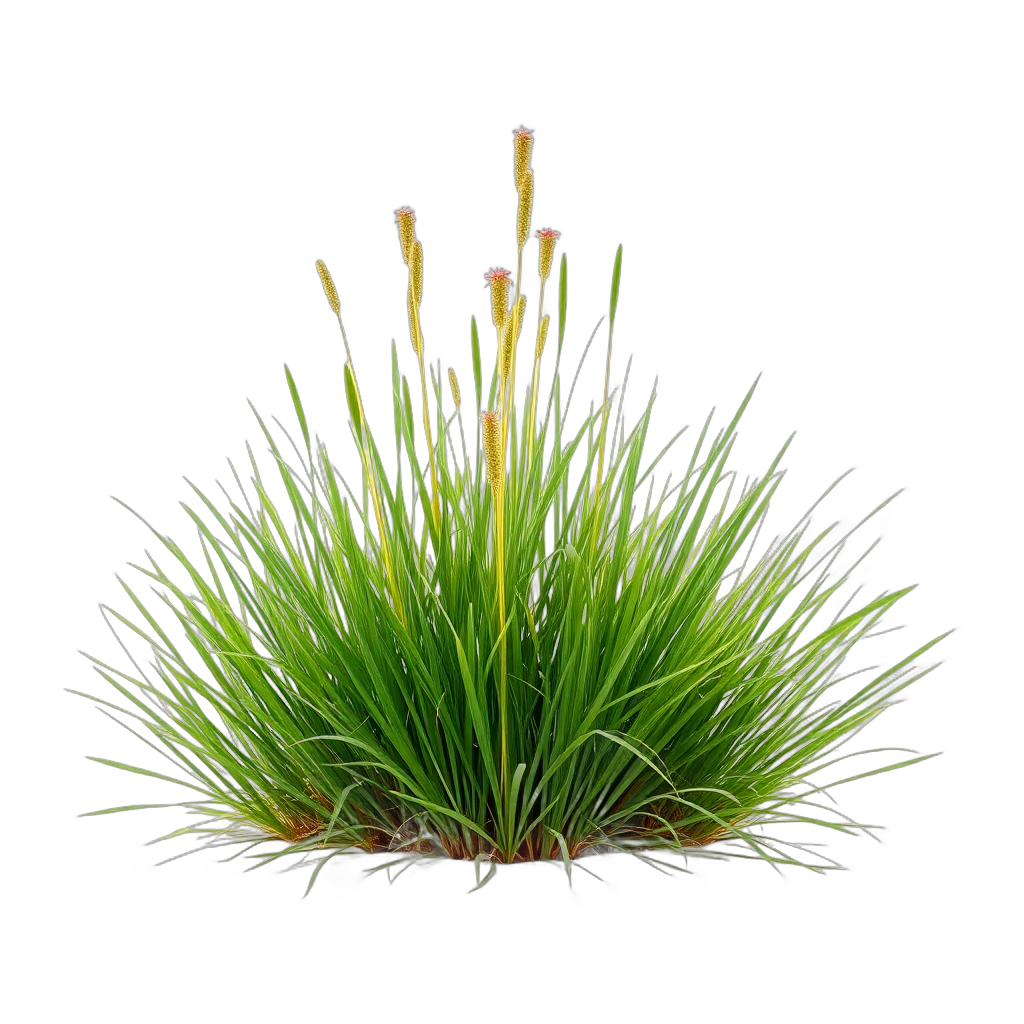
Clustered Field Sedge
Carex praegracilis
low-growing ground cover, blooms in spring.
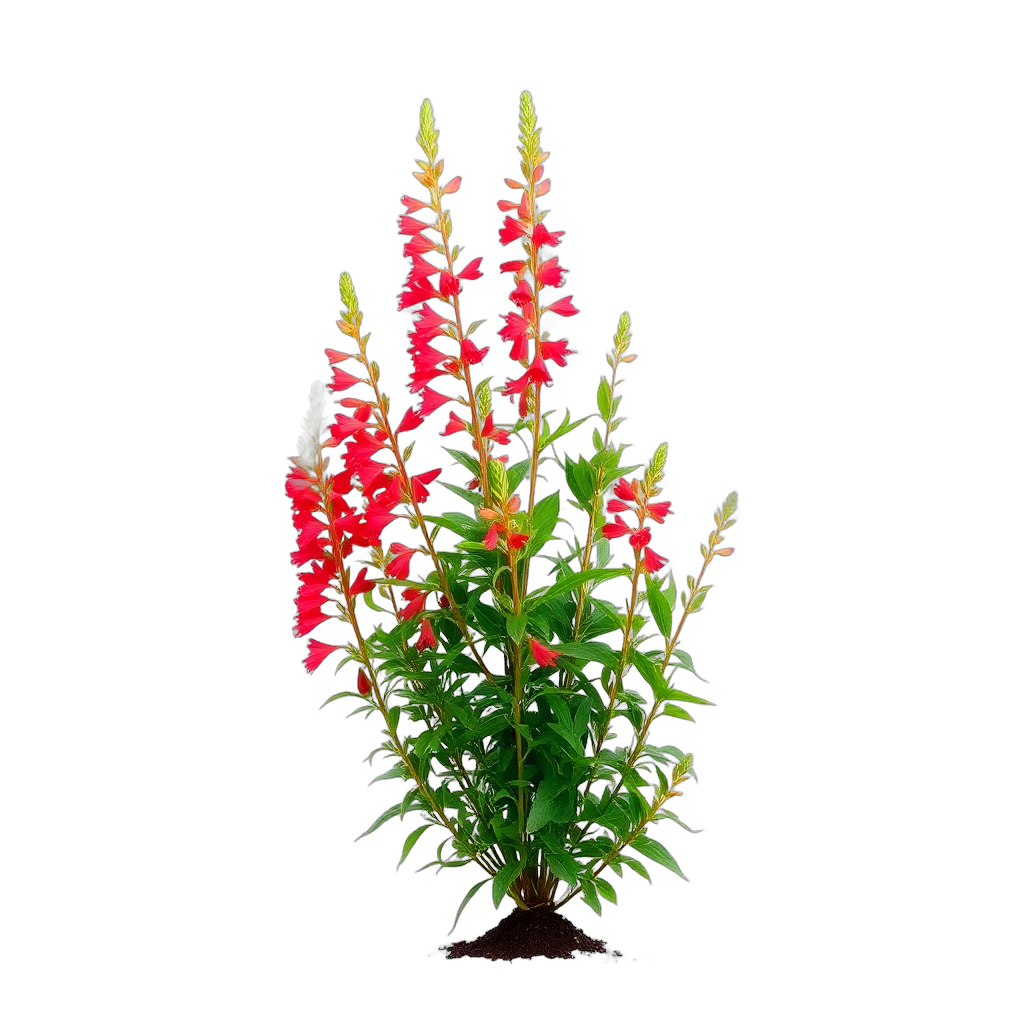
Firecracker Penstemon
Penstemon eatonii
low-growing ground cover, red blooms in spring. Attracts hummingbirds.

Palmer's Penstemon
Penstemon palmeri
grows to 4 feet, pink blooms in spring. Attracts hummingbirds.
Bloom Calendar for Salt Lake City
spring
Clustered Field Sedge, Firecracker Penstemon, Palmer's Penstemonsummer
Baltic Rush, Alkali Sacaton, Great Basin Wild Ryefall
Purple Three-Awn, Big Sagebrush, Rubber Rabbitbrushwinter
Limited bloomsDesign Tips for Salt Lake City (Zone 7b)
- Berm before you plant - Lake Bonneville clay on the valley floor is the reason agaves fail here, so build every succulent pocket 12-18 inches above grade in 50/50 native soil and 3/8in crushed gravel, and mulch with rock straight to the crown so nothing organic touches the base
- Use the Great Basin palette instead of the Sonoran one - Ericameria nauseosa, Artemisia tridentata, Fallugia paradoxa, Cercocarpus ledifolius, Chamaebatiaria millefolium and Sporobolus airoides are chlorosis-proof at pH 8.2 and give the yard a regional identity that saguaro-belt plants never will
- Skip weed fabric in planting beds - Utah State University Extension and Localscapes both advise against it; three inches of gravel plus a February pre-emergent outperforms fabric that will be a weed-rooted mat by year six, and it lets Sphaeralcea and Delosperma spread the way they should
- Get Flip Your Strip pre-approval before the first shovel - Utah Water Savers rebates are void on work already started, they require a minimum living plant coverage at maturity, and the per-square-foot rate changes between funding rounds and water districts
- Set boulders one-third buried and in odd-numbered groups with their bedding planes level - quarried Utah quartzite and granite from a local yard costs a fraction of what a landscape supply markup runs, and half-buried rock is the single cheapest way to make a young xeriscape look ten years old
- Plan for two seasons of drip, not zero - even the toughest natives need weekly water through their first two summers to root deep, and the most common Wasatch Front xeriscape failure is a homeowner who shuts the valve off in August of year one
Where to Source Plants in Salt Lake City
Skip the big-box stores. These independent Salt Lake City nurseries specialize in the plants that make desert/xeriscape gardens thrive in Zone 7b.
Glover Nursery
West Jordan
Utah's oldest family nursery (140+ years) offering retail and wholesale on a 10-acre facility.
Millcreek Gardens
Millcreek
Family-owned nursery since 1955 specializing in climate-appropriate trees, shrubs, and perennials.
Western Garden Centers
Downtown Salt Lake City
Independent garden center since 1954 specializing in roses, perennials, and gardening solutions.
Cactus & Tropicals
East Salt Lake City
Independent nursery since 1975 specializing in tropical plants and interior plantscaping.
Desert/Xeriscape Landscaping Costs in Salt Lake City
| Project Scope | Estimated Cost |
|---|---|
| Park strip flip (300-500 sqft, Flip Your Strip eligible, before rebate) | $2,500 - $6,500 |
| Full front yard xeriscape conversion (800-1,200 sqft) | $9,000 - $22,000 |
| Sprinkler-to-drip retrofit plus smart WaterSense controller | $1,800 - $5,000 |
| Boulder placement and gravel field, per 500 sqft | $3,000 - $7,500 |
| Paver terrace with stacked-stone gas fire pit | $9,000 - $25,000 |
| AI visualization with ProScapeAI | Free to start |
Estimates based on Salt Lake City, UT-area contractor rates as of 2026. Actual costs vary by site conditions, materials, and contractor.
Salt Lake City Climate & Growing Zone
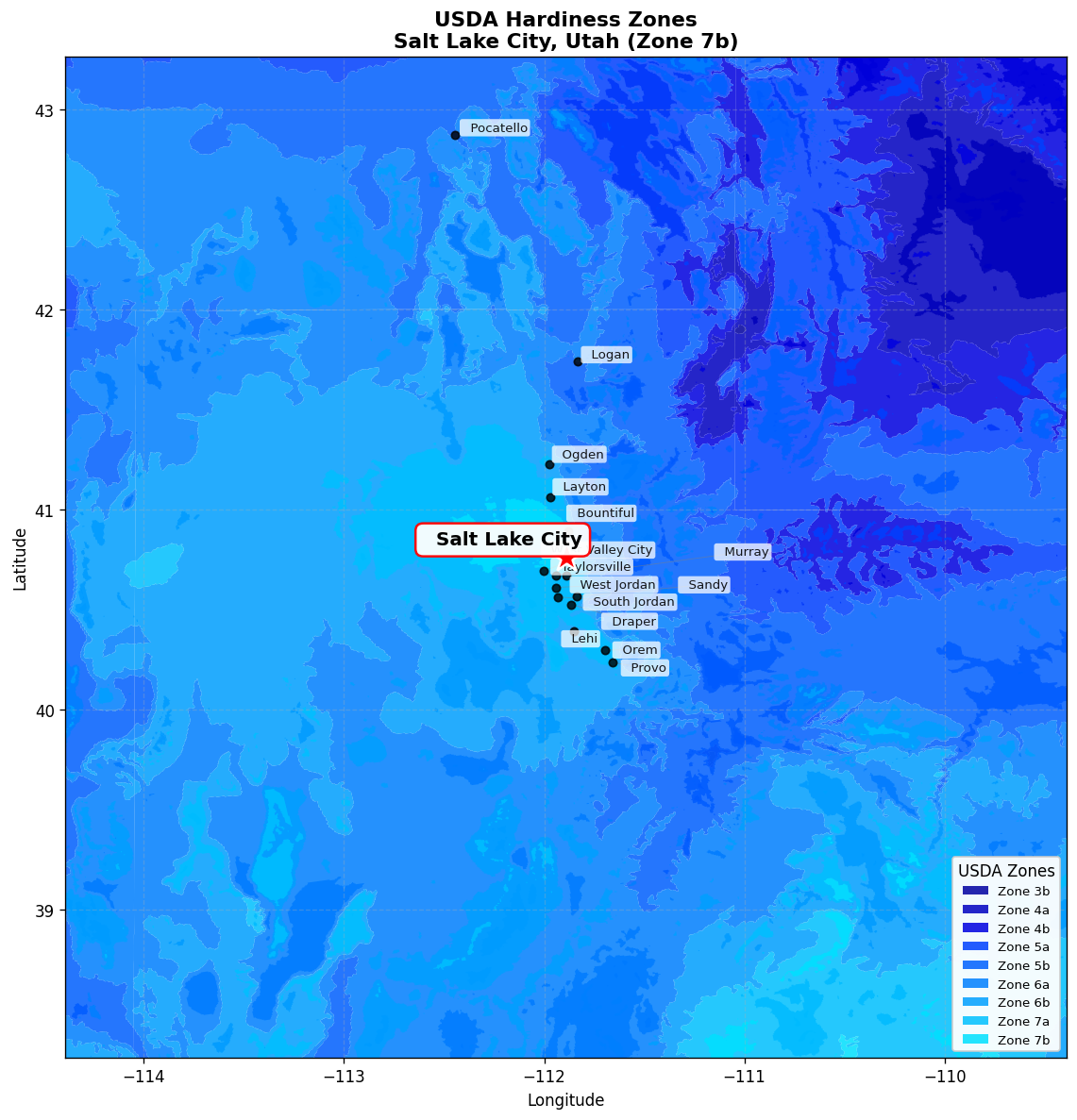
USDA Zone 7b
Hardiness zone for Salt Lake City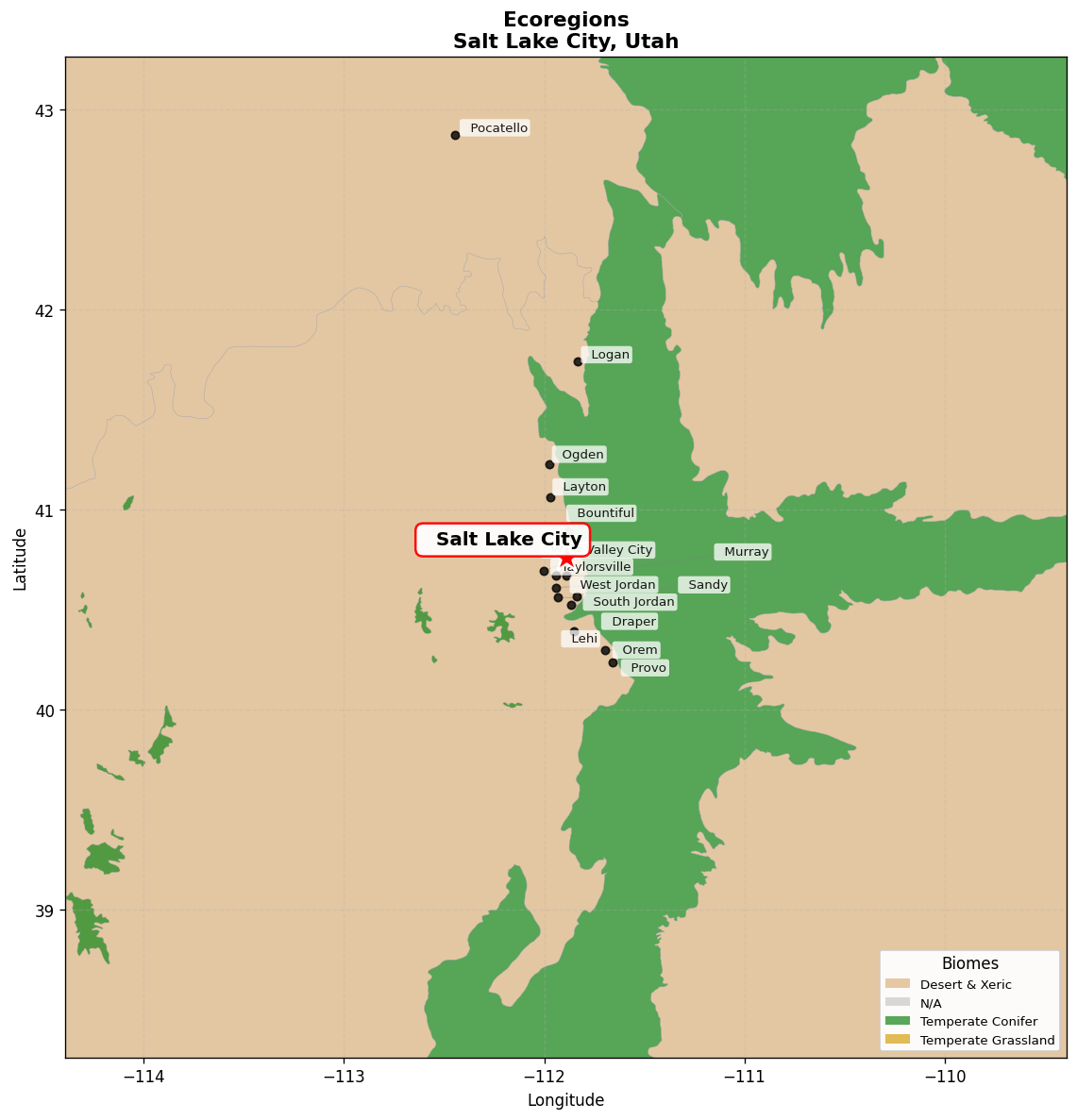
Great Basin shrub steppe
Native ecoregionFrequently Asked Questions
What does xeriscaping cost in Salt Lake City, and how much does Flip Your Strip cover?
Wasatch Front crews bill roughly $65-95 per hour with design at $85-150, and a short April-to-November build season means spring bids run 10-15 percent above fall ones. A typical park strip of 300-500 square feet converts for $2,500-6,500 installed, or $2-4 per square foot as a weekend DIY project. A full front yard of 800-1,200 square feet lands at $9,000-22,000 depending on boulder count and hardscape. Utah's Flip Your Strip rebate, run through Utah Water Savers, pays a per-square-foot amount that has ranged from $1.25 up to $3.00 in recent rounds depending on your water district, which can offset 20-40 percent of a park strip conversion. It requires pre-approval and a post-install inspection - start digging before approval and you forfeit the money - so confirm the current rate with your provider first.
Which agaves and cacti actually survive a Salt Lake City winter?
The reliable ones are cold-desert species, not Sonoran ones. Agave parryi var. neomexicana is the toughest widely available rosette, followed by Agave havardiana and Agave utahensis, our own southern Utah native. Agave ovatifolia and Agave parryi var. truncata are Zone 7 and work on well-drained bench sites but are marginal on valley clay. Skip Agave americana entirely. For cactus, Opuntia polyacantha, Opuntia macrocentra, Opuntia basilaris and Echinocereus triglochidiatus are all fully hardy here. The failures almost never come from Zone 7b's 5-10°F lows - they come from crowns sitting in cold snowmelt in February. Plant on a 12-18 inch raised gravel berm, mulch with rock to the crown, angle the rosette slightly so water sheds out of the center, and turn the drip off from November through March.
Does a gravel yard make the house hotter, and do I need weed fabric?
Gravel does re-radiate heat, and a wall-to-wall rock yard against a west-facing stucco elevation will measurably raise the temperature of that room in July. The answer is not to skip gravel but to keep canopy: a single Gymnocladus dioicus, Celtis occidentalis, Quercus gambelii or Acer grandidentatum shading the west wall solves it, and lighter-colored gravel reflects more than dark basalt. On weed fabric, the local guidance from Utah State University Extension and Localscapes is emphatic - fabric under planting beds fails within five to seven years as organic matter builds on top and weeds root into it, and it strangles the spreading habit of plants like Ericameria and Sphaeralcea. Use fabric only under paths and pure aggregate zones, run gravel a full three inches deep in beds, and rely on a spring pre-emergent plus fifteen minutes of hand weeding a month.
How much water will I actually save?
Around 60 percent of a Salt Lake household's total water goes onto the landscape, and Kentucky bluegrass in this climate needs roughly 20-25 gallons per square foot across a season. A properly designed xeriscape running on drip uses about 3-6 gallons per square foot once established - a 70-80 percent reduction on the converted area. On a 1,000-square-foot front yard that is on the order of 15,000-20,000 gallons a year. The caveat matters: nothing is waterless in year one. Even Ericameria nauseosa and Bouteloua gracilis need regular drip through two full growing seasons to push roots deep, and gardens that get cut off in month three are the ones that fail and give xeriscape a bad name. Use the weekly lawn watering guide the Utah Division of Water Resources publishes by county to time everything else.
What are Salt Lake City's park strip and permit rules for xeriscape?
Planting, gravel, boulders, mulch and drip need no building permit. Salt Lake City's landscaping standards do require park strips to carry a meaningful proportion of living plant material at maturity rather than being paved in rock, and they require clear sight triangles at corners plus a walkable landing area where car doors open - practically, that means keeping plants under roughly two feet near intersections and leaving a firm surface at the curb. Existing street trees are city property and cannot be removed or have their grade changed without approval from the Urban Forestry division. Retaining walls over four feet from footing to top need a permit and usually an engineer's stamp, which comes up constantly on bench slopes. Any irrigation tied to city water needs an approved backflow preventer with annual testing. HOAs in newer developments such as Daybreak have their own landscape review on top of all of this.
When should I install xeriscape, and what does maintenance look like?
Mid-April through May and mid-September through late October are the planting windows; fall is better because roots keep growing until soil hits 40°F around late November and the plant faces its first July already anchored. Hardscape can be built any time crews can work, though concrete pours get difficult once daytime highs sit below 40°F. Maintenance is genuinely light but not zero: cut Calamagrostis, Muhlenbergia, Bouteloua and Sporobolus back to four inches in late February before new growth starts, shear Ericameria nauseosa hard every second spring to keep it from going woody and open, flush the drip lines each spring and blow the system out before the first hard freeze in November, top up gravel every seven to ten years, and pull the handful of cheatgrass and puncturevine seedlings that will find any bare rock.