Modern Landscape Design Ideas for West Valley City, UT (Zone 7a)
Native plants from the Great Basin shrub steppe (Zone 7a) — Humid continental (hot summer) climate
Why Modern/Minimalist Gardens in West Valley City?
Modern landscape design fits West Valley City almost too neatly. The city's building stock is dominated by low horizontal rooflines — the 1950s to 1970s brick and stucco ramblers of Granger and Hunter, the long single-storey plans off 3500 South and 4100 South, and the flat-roofed contemporary infill going up around Lake Park and Stonebridge — and a horizontal house is the ideal client for a landscape built from straight lines, large planes and repeated masses. The geometry also solves a local problem: a wide flat West Valley front yard has no natural focal point, and a modern scheme supplies one on purpose, whether that is a sequence of oversized concrete pads floating in turf, a Corten-edged gravel field, or a single fire element sitting in a clean slab. Then there is the borrowed view. Nearly every lot in the city looks east to the Wasatch or west to the Oquirrhs, and a restrained planting palette is what keeps that skyline as the composition rather than competing with it.
Zone 7a at 4,300 feet gives West Valley City a genuinely unusual brief: winter lows of 0 to 5°F, only about 15 to 16 inches of precipitation a year, roughly 54 inches of snow, and July highs averaging 93°F with humidity that routinely drops under 20 percent. That combination rules out the frost-tender agaves and aloes that define modern gardens in Phoenix or Las Vegas, but it opens the door to a cold-hardy version of the same look. Agave parryi var. neomexicana and Agave utahensis hold their rosettes through Salt Lake Valley winters, Yucca filamentosa 'Color Guard' and Hesperaloe parviflora 'Brakelights' give you the same architectural spikes, and Sempervivum tectorum and Delosperma cooperi deliver the rosette-and-mat texture that reads as desert modern from the sidewalk. The grasses are where this climate genuinely outperforms: Calamagrostis x acutiflora 'Karl Foerster' stands vertical and buff-coloured from June until you cut it in March, and Schizachyrium scoparium 'Standing Ovation' turns copper against a grey stucco wall exactly when the Wasatch first gets snow.
Under all of it sits Lake Bonneville lakebed soil, and it dictates how the hardscape gets built. West Valley City's fine silt and clay carries a pH commonly between 7.8 and 8.4, is heavy with free lime, runs under two percent organic matter, and in places hides a caliche hardpan or a salty lens. Two consequences matter for a modern design. First, drainage: sharp-drained plants set at grade in this clay rot in a wet March, so any bed carrying Agave, Sempervivum or Delosperma should be raised four to twelve inches and backfilled with a half-and-half mix of native soil and three-eighths crushed granite, then topped with gravel. Second, movement: clay that swells wet and shrinks bone-dry, combined with a frost depth of roughly 30 inches, will crack a slab poured on native ground. Every concrete pad, paver field and stepping-stone run needs six to eight inches of compacted road base, and any oversized panel deserves proper control joints. Note too that the classic Utah street tree failure — Acer x freemanii 'Autumn Blaze' going yellow between green veins — is iron chlorosis from that same free lime; Celtis occidentalis, Gleditsia triacanthos 'Shademaster' and Acer grandidentatum are the alkaline-proof alternatives.
Water policy has quietly become the strongest argument for modern design here. West Valley City households are largely served by Granger-Hunter Improvement District on wholesale supply from Jordan Valley Water Conservancy District, and turf-removal incentives through Utah Water Savers have run in the $1.25 to $3.00 per square foot range for park-strip and lawn conversions — which means the gravel-and-steel front yard is often the cheapest square footage on the project once the rebate is applied. Utah's 2022 water-wise landscaping law also prevents a homeowners association from banning a waterwise conversion, and with the Great Salt Lake sitting about ten miles northwest and shrinking, the social pressure now runs the other way from where it did twenty years ago. The practical design answer is not to eliminate lawn everywhere but to make it deliberate: keep one clean rectangle of turf where children or dogs actually use it, give it its own zone, and let gravel, concrete and Bouteloua gracilis 'Blonde Ambition' handle everything else.
4 Modern/Minimalist Design Ideas for West Valley City

The Floating Pad Entry
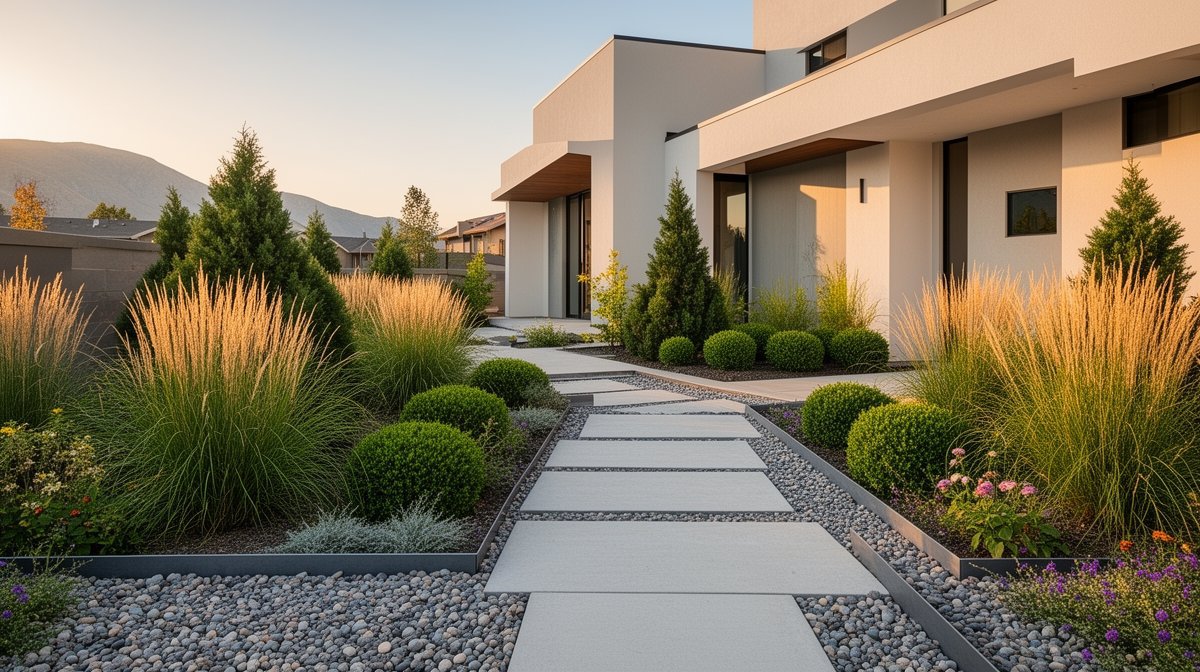
$18-34/sqft of front yardA single-storey contemporary house in warm grey stucco with vertical cedar accent panels, a stacked stone entry wall and floor-to-ceiling black-framed glass glowing gold from inside. A sequence of oversized rectangular concrete pads set with grass joints steps up from the sidewalk to the front door, and the pads are flanked by symmetrical masses of upright feather reed grass and purple lavender, with a tight low shrub line hugging the foundation. Two crisp panels of green turf hold the outer edges, a young single-trunk maple stands off to the left, and the Wasatch foothills close the view to the right. The whole scheme is three plant species repeated with discipline — which is why it reads as designed rather than decorated.

The Zero-Lawn Gravel Front
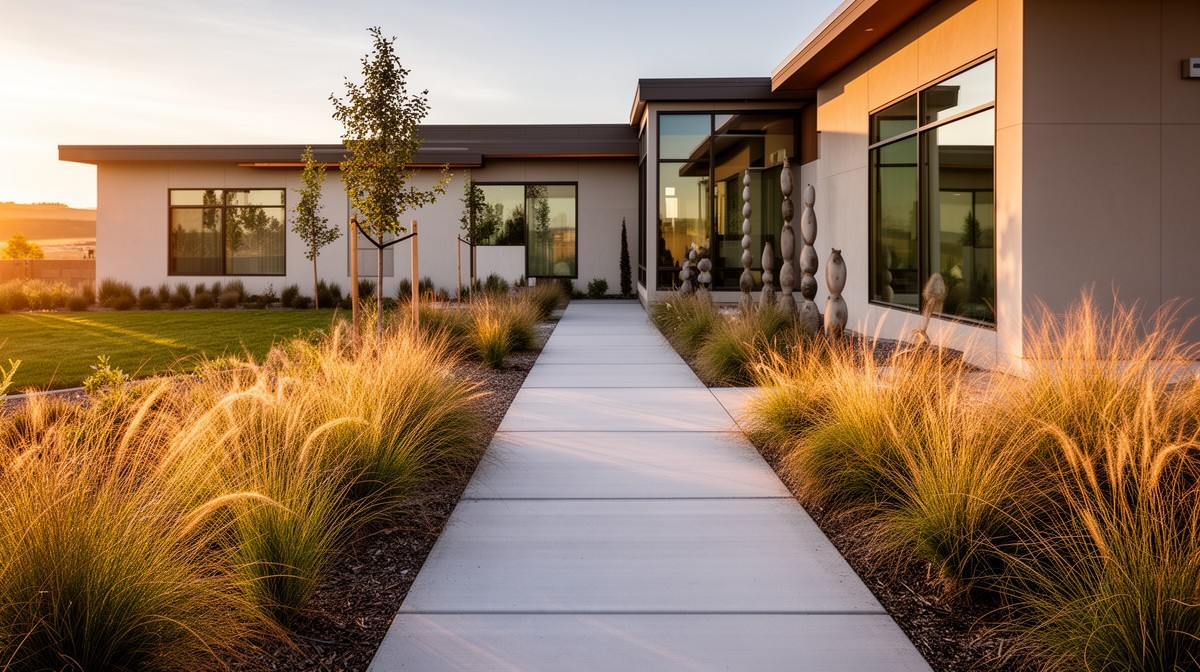
$11-22/sqft of converted front yardA 1960s rambler brought forward with black and white stucco panels and a dark flush garage door, fronted by a front yard where the lawn is gone entirely. A tan pea-gravel field fills the space, organised by Corten steel edging into raised planting islands mulched in dark stone. Inside the islands sit blue-grey rosettes, a low blue-green spiked accent, a red-leaved shrub, weathered boulders and low mounding shrubs; clumps of tan-plumed grasses run along the foundation line and soften the corners. A big cottonwood behind the house supplies the only canopy. This is the design that turns a 4,000 square foot mow-and-water obligation into an eight-minute monthly rake.

The Fire Pit Slab and Grass Bed
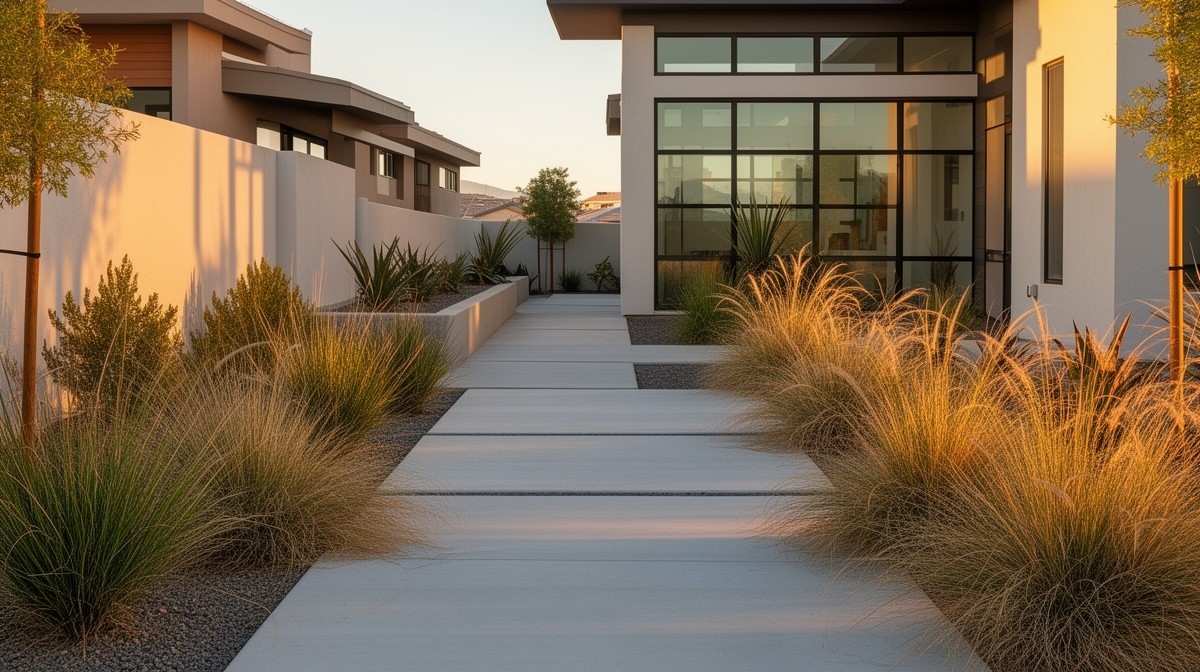
$20-38/sqft of patioA rectangular grey concrete slab sits off the back of a two-storey stucco and board-and-batten house behind wide black sliding glass doors. Low modern seating in dark metal frames with pale cushions wraps a round concrete gas fire pit with a live flame at the centre, and a run of string lights sweeps overhead from the roofline to a single post. A wedge-shaped bed of fountain grasses breaks the slab edge and stops the geometry feeling severe, a young shade tree stands out in the lawn to the left, and a clipped hedge screens the rear fence while leaving the valley and mountain sunset view completely open above it. One material, one focal point, one plant texture — the cheapest way to build a modern backyard that actually works.

The Twilight Pool Court
$45-90/sqft including pool areaAt blue hour, a flat-roofed modern home glows through full walls of glass under warm wood soffits, and the whole rear elevation opens onto a rectangular pool with a raised spillover spa, lit turquoise from within. Large-format pale concrete pavers run flush to the coping and continue as a broad terrace, where a linear gas fire table with a low flame separates two lounge chairs from a deep sectional. Bollard path lights step along the paver edges, a gravel border planted with blue-toned grasses and red-leaved accents frames the foreground, and a stucco privacy wall holds the boundary with the mountains dark against the sky beyond. The restraint is the luxury: pale stone, one water plane, one flame, one grass texture.
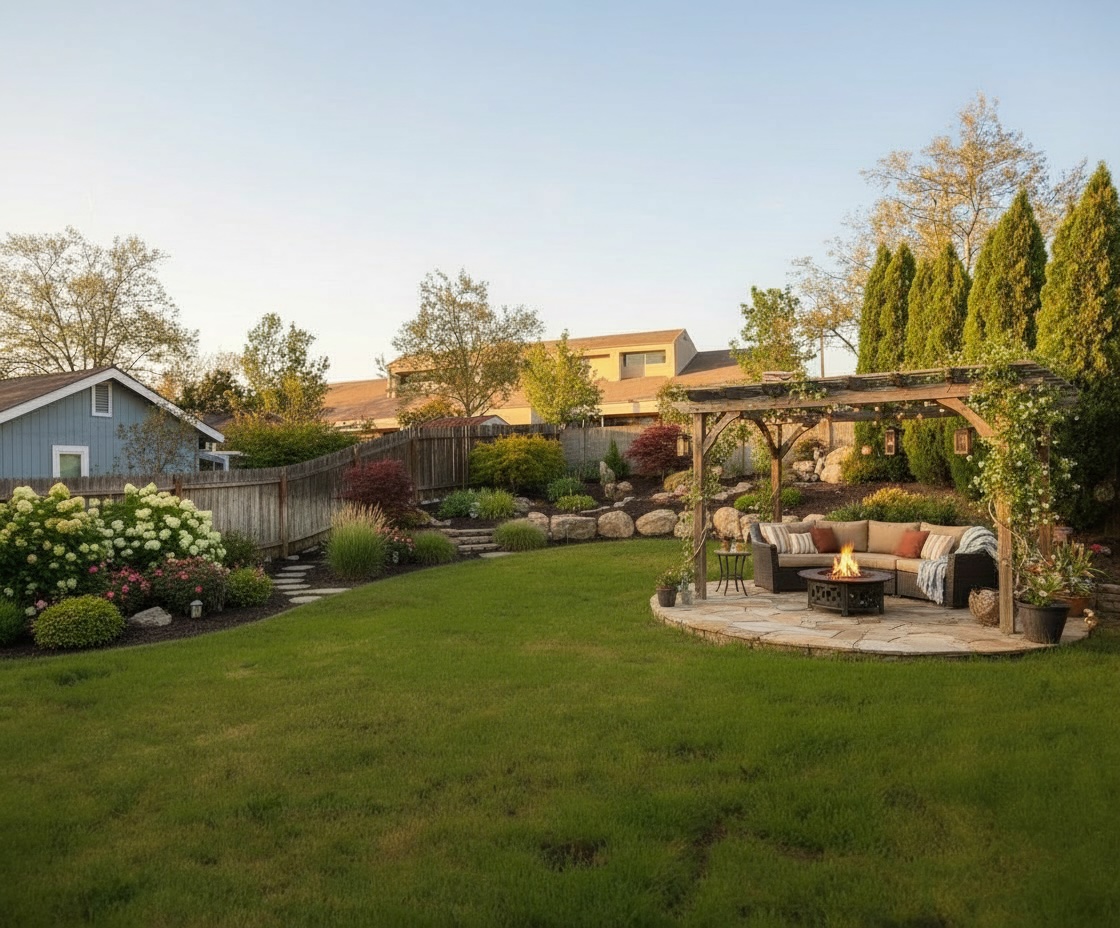
See how a modern/minimalist garden looks on YOUR property
Upload a photo of your West Valley City yard and visualize your dream garden in seconds.
Try ProScapeAI Free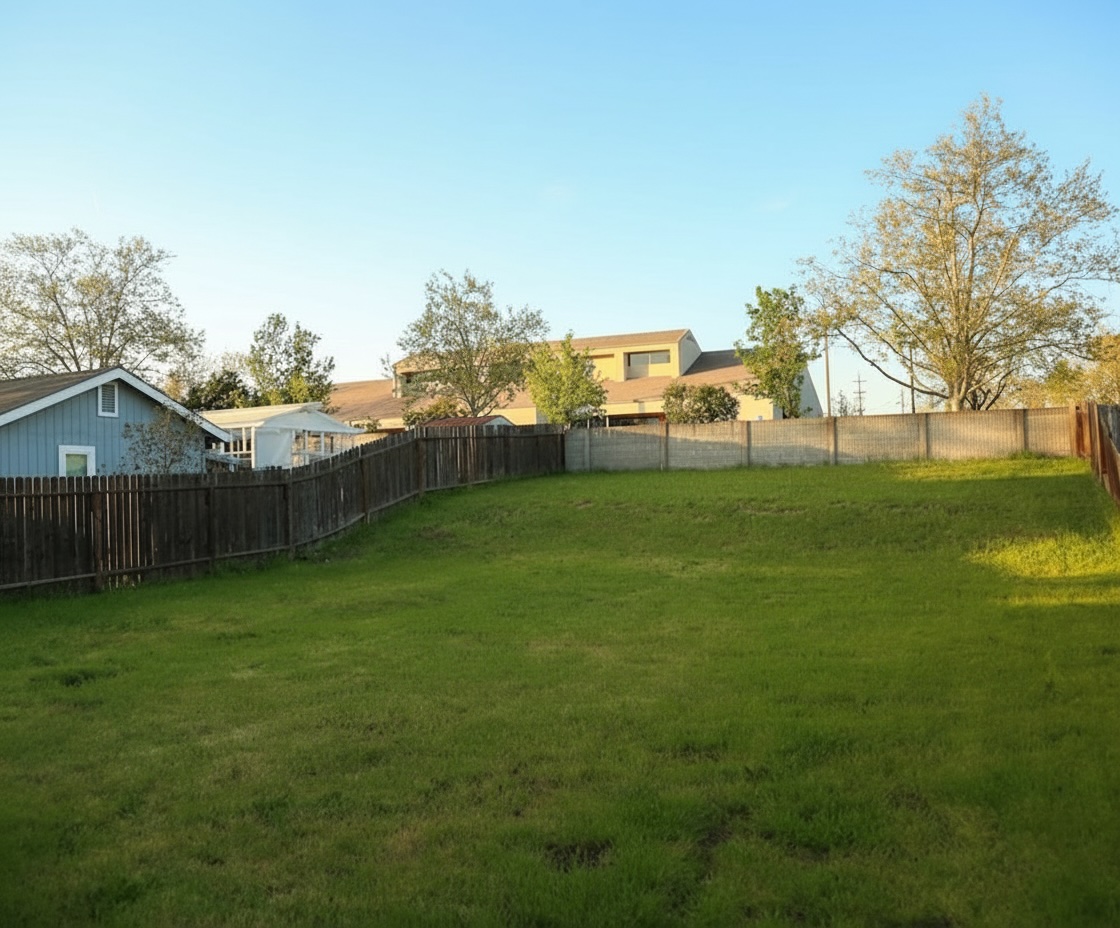
Featured Trees & Shrubs for Modern/Minimalist Gardens
Browse all 176 plants for West Valley City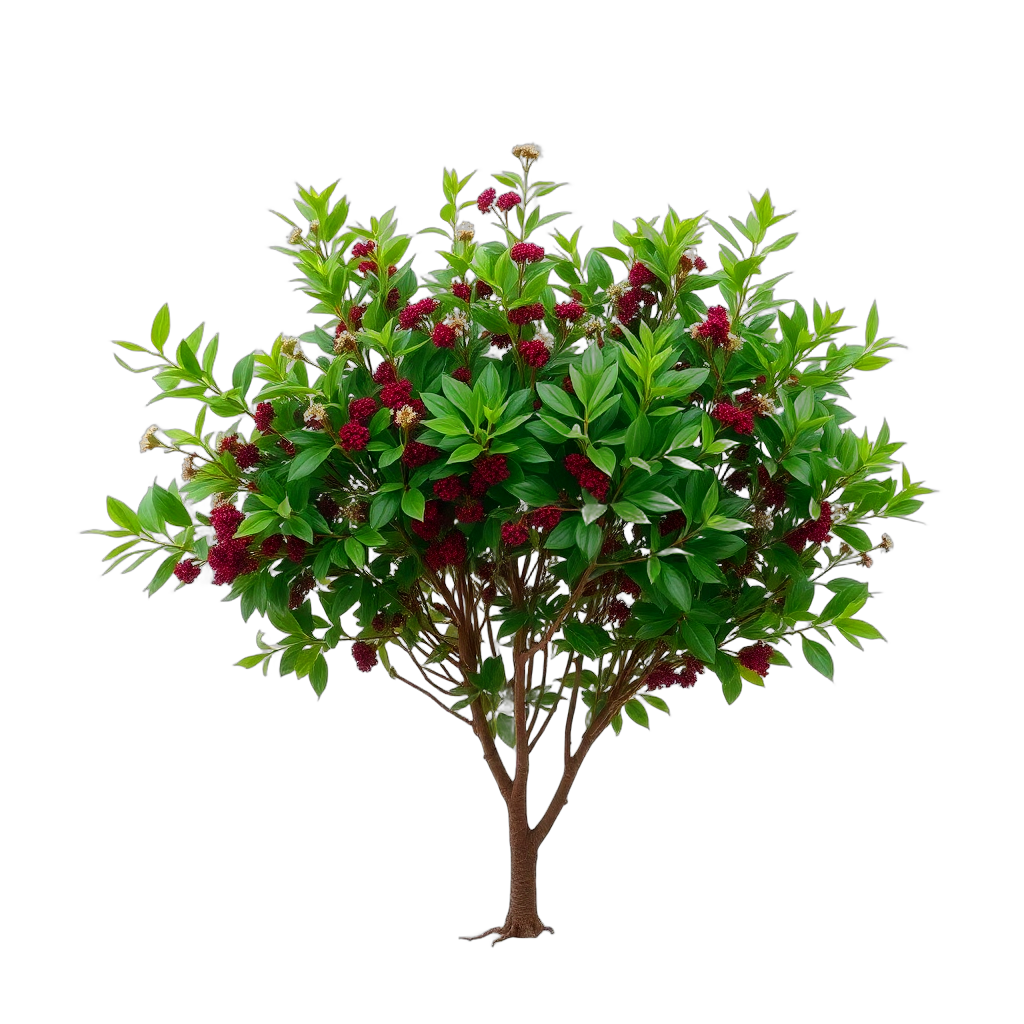
Anderson Wolfberry
Lycium andersonii
grows to 5 feet, purple blooms in spring. Attracts hummingbirds.
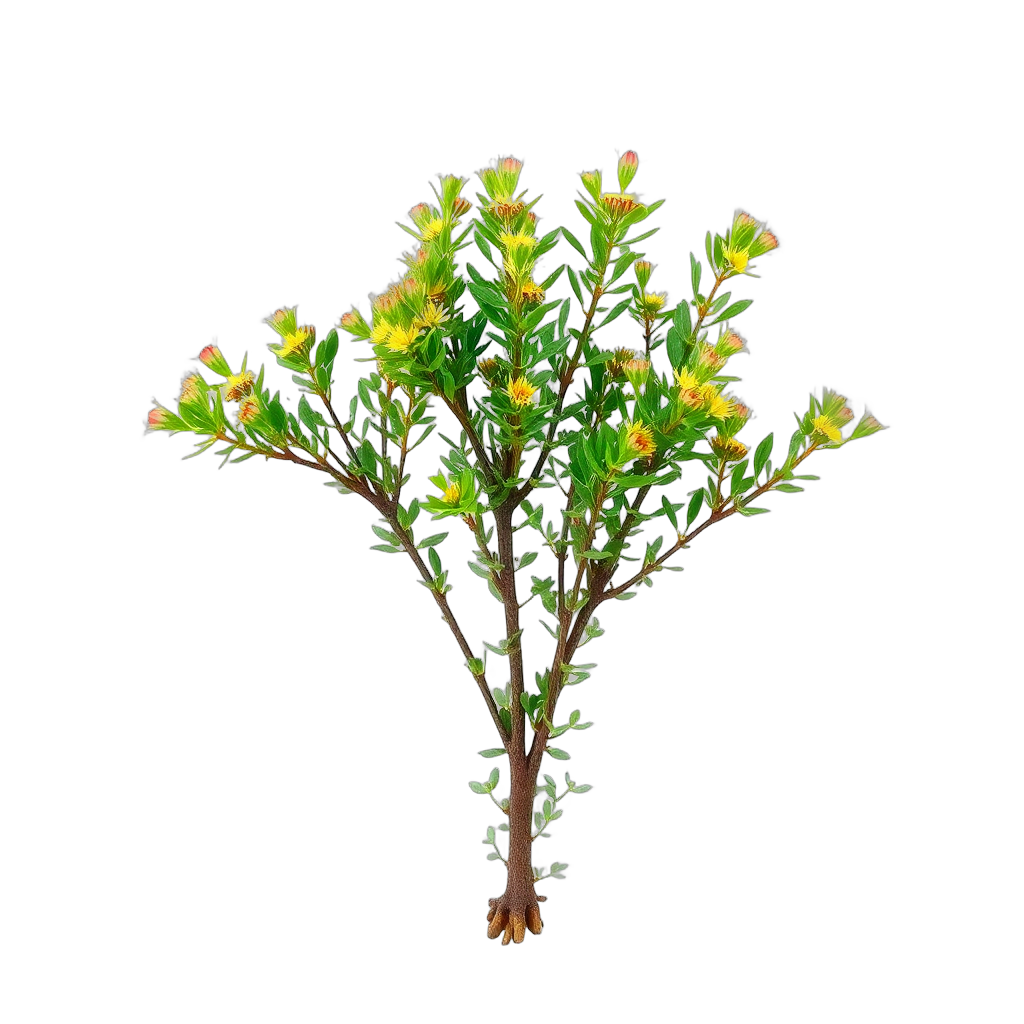
Antelope Bitterbrush
Purshia tridentata
grows to 6 feet, yellow blooms in spring. Fragrant.
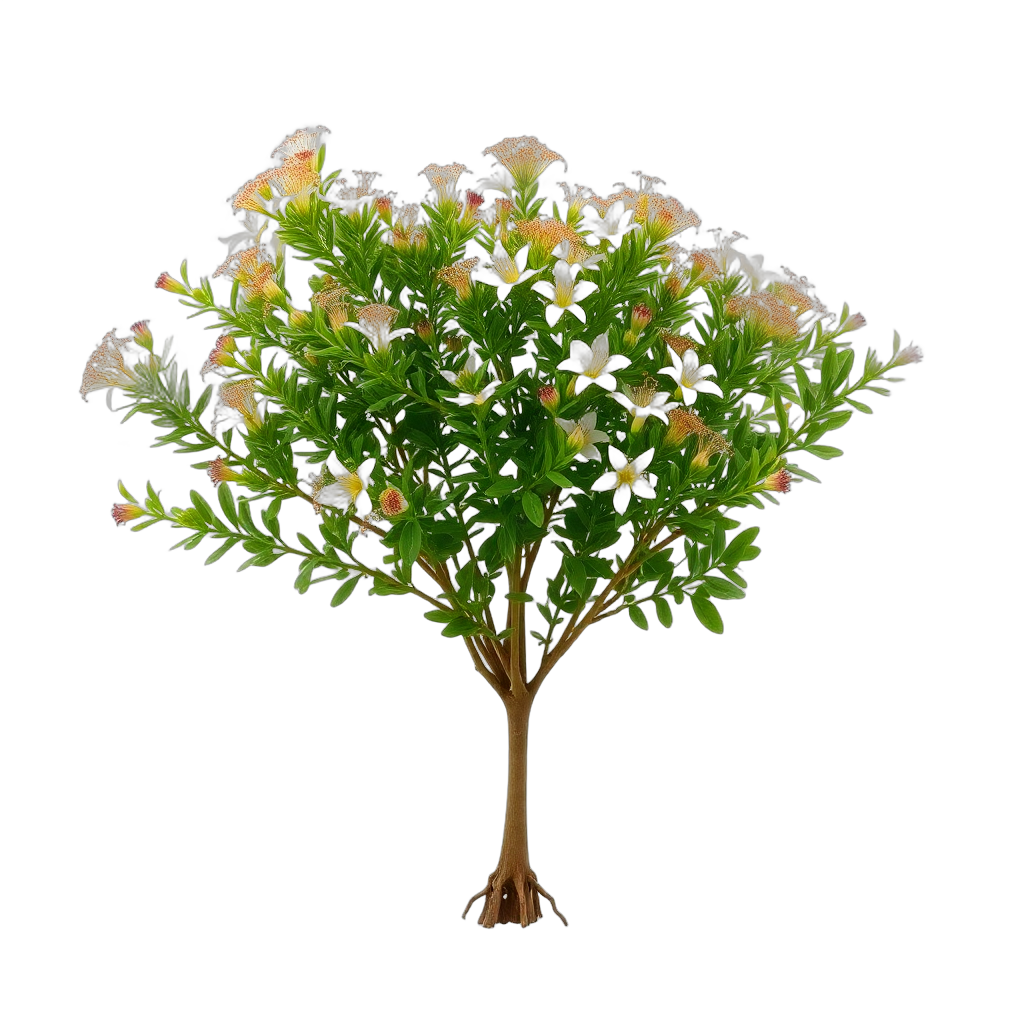
Apache Plume
Fallugia paradoxa
grows to 6 feet, white blooms in summer. Attracts butterflies.
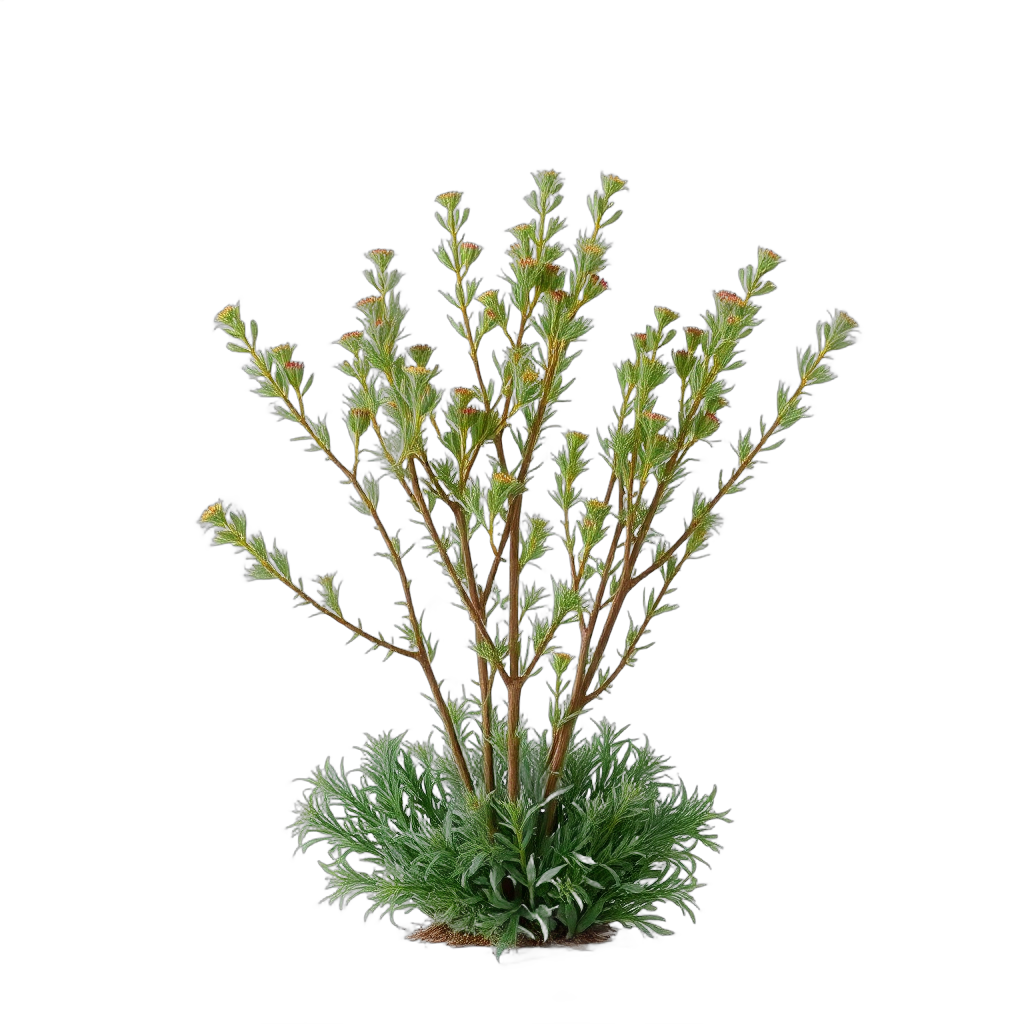
Big Sagebrush
Artemisia tridentata
grows to 6 feet, yellow blooms in fall. Evergreen year-round.
Featured Grasses & Groundcovers for Modern/Minimalist Gardens
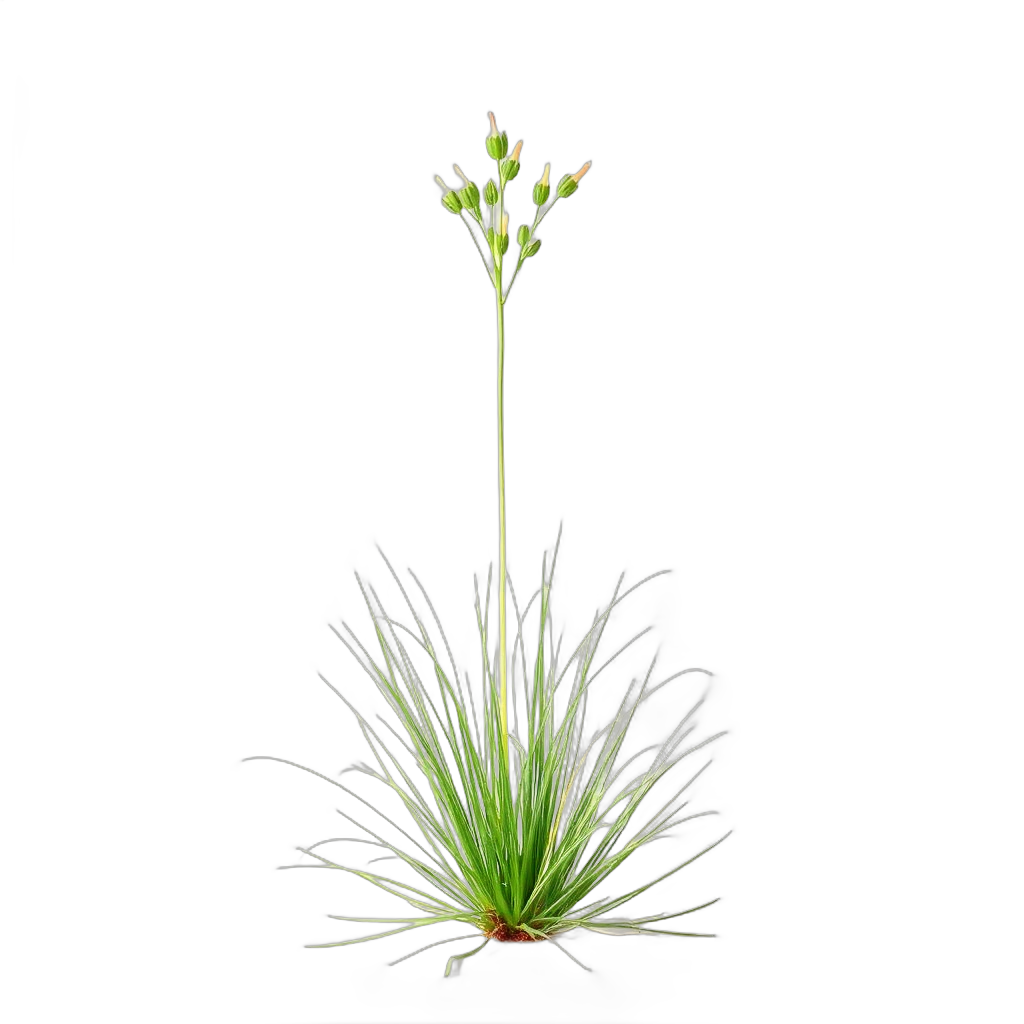
Alkali Sacaton
Sporobolus airoides
grows to 3 feet, blooms in summer. Yellow fall color.
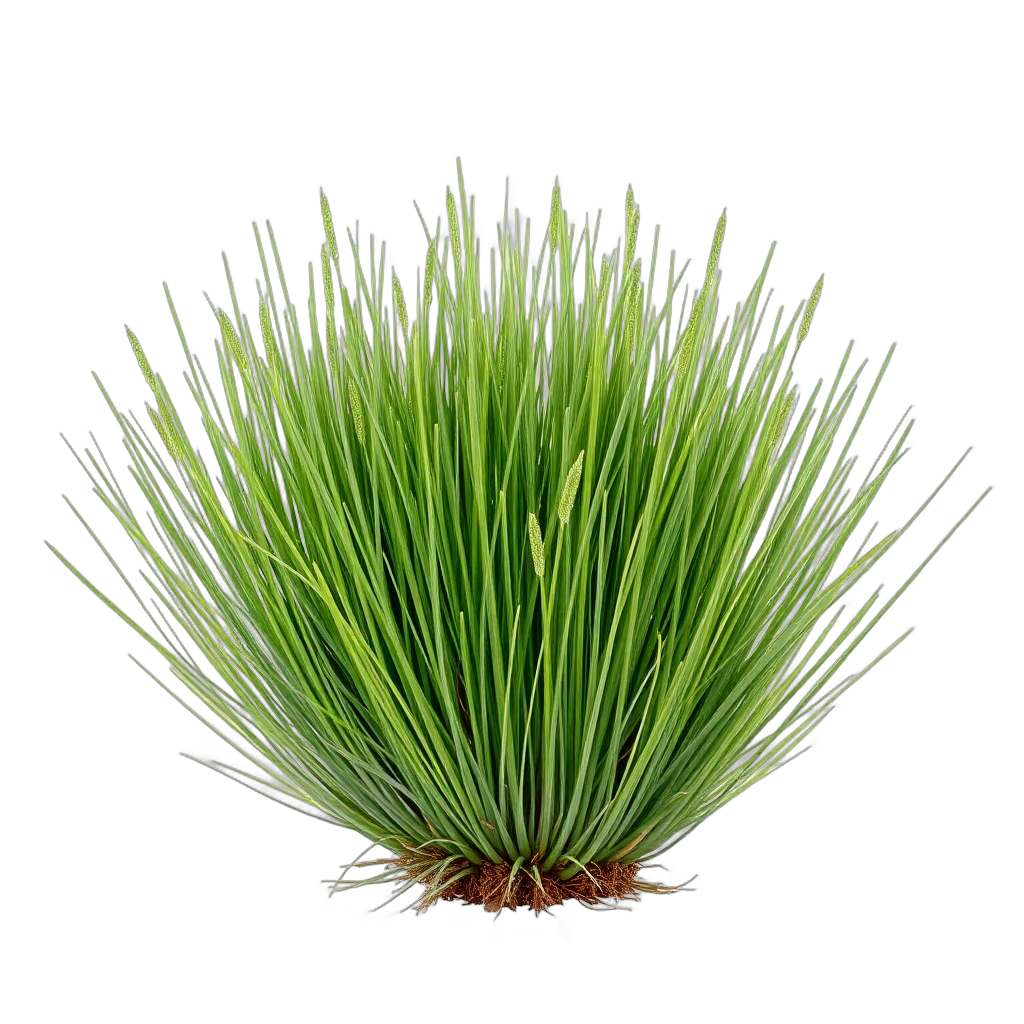
Great Basin Wild Rye
Leymus cinereus
grows to 3 feet, blooms in summer. Yellow fall color.
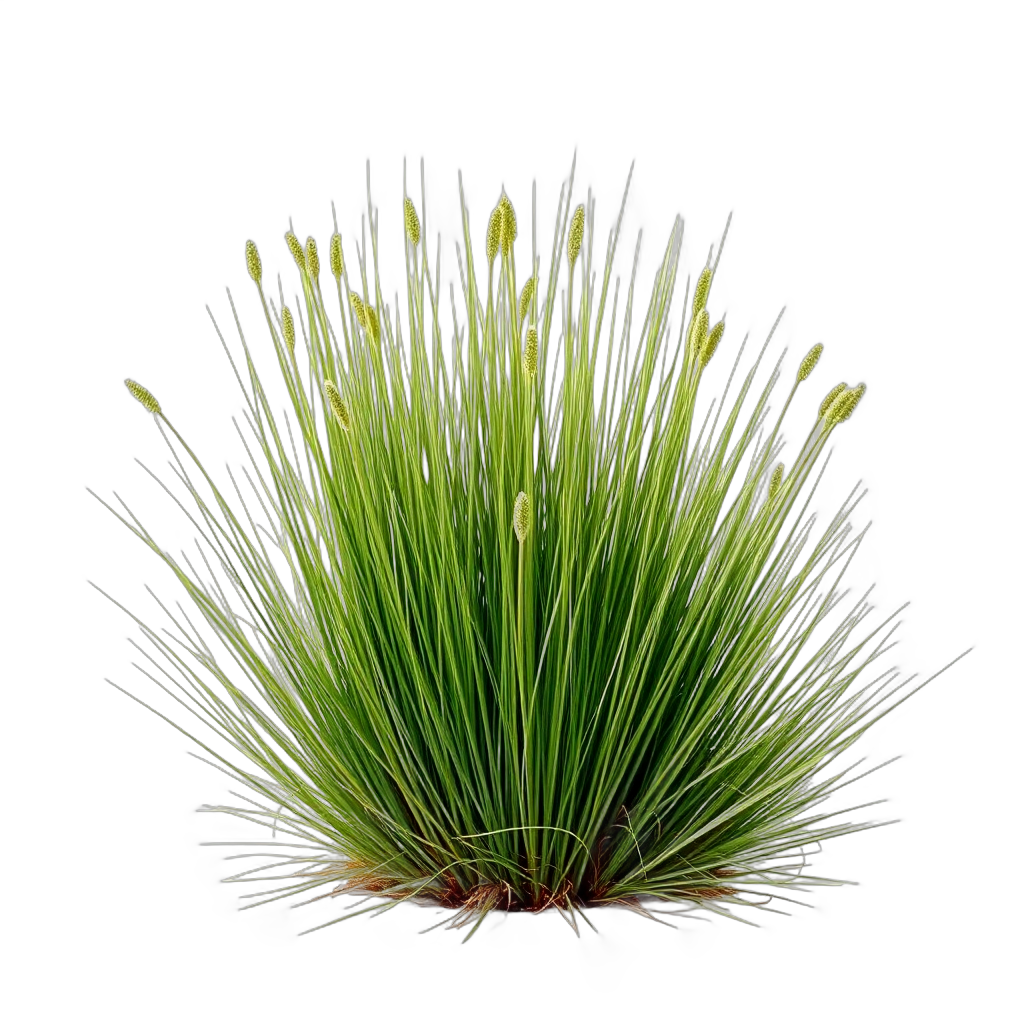
Idaho Fescue
Festuca idahoensis
low-growing ground cover, blooms in summer.
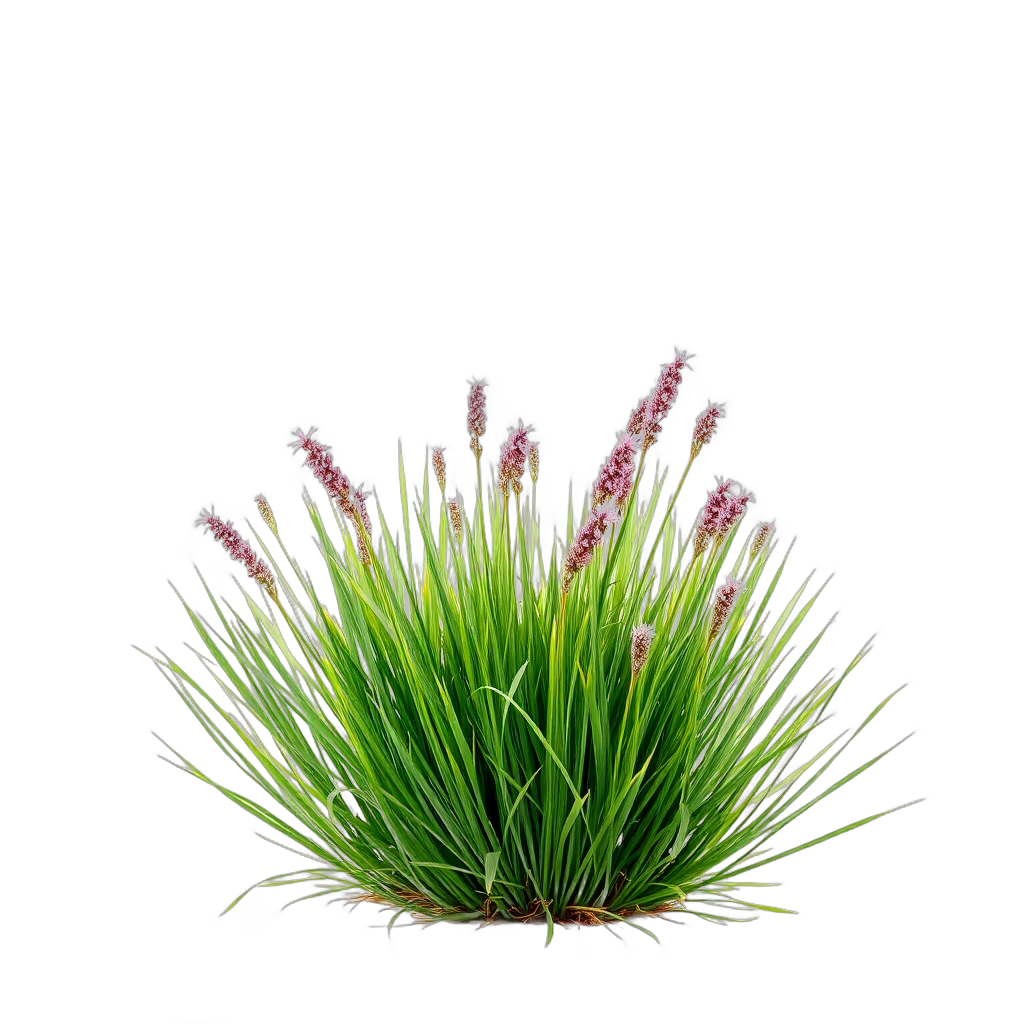
Purple Three-Awn
Aristida purpurea
low-growing ground cover, purple blooms in fall. Yellow fall color.
Featured Flowers & Perennials for Modern/Minimalist Gardens
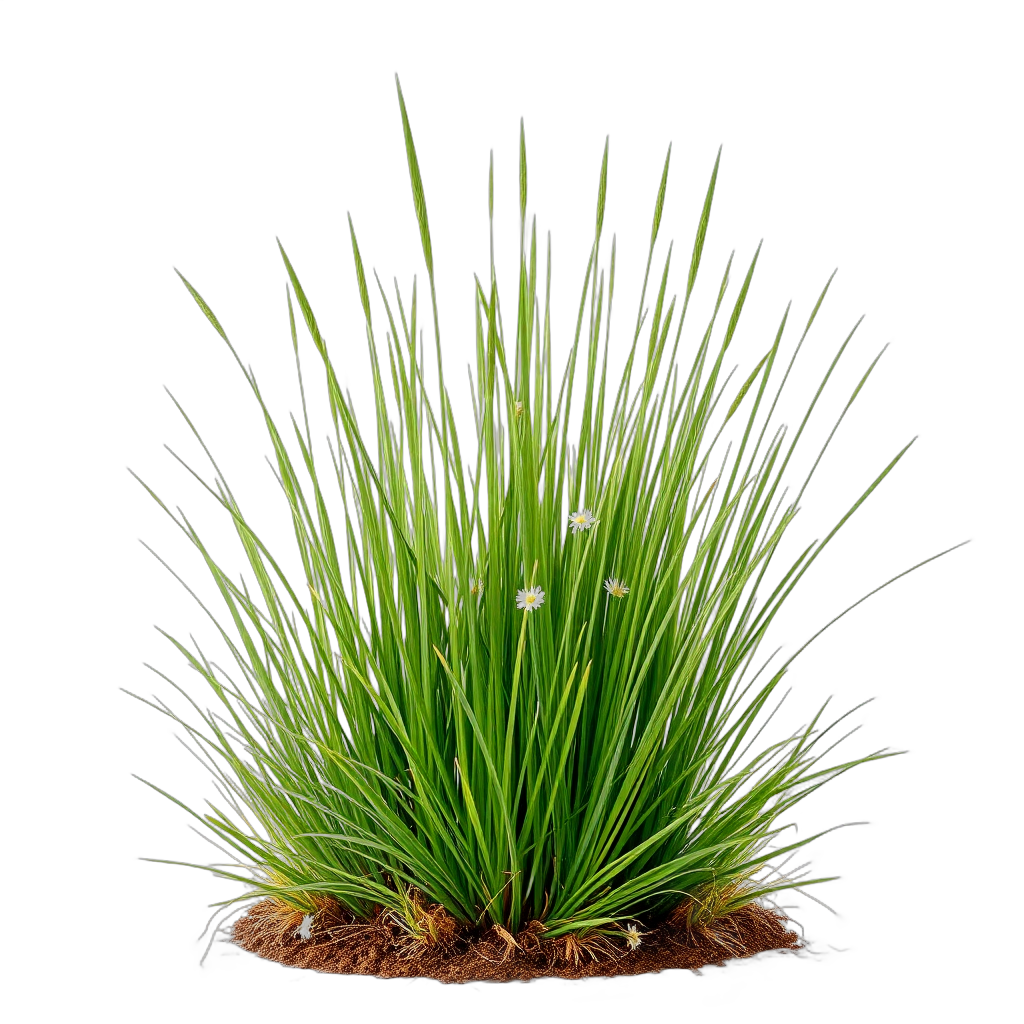
Baltic Rush
Juncus balticus
low-growing ground cover, blooms in summer. Evergreen year-round.
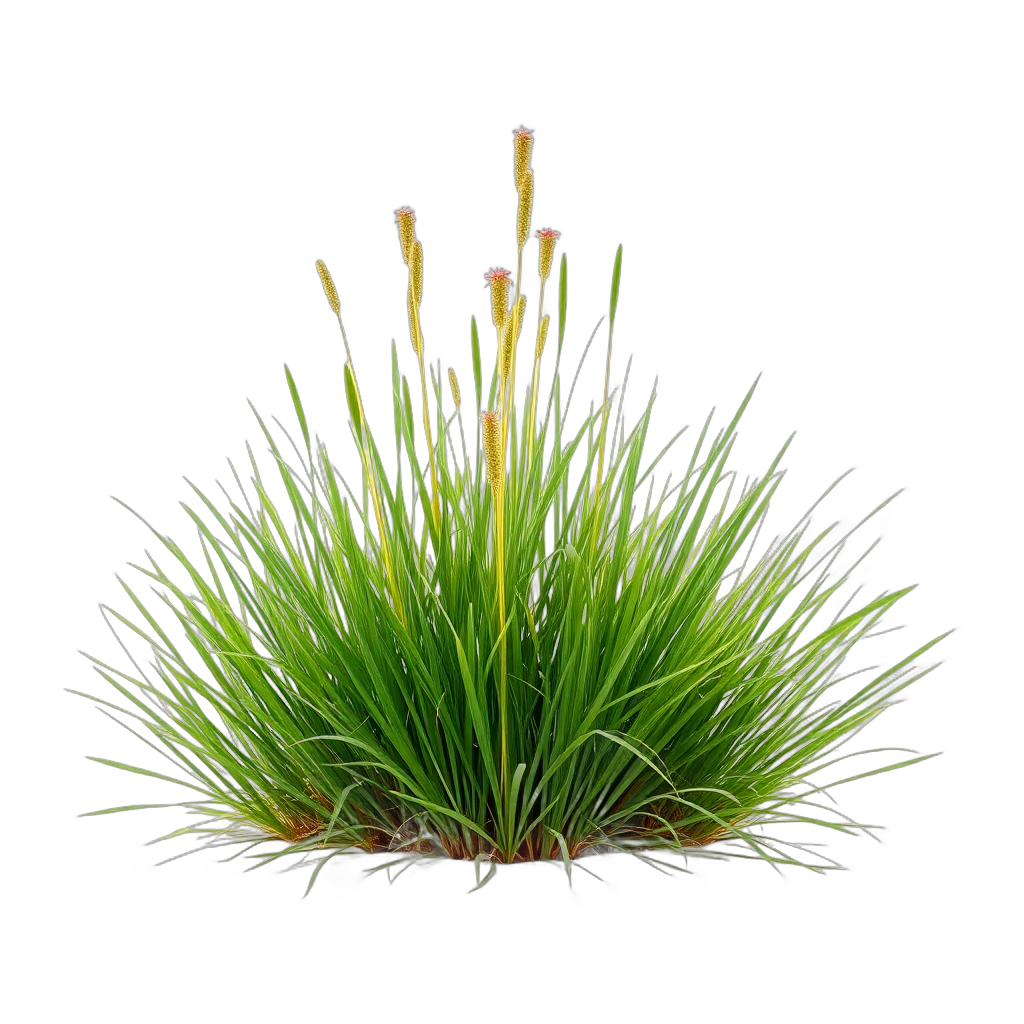
Clustered Field Sedge
Carex praegracilis
low-growing ground cover, blooms in spring.
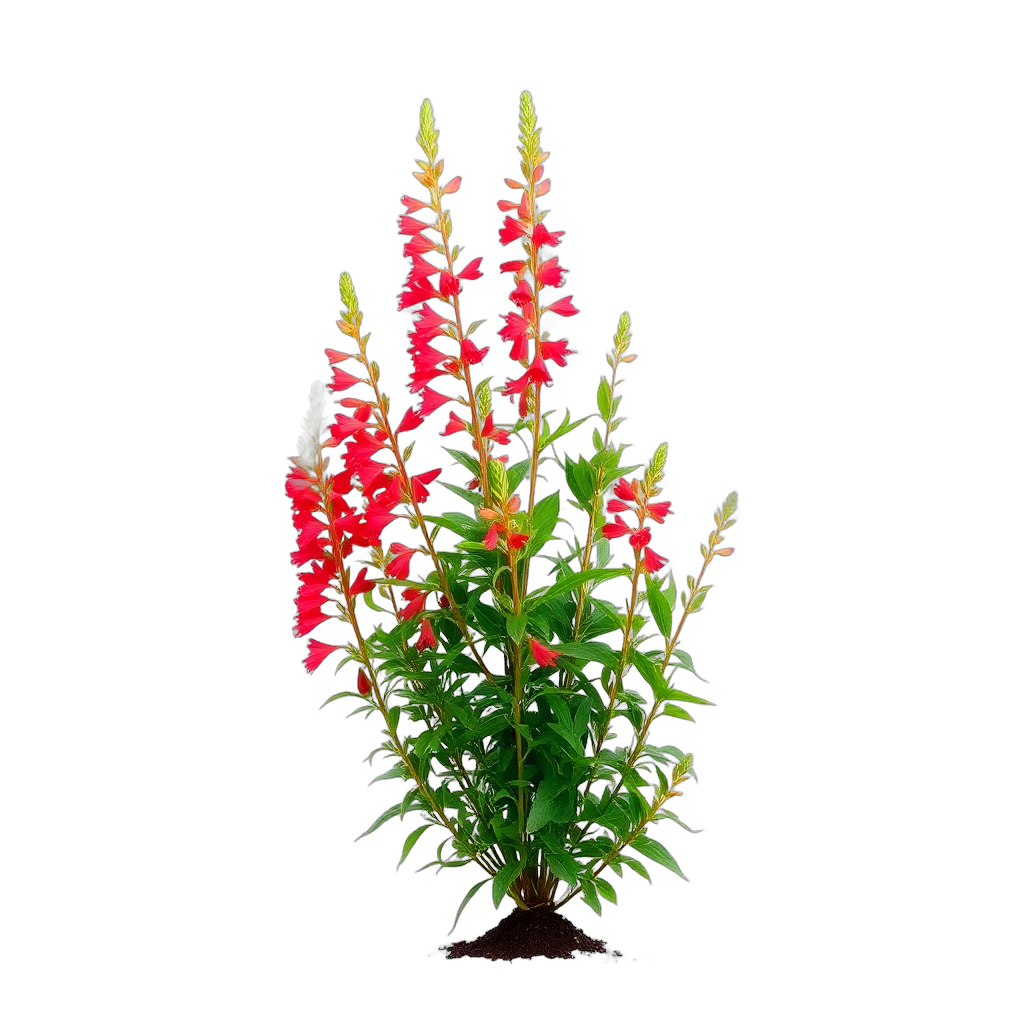
Firecracker Penstemon
Penstemon eatonii
low-growing ground cover, red blooms in spring. Attracts hummingbirds.

Palmer's Penstemon
Penstemon palmeri
grows to 4 feet, pink blooms in spring. Attracts hummingbirds.
Zone and sun checks come from our database — confirm with your local nursery before you buy.
Bloom Calendar for West Valley City
spring
Clustered Field Sedge, Firecracker Penstemon, Palmer's Penstemonsummer
Baltic Rush, Alkali Sacaton, Great Basin Wild Ryefall
Purple Three-Awn, Big Sagebrush, Rubber Rabbitbrushwinter
Limited bloomsDesign Tips for West Valley City (Zone 7a)
- Build every sharp-drained bed UP — four to twelve inches above grade, backfilled half native soil and half three-eighths crushed granite, gravel-mulched on top; in Bonneville clay it is the wet March, not the 0°F January night, that kills Agave parryi and Sempervivum tectorum
- Compact six to eight inches of road base under every square foot of concrete and paving — West Valley clay swells wet, shrinks in a 93°F August and freezes to roughly 30 inches, and large-format modern slabs are the least forgiving surface there is
- Choose alkaline-proof trees and skip the local mistake — Acer x freemanii 'Autumn Blaze' and pin oak go chlorotic in pH 8 lakebed soil; Celtis occidentalis, Gleditsia triacanthos 'Shademaster', Acer grandidentatum and Quercus gambelii stay green without a single iron treatment
- Let Calamagrostis x acutiflora 'Karl Foerster' do what agave masses do in Phoenix — vertical, repeated, evenly spaced, it gives you the same architectural rhythm, survives 0°F, holds its shape under snow and costs a fraction per plant
- Keep turf, but make it a shape — one clean rectangle or panel of tall fescue on its own high-efficiency zone reads as a deliberate design element and qualifies the rest of the yard for Utah Water Savers turf-removal incentives; scattered leftover grass reads as an unfinished lawn
- Light low and warm — in-grade uplights behind Schizachyrium scoparium 'Standing Ovation' and bollards along paver edges give you the evening depth that makes modern landscapes work, and West Valley's clear high-desert nights and long warm evenings from May to September make that lighting budget the best value in the project
- Frame the range, do not fight it — hold rear hedges and screening under 42 inches on a west-facing lot so the Oquirrh sunset stays part of the composition, and reserve tall mass planting for the side boundaries where the neighbours actually are
Where to Source Plants in West Valley City
Skip the big-box stores. These independent West Valley City nurseries specialize in the plants that make modern/minimalist gardens thrive in Zone 7a.
Lambert Growers
Redwood Road, West Valley City
Family-run greenhouse growing everything on site since the 1960s — vegetable starts, herbs, bedding flowers and hardy perennials selected for Salt Lake Valley conditions
Glover Nursery
West Jordan (about 15 minutes south of West Valley City)
Utah's first family nursery — large-caliper shade trees, conifers, shrubs and roses grown and acclimated for alkaline valley soil
Millcreek Gardens
Sugar House / Millcreek, Salt Lake City
Independent garden center since 1955 with one of the valley's deepest perennial, rose and hydrangea benches plus staff who know Wasatch Front microclimates
Cactus & Tropicals
Sugar House, Salt Lake City (also Midvale and Draper)
Locally owned specialist in cold-hardy agave, yucca, hesperaloe, sempervivum and sculptural container plants for gravel and courtyard designs
Modern/Minimalist Landscaping Costs in West Valley City
| Project Scope | Estimated Cost |
|---|---|
| Front-yard gravel and steel-edge conversion (500 sqft, before rebate) | $5,500 - $13,000 |
| Poured concrete patio or stepping-pad entry (300-500 sqft) | $9,000 - $25,000 |
| Gas fire pit or linear fire table with plumbed line | $3,500 - $12,000 |
| Corten steel raised planters, fabricated and filled | $600 - $1,600 each |
| Low-voltage landscape lighting (12-18 fixtures, installed) | $2,500 - $6,500 |
| Pool court with pavers, spa, fire feature and planting | $80,000 - $180,000 |
| AI visualization with ProScapeAI | Free to start |
Estimates based on West Valley City, UT-area contractor rates as of 2026. Actual costs vary by site conditions, materials, and contractor.
West Valley City Climate & Growing Zone
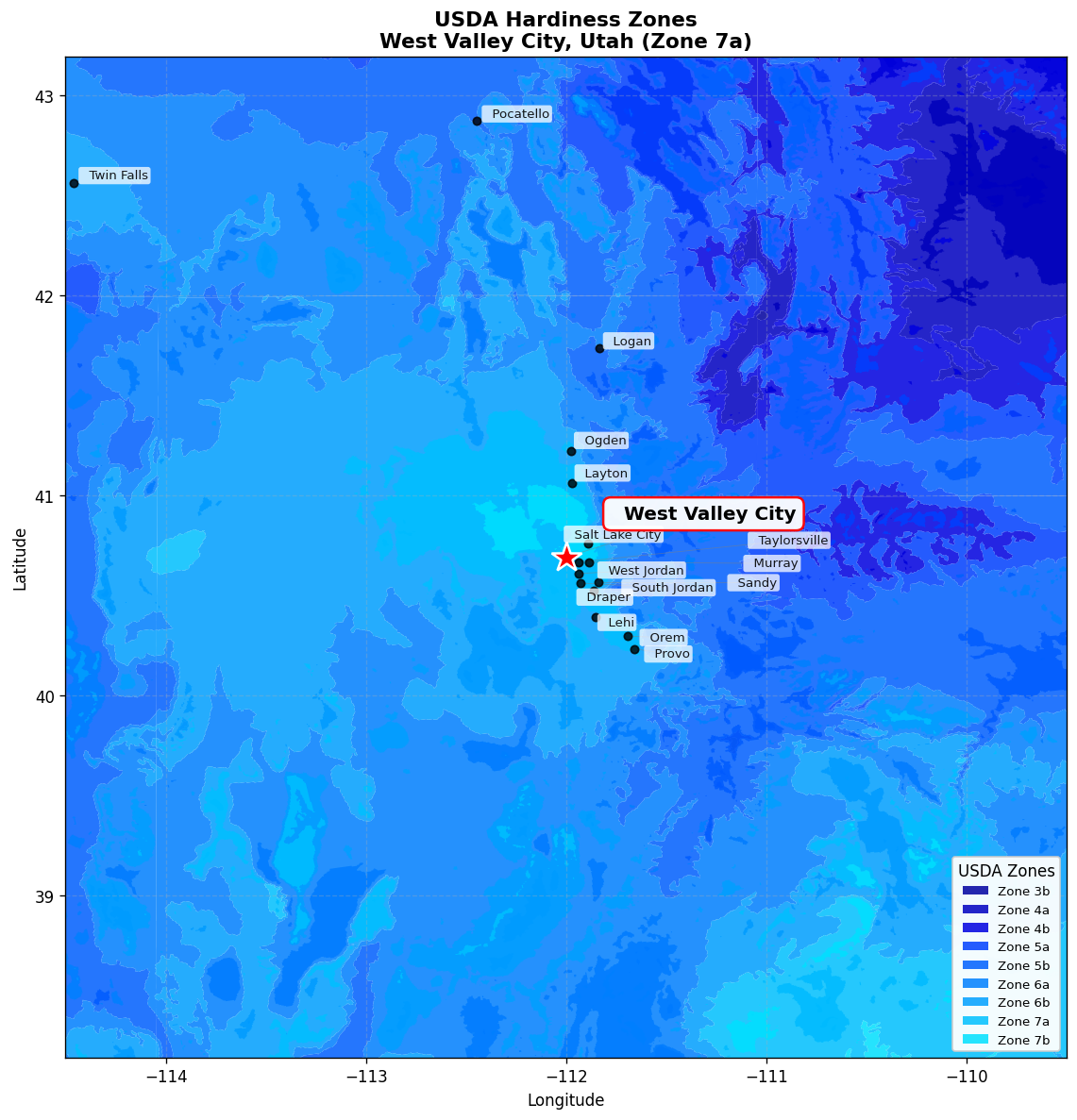
USDA Zone 7a
Hardiness zone for West Valley City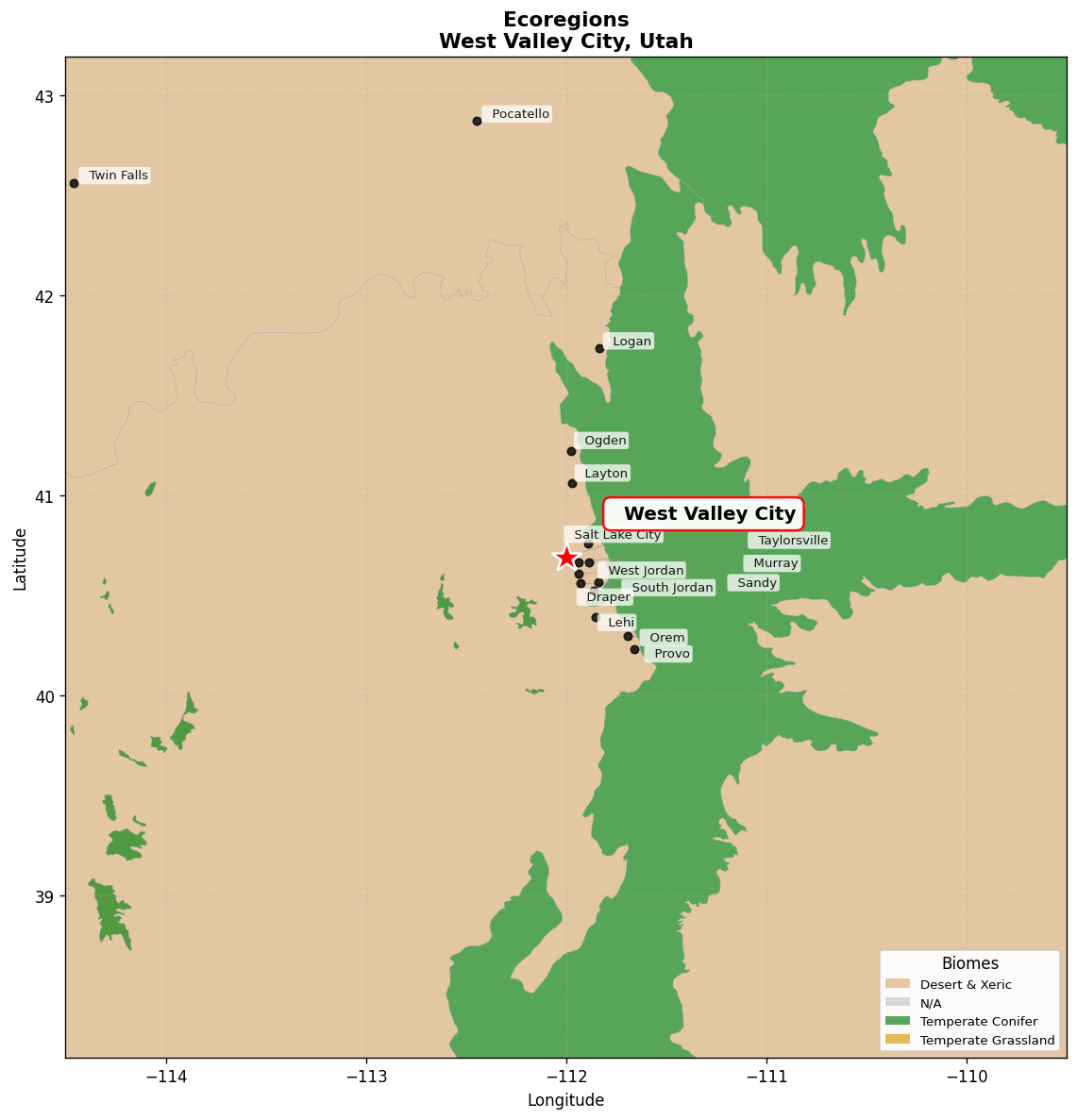
Great Basin shrub steppe
Native ecoregionFrequently Asked Questions
How much does modern landscaping cost in West Valley City?
Salt Lake Valley pricing sits close to the national metro average and clearly below Park City or Draper. Converting a 500 square foot front lawn to a gravel-and-steel modern scheme runs $5,500 to $13,000 installed before any rebate, and Utah Water Savers turf-removal incentives in the $1.25 to $3.00 per square foot range have historically taken a real bite out of that. A poured concrete back patio of 300 to 500 square feet runs $9,000 to $25,000 depending on finish and control-joint layout. Adding a gas fire pit or linear fire table pushes it $3,500 to $12,000 higher. A full pool court with pavers, spa, fire and lighting typically lands between $80,000 and $180,000. A homeowner doing their own gravel, Corten edging and one-gallon Muhlenbergia reverchonii 'Undaunted' can come in under $5 per square foot.
Can I grow agaves and other desert plants in West Valley City?
Yes, if you pick cold-hardy species and fix the drainage. Zone 7a lows of 0 to 5°F kill the tender Agave americana and most aloes, but Agave parryi var. neomexicana, Agave utahensis and Agave havardiana are reliably hardy here, as are Yucca filamentosa 'Color Guard', Yucca baccata, Hesperaloe parviflora 'Brakelights', Sempervivum tectorum and Delosperma cooperi. The real killer is not cold but a wet March in heavy Bonneville clay. Plant everything sharp-drained: raise the bed four to twelve inches, backfill with half native soil and half three-eighths crushed granite, and top-dress with gravel rather than bark so the crown stays dry. Planted that way, an agave rosette will hold form through a Salt Lake winter without a cover.
Which grasses give the best year-round structure here?
Calamagrostis x acutiflora 'Karl Foerster' is the workhorse — strictly vertical, buff-coloured from midsummer, and it holds its shape under Salt Lake Valley snow instead of flopping. Schizachyrium scoparium 'Standing Ovation' and 'Blue Heaven' give copper and blue autumn colour on almost no water. Panicum virgatum 'Northwind' is the tall screening option, Sporobolus heterolepis and Bouteloua gracilis 'Blonde Ambition' cover the low tier, and Muhlenbergia reverchonii 'Undaunted' delivers the pink autumn haze that Muhlenbergia capillaris provides in warmer states but cannot survive here. Cut them all back to four inches in early March, before new growth starts — one job, once a year.
What has to happen before I pour concrete on this soil?
Budget for the base, not just the slab. West Valley City's Lake Bonneville clay swells when wet and shrinks hard in a 93°F August, and the local frost depth of roughly 30 inches adds a freeze-thaw cycle on top of that. Excavate 8 to 12 inches, place and compact six to eight inches of road base in lifts, and saw-cut or tool control joints so the slab cracks where you decided rather than where it wants to. For paver and stepping-pad fields, the same base applies with a one-inch bedding course. Skip this and a large-format modern pad — the format that shows every flaw — will spider-crack within three or four winters. Slope everything at least two percent away from the foundation.
How do I keep a modern landscape looking sharp on 15 inches of rain?
Design for the water you get, then irrigate the exceptions. Keep one deliberate turf rectangle where it earns its keep, run it on its own zone with high-efficiency rotary nozzles, and follow the state weekly watering guide rather than a fixed timer — in a normal Salt Lake Valley year that means no irrigation before late April and none after mid-October. Everything else goes on drip: gravel beds of Agave parryi, Hesperaloe parviflora 'Brakelights' and Bouteloua gracilis 'Blonde Ambition' typically need a deep soak every 10 to 14 days once established, versus a lawn's two to three times a week in July. A smart controller with a rain and freeze sensor usually pays for itself in two seasons here.
Do I need permits, and will my HOA allow a gravel front yard?
Planting, gravel conversion, steel edging, boulders and drip irrigation need no permit. Permits typically apply to pools and spas, retaining walls over four feet, roofed structures, gas line runs to a fire feature, and electrical for landscape lighting on a new circuit — West Valley City handles its own building inspections, so confirm current thresholds and setbacks with the city before you build, and use licensed trades for the gas and electrical work. On the HOA question, Utah's 2022 water-wise landscaping law prevents an association from prohibiting a waterwise conversion outright, though it can still enforce reasonable design standards. Bring a rendering to the architectural committee. This is landscape design guidance, not a permitting or engineering opinion.