4 English Cottage Garden Ideas for West Palm Beach, FL | Zone 10b
Native plants from the Everglades flooded grasslands (Zone 10b) — Tropical rainforest climate
For a cottage garden in West Palm Beach, FL, a zone 10b city with a tropical rainforest climate, start with Rosa 'Old Blush', Rosa 'Mutabilis' and Plumbago auriculata 'Imperial Blue', the plants this guide's first design is built on.
Why Cottage/English Gardens in West Palm Beach?
A cottage garden suits West Palm Beach's older neighborhoods better than you might expect. Grandview Heights, Northwood, Prospect Park and Flamingo Park are full of 1920s and 1930s bungalows and frame cottages with shallow front yards and deep porches, the exact scale a layered, overflowing border wants. A low fence, a gravel or crushed-shell path, a pink rose on the porch rail and a bed that looks slightly out of control from the sidewalk is the whole recipe. It just needs different plants than it does in England or Virginia.
The classic English catalog does not survive Zone 10b. The average annual minimum is 35–40°F, frost depth is effectively zero, and the main enemy is the summer: highs near 91°F, about 60 inches of rain a year (mostly June to October) and humid nights that rot anything that likes cool, dry roots. Delphinium elatum, foxglove and Lavandula angustifolia 'Hidcote' will be dead by August, and lavender in general is a poor bet in the rainy season. Build the same picture with plants that like the heat. Rosa 'Mutabilis', Rosa 'Old Blush' and Rosa 'Louis Philippe' are China roses that bloom nearly all year here, and they do best on Rosa × fortuneana rootstock, which resists the root-knot nematodes in sandy soil. Salvia 'Amistad', Plumbago auriculata 'Imperial Blue', Pentas lanceolata 'Butterfly Deep Pink' and native Gaillardia pulchella supply the spikes, daisies and haze of color that the northern plants would give.
Much of the sand is alkaline, with pH commonly in the 7.0–8.2 range in fill-influenced yards, and it holds almost no organic matter. Roses and gardenias yellow from iron deficiency in those conditions, so work 2–3 inches of compost into the bed, mulch it with melaleuca or pine bark, and treat with chelated iron when leaves go pale. The dry season, November through April, is when the borders look best, which is the reverse of an English garden, so plan the big flush for winter and early spring.
Palm Beach County restricts irrigation days and hours, so group plants by water need and use drip under the mulch. In the city's historic districts, check with the city before building a front fence or wall. Skip the invasive Lantana camara and Mexican petunia, and use Lantana montevidensis or native Hamelia patens instead. A soil test through the UF/IFAS Palm Beach County Extension office on North Military Trail costs little and tells you more than guessing.
4 Cottage/English Design Ideas for West Palm Beach
AI-generated image
The Picket Fence Porch Border
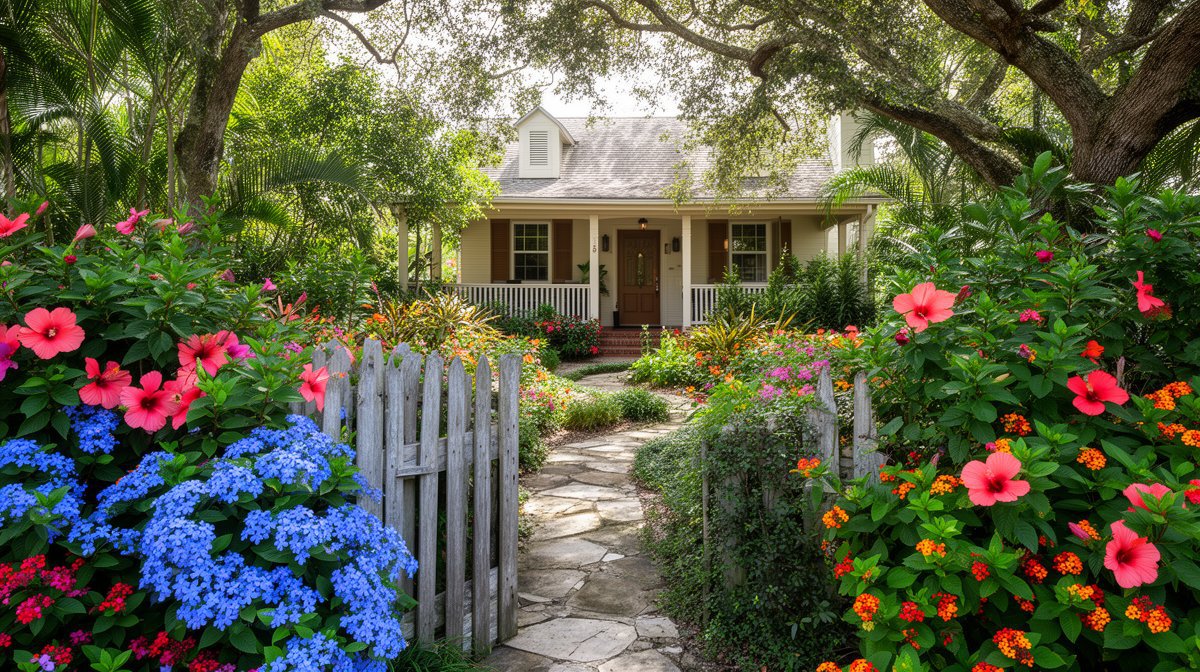
$20–42/sqftA white picket fence runs along the sidewalk of a 1930s frame bungalow, with a deep border behind it holding China roses on tall wooden stakes and a ribbon of purple Plumbago across the base. Pink and red Pentas fill the sunny gaps, a rose-covered arch frames the gate, and crushed-shell stepping stones lead up to the porch steps. The morning sun hits the rose bed first, drying the foliage before the heat arrives.
Try this on your yard: The Picket Fence Porch BorderAI-generated image
The Wildflower Cottage Drift
$10–22/sqftA sunny front yard becomes a loose meadow of native blooms that look like a cottage planting from a distance. Blanketflower and tickseed run along the front of the bed, Salvia coccinea adds red spikes that hummingbirds love, and a gray-green mound of Salvia leucantha 'Santa Barbara' anchors the back. A mowed shell path cuts through the center, and a single trellis carries Passiflora incarnata. Seed heads stay up for the finches in the dry season.
Try this on your yard: The Wildflower Cottage DriftAI-generated image
The Shaded Courtyard Cottage
$22–45/sqftA small walled side yard behind a Spanish-style cottage in El Cid is turned into a tea garden under a live oak. A round table and two iron chairs sit on a gravel circle, and the surrounding bed is built from the plants that tolerate shade: Plectranthus 'Mona Lavender', caladiums, Agapanthus 'Peter Pan' and a white jasmine on the wall. The garden is cool in July and fragrant in the evening.
Try this on your yard: The Shaded Courtyard CottageAI-generated image
The Rose Arbor Back Yard
$30–60/sqftA back yard behind a block ranch holds a white pergola smothered in climbing rose, with a lawn island underneath and deep borders on the three sides. The beds step down from tall Rosa 'Louis Philippe' shrubs at the fence to Salvia farinacea 'Victoria Blue' in the middle and trailing Bulbine frutescens 'Hallmark' at the edge. A little bubbling fountain masks the street, and a brick path loops back to the patio.
Try this on your yard: The Rose Arbor Back YardSee how a cottage/english garden looks on YOUR property
Upload a photo of your West Palm Beach yard and visualize your dream garden in seconds.
Try ProScapeAI Free

AI-generated image
Featured Trees & Shrubs for Cottage/English Gardens
Browse all 150 plants for West Palm Beach
Bismarck Palm
Bismarckia nobilis
reaches 30 feet tall, blooms in summer. Pollinator-friendly.

Clustering Fishtail Palm
Caryota mitis
medium-sized at 15 feet, yellow blooms in summer. Pollinator-friendly.

Pygmy Date Palm
Phoenix roebelenii
grows to 6 feet, yellow blooms in spring. Pollinator-friendly.

Royal Palm
Roystonea regia
large shade tree reaching 50+ feet, white blooms in spring. Pollinator-friendly.
Featured Grasses & Groundcovers for Cottage/English Gardens
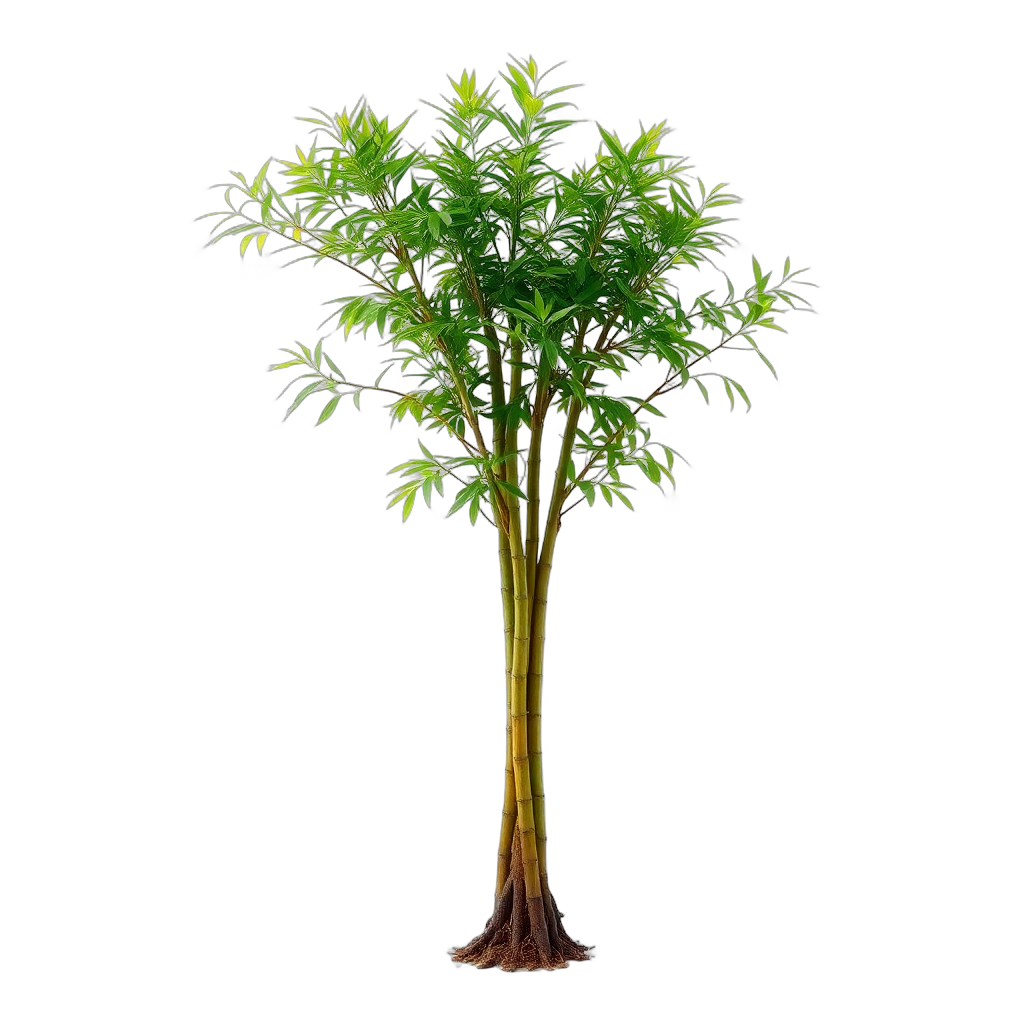
Anceps Bamboo
Yushania anceps
medium-sized at 12 feet, blooms in none. Evergreen year-round.
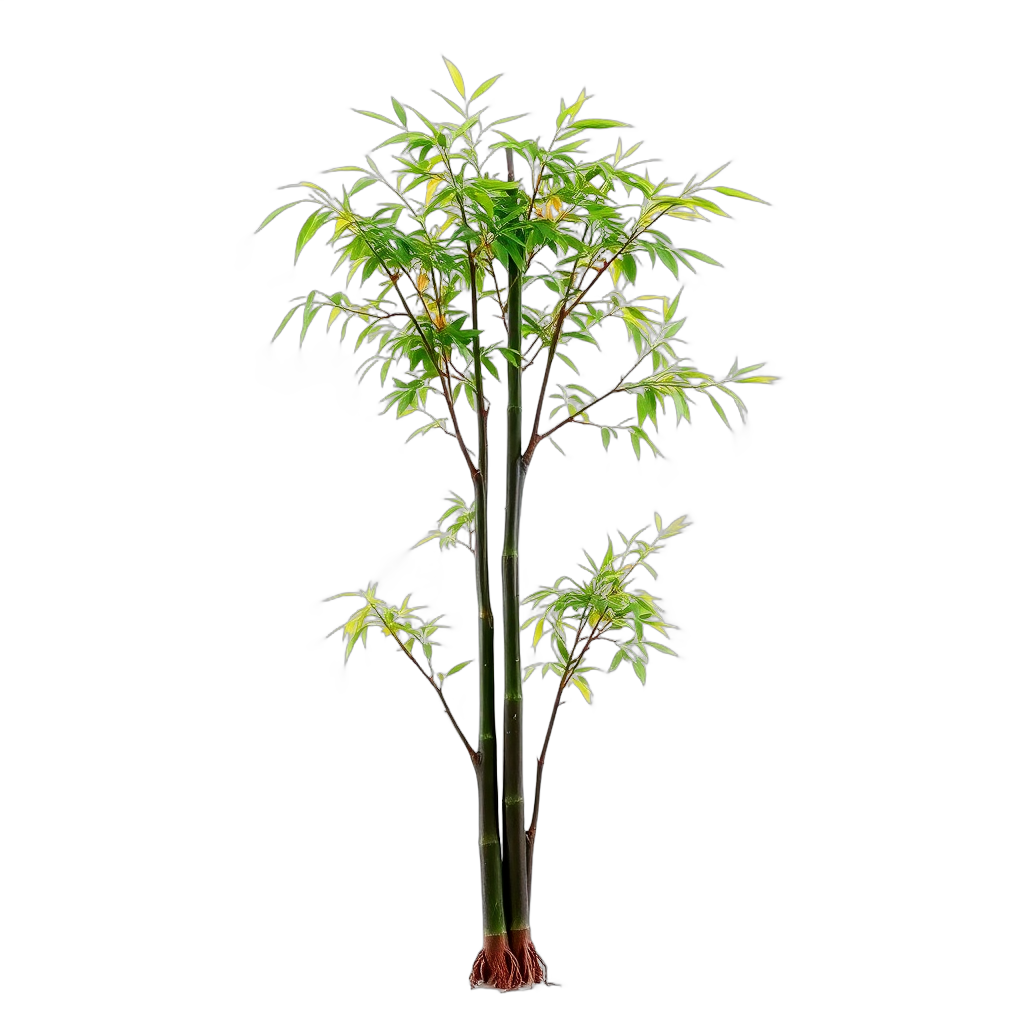
Black Bamboo
Phyllostachys nigra
reaches 25 feet tall, blooms in none. Evergreen year-round.
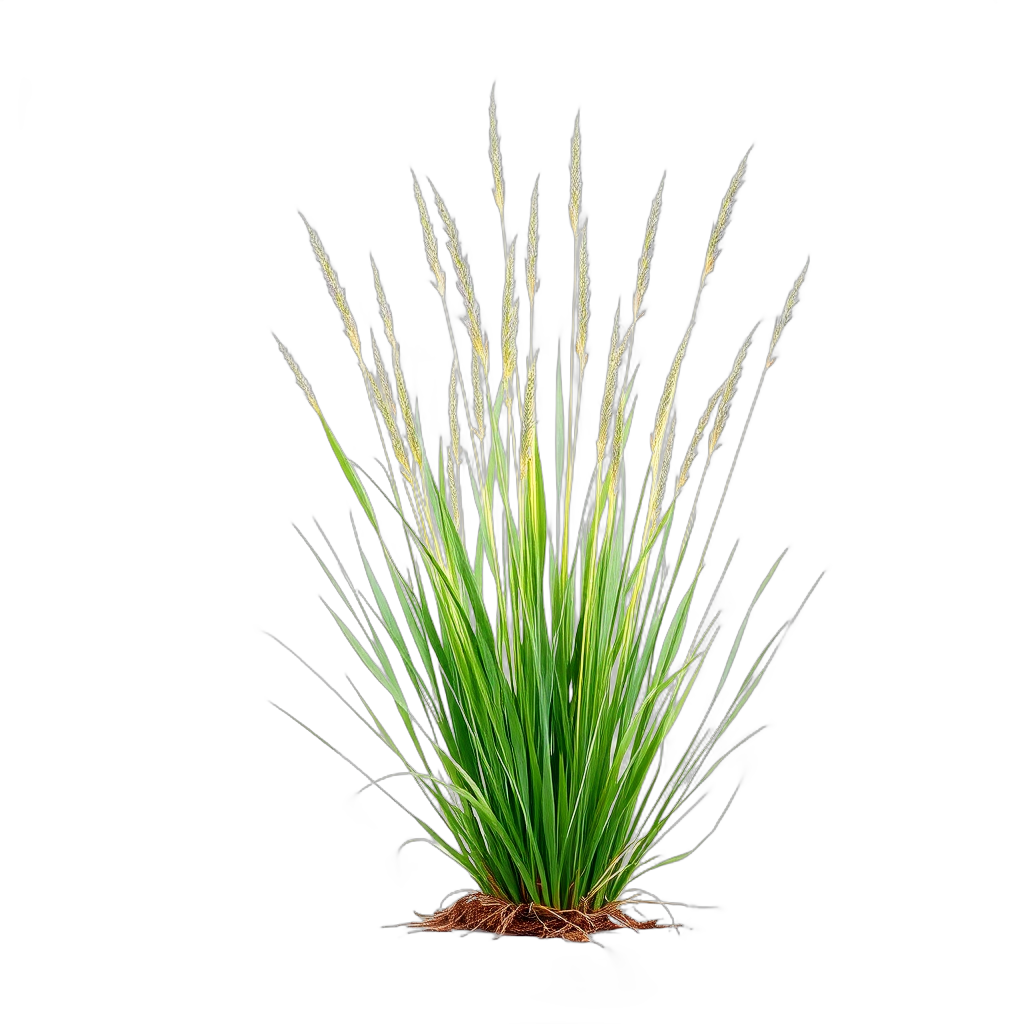
Blue Grama Grass
Bouteloua gracilis
low-growing ground cover, purple blooms in summer. Yellow fall color.
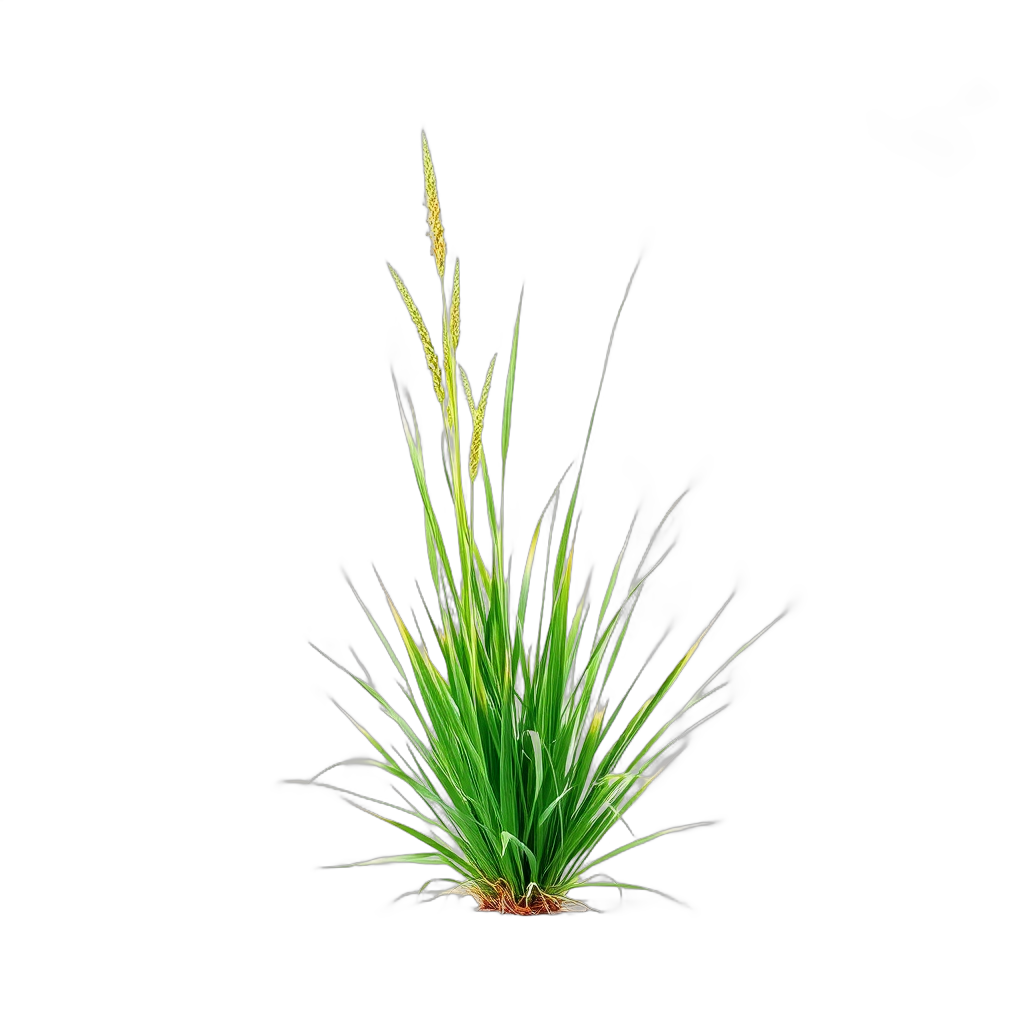
Bull Grass
Muhlenbergia emersleyi
grows to 4 feet, purple blooms in fall. Yellow fall color.
Featured Flowers & Perennials for Cottage/English Gardens

Canadian Waterweed
Elodea canadensis
grows to 3 feet, white blooms in spring. Evergreen year-round.

Common Cattail
Typha latifolia
grows to 5 feet, blooms in summer. Pollinator-friendly.

Common Duckweed
Lemna minor
low-growing ground cover, white blooms in summer. Evergreen year-round.

European Frogbit
Hydrocharis morsus-ranae
low-growing ground cover, white blooms in summer. Pollinator-friendly.
Zone and sun checks come from our database — confirm with your local nursery before you buy.
Bloom Calendar for West Palm Beach
spring
Canadian Waterweed, Sweet Flag, African Daisysummer
Canadian Waterweed, Common Cattail, Common Duckweedfall
Canadian Waterweed, Pickerelweed, African Daisywinter
Limited bloomsDesign Tips for West Palm Beach (Zone 10b)
- Plan the show for the dry season: roses, salvias and annuals look best from November to April, so put the big flush there and let summer be the quiet months
- Buy roses on Fortuniana rootstock and plant them where morning sun reaches the leaves: the root-knot nematodes in sand kill own-root plants, and wet foliage in a 60-inch rain year invites blackspot
- Test the soil before you plant: pH of 7.0–8.2 locks up iron, so mix compost into the bed and keep chelated iron on hand for gardenias and roses
- Replace the English spires with Salvia 'Amistad', Salvia leucantha 'Santa Barbara' and Pentas lanceolata 'Butterfly Deep Pink', which hold up in 91°F summers
- Use crushed shell, brick-on-sand or gravel for paths: they drain in storms and look right with a cottage, where poured concrete looks stiff
- Put drip lines under melaleuca mulch and keep sprays off the leaves: county irrigation limits mean fewer, deeper waterings, and dry foliage cuts blackspot
- Add native plants for butterflies: Salvia coccinea, Gaillardia pulchella and Hamelia patens feed pollinators and need less water than imported cottage plants
Where to Source Plants in West Palm Beach
Skip the big-box stores. These independent West Palm Beach nurseries specialize in the plants that make cottage/english gardens thrive in Zone 10b.
SmartyPlants Nursery
Lake Worth Beach (North Dixie Highway)
Two-acre independent nursery with Florida-adapted palms, shade trees, shrubs, vines, grasses and wildflowers, plus design and installation and a plant-request service for items it does not stock
Native Choice Nursery
Loxahatchee Groves
Retail nursery growing more than 100 Southeast Florida native species, including rare and unusual South Florida natives; visits by appointment, so call ahead
Sustainscape Native Nursery & Design
Boynton Beach
Native plant nursery growing about 50 South Florida species alongside sustainable landscape design, rain gardens and soil work for Palm Beach County properties; appointment required
Cottage/English Landscaping Cost Ranges
| Project Scope | Estimated Cost |
|---|---|
| Gravel or paver seating circle (200–350 sqft) | $170–$10,000 |
| Picket fence, 4 ft tall (60 linear ft) | $1,500–$2,400 |
| Brick paver walk (100 sqft) | $2,000–$2,600 |
| AI visualization (ProScapeAI) | Free to start |
National average installed ranges for 2026 from our landscaping price list (Homewyse and other published sources). Prices in West Palm Beach, FL vary with site, materials and contractor, so get two or three local quotes.
West Palm Beach Climate & Growing Zone
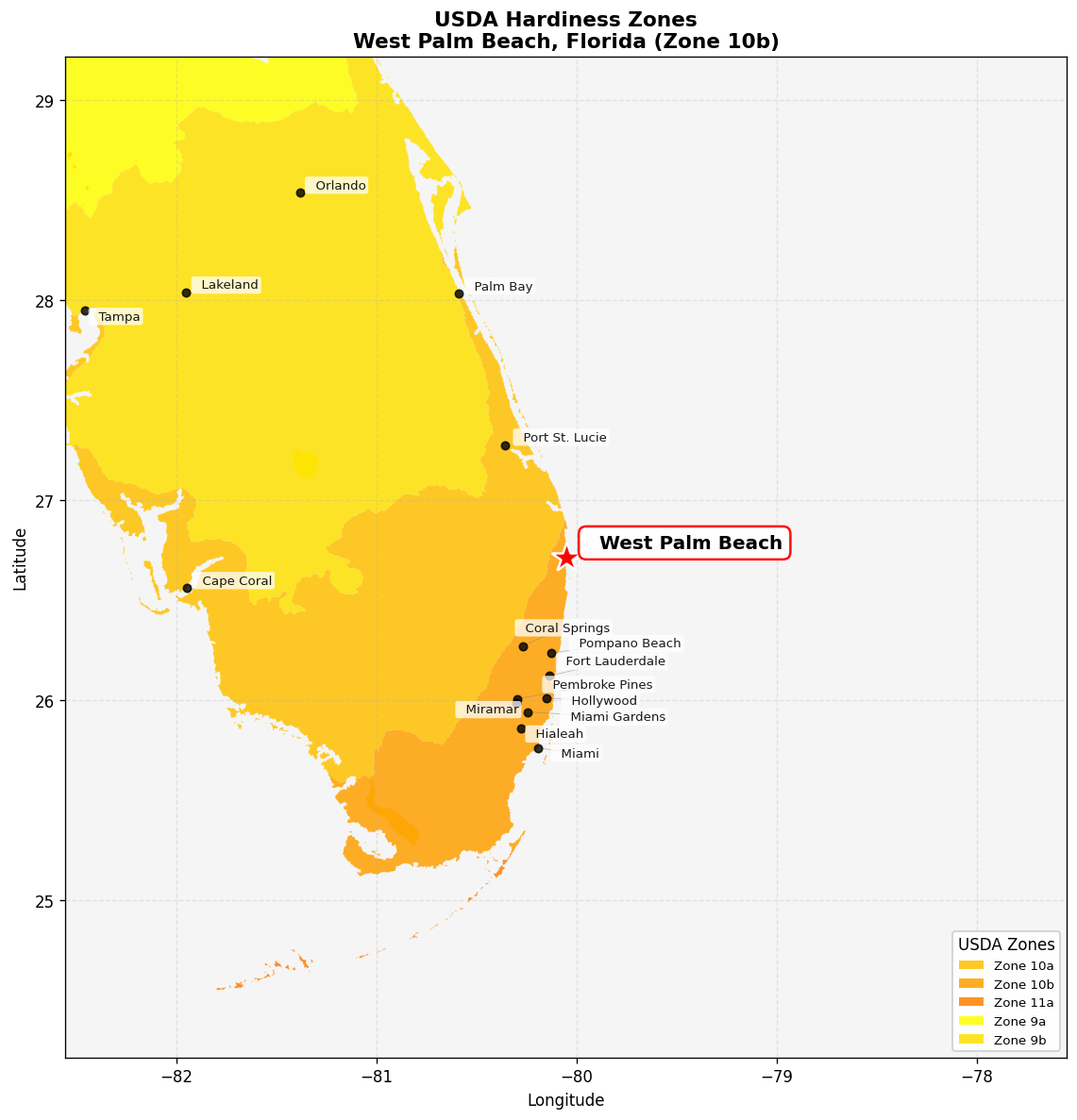
USDA Zone 10b
Hardiness zone for West Palm Beach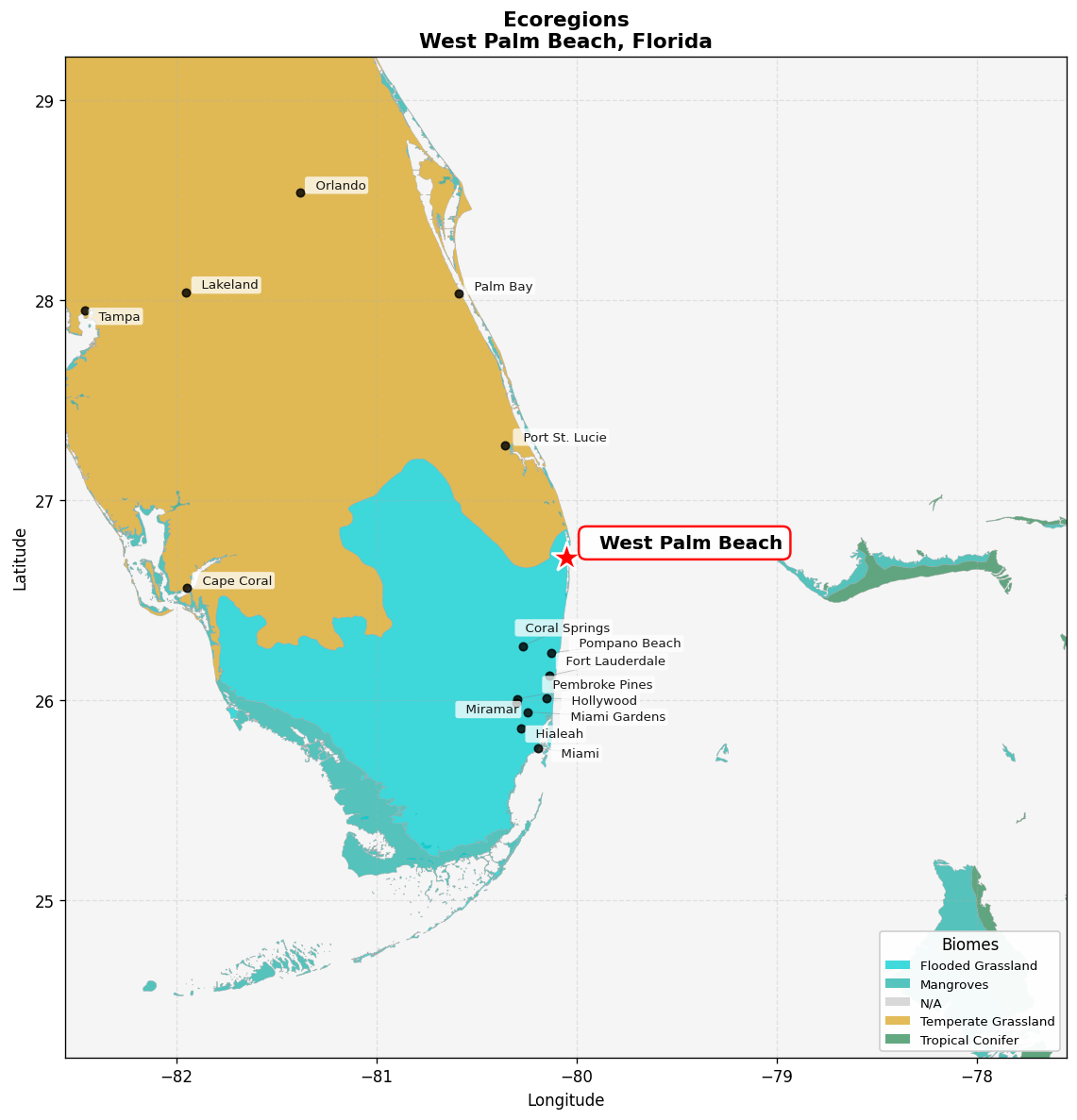
Everglades flooded grasslands
Native ecoregionFrequently Asked Questions
How much does an English cottage garden cost in West Palm Beach?
You can cut cost by planting Pentas, Salvia 'Amistad' and Plumbago from 1-gallon pots, which fill in within one season in this heat. Prices vary with site, size and finishes, so get two or three local quotes.
Which roses survive West Palm Beach's heat and humidity?
China and Noisette roses do best: Rosa 'Old Blush', Rosa 'Mutabilis', Rosa 'Louis Philippe' and Rosa 'Knock Out' bloom through most of the year and shrug off blackspot far better than hybrid teas. Buy them on Fortuniana rootstock if you can, because nematodes in sandy soil kill own-root roses quickly. Give them six hours of sun with morning exposure, drip irrigation at the base and a 3-inch mulch of melaleuca or pine bark.
Can I grow lavender, delphinium or foxglove here?
No, not as perennials. The summer heat and 60 inches of rain a year rot them by August, and Zone 10b winters are too warm for them to bloom reliably. Substitute plants that give the same shapes: Salvia 'Amistad' and Salvia leucantha 'Santa Barbara' for spires, Plumbago auriculata 'Imperial Blue' for blue haze, and Salvia farinacea 'Victoria Blue' for lavender-like color. Treat any cool-season annual such as snapdragon or dianthus as a November planting that is done by April.
When is the best time to plant a cottage garden in West Palm Beach?
October through early April is the best window for roses, salvias and annuals: the dry season keeps foliage free of fungus and the mild nights let roots settle. Plumbago and Pentas can go in any time from late spring when you can irrigate. Avoid planting new roses in the hottest weeks of July and August when afternoon storms and 91°F days stress transplants. Mulch right after planting and water on the schedule allowed by the county.
Do I need approval for a fence or have to follow water rules?
Palm Beach County restricts irrigation days and hours, so confirm the current schedule with the city and the South Florida Water Management District before installing a system. In the city's historic districts, ask the city about review of front fences and walls before building. Fence height limits and setbacks apply elsewhere. The UF/IFAS Palm Beach County Extension office can also advise on Florida-friendly landscaping.
Why do my roses and gardenias turn yellow here?
Usually iron. Alkaline sand with pH around 7.0–8.2 locks it up, so leaves go pale between green veins. Work compost into the bed, mulch with pine bark, and apply chelated iron or a Florida-formula fertilizer in spring and early fall. Gardenia jasminoides 'Frostproof' and the China roses tolerate the soil better than most, and a soil test at the Extension office will confirm the cause before you spend money on fixes.