4 Tropical Garden Ideas for West Palm Beach, FL | Zone 10b Designs
Native plants from the Everglades flooded grasslands (Zone 10b) — Tropical rainforest climate
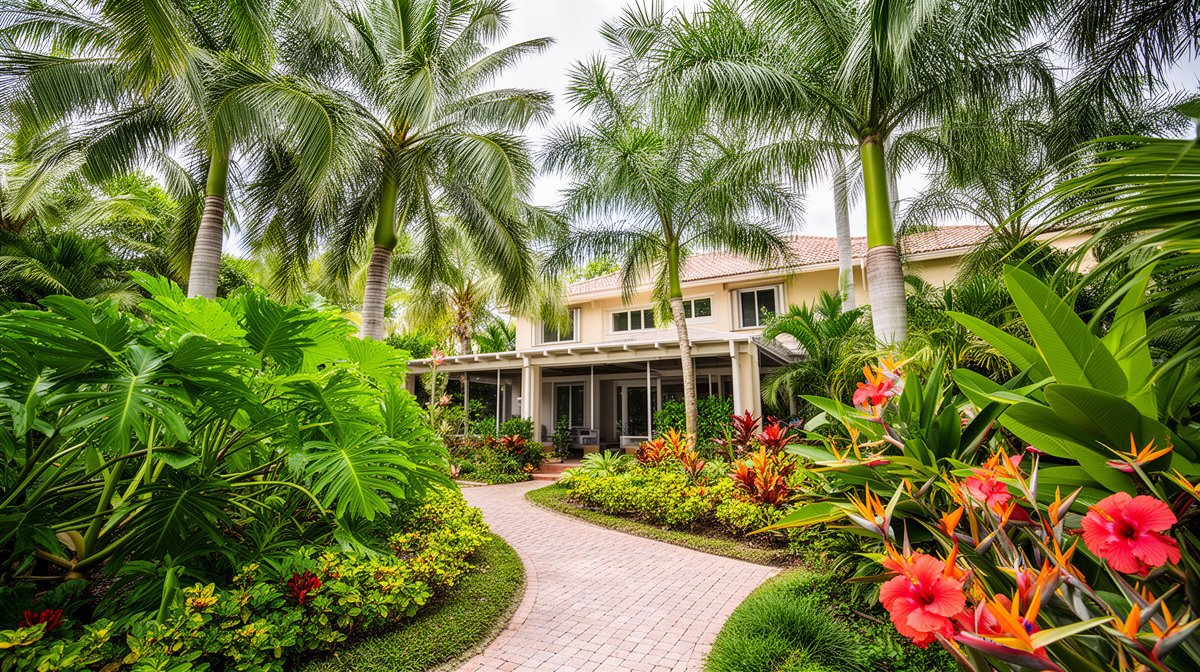
For a tropical garden in West Palm Beach, FL, a zone 10b city with a tropical rainforest climate, start with Heliconia psittacorum 'Lady Di', Alocasia 'Portora' and Thaumatophyllum 'Xanadu', the plants this guide's first design is built on.
Why Tropical/Lush Gardens in West Palm Beach?
West Palm Beach is one of the few US cities where a tropical garden is an everyday choice, with no gamble on winter. The city sits in USDA Zone 10b, where the average annual minimum runs 35–40°F, hard freezes are rare, frost depth is effectively zero, and Heliconia, bromeliads, gingers and Alocasia live outdoors all year. The houses help. The 1920s Mediterranean Revival and Spanish-style homes in El Cid and Flamingo Park, the bungalows of Grandview Heights and Northwood, and the concrete-block-and-stucco ranches scattered through the neighborhoods west of Dixie Highway all have walls that take a bold, leafy planting well.
The climate has two moods, and the planting plan has to handle both. Rainfall is about 60 inches a year, most of it between June and October, with July and August highs around 91°F and heavy afternoon storms. November through April is dry and mild, with January lows in the upper 50s. Hurricane season runs June 1 to November 30, so the structure of the garden should be plants that take wind. Sabal palmetto, Serenoa repens and Zamia pumila (coontie) shrug off storms. Heliconia caribaea gets shredded, then regrows from the rhizome within a season. Where the usual tropical classics struggle, swap them: Cycas revoluta (sago) is badly hit by cycad aulacaspis scale, so plant native Zamia pumila instead, and use Ravenala madagascariensis as an accent only, since the leaves tear in a squall.
Much of the city is sand, and fill and limestone-influenced ground can push pH into the 7.0–8.2 range, which locks up iron and turns Ixora, Gardenia and some palms yellow. Choose plants that tolerate it, such as Conocarpus erectus var. sericeus (silver buttonwood), Chrysobalanus icaco 'Red Tip' and Thaumatophyllum 'Xanadu', and feed with chelated iron and a slow-release palm fertilizer where you do plant fussier species. Low lots can hold standing water in the rainy season, so build beds 6–12 inches above grade and add compost, since plain sand dries out in a week of winter sun.
Irrigation days and hours are restricted in Palm Beach County, so group plants by water need and run drip. Skip the invasive tropicals the state lists, such as Brazilian pepper, Schefflera actinophylla and Lantana camara, and plant natives instead. In the city's historic districts, ask the city about review before changing front-yard walls and fences, and check whether a tree permit is needed before removing or heavily trimming a large tree. The UF/IFAS Palm Beach County Extension office on North Military Trail can test soil and identify problems.
4 Tropical/Lush Design Ideas for West Palm Beach
AI-generated image
The Courtyard Jungle
$18–38/sqftA Mediterranean Revival house with a tile-roofed entry court gets a dense, layered planting against the cream stucco: broad Alocasia and Philodendron leaves in the shade of the wall, a golden-green Heliconia in the corner, and a single Bismarckia nobilis catching the afternoon sun. A flagstone path winds through the planting, and a small bubbling urn fountain covers street noise. The shaded north wall holds ferns and bromeliads in the ground, while the sunny center strip carries the color.
Try this on your yard: The Courtyard JungleAI-generated image
The Pool Deck Palm Garden
$25–55/sqftA rectangular pool in a back yard fenced by a hedge of Clusia guttifera 'Nance' is edged with clustered palms and bold foliage. A cluster of Adonidia merrillii stands at one corner, a drift of Dianella 'Cassa Blue' softens the coping, and bromeliads fill the planters along the stucco wall. The sun falls straight across the deck by midday, so shade comes from a pergola with Bougainvillea 'Barbara Karst' trained over the beams.
Try this on your yard: The Pool Deck Palm GardenAI-generated image
The Rain Garden Tropical Border
$14–30/sqftA low spot along the side of a bungalow in Grandview Heights becomes a planted swale. Tall Tripsacum floridanum and Hibiscus coccineus stand at the back, Canna 'Tropicanna' and Costus woodsonii fill the middle, and Iris hexagona and Zamia pumila hold the edge. It handles the 60 inches of rain a year without standing water at the house, and the deep-rooted grasses keep it green into the dry season.
Try this on your yard: The Rain Garden Tropical BorderAI-generated image
The Front Yard Palm Avenue
$16–34/sqftA street-facing front lawn in a quiet neighborhood is replaced with a tiered planting of three palm heights. Silver Sabal palmetto 'Lisa' marks the corner of the drive, a clustered Dypsis lutescens screen at the property line gives privacy, and a bed of Zamia pumila and Philodendron 'Hope' underplants them. The front walk is wide enough for two people, and a small tree-framed seat gives a place to sit and watch the street.
Try this on your yard: The Front Yard Palm AvenueSee how a tropical/lush garden looks on YOUR property
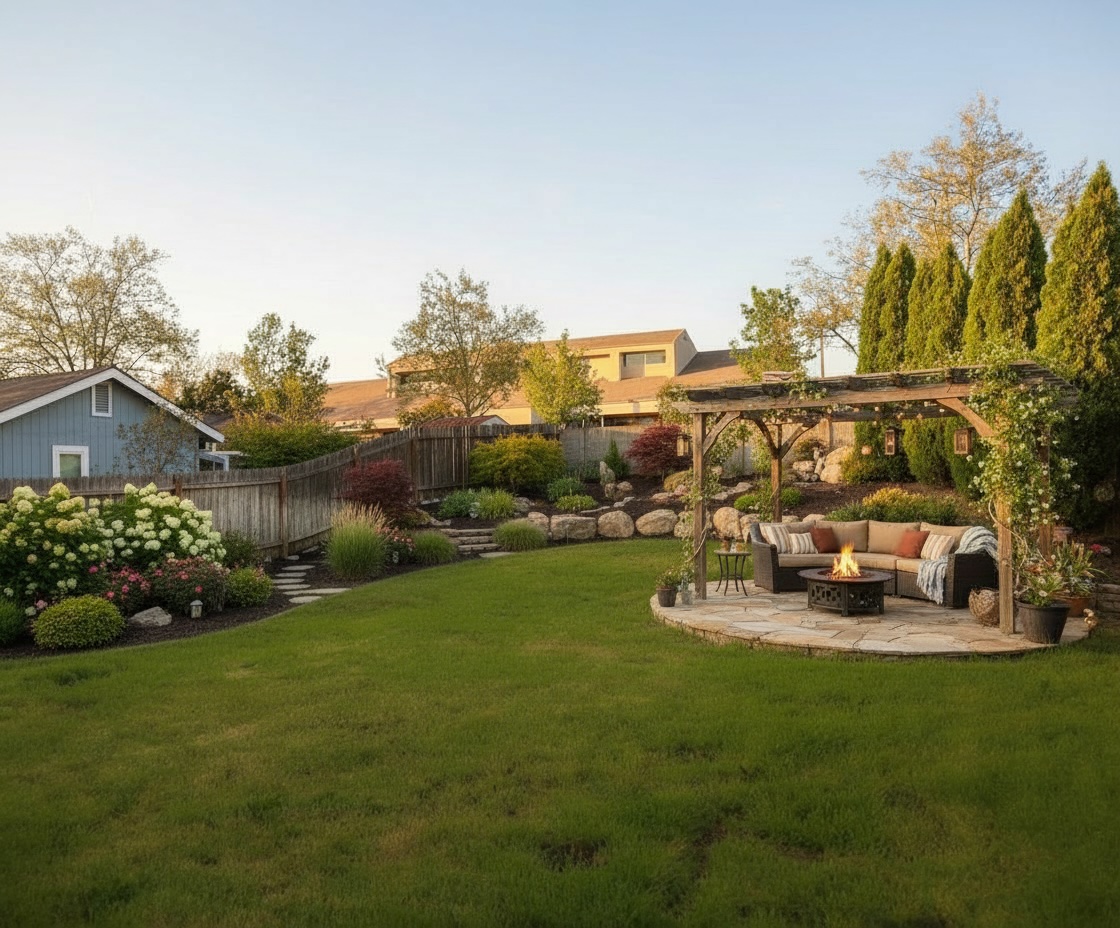
Upload a photo of your West Palm Beach yard and visualize your dream garden in seconds.
Try ProScapeAI Free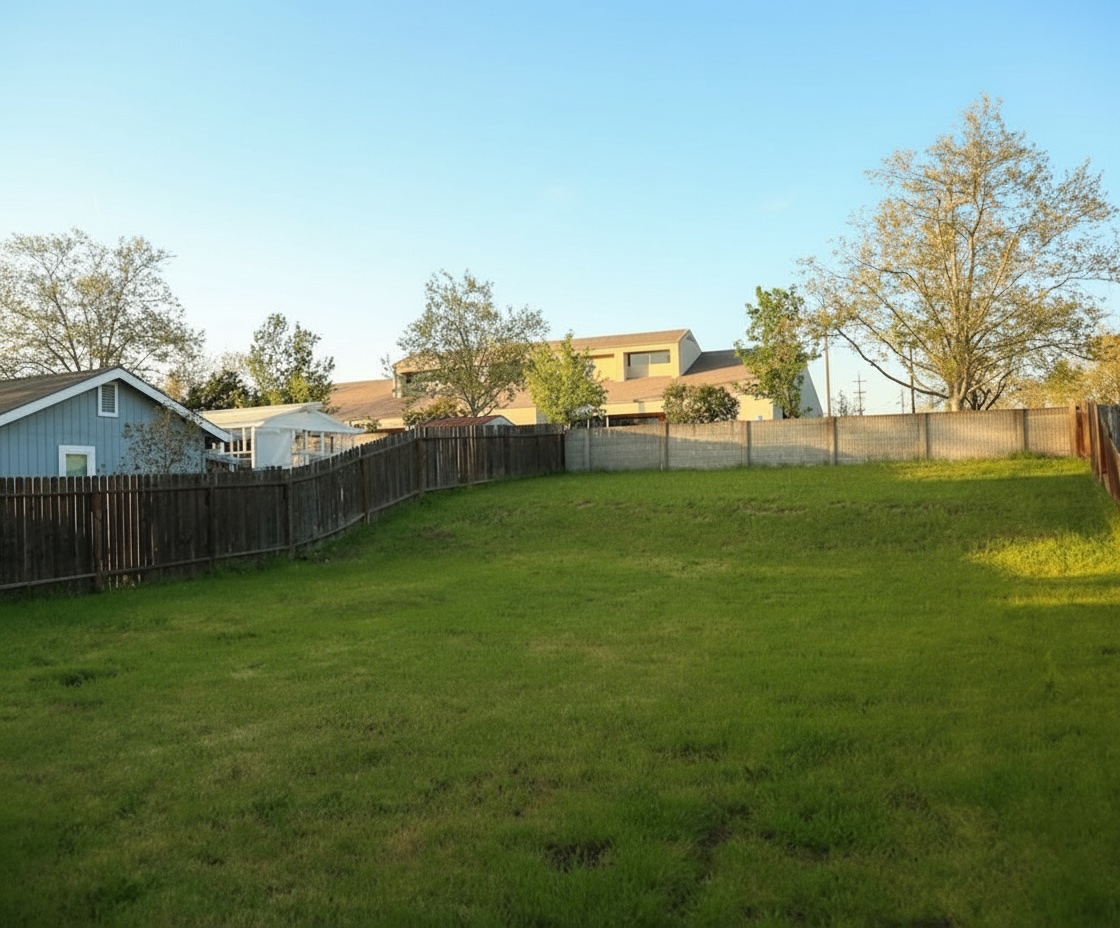
AI-generated image
Featured Trees & Shrubs for Tropical/Lush Gardens
Browse all 150 plants for West Palm Beach
Bismarck Palm
Bismarckia nobilis
reaches 30 feet tall, blooms in summer. Pollinator-friendly.

Clustering Fishtail Palm
Caryota mitis
medium-sized at 15 feet, yellow blooms in summer. Pollinator-friendly.

Pygmy Date Palm
Phoenix roebelenii
grows to 6 feet, yellow blooms in spring. Pollinator-friendly.

Royal Palm
Roystonea regia
large shade tree reaching 50+ feet, white blooms in spring. Pollinator-friendly.
Featured Grasses & Groundcovers for Tropical/Lush Gardens
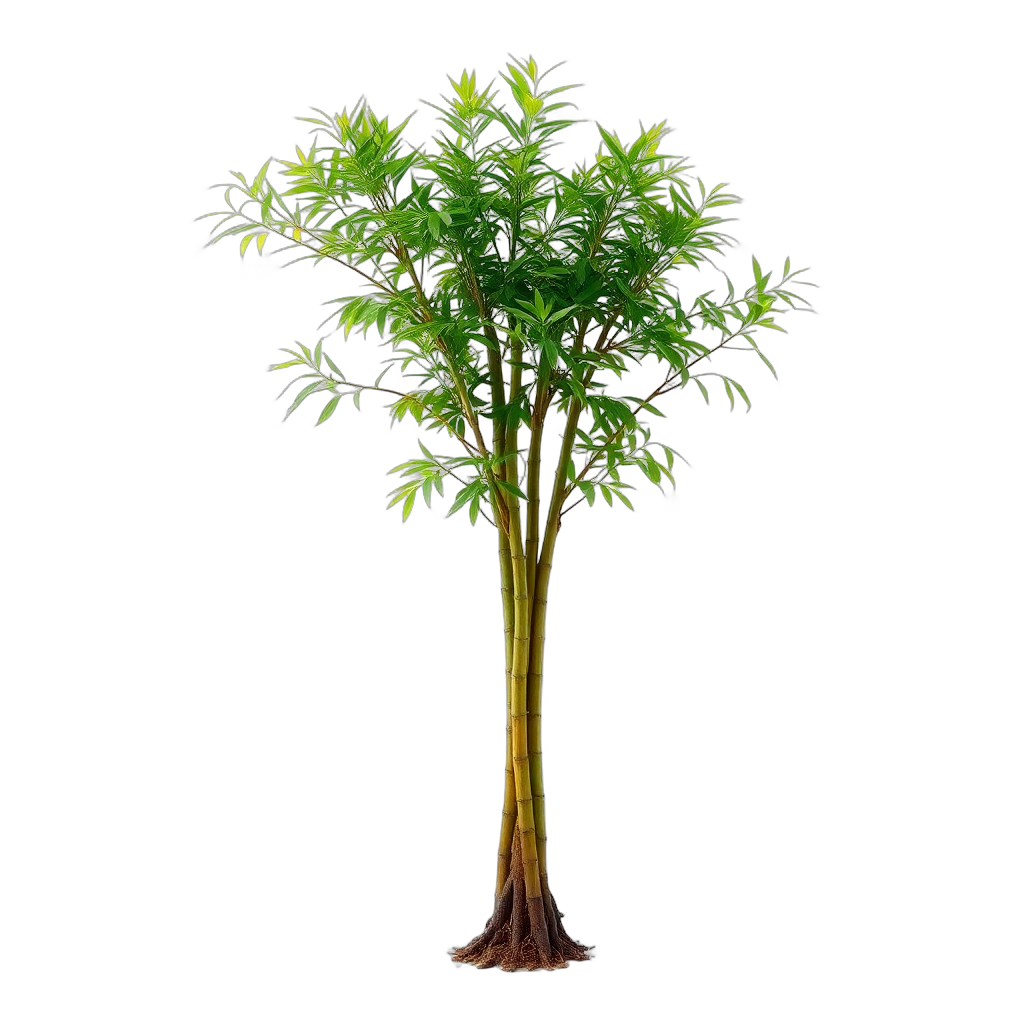
Anceps Bamboo
Yushania anceps
medium-sized at 12 feet, blooms in none. Evergreen year-round.
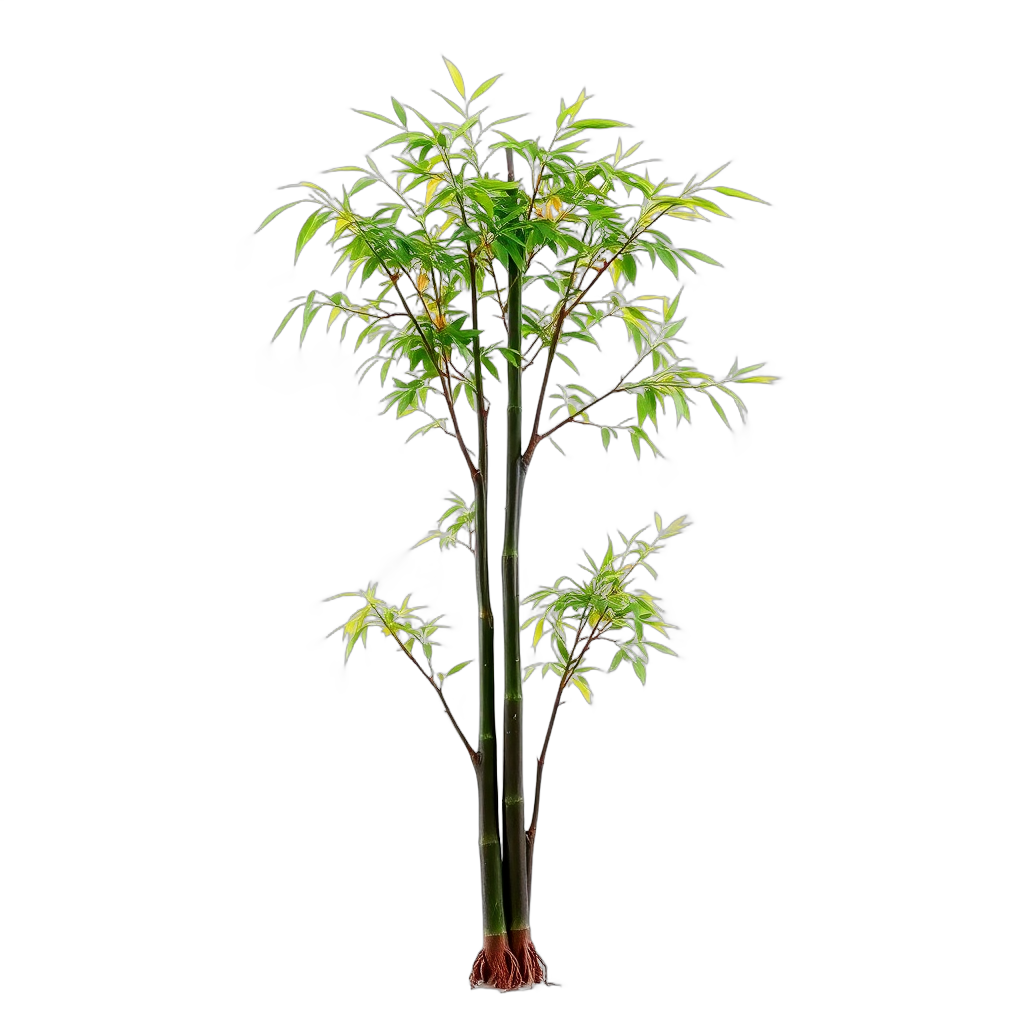
Black Bamboo
Phyllostachys nigra
reaches 25 feet tall, blooms in none. Evergreen year-round.
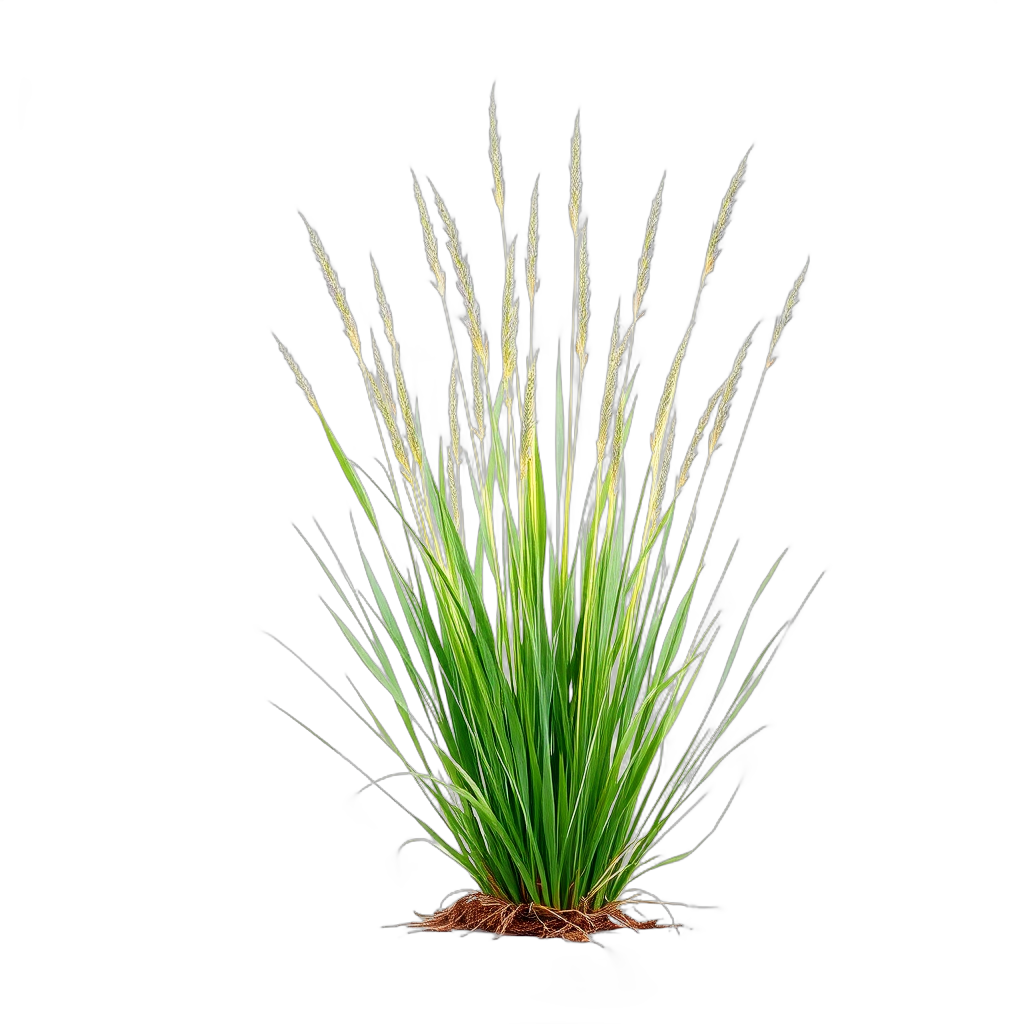
Blue Grama Grass
Bouteloua gracilis
low-growing ground cover, purple blooms in summer. Yellow fall color.
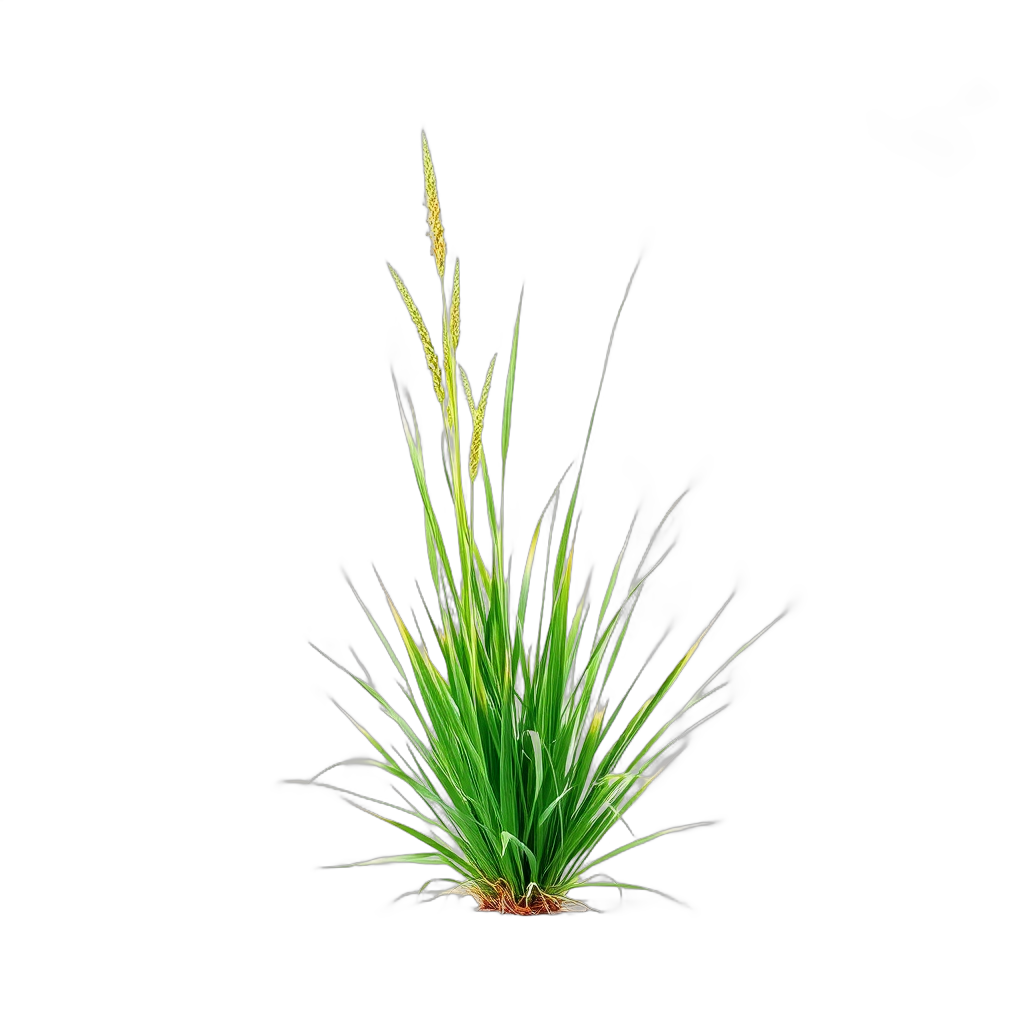
Bull Grass
Muhlenbergia emersleyi
grows to 4 feet, purple blooms in fall. Yellow fall color.
Featured Flowers & Perennials for Tropical/Lush Gardens

Canadian Waterweed
Elodea canadensis
grows to 3 feet, white blooms in spring. Evergreen year-round.

Common Cattail
Typha latifolia
grows to 5 feet, blooms in summer. Pollinator-friendly.

Common Duckweed
Lemna minor
low-growing ground cover, white blooms in summer. Evergreen year-round.

European Frogbit
Hydrocharis morsus-ranae
low-growing ground cover, white blooms in summer. Pollinator-friendly.
Zone and sun checks come from our database — confirm with your local nursery before you buy.
Bloom Calendar for West Palm Beach
spring
Canadian Waterweed, Sweet Flag, African Daisysummer
Canadian Waterweed, Common Cattail, Common Duckweedfall
Canadian Waterweed, Pickerelweed, African Daisywinter
Limited bloomsDesign Tips for West Palm Beach (Zone 10b)
- Build beds 6–12 inches above grade with compost: the sandy soil drains fast in winter but low lots hold water in the June–October rains, and raised beds solve both
- Test the pH before buying: ground near fill or limestone can read 7.0–8.2, which yellows Ixora and Gardenia, so choose tolerant plants such as silver buttonwood, Sabal palmetto and Thaumatophyllum 'Xanadu'
- Replace Cycas revoluta with Zamia pumila: cycad aulacaspis scale is established across Palm Beach County and wipes out sago palms, while coontie is a Florida native that carries the same look
- Group plants by water need and run drip: county irrigation limits mean a thirsty Heliconia and a drought-tolerant Sabal palmetto should not share a zone
- Stake new palms and trees for the first year and avoid planting large, brittle trees within falling distance of the house; the season runs June 1 to November 30
- Mulch 3 inches deep with melaleuca or pine bark, kept off palm trunks, to hold moisture through the dry months from November to April
- Use the afternoon storms: a rain barrel and a swale feed the bed through July and August, when the average high sits near 91°F and the sun is brutal at 2 p.m.
Where to Source Plants in West Palm Beach
Skip the big-box stores. These independent West Palm Beach nurseries specialize in the plants that make tropical/lush gardens thrive in Zone 10b.
SmartyPlants Nursery
Lake Worth Beach (North Dixie Highway)
Two-acre independent nursery with Florida-adapted palms, shade trees, shrubs, vines, grasses and wildflowers, plus design and installation and a plant-request service for items it does not stock
Native Choice Nursery
Loxahatchee Groves
Retail nursery growing more than 100 Southeast Florida native species, including rare and unusual South Florida natives; visits by appointment, so call ahead
Sustainscape Native Nursery & Design
Boynton Beach
Native plant nursery growing about 50 South Florida species alongside sustainable landscape design, rain gardens and soil work for Palm Beach County properties; appointment required
Tropical/Lush Landscaping Cost Ranges
| Project Scope | Estimated Cost |
|---|---|
| Flagstone or paver walkway (150–250 sqft) | $3,300–$9,400 |
| Low-voltage landscape lighting, 8–12 fixtures | $1,600–$3,900 |
| Interlocking concrete pavers patio (200 sqft) | $4,300–$5,700 |
| AI visualization (ProScapeAI) | Free to start |
National average installed ranges for 2026 from our landscaping price list (Homewyse and other published sources). Prices in West Palm Beach, FL vary with site, materials and contractor, so get two or three local quotes.
West Palm Beach Climate & Growing Zone
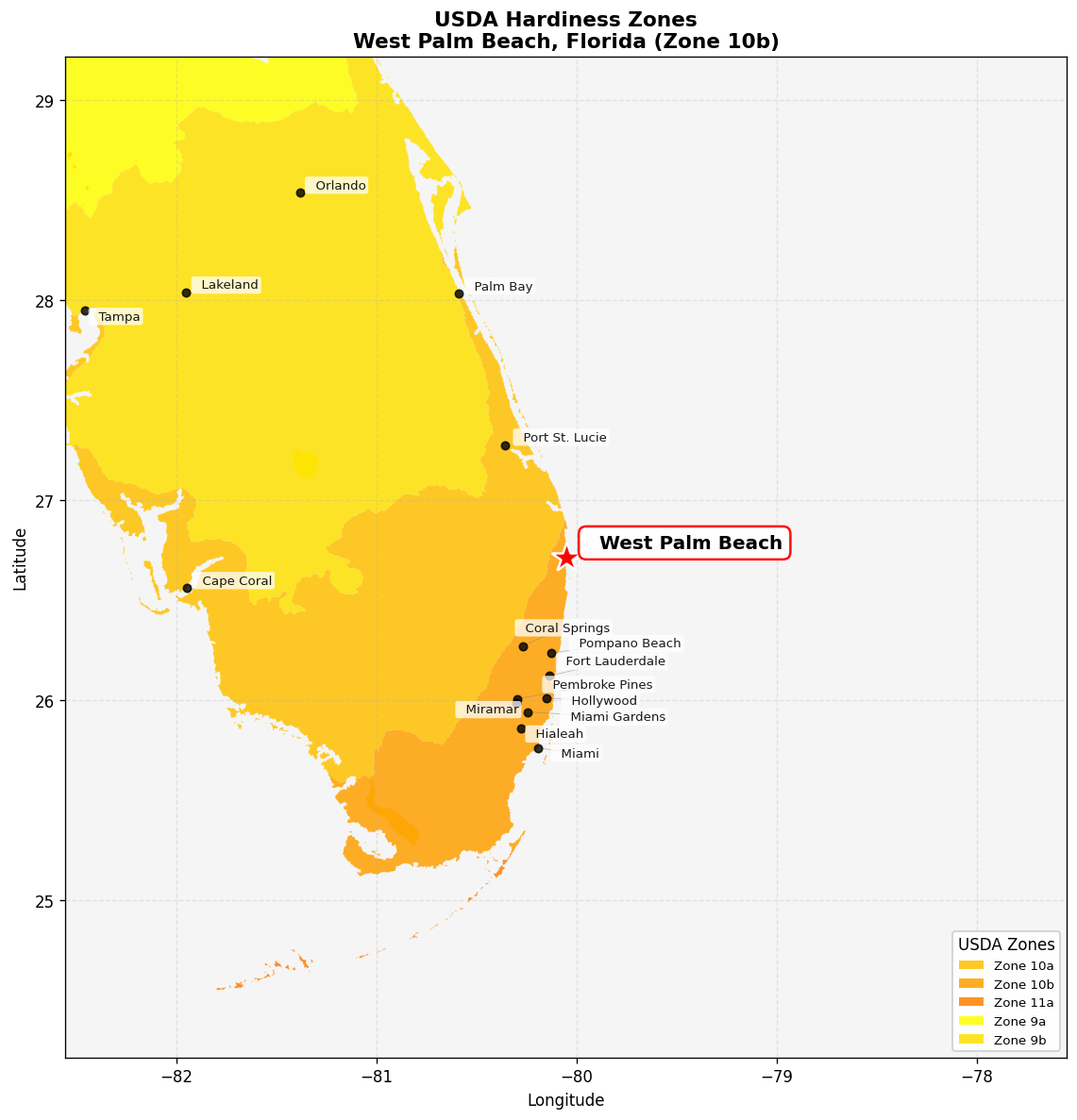
USDA Zone 10b
Hardiness zone for West Palm Beach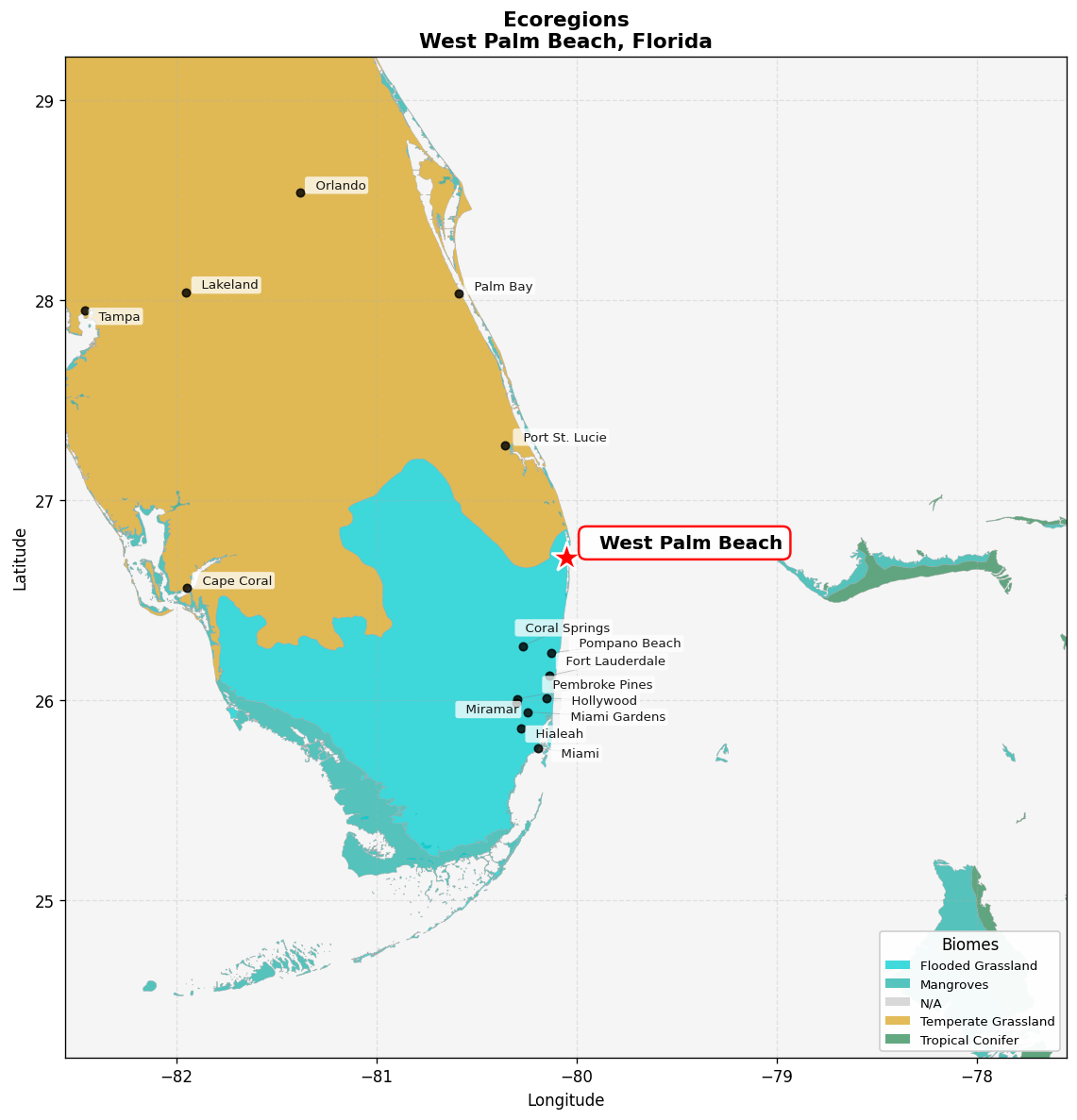
Everglades flooded grasslands
Native ecoregionFrequently Asked Questions
How much does a tropical garden cost in West Palm Beach?
Large specimen palms such as Bismarckia nobilis 'Silver' are the budget swing, so buy a 15-gallon plant and let it grow instead of a trucked-in mature specimen. Prices vary with site, size and finishes, so get two or three local quotes.
Is a tropical garden low maintenance here?
Upkeep is lighter than a lawn. Plan on trimming spent Heliconia stalks and dead fronds, a monthly look for scale and mealybugs on the palms, and two or three fertilizer rounds a year with a palm-specific mix to head off the manganese and iron deficiency that shows as yellow fronds in alkaline sand. Mulch 3 inches deep with melaleuca or pine bark to hold moisture through the dry season. Once established, native plants like Zamia pumila and Sabal palmetto need little irrigation beyond the first year.
When is the best time to plant in West Palm Beach?
Plant from June through September for most tropicals, because the warm rainy season pushes roots fast and the afternoon storms water the bed for free. Palms establish best in the summer, when soil and air are both warm. The dry season from November to April is better for natives that dislike wet feet, such as Tripsacum floridanum. Avoid planting in the weeks before a named storm approaches, and stake trees and larger palms for the first year.
What survives a hurricane in a tropical garden?
Sabal palmetto, Serenoa repens and Zamia pumila are the proven performers in Florida storms, as is silver buttonwood in a hedge. Heliconia and Alocasia shred but regrow from the root within a season, so treat them as renewable. Avoid planting large, soft-wooded trees such as some Ficus species close to the house, and prune dead wood before the season starts, not after a storm is named. Do not cut palm crowns hard in spring, which weakens them.
Do I need a permit or have to follow water rules?
Water restrictions apply in Palm Beach County, including limits on irrigation days and hours, so confirm the current schedule with the city and the South Florida Water Management District before you install a system. In the city's historic districts, check with the city about review of front-yard walls and fences. Tree removal and heavy trimming of large trees may need a permit, so confirm with the city before work. The UF/IFAS Palm Beach County Extension office can also advise on Florida-friendly landscaping.
Which invasive tropicals should I avoid in West Palm Beach?
Skip Schinus terebinthifolia (Brazilian pepper), Schefflera actinophylla, Lantana camara and Scaevola taccada, which escape into natural areas in South Florida. Choose natives or non-invasive substitutes: coontie instead of sago, firebush (Hamelia patens) instead of Lantana camara, and sea grape (Coccoloba uvifera) for a coarse-leaf hedge. If a plant nursery is not sure of the status, check the Florida Invasive Species Council list before buying.