4 English Cottage Garden Ideas for Pasadena, TX | Zone 9a Design
Native plants from the Western Gulf coastal grasslands (Zone 9a) — Humid subtropical climate
Why Cottage/English Gardens in Pasadena?
Pasadena is a cottage-garden town that has never been told so. The 1940s wartime cottages off Southmore Avenue and around Vince Bayou, the deep-porched bungalows of old Pasadena Heights, and the long brick ranches that filled Golden Acres, Red Bluff and Parkgate during the ship-channel refinery boom all sit on the wide, flat, generously proportioned lots an English border actually needs — front yards deep enough for a picket fence with a real planting bed in front of it, and back yards square enough for a rose-covered pergola that does not crowd the house. The newer subdivisions along Fairmont Parkway, Beltway 8 and Space Center Boulevard give you less ground but something older Pasadena lots rarely offer: open sun and no seventy-year-old live oak roots to design around. Either way, the strawberry fields this town was built on left behind exactly the thing a cottage garden wants — deep, worked, fertile ground and a local habit of growing things.
Zone 9a here means an average winter low of 20–25°F and close to 300 frost-free days, so a Pasadena cottage garden peaks in April rather than July and then runs a genuine second season from October into December. It also means the English plant list has to be edited, not copied. Pasadena averages roughly 52 inches of rain a year, July highs near 94°F and heat-index afternoons above 105°F — conditions that melt Delphinium elatum outright and rot Lavandula angustifolia by the second midsummer. The plants that carry the look here are the ones found or bred for the Gulf Coast: the 'Peggy Martin' climbing rose that survived weeks under salt water after Katrina, Earth-Kind shrub roses like 'Belinda's Dream' and 'Caldwell Pink', Phlox paniculata 'John Fanick' for mildew resistance, Salvia farinacea 'Henry Duelberg' for the blue spikes, and Lavandula × intermedia 'Phenomenal' where the picture calls for lavender. February 2021 is the other number every plan should respect: that week bottomed out near 13°F across the Houston area, far under the Zone 9a design minimum, which is why the permanent bones of a Pasadena garden should be hardy to 15°F even when the tag says 20°F.
The ground underneath is Lake Charles and Beaumont clay — a cracking, high-shrink-swell coastal-prairie vertisol running neutral to alkaline at roughly pH 7.5, on land that falls only a few feet across an entire block. That does two things to a cottage garden. It drowns crowns: after a 5-inch overnight rain the water has nowhere to go, and Achillea, Lavandula and Salvia greggii planted at grade will be dead by March. Build every border up 8–12 inches on a mix of native soil, expanded shale and composted pine bark, and the same plants sail through. It also locks out acid-lovers, so plan for Camellia sasanqua 'Shishi Gashira' and Hydrangea macrophylla 'Penny Mac' in amended raised beds or large containers rather than dug straight into the clay. Cracking clay is hard on hardscape too: brick walks and flagstone want a compacted crushed-limestone base and sand-swept joints so they can move a little each season instead of cracking.
Water is the last local reality. Pasadena's utility maintains a drought contingency plan that can put landscape irrigation on assigned days once a stage is declared, so an irrigation design should be built to deliver a week's water in two long soaks rather than seven short ones — which suits deep-rooted roses and salvias anyway. Texas rules also require a new in-ground system to go in through a licensed irrigator with backflow prevention and a rain-and-freeze sensor, and that is a line item worth budgeting rather than discovering. Add the coastal facts — the Houston Ship Channel along the north edge of town, Galveston Bay about ten miles down the road, and onshore wind that carries salt during tropical weather — and drip lines, deep raised borders and salt-tolerant edging plants like Crinum and Zephyranthes stop being refinements. They are what lets the picture-book version survive its second August.
4 Cottage/English Design Ideas for Pasadena

The Picket Fence and Rose Arbor Front
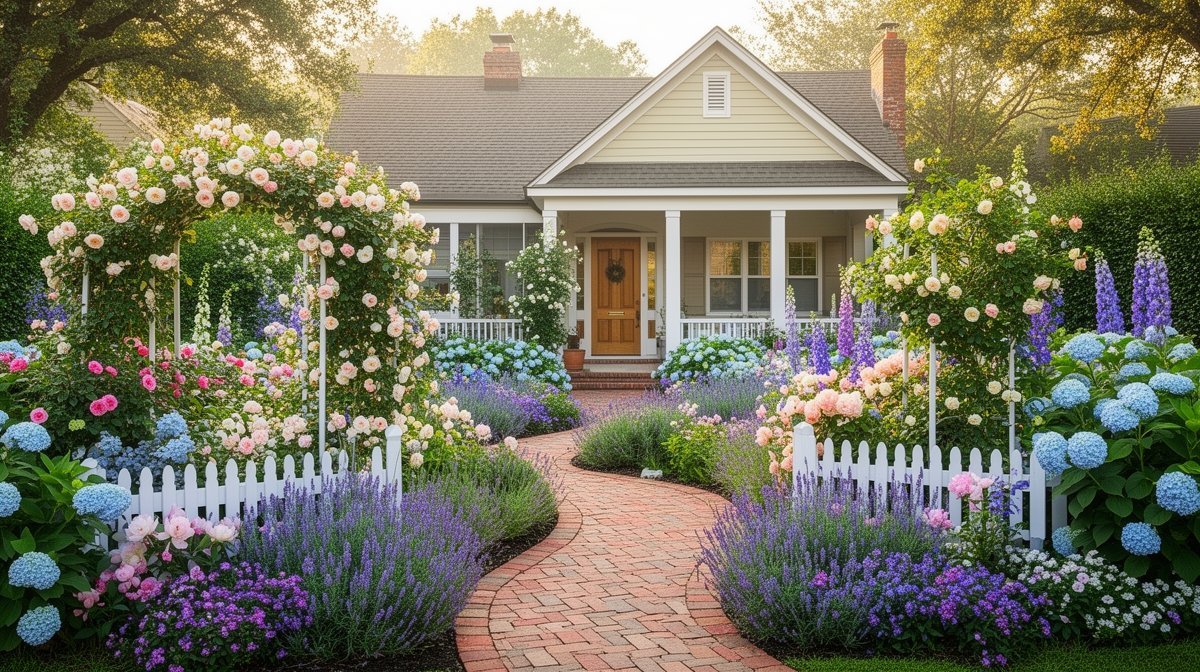
$18–32/sqftA cream clapboard cottage with a dark shingle roof sits behind a low white picket fence, and the whole design turns on one gesture: a cedar arbor straddling the gate, smothered in blush and ivory roses so thickly the timber barely shows. A curved reclaimed-brick walk runs from the gate to a pale sage front door flanked by terracotta pots, with a shallow brick step and matching window boxes of red geraniums picking up the same warm tone. Lavender runs the full length of the fence on the street side in an unbroken purple ribbon, roses fill the beds behind it, and only two narrow strips of lawn are left — which is exactly the ratio that makes a small Pasadena front yard read as a garden rather than a yard with plants in it.

The Deep Border Under the Live Oak
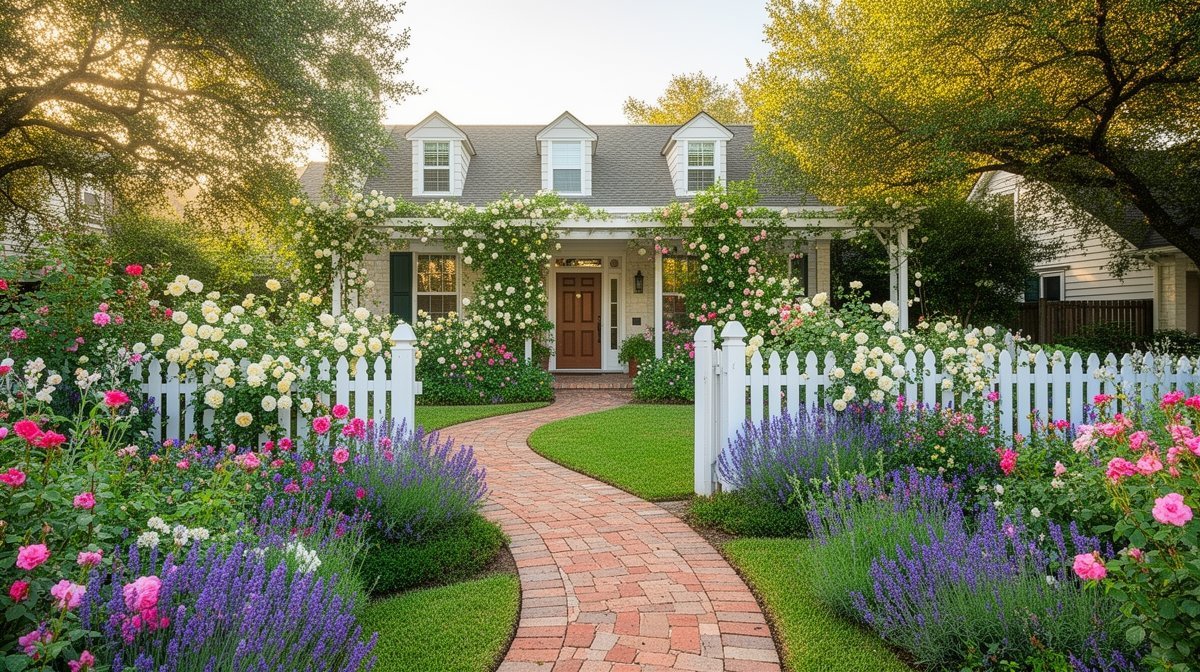
$14–26/sqftA wider tan bungalow with a full front porch, aqua door and hanging baskets gets a pair of slim white steel arches carrying white climbing roses, set where a curving pale paver path bends toward the steps. The real work happens on either side: borders four to six feet deep, layered front to back with lavender and low annuals, then spires of foxglove and penstemon, then loose shrub mass against the porch rail. A mature live oak on the left throws afternoon shade across half the bed, so that side runs cooler and shadier in plant choice than the sunny right-hand border — the honest way to plant a Pasadena front yard that already has a big tree in it. Foxglove is a cool-season annual here, set out in November and pulled in June, and the design assumes that rather than pretending otherwise.

The Rose Gateway and Flagstone Circle
$22–38/sqftA white-painted pergola gateway with lattice side panels stands out in the lawn, wrapped in pink climbing roses, and framing a view straight back to a sage-green cottage. Under it, an irregular flagstone circle laid with open, planted joints holds nothing more than a small round bistro table and two white metal chairs — a two-person destination thirty feet from the back door. Deep mixed borders wrap the circle on both sides: lavender in front, cream and pink roses and full white blooms behind, purple salvia spiking through the middle. The whole design is built around the flat Pasadena back yard's one weakness — nothing to walk toward — and it fixes it with a gate that leads nowhere except to a place to sit.

The Cedar Pergola and Fountain Lawn
$28–55/sqftHere the cottage look goes full outdoor dining room: a heavy rough-sawn cedar pergola over a raised deck, lattice screen panels closing off the neighbouring brick wall, and roses running the length of every beam so the roof is half timber and half bloom. A long table with cushioned armchairs and a bench sits underneath, and out in the lawn a cast-stone tiered fountain anchors a circular planting bed of low pink and white flowers — a focal point you can see from the kitchen window and hear from the table. Roses, lavender and white perennials fill deep beds along the cedar privacy fence, softening every hard line in the yard. The fountain is also the practical piece: moving water in a Pasadena back yard is what stops the standing water that would otherwise breed mosquitoes from May to October.
See how a cottage/english garden looks on YOUR property
Upload a photo of your Pasadena yard and visualize your dream garden in seconds.
Try ProScapeAI Free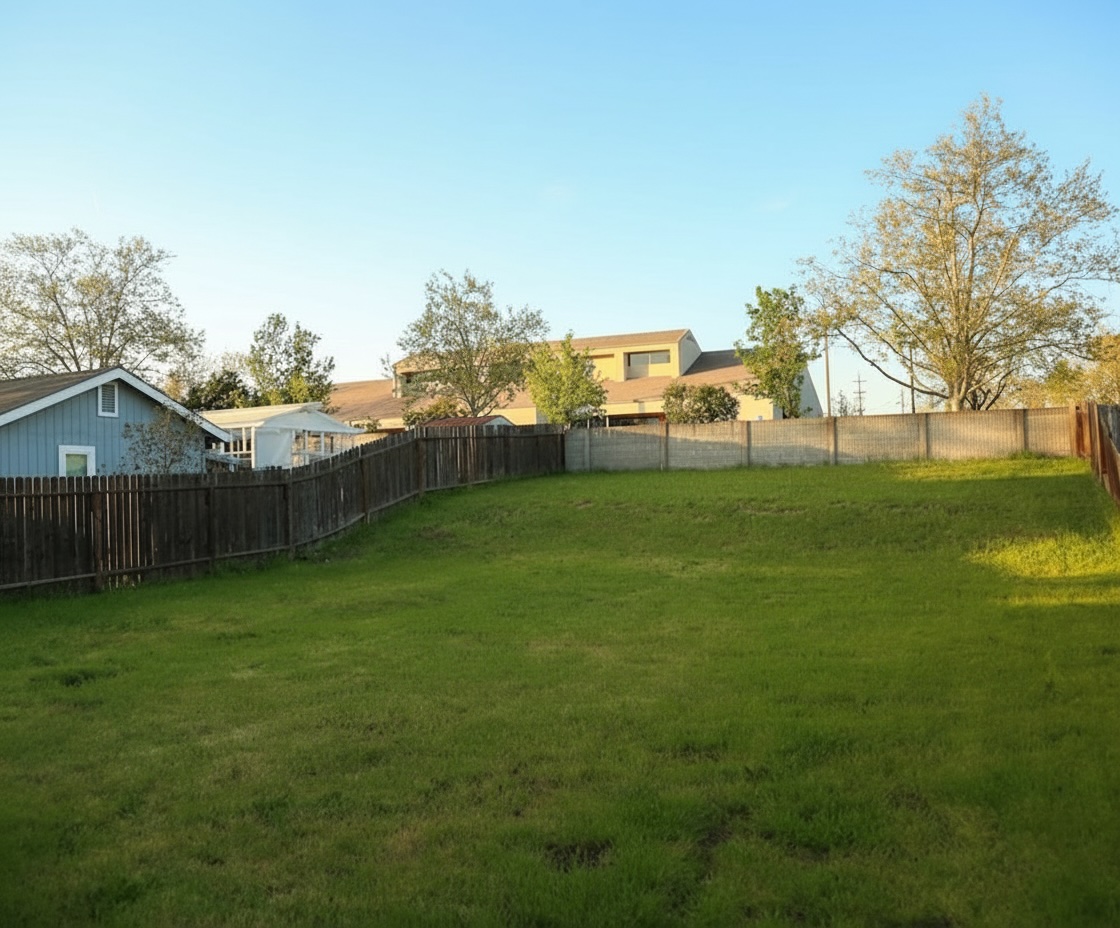
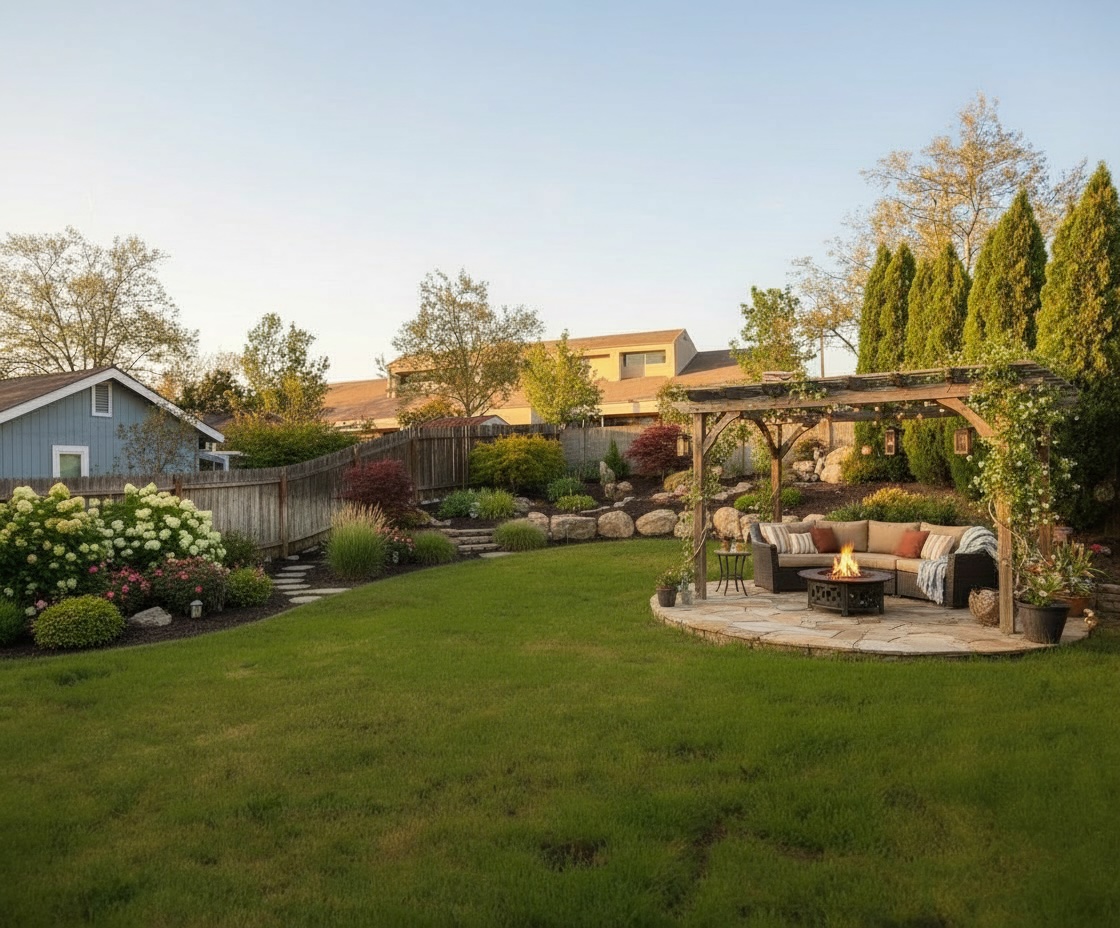
Featured Trees & Shrubs for Cottage/English Gardens
Browse all 156 plants for Pasadena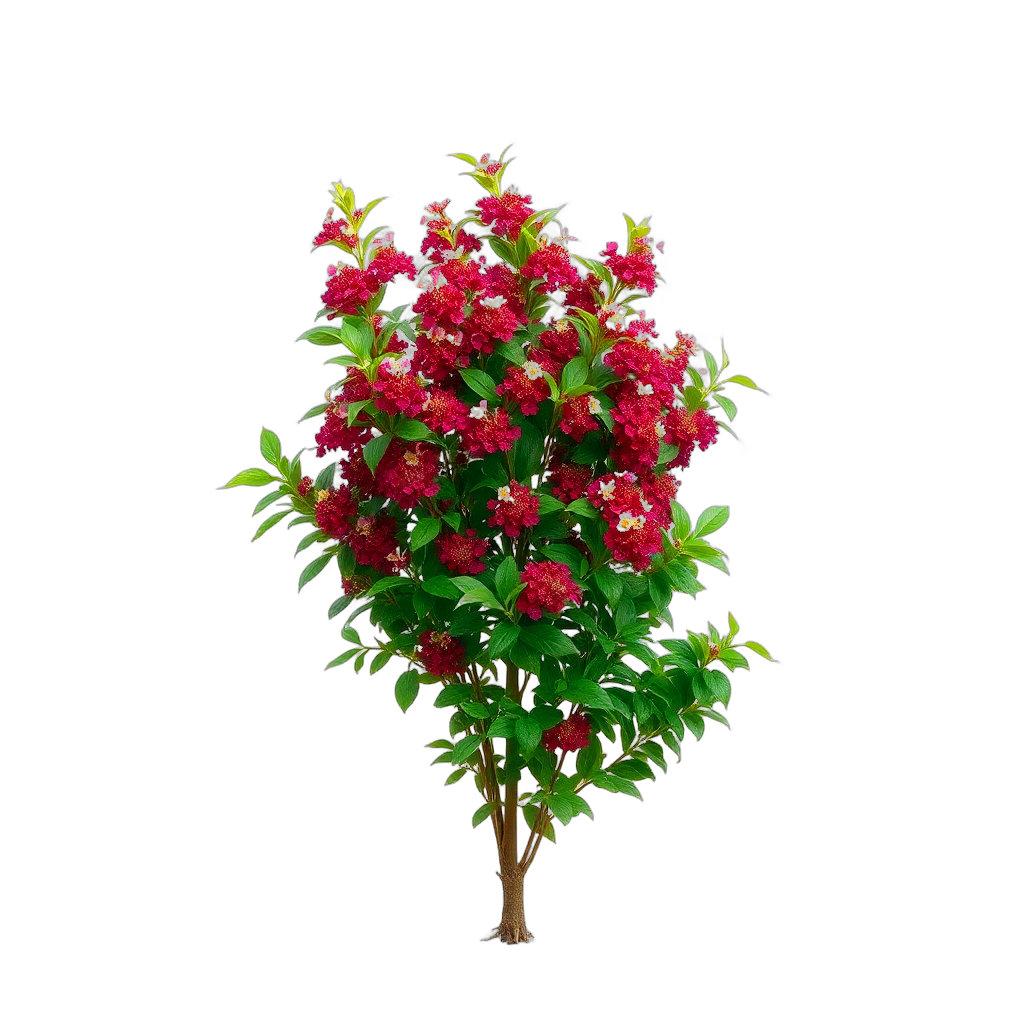
Ruby Spice Summersweet
Clethra alnifolia 'Ruby Spice'
grows to 5 feet, pink blooms in summer. Attracts butterflies.
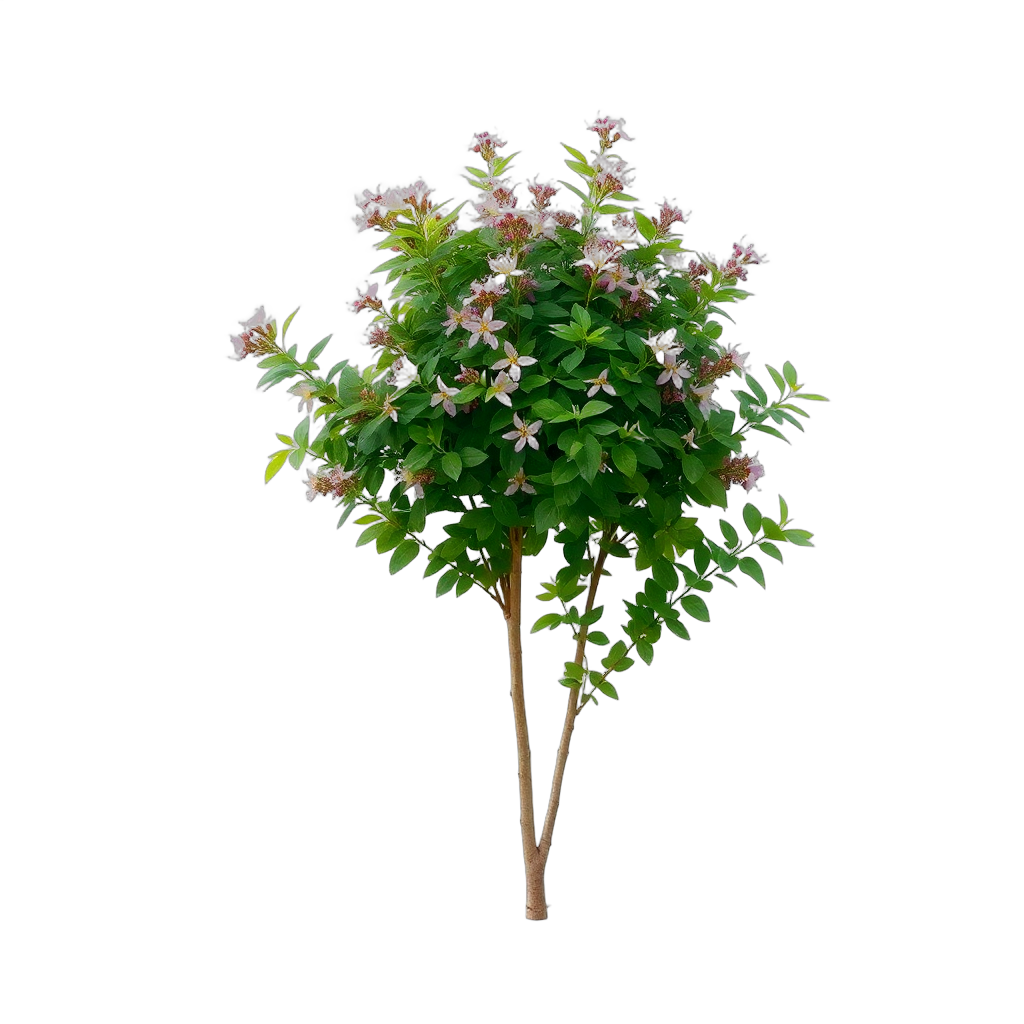
Summersweet
Clethra alnifolia
grows to 6 feet, white blooms in summer. Attracts butterflies.
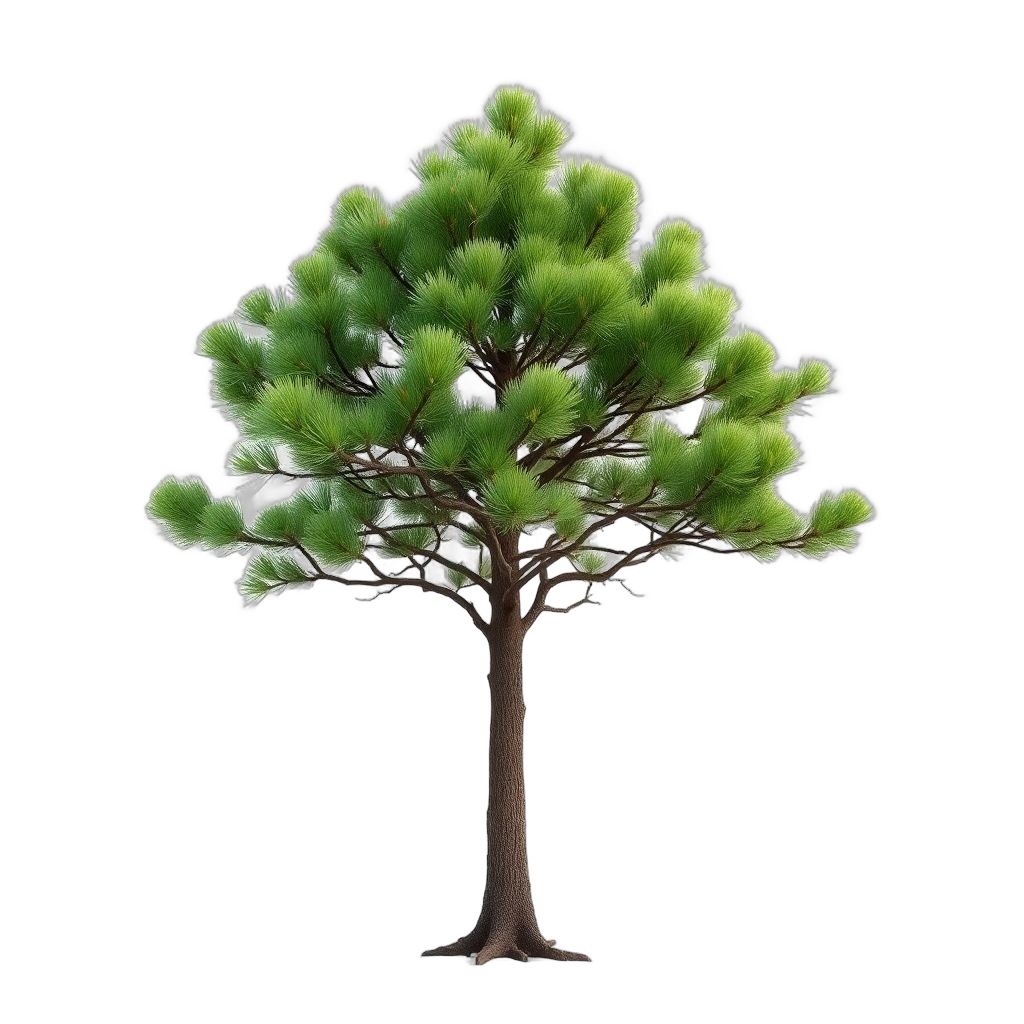
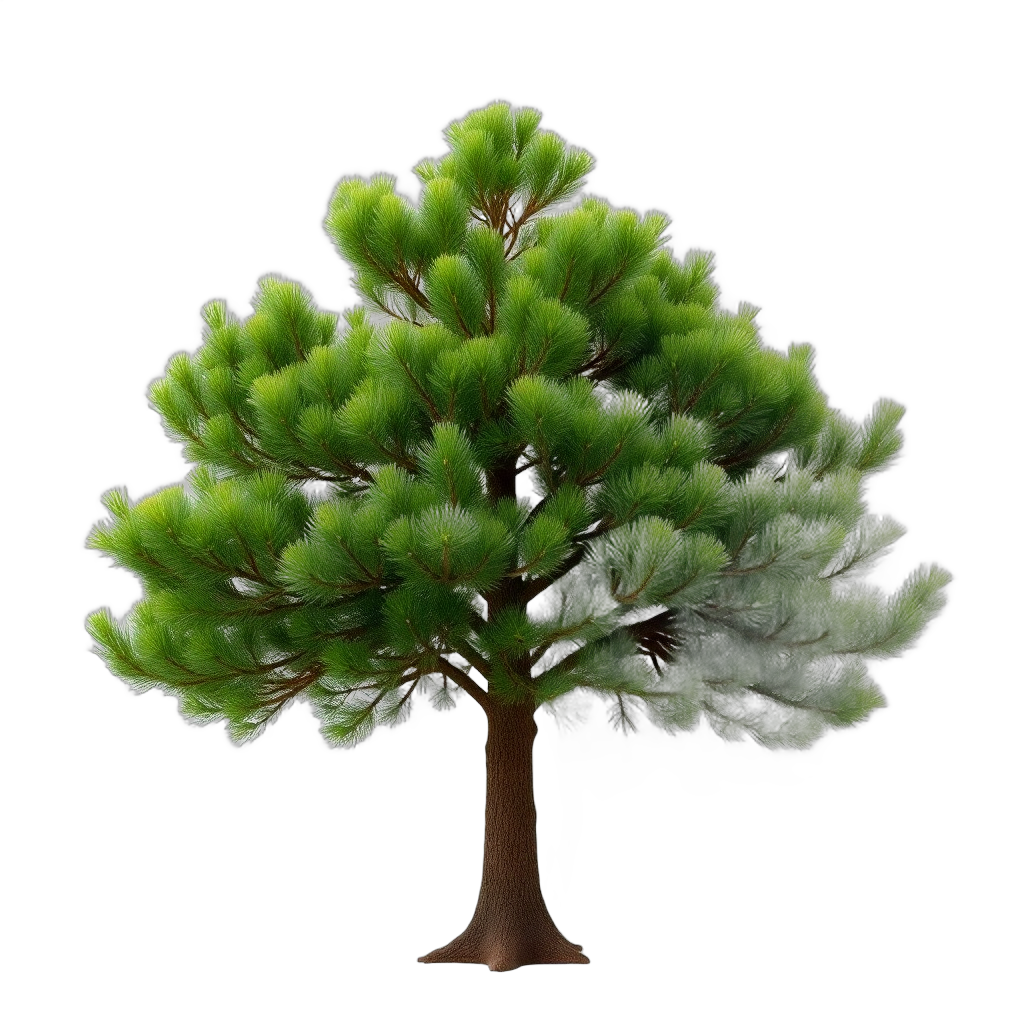
Longleaf Pine
Pinus palustris
large shade tree reaching 90+ feet, blooms in spring. Evergreen year-round.
Slash Pine
Pinus elliottii
large shade tree reaching 80+ feet, blooms in spring. Evergreen year-round.
Featured Grasses & Groundcovers for Cottage/English Gardens

Pink Muhly Grass
Muhlenbergia capillaris
grows to 3 feet, pink blooms in fall.
Featured Flowers & Perennials for Cottage/English Gardens

Papyrus
Cyperus papyrus
grows to 5 feet, blooms in summer. Pollinator-friendly.

Water Hyacinth
Eichhornia crassipes
low-growing ground cover, purple blooms in summer. Attracts butterflies.

Water Plantain
Alisma plantago-aquatica
low-growing ground cover, white blooms in summer. Attracts butterflies.

Arrow Arum
Peltandra virginica
low-growing ground cover, blooms in spring.
Zone and sun checks come from our database — confirm with your local nursery before you buy.
Bloom Calendar for Pasadena
spring
Longleaf Pine, Slash Pine, Sweet Acaciasummer
Ruby Spice Summersweet, Summersweet, Papyrusfall
Pink Muhly Grasswinter
Limited bloomsDesign Tips for Pasadena (Zone 9a)
- Raise every border 8–12 inches above grade — on Pasadena's Lake Charles clay and 52 inches of annual rain, drainage kills more cottage perennials than cold ever will, and a raised bed is cheaper than replanting twice
- Swap the English list for the Gulf Coast list before you buy: 'Phenomenal' lavender instead of Lavandula angustifolia, Phlox paniculata 'John Fanick' instead of standard garden phlox, Penstemon tenuis instead of Delphinium — same picture, but it is still there in September
- Design two seasons, not one: a Pasadena cottage garden peaks in April and again from October to December, so put cool-season colour beds where you see them from the kitchen and let the July–September beds run on salvias, crinum and roses that shrug off heat
- Give roses air — 3 feet of spacing minimum and morning drip at the root rather than overhead spray; in 90 percent August humidity, airflow is the whole blackspot strategy and it costs nothing to design in
- Plant the arbor, not just under it: a single 'Peggy Martin' or 'New Dawn' on a cedar gateway does more for a flat Pasadena lot than a thousand dollars of bedding plants, because it is the only thing in the yard with height
- Keep a hard-freeze list and a soft one — structure plants hardy to 15°F after February 2021 hit roughly 13°F here, and anything tender in pots you can move, so one bad week does not take out the garden's bones
Where to Source Plants in Pasadena
Skip the big-box stores. These independent Pasadena nurseries specialize in the plants that make cottage/english gardens thrive in Zone 9a.
Maas Nursery
Seabrook (about 13 miles southeast, off Todville Road)
Eight-acre family-run nursery established in 1951 with deep Gulf Coast rose, perennial and flowering-shrub stock plus on-site design consultation
Buchanan's Native Plants
Houston Heights
Texas natives and organic gardening — the metro's best-known source for old garden roses, herbs, perennials and Gulf Coast-adapted cottage plants
Joshua's Native Plants & Garden Antiques
Houston Heights (18th Street)
Thousands of Gulf Coast-suited varieties alongside garden antiques — gates, urns and salvaged ironwork that finish a cottage design
Friendswood Garden Emporium
Friendswood (about 14 miles southwest)
Independent, family-owned since 1972; Gulf Coast and Texas-specific plants, native species, pollinator stock, organic soils and lawn conditioners
Cottage/English Landscaping Costs in Pasadena
| Project Scope | Estimated Cost |
|---|---|
| Front-yard cottage border, raised and planted (300–500 sqft) | $6,000 – $14,000 |
| Reclaimed-brick or paver front walkway (80–120 sqft) | $2,400 – $5,500 |
| Cedar rose arbor or pergola gateway, built and planted | $1,800 – $6,000 |
| Dry-laid flagstone patio circle (200–300 sqft) | $5,000 – $12,000 |
| Clay breaking plus 10 in of amended soil and steel edging | $14 – $26 per sqft |
| Drip irrigation conversion for beds (licensed irrigator) | $1,200 – $3,500 |
| Cedar pergola over a raised deck with dining space | $18,000 – $42,000 |
| AI visualization with ProScapeAI | Free to start |
Estimates based on Pasadena, TX-area contractor rates as of 2026. Actual costs vary by site conditions, materials, and contractor.
Pasadena Climate & Growing Zone
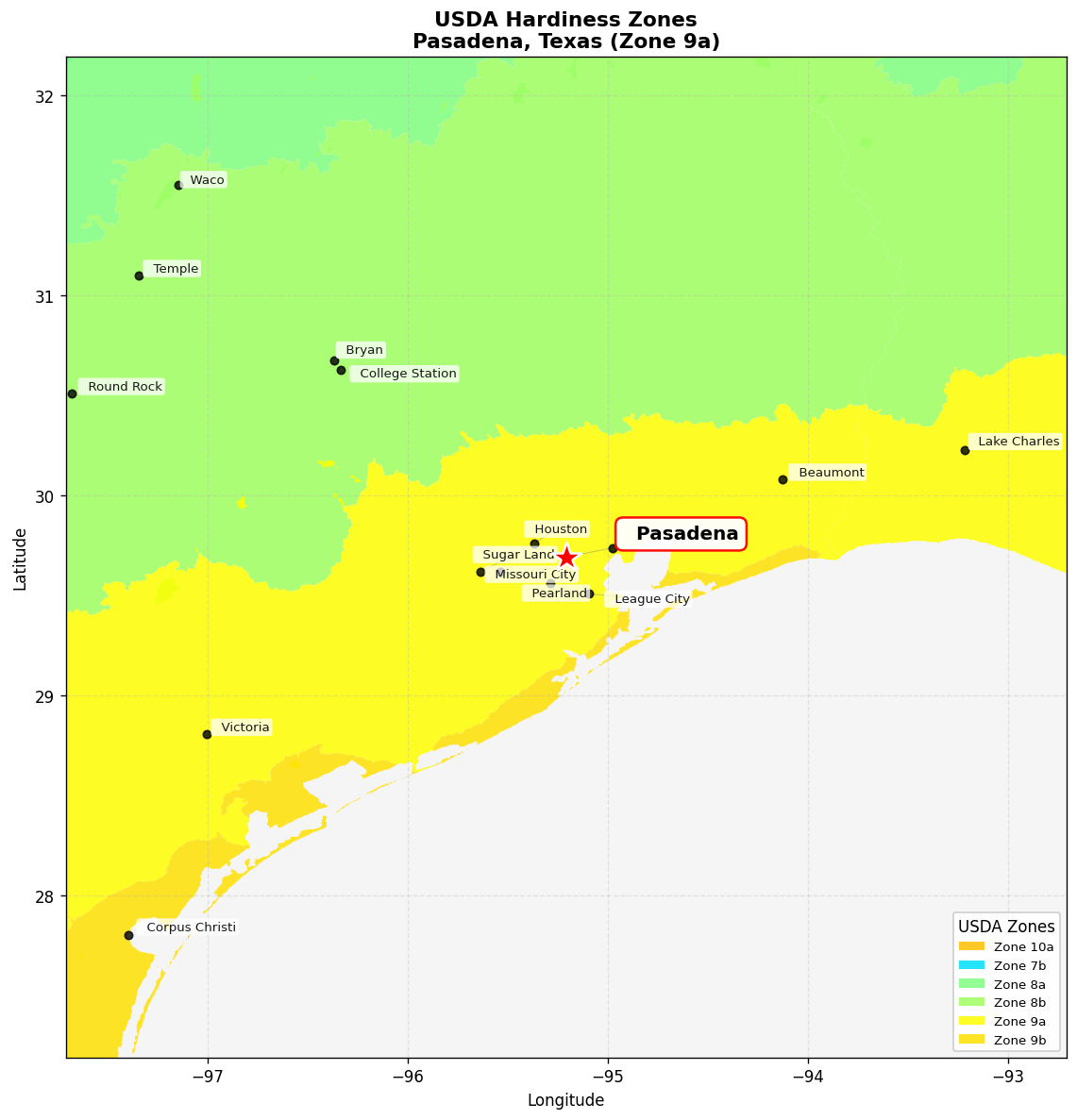
USDA Zone 9a
Hardiness zone for Pasadena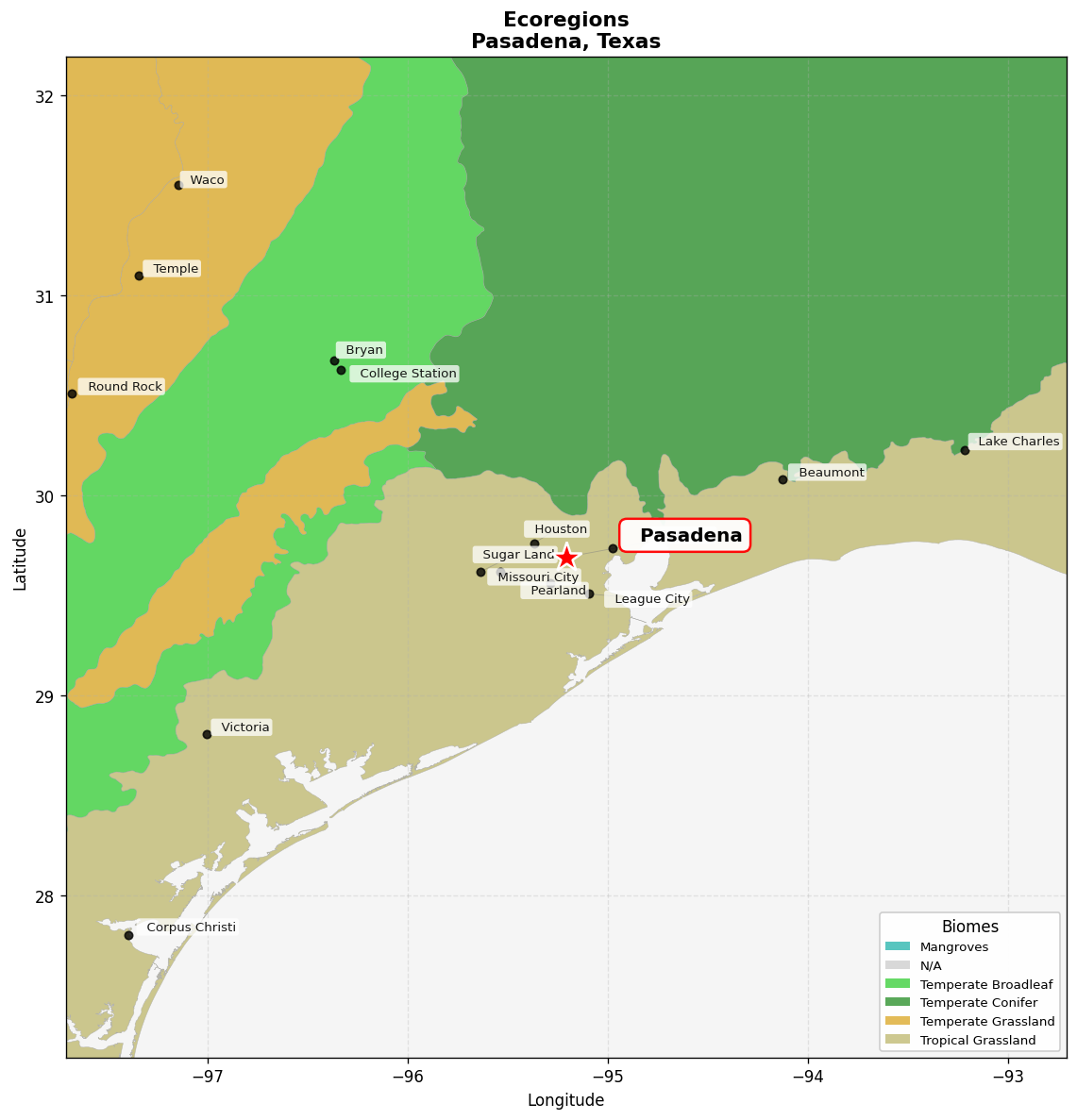
Western Gulf coastal grasslands
Native ecoregionFrequently Asked Questions
How much does a cottage garden cost in Pasadena, TX?
Houston-area installation runs close to the national average, and Pasadena sits at the affordable end of the metro. A front-yard cottage conversion — picket fence, a 300–500 sqft raised border, a brick walk and a planted arbor — typically lands between $6,000 and $18,000 installed. A dry-laid flagstone circle of 200–300 sqft runs $5,000–$12,000, and a cedar pergola over a raised deck is a $18,000–$42,000 project. Plant costs are modest by comparison: a 3-gallon 'Belinda's Dream' or 'Caldwell Pink' runs $28–$45 at a local nursery, and Salvia farinacea 'Henry Duelberg' in one-gallon pots is under $12. The expensive part in Pasadena is almost never the plants — it is breaking and raising the clay, and getting water off a flat lot.
Which roses actually survive Pasadena's heat and humidity?
Skip the modern hybrid teas sold in boxes; blackspot and 52 inches of rain will strip them by July. The reliable list is old garden and Earth-Kind stock: 'Peggy Martin' for arbors and pergolas (it is famous on the Gulf Coast for surviving two weeks submerged in Katrina flood water), 'Belinda's Dream' and 'Caldwell Pink' as free-flowering shrubs, 'Marie Pavié' for a thornless low hedge, 'Mrs. B. R. Cant' as a large tea rose that will hit 6 feet, and 'New Dawn' or 'Madame Alfred Carrière' on structures. Give every one of them 6+ hours of direct sun, morning water at the root rather than overhead, and 3 feet of air between plants. Rose rosette disease is present in Texas, so inspect new stock for witch's-broom growth and buy from a nursery that knows the term.
Can I really grow lavender and foxglove on the Gulf Coast?
Both, but on Gulf Coast terms. Lavandula angustifolia — true English lavender — will not last two summers in Pasadena. Lavandula × intermedia 'Phenomenal' and 'Provence' will, and Lavandula dentata is the toughest of the three here, provided they sit in a bed raised 8–12 inches with expanded shale worked in and gravel mulch instead of hardwood at the crown. Digitalis purpurea 'Camelot Rose' is a cool-season annual, not a perennial: plant transplants in November, enjoy the spires March through May, pull them when they collapse in June. If you want that vertical spike year-round instead, Penstemon tenuis and Salvia 'Mystic Spires Blue' do the same job and come back every spring.
What has to happen to Pasadena's clay before I plant?
Do not dig a hole in Lake Charles or Beaumont clay and backfill it with bagged soil — you have built a bathtub, and after the next 5-inch rain the plant sits in it. Build up instead. Rip or till the top 6 inches of existing clay, then add 8–12 inches of a mix that is roughly one-third native soil, one-third composted pine bark and one-third expanded shale, and edge the bed so it holds. Budget $14–$26 per sqft for that done properly. On the flattest lots — much of Pasadena drops only a couple of feet per hundred — add a shallow swale or a French drain at $20–$35 per linear foot to move water to the street or an area drain, or the raised bed will simply become an island in a pond.
When is the best time to plant a cottage garden in Pasadena?
October through early December is the best window by a wide margin. Roses, salvias and perennials put down roots through a mild wet winter and hit their first April already established, and installer schedules are open. February to mid-March is the second window, timed after the average last frost in mid-February. Cool-season colour — foxglove, larkspur, snapdragons, dianthus — goes out in November for a March-to-May show. Avoid planting anything permanent from June through September: even on drip, new roots cannot keep up with 94°F days and a 105°F heat index, and afternoon thunderstorms will stall hardscape work. Bare-root roses arrive at local nurseries in January and are the cheapest way to start.
How do I design for hurricane season and the next hard freeze?
They are the two events that rewrite Gulf Coast gardens, and both are designable. For wind and water — hurricane season runs June 1 to November 30 and Harvey put 40-plus inches on parts of Harris County in four days — keep beds raised, keep drainage paths clear, choose arbors and pergolas anchored to real footings rather than staked, and use flexible, low, deep-rooted plants like Crinum, Zephyranthes and Salvia greggii near the fence lines. For cold, remember February 2021 hit roughly 13°F: build the permanent structure out of things hardy well below the Zone 9a average — Camellia sasanqua 'Shishi Gashira', Ilex vomitoria 'Nana', Buxus microphylla 'Green Beauty', hardy roses — and treat anything tropical as a container plant you can wheel into the garage for three nights.