4 Modern Landscape Ideas for Bloomington, MN | Hardy Grass Designs for Zone 5a
Native plants from the Upper Midwest US forest-savanna transition (Zone 5a) — Humid continental (hot summer) climate
For a modern garden in Bloomington, MN, a zone 5a city with a humid continental (hot summer) climate, start with Calamagrostis × acutiflora 'Karl Foerster', Echinacea purpurea 'Magnus' and Allium 'Millenium', the plants this guide's first design is built on.
Why Modern/Minimalist Gardens in Bloomington?
A modern landscape fits Bloomington's mid-century housing. The low rooflines and horizontal siding of 1950s and 1960s ramblers around Penn Lake and Oxboro already read as modern, and a front yard with straight edges, a few large masses and one strong grass line finishes the job. Large concrete or Kasota limestone slabs for the walk, black steel edging, and repeated planting blocks suit a 60-foot lot frontage without clutter.
The climate edits the plant palette. NOAA's 1991–2020 normals for Minneapolis–St. Paul airport show a January average low of 8.8°F, a July average high of 83.4°F, 31.6 inches of precipitation and 51.2 inches of snow a year. In zone 5a, the evergreen boxwood often seen in modern gardens burns or dies, so use Taxus × media 'Densiformis' or Thuja occidentalis 'Mr. Bowling Ball' for the clipped green shapes. Mediterranean silvers like lavender and Russian sage in wet clay are unreliable, and Perovskia atriplicifolia 'Little Spire' is the exception that comes back.
The plant backbone is grasses and tough perennials. Calamagrostis × acutiflora 'Karl Foerster' stays upright through snow and gives a vertical line in July. Panicum virgatum 'Shenandoah' turns burgundy in fall, Schizachyrium scoparium 'The Blues' holds steel blue color, and Sporobolus heterolepis 'Tara' makes a fine-textured mound. Add Echinacea purpurea 'Magnus', Liatris spicata 'Kobold' and Hylotelephium 'Autumn Joy' for late-season mass. South-metro soil is generally a glacial-till clay loam, so check with a University of Minnesota Extension soil test, and raise beds 4 to 6 inches where water stands in March.
The fence rules shape a modern layout too. Bloomington's standards allow 4 feet in the front yard and 6 feet on side and rear yards of interior lots. A horizontal cedar slat screen along the rear patio at 6 feet is within that limit; the handout puts the permit threshold at 7 feet, so verify with the Planning Division. Large patios add impervious surface, so ask the city whether your plan triggers any review.
4 Modern/Minimalist Design Ideas for Bloomington
AI-generated image
The Grass Line Front Yard
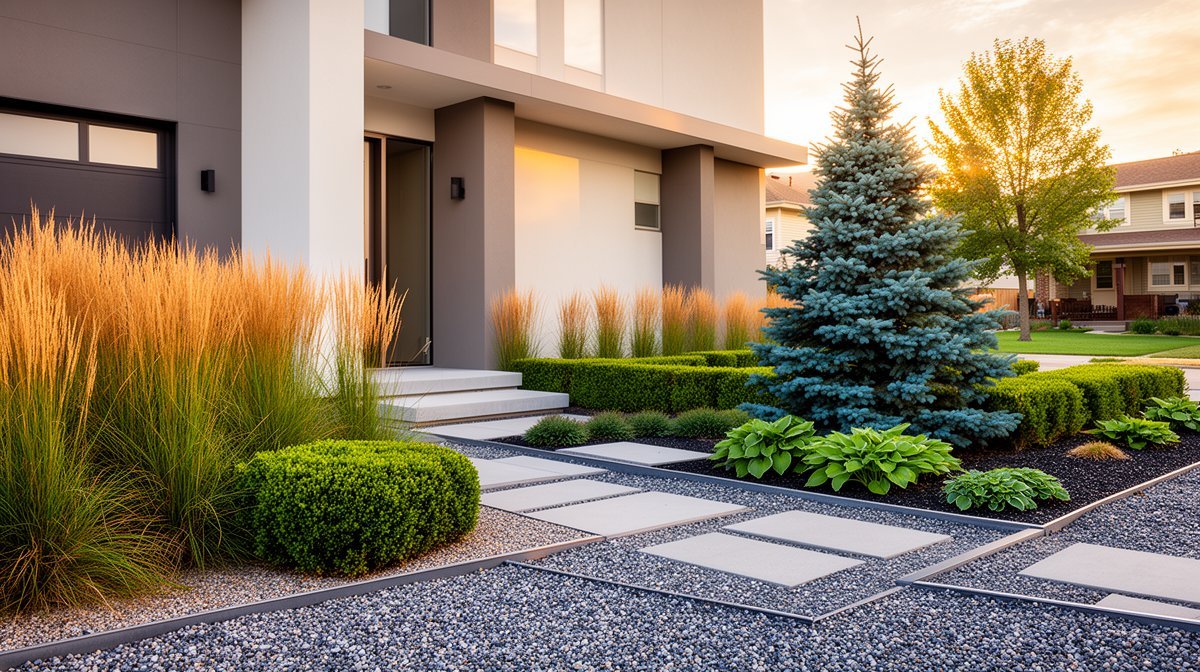
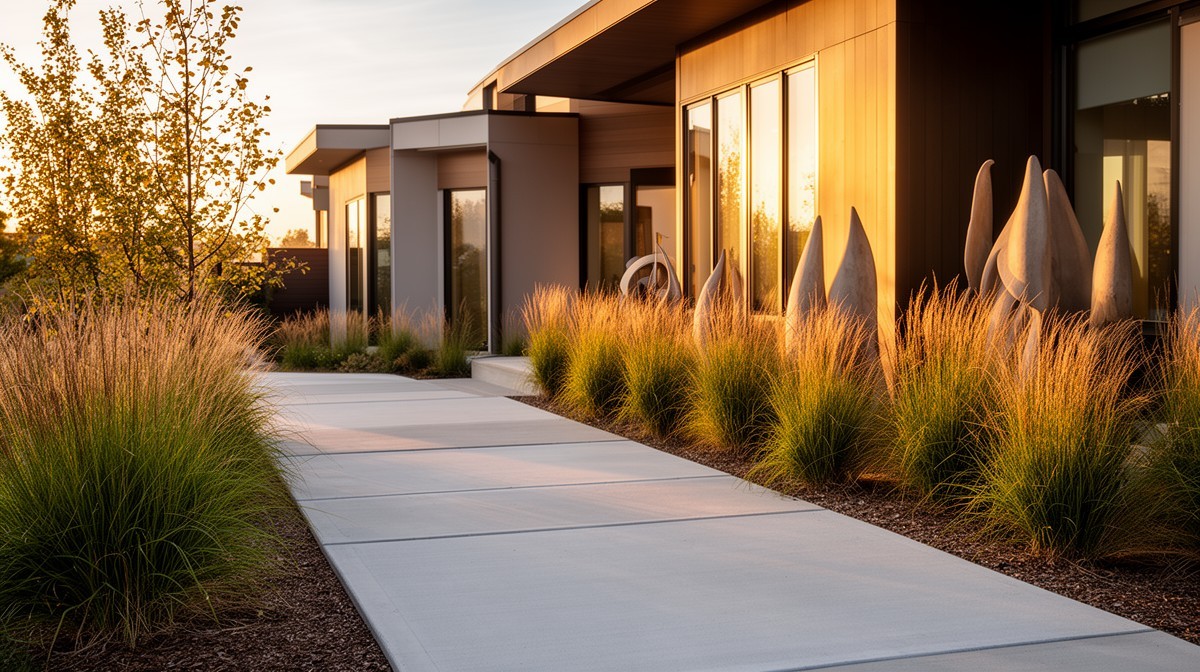
$18–38/sqftA single rank of Karl Foerster grass runs along the length of a low rambler's front wall, set in a bed of dark gray mulch with black steel edging, and a wide Kasota limestone slab walk leads to the door. In front of the grass, a band of Echinacea 'Magnus' and Allium 'Millenium' give a second layer. The bed faces south, so the grass catches low light in September and glows.
Try this on your yard: The Grass Line Front YardAI-generated image
The Prairie Block Garden
$12–26/sqftRectangular blocks of prairie grasses and flowers sit in a lawn of fescue mowed short, each block edged with steel and filled with one species. A concrete stepping-stone path runs diagonally across. Seen from the street in September, the blocks read as clean color fields; in winter the standing seedheads hold snow.
Try this on your yard: The Prairie Block GardenAI-generated image
The Evergreen Screen Patio
$30–58/sqftA back patio of large-format concrete pavers sits behind a 1980s two-story. A row of columnar arborvitae along the lot line gives privacy, and a 6-foot cedar slat screen frames the dining area. Low beds of Hakonechloa and Carex soften the edge. Evening sun from the west lands on the table in July, so the screen is placed to block it.
Try this on your yard: The Evergreen Screen PatioAI-generated image
The Courtyard Entry
$22–45/sqftAt the front of a split-level, a small gravel courtyard sits between the garage and the entry, with a single serviceberry as the focal tree and a ring of low juniper and sedge. Corten steel planters hold the colored stems of dogwood in winter. The south-facing wall holds heat, which helps the serviceberry flower early in April.
Try this on your yard: The Courtyard EntrySee how a modern/minimalist garden looks on YOUR property
Upload a photo of your Bloomington yard and visualize your dream garden in seconds.
Try ProScapeAI Free

AI-generated image
Featured Trees & Shrubs for Modern/Minimalist Gardens
Browse all 156 plants for Bloomington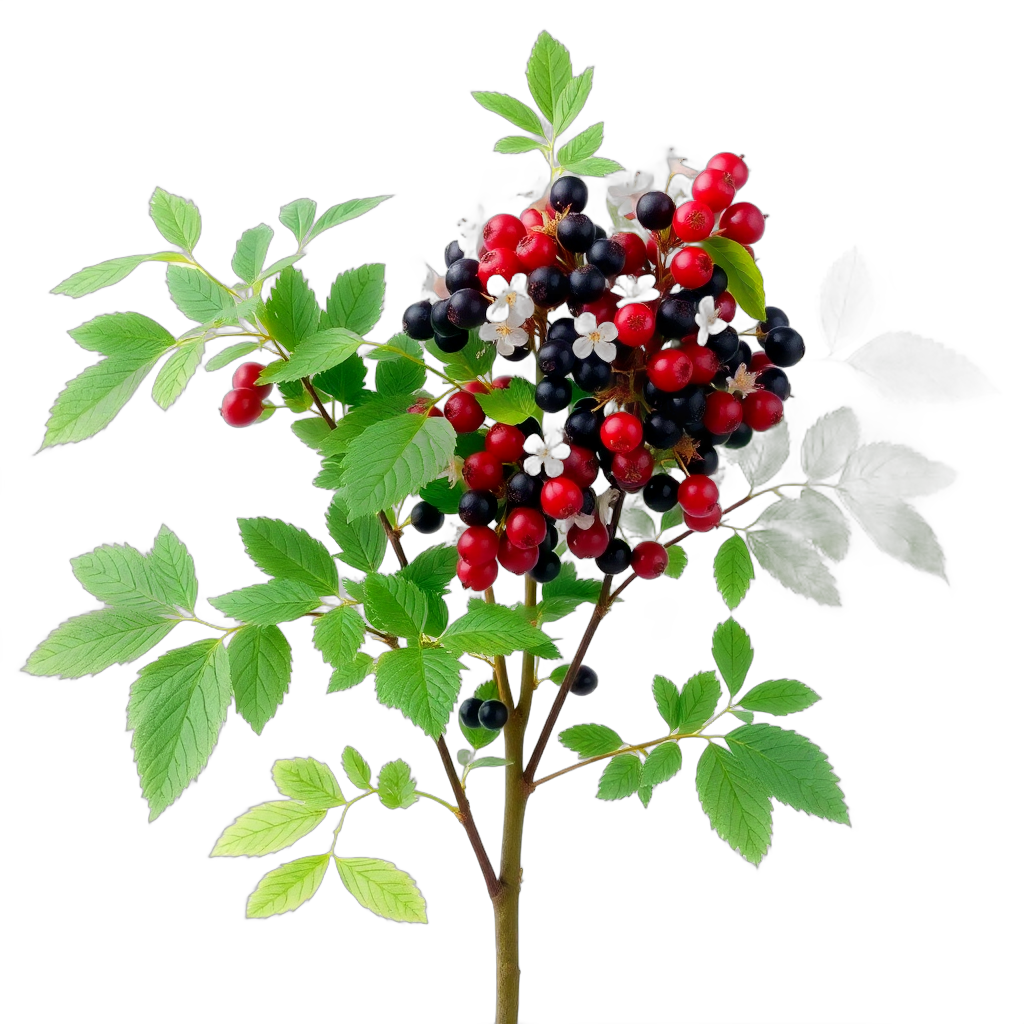
American Black Currant
Ribes americanum
grows to 5 feet, white,yellow blooms in spring. Attracts hummingbirds.

Gray Dogwood
Cornus racemosa
medium-sized at 10 feet, white blooms in spring. Pollinator-friendly.
Smooth Sumac
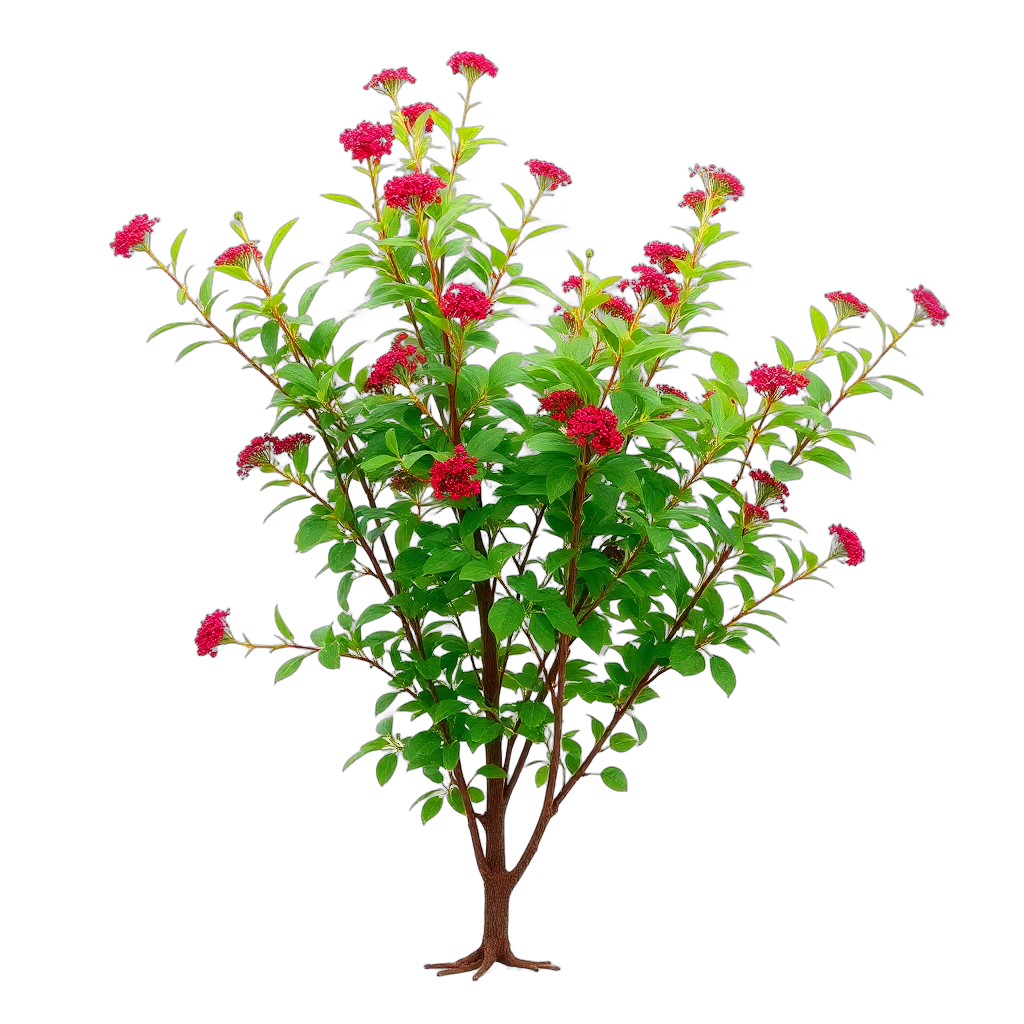
Rhus glabra
medium-sized at 12 feet, white,green blooms in summer. Attracts butterflies.
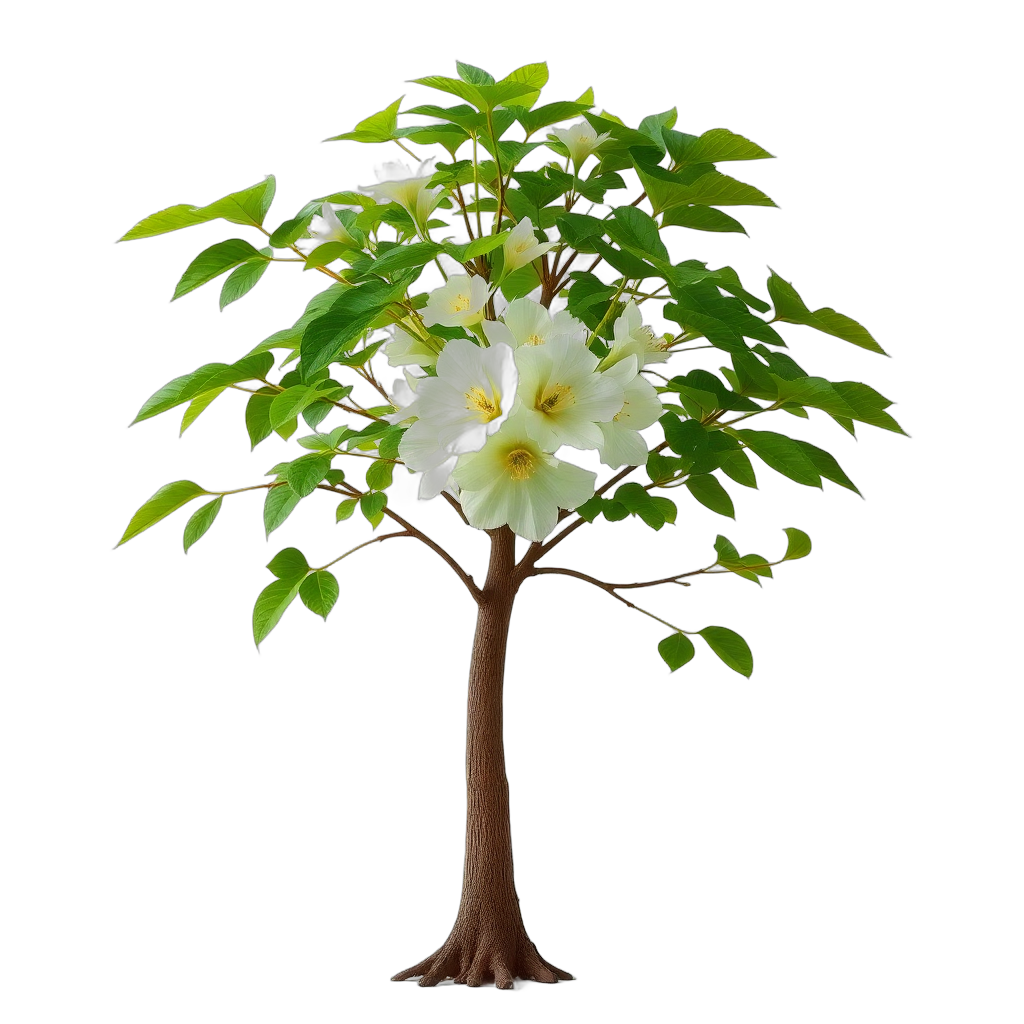
Northern Catalpa
Catalpa speciosa
large shade tree reaching 55+ feet, white blooms in spring. Pollinator-friendly.
Featured Grasses & Groundcovers for Modern/Minimalist Gardens
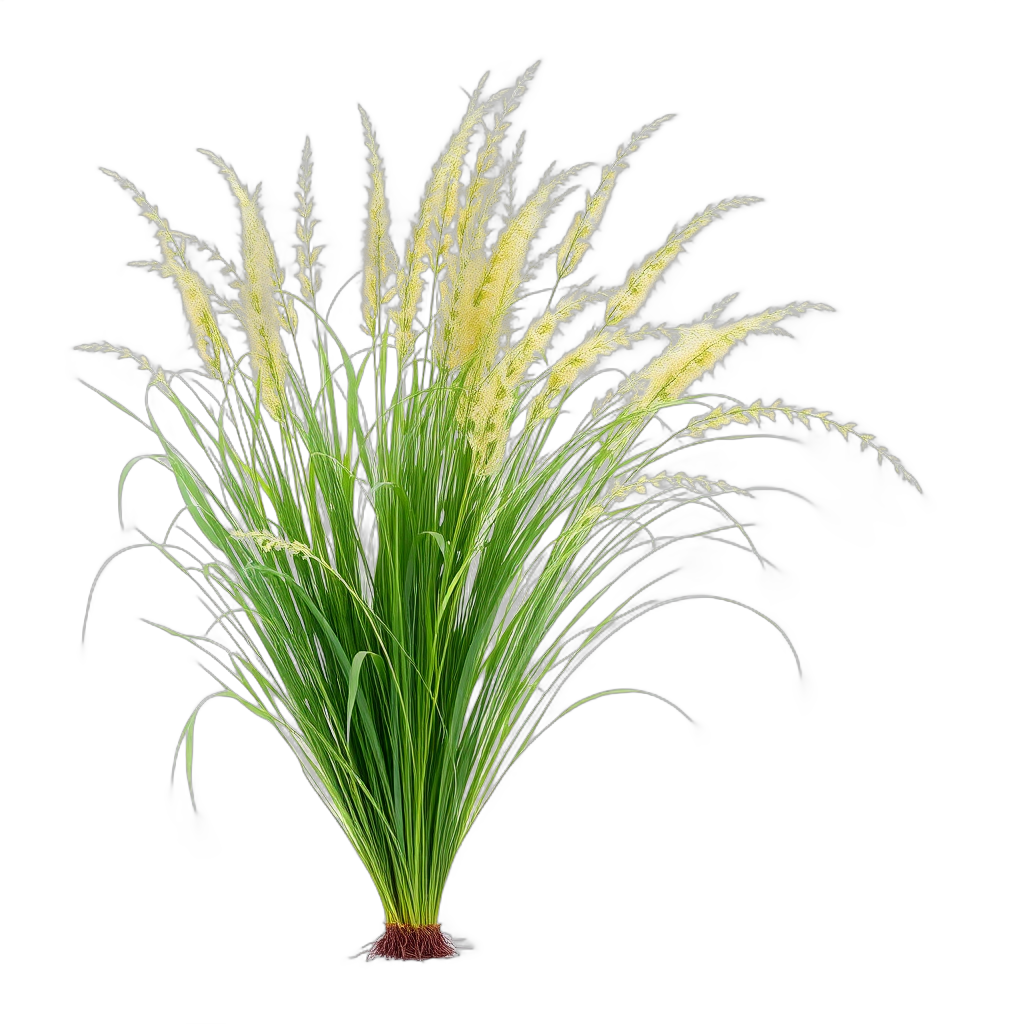
Adagio Maiden Grass
Miscanthus sinensis 'Adagio'
low-growing ground cover, pink blooms in summer. Orange fall color.
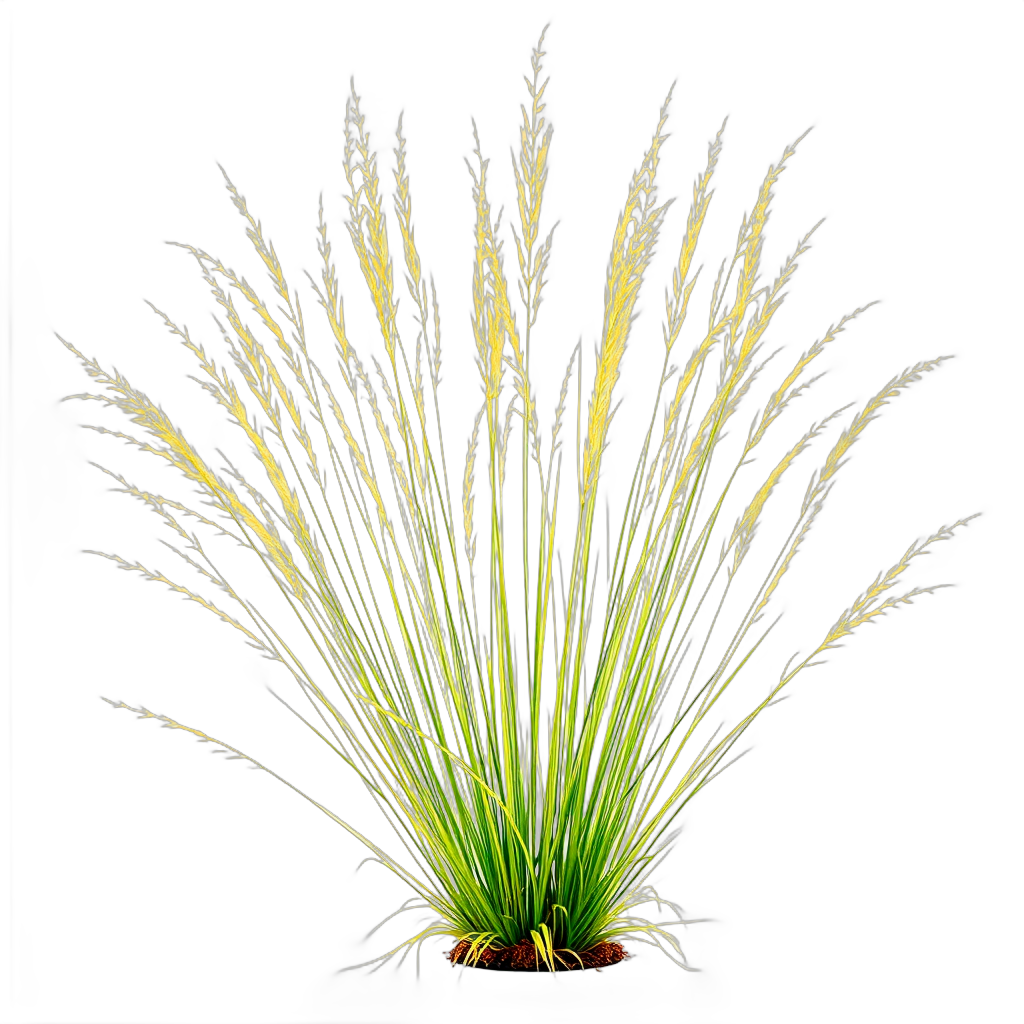
All Gold Japanese Forest Grass
Hakonechloa macra 'All Gold'
low-growing ground cover, blooms in summer.

Arrow Bamboo
Pleioblastus chino
medium-sized at 10 feet, blooms in none. Evergreen year-round.
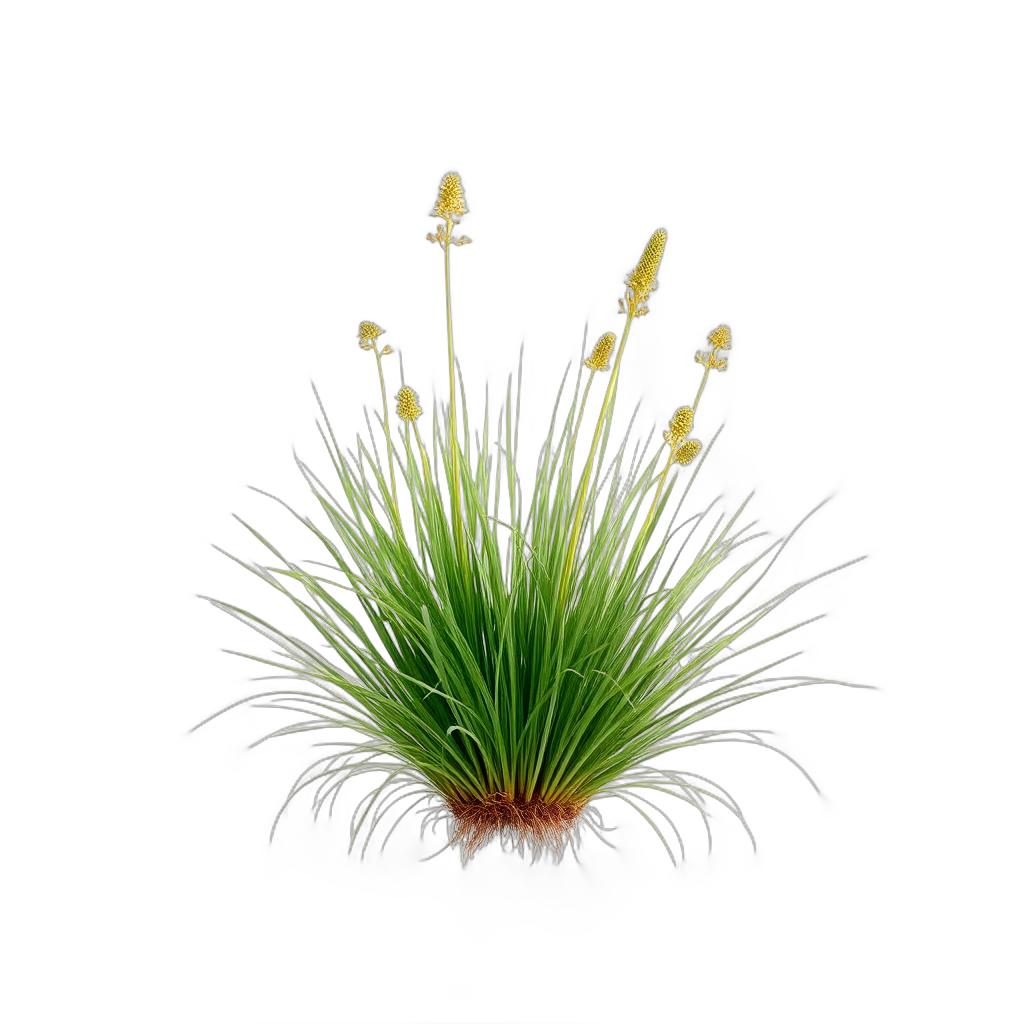
Big Sacaton
Sporobolus wrightii
grows to 5 feet, blooms in summer. Yellow fall color.
Featured Flowers & Perennials for Modern/Minimalist Gardens
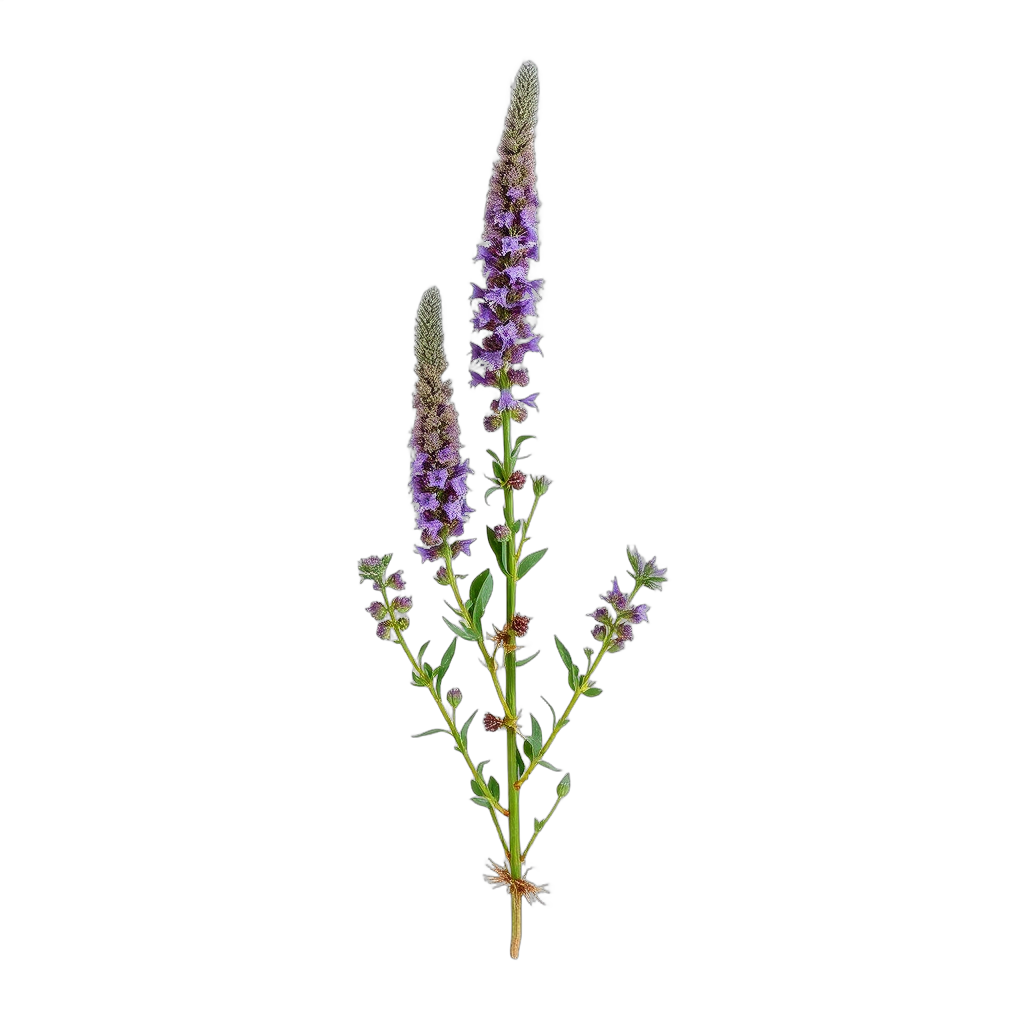
Anise Hyssop
Agastache foeniculum
grows to 3 feet, purple blooms in summer. Attracts hummingbirds.
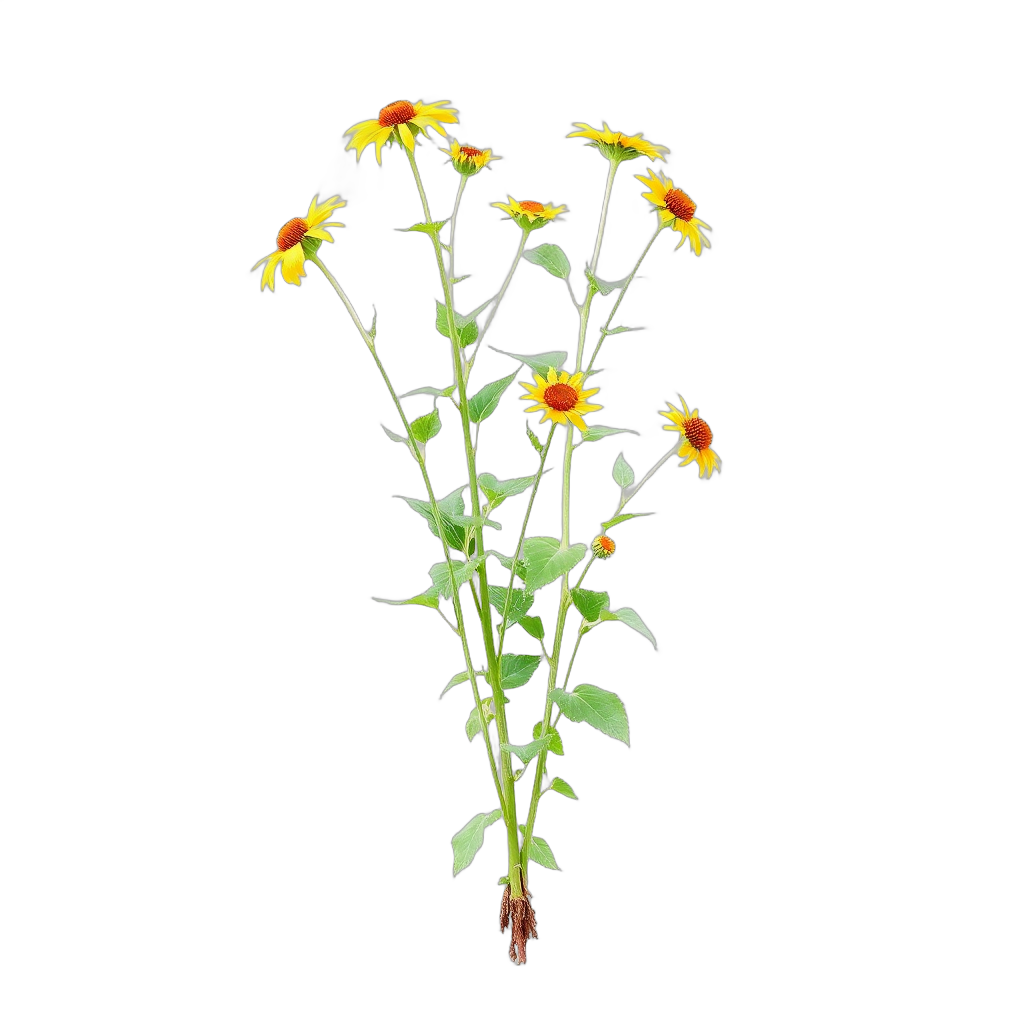
Ox-Eye Sunflower
Heliopsis helianthoides
grows to 4 feet, yellow blooms in summer. Attracts butterflies.

Hornwort
Ceratophyllum demersum
grows to 3 feet, blooms in summer. Evergreen year-round.

Water Plantain
Alisma plantago-aquatica
low-growing ground cover, white blooms in summer. Attracts butterflies.
Zone and sun checks come from our database — confirm with your local nursery before you buy.
Bloom Calendar for Bloomington
spring
American Black Currant, Gray Dogwood, Northern Catalpasummer
Anise Hyssop, Ox-Eye Sunflower, Smooth Sumacfall
Rose Mallowwinter
Limited bloomsDesign Tips for Bloomington (Zone 5a)
- Use Calamagrostis × acutiflora 'Karl Foerster' as the vertical line; it stays upright under a Minnesota snow load, which most ornamental grasses do not
- Replace boxwood with Taxus × media 'Densiformis' or Thuja occidentalis 'Mr. Bowling Ball' for clipped green shapes that survive -25°F
- Cut grasses back in late March or April, not fall; the standing seedheads hold snow and feed birds through winter
- Set steel edging flush at the lawn line; Bloomington clay heaves in freeze-thaw, so use deep stakes
- Keep any front fence to 4 feet, as the city's fence standards require, and use a 6-foot screen only on side or rear yards
- Pair warm-season grasses like Panicum virgatum 'Shenandoah' with Echinacea purpurea 'Magnus' so the color holds from July through October
- Keep plants 18 inches from the curb: street salt from winter plowing burns Hylotelephium and Taxus near the pavement
Where to Source Plants in Bloomington
Skip the big-box stores. These independent Bloomington nurseries specialize in the plants that make modern/minimalist gardens thrive in Zone 5a.
Minnesota Valley Garden Center
Shakopee (south of Bloomington)
Family-owned since 1962, selling trees, shrubs, perennials and statuary, with landscape services and tree spading
Bachman's Floral, Home & Garden (Lyndale)
South Minneapolis, just north of Bloomington
Regional Minnesota garden center chain with a full perennial, rose and shrub yard and in-house landscape designers
Dundee Nursery
Maple Grove (northwest metro)
Landscape and hardscape design with plant selection suited to the Minnesota climate, and a wholesale nursery
Modern/Minimalist Landscaping Cost Ranges
| Project Scope | Estimated Cost |
|---|---|
| Concrete patio, broom finish (200 sqft) | $2,100–$2,500 |
| Low-voltage landscape lighting (6 fixtures) | $1,200–$2,000 |
| Composite decking boards, surface only on existing framing (200 sqft) | $4,700–$5,800 |
| AI visualization (ProScapeAI) | Free to start |
National average installed ranges for 2026 from our landscaping price list (Homewyse and other published sources). Prices in Bloomington, MN vary with site, materials and contractor, so get two or three local quotes.
Bloomington Climate & Growing Zone
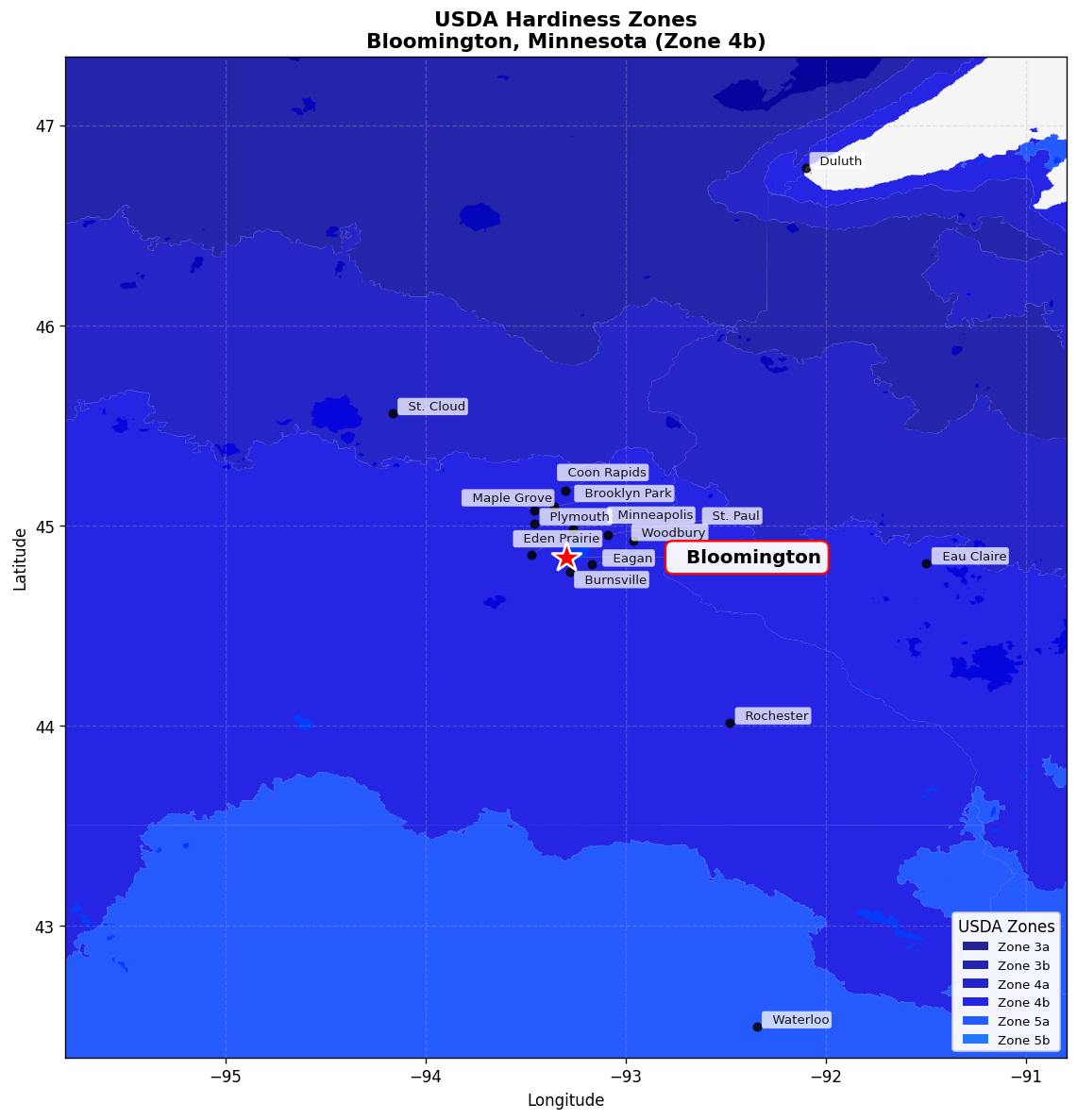
USDA Zone 5a
Hardiness zone for Bloomington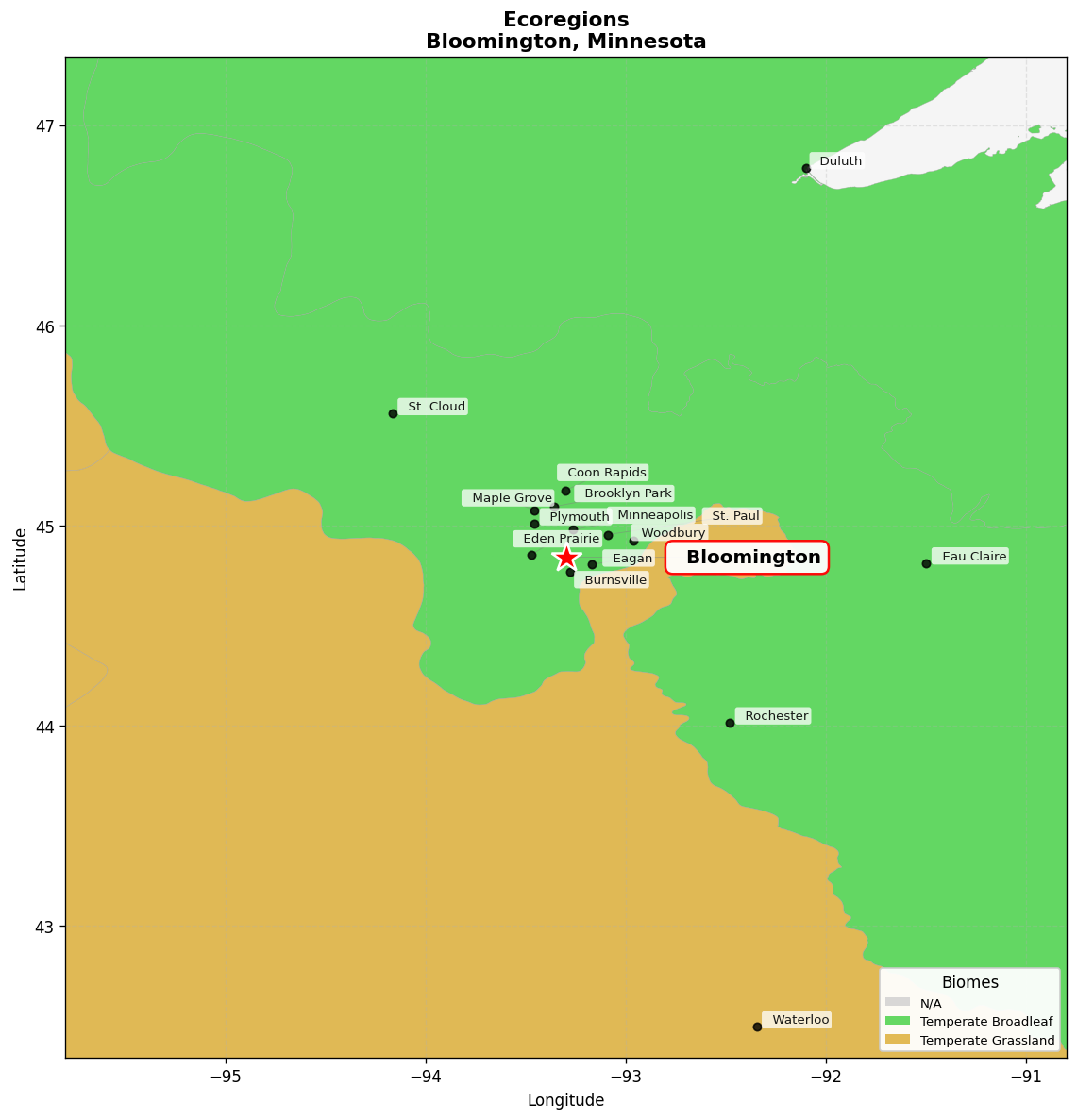
Upper Midwest US forest-savanna transition
Native ecoregionFrequently Asked Questions
How much does a modern landscape cost in Bloomington, MN?
Costs vary with yard size, materials and local labor, so get two or three local quotes before you commit.
Is a modern landscape low maintenance in a zone 5a climate?
Yes, with the right plants. Grasses are cut back once in late March or April, before new growth, and perennials such as Echinacea purpurea 'Magnus' and Liatris spicata 'Kobold' can stand through winter. Mulch once a year. Minneapolis–St. Paul gets 31.6 inches of precipitation a year in NOAA's 1991–2020 normals, so deep weekly watering in dry spells covers most needs. Clipped evergreens need one trim in June.
What is the best time to plant in Bloomington?
Mid-May to mid-June is the main window for grasses and perennials, once the soil has warmed. Early September to early October works for most shrubs and trees. Warm-season grasses like Panicum virgatum 'Shenandoah' do best planted in late spring so they root before winter. Avoid late July, when the average high is 83.4°F.
Do I need a permit for a fence or patio screen?
Bloomington's fence standards allow 4 feet in front yards and 6 feet on side and rear yards of interior lots. The city's handout says a permit is needed for a fence 7 feet or taller, so confirm. Fences in a right-of-way, floodplain or shore area need separate approval. Call the Planning Division at 952-563-8920, and check any HOA rules.
Which plants survive Minnesota winters in a modern design?
Calamagrostis × acutiflora 'Karl Foerster', Panicum virgatum 'Shenandoah', Sporobolus heterolepis 'Tara', Echinacea purpurea 'Magnus', Taxus × media 'Densiformis' and Thuja occidentalis 'Smaragd' all come through zone 5a. Skip boxwood, Japanese maple and Russian sage in wet clay; use Perovskia atriplicifolia 'Little Spire' only on a raised, well-drained bed.
Can I mix a modern yard with native prairie plants?
Yes, and it suits the region. Sporobolus heterolepis 'Tara', Schizachyrium scoparium 'The Blues' and Liatris spicata 'Kobold' feed pollinators and need little water once established. Plant them in repeated blocks with steel edging so the planting reads as designed, not wild.