4 Modern Garden Ideas for Minneapolis, MN | Cold-Hardy Landscape Design in Zone 4b
Native plants from the Upper Midwest US forest-savanna transition (Zone 4b) — Humid continental (warm summer) climate
Why Modern/Minimalist Gardens in Minneapolis?
Minneapolis is one of America's most design-conscious cities — and that design culture extends fully into the residential landscape. The city's strong Scandinavian heritage has produced a gardening tradition that values clarity, craft, and rigorous plant selection, all of which align naturally with modern landscape design principles. Minneapolis's Linden Hills, Kenwood, and Lake of the Isles neighborhoods have some of the most thoughtfully maintained residential gardens in the Midwest, and a growing wave of contemporary home renovations and new builds in the North Loop, St. Anthony West, and Northeast Minneapolis is creating demand for landscape design that matches.
Zone 4b's extreme winters (-25°F lows) are non-negotiable: every plant in a Minneapolis modern landscape must be Zone 4 or colder-rated. This is actually a creative constraint that improves design rather than limiting it. The most architectural and structurally interesting plants for modern landscapes — prairie grasses, structural conifers, bold perennials — are among the most cold-hardy plants available. Big bluestem, switchgrass, Karl Foerster grass, prairie dropseed, and columnar conifers are all Zone 3–4, thrive in Minneapolis's climate, and provide exactly the structural masses, seasonal transitions, and year-round form that modern design requires. The Upper Midwest forest-savanna transition ecoregion position makes prairie-influenced planting not just ecologically appropriate but culturally authentic to Minnesota's landscape heritage.
The infrastructure requirements for Minneapolis modern hardscape are the most demanding in the Midwest. Minneapolis frost depth reaches 48–60 inches — among the deepest in the US — and all hardscape requires a minimum 12 inch compacted crushed stone subbase. Post footings for pergolas must extend 5–6 feet below grade. Concrete must be minimum 5 inches thick with rebar reinforcement. These are not optional extras — they're the minimum requirements for surfaces that won't heave and shatter within a single Minneapolis winter. Experienced Minneapolis contractors understand these standards; always ask for specific frost-depth specifications before hiring.
4 Modern/Minimalist Design Ideas for Minneapolis
AI-generated image
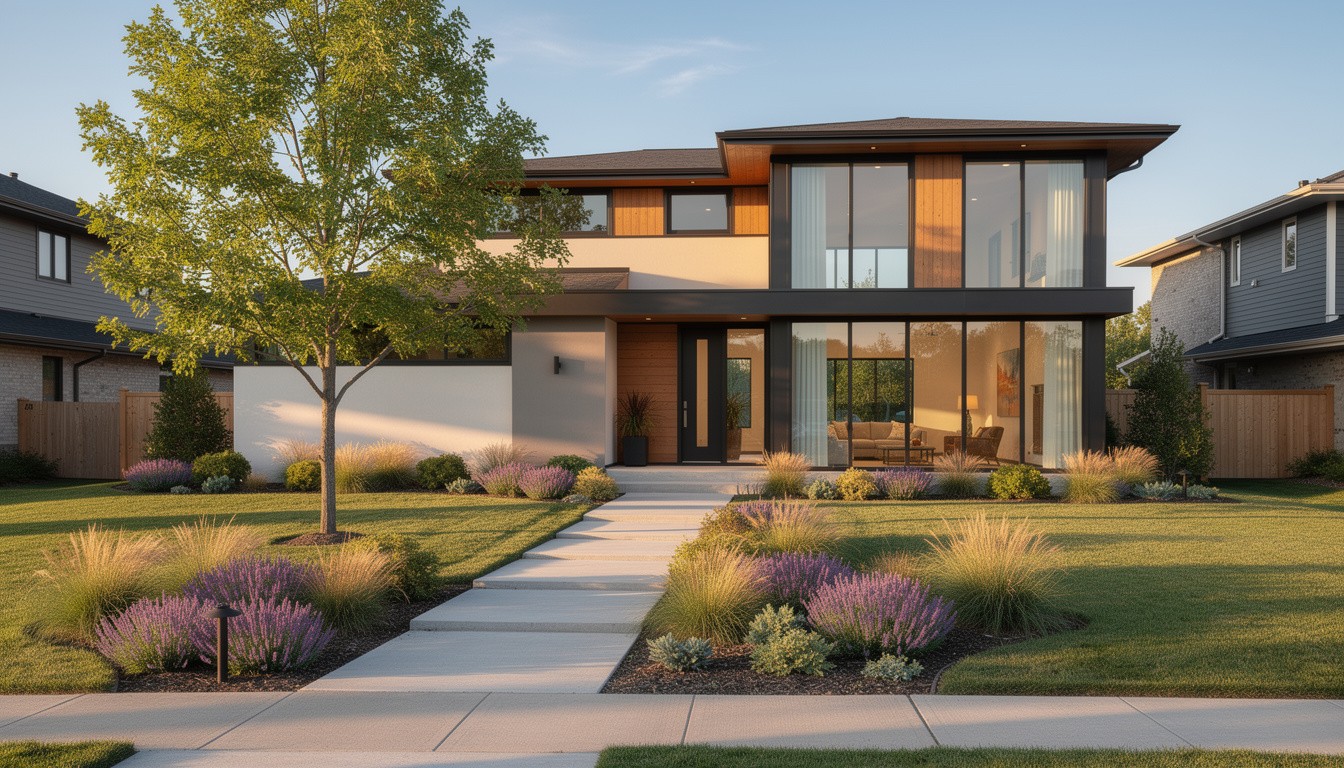
The Edina Modern Street Presence
$14–26/sqftA two-story contemporary home with warm cedar and stone cladding sits behind a concrete walk framed by massed ornamental grasses and low flowering perennials in purple and pink tones. The planting beds use only three species — feather reed grass at mid-height, purple salvia at knee level, and low prairie dropseed filling the ground plane — creating the bold, repetitive masses that make modern landscape planting read clearly from the street. The design suits Minneapolis's growing stock of new contemporary construction in Edina, St. Louis Park, and the Southwest neighborhoods.
AI-generated image
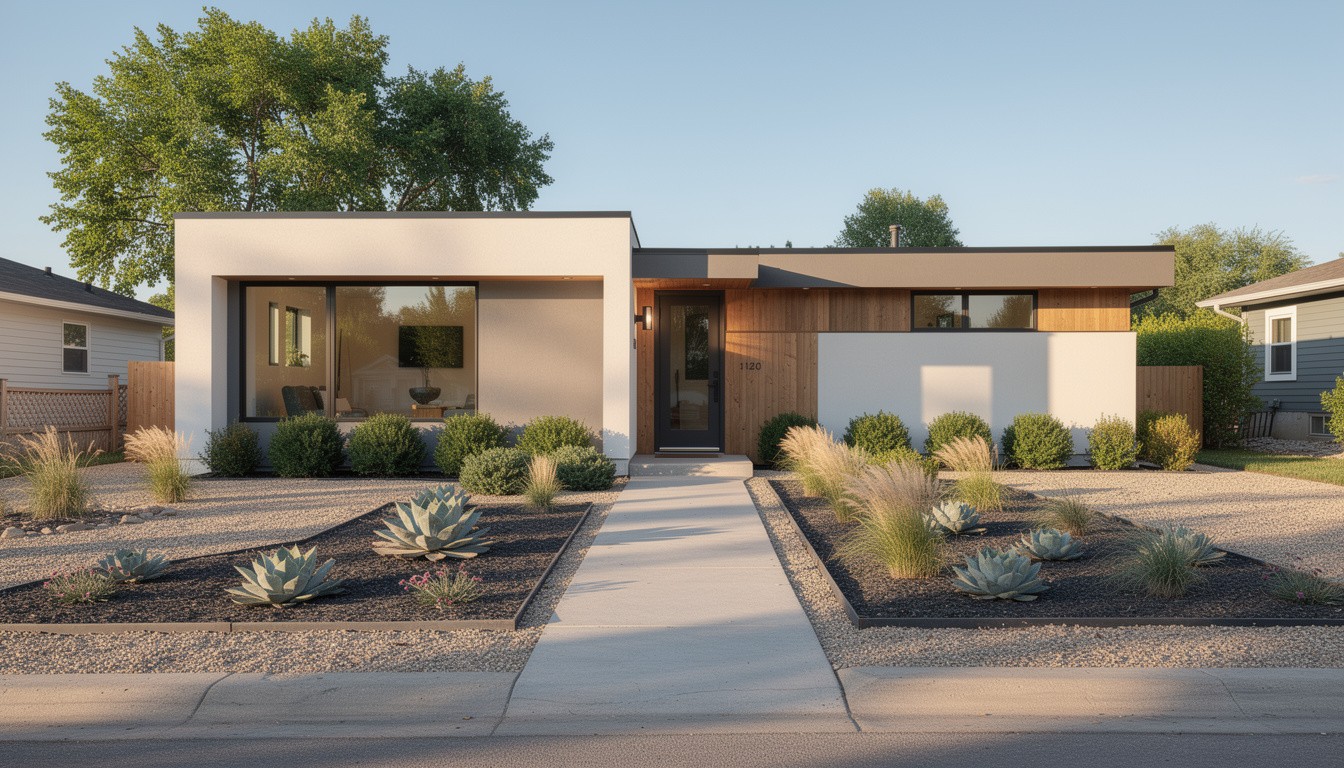
The Modern Gravel Garden Front
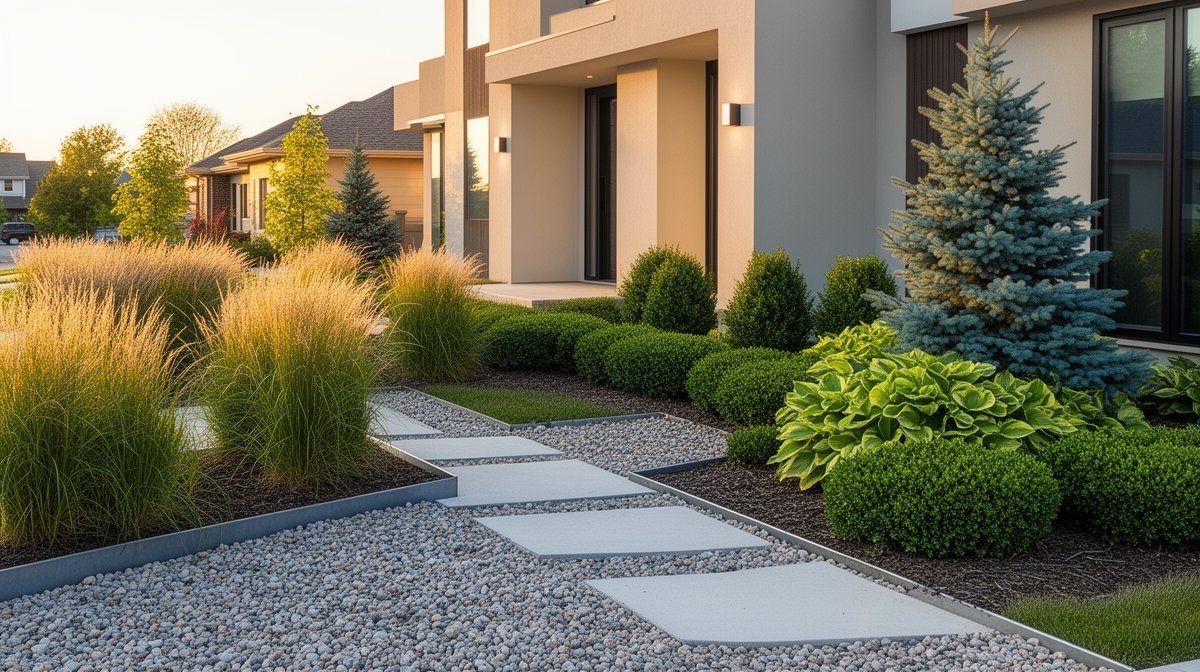
$13–25/sqftA low contemporary home with flat roof and dark window surrounds fronts a completely reimagined front yard of decomposed granite with geometric Corten steel raised beds planted in bold sculptural specimens adapted for Zone 5a winters — yucca, ornamental grasses, and hardy agave-style plants. A large mature tree at the rear provides natural canopy and anchors the composition. The concrete path is straight and unadorned. Minneapolis's cold winters demand that all plants be truly Zone 4–5 hardy, and the right plant selection makes this desert-modern aesthetic equally achievable in the Upper Midwest.
AI-generated image
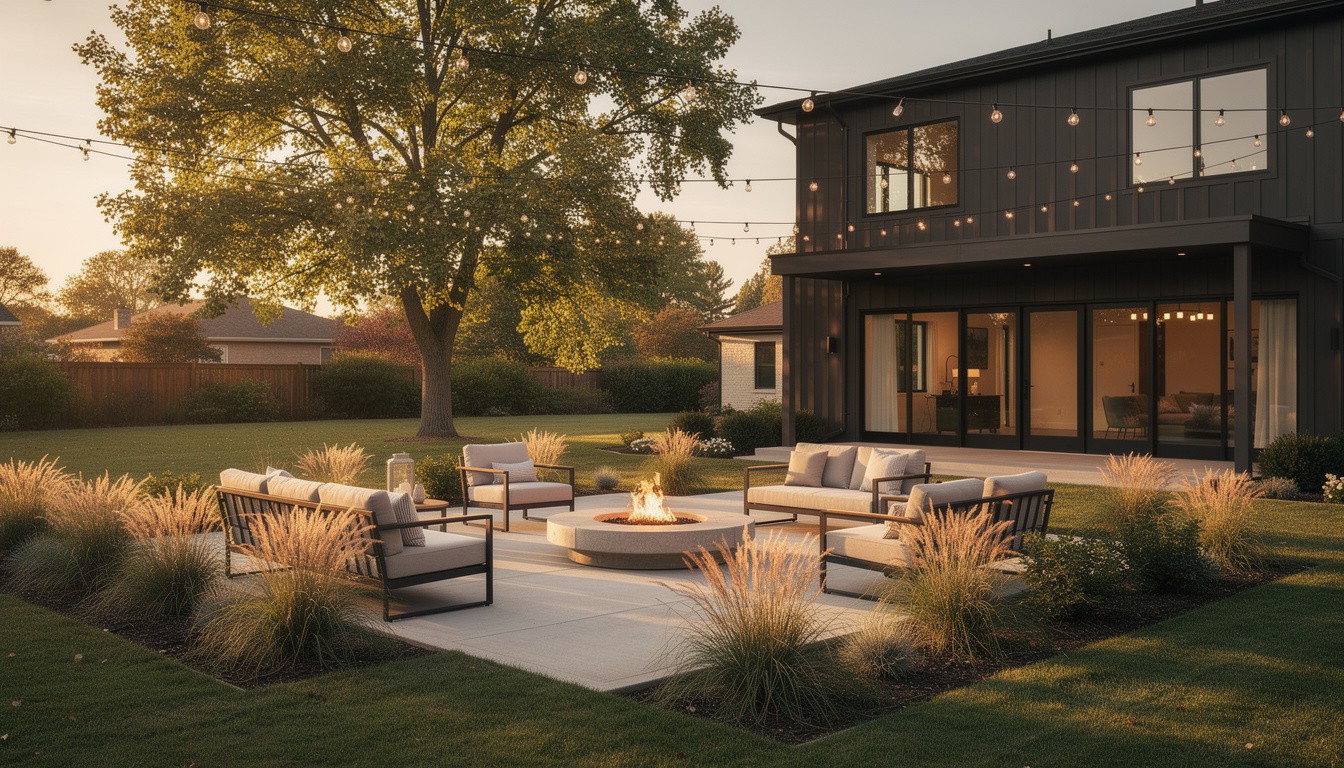
The Lake Harriet Fire Terrace
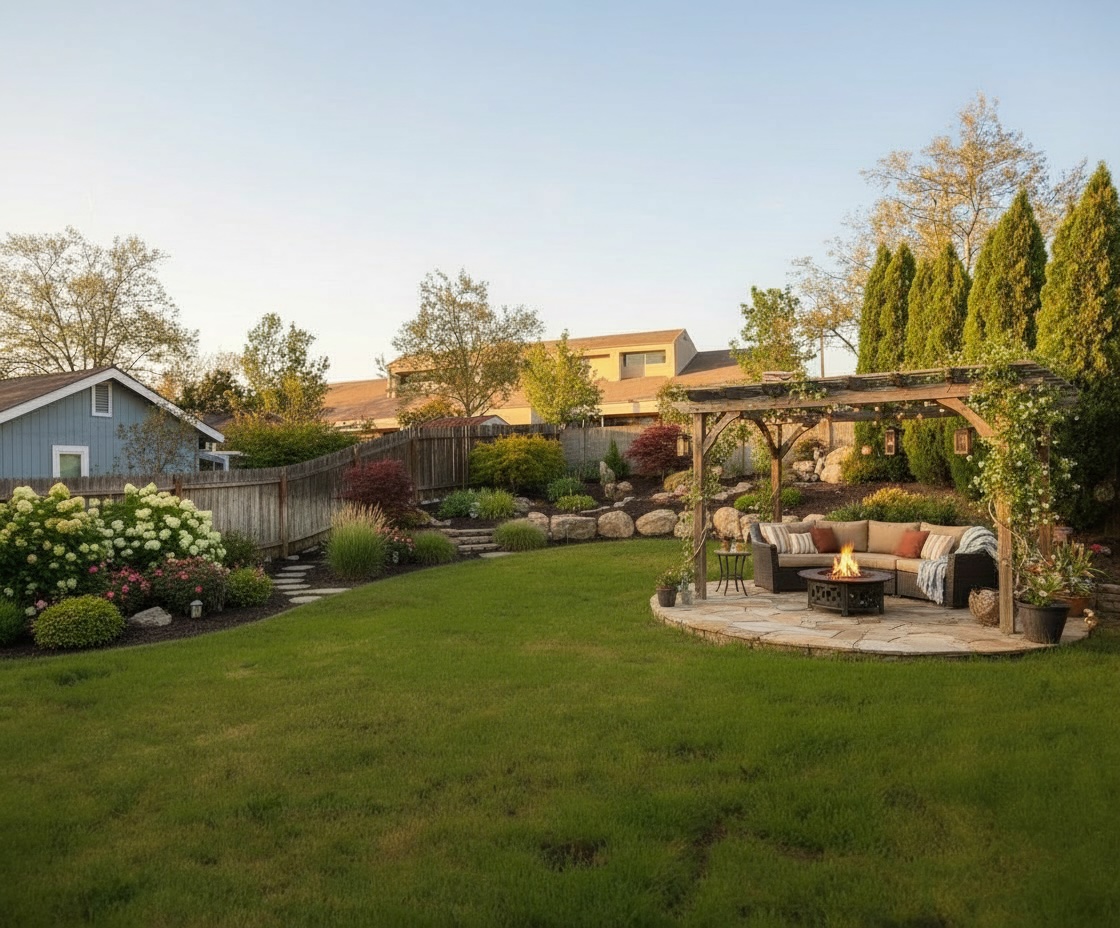
$20–40/sqftA large concrete patio extends from the rear of a contemporary farmhouse-style home with black metal trim, furnished with a full outdoor seating grouping arranged around a circular concrete fire pit as the centerpiece. String lights span overhead from the house to a steel post in the yard, and a mature tree provides natural canopy over part of the seating area. The patio transitions into a surrounding lawn with ornamental grasses along the fence. In Minneapolis, the fire feature isn't a luxury — it's what makes the outdoor room usable in May, September, and October when evenings are genuinely cool.
AI-generated image
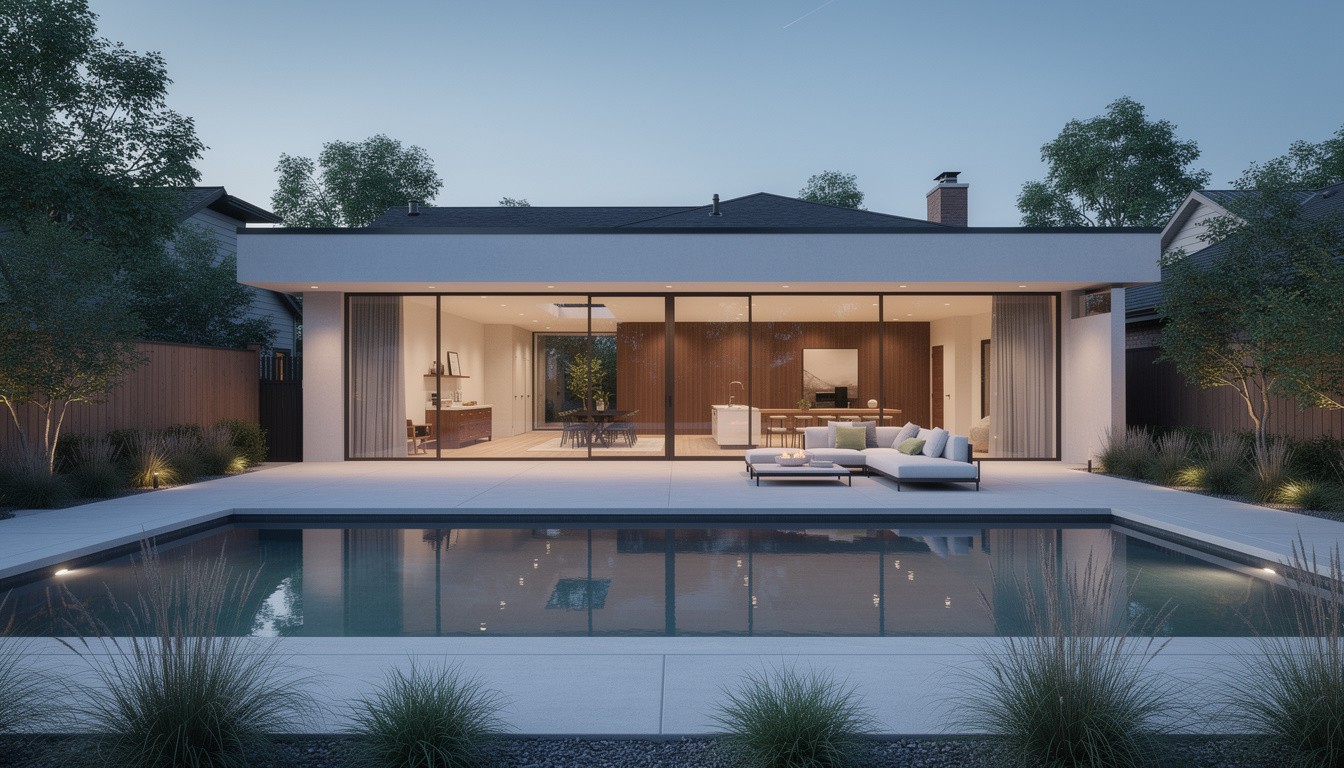
The Edina Modern Pool Terrace
$42–82/sqftA glass-walled contemporary single-story home opens onto a full-width pool terrace, with a rectangular pool surrounded by large-format concrete paver decks and outdoor lounge seating. The pool is lit from within by LED lighting and the surrounding plantings are uplighted. A separate outdoor seating area with a fire feature sits at the far end. Minneapolis's short but intense summer — July highs near 84°F, abundant sunshine — makes a pool genuinely worthwhile despite the short season, and the modern hardscape adds year-round visual value even when the pool isn't in use.
See how a modern/minimalist garden looks on YOUR property
Upload a photo of your Minneapolis yard and visualize your dream garden in seconds.
Try ProScapeAI Free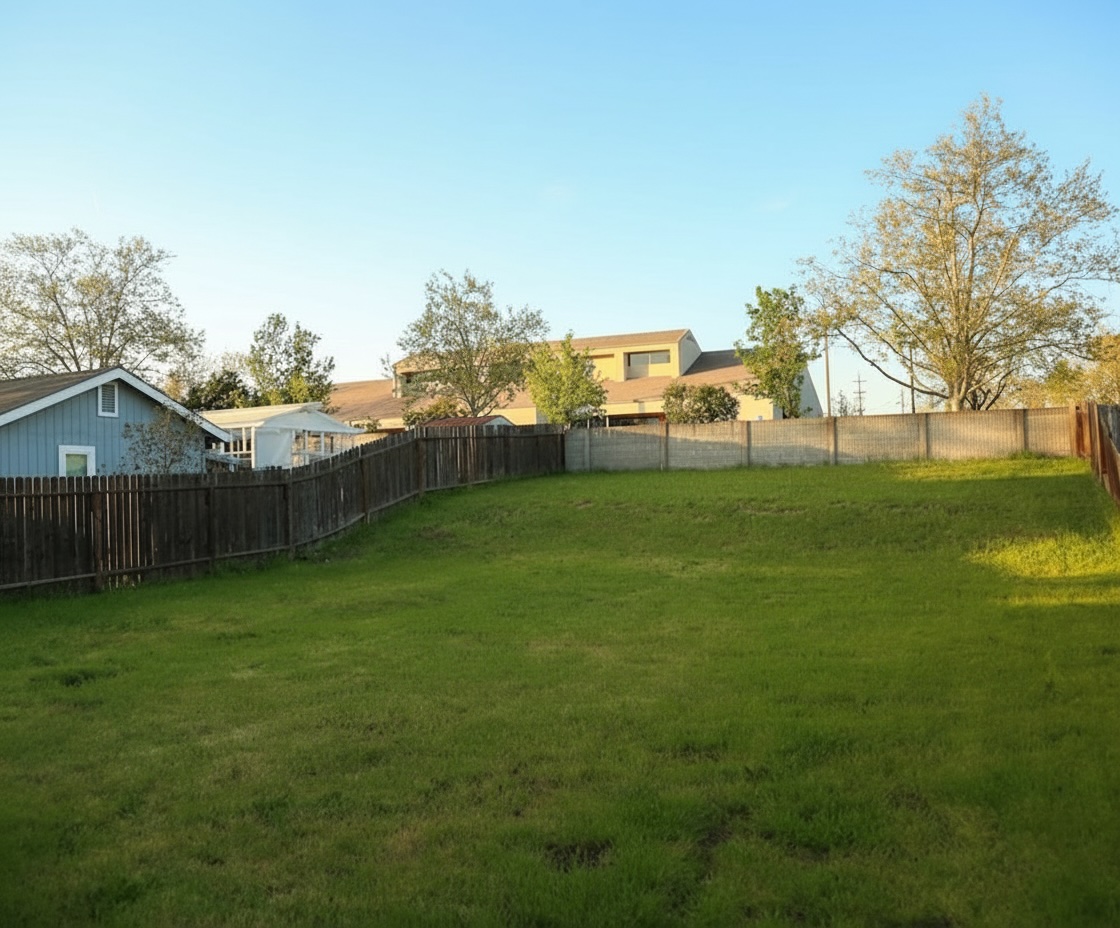
AI-generated image
Featured Trees & Shrubs for Modern/Minimalist Gardens
Browse all 155 plants for Minneapolis
American Black Currant
Ribes americanum
grows to 5 feet, white,yellow blooms in spring. Attracts hummingbirds.

Gray Dogwood
Cornus racemosa
medium-sized at 10 feet, white blooms in spring. Pollinator-friendly.
Smooth Sumac
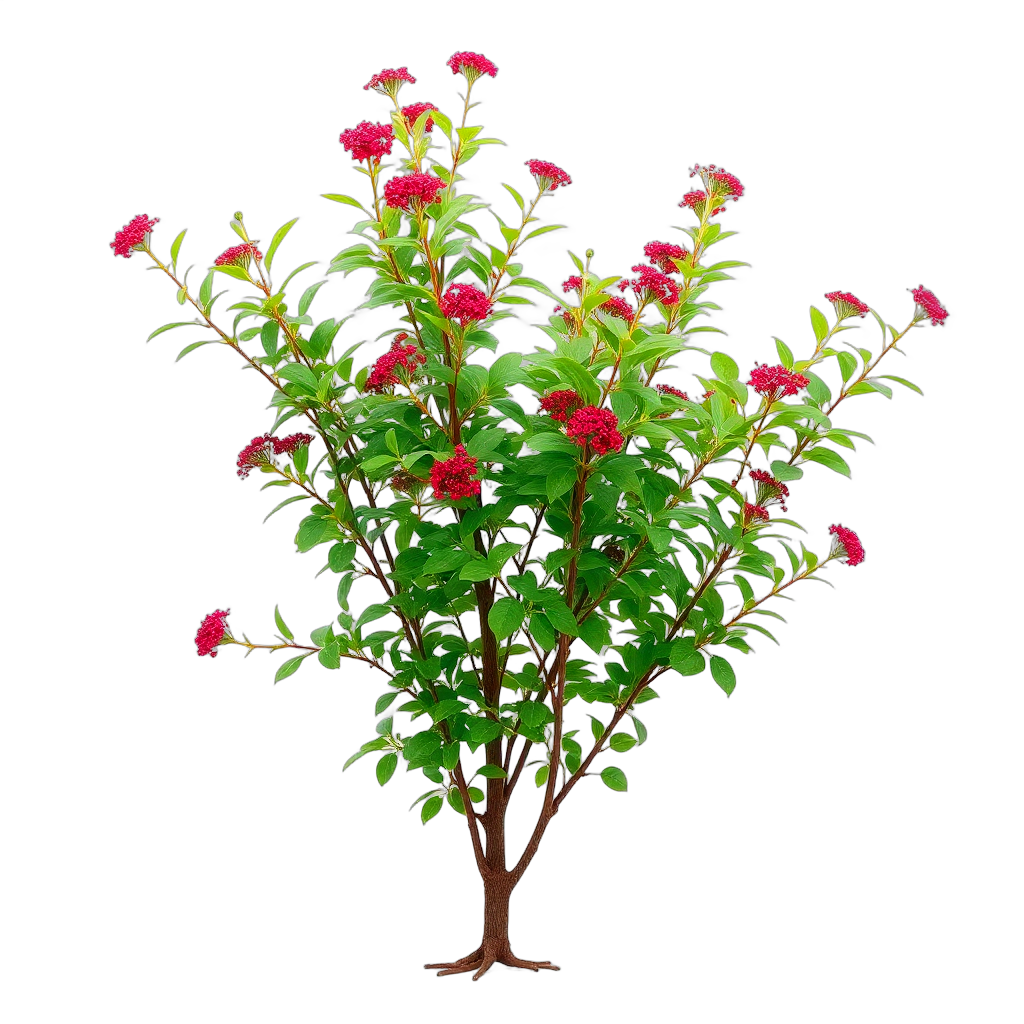
Rhus glabra
medium-sized at 12 feet, white,green blooms in summer. Attracts butterflies.
Northern Catalpa
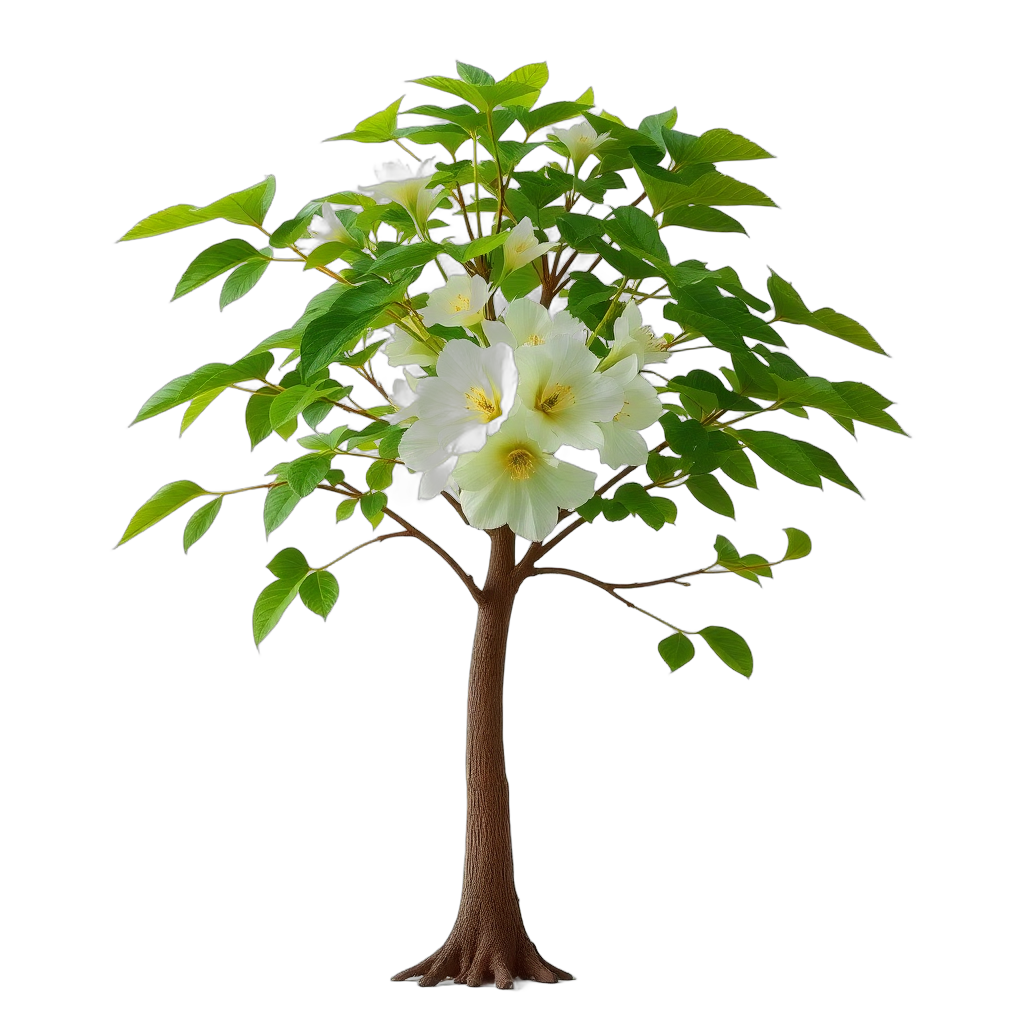
Catalpa speciosa
large shade tree reaching 55+ feet, white blooms in spring. Pollinator-friendly.
Featured Flowers & Perennials for Modern/Minimalist Gardens
Anise Hyssop
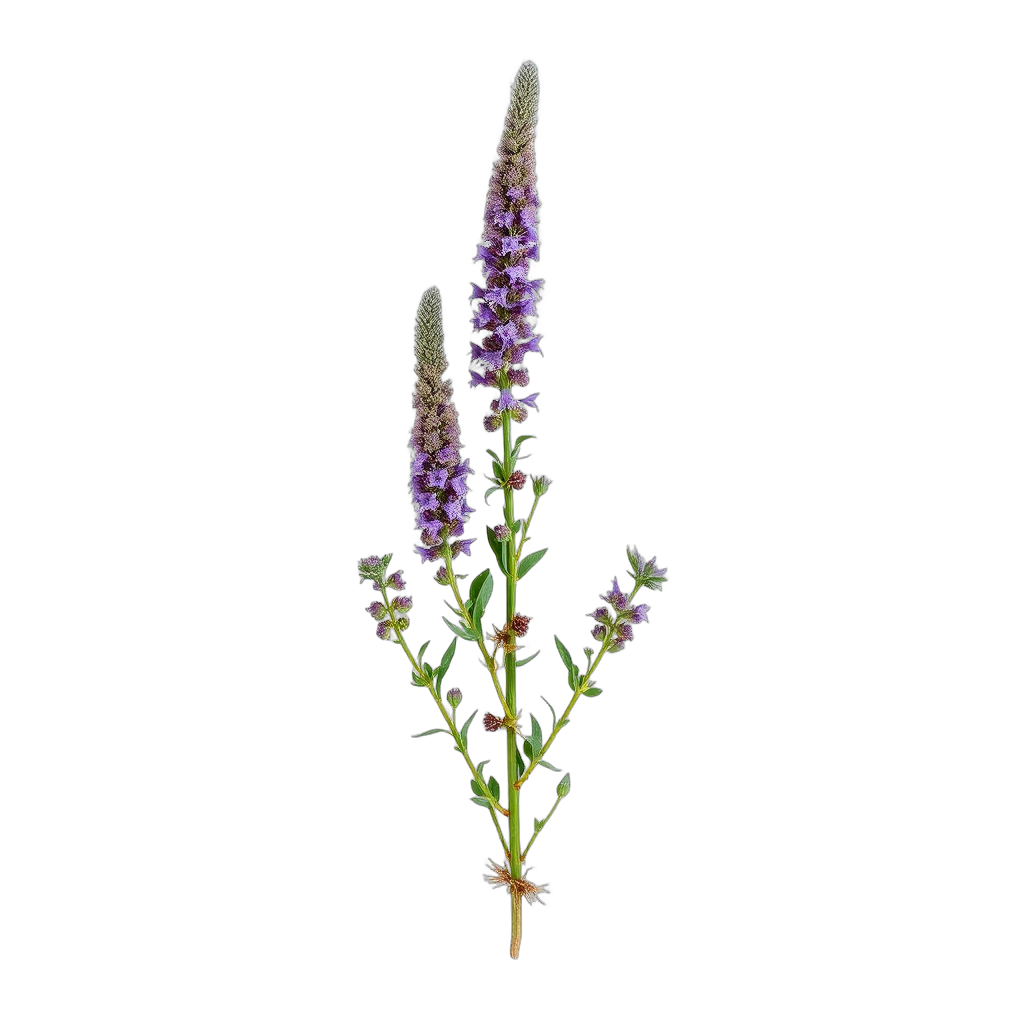
Agastache foeniculum
grows to 3 feet, purple blooms in summer. Attracts hummingbirds.
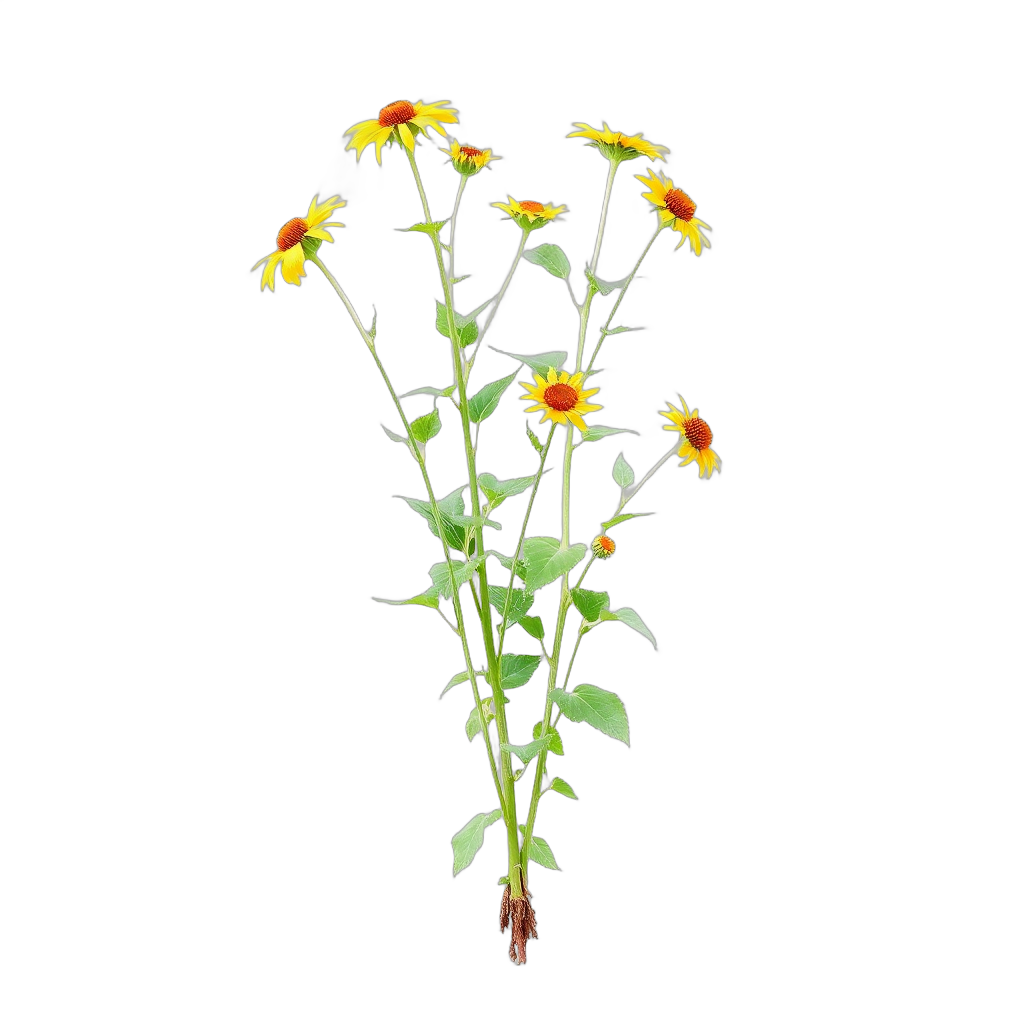
Ox-Eye Sunflower
Heliopsis helianthoides
grows to 4 feet, yellow blooms in summer. Attracts butterflies.

American White Water Lily
Nymphaea odorata
low-growing ground cover, white,pink blooms in summer. Attracts butterflies.

Canadian Waterweed
Elodea canadensis
grows to 3 feet, white blooms in spring. Evergreen year-round.
Zone and sun checks come from our database — confirm with your local nursery before you buy.
Bloom Calendar for Minneapolis
spring
American Black Currant, Gray Dogwood, Northern Catalpasummer
Anise Hyssop, Ox-Eye Sunflower, Smooth Sumacfall
American White Water Lily, Canadian Waterweedwinter
Limited bloomsDesign Tips for Minneapolis (Zone 4b)
- Specify 12-inch crushed stone subbase for all Minneapolis hardscape without exception — the city's 48–60 inch frost depth is among the deepest in the US and cuts no corners on subbase; any contractor proposing less is planning a surface that will fail
- Use only Zone 4 or colder-rated plants in exposed positions in Minneapolis — the difference between Zone 4 and Zone 5 is the difference between a plant that comes back every spring and one you're replacing after a hard winter
- Prairie-inspired modern planting — big bluestem, switchgrass, rudbeckia, coneflower in geometric masses — is not only ecologically authentic to Minnesota but requires zero additional watering after establishment and only one annual maintenance event (cut-back in March)
- Design for winter beauty as an explicit goal in Minneapolis: a garden that is only attractive from May to October is only half a design. Upright ornamental grasses catching frost light, conifer silhouettes against snow, and Corten steel planters in a white landscape provide 5–6 months of visual interest that justifies the investment year-round
- Minneapolis's Scandinavian design heritage favors precision and craft in material selection — invest in quality materials (ipe or Trex composite for decking, proper-spec porcelain for paving, real Corten steel for planters) rather than value substitutes that look correct initially but deteriorate visibly in Zone 4b winters
- A propane fire feature is one of the highest ROI investments in a Minneapolis modern landscape: it extends comfortable outdoor sitting from May through October rather than June through August, adding 60+ evenings of outdoor use annually to a terrace that otherwise sits idle in shoulder-season cool
Where to Source Plants in Minneapolis
Skip the big-box stores. These independent Minneapolis nurseries specialize in the plants that make modern/minimalist gardens thrive in Zone 4b.
Dundee Nursery
Plymouth (northwest suburbs)
Premier Twin Cities nursery; outstanding Zone 4b ornamental grasses, conifers, and architectural plants
Bachman's Floral, Home and Garden
Multiple Twin Cities locations
Minneapolis institution since 1885; comprehensive Zone 4b-tested ornamental grasses, shrubs, and perennials
Mother Earth Gardens
South Minneapolis (Longfellow)
Organic-focused; excellent native prairie grasses and ecological modern planting materials for Zone 4b
Gertens Greenhouse
Inver Grove Heights (south metro)
One of Minnesota's largest garden centers; extensive Zone 4b ornamental grass, conifer, and tree selection
Modern/Minimalist Landscaping Costs in Minneapolis
| Project Scope | Estimated Cost |
|---|---|
| Front yard modern redesign (turf removal + gravel + specimen plants) | $7,000 – $18,000 |
| Concrete or paver terrace (200–400 sqft) | $10,000 – $26,000 |
| Backyard modern room with fire pit + seating | $18,000 – $50,000 |
| Pool deck + landscaping (full backyard) | $50,000 – $130,000 |
| Corten steel raised planter beds | $550 – $1,600 each |
| AI visualization with ProScapeAI | Free to start |
Estimates based on Minneapolis, MN-area contractor rates as of 2026. Actual costs vary by site conditions, materials, and contractor.
Minneapolis Climate & Growing Zone
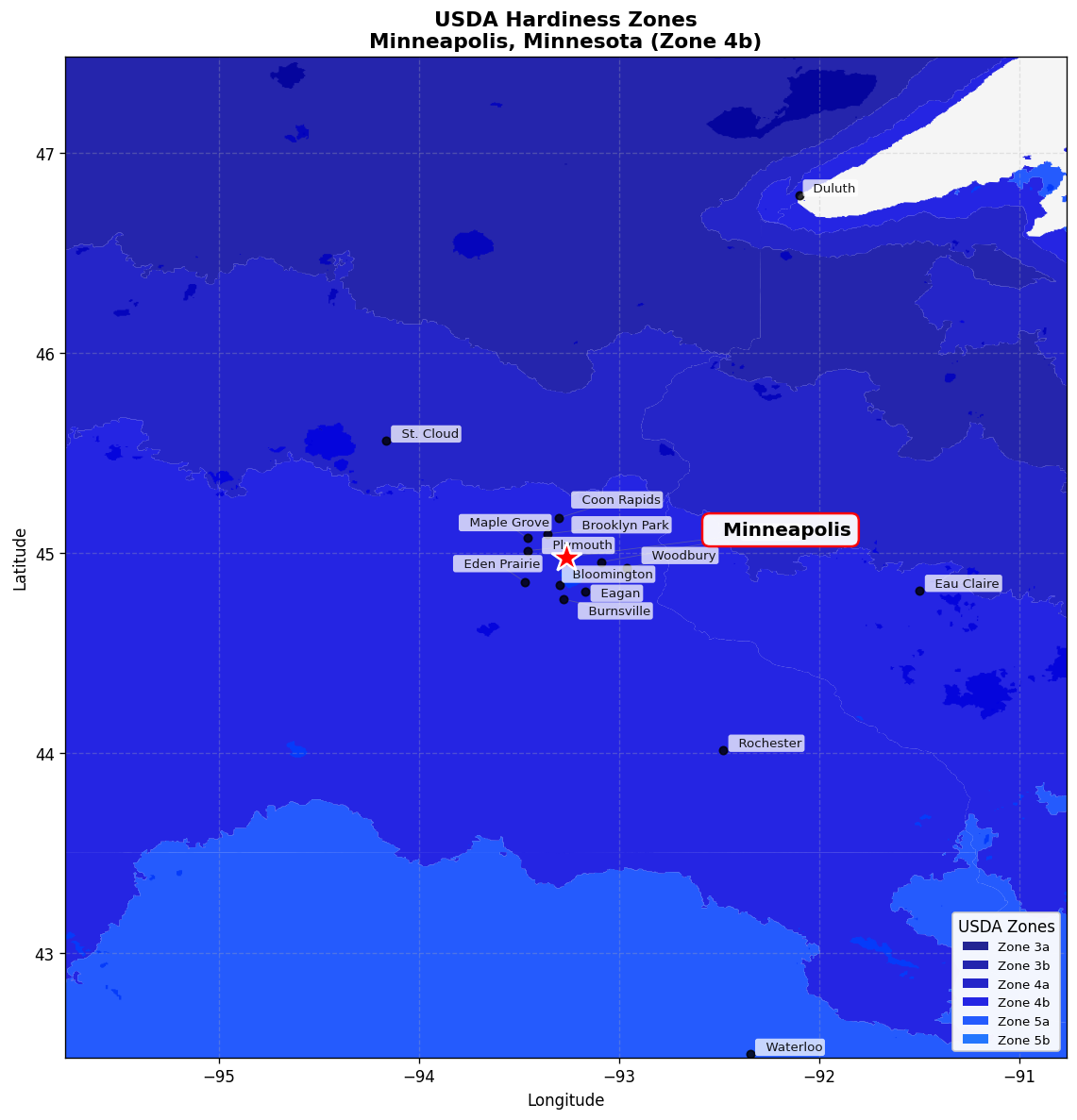
USDA Zone 4b
Hardiness zone for Minneapolis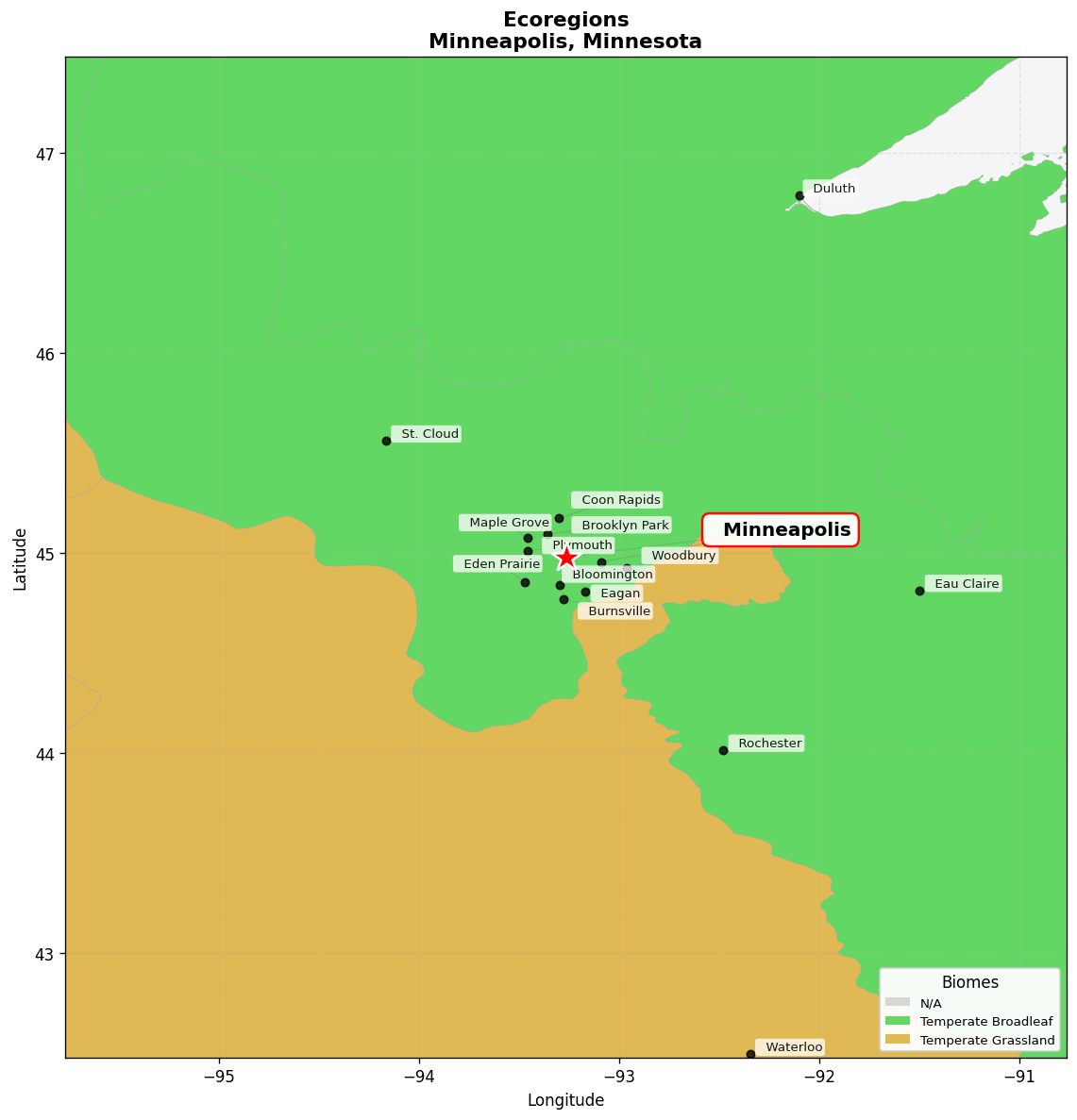
Upper Midwest US forest-savanna transition
Native ecoregionFrequently Asked Questions
What modern architectural plants survive Minneapolis's Zone 4b winters (-25°F)?
Only Zone 4 or colder-rated plants are reliable in Minneapolis. Proven performers for modern design: big bluestem (Zone 3, architectural native grass), switchgrass Shenandoah and Northwind (Zone 4), Karl Foerster grass (Zone 5, but reliably survives most Zone 4b winters — plant in a sheltered spot), prairie dropseed (Zone 3), columnar arborvitae Emerald Green (Zone 3), blue spruce Globe and Fat Albert (Zone 2–3), sedum Autumn Joy (Zone 3), rudbeckia (Zone 3), and coneflower (Zone 3). Yucca filamentosa is Zone 4 and marginally reliable in Minneapolis — use in sheltered south-facing spots only. Avoid Zone 5-rated plants in exposed positions.
How deep is the frost in Minneapolis and what does it mean for hardscape?
Minneapolis frost depth reaches 48–60 inches — among the deepest in the continental US. Requirements for hardscape: minimum 12 inch compacted crushed stone subbase under all concrete and paver surfaces. Concrete minimum 5 inches thick with rebar reinforcement. Post footings for pergolas, arbors, and fences must extend 60 inches (5 feet) below grade. All subbase must include geotextile fabric to prevent clay migration into stone. These requirements are significantly more demanding than southern Midwest cities. Minneapolis contractors who have worked in the city understand these standards; any contractor proposing 4-6 inch subbase is underselling what Minneapolis winters require.
Can I have a functional outdoor space in Minneapolis given the short season?
Yes, and Minneapolis homeowners are expert at maximizing their 135–145 day season. A propane fire feature extends comfortable outdoor sitting from late April through late October — adding 2–3 months beyond passive summer sitting. Good outdoor dining furniture (properly stored or covered November–April) is used heavily from late May through September. A covered pergola allows outdoor use in Minneapolis's frequent summer rainstorms. The key insight: Minneapolis summers, when they arrive, are exceptional — low humidity, long days, clear skies, and comfortable temperatures from mid-June through early September. A well-designed outdoor room maximizes those perfect weeks.
What's the best modern groundcover for Minneapolis's climate?
Sedum varieties are the strongest performers. Dragon's Blood sedum (Zone 3) and Angelina sedum (Zone 3) are both spreading, drought-tolerant, and Zone 3-reliable in Minneapolis's winters, providing color from spring through hard frost. Creeping phlox (Zone 3) provides spring color on slopes. Prairie dropseed (Zone 3) as a low ornamental grass groundcover is an excellent native choice. Dead nettle (Lamium, Zone 4) works in shaded spots. Avoid creeping thyme (Zone 4–5) in exposed Minneapolis positions — it's marginal in Zone 4b without snow cover. Native sedge (Carex, Zone 3–4 varieties) is the emerging no-mow lawn replacement that suits Minneapolis's sustainability culture.
What are the most design-forward neighborhoods for modern landscape in Minneapolis?
Several neighborhoods have the architectural context and homeowner appetite for modern landscape design. The North Loop and Mill District attract young professionals who expect contemporary design in their residential buildings and outdoor spaces. Northeast Minneapolis (particularly Arts District blocks near Hennepin) has an arts community that embraces design experimentation. Kenwood, Linden Hills, and Lake of the Isles have the lot sizes and property values to support premium modern landscape investment. Edina and Minnetonka in the south metro have the renovation activity and market expectations where outdoor rooms are standard features. The Stone Arch Bridge area of St. Anthony Main has urban contemporary lots that suit compact modern courtyard design.
What does modern landscape design cost in Minneapolis?
Minneapolis's premium construction market and extreme climate requirements push costs higher than southern Midwest cities. A front yard prairie-style modern redesign (400–600 sqft) runs $8,000–20,000. A North Loop rooftop terrace with frost-rated pavers on pedestal system runs $25,000–60,000. A full backyard outdoor room with porcelain pavers (12-inch subbase), fire feature, and Corten planters runs $30,000–70,000 in Minneapolis. Premium south metro projects in Edina or Minnetonka with full outdoor kitchen can exceed $100,000. Frost-depth subbase requirements add approximately 20–30% to hardscape costs vs. Chicago or Columbus. Ornamental grass mass planting (installed) runs $12–25/sqft in Minneapolis.