4 Modern Garden Ideas for St. Paul, MN | Contemporary Landscaping in Zone 4b
Native plants from the Upper Midwest US forest-savanna transition (Zone 4b) — Humid continental (warm summer) climate
Why Modern/Minimalist Gardens in St. Paul?
St. Paul’s contemporary landscape design scene has flourished in neighborhoods like Lowertown, Summit-University, Highland Park, and the redeveloped West Seventh corridor—where renovation of historic Victorians, new urban infill, and the city’s growing design awareness have created demand for outdoor spaces that match interior design ambitions with equivalent exterior quality. The Twin Cities metro’s strong economy, high design literacy among professional households, and genuine pride in the city’s outdoor culture all support substantial landscape investment.
Zone 4b’s climate is the defining constraint of St. Paul contemporary landscape design. Winters regularly reaching −20°F with 49 inches of annual snowfall create severe requirements for hardscape durability, plant cold-hardiness, and winter visual interest. The design solution that has evolved for Minneapolis-St. Paul’s contemporary gardens is a framework of extraordinary structural strength: deep-footed concrete or stone hardscape resistant to frost heave; ornamental grasses selected for both cold hardiness and winter beauty; and a disciplined plant palette confined entirely to Zone 4-hardy material. Within these constraints, the design vocabulary is confident and clean—concrete, steel, native grasses, and a few jewel-like perennials.
The fire feature is Minneapolis-St. Paul’s most culturally essential outdoor element—Minnesota outdoor culture embraces cold-weather gatherings in a way few other US markets do. The “winter is a season, not an obstacle” attitude that defines Twin Cities outdoor culture means that fire pits are used from September through April, outdoor areas are designed for snow and cold as well as summer warmth, and the design investment in outdoor living infrastructure pays dividends across 9–10 months of use rather than the 5–6 months common in warmer markets.
4 Modern/Minimalist Design Ideas for St. Paul
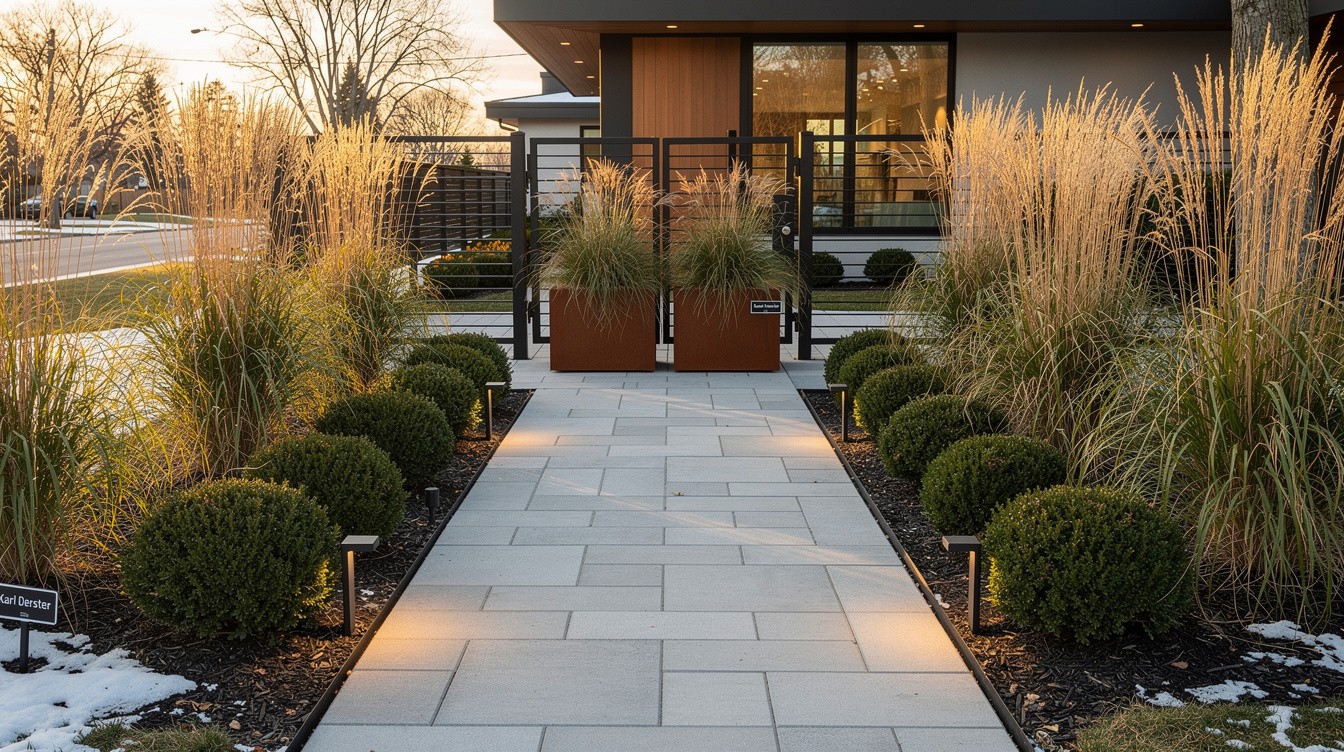
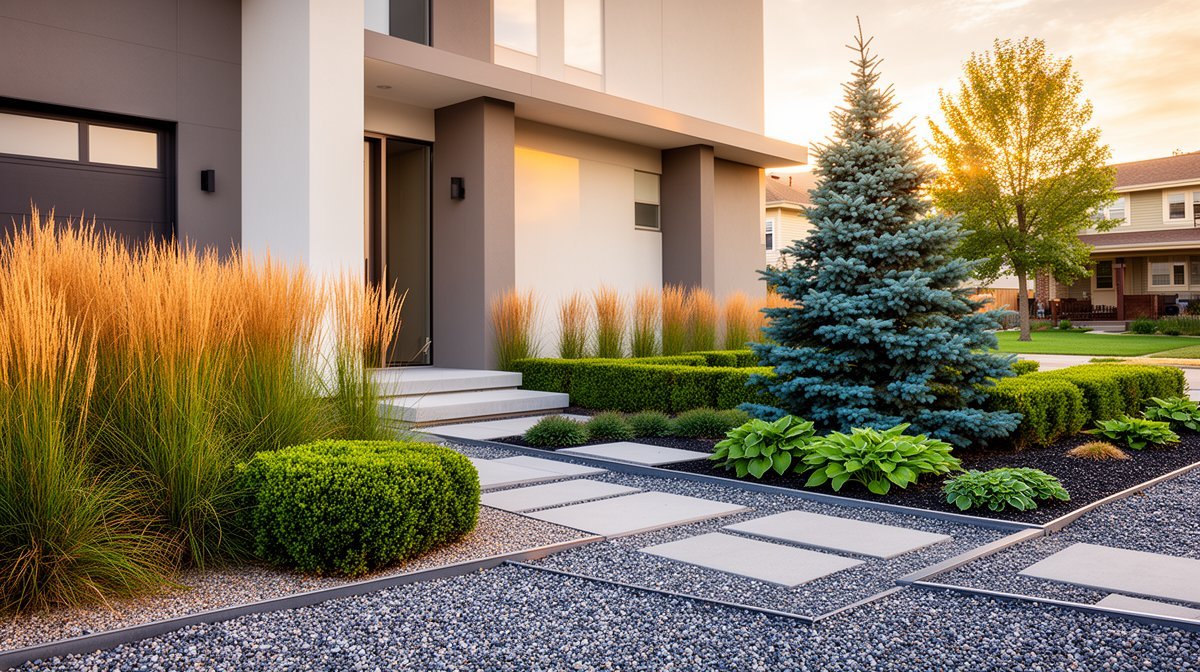
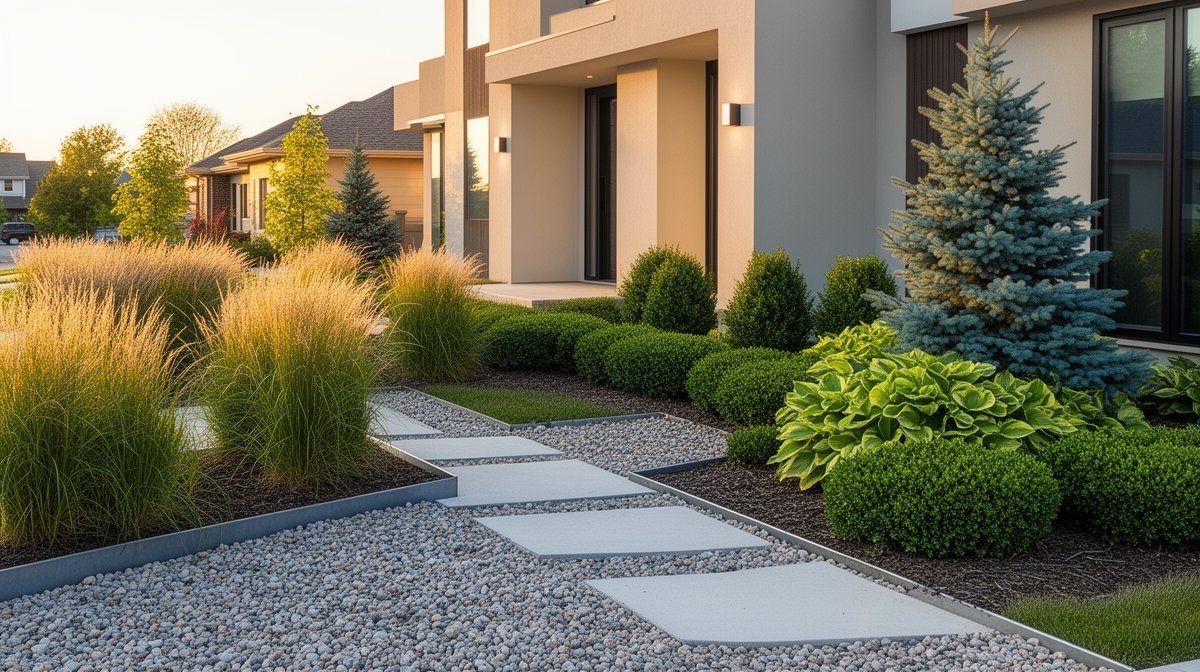
Concrete Paver Entry with Cold-Hardy Grasses and Boxwood Structure
$14–30/sqftLarge-format concrete pavers in a contemporary running bond create a bold front entry path flanked by masses of Karl Foerster feather reed grass—proven hardy to Zone 5 with excellent Zone 4 performance in sheltered Twin Cities sites—and compact boxwood hemispheres providing year-round evergreen structure. Corten steel planters at the entry gate hold switchgrass cultivars selected for Zone 4 cold hardiness. Black steel edging defines the planting beds; LED path lighting extends the design’s visual impact through St. Paul’s long dark winters. The design’s architectural clarity is maintained through all four seasons, from spring emergence through the white-on-gray of a Minnesota February.
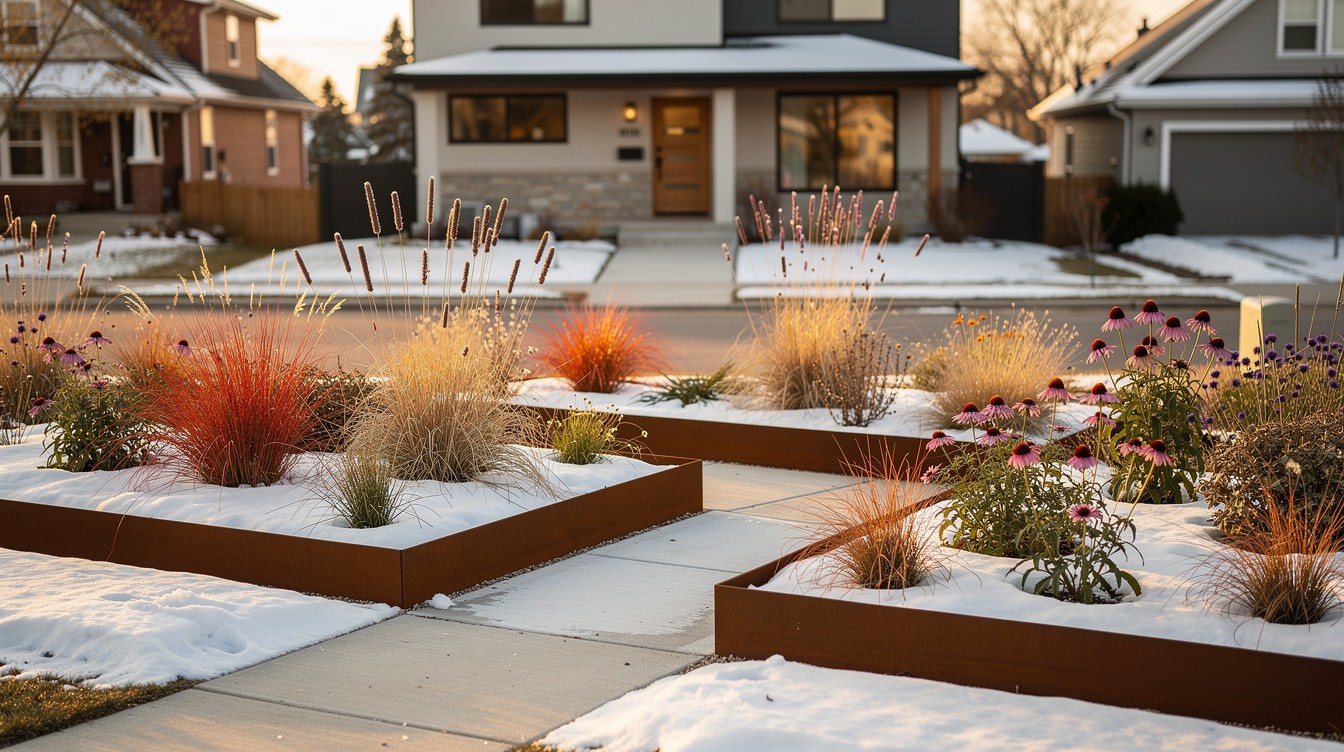
Native Prairie Front Yard with Contemporary Geometry
$10–22/sqftA contemporary front yard conversion from turf to a native Upper Midwest prairie composition—little bluestem, purple coneflower, prairie blazing star, and prairie dropseed in corten steel-edged geometric beds—celebrates the Minnesota landscape heritage while delivering genuine four-season visual interest. The corten steel edging creates clean contemporary geometry that reads as intentional and designed even when covered with snow. Little bluestem’s red-orange fall color, combined with the vertical seed heads of blazing star and the tawny winter architecture of the grasses, makes this front yard one of St. Paul’s most striking winter streetscapes. All plants are Zone 3–4 natives requiring no irrigation after establishment.
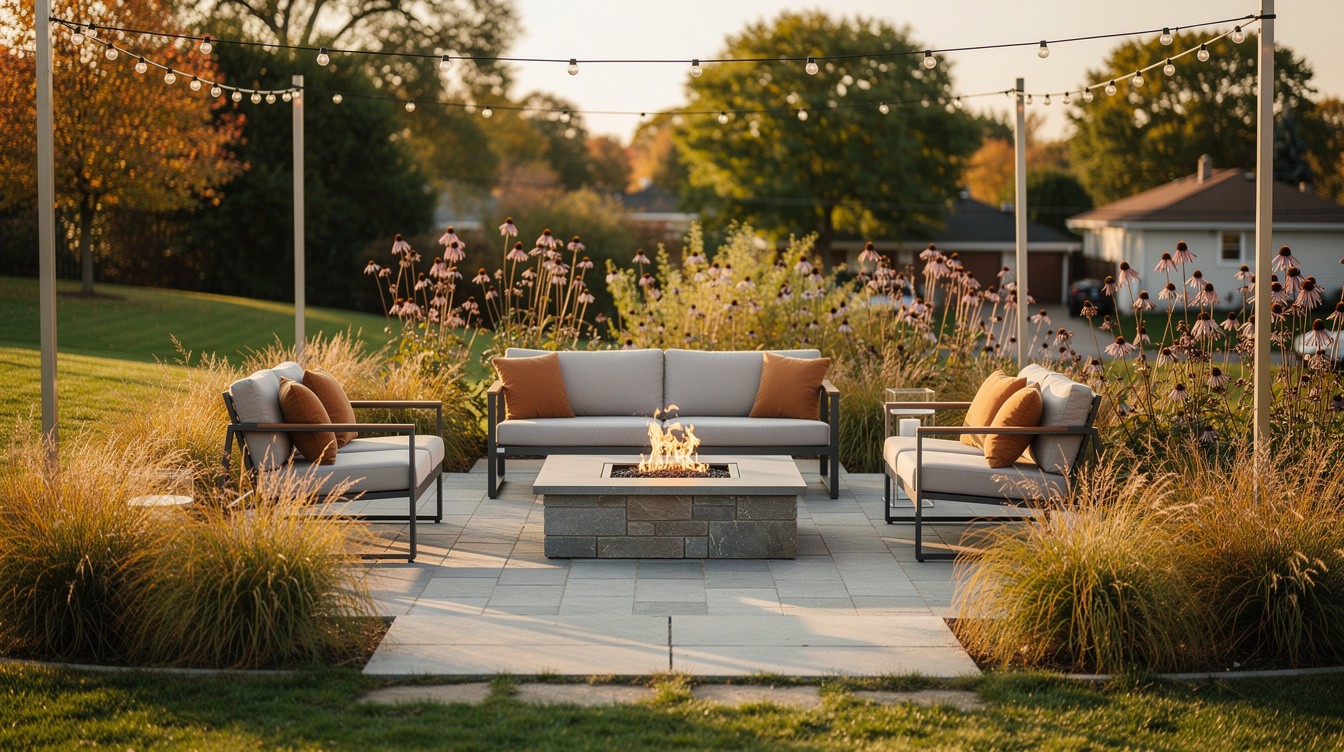
Bluestone Fire Pit Terrace with Prairie Borders
$22—44/sqftA bluestone paver terrace cut level into a St. Paul backyard anchors an outdoor entertainment space around a central gas fire pit—the defining element of Minnesota outdoor living—surrounded by modern weatherproof seating. Native prairie plant borders of little bluestem, switchgrass, and coneflowers frame the terrace on two sides, their golden autumn tones and winter seed head architecture creating a beautiful backdrop for the fire feature even when plants are dormant in January. Overhead string lights on steel posts complete the outdoor room. The gas fire pit is the functional engine of this space: it extends comfortable outdoor use from April through November, turning Minnesota’s long cool shoulder seasons into genuine outdoor living opportunities.
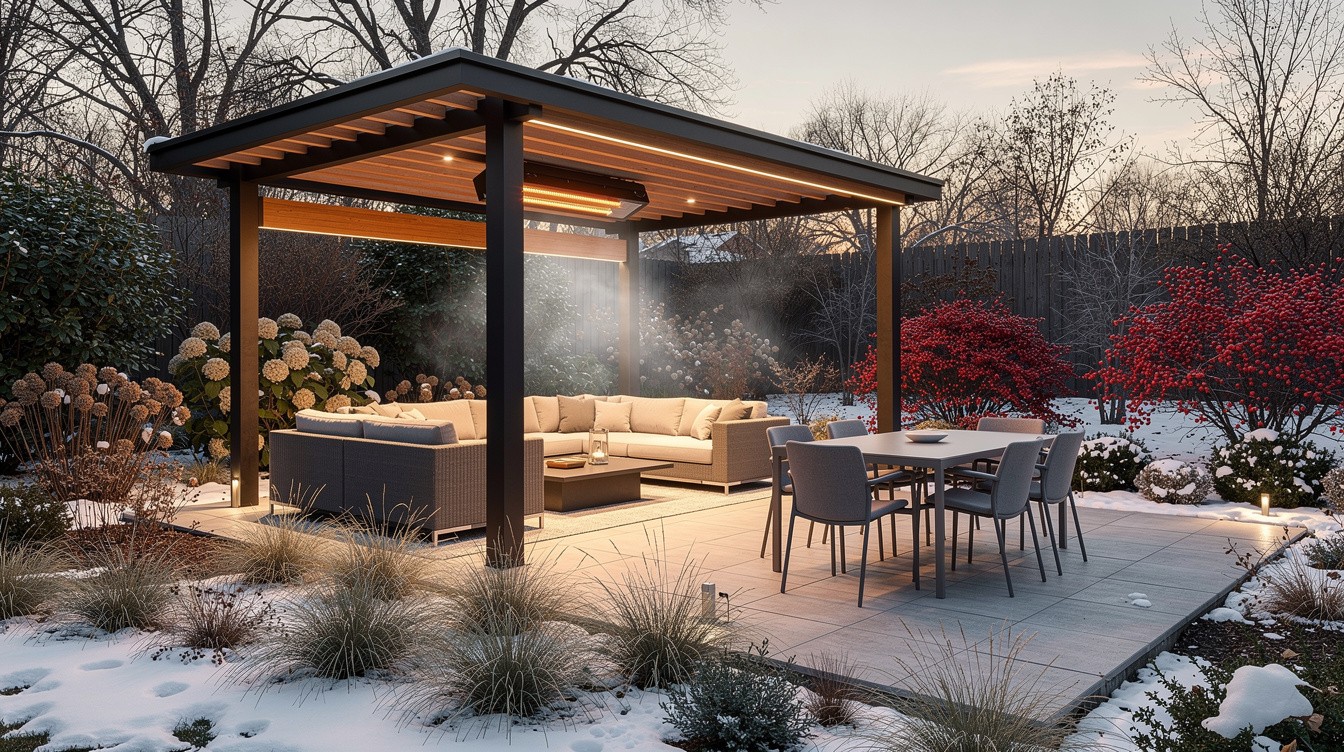
Pergola Outdoor Room with Heated Outdoor Living and Native Garden
$25—52/sqftA steel-and-cedar pergola with heated outdoor living extension—patio heaters or an infrared heating system mounted overhead—creates a sheltered outdoor room usable across St. Paul’s long shoulder seasons and even deep winter evenings. Adjacent to a concrete paver dining terrace, the pergola frames a native Minnesota garden of prairie and woodland plants: native sedges, Annabelle hydrangeas, and winterberry holly creating four-season structure. The winterberry holly’s blazing red fruit in December and January against snow cover is one of the most striking contemporary garden images in the Upper Midwest. Patio heaters extend comfortable outdoor use to temperatures well below freezing.
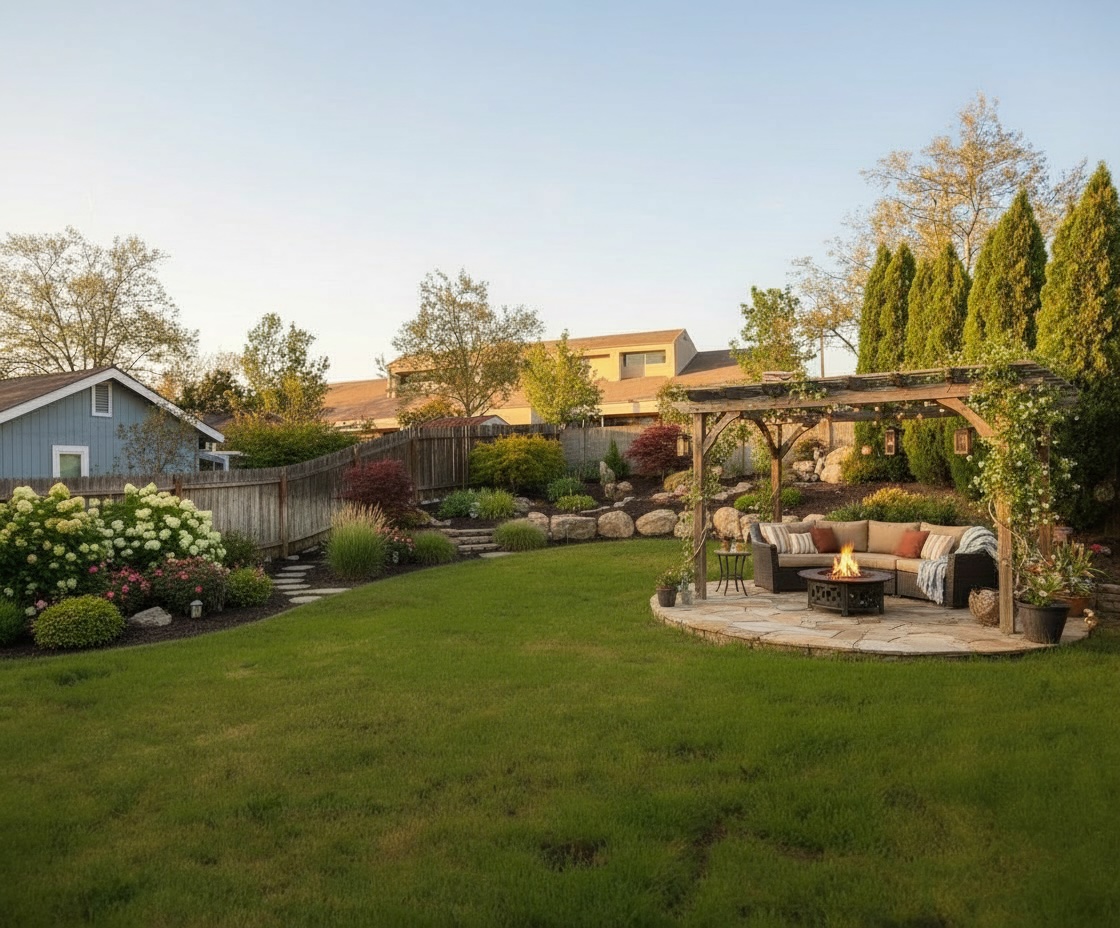
See how a modern/minimalist garden looks on YOUR property
Upload a photo of your St. Paul yard and visualize your dream garden in seconds.
Try ProScapeAI Free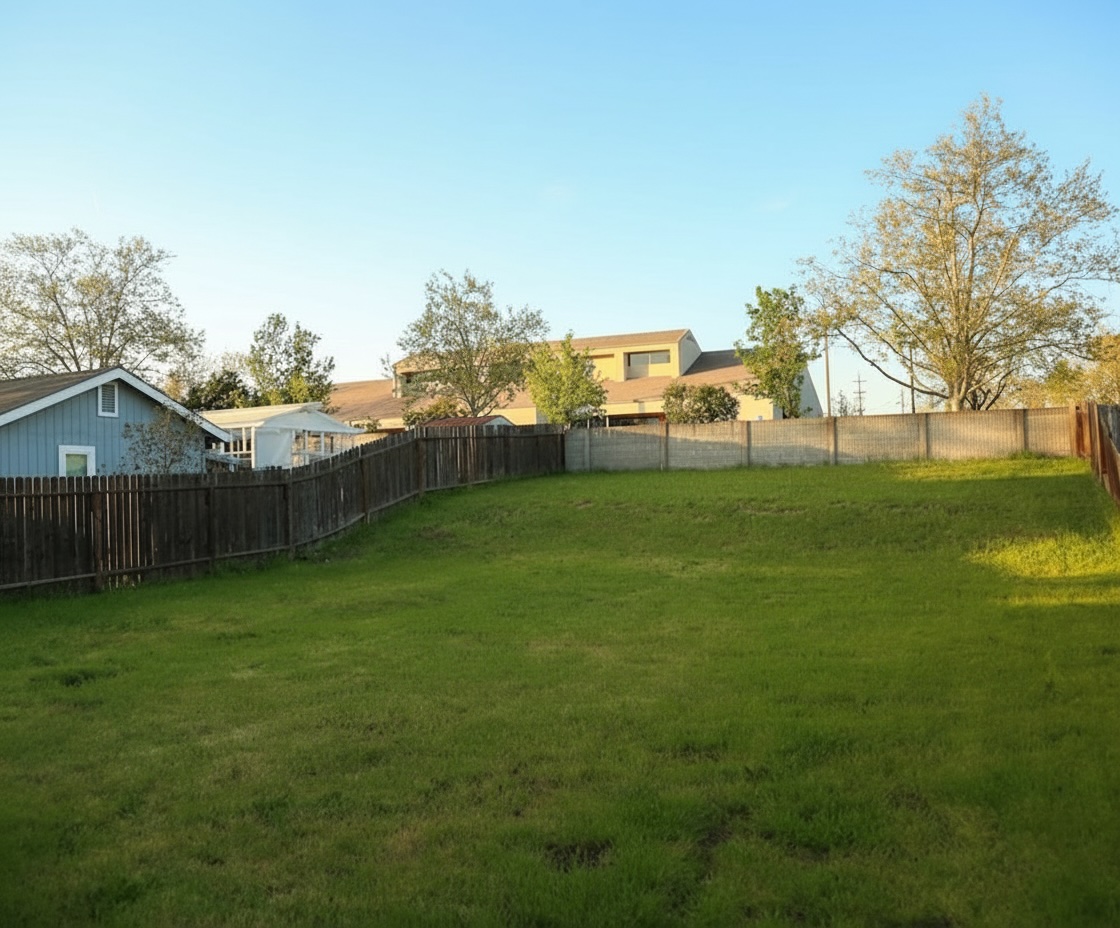
Featured Trees & Shrubs for Modern/Minimalist Gardens
Browse all 155 plants for St. Paul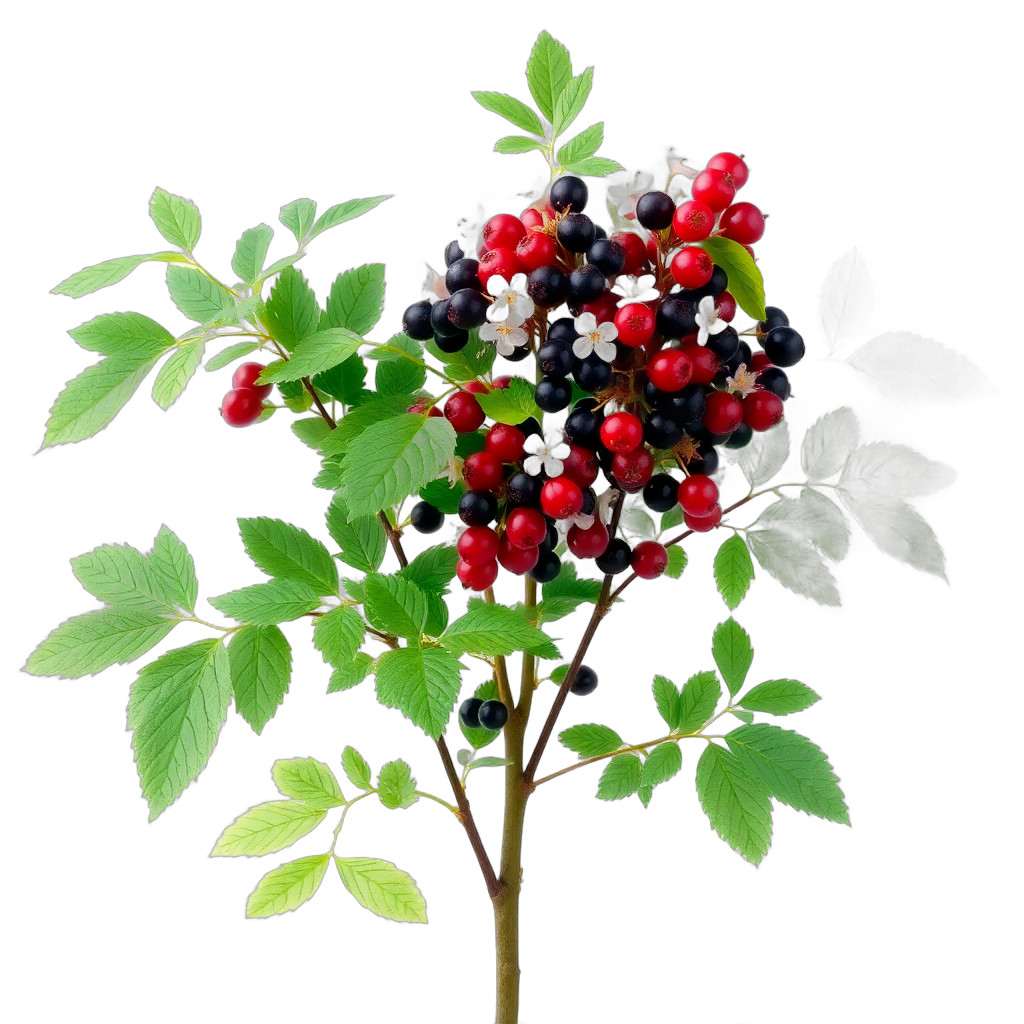
American Black Currant
Ribes americanum
grows to 5 feet, white,yellow blooms in spring. Attracts hummingbirds.

Gray Dogwood
Cornus racemosa
medium-sized at 10 feet, white blooms in spring. Pollinator-friendly.
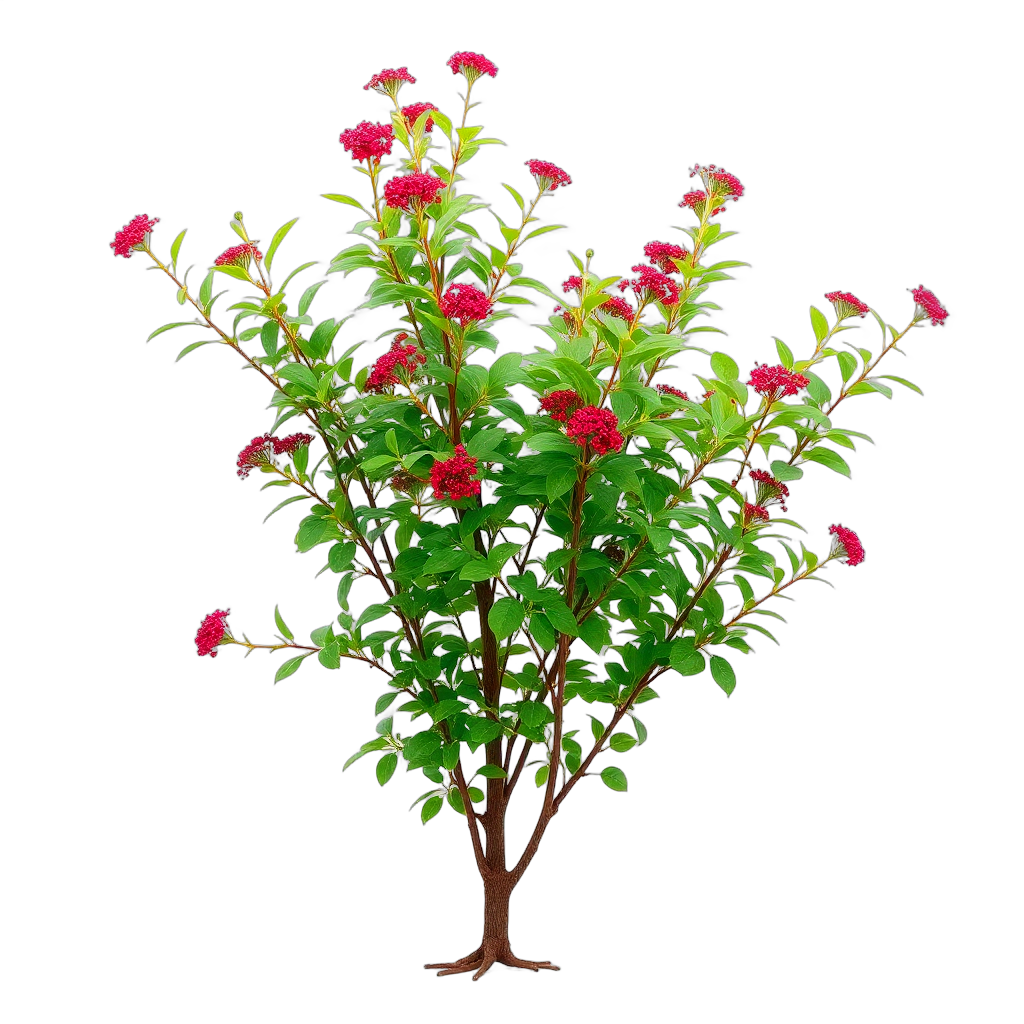
Smooth Sumac
Rhus glabra
medium-sized at 12 feet, white,green blooms in summer. Attracts butterflies.
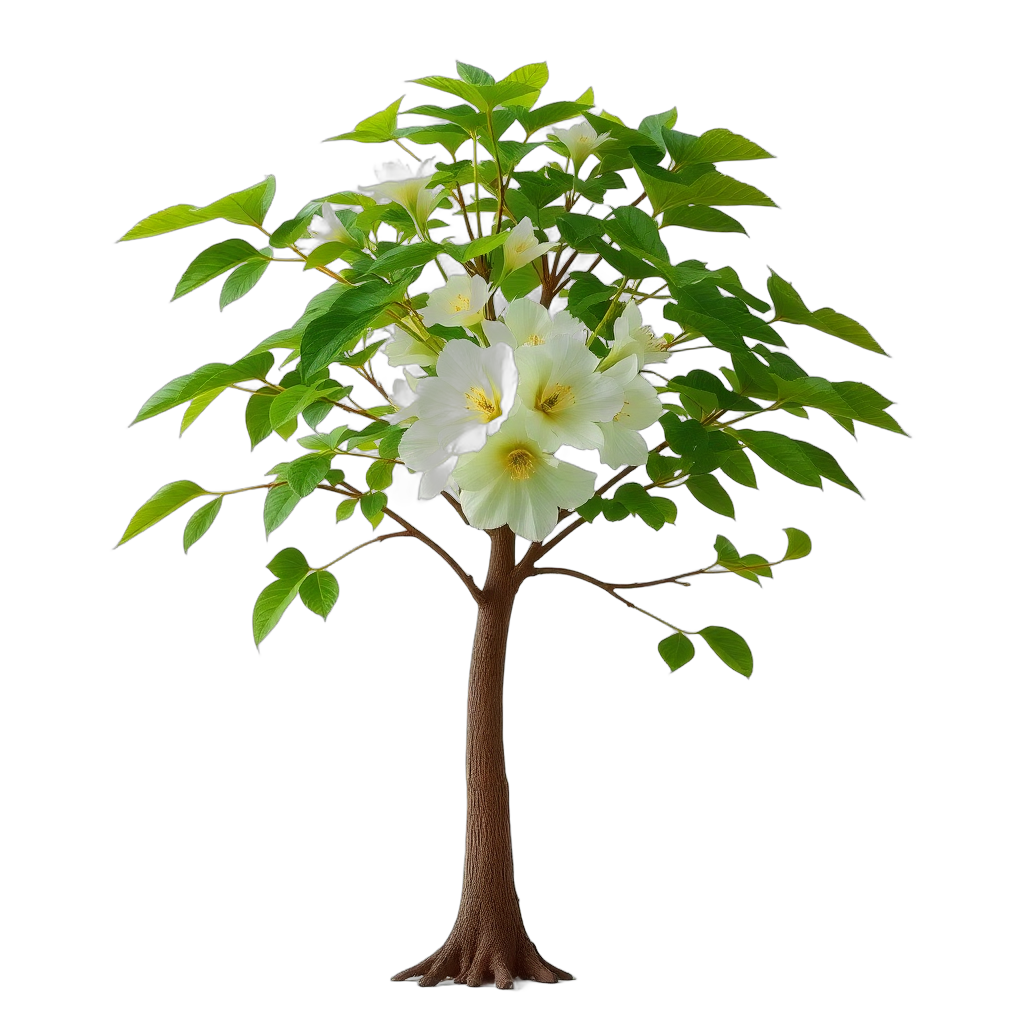
Northern Catalpa
Catalpa speciosa
large shade tree reaching 55+ feet, white blooms in spring. Pollinator-friendly.
Featured Flowers & Perennials for Modern/Minimalist Gardens
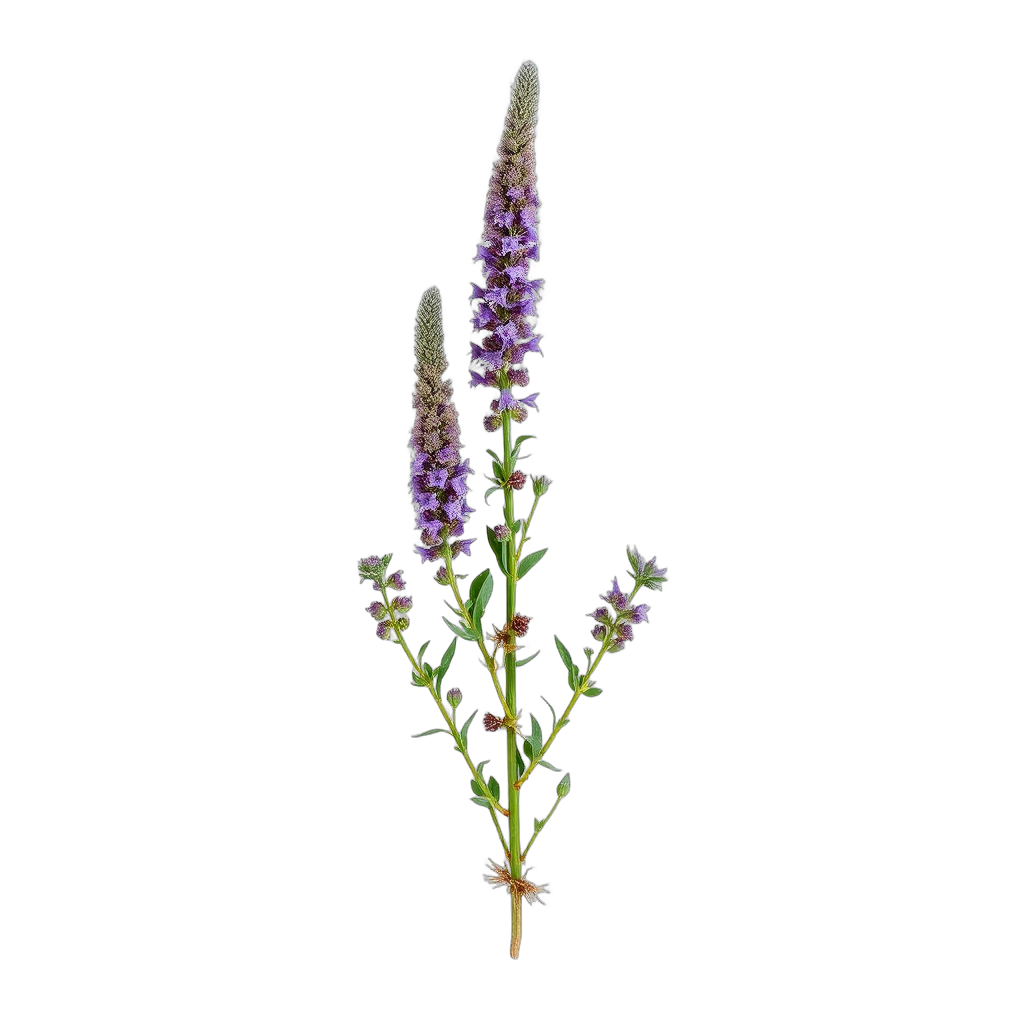
Anise Hyssop
Agastache foeniculum
grows to 3 feet, purple blooms in summer. Attracts hummingbirds.
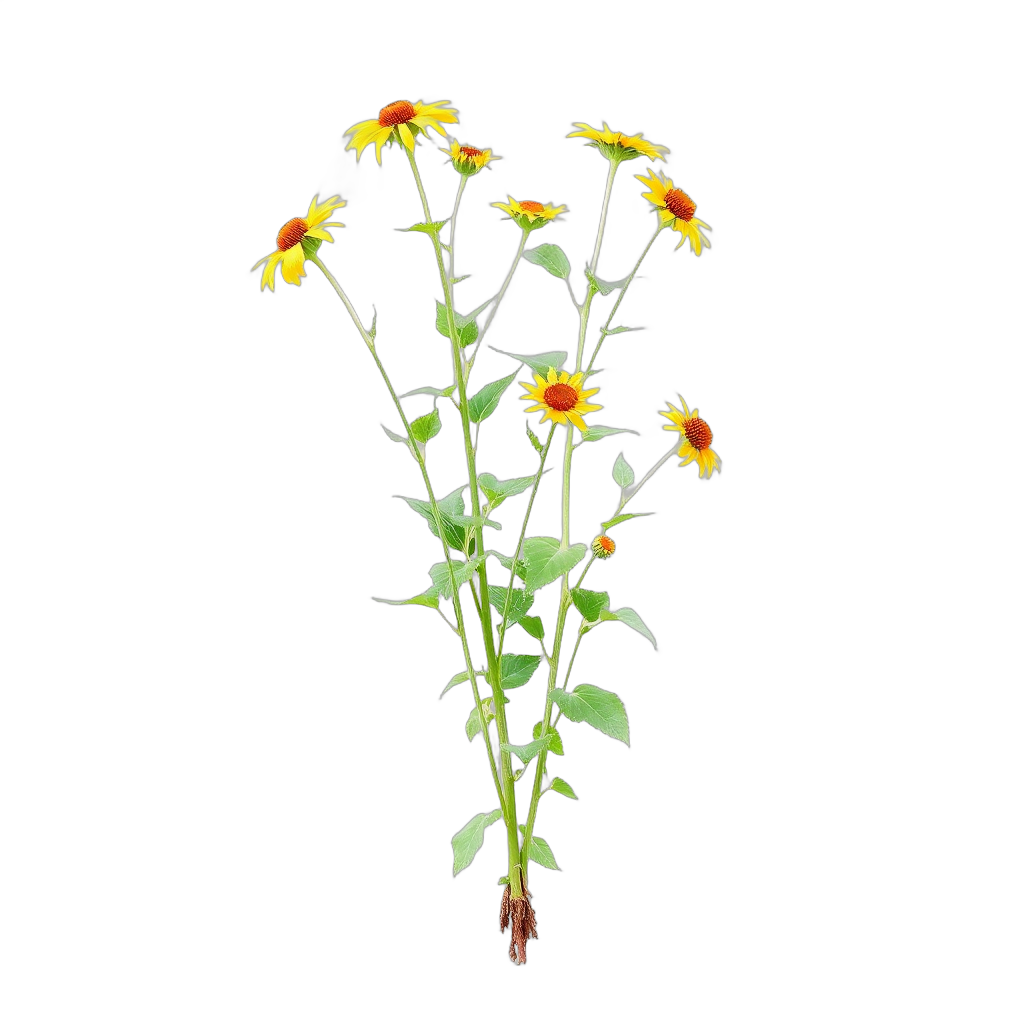
Ox-Eye Sunflower
Heliopsis helianthoides
grows to 4 feet, yellow blooms in summer. Attracts butterflies.

American White Water Lily
Nymphaea odorata
low-growing ground cover, white,pink blooms in summer. Attracts butterflies.

Canadian Waterweed
Elodea canadensis
grows to 3 feet, white blooms in spring. Evergreen year-round.
Zone and sun checks come from our database — confirm with your local nursery before you buy.
Bloom Calendar for St. Paul
spring
American Black Currant, Gray Dogwood, Northern Catalpasummer
Anise Hyssop, Ox-Eye Sunflower, Smooth Sumacfall
American White Water Lily, Canadian Waterweedwinter
Limited bloomsDesign Tips for St. Paul (Zone 4b)
- Design the landscape as much for winter viewing from inside the house as for summer outdoor use—St. Paul’s outdoor season is short but the garden is viewed through windows for 5–6 months; position winterberry holly, ornamental grasses, and evergreen boxwood masses where they’re visible from the kitchen and living room windows
- Install a permanently connected gas fire feature as the backyard anchor—Minnesota outdoor culture embraces fire features as year-round amenities, not seasonal accessories; gas’s instant ignition at −20°F removes the activation barrier that prevents spontaneous cold-weather use, turning fire pit evenings from occasional occasions into regular rituals
- Use corten steel edging for all contemporary planting beds—the warm rust tones of weathering steel complement Minnesota’s autumn and winter landscape palette beautifully, and the steel’s durability handles the freeze-thaw conditions that damage aluminum edging within a few seasons
- Specify frost-depth footings for all pergola, deck, and structure posts—Minnesota’s 42-inch frost depth requires footing excavation well below what’s standard in warmer markets; posts set in shallow footings will shift and heave annually, while properly footed structures are stable for decades
- Plant winterberry holly (Ilex verticillata) in visible winter locations—this Zone 3 native shrub’s blazing red fruit from November through January is one of the most spectacular contemporary winter garden elements available in the Upper Midwest, and its native-plant credentials align perfectly with the ecological design values that characterize contemporary Twin Cities landscape design
- Choose hot tub over pool for the St. Paul outdoor living upgrade—the Minnesota swimming season is 3–4 months with heating, while a hot tub delivers multiple-times-weekly use for 8–10 months including winter; the ROI on a well-integrated spa in a contemporary St. Paul landscape significantly exceeds a pool for most households
Where to Source Plants in St. Paul
Skip the big-box stores. These independent St. Paul nurseries specialize in the plants that make modern/minimalist gardens thrive in Zone 4b.
Bachman’s Floral, Home & Garden
Minneapolis / St. Paul Metro
Minnesota’s premier garden institution—exceptional Zone 4b contemporary plant selection, native grasses, ornamental shrubs, and landscape design services
Dundee Nursery
Plymouth
Independent Twin Cities nursery known for cold-hardy contemporary perennials, ornamental grasses, and Zone 4b landscape expertise
Prairie Restorations
Princeton (serves Twin Cities)
Minnesota native prairie and savanna plants—best source for Zone 3–4 native grasses and wildflowers for contemporary ecological landscapes
Minnesota Landscape Arboretum Plant Shop
Chaska
University of Minnesota research garden—Zone 4-proven ornamentals, native plants, and specialty cold-hardy contemporary landscape plants
Home Depot Garden Center
St. Paul
Concrete pavers, corten steel edging, cold-hardy ornamentals, and contemporary landscape installation materials
Modern/Minimalist Landscaping Costs in St. Paul
| Project Scope | Estimated Cost |
|---|---|
| Concrete paver entry with corten planters, ornamental grasses, and LED lighting | $10,000 – $26,000 |
| Native prairie front yard conversion from turf with corten edging | $8,000 – $20,000 |
| Bluestone fire pit terrace with prairie borders and outdoor seating | $20,000 – $46,000 |
| Heated steel pergola outdoor room with native garden | $25,000 – $58,000 |
| Hot tub or outdoor spa with concrete pad and privacy screening | $7,000 – $18,000 |
| Annual contemporary landscape maintenance | $900 – $2,500/year |
| AI visualization with ProScapeAI | Free to start |
Estimates based on St. Paul, MN-area contractor rates as of 2026. Actual costs vary by site conditions, materials, and contractor.
St. Paul Climate & Growing Zone
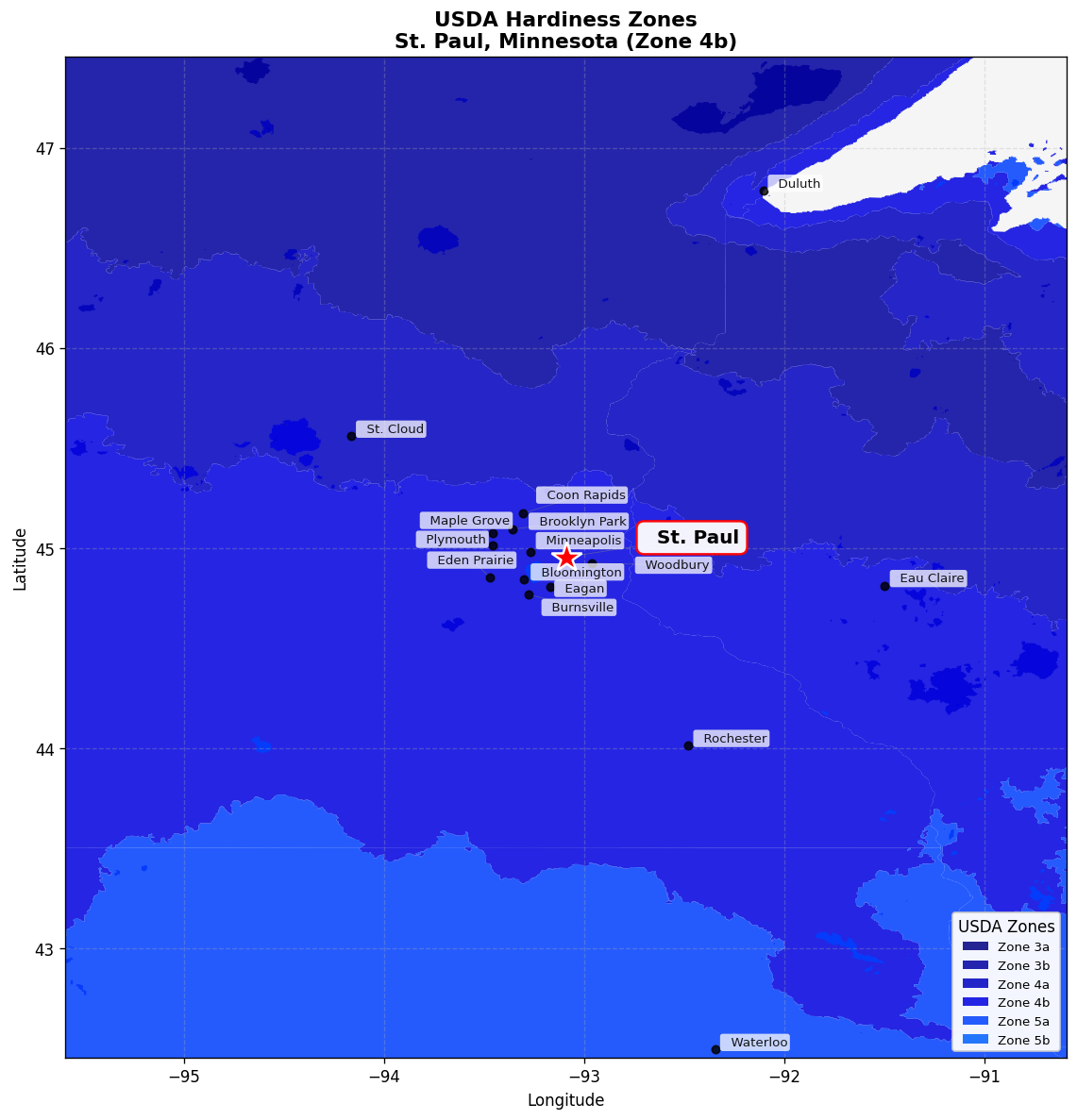
USDA Zone 4b
Hardiness zone for St. Paul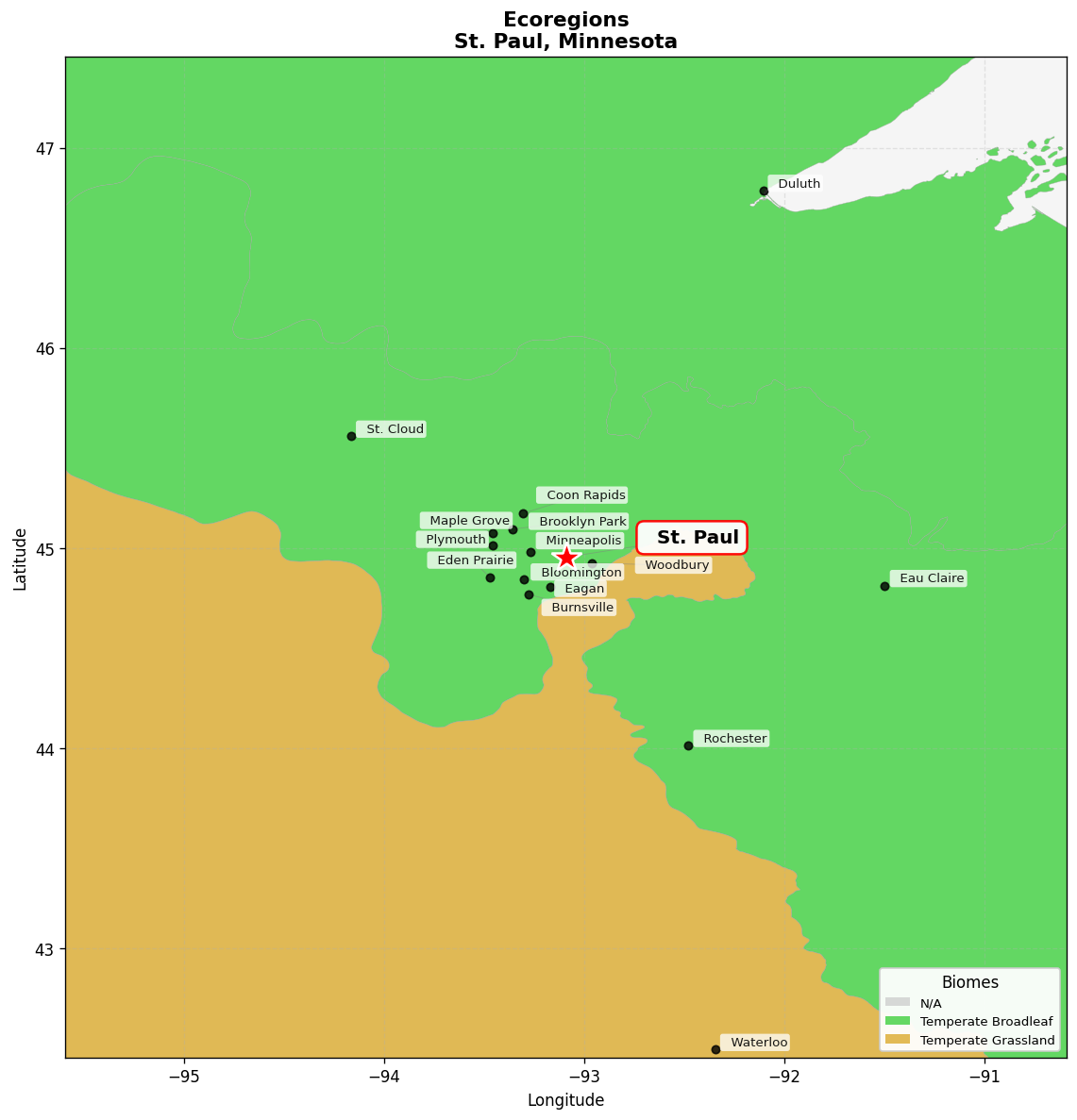
Upper Midwest US forest-savanna transition
Native ecoregionFrequently Asked Questions
What ornamental grasses are reliably Zone 4b hardy for St. Paul?
Zone 4b requires grasses hardy to −20°F minimum. Verified performers: Karl Foerster feather reed grass (Calamagrostis ×acutiflora, technically Zone 5 but reliably perennial in sheltered St. Paul sites—the most structurally clean contemporary grass available), little bluestem (Schizachyrium scoparium, Zone 3, native Upper Midwest prairie grass, outstanding red fall and winter color), switchgrass 'Northwind' and 'Shenandoah' (Panicum virgatum, Zone 5 but 'Northwind' is reportedly more cold-tolerant), prairie dropseed (Sporobolus heterolepis, Zone 3 Minnesota native, fragrant fall bloom, exceptional winter architecture), native tufted hairgrass (Deschampsia cespitosa, Zone 3, tolerates shade and wet conditions). Avoid maiden grass (Miscanthus sinensis)—typically Zone 5 and dies in hard Minnesota winters.
What hardscape is most durable for St. Paul’s extreme freeze-thaw conditions?
St. Paul’s −20°F winters, 49 inches of snowfall, and spring thaw create the most demanding hardscape conditions in the continental US outside Alaska. Material requirements: concrete pavers must be rated for severe climate (8,000 PSI compressive strength, absorption <5%); all paver installations need minimum 6-inch compacted gravel base with proper drainage—frost heave from inadequate base preparation is the most common hardscape failure; bluestone and limestone need natural cleft (not thermal-polished) finish for traction on icy surfaces; raised spa or hot tub bases require frost footings; and any metal elements must be powder-coated or use weathering steel—bare steel and aluminum corrode rapidly under Minnesota’s road salt conditions. Budget for frost footings on all deck posts (must extend below the 42-inch Minnesota frost depth).
How does Minnesota outdoor culture shape contemporary landscape design?
Twin Cities outdoor culture is uniquely adapted to the northern climate—rather than retreating indoors for 6 months, Minnesota residents embrace cold-weather outdoor living in a way that shapes landscape design priorities. Fire features are used October through April (not just summer); hot tubs and outdoor spas are considered practical amenities rather than luxuries; outdoor covered structures extend use through rain and cold; and landscape design that looks beautiful under snow is as important as summer aesthetics. This outdoor cultural embrace of winter means that the contemporary St. Paul landscape investment is used across 10 months of the year—a longer use period than most warmer-climate markets where outdoor spaces are too hot for comfort in summer and too mild to motivate fire feature investment in winter.
Is a hot tub worth the investment in a St. Paul contemporary landscape?
A hot tub or outdoor spa is arguably the highest-ROI outdoor investment for a St. Paul contemporary landscape. Minnesota’s cold-weather outdoor culture fully embraces outdoor spa use—October through March in a hot tub at 104°F while surrounded by snow is a genuinely popular Minnesota winter experience. Hot tubs require proper site preparation (reinforced concrete pad or structural deck, GFCI electrical connection, wind screening for energy efficiency in cold winters), but use multiple times per week during the long winter makes the investment pay back quickly in lifestyle value. Budget $5,000–15,000 for a quality hot tub plus site preparation. Operating costs are $600–1,200/year in Minnesota’s cold winters.
What winterberry holly design ideas work best for Minnesota?
Winterberry holly (Ilex verticillata) is a native Minnesota shrub and one of the most spectacular winter landscape plants in the Upper Midwest. It requires a male pollinator plant (1 male per 5–8 females) to set fruit—don’t plant females alone. Best varieties for Zone 4b: 'Red Sprite' (compact, heavy fruiting, Zone 3), 'Winter Red' (larger shrub, Zone 3–4, outstanding red persistence through January), 'Berry Poppins' (compact, Zone 3, heavy fruiting). Site in moist soil (tolerates wet—excellent for low areas that collect snowmelt) or provide supplemental irrigation. Design impact: a mass of 3–5 winterberry hollies against a snow background in December and January is one of the most striking contemporary landscape images in the Twin Cities—blazing red fruit visible from inside the house during the darkest winter months.
How much does a contemporary landscape installation cost in St. Paul?
St. Paul landscaping costs are at the national average with some premium for cold-climate materials and installation requirements (deeper footings, frost-rated pavers, cold-hardy plant sourcing). A concrete entry with ornamental grasses and boxwood structure typically costs $10,000–26,000. A native prairie front yard conversion costs $8,000–20,000. A bluestone fire pit terrace with prairie borders runs $20,000—45,000. A heated pergola outdoor room ranges $25,000–58,000. Annual maintenance for a contemporary native-inspired Minnesota landscape runs $900–2,500/year. The relatively low maintenance cost for native plant-based designs is a significant advantage in a market where contractor availability can be limited during the short growing season.