4 English Cottage Garden Ideas for Cambridge, MA | Zone 7a Front Yards
Native plants from the Northeast US Coastal forests (Zone 7a) — Humid continental (hot summer) climate
For a cottage garden in Cambridge, MA, a zone 7a city with a humid continental (hot summer) climate, start with Rosa 'New Dawn' on the porch rail, Digitalis purpurea 'Camelot Rose' and Lavandula × intermedia 'Phenomenal', the plants this guide's first design is built on.
Why Cottage/English Gardens in Cambridge?
Cambridge has the houses a cottage garden wants. Cambridgeport and Mid-Cambridge are lined with Victorian wood-frame houses and triple-deckers, Avon Hill and Agassiz have Queen Anne and Colonial Revival homes with porches, and Huron Village and Strawberry Hill hold small capes and bungalows sitting a few steps from the sidewalk. A front setback of 10 to 20 feet is the cottage garden's natural size: a picket or iron-rail fence, a gate with a rose over it, and a border deep enough for three layers. A small yard that is planted generously looks deliberate. The same plants on a quarter acre would look thin.
Cambridge sits in USDA Zone 7a, with winter lows around 0 to 5°F, roughly 44 inches of rain a year, and frost depth that can reach 4 feet. That is cold enough to rule out a few English classics and plenty mild for the rest. Rosa 'New Dawn' and Rosa 'Sally Holmes' come through winter with a little cane protection, Paeonia 'Sarah Bernhardt' loves the freeze, and Lavandula × intermedia 'Phenomenal' is rated hardy to Zone 5. Lavandula angustifolia 'Hidcote' is the usual failure here, rotting in wet clay and heaving in March thaws. Tender David Austin roses such as Rosa 'Olivia Rose Austin' are worth trying only against a south wall with winter mulch.
Soil in Cambridge varies block by block. Much of the city sits on filled tidal land near the Charles River and Alewife Brook, with Boston blue clay underneath, and the higher ground near Avon Hill and Fresh Pond has glacial till with stones. Urban fill is often rubble-laced and runs near neutral to slightly alkaline, which suits lavender and clematis better than a New England woodland pH of 5.0–6.0 would. Test before you amend. Whichever you have, raise the borders 6–8 inches with compost and grit so the crowns are not sitting in March meltwater, and use Geranium 'Rozanne' and Nepeta 'Walker's Low' to cover the edges that clay makes look bare.
Rules matter on a small city lot. Cambridge's Tree Protection Ordinance requires a permit to remove a significant tree, which the city defines as 8 inches or more in trunk diameter, and most applications need a certified arborist's assessment. If the old maple over the front yard is the reason your border is shady, plan the garden around it with Hosta 'Halcyon', Aquilegia canadensis and Digitalis purpurea 'Camelot Rose'. Parts of the city also sit in local historic districts overseen by the Cambridge Historical Commission, so confirm with them before adding a fence or gate visible from the street.
4 Cottage/English Design Ideas for Cambridge
AI-generated image
The Victorian Porch Border
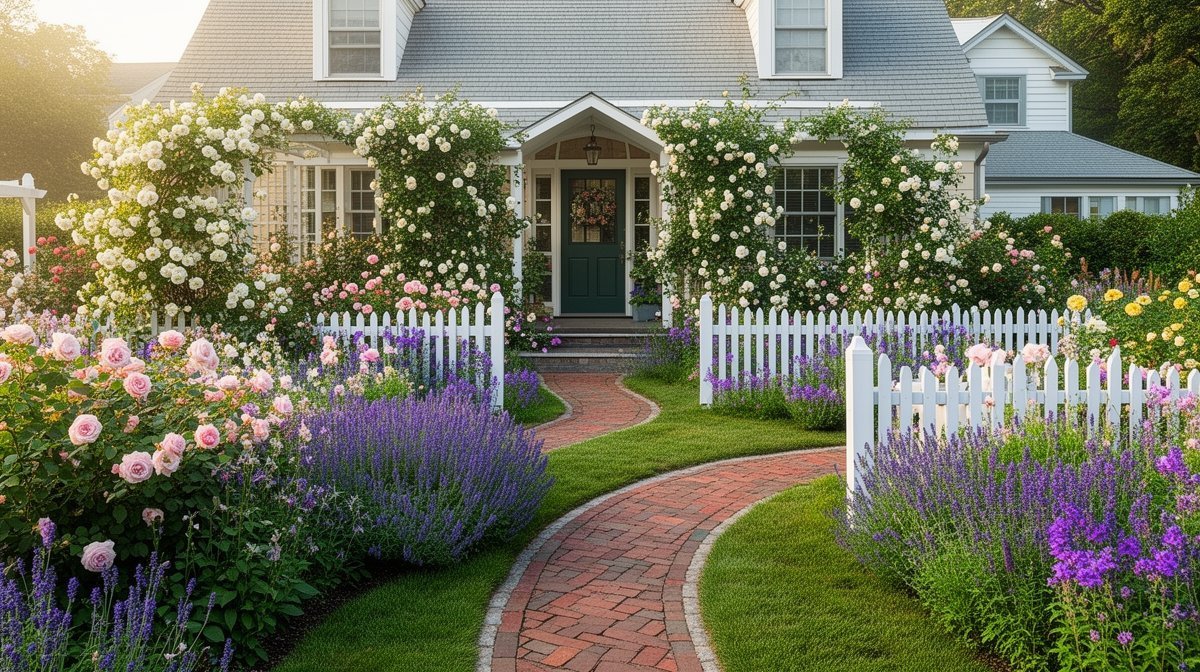
$24–48/sqftA Mid-Cambridge Victorian with a deep front porch gets a three-layer border running the width of the frontage, with a low iron fence and a short brick walk to the steps. Tall Delphinium and foxglove stand at the back, lavender and catmint fill the middle, and hosta and Alchemilla mollis soften the front edge against the foundation. The border faces south-east, so it takes morning sun and a little afternoon shade from the porch roof, which keeps the foliage dry and the flowers fresh into July.
Try this on your yard: The Victorian Porch BorderAI-generated image
The Picket Fence Rose Gate
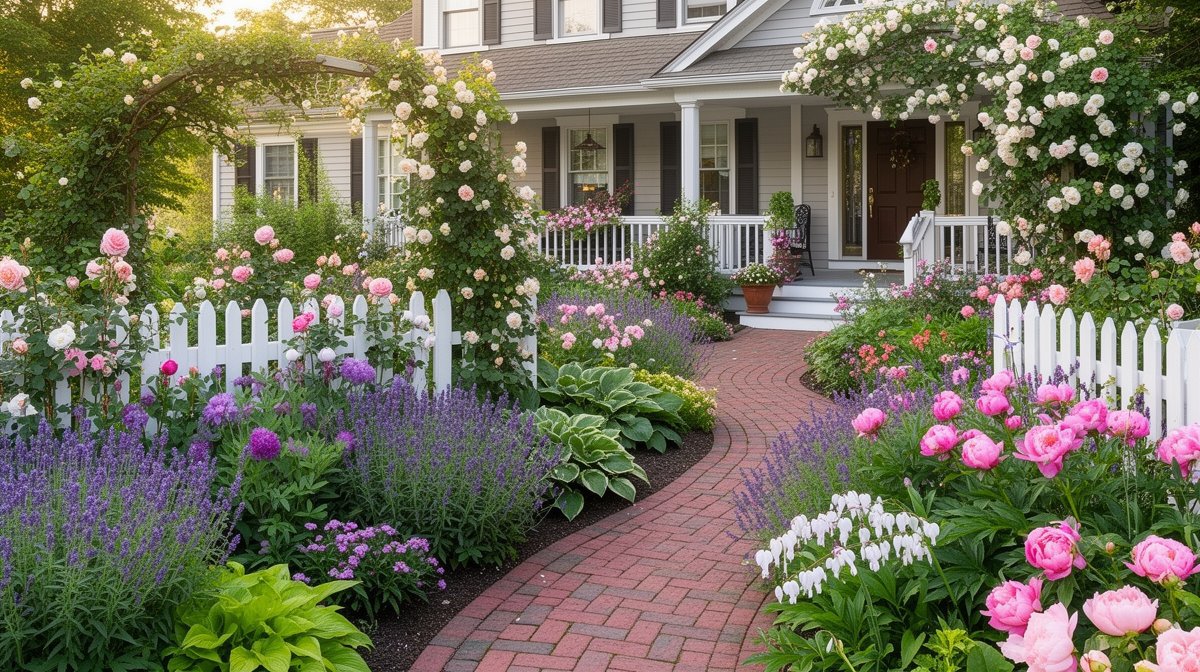
$26–52/sqftA white picket fence closes off a shallow front garden in Avon Hill, with a cedar arbor carrying a climbing rose over the gate and a curved bluestone path leading to a Colonial Revival door. Shrub roses and Phlox fill the beds behind the pickets, and a clipped boxwood ball sits at each gate post. The fence faces west, so choose the roses carefully: afternoon heat is mild in Cambridge, but wet leaves from rainy June weeks invite blackspot, so give them air.
Try this on your yard: The Picket Fence Rose GateAI-generated image
The Backyard Tea Corner
$20–42/sqftA triple-decker's narrow back yard is divided into a small gravel tea corner and a deep border along the fence. The seating spot has a round table, two chairs, and a pale rose over a freestanding arch, with hydrangeas filling the side that gets shade from the neighboring building. Everything is planted for the long view from the rear porch: big blue-and-white drifts from June to September, and Echinacea and Sedum to carry the color into October.
Try this on your yard: The Backyard Tea CornerAI-generated image
The Pollinator Cottage Strip
$16–34/sqftA narrow side strip and side yard along a Huron Village cape are planted as a loose cottage border that feeds bees from May to frost. A low stone curb holds the soil in, and the bed is mixed with natives and old-fashioned favorites: milkweed, bee balm, catmint and old garden roses in the middle. It is the idea to choose if the yard is small and you want constant bloom without much watering once established.
Try this on your yard: The Pollinator Cottage StripSee how a cottage/english garden looks on YOUR property
Upload a photo of your Cambridge yard and visualize your dream garden in seconds.
Try ProScapeAI Free

AI-generated image
Featured Trees & Shrubs for Cottage/English Gardens
Browse all 181 plants for Cambridge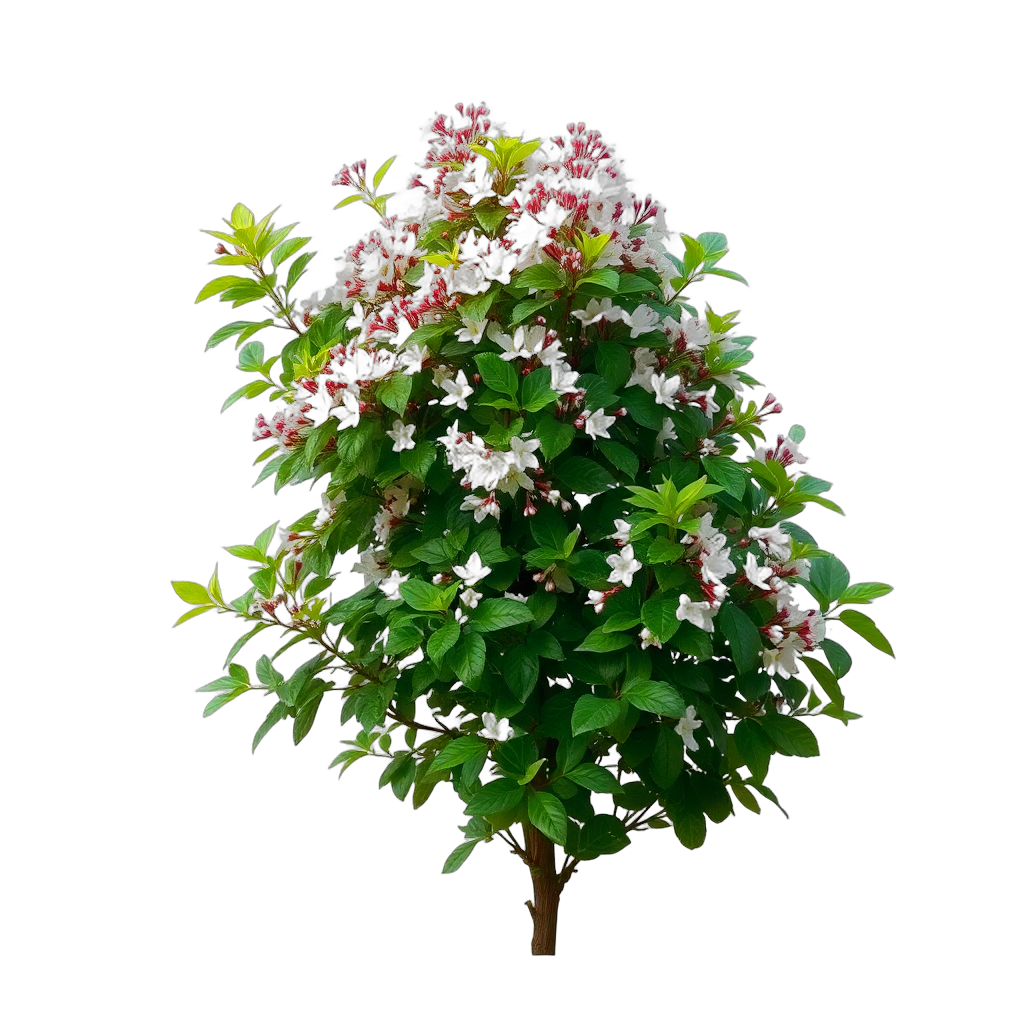
Arrowwood Viburnum
Viburnum dentatum
medium-sized at 10 feet, white blooms in spring. Pollinator-friendly.
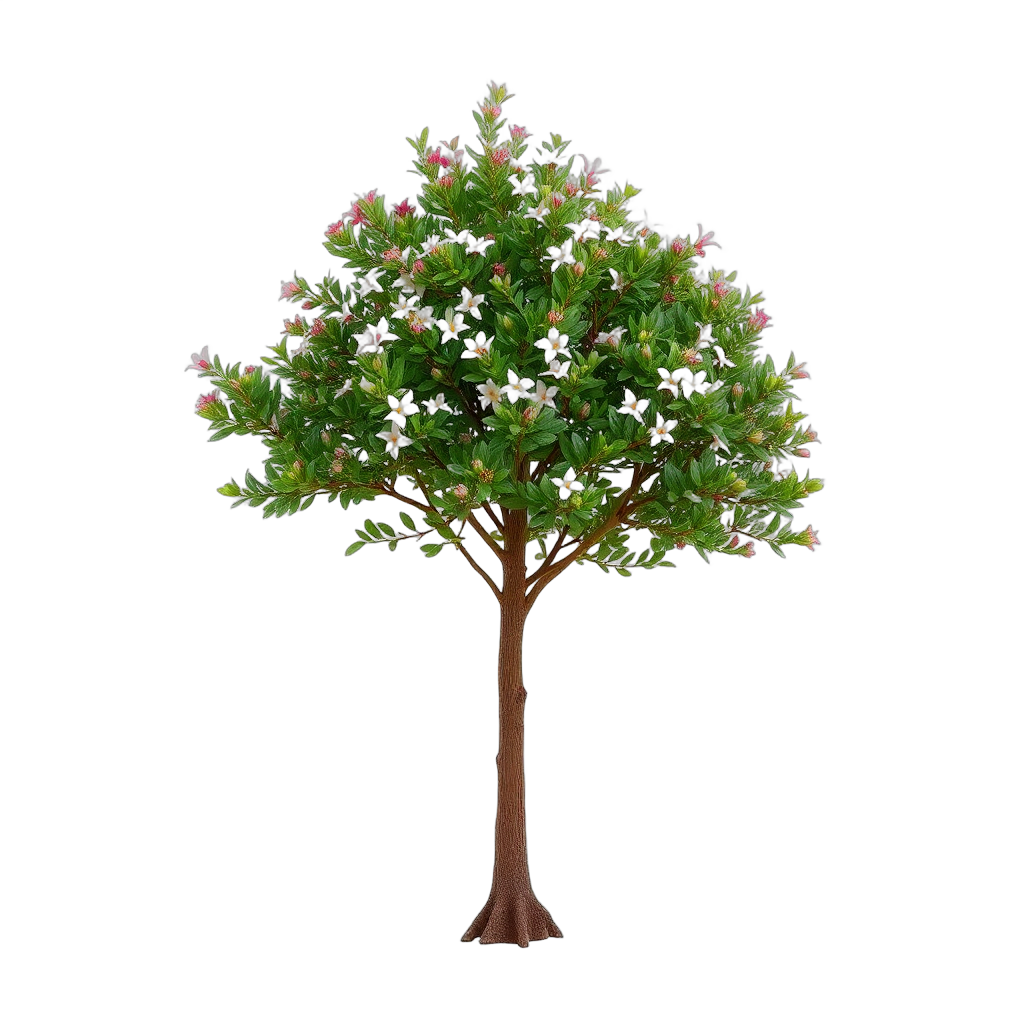
Coastal Leucothoe
Leucothoe axillaris
grows to 3 feet, white blooms in spring. Evergreen year-round.
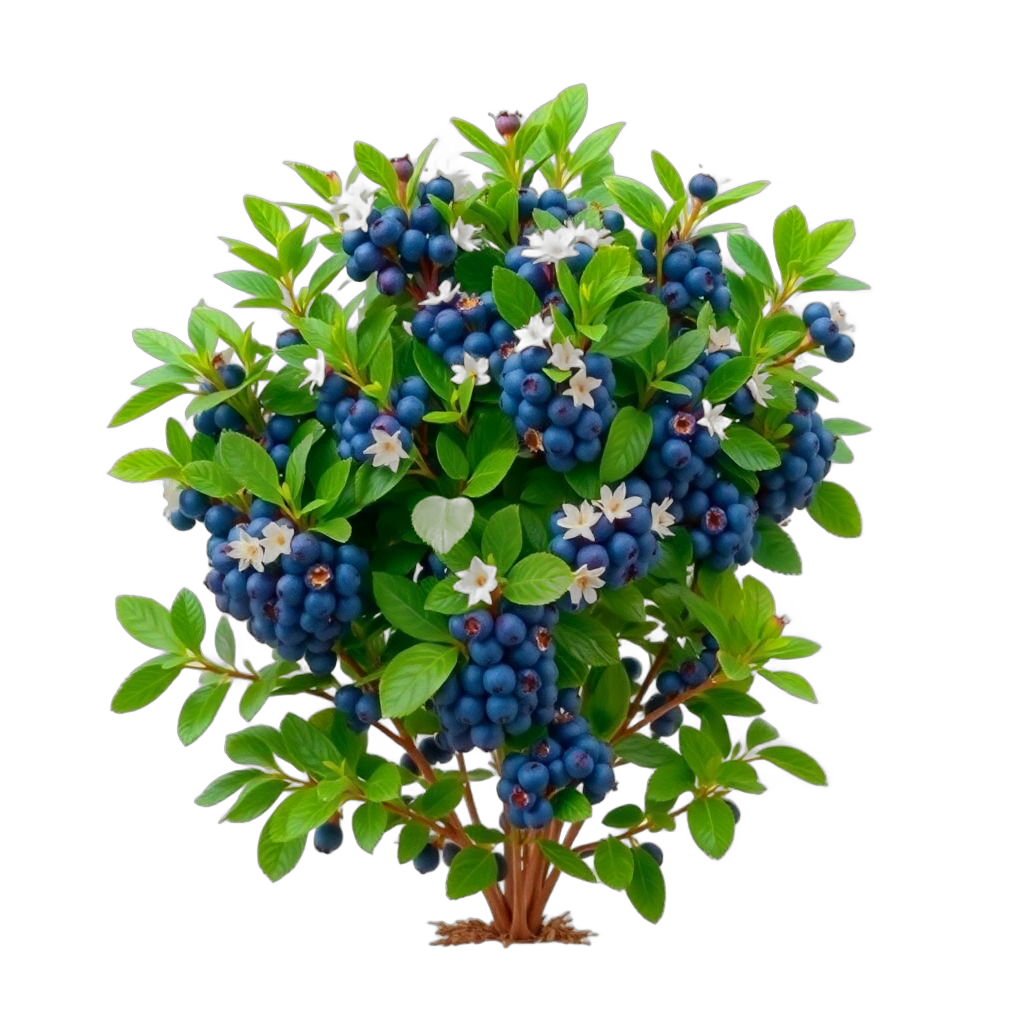
Highbush Blueberry
Vaccinium corymbosum
medium-sized at 7 feet, white blooms in spring. Attracts butterflies.

Inkberry
Ilex glabra
medium-sized at 8 feet, white blooms in spring. Pollinator-friendly.
Featured Grasses & Groundcovers for Cottage/English Gardens
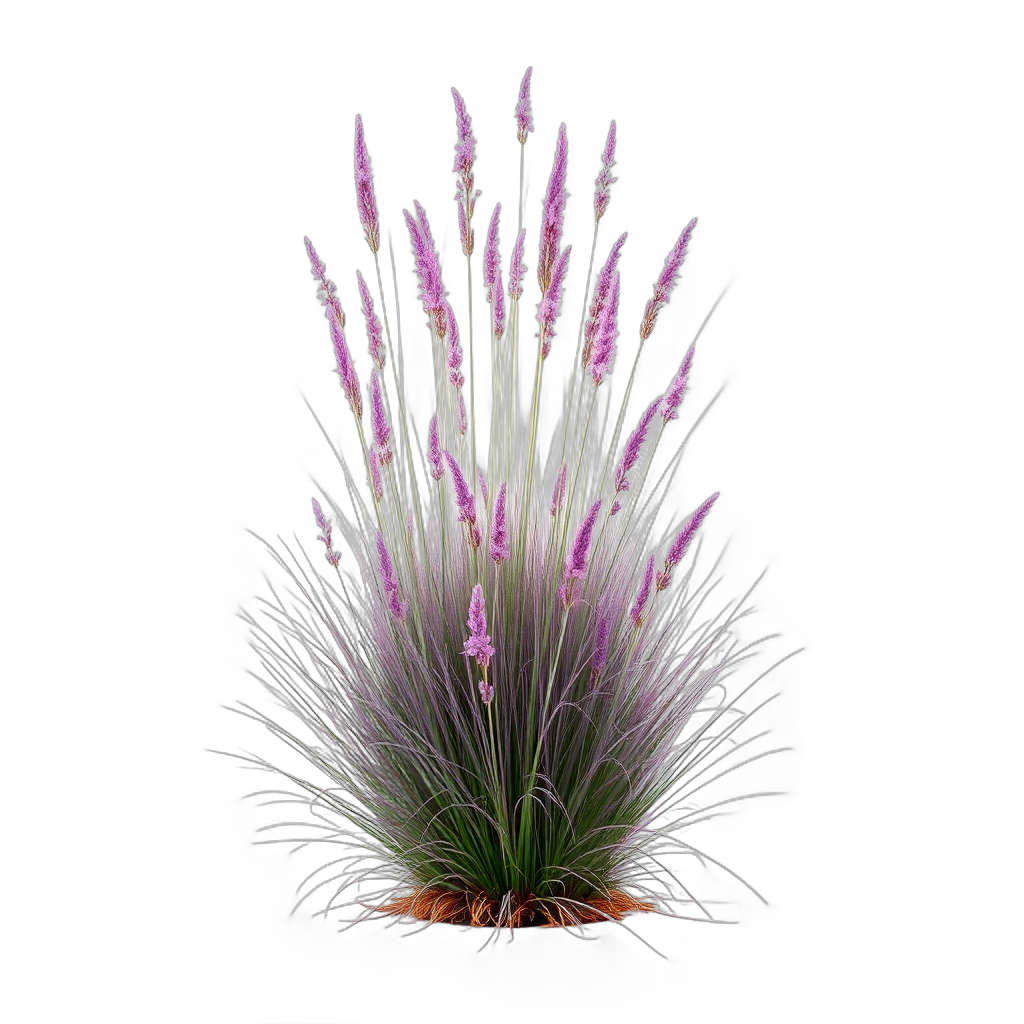
Purple Love Grass
Eragrostis spectabilis
low-growing ground cover, purple blooms in fall. Orange fall color.
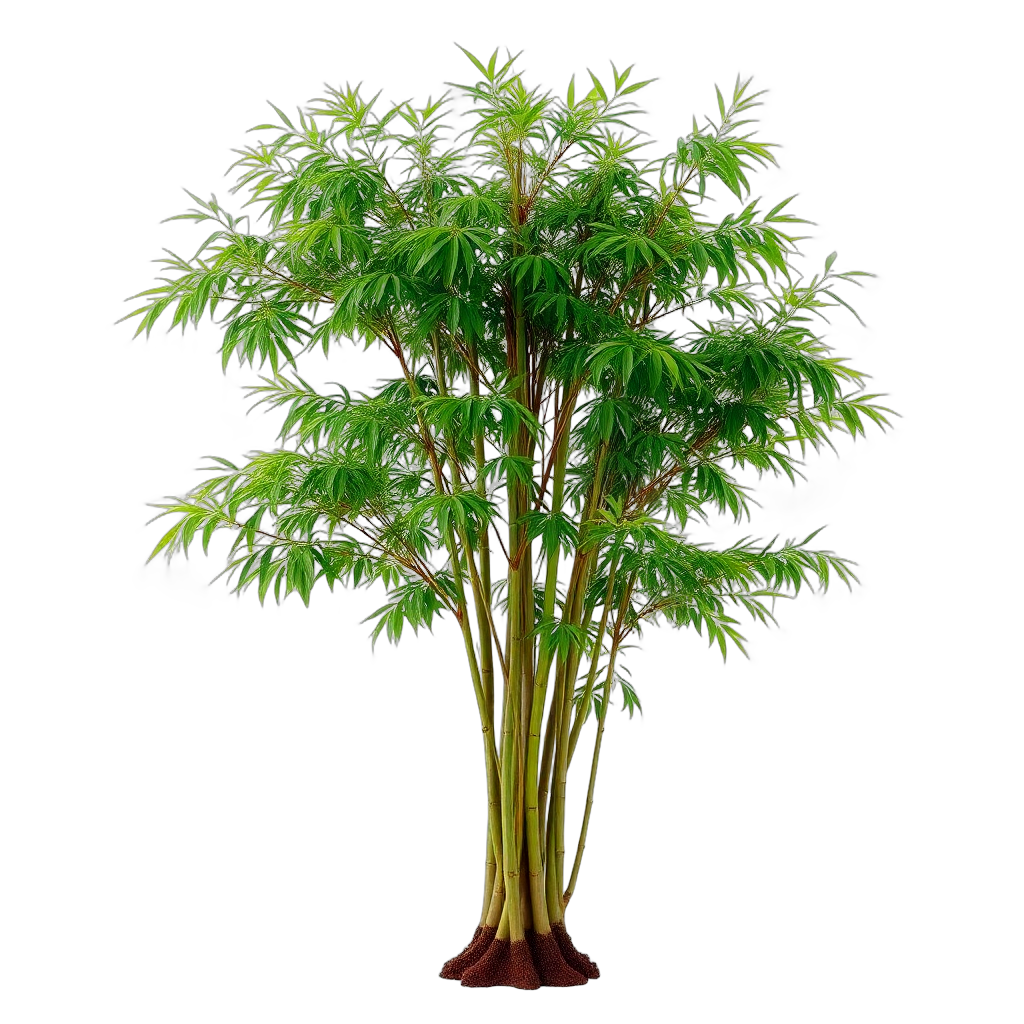
Arrow Bamboo
Pseudosasa japonica
medium-sized at 15 feet, blooms in none. Evergreen year-round.
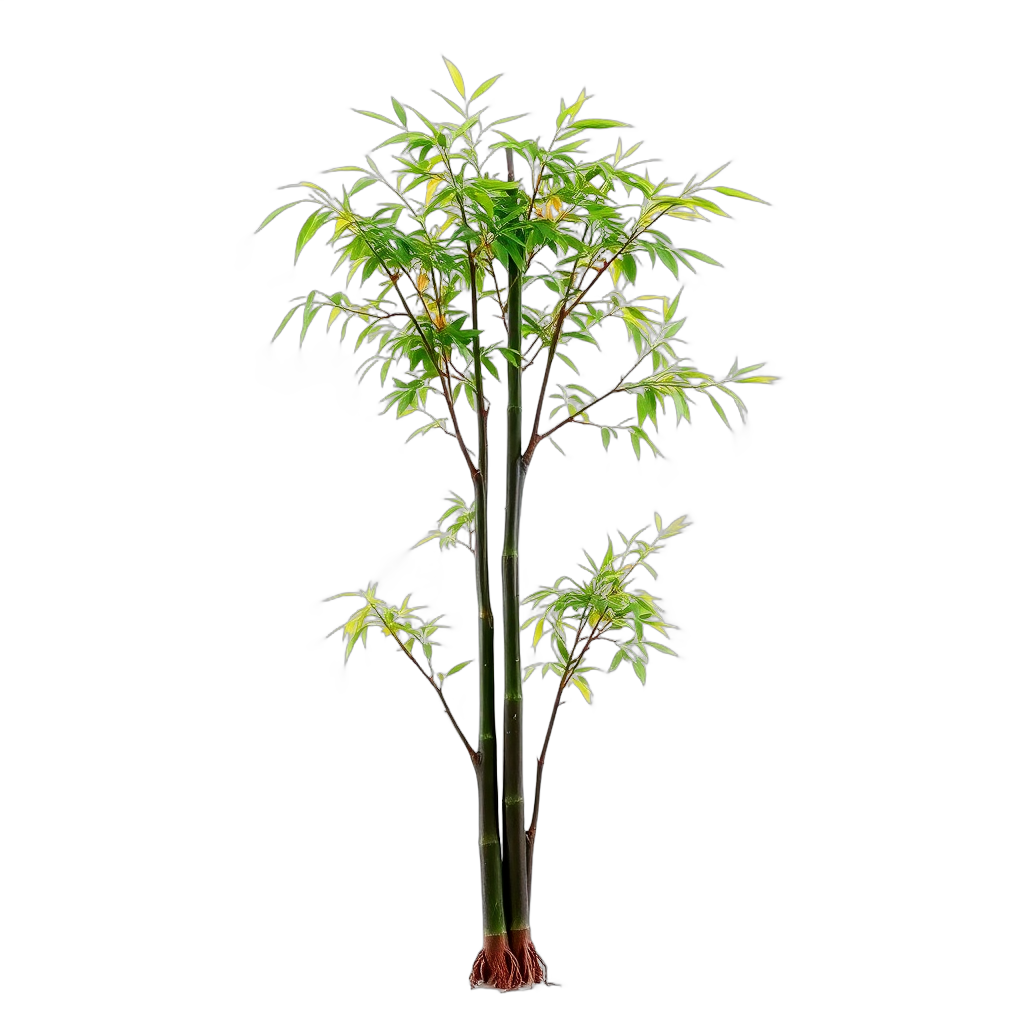
Black Bamboo
Phyllostachys nigra
reaches 25 feet tall, blooms in none. Evergreen year-round.
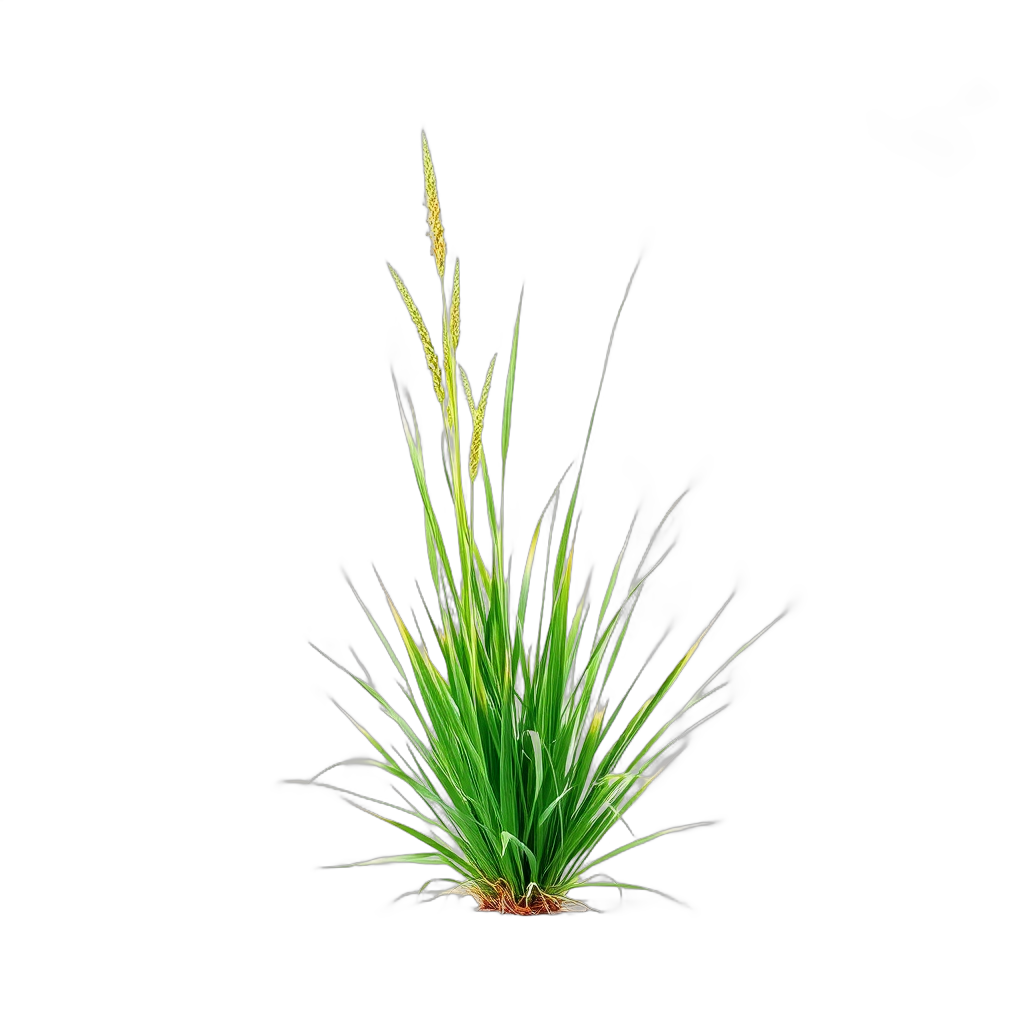
Bull Grass
Muhlenbergia emersleyi
grows to 4 feet, purple blooms in fall. Yellow fall color.
Featured Flowers & Perennials for Cottage/English Gardens
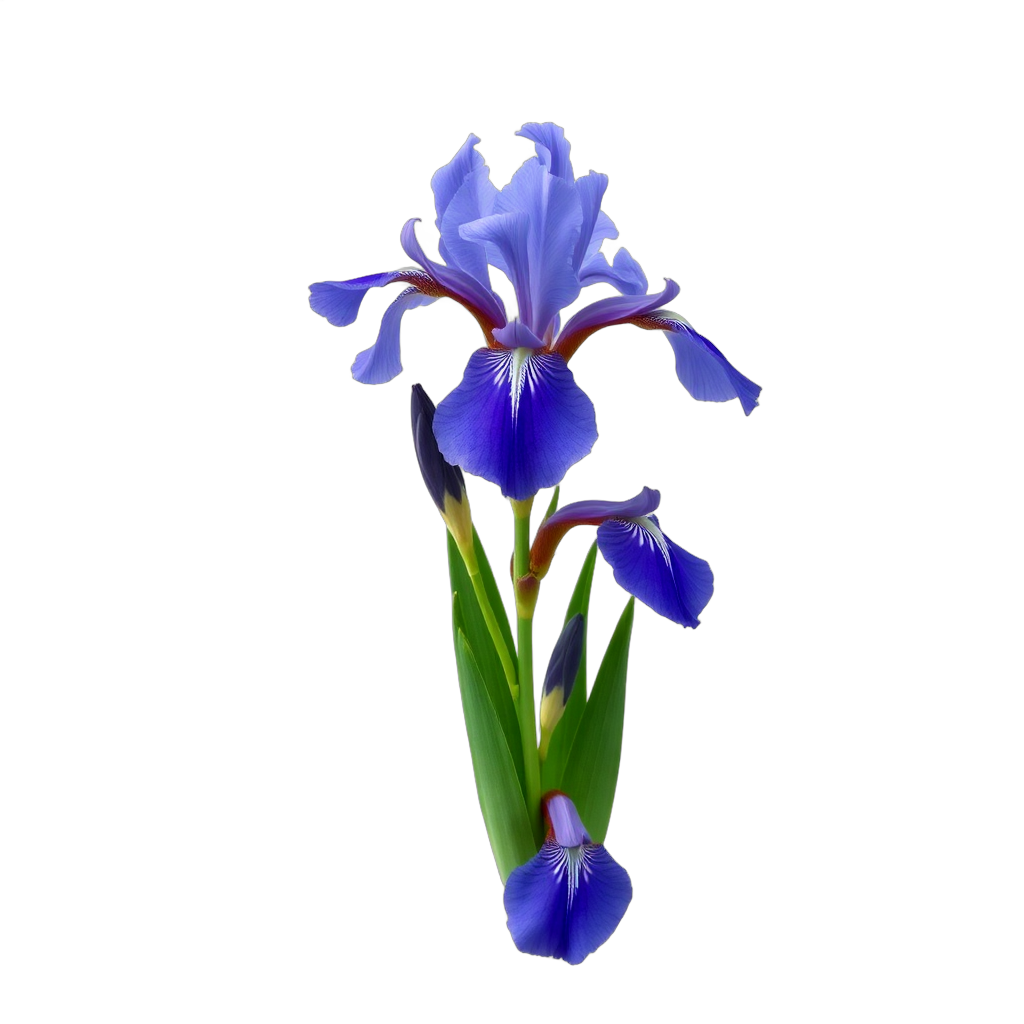
Blue Flag Iris
Iris versicolor
low-growing ground cover, purple blooms in spring. Attracts butterflies.

New York Ironweed
Vernonia noveboracensis
grows to 6 feet, purple blooms in fall. Attracts butterflies.
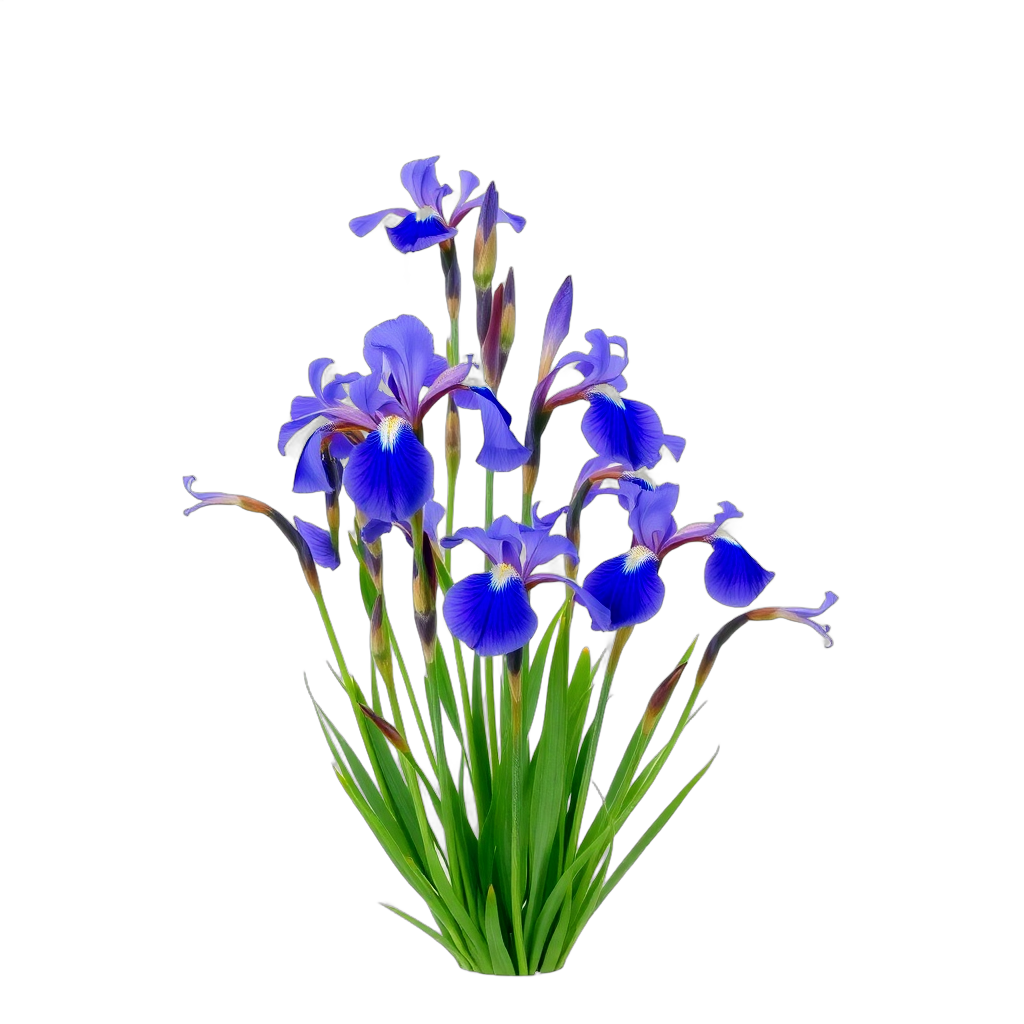
Southern Blue Flag
Iris virginica
low-growing ground cover, blue blooms in spring. Attracts butterflies.

Eastern Prickly Pear
Opuntia humifusa
low-growing ground cover, yellow blooms in summer. Attracts butterflies.
Zone and sun checks come from our database — confirm with your local nursery before you buy.
Bloom Calendar for Cambridge
spring
Blue Flag Iris, Southern Blue Flag, Arrowwood Viburnumsummer
Ruby Spice Summersweet, Summersweet, Eastern Prickly Pearfall
New York Ironweed, Purple Love Grasswinter
Limited bloomsDesign Tips for Cambridge (Zone 7a)
- Choose the hardy lavender: Lavandula × intermedia 'Phenomenal' handles Zone 7a winters with lows near 0 to 5°F, while Lavandula angustifolia 'Hidcote' tends to rot in Cambridge's wet clay and March thaws
- Raise borders 6–8 inches with compost and grit, because Boston blue clay under much of Cambridge holds meltwater around crowns well into April
- Test the soil before you amend it: urban fill in Cambridge can run near neutral to alkaline, which suits lavender and clematis, but acid-loving Hydrangea and Itea virginica 'Henry's Garnet' may yellow
- Mulch roses in November and mound soil or leaves over the graft: Rosa 'New Dawn' and Rosa 'Sally Holmes' are reliable here, but a January cold snap can still kill unprotected canes
- Plant for shade as well as sun, since big maples and neighboring triple-deckers shade many Cambridge yards: Hosta 'Halcyon', Aquilegia canadensis and Digitalis purpurea 'Camelot Rose' carry the border
- Check the tree ordinance before you take out a shade tree: removing a tree 8 inches or more in diameter needs a Cambridge permit, and replacement planting can reduce the mitigation payment
- Use permeable surfaces: gravel, dry-laid bluestone and brick on sand drain well in a city that gets roughly 44 inches of rain a year and has a long combined-sewer history
Where to Source Plants in Cambridge
Skip the big-box stores. These independent Cambridge nurseries specialize in the plants that make cottage/english gardens thrive in Zone 7a.
Weston Nurseries
Hopkinton (also Chelmsford and Hingham)
Independent family nursery offering hardy landscape-sized trees, shrubs, perennials and annuals, with over 4,000 plant types across its garden centers
Mahoney's Garden Center (Chelmsford)
North Chelmsford, about 25 miles northwest of Cambridge
Independent Massachusetts garden center chain with trees and shrubs, perennials, Proven Winners plants, herbs, mulch and soil sold by the yard; Winchester and Brighton are the closest locations to Cambridge
Native Plant Trust, Garden in the Woods
Framingham
Botanic garden of more than 1,000 New England native species on 45 acres, with seasonal native plant sales and an online garden shop
Cottage/English Landscaping Cost Ranges
| Project Scope | Estimated Cost |
|---|---|
| Brick or bluestone walkway (100–200 sqft) | $2,000–$7,600 |
| Gravel or bluestone patio (150–300 sqft) | $130–$9,600 |
| Picket fence, 4 ft tall (60 linear ft) | $1,500–$2,400 |
| AI visualization (ProScapeAI) | Free to start |
National average installed ranges for 2026 from our landscaping price list (Homewyse and other published sources). Prices in Cambridge, MA vary with site, materials and contractor, so get two or three local quotes.
Cambridge Climate & Growing Zone
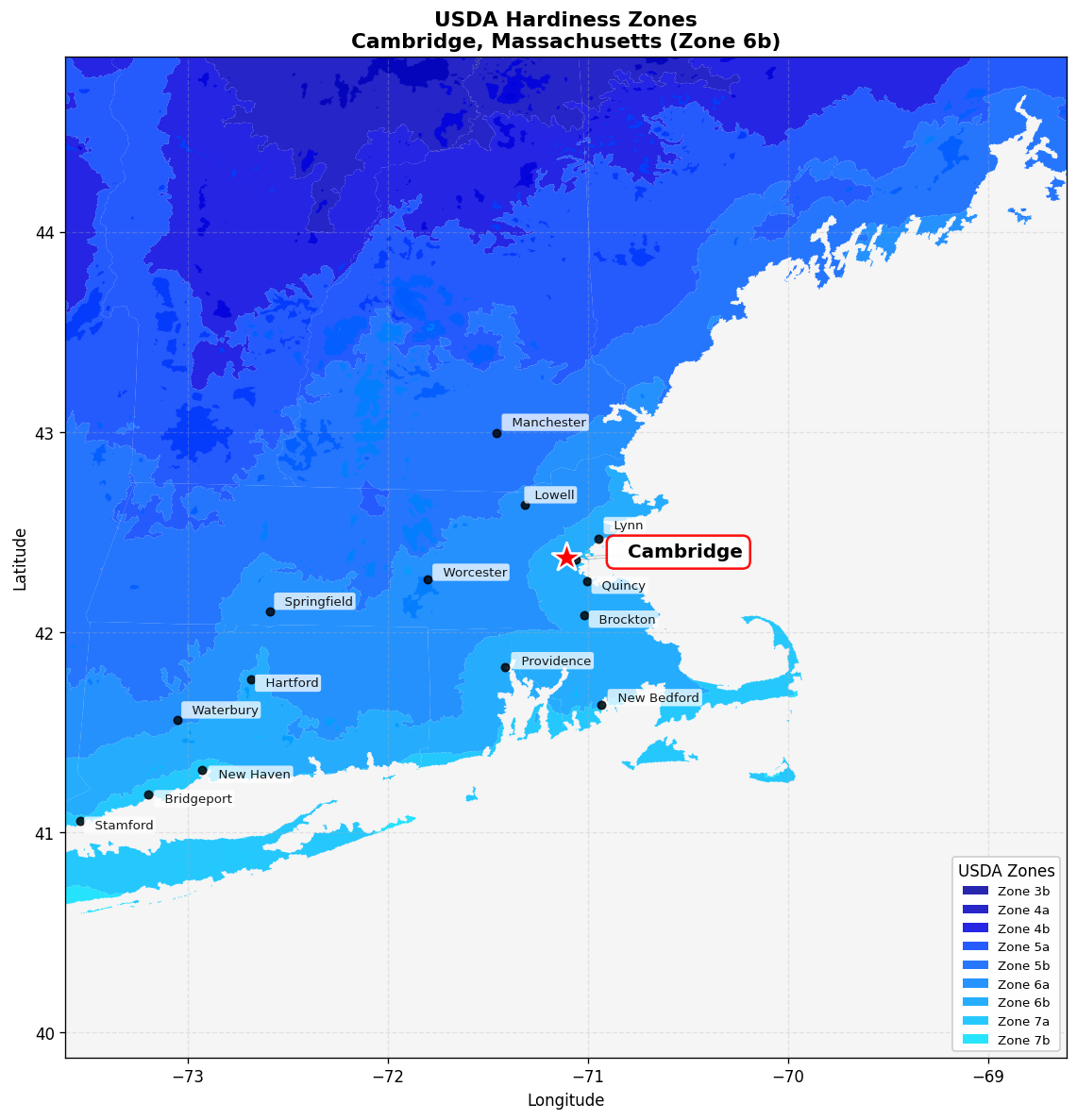
USDA Zone 7a
Hardiness zone for Cambridge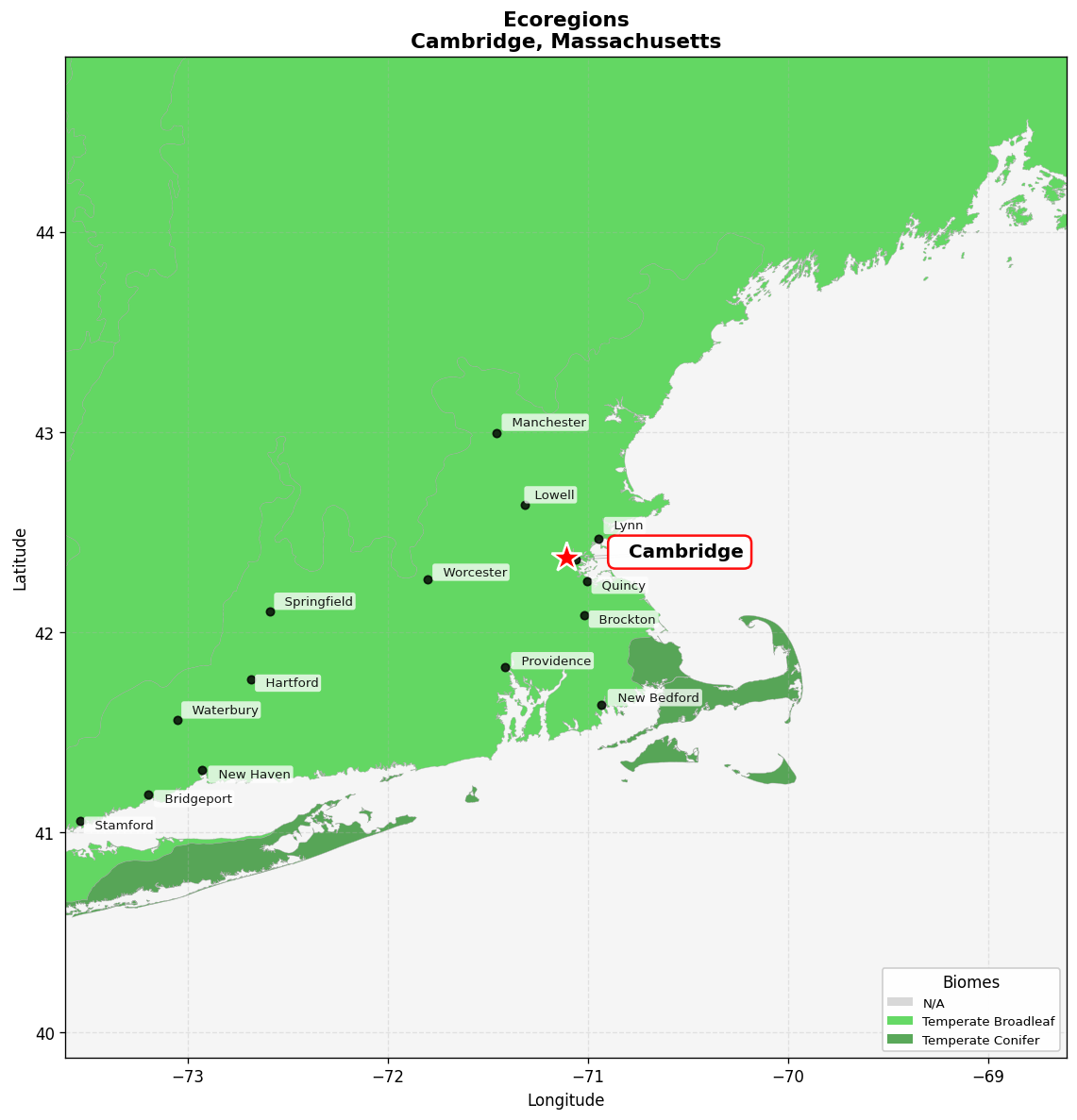
Northeast US Coastal forests
Native ecoregionFrequently Asked Questions
How much does a cottage garden cost in Cambridge, MA?
Greater Boston labor runs well above the national average, so budget for it.
How much maintenance does an English cottage garden need in Cambridge's climate?
Expect a few hours a week in June and September and much less in between. Cut perennials back in late March once frost danger eases, deadhead roses and Nepeta in July for a second bloom, and mulch beds in November so Zone 7a winters with lows near 0 to 5°F do less damage. Wrap or mound tender roses in December. Dense plantings suppress weeds, but staking Delphinium and tall Phlox paniculata 'David' is a yearly chore.
When is the best time to plant in Cambridge?
Late April to early June and again from mid-September to mid-October. Spring gets perennials in before the heat, and fall planting lets roots settle while the soil is warm and rain returns. Last frost is usually around late April to early May, and first frost around mid-October. Avoid planting in a July dry spell unless you can water, and plant bare-root roses in early spring while still dormant.
Do I need a permit or approval for garden work in Cambridge?
Planting itself needs no permit, but a few things do. Removing a significant tree (8 inches or more in trunk diameter) requires a tree removal permit under Cambridge's Tree Protection Ordinance, and most applications call for a certified arborist's assessment. Fences, walls and work on street-facing features can also trigger review in a local historic district through the Cambridge Historical Commission. Confirm fence height and setback rules with the city before building.
Which cottage garden plants survive Cambridge winters?
Rosa 'New Dawn', Rosa 'Sally Holmes' and Rosa 'Carefree Beauty' are reliable; Paeonia 'Sarah Bernhardt' and Phlox paniculata 'David' love the cold; and Lavandula × intermedia 'Phenomenal' is hardy to Zone 5. Lavandula angustifolia 'Hidcote' often fails in wet clay and March thaws, so skip it. Plant lavender on a raised, gritty bed with the crown above grade and use pea gravel mulch to keep it dry.
Does boxwood still work for edging in Cambridge?
Yes, with the right cultivar. Buxus 'Green Mountain' and Buxus 'Green Velvet' hold their shape and color through a New England winter, though they can bronze in wind. Boxwood blight is in Massachusetts, so buy from a reputable nursery and keep plantings spaced for airflow. For clipped edging in a wet corner, Ilex glabra 'Gem Box' is a good substitute.