4 Modern Landscape Ideas for Cambridge, MA | Zone 7a Designs for Small Lots
Native plants from the Northeast US Coastal forests (Zone 7a) — Humid continental (hot summer) climate
For a modern garden in Cambridge, MA, a zone 7a city with a humid continental (hot summer) climate, start with Calamagrostis × acutiflora 'Karl Foerster', Panicum virgatum 'Northwind' and Echinacea purpurea 'Magnus', the plants this guide's first design is built on.
Why Modern/Minimalist Gardens in Cambridge?
Modern landscaping suits Cambridge because the city is already full of hard edges. Brick and glass in Kendall Square, mid-century flat-roofed houses near Fresh Pond and Strawberry Hill, and contemporary infill built behind older triple-deckers in Cambridgeport and Riverside all give a clean-lined yard a ready backdrop. Lots are small, so the design has to earn every square foot: a bluestone terrace, a single bed of grasses, one multi-stem tree, and nothing else. A modern garden on a 20 by 30 foot yard reads as a room. Add ten kinds of plant and it turns into a clutter.
Cambridge is USDA Zone 7a, with winter lows around 0 to 5°F, about 44 inches of rain a year, and frost depth reaching roughly 4 feet. Summers are warm and humid, with July highs near 82°F. That climate favors tough, structural plants. Calamagrostis × acutiflora 'Karl Foerster' holds its upright plume through snow, Panicum virgatum 'Northwind' stays vertical into February, and Schizachyrium scoparium 'The Blues' turns bronze-orange in fall. Where a Mediterranean modern garden would use agave or Italian cypress, a Cambridge yard uses Thuja occidentalis 'Smaragd' and Taxus × media 'Hicksii' for evergreen columns, since the Mediterranean classics do not survive a -5°F January.
Soil needs a plan. Much of Cambridge sits on filled tidal land near the Charles River with Boston blue clay beneath, and higher streets near Avon Hill and Fresh Pond have glacial till with rubble in it. Urban fill often tests near neutral to slightly alkaline, so confirm with a soil test before choosing plants. Clay drains slowly, which is fine for Echinacea purpurea 'Magnus' and Sedum 'Matrona' that tolerate it, but it kills many hardscape plantings that sit in meltwater. Lift beds 6 inches with compost and use raised steel-edged planters where drainage is worst.
The permit side is short. Cambridge's Tree Protection Ordinance requires a permit to remove a significant tree, defined as 8 inches or more in trunk diameter, and most applications need a certified arborist's assessment. If you want an Amelanchier × grandiflora 'Autumn Brilliance' as the single feature tree, plant it. If you are removing a large maple to make room for a terrace, plan on the permit and on replacement planting, which can reduce the mitigation payment. Parts of the city are also in local historic districts handled by the Cambridge Historical Commission, so check before changing anything visible from the street.
4 Modern/Minimalist Design Ideas for Cambridge
AI-generated image
The Grass Border Front Court
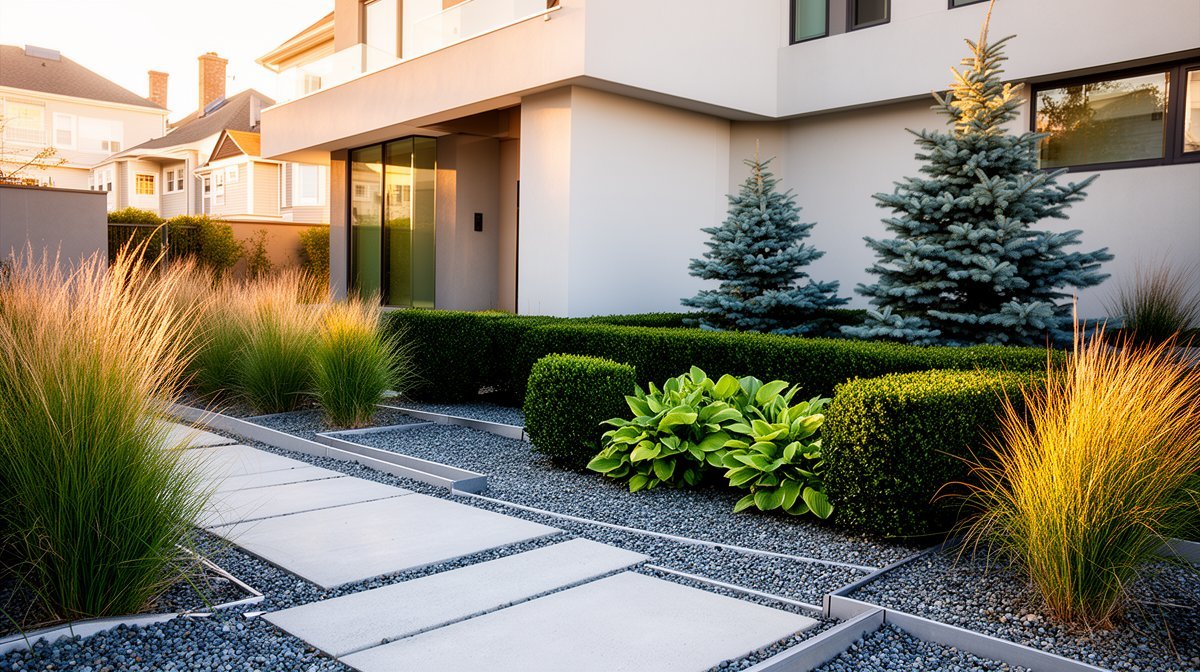
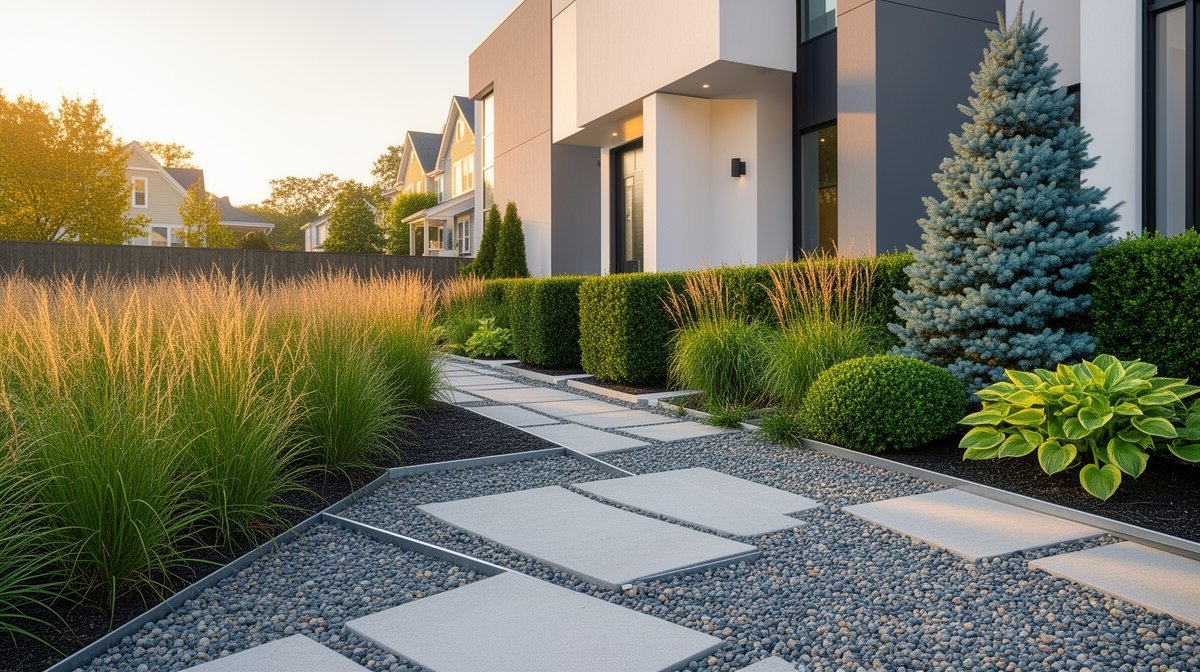
$22–46/sqftA narrow Cambridgeport front yard is stripped of lawn and replanted as a single band of grasses and perennials behind a low steel edge, with a 4-foot bluestone walk running straight to the door. Karl Foerster grass anchors the back row against a charcoal-painted triple-decker, and Echinacea and Sedum fill the front. The bed faces south, so it gets full sun and the grasses turn gold in October.
Try this on your yard: The Grass Border Front CourtAI-generated image
The Bluestone Courtyard Room
$34–68/sqftA small rear courtyard behind a Cambridge two-family is laid with large bluestone pavers set in gravel joints, with one raised planter along the north fence and a bistro table. A multi-stem serviceberry stands in the corner for spring flowers and orange fall color. Planting is limited to three things, so the space reads as an outdoor room, not a garden.
Try this on your yard: The Bluestone Courtyard RoomAI-generated image
The Evergreen Column Entry
$26–52/sqftA mid-century house near Fresh Pond gets a formal approach: a pair of narrow evergreen columns at the door, a wide concrete walk, and a gravel bed of low mounded perennials either side. Hicks yew is clipped square, grasses sit in gravel, and a single Japanese maple in a large pot stands off-center. The entry reads cleanly from the street in January when other beds are bare.
Try this on your yard: The Evergreen Column EntryAI-generated image
The Rain Garden Terrace
$24–50/sqftA low corner of a Riverside back yard holds a shallow rain garden with a bluestone terrace beside it. Downspouts run into the bed, which is planted with moisture-tolerant natives that look tidy in a modern layout. It handles wet spring weather and gives birds and pollinators something to use from June to frost.
Try this on your yard: The Rain Garden TerraceSee how a modern/minimalist garden looks on YOUR property
Upload a photo of your Cambridge yard and visualize your dream garden in seconds.
Try ProScapeAI Free

AI-generated image
Featured Trees & Shrubs for Modern/Minimalist Gardens
Browse all 181 plants for Cambridge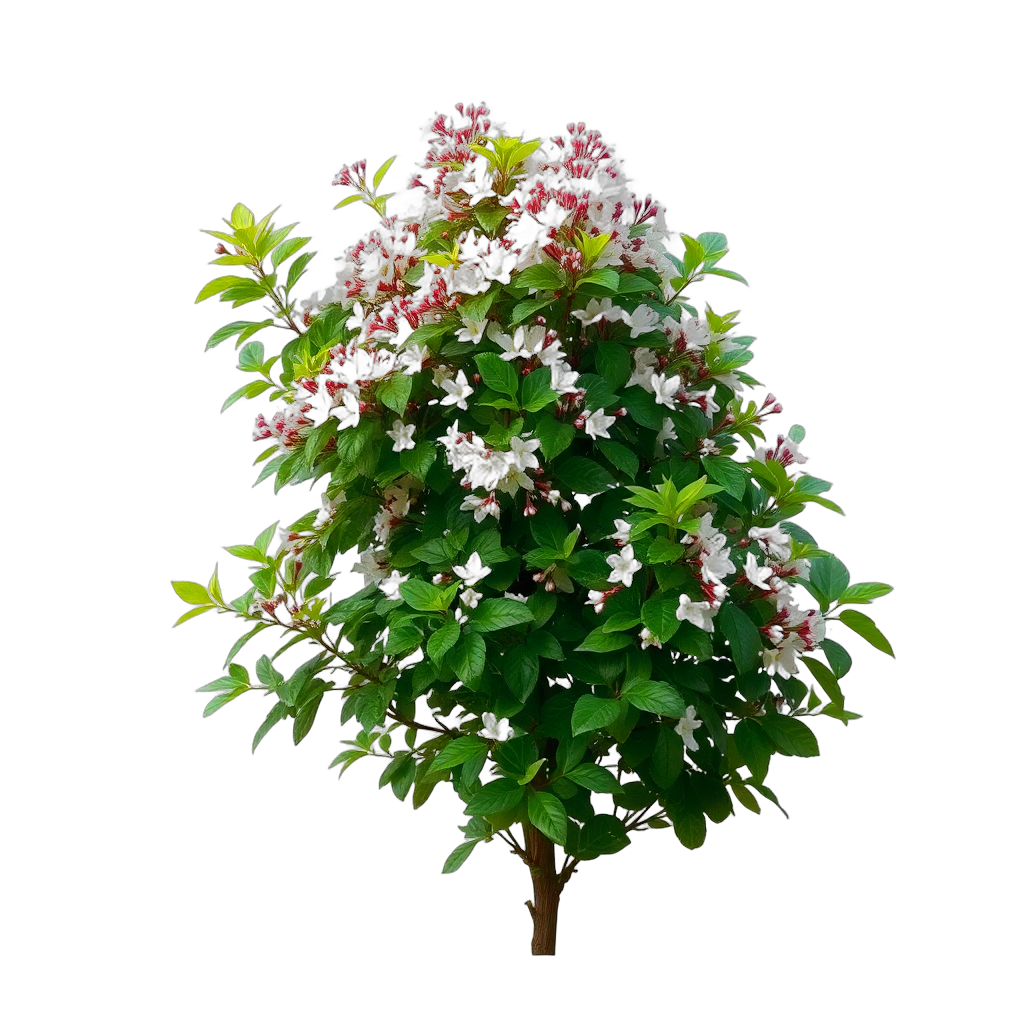
Arrowwood Viburnum
Viburnum dentatum
medium-sized at 10 feet, white blooms in spring. Pollinator-friendly.
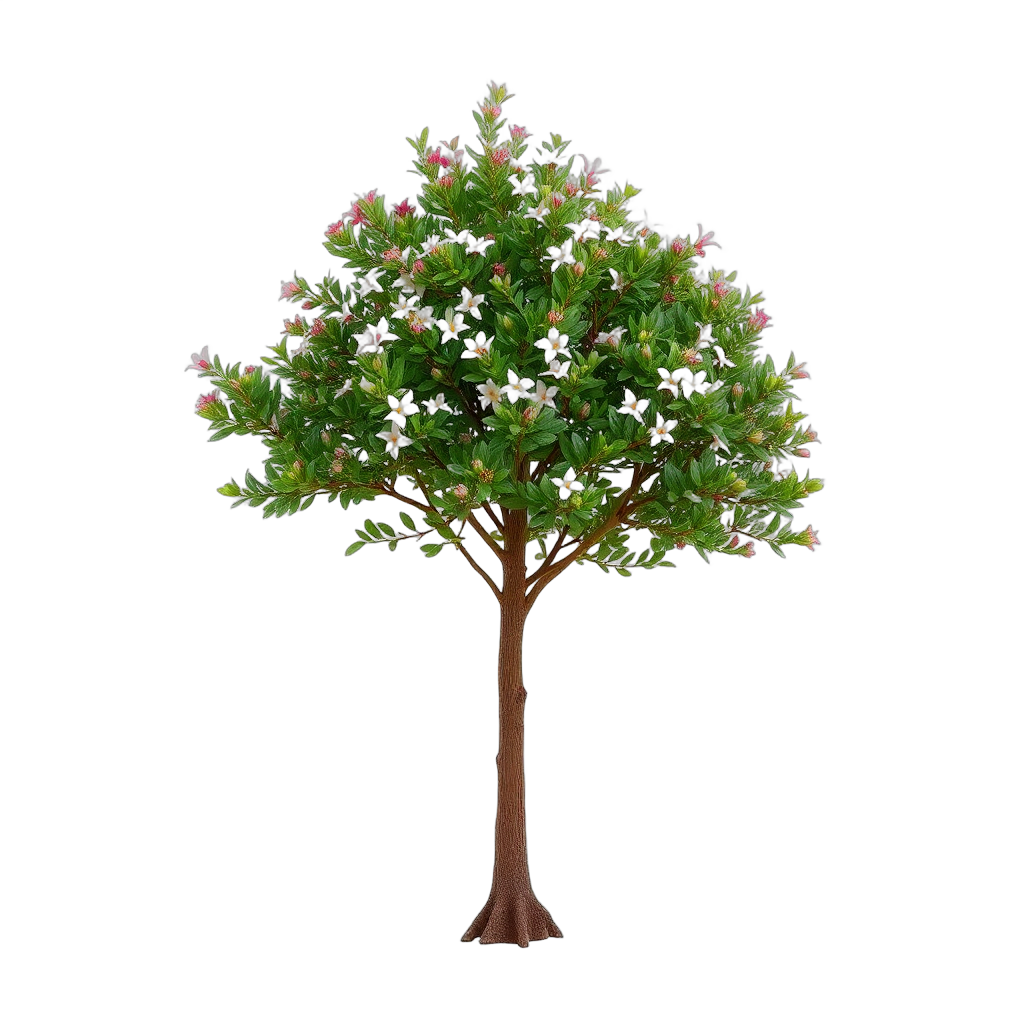
Coastal Leucothoe
Leucothoe axillaris
grows to 3 feet, white blooms in spring. Evergreen year-round.
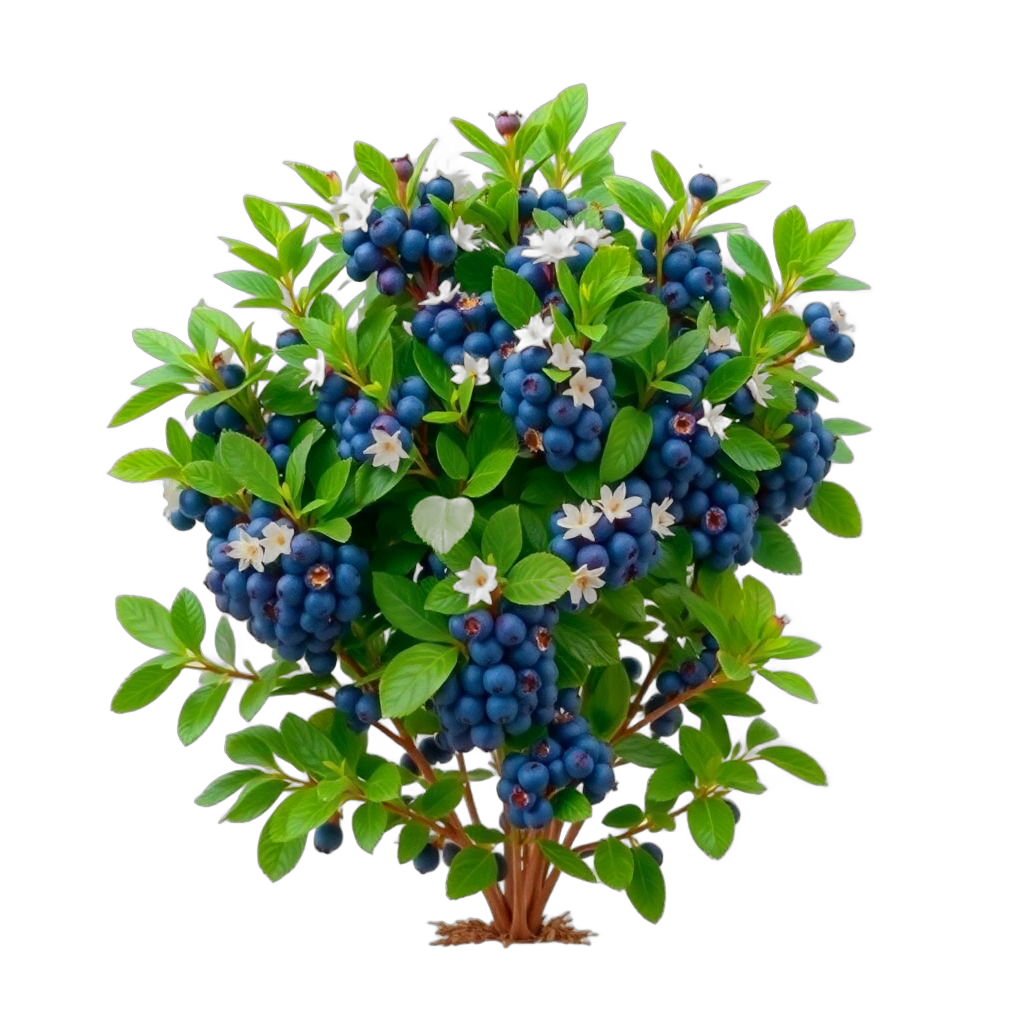
Highbush Blueberry
Vaccinium corymbosum
medium-sized at 7 feet, white blooms in spring. Attracts butterflies.

Inkberry
Ilex glabra
medium-sized at 8 feet, white blooms in spring. Pollinator-friendly.
Featured Grasses & Groundcovers for Modern/Minimalist Gardens
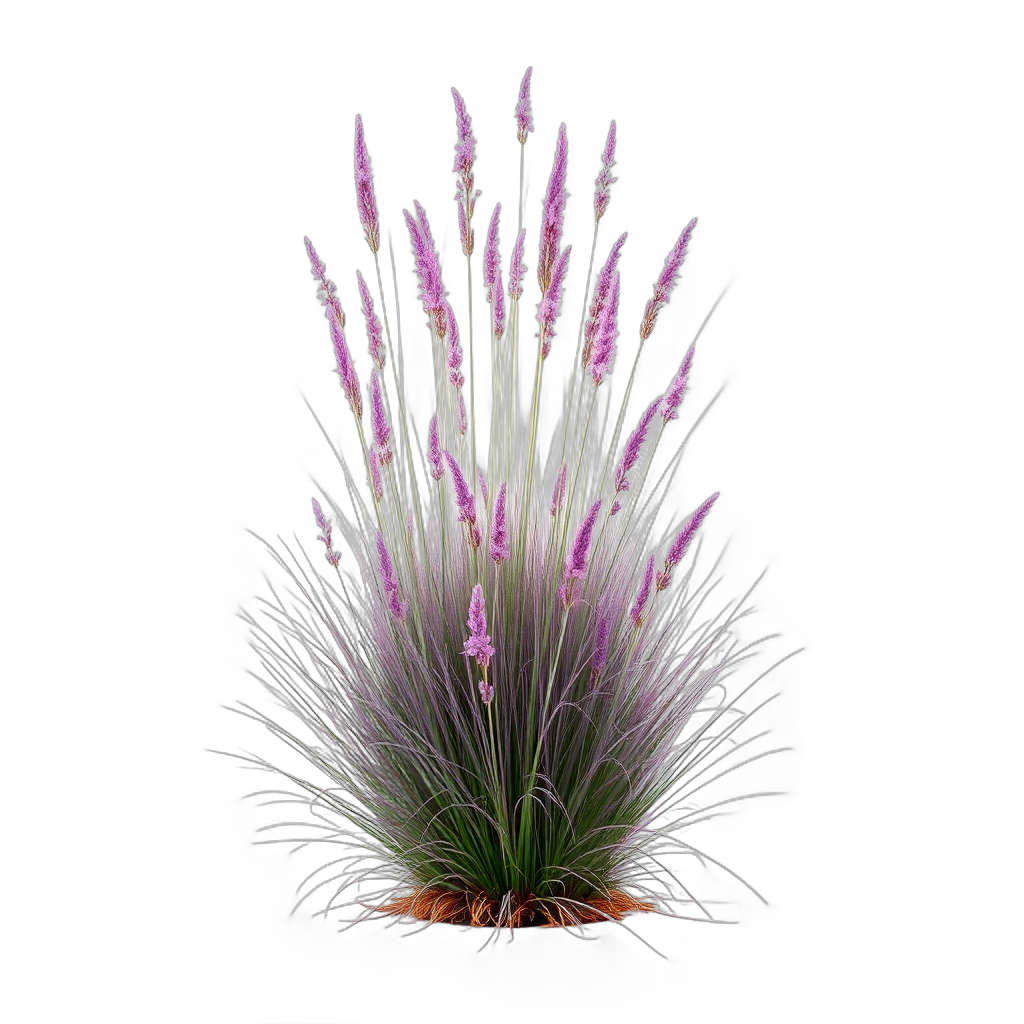
Purple Love Grass
Eragrostis spectabilis
low-growing ground cover, purple blooms in fall. Orange fall color.
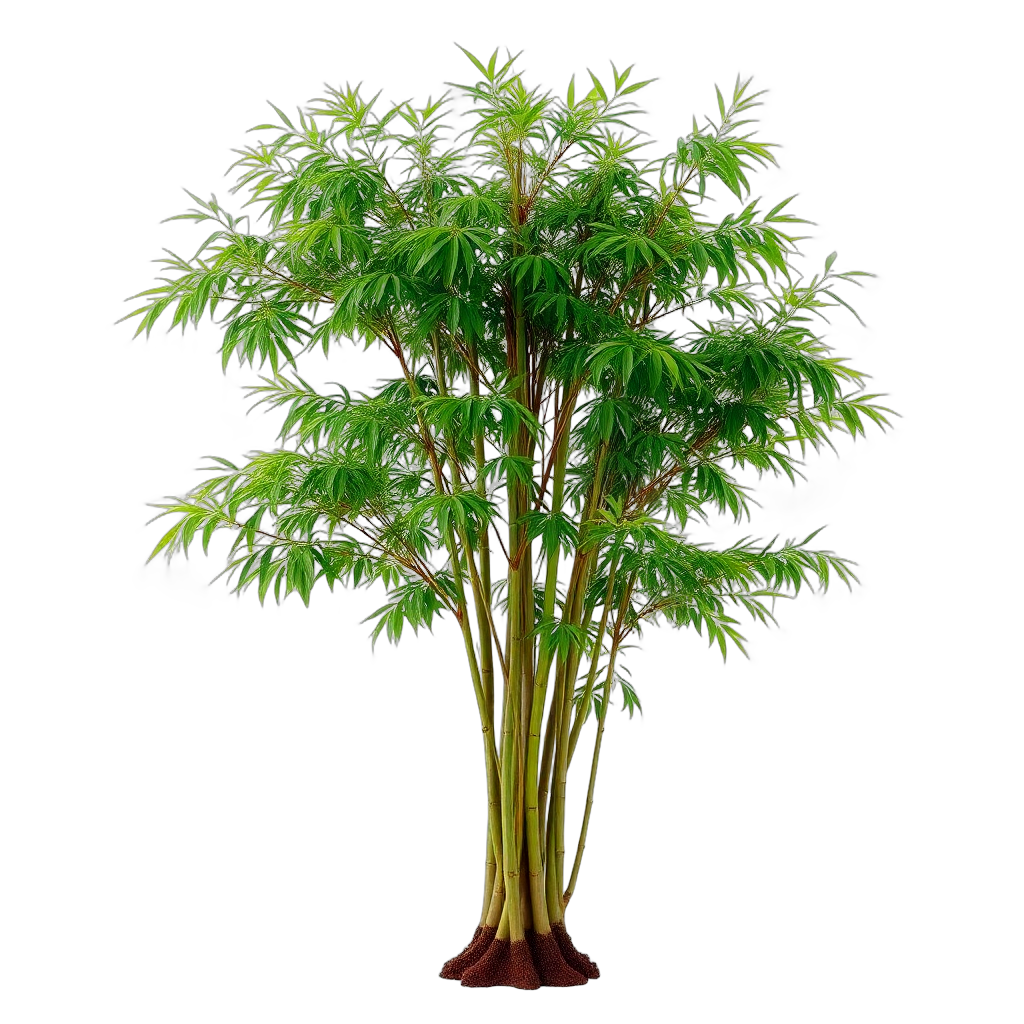
Arrow Bamboo
Pseudosasa japonica
medium-sized at 15 feet, blooms in none. Evergreen year-round.
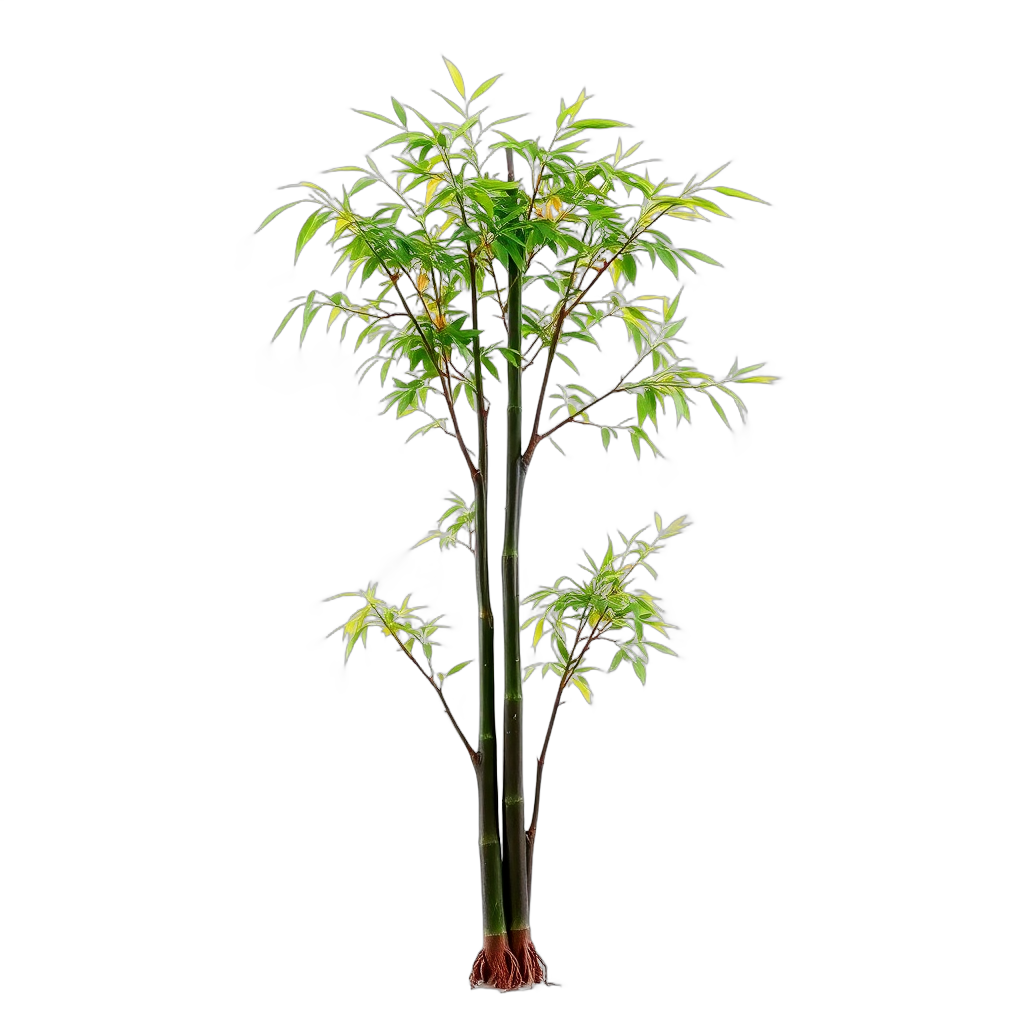
Black Bamboo
Phyllostachys nigra
reaches 25 feet tall, blooms in none. Evergreen year-round.
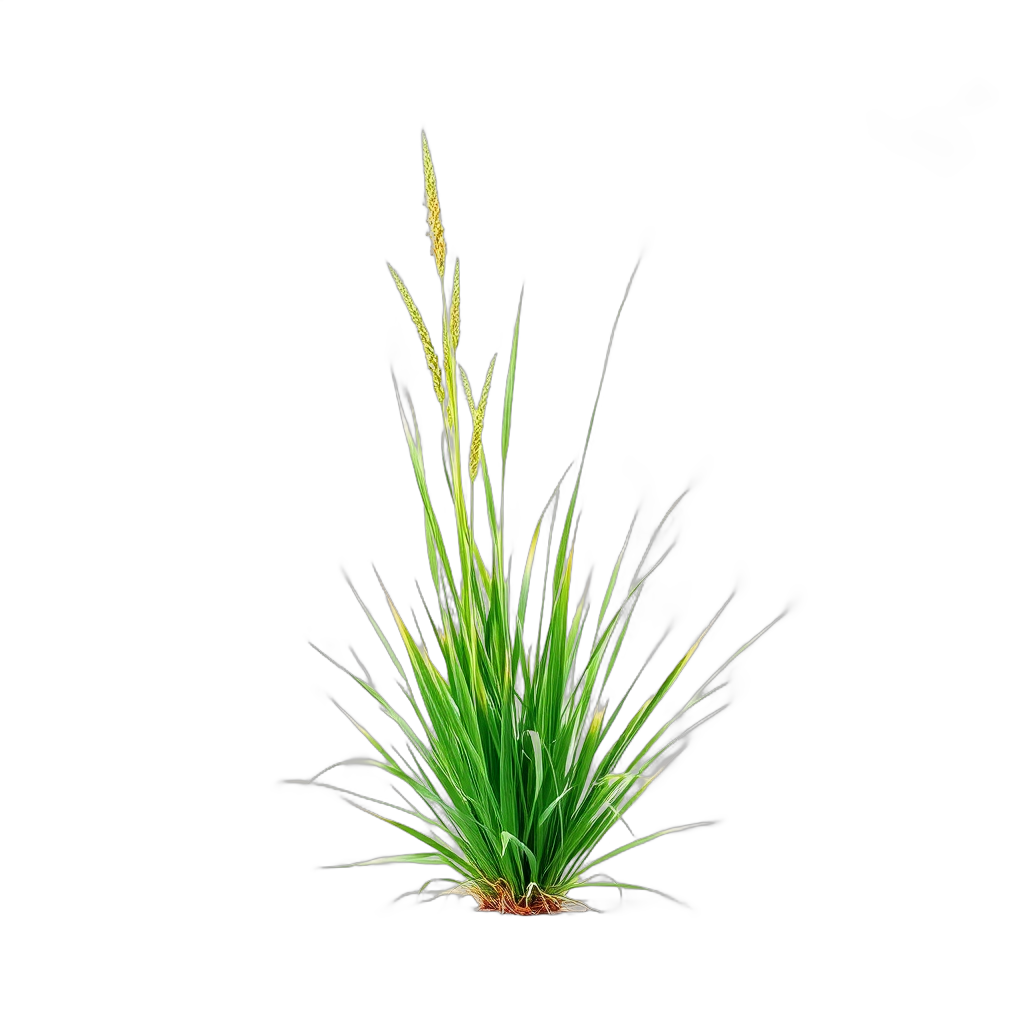
Bull Grass
Muhlenbergia emersleyi
grows to 4 feet, purple blooms in fall. Yellow fall color.
Featured Flowers & Perennials for Modern/Minimalist Gardens
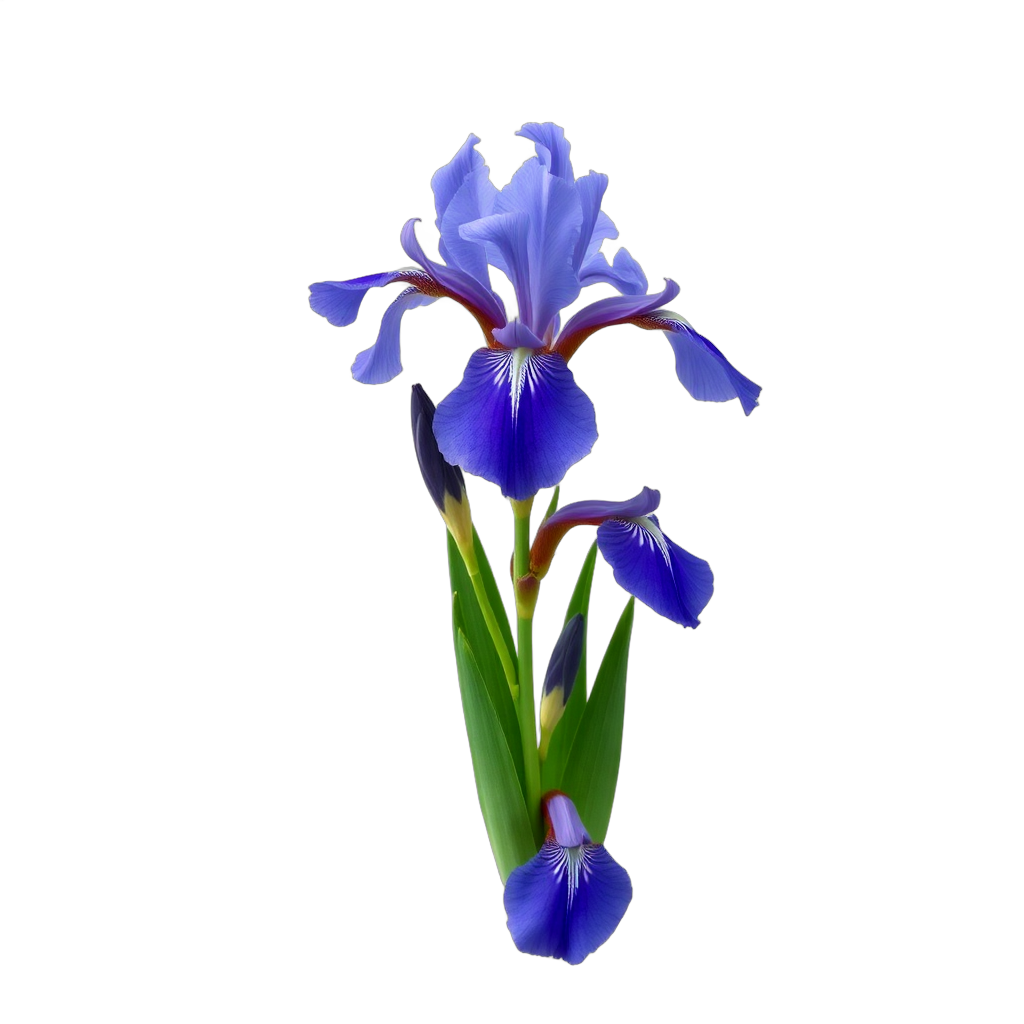
Blue Flag Iris
Iris versicolor
low-growing ground cover, purple blooms in spring. Attracts butterflies.

New York Ironweed
Vernonia noveboracensis
grows to 6 feet, purple blooms in fall. Attracts butterflies.
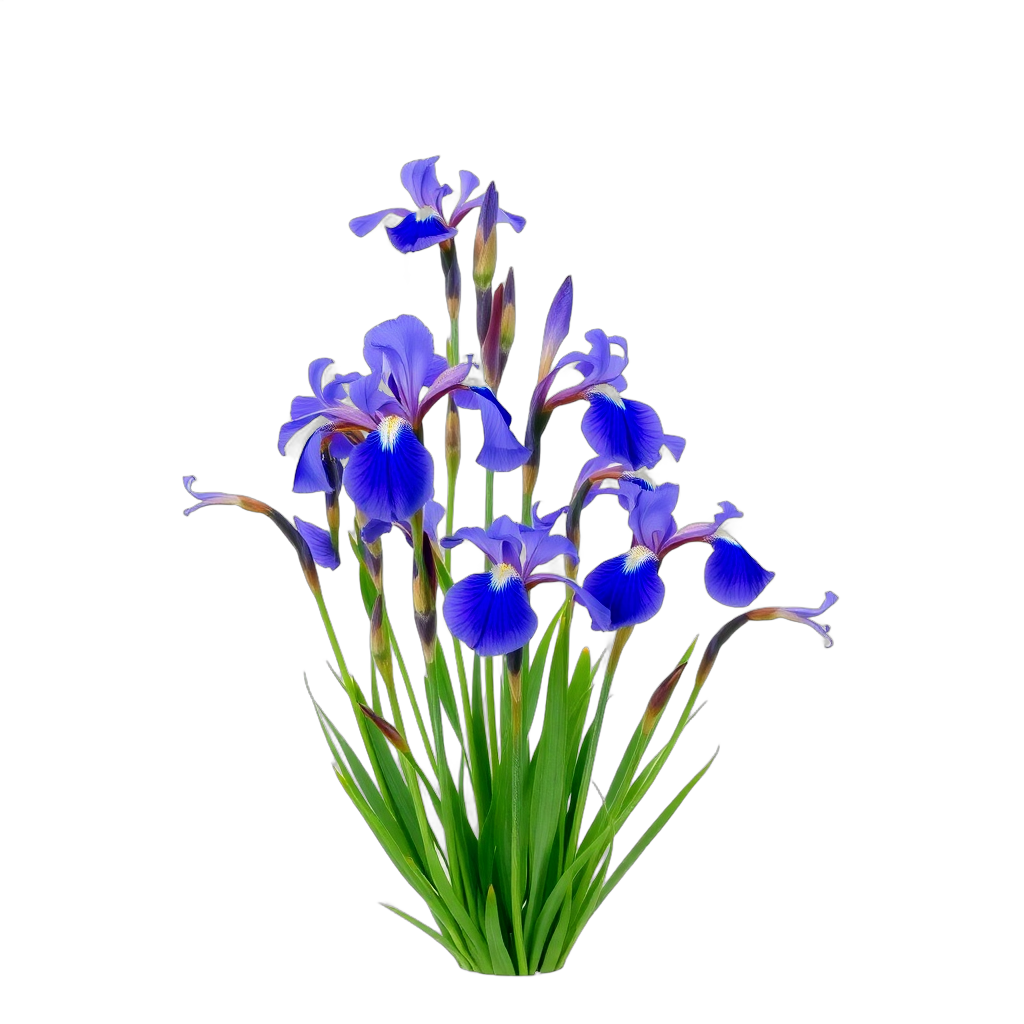
Southern Blue Flag
Iris virginica
low-growing ground cover, blue blooms in spring. Attracts butterflies.

Eastern Prickly Pear
Opuntia humifusa
low-growing ground cover, yellow blooms in summer. Attracts butterflies.
Zone and sun checks come from our database — confirm with your local nursery before you buy.
Bloom Calendar for Cambridge
spring
Blue Flag Iris, Southern Blue Flag, Arrowwood Viburnumsummer
Ruby Spice Summersweet, Summersweet, Eastern Prickly Pearfall
New York Ironweed, Purple Love Grasswinter
Limited bloomsDesign Tips for Cambridge (Zone 7a)
- Limit the palette to three or four plants: on a Cambridge lot of 20 by 30 feet, Calamagrostis × acutiflora 'Karl Foerster', Echinacea purpurea 'Magnus' and Sedum 'Matrona' repeated in groups look more deliberate than ten species
- Cut grasses back in late March, not in fall: Panicum virgatum 'Northwind' and Calamagrostis 'Karl Foerster' hold their shape through snow, which suits a Zone 7a winter with lows near 0 to 5°F
- Lift beds 6 inches with compost, because Boston blue clay under much of Cambridge holds meltwater and rots crowns well into April
- Test soil pH before you plant: urban fill in Cambridge often runs near neutral to alkaline, which suits Sedum and Allium 'Millenium' but can yellow acid-lovers like Hydrangea quercifolia 'Ruby Slippers'
- Use evergreen structure for winter: Thuja occidentalis 'Smaragd' and Taxus × media 'Hicksii' keep the lines in January when grasses and perennials are cut back
- Check the Tree Protection Ordinance before removing a tree of 8 inches or more in diameter, and plan one feature tree such as Amelanchier × grandiflora 'Autumn Brilliance' instead
- Use permeable joints in bluestone: gravel or crushed-stone joints let a city that gets about 44 inches of rain a year drain through the terrace
Where to Source Plants in Cambridge
Skip the big-box stores. These independent Cambridge nurseries specialize in the plants that make modern/minimalist gardens thrive in Zone 7a.
Weston Nurseries
Hopkinton (also Chelmsford and Hingham)
Independent family nursery offering hardy landscape-sized trees, shrubs, perennials and annuals, with over 4,000 plant types across its garden centers
Mahoney's Garden Center (Chelmsford)
North Chelmsford, about 25 miles northwest of Cambridge
Independent Massachusetts garden center chain with trees and shrubs, perennials, Proven Winners plants, herbs, mulch and soil sold by the yard; Winchester and Brighton are the closest locations to Cambridge
Native Plant Trust, Garden in the Woods
Framingham
Botanic garden of more than 1,000 New England native species on 45 acres, with seasonal native plant sales and an online garden shop
Modern/Minimalist Landscaping Cost Ranges
| Project Scope | Estimated Cost |
|---|---|
| Concrete patio, broom finish (200 sqft) | $2,100–$2,500 |
| Low-voltage landscape lighting (6 fixtures) | $1,200–$2,000 |
| Composite decking boards, surface only on existing framing (200 sqft) | $4,700–$5,800 |
| AI visualization (ProScapeAI) | Free to start |
National average installed ranges for 2026 from our landscaping price list (Homewyse and other published sources). Prices in Cambridge, MA vary with site, materials and contractor, so get two or three local quotes.
Cambridge Climate & Growing Zone
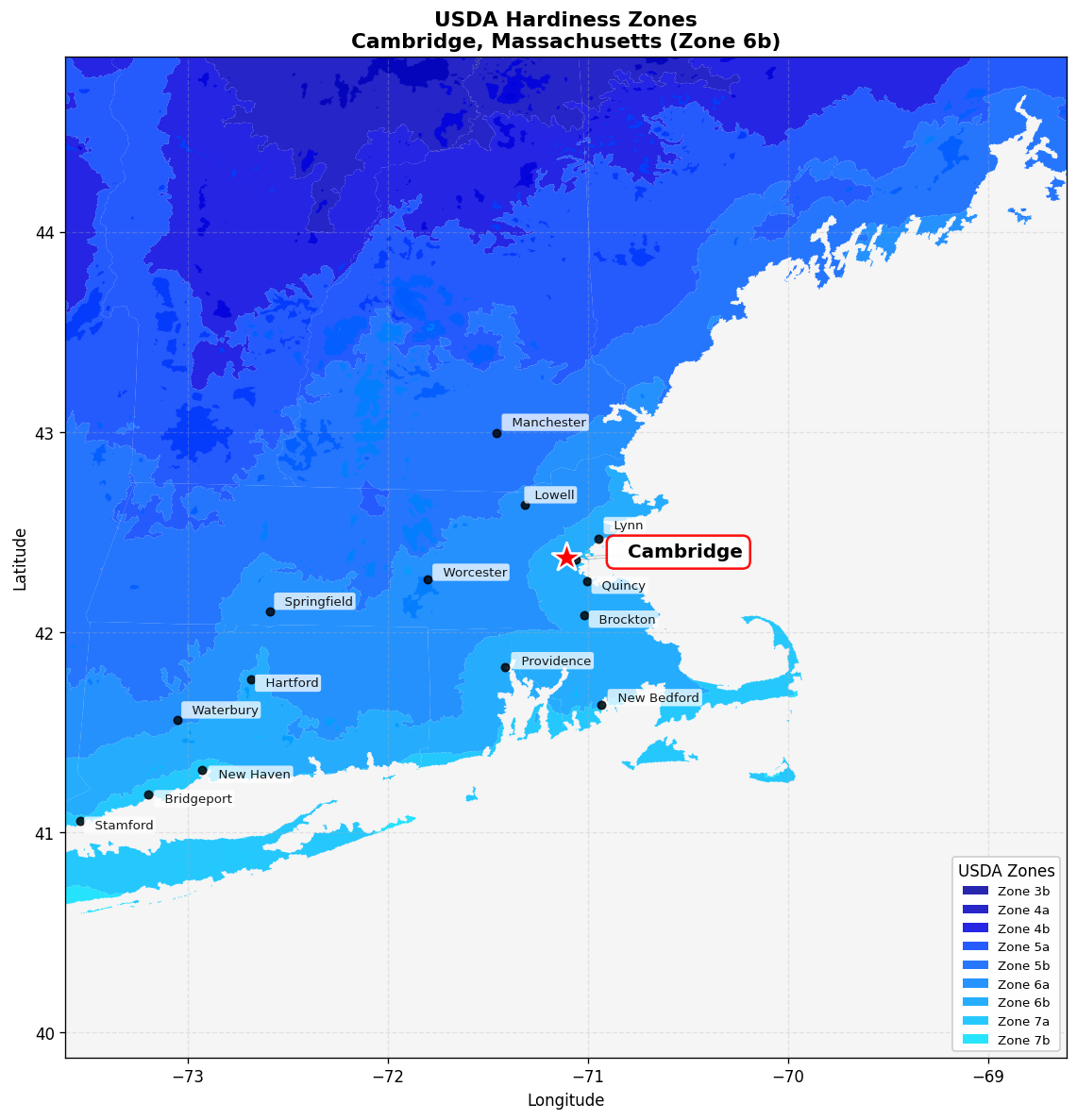
USDA Zone 7a
Hardiness zone for Cambridge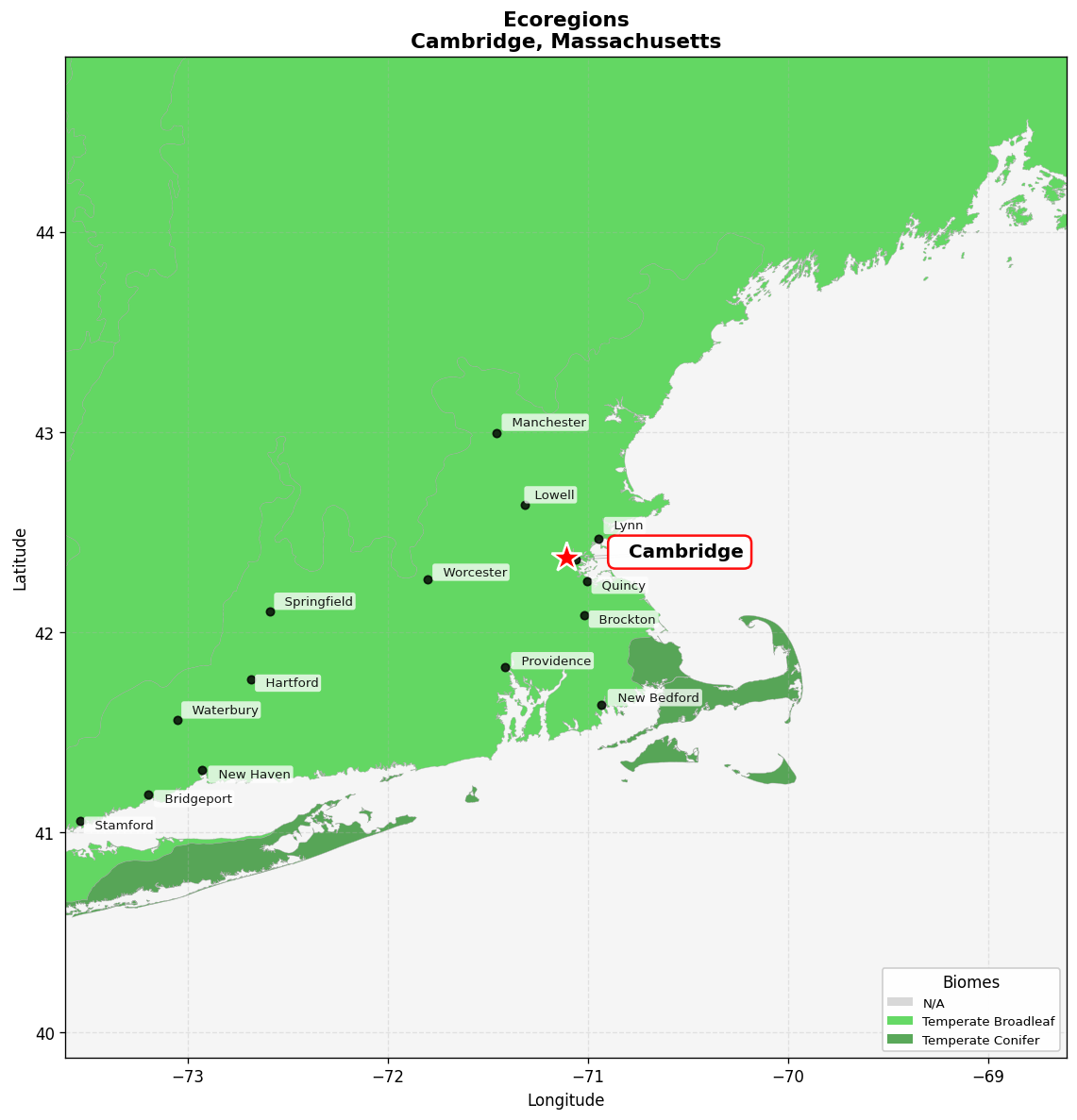
Northeast US Coastal forests
Native ecoregionFrequently Asked Questions
How much does modern landscaping cost in Cambridge, MA?
Greater Boston labor runs well above the national average.
Is a modern landscape low maintenance in Cambridge's climate?
It is lower than a cottage garden but not zero. Cut ornamental grasses to 4–6 inches in late March before new growth starts, divide Echinacea and Sedum every few years, and top up gravel or mulch each spring. Clipping Taxus × media 'Hicksii' once a year in June keeps the lines crisp. Zone 7a winters with lows near 0 to 5°F will not damage the plants listed here.
When is the best time to plant in Cambridge?
Late April to early June and mid-September to mid-October are the best windows. Last frost is usually late April to early May and first frost is mid-October, so the growing season runs about 170 days. Grasses planted in spring establish faster than those planted late in fall, when roots may heave in winter.
Do I need a permit for landscaping in Cambridge?
Planting needs no permit, but removing a significant tree (8 inches or more in trunk diameter) requires one under Cambridge's Tree Protection Ordinance, usually with a certified arborist's assessment. Fences and structures visible from the street may need review in a local historic district through the Cambridge Historical Commission. Check setback and fence-height rules with the city before building.
What survives Cambridge winters in a modern garden?
Ornamental grasses such as Calamagrostis × acutiflora 'Karl Foerster', Panicum virgatum 'Northwind' and Schizachyrium scoparium 'The Blues' are all hardy to Zone 4–5. Evergreen columns like Thuja occidentalis 'Smaragd' handle lows near -5°F; tender Mediterranean choices such as agave or Italian cypress do not survive. Keep Japanese maples such as Acer palmatum 'Bloodgood' out of exposed winter wind.
Can I use a rain garden on a small Cambridge lot?
Yes. Cambridge Public Works publishes a residents' guide to rain gardens, and a shallow bed planted with Panicum virgatum 'Northwind', Iris versicolor 'Purple Flame' and Asclepias incarnata 'Ice Ballet' works well beside a downspout. Keep it at least 10 feet from the foundation and test drainage first, since Boston blue clay under many yards drains slowly.