4 Cottage Garden Ideas for Worcester, MA | English Border Design for Zone 5b
Native plants from the Northeast US Coastal forests (Zone 5b) — Humid continental (warm summer) climate
Why Cottage/English Gardens in Worcester?
Worcester was practically built for cottage gardens. The Queen Anne and Victorian houses ringing Elm Park, the deep-porch Colonials along Salisbury Street, the 1920s Capes of Tatnuck, and the postwar ranches of Burncoat all sit on lots with the one thing a romantic garden needs most — a real dooryard between the sidewalk and the porch steps. Even the three-deckers off Shrewsbury Street, with their eight-foot strips of soil, take beautifully to a picket fence, a rose arbor and a tight border of catmint. And the climate is a quiet advantage here: at roughly 480 feet of elevation with cool nights and about 48 inches of annual precipitation, Worcester is a place where Delphinium elatum 'Blue Bird', Digitalis purpurea 'Camelot Lavender', Alchemilla mollis and Lupinus 'Gallery Blue' actually perform — the classic English border plants that melt down in July heat south of Philadelphia.
Zone 5b is the line you have to design to. Worcester bottoms out between -10°F and -15°F in a normal winter, and that number quietly disqualifies half the plants in glossy English garden books. Hybrid tea roses need mounding every November to survive; skip them and put Rosa 'William Baffin' or Rosa 'John Cabot' on the arbor instead — Canadian Explorer climbers rated to Zone 3 that flower on the same pale-pink schedule with zero winter protection. Hydrangea macrophylla 'Nikko Blue' will live here and almost never bloom, because its buds form in fall and freeze out by February; use Hydrangea paniculata 'Limelight' or Hydrangea arborescens 'Annabelle', which flower on new wood. Spanish lavender (Lavandula stoechas) is an annual in Worcester — Lavandula angustifolia 'Munstead' and 'Hidcote', or Lavandula x intermedia 'Phenomenal', are the ones that come back. Same story with boxwood: 'Suffruticosa' burns black by March, while Buxus 'Green Velvet' and 'Green Mountain' shrug it off.
Below ground, Worcester is glacial till — rocky, compacted Paxton and Woodbridge soils over dense hardpan, with ledge close to the surface on the seven hills and a natural pH near 5.0–5.5. Lavender, roses and clematis all want closer to 6.5, so a soil test and limestone are step one, and most beds do better built up 8–12 inches than dug into hardpan. Every arbor post, pergola footing and freestanding wall has to bear below the Massachusetts 48-inch frost line or it will lift out of the ground within three winters. Plan for snow, too: Worcester averages well over 60 inches, so leave plow-storage room along drives and keep brittle plants out of roof-shed lines. Massachusetts labor runs 20–30% above national averages, so phase the work by bed rather than compromising on soil prep.
4 Cottage/English Design Ideas for Worcester
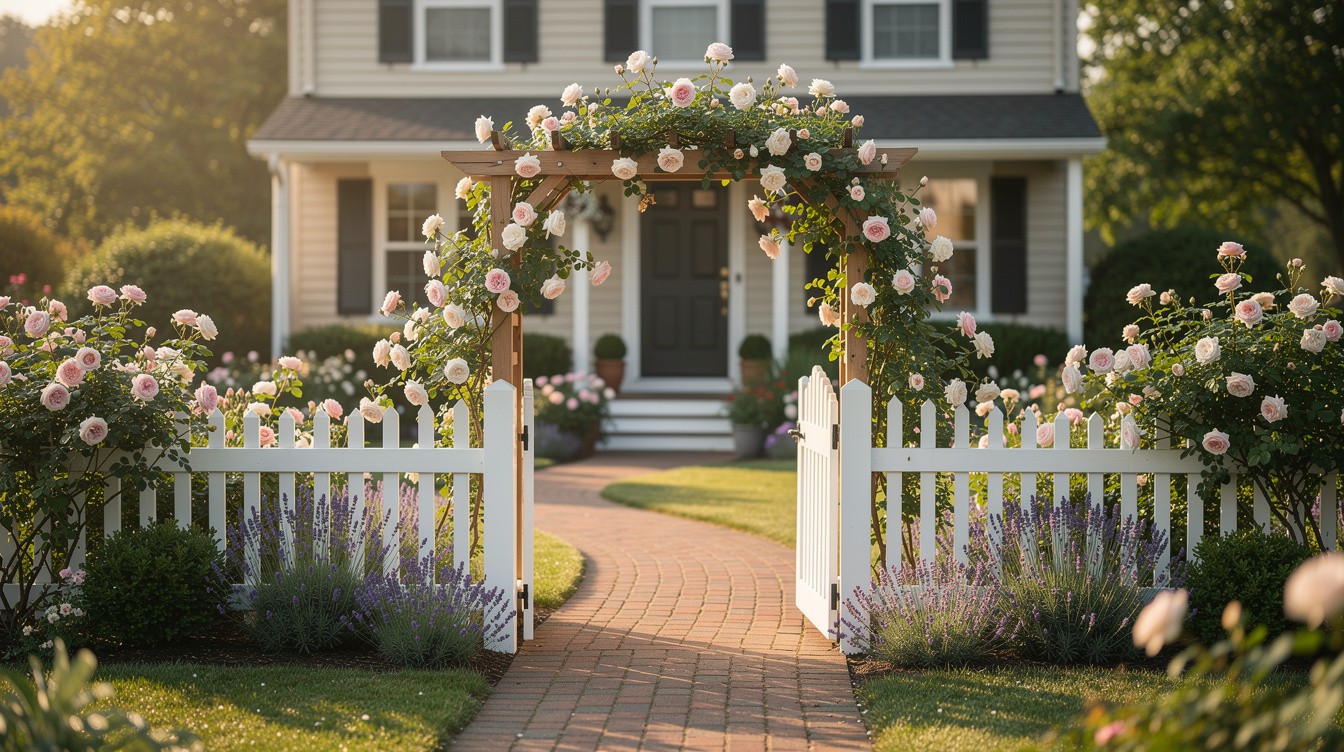
The Rose Arbor Dooryard
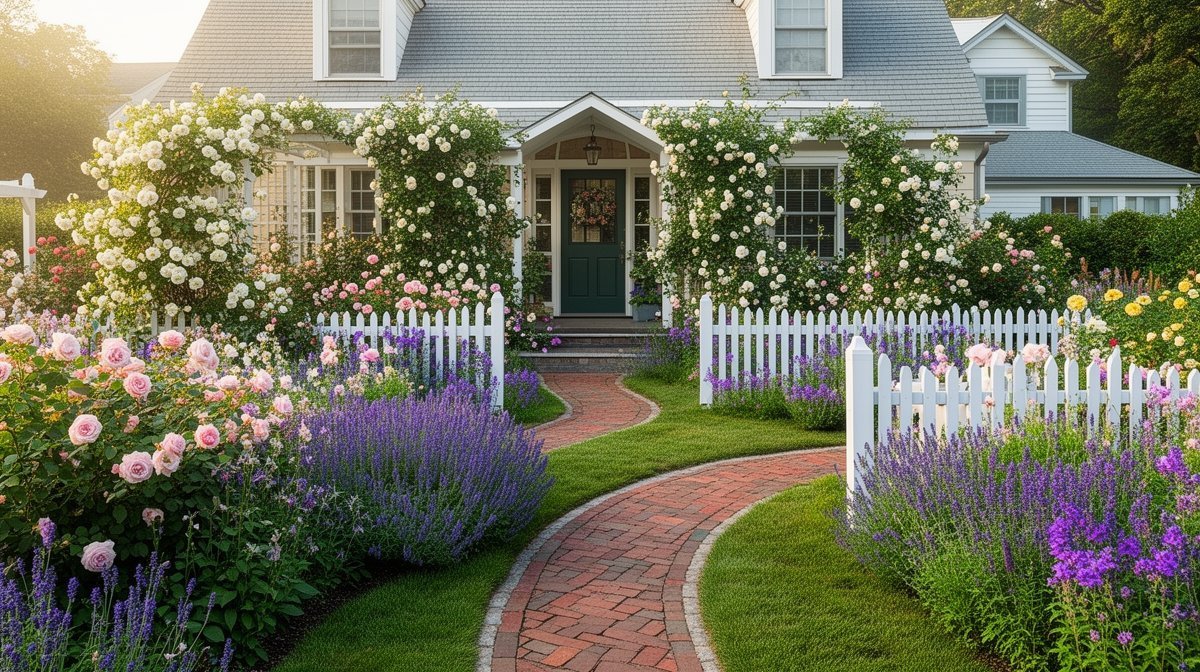
$28–48/sqftA cedar arbor smothered in pale pink and cream climbing roses frames a white picket gate, and a curving red-brick walk runs from the sidewalk to a dark front door on a cream clapboard Colonial. The fence line does the heavy lifting: shrub roses lean over the pickets from inside, while a continuous ribbon of English lavender runs along the outside face where it gets full sun and sharp drainage. Clipped boxwood anchors the corners so the whole picture still reads as a garden in February. In Worcester the details that make this last are invisible — the arbor posts sit on sonotube footings poured below the 48-inch frost line, and the brick walk rides on a full 12 inches of compacted process gravel so it does not heave into a wave by the third spring.
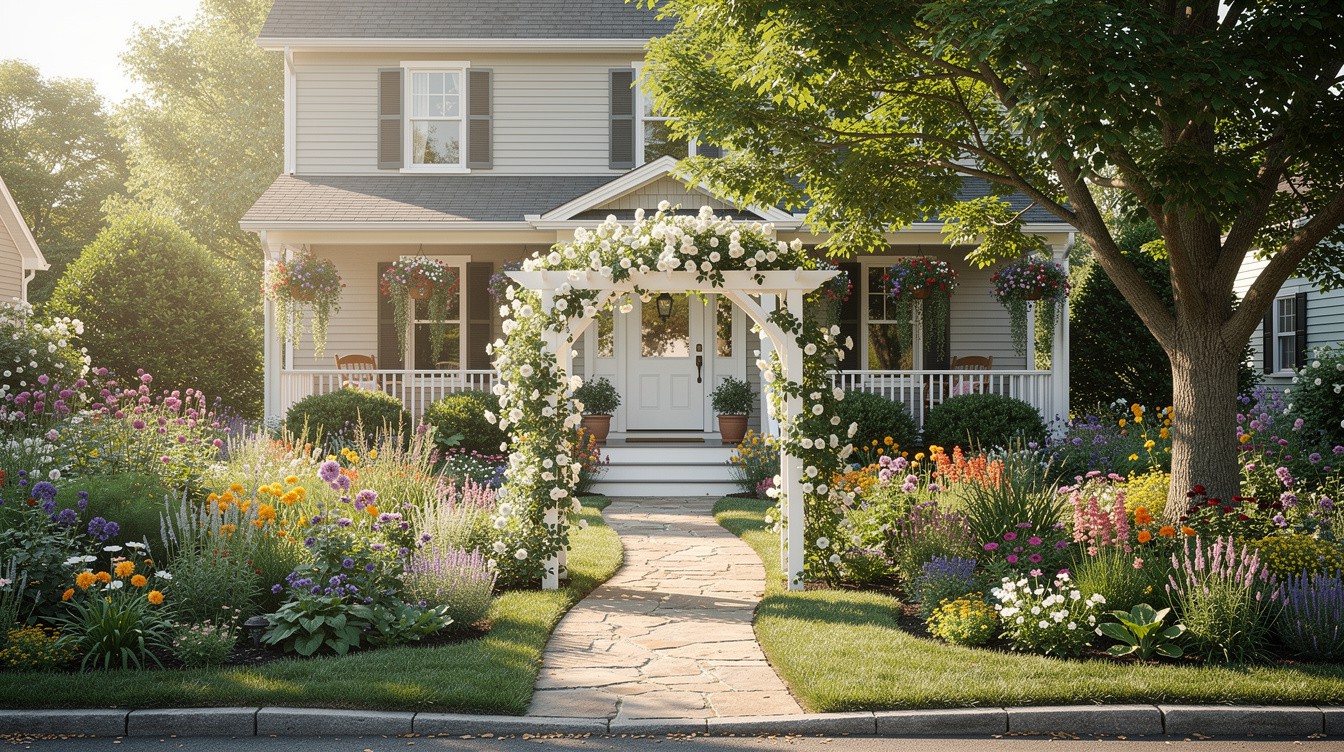
The Full-Border Front Garden
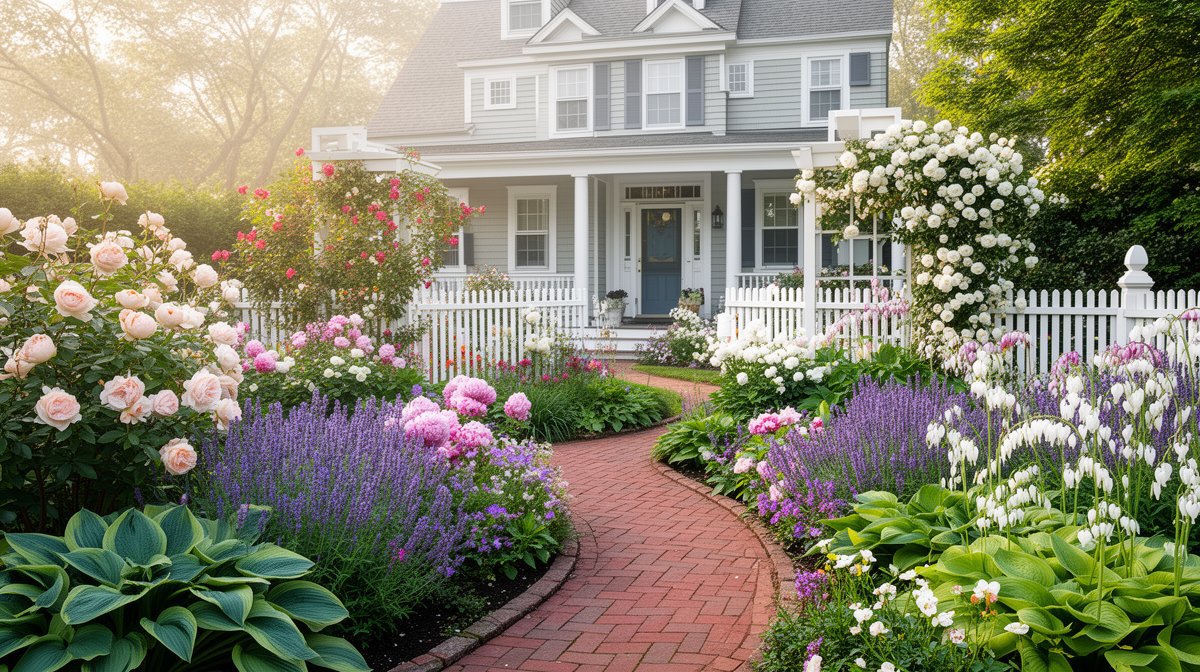
$18–34/sqftHere the lawn is reduced to a narrow green ribbon and the front yard becomes two deep, layered borders separated by an irregular fieldstone path that wanders to a white arbor at the porch steps. The planting is unapologetically full — alliums and salvia in the front rank, foxglove and phlox in the middle, hollyhock-height spires at the back — with hanging baskets on the porch repeating the colors at eye level. A mature shade tree on the right side sets the terms: everything under its canopy shifts to hostas, astilbe and lady's mantle. This is the design that turns a plain Worcester two-story into the house people slow down for, and because it is nearly all perennials it costs far less per square foot than hardscape.
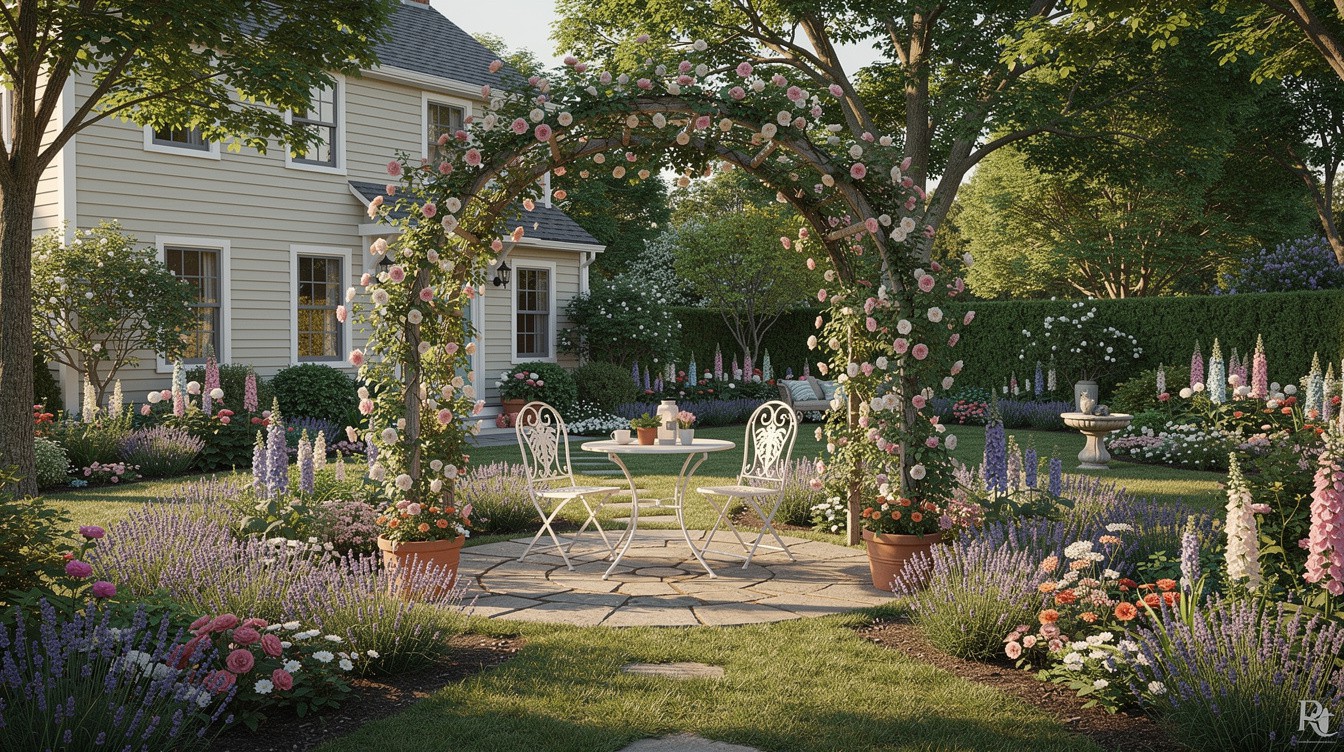
The Rose Arch Terrace
$32–60/sqftA tall timber arch dripping with pink and cream roses arcs over the lawn path and lands on a circular flagstone terrace just big enough for a bistro table and two wrought-iron chairs. Everything around it is soft — broad drifts of catmint and lavender spilling onto the stone, delphinium and foxglove spires standing up behind them, terracotta pots of dahlias marking the arch legs, a pedestal birdbath as the far focal point, and a clipped hedge closing the boundary so the neighbors disappear. The circle is the trick: a round terrace reads as a destination rather than a leftover, and at roughly 12 feet across it fits the modest backyards behind Worcester's West Side houses without eating the whole lawn.
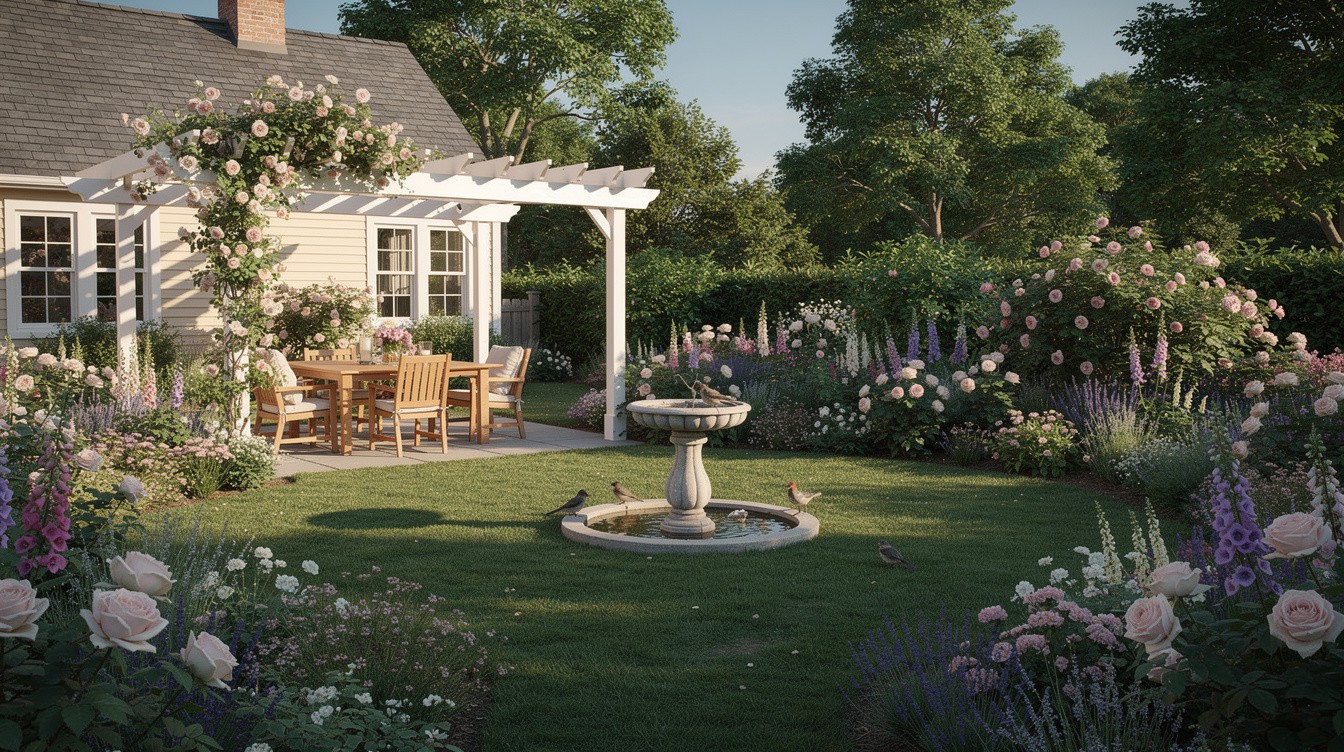
The Pergola and Fountain Garden
$40–75/sqftA white pergola bolted to the back of a shingled Cape shades a teak dining table on a small stone patio, with climbing roses working their way up the posts and along the beams. Out on the lawn a cast-stone pedestal fountain sits in a shallow basin as the garden's center of gravity, and the borders wrap the whole yard three ranks deep — foxglove and lavender in front, shrub roses behind, a dark hedge as backdrop. It is a working outdoor room rather than a showpiece: shade over the table by 2pm, the sound of water from every seat, and cut flowers within arm's reach. Winter is designed in too, with winterberry and panicle hydrangea holding the border edges once the perennials go down in November.
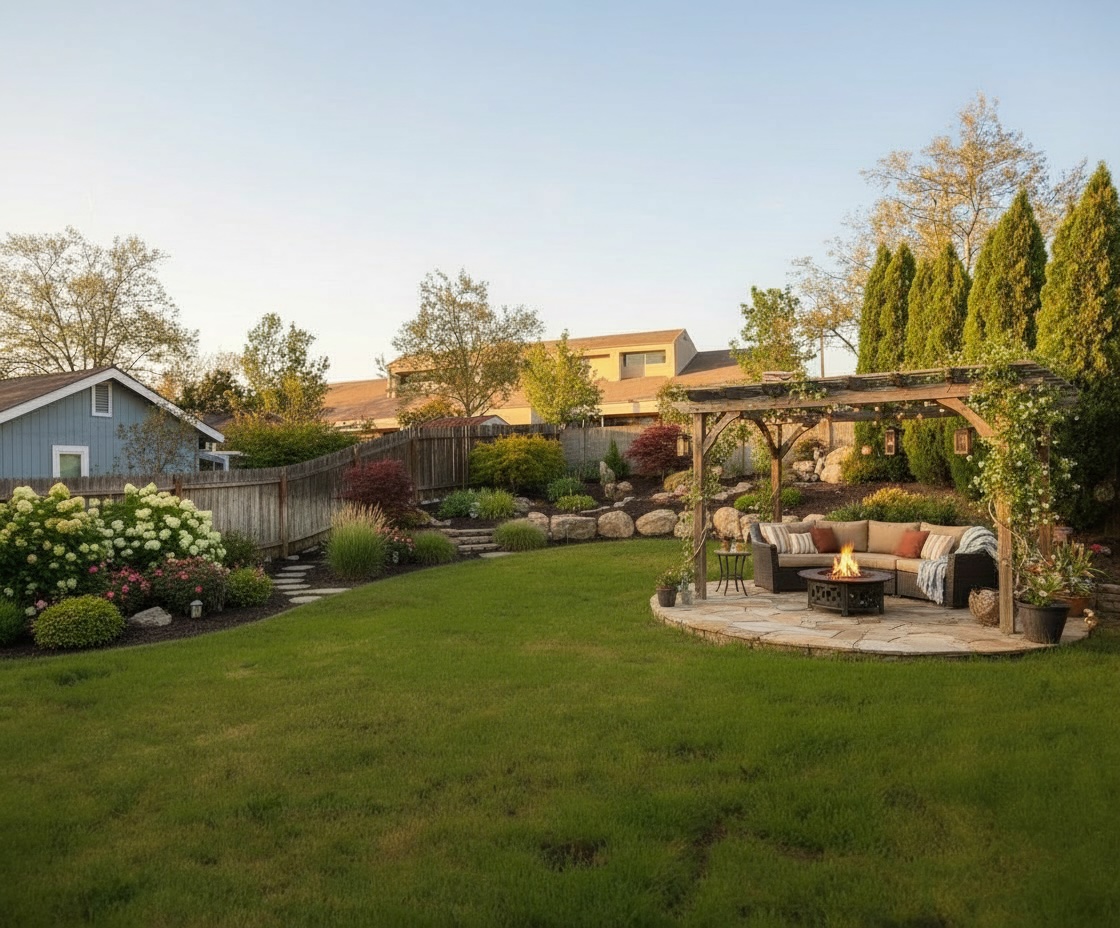
See how a cottage/english garden looks on YOUR property
Upload a photo of your Worcester yard and visualize your dream garden in seconds.
Try ProScapeAI Free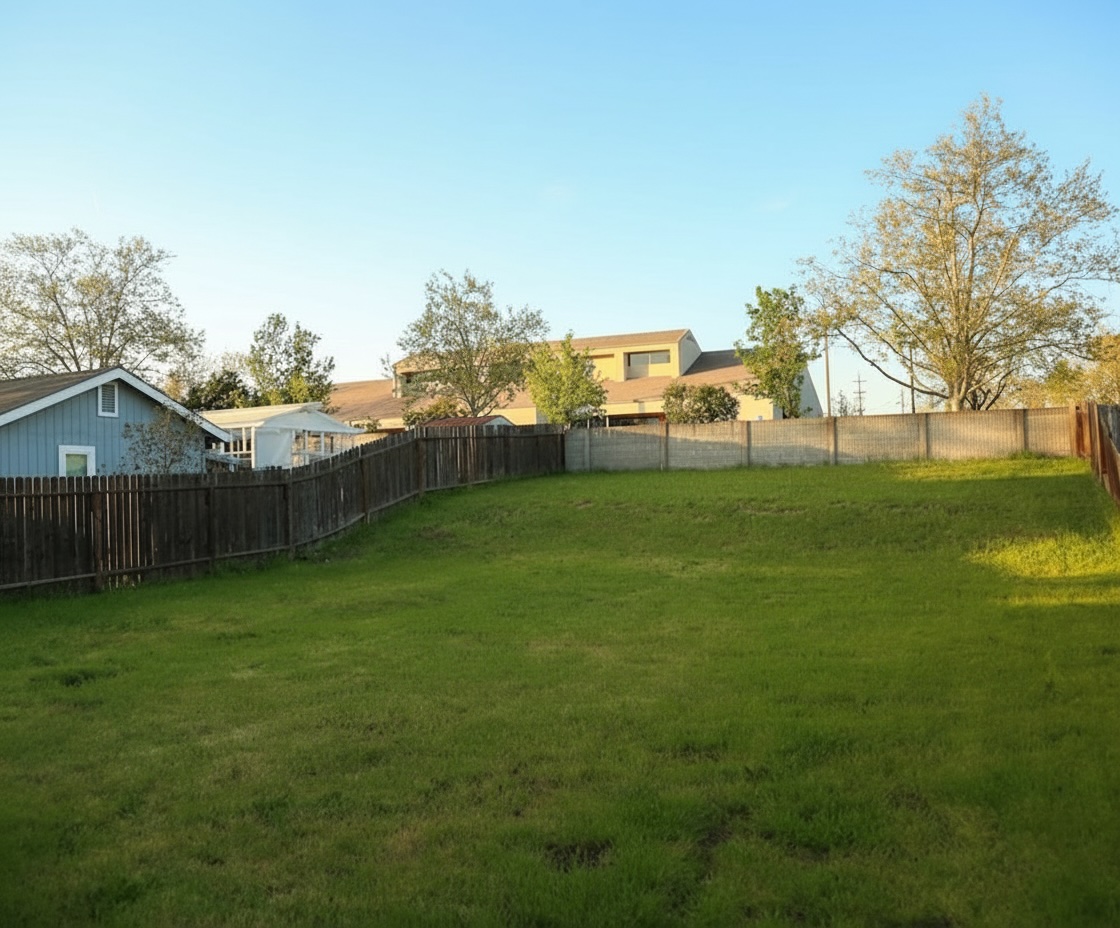
Featured Trees & Shrubs for Cottage/English Gardens
Browse all 181 plants for Worcester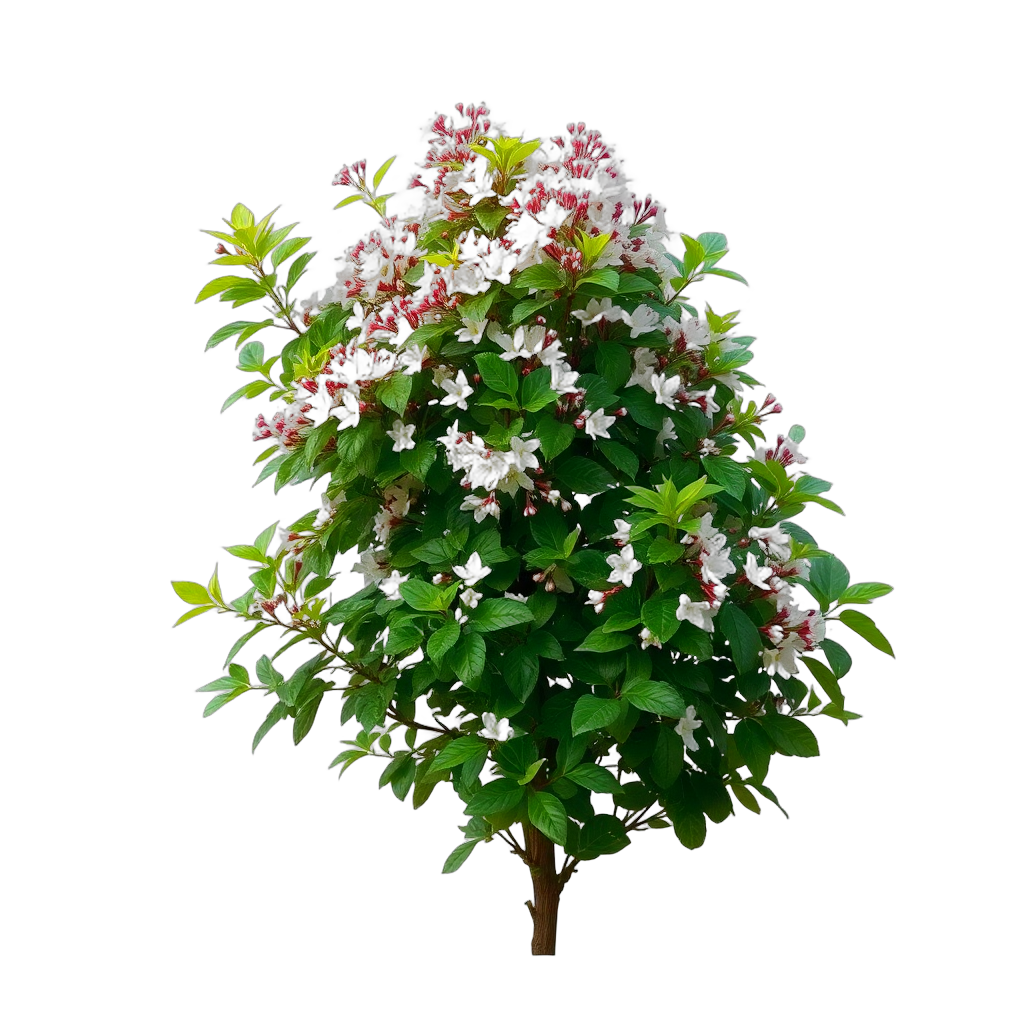
Arrowwood Viburnum
Viburnum dentatum
medium-sized at 10 feet, white blooms in spring. Pollinator-friendly.

Coastal Leucothoe
Leucothoe axillaris
grows to 3 feet, white blooms in spring. Evergreen year-round.
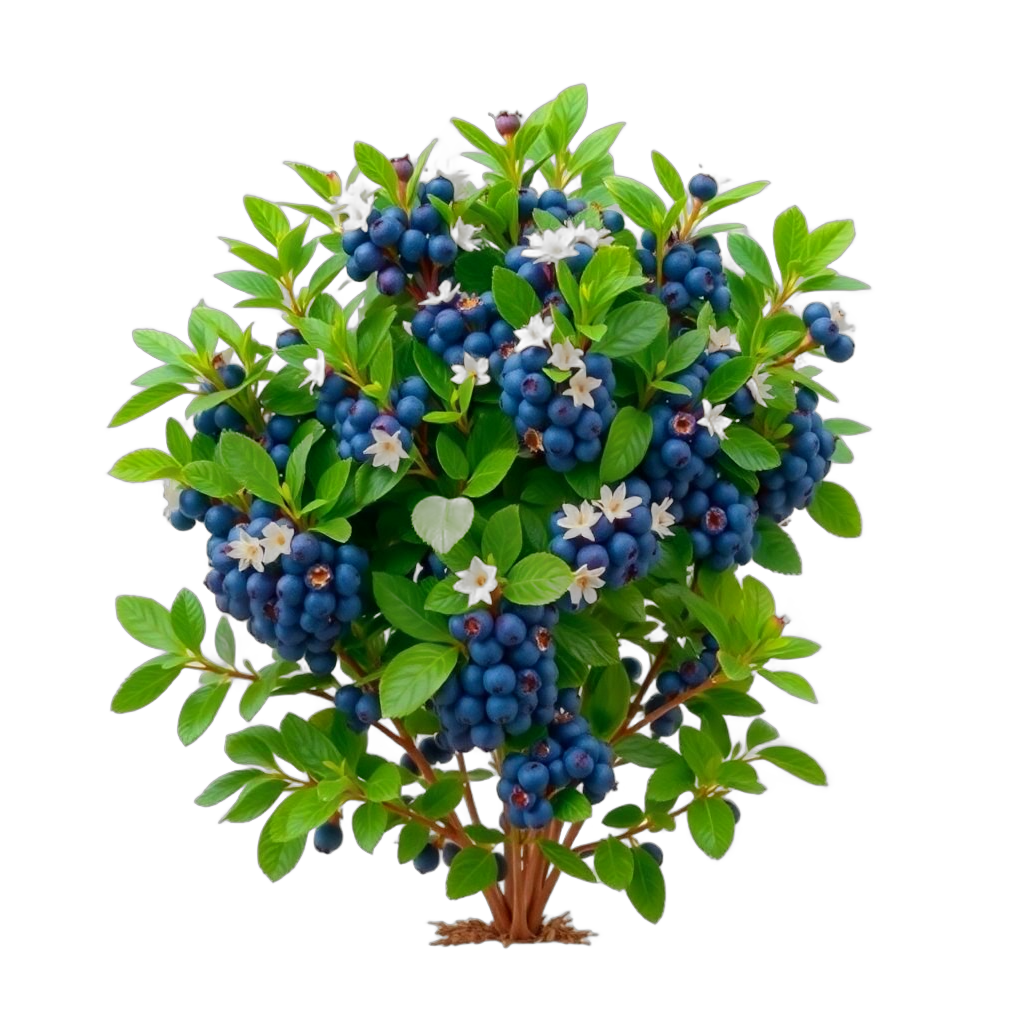
Highbush Blueberry
Vaccinium corymbosum
medium-sized at 7 feet, white blooms in spring. Attracts butterflies.

Inkberry
Ilex glabra
medium-sized at 8 feet, white blooms in spring. Pollinator-friendly.
Featured Grasses & Groundcovers for Cottage/English Gardens
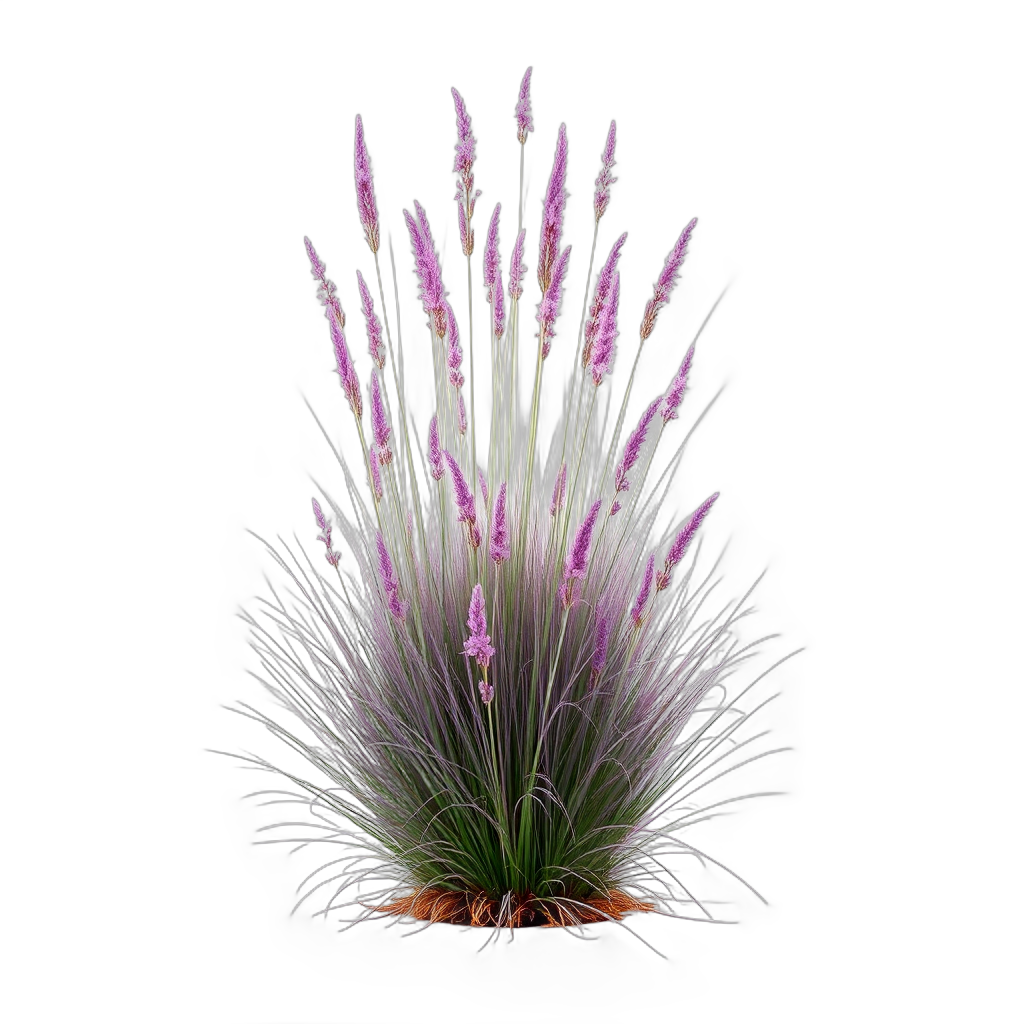
Purple Love Grass
Eragrostis spectabilis
low-growing ground cover, purple blooms in fall. Orange fall color.
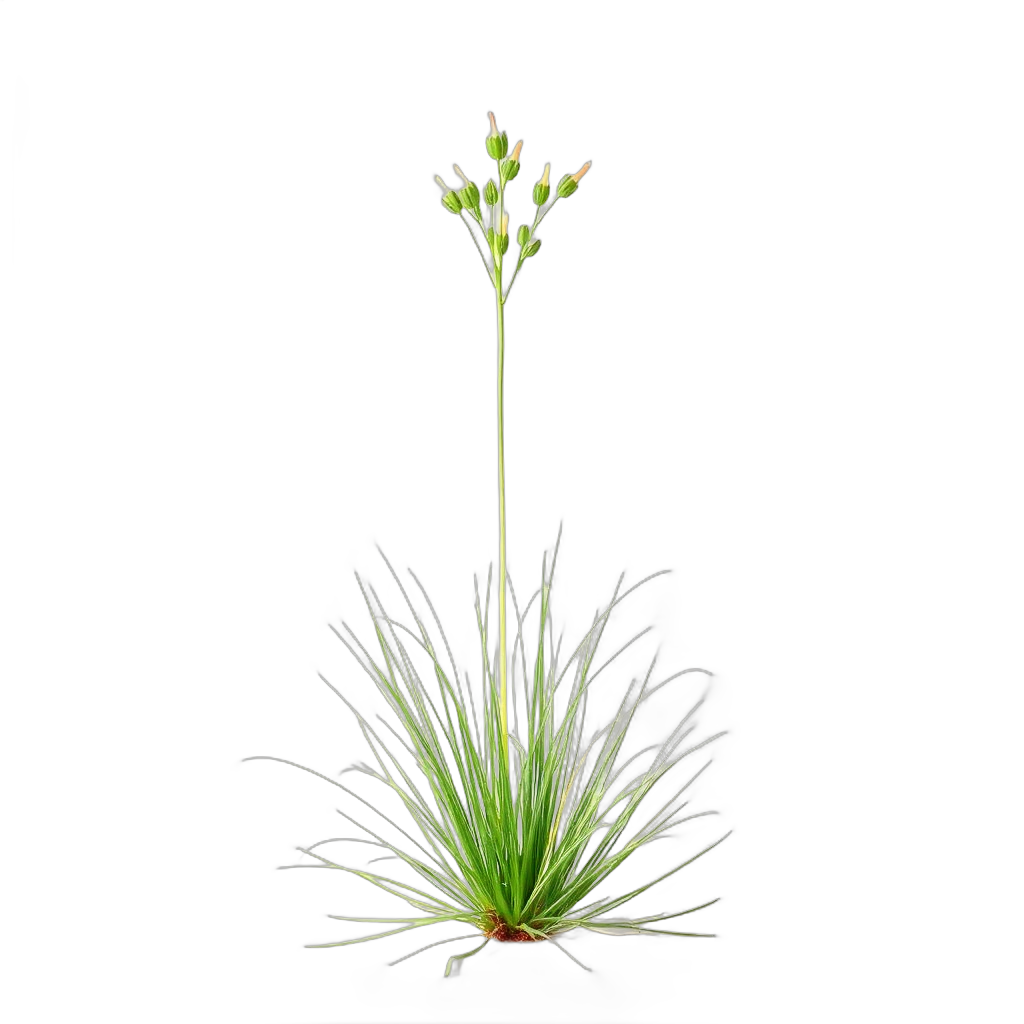
Alkali Sacaton
Sporobolus airoides
grows to 3 feet, blooms in summer. Yellow fall color.

Arrow Bamboo
Pleioblastus chino
medium-sized at 10 feet, blooms in none. Evergreen year-round.
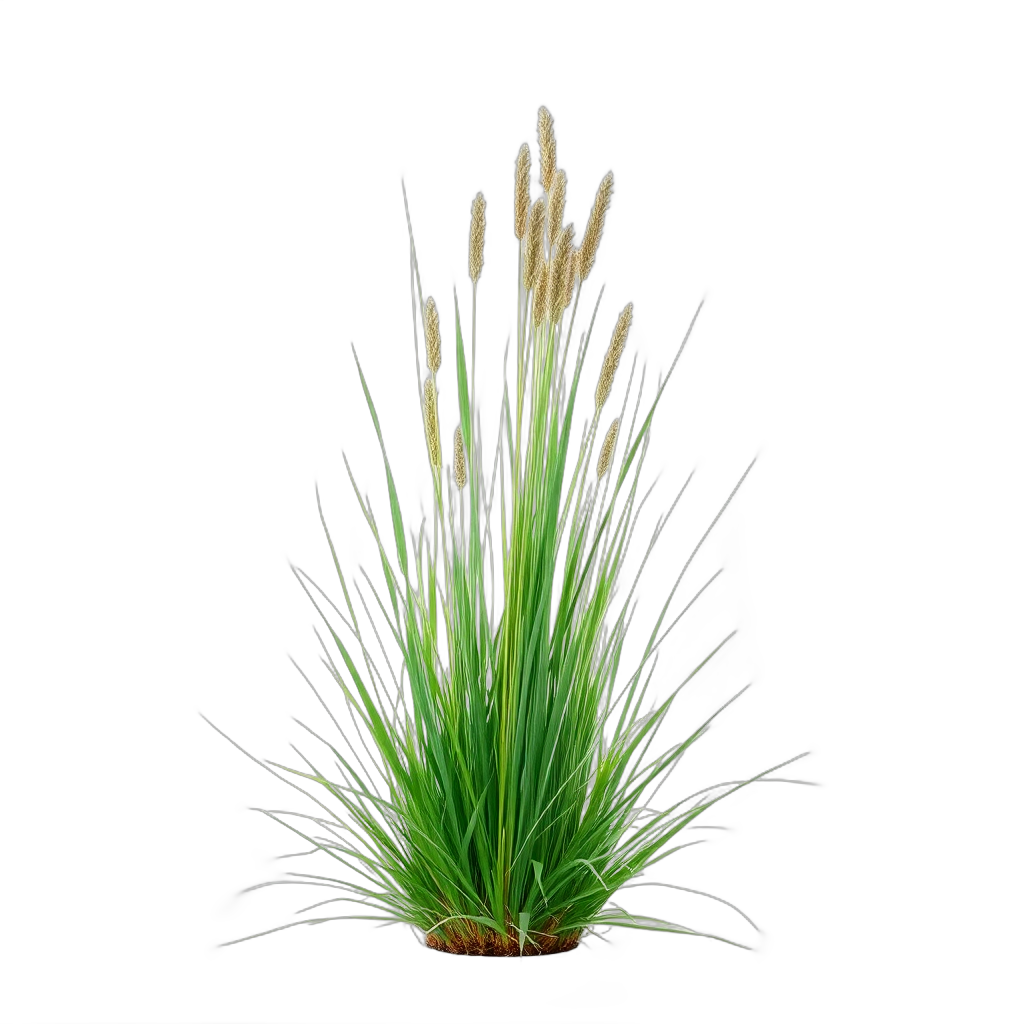
Big Bluestem
Andropogon gerardii
medium-sized at 7 feet, purple blooms in fall. Bronze,burgundy fall color.
Featured Flowers & Perennials for Cottage/English Gardens
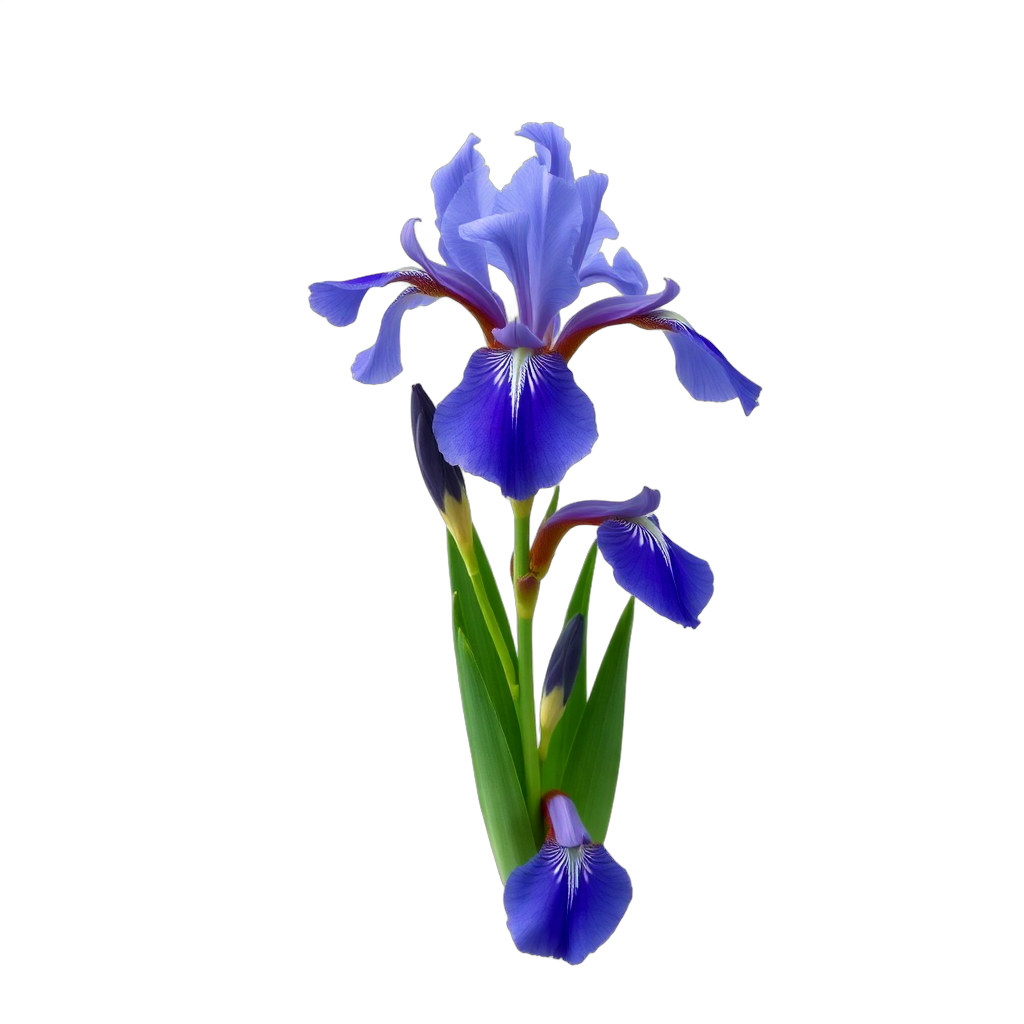
Blue Flag Iris
Iris versicolor
low-growing ground cover, purple blooms in spring. Attracts butterflies.

New York Ironweed
Vernonia noveboracensis
grows to 6 feet, purple blooms in fall. Attracts butterflies.

Southern Blue Flag
Iris virginica
low-growing ground cover, blue blooms in spring. Attracts butterflies.

Eastern Prickly Pear
Opuntia humifusa
low-growing ground cover, yellow blooms in summer. Attracts butterflies.
Bloom Calendar for Worcester
spring
Blue Flag Iris, Southern Blue Flag, Arrowwood Viburnumsummer
Ruby Spice Summersweet, Summersweet, Eastern Prickly Pearfall
New York Ironweed, Purple Love Grasswinter
Limited bloomsDesign Tips for Worcester (Zone 5b)
- Lime before you plant, not after — a UMass Amherst soil test almost always comes back pH 5.0–5.5 in Worcester, and Rosa 'William Baffin', Lavandula 'Munstead', Paeonia 'Festiva Maxima' and Clematis 'Jackmanii' all want 6.5; pelletized limestone worked in during bed prep is a $40 fix for a problem that otherwise stunts the border for a decade
- Build beds up, never down — the Paxton and Woodbridge till under most Worcester yards has a hardpan that turns a dug hole into a bathtub; 8–12 inches of imported loam and compost above grade is what keeps lavender and Nepeta 'Walker's Low' from rotting out over a wet March
- Put Canadian Explorer roses on every structure — Rosa 'John Cabot', 'John Davis', 'Quadra' and 'William Baffin' give you the arbor picture from an English magazine with none of the November mounding hybrid teas demand at -15°F
- Swap the classic English hedge for Taxus x media 'Hicksii' or Ilex glabra 'Shamrock' — Buxus sempervirens 'Suffruticosa' burns and Thuja 'Emerald Green' splays under Worcester's 60-plus inches of snow unless you tie it every fall
- Grow lilies in pots or skip them: the red lily leaf beetle is established across Massachusetts and will strip Lilium 'Casa Blanca' to bare stems by June, so lean on Allium 'Globemaster', Digitalis grandiflora and Echinacea 'Magnus' for the same vertical rhythm
- Leave a two-foot mulch buffer inside the sidewalk on hilly streets like Salisbury and Burncoat — plow-thrown salt and sand land there every storm, and losing a $30 lavender edge annually is cheaper than losing a $400 boxwood run you planted too close to the curb
Where to Source Plants in Worcester
Skip the big-box stores. These independent Worcester nurseries specialize in the plants that make cottage/english gardens thrive in Zone 5b.
Echobrook Nursery
Grafton Street
Full-service nursery with distinctive plants, landscape design, and installation services.
Pleasant View Nursery
Paxton (Worcester County)
Family-owned 30+ years; specializes in native plants, trees, and perennials.
Gillis Landscape & Garden Center
Berlin (Worcester County)
Since 1977; offers annuals, perennials, vegetables, and complete landscape services.
Cottage/English Landscaping Costs in Worcester
| Project Scope | Estimated Cost |
|---|---|
| Front dooryard cottage border (300–500 sqft, imported loam + roses + perennials) | $7,500 – $18,000 |
| Brick or bluestone walkway on 12in frost-depth base (40–60 linear feet) | $6,000 – $16,000 |
| Cedar arbor or rose arch with footings below the 48in frost line | $2,500 – $7,000 |
| White cedar picket fence, installed (100 linear feet) | $5,500 – $11,000 |
| Backyard flagstone terrace with wrapped perennial borders (350–450 sqft) | $22,000 – $45,000 |
| AI visualization with ProScapeAI | Free to start |
Estimates based on Worcester, MA-area contractor rates as of 2026. Actual costs vary by site conditions, materials, and contractor.
Worcester Climate & Growing Zone
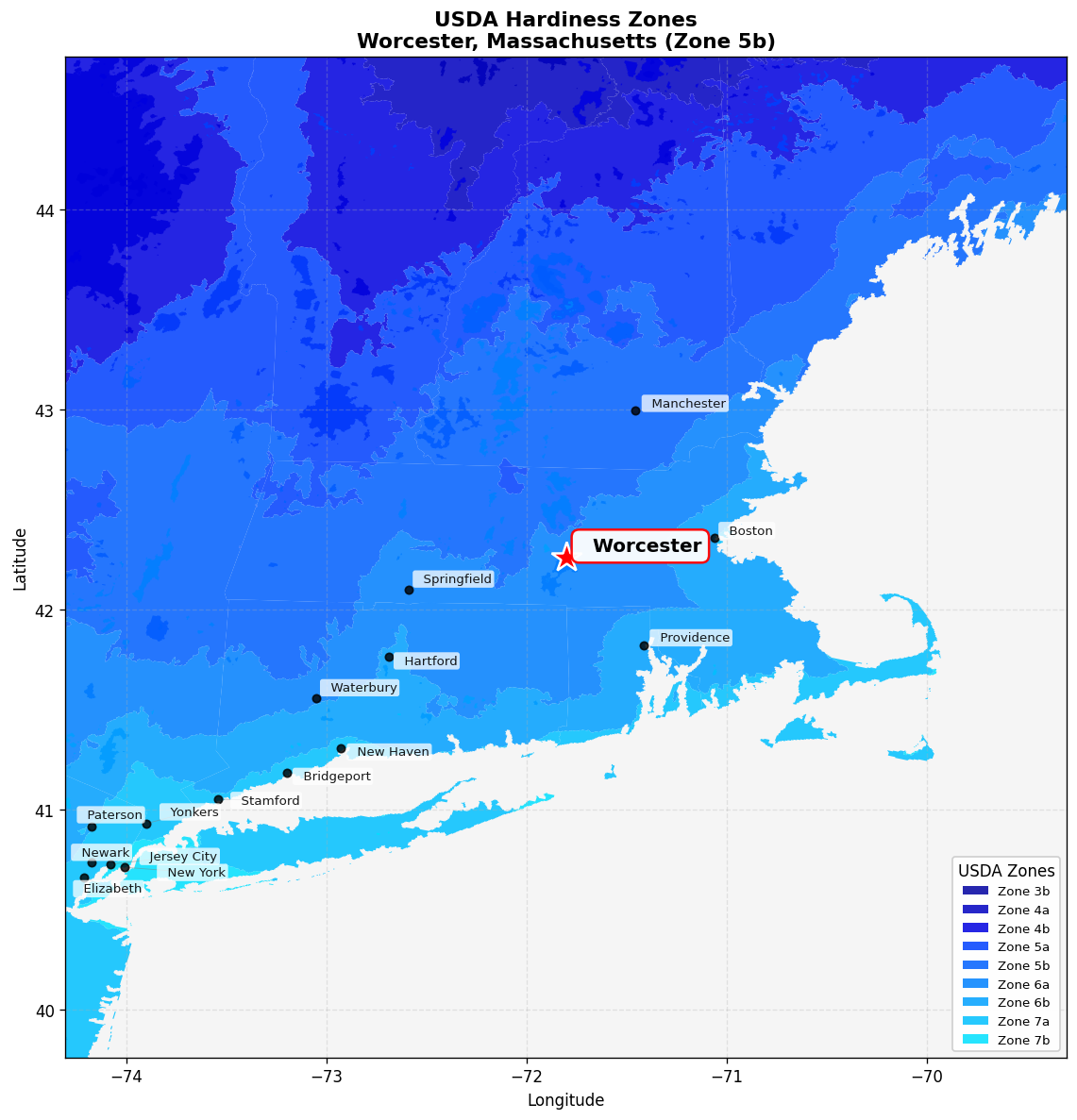
USDA Zone 5b
Hardiness zone for Worcester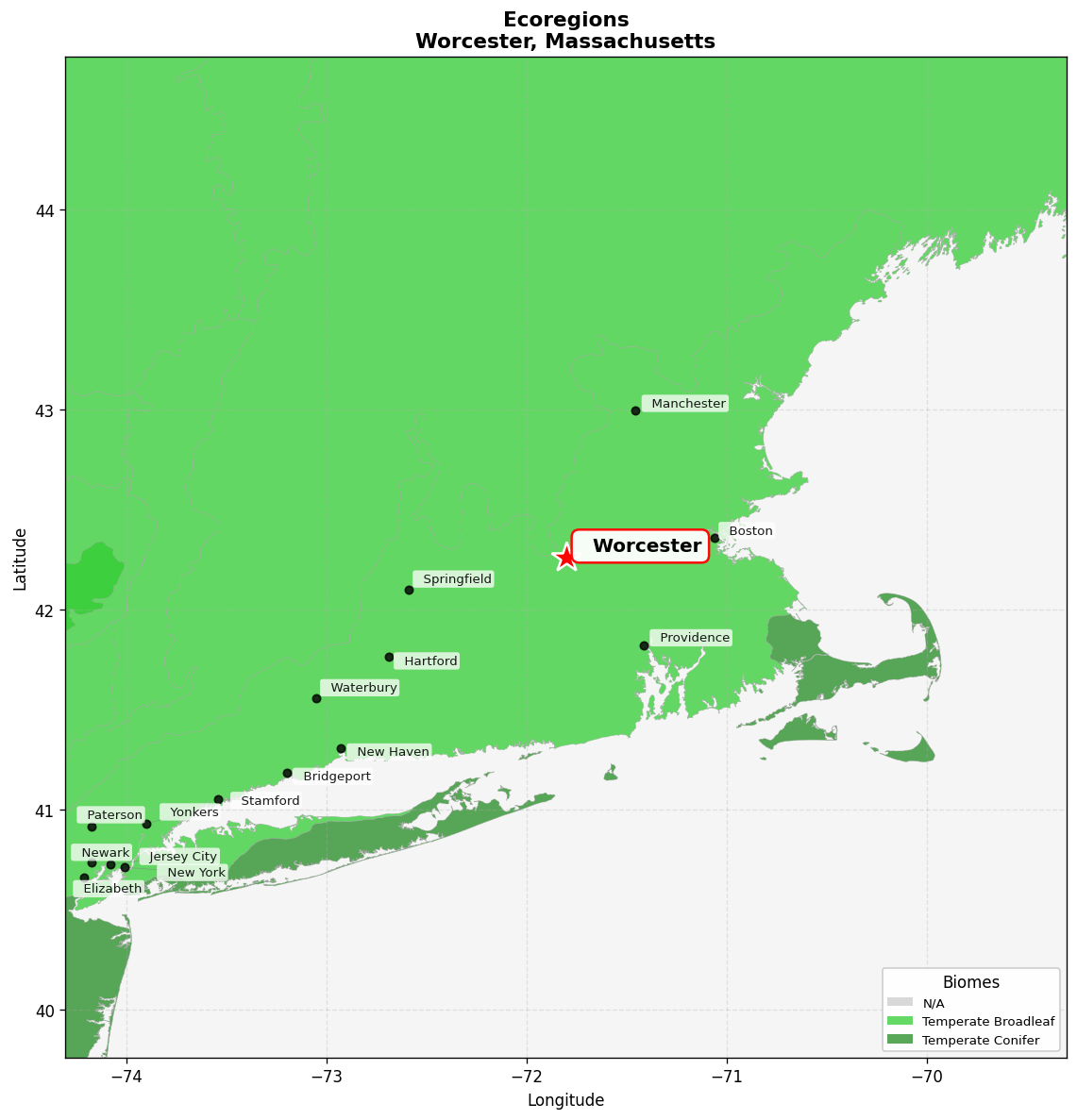
Northeast US Coastal forests
Native ecoregionFrequently Asked Questions
How much does a cottage garden cost in Worcester?
Massachusetts labor runs 20–30% above national averages, and Worcester's rocky glacial till adds excavation time that flatter markets never pay for. A full front dooryard border — bed shaping, 8–12 inches of imported loam and compost, roses, lavender and 60–90 perennials — typically lands at $7,500–18,000 for 300–500 square feet. A brick or bluestone walk on a proper 12-inch frost base runs $6,000–16,000 for a typical 40–60 foot run. A cedar arbor with footings poured below 48 inches is $2,500–7,000. A complete backyard terrace with wrapped borders like the pergola design is $35,000–70,000. Doing your own planting into professionally prepared beds cuts 30–40% off the perennial line item.
Which roses actually survive Worcester winters without protection?
Stick with the Canadian Explorer and Parkland series and you can stop mounding roses entirely. Rosa 'William Baffin' (Zone 3, pale pink, will climb 8–10 feet), Rosa 'John Cabot', Rosa 'John Davis', Rosa 'Quadra' and Rosa 'Champlain' all come through -15°F on their own roots. For shrub masses, Rosa 'Bonica', Rosa 'Therese Bugnet' and the Knock Out family are dependable, and Rosa rugosa cultivars are the only roses that genuinely tolerate road salt near the curb. Hybrid teas like 'Mister Lincoln' will need a foot of mulch mounded over the graft every November and still die back hard. Watch for Japanese beetle in July and rose slug in June — both are far easier to manage on healthy own-root shrubs than on grafted teas.
Can I really grow lavender in Worcester's acidic, wet soil?
Yes, but the plant does not fail from cold here — it fails from wet feet and low pH. Worcester's Paxton and Woodbridge soils sit around pH 5.0–5.5 over a dense hardpan that perches water all spring, which is exactly what rots lavender crowns. Build the bed up at least 10 inches, cut the backfill 40–50% with coarse sand or 3/8-inch crushed stone, and lime to pH 6.5–7.0 based on a UMass Amherst soil test. Then plant only hardy species: Lavandula angustifolia 'Munstead' and 'Hidcote', or Lavandula x intermedia 'Phenomenal', which is the most reliable in New England. Lavandula stoechas and Lavandula dentata are annuals here. Mulch with gravel rather than bark right at the crown, and prune in spring, never fall.
How does the Asian longhorned beetle quarantine affect what I can plant?
Worcester is the epicenter of the U.S. Asian longhorned beetle infestation, and the regulated area still covers the city and its neighbors. In practical terms: regulated host genera include Acer (maples), Betula, Ulmus, Salix, Aesculus, Sorbus, Platanus, Populus, Fraxinus, Celtis, Cercidiphyllum and Koelreuteria, so a new Norway maple or river birch is a poor bet for the next 30 years. Plant non-hosts instead — Amelanchier x grandiflora 'Autumn Brilliance', Cornus kousa 'Milky Way', Syringa reticulata 'Ivory Silk', Malus 'Sargentii', Carpinus caroliniana or an oak. Just as important, woody yard debris and firewood cannot legally leave the regulated area, so budget for chipping on site or a licensed hauler, and report any suspect exit holes to the USDA program.
When should I plant, and how do I protect a cottage garden from snow and road salt?
Worcester's last frost lands around May 10–15 and the first around October 1–10, so the two planting windows are mid-May through June and late August through early October — fall is better for shrubs and roses, spring for perennials that need a season to root before winter. Then design for snow. Worcester averages well over 60 inches, and plow throw off the seven hills' steep streets carries salt 8–12 feet onto front beds: keep boxwood, yew and lavender out of that strip and use Rosa rugosa, Panicum virgatum or Sporobolus heterolepis at the curb instead. Tie Thuja 'Emerald Green' with jute in November so snow load does not splay it open, and stake nothing tall where the roof sheds ice.
Do I need permits for landscaping in Worcester?
Planting beds, fences under six feet in most districts, walkways and patios generally need no building permit. You do need one for retaining walls over four feet, for pergolas and structures with footings in some cases, and for pools. The bigger local trap is the Massachusetts Wetlands Protection Act: anything within 100 feet of a wetland or 200 feet of a perennial stream falls under Worcester Conservation Commission jurisdiction, which catches a surprising number of lots near Coes Pond, Indian Lake, Bell Pond and Beaver Brook. Work in the sidewalk right-of-way or any curb cut needs a Worcester DPW permit, and removing a city street tree requires approval from the Tree Warden — a public hearing is possible.