4 Modern Garden Ideas for Worcester, MA | Clean-Line Landscape Design for Zone 5b
Native plants from the Northeast US Coastal forests (Zone 5b) — Humid continental (warm summer) climate
Why Modern/Minimalist Gardens in Worcester?
Modern landscaping works in Worcester for a reason most people miss: the housing stock is already halfway there. The 1950s and 60s ranches and split-levels filling Burncoat and Tatnuck have the low horizontal rooflines and long window walls that clean-line landscaping was invented to frame, contemporary infill keeps appearing around Newton Square and the upper Salisbury Street corridor, and the three-deckers off Shrewsbury Street are getting flat-roofed rear additions and steel-railed decks that beg for a geometric ground plane. Then there is the terrain. Worcester is a city of seven hills, and on a sloped Burncoat or Vernon Hill lot a single board-formed concrete or weathering-steel retaining wall does more design work than an entire yard of planting — while solving a drainage problem you were going to pay for anyway.
Zone 5b, with winter lows between -10°F and -15°F, is where most Pinterest modern gardens quietly die. Agave, Italian cypress, Nandina and pink muhly grass are all dead by March here, and Mexican feather grass and purple fountain grass are annuals you will re-buy every May. The hardy substitutes are just as sculptural: Yucca filamentosa 'Color Guard' and 'Ivory Tower' deliver the spiky rosette, Opuntia humifusa — a prickly pear genuinely native to Massachusetts — handles the succulent role, and Juniperus scopulorum 'Skyrocket' or Thuja occidentalis 'DeGroot's Spire' replace cypress exclamation points. For the grass masses that carry a modern garden from July to March, the reliable list is short and excellent: Calamagrostis x acutiflora 'Karl Foerster', Panicum virgatum 'Northwind' and 'Shenandoah', Schizachyrium scoparium 'Standing Ovation', Sporobolus heterolepis, and Miscanthus sinensis 'Morning Light'. Leave them standing all winter — snow-loaded grass and the red stems of Cornus sericea 'Arctic Fire' are what keep a minimal garden from reading as an empty lot in January.
The hardscape is where Worcester gets expensive and where cutting corners shows fastest. Massachusetts frost depth is 48 inches, so every pergola post, wall footing and light-post base has to bear below it. Slabs and pavers need a full 10–12 inches of compacted process gravel over the rocky Paxton till, air-entrained 4,000 psi concrete, and control joints every 8–10 feet, and no de-icing salt at all during the first winter after a pour. Expect ledge and glacial boulders in any excavation — smart designs reuse them as sited stone rather than trucking them out. Two more local realities: keep gravel fields set back from the curb with a cobble or granite buffer so the plow does not throw them into the street, and remember that Worcester's Asian longhorned beetle quarantine restricts moving woody debris off site.
4 Modern/Minimalist Design Ideas for Worcester
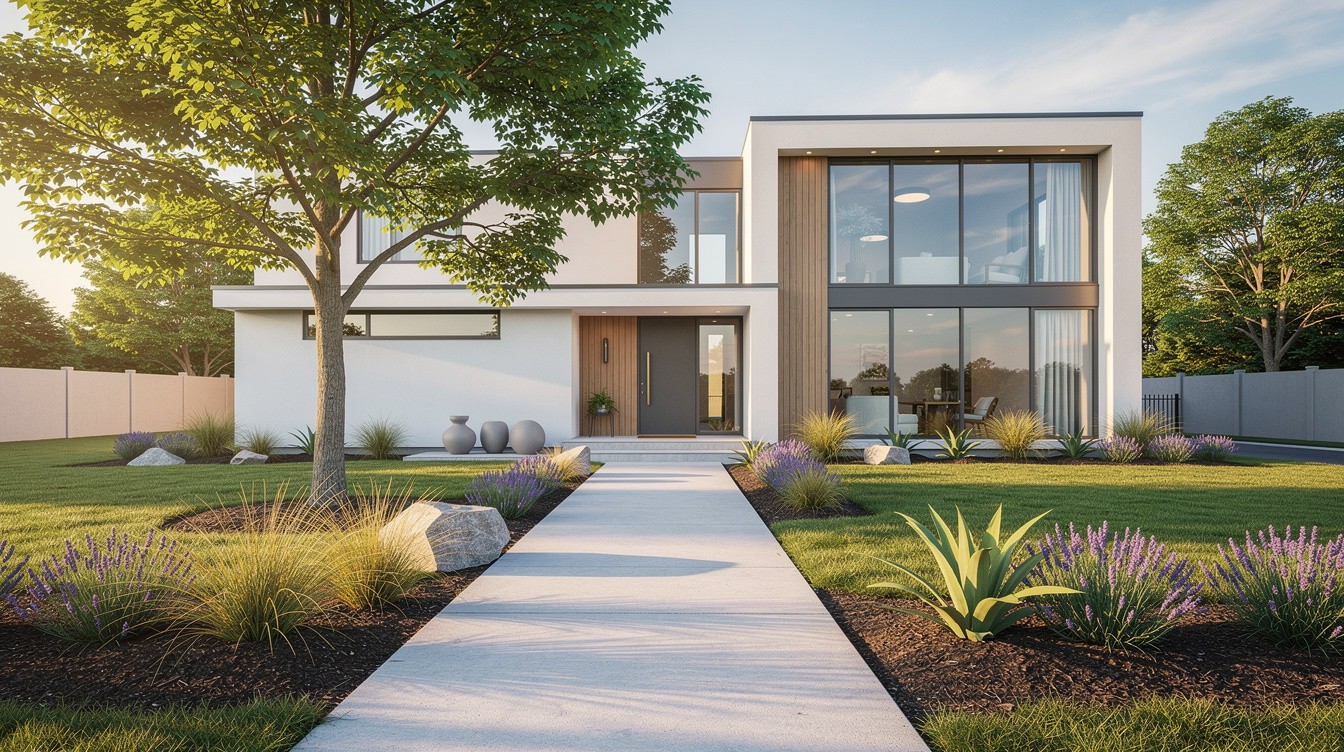
The Glass-and-Cedar Front Walk
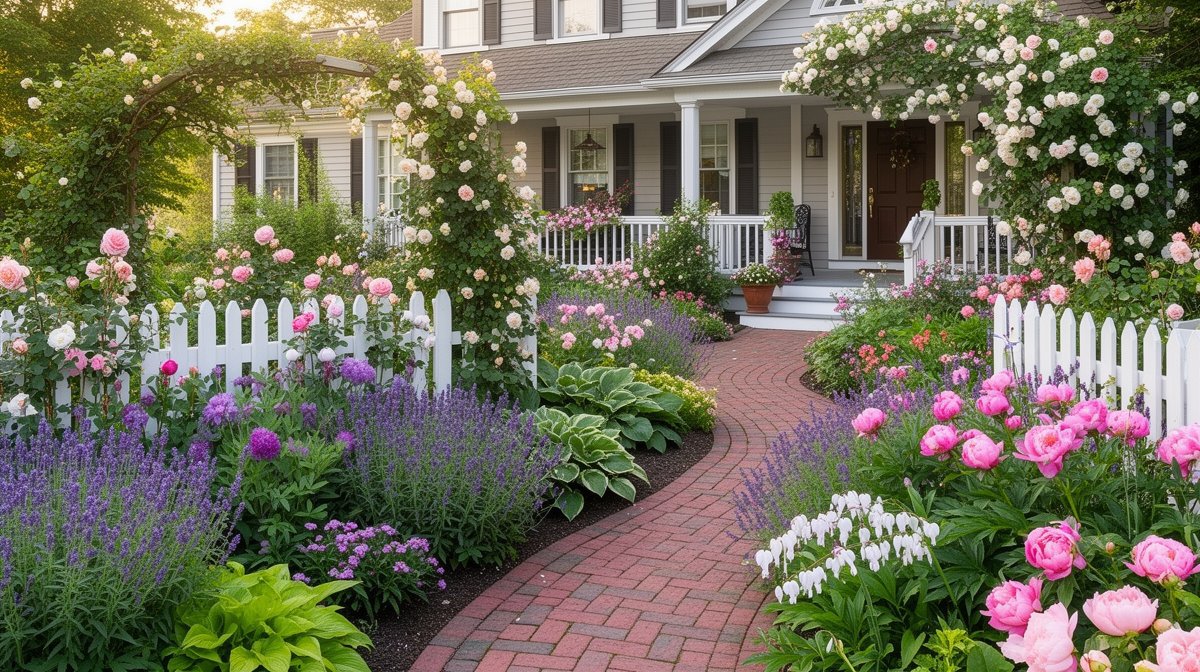
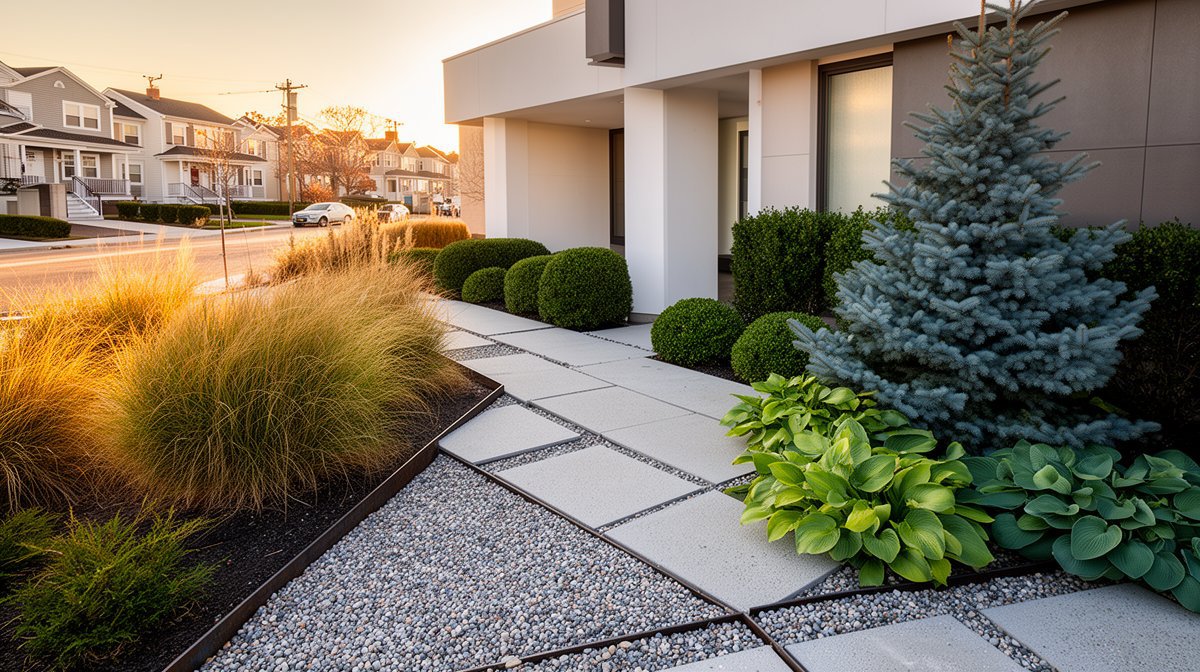
$22–40/sqftA two-story white stucco house with a cedar-slat entry bay and full-height glazing gets a single, wide, broom-finished concrete walk running dead straight from the street to the door — no curves, no meander, just one confident line. The lawn is left as two clean green panels, and all the interest is pushed into low mulch beds where ornamental grasses, lavender and a hardy yucca rosette repeat in a loose rhythm alongside glacial granite boulders pulled straight out of the excavation. Three matte ceramic vessels flank the entry as sculpture. An existing shade tree is kept and limbed up high so its trunk reads as a vertical element above the ground plane, which is the single cheapest way to make a new modern build in Worcester look like it has been there twenty years.
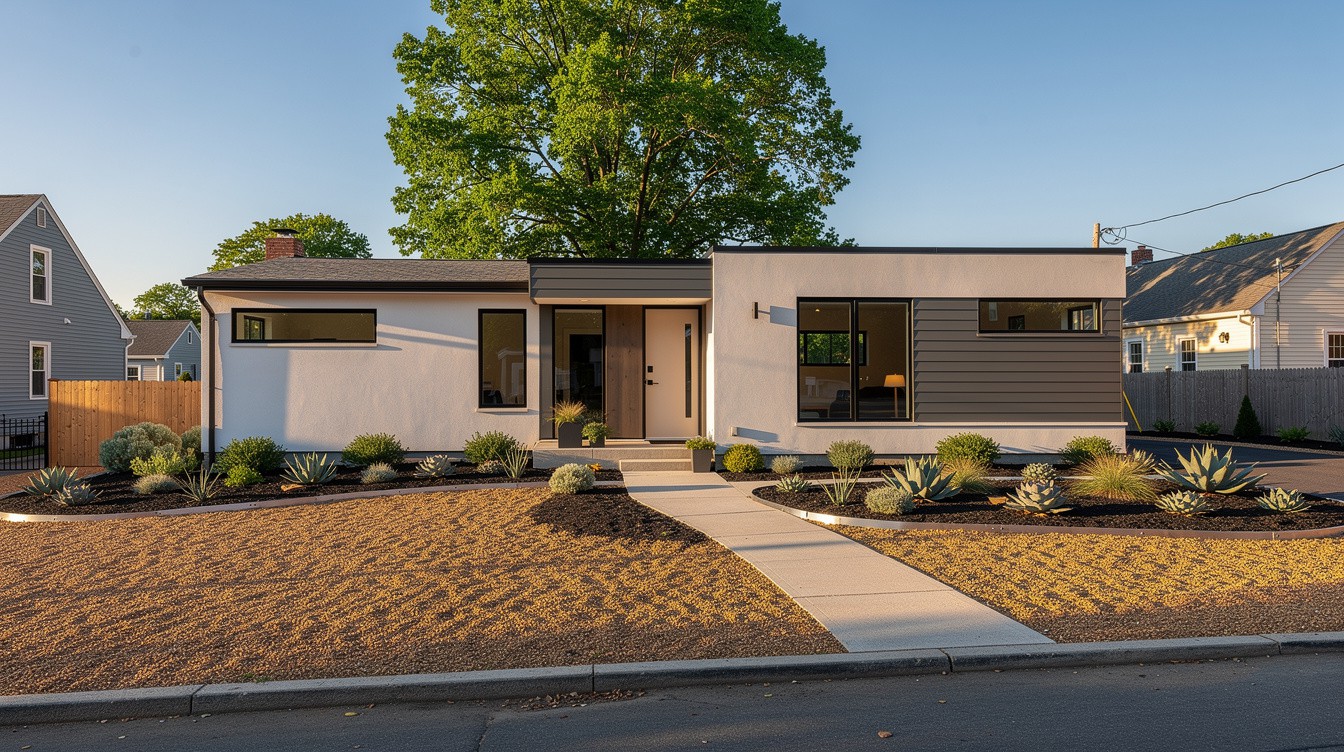
The Gravel Court Ranch
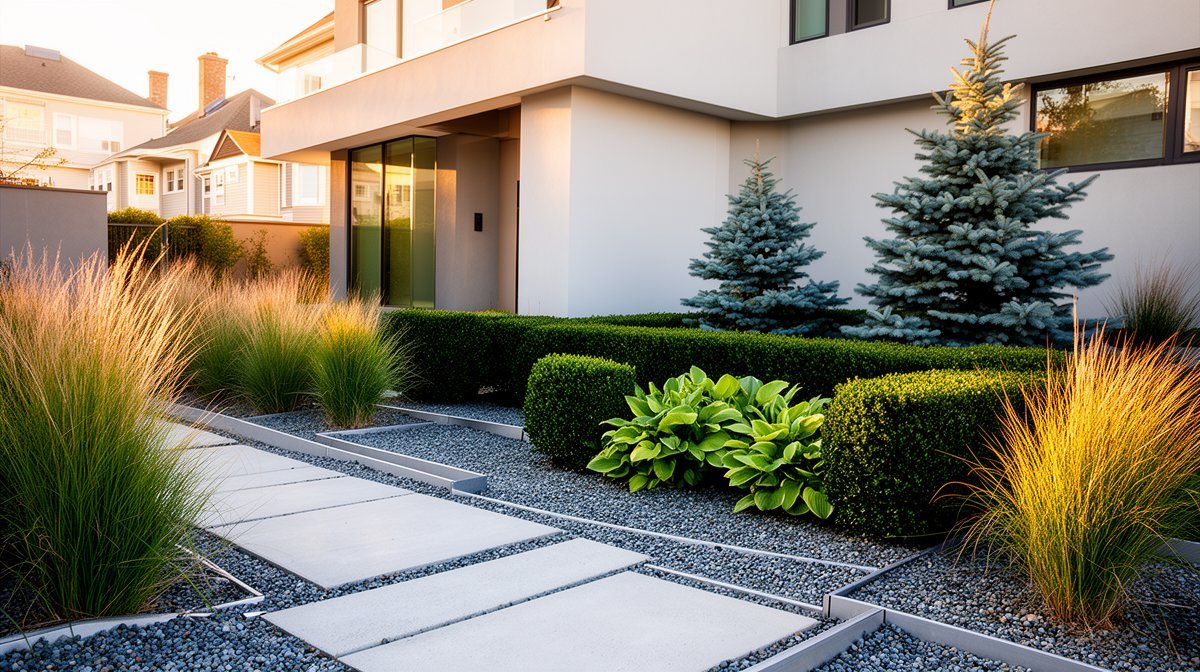
$16–30/sqftThe entire front lawn of a flat-roofed mid-century ranch is gone, replaced by a field of tan crushed stone that sweeps from the sidewalk right up to a straight concrete walk. Foundation beds in dark mulch hold a disciplined mix of silver mounded shrubs, spiky rosettes and low sedums, spaced far enough apart that each plant reads as an object rather than a mass. This is the Worcester version of a desert-modern front yard, and it works because the plant list is Zone 5b honest: sharp-drained crushed stone over geotextile is exactly the root environment hardy yucca and native prickly pear want in a 48-inch precipitation year, and it eliminates mowing on a lot where the mower had nowhere good to turn.
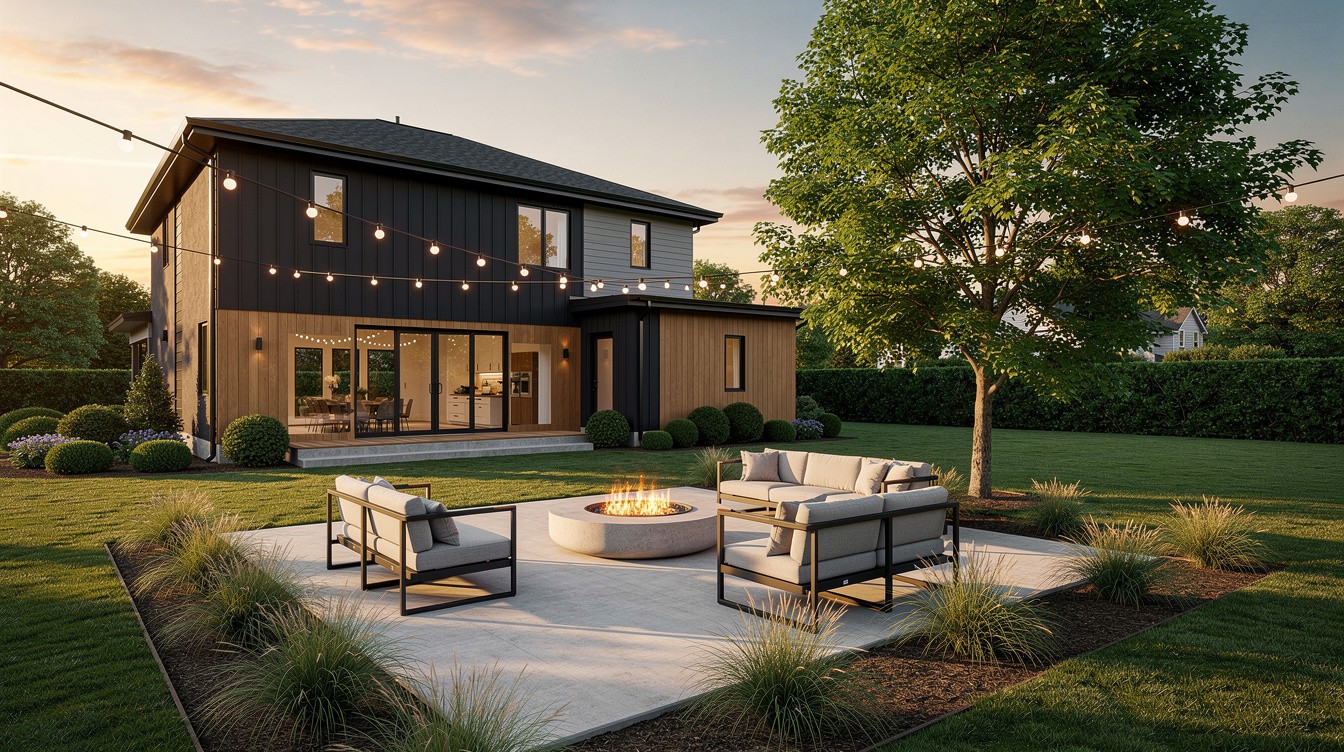
The Floating Concrete Fire Terrace
$30–55/sqftA large square poured-concrete slab sits out in the middle of the back lawn like a raft, with a round concrete gas fire bowl at its center and black-framed sectional seating around it. String lights run from the house roofline out to posts, clipped evergreen spheres march along the foundation, and the terrace's four corners dissolve into mulch beds of ornamental grass so the hard edge never feels abrupt. A tall hedge closes the boundary. The key local move is choosing inkberry over boxwood for the spheres — Worcester's wet snow flattens boxwood and leaves it splayed — and pouring the slab on a full frost-depth base with proper control joints so it survives a decade of freeze-thaw without a diagonal crack across the middle.
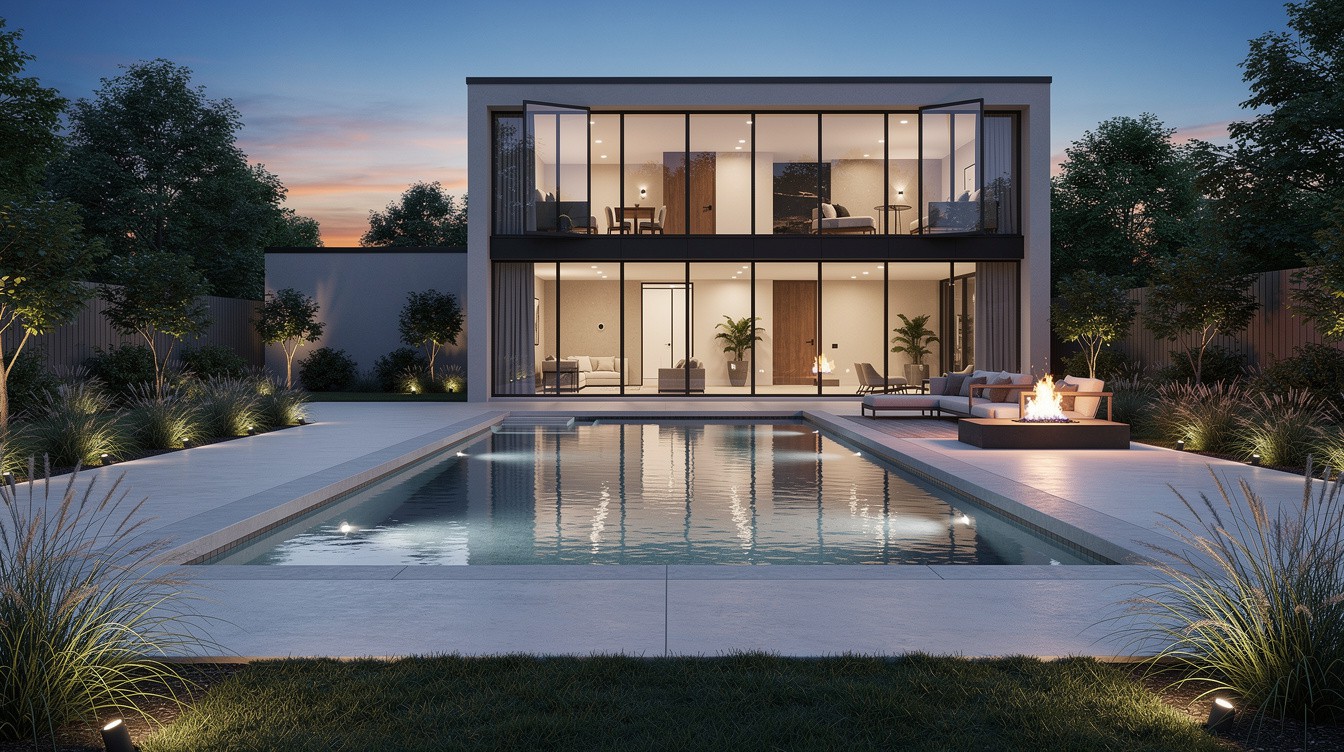
The Pool Court at Dusk
$70–130/sqft (pool area inclusive)A glass-walled modern house opens onto a rectangular pool set flush in a field of large-format pale pavers, with a linear gas fire table and low seating at one end. The landscape works entirely at the perimeter: continuous ribbons of ornamental grass along both side walls, uplit from below so the plumes glow against the fence at night, and slim multi-stem trees breaking up the wall plane. The restraint is the point — one paver, one grass texture, one lighting temperature. In Worcester this level of build is a real commitment, so the details matter: pavers set on open-graded aggregate that drains rather than heaves, an automatic cover to shorten the closing season, and multi-stem trees chosen from non-host genera because of the beetle quarantine.
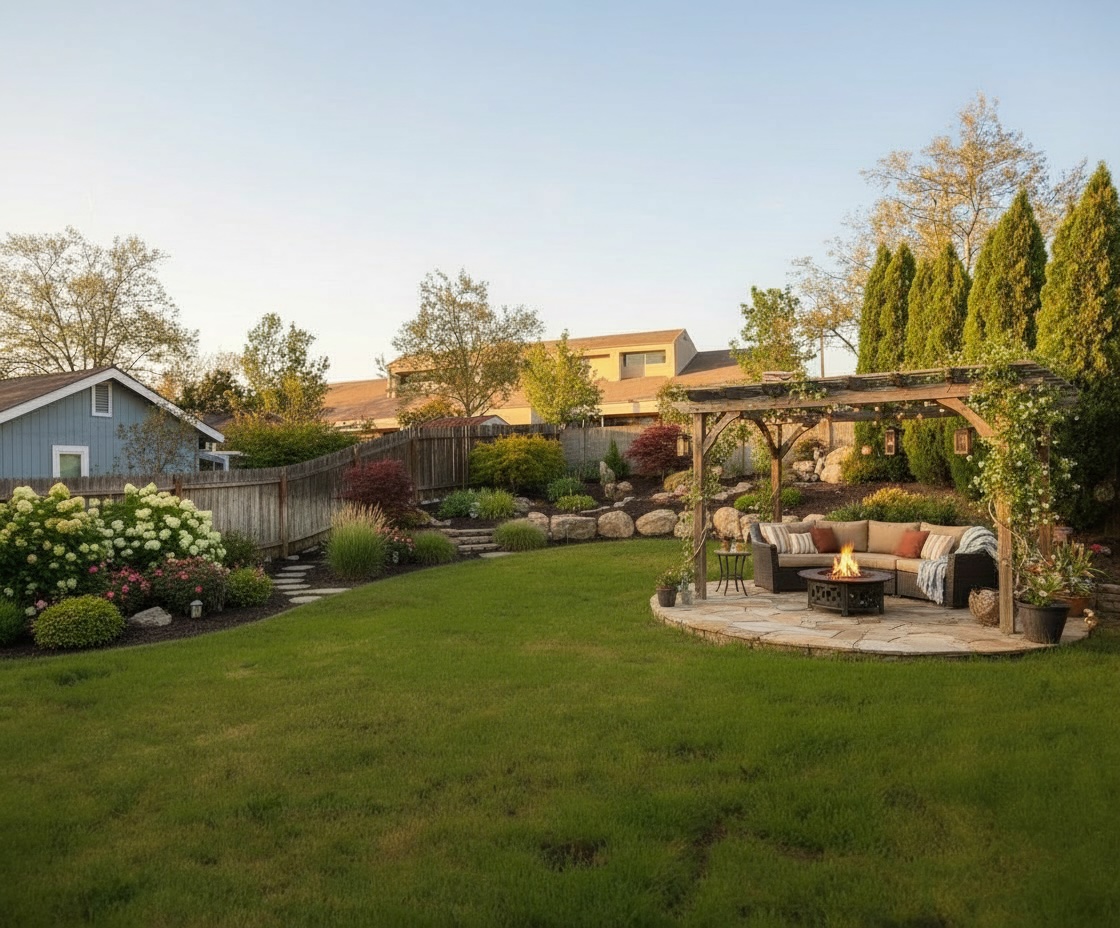
See how a modern/minimalist garden looks on YOUR property
Upload a photo of your Worcester yard and visualize your dream garden in seconds.
Try ProScapeAI Free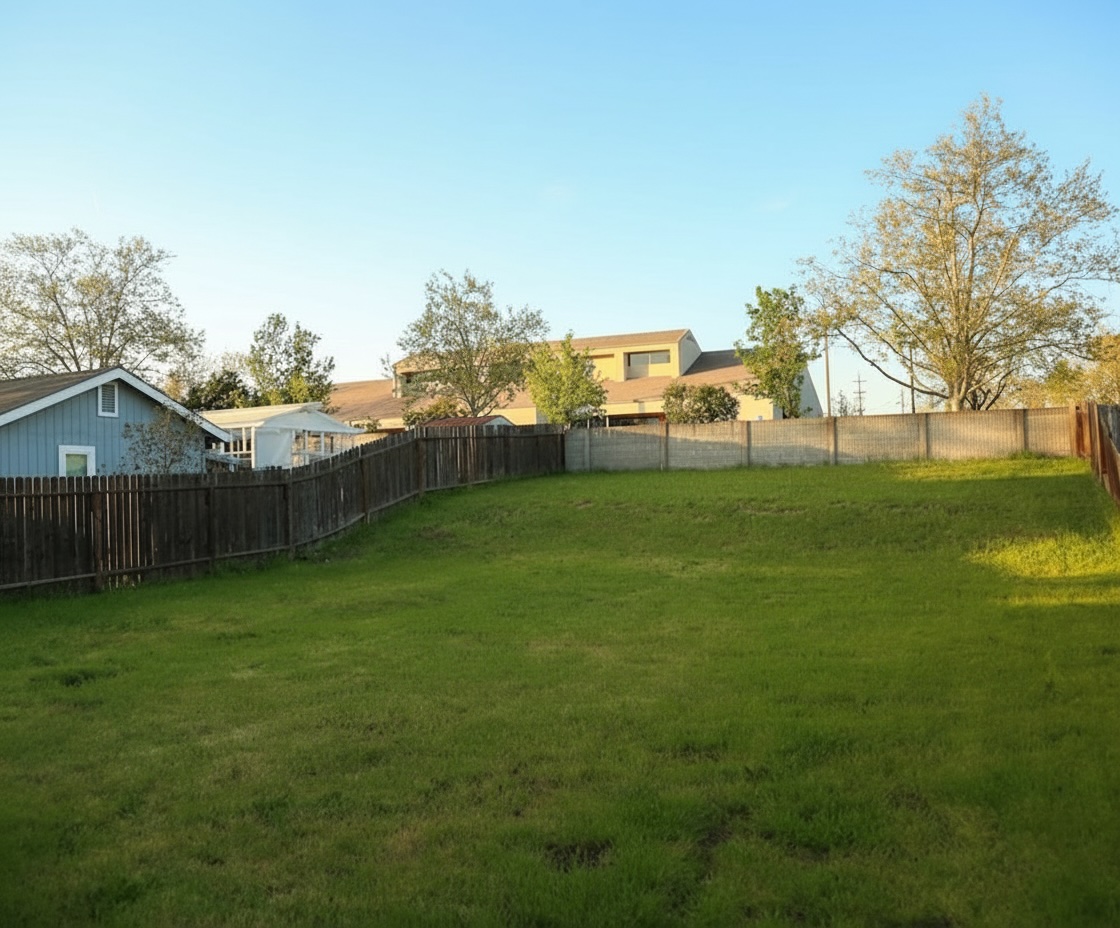
Featured Trees & Shrubs for Modern/Minimalist Gardens
Browse all 181 plants for Worcester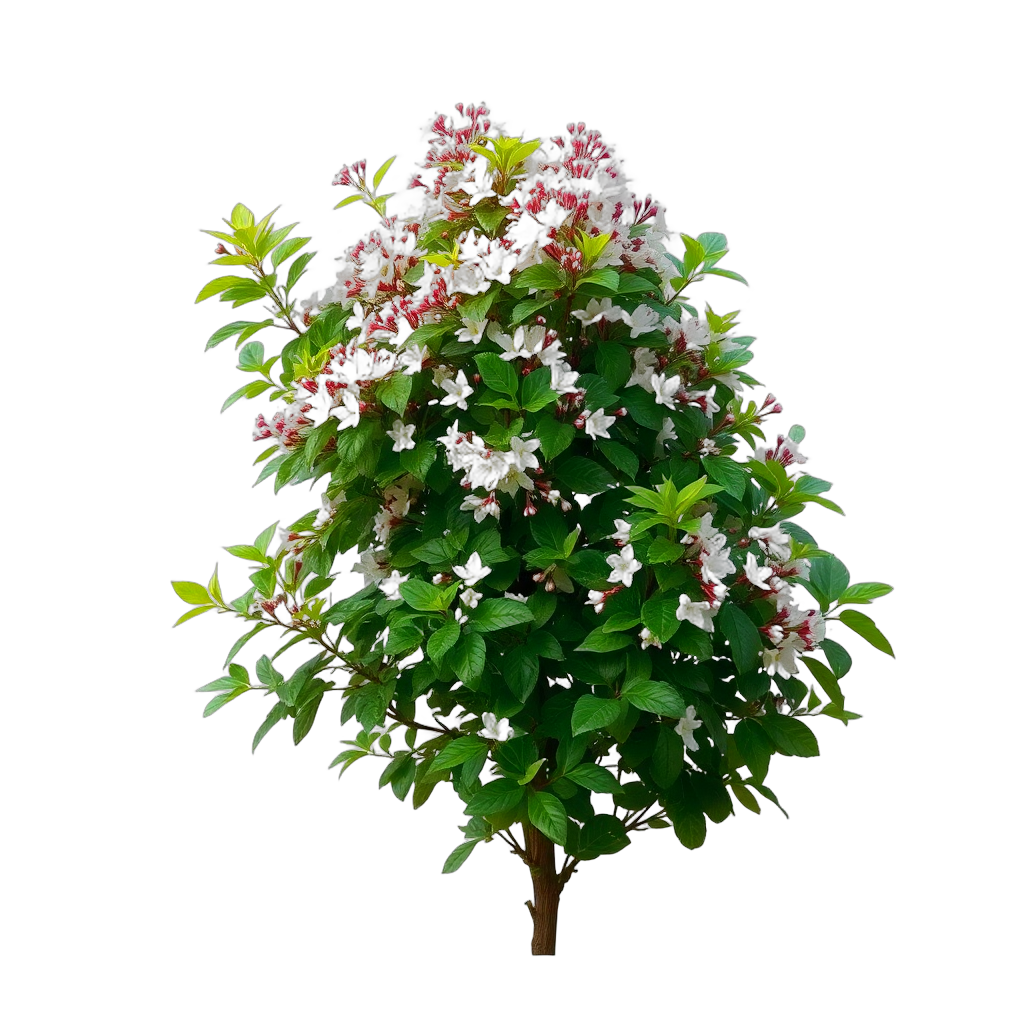
Arrowwood Viburnum
Viburnum dentatum
medium-sized at 10 feet, white blooms in spring. Pollinator-friendly.
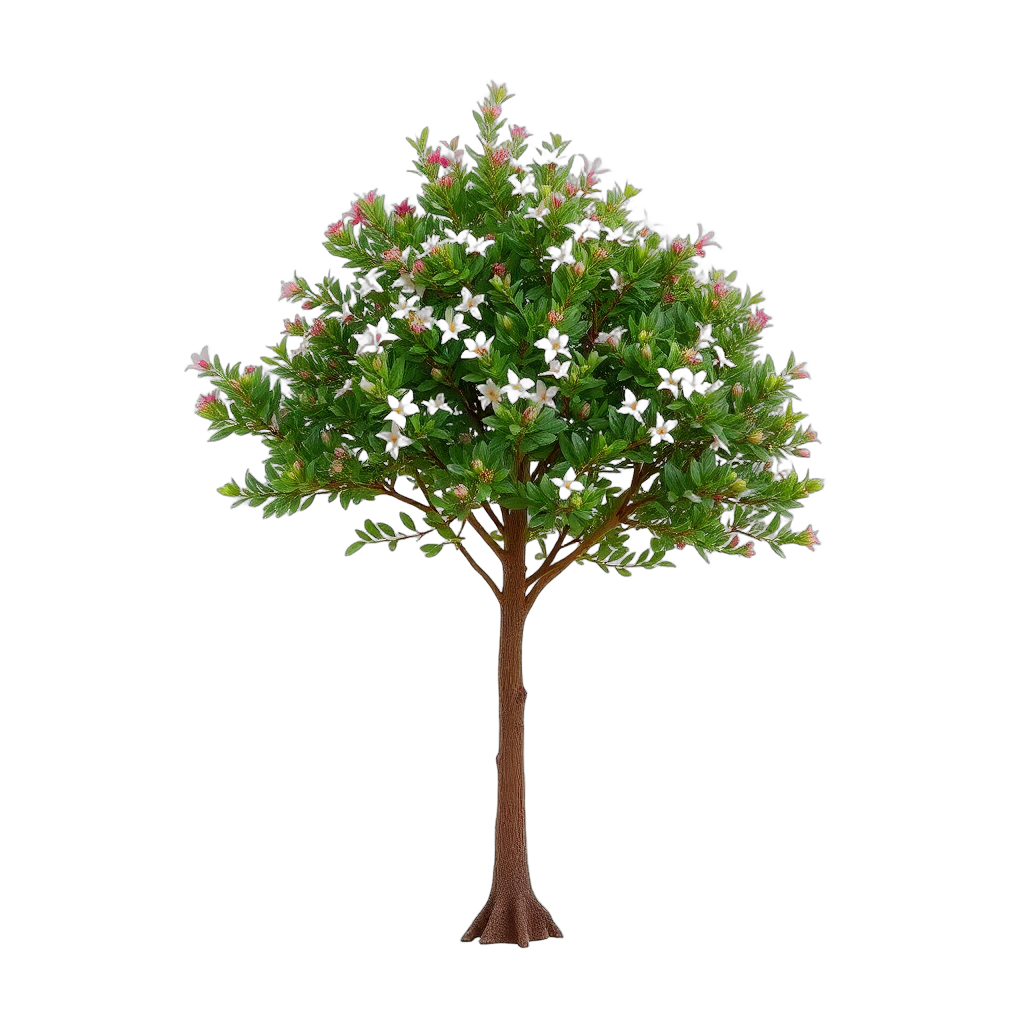
Coastal Leucothoe
Leucothoe axillaris
grows to 3 feet, white blooms in spring. Evergreen year-round.
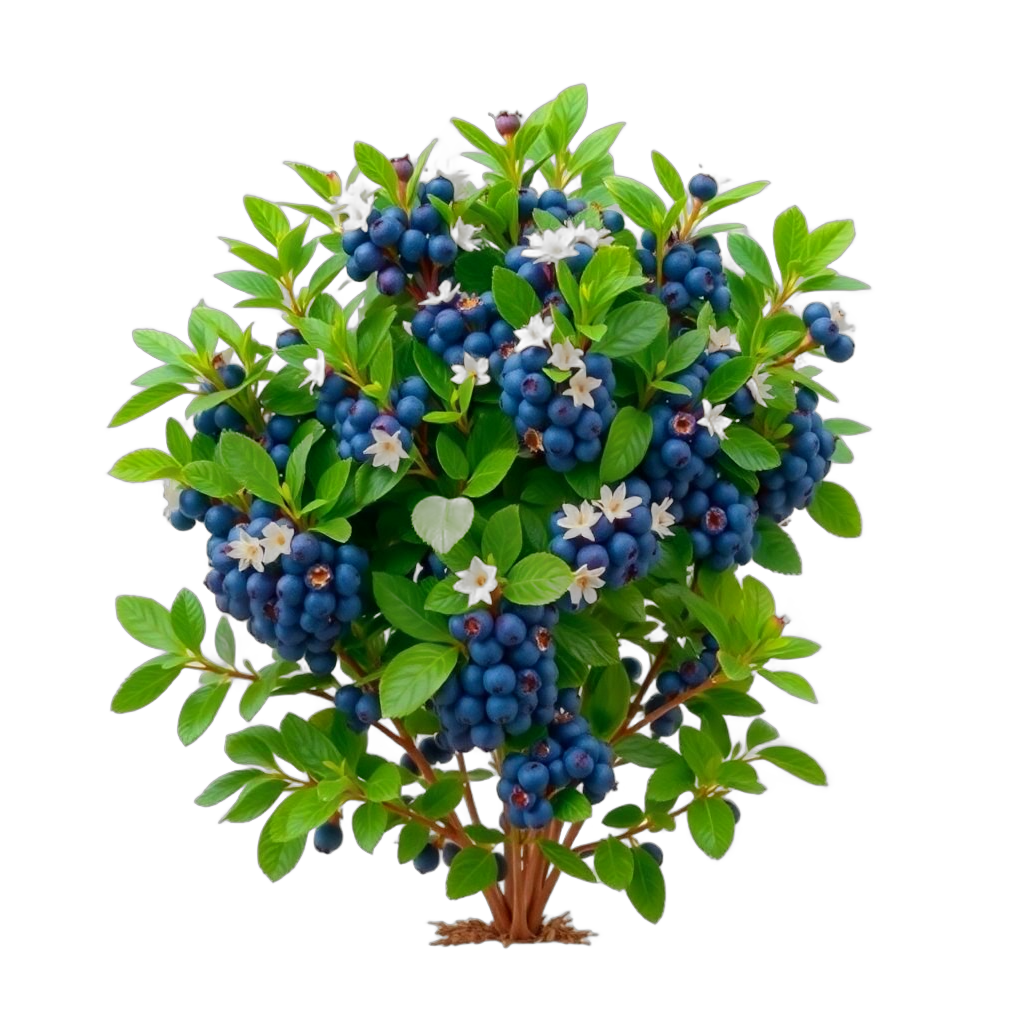
Highbush Blueberry
Vaccinium corymbosum
medium-sized at 7 feet, white blooms in spring. Attracts butterflies.

Inkberry
Ilex glabra
medium-sized at 8 feet, white blooms in spring. Pollinator-friendly.
Featured Grasses & Groundcovers for Modern/Minimalist Gardens
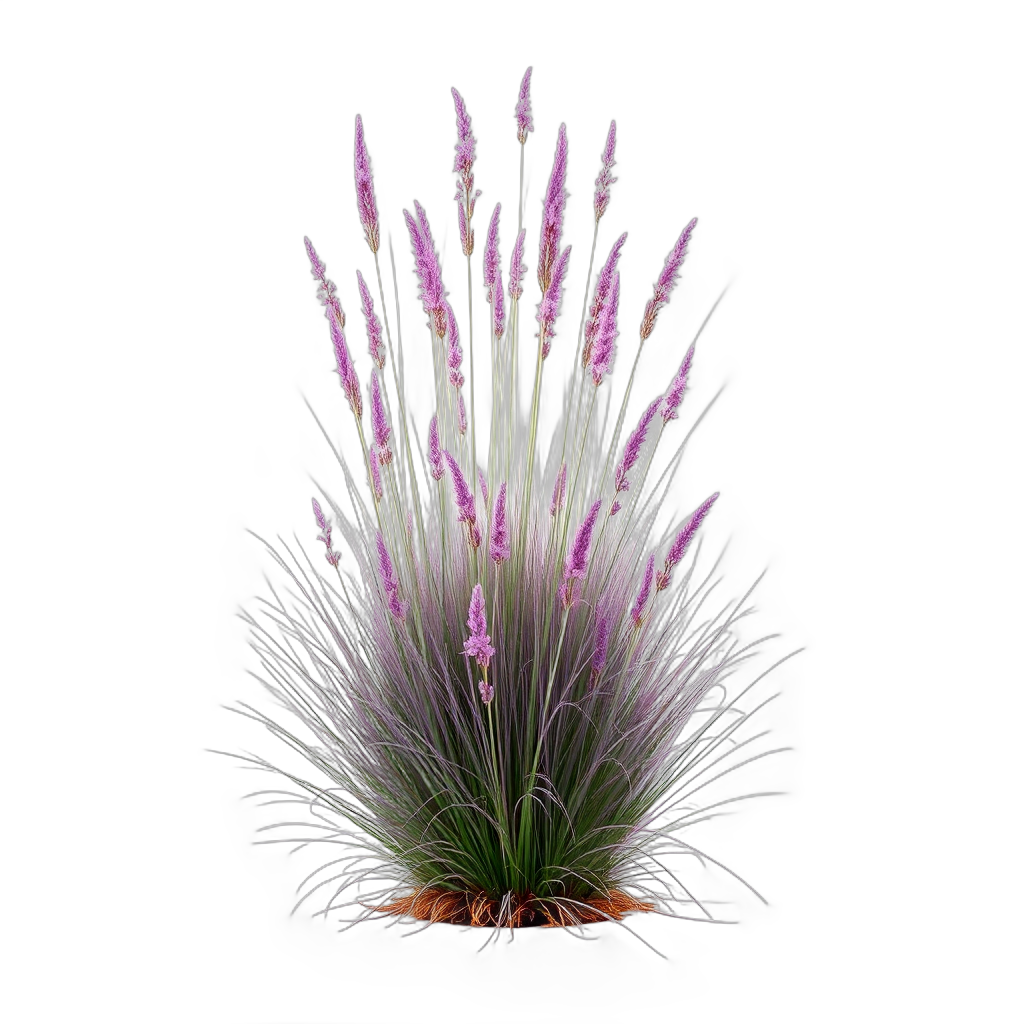
Purple Love Grass
Eragrostis spectabilis
low-growing ground cover, purple blooms in fall. Orange fall color.
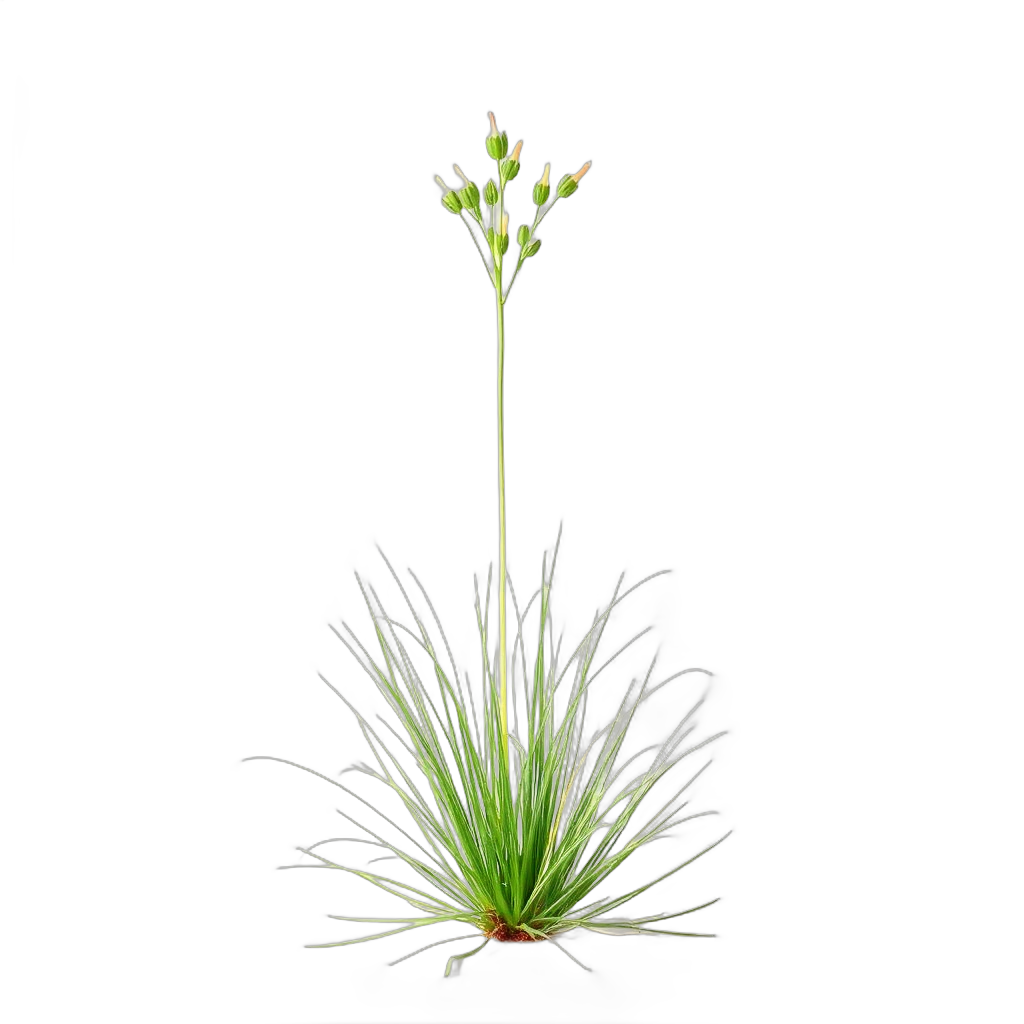
Alkali Sacaton
Sporobolus airoides
grows to 3 feet, blooms in summer. Yellow fall color.

Arrow Bamboo
Pleioblastus chino
medium-sized at 10 feet, blooms in none. Evergreen year-round.
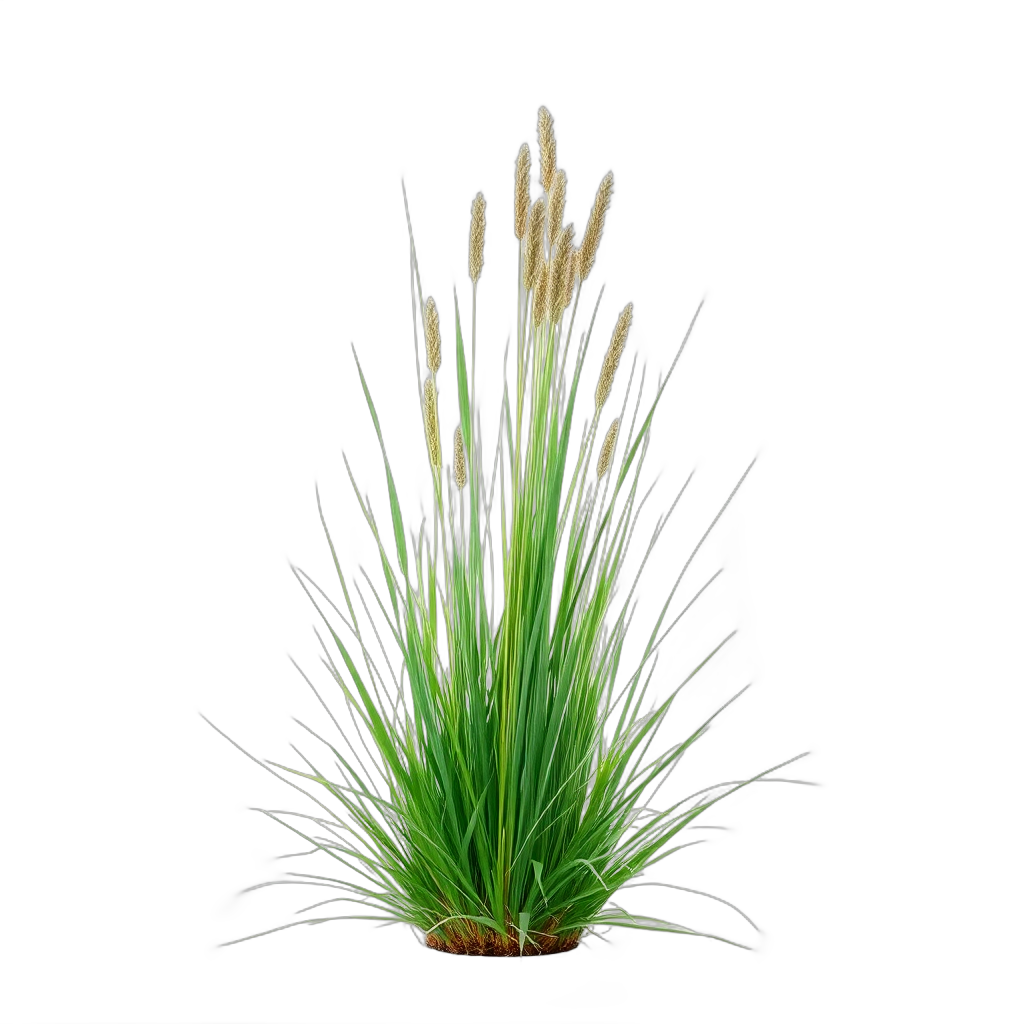
Big Bluestem
Andropogon gerardii
medium-sized at 7 feet, purple blooms in fall. Bronze,burgundy fall color.
Featured Flowers & Perennials for Modern/Minimalist Gardens
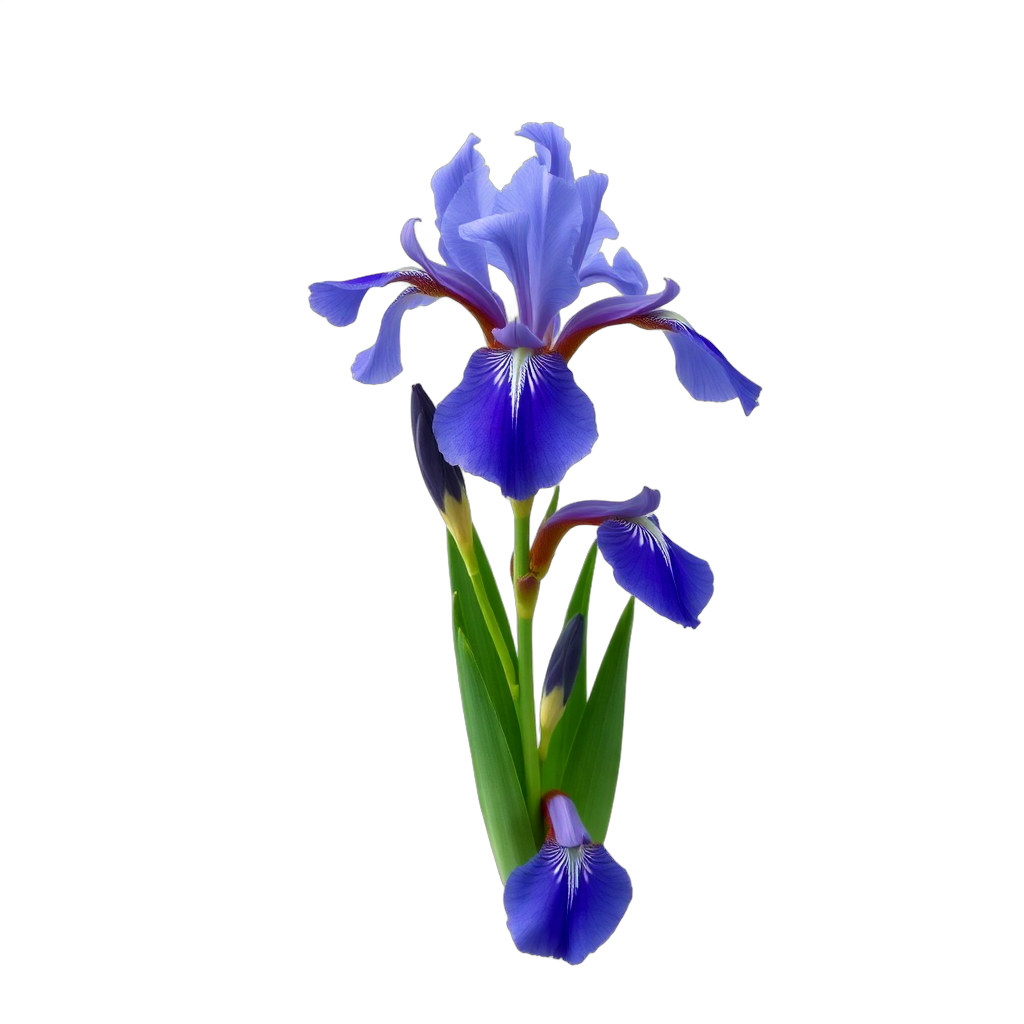
Blue Flag Iris
Iris versicolor
low-growing ground cover, purple blooms in spring. Attracts butterflies.

New York Ironweed
Vernonia noveboracensis
grows to 6 feet, purple blooms in fall. Attracts butterflies.
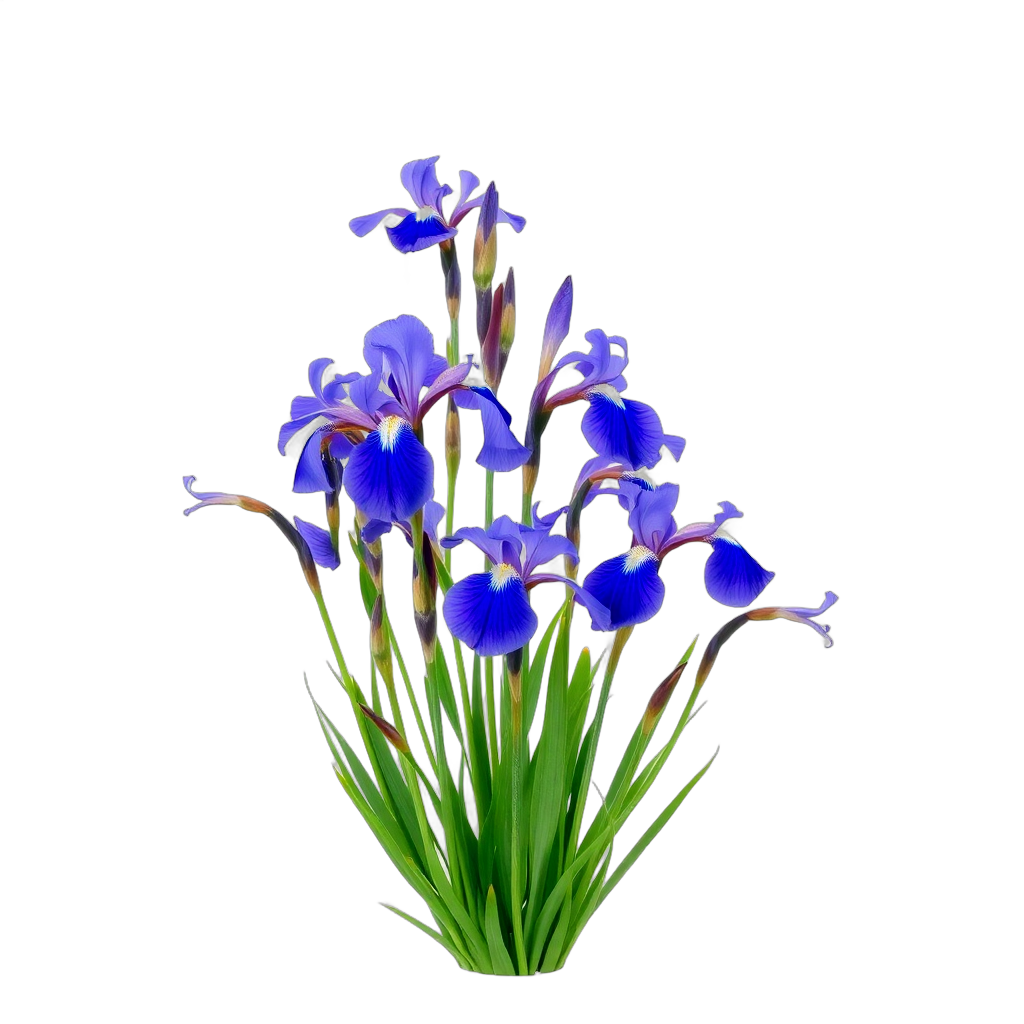
Southern Blue Flag
Iris virginica
low-growing ground cover, blue blooms in spring. Attracts butterflies.

Eastern Prickly Pear
Opuntia humifusa
low-growing ground cover, yellow blooms in summer. Attracts butterflies.
Bloom Calendar for Worcester
spring
Blue Flag Iris, Southern Blue Flag, Arrowwood Viburnumsummer
Ruby Spice Summersweet, Summersweet, Eastern Prickly Pearfall
New York Ironweed, Purple Love Grasswinter
Limited bloomsDesign Tips for Worcester (Zone 5b)
- Make Calamagrostis 'Karl Foerster' your repeating module — it is the one grass that stands perfectly upright through a Worcester winter, and a rhythm of it every six to eight feet gives a minimal garden the structure that agave provides in Phoenix and that nothing else provides at -15°F
- Reuse the ledge and glacial boulders your excavator pulls out — Worcester till hands you free sited stone that would cost $400–900 apiece delivered, and two or three well-placed granite erratics do more for a modern front yard than another ten shrubs
- Specify 10–12 inches of compacted process gravel and control joints every 8–10 feet under every slab, then keep salt off it for the first winter; skipping either is why so many local concrete patios show diagonal cracks and surface scaling by year three
- Use Ilex glabra 'Gem Box' or 'Strongbox' where a renderer drew boxwood spheres — inkberry holds its shape under wet Worcester snow, tolerates the acidic Paxton soil at pH 5.2 without amendment, and does not brown out on a February wind
- Give the plow a plan before you design: a defined snow-storage bay, a granite cobble strip between gravel and street, and salt-tolerant Panicum virgatum or Sporobolus heterolepis in the first eight feet of any bed on a hilly street like Burncoat or Vernon Hill
- Light the grasses and the tree trunks, not the lawn — with dusk arriving before 4:30pm from November through January, low-voltage uplighting behind Miscanthus 'Morning Light' and up an Amelanchier trunk is the highest-return $4,000 in a Worcester modern landscape
Where to Source Plants in Worcester
Skip the big-box stores. These independent Worcester nurseries specialize in the plants that make modern/minimalist gardens thrive in Zone 5b.
Echobrook Nursery
Grafton Street
Full-service nursery with distinctive plants, landscape design, and installation services.
Pleasant View Nursery
Paxton (Worcester County)
Family-owned 30+ years; specializes in native plants, trees, and perennials.
Gillis Landscape & Garden Center
Berlin (Worcester County)
Since 1977; offers annuals, perennials, vegetables, and complete landscape services.
Modern/Minimalist Landscaping Costs in Worcester
| Project Scope | Estimated Cost |
|---|---|
| Front yard modern conversion (turf removal + crushed-stone court + grasses + boulders, ~500 sqft) | $9,000 – $22,000 |
| Poured concrete walk or terrace on 12in frost-depth base (200–400 sqft) | $8,000 – $20,000 |
| Backyard concrete fire terrace with gas fire bowl and seating | $25,000 – $55,000 |
| Engineered retaining wall on a hillside lot (4–6ft, with drainage) | $85 – $160 per face sqft |
| Low-voltage LED uplighting for grasses and trees (10–14 fixtures) | $3,500 – $7,500 |
| AI visualization with ProScapeAI | Free to start |
Estimates based on Worcester, MA-area contractor rates as of 2026. Actual costs vary by site conditions, materials, and contractor.
Worcester Climate & Growing Zone
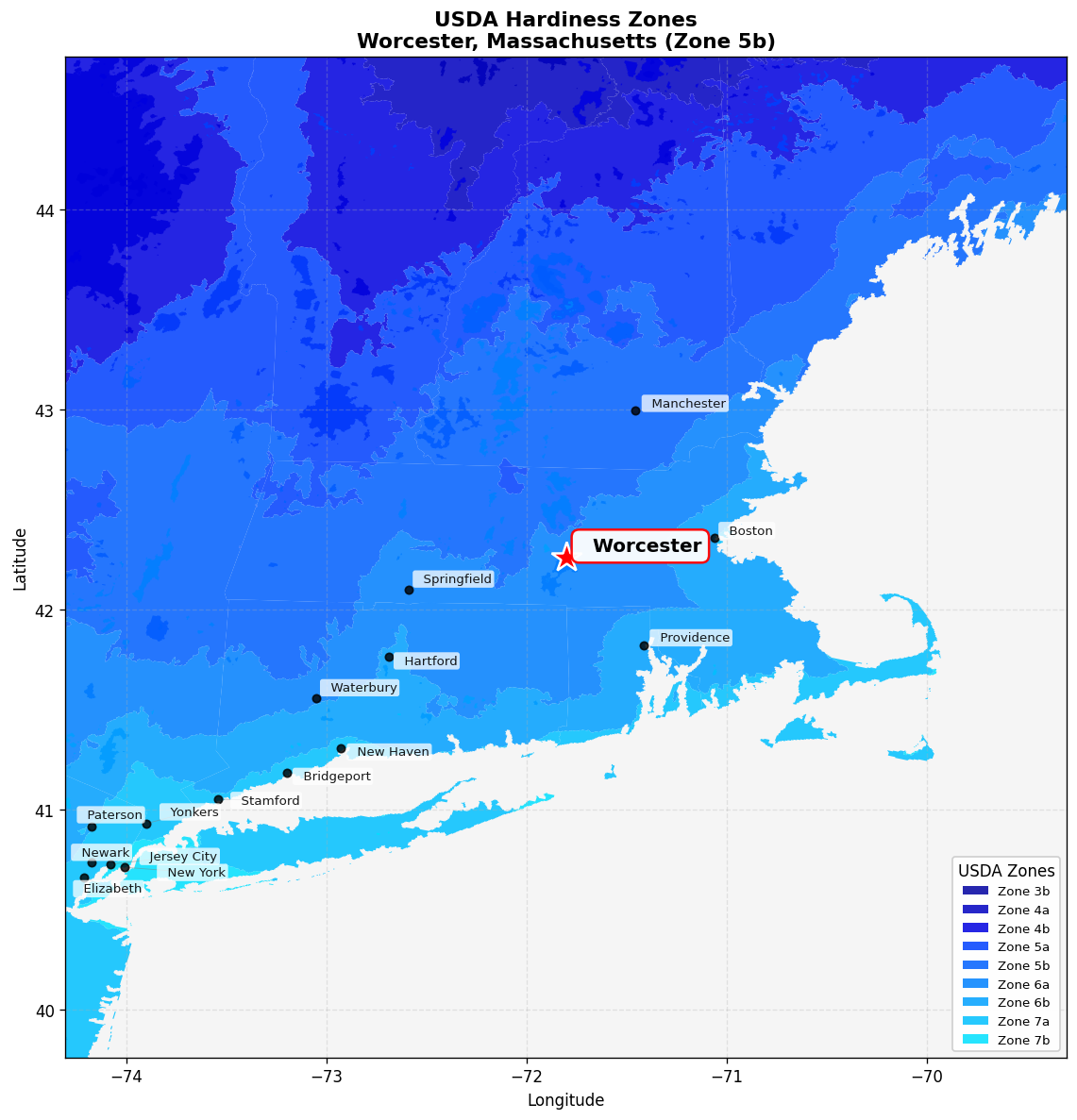
USDA Zone 5b
Hardiness zone for Worcester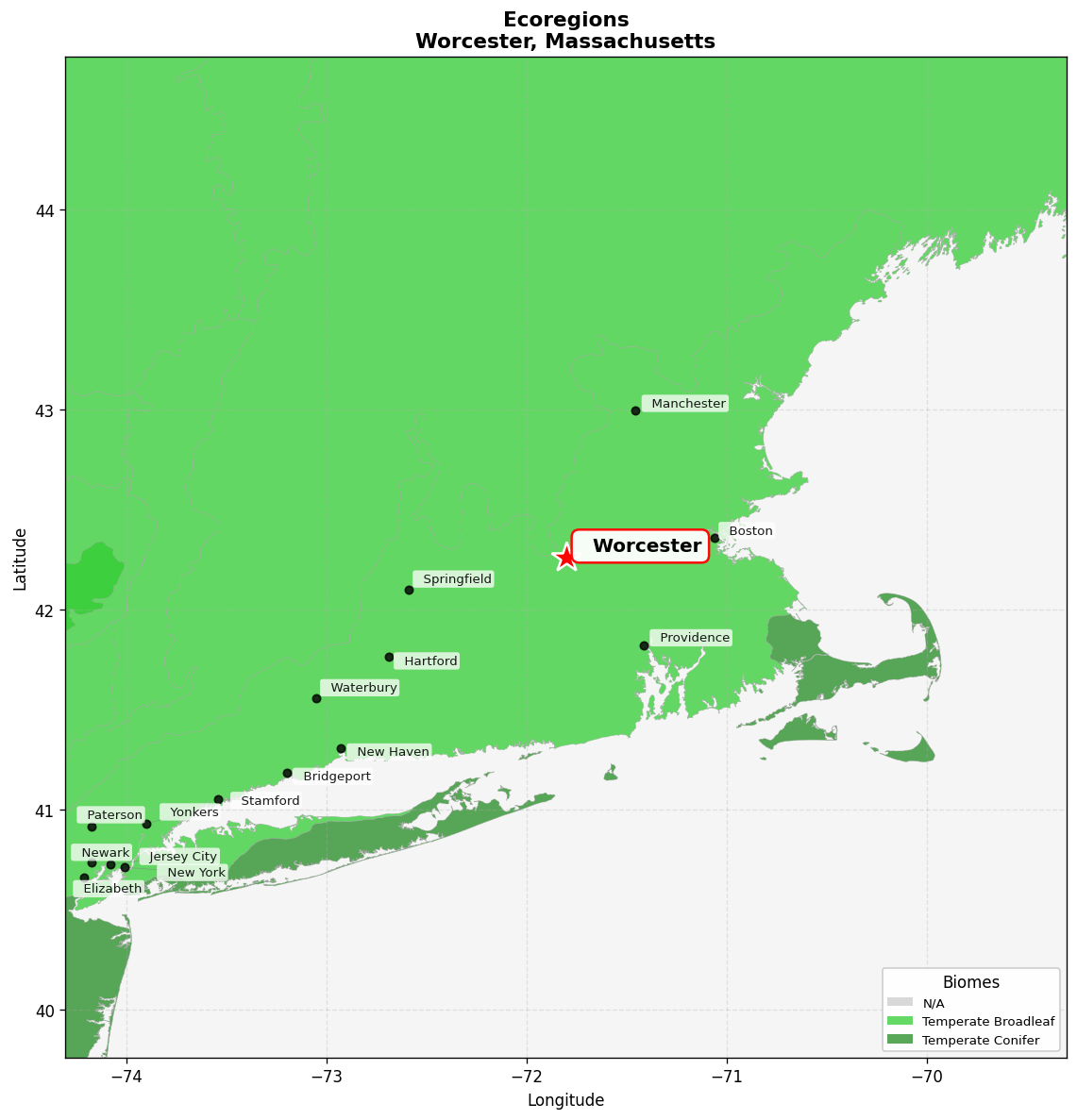
Northeast US Coastal forests
Native ecoregionFrequently Asked Questions
How much does modern landscaping cost in Worcester?
Massachusetts is a high-labor market — expect installed prices 20–30% above national averages — and Worcester's rocky glacial till and shallow ledge add excavation hours that flatter cities never pay for. A front-yard modern conversion of about 500 square feet (turf removal, crushed-stone court, steel edging, boulders and architectural plants) generally runs $9,000–22,000. A poured concrete walk or terrace on a proper frost-depth base is $8,000–20,000 for 200–400 square feet. A backyard fire terrace with a gas fire bowl and seating lands at $25,000–55,000. A full pool court with paver deck and perimeter planting is $110,000–250,000. Hitting ledge is the most common budget surprise; ask your contractor to price hammering or blasting as a contingency line.
Can I do a gravel, desert-modern front yard in a city that gets 60 inches of snow?
Yes, and it is actually one of the better answers to a Worcester winter — gravel does not care about salt, sand or plow damage the way turf and boxwood do. Two rules make it work. First, set the gravel field back from the curb behind a granite cobble or concrete mow strip so the plow does not fling stone into the street, and give the plow a defined snow-storage zone rather than letting it pile on planting berms. Second, be honest about the plants: Agave americana, Agave ovatifolia, Nandina and Italian cypress will not survive -15°F. Use Yucca filamentosa 'Color Guard', Yucca flaccida 'Golden Sword', Opuntia humifusa, Sempervivum and Sedum 'Angelina' for the same sculptural language, all planted in raised, sharply drained berms.
Will poured concrete crack in Worcester's freeze-thaw winters?
It will if it is poured the way it is poured in Georgia. Massachusetts frost depth is 48 inches, and Worcester runs dozens of freeze-thaw cycles a year. Specify air-entrained concrete at 4,000 psi minimum, a full 10–12 inches of compacted process gravel over the till, fiber or wire reinforcement, and tooled or sawn control joints every 8–10 feet so the slab cracks where you decided rather than diagonally through the middle. Any vertical element — pergola post, light post, wall footing — needs a footing bearing below 48 inches. Then keep de-icing chemicals off the surface entirely through the first winter; calcium chloride and rock salt on green concrete cause the scaling you see on so many Worcester driveways.
Which ornamental grasses are reliable in Zone 5b, and which ones are not?
The dependable core is Calamagrostis x acutiflora 'Karl Foerster' (upright, earliest, the backbone of most modern plantings), Panicum virgatum 'Northwind', 'Shenandoah' and 'Heavy Metal', Schizachyrium scoparium 'Standing Ovation' and 'The Blues', Sporobolus heterolepis, Deschampsia cespitosa 'Goldtau', Pennisetum alopecuroides 'Hameln' and Miscanthus sinensis 'Morning Light'. Skip pink muhly grass (Muhlenbergia capillaris) — it is not reliably hardy north of Zone 6 and disappoints most Worcester buyers. Nassella tenuissima and purple fountain grass (Pennisetum 'Rubrum') are annuals here. Cut everything back in late March, not fall: standing grass through the winter is half the reason a modern garden looks designed in February.
What trees can I plant given the Asian longhorned beetle quarantine?
Worcester is the center of the U.S. Asian longhorned beetle regulated area, and it changes the tree list. Regulated host genera include Acer, Betula, Ulmus, Salix, Aesculus, Sorbus, Platanus, Populus, Fraxinus, Celtis, Cercidiphyllum and Koelreuteria — which rules out the river birch and Japanese maple that show up in most modern renderings. Excellent non-host alternatives with the same architecture: Amelanchier x grandiflora 'Autumn Brilliance' multi-stem, Cornus kousa 'Milky Way', Syringa reticulata 'Ivory Silk', Carpinus caroliniana, Gleditsia triacanthos 'Skyline', columnar oaks, and conifers such as Picea omorika. Also plan for chipping woody debris on site — it cannot legally leave the regulated area — and report suspect round exit holes to the USDA program.
Do I need permits, and what about hillside lots and wetlands?
Patios, walks, gravel conversions and planting need no building permit in Worcester. Retaining walls over four feet do, as do pools, and structures with footings often trigger review. On the seven hills, any wall over four feet also generally requires an engineered design and drainage behind it — the perched water table over the Paxton hardpan puts real hydrostatic pressure on a wall that was not weep-drained. The commonly missed requirement is the Massachusetts Wetlands Protection Act: work within 100 feet of a wetland or 200 feet of a perennial stream needs Worcester Conservation Commission filing, which catches lots near Coes Pond, Indian Lake, Bell Pond and Beaver Brook. Curb cuts and any work in the sidewalk right-of-way need a Worcester DPW permit.