4 Desert Garden Ideas for Centennial, CO | Hardy Xeric Designs for Zone 6a
Native plants from the Western shortgrass prairie (Zone 6a) — Cold semi-arid climate
For a desert garden in Centennial, CO, a zone 6a city with a cold semi-arid climate, start with Yucca glauca, Yucca filamentosa 'Color Guard' and Opuntia polyacantha, the plants this guide's first design is built on.
Why Desert/Xeriscape Gardens in Centennial?
Centennial's native ground is the western shortgrass prairie, and a desert-style garden is closer to the original landscape than a bluegrass lawn ever was. Precipitation here is only about 15 inches a year, the elevation is near 5,900 feet, and the sun is strong enough to bleach a painted fence. A desert garden in Centennial means high-plains xeric plants rather than Arizona ones: blue grama, yucca, rabbitbrush, Apache plume and the hardy cacti that grow wild a few miles east. The look suits the stucco and brick ranches of Cherry Knolls and Arapahoe Hills, and the open 1990s lots of Piney Creek where a lawn is hard to keep alive on a south slope.
The cold is what rules out the classic desert catalog. Zone 6a winters reach -10 to -5°F, so saguaro, golden barrel cactus, Agave americana and most aloes die in the first January. Dasylirion and Nolina are marginal at best. Use the plants that grow in this cold: Opuntia polyacantha, Cylindropuntia imbricata (tree cholla), Yucca glauca, Yucca filamentosa 'Color Guard' and Agave parryi var. neomexicana give the desert silhouette, and Agave parryi 'Huachucensis' is worth trying in a protected spot against a south-facing wall. Hesperaloe parviflora 'Brakelights' is a Plant Select pick that survives here with good drainage, and Delosperma 'Fire Spinner' and Delosperma 'John Proffitt' carry the color.
Soil is clay with a pH near 7.5–8.2, and in winter wet clay kills xeric plants faster than cold does. Every desert plant on the list wants sharp drainage: mound beds 8–12 inches above grade, mix in coarse sand and crushed rock, and mulch with 3 inches of gravel rather than wood. Native shortgrass and rock-garden plants need no fertilizer or compost, and too much of either makes them soft and short-lived. Set pergola and wall footings below the 30-inch frost line commonly used in Arapahoe County, and lay 6 inches of compacted base under paths so the clay cannot heave them.
Several water providers serve Centennial, so check which one bills you and what it asks of landscapes, since district irrigation rules differ. Many HOAs require architectural approval for a front-yard change, and Colorado law limits how far they can restrict drought-tolerant plantings, but you still have to submit the plan. Call Colorado 811 before digging, and ask the City of Centennial whether a retaining wall or electrical work needs a permit.
4 Desert/Xeriscape Design Ideas for Centennial
AI-generated image
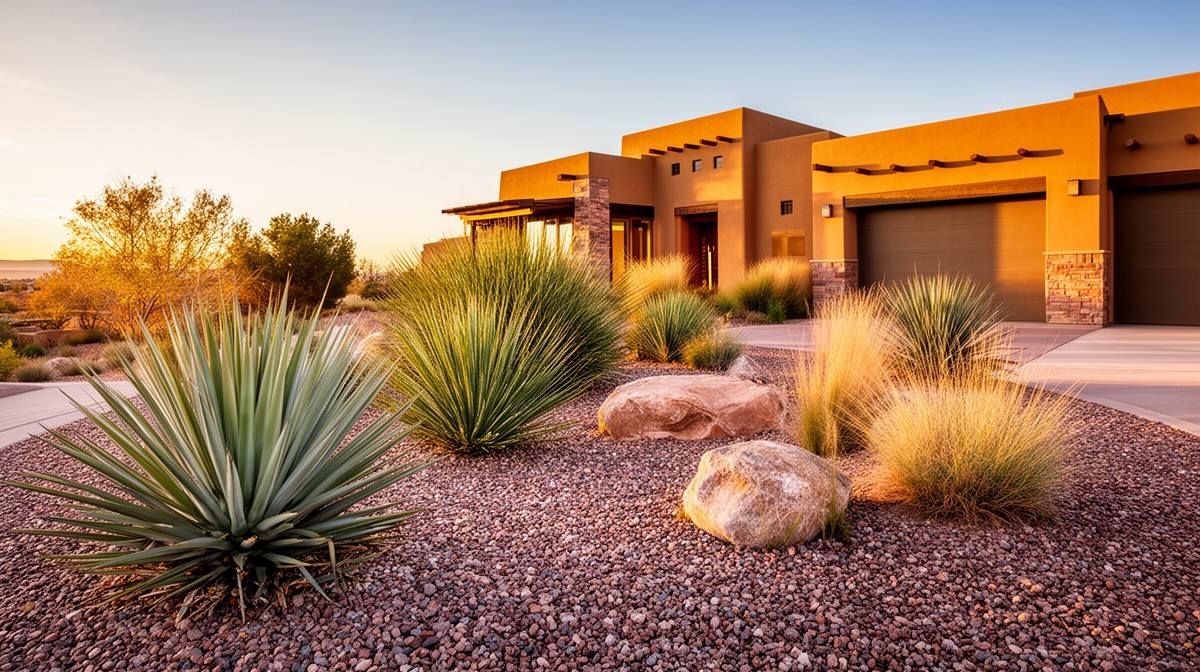
The Cherry Knolls Rock and Yucca Front
$10–22/sqftA low brick ranch gets a front yard of mounded gravel beds, set with three large Colorado granite boulders and a sweep of tan decomposed granite. Silver-blue Yucca glauca and chartreuse Yucca filamentosa 'Color Guard' stand at the corners, prickly pear grows low between rocks, and Blue grama grass waves along the driveway edge. The afternoon sun lights the boulders and the yucca spikes make a bold line against the brick.
Try this on your yard: The Cherry Knolls Rock and Yucca FrontAI-generated image
The Piney Creek Dry Creek Bed
$12–26/sqftA meandering dry creek of river cobble runs through the front slope of a two-story house, sloping away from the foundation to carry hail and snowmelt. Rabbitbrush and Apache plume sit on the high banks, Penstemon strictus and Agastache rupestris colonize the cobble edges, and a single Pinus edulis (piñon pine) anchors the corner. Flat stepping stones cross the bed to the front door.
Try this on your yard: The Piney Creek Dry Creek BedAI-generated image
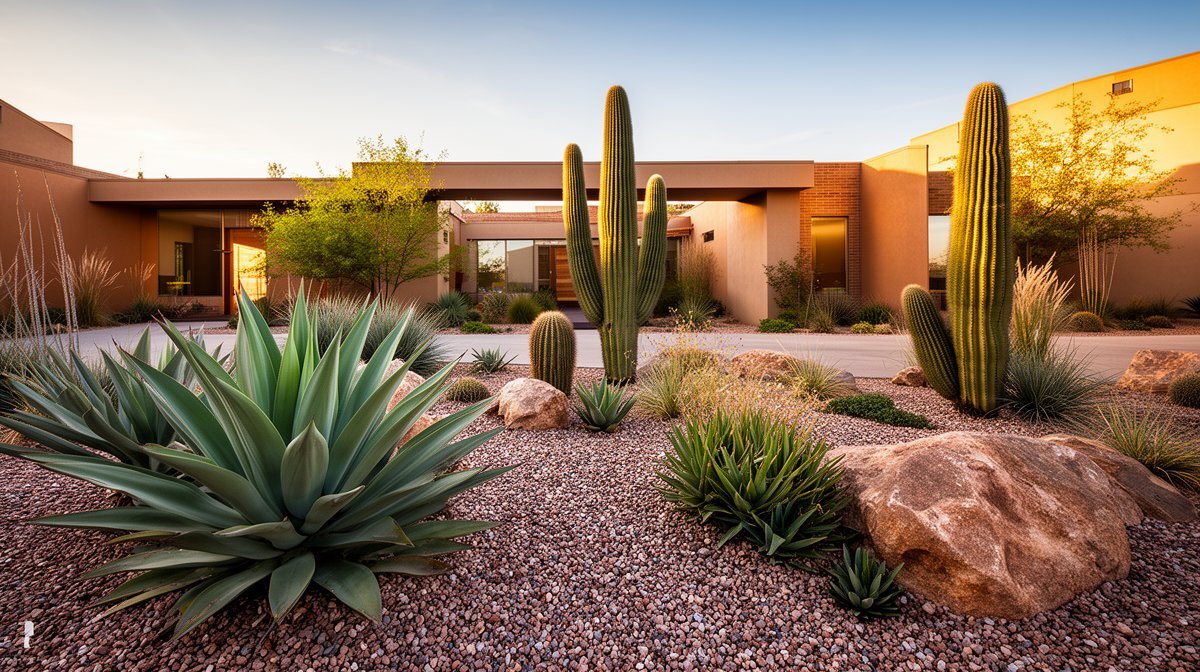
The Willow Creek Courtyard Rockery
$18–38/sqftA flat-roofed stucco courtyard has a raised bed of sandstone blocks planted with cold-hardy succulents, with one Hesperaloe parviflora 'Brakelights' sending coral flowers above the wall in July. Mounded gravel under it holds Delosperma 'John Proffitt', Opuntia polyacantha and Agave parryi 'Huachucensis', and a gravel patio with a pair of chairs sits a few steps away. The bed faces south and holds heat, so snow melts early there.
Try this on your yard: The Willow Creek Courtyard RockeryAI-generated image
The Prairie Meadow Gravel Garden
$8–18/sqftA back yard drops the turf for a low mixed-grass meadow of blue grama, little bluestem and sideoats grama, planted in drifts with Penstemon pinifolius, and a hard-packed gravel path winds through it to a fire-pit circle. A Rocky Mountain juniper at the back corner screens the fence, and the grasses turn copper in October. It looks wild and natural but is sited and edged so it reads as planned.
Try this on your yard: The Prairie Meadow Gravel GardenSee how a desert/xeriscape garden looks on YOUR property
Upload a photo of your Centennial yard and visualize your dream garden in seconds.
Try ProScapeAI Free

AI-generated image
Featured Trees & Shrubs for Desert/Xeriscape Gardens
Browse all 160 plants for Centennial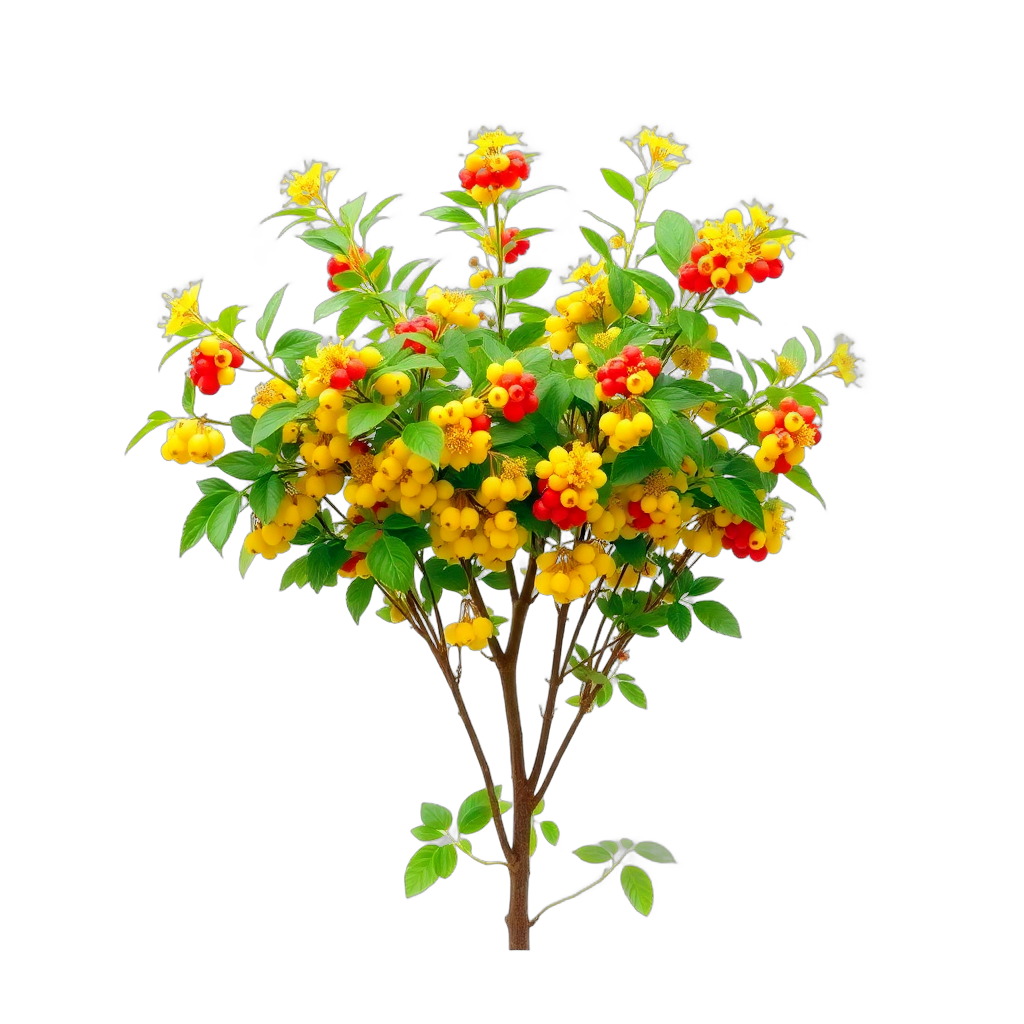
Golden Currant
Ribes aureum
grows to 6 feet, yellow blooms in spring. Attracts hummingbirds.
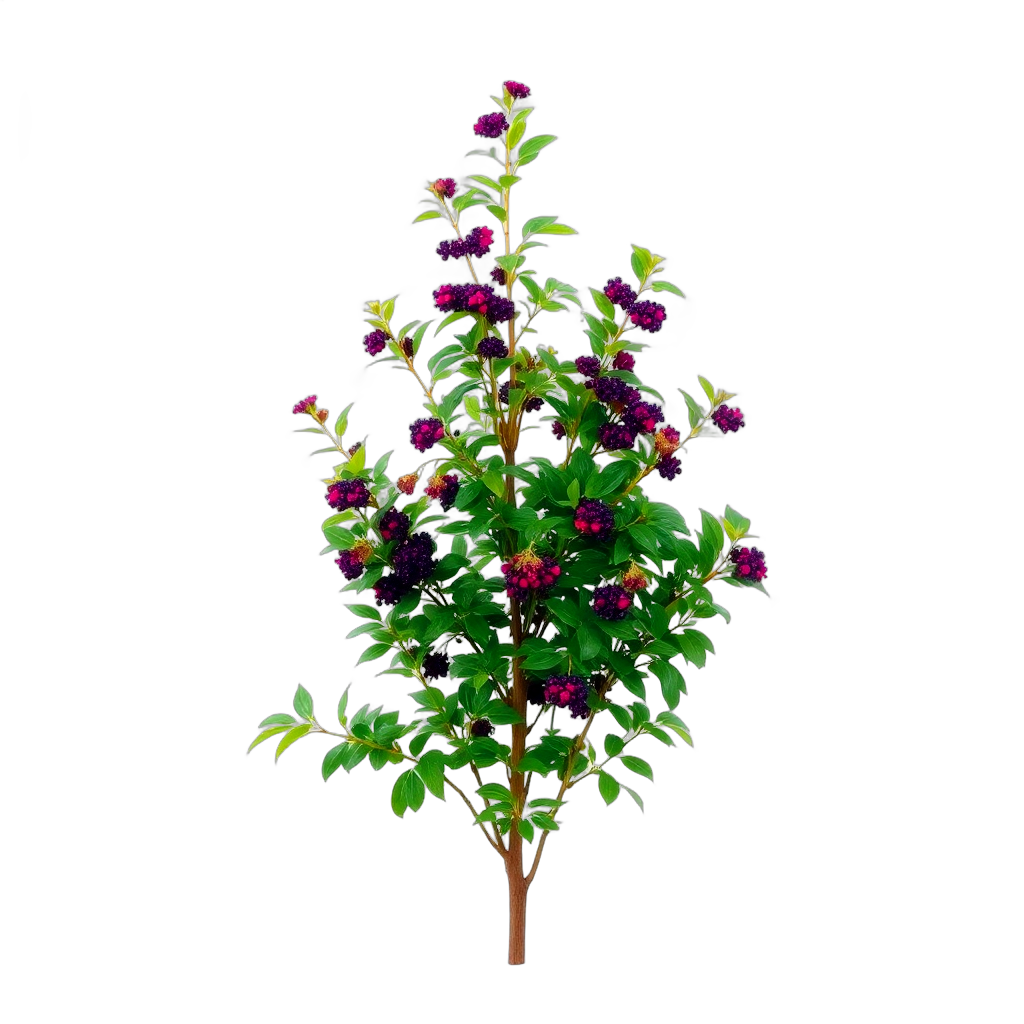
American Beautyberry
Callicarpa americana
grows to 6 feet, pink blooms in summer. Pollinator-friendly.
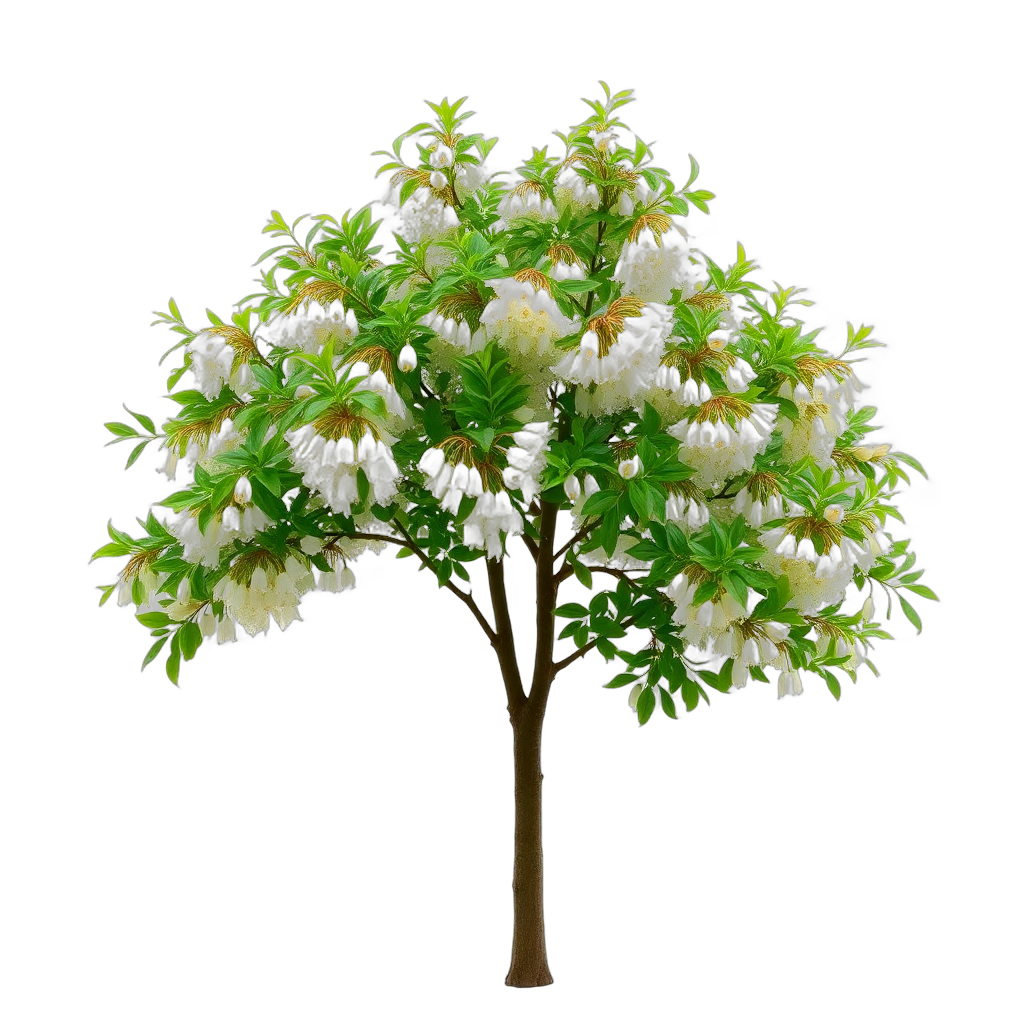
American Snowbell
Styrax americanus
medium-sized at 10 feet, white blooms in spring. Pollinator-friendly.
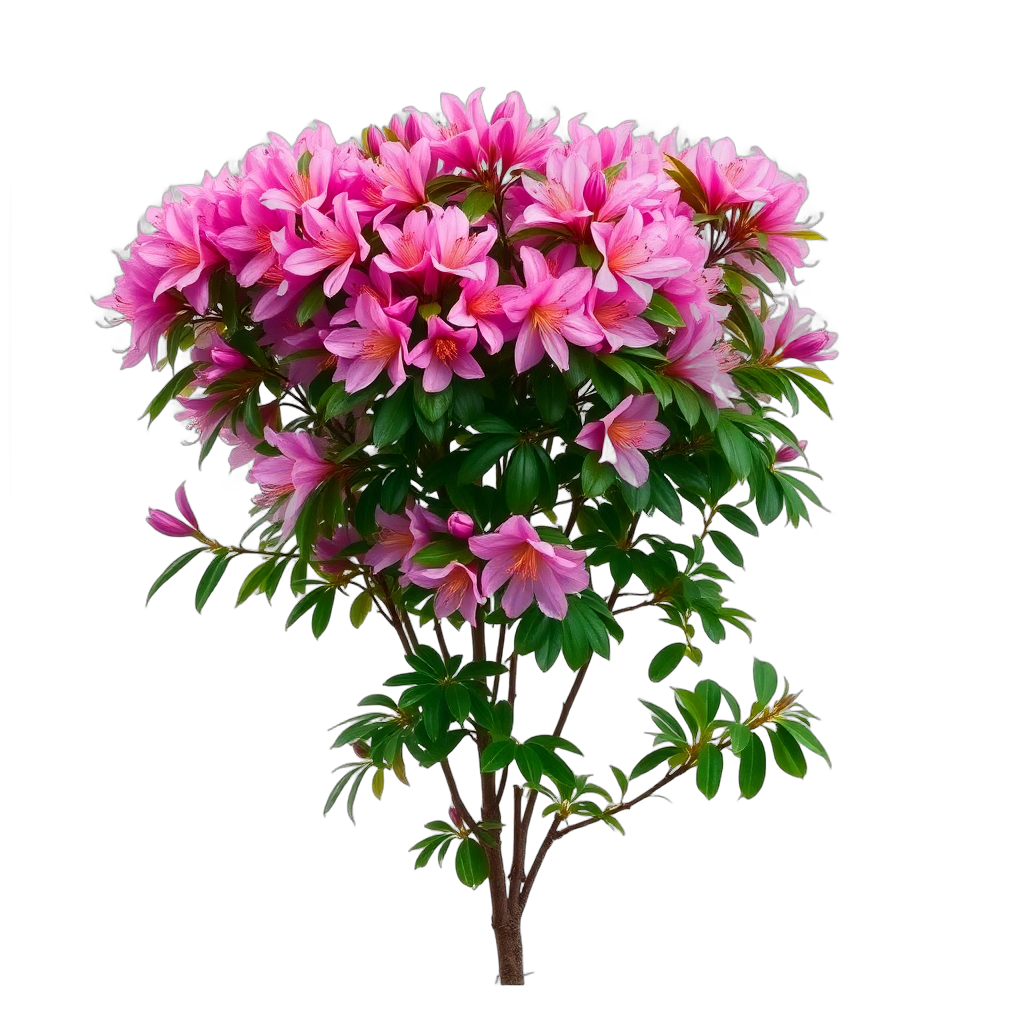
Anna Rose Whitney Rhododendron
Rhododendron 'Anna Rose Whitney'
medium-sized at 8 feet, pink blooms in spring. Attracts hummingbirds.
Featured Grasses & Groundcovers for Desert/Xeriscape Gardens
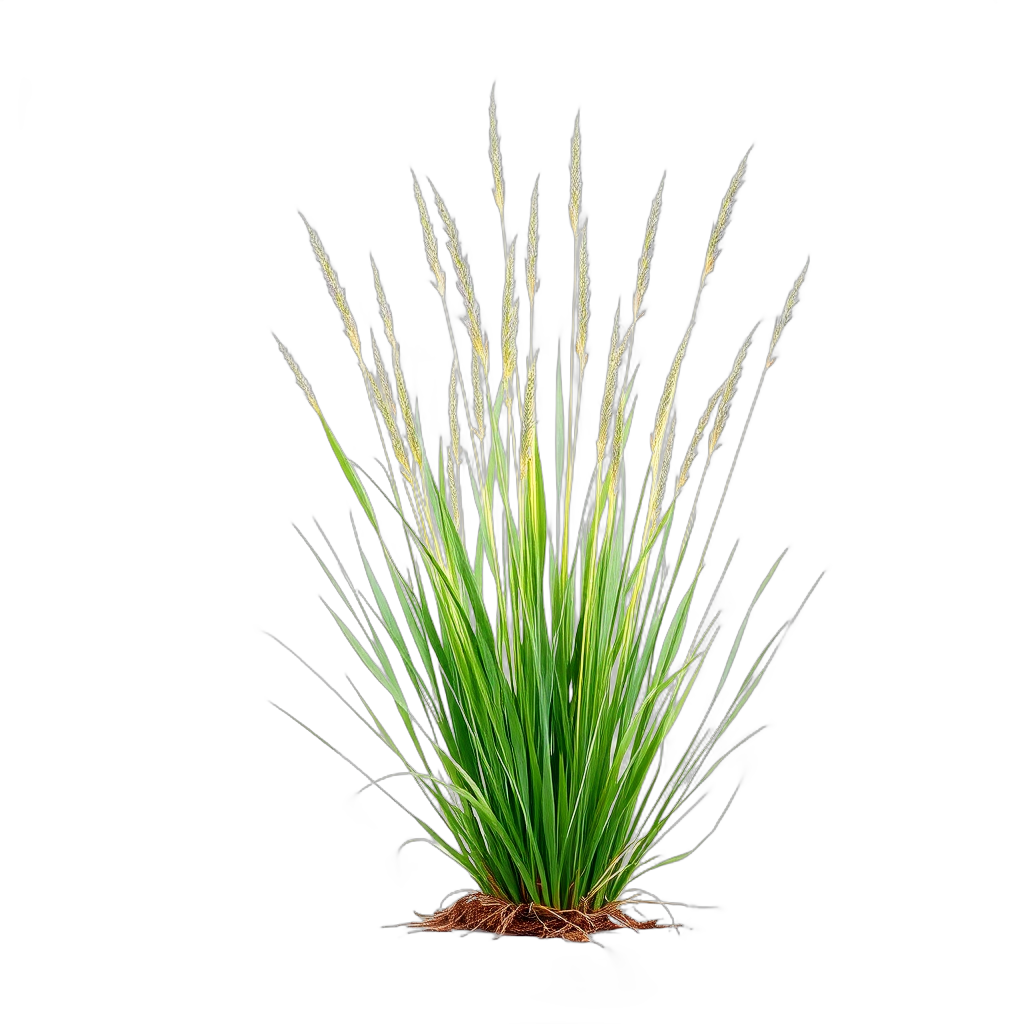
Blue Grama Grass
Bouteloua gracilis
low-growing ground cover, purple blooms in summer. Yellow fall color.
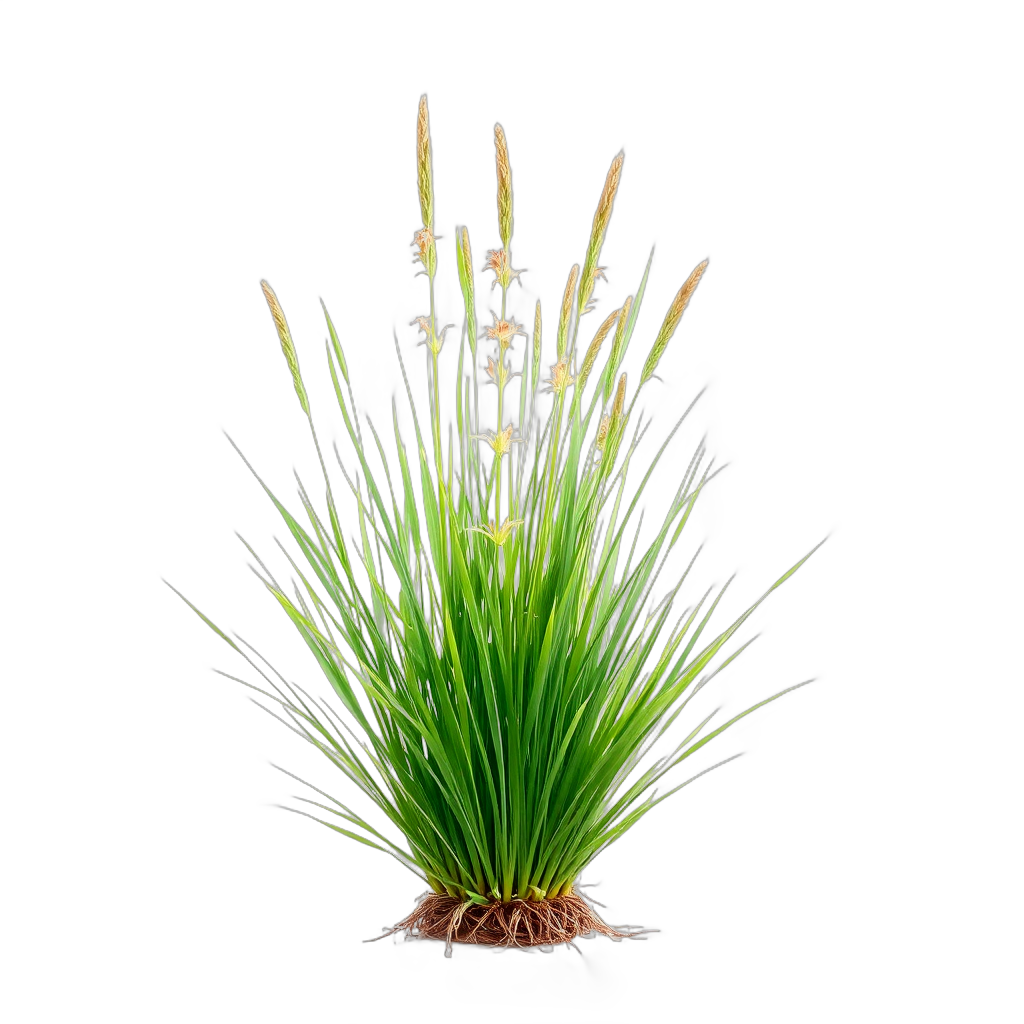
Buffalo Grass
Buchloe dactyloides
low-growing ground cover, blooms in summer. Yellow fall color.
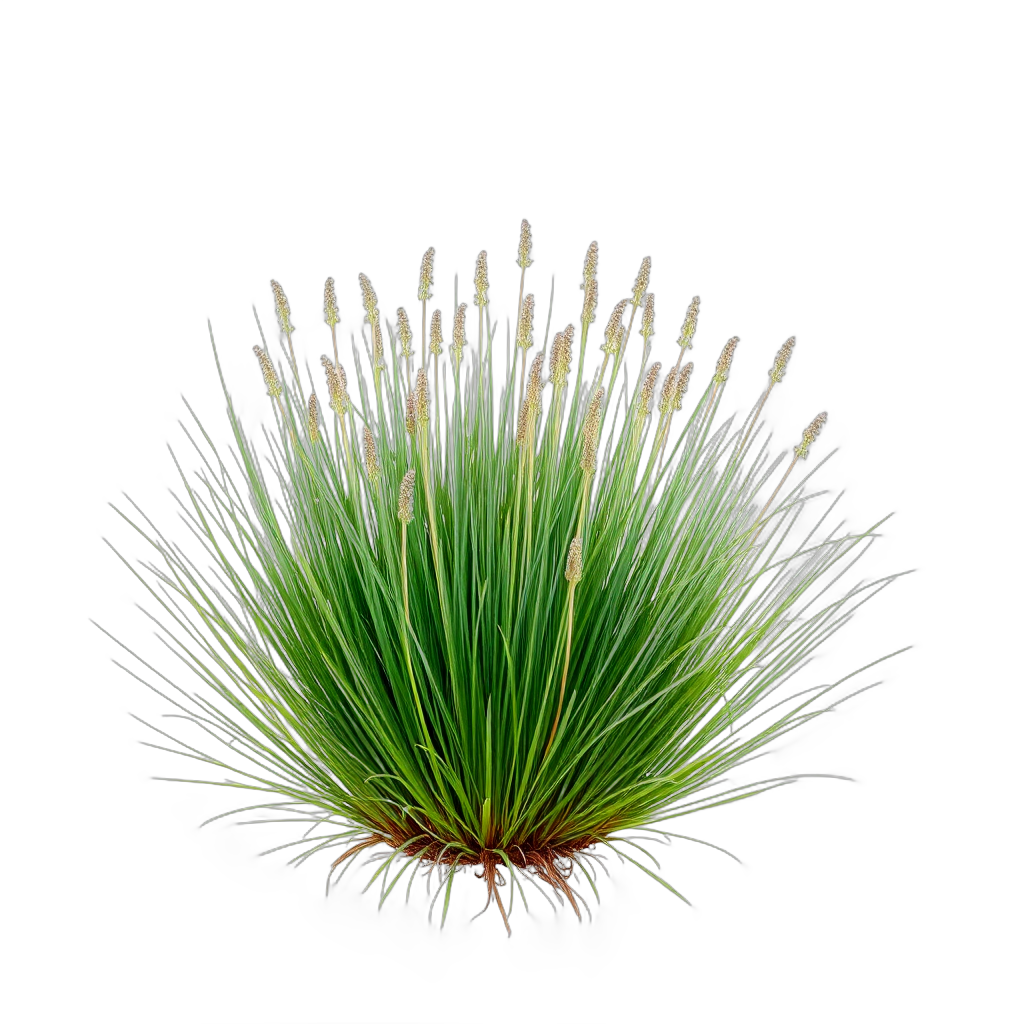
Little Bluestem
Schizachyrium scoparium
grows to 3 feet, blooms in summer. Red,burgundy fall color.
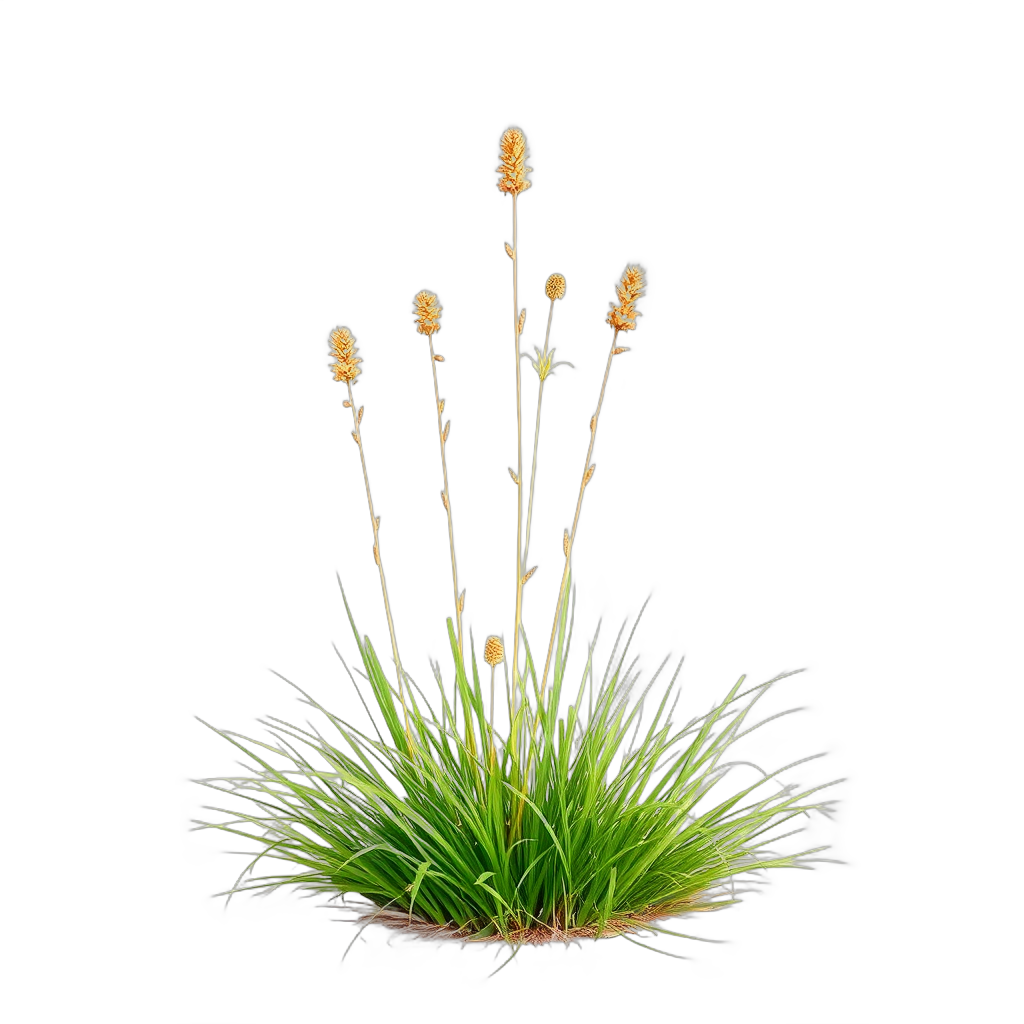
Sand Dropseed
Sporobolus cryptandrus
low-growing ground cover, blooms in summer. Orange fall color.
Featured Flowers & Perennials for Desert/Xeriscape Gardens
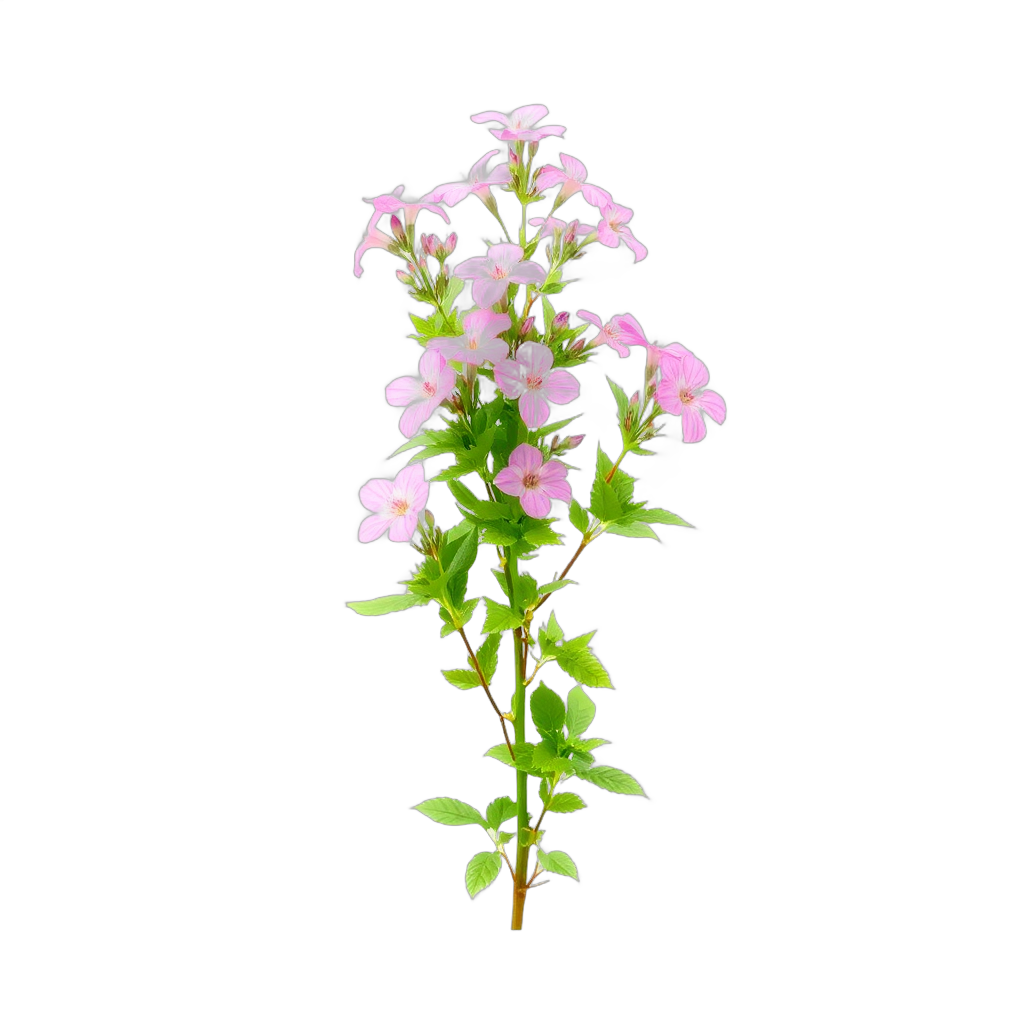
Hood's Phlox
Phlox hoodii
low-growing ground cover, white blooms in spring. Attracts butterflies.
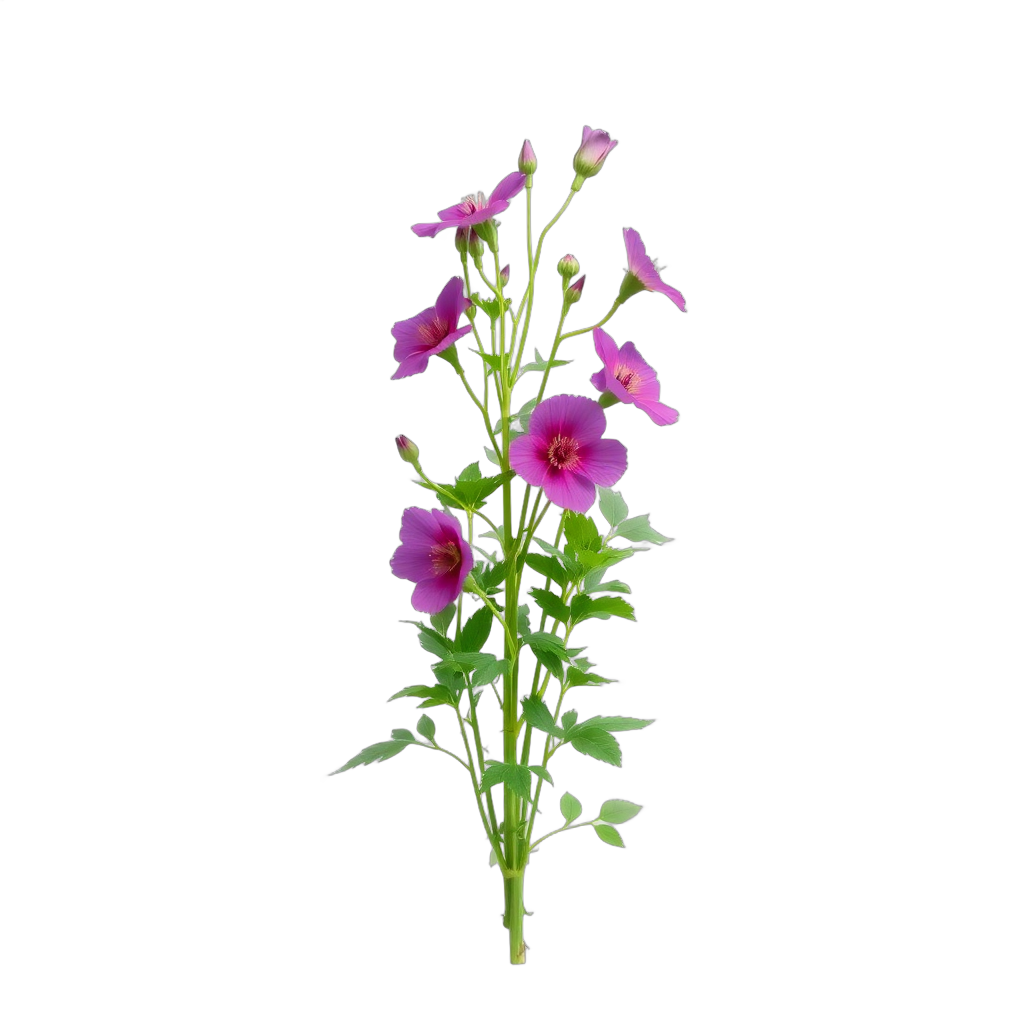
Purple Poppy Mallow
Callirhoe involucrata
low-growing ground cover, purple blooms in summer. Attracts butterflies.
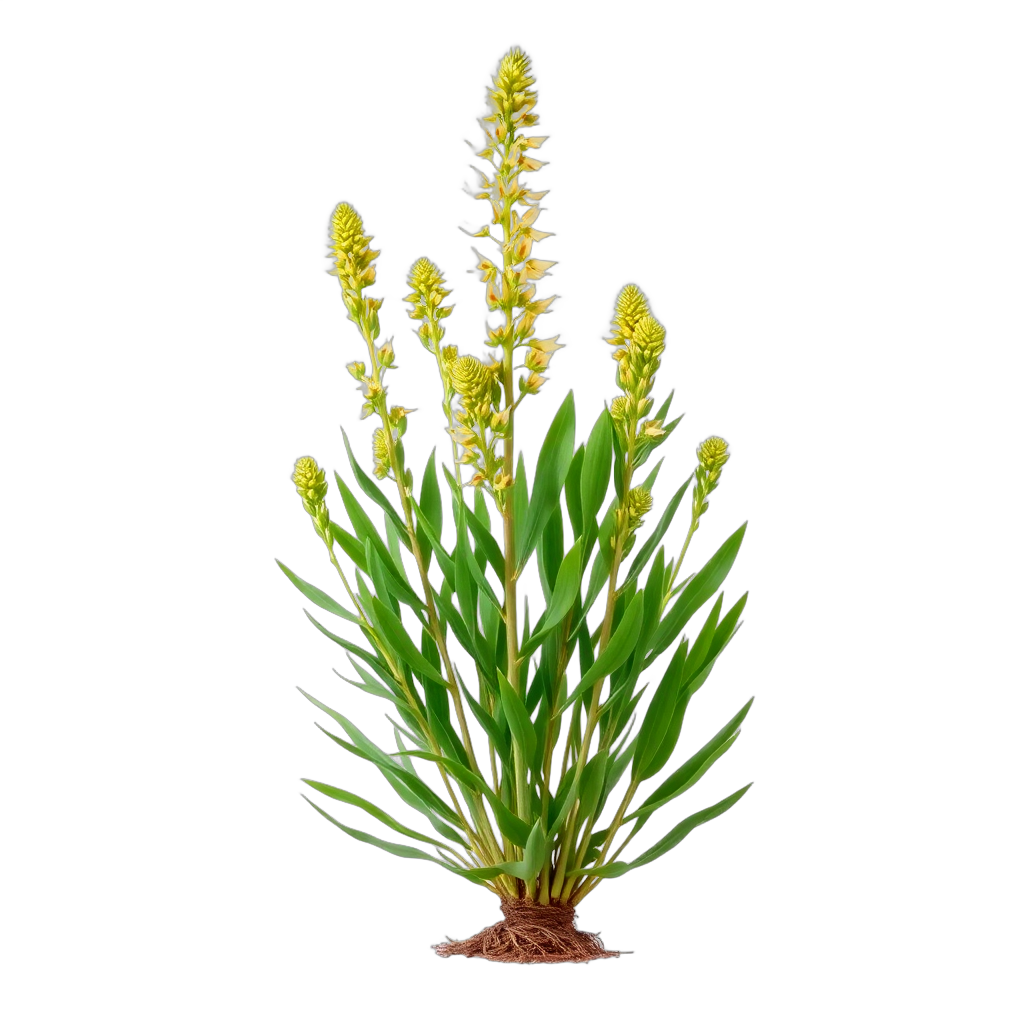
Soapweed Yucca
Yucca glauca
low-growing ground cover, white blooms in spring. Pollinator-friendly.
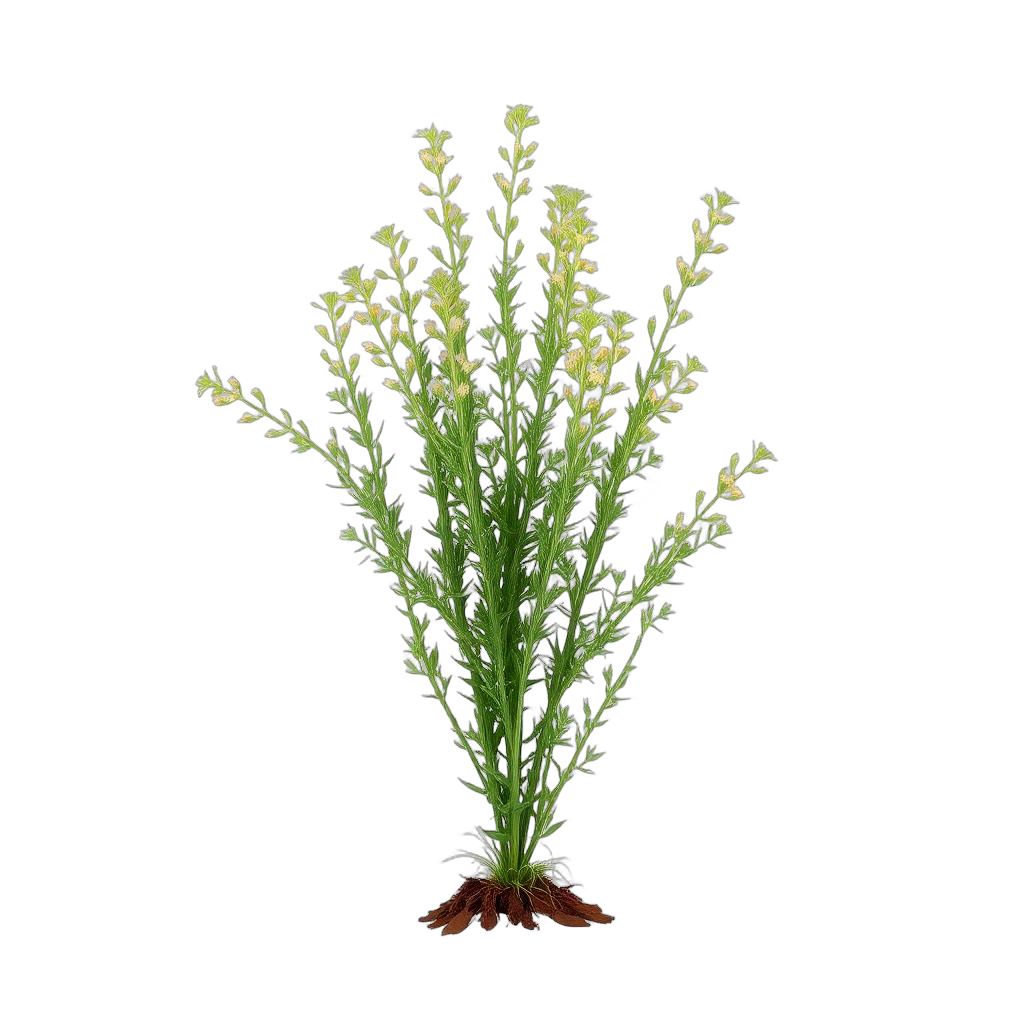
White Sage
Artemisia ludoviciana
low-growing ground cover, white blooms in summer. Fragrant.
Zone and sun checks come from our database — confirm with your local nursery before you buy.
Bloom Calendar for Centennial
spring
Hood's Phlox, Soapweed Yucca, Golden Currantsummer
Purple Poppy Mallow, White Sage, Blue Grama Grassfall
Bog Sagewinter
Limited bloomsDesign Tips for Centennial (Zone 6a)
- Use cold-hardy desert plants only: Zone 6a lows of -10 to -5°F kill saguaro, golden barrel and Agave americana, so rely on Yucca glauca, Opuntia polyacantha, Cylindropuntia imbricata and Agave parryi var. neomexicana
- Mound every bed 8–12 inches with a mix of native clay, coarse sand and crushed rock: wet winter clay around the crown kills xeric plants more often than the cold does
- Skip compost and fertilizer on natives: Centennial soil runs pH 7.5–8.2 and lean ground keeps Bouteloua gracilis 'Blonde Ambition' and Penstemon strictus compact and long-lived
- Use 3 inches of gravel mulch, not wood chips: it sheds hail and snowmelt, stays dry at the crown and reflects less heat when you choose tan or gray stone rather than white
- Slope beds away from the foundation and driveway: spring snowmelt and sudden hail storms can push water against a house on clay that drains slowly
- Give new plants 5–7 days between deep waterings in year one, then taper: with only 15 inches of precipitation, the first summer decides whether a Plant Select perennial like Delosperma 'Fire Spinner' makes it
- Frame the garden with steel edging and a defined path: a desert garden with clear lines reads as designed and keeps HOA reviewers comfortable
Where to Source Plants in Centennial
Skip the big-box stores. These independent Centennial nurseries specialize in the plants that make desert/xeriscape gardens thrive in Zone 6a.
Tagawa Gardens
Centennial (South Parker Road)
Family garden center inside the city with a large perennial, shrub, tree and rose yard plus bulk materials; the closest full-service source for Front Range plant selections. Ask staff to point you to the xeric and native tables.
Nick's Garden Center & Farmers Market
Aurora (South Chambers Road)
Independent garden center a few miles from Centennial's eastern neighborhoods, stocking perennials, cacti and succulents, trees and shrubs, and bulk soil, mulch and rock.
Echter's Nursery & Garden Center
Arvada (Garrison Street)
Large independent Front Range garden center on the north side of the metro, worth the drive when you want a bigger tree, shrub and perennial selection in one trip.
Desert/Xeriscape Landscaping Cost Ranges
| Project Scope | Estimated Cost |
|---|---|
| Flagstone or sandstone patio (250–400 sqft) | $6,200–$12,800 |
| Drip irrigation system (500 sqft of planted area) | $1,200–$2,200 |
| Block fire pit, stacked block, capped (1 fire pit) | $580–$770 |
| AI visualization (ProScapeAI) | Free to start |
National average installed ranges for 2026 from our landscaping price list (Homewyse and other published sources). Prices in Centennial, CO vary with site, materials and contractor, so get two or three local quotes.
Centennial Climate & Growing Zone
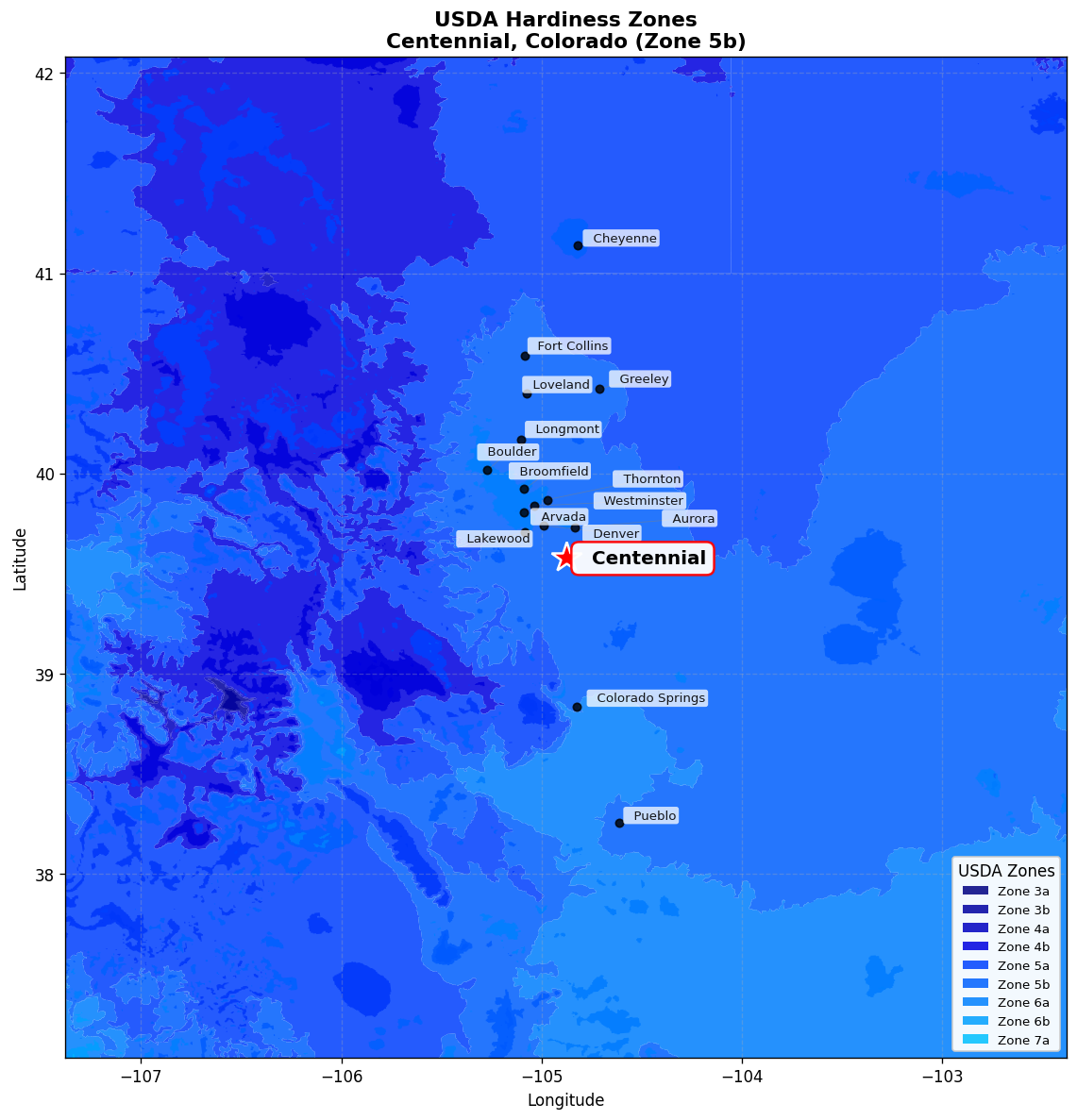
USDA Zone 6a
Hardiness zone for Centennial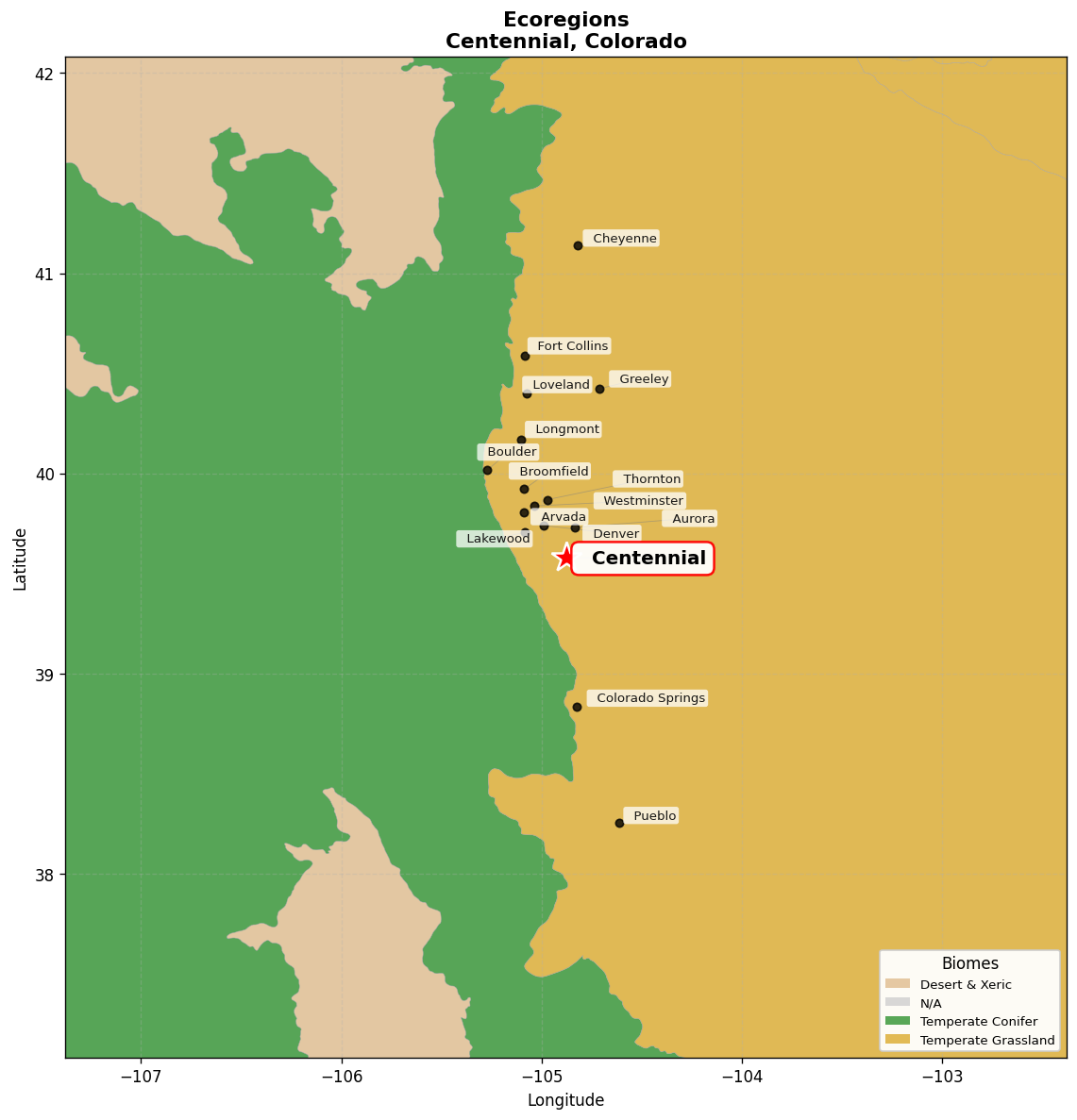
Western shortgrass prairie
Native ecoregionFrequently Asked Questions
How much does a desert garden cost in Centennial, CO?
The final price depends on the size of the yard, the materials you pick and who does the work, so ask local contractors for written quotes.
Which cacti and succulents survive Centennial winters?
Opuntia polyacantha (plains prickly pear), Cylindropuntia imbricata (tree cholla), Yucca glauca, Yucca filamentosa 'Color Guard', Delosperma 'Fire Spinner', Sedum 'Angelina' and Agave parryi var. neomexicana tolerate -15°F with good drainage. Agave parryi 'Huachucensis' needs a protected south-facing wall. Saguaro, golden barrel, Agave americana and Nolina microcarpa will not make it. The cold alone seldom kills these plants: wet clay around the crown in winter does, so mound the bed and use gravel.
What is the best way to fix Centennial's clay for a desert garden?
Do not try to turn clay into sand. Build mounds 8–12 inches above grade and fill them with a mix of the native soil, coarse sand and crushed rock, then top with 3 inches of gravel mulch. Skip fertilizer and compost for natives and succulents, since they stay compact and long-lived in lean soil. Slope beds away from the foundation and the driveway so hail and spring melt drain off instead of pooling around the crowns.
When is the best time to plant a xeric garden in Centennial?
Mid-April through mid-June, or September to early October, work best. Fall planting lets roots establish before a freeze, but cacti and agave do better set in spring so they have a full summer to root. Last frost is usually mid-May and first frost early October, and a late-season snow is possible. Water new plantings every 5–7 days in the first summer, then taper to every 10–14 days once established in year two.
Do I need a permit or HOA approval for a xeric conversion in Centennial?
Most HOAs require architectural approval for a front-yard change, and Colorado law limits how far they can restrict drought-tolerant landscaping, but you still have to submit the plan. Several water providers serve Centennial, so check which one bills your street for irrigation rules before you remove irrigation zones. Retaining walls, electrical or gas work may need a permit from the City of Centennial. Call Colorado 811 before digging.
How do I keep rabbits and deer from eating a xeric garden?
Prickly pear, yucca, Artemisia frigida, rabbitbrush, Agastache rupestris and Penstemon strictus are rarely browsed. Rabbits chew young Delosperma and Gaillardia, so protect new plants with small wire cages for the first season. Deer pressure is lighter in the suburban core than near open space along Piney Creek and the High Line Canal corridor, but it varies by block.
Will a gravel garden get too hot or bright in Centennial summers?
It can. Gravel reflects heat, and July highs reach about 89°F with intense UV, so use tan or gray stone rather than white, keep gravel 3 inches deep rather than a thin layer, and set a deciduous tree like Gleditsia triacanthos 'Shademaster' or Acer grandidentatum on the west side of a patio. Plants massed in drifts shade each other's roots, which keeps beds cooler than bare stone.