4 English Cottage Garden Ideas for Columbia, MO | Zone 6a Borders on Claypan Soil
Native plants from the Central US forest-grasslands transition (Zone 6a) — Humid continental (hot summer) climate
Why Cottage/English Gardens in Columbia?
The 1920s–1940s Tudors, brick Colonials and bungalows of the Old Southwest, the porch-fronted houses of East Campus and Benton-Stephens, and the small frame houses of North Central all sit on modest lots with short front setbacks, so a picket fence, a rose arch over the gate and a border spilling onto the walk read as intended rather than overgrown. The Mizzou Botanic Garden across campus and Shelter Gardens both show that a full, layered planting works in mid-Missouri.
The climate decides how much of the English plant list works. NOAA's 1991–2020 normals for Columbia Regional Airport put the January average low at 22.5°F and the July average high at 88.5°F, with about 35 days a year at 90°F or above and 11 nights at 10°F or below. Zone 6a means a hard winter can still touch −10°F. The town gets about 41 inches of precipitation a year, wettest in April and May, then humid heat from late June. That combination finishes off Delphinium elatum, which behaves as a short-lived spring plant here, and Lavandula angustifolia 'Hidcote', which tends to rot in a wet winter on heavy soil. The plants that hold the picture are the tougher stand-ins: Lavandula × intermedia 'Phenomenal', Nepeta × faassenii 'Walker's Low', Salvia nemorosa 'Caradonna' for the blue spires, mildew-resistant Phlox paniculata 'Jeana', and roses that shrug off blackspot, such as Rosa 'New Dawn' and Rosa 'Sally Holmes'.
Soil is the second thing to plan around. Much of Columbia sits on silt loam over a dense claypan subsoil that holds water in spring and cracks in August, while the south side toward Rock Bridge runs over limestone. Topsoil usually tests on the acidic side, which suits Hydrangea arborescens 'Annabelle' but not lavender or roses, which want pH 6.5–7.0. The University of Missouri Soil and Plant Testing Laboratory is right here in town, so test first, lime the rose and lavender beds, and build the borders up 6–10 inches rather than digging pits into clay that will sit wet around the crowns all March.
Rose rosette disease and Japanese beetles are both part of gardening in Missouri, so pick resistant roses, pull any wild multiflora rose along the fence line, and lean on beetle-shy plants like Baptisia australis and Amsonia hubrichtii to carry the border in July. With a median last frost around April 7 and first frost around October 29, Columbia gives you roughly a 205-day season, long enough for a June rose peak and a September encore from Symphyotrichum novae-angliae 'Purple Dome'.
4 Cottage/English Design Ideas for Columbia

AI-generated image
The Old Southwest Picket Gate
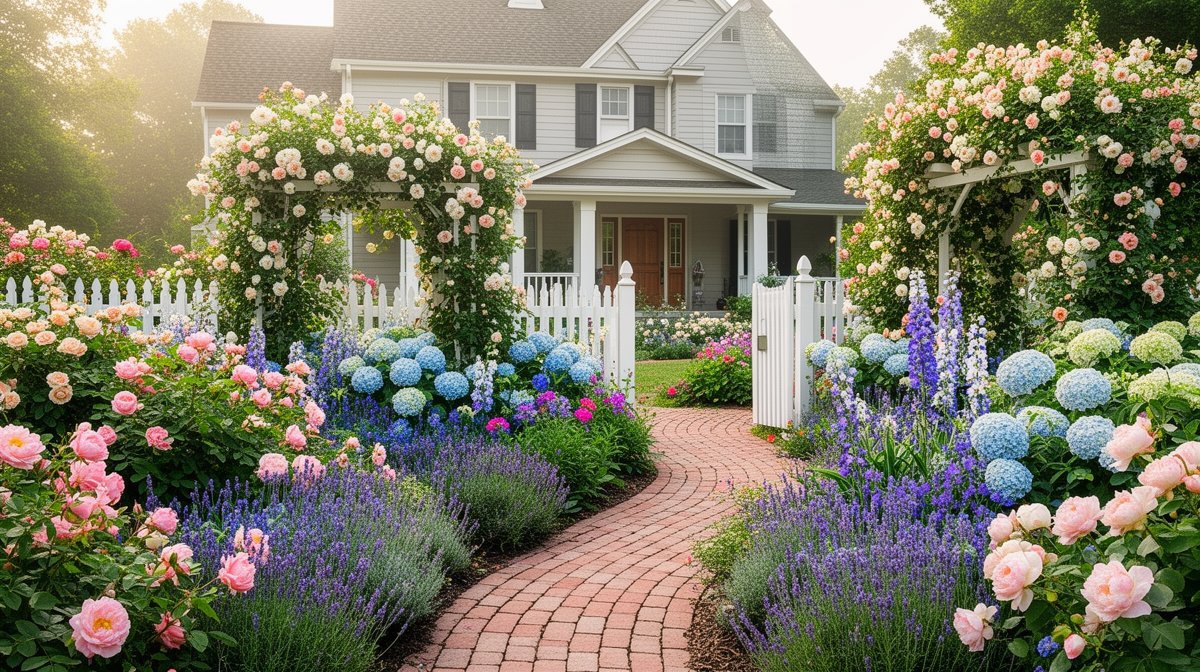
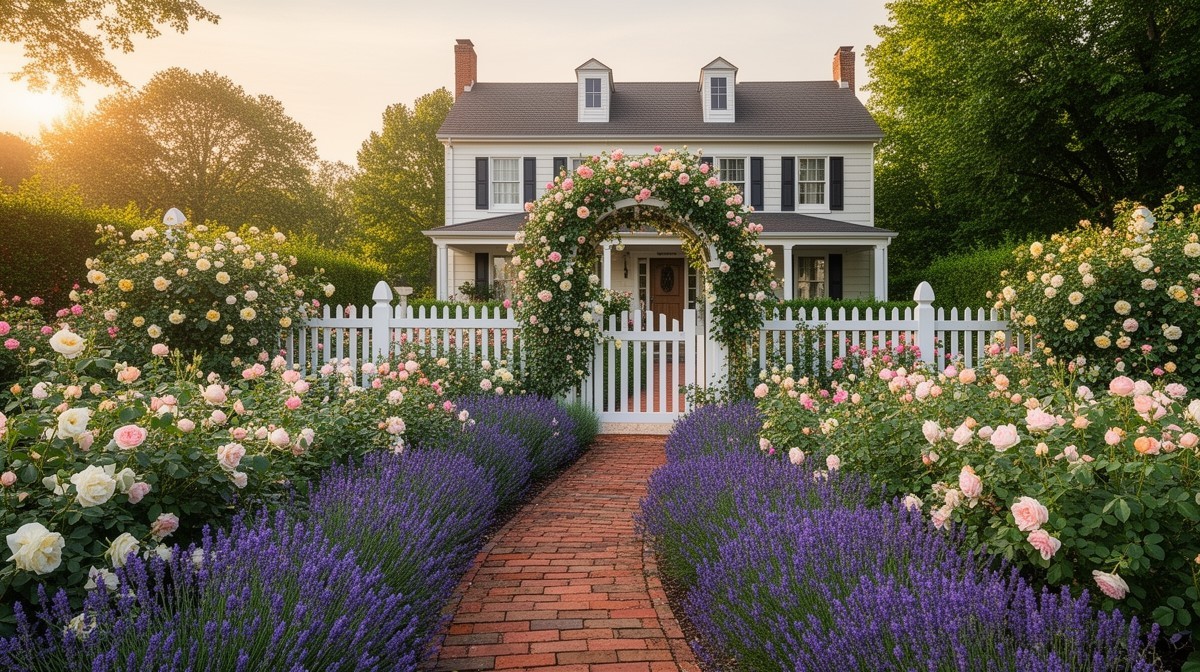
$20–40/sqftA low white picket fence runs the frontage of a 1930s brick Tudor, with a cedar arch over the gate carrying a pale pink climbing rose and a curved brick walk leading to the arched front door. Lavender lines both sides of the walk, catmint spills over the edge, and a raised border along the fence holds blue salvia spires and white phlox. The bed faces east, so morning sun dries the rose leaves early and the brick wall throws a little afternoon shade in August.

AI-generated image
The East Campus Porch Border
$18–38/sqftA deep front porch on a bungalow looks down onto a flagstone path flanked by three-layer borders: foxglove and Baptisia at the back, roses and phlox in the middle, and lady's mantle and hostas along the front edge. Hanging baskets and terracotta pots on the steps tie the planting to the house. A big street tree shades the left side, so the shade end gets hydrangea and ferns while the sunny center strip carries the flowers.

AI-generated image
The Backyard Tea Circle
$22–45/sqftA small circle of dry-laid flagstone is cut into the back lawn behind a 1940s Cape Cod, set with a round bistro table and two metal chairs under a white rose arch. Waist-high drifts of coneflower, bee balm and catmint roll in from both sides, with white hydrangea filling the shady corner by the garage. Most of the money goes into plants rather than paving, which keeps a full cottage look within reach on a mid-Missouri budget.

AI-generated image
The Pergola and Rain Garden Walk
$30–60/sqftA white cedar pergola covered in a cream climbing rose shelters a dining table on a brick patio behind a newer two-story house, and a curving gravel path drops past a shallow rain garden that catches roof water from the downspout. The rain garden is planted cottage style with blue flag iris, swamp milkweed and Joe Pye weed, while the dry borders above it hold roses, lavender and phlox. It turns the spring downpours of April and May into part of the design instead of a soggy lawn.
See how a cottage/english garden looks on YOUR property
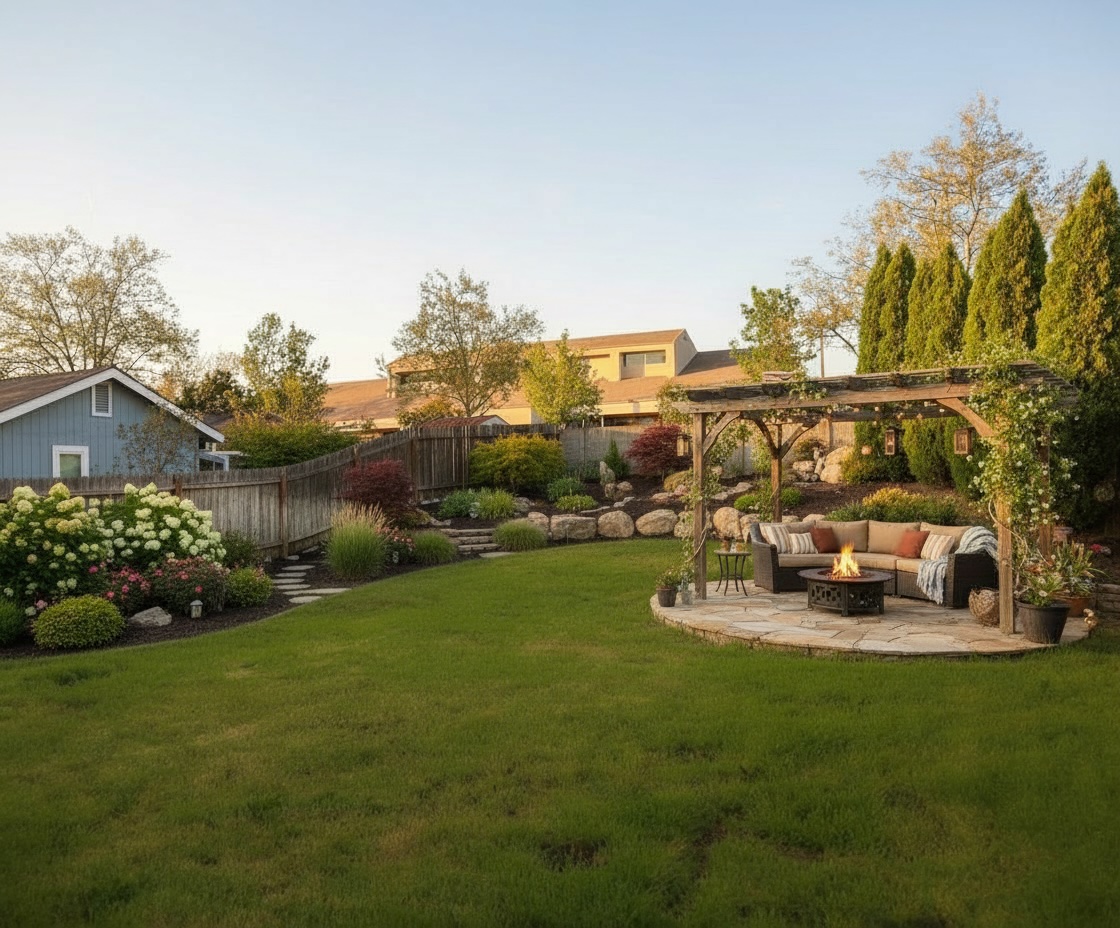
Upload a photo of your Columbia yard and visualize your dream garden in seconds.
Try ProScapeAI Free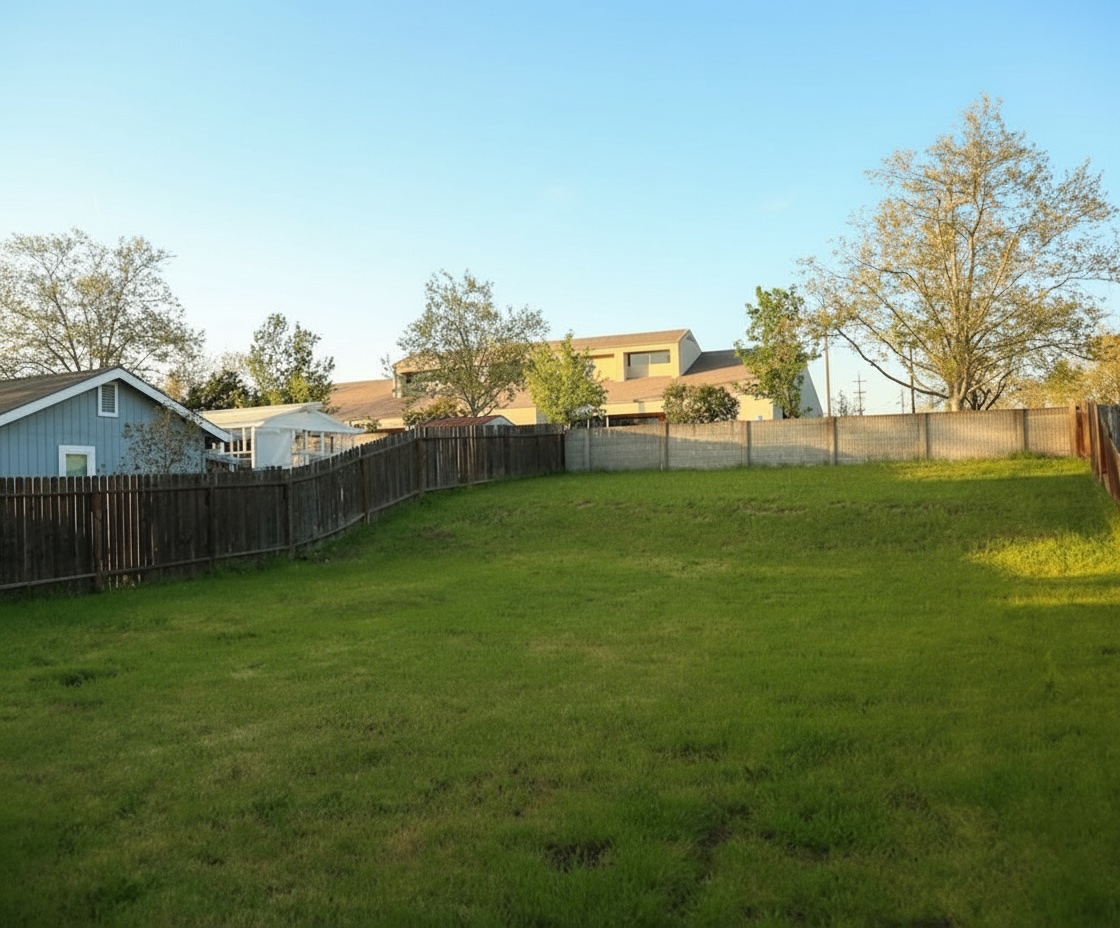
AI-generated image
Featured Trees & Shrubs for Cottage/English Gardens
Browse all 169 plants for Columbia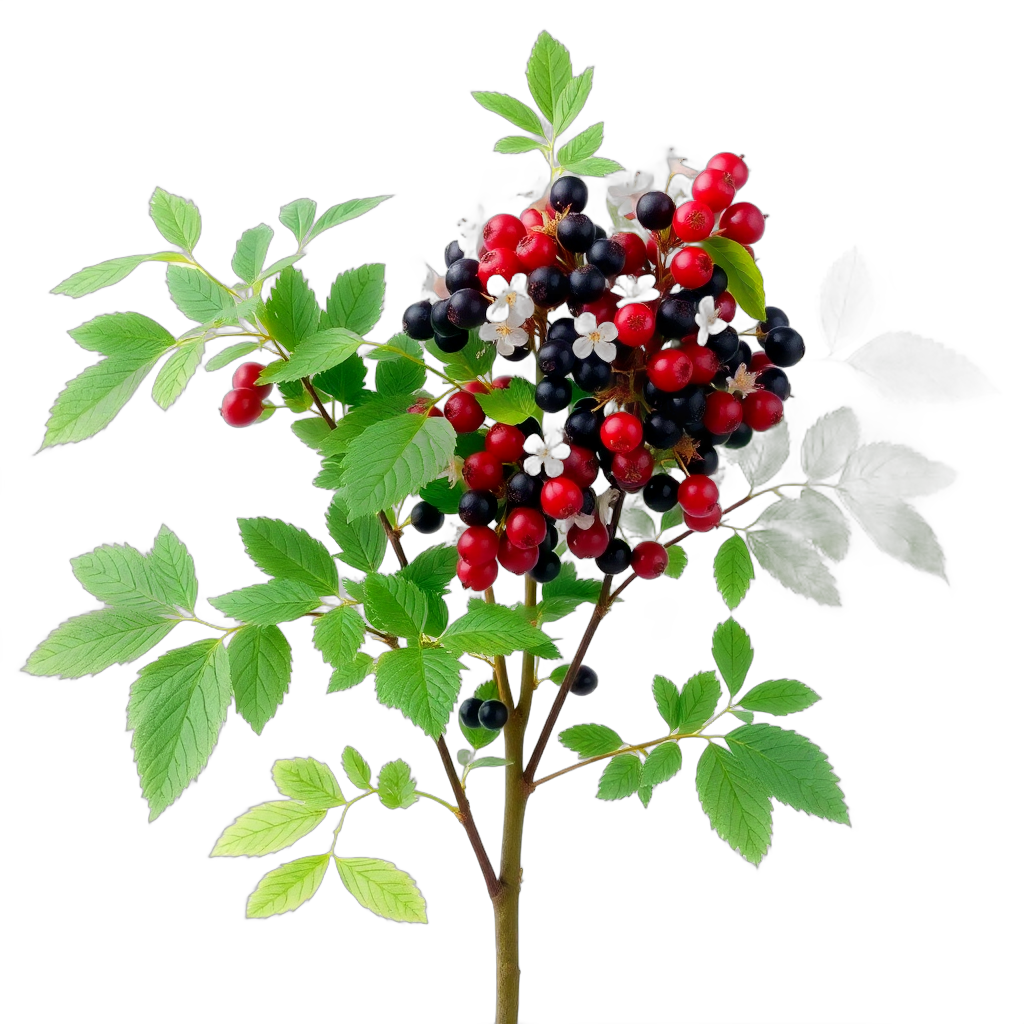
American Black Currant
Ribes americanum
grows to 5 feet, white,yellow blooms in spring. Attracts hummingbirds.
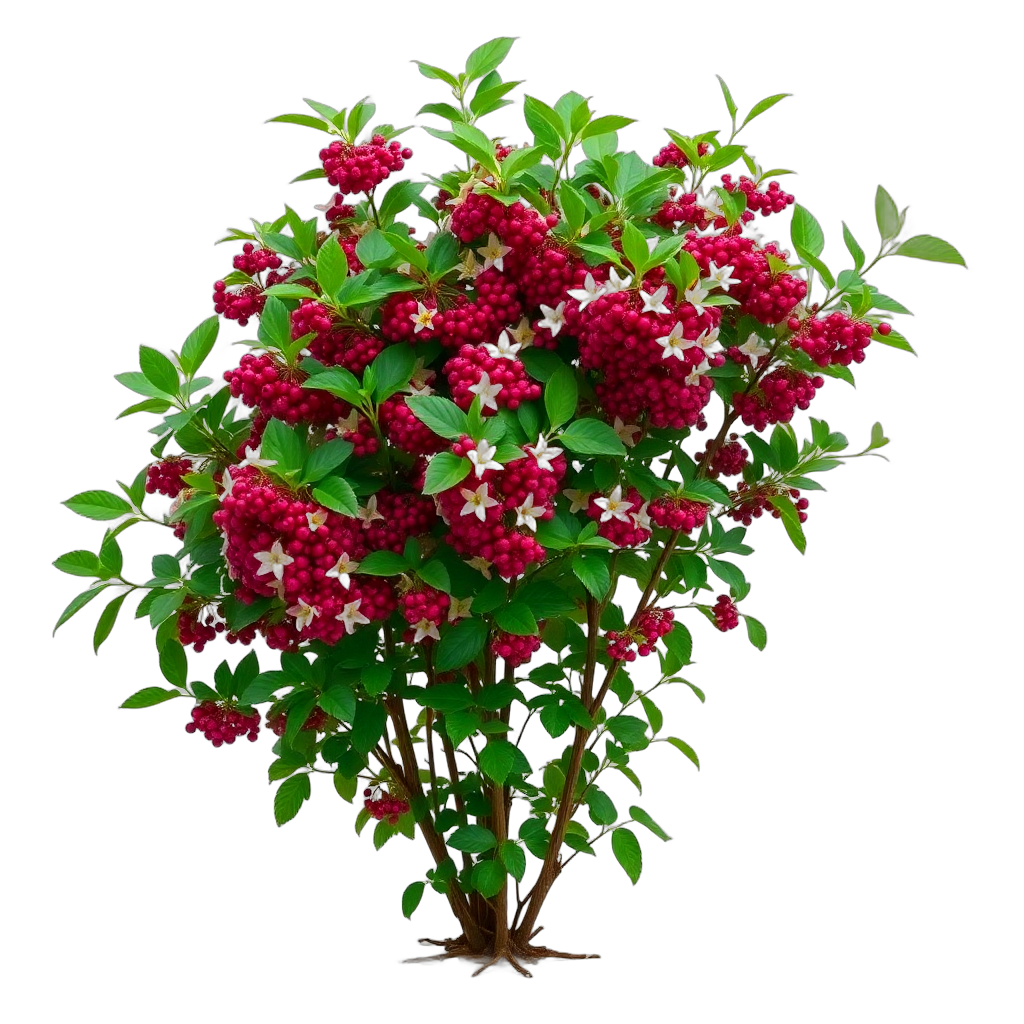
Clove Currant
Ribes odoratum
grows to 6 feet, yellow blooms in spring. Attracts hummingbirds.

Fragrant Sumac
Rhus aromatica
grows to 4 feet, yellow blooms in spring. Attracts butterflies.

Golden Currant
Ribes aureum
grows to 6 feet, yellow blooms in spring. Attracts hummingbirds.
Featured Grasses & Groundcovers for Cottage/English Gardens
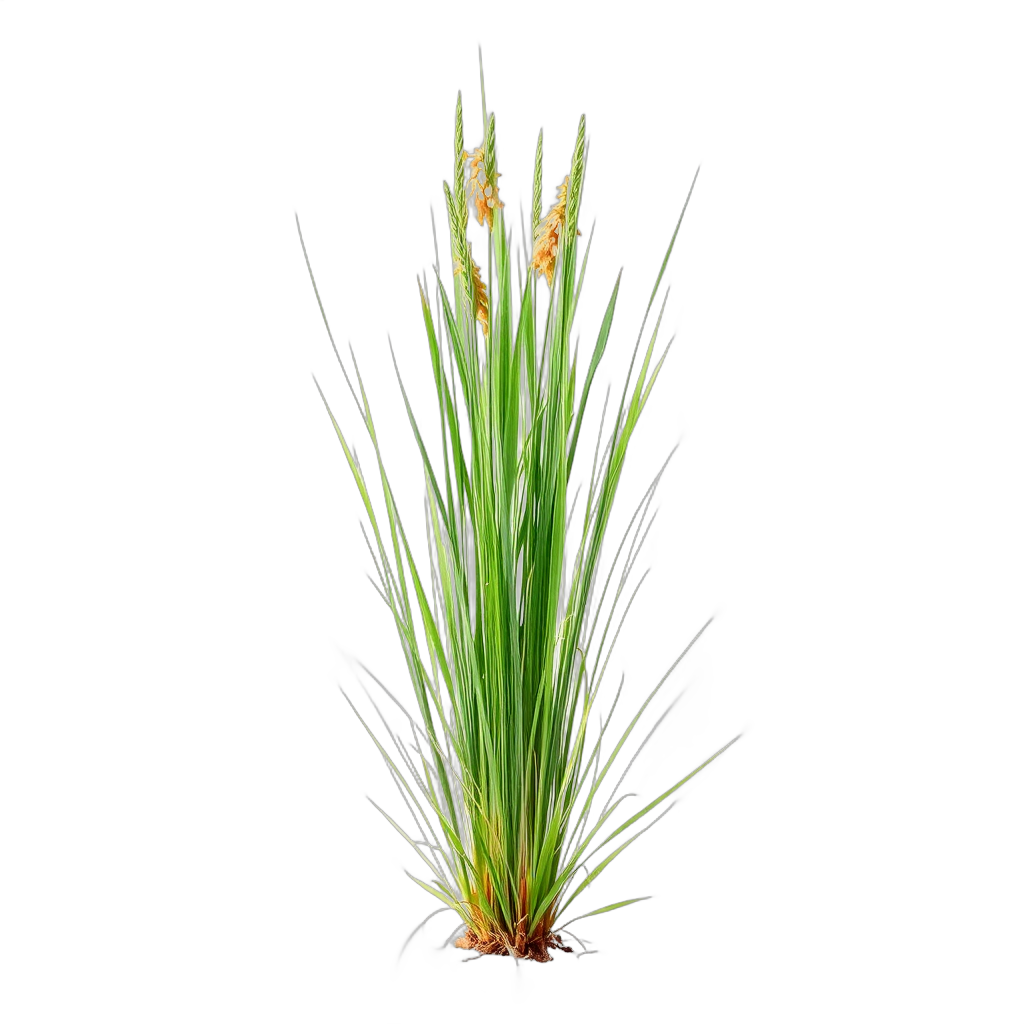
Eastern Gamagrass
Tripsacum dactyloides
grows to 6 feet, blooms in summer. Yellow fall color.
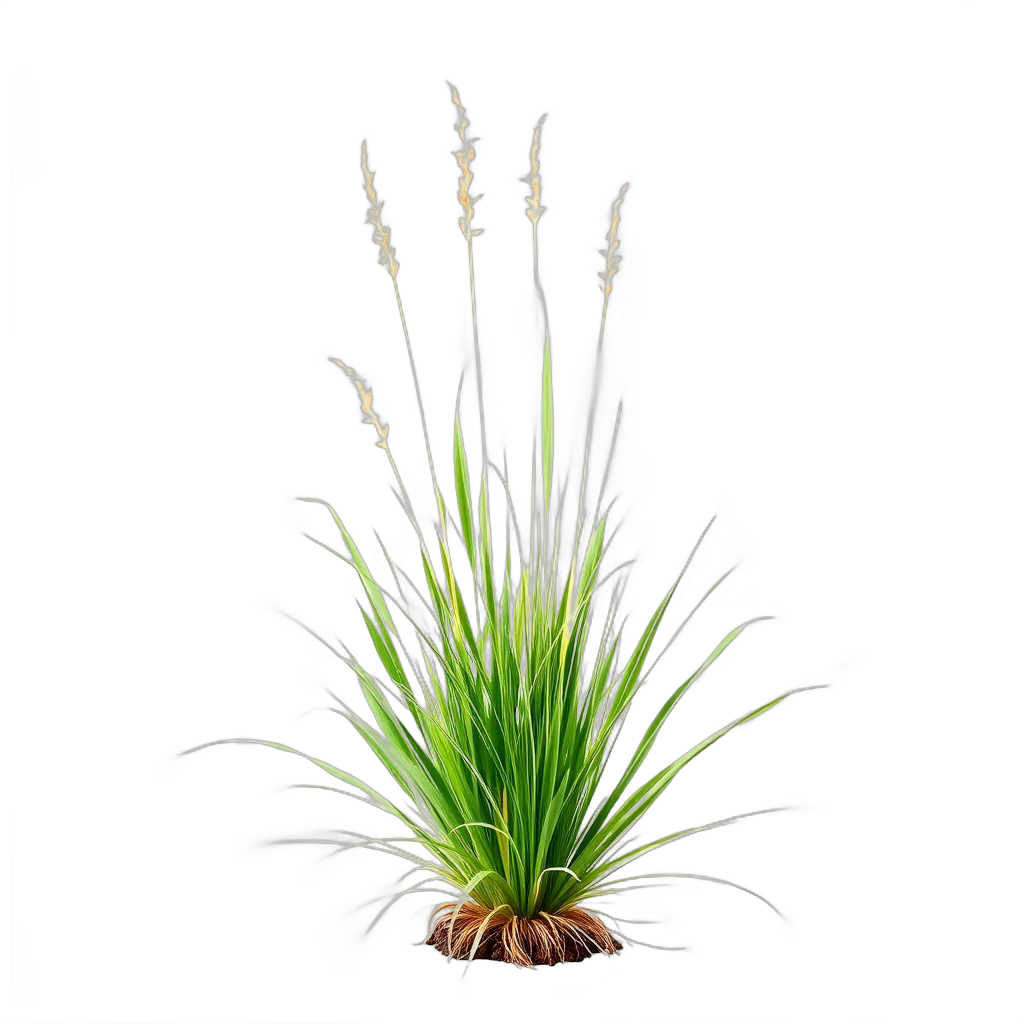
Northern Sea Oats
Chasmanthium latifolium
grows to 4 feet, blooms in fall. Bronze fall color.

Broad-leaf Bamboo
Sasa palmata
medium-sized at 7 feet, blooms in none. Evergreen year-round.
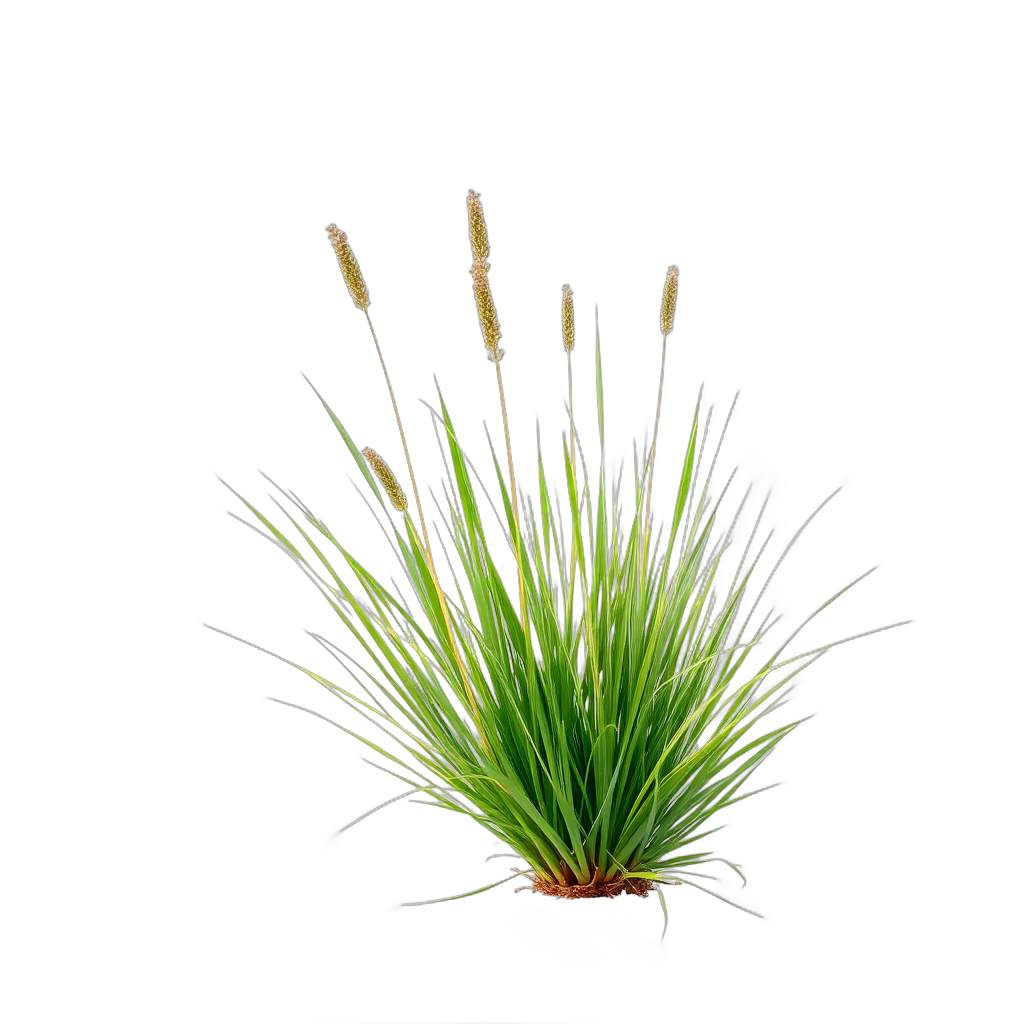
Deer Grass
Muhlenbergia rigens
grows to 3 feet, yellow blooms in fall. Evergreen year-round.
Featured Flowers & Perennials for Cottage/English Gardens
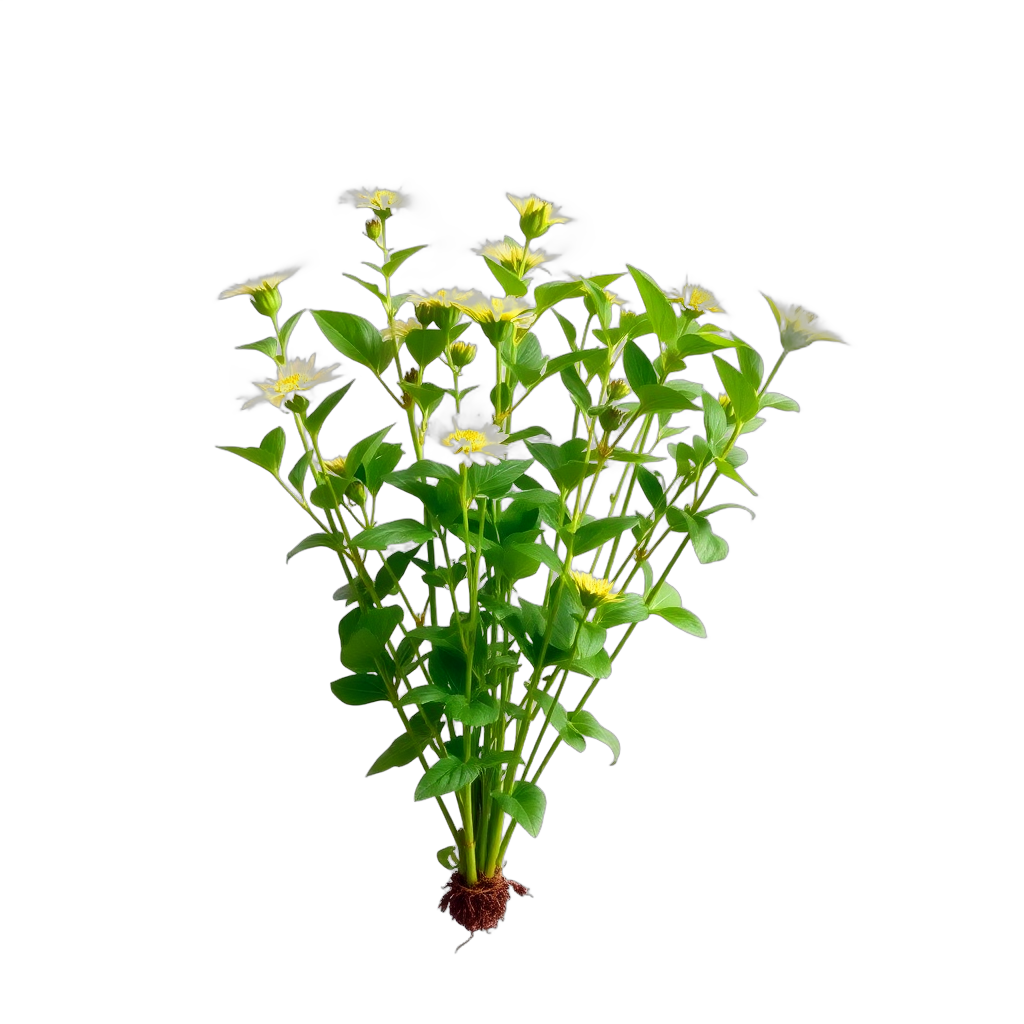
Cup Plant
Silphium perfoliatum
medium-sized at 7 feet, yellow blooms in summer. Attracts butterflies.
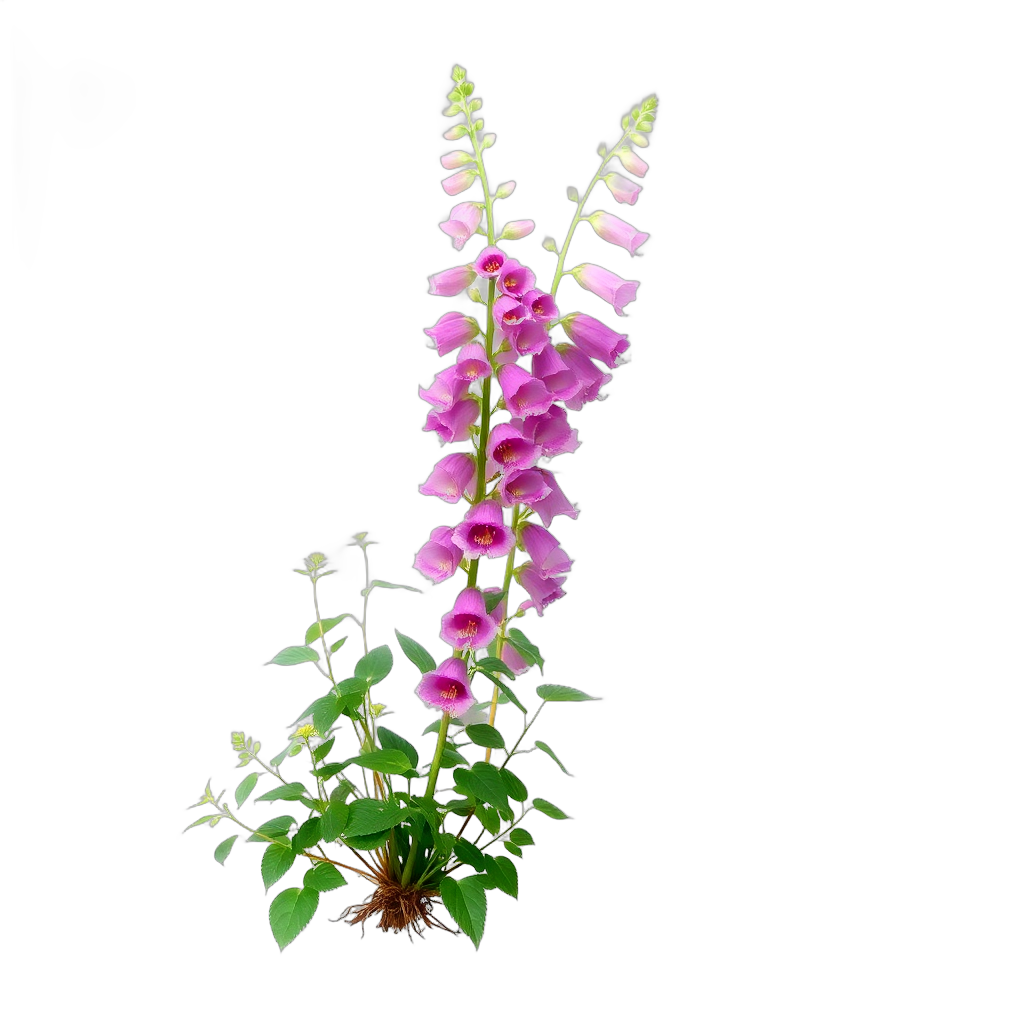
Foxglove Beardtongue
Penstemon digitalis
grows to 3 feet, white blooms in spring. Attracts hummingbirds.
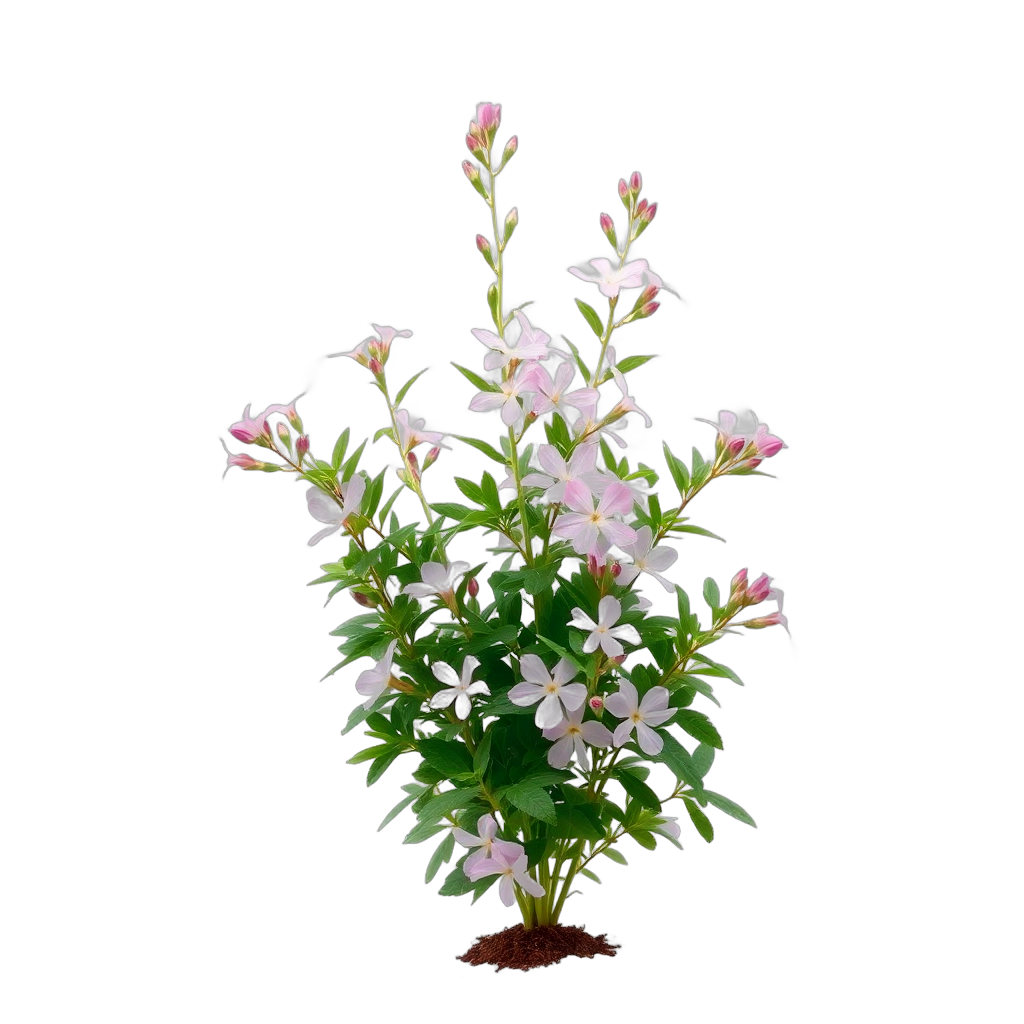
Garden Phlox
Phlox paniculata
grows to 3 feet, multi blooms in summer. Attracts hummingbirds.

Gloriosa Daisy
Rudbeckia hirta
low-growing ground cover, yellow blooms in summer. Attracts butterflies.
Zone and sun checks come from our database — confirm with your local nursery before you buy.
Bloom Calendar for Columbia
spring
Foxglove Beardtongue, American Black Currant, Clove Currantsummer
Cup Plant, Garden Phlox, Gloriosa Daisyfall
Northern Sea Oatswinter
Limited bloomsDesign Tips for Columbia (Zone 6a)
- Send a soil sample to the University of Missouri Soil and Plant Testing Laboratory before you buy plants: Columbia topsoil often tests acidic, and lavender and roses want pH 6.5–7.0, so most beds need lime worked in before planting
- Build every border up 6–10 inches over the claypan instead of digging planting holes into it; a hole in Columbia clay fills with water in April and drowns the crowns of Lavandula × intermedia 'Phenomenal' and roses
- Put roses where they get morning sun and steady airflow, water them by drip at the base, and remove wild multiflora rose nearby to cut the risk of rose rosette disease
- Swap true delphinium for Salvia nemorosa 'Caradonna', Baptisia australis and Veronica spicata 'Royal Candles', which give the same blue spires and survive both 90°F summers and single-digit winter nights
- Set fence posts, arbours and pergolas on footings at least 30 inches deep, the depth the City's residential permit form calls for, so frost heave does not tilt them after the first hard winter
- Use the April and May rains: send a downspout to a planted rain garden of Iris virginica and Asclepias incarnata 'Ice Ballet' instead of letting it soak the lawn
- Plan the second half of the season: after the June roses, Phlox paniculata 'Jeana', Echinacea purpurea 'Magnus' and Symphyotrichum novae-angliae 'Purple Dome' carry color to the late-October first frost
Where to Source Plants in Columbia
Skip the big-box stores. These independent Columbia nurseries specialize in the plants that make cottage/english gardens thrive in Zone 6a.
Superior Garden Center
North Columbia (Trails West)
Rost Landscaping's garden center, with seven greenhouses and over six acres of trees, shrubs, perennials and Missouri-hardy plants, many grown at its own tree farm, plus bulk rock and mulch
Strawberry Hill Farms
South of Columbia (Highway 163)
Family-run retail greenhouse founded in 1980 that grows most of what it sells: annuals, perennials, shrubs, herbs and vegetable plants
Missouri Wildflowers Nursery
Jefferson City (about 30 miles south)
Grows over 300 species native to Missouri, including wildflowers, grasses, sedges, shrubs and trees; the place for Baptisia, Amsonia and rain garden plants
Kaw Valley Greenhouses
Columbia Mall parking lot (seasonal)
Family-owned grower since 1967 running a spring garden center from April to June, with locally grown annuals, perennials, vegetables, soil and pottery
Cottage/English Landscaping Costs in Columbia
| Project Scope | Estimated Cost |
|---|---|
| Front cottage border with picket fence and gate arch (400–600 sqft) | $10,000 – $25,000 |
| Clay brick walkway on a crushed limestone base (150–250 sqft) | $3,500 – $8,500 |
| Dry-laid limestone flagstone patio or tea circle (200–350 sqft) | $6,000 – $15,000 |
| Cedar rose pergola or arbour on frost-depth footings | $4,000 – $10,000 |
| Planted rain garden at a downspout (100–200 sqft) | $1,500 – $4,500 |
| Full back cottage garden: patio, pergola, deep borders | $35,000 – $85,000 |
| AI visualization (ProScapeAI) | Free to start |
Estimates based on Columbia, MO-area contractor rates as of 2026. Actual costs vary by site conditions, materials, and contractor.
Columbia Climate & Growing Zone
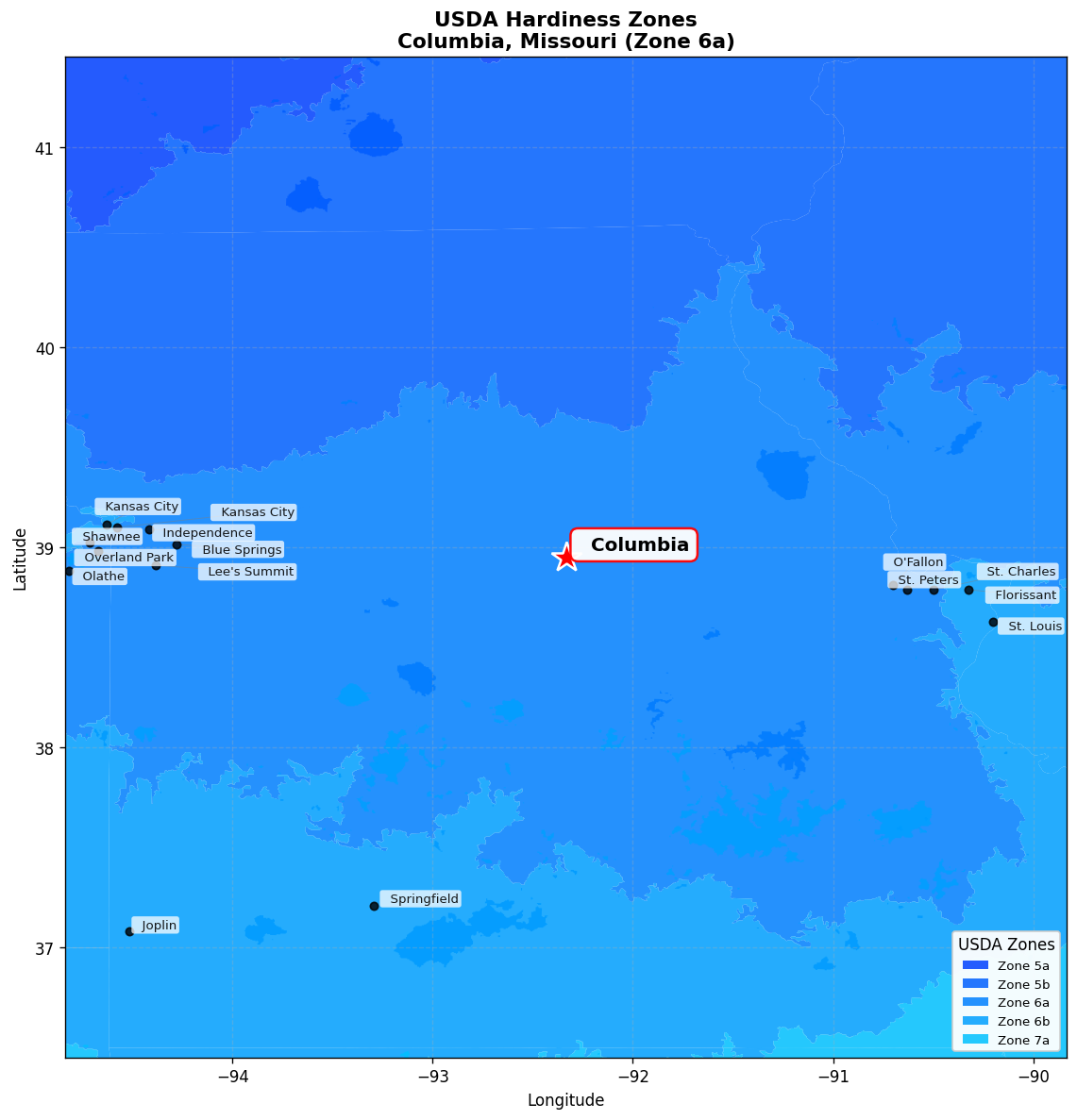
USDA Zone 6a
Hardiness zone for Columbia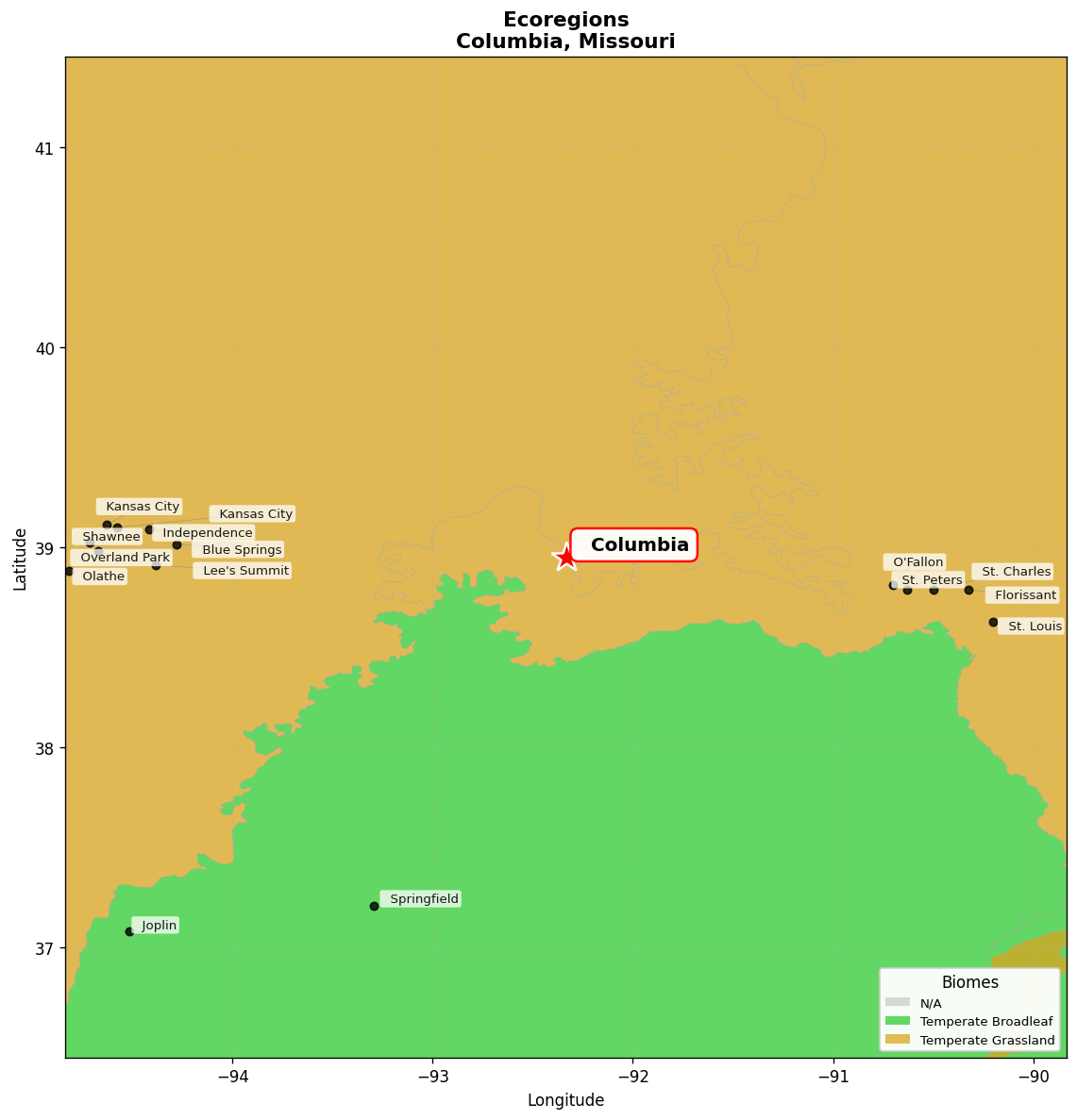
Central US forest-grasslands transition
Native ecoregionFrequently Asked Questions
How much does a cottage garden cost in Columbia, MO?
As a rough guide, a planted front cottage border with a picket fence and a gate arch on a typical 400–600 sqft Old Southwest or East Campus frontage runs about $10,000–25,000 installed. Brick walks land around $20–35 per square foot and dry-laid limestone flagstone around $25–45 per square foot. A cedar rose pergola is roughly $4,000–10,000 depending on span. Doing the planting yourself, with one-gallon Rosa 'New Dawn' and Lavandula × intermedia 'Phenomenal', brings a border in at well under $10 per square foot. Always get two or three local bids, since prices move with the season.
Which roses do well in Columbia's humid summers?
Choose disease resistance over catalogue romance. Rosa 'New Dawn' is the dependable climber, Rosa 'Sally Holmes' makes a big, clean shrub, and Rosa 'Olivia Rose Austin' and Rosa 'Darcey Bussell' are among the better David Austin roses for blackspot. Classic hybrid teas usually lose most of their leaves by August in a 41-inch rain year. Give every rose at least six hours of sun, ideally morning sun, space them for airflow and water at the base by drip. Rose rosette disease is common in Missouri, so pull wild multiflora rose from nearby fence lines and dig out any plant that shows red, bristly witches' broom growth.
Can I grow lavender and delphinium in Columbia?
Lavender, yes, if you pick the right one and give it a dry bed. Lavandula × intermedia 'Phenomenal' handles humid Missouri summers far better than Lavandula angustifolia 'Hidcote' or 'Munstead'. Raise the bed 6–8 inches, mix in coarse grit, mulch with pea gravel and lime toward pH 6.5–7.0. True Delphinium elatum is another story: it sulks in July heat and rarely lasts more than a season or two here. For the same blue spires, use Salvia nemorosa 'Caradonna', Baptisia australis or Veronica spicata 'Royal Candles', which come back every year.
When is the best time to plant a cottage garden in Columbia?
Early September through late October is the best window: the soil is still warm, the heat has broken, and roots grow through the winter. Spring planting works from mid-April, after the median last frost around April 7, through May. Avoid setting out new plants in July and August, when highs average near 88°F and about 35 days a year pass 90°F. Foxglove planted in fall, such as Digitalis purpurea 'Camelot Rose', will flower the following June.
Do I need a permit for a fence, pergola or patio in Columbia?
Plantings and simple paths do not need a permit, but structures can. Fences, decks, pergolas and anything with footings may fall under City of Columbia building or zoning review, and the City's residential permit form calls for footings at least 30 inches deep. Check with the City's Community Development department before you build. If you live in a subdivision with an HOA, such as Old Hawthorne or Thornbrook, read your covenants too, since they can cover fence style and height. Before digging any post hole, call Missouri 811 to have utilities marked.
What cottage plants survive both Columbia's cold and its heat?
The plants that handle a 22°F January average low and an 88°F July average high are mostly tough perennials with Missouri roots or proven parents: Echinacea purpurea 'Magnus', Monarda 'Jacob Cline', Phlox paniculata 'Jeana', Baptisia australis, Amsonia hubrichtii, Nepeta × faassenii 'Walker's Low' and Hydrangea arborescens 'Annabelle'. Hollyhocks get rust and need good airflow; English wallflowers and true delphinium rarely last. Japanese beetles favor roses and hollyhocks in late June, so plant enough beetle-shy perennials that the border still looks full in July.
Where can I see cottage-style planting in Columbia before I design mine?
The Mizzou Botanic Garden covers the University of Missouri campus and has labelled perennial beds that show what grows well in Columbia soil. Shelter Gardens, the public garden on the Shelter Insurance grounds, is another free place to study mature borders. Walking the Old Southwest in June is also a good way to see which roses and perennials last on local lots.