4 Modern Landscape Ideas for Columbia, MO | Zone 6a Prairie Grass and Limestone
Native plants from the Central US forest-grasslands transition (Zone 6a) — Humid continental (hot summer) climate
Why Modern/Minimalist Gardens in Columbia?
Modern landscape design suits Columbia better than its traditional streets suggest. The newer subdivisions on the south and east sides, such as Thornbrook, The Vineyards and Old Hawthorne, are full of 1990s–2010s houses with big lawns and builder foundation shrubs, and the townhomes and lofts around downtown and Broadway have small, hard-edged yards that look best with clean lines. A modern plan swaps most of that turf for a few strong materials, a tight plant list repeated in blocks, and a layout that still looks deliberate in January, when the grasses and the hardscape do all the work.
The local native grasses suit the style. Columbia sits in the transition between eastern forest and tallgrass prairie, and the native grasses that once covered Boone County are exactly what contemporary designers reach for: Panicum virgatum 'Northwind' for upright blue-green columns, Schizachyrium scoparium 'Standing Ovation' for copper fall color, and Sporobolus heterolepis 'Tara' for a low, fine-textured edge. Calamagrostis × acutiflora 'Karl Foerster' adds the first vertical lines in June. These plants handle what NOAA's 1991–2020 normals show for Columbia Regional Airport: a January average low of 22.5°F, a July average high of 88.5°F, about 35 days a year at 90°F or more, and about 41 inches of precipitation, heaviest in April and May. What does not belong in a Columbia modern garden is the desert look: Agave americana and Phormium die in a Zone 6a winter, and Mexican feather grass tends to rot in wet clay. For spiky form use Yucca filamentosa 'Color Guard' on a raised gravel bed instead.
Drainage decides how the hardscape is built. Much of Columbia is silt loam over a dense claypan that holds water in spring and cracks in late summer, and the south side runs over limestone with sinkholes and springs, as Rock Bridge Memorial State Park shows. Patios need a deep compacted base and a clear path for water, and posts and footings should go at least 30 inches deep, the depth the City's residential permit form calls for. Topsoil tends to be acidic; the University of Missouri Soil and Plant Testing Laboratory in town will tell you the pH before you plant.
Material choice should look local. Missouri limestone, poured concrete with a light broom finish, Corten steel edging and black-framed fencing sit well against both brick ranches and new fiber-cement houses, and they handle a winter with regular freeze-thaw swings better than imported thin stone. Keep the plant list short, repeat it in bold blocks, and let a single tree, such as Taxodium distichum 'Shawnee Brave' or Amelanchier × grandiflora 'Autumn Brilliance', be the sculpture.
4 Modern/Minimalist Design Ideas for Columbia

AI-generated image
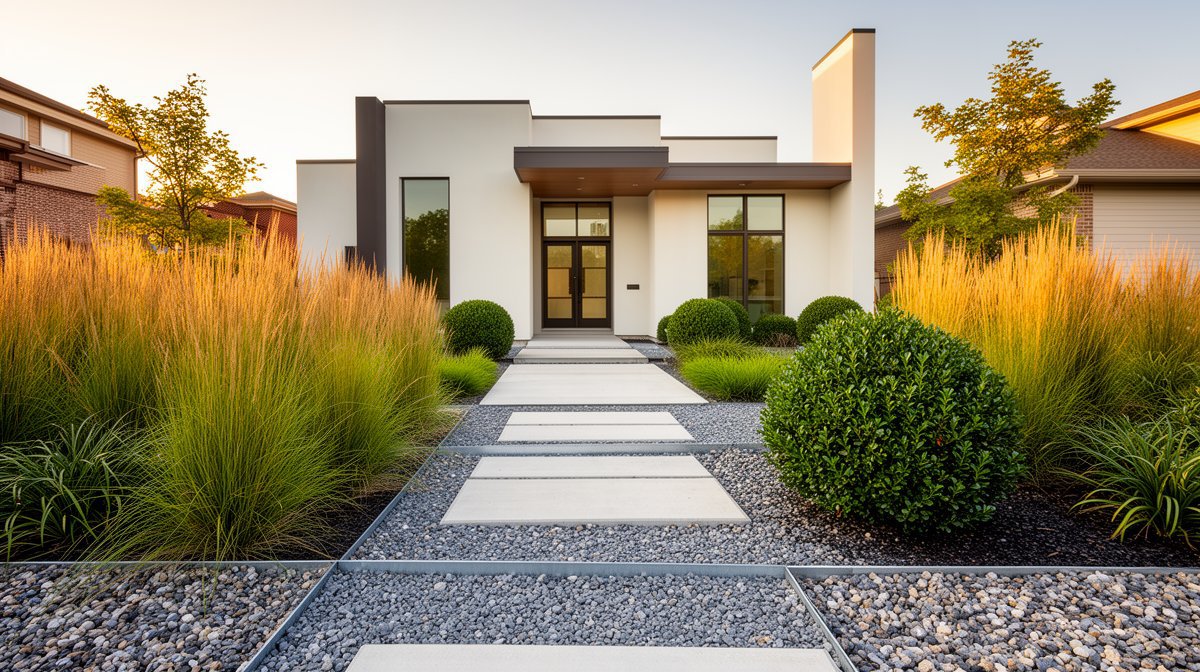
The Prairie Block Front Yard
$14–28/sqftThe front lawn of a 2000s two-story house in Thornbrook is replaced by rectangular blocks of native grasses separated by bands of crushed limestone, with a wide concrete walk running straight from the driveway to the door. Each block holds one plant only, so the yard reads as a pattern from the street. The house faces south, so the grasses get full sun all day and light up from behind in the October evenings.

AI-generated image
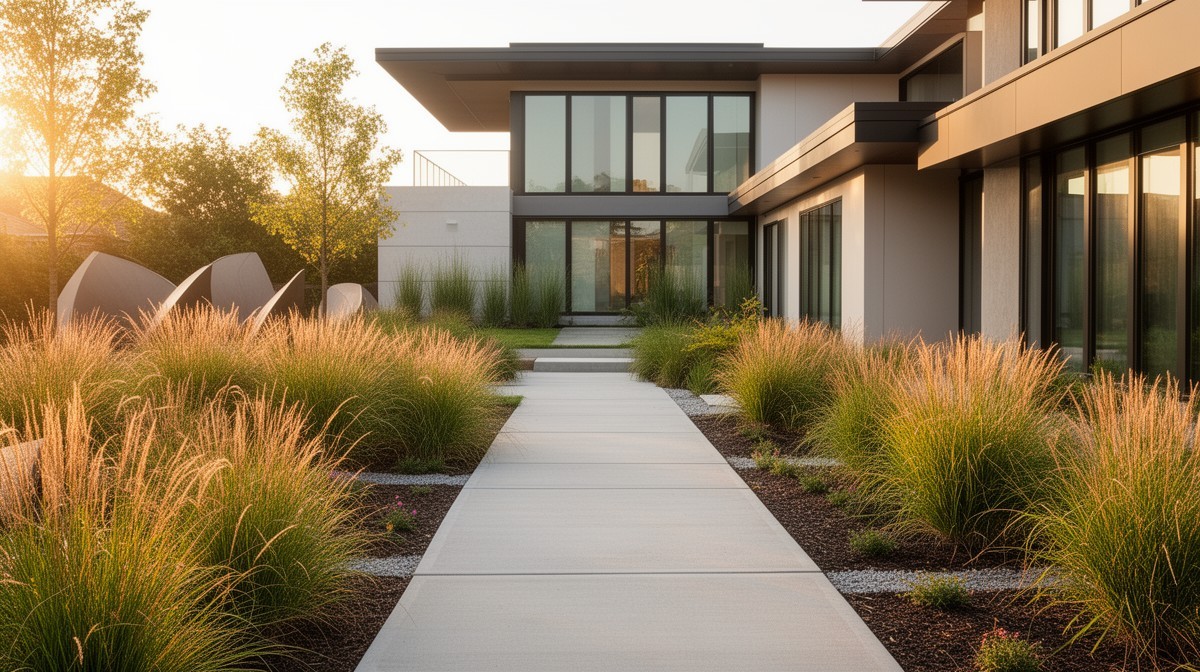
The Limestone Terrace on a Slope
$30–60/sqftA sloping backyard behind a 1970s brick ranch is cut into two level terraces held by sawn Missouri limestone walls, with a concrete paver patio on the upper level and a gravel dining area below. Feather reed grass lines the top of each wall, and a row of columnar baldcypress screens the neighbors. The patio faces west, so a steel shade sail over the upper terrace takes the edge off the July afternoon sun.

AI-generated image
The Downtown Courtyard
$22–45/sqftA narrow side yard beside a Broadway-area townhome becomes a gravel courtyard with three large concrete pavers stepping to a small bench, a black steel planter box and a single multi-stem serviceberry. Low sedge covers the shaded side under the neighbor's wall, and the bright end along the street gets a block of prairie dropseed. It is a small space with one tree, one material and one grass, which is what makes it look designed.

AI-generated image
The Rain Garden Patio
$20–40/sqftA rectangular concrete patio behind a new fiber-cement house in the east-side subdivisions drains into a straight-sided rain garden edged in steel, filled with river rock at the inlet and planted in bold drifts. A wood-slat bench runs along one edge, and a row of columnar arborvitae screens the back fence. It turns the claypan problem into the design: the April and May storms collect in one planted place instead of standing on the lawn.
See how a modern/minimalist garden looks on YOUR property
Upload a photo of your Columbia yard and visualize your dream garden in seconds.
Try ProScapeAI Free

AI-generated image
Featured Trees & Shrubs for Modern/Minimalist Gardens
Browse all 169 plants for Columbia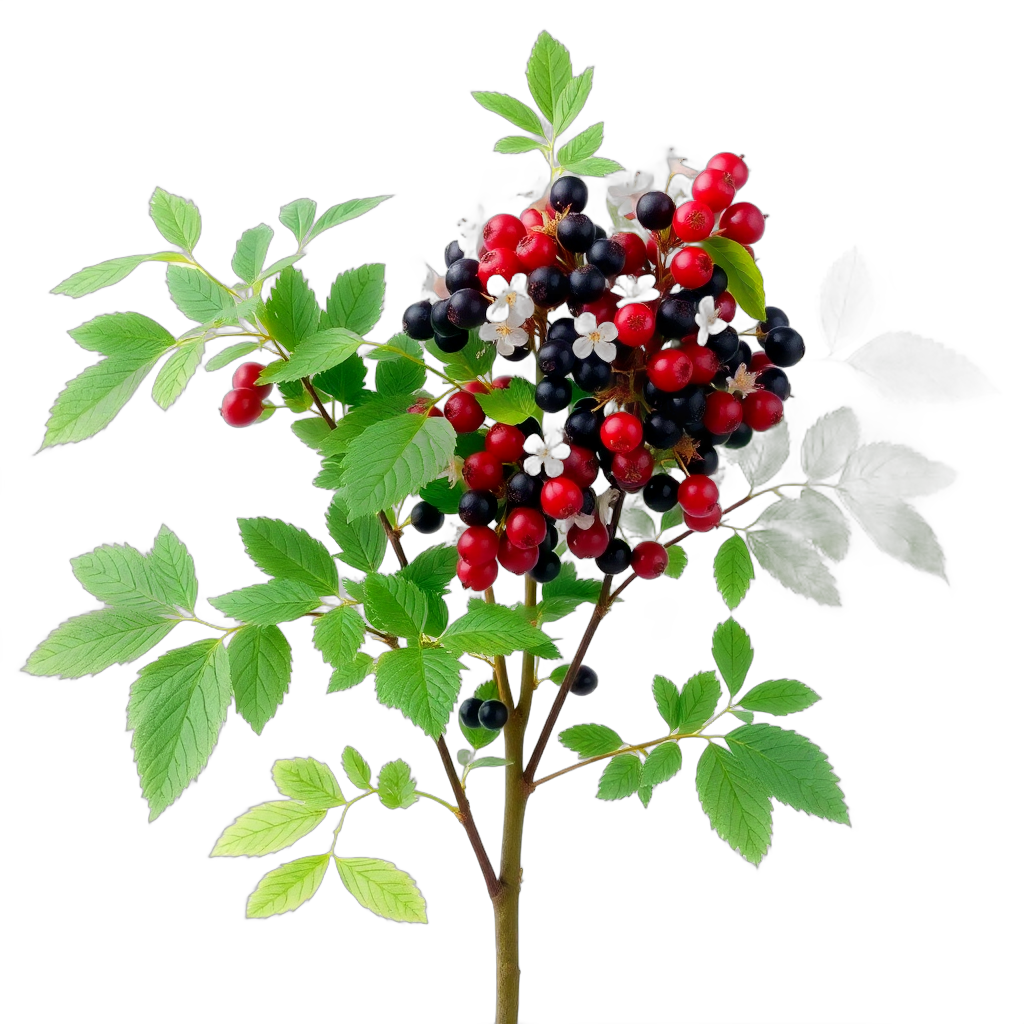
American Black Currant
Ribes americanum
grows to 5 feet, white,yellow blooms in spring. Attracts hummingbirds.
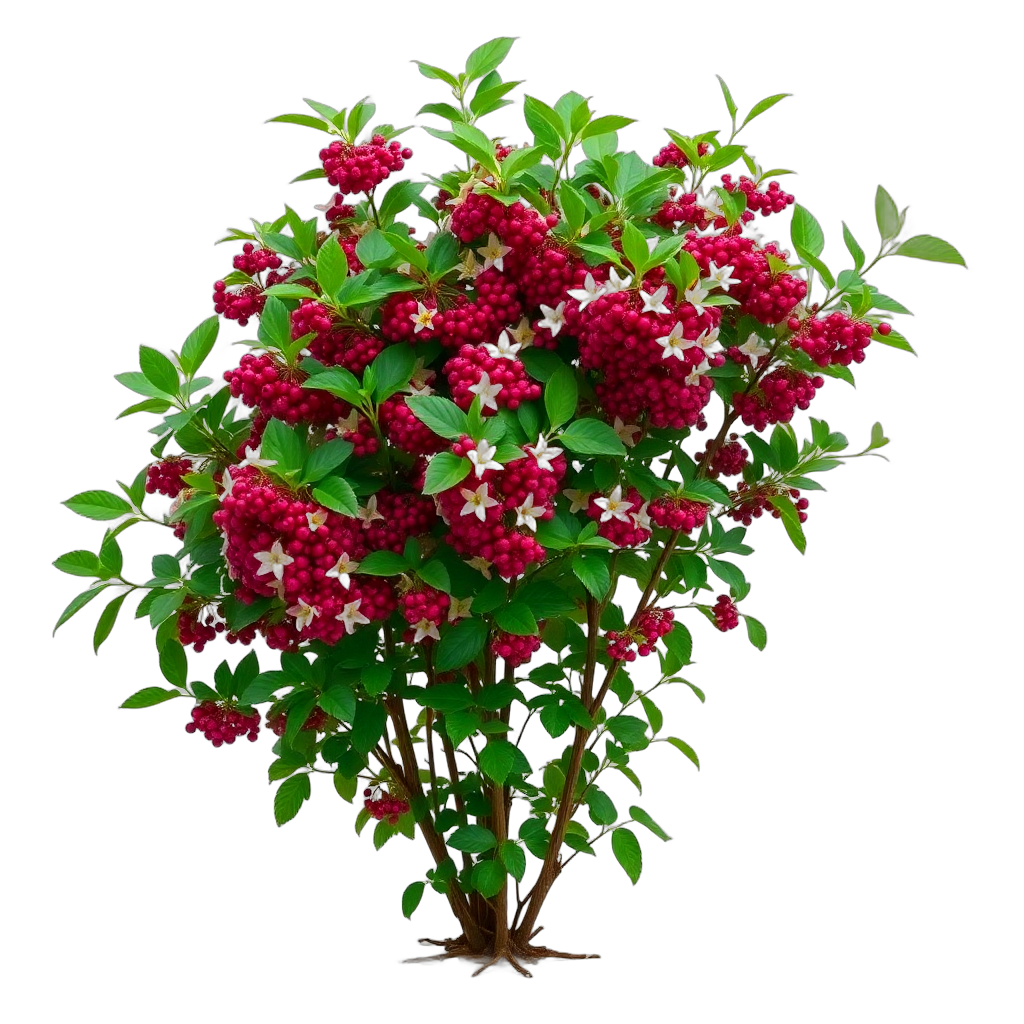
Clove Currant
Ribes odoratum
grows to 6 feet, yellow blooms in spring. Attracts hummingbirds.
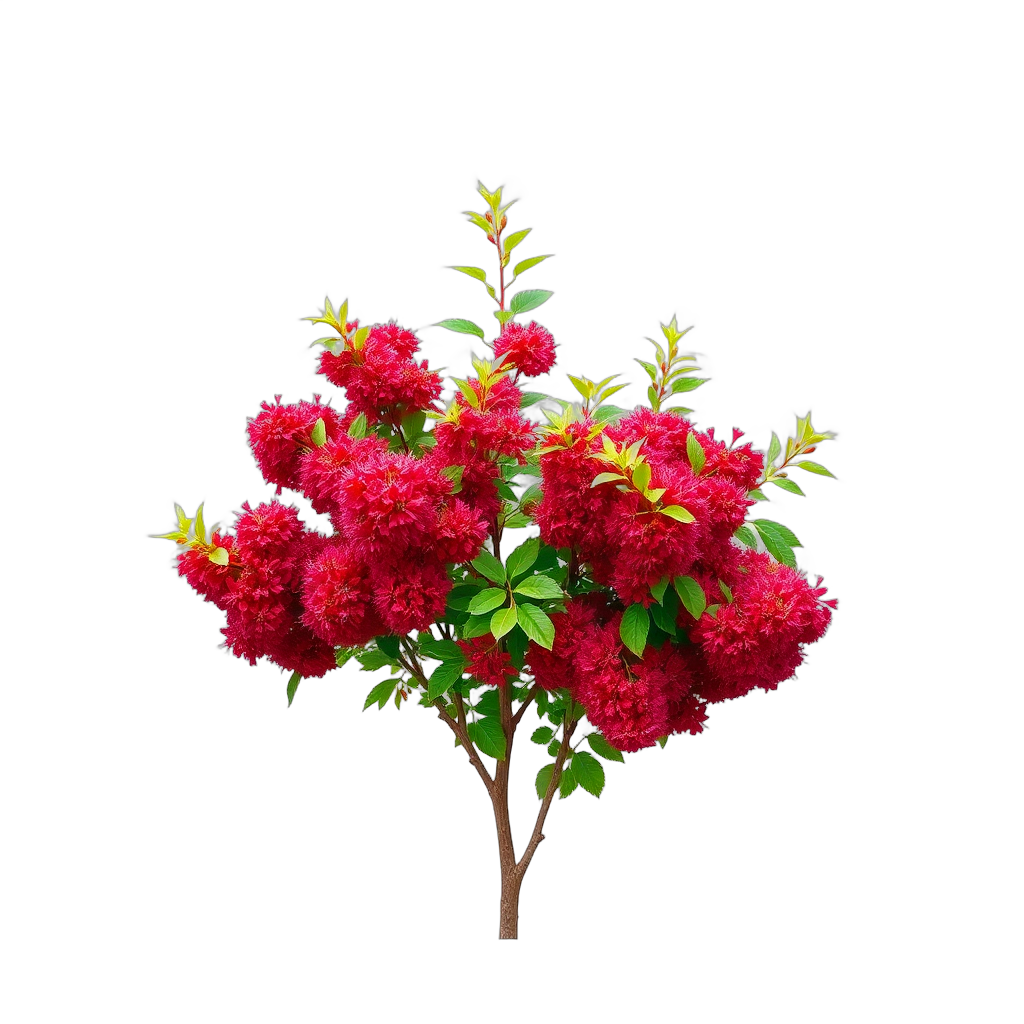
Fragrant Sumac
Rhus aromatica
grows to 4 feet, yellow blooms in spring. Attracts butterflies.

Golden Currant
Ribes aureum
grows to 6 feet, yellow blooms in spring. Attracts hummingbirds.
Featured Grasses & Groundcovers for Modern/Minimalist Gardens
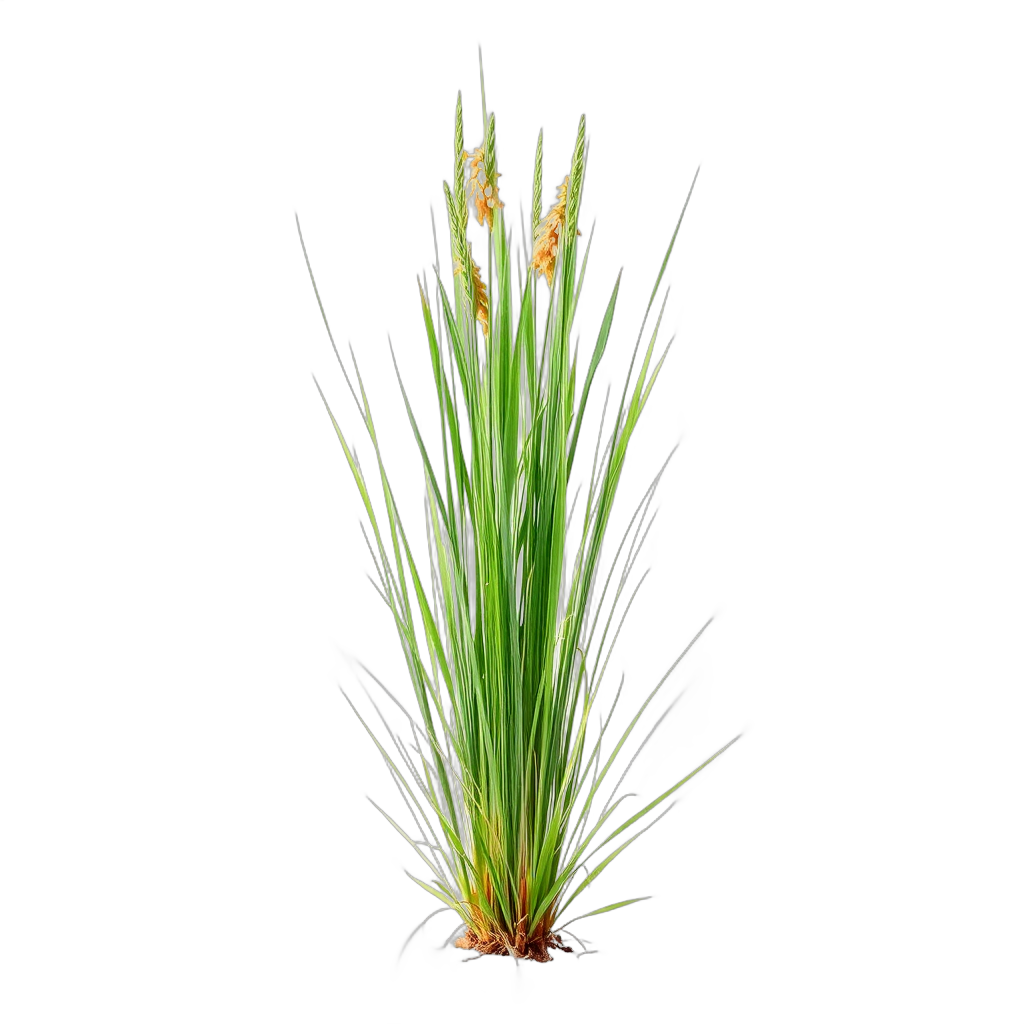
Eastern Gamagrass
Tripsacum dactyloides
grows to 6 feet, blooms in summer. Yellow fall color.
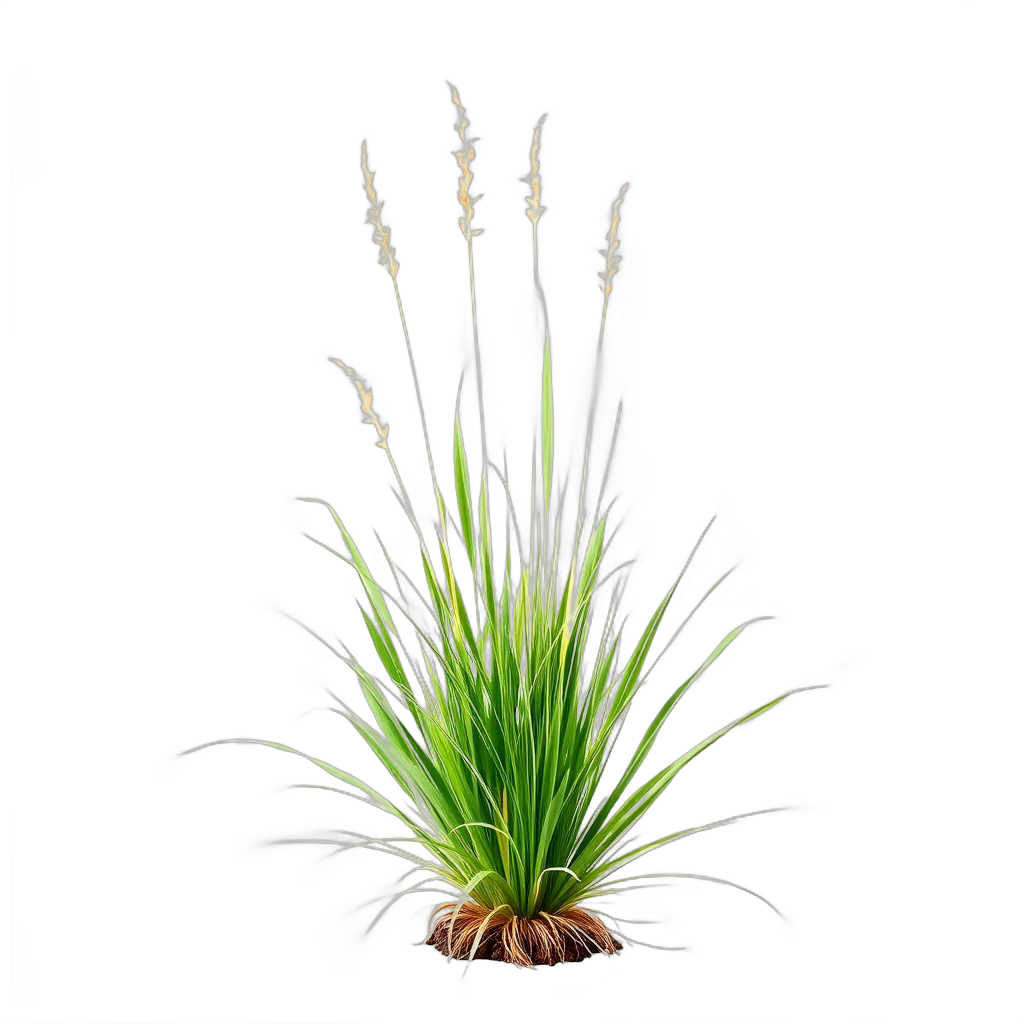
Northern Sea Oats
Chasmanthium latifolium
grows to 4 feet, blooms in fall. Bronze fall color.
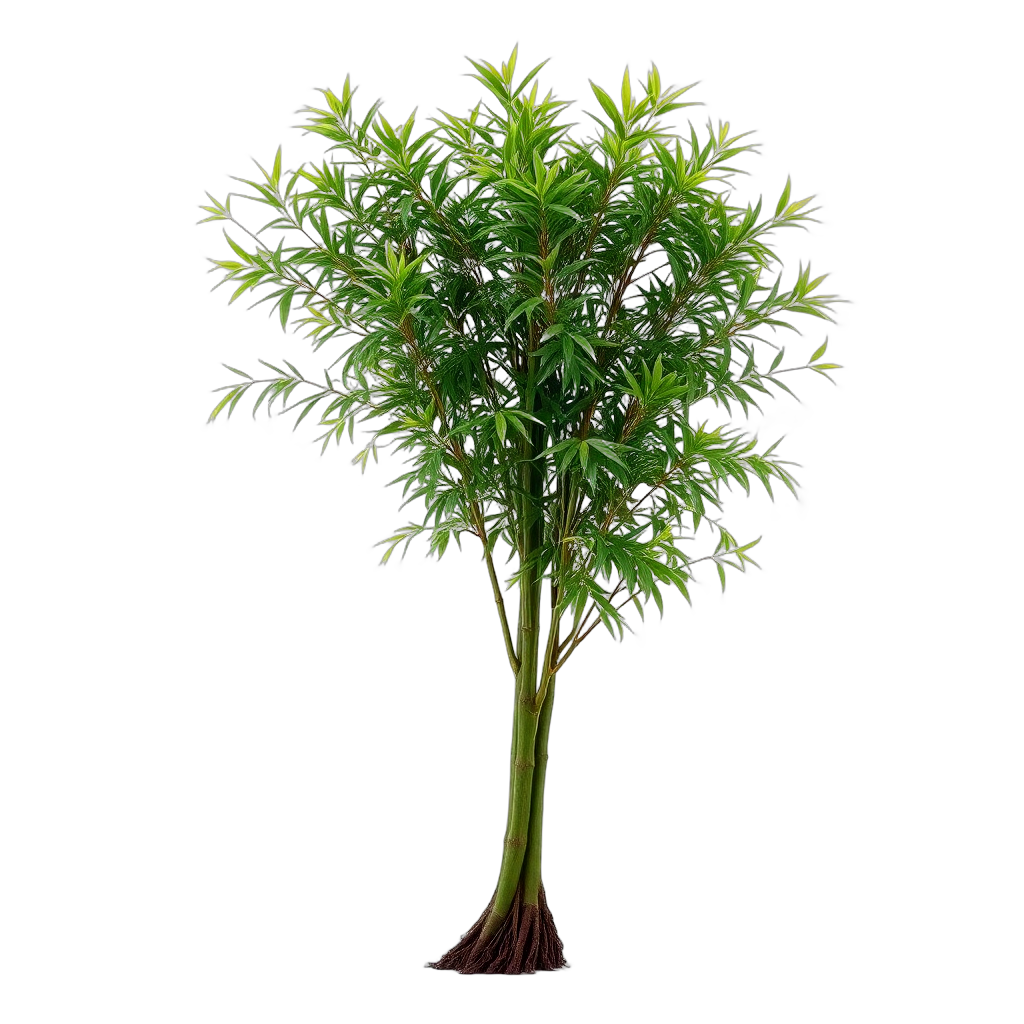
Broad-leaf Bamboo
Sasa palmata
medium-sized at 7 feet, blooms in none. Evergreen year-round.
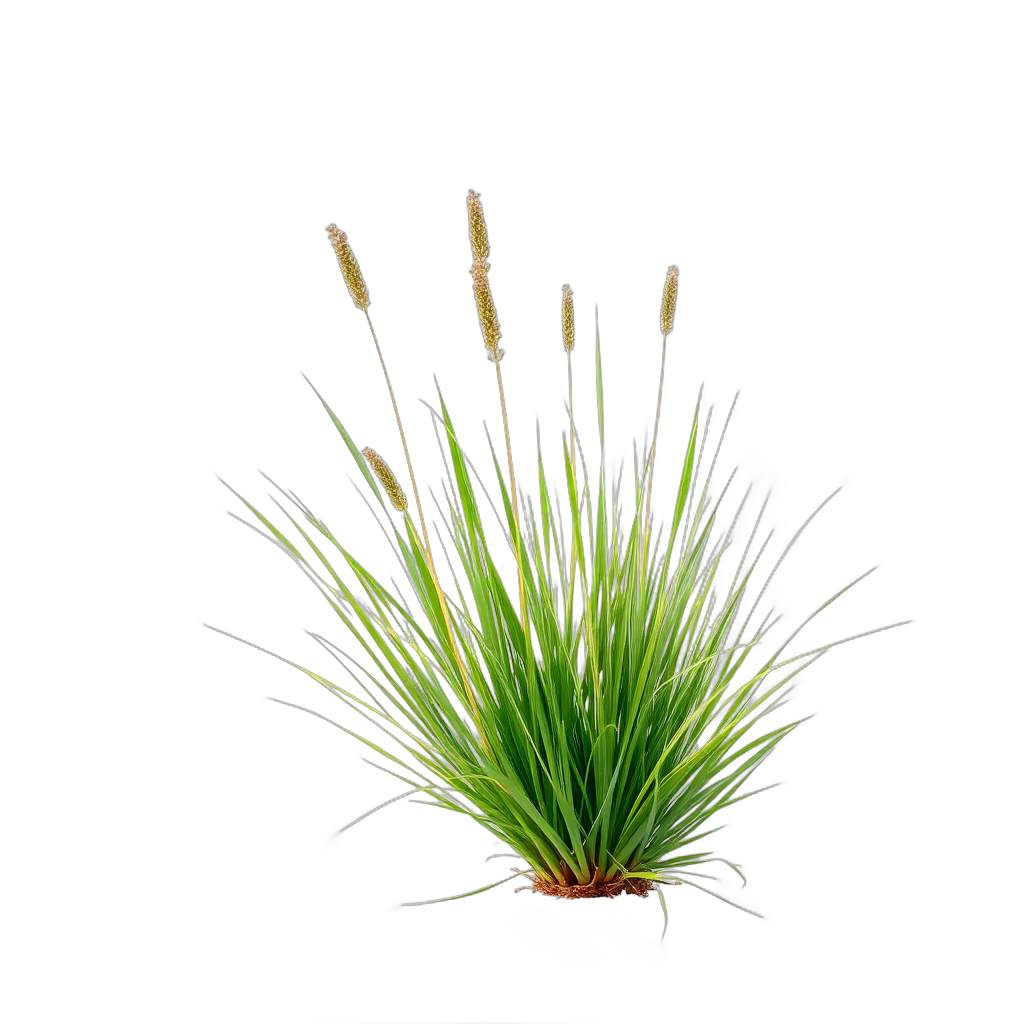
Deer Grass
Muhlenbergia rigens
grows to 3 feet, yellow blooms in fall. Evergreen year-round.
Featured Flowers & Perennials for Modern/Minimalist Gardens
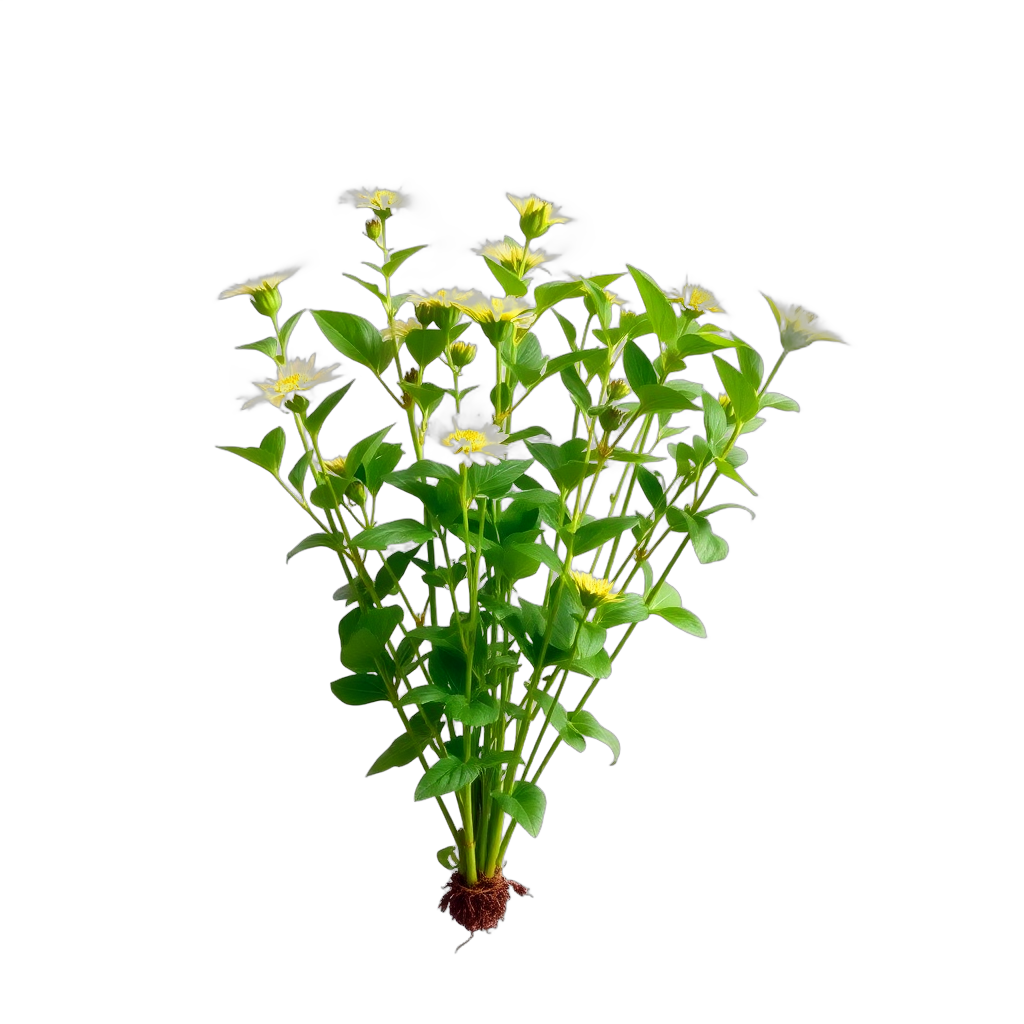
Cup Plant
Silphium perfoliatum
medium-sized at 7 feet, yellow blooms in summer. Attracts butterflies.
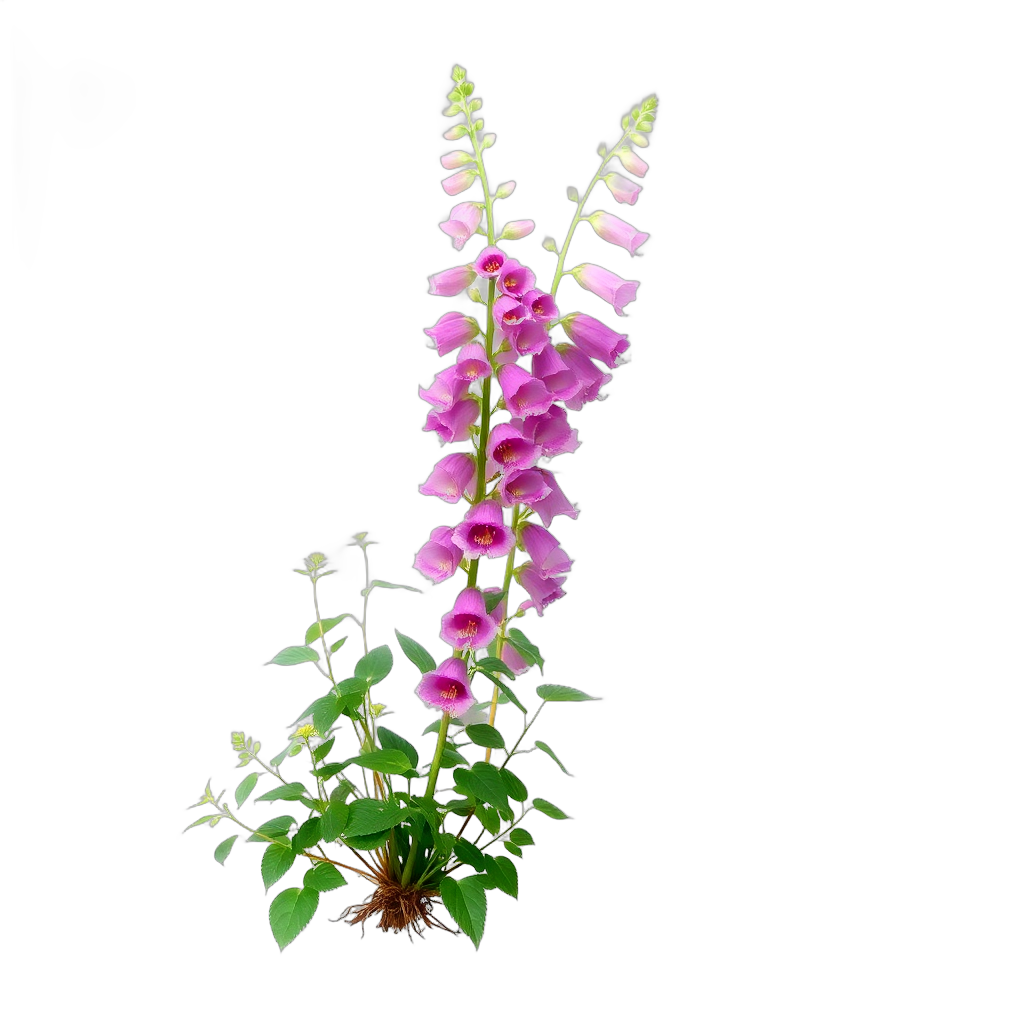
Foxglove Beardtongue
Penstemon digitalis
grows to 3 feet, white blooms in spring. Attracts hummingbirds.
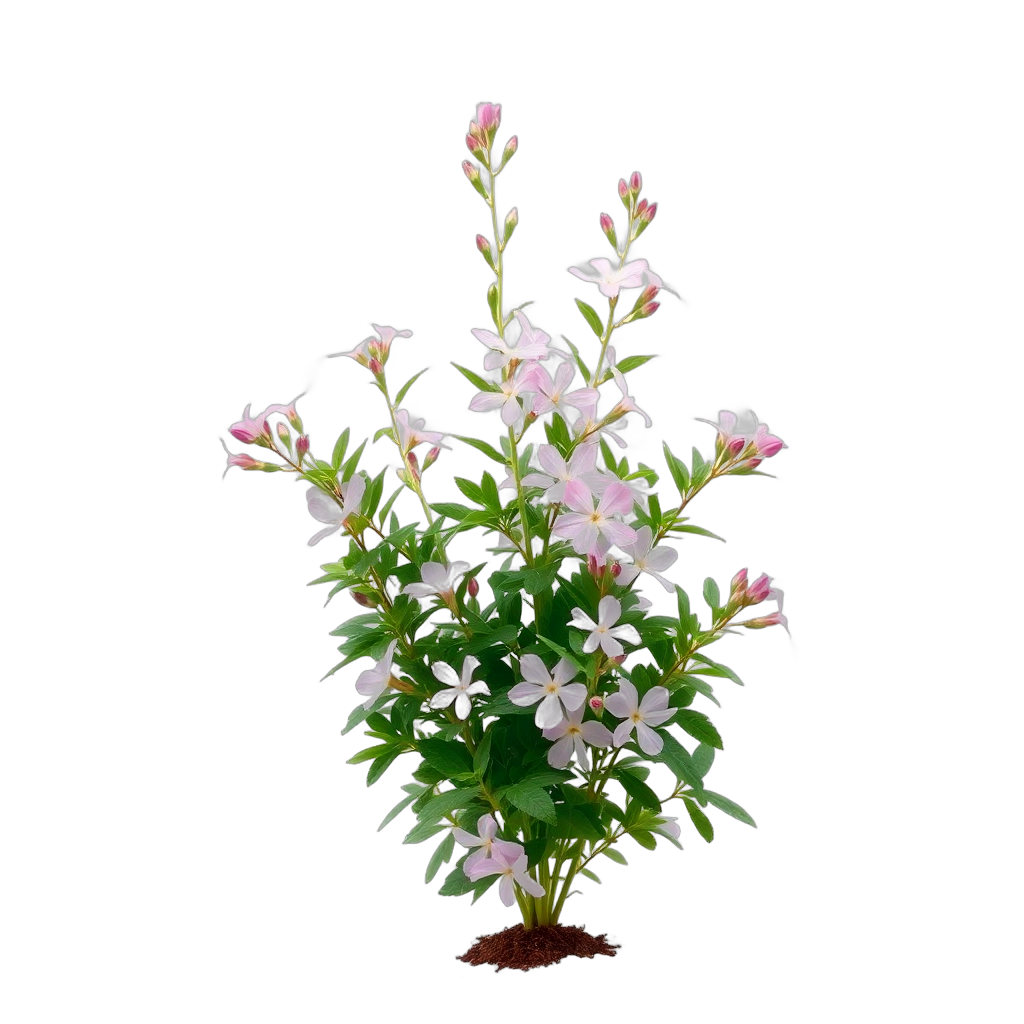
Garden Phlox
Phlox paniculata
grows to 3 feet, multi blooms in summer. Attracts hummingbirds.

Gloriosa Daisy
Rudbeckia hirta
low-growing ground cover, yellow blooms in summer. Attracts butterflies.
Zone and sun checks come from our database — confirm with your local nursery before you buy.
Bloom Calendar for Columbia
spring
Foxglove Beardtongue, American Black Currant, Clove Currantsummer
Cup Plant, Garden Phlox, Gloriosa Daisyfall
Northern Sea Oatswinter
Limited bloomsDesign Tips for Columbia (Zone 6a)
- Get a soil test from the University of Missouri Soil and Plant Testing Laboratory before planting: Columbia topsoil often runs acidic, and knowing the pH tells you whether the grasses and shrubs need lime
- Never set a patio straight on claypan: use a 6–8 inch compacted crushed limestone base and slope the surface away from the house, or spring rains will heave and stain it
- Set fence posts, shade-sail posts and pergola footings below the local frost depth, at least 30 inches deep, the depth the City's residential permit form calls for, so frost does not lift them
- Plant prairie grasses in blocks of one variety, at least 5–7 plants each; Panicum virgatum 'Northwind' and Sporobolus heterolepis 'Tara' look modern in bold masses and messy when mixed one of each
- Swap the desert-modern palette for a Missouri one: Yucca filamentosa 'Color Guard' instead of agave, Rhus aromatica 'Gro-Low' instead of tender groundcovers, and Taxodium distichum 'Shawnee Brave' instead of Italian cypress
- Send downspouts to a steel-edged rain garden planted with Iris virginica and Carex muskingumensis; Columbia's wettest months are April and May, and a planned wet spot beats a soggy lawn
- Cut grasses back in late February, not in fall: the standing stems and seed heads are the winter structure of a modern Columbia garden
Where to Source Plants in Columbia
Skip the big-box stores. These independent Columbia nurseries specialize in the plants that make modern/minimalist gardens thrive in Zone 6a.
Missouri Wildflowers Nursery
Jefferson City (about 30 miles south)
Grows over 300 species native to Missouri, including the switchgrass, little bluestem, prairie dropseed, sedges and rain garden plants a modern prairie-style yard is built from
Superior Garden Center
North Columbia (Trails West)
Rost Landscaping's garden center with seven greenhouses and over six acres of trees, shrubs and Missouri-hardy perennials, plus bulk rock and mulch for gravel bands and patio bases
Strawberry Hill Farms
South of Columbia (Highway 163)
Family-run retail greenhouse founded in 1980 that grows most of what it sells, including perennials and shrubs
Modern/Minimalist Landscaping Costs in Columbia
| Project Scope | Estimated Cost |
|---|---|
| Front lawn to native grass blocks with gravel bands (500 sqft) | $7,000 – $14,000 |
| Large-format paver or broom-finish concrete patio (300–400 sqft) | $5,000 – $12,000 |
| Sawn limestone retaining wall with drainage (30–50 face ft) | $4,000 – $10,000 |
| Corten steel edging, installed (100 linear ft) | $1,500 – $3,500 |
| Steel-edged rain garden at a downspout (100–200 sqft) | $2,000 – $5,000 |
| Full modern backyard: patio, walls, planting, lighting | $25,000 – $70,000 |
| AI visualization (ProScapeAI) | Free to start |
Estimates based on Columbia, MO-area contractor rates as of 2026. Actual costs vary by site conditions, materials, and contractor.
Columbia Climate & Growing Zone
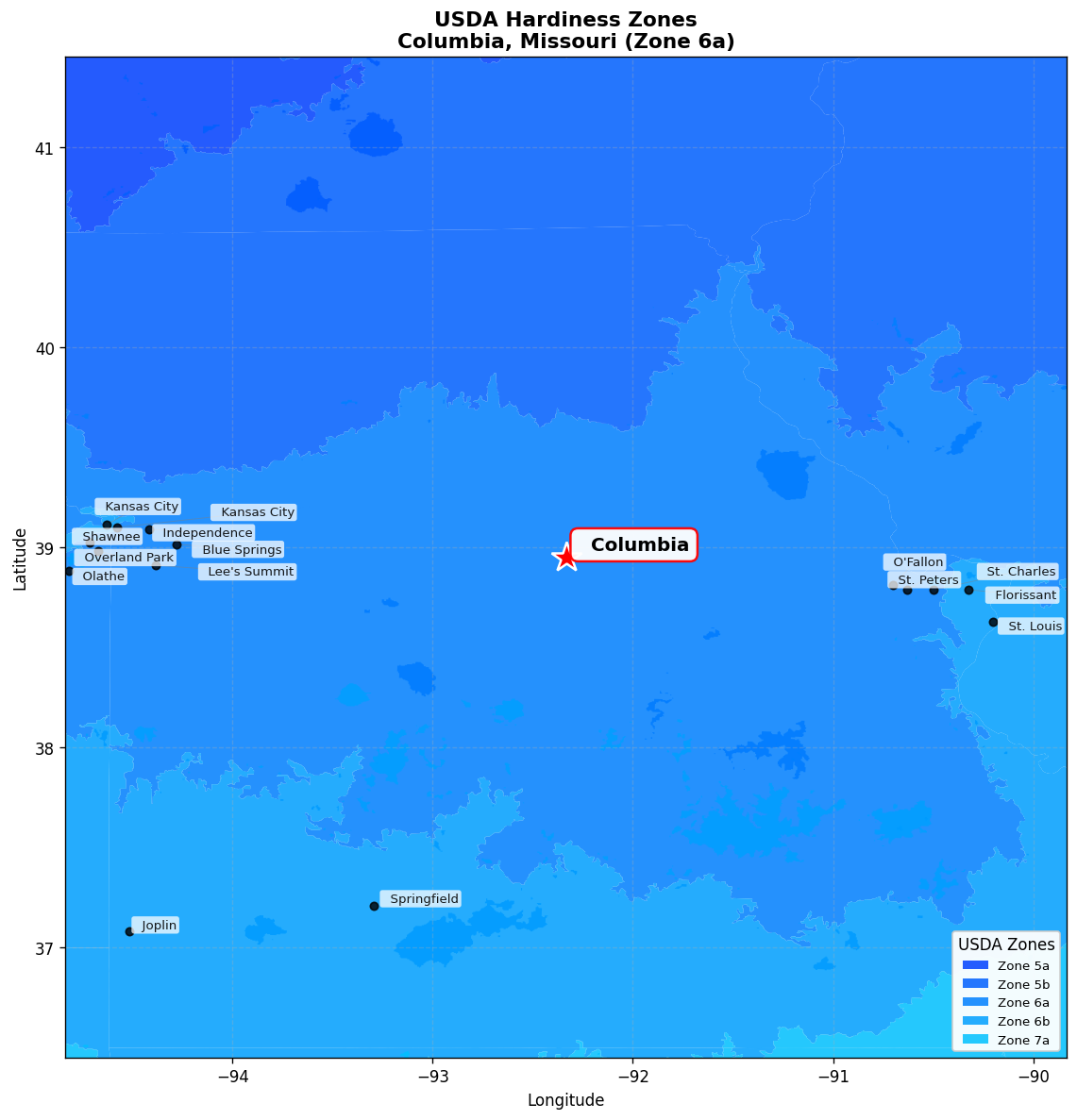
USDA Zone 6a
Hardiness zone for Columbia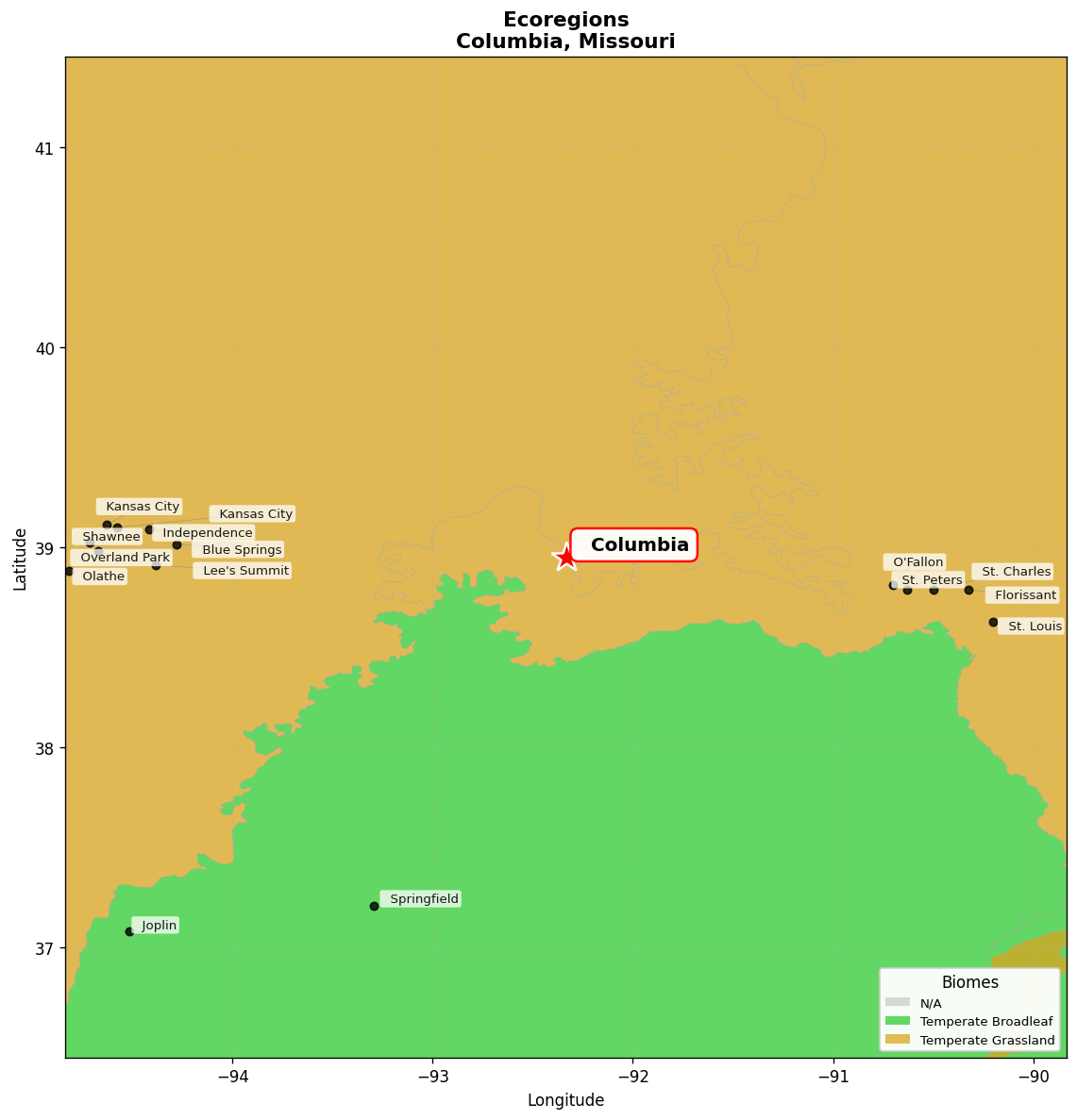
Central US forest-grasslands transition
Native ecoregionFrequently Asked Questions
How much does a modern landscape cost in Columbia, MO?
As a rough guide, converting a 500 sqft front lawn to blocks of native grasses with limestone gravel bands and steel edging runs about $7,000–14,000 installed. A large-format paver or broom-finish concrete patio usually lands around $15–30 per square foot, and sawn limestone retaining walls are a bigger line item at roughly $45–90 per face foot. A full modern backyard with patio, walls and planting typically runs $25,000–70,000. Plants are the cheap part: Panicum virgatum 'Northwind' and Sporobolus heterolepis 'Tara' in quart or plug sizes keep the planting budget low. Get two or three local bids.
Is a modern native-grass yard low maintenance in Columbia's climate?
Once established, yes. Grasses like Schizachyrium scoparium 'Standing Ovation' and Calamagrostis × acutiflora 'Karl Foerster' need watering only through the first summer and in long dry spells after that, even with about 35 days a year over 90°F. The main job is one cut-back to 4–6 inches in late February or early March, before new growth starts. Leave the stems up through winter: they carry the design from November to March, when Columbia averages about 16.5 inches of snow. Weeding the gravel bands in the first two years is the other real chore.
When should I plant a modern landscape in Columbia?
Warm-season prairie grasses such as Panicum virgatum and Sporobolus heterolepis root best in spring, from mid-April after the median last frost around April 7 through early June. Fall planting from September to mid-October works well for trees, shrubs and cool-season plants like Calamagrostis 'Karl Foerster' and Sesleria autumnalis. Pour concrete and set pavers outside the coldest months; avoid planting anything new in July and August.
Do I need a permit or HOA approval for a modern yard in Columbia?
Planting beds and gravel do not need a city permit, but walls, fences, pergolas and structures with footings can fall under City of Columbia building and zoning review, and the City's residential permit form calls for footings at least 30 inches deep. Check with Community Development before building, especially for retaining walls. Many newer subdivisions such as Old Hawthorne and Thornbrook have HOA covenants that can cover turf replacement, fence styles and front-yard changes, so get written approval before you remove the lawn. Call Missouri 811 before digging.
What modern plants survive both Columbia winters and summers?
Plants rated for Zone 6a or colder that also take humid 88°F July highs: Panicum virgatum 'Northwind' and 'Shenandoah', Schizachyrium scoparium 'Standing Ovation', Sporobolus heterolepis 'Tara', Calamagrostis × acutiflora 'Karl Foerster', Yucca filamentosa 'Color Guard', Rhus aromatica 'Gro-Low' and Taxodium distichum 'Shawnee Brave'. Skip Agave, Phormium and most Mediterranean grasses: a Zone 6a winter with nights near −10°F kills them, and wet claypan finishes off the rest.
How do I build hardscape that lasts on Columbia's clay and limestone?
Water does more damage than cold. On claypan soil, put a 6–8 inch compacted crushed limestone base under pavers, slope every patio away from the house, and give water a way out through a drain line or a rain garden. Retaining walls need clean drainage stone and a perforated pipe behind them, or a wet spring will push them over. On the south side over limestone, watch for soft spots and sinkholes before you pour, and keep heavy hardscape away from any depression that collects water.