4 Modern Landscape Ideas for Independence, MO | Prairie Grasses for Zone 6a
Native plants from the Central Tallgrass prairie (Zone 6a) — Humid continental (hot summer) climate
Why Modern/Minimalist Gardens in Independence?
A modern landscape in Independence works best when it borrows from the ground it sits on. The city lies in the Central Tallgrass Prairie, and the native grasses that once covered eastern Jackson County are still the best structural plants a modern design can use: Panicum virgatum 'Northwind' for upright columns, Schizachyrium scoparium 'Standing Ovation' for rust-orange fall color, and Sporobolus heterolepis 'Tara' for a low, fine-textured edge. Planted in clean blocks against concrete, steel and limestone, they give the clean lines a modern yard needs and stay standing through winter.
Winters here are cold. NOAA's 1991–2020 normals for Independence give a January average low of 19.2°F and a record low of -16°F, with about 13 inches of snow a year, so half the year the garden is judged on its bare structure. Zone 7 plants that look modern in catalogues, Agave americana, Phormium and most Mediterranean lavenders, will not survive here. Use Yucca filamentosa 'Color Guard' instead of agave, Taxus × media 'Hicksii' or Thuja occidentalis 'Degroot's Spire' for clipped evergreen walls, and Calamagrostis × acutiflora 'Karl Foerster' for vertical lines that hold up under snow. Summer swings the other way, with a July average high of 86.9°F and humidity, so plant for both ends.
The house stock sets the scale. The 1950s and 1960s brick ranches across central and south Independence have long, low fronts and wide flat lawns that take a modern makeover well: pull the yews, square off the beds, run a concrete or large-format paver walk to the door. The newer two-story homes in the subdivisions off Little Blue Parkway usually have a bare, graded back yard on stripped clay, with room for a patio and a grass meadow. Near the Square and in Englewood, where houses are older, a restrained modern front with one tree and a few grass blocks keeps the street's character.
Build hardscape for freeze-thaw. Frost reaches roughly 30–36 inches down across the Kansas City metro, and the city gets about 44.7 inches of rain a year, so water that sits under a patio freezes and heaves. Put 6–8 inches of compacted crushed limestone under every paver and slab, slope surfaces away from the house, and let rain soak into gravel and planting beds. On the soil side, the silty clay under most yards drains slowly; a University of Missouri Extension soil test tells you whether you need compost or just patience. Prairie grasses like 'Northwind' handle heavy clay well, which is one more reason they belong at the center of the plan.
4 Modern/Minimalist Design Ideas for Independence

AI-generated image
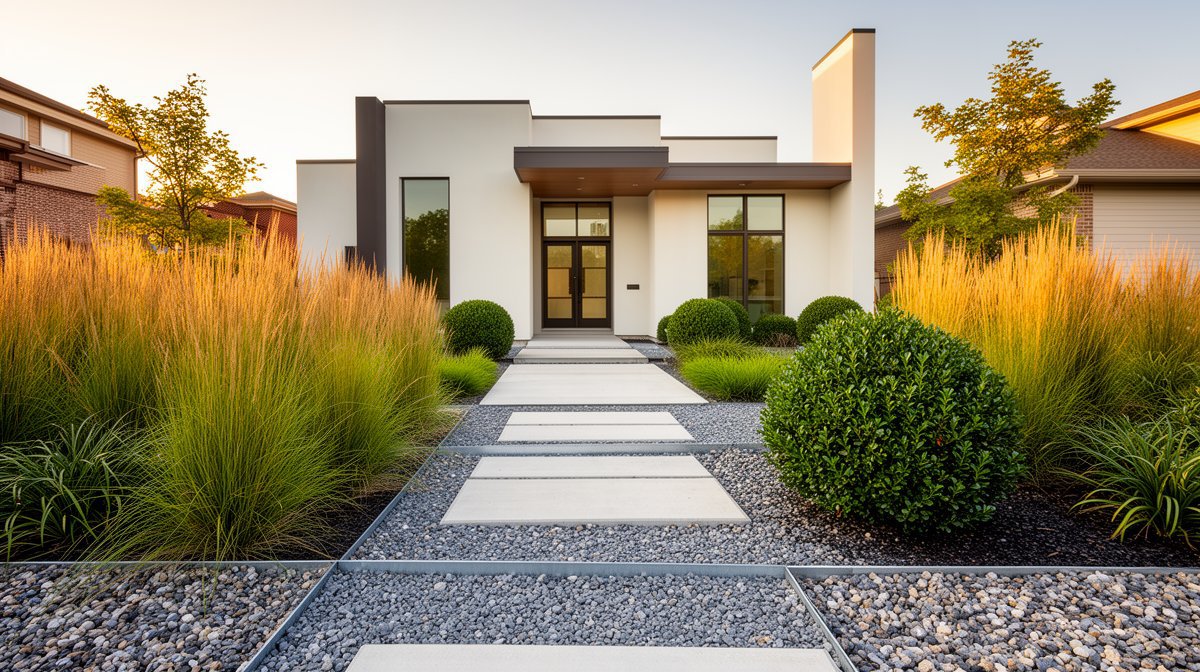
The Ranch House Grass Grid
$14–26/sqftA long 1960s brick ranch gets a new front: the lawn is replaced by a grid of square beds, each planted in a single grass, divided by 24-inch concrete pavers running from the drive to the door. The yard faces south and bakes in afternoon sun, which the grasses love, and one multi-trunk river birch at the corner breaks up the long roofline. In winter the tan grass blocks and gray pavers still read as a clean pattern under snow.

AI-generated image
The Limestone Terrace Back Yard
$28–55/sqftBehind a two-story suburban house, a large-format limestone patio steps down from the back door to a lower level with a gas fire table, held by a low concrete seat wall. A clipped yew hedge closes off the side neighbors, and a band of feather reed grass along the seat wall catches the low western sun in the evening. Beyond the terrace, the rest of the graded yard is planted as a mown-edged prairie meadow.

AI-generated image
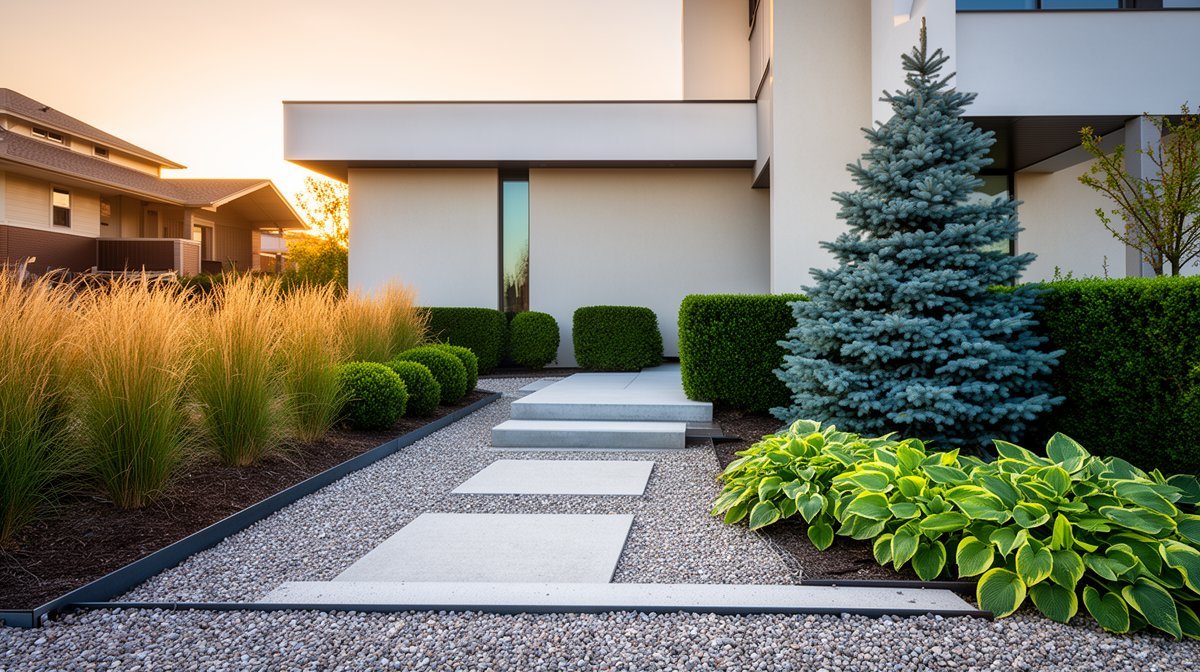
The Gravel Court Front
$12–24/sqftA smaller brick or frame house near the Square swaps its patchy front lawn for a crushed limestone court edged in steel, with three Color Guard yuccas and a redbud as the only tall elements. The front walk is a run of poured concrete slabs with gravel joints, and a low, 36-inch horizontal-slat cedar fence along the sidewalk keeps it within the city's front fence limit. The east-facing yard gets morning sun and afternoon shade from the house.

AI-generated image
The Evergreen Wall and Rain Garden
$16–32/sqftA narrow column of arborvitae screens a corner lot from the street, and in front of it a shallow rain garden catches roof water from a downspout, planted with switchgrass and blue false indigo. A straight concrete walk with a steel planter runs alongside it to a side entry. The low point of the yard does the work in a wet May, and the dried switchgrass and seed pods still look deliberate in February.
See how a modern/minimalist garden looks on YOUR property
Upload a photo of your Independence yard and visualize your dream garden in seconds.
Try ProScapeAI Free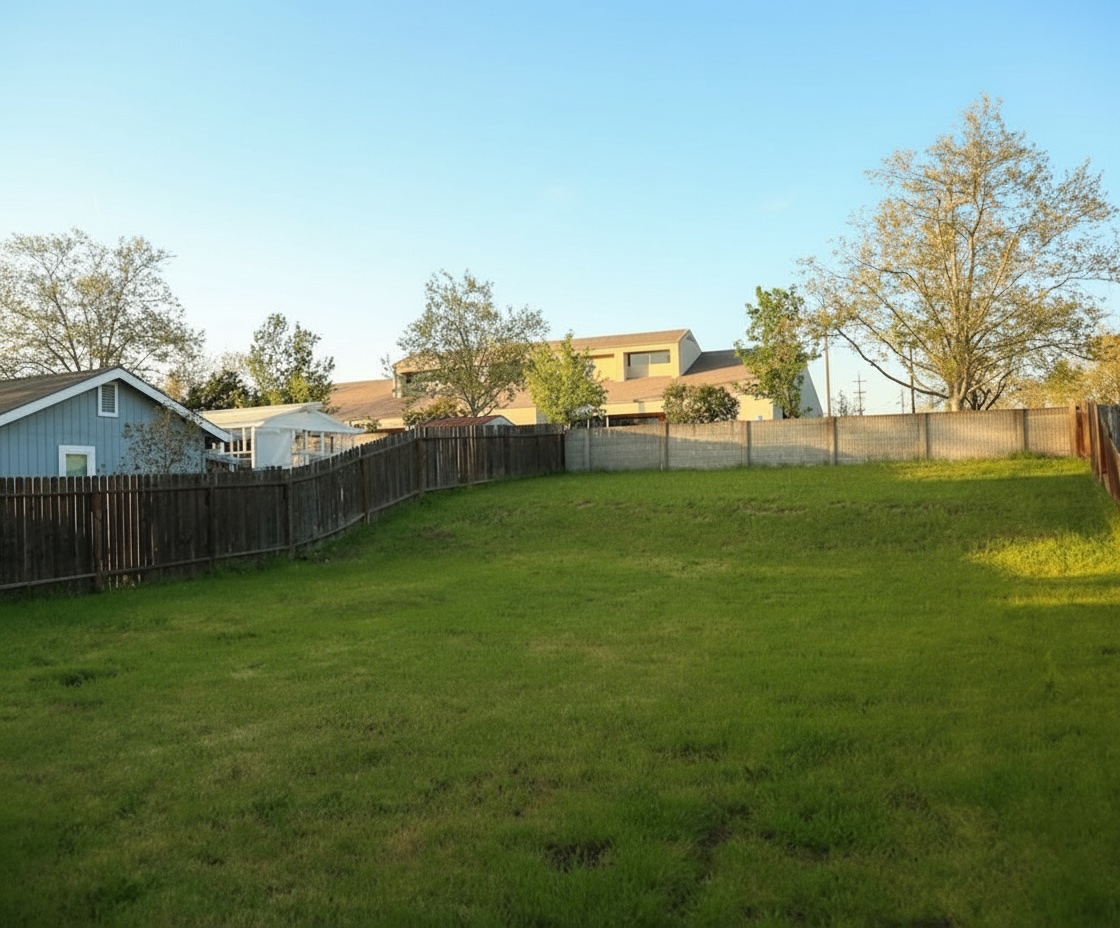
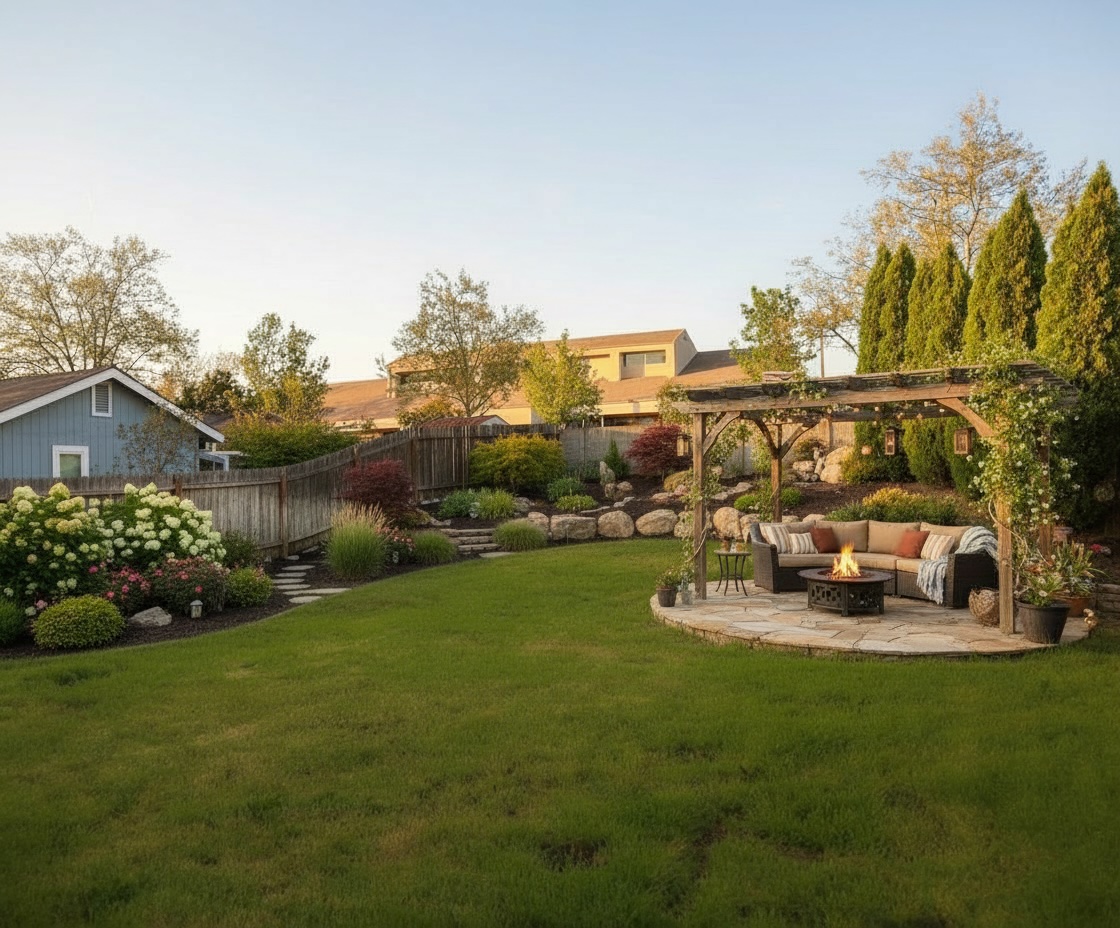
AI-generated image
Featured Trees & Shrubs for Modern/Minimalist Gardens
Browse all 194 plants for Independence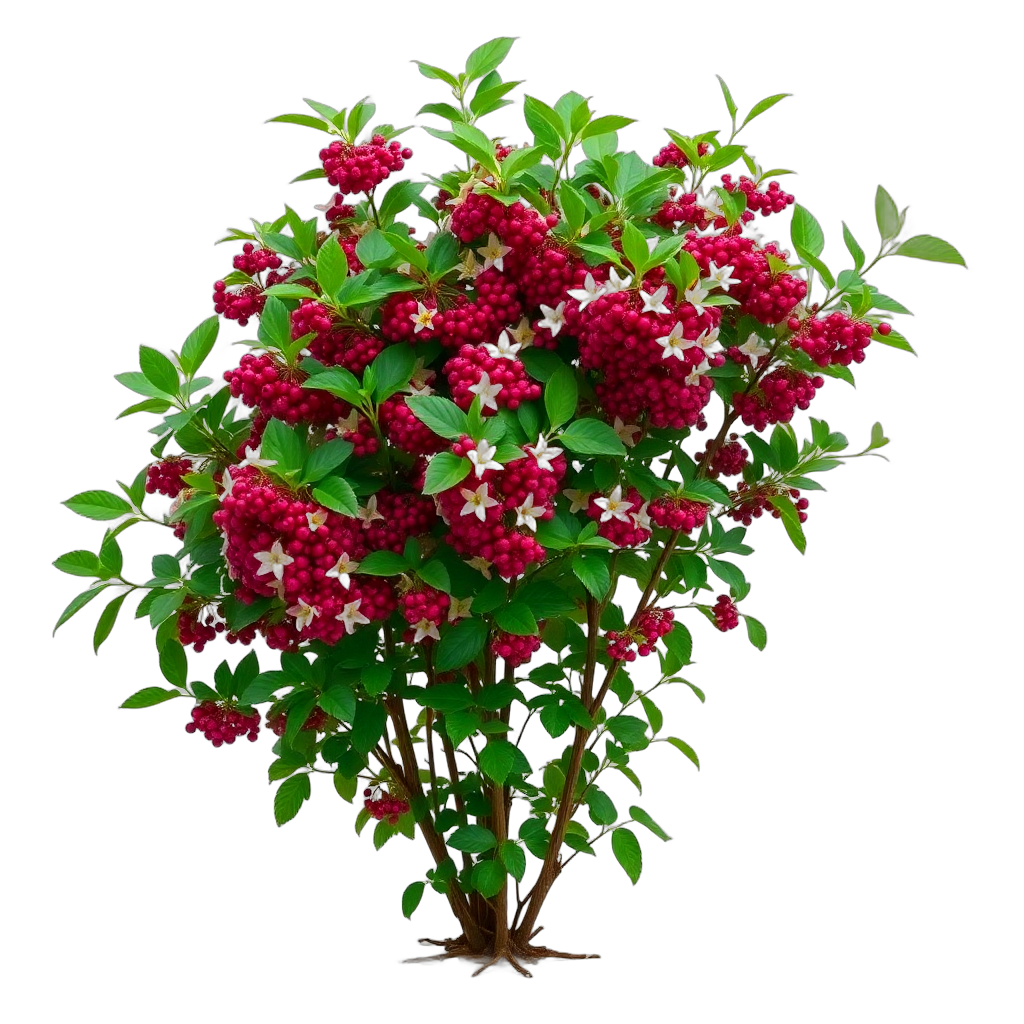
Clove Currant
Ribes odoratum
grows to 6 feet, yellow blooms in spring. Attracts hummingbirds.
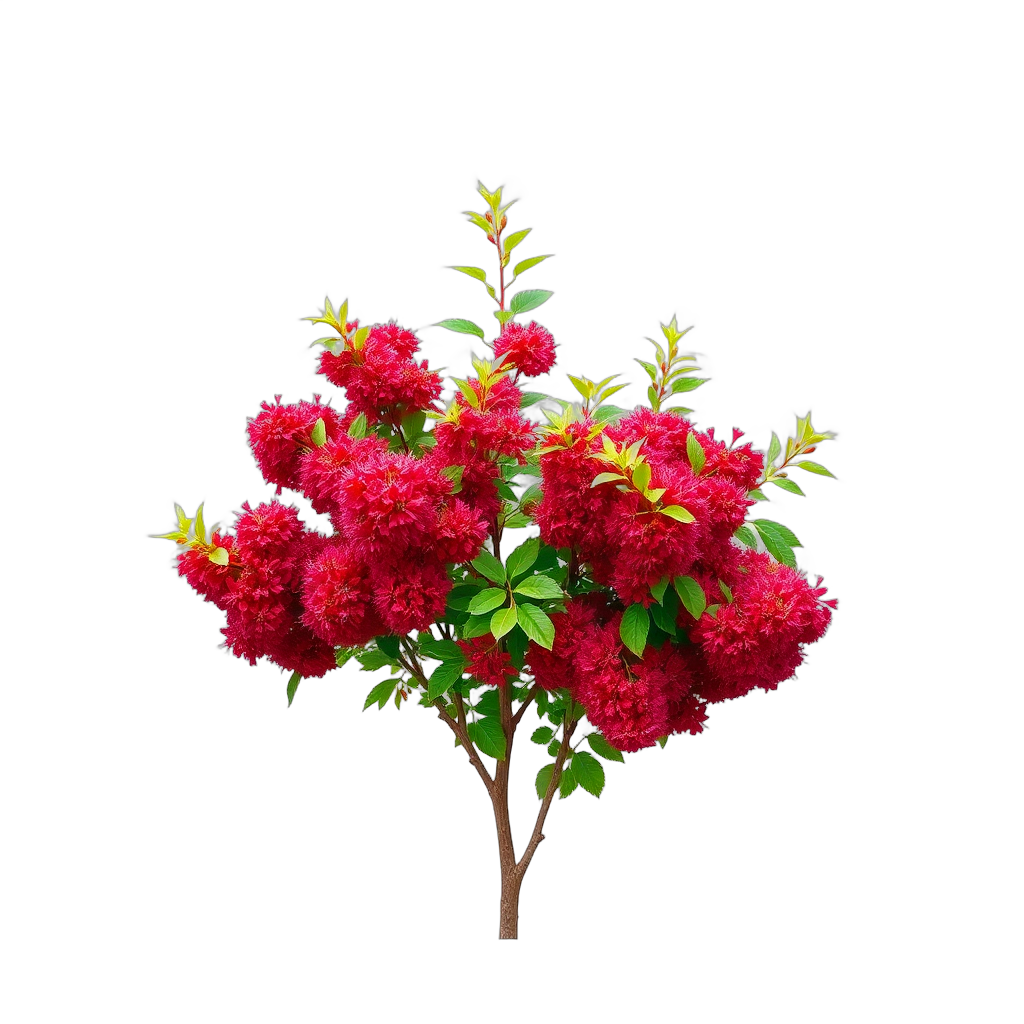
Fragrant Sumac
Rhus aromatica
grows to 4 feet, yellow blooms in spring. Attracts butterflies.
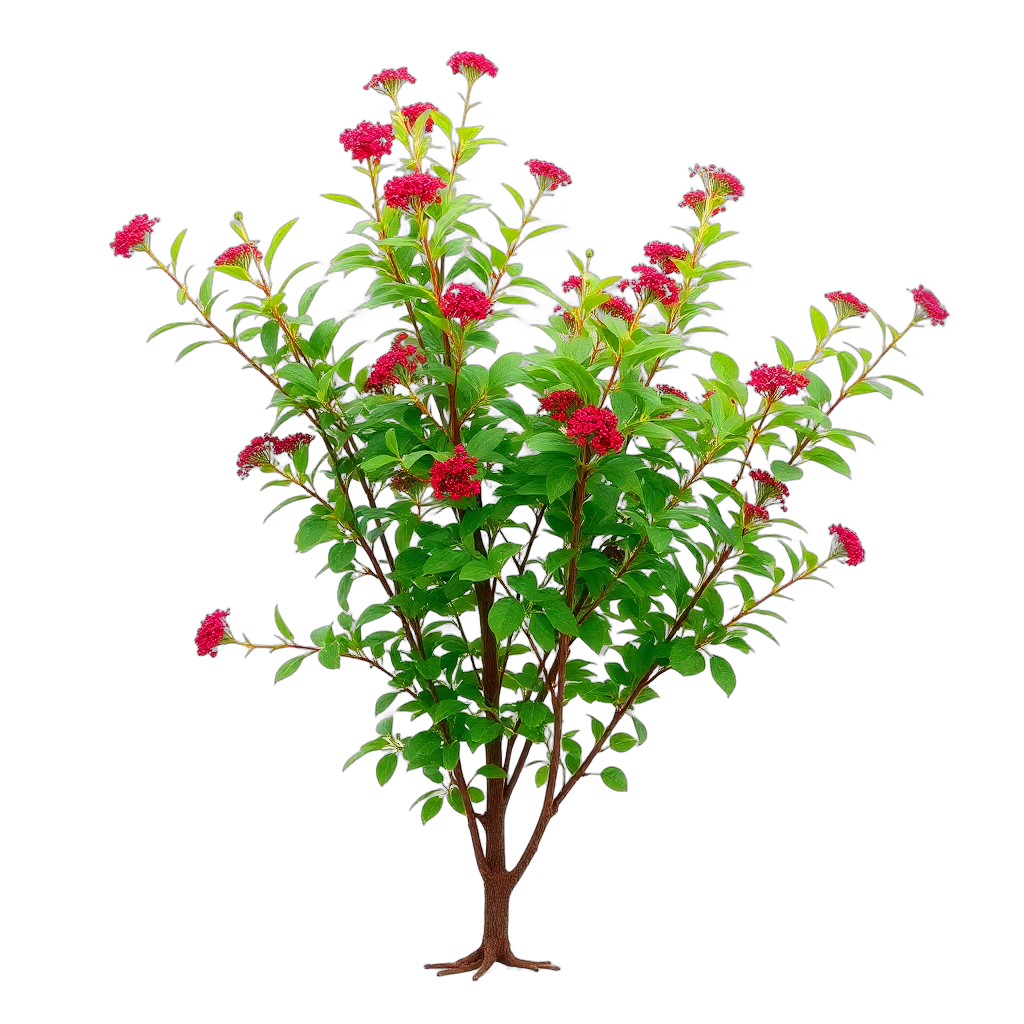
Smooth Sumac
Rhus glabra
medium-sized at 12 feet, white,green blooms in summer. Attracts butterflies.
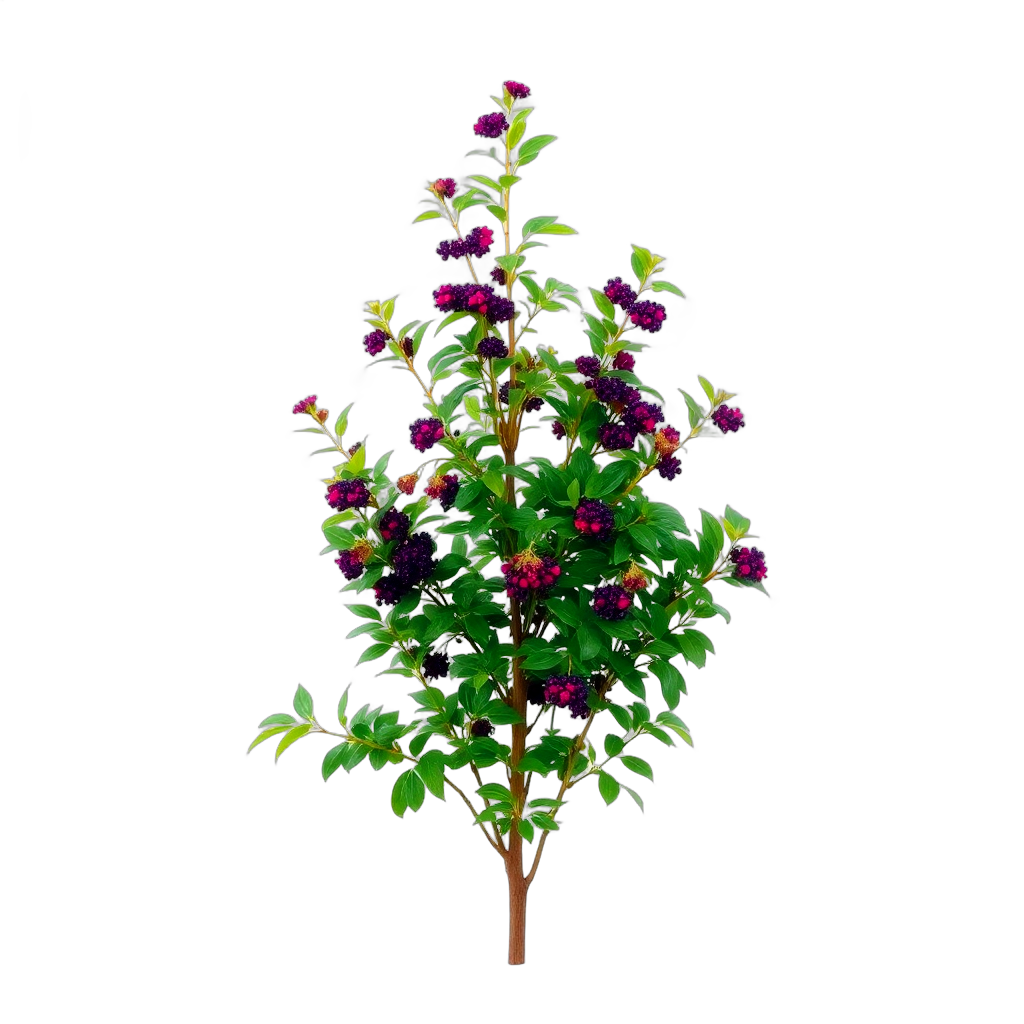
American Beautyberry
Callicarpa americana
grows to 6 feet, pink blooms in summer. Pollinator-friendly.
Featured Grasses & Groundcovers for Modern/Minimalist Gardens
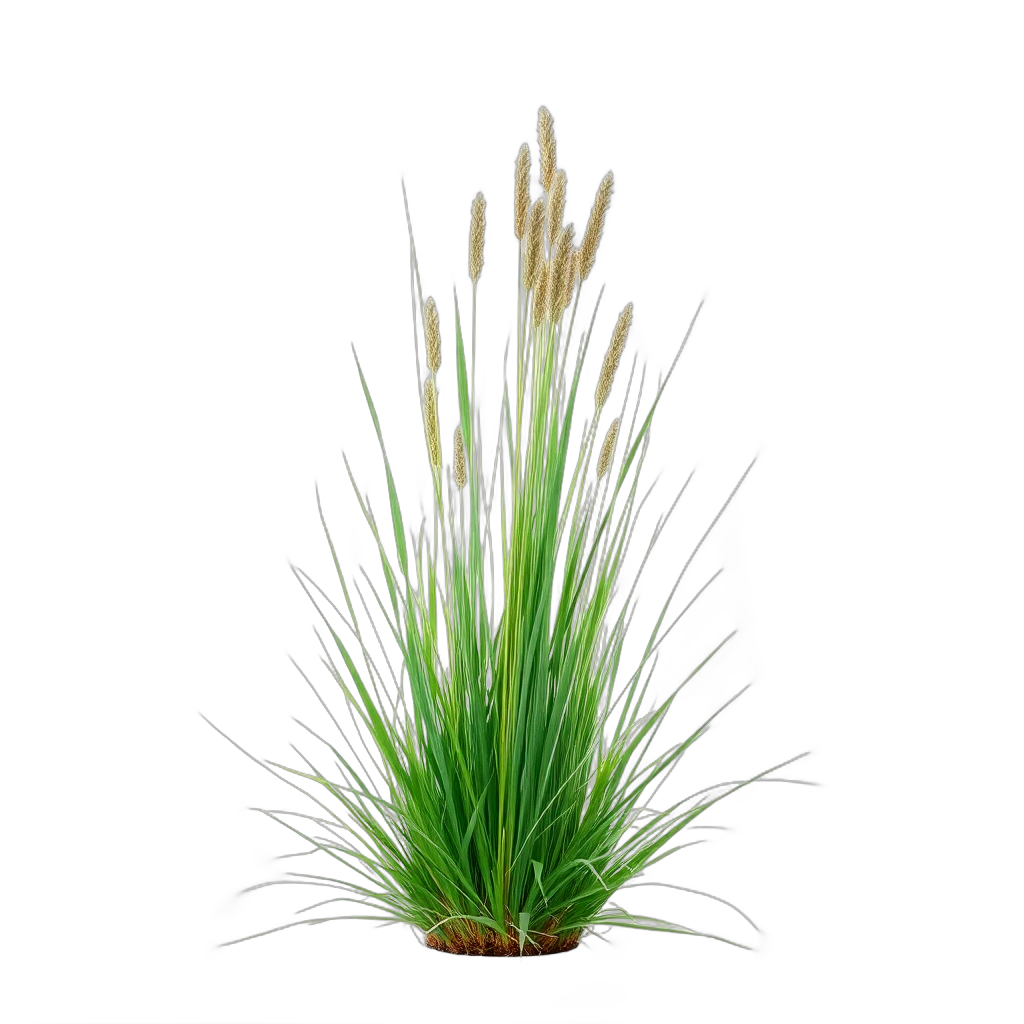
Big Bluestem
Andropogon gerardii
medium-sized at 7 feet, purple blooms in fall. Bronze,burgundy fall color.
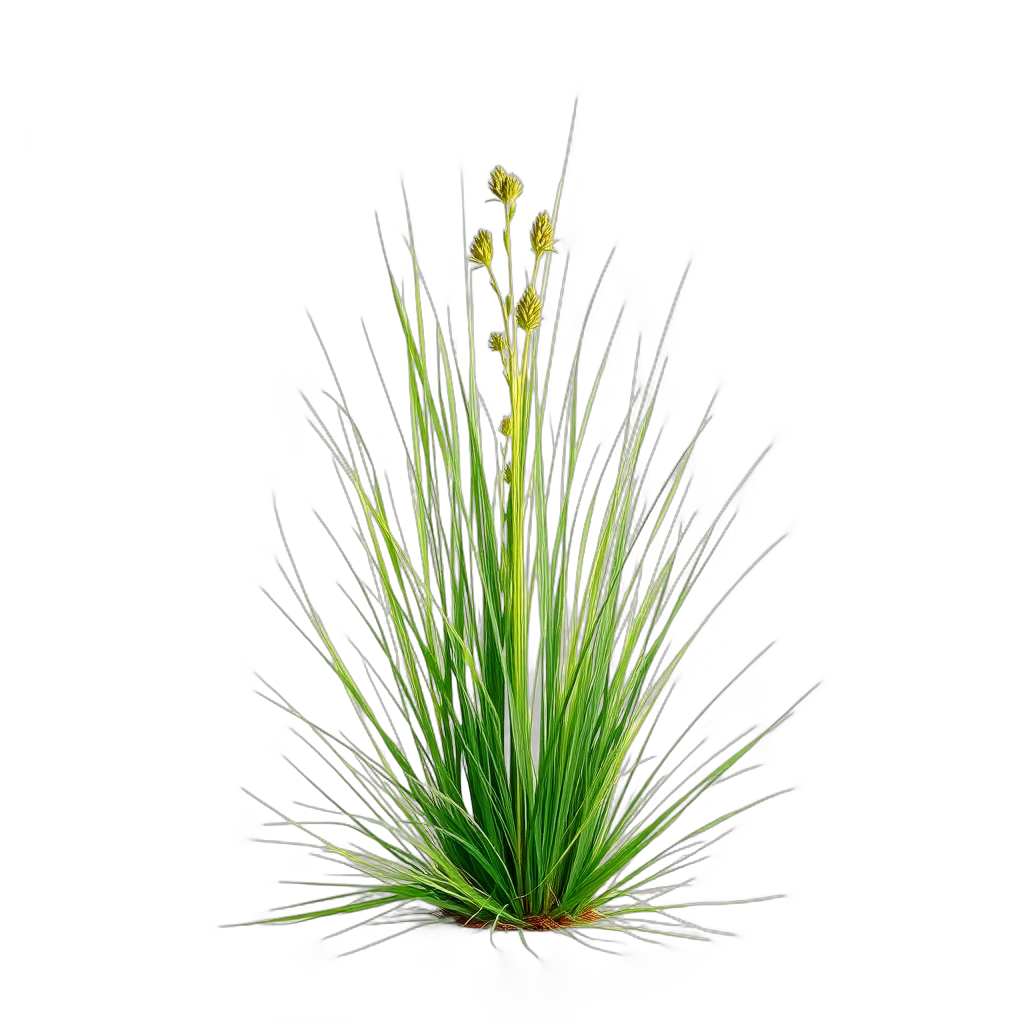
Canada Wild Rye
Elymus canadensis
grows to 4 feet, blooms in summer. Yellow fall color.
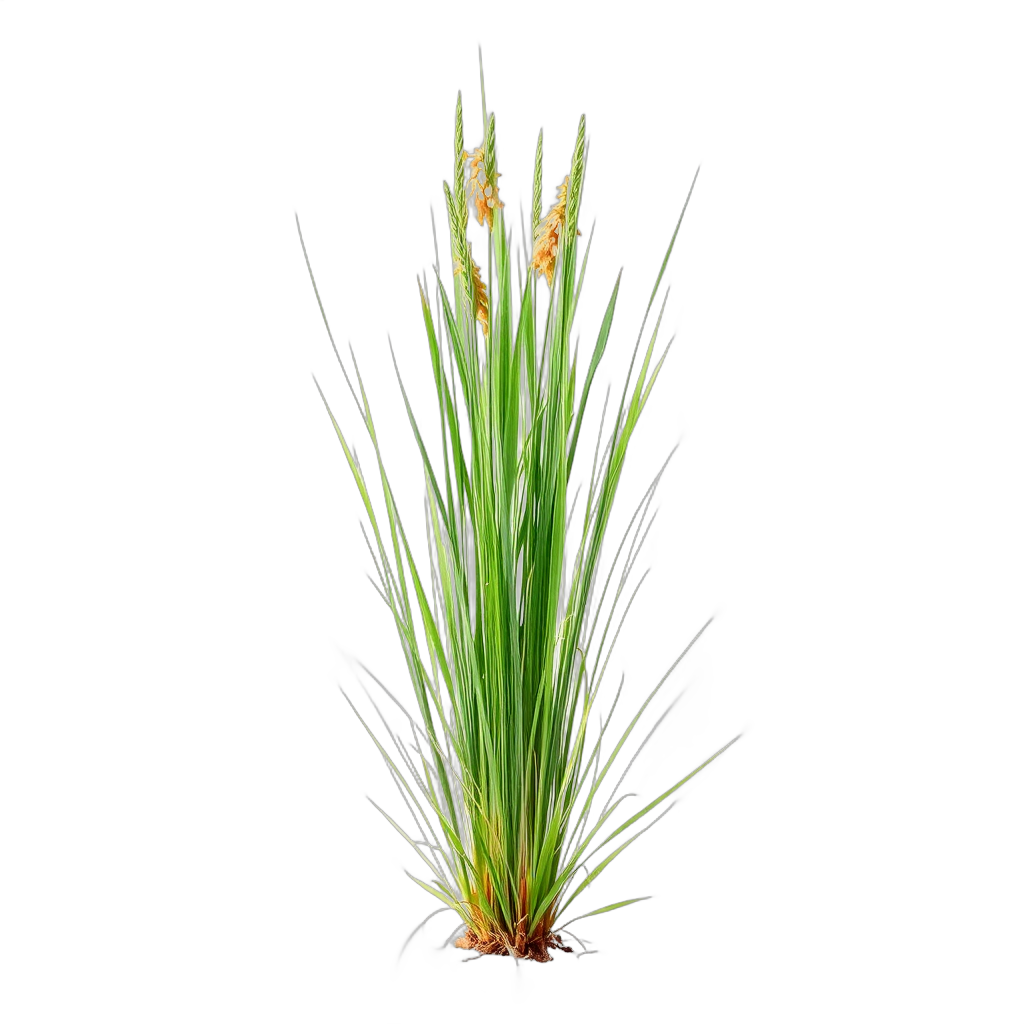
Eastern Gamagrass
Tripsacum dactyloides
grows to 6 feet, blooms in summer. Yellow fall color.
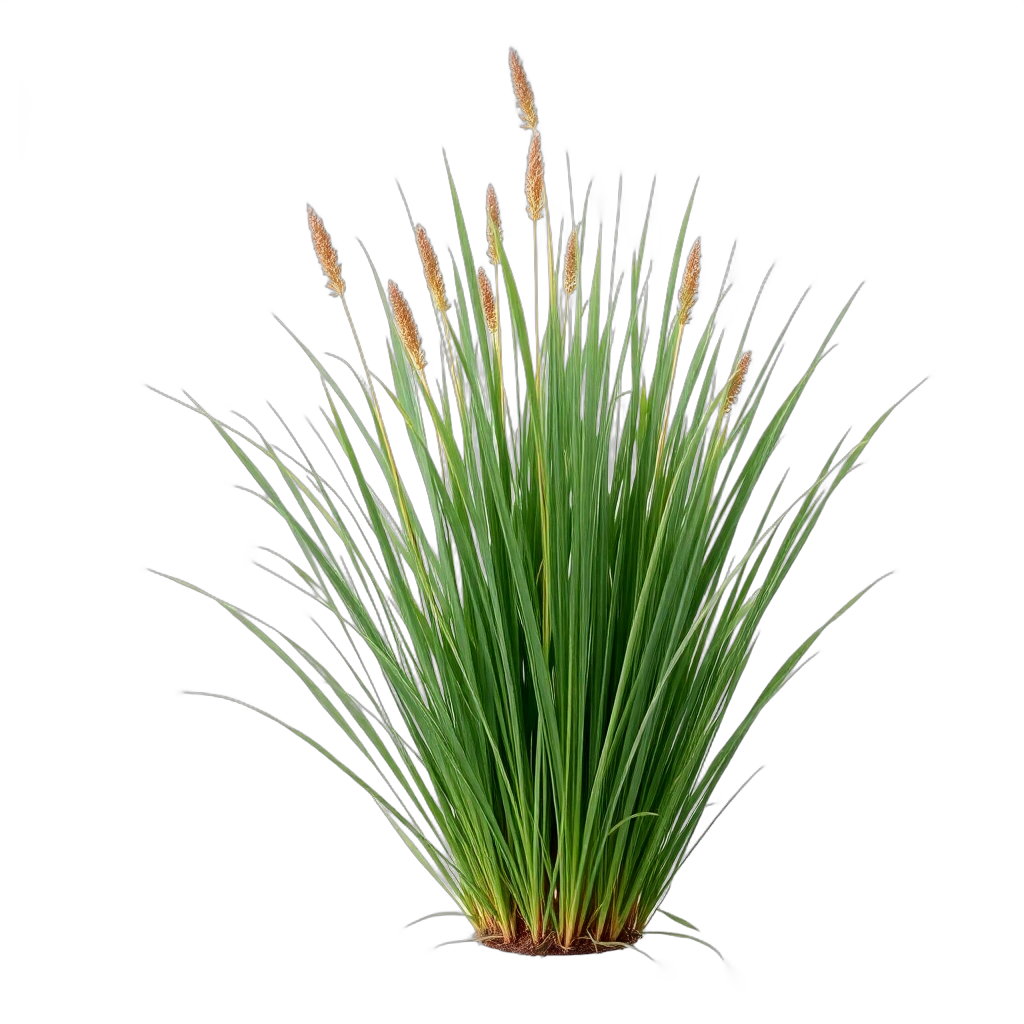
Heavy Metal Switchgrass
Panicum 'Heavy Metal'
grows to 4 feet, pink blooms in summer. Yellow fall color.
Featured Flowers & Perennials for Modern/Minimalist Gardens
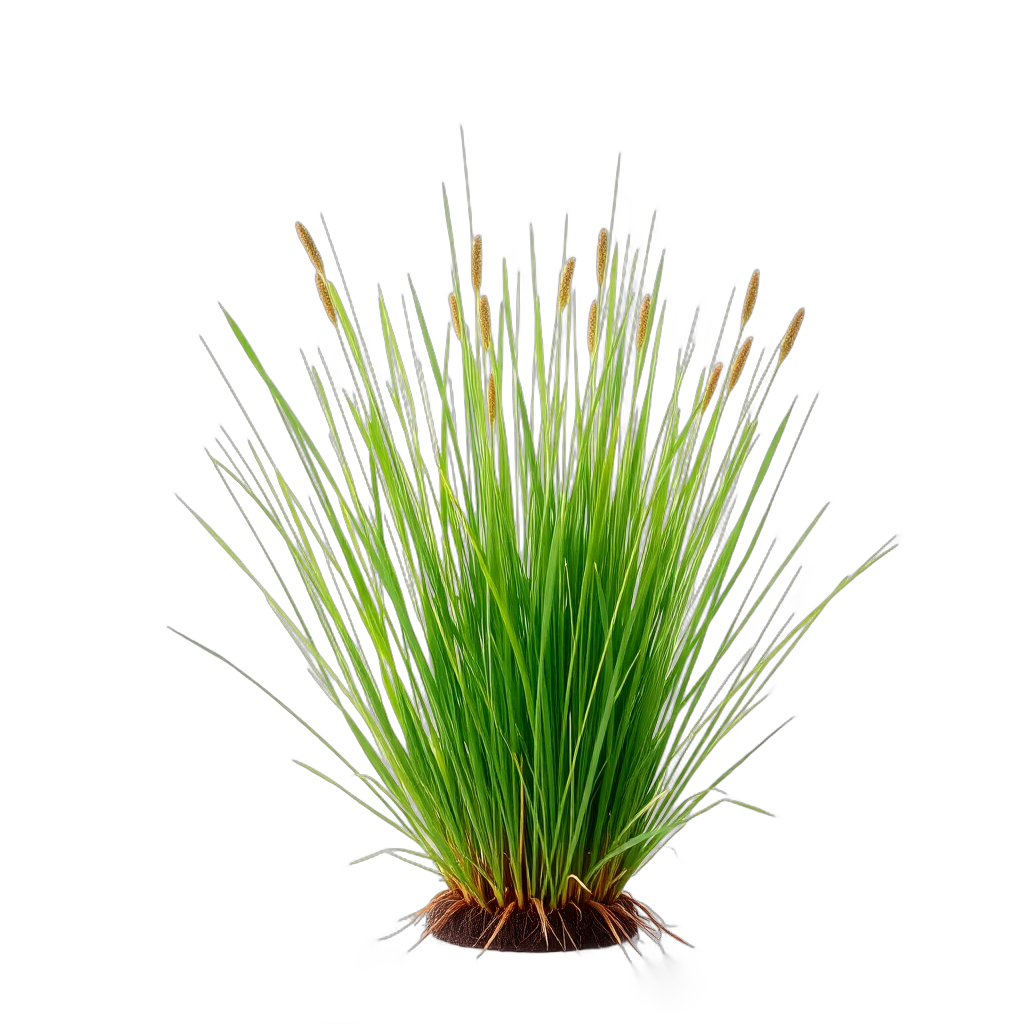
Path Rush
Juncus tenuis
low-growing ground cover, blooms in summer. Evergreen year-round.
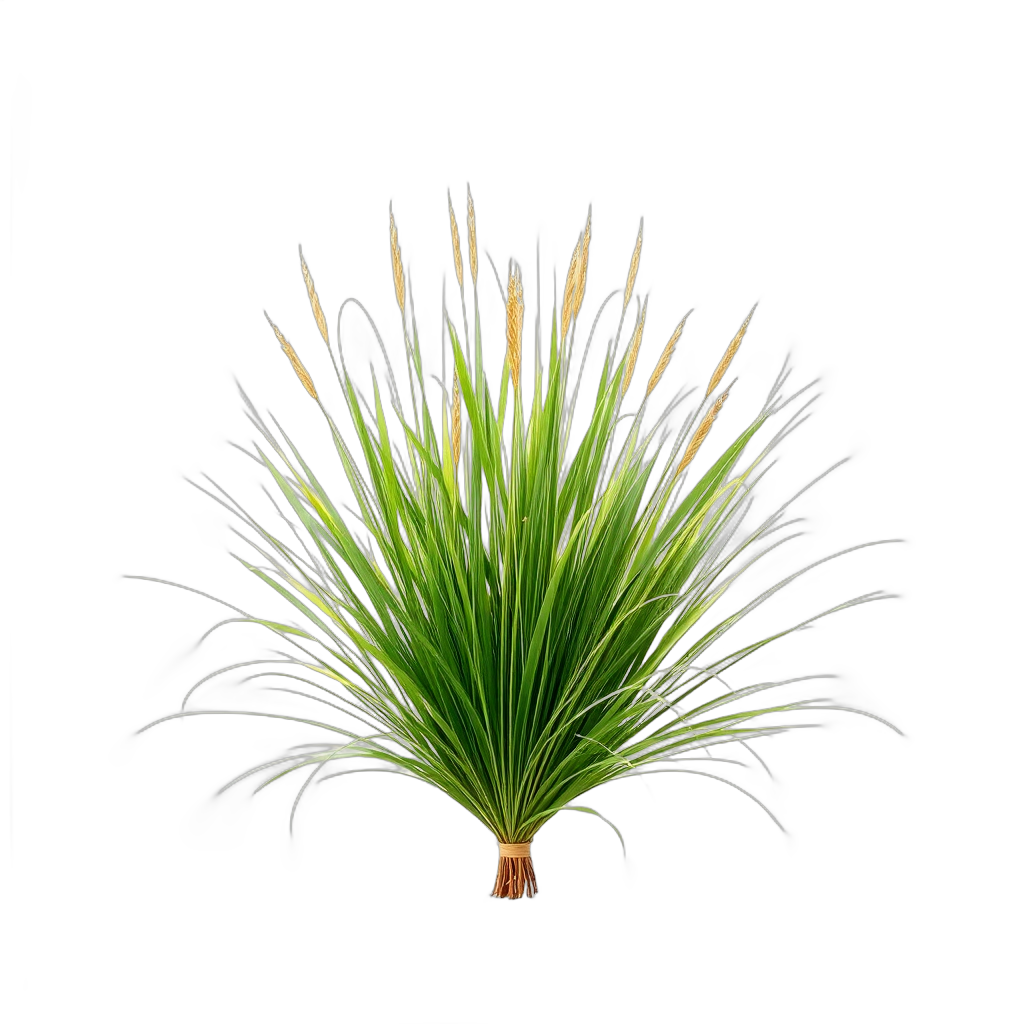
Prairie Cordgrass
Spartina pectinata
grows to 6 feet, blooms in summer. Yellow fall color.
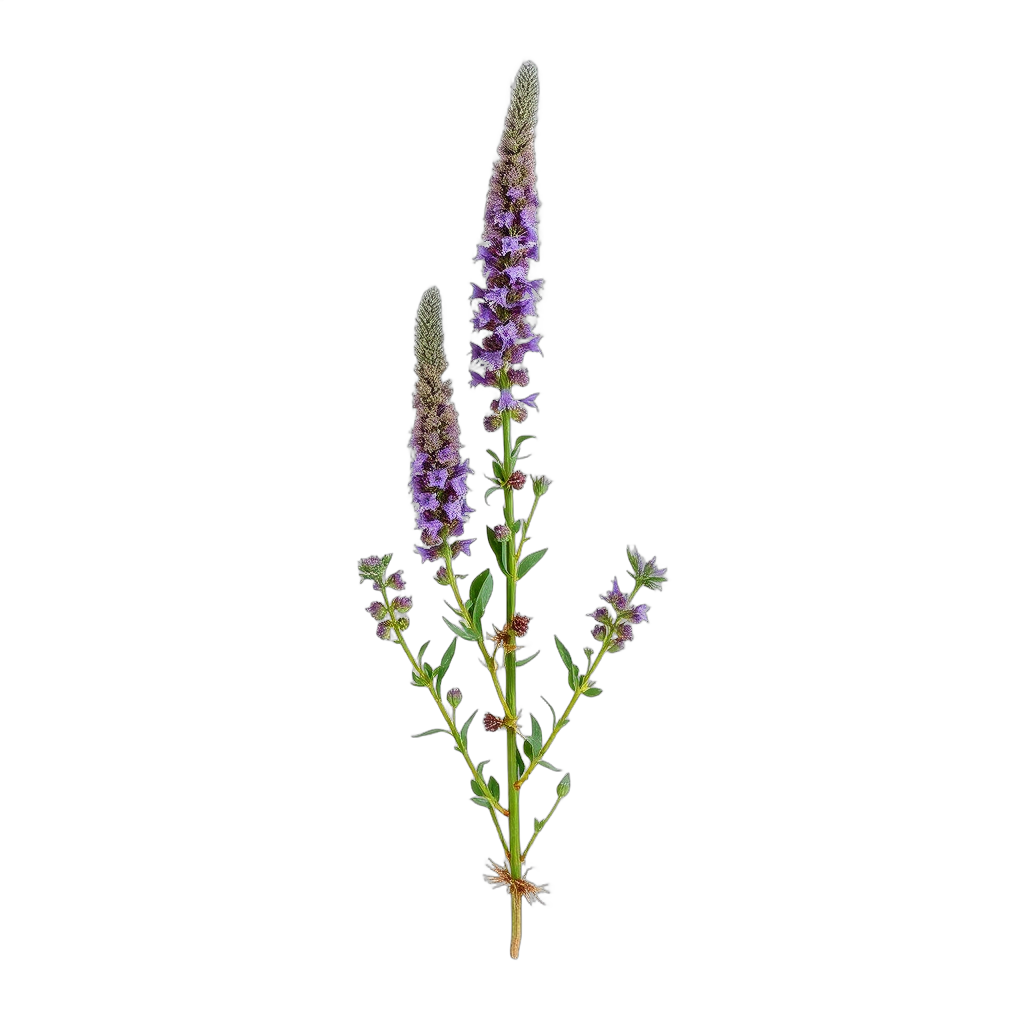
Anise Hyssop
Agastache foeniculum
grows to 3 feet, purple blooms in summer. Attracts hummingbirds.
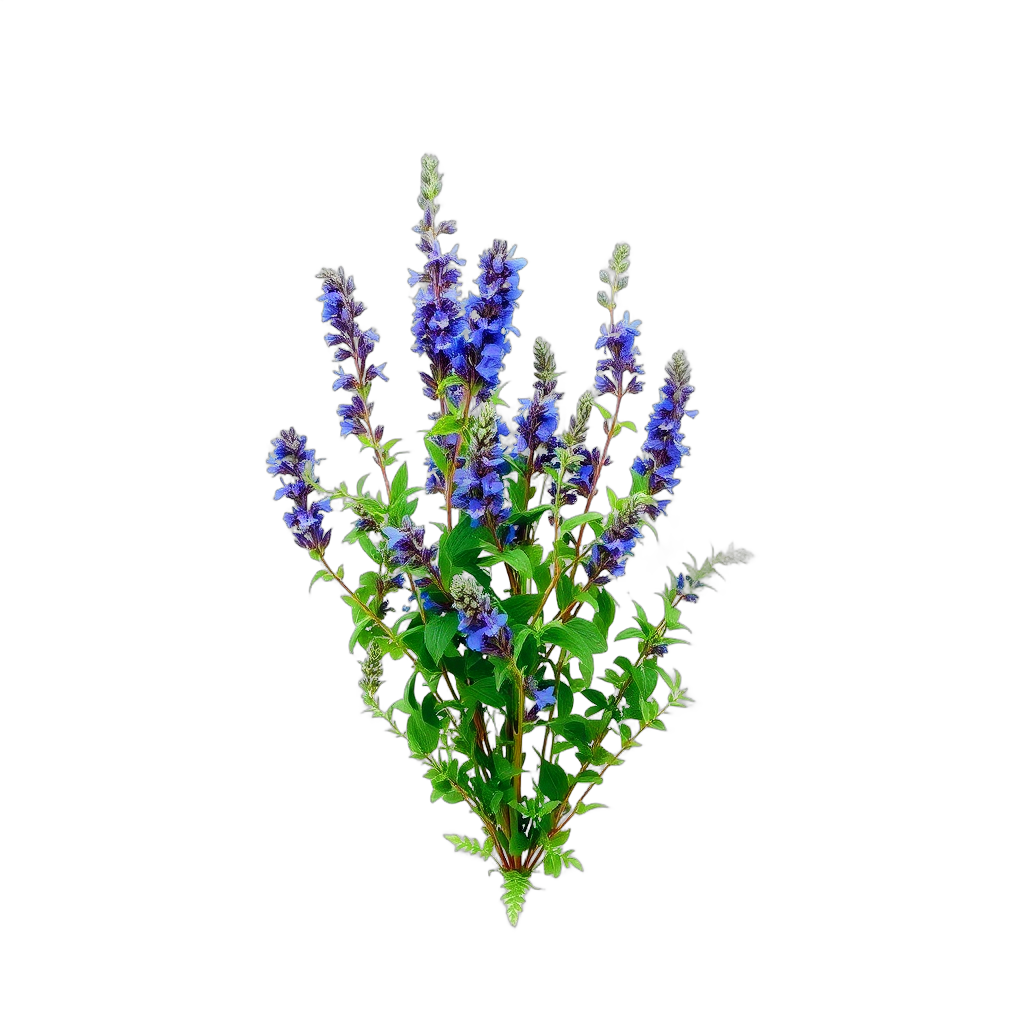
Azure Sage
Salvia azurea
grows to 4 feet, blue blooms in fall. Attracts hummingbirds.
Zone and sun checks come from our database — confirm with your local nursery before you buy.
Bloom Calendar for Independence
spring
Blue False Indigo, Foxglove Beardtongue, Golden Alexandersummer
Path Rush, Prairie Cordgrass, Anise Hyssopfall
Azure Sage, Maximilian Sunflower, New England Asterwinter
Limited bloomsDesign Tips for Independence (Zone 6a)
- Put 6–8 inches of compacted crushed limestone under every paver and slab: frost depth is roughly 30–36 inches in the Kansas City metro, and a thin base heaves in two or three winters
- Design for January first: with a 19.2°F average low and about 13 inches of snow, the garden spends months as bare structure, so use Calamagrostis 'Karl Foerster' and Panicum 'Northwind', which stay upright
- Swap agave for Yucca filamentosa 'Color Guard': it gives the same spiky silhouette and survives the -16°F record low that kills Agave americana
- Plant grasses in blocks of one variety, at least five plants per block, so the modern pattern reads from the street instead of looking like a mixed border
- Send roof water to a rain garden: about 44.7 inches of rain a year falls on slow-draining silty clay, and Panicum 'Shenandoah' and Baptisia australis take wet feet in spring
- Keep front fences at 36 inches or lower, the city's limit in front of the house; a low horizontal cedar fence suits the style and stays legal
- Get a University of Missouri Extension soil test before amending: many Independence yards sit near pH 6.5–7.0, and prairie grasses handle that clay well, often with no compost at all
Where to Source Plants in Independence
Skip the big-box stores. These independent Independence nurseries specialize in the plants that make modern/minimalist gardens thrive in Zone 6a.
Powell Gardens Colonial Farms (formerly Colonial Gardens)
Blue Springs, east of Independence
Garden center now run by Powell Gardens, Kansas City's botanical garden, selling annuals, perennials, trees and shrubs
Grass Pad
Lee's Summit, south of Independence
Regional independent known for lawn seed, sod, soil amendments and mulch, with nursery stock including shrubs, trees, ornamental grasses and perennials
Soil Service Garden Center & Nursery
Troost Avenue, south Kansas City
Family garden center since 1934 with perennials, groundcovers, shrubs, evergreen and shade trees, plus mulch, compost and landscape rock
Modern/Minimalist Landscaping Costs in Independence
| Project Scope | Estimated Cost |
|---|---|
| Modern front yard: pavers, steel edging, grass blocks (500 sqft) | $7,000 – $14,000 |
| Lawn removal and crushed limestone court (400–600 sqft) | $4,500 – $10,000 |
| Limestone or large-format paver patio with freeze-thaw base (300–400 sqft) | $8,000 – $18,000 |
| Poured concrete seat wall and gas fire table | $5,000 – $12,000 |
| Rain garden with downspout channel (100–200 sqft) | $2,000 – $5,000 |
| Full modern back yard: patio, seat wall, fire feature, meadow | $25,000 – $60,000 |
| AI visualization (ProScapeAI) | Free to start |
Estimates based on Independence, MO-area contractor rates as of 2026. Actual costs vary by site conditions, materials, and contractor.
Independence Climate & Growing Zone
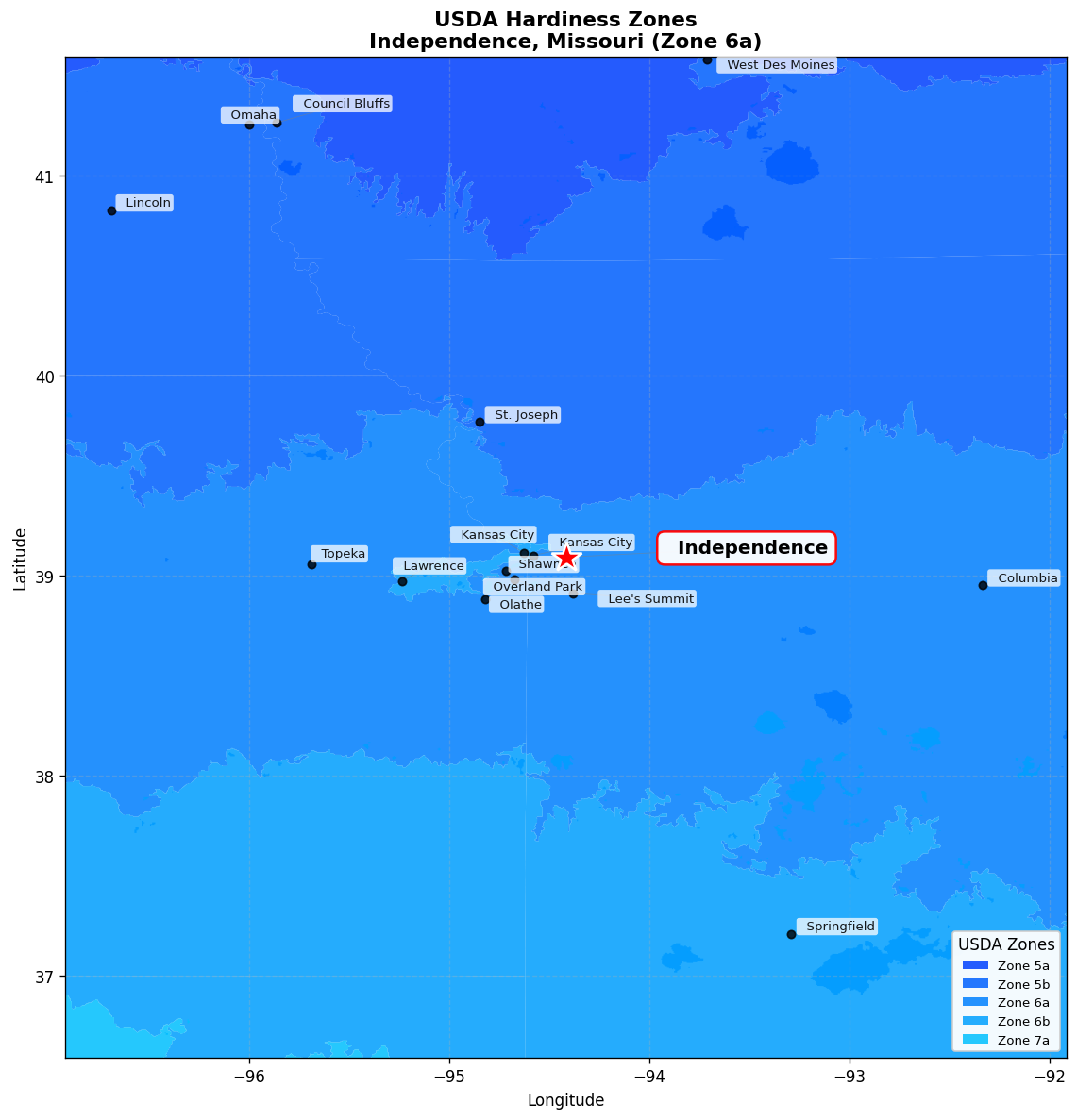
USDA Zone 6a
Hardiness zone for Independence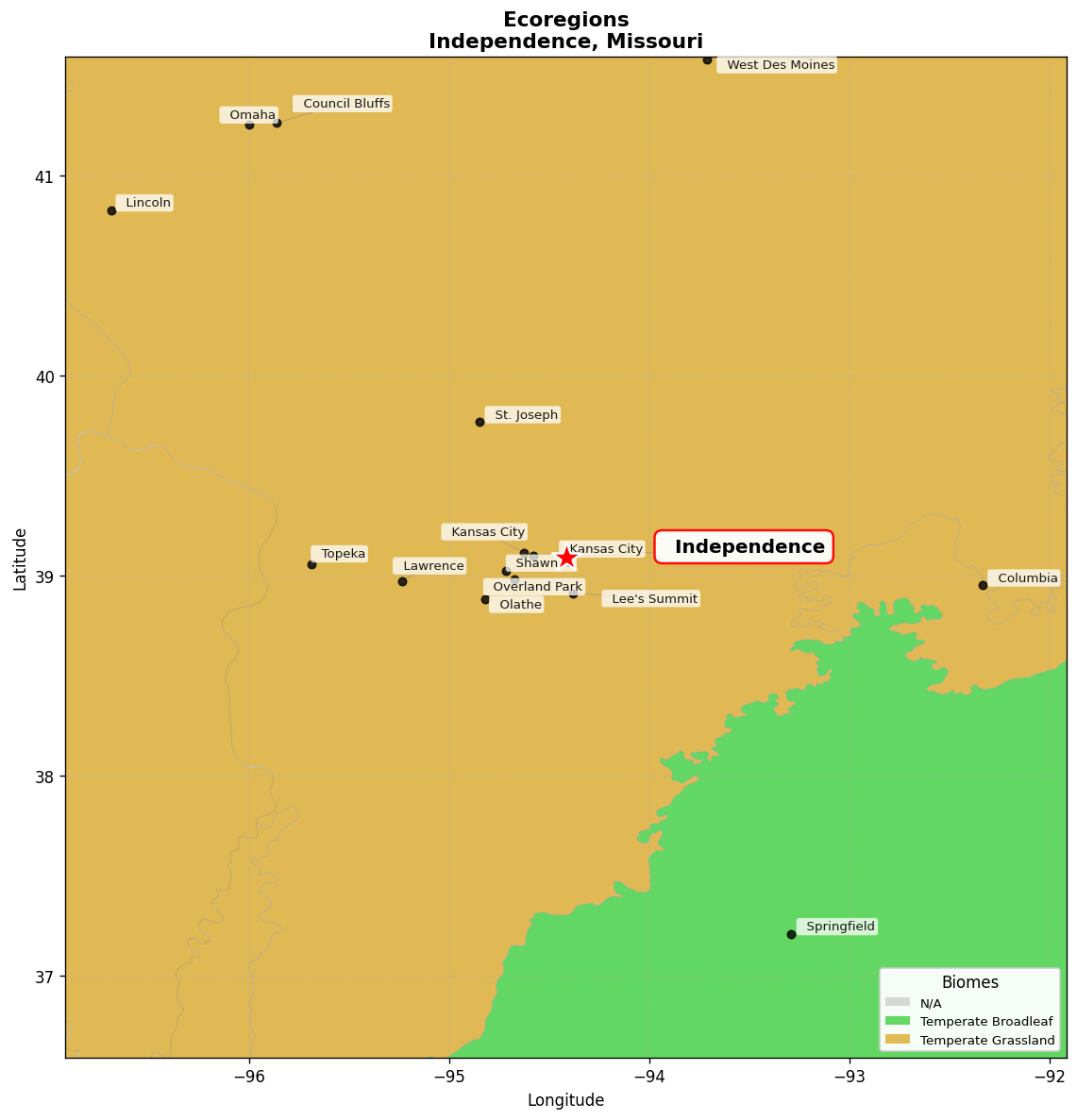
Central Tallgrass prairie
Native ecoregionFrequently Asked Questions
How much does a modern landscape cost in Independence, MO?
A modern front yard with concrete pavers, steel edging and grass blocks on a typical 500 sqft ranch frontage runs about $7,000–14,000 installed. A limestone or large-format paver patio lands around $25–45 per square foot once the 6–8 inch freeze-thaw base is included, and a full back yard with patio, seat wall, fire feature and meadow usually runs $25,000–60,000. Plants are the cheap part: Panicum 'Northwind' and Sporobolus 'Tara' cost little in quart or plug sizes and fill in within two summers.
Is a modern prairie-grass landscape low maintenance in Independence?
Yes, once established. Native grasses like Panicum virgatum 'Northwind', Schizachyrium 'Standing Ovation' and Calamagrostis 'Karl Foerster' need one cut-back a year, in late February or March before new growth, and leaving them standing all winter is part of the look. With about 44.7 inches of rain a year, they rarely need watering after the first summer. The clipped Taxus 'Hicksii' hedges are the main ongoing job, with one or two trims a year.
What modern plants survive Independence winters?
Anything rated Zone 5 or colder is safe; the January average low is 19.2°F and the record is -16°F. Agave americana, Phormium and most Mediterranean plants that look modern in magazines will die. For the same bold, spiky shape use Yucca filamentosa 'Color Guard'; for evergreen walls use Taxus × media 'Hicksii' or Thuja 'Degroot's Spire'; and for winter structure use Calamagrostis 'Karl Foerster', which stays upright under snow.
When is the best time to build and plant in Independence?
Build hardscape from April to early November, when the ground is not frozen. Plant warm-season prairie grasses like Panicum and Schizachyrium in late spring, from about mid-May to June, when the soil warms; they root fastest in warm soil. Trees, shrubs and Calamagrostis 'Karl Foerster' do well planted in September and October. Avoid planting in the July and August heat.
Do I need a permit for a fence, deck or patio in Independence?
The City of Independence building permits page says fences need a permit only above 6 feet, the maximum fence height is 8 feet, and fences in front of the house are limited to 36 inches. All decks need a permit, and detached garages and carports over 120 square feet do too. The page does not cover patios or retaining walls, so call Building Inspections before building one, and check HOA rules in newer subdivisions, which often cover fence styles and front-yard plantings.
How do I stop pavers heaving in an Independence winter?
Frost reaches roughly 30–36 inches down across the Kansas City metro, and wet clay that freezes under a patio lifts it. Lay 6–8 inches of compacted crushed limestone under pavers and slabs, slope every surface at least 2% away from the house, and use polymeric sand or open gravel joints. Send downspouts into a rain garden or gravel bed instead of letting water run under the paving.
Can I replace my lawn with a prairie meadow in Independence?
Yes, and it suits the Central Tallgrass Prairie better than fescue does. A modern meadow keeps a mown strip or steel edge around it so it reads as designed, and is planted with Schizachyrium 'Standing Ovation', Sporobolus 'Tara', Andropogon 'Red October', Echinacea and Amsonia hubrichtii. Check your HOA covenants first, since some subdivisions set lawn rules, and keep the edges tidy so neighbors see a planting, not a neglected yard.