4 English Cottage Garden Ideas for Erie, PA | Lake-Effect Snow, Zone 7a
Native plants from the Eastern Great Lakes lowland forests (Zone 7a) — Humid continental (hot summer) climate
For a cottage garden in Erie, PA, a zone 7a city with a humid continental (hot summer) climate, start with Rosa 'William Baffin' on the arbor, Paeonia lactiflora 'Sarah Bernhardt' and Lavandula × intermedia 'Phenomenal', the plants this guide's first design is built on.
Why Cottage/English Gardens in Erie?
Erie has the houses a cottage garden wants. Glenwood's and Frontier's two-story frame houses with deep front porches, the brick row houses and narrow lots around Little Italy, and the older Victorians near the downtown core all sit close to the sidewalk, and a cottage border is at its best when it fills a shallow front yard and spills toward the street. A picket fence, a gate with a rose over it and a bench by the porch look right on a lot this size.
The climate is kinder than the snowfall suggests. Lake Erie keeps Erie in USDA Zone 7a, with winter lows around 21°F in January on average and rare dips to -5°F, and summer highs near 81°F in July, so almost the whole English plant list is comfortable here. The main test is snow and cold wet feet: the city gets roughly 105 inches of snow and about 43 inches of precipitation a year, and the lake can drop several feet of snow in a couple of days. A thick snow blanket actually protects perennials such as Paeonia lactiflora 'Sarah Bernhardt', Phlox paniculata 'David' and Nepeta × faassenii 'Walker's Low'. What kills plants is meltwater sitting on the crown. Lavandula angustifolia 'Hidcote' and 'Munstead' often rot in a wet March, so lean on Lavandula × intermedia 'Phenomenal' and plant it on a raised, gritty slope. Rose choices follow the same logic: Rosa 'William Baffin' (hardy to Zone 3), Rosa 'Sally Holmes' and Rosa 'Darcey Bussell' take the cold, while tender hybrid teas need a wrap or a different home.
Much of the city sits on the old Lake Erie plain, where the soil is silty and slow to drain. The soil series mapped there, such as Conneaut silt loam, formed in lake-laid silt over clay, and its subsoil holds 20 to 35 percent clay. Expect water standing in a thaw. Build beds 8 to 10 inches above grade, blend in compost and coarse grit, and have the soil tested through Penn State Extension before you lime anything, because pH varies from lot to lot.
Frost is still possible in late April and hard frosts return by late October, so plant roses and perennials from mid-May to mid-June or in September. Keep the beds back from the sidewalk edge by two feet if the city plows or salts that stretch, and use salt-tolerant edging plants such as Geranium 'Rozanne' and Nepeta there. Before building a fence or arbor near the street, call the City of Erie to ask about permit and setback rules.
4 Cottage/English Design Ideas for Erie
AI-generated image
The Glenwood Picket Gate Border
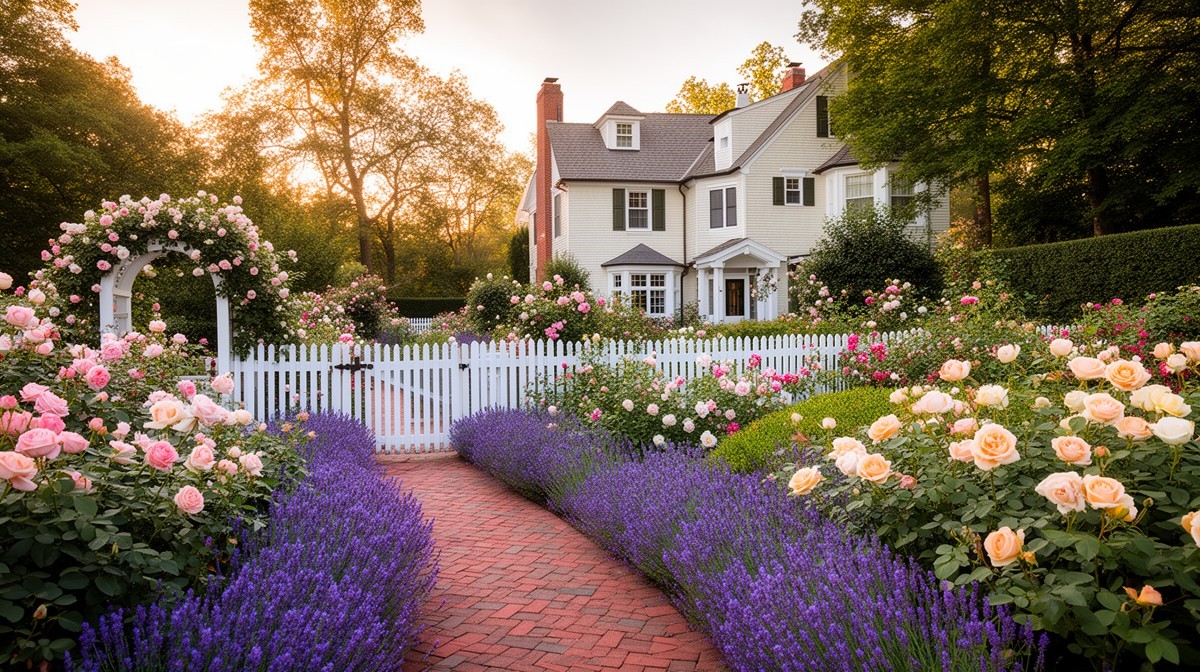
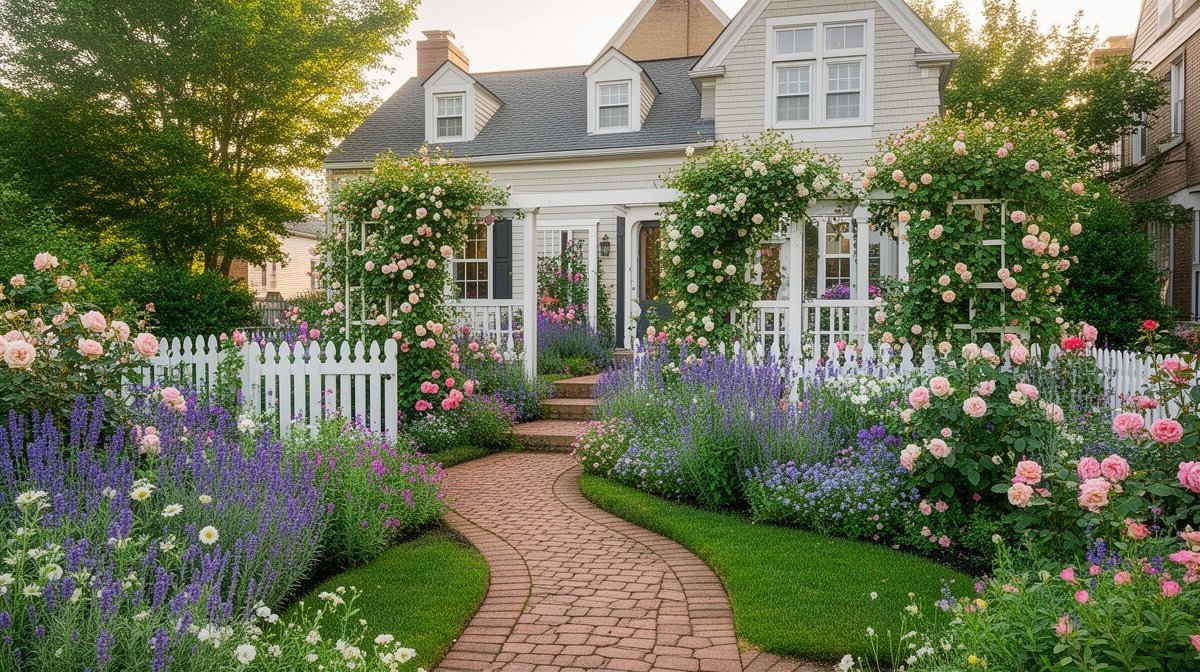
$20–40/sqftA white picket fence runs along the sidewalk of a two-story frame house with a deep porch, and a gate arbor holds a hardy climbing rose. Behind the fence is a border of peonies, catmint and lavender on a raised bed, with boxwood balls marking the steps. Morning sun hits the east-facing front, which dries the rose leaves early and keeps blackspot down after a wet June.
Try this on your yard: The Glenwood Picket Gate BorderAI-generated image
The Little Italy Rowhouse Pocket Garden
$24–48/sqftA narrow strip in front of a brick row house gets a tight stack of plants: clematis climbing a trellis on the brick, a low hedge of hardy boxwood along the walk, and two big terracotta pots by the stoop. The planting is bright but compact, so it still looks tidy when the snow plow stacks a pile beside it. Tubs and pots can be moved to the garage before the first heavy lake-effect storm.
Try this on your yard: The Little Italy Rowhouse Pocket GardenAI-generated image
The Foxglove and Phlox Porch Border
$22–45/sqftA three-layer border runs along the foundation of a porch-front house: foxglove and delphinium at the back, phlox and salvia in the middle, and hardy geranium and lady's mantle at the front. A short curved flagstone walk leads to the steps. The plants are tall enough to read from the street yet are chosen to stand up to wind coming off the lake.
Try this on your yard: The Foxglove and Phlox Porch BorderAI-generated image
The Back Garden Rose Arch and Bench
$25–50/sqftA white rose arch frames a gravel sitting area at the back of a lot, with a teak bench and two chairs. Hydrangeas fill the corners where the neighbor's tree throws shade, and the sunny middle strip carries roses, lavender and phlox. Gravel drains better than lawn on silty clay, so the seating area stays usable after rain and dries quickly in spring.
Try this on your yard: The Back Garden Rose Arch and BenchSee how a cottage/english garden looks on YOUR property
Upload a photo of your Erie yard and visualize your dream garden in seconds.
Try ProScapeAI Free

AI-generated image
Featured Trees & Shrubs for Cottage/English Gardens
Browse all 248 plants for Erie
American Black Currant
Ribes americanum
grows to 5 feet, white,yellow blooms in spring. Attracts hummingbirds.
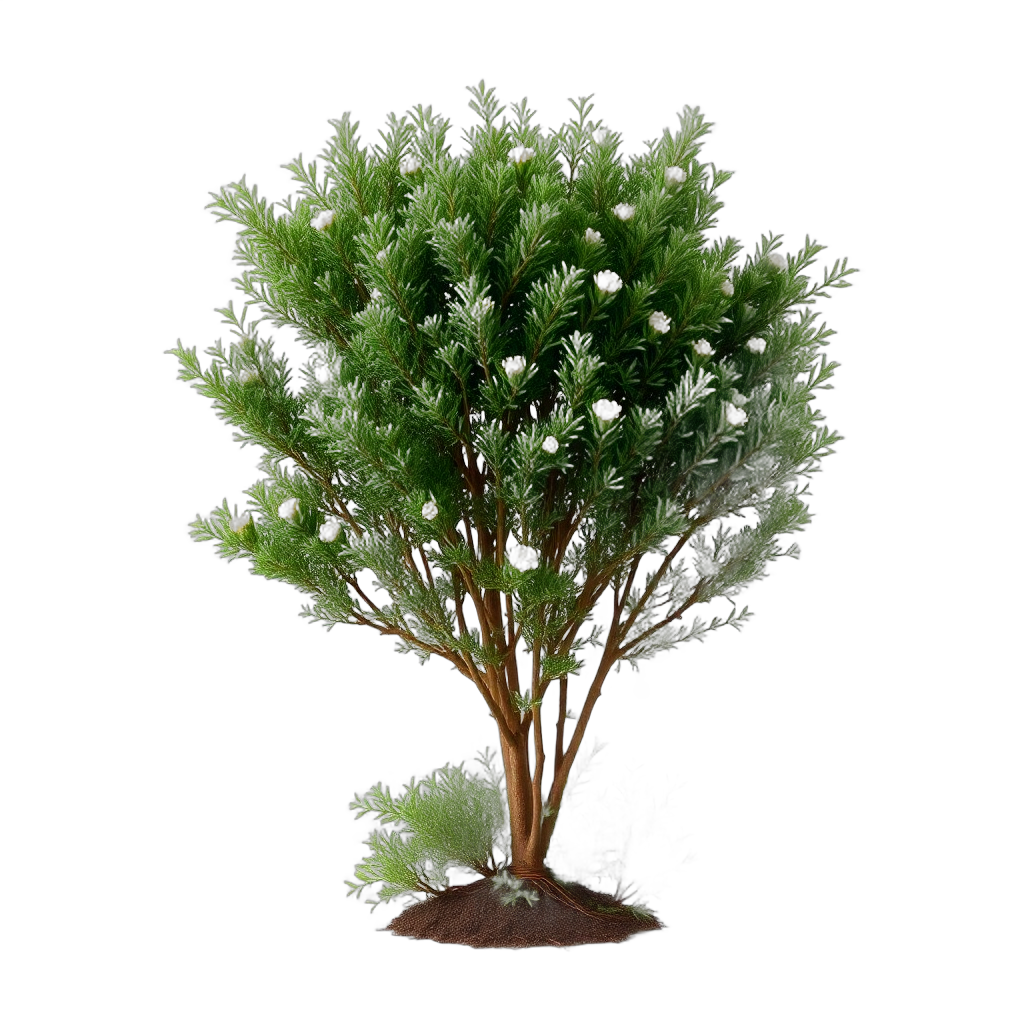
Creeping Juniper
Juniperus horizontalis
low-growing ground cover, blooms in spring. Evergreen year-round.
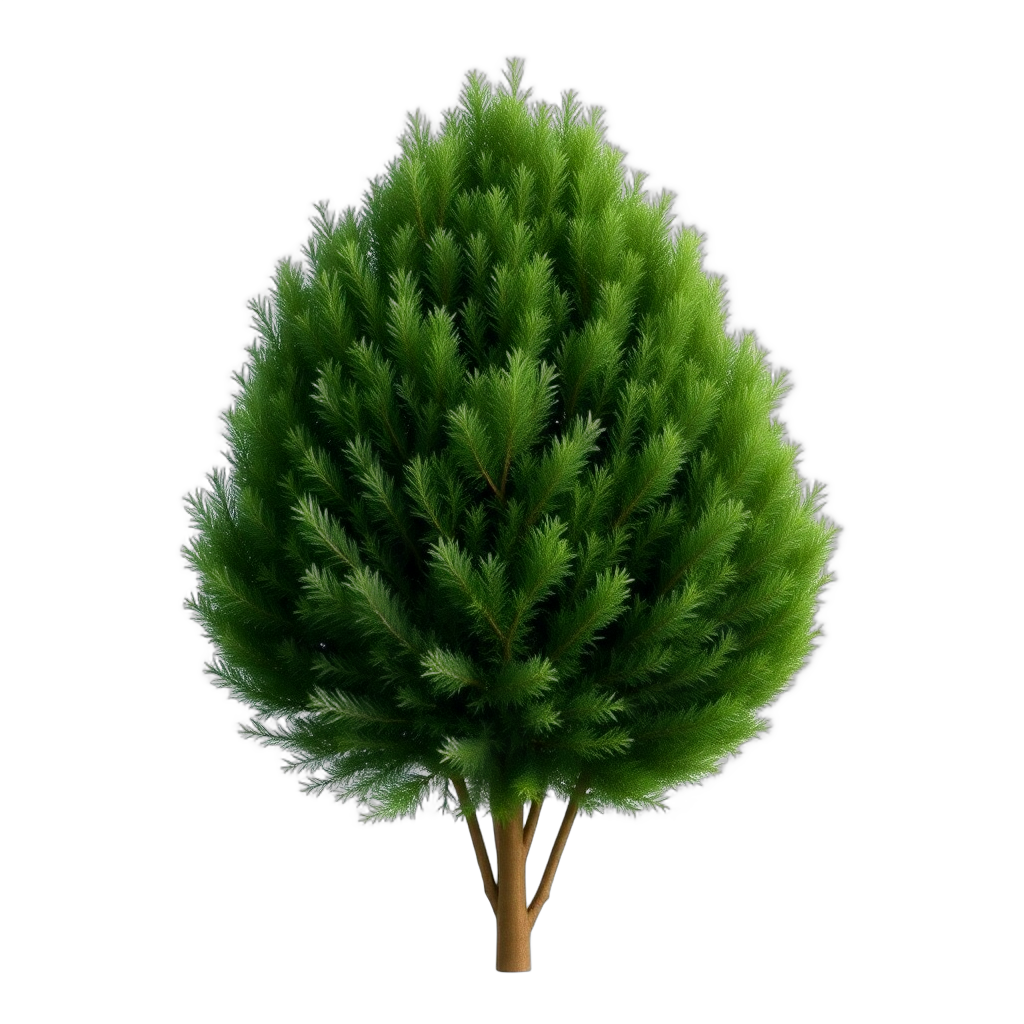
Emerald Arborvitae
Thuja occidentalis 'Emerald'
medium-sized at 14 feet, blooms in spring. Evergreen year-round.

Gray Dogwood
Cornus racemosa
medium-sized at 10 feet, white blooms in spring. Pollinator-friendly.
Featured Grasses & Groundcovers for Cottage/English Gardens
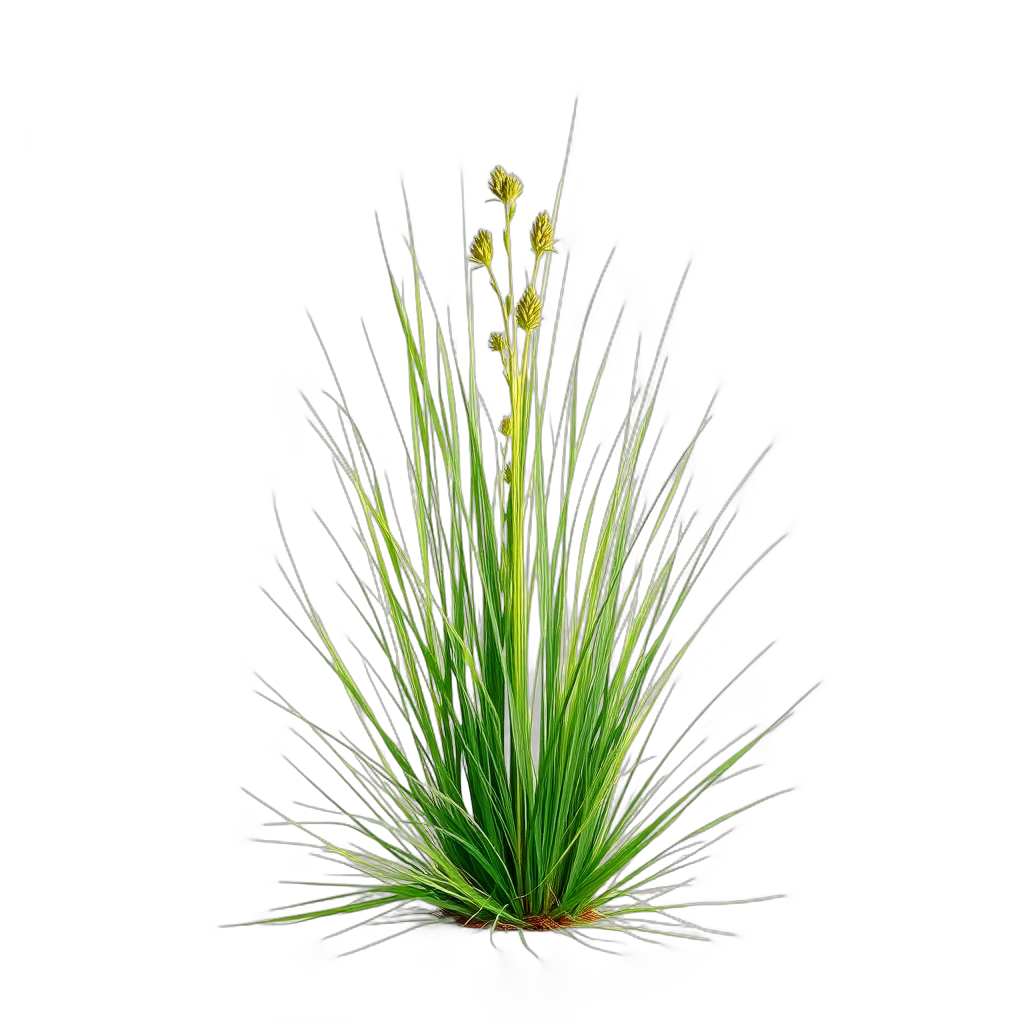
Canada Wild Rye
Elymus canadensis
grows to 4 feet, blooms in summer. Yellow fall color.

Red Fescue
Festuca rubra
low-growing ground cover, blooms in summer.
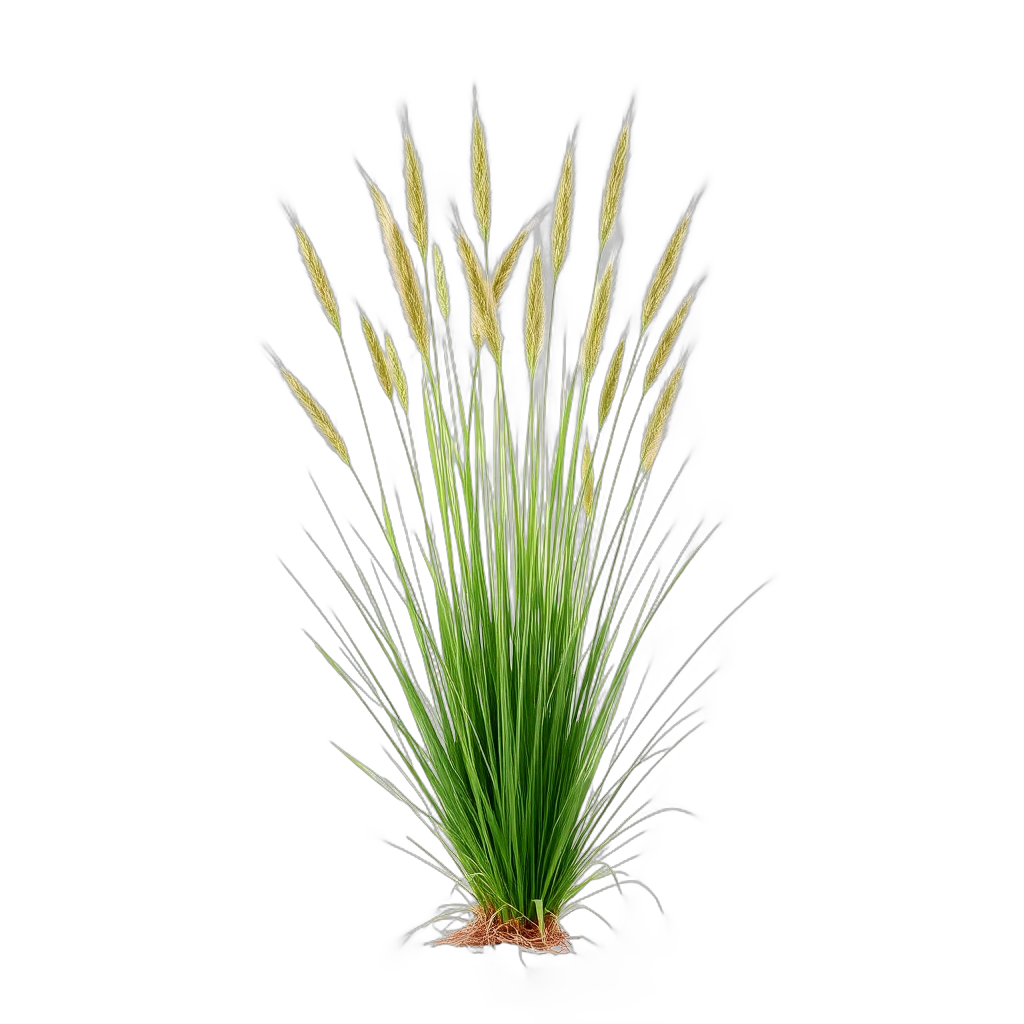
Tufted Hair Grass
Deschampsia cespitosa
grows to 3 feet, yellow blooms in summer. Yellow fall color.
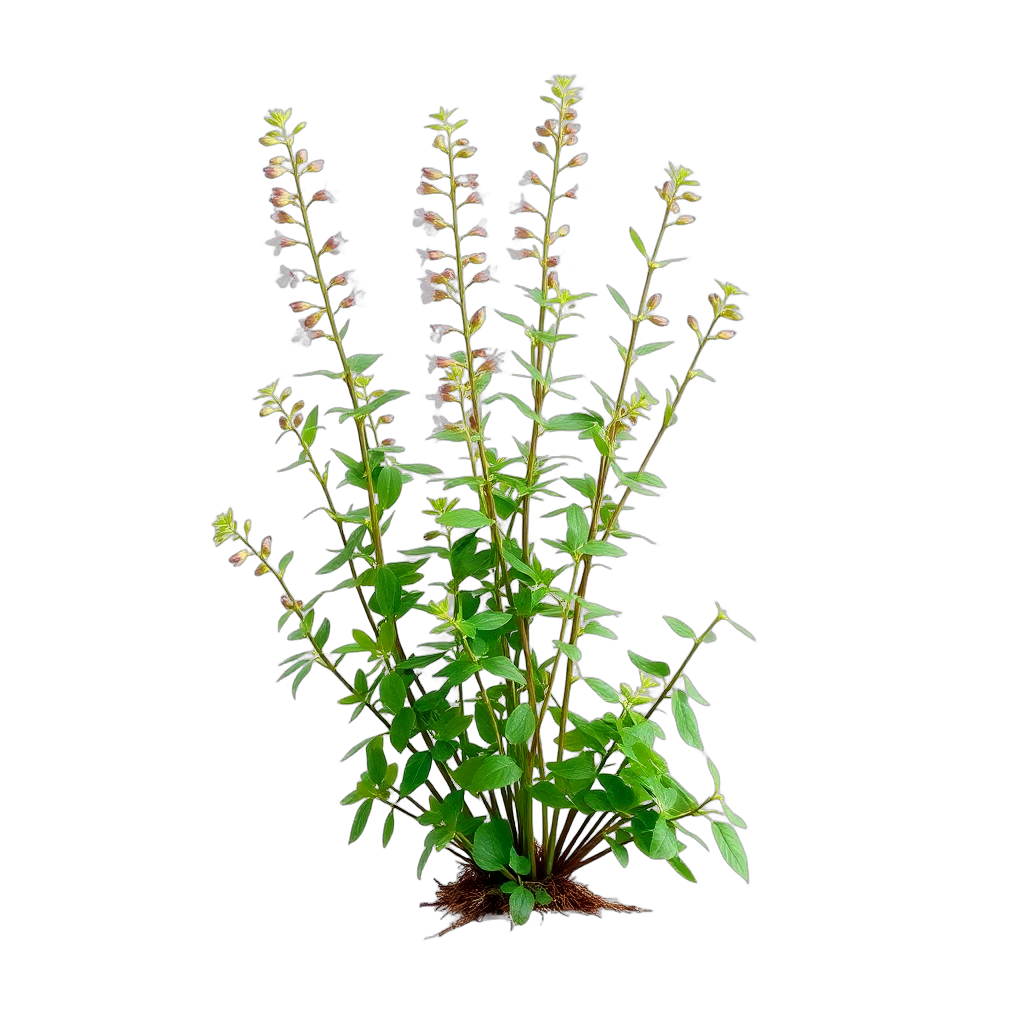
Creeping Jacob's Ladder
Polemonium reptans
low-growing ground cover, blue blooms in spring. Attracts butterflies.
Featured Flowers & Perennials for Cottage/English Gardens
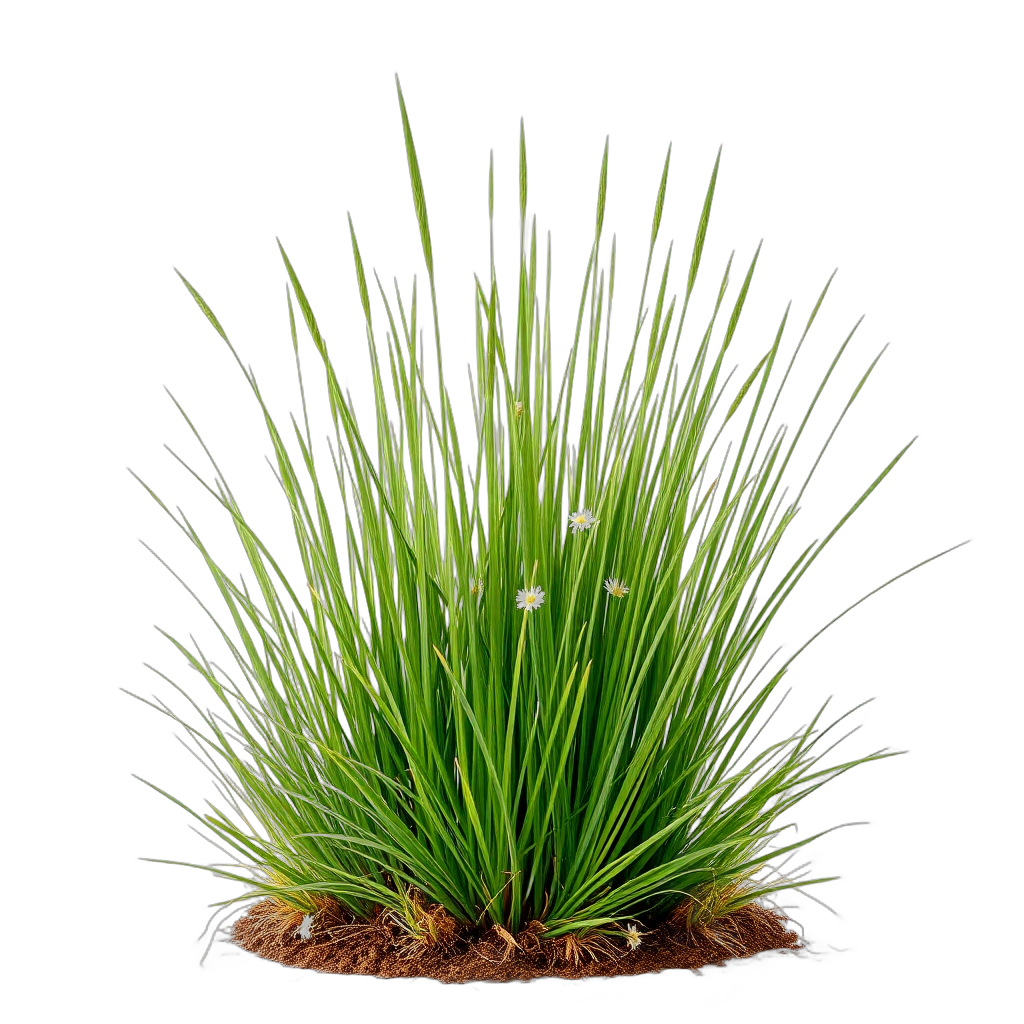
Baltic Rush
Juncus balticus
low-growing ground cover, blooms in summer. Evergreen year-round.
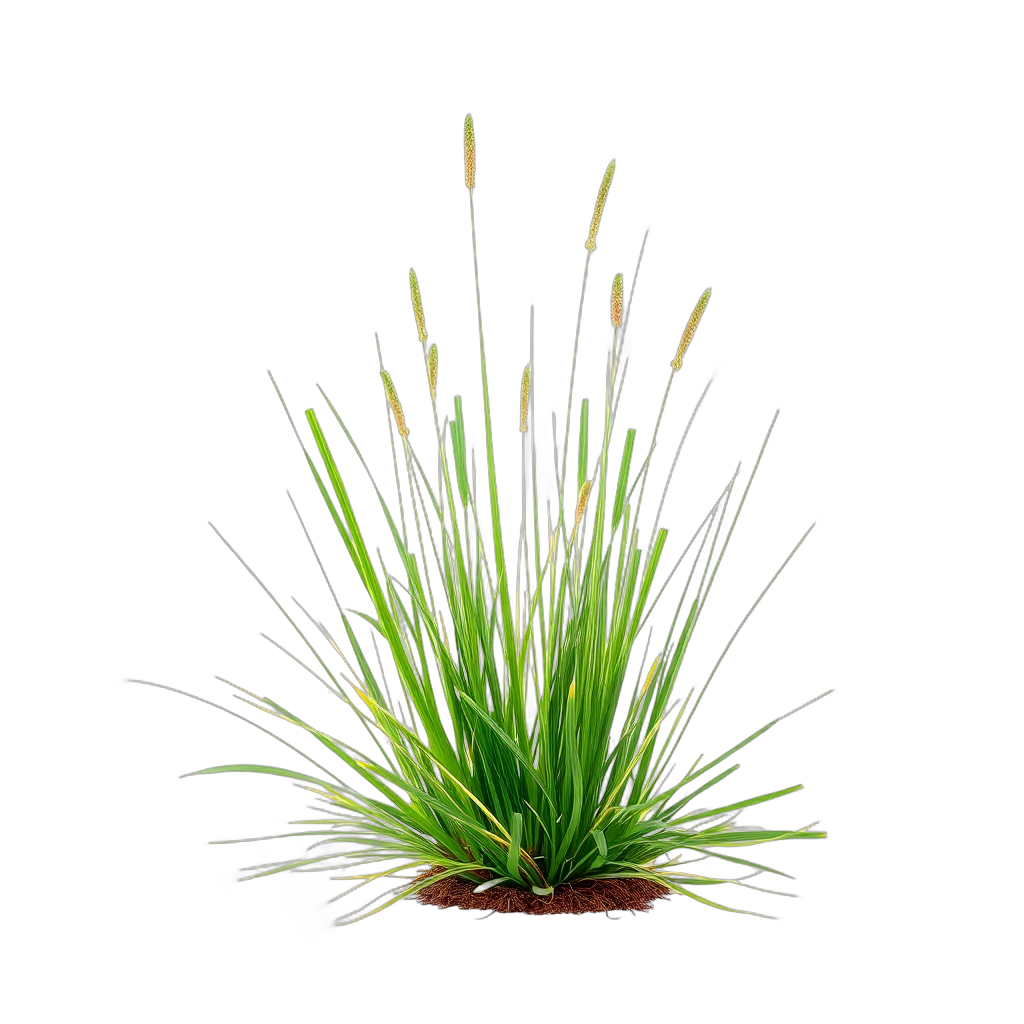
Common Rush
Juncus effusus
grows to 3 feet, blooms in summer. Evergreen year-round.
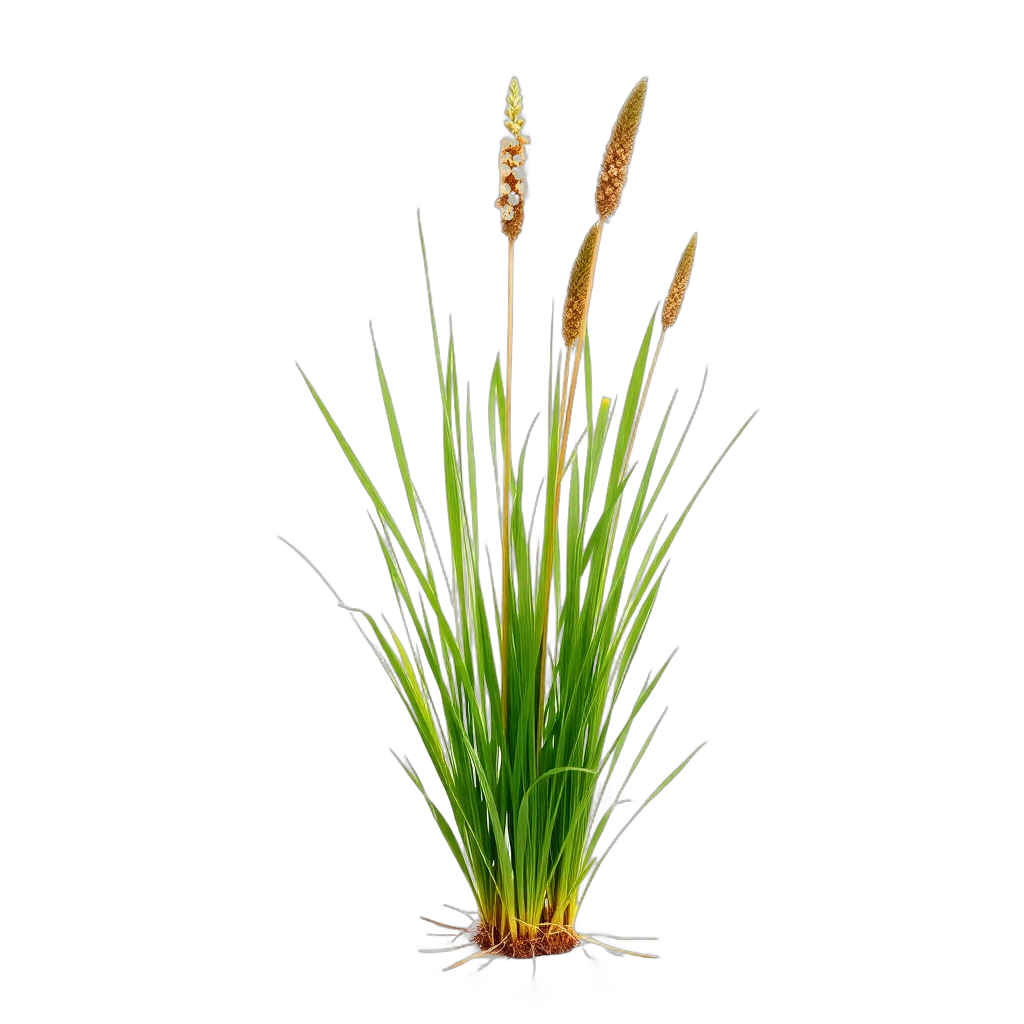
Hardstem Bulrush
Scirpus acutus
medium-sized at 7 feet, blooms in summer.
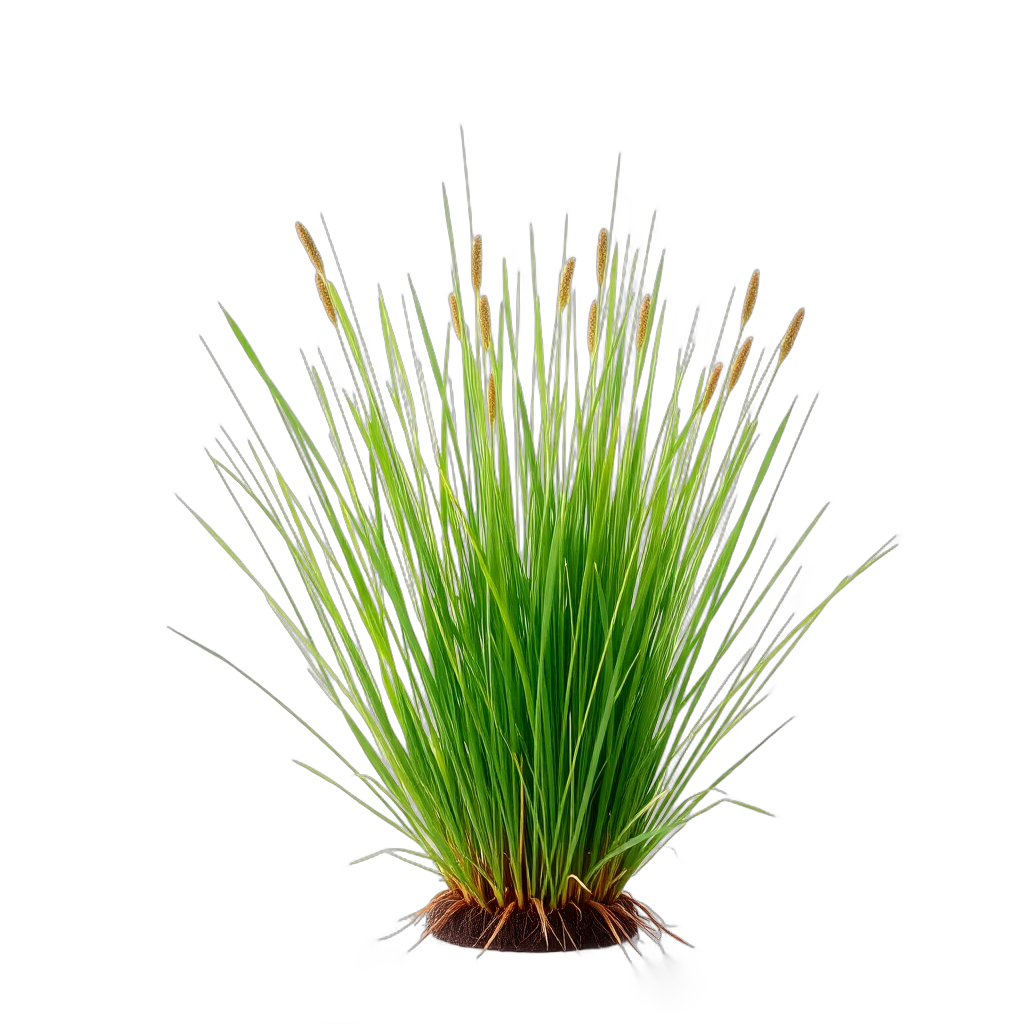
Path Rush
Juncus tenuis
low-growing ground cover, blooms in summer. Evergreen year-round.
Zone and sun checks come from our database — confirm with your local nursery before you buy.
Bloom Calendar for Erie
spring
Bellwort, Bloodroot, Blue-Eyed Grasssummer
Baltic Rush, Common Rush, Hardstem Bulrushfall
Pink Turtleheadwinter
Limited bloomsDesign Tips for Erie (Zone 7a)
- Raise every bed 8–10 inches with compost and coarse grit: the silty clay of the Lake Erie plain holds meltwater around crowns, and wet roots in March kill more lavender and roses than cold does
- Choose roses rated to Zone 4 or 5 such as Rosa 'William Baffin' and Rosa 'Sally Holmes', since Erie lows can reach -5°F in a hard winter
- Use Lavandula × intermedia 'Phenomenal' instead of Lavandula angustifolia 'Hidcote' or 'Munstead', and mulch it with pea gravel so the crown stays dry through a snowmelt
- Count on a deep snow blanket to protect perennials like Paeonia lactiflora 'Sarah Bernhardt' and Phlox paniculata 'David', but build arbors and trellises from cedar or steel that can carry heavy snow
- Keep beds two feet back from sidewalks and driveways that get plowed or salted, and plant Geranium 'Rozanne' and Nepeta × faassenii 'Walker's Low' at the edge, where salt spray is worst
- Plant from mid-May to mid-June or in September: frost can return in late April, and the ground freezes before a late-October planting has time to root
- Rake leaf litter off the beds in early spring and keep mulch off crowns so snow mold and rot do not settle where lake-effect snow melts slowly
Where to Source Plants in Erie
Skip the big-box stores. These independent Erie nurseries specialize in the plants that make cottage/english gardens thrive in Zone 7a.
Stan's Garden Center
East Erie (Buffalo Road)
Commercial plant grower raising its own annuals, perennials, trees and shrubs in greenhouses on more than 31 acres, with a second location on West Lake Road
J.J. Wurst Landscape and Garden Center
Erie (Edinboro Road)
Garden center selling trees, shrubs, annuals, perennials and roses, with a one-year guarantee on nursery stock and a landscape contracting arm
Johnston's Evergreen Nursery & Garden Center
Erie (Wales Road)
Family nursery growing in Erie since 1953, with hydrangeas, hostas, hollies, redbuds and perennials, plus a landscape planning service; retail is open April through November
Cottage/English Landscaping Cost Ranges
| Project Scope | Estimated Cost |
|---|---|
| Brick or bluestone walkway (150–250 sqft) | $3,000–$9,400 |
| Gravel seating area (150–250 sqft) | $130–$460 |
| Picket fence, 4 ft tall (60 linear ft) | $1,500–$2,400 |
| AI visualization (ProScapeAI) | Free to start |
National average installed ranges for 2026 from our landscaping price list (Homewyse and other published sources). Prices in Erie, PA vary with site, materials and contractor, so get two or three local quotes.
Erie Climate & Growing Zone
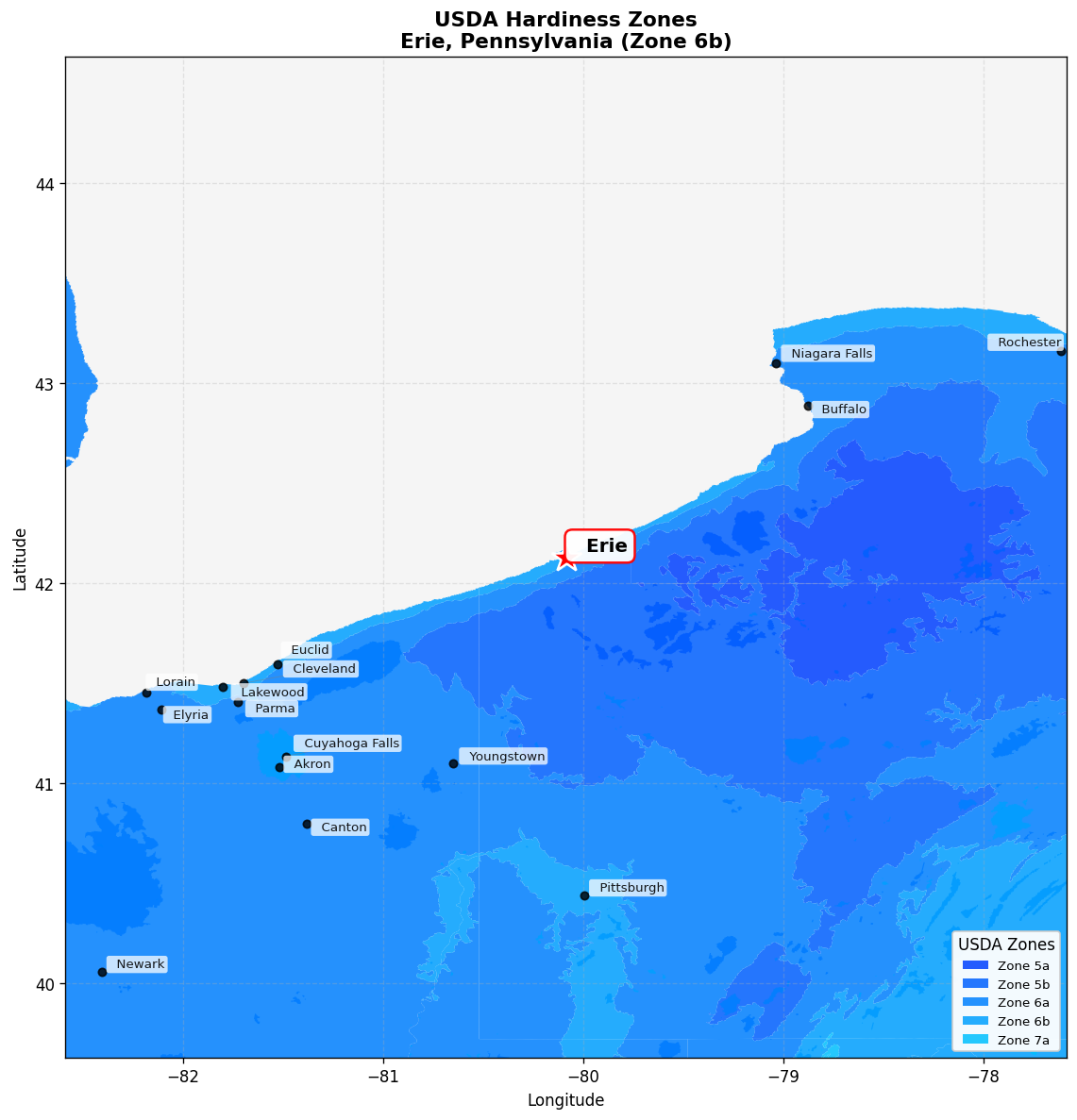
USDA Zone 7a
Hardiness zone for Erie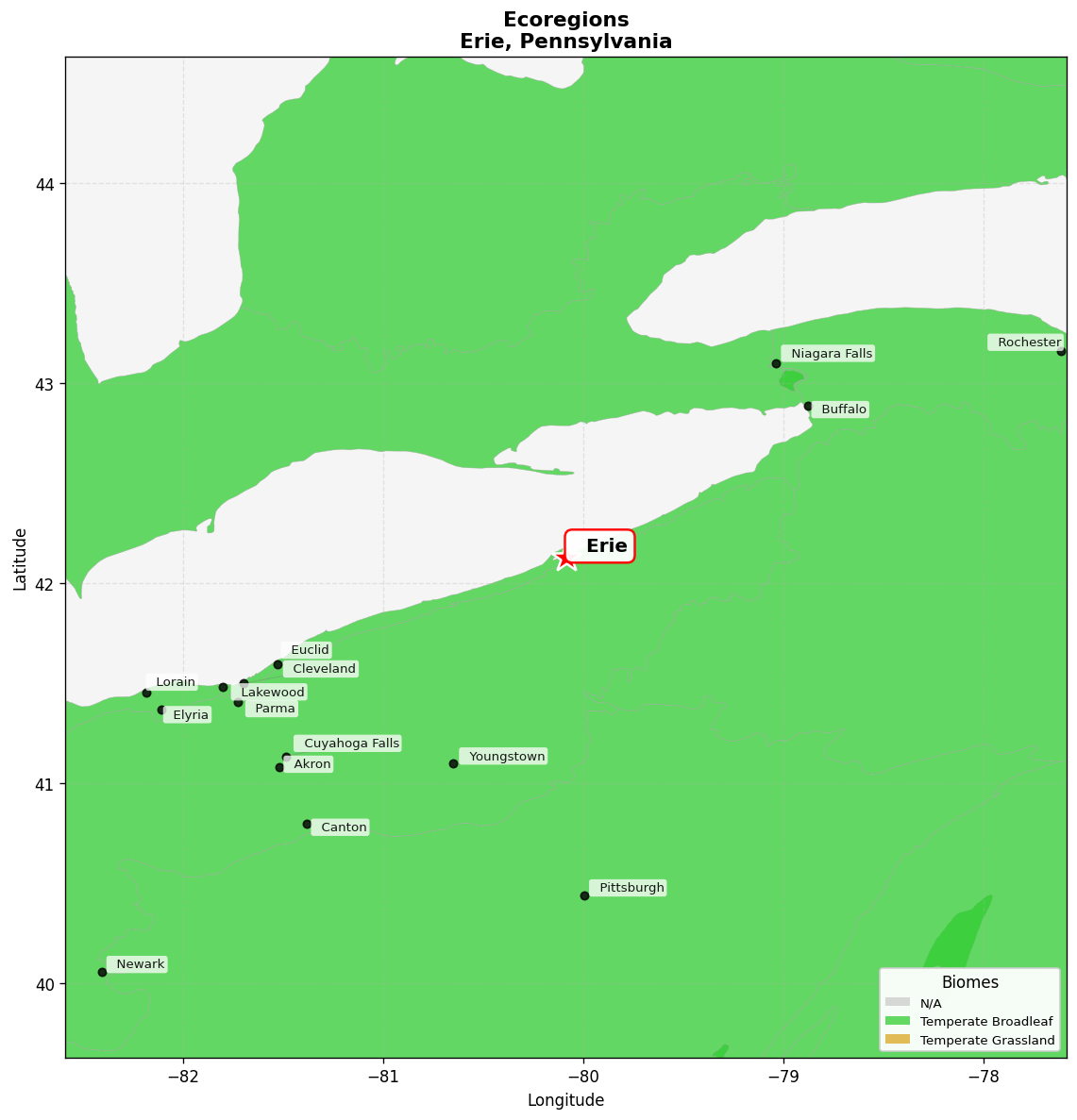
Eastern Great Lakes lowland forests
Native ecoregionFrequently Asked Questions
How much does a cottage garden cost in Erie, PA?
Labor in Erie is lower than in larger Northeast metros, but prices vary a lot between contractors, so get three quotes.
How much work is a cottage garden in Erie's climate?
Moderate. A cottage border needs deadheading in summer, a hard cut-back of Nepeta and Salvia nemorosa 'Caradonna' after the first flush, and a spring cleanup once the snow melts. Roses such as Rosa 'William Baffin' need only light pruning in late March. The part that takes extra attention in Erie is moisture: keep mulch pulled back from the crowns, and rake off any matted leaves in spring so wet snow mold does not settle on the plants.
When should I plant in Erie?
Plant from mid-May to mid-June, once the last frost risk has passed, or in September, when the soil is still warm and the plants establish before winter. Frost can show up in late April and hard frosts return by late October. Bare-root roses can go in as soon as the ground can be worked in spring. Avoid planting in late October, because a young plant needs several weeks of root growth before the ground freezes and the lake-effect snow arrives.
Do I need a permit for a fence or arbor in Erie?
Fences, walls and some structures can require a permit and have height and setback limits, and rules differ in the city of Erie, in Millcreek Township and in other neighboring municipalities. The current local requirements are unverified, so call the City of Erie (or your township) before you build, especially for a fence near the sidewalk or a structure above a few feet tall.
Which roses and lavenders survive Erie winters?
Choose roses rated to Zone 4 or 5: Rosa 'William Baffin', Rosa 'Sally Holmes', Rosa 'Darcey Bussell' and Rosa 'Winnipeg Parks' all take Erie's winters. Lavandula × intermedia 'Phenomenal' handles cold and humidity better than Lavandula angustifolia 'Munstead' or 'Hidcote', which often fail in wet spring clay. Plant on a raised, gritty bed, mulch with pea gravel, and avoid pushing it with nitrogen fertilizer. A hard winter with little snow cover can still kill the tops, so wait until late May before deciding a plant is dead.
What happens to the garden under lake-effect snow?
A deep, steady snow blanket is good for perennials because it insulates the roots, but it can break the branches of shrubs and bend arbors. Choose sturdy cedar or steel arbors, tie climbers loosely, and prune hydrangeas such as Hydrangea paniculata 'Limelight' to a framework of stout stems. Keep beds two feet back from sidewalks the city plows or salts, and plant salt-tolerant Geranium 'Rozanne' and Nepeta at the edge instead of tender plants.
Does the soil in Erie suit cottage plants?
The old lake plain around Erie has silty clay soils, such as Conneaut silt loam, that drain slowly and can hold water after a thaw. Raise the beds 8–10 inches, add compost and coarse grit, and test the pH before you add lime. Peonies, phlox and hydrangeas are happy with this soil, while lavender and rosemary-type plants need the raised, gritty bed.