4 Modern Landscape Ideas for Erie, PA | Snow-Proof Designs for Zone 7a
Native plants from the Eastern Great Lakes lowland forests (Zone 7a) — Humid continental (hot summer) climate
For a modern garden in Erie, PA, a zone 7a city with a humid continental (hot summer) climate, start with Calamagrostis × acutiflora 'Karl Foerster', Echinacea 'PowWow Wild Berry' and Taxus × media 'Hicksii', the plants this guide's first design is built on.
Why Modern/Minimalist Gardens in Erie?
A modern landscape works in Erie because it is built from a few strong materials and a short plant list, and that is what survives 105 inches of snow a year. Mid-century ranches in Millcreek and the east side, newer infill homes along the lake bluff, and the flat, simple fronts of Glenwood and Frontier houses all take clean edges well: a rectangle of bluestone, a steel-edged bed, a row of upright shrubs in front of a plain facade.
Erie is USDA Zone 7a, with a January low near 21°F on average, occasional nights around -5°F, and July highs near 81°F, and the city gets about 43 inches of precipitation. Lake-effect snow puts a heavy blanket on the ground from December to March, which protects perennials and grasses but flattens soft-stemmed plants. Stiff, upright grasses stay standing through most of it: Calamagrostis × acutiflora 'Karl Foerster', Panicum virgatum 'Shenandoah' and Sporobolus heterolepis hold their shape and look good with snow on them. Skip the Mediterranean and desert standards: Agave, Yucca 'Color Guard' in a wet bed and cold-tender Lavandula angustifolia rot in a wet March, and Taxus × media 'Hicksii' or Thuja occidentalis 'Smaragd' do the job of upright evergreen sculpture instead.
Much of Erie sits on the old lake plain, with silty soil over clay that drains slowly after a thaw. A mapped series such as Conneaut silt loam holds 20 to 35 percent clay in the subsoil. Modern beds are easy to raise: steel or concrete edging, 8 to 10 inches of amended soil, and a gravel or stone mulch. Test the soil through Penn State Extension first, then choose plants that handle clay: Echinacea 'PowWow Wild Berry', Hakonechloa macra 'Aureola', Amsonia hubrichtii and Geranium 'Rozanne'.
Plan around the plow and the salt truck. Keep delicate plants two feet from the street edge, put salt-tolerant Sporobolus and Juniperus horizontalis 'Blue Chip' there, and use bluestone or concrete pavers that handle freeze and thaw. Frost can still come in late April and hard frosts return by late October, so plant from mid-May to mid-June or in September. Call the City of Erie before building a fence, wall or large deck to ask about permit and setback rules.
4 Modern/Minimalist Design Ideas for Erie
AI-generated image
The Bluestone and Grass Front Entry
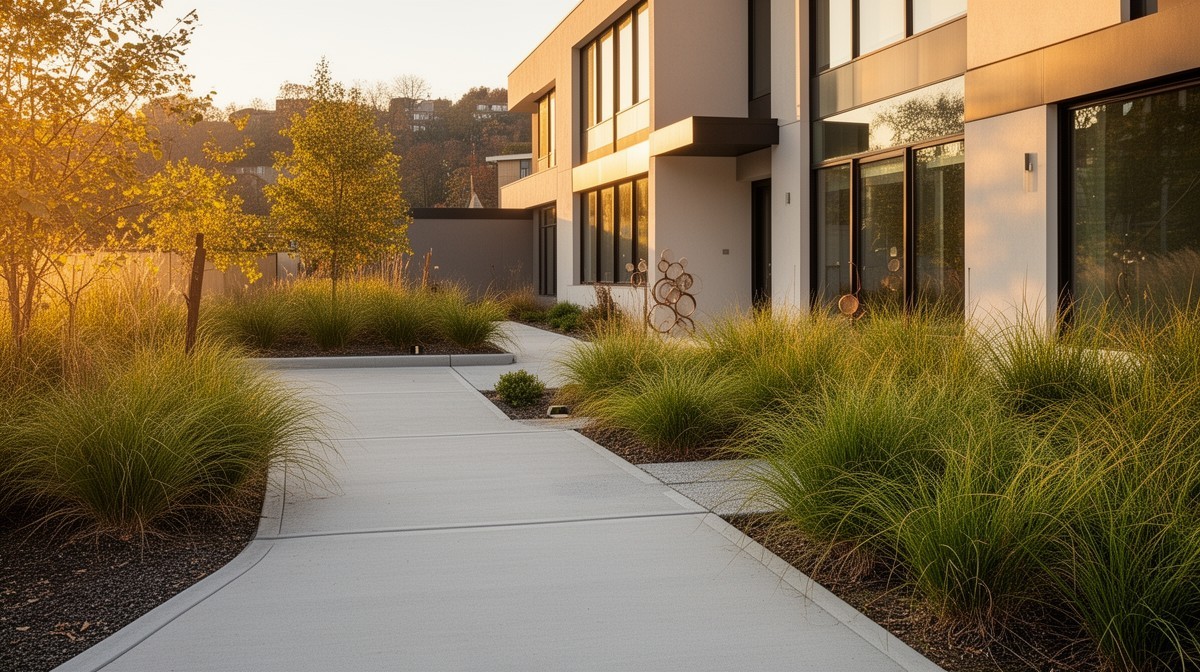
$22–42/sqftA wide Pennsylvania bluestone walk runs straight to the door of a mid-century ranch, with a steel-edged bed on each side. Mass plantings of feather reed grass and purple coneflower sit in gravel mulch, and a pair of upright yews anchor the corners of the porch. The south-facing front gets full sun from late morning, so the grasses flower in July and carry seed heads through the snow.
Try this on your yard: The Bluestone and Grass Front EntryAI-generated image
The Snow-Tough Hedge Courtyard
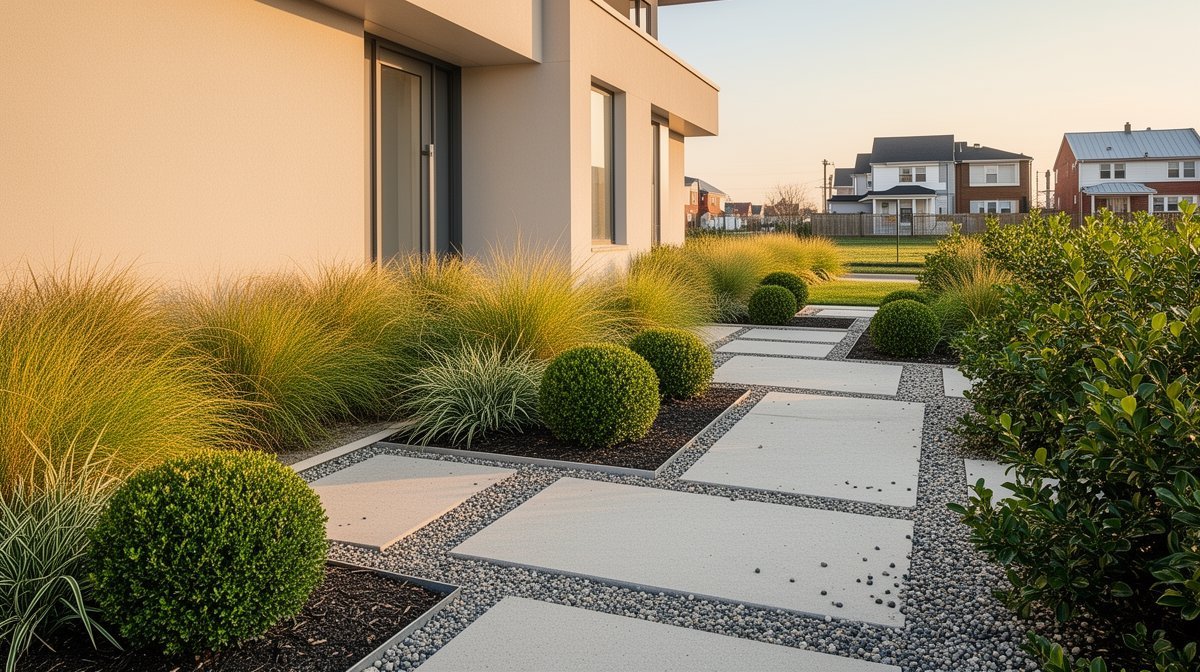
$28–55/sqftA walled courtyard behind a city house is laid with concrete pavers and bordered by a column hedge of tall arborvitae, with a single multi-stem birch in a planter beside the door. A bed of switchgrass and catmint softens the paving. The hedge blocks the wind off the lake, so the courtyard is warmer in October and keeps plants from drying out in winter wind.
Try this on your yard: The Snow-Tough Hedge CourtyardAI-generated image
The Lake Bluff Grass Meadow
$20–40/sqftA new house near the lake bluff gets a low, wide planting of grasses and perennials that takes wind without fuss. A corten steel retaining edge steps down the slope, and bold drifts of grasses and sedum cover the bank. The mass of roots holds the soil during the spring thaw and keeps the view of the lake clear from the living room.
Try this on your yard: The Lake Bluff Grass MeadowAI-generated image
The Raised Bed Dining Terrace
$30–60/sqftA bluestone terrace outside a kitchen door has a long concrete bench, a cedar-slat screen and two raised steel beds. Upright grasses grow in the beds and a Japanese forest grass spills over the front edge. The terrace sits above the clay, so it dries quickly after rain and is clear of snow with a shovel by early afternoon.
Try this on your yard: The Raised Bed Dining TerraceSee how a modern/minimalist garden looks on YOUR property
Upload a photo of your Erie yard and visualize your dream garden in seconds.
Try ProScapeAI Free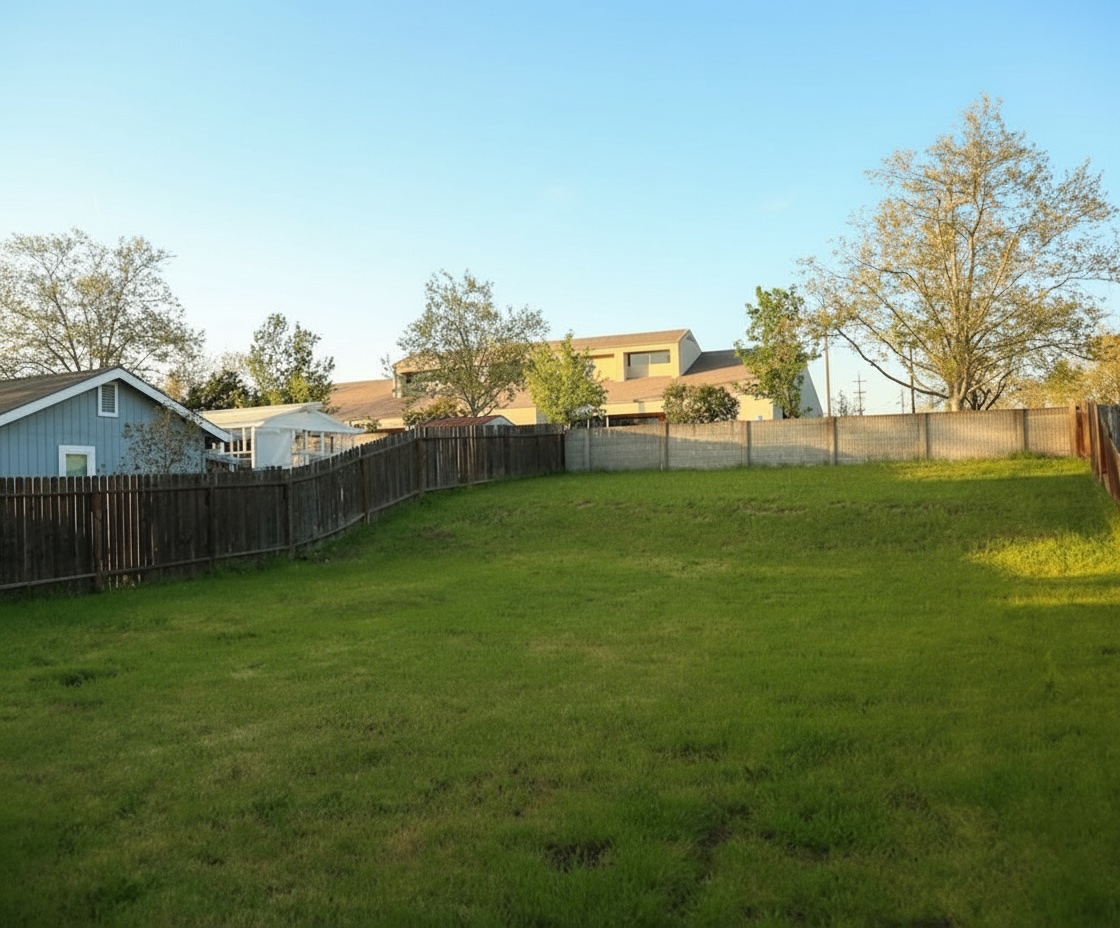
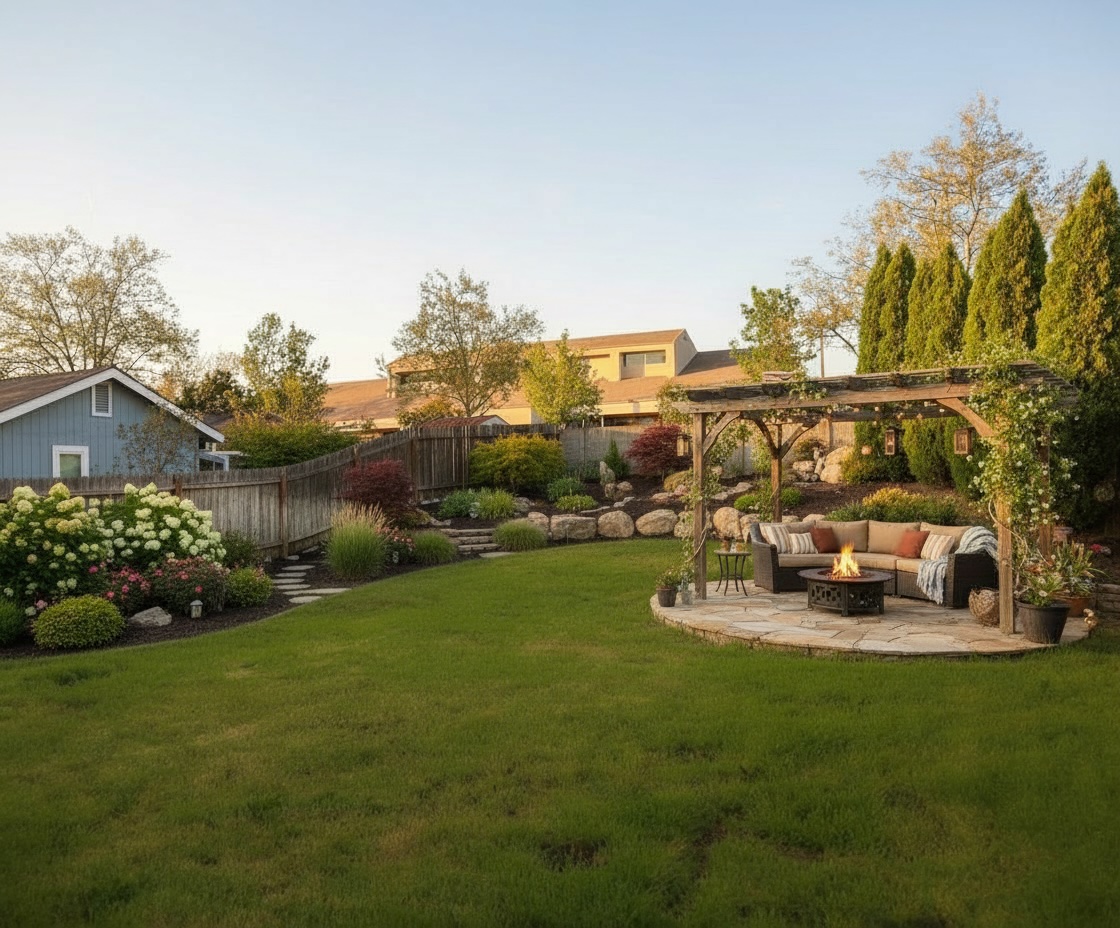
AI-generated image
Featured Trees & Shrubs for Modern/Minimalist Gardens
Browse all 248 plants for Erie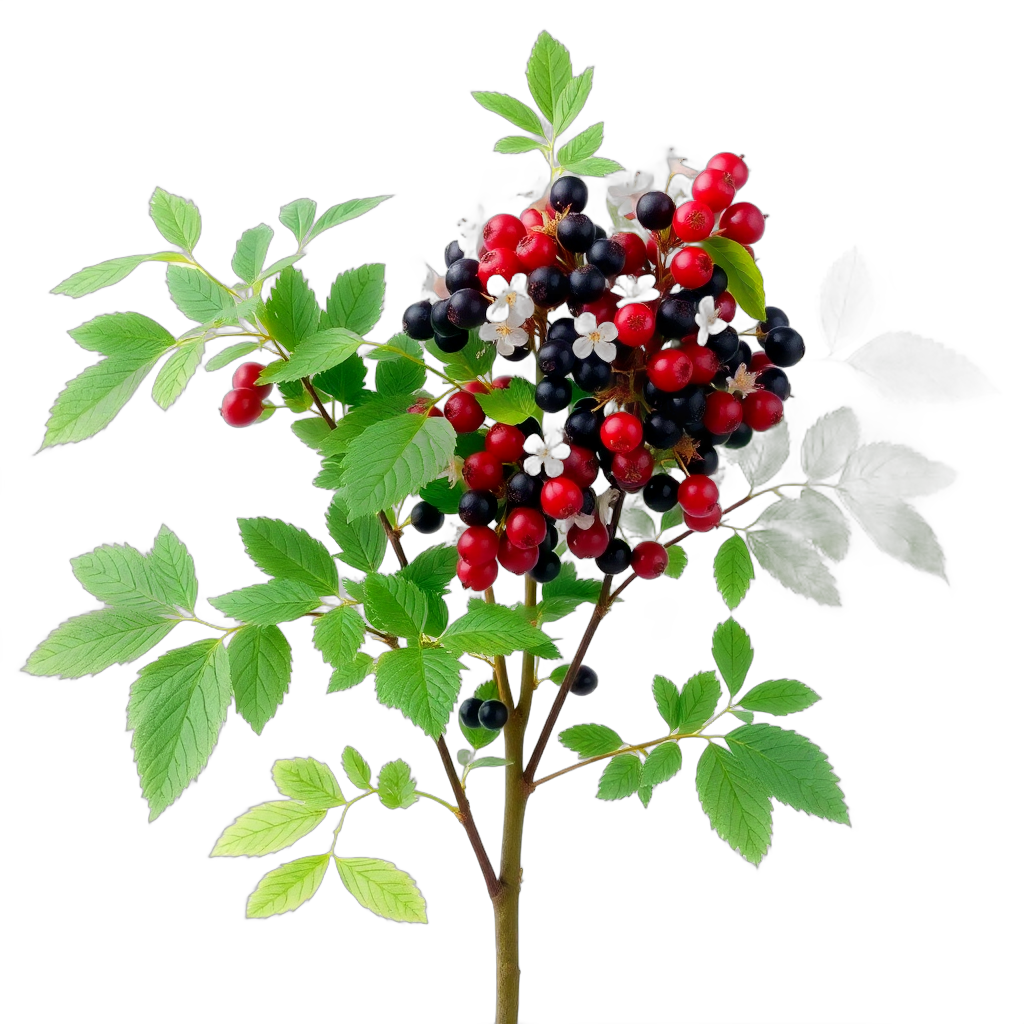
American Black Currant
Ribes americanum
grows to 5 feet, white,yellow blooms in spring. Attracts hummingbirds.
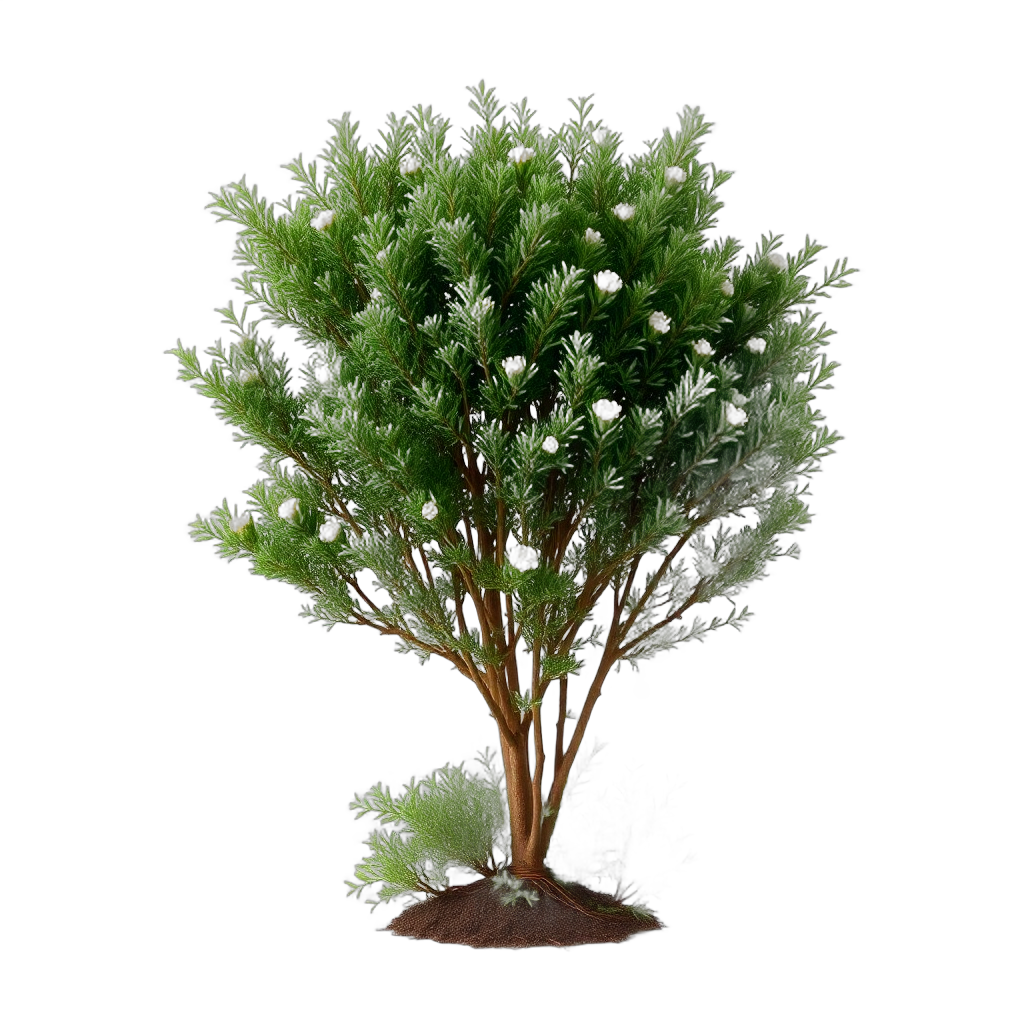
Creeping Juniper
Juniperus horizontalis
low-growing ground cover, blooms in spring. Evergreen year-round.
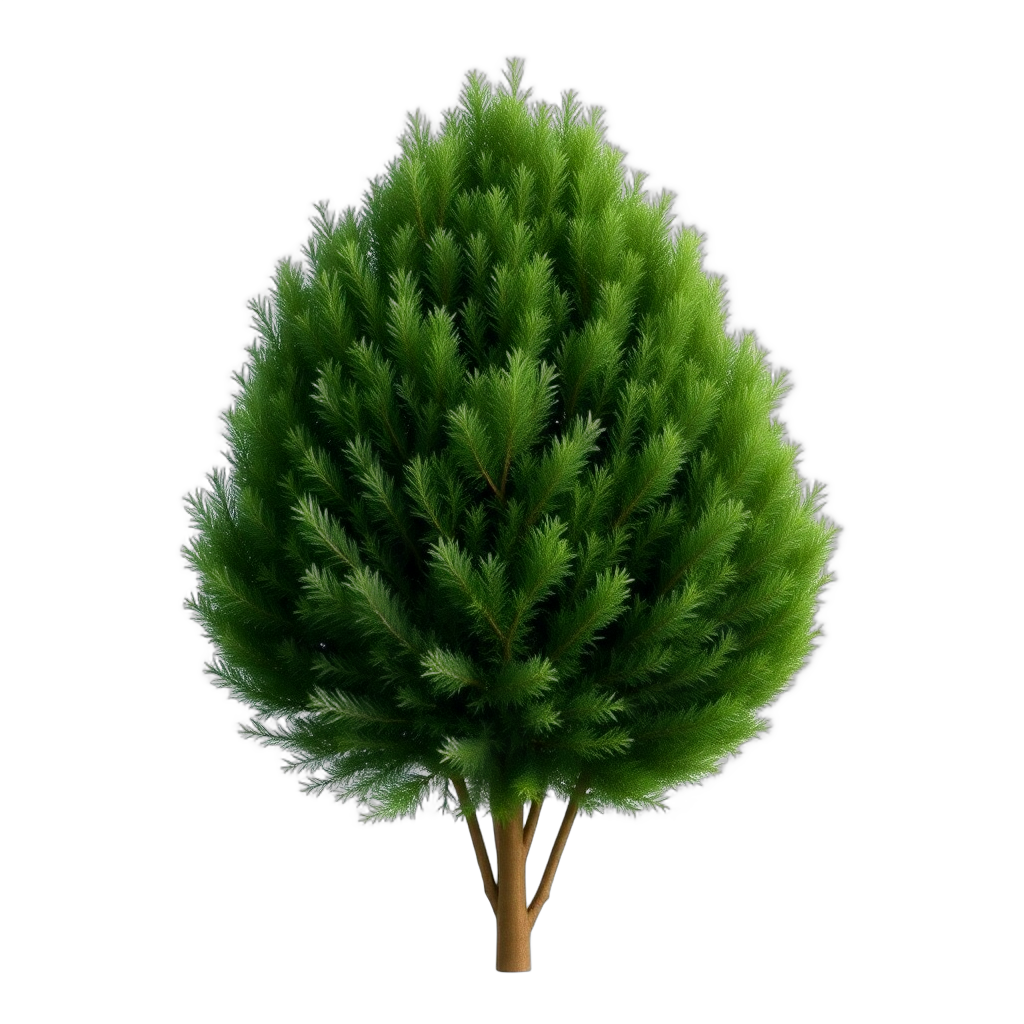
Emerald Arborvitae
Thuja occidentalis 'Emerald'
medium-sized at 14 feet, blooms in spring. Evergreen year-round.

Gray Dogwood
Cornus racemosa
medium-sized at 10 feet, white blooms in spring. Pollinator-friendly.
Featured Grasses & Groundcovers for Modern/Minimalist Gardens
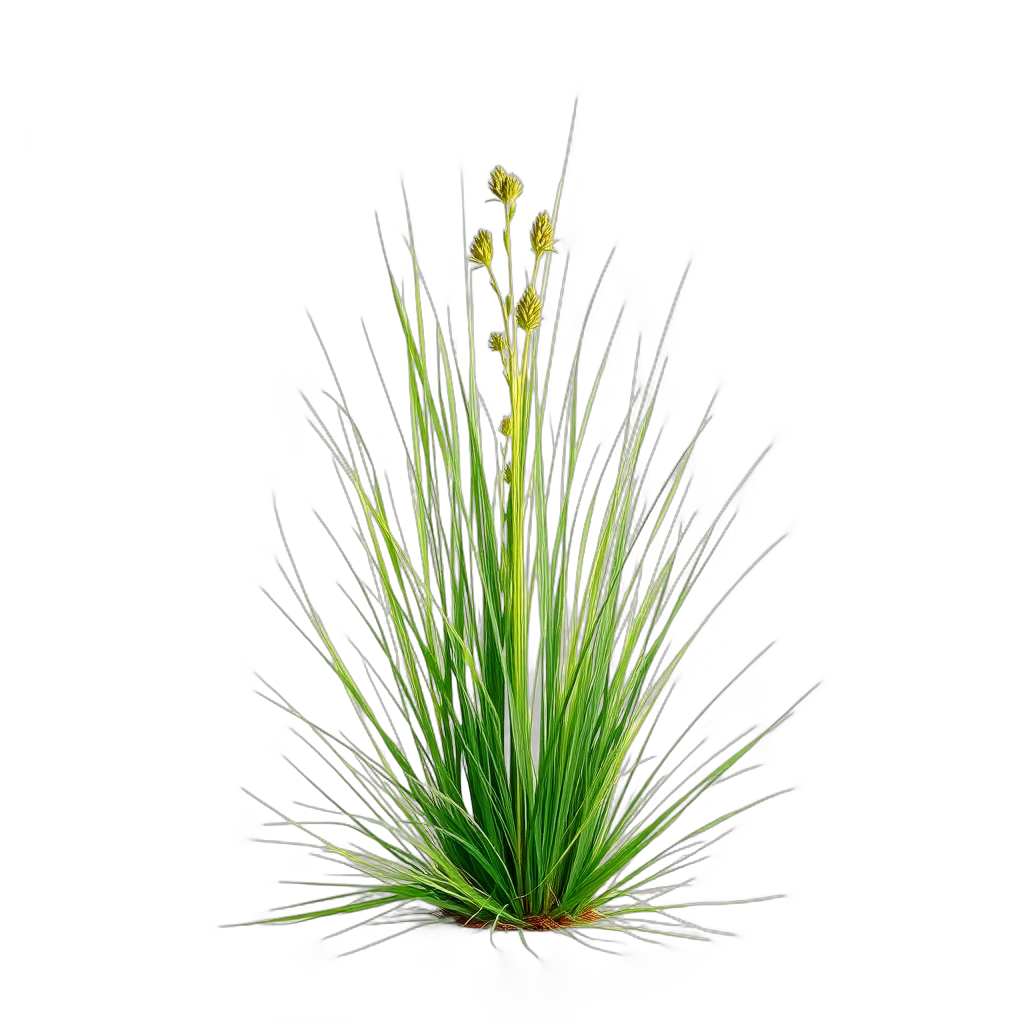
Canada Wild Rye
Elymus canadensis
grows to 4 feet, blooms in summer. Yellow fall color.

Red Fescue
Festuca rubra
low-growing ground cover, blooms in summer.
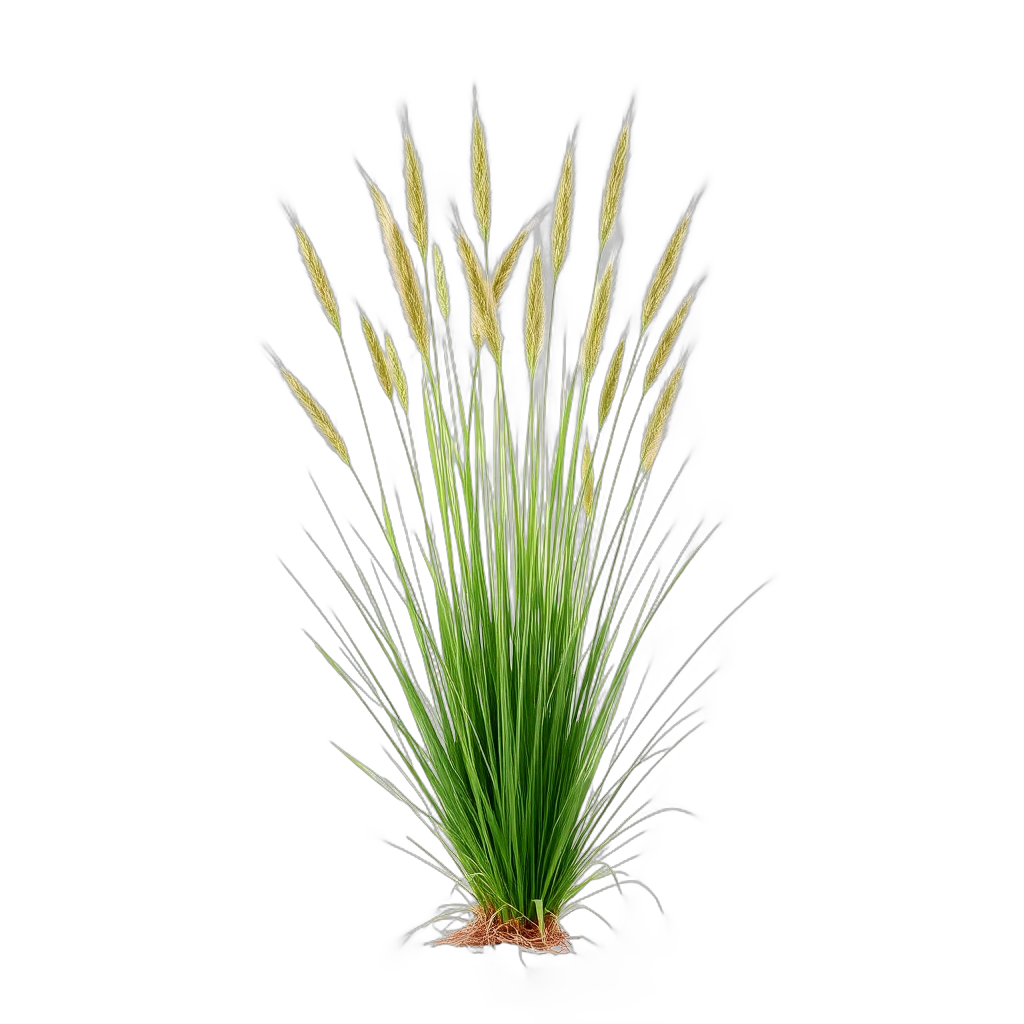
Tufted Hair Grass
Deschampsia cespitosa
grows to 3 feet, yellow blooms in summer. Yellow fall color.
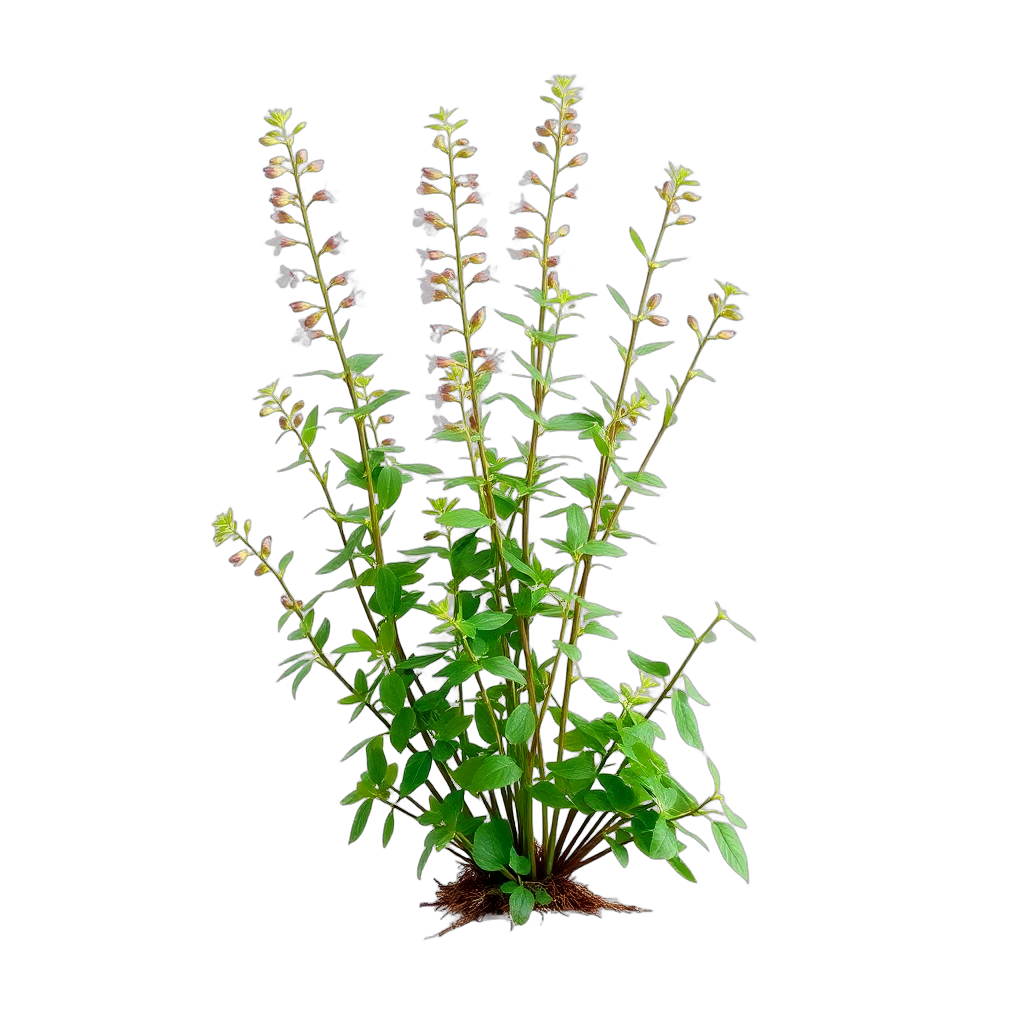
Creeping Jacob's Ladder
Polemonium reptans
low-growing ground cover, blue blooms in spring. Attracts butterflies.
Featured Flowers & Perennials for Modern/Minimalist Gardens
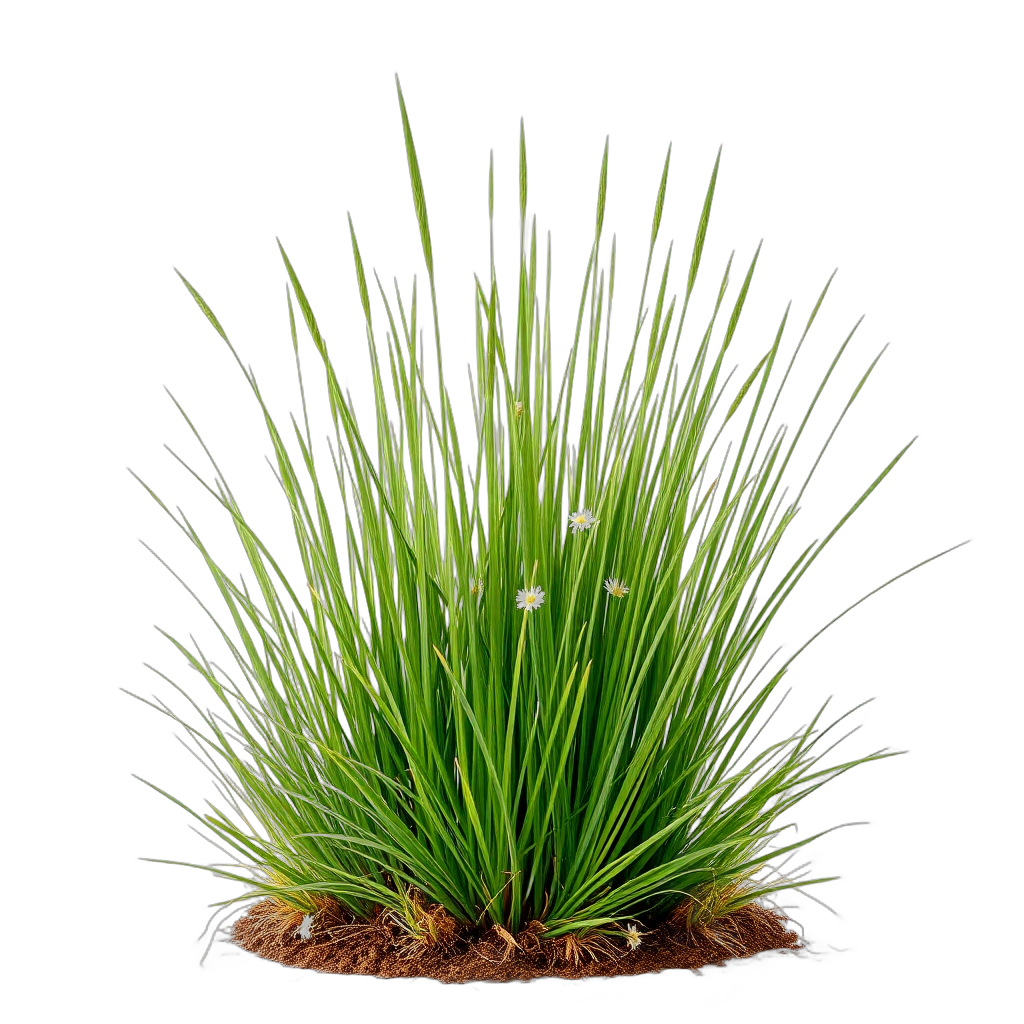
Baltic Rush
Juncus balticus
low-growing ground cover, blooms in summer. Evergreen year-round.
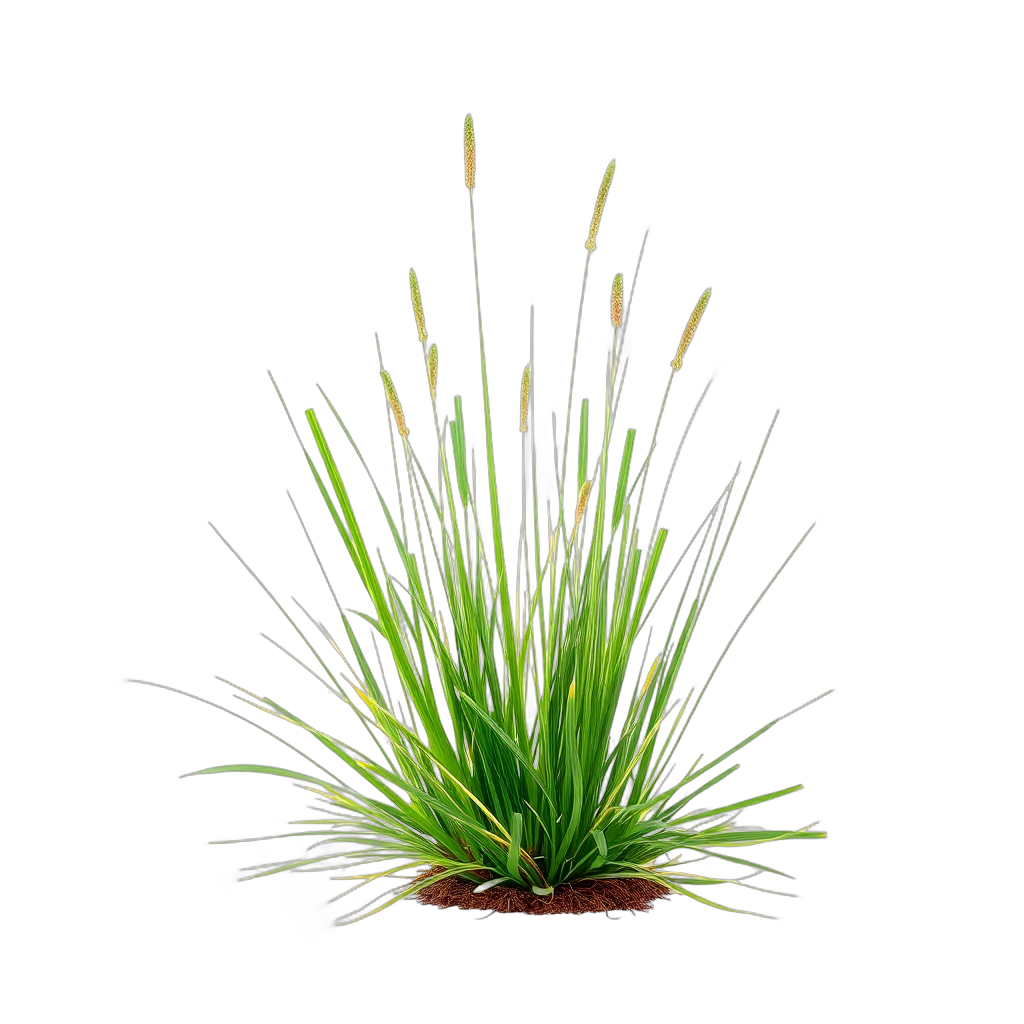
Common Rush
Juncus effusus
grows to 3 feet, blooms in summer. Evergreen year-round.
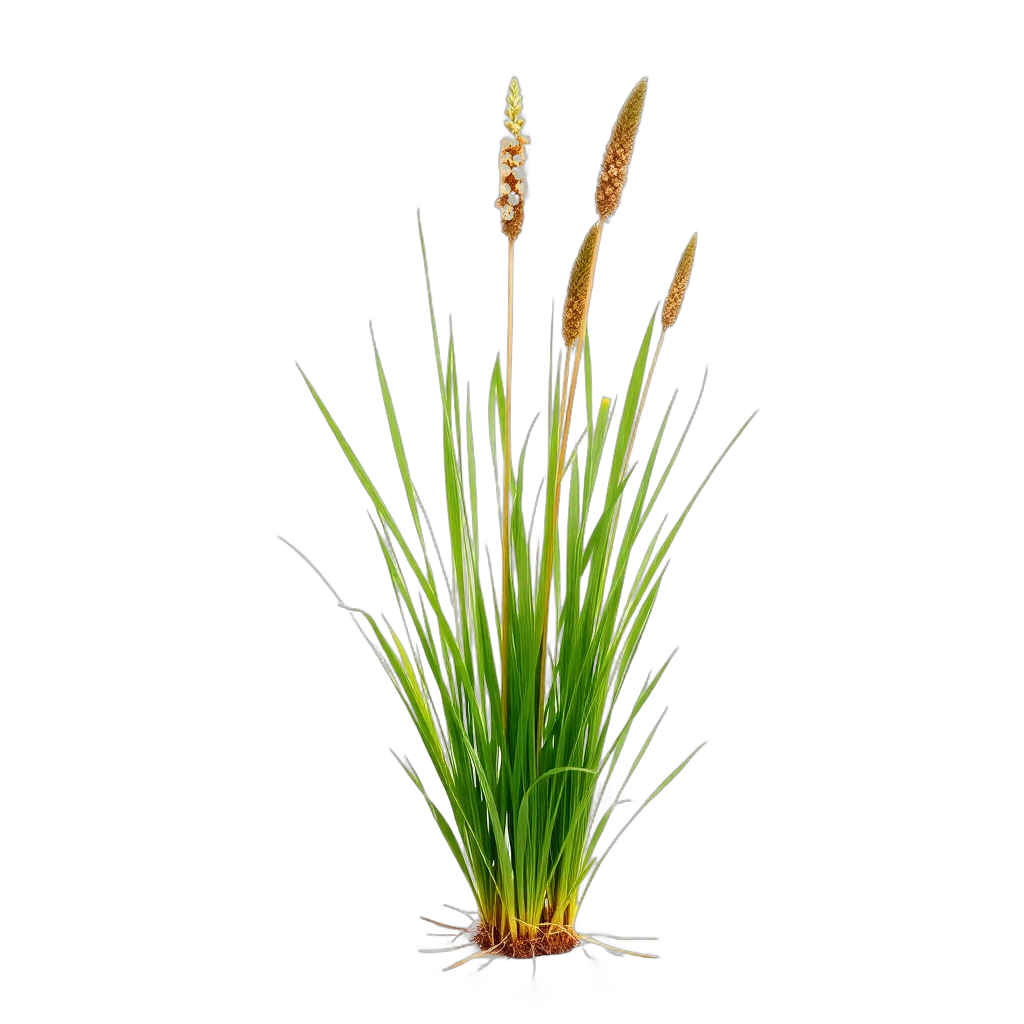
Hardstem Bulrush
Scirpus acutus
medium-sized at 7 feet, blooms in summer.
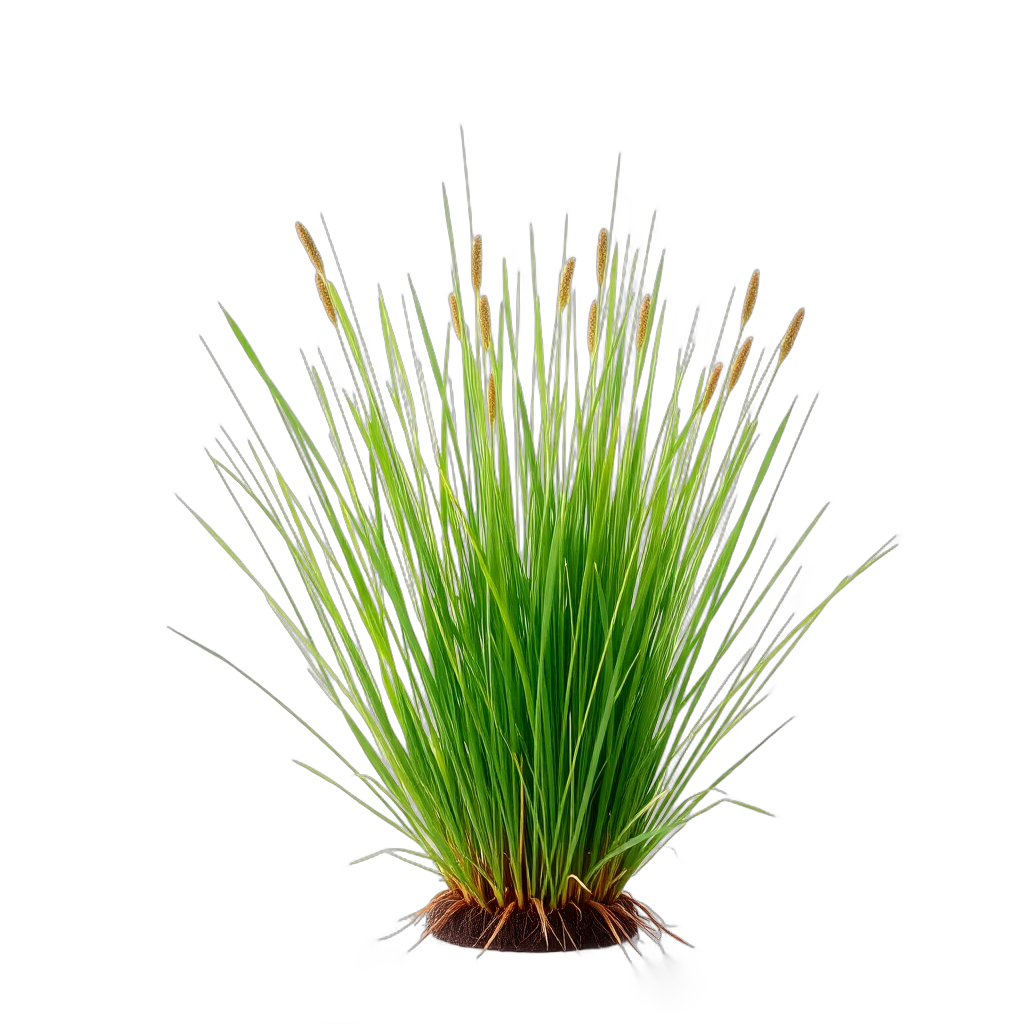
Path Rush
Juncus tenuis
low-growing ground cover, blooms in summer. Evergreen year-round.
Zone and sun checks come from our database — confirm with your local nursery before you buy.
Bloom Calendar for Erie
spring
Bellwort, Bloodroot, Blue-Eyed Grasssummer
Baltic Rush, Common Rush, Hardstem Bulrushfall
Pink Turtleheadwinter
Limited bloomsDesign Tips for Erie (Zone 7a)
- Use stiff, upright grasses that stand under snow, such as Calamagrostis × acutiflora 'Karl Foerster', Panicum virgatum 'Shenandoah' and Sporobolus heterolepis, and cut them back in late March
- Raise beds 8–10 inches with compost and coarse grit: the silty clay of the Lake Erie plain drains slowly after a thaw, and steel or concrete edging gives the raised look a modern edge
- Pick bluestone or large-format concrete pavers rated for freeze and thaw, and set them on a compacted stone base at least 6 inches deep to avoid heaving
- Keep beds two feet from plowed or salted edges and plant salt-tolerant Juniperus horizontalis 'Blue Chip' and Geranium 'Rozanne' along the margin
- Choose upright evergreens such as Taxus × media 'Hicksii' and Thuja occidentalis 'Smaragd' for winter structure, since a bare modern garden looks empty from December through March
- Plant grasses and perennials from mid-May to mid-June or in September: frost can return in late April and hard frosts arrive by late October
- Plan the lake wind: a cedar screen or a hedge on the north and west side cuts winter wind and keeps broadleaf evergreens such as Ilex glabra 'Gem Box' from drying out
Where to Source Plants in Erie
Skip the big-box stores. These independent Erie nurseries specialize in the plants that make modern/minimalist gardens thrive in Zone 7a.
Stan's Garden Center
East Erie (Buffalo Road)
Commercial plant grower raising its own annuals, perennials, trees and shrubs in greenhouses on more than 31 acres, with a second location on West Lake Road
J.J. Wurst Landscape and Garden Center
Erie (Edinboro Road)
Garden center selling trees, shrubs, annuals, perennials and roses, with a one-year guarantee on nursery stock and a landscape contracting arm
Johnston's Evergreen Nursery & Garden Center
Erie (Wales Road)
Family nursery growing in Erie since 1953, with hydrangeas, hollies, arborvitae and perennials, plus a landscape planning service; retail is open April through November
Modern/Minimalist Landscaping Cost Ranges
| Project Scope | Estimated Cost |
|---|---|
| Bluestone terrace on a compacted base (200–350 sqft) | $5,000–$11,200 |
| Concrete patio, broom finish (200 sqft) | $2,100–$2,500 |
| Low-voltage landscape lighting (6 fixtures) | $1,200–$2,000 |
| AI visualization (ProScapeAI) | Free to start |
National average installed ranges for 2026 from our landscaping price list (Homewyse and other published sources). Prices in Erie, PA vary with site, materials and contractor, so get two or three local quotes.
Erie Climate & Growing Zone
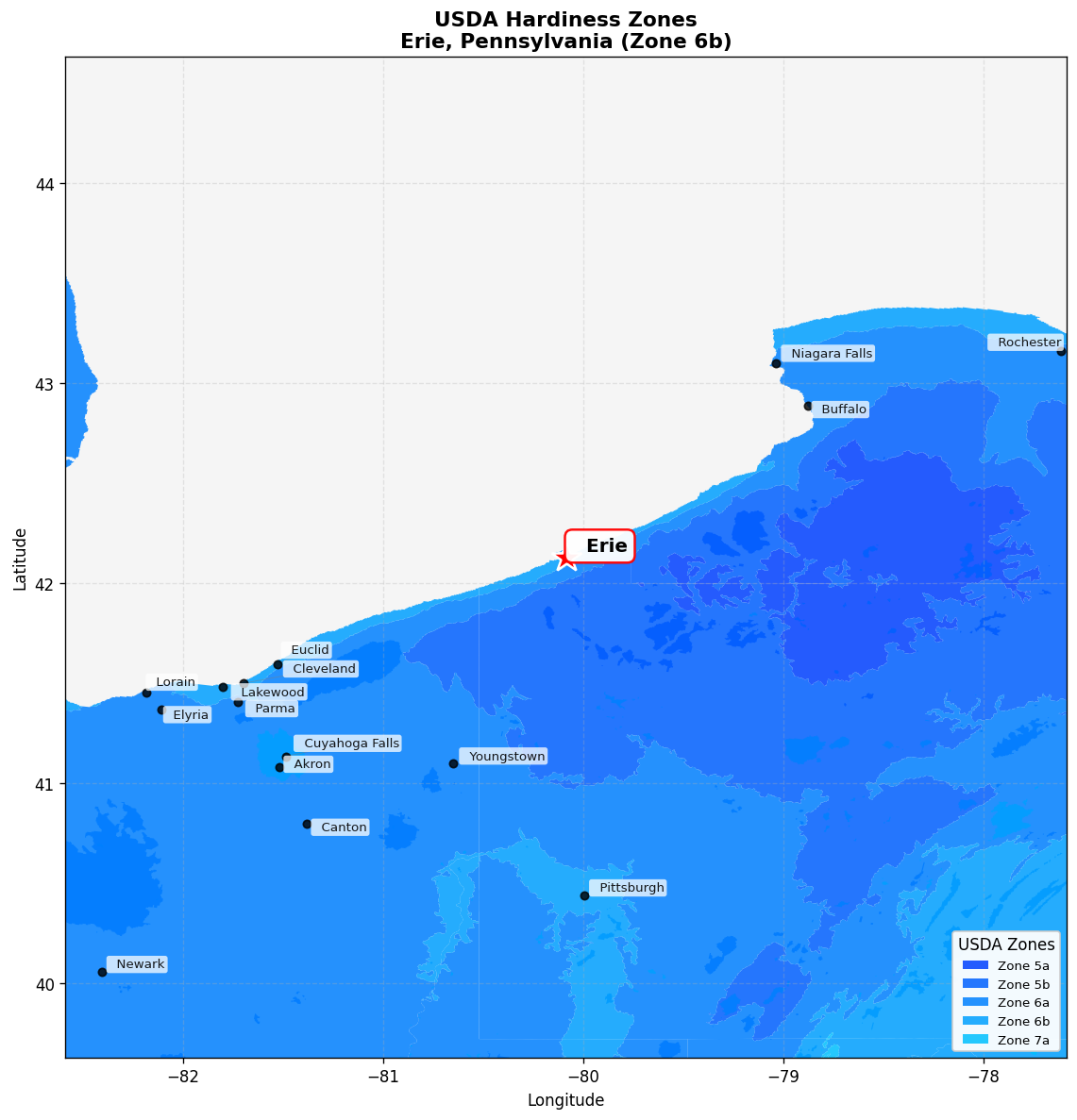
USDA Zone 7a
Hardiness zone for Erie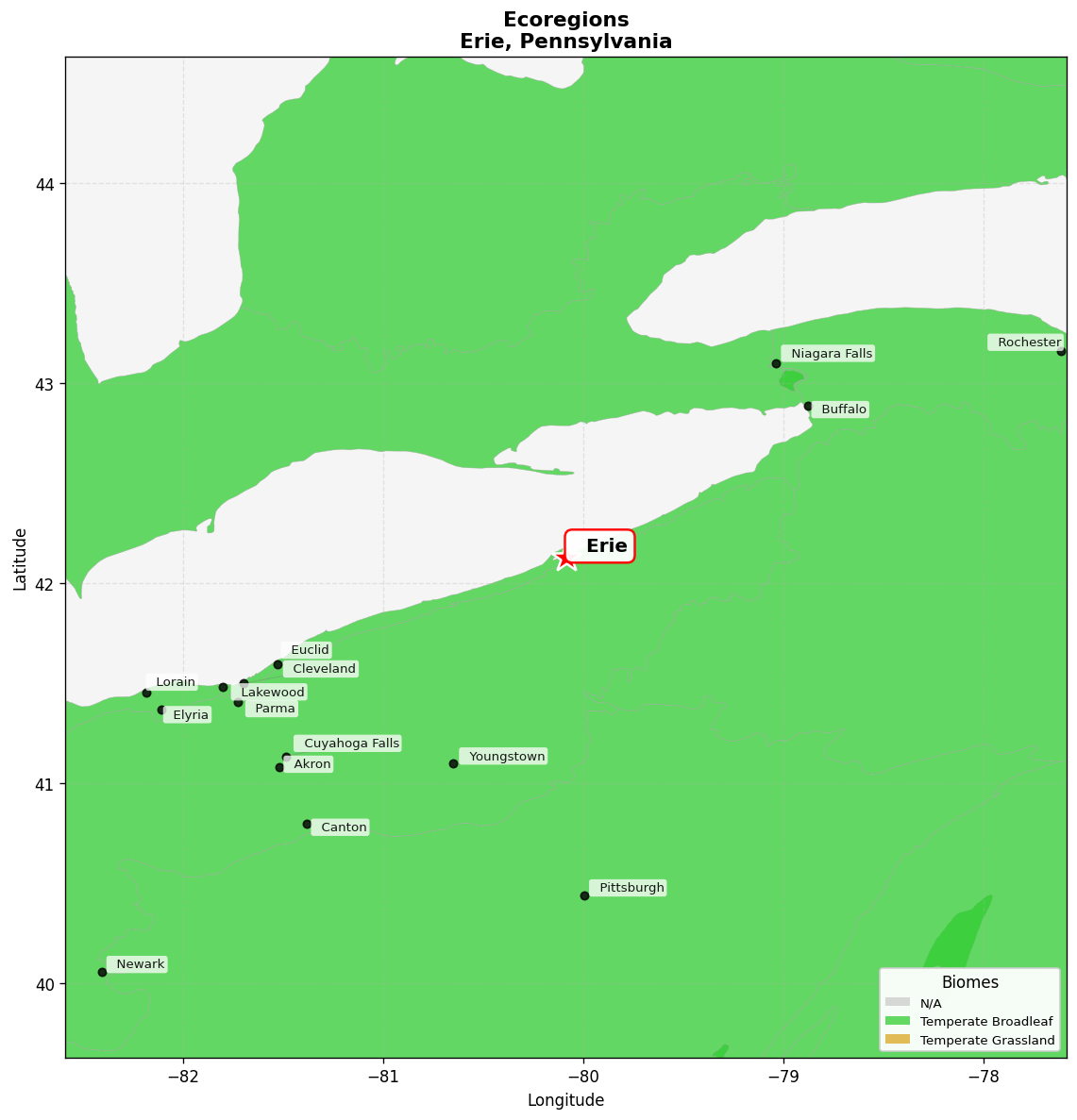
Eastern Great Lakes lowland forests
Native ecoregionFrequently Asked Questions
How much does a modern landscape cost in Erie, PA?
Costs depend on materials more than anything.
Is a modern garden low maintenance in Erie's climate?
Fairly low, if the plant list is short. Cut Calamagrostis × acutiflora 'Karl Foerster' and Panicum virgatum 'Shenandoah' to 4–6 inches in late March, before new growth starts, and shear the Taxus or Thuja hedge once in June. Mulch with gravel or bark and use drip irrigation on new beds. Spring is the busiest time, since you will clear leaves and any plow debris and check the beds after snowmelt.
When should I plant in Erie?
Plant grasses and perennials from mid-May to mid-June, once the last frost has passed, or in September so the roots establish before the ground freezes. Warm-season grasses such as Panicum and Pennisetum do best planted in late spring. Frost can show up in late April and hard frosts return by late October, so avoid planting in the last weeks of fall.
Do I need a permit for a wall, fence or deck in Erie?
Walls, fences, decks and large retaining structures can require permits and have height and setback limits, and the rules differ between the city of Erie, Millcreek Township and other municipalities. The current requirements are unverified, so contact the City of Erie (or your township) before you build, especially for anything on a slope, near the lake bluff or above a few feet tall.
Which plants survive Erie's winter snow and cold?
Stiff, upright plants do best under lake-effect snow: Calamagrostis × acutiflora 'Karl Foerster', Sporobolus heterolepis, Panicum virgatum 'Shenandoah', Echinacea 'PowWow Wild Berry', Amsonia hubrichtii and Taxus × media 'Hicksii'. Hardy to at least Zone 5, they handle January lows around 21°F and the occasional -5°F night. Soft, floppy plants and Mediterranean species like Lavandula angustifolia 'Munstead' tend to rot in wet spring clay.
How do I protect plants from road salt and plows?
Keep beds at least two feet back from any edge that gets plowed or salted, and use tough plants at the margin: Sporobolus heterolepis, Juniperus horizontalis 'Blue Chip' and Geranium 'Rozanne'. Mark bed corners with stakes before the first snow and rinse the soil with water in early spring if salt spray has built up. Place steel or concrete edging a few inches proud of the soil so it takes the first hit from a plow blade.
Does the soil in Erie suit a modern garden?
Much of Erie sits on an old lake plain with silty clay soil, such as Conneaut silt loam, that drains slowly after a thaw. Raise beds 8–10 inches, mix compost and coarse grit into the topsoil and test the pH before liming. Raised steel or concrete beds are a natural fit for the modern look and give grasses like Panicum virgatum 'Shenandoah' the drainage they like.