4 English Cottage Garden Ideas for Fort Smith, AR | Zone 8a Heat Tested
Native plants from the Ozark Mountain forests (Zone 8a) — Humid subtropical climate
For a cottage garden in Fort Smith, AR, a zone 8a city with a humid subtropical climate, start with Rosa 'New Dawn', Lavandula × intermedia 'Phenomenal' and Phlox paniculata 'David', the plants this guide's first design is built on.
Why Cottage/English Gardens in Fort Smith?
Fort Smith has the houses a cottage garden wants. Belle Grove's Victorian and Queen Anne homes, the brick and frame bungalows near Hillcrest Park, and the 1950s ranches in Barling and south Fort Smith all sit close enough to the street that the front border is what everyone sees. A picket fence, a flagstone walk and a border three plants deep suit those fronts, and a cottage garden on a 40-foot lot looks planned where the same plants on an acre look scattered.
The climate decides which English classics make it. NOAA's 1991–2020 normals for Fort Smith Regional Airport show a January average low of 29.6°F, so winter rarely hurts anything hardy to Zone 8a. Summer is the problem: the July average high is 94.1°F with an average low of 72.1°F, and the year brings about 47 inches of rain, much of it in spring storms. Delphinium elatum and most English lavender (Lavandula angustifolia 'Hidcote' and 'Munstead') sulk or rot here. Swap in Lavandula × intermedia 'Phenomenal', Salvia nemorosa 'May Night', Nepeta × faassenii 'Walker's Low', Echinacea purpurea 'PowWow Wild Berry' and Phlox paniculata 'David', which handles humidity and powdery mildew better than older phlox.
Roses carry the style, and they need the right ones. Blackspot is a given in a wet May, so choose resistant varieties such as Rosa 'New Dawn' on the gate, Rosa 'Julia Child' and Rosa 'Knock Out' for the middle of the border. Give them morning sun and open air, and water at the base. A 3-inch layer of shredded hardwood mulch keeps clay roots cooler in August.
Soil across the Arkansas River Valley runs from sandy loam near the river to heavy, slow-draining clay on the rises. On clay, build beds 6–8 inches above grade and mix in compost rather than digging a pit that holds winter water around the crowns. Run a soil test through the Sebastian County Extension office before adding lime or sulfur, since lavender and roses want a different pH than hydrangeas. Plant in fall, from October to early November, so roots settle before the next 94°F July. Before building a fence or arbor, check with the city planning office, and if your house is in the Belle Grove Historic District, ask about review before you order materials.
4 Cottage/English Design Ideas for Fort Smith
AI-generated image
The Belle Grove Picket Front
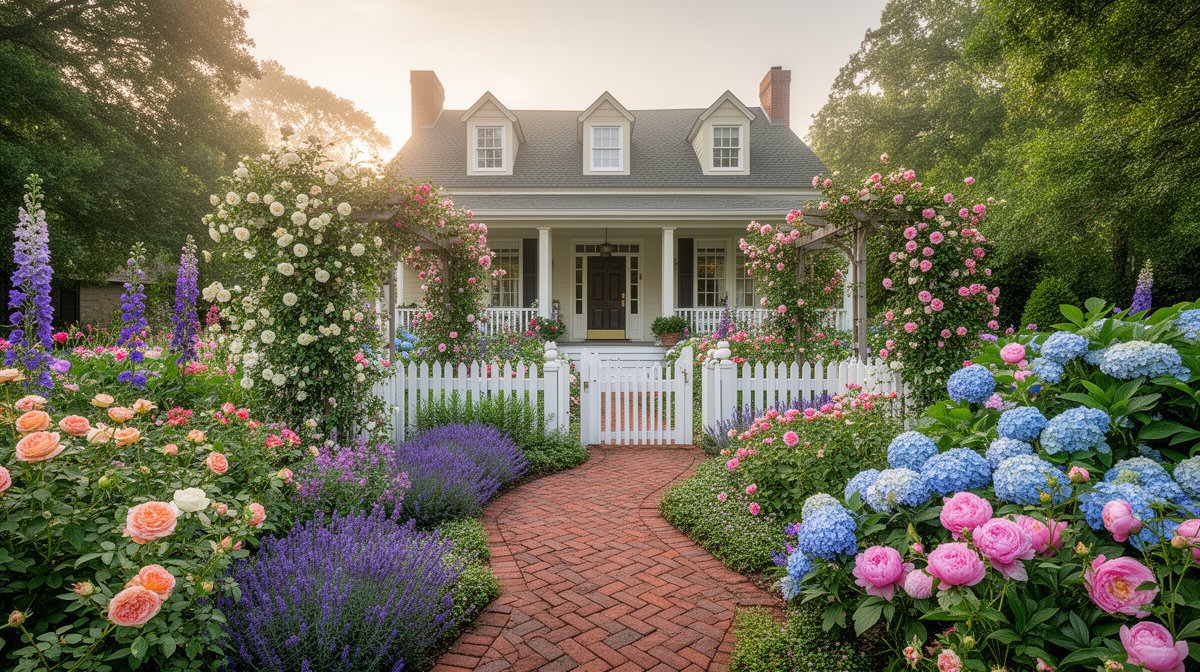
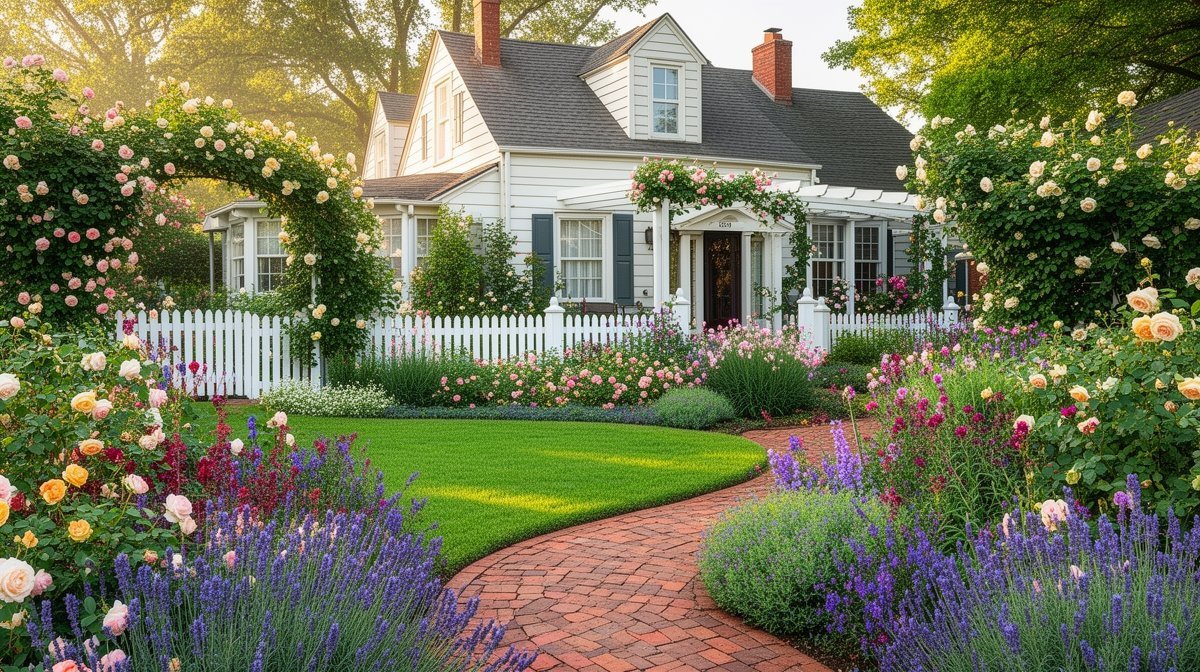
$20–40/sqftA white picket fence runs the width of a narrow Victorian front, with a gate under a small arbor carrying pale pink New Dawn roses. A brick walk leads to the porch steps, lavender lines the walk, and a mixed border of coneflower and phlox fills the sun along the fence. Morning sun reaches the roses and the afternoon porch shade keeps the front steps usable in August.
Try this on your yard: The Belle Grove Picket FrontAI-generated image
The Bungalow Porch Border
$16–32/sqftA deep three-layer border runs along a bungalow's front porch, with tall Agastache and hydrangea at the back, perennials in the middle and low foliage at the edge. A flagstone path with thyme between the stones curves from the sidewalk to the steps. Late afternoon sun hits the west end, so the plants there are the ones that tolerate heat.
Try this on your yard: The Bungalow Porch BorderAI-generated image
The Ranch House Cottage Refit
$12–26/sqftA low brick ranch gets a curving bed that replaces the foundation row of clipped shrubs, with a trellis beside the garage carrying a climbing rose. Shrub roses and daylilies sit at the center in full sun, and a short gravel path leads to a bench under a crape myrtle. The bed edge is cut wide so mowers stay clear of the plants.
Try this on your yard: The Ranch House Cottage RefitAI-generated image
The Back Garden Rose Room
$18–38/sqftA fenced back yard becomes a garden room: gravel floor, a round seating area, and tall borders against the fence. Climbing roses cover a pergola on the west side, where the afternoon sun is strongest, and clematis climbs the fence posts on the east. A rain barrel by the shed waters the beds through July.
Try this on your yard: The Back Garden Rose RoomSee how a cottage/english garden looks on YOUR property
Upload a photo of your Fort Smith yard and visualize your dream garden in seconds.
Try ProScapeAI Free

AI-generated image
Featured Trees & Shrubs for Cottage/English Gardens
Browse all 154 plants for Fort Smith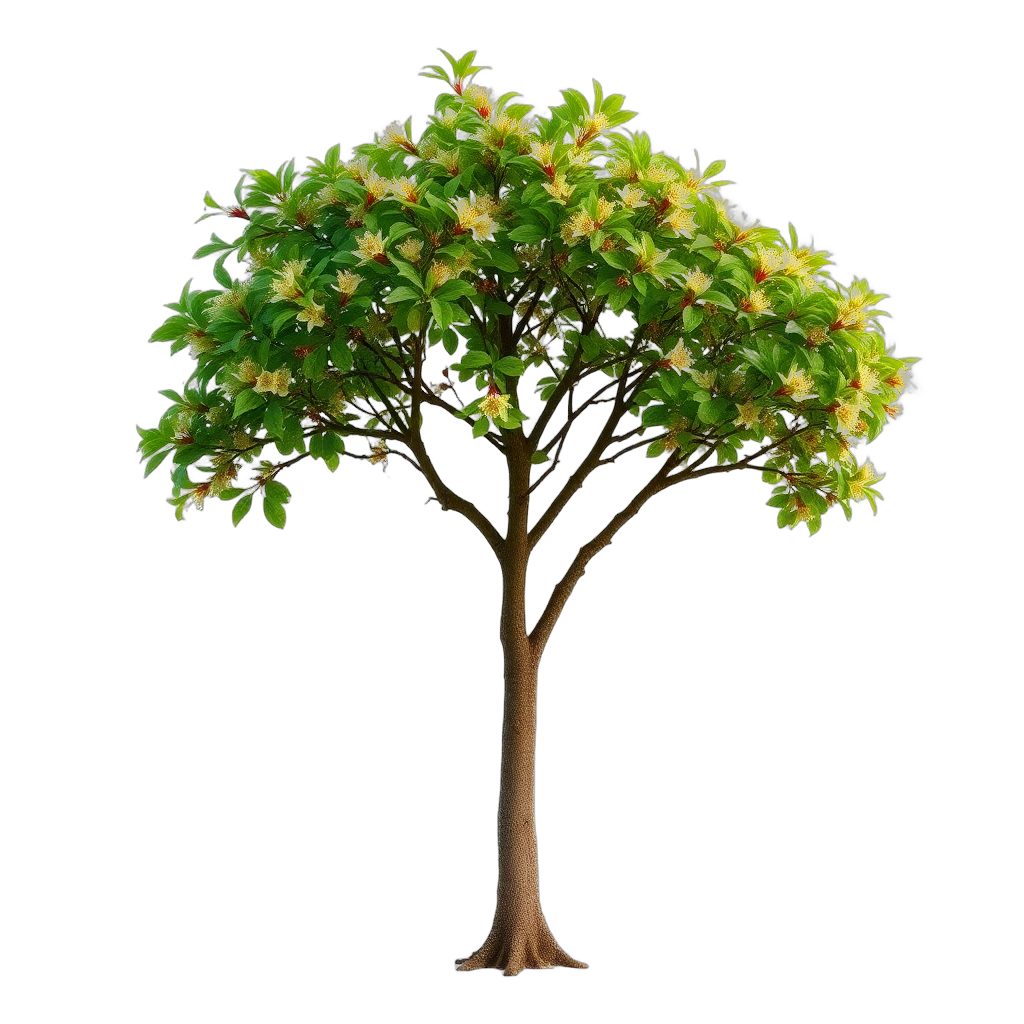
Vernal Witch Hazel
Hamamelis vernalis
medium-sized at 8 feet, yellow blooms in spring. Pollinator-friendly.
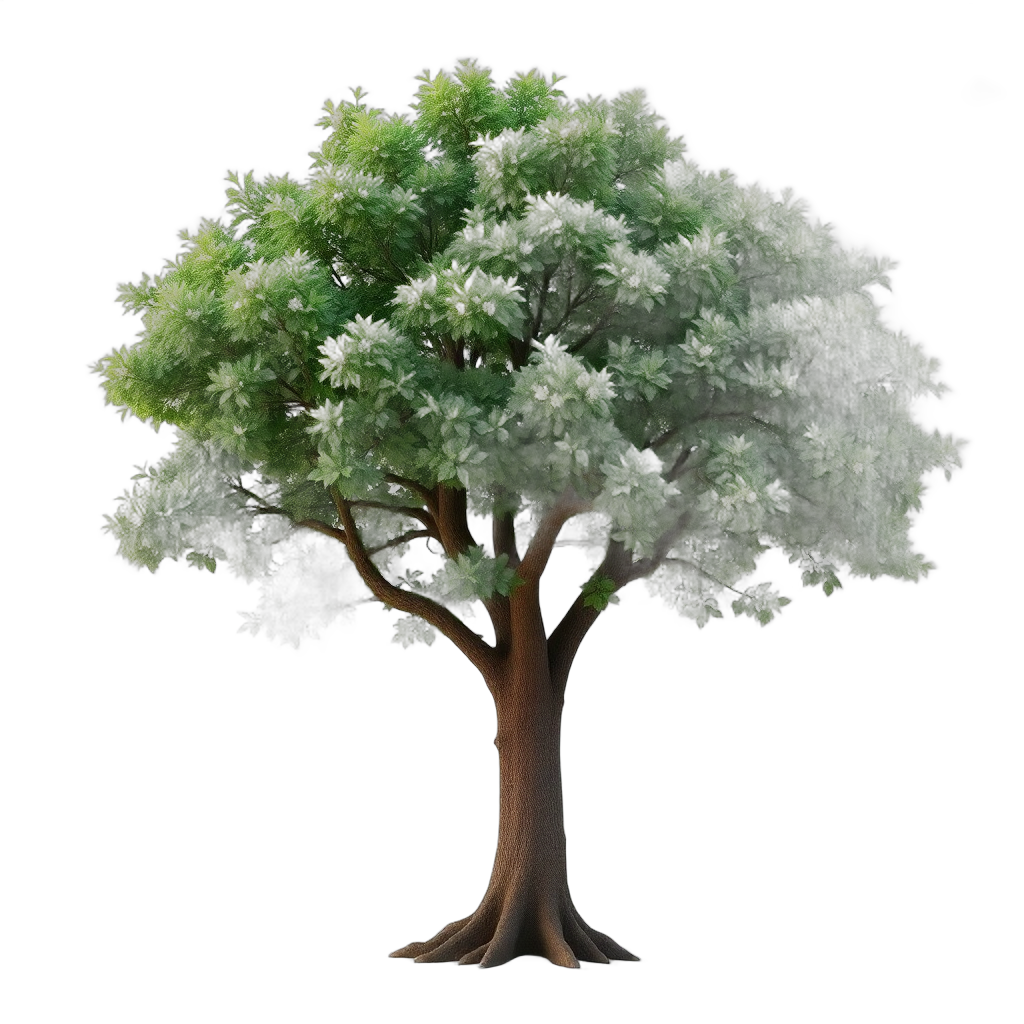
Shingle Oak
Quercus imbricaria
large shade tree reaching 55+ feet, blooms in spring. Yellow,red fall color.
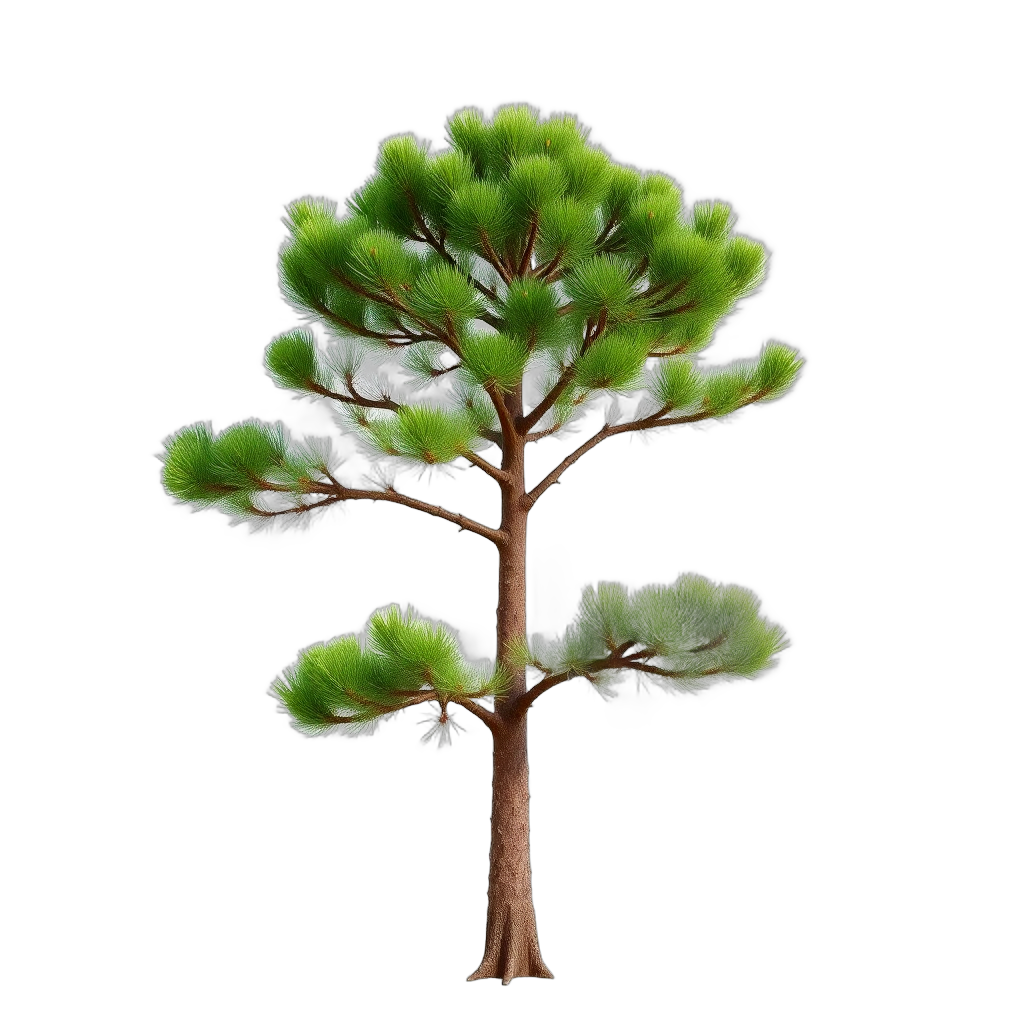
Shortleaf Pine
Pinus echinata
large shade tree reaching 70+ feet, blooms in spring. Evergreen year-round.

Southern Magnolia
Magnolia grandiflora
large shade tree reaching 70+ feet, white blooms in spring. Evergreen year-round.
Featured Flowers & Perennials for Cottage/English Gardens

Water Lettuce
Pistia stratiotes
low-growing ground cover, white blooms in summer. Evergreen year-round.
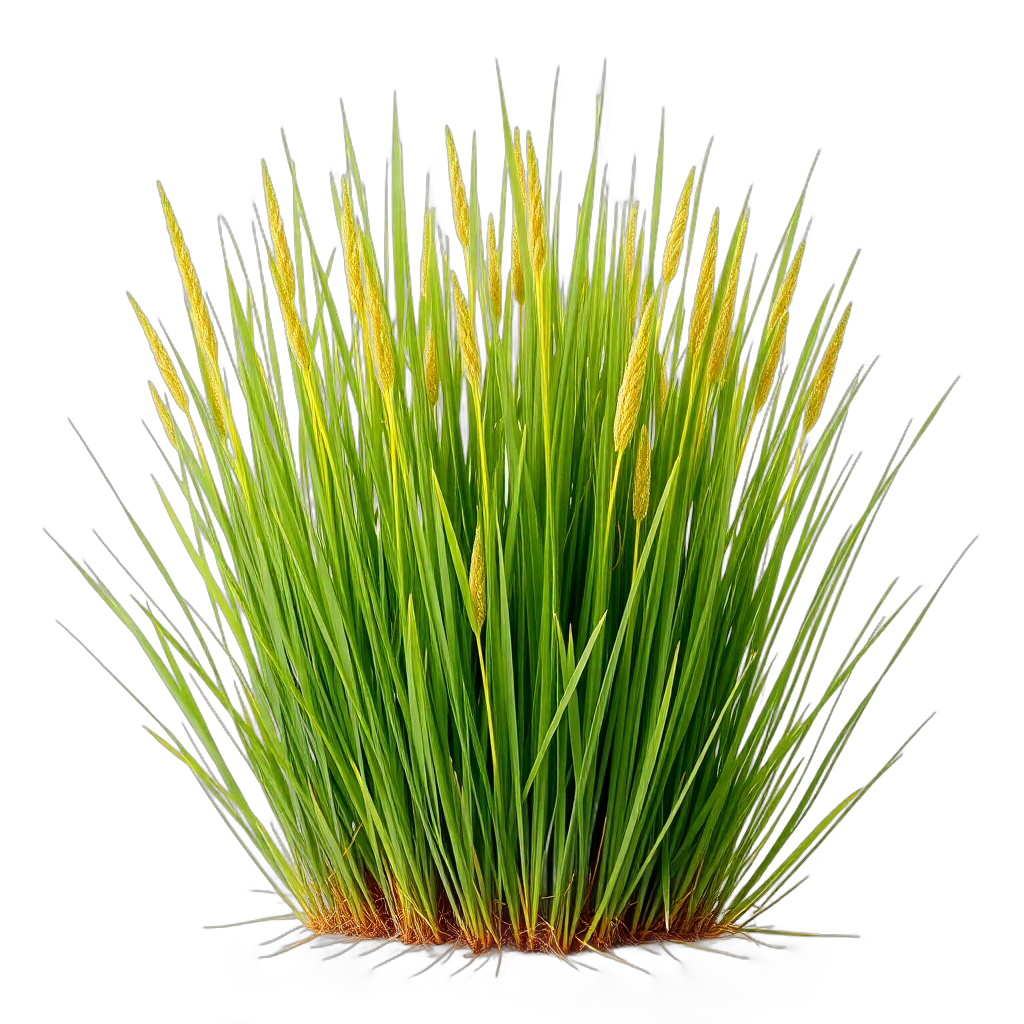
Bowles' Golden Sedge
Carex elata 'Aurea'
low-growing ground cover, blooms in none.

Tussock Sedge
Carex stricta
low-growing ground cover, blooms in spring. Brown fall color.

Umbrella Sedge
Cyperus alternifolius
grows to 4 feet, blooms in summer. Evergreen year-round.
Zone and sun checks come from our database — confirm with your local nursery before you buy.
Bloom Calendar for Fort Smith
spring
Vernal Witch Hazel, Shingle Oak, Shortleaf Pinesummer
Water Lettuce, Umbrella Sedge, Alpine Sea Hollyfall
Autumn Snakerootwinter
Limited bloomsDesign Tips for Fort Smith (Zone 8a)
- Choose lavender by humidity tolerance: Lavandula × intermedia 'Phenomenal' over English 'Hidcote', which rots in wet Fort Smith summers.
- Raise beds 6–8 inches on clay, using compost and not a planting pit, so water does not collect around the roots.
- Pick blackspot-resistant roses (Rosa 'New Dawn', 'Julia Child', 'Knock Out') and water at the base in the morning.
- Face roses and lavender to full morning sun and open air; the 94°F July afternoons are easier on plants that are not hemmed in.
- Mulch 3 inches deep with shredded hardwood to keep roots cooler and cut July watering.
- Plant in October and early November so roots establish before the next summer.
- Keep a place for the biennial: Digitalis purpurea 'Camelot Rose' reseeds in part shade and gives the border its vertical spikes.
Where to Source Plants in Fort Smith
Skip the big-box stores. These independent Fort Smith nurseries specialize in the plants that make cottage/english gardens thrive in Zone 8a.
Sharum's Garden Center
South Fort Smith (Highway 71 S)
Large garden center with annuals, perennials, trees and shrubs, bulk soil and mulch, plus residential delivery and landscaping
Parks Brothers Farm Garden Center
Van Buren
Greenhouse-grown bedding plants and perennials, roses, shrubs, berry plants and trees; open seasonally, early February through December
Cottage/English Landscaping Cost Ranges
| Project Scope | Estimated Cost |
|---|---|
| Brick or flagstone walk (per sqft) | $20.03–$37.75 per sqft |
| Picket fence, 4 ft tall (60 linear ft) | $1,500–$2,400 |
| Brick paver walk (100 sqft) | $2,000–$2,600 |
| AI visualization (ProScapeAI) | Free to start |
National average installed ranges for 2026 from our landscaping price list (Homewyse and other published sources). Prices in Fort Smith, AR vary with site, materials and contractor, so get two or three local quotes.
Fort Smith Climate & Growing Zone
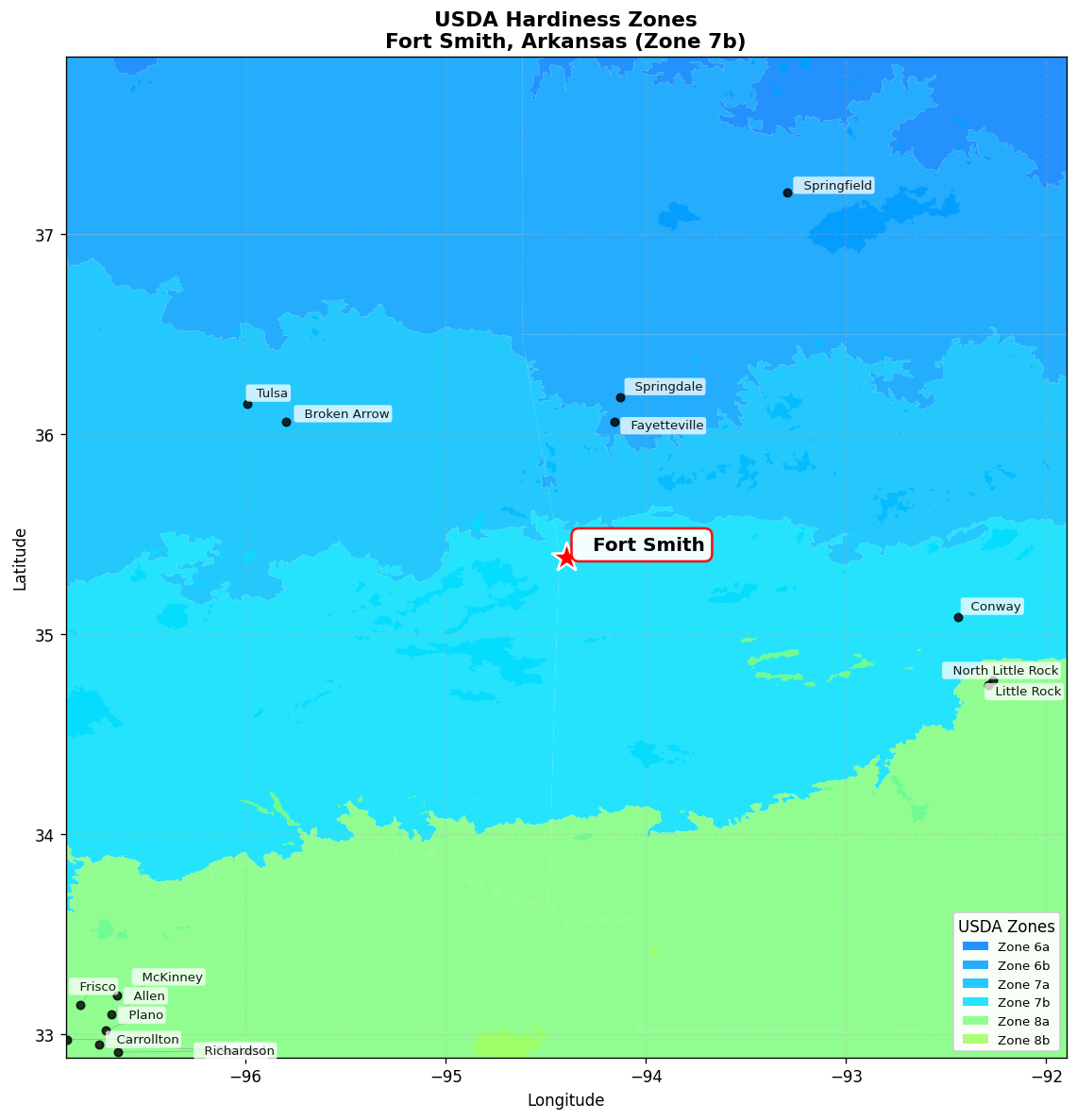
USDA Zone 8a
Hardiness zone for Fort Smith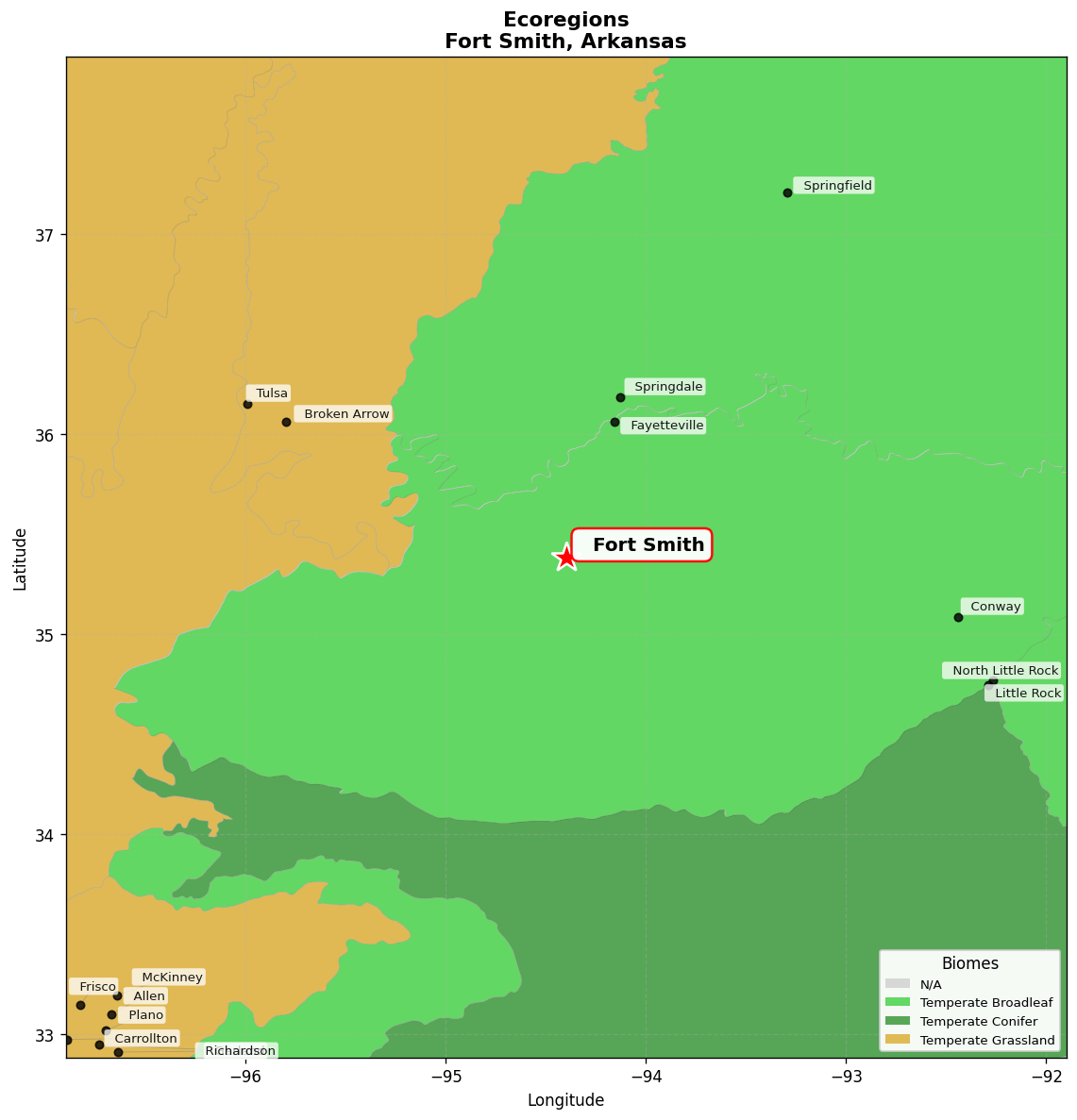
Ozark Mountain forests
Native ecoregionFrequently Asked Questions
How much does an English cottage garden cost in Fort Smith?
The final price depends on the size of the yard, the materials you pick and who does the work, so ask local contractors for written quotes. Costs depend on hardscape: a gravel path is a fraction of the price of brick on a stone base. Plant material is the smaller line item, because most cottage perennials are sold in 1-gallon and 2-gallon pots.
Is a cottage garden low maintenance in Fort Smith's climate?
It needs steady attention in May and June, when blackspot and powdery mildew show up in wet weather. Choose resistant varieties such as Rosa 'Knock Out' and Phlox paniculata 'David', water at the base, and deadhead Echinacea and Salvia nemorosa 'May Night' for a second flush. A July average high of 94.1°F means summer irrigation is part of the deal.
When is the best time to plant a cottage garden here?
Fall, from October into early November, gives roots time to establish before the heat. Early spring planting also works, but those plants face their first July with young roots. Avoid planting lavender and roses in midsummer.
Do I need a permit or HOA approval for a fence or arbor?
Fences and structures can trigger city review, and the Belle Grove Historic District has its own design process. Subdivisions in Barling and south Fort Smith often have HOA rules on height and style. Check with the city planning office and your HOA before building.
What cottage plants survive Fort Smith summers?
The heat-proven list: Lavandula × intermedia 'Phenomenal', Echinacea 'PowWow Wild Berry', Salvia 'May Night', Agastache 'Blue Fortune', Nepeta 'Walker's Low' and Hemerocallis 'Stella de Oro'. Delphinium and Lavandula angustifolia 'Hidcote' usually fade or rot in humid summers.
Why do roses get blackspot here, and how do I prevent it?
Spring rain and warm nights keep leaves wet. Space plants for airflow, water at the root zone in the morning, and pick resistant varieties like Rosa 'Julia Child' and 'New Dawn'. Remove fallen leaves in autumn so spores do not overwinter.