4 Modern Landscape Ideas for Fort Smith, AR | Heat-Proof Grasses, Zone 8a
Native plants from the Ozark Mountain forests (Zone 8a) — Humid subtropical climate
For a modern garden in Fort Smith, AR, a zone 8a city with a humid subtropical climate, start with Calamagrostis × acutiflora 'Karl Foerster', Panicum virgatum 'Northwind' and Pennisetum alopecuroides 'Hameln', the plants this guide's first design is built on.
Why Modern/Minimalist Gardens in Fort Smith?
Modern landscaping in Fort Smith works because the city is flat, sunny and full of straight lines. The brick ranches of south Fort Smith and Barling, the newer builds on former Fort Chaffee land and the clean-lined homes near Creekmore Park already have simple rooflines, and a modern yard just continues them: big masses of grass, hard edges, and a few evergreen shapes that hold the form through winter.
The climate asks for plants that handle heat and rain swings. NOAA's 1991–2020 normals for Fort Smith Regional Airport show a July average high of 94.1°F and the year brings about 47 inches of rain. January averages a low of 29.6°F, so winters are mild for Zone 8a but still cold enough to cut back warm-season grasses. The reliable grasses are Calamagrostis × acutiflora 'Karl Foerster', Panicum virgatum 'Northwind', Pennisetum alopecuroides 'Hameln' and Muhlenbergia capillaris, which gives pink clouds in October. Sporobolus heterolepis likes the sun but needs good drainage, so keep it on raised or gravelly beds.
Ilex crenata 'Sky Pencil' gives a vertical accent in a narrow bed, Juniperus virginiana 'Taylor' makes a tight column, and Lagerstroemia 'Natchez' offers white flowers and cinnamon bark in July when everything else is wilting. Add Hesperaloe parviflora and Yucca filamentosa 'Color Guard' for drought-proof texture. On heavy clay, which is common on the rises around the Arkansas River Valley, raise beds 6–8 inches and top with gravel or fine bark.
Drip lines with a smart controller cut summer watering, and a bed designed around rain from the roof can handle the heavy spring storms. Before you pour concrete or build a retaining wall, check the city's rules on height and setback, and ask your HOA about fence or wall materials. Fall planting, from October into early November, gives grass crowns time to root before the heat.
4 Modern/Minimalist Design Ideas for Fort Smith
AI-generated image
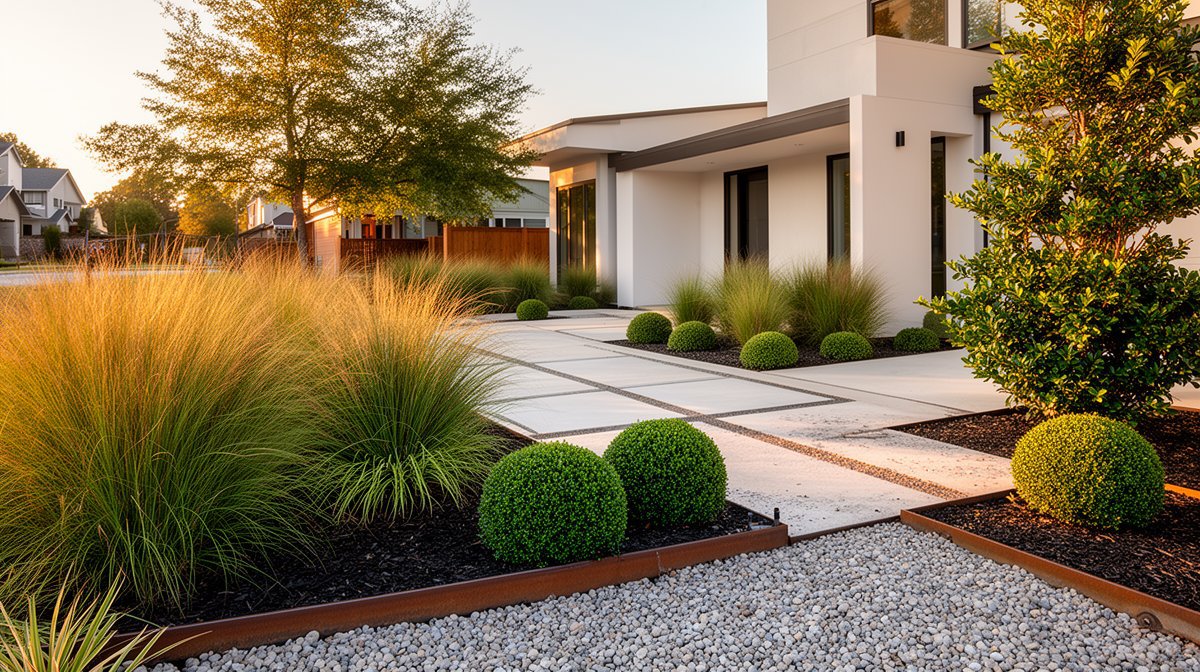
The Grass Field Front Yard
$14–30/sqftA flat ranch front is cut into a drift of ornamental grasses with a straight concrete path leading to the door. The grasses are planted in staggered masses that catch the afternoon light and sway in the wind that crosses the Arkansas River Valley. Steel edging separates the grass beds from a small patch of lawn, and a single Natchez crape myrtle anchors the corner.
Try this on your yard: The Grass Field Front YardAI-generated image
The Courtyard of Gravel and Pink Muhly
$20–42/sqftA back patio is floored with large concrete pavers separated by strips of decomposed granite. Pink muhly and yucca grow in raised steel planters along a wood fence, and a low bench sits under a Cercis canadensis 'Forest Pansy'. At dusk, the planters catch the last of the light, and the gravel stays cooler than bare concrete.
Try this on your yard: The Courtyard of Gravel and Pink MuhlyAI-generated image
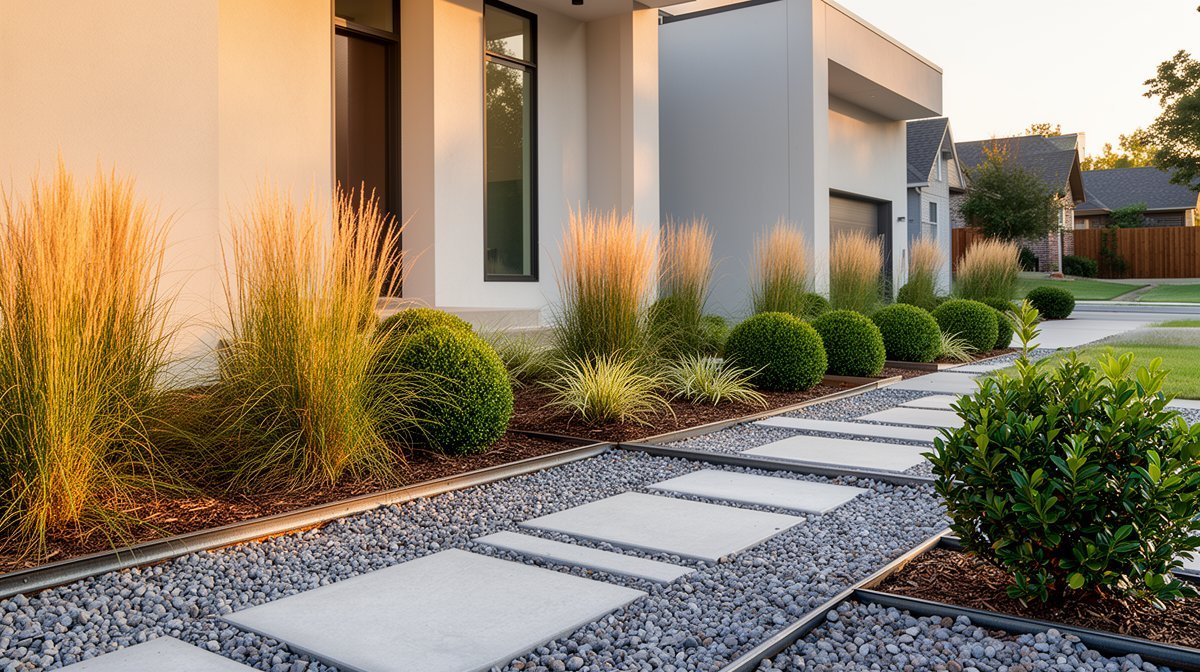
The Evergreen Column Entry
$16–34/sqftA narrow entry bed uses vertical forms: a row of Sky Pencil holly beside the front door, Taylor junipers at the garage corner and a ribbon of Liriope below. A single wide step of poured concrete replaces the old stoop. The vertical lines make a 1960s house look taller, and the evergreens keep the front green in January when the grasses go tan.
Try this on your yard: The Evergreen Column EntryAI-generated image
The Low-Water Slope Garden
$22–48/sqftA sunny slope that struggles with mowing becomes a terrace of dry-stacked stone walls and drought-proof plants. Rudbeckia and sedum fill the upper beds, Hesperaloe spikes mark each step, and prairie dropseed forms a lower hem. A gravel path switchbacks down the slope, and the beds drain quickly after the heavy May storms.
Try this on your yard: The Low-Water Slope GardenSee how a modern/minimalist garden looks on YOUR property
Upload a photo of your Fort Smith yard and visualize your dream garden in seconds.
Try ProScapeAI Free

AI-generated image
Featured Trees & Shrubs for Modern/Minimalist Gardens
Browse all 154 plants for Fort Smith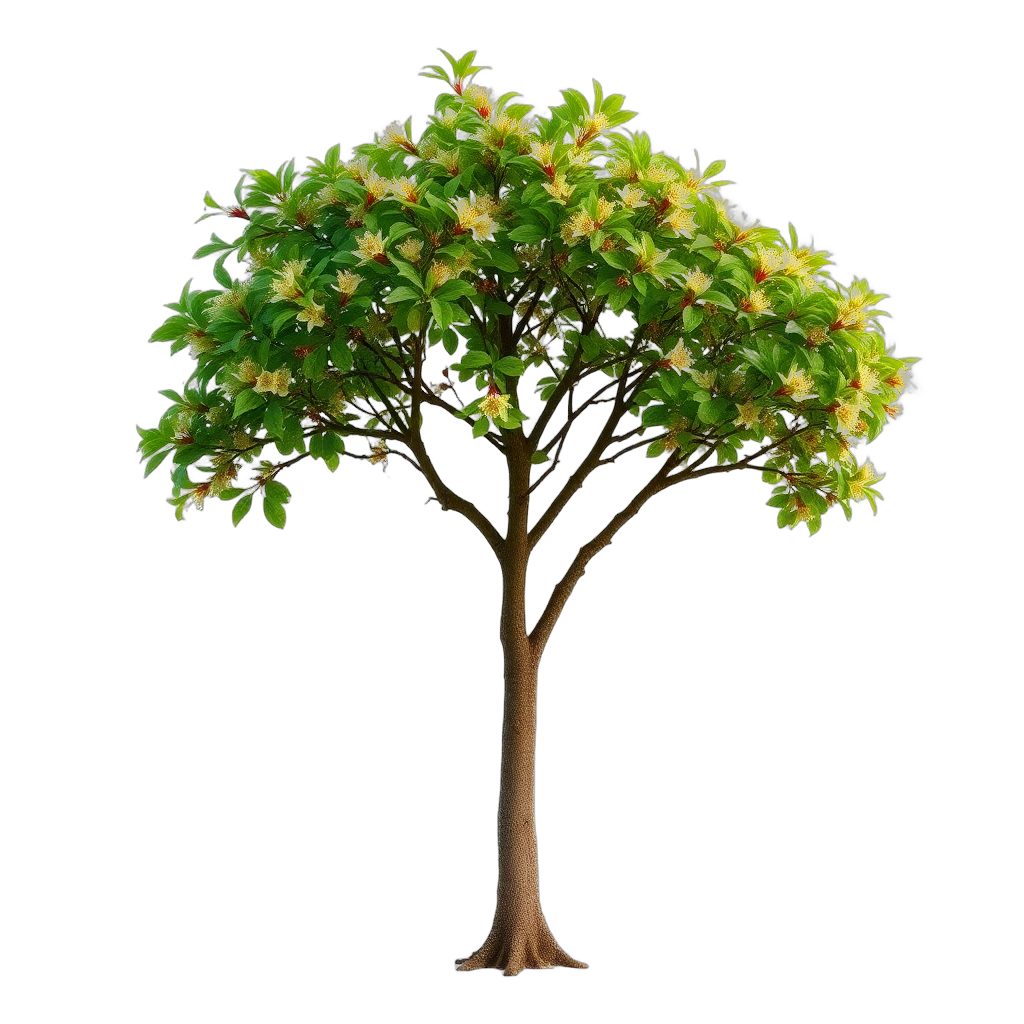
Vernal Witch Hazel
Hamamelis vernalis
medium-sized at 8 feet, yellow blooms in spring. Pollinator-friendly.
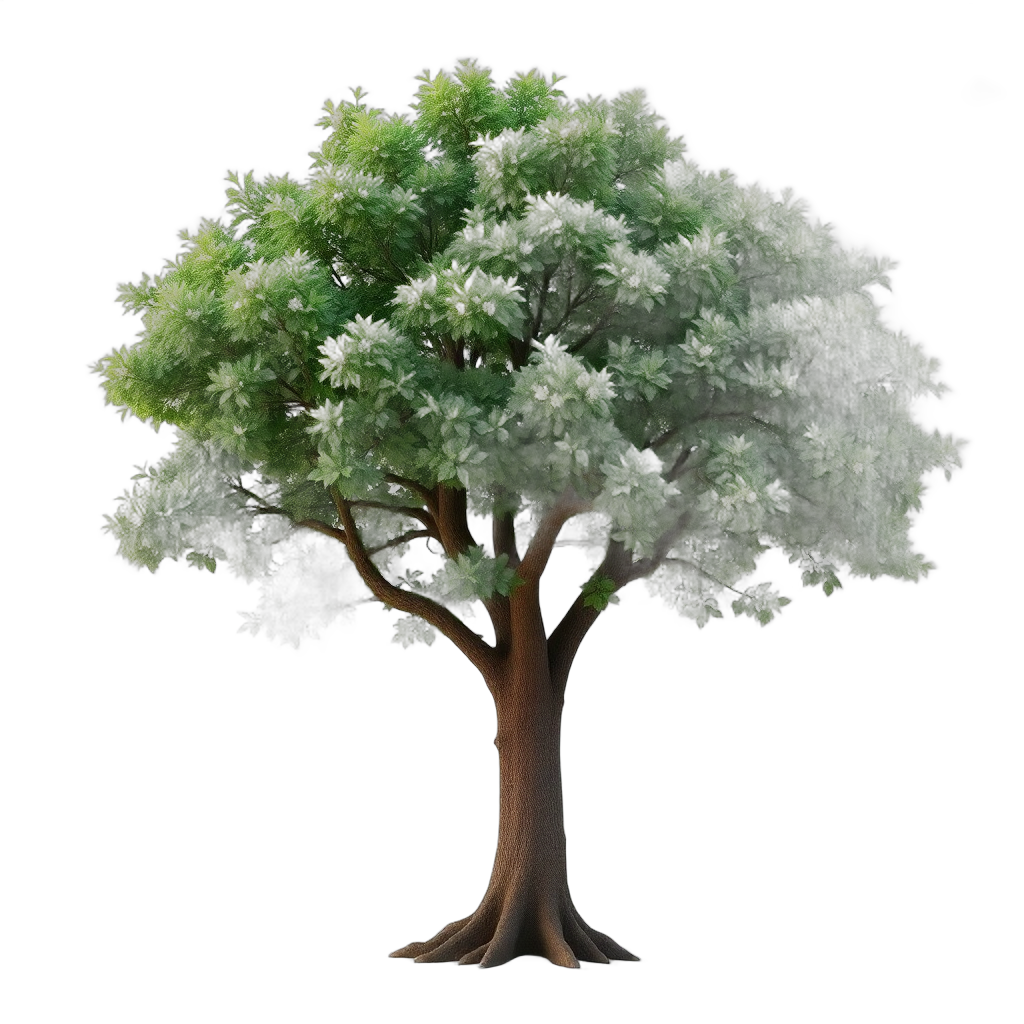
Shingle Oak
Quercus imbricaria
large shade tree reaching 55+ feet, blooms in spring. Yellow,red fall color.
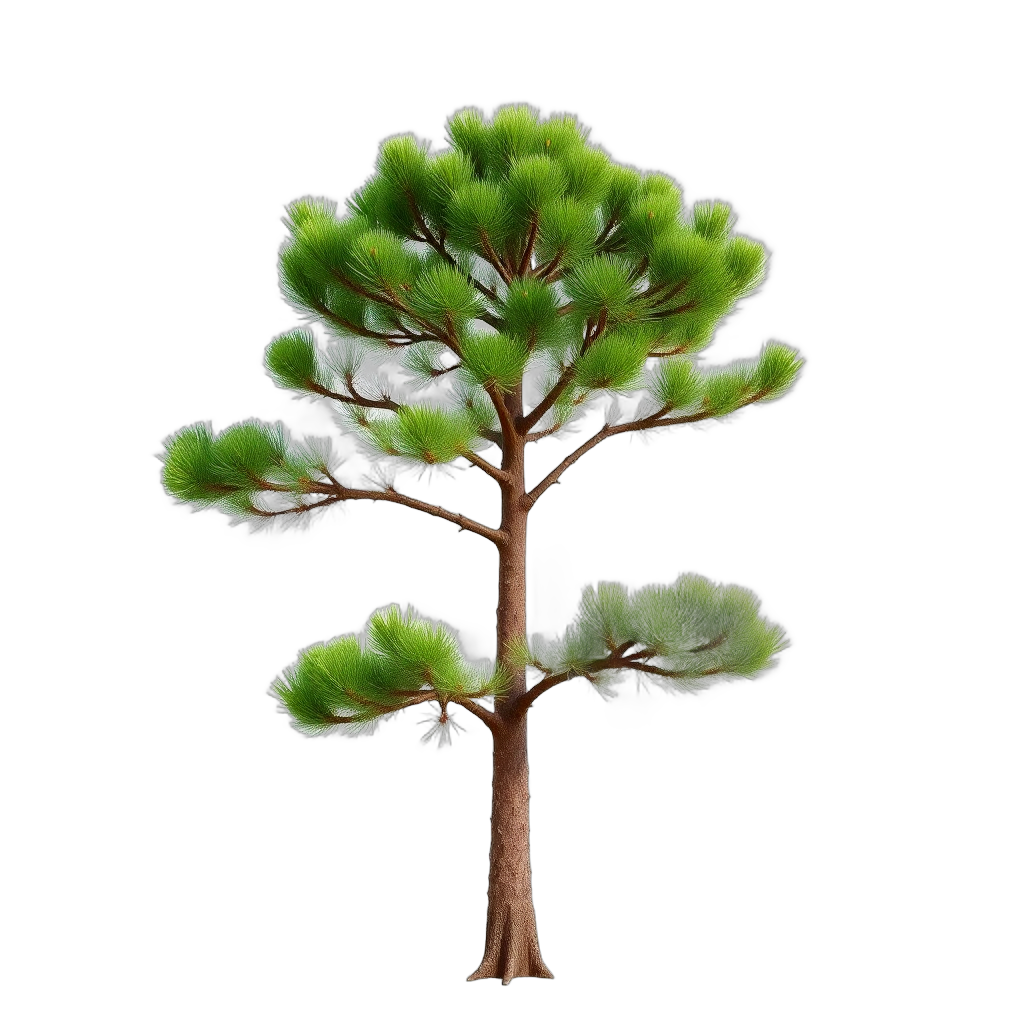
Shortleaf Pine
Pinus echinata
large shade tree reaching 70+ feet, blooms in spring. Evergreen year-round.
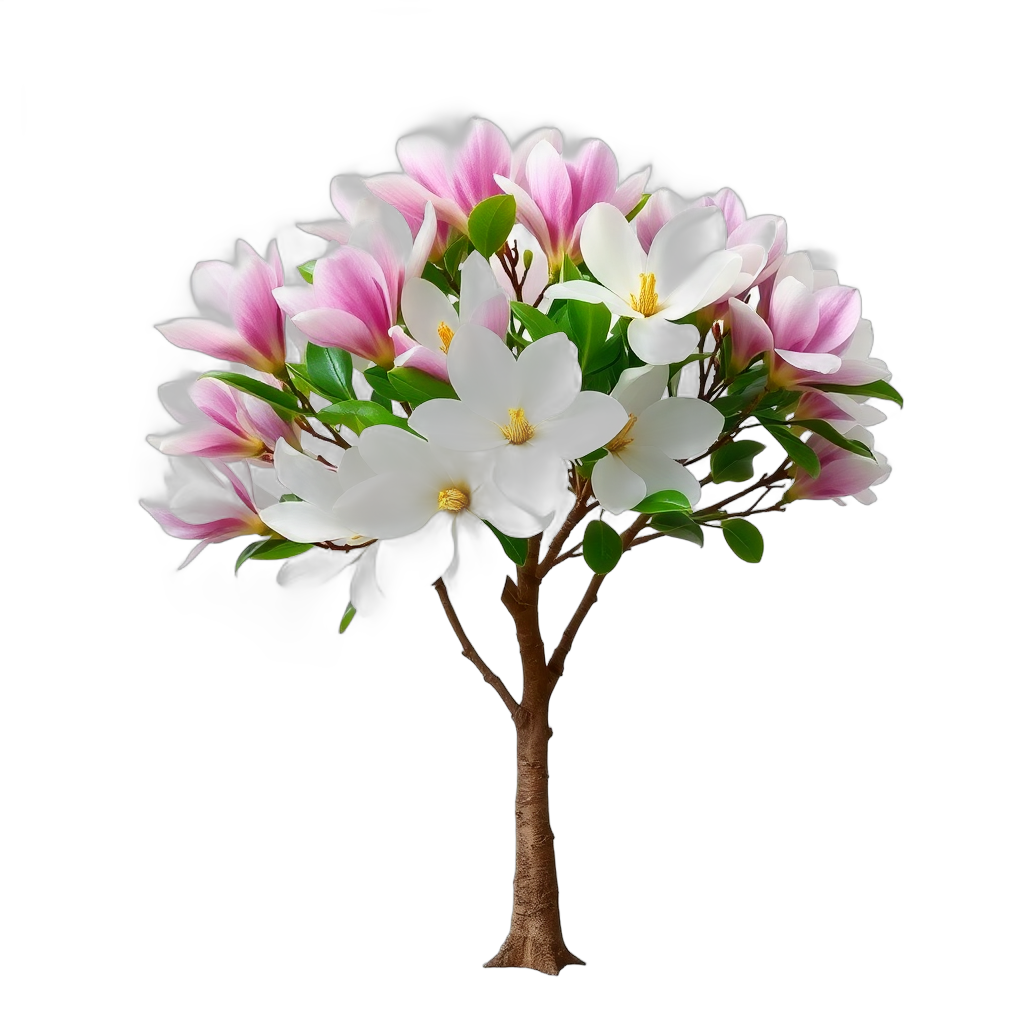
Southern Magnolia
Magnolia grandiflora
large shade tree reaching 70+ feet, white blooms in spring. Evergreen year-round.
Featured Flowers & Perennials for Modern/Minimalist Gardens

Water Lettuce
Pistia stratiotes
low-growing ground cover, white blooms in summer. Evergreen year-round.
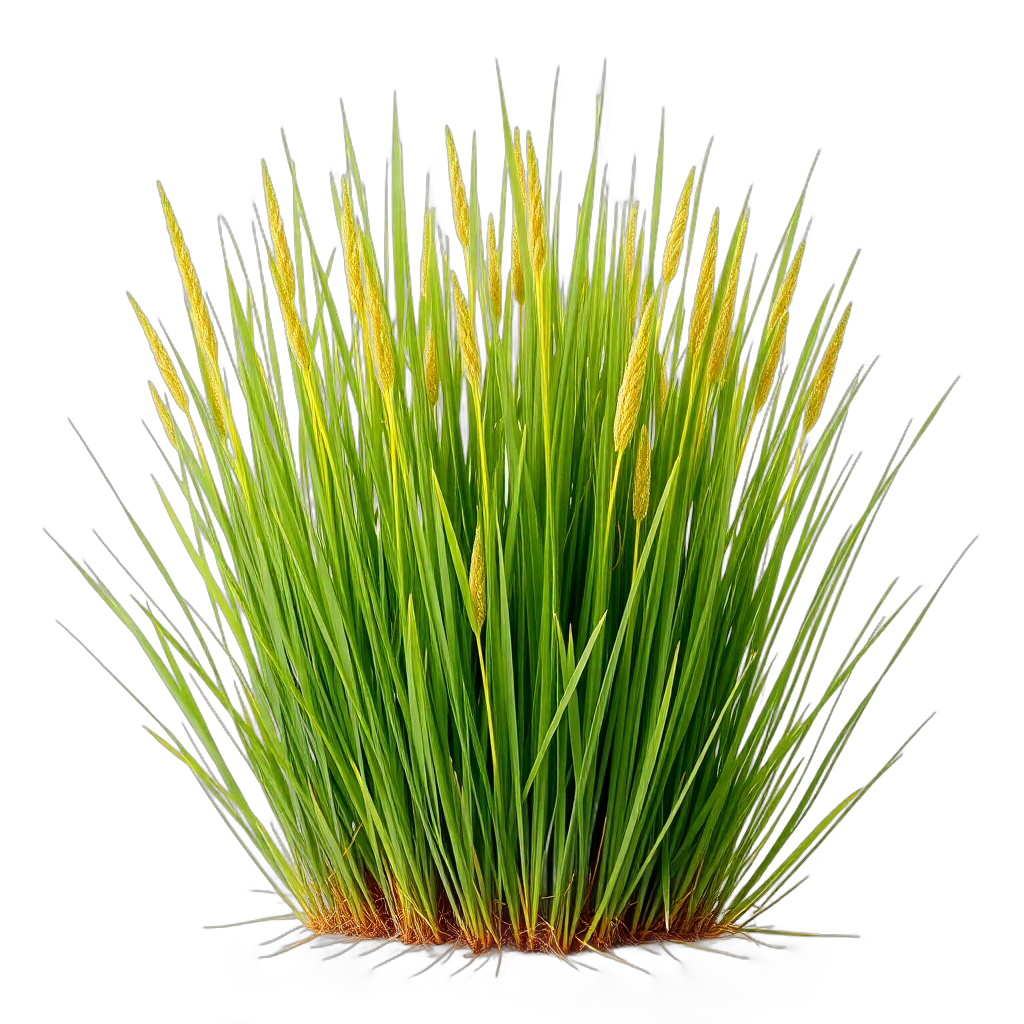
Bowles' Golden Sedge
Carex elata 'Aurea'
low-growing ground cover, blooms in none.

Tussock Sedge
Carex stricta
low-growing ground cover, blooms in spring. Brown fall color.

Umbrella Sedge
Cyperus alternifolius
grows to 4 feet, blooms in summer. Evergreen year-round.
Zone and sun checks come from our database — confirm with your local nursery before you buy.
Bloom Calendar for Fort Smith
spring
Vernal Witch Hazel, Shingle Oak, Shortleaf Pinesummer
Water Lettuce, Umbrella Sedge, Alpine Sea Hollyfall
Autumn Snakerootwinter
Limited bloomsDesign Tips for Fort Smith (Zone 8a)
- Pick Calamagrostis × acutiflora 'Karl Foerster' for upright form and Panicum virgatum 'Northwind' for stiff, wind-resistant stems.
- Raise beds 6–8 inches on heavy clay and top with gravel so crowns do not sit in wet winter soil.
- Cut warm-season grasses to 4–6 inches in late February, before new growth starts.
- Use evergreen forms like Ilex crenata 'Sky Pencil' and Juniperus 'Taylor' so the yard keeps structure when grasses go tan.
- Plant Lagerstroemia 'Natchez' for July bloom and cinnamon bark when most plants are wilting in 94°F heat.
- Choose light-colored pavers or gravel for patios; dark concrete in full sun gets hot enough to burn bare feet in July.
- Install drip with a smart controller so the first summer of establishment does not drain your water bill.
Where to Source Plants in Fort Smith
Skip the big-box stores. These independent Fort Smith nurseries specialize in the plants that make modern/minimalist gardens thrive in Zone 8a.
Sharum's Garden Center
South Fort Smith (Highway 71 S)
Large garden center with annuals, perennials, trees and shrubs, bulk soil and mulch, plus residential delivery and landscaping
Parks Brothers Farm Garden Center
Van Buren
Greenhouse-grown bedding plants and perennials, roses, shrubs, berry plants and trees; open seasonally, early February through December
Modern/Minimalist Landscaping Cost Ranges
| Project Scope | Estimated Cost |
|---|---|
| Concrete patio, broom finish (200 sqft) | $2,100–$2,500 |
| Low-voltage landscape lighting (6 fixtures) | $1,200–$2,000 |
| Composite decking boards, surface only on existing framing (200 sqft) | $4,700–$5,800 |
| AI visualization (ProScapeAI) | Free to start |
National average installed ranges for 2026 from our landscaping price list (Homewyse and other published sources). Prices in Fort Smith, AR vary with site, materials and contractor, so get two or three local quotes.
Fort Smith Climate & Growing Zone
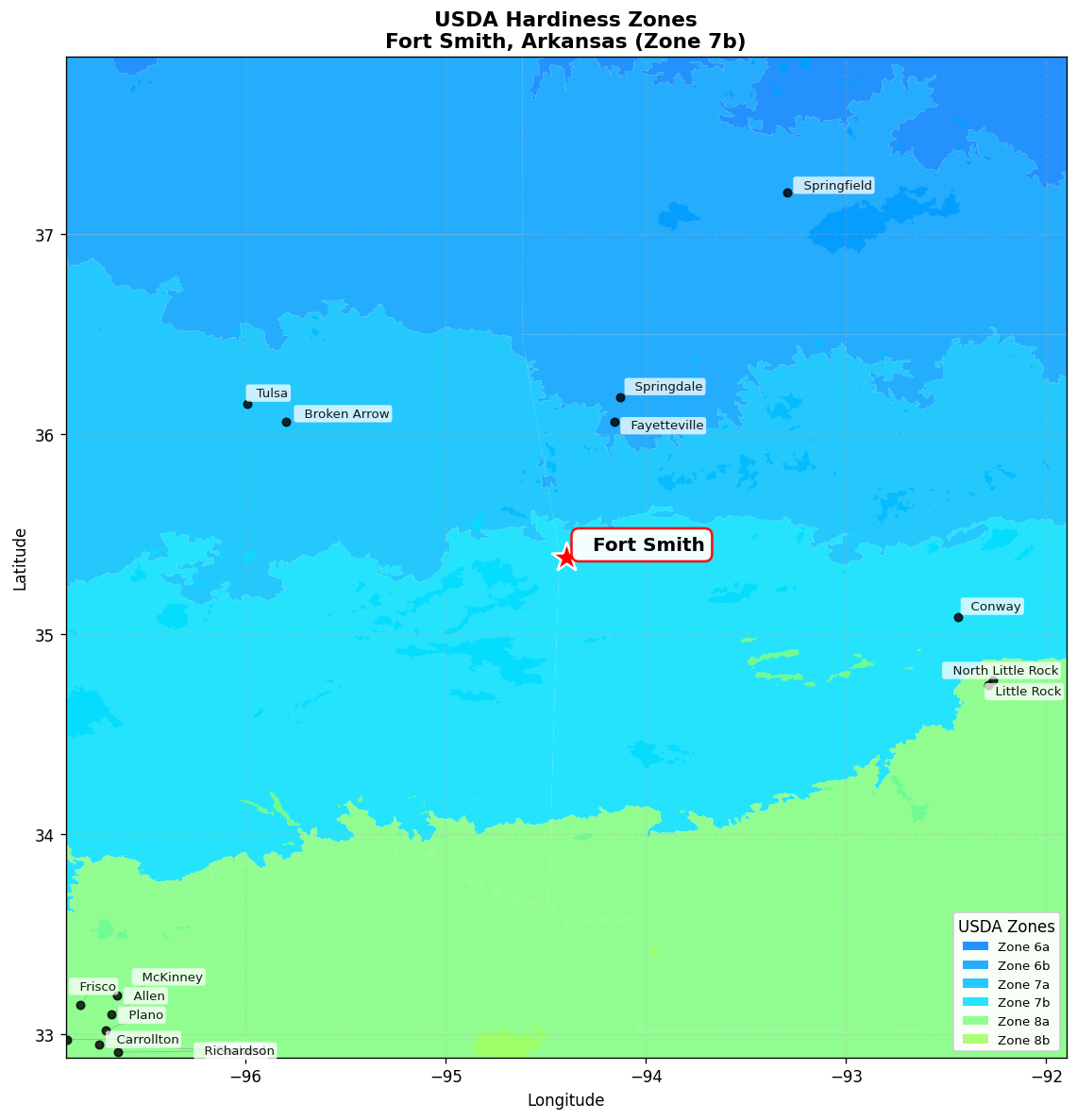
USDA Zone 8a
Hardiness zone for Fort Smith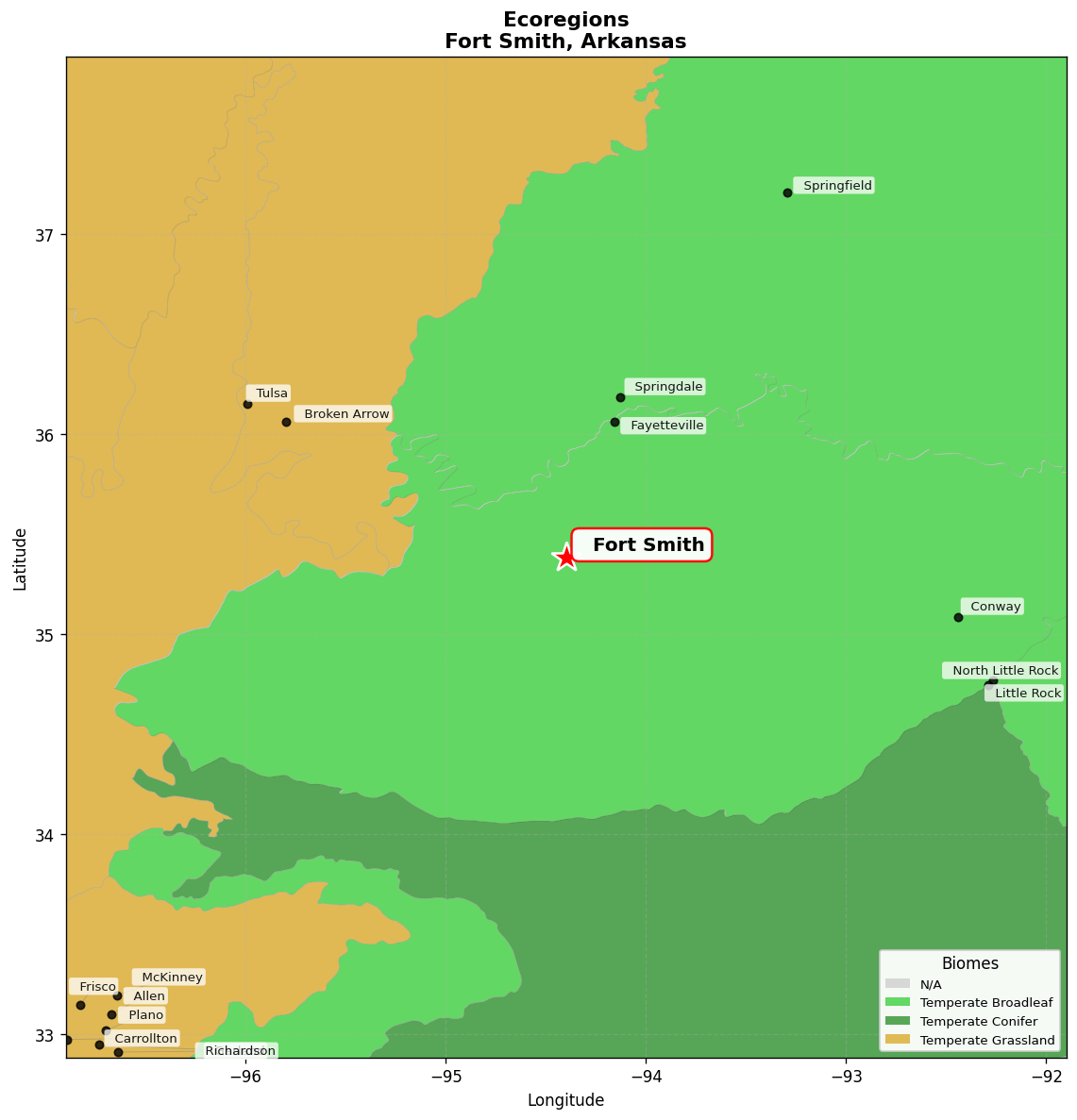
Ozark Mountain forests
Native ecoregionFrequently Asked Questions
How much does a modern landscape cost in Fort Smith?
Costs vary with yard size, materials and local labor, so get two or three local quotes before you commit. Costs rise with hardscape: poured concrete and steel planters add more than gravel and plants do.
Is a modern landscape low maintenance in Fort Smith?
Mostly, with two chores: cut ornamental grasses to 4–6 inches in late February, and weed the gravel in spring. Grasses like Karl Foerster and Northwind need no deadheading. Summer irrigation matters through July, when the average high is 94.1°F.
When should I plant ornamental grasses here?
Spring and early fall are the best times. Warm-season grasses like Panicum virgatum 'Northwind' and Pennisetum 'Hameln' root fastest when planted in May to June or in September. Muhlenbergia capillaris is best planted in spring.
Do I need a permit for a retaining wall, patio or fence?
Retaining walls over a certain height, fences and structures can need permits and HOA approval. Check with the City of Fort Smith planning office and your HOA before you build.
What survives Fort Smith's heat and clay?
Calamagrostis 'Karl Foerster', Panicum 'Northwind', Echinacea 'PowWow Wild Berry', Salvia 'Caradonna', Hesperaloe parviflora and Yucca 'Color Guard' all do well. On clay, raise beds 6–8 inches, use gravel mulch, and skip peat-heavy mixes.
Which modern plants should I avoid in Fort Smith?
Lush tropical foliage and plants that need cool nights tend to struggle. Wet clay in winter also kills some Mediterranean plants, so choose Hesperaloe, Yucca and Sporobolus only in well-drained beds.