4 Cottage Garden Ideas for Louisville, KY | Southern Cottage Garden Design in Zone 6b
Native plants from the Interior Plateau US Hardwood Forests (Zone 6b) — Humid subtropical climate
Why Cottage/English Gardens in Louisville?
Louisville occupies a unique ecological and cultural position for cottage gardening. The city's Cfa humid subtropical climate — the only true subtropical climate in this Midwest batch — delivers longer, warmer growing seasons than any Ohio or Indiana city: last frost averages April 5–10, first fall frost late October to early November, giving a growing season of 185–200 days. This extended season, combined with Louisville's 44 inches of annual rainfall distributed generously through the growing season, creates growing conditions that genuinely rival England's for cottage garden classics. Roses bloom earlier, perennials establish faster, and the growing window between spring and fall frosts is long enough to accommodate a layered bloom sequence that northern gardeners can only dream about.
The cultural context is equally compelling. Louisville's Cherokee Triangle, Clifton, and St. Matthews neighborhoods are among the most beautifully maintained residential streetscapes in the South, with Victorian, craftsman, and colonial revival homes on tree-canopied streets that were built with formal gardens in mind. The city's Derby and bourbon culture cultivates an appreciation for beauty, tradition, and Southern hospitality that extends naturally into the garden — Louisville homeowners invest in landscapes that reflect that tradition. Old Louisville, with its extraordinary concentration of Victorian and Beaux-Arts architecture, is perhaps the most cottage-garden-appropriate large urban neighborhood in America south of the Mason-Dixon line.
Louisville's Interior Plateau US Hardwood Forests ecoregion sits on limestone-influenced soils — typically well-drained, slightly alkaline (pH 7.0–7.5), and much more hospitable than the glacial clay of northern Midwest cities. This alkaline limestone soil is near-ideal for roses and lavender, which both prefer neutral to slightly alkaline conditions. The main soil challenge in Louisville is that many urban lots have thin topsoil over compacted clay, particularly in older neighborhoods. Compost amendment is still important, but the drainage situation is generally better than Cleveland or Indianapolis.
4 Cottage/English Design Ideas for Louisville
AI-generated image
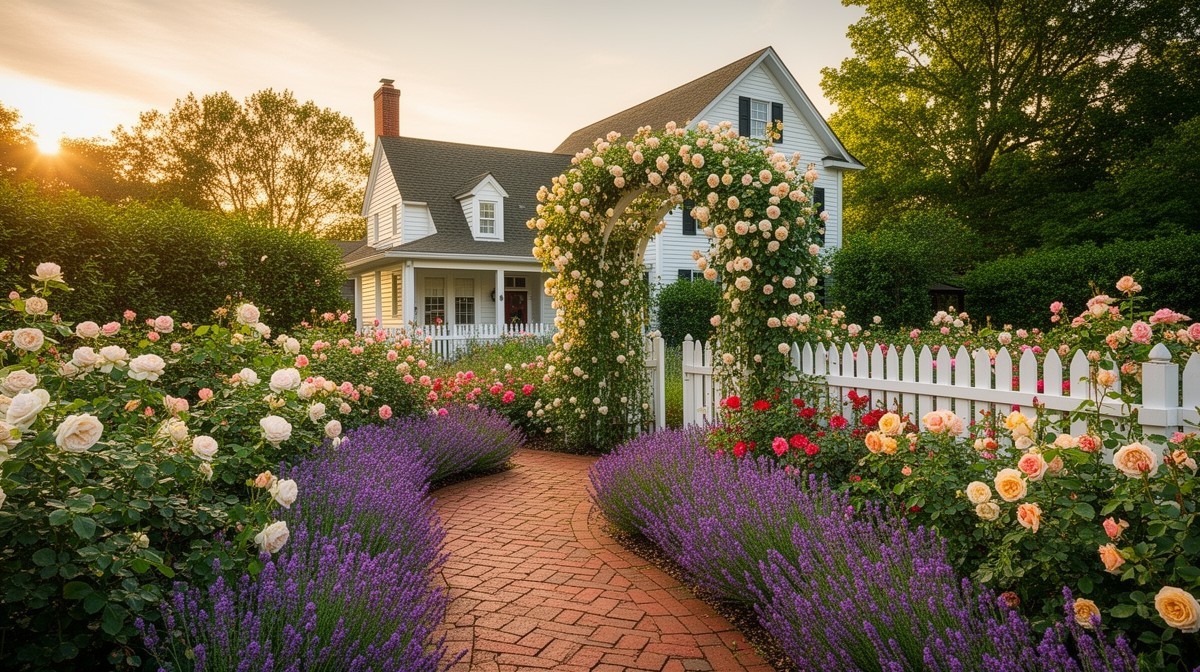
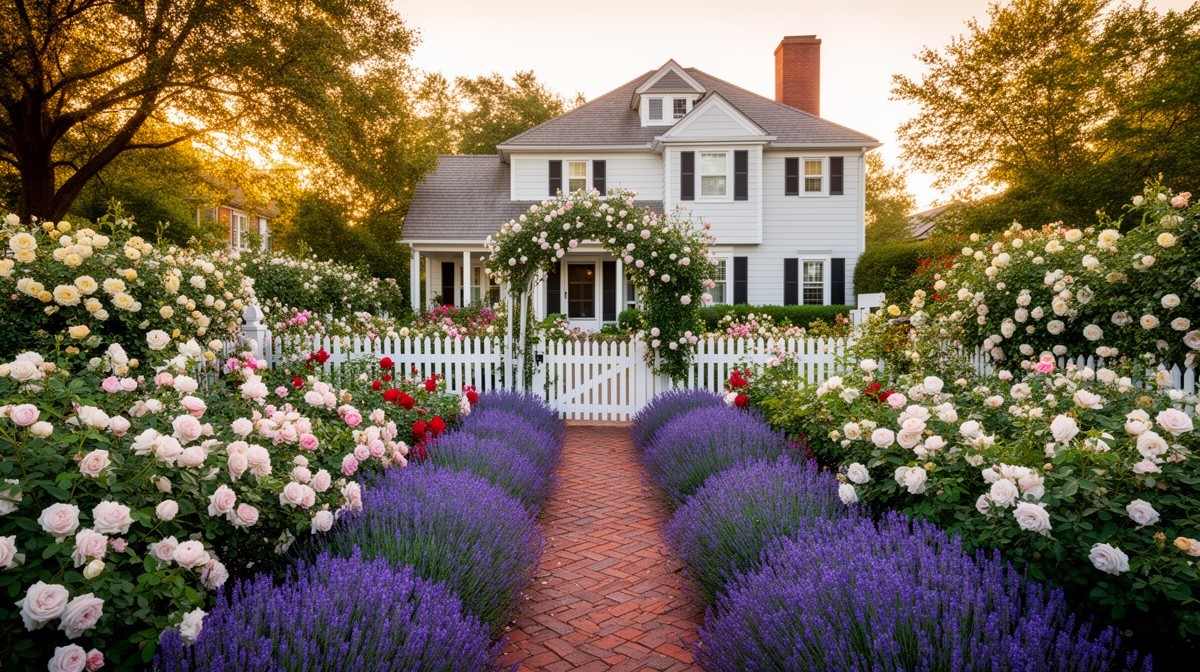
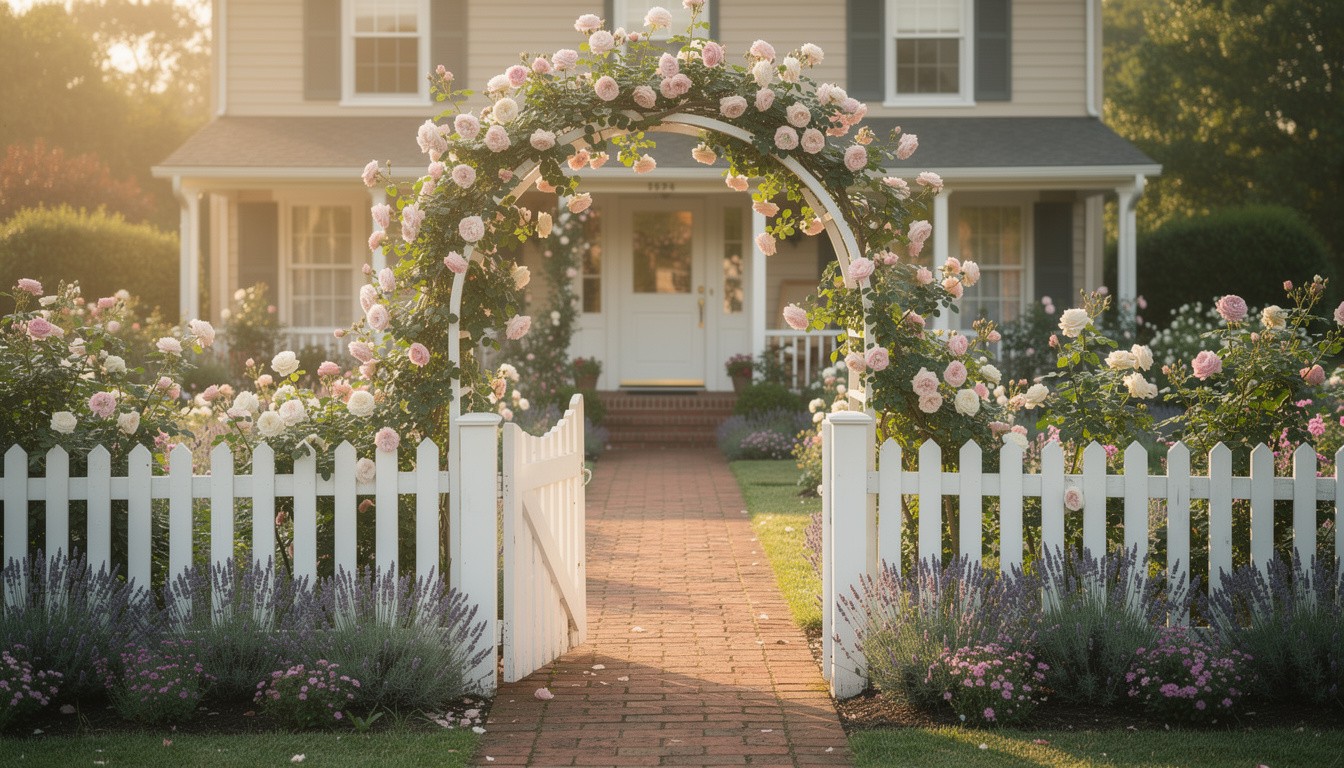
The Highlands Rose Arbor Gate
$12–22/sqftA white picket fence with a central climbing-rose arch frames a brick path leading to the front porch of a white colonial home. The arch is smothered in soft pink roses and the borders flanking the path hold lavender, catmint, and cottage perennials in generous masses. Louisville's Zone 6b climate — warmer than most Midwest cities — is genuinely excellent for cottage gardens, with last frost by mid-April and a 190+ day growing season that gives roses nearly five months to bloom. In the Highlands and Cherokee Triangle, where Victorian and colonial homes line tree-shaded streets, this entry garden feels entirely at home.
AI-generated image
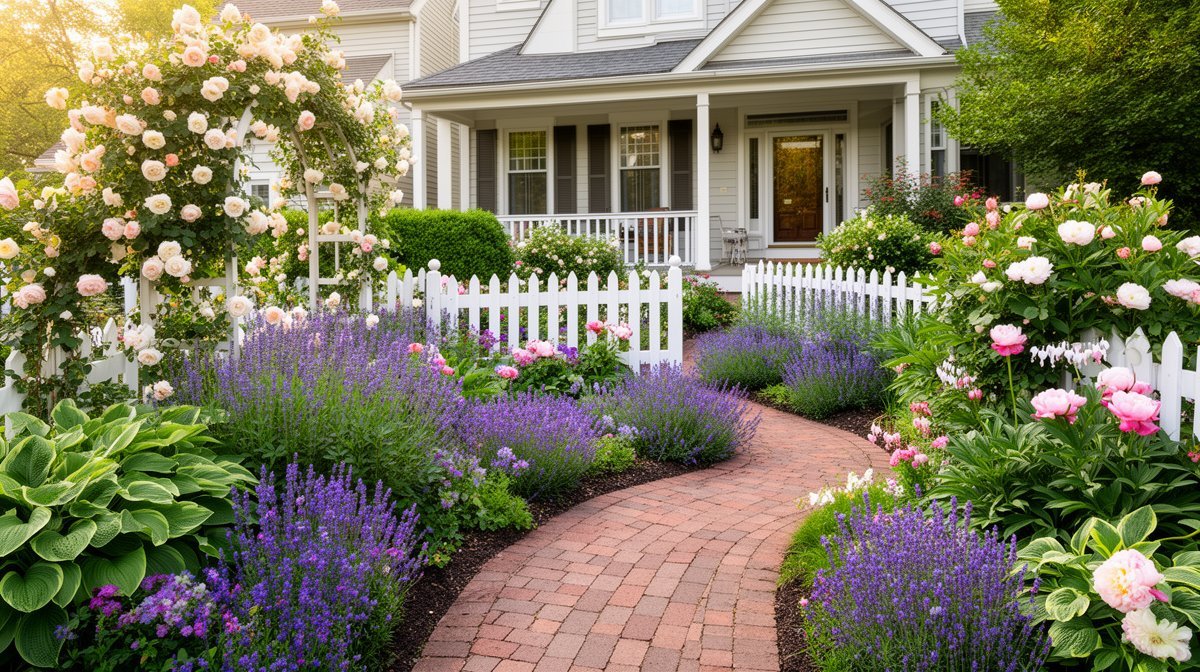
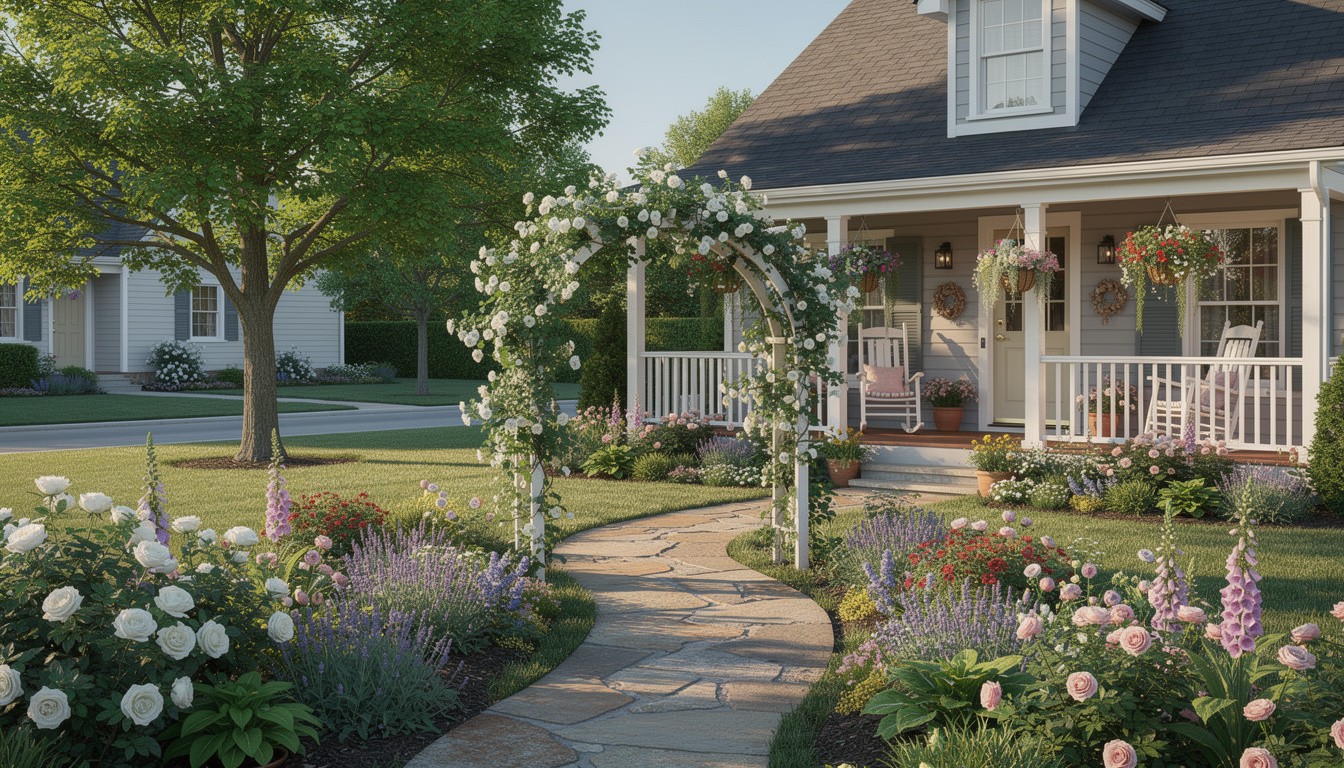
The Crescent Hill Bungalow Cottage Garden
$10–20/sqftA white rose arch on the flagstone front walk of a craftsman bungalow with wide sweeping cottage borders filling the entire front yard. Roses, foxgloves, phlox, lavender, and bright annuals create lush abundance from spring through fall, with the porch hung with flower baskets and a shade tree anchoring the left corner. Louisville's warmer Zone 6b summers mean cottage perennials bloom earlier and longer than in cities to the north — foxgloves can go in as transplants in March, and roses bloom from late April through November in mild years.
AI-generated image
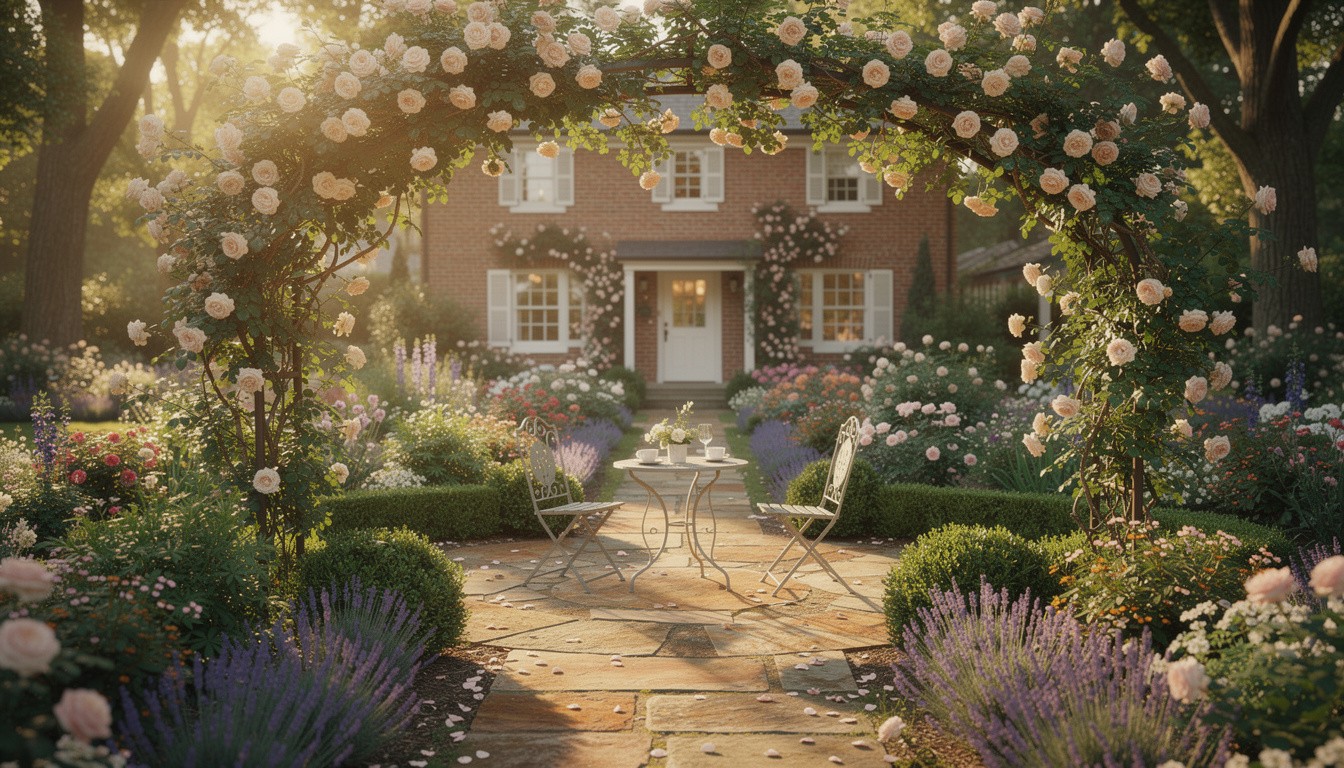
The Frankfort Avenue Rose Garden Terrace
$18–38/sqftA backyard rose garden beside a large brick home, with a climbing rose arch framing an intimate flagstone patio seating area and dense cottage borders filling the surrounding beds. Roses in blush, pink, and cream tones bloom in profusion throughout the deep beds, with lavender masses providing fragrance and foxgloves adding height. Mature trees shade the scene from both sides. Louisville's long warm season — temperatures regularly above 70°F from April through October — makes this kind of deeply planted cottage backyard garden extraordinarily beautiful for most of the year.
AI-generated image
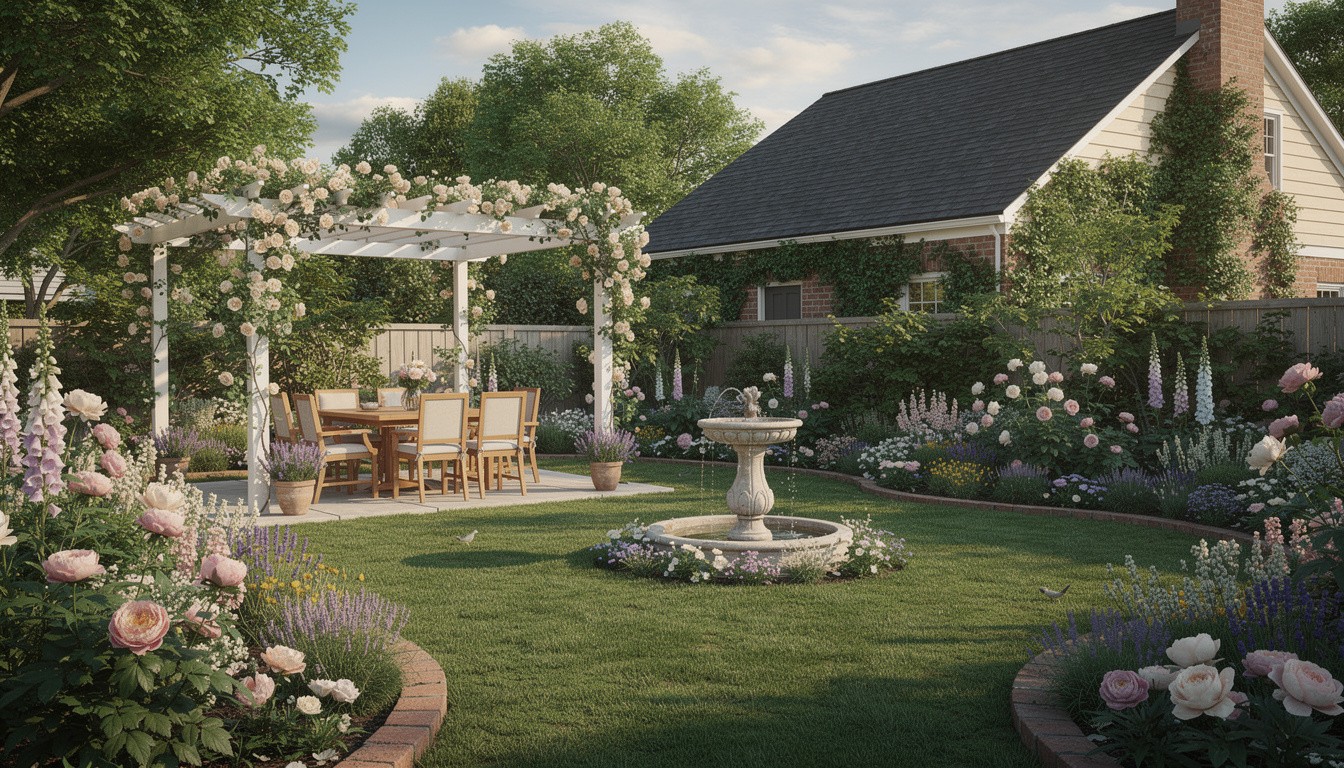
The Anchorage Cottage Pergola Backyard
$20–42/sqftA full backyard cottage room anchored by a white painted pergola with climbing roses, with a central lawn panel, a stone birdbath fountain as the centerpiece, and deep mixed borders ringing the entire yard. The pergola shelters a dining table and chairs, the rose borders and perennial planting creates complete cottage enclosure, and the lawn panel gives the garden its essential breathing room. Louisville's Zone 6b warmth means this kind of backyard garden room is genuinely comfortable from April through November — a dramatically longer outdoor season than anywhere else in the Midwest.
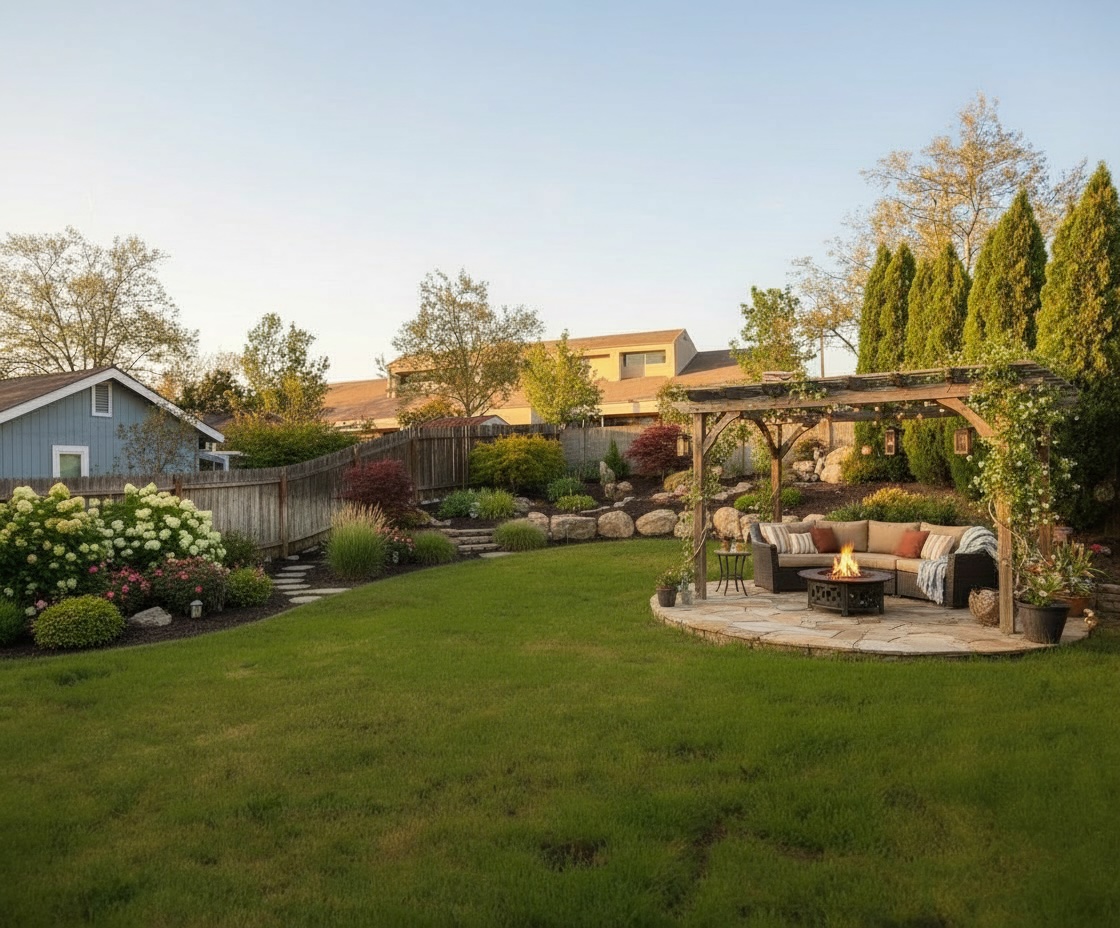
See how a cottage/english garden looks on YOUR property
Upload a photo of your Louisville yard and visualize your dream garden in seconds.
Try ProScapeAI Free
AI-generated image
Featured Trees & Shrubs for Cottage/English Gardens
Browse all 174 plants for Louisville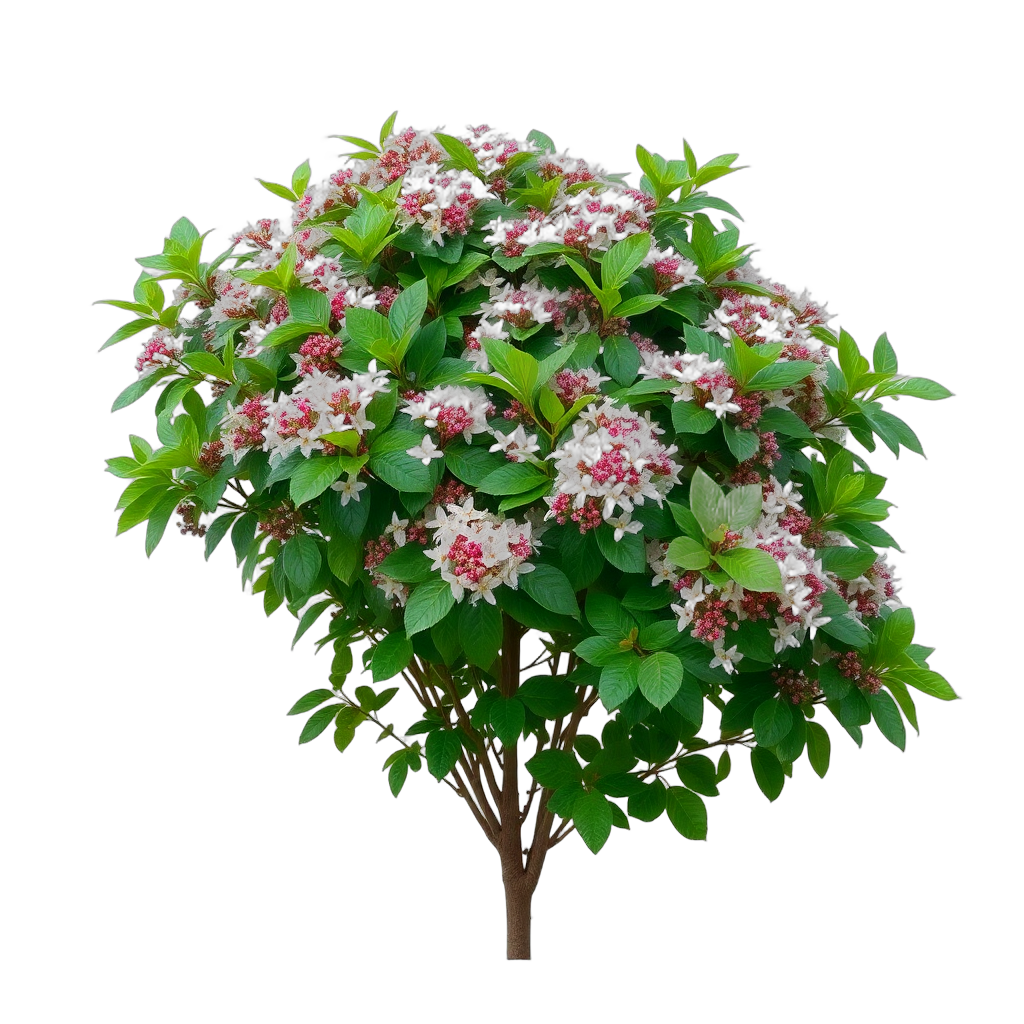
Blackhaw Viburnum
Viburnum prunifolium
medium-sized at 12 feet, white blooms in spring. Pollinator-friendly.
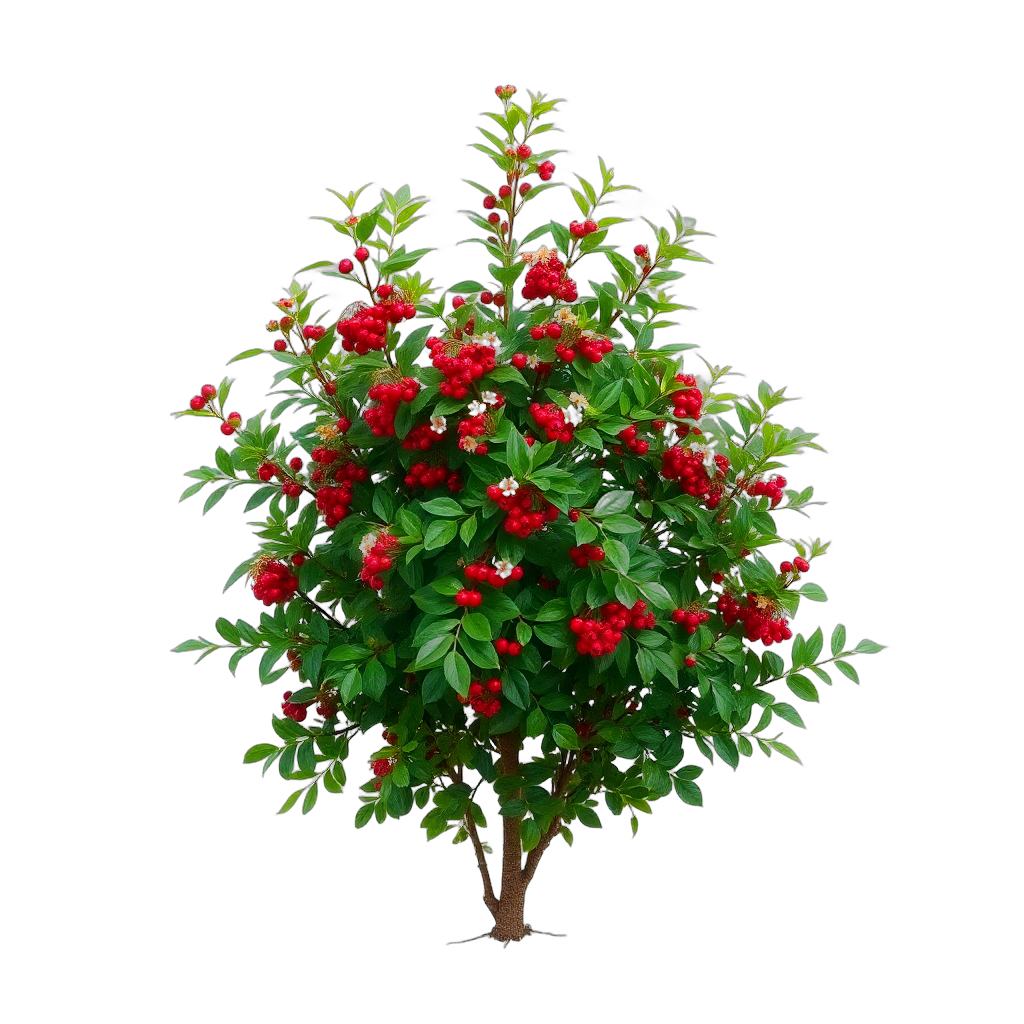
Coralberry
Symphoricarpos orbiculatus
grows to 6 feet, pink blooms in summer. Pollinator-friendly.

Shrubby St. John's Wort
Hypericum prolificum
grows to 4 feet, yellow blooms in summer. Pollinator-friendly.

Vernal Witch Hazel
Hamamelis vernalis
medium-sized at 8 feet, yellow blooms in spring. Pollinator-friendly.
Featured Grasses & Groundcovers for Cottage/English Gardens
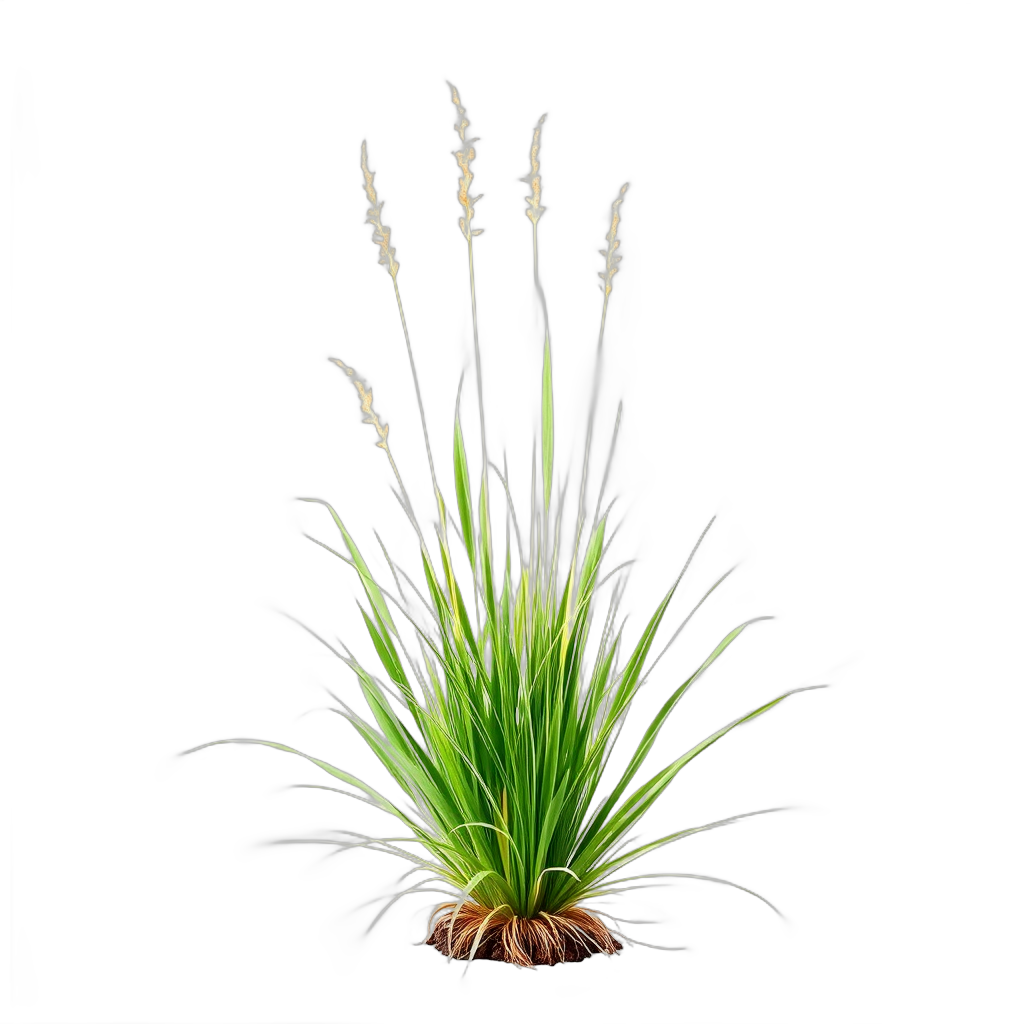
Northern Sea Oats
Chasmanthium latifolium
grows to 4 feet, blooms in fall. Bronze fall color.

Broad-leaf Bamboo
Sasa palmata
medium-sized at 7 feet, blooms in none. Evergreen year-round.
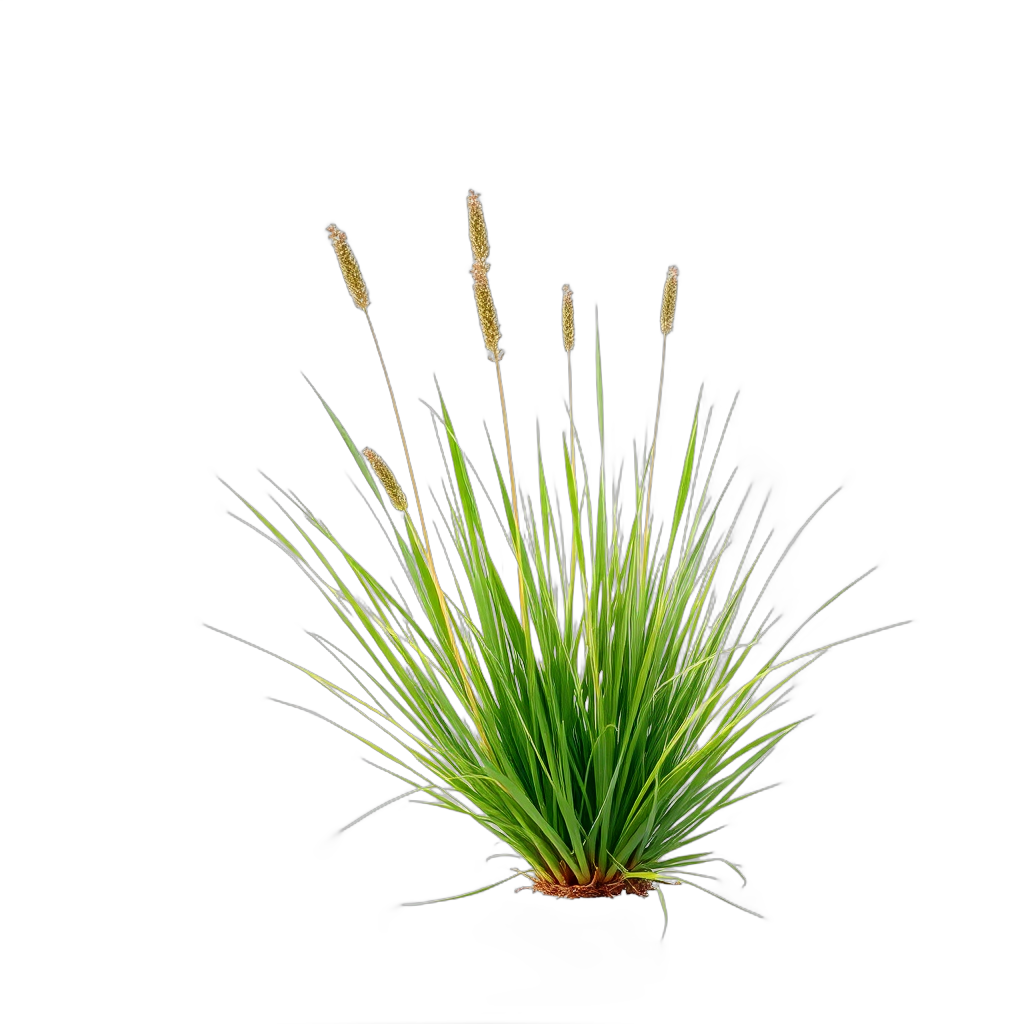
Deer Grass
Muhlenbergia rigens
grows to 3 feet, yellow blooms in fall. Evergreen year-round.

Dwarf Fernleaf Bamboo
Pleioblastus distichus
low-growing ground cover, blooms in none. Evergreen year-round.
Featured Flowers & Perennials for Cottage/English Gardens
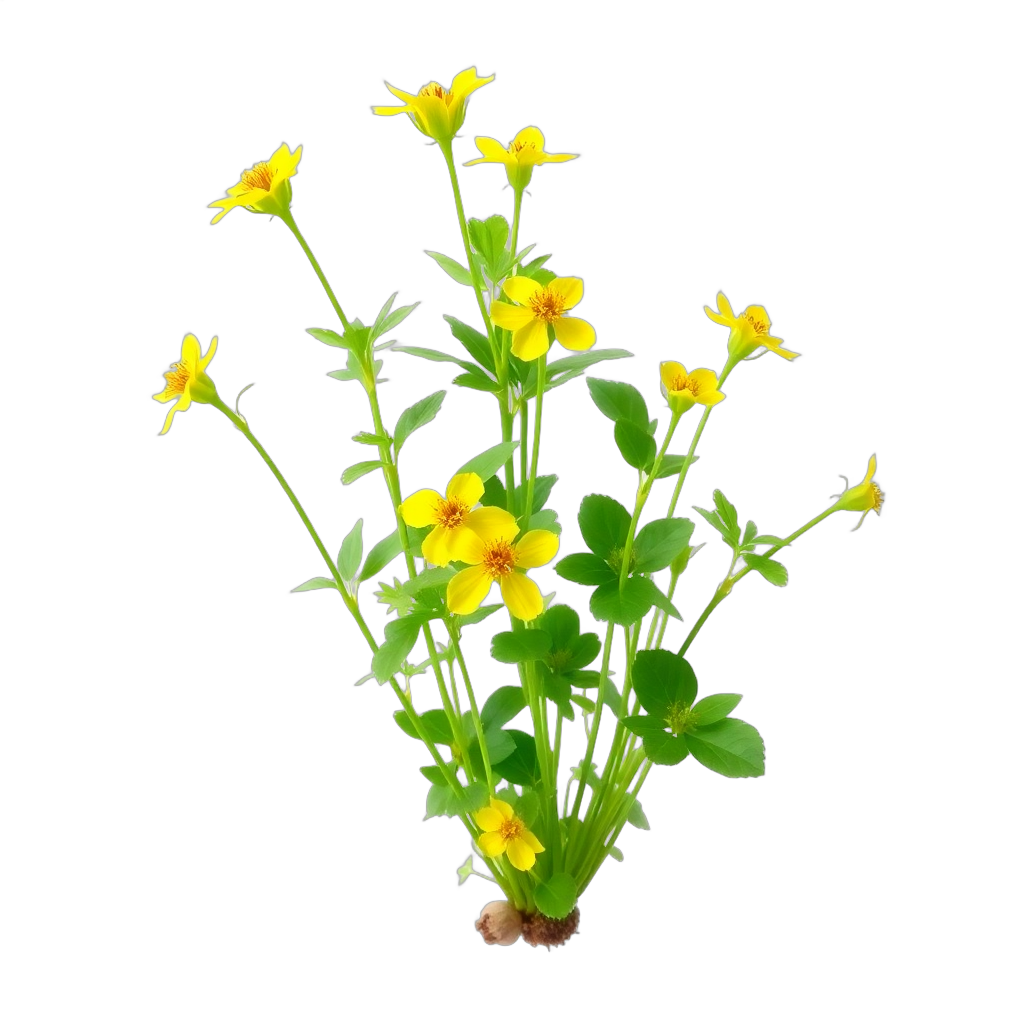
Celandine Poppy
Stylophorum diphyllum
low-growing ground cover, yellow blooms in spring.
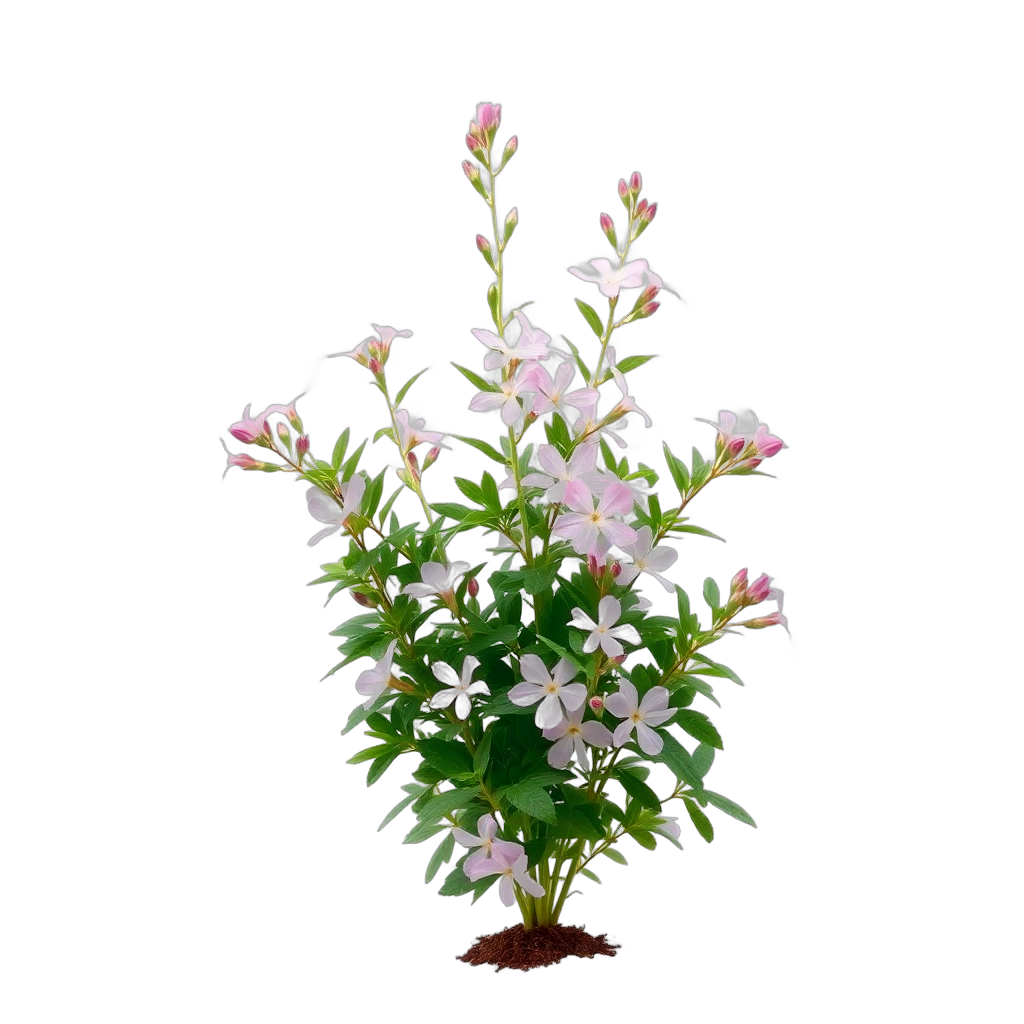
Garden Phlox
Phlox paniculata
grows to 3 feet, multi blooms in summer. Attracts hummingbirds.
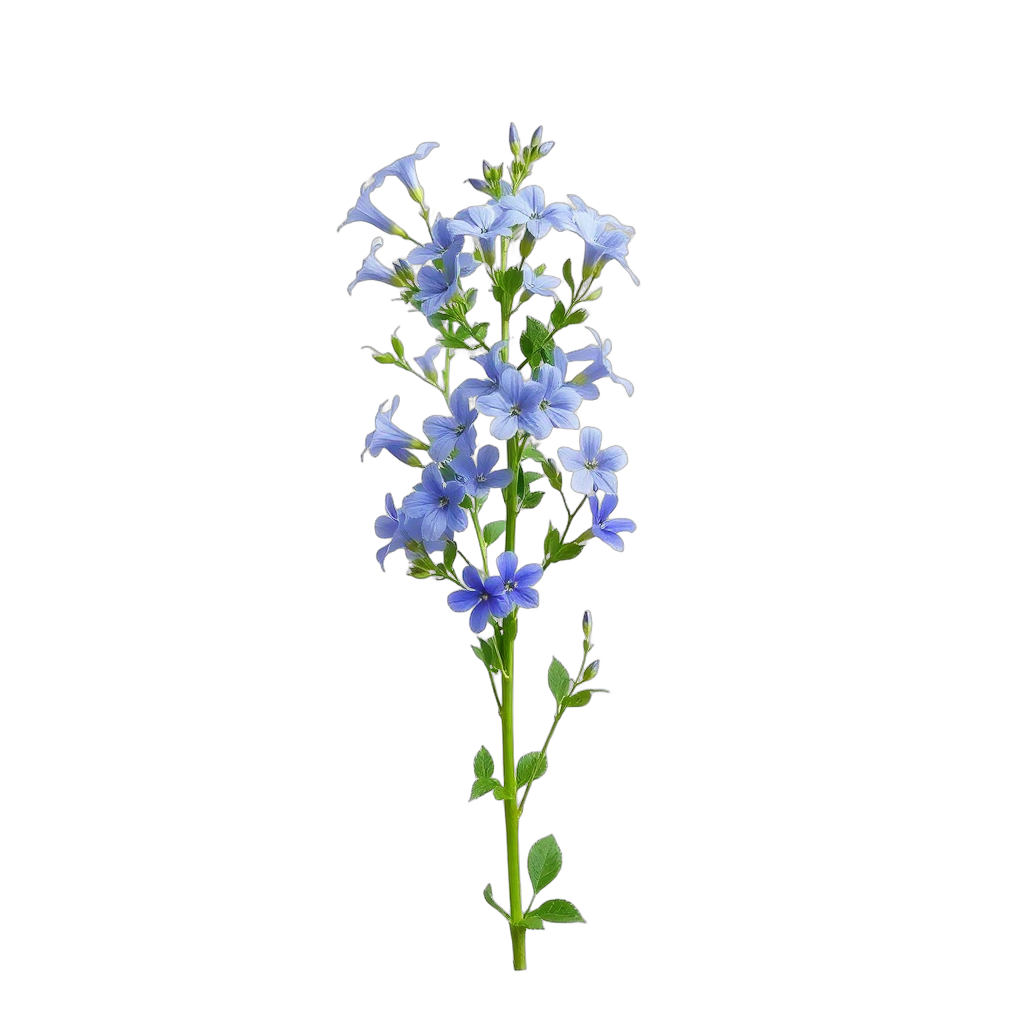
Wild Blue Phlox
Phlox divaricata
low-growing ground cover, blue blooms in spring. Attracts butterflies.

Parrot's Feather
Myriophyllum aquaticum
grows to 3 feet, white blooms in summer. Evergreen year-round.
Zone and sun checks come from our database — confirm with your local nursery before you buy.
Bloom Calendar for Louisville
spring
Celandine Poppy, Wild Blue Phlox, Blackhaw Viburnumsummer
Garden Phlox, Coralberry, Shrubby St. John's Wortfall
Northern Sea Oatswinter
Limited bloomsDesign Tips for Louisville (Zone 6b)
- Time your Derby garden for early May: peonies, early roses, alliums, and late-spring perennials all converge in Louisville in the first two weeks of May — plant for this window and your cottage garden will peak exactly when the city is most vibrant and street-visible
- Use Kentucky limestone for terraces, paths, and edging — it's locally quarried, affordable, and the warm buff tone of native limestone harmonizes naturally with Louisville's historic brick architecture in a way that imported granite or concrete never quite achieves
- Old Louisville's historic preservation district requires HPO approval for structural changes to front yards — check requirements before installing new fences, arbors, or walls; planting beds and plants typically don't require review
- Louisville's longer Cfa growing season means David Austin English roses perform markedly better here than in Ohio or Indiana: they have time for multiple bloom cycles per season and the autumn flush in October and November is exceptional in Louisville's mild fall climate
- Choose American wisteria ('Amethyst Falls' or 'Blue Moon') over Japanese wisteria for pergolas — both bloom beautifully in Louisville's climate, but Japanese wisteria is invasive in Kentucky and can damage structures and outcompete trees within a few seasons
- Plant spring bulbs particularly lavishly in Louisville: tulips, alliums, narcissus, and camassias all overwinter reliably in Zone 6b and deliver April abundance that sets the cottage tone for the entire season, peaking at the same time Louisville's dogwoods and redbuds are in bloom
Where to Source Plants in Louisville
Skip the big-box stores. These independent Louisville nurseries specialize in the plants that make cottage/english gardens thrive in Zone 6b.
Rohrig's Nursery
Middletown (east Louisville)
Full-service independent Louisville nursery; excellent rose, perennial, and cottage plant selection for Zone 6b
Bates Nursery and Garden Center
Nashville Road (west Louisville)
Family-owned full-service nursery; strong perennial, shrub, and tree selection with Louisville-specific expertise
Louisville Landscape and Garden Center
Eastwood
Specialty perennials and cottage garden plants; serving east Louisville and Oldham County
Nature's Nursery
Prospect (north Louisville)
Native plants, cottage perennials, and ecologically appropriate Louisville landscaping
Greenhouse 17
New Albany, IN (across river)
Specialty cottage perennials and unusual varieties; serves both Louisville and southern Indiana markets
Cottage/English Landscaping Costs in Louisville
| Project Scope | Estimated Cost |
|---|---|
| Rose arbor + picket fence front entry (cottage) | $4,500 – $11,000 |
| Full cottage front yard redesign (400–600 sqft) | $7,000 – $18,000 |
| Backyard cottage terrace with pergola + planting | $15,000 – $45,000 |
| Flagstone or brick patio installation (200–400 sqft) | $5,000 – $14,000 |
| Soil amendment and bed preparation | $800 – $3,200 |
| AI visualization with ProScapeAI | Free to start |
Estimates based on Louisville, KY-area contractor rates as of 2026. Actual costs vary by site conditions, materials, and contractor.
Louisville Climate & Growing Zone
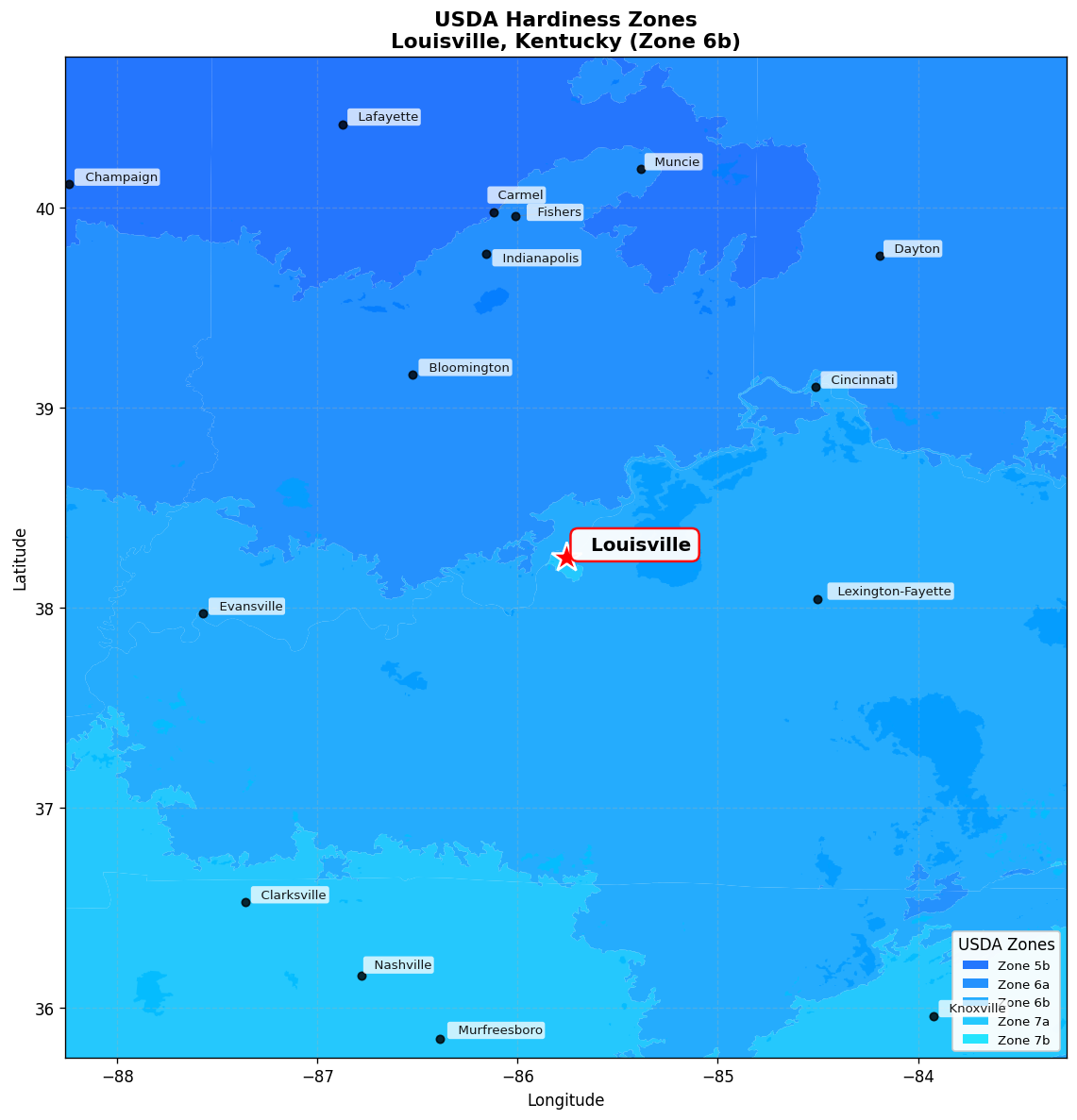
USDA Zone 6b
Hardiness zone for Louisville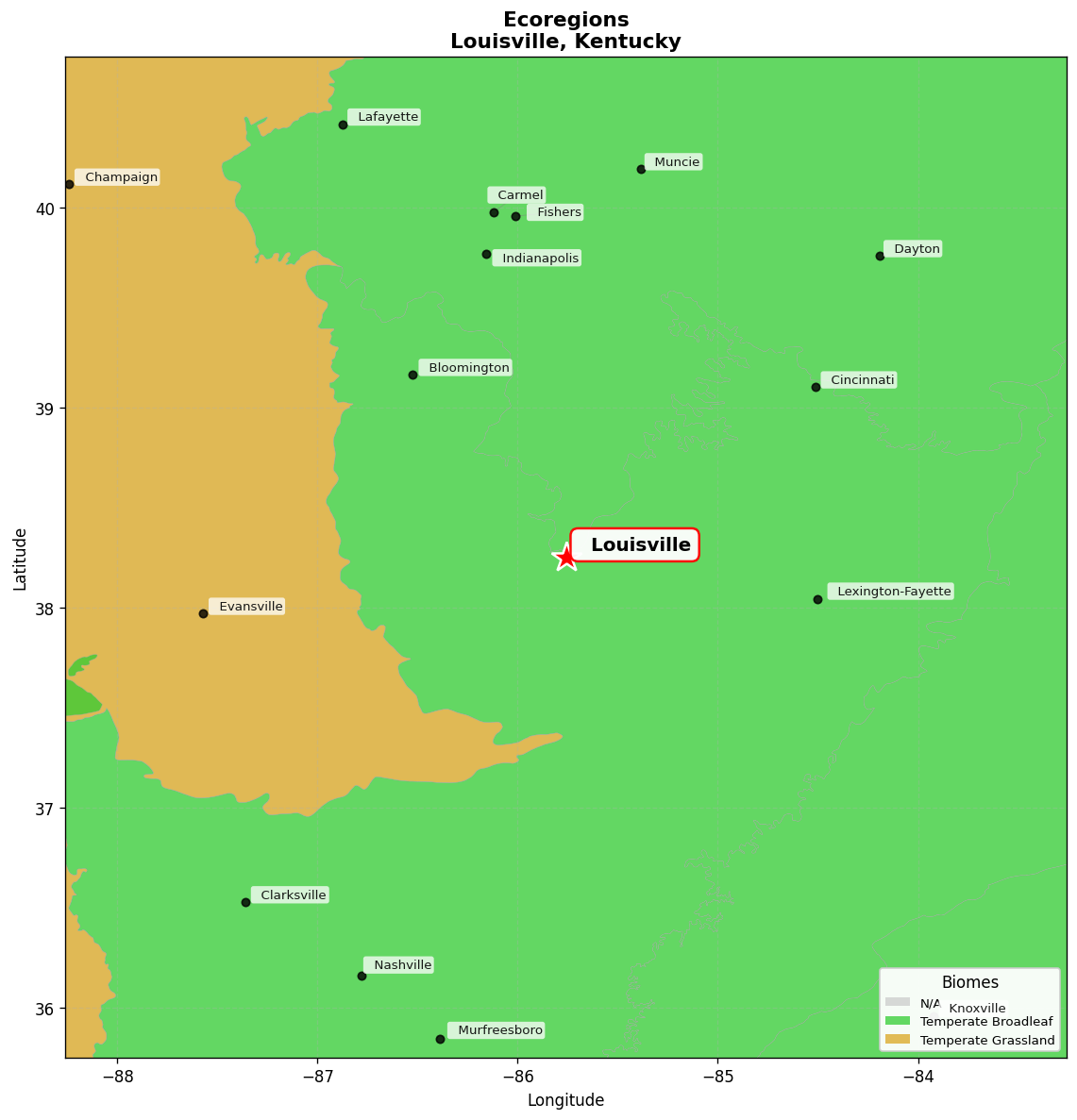
Interior Plateau US Hardwood Forests
Native ecoregionFrequently Asked Questions
How does Louisville's Cfa climate differ from Ohio's Dfa for cottage gardening?
Significantly. Louisville's Cfa (humid subtropical) climate is warmer and has a longer growing season than Ohio's Dfa (humid continental). Last frost in Louisville averages April 5–10 vs. late April in Columbus or Cleveland. First fall frost comes late October to November vs. mid-October in Ohio. The growing season is 185–200 days — 30–40 days longer than Columbus, 50+ days longer than Minneapolis. Winters are milder (average January low 25°F vs. 18°F in Columbus). The practical effect: roses bloom earlier and longer, more perennial species are reliably hardy, winter protection requirements are reduced, and the spring-fall gardening window is genuinely longer. Louisville can grow some Zone 7-adjacent plants that push their luck in northern Ohio.
What roses thrive in Louisville's climate?
Louisville's Zone 6b Cfa climate is excellent for roses — one of the better rose climates in the American Midwest/South. Climbing roses ('New Dawn', 'Fourth of July', 'Don Juan') perform magnificently on Louisville's Victorian porches and fences with little to no winter protection. Shrub roses (Knock Out, David Austin English roses, Carefree series) are all fully reliable. David Austin varieties like 'Gertrude Jekyll', 'Graham Thomas', and 'Olivia Rose Austin' do particularly well in Louisville's longer, warmer season — they bloom more prolifically here than in Chicago or Cleveland. Hybrid teas are manageable in Zone 6b with standard mulching. The main challenge is summer heat: black spot and fungal issues are more prevalent in Louisville's humid summer than in cooler climates. Choose disease-resistant varieties or plan for a preventive spray program.
What is Louisville's limestone soil and how does it affect cottage gardening?
The Interior Plateau US Hardwood Forests ecoregion sits on sedimentary limestone bedrock, which weathers into calcium-rich, slightly alkaline soils (pH 7.0–7.5). For cottage gardening, this is mostly beneficial: roses and lavender both prefer neutral to slightly alkaline conditions, and the well-drained limestone-derived soil avoids the heavy clay drainage problems of northern Midwest cities. The potential issue is nutrient availability for acid-preferring plants (azaleas, rhododendrons, blueberries) — but most cottage garden classics are neutral-soil-tolerant. The main soil problem in Louisville's older urban neighborhoods is thin topsoil over compacted clay fill, which requires compost amendment before planting. Test your pH and amend with sulfur only if results exceed 7.8.
When is the best time to visit Old Louisville gardens?
Old Louisville hosts the St. James Court Art Show every October (one of the largest outdoor art shows in the US, held in and around St. James Court), which puts the neighborhood's garden character on display. Spring is the peak garden season: April through May, when roses begin blooming, peonies peak, and spring bulbs carry through the cobblestone courtyards. Louisville's Victorian Society of America and the preservation community maintain resources about the neighborhood's historic garden traditions. For visitors specifically interested in gardens, a self-guided walk of St. James Court and Central Park during May is the ideal timing to see Louisville cottage gardens at their best.
Does wisteria grow well in Louisville?
Exceptionally well — and this is both an opportunity and a warning. American wisteria (Wisteria frutescens, Zone 5) and its improved cultivars ('Amethyst Falls', 'Blue Moon') are the responsible choices for Louisville gardens: they bloom reliably in Zone 6b with multiple flushes from April through summer, grow vigorously but manageably, and are not invasive. Japanese and Chinese wisteria (W. sinensis, W. floribunda) grow with astonishing vigor in Louisville's climate and produce spectacular bloom, but they are invasive in Kentucky and extremely difficult to control once established — they can damage structures and overpower neighboring trees. Specify American wisteria cultivars for any Louisville pergola project.
What does a cottage garden renovation cost in Louisville?
Louisville's landscape labor market is competitive and below Chicago or Columbus rates. A front yard cottage redesign (500–700 sqft, including arbor, fence, plants, and soil amendment) runs $8,000–20,000 professionally installed. Kentucky limestone terrace installation runs $15–28/sqft. A backyard cottage room with pergola and planting runs $18,000–45,000. Old Louisville's historic district status may require HPO review for structural changes to front yards, which adds process but no additional cost for plants and beds. DIY planting on amended beds is very achievable in Louisville — the climate is forgiving and establishment is fast in the long growing season.