4 Modern Landscape Ideas for Kent, WA | Rain-Ready Designs for Zone 8b
Native plants from the Puget lowland forests (Zone 8b) — Mediterranean (warm summer) climate
Why Modern/Minimalist Gardens in Kent?
Kent's housing is a better fit for modern landscaping than its suburban reputation suggests. The low, horizontal ramblers and split-levels of East Hill and West Hill, the 1990s and 2000s subdivisions around Lake Meridian and Panther Lake, and the new townhomes and apartments near Kent Station all have long rooflines and simple facades that clean hardscape and a few strong plants make look deliberate. The Douglas firs and gray skies make a dark backdrop, and pale concrete, black steel and blonde grasses stand out against them.
The climate decides the planting palette. Kent sits in Zone 8b, with winter lows typically 15–20°F and January nights averaging about 36°F, and it takes around 40 inches of rain a year, nearly all from October to May. July highs average about 78°F and the summer is close to rainless. That favors plants with a long season and a strong outline: Calamagrostis × acutiflora 'Karl Foerster' stands upright through every rainstorm, Helictotrichon sempervirens 'Sapphire' gives the steel-blue tone that reads well against charcoal siding, Pinus mugo 'Mops' and Acer palmatum 'Bloodgood' do the sculptural work, and native Polystichum munitum fills the shade under existing conifers. The desert-modern look of agaves and yuccas is possible but only in raised, gravel-filled planters: at grade, Kent's winter wet rots them long before the cold does. Phormium 'Platt's Black' is marginal here and can be cut to the ground in a hard freeze, so treat it as a container plant or substitute Libertia peregrinans.
Plan the drainage before the paving. East Hill and West Hill are mostly glacial till: gravelly loam over a cemented hardpan that sheds water sideways and floods poorly graded patios. The valley floor near the Green River is silty alluvium with a high water table. Both run acidic, usually around pH 5.5–6.0, which suits ferns, maples and sedges. Either way, modern design should send water somewhere on purpose: permeable pavers or gravel joints instead of solid concrete, and a planted rain garden or swale where downspouts discharge. Juncus patens 'Elk Blue', Carex obnupta and Cornus sericea 'Kelseyi' handle a wet basin in winter and dry clay in August. Do a simple overnight infiltration test before you dig one; on hardpan, a rain garden may need an overflow.
Kent's December sunset comes before 4:30 pm, so uplit grasses, step lights and a gas fire bowl turn a summer patio into a room you use from October to March. With mild winters and a once-a-year February cutback of the grasses, a modern garden here is about as low effort as landscaping gets.
4 Modern/Minimalist Design Ideas for Kent

AI-generated image
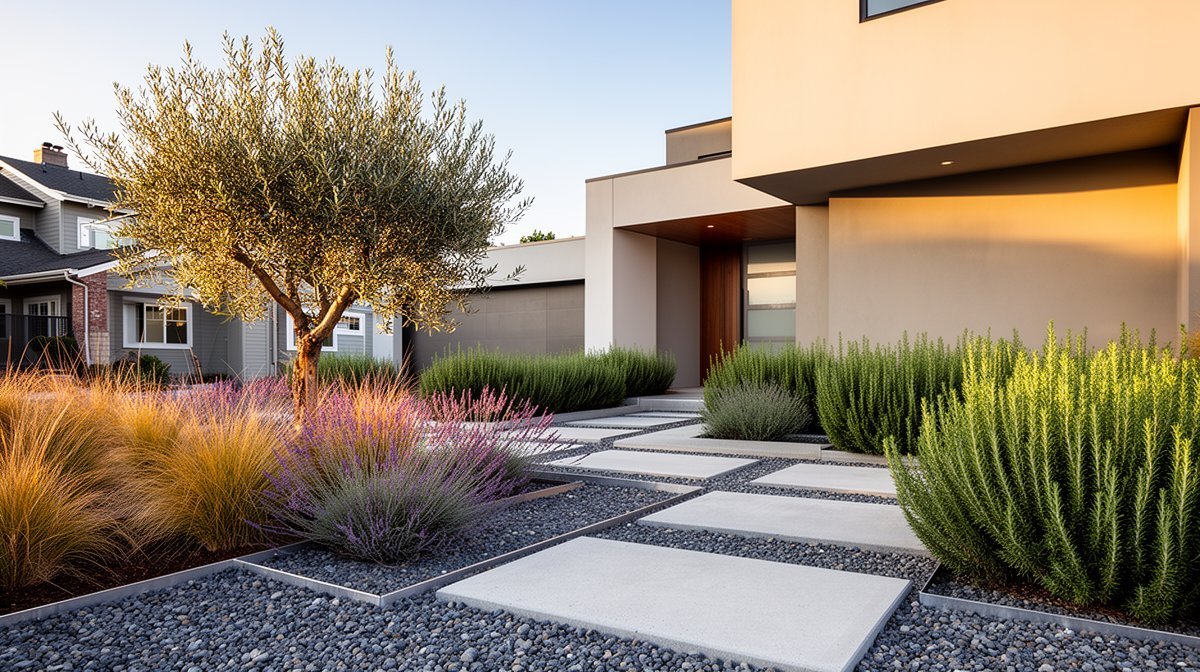
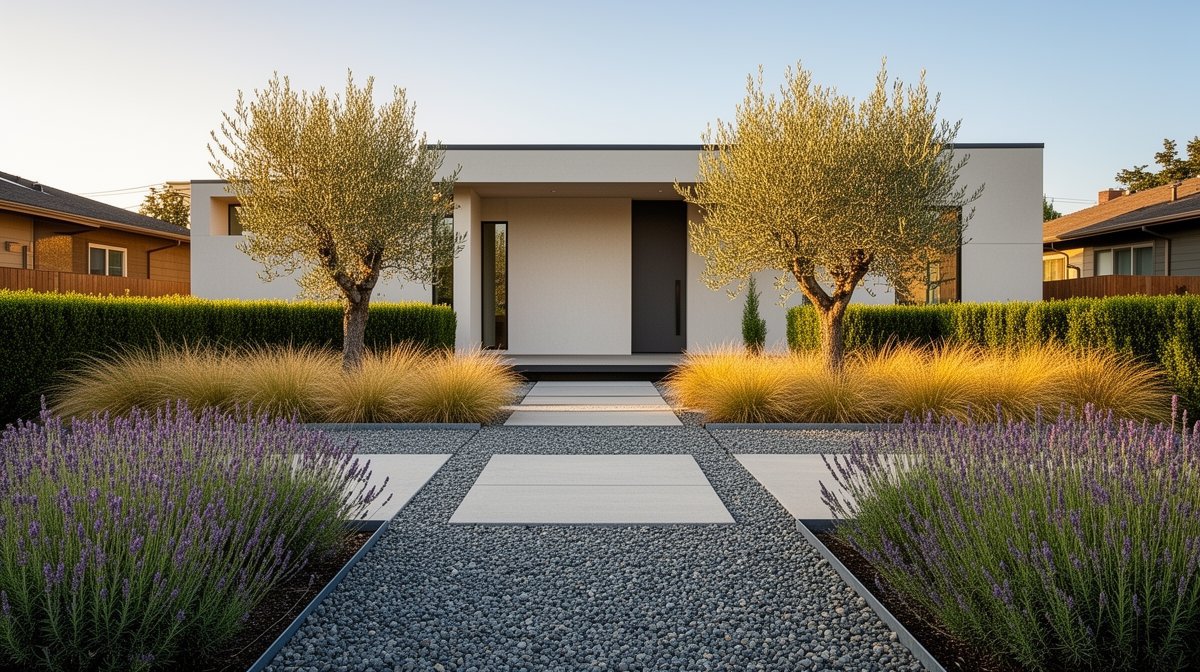
The East Hill Rambler Steel-and-Gravel Front
$18–35/sqftThe lawn in front of a 1970s single-story rambler is replaced with a grid of large-format concrete pavers floating in black basalt gravel, edged with Corten steel. Three raised steel planters along the west-facing facade hold a repeated block of feather reed grass with a single dwarf pine in each, so the afternoon sun backlights the grass plumes against the dark house. A downspout runs into a gravel-lined rill that carries roof water to a small rain garden by the street.

AI-generated image
The Lake Meridian Firs Terrace
$28–55/sqftBehind a 1990s two-story house near Lake Meridian, a raised porcelain-tile terrace steps down to a gravel court under three tall Douglas firs that have been limbed up to 15 feet. The terrace takes the full south sun with a gas fire table, while the shaded court under the firs is planted only in sword fern, Japanese forest grass and a single red maple as a focal point. A slatted cedar screen hides the neighbor's fence and carries step lights.

AI-generated image
The Kent Station Townhome Courtyard
$30–60/sqftA narrow 400 sqft courtyard behind a new townhouse near downtown Kent is laid with permeable concrete pavers and divided by one long board-formed concrete bench. A row of columnar evergreens screens the neighbors, a black steel planter box holds a single multi-stem tree, and the ground plane is one evergreen grass repeated in a block. Morning sun only, so the palette is chosen for part shade.

AI-generated image
The Valley Rain Garden Lawn Replacement
$15–30/sqftOn a flat valley-floor lot where the lawn floods every March, the yard is regraded into a shallow planted basin crossed by a boardwalk of composite decking. The wet center is planted in rushes and slough sedge, the drier rim in grasses and red-twig dogwood, and a crisp rectangle of gravel holds two chairs at the high end. In August the basin is dry and gold; in January it holds water for a day after a storm and drains.
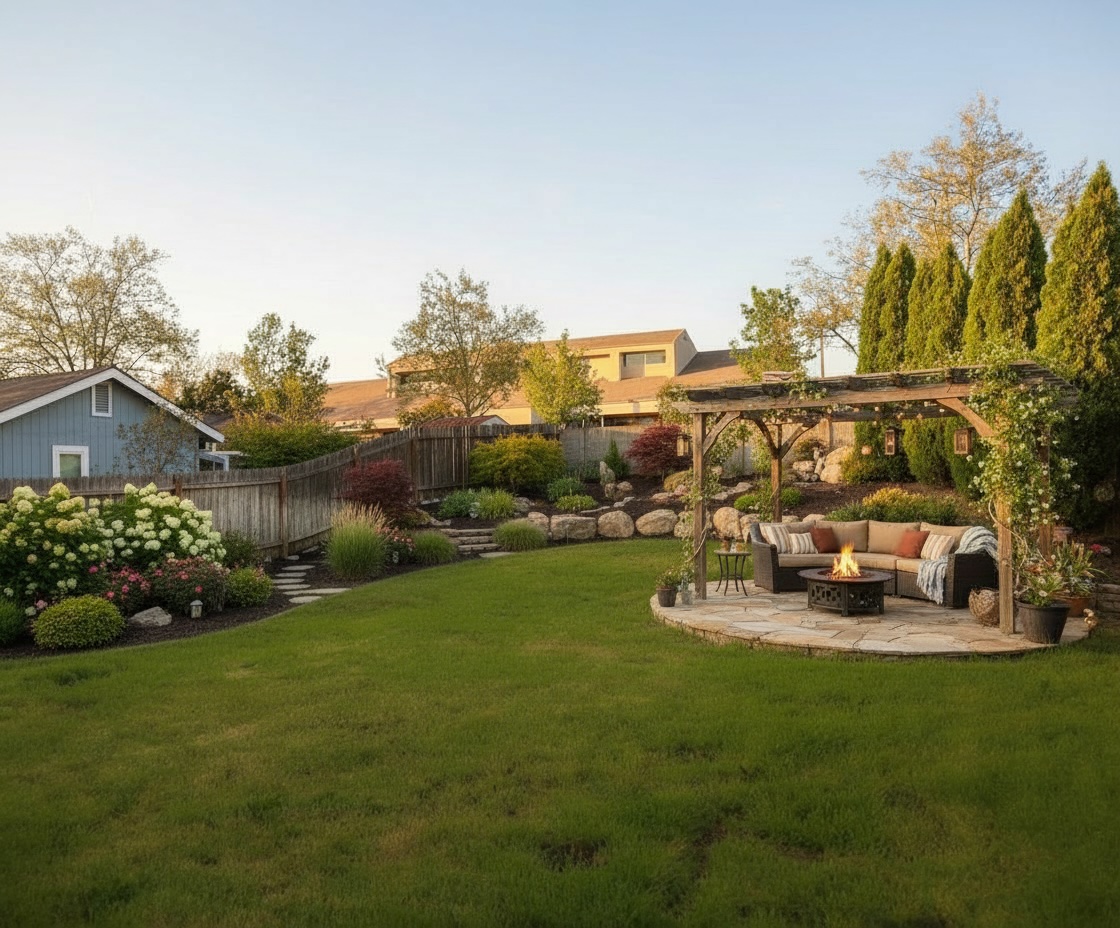
See how a modern/minimalist garden looks on YOUR property
Upload a photo of your Kent yard and visualize your dream garden in seconds.
Try ProScapeAI Free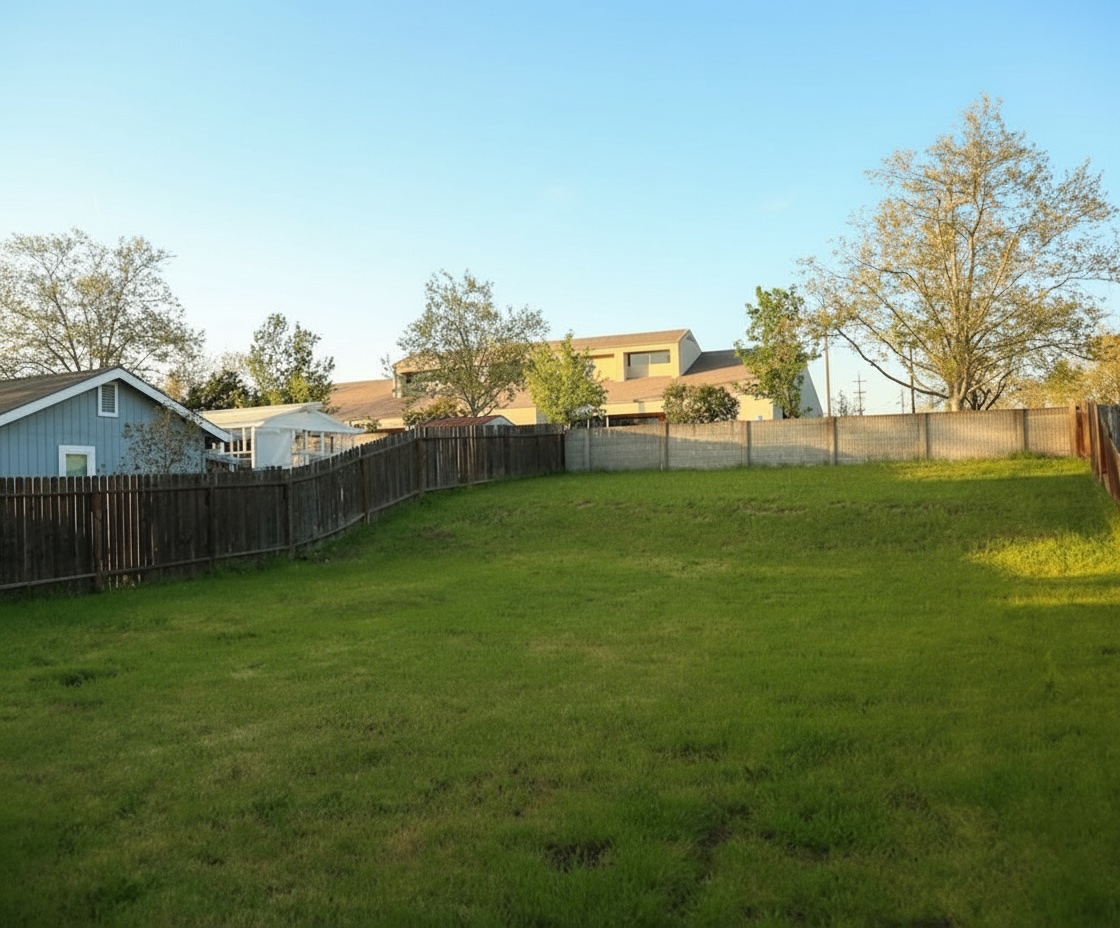
AI-generated image
Featured Trees & Shrubs for Modern/Minimalist Gardens
Browse all 163 plants for Kent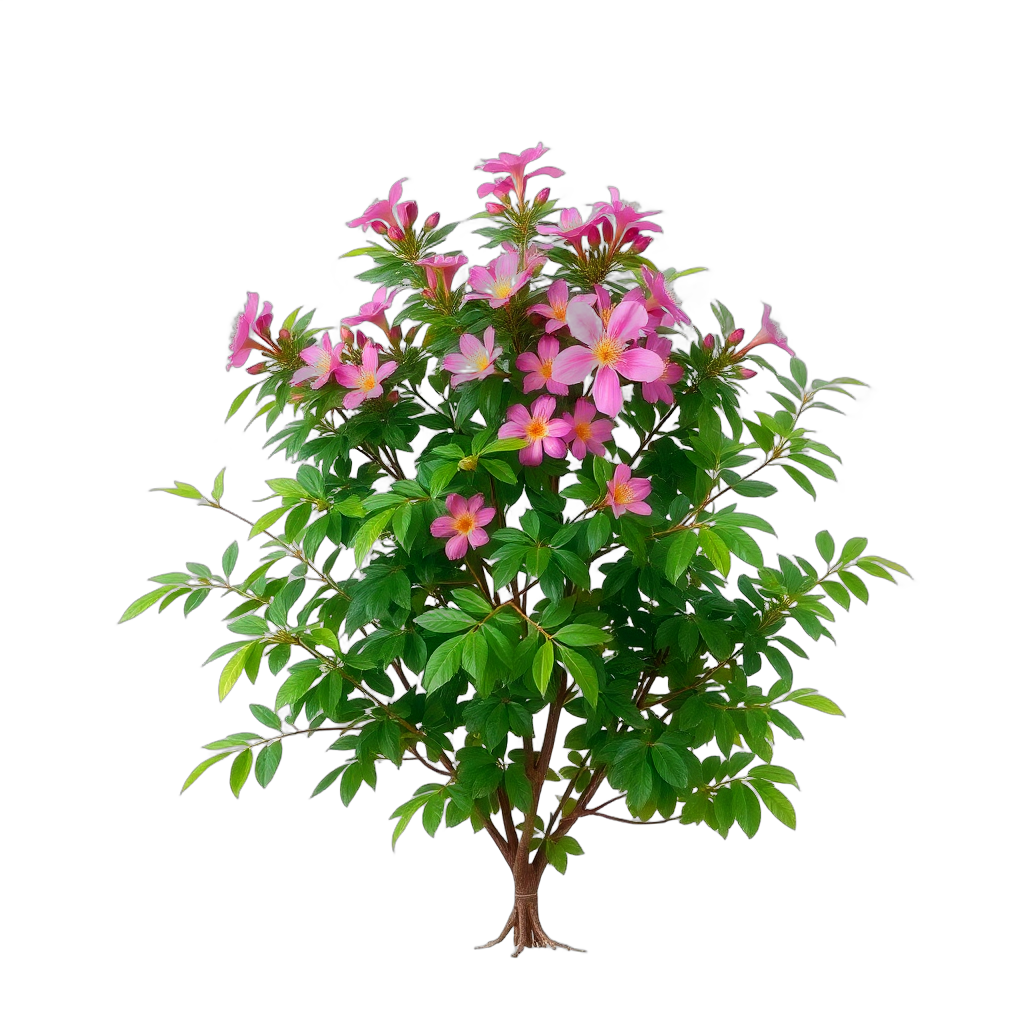
Nootka Rose
Rosa nutkana
grows to 5 feet, pink blooms in spring. Attracts butterflies.
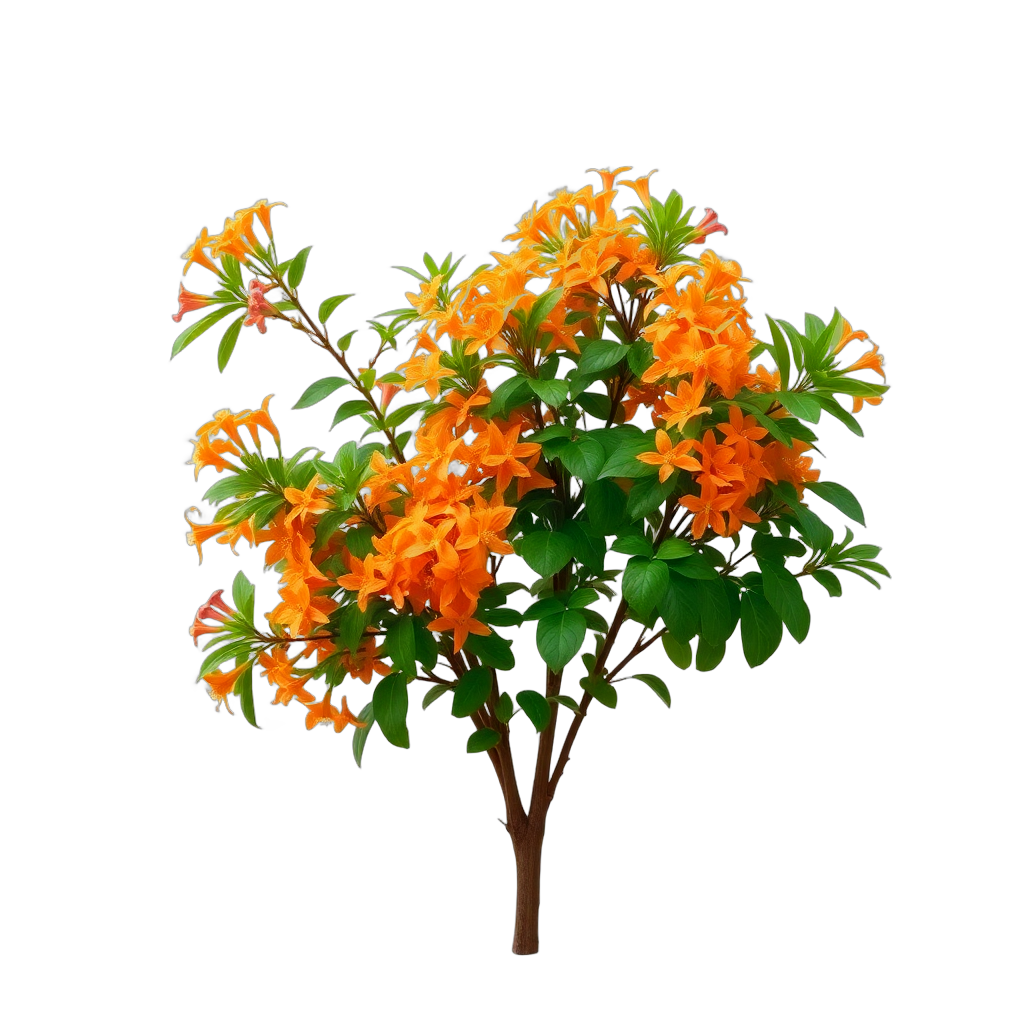
Orange Honeysuckle
Lonicera ciliosa
medium-sized at 15 feet, orange blooms in summer. Attracts hummingbirds.
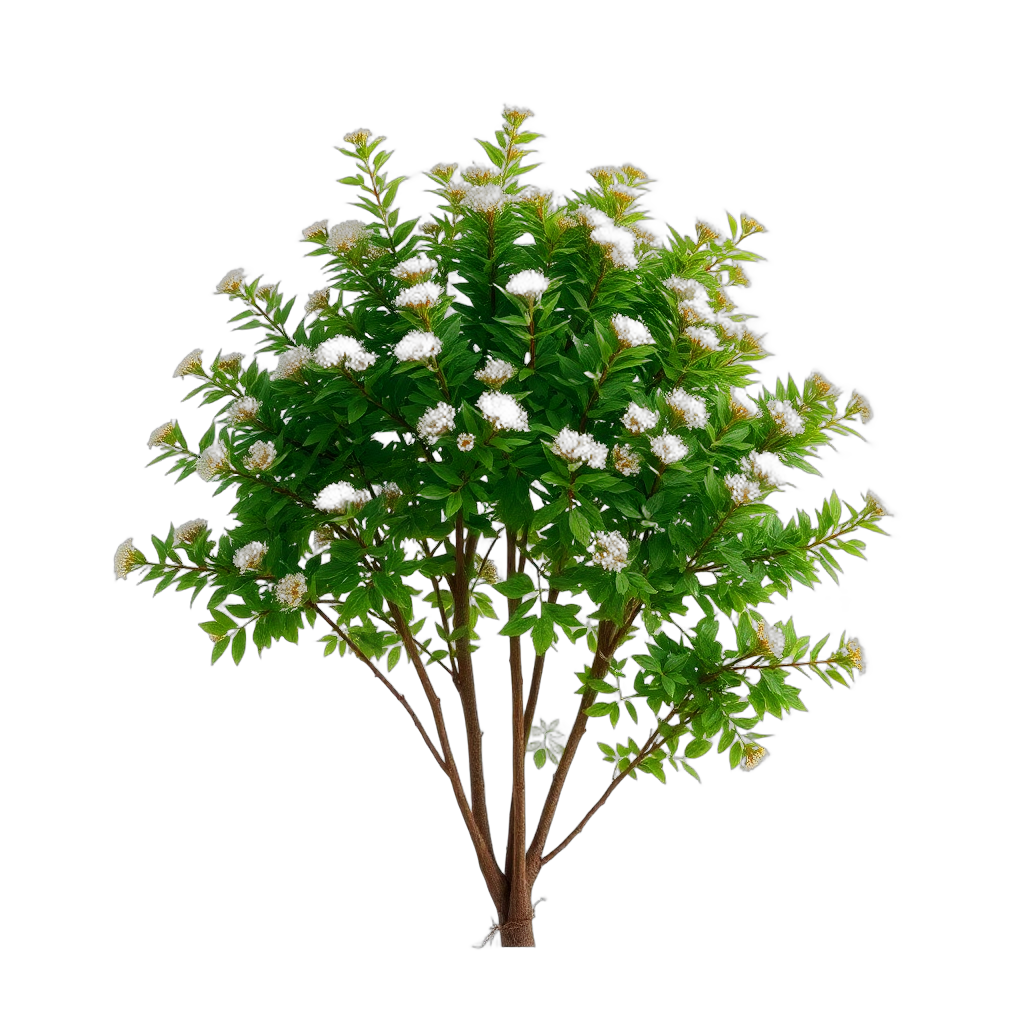
Pacific Ninebark
Physocarpus capitatus
medium-sized at 8 feet, white blooms in spring. Attracts butterflies.
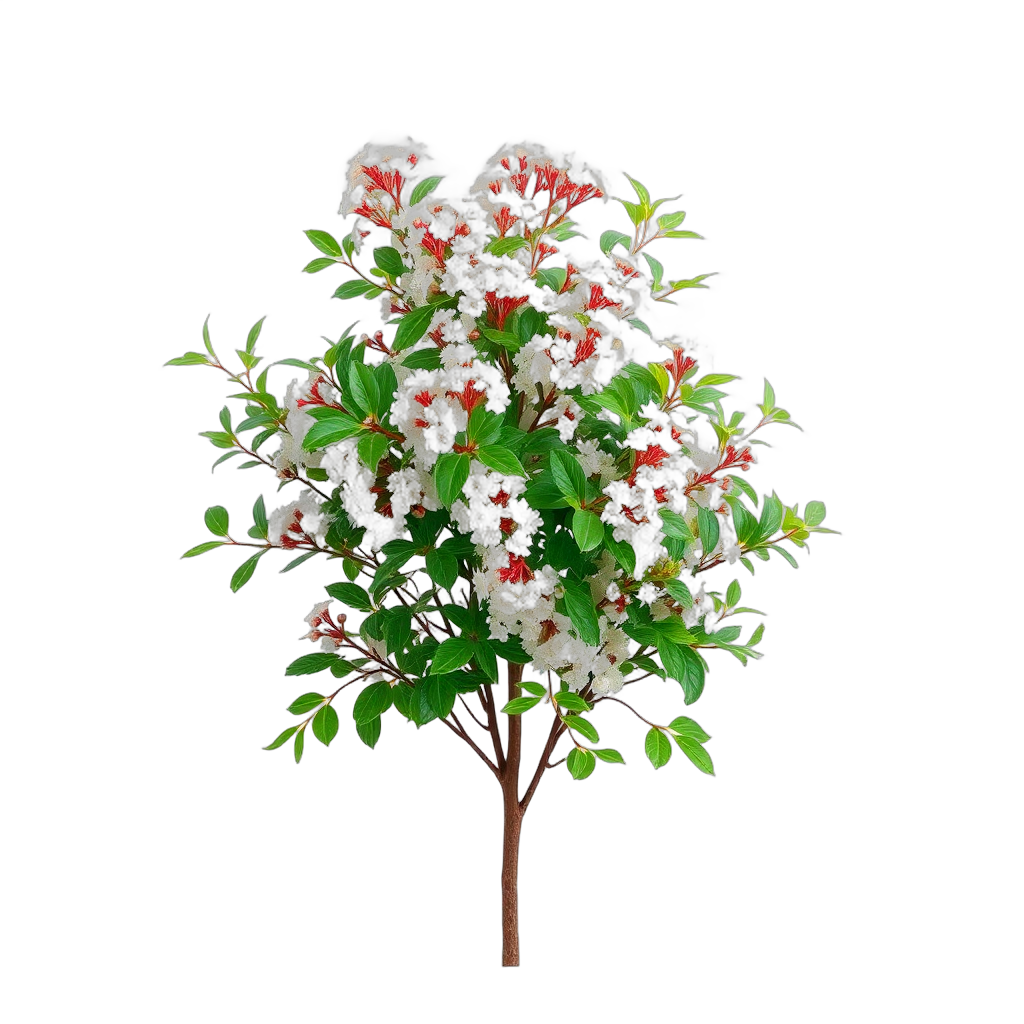
Snowberry
Symphoricarpos albus
grows to 4 feet, pink blooms in summer.
Featured Flowers & Perennials for Modern/Minimalist Gardens
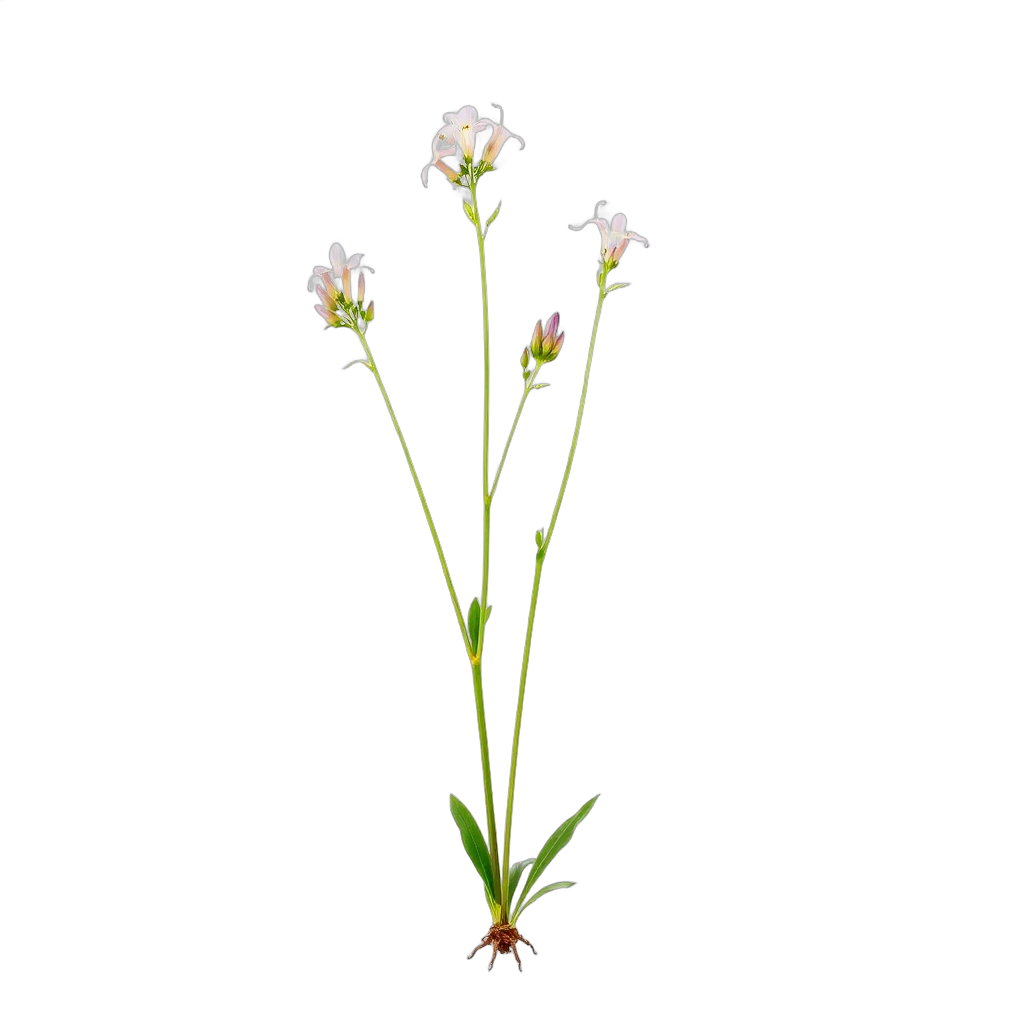
Common Camas
Camassia quamash
low-growing ground cover, blue blooms in spring. Pollinator-friendly.
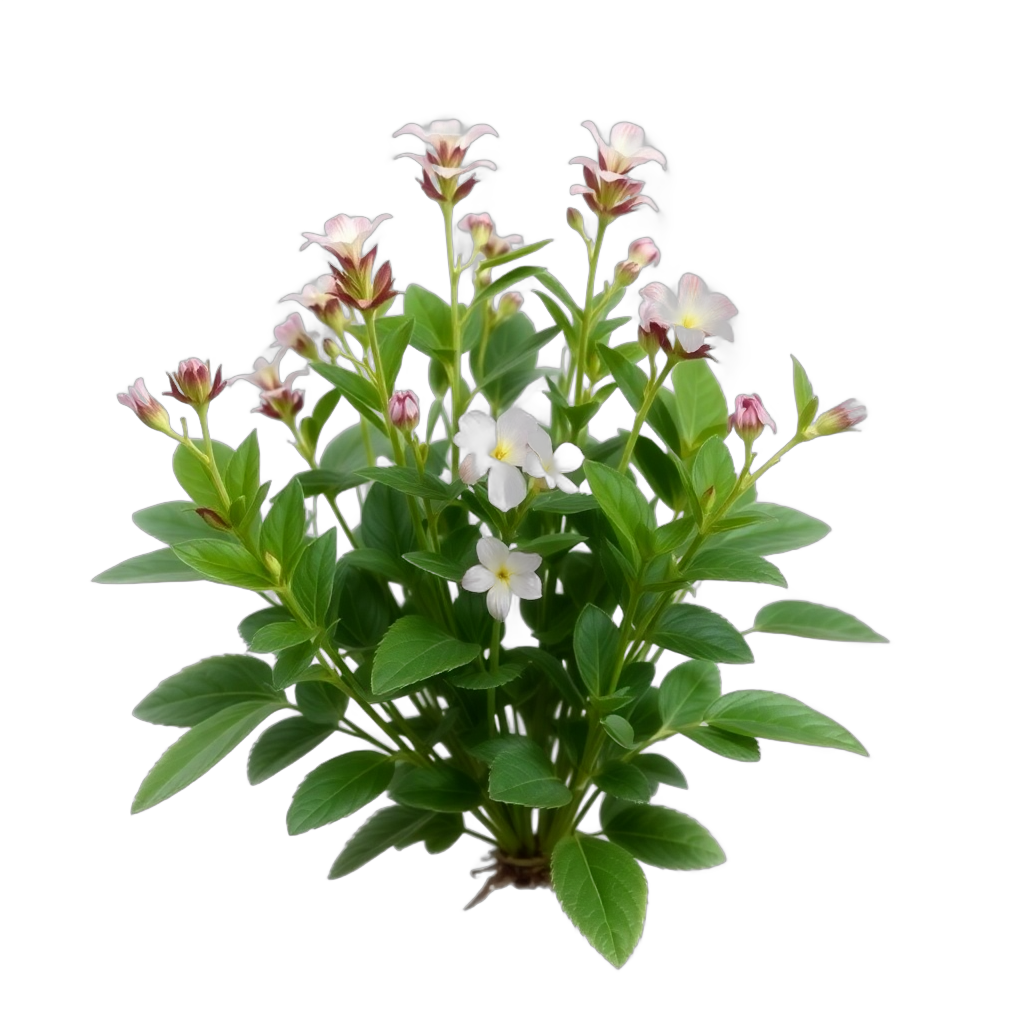
Inside-Out Flower
Vancouveria hexandra
low-growing ground cover, white blooms in spring.
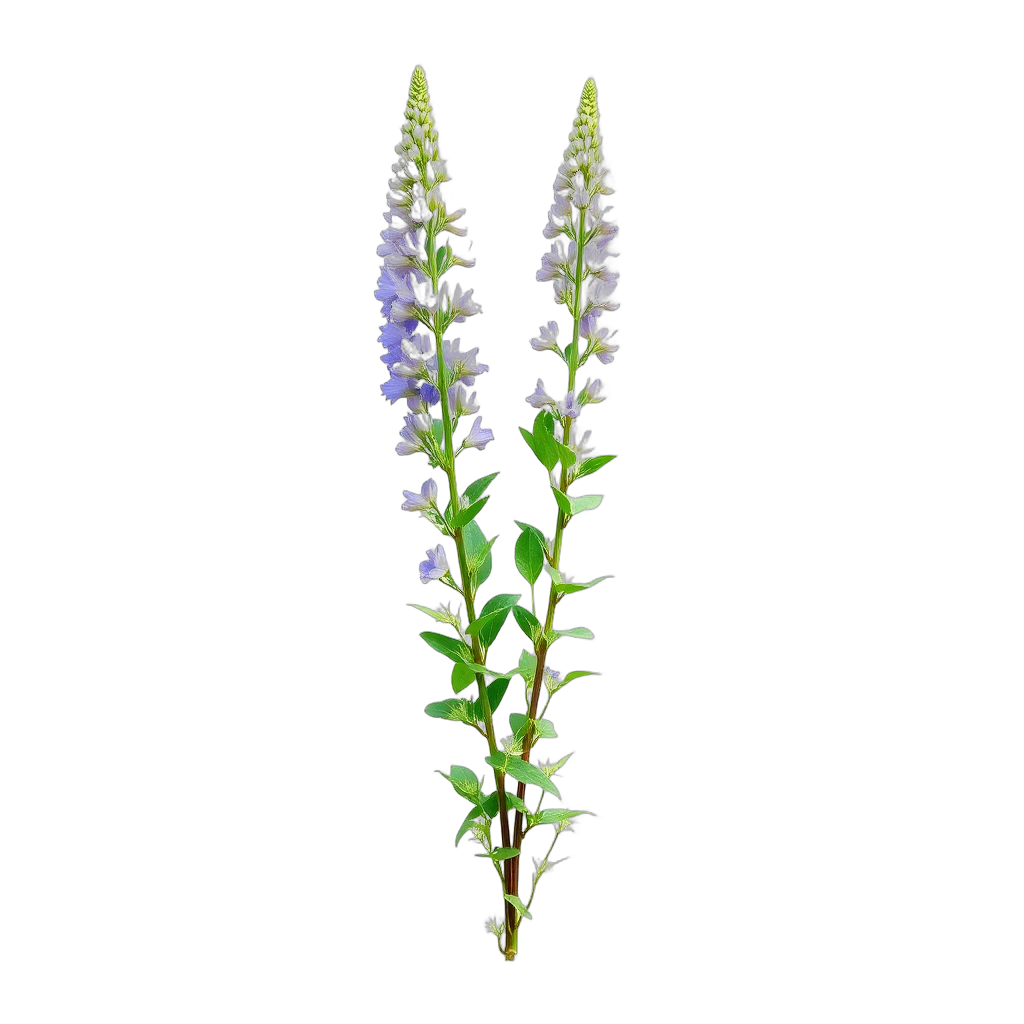
Large-Leaved Lupine
Lupinus polyphyllus
grows to 4 feet, multi blooms in spring. Attracts butterflies.
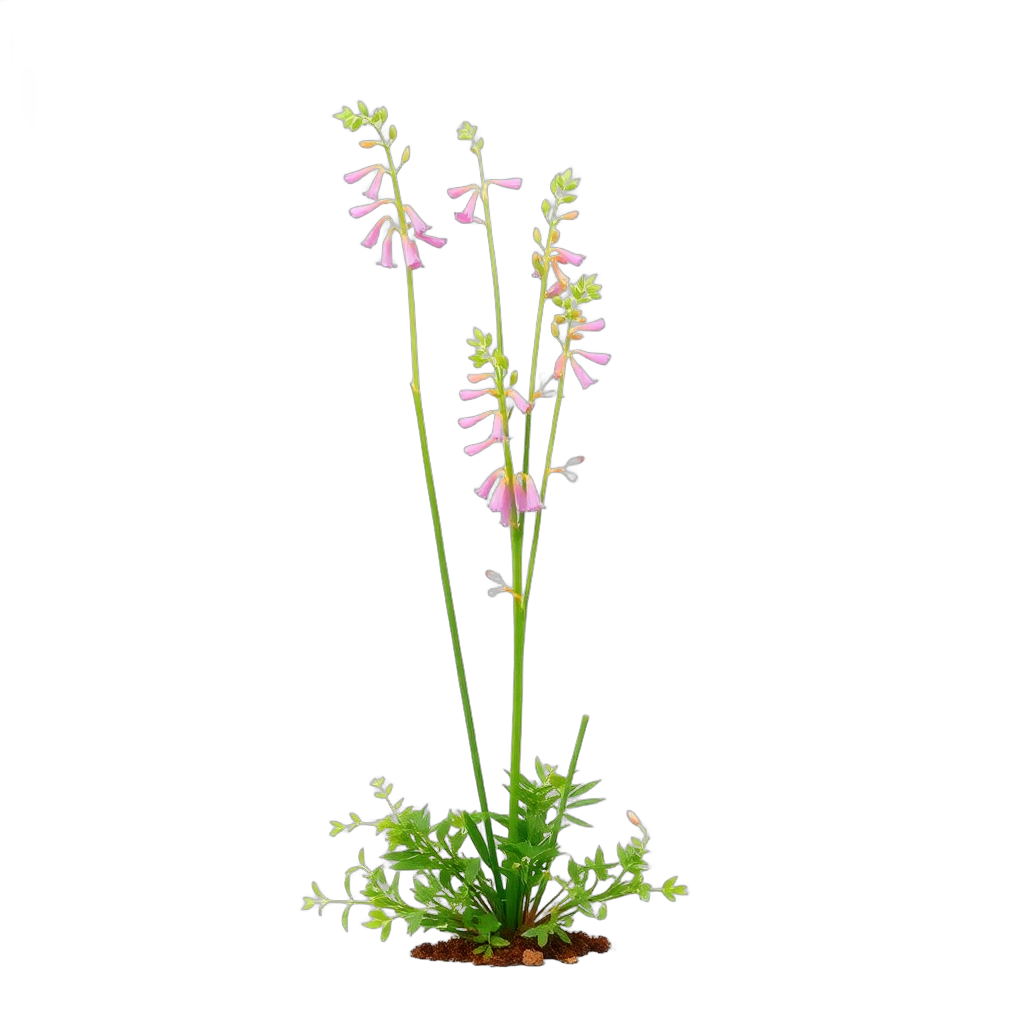
Scouler's Corydalis
Corydalis scouleri
grows to 3 feet, pink blooms in spring. Pollinator-friendly.
Zone and sun checks come from our database — confirm with your local nursery before you buy.
Bloom Calendar for Kent
spring
Common Camas, Inside-Out Flower, Large-Leaved Lupinesummer
Tiger Lily, Orange Honeysuckle, Snowberryfall
Limited bloomswinter
Limited bloomsDesign Tips for Kent (Zone 8b)
- Put silver and desert plants in raised planters: Kent gets about 40 inches of rain from October to May, and Agave parryi or Yucca rostrata at grade in till or valley silt will rot by February
- Route every downspout on purpose: East Hill and West Hill glacial till hardpan sheds water sideways, so send roof water to a gravel rill and a rain garden instead of letting a new patio flood the foundation
- Use the dark conifers as your backdrop: limb up existing Douglas firs to 12–15 feet and let pale pavers and Calamagrostis 'Karl Foerster' read against them rather than removing them
- Choose textured, not polished, surfaces: smooth concrete and tile grow algae and get slick in a Puget Sound winter, so specify a broom or exposed-aggregate finish and a slip-rated porcelain
- Build hardscape in the dry season: June to September is when the till is workable and concrete cures well, so book contractors in winter
- Light for winter: with sunsets before 4:30 pm in December, uplights on grasses and a fire feature are what make a Kent modern garden usable outside of summer
- Repeat a few plants in big blocks: one grass, one evergreen accent and one tree repeated across the yard looks more modern, and costs less to maintain, than a dozen different species
Where to Source Plants in Kent
Skip the big-box stores. These independent Kent nurseries specialize in the plants that make modern/minimalist gardens thrive in Zone 8b.
Carpinito Brothers
Kent Valley (Central Ave N)
Family-owned farm and garden store with a nursery and garden center, plus bulk bark, soil and gravel for pickup or delivery, handy for gravel-heavy modern projects
Kent East Hill Nursery
East Hill
Family-owned four-acre nursery since 1986 with evergreen shrubs, trees, houseplants and a certified horticulturist on staff
Covington Creek Nursery
Auburn (southeast of Kent)
Trees, shrubs, natives, Japanese maples and hard-to-find plants, plus pottery and fountains
Modern/Minimalist Landscaping Costs in Kent
| Project Scope | Estimated Cost |
|---|---|
| Front-yard modern conversion: turf removal, gravel, pavers, steel edging (500 sqft) | $9,000 – $18,000 |
| Raised Corten or powder-coated steel planters (set of 3, planted) | $3,000 – $7,500 |
| Porcelain or concrete back terrace (300–500 sqft) | $12,000 – $30,000 |
| Planted rain garden with downspout connection (100–200 sqft) | $2,000 – $6,000 |
| Gas fire table or fire bowl, plumbed and permitted | $3,500 – $9,000 |
| Low-voltage landscape lighting package (12–20 fixtures) | $3,000 – $8,000 |
| AI visualization (ProScapeAI) | Free to start |
Estimates based on Kent, WA-area contractor rates as of 2026. Actual costs vary by site conditions, materials, and contractor.
Kent Climate & Growing Zone
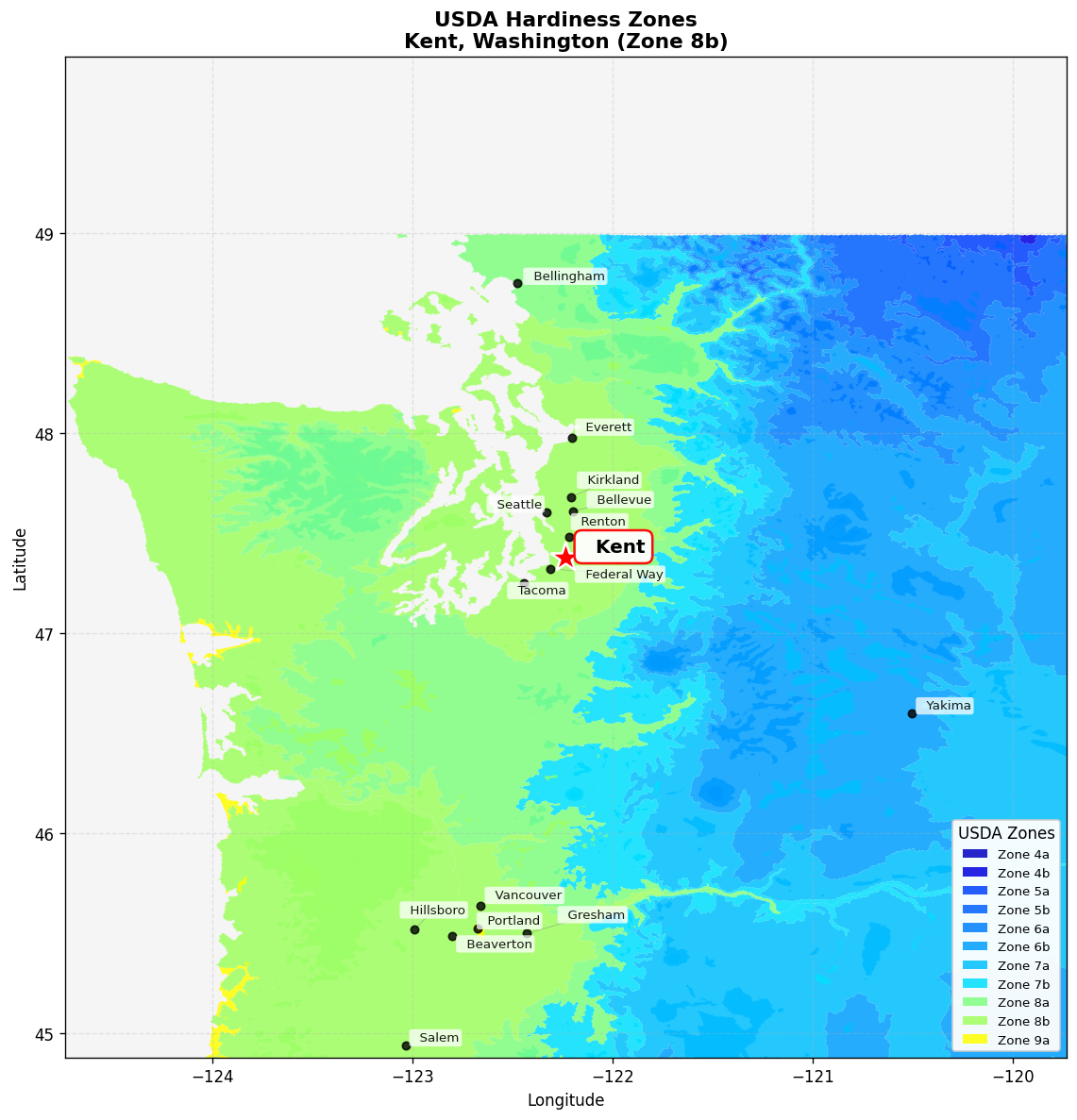
USDA Zone 8b
Hardiness zone for Kent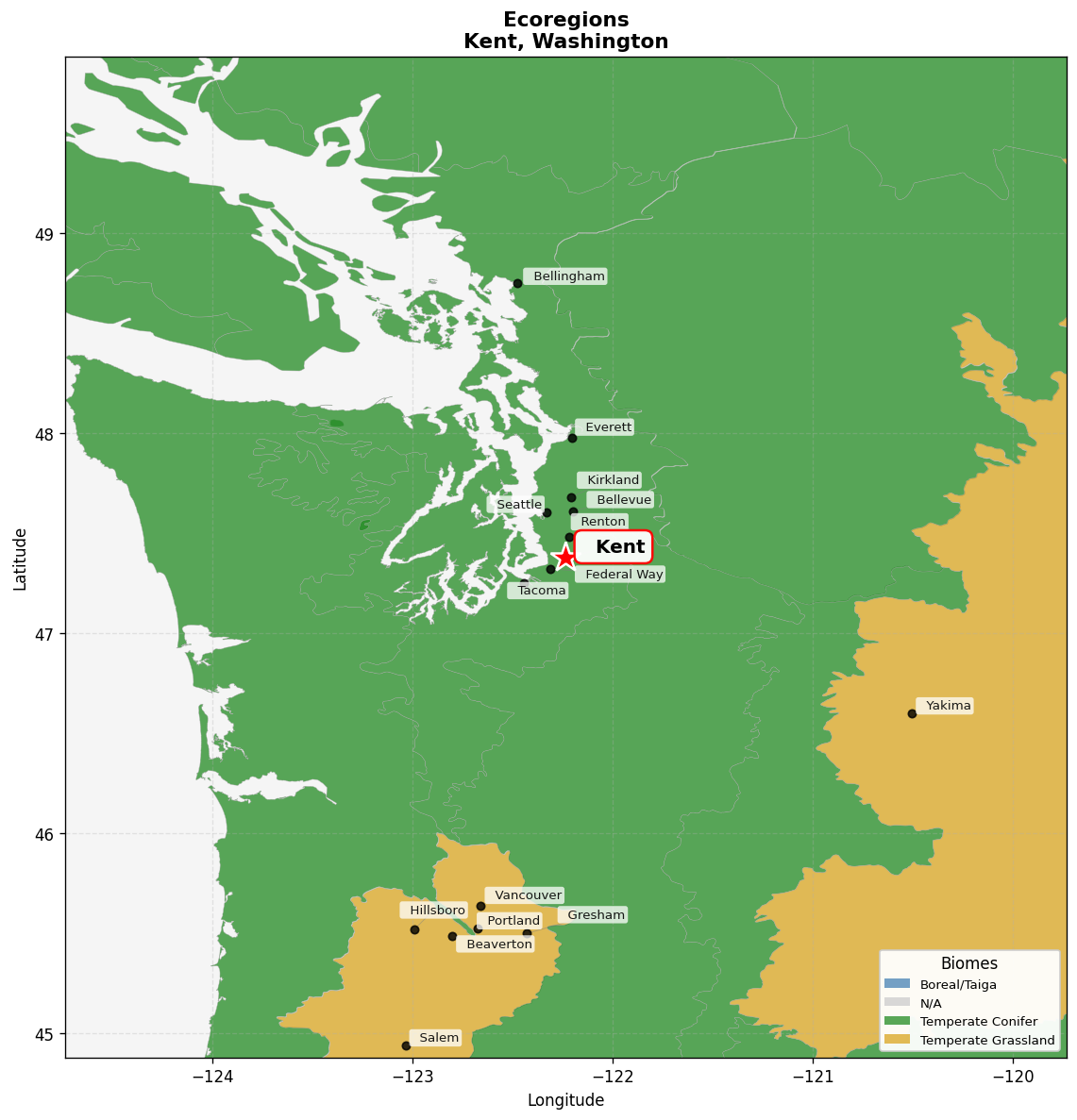
Puget lowland forests
Native ecoregionFrequently Asked Questions
How much does modern landscaping cost in Kent, WA?
Puget Sound landscape crews typically bill around $65–95 per hour per worker. A modern front-yard conversion (turf removal, gravel, steel edging, pavers and architectural planting) on a typical 500 sqft Kent frontage runs about $9,000–18,000 installed. A porcelain or concrete back terrace with a gas fire feature and lighting lands around $25,000–55,000. A planted rain garden is one of the cheaper lines at roughly $15–30 per square foot. DIY gravel-and-planter conversions with Calamagrostis 'Karl Foerster' in one-gallon pots can come in under $8 per square foot.
Is a modern landscape low maintenance in Kent?
Yes, if you pick the right plants. Calamagrostis 'Karl Foerster', Sesleria autumnalis and Carex testacea need one cutback in late February and nothing else. Pinus mugo 'Mops' needs only a light candle pinch in May. The two jobs to plan for are leaf and needle blow-off from gravel in autumn, and moss on north-facing concrete, which a yearly pressure wash handles. Drip irrigation on a timer covers the dry July and August stretch.
When is the best time to build a modern landscape in Kent?
Split the job. Do the hardscape (excavation, concrete, pavers, steel) in the dry June to September window, when the till is workable and concrete cures well; contractors book that season early, so get on schedules in winter. Then plant from late September through November, when the rains return and roots establish over the mild winter. Avoid digging the valley floor in March, when the water table is at its highest.
Do I need a permit for a patio, wall or fire feature in Kent?
Planting, gravel and ground-level pavers generally do not need one. Under the Washington residential code, a retaining wall over 4 feet tall measured from the bottom of the footing, or one that holds back a driveway or slope, needs a building permit. Plumbed gas fire features need a mechanical permit, and new impervious surface on a larger project can trigger stormwater review. Lots near steep slopes, streams or the Green River floodplain have extra critical-area rules. Confirm with the City of Kent Permit Center, and check HOA design rules in East Hill subdivisions.
Can agaves and yuccas survive a Kent winter?
Winter wet does the damage. Zone 8b lows of 15–20°F are within range for Agave parryi and Yucca rostrata, but planted at grade in Kent's till or valley silt, they sit wet from November to April and rot. Grow them in raised steel planters filled with half crushed rock and topped with gravel, ideally under an eave. If you would rather not fuss, Helictotrichon sempervirens 'Sapphire' and Pinus mugo 'Mops' give the same spiky, sculptural look with no risk.
How deep do footings and paver bases need to go in Kent?
Frost is shallow in the Puget lowland, and footings in western Washington are commonly set at least 12 inches below grade to clear the frost depth; confirm the exact figure for your project with the permit center. For pavers, a 4–6 inch compacted crushed-rock base works on gravelly East Hill till, while silty valley soils often need 6–8 inches plus a geotextile so the base does not pump up mud in a wet winter.
Where does the rainwater go on a modern Kent lot?
Plan it before you pour anything. A big concrete patio on East Hill hardpan sheds water toward the house, and on the valley floor it sits on a high water table. Use permeable pavers or gravel joints where you can, and send downspouts to a planted rain garden of Carex obnupta, Juncus patens 'Elk Blue' and Cornus sericea 'Kelseyi'. Do an overnight infiltration test first: if the hole still holds water the next day, add an overflow to the storm system.