4 Modern Landscape Ideas for Lawrence, KS | Prairie Grasses for Zone 6b
Native plants from the Central Tallgrass prairie (Zone 6b) — Humid continental (hot summer) climate
For a modern garden in Lawrence, KS, a zone 6b city with a humid continental (hot summer) climate, start with Calamagrostis × acutiflora 'Karl Foerster', Schizachyrium scoparium 'The Blues' and Echinacea purpurea 'Magnus', the plants this guide's first design is built on.
Why Modern/Minimalist Gardens in Lawrence?
A modern landscape in Lawrence works best when it borrows from the prairie around it. The city sits in the Central Tallgrass prairie ecoregion, so ornamental grasses, coneflowers and sages look at home against clean lines, and the hardscape can pick up the pale limestone seen in older campus buildings and walls. Mid-century ranches in Sunset Hill and Prairie Park, newer builds on the west side and the flat-roofed and gabled infill near downtown all take a restrained palette well: a few large groups of one plant rather than many singles.
At the Lawrence NOAA station, the 1991–2020 normals give a January average low of 19.4°F, a July average high of 88.6°F and roughly 39 inches of rain a year, with the wettest months running April through September. The median last 32°F frost lands around April 12 and the first fall frost around October 28, so the season runs about 199 days. Summer humidity is the stress point for many architectural plants. Calamagrostis × acutiflora 'Karl Foerster' keeps its upright shape through the heat, Panicum virgatum 'Shenandoah' turns burgundy by late summer, and Sporobolus heterolepis 'Tara' holds a neat mound that suits gravel and limestone. Mediterranean silvers such as lavender and rosemary tend to struggle in wet clay, so Perovskia atriplicifolia 'Little Spire' and Salvia nemorosa 'Caradonna' stand in for them.
Crushed limestone, steel edging, concrete pavers and Corten or black-steel planters read as modern while also draining well. Where beds meet turf, a steel edge in 3/16-inch stock holds a clean line against mowing. Large groups of Echinacea purpurea 'Magnus', Amsonia hubrichtii and Schizachyrium scoparium 'The Blues' give structure through fall, then stand as seed heads through winter. A single specimen, such as Cercis canadensis 'Forest Pansy' or Gleditsia triacanthos 'Shademaster', anchors the front yard and offers shade over the house's west face.
Heavy clay is common here, and a modern design cannot hide standing water. Build planting beds up 6–8 inches or mix in expanded shale or grit so crowns stay drier in spring. Plan on drip irrigation, since July highs near 89°F stress new plantings in their first summer. Hail and wind come with spring storms, so favor sturdy grasses and shrubs over fragile bloomers. Before building a retaining wall, a fence or any structure near a property line, check requirements with the City of Lawrence.
4 Modern/Minimalist Design Ideas for Lawrence
AI-generated image
The Limestone and Grass Front Yard
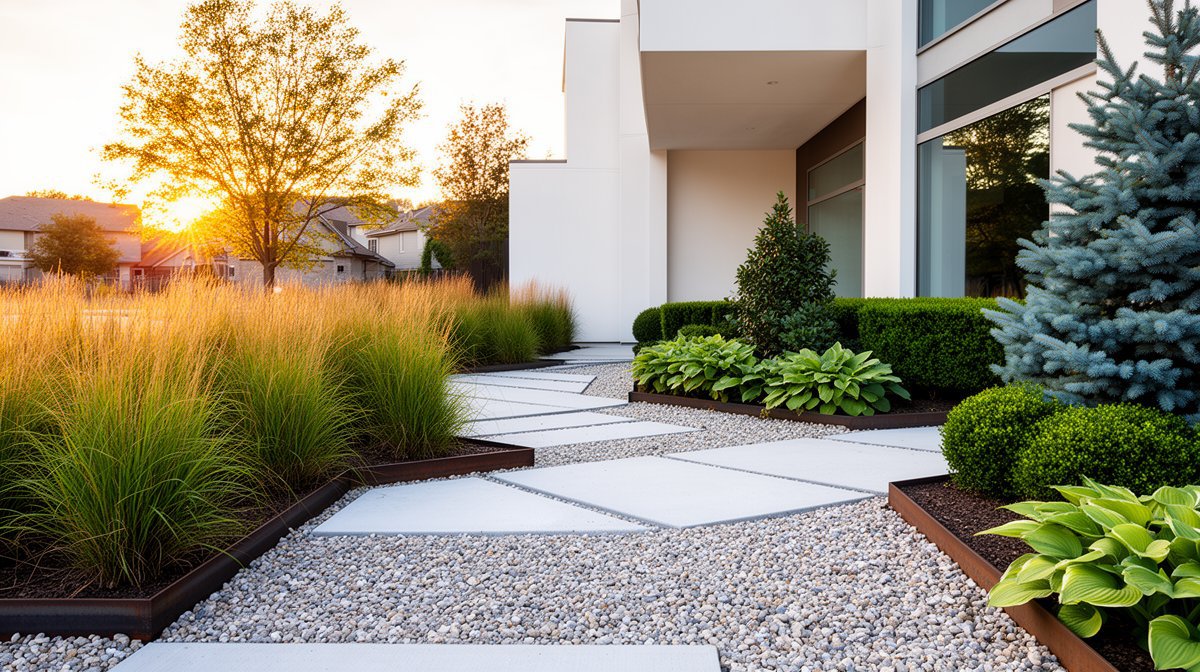
$16–34/sqftA mid-century ranch in Sunset Hill gets a low, broad front yard of crushed limestone paths and wide beds of ornamental grasses. A staggered pad walk of concrete pavers leads to the door, with Karl Foerster grass planted in a row behind a low steel edge and Little Bluestem massed in the sunny corner. Bold, repeated groups replace the old shrub line and read cleanly from the street.
Try this on your yard: The Limestone and Grass Front YardAI-generated image
The Corten and Prairie Dropseed Entry
$22–46/sqftA rusted-steel planter wall runs beside a flat concrete entry walk at a newer west Lawrence home. Prairie dropseed forms soft mounds against the steel, with Amsonia hubrichtii behind it for fall gold and a single serviceberry tree at the corner. The palette is intentionally narrow: gray, rust and green, with one seasonal color accent.
Try this on your yard: The Corten and Prairie Dropseed EntryAI-generated image
The Entertainer's Concrete and Fire Patio
$32–65/sqftA rectangular poured-concrete patio sits off the back of a two-story home, with a low fire pit inset and a built-in bench lined with Panicum virgatum 'Shenandoah' and Hydrangea paniculata 'Bobo'. Gravel strips between concrete panels let rain soak in, and a pair of Gleditsia triacanthos 'Shademaster' throw filtered shade on the west side without blocking evening light.
Try this on your yard: The Entertainer's Concrete and Fire PatioAI-generated image
The Rain Garden Modern Side Yard
$24–50/sqftA narrow side yard between two houses becomes a linear rain garden, with a steel-edged channel of river rock and a bluestone stepping path crossing it. Carex and Amsonia do well in the periodic wet zone, while taller Calamagrostis marks the edge near the fence. The design sends roof runoff into planting rather than the street.
Try this on your yard: The Rain Garden Modern Side YardSee how a modern/minimalist garden looks on YOUR property
Upload a photo of your Lawrence yard and visualize your dream garden in seconds.
Try ProScapeAI Free

AI-generated image
Featured Trees & Shrubs for Modern/Minimalist Gardens
Browse all 194 plants for Lawrence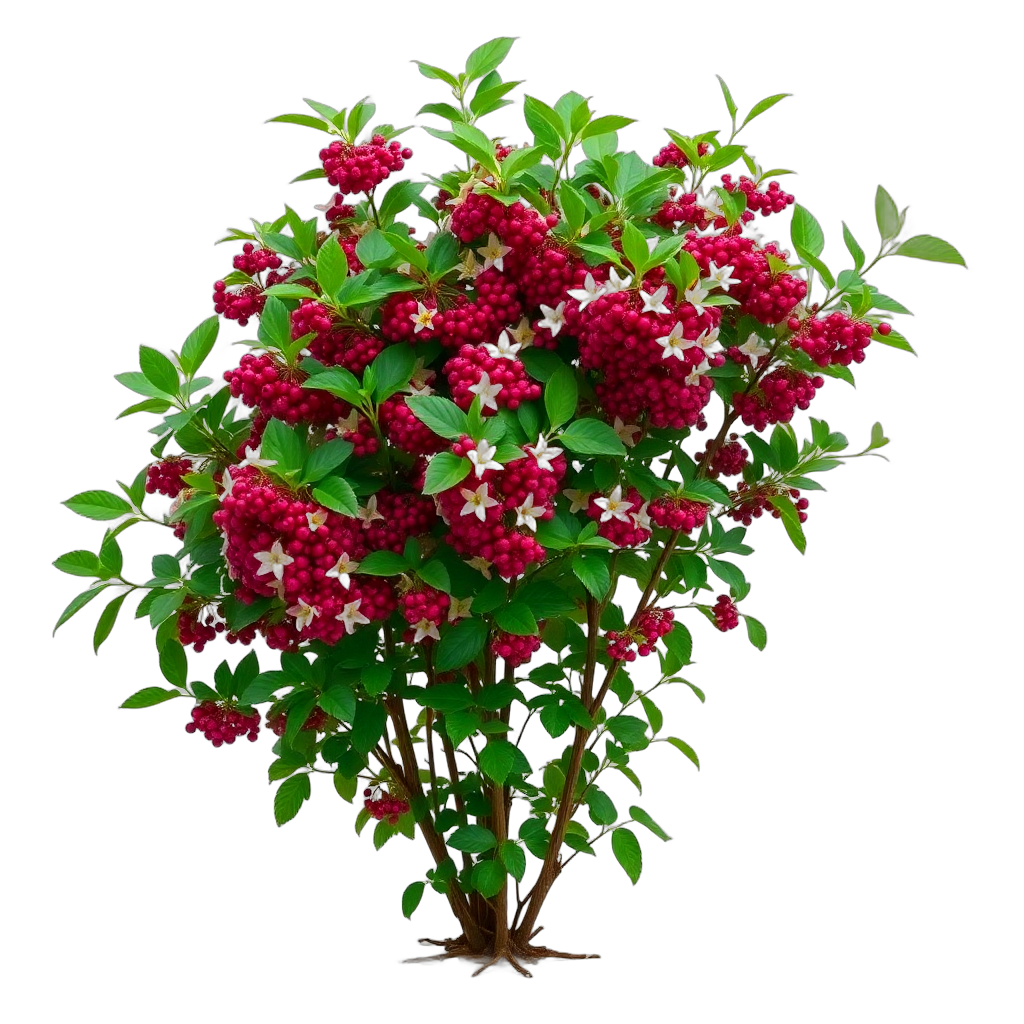
Clove Currant
Ribes odoratum
grows to 6 feet, yellow blooms in spring. Attracts hummingbirds.
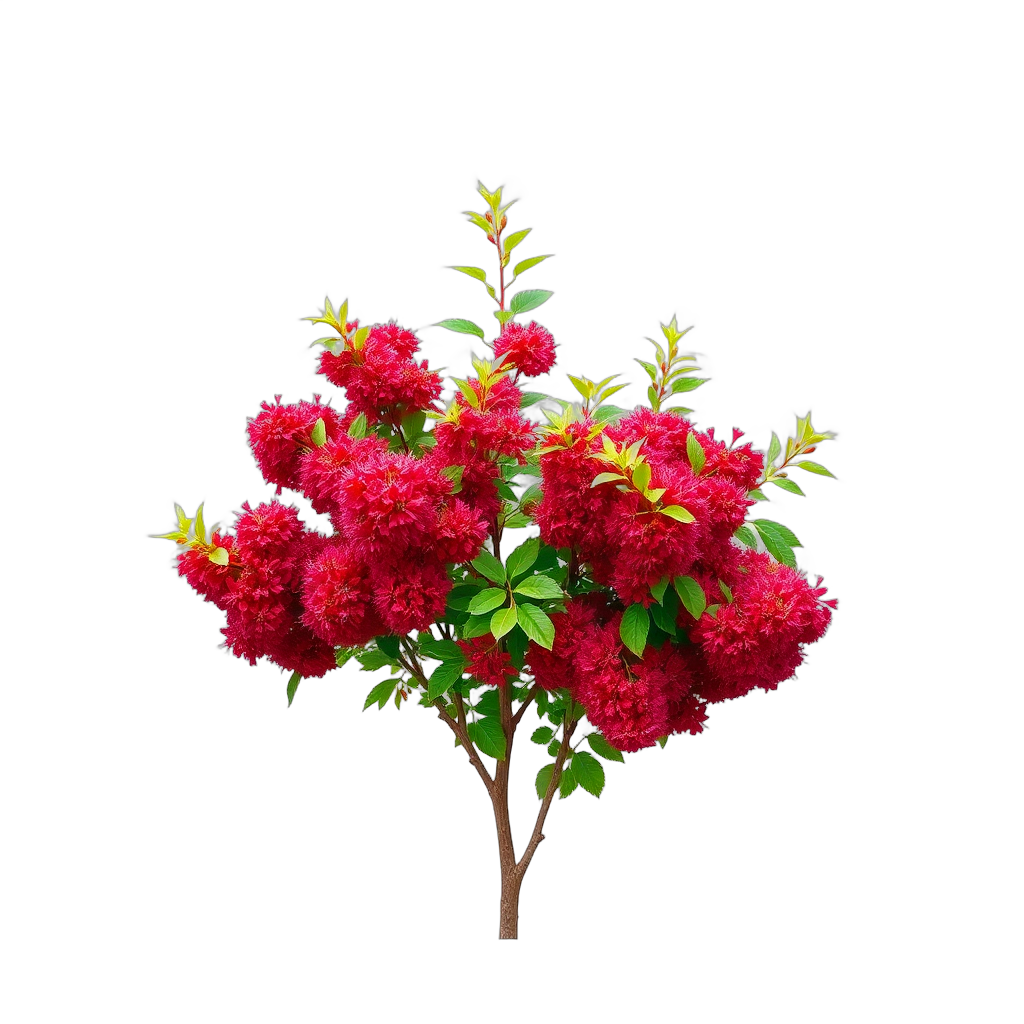
Fragrant Sumac
Rhus aromatica
grows to 4 feet, yellow blooms in spring. Attracts butterflies.
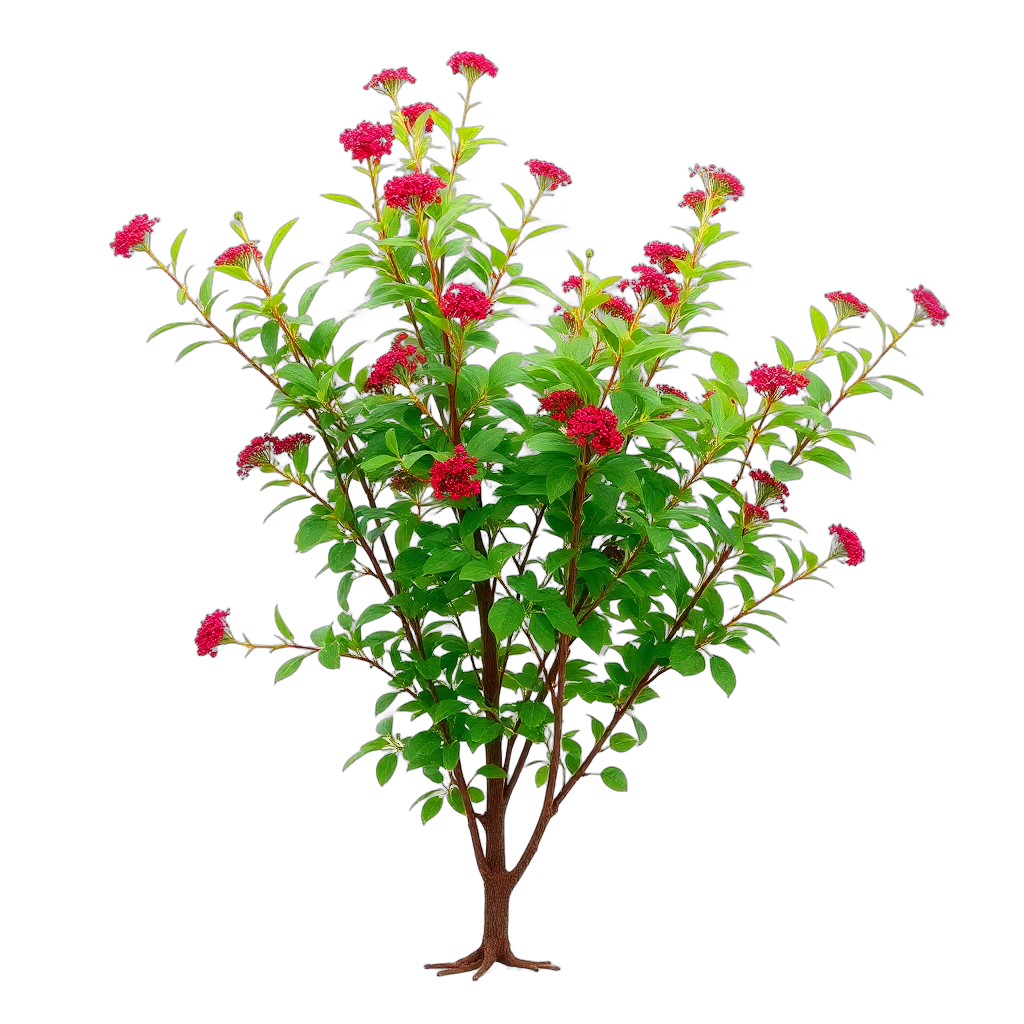
Smooth Sumac
Rhus glabra
medium-sized at 12 feet, white,green blooms in summer. Attracts butterflies.
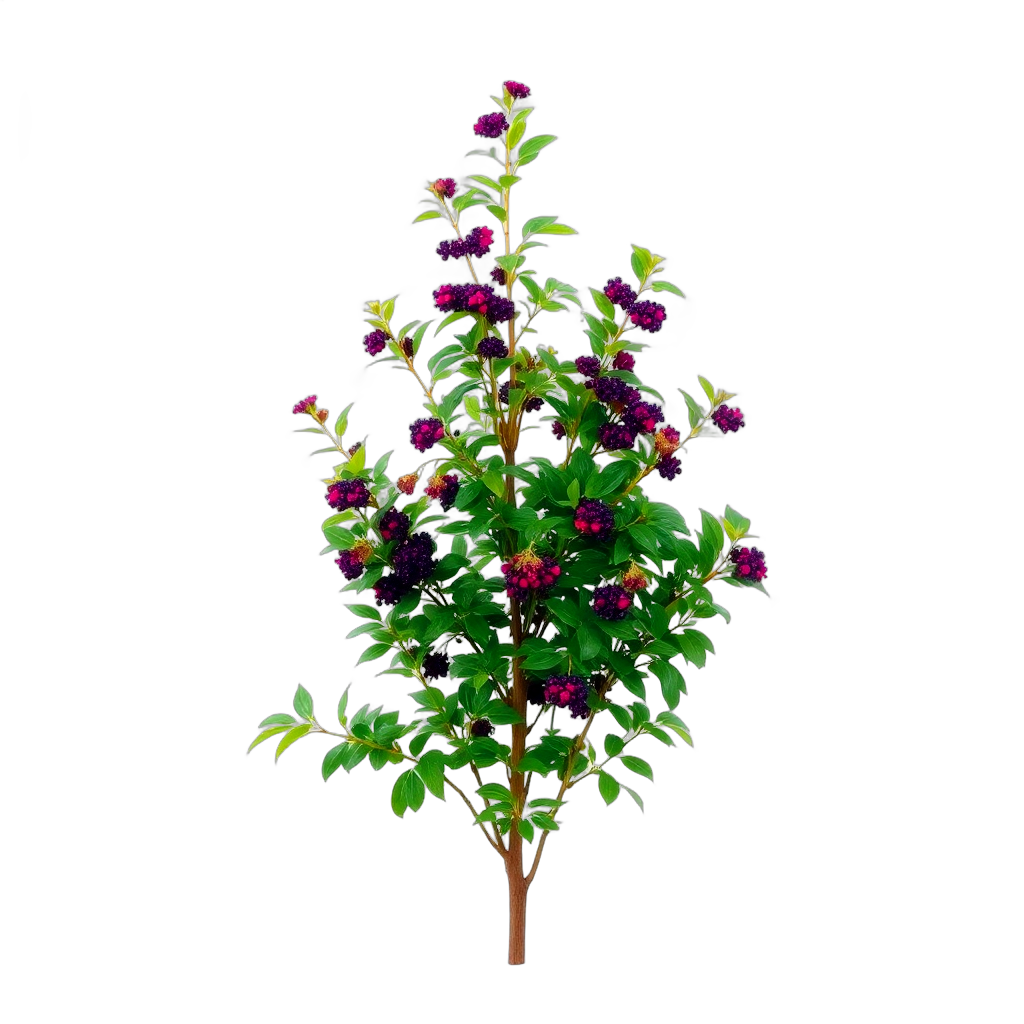
American Beautyberry
Callicarpa americana
grows to 6 feet, pink blooms in summer. Pollinator-friendly.
Featured Grasses & Groundcovers for Modern/Minimalist Gardens
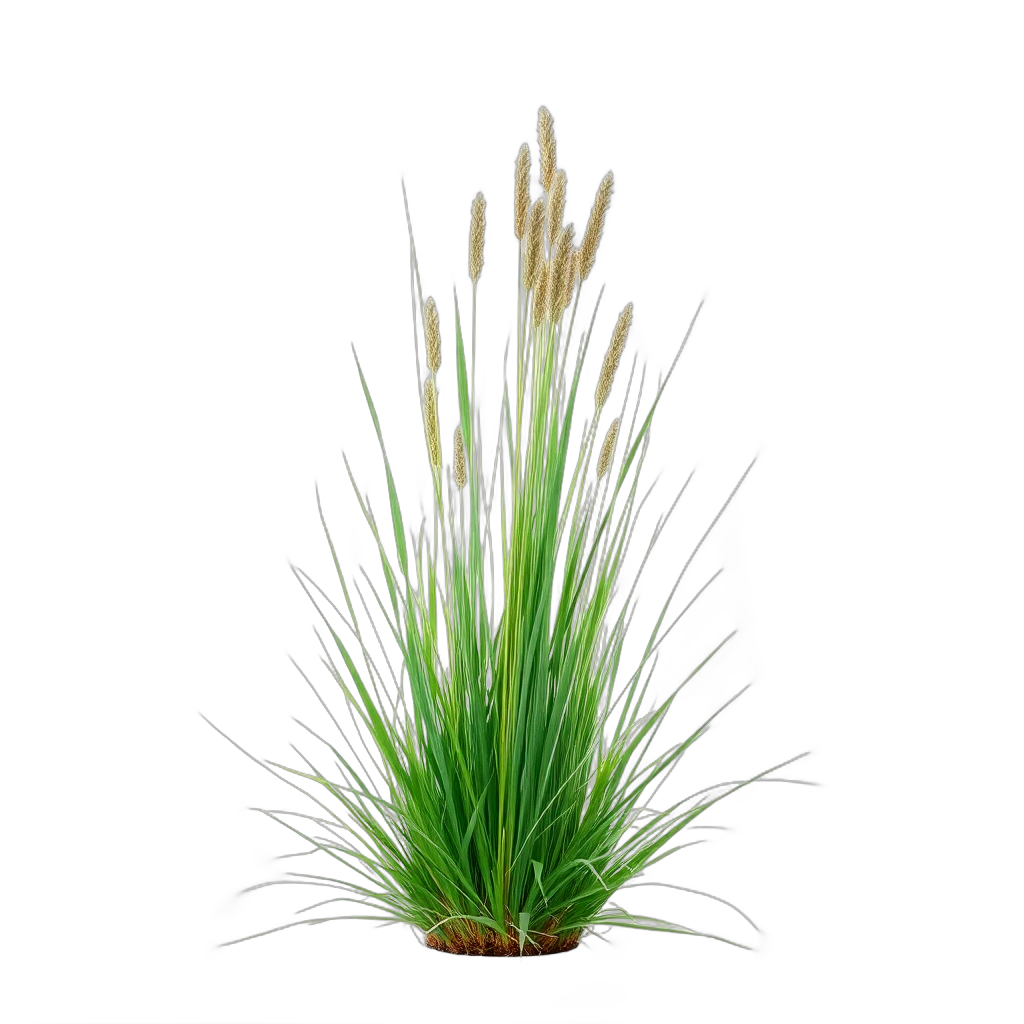
Big Bluestem
Andropogon gerardii
medium-sized at 7 feet, purple blooms in fall. Bronze,burgundy fall color.
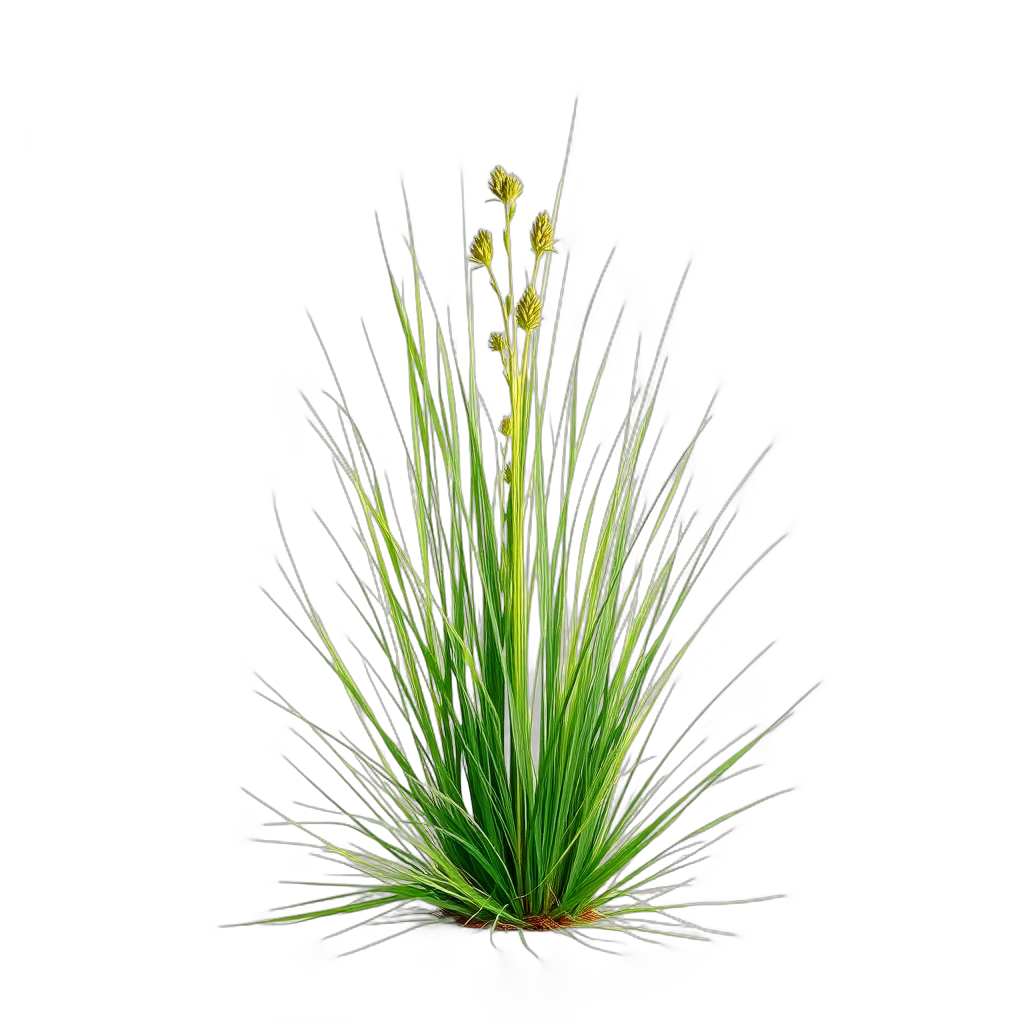
Canada Wild Rye
Elymus canadensis
grows to 4 feet, blooms in summer. Yellow fall color.
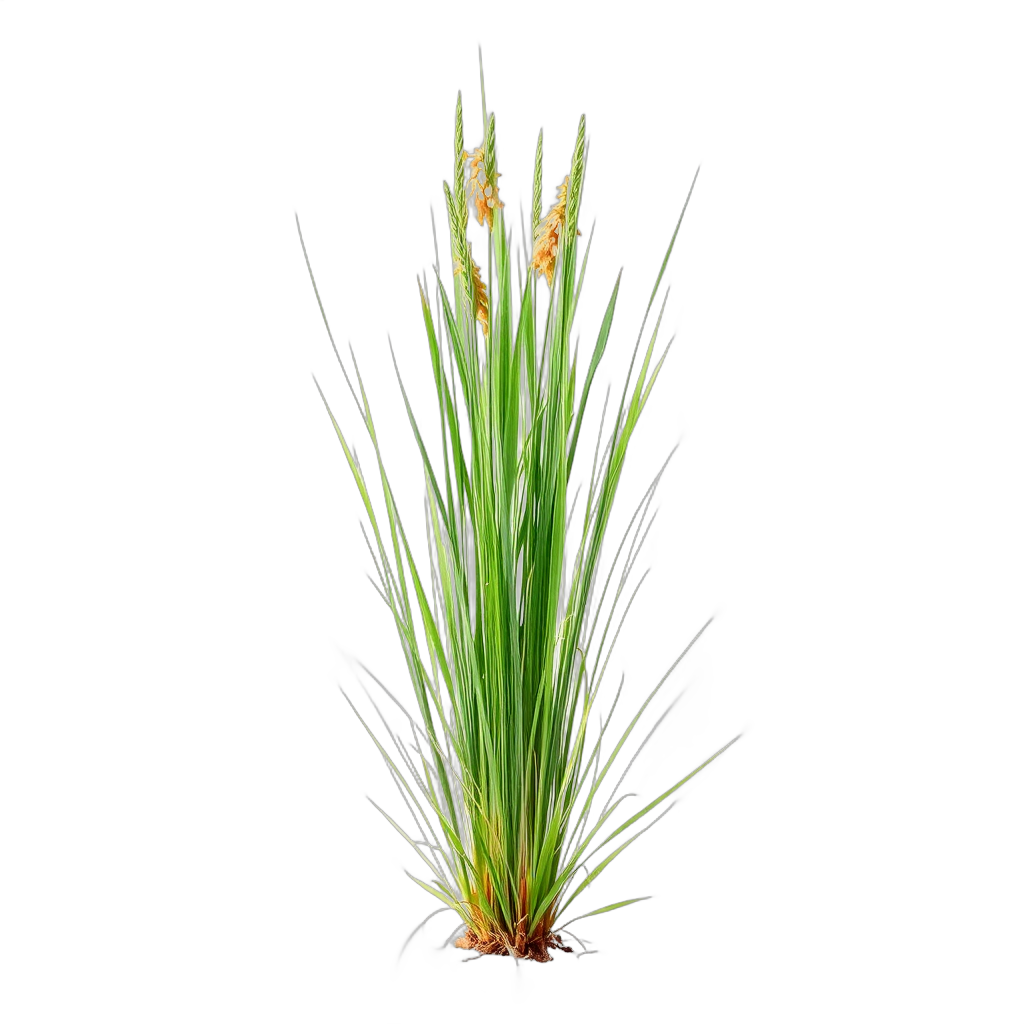
Eastern Gamagrass
Tripsacum dactyloides
grows to 6 feet, blooms in summer. Yellow fall color.
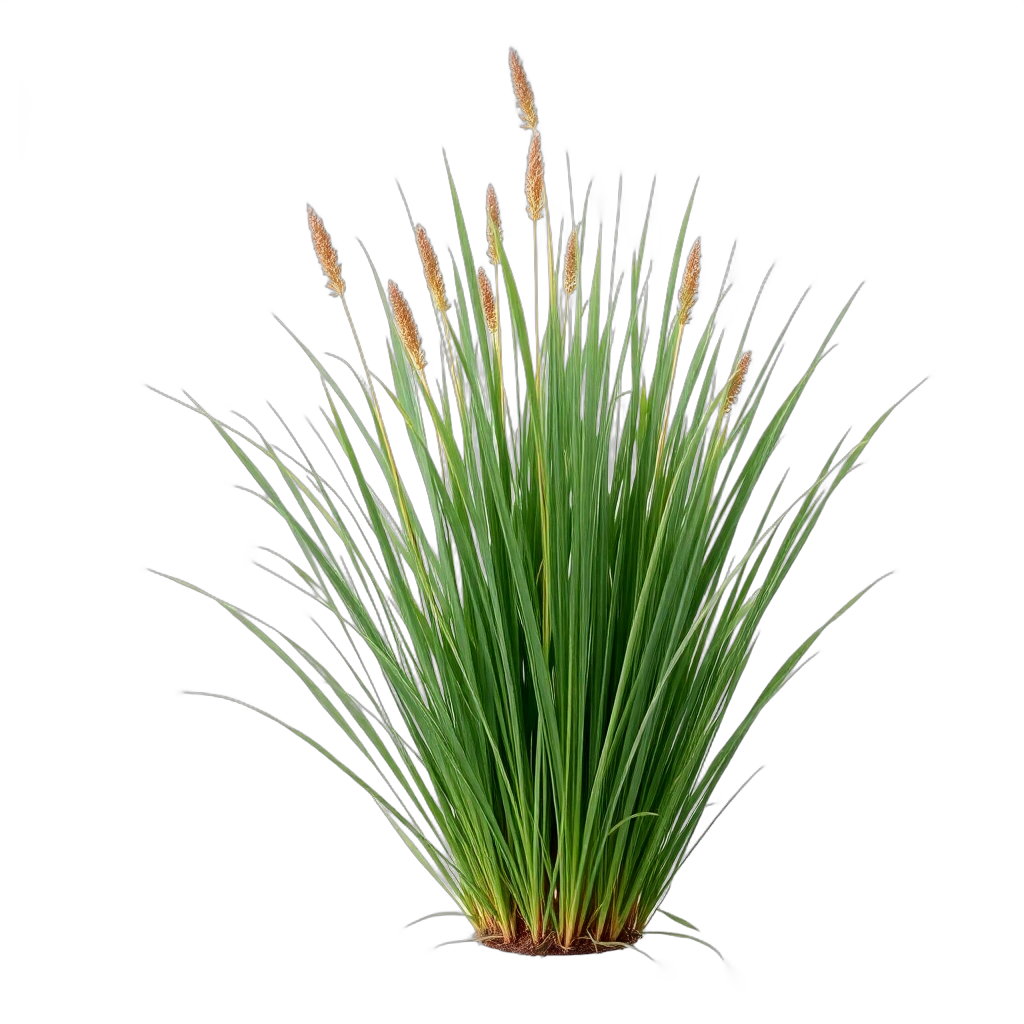
Heavy Metal Switchgrass
Panicum 'Heavy Metal'
grows to 4 feet, pink blooms in summer. Yellow fall color.
Featured Flowers & Perennials for Modern/Minimalist Gardens
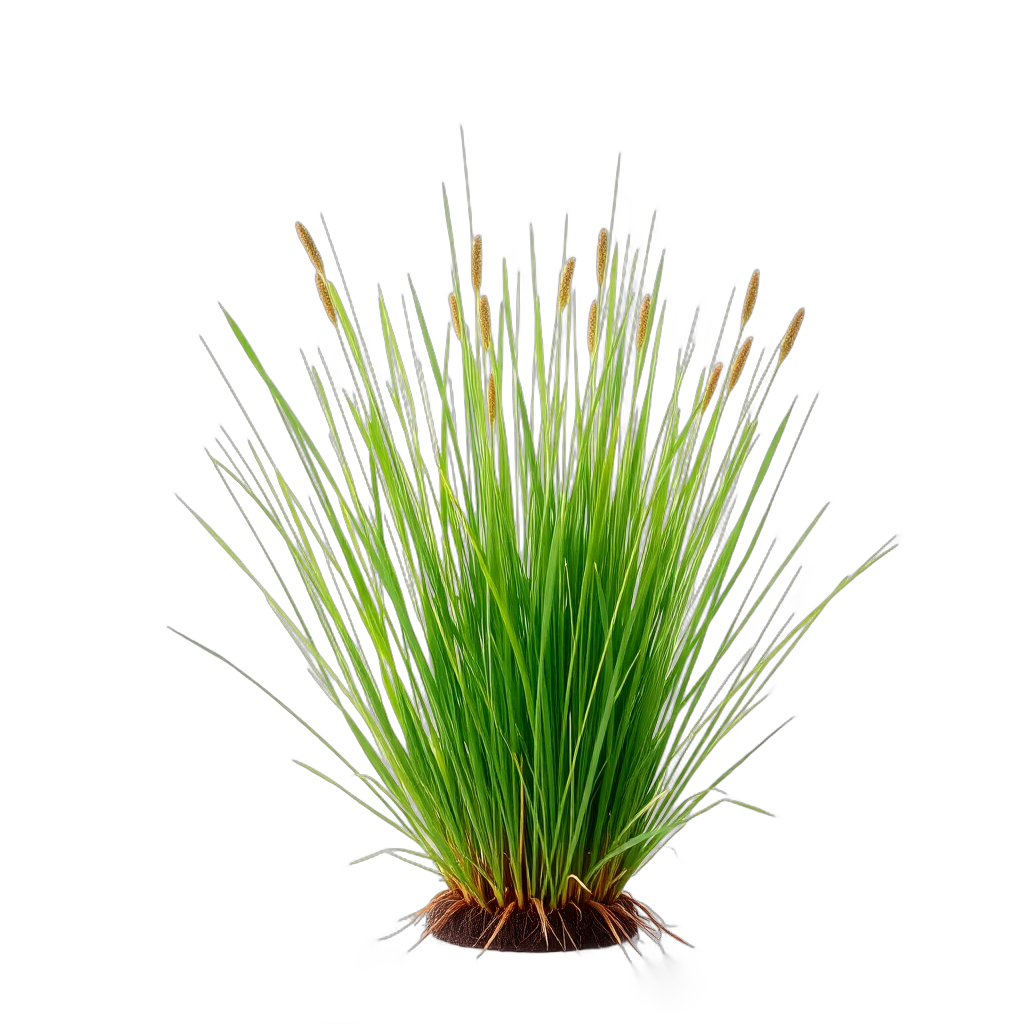
Path Rush
Juncus tenuis
low-growing ground cover, blooms in summer. Evergreen year-round.
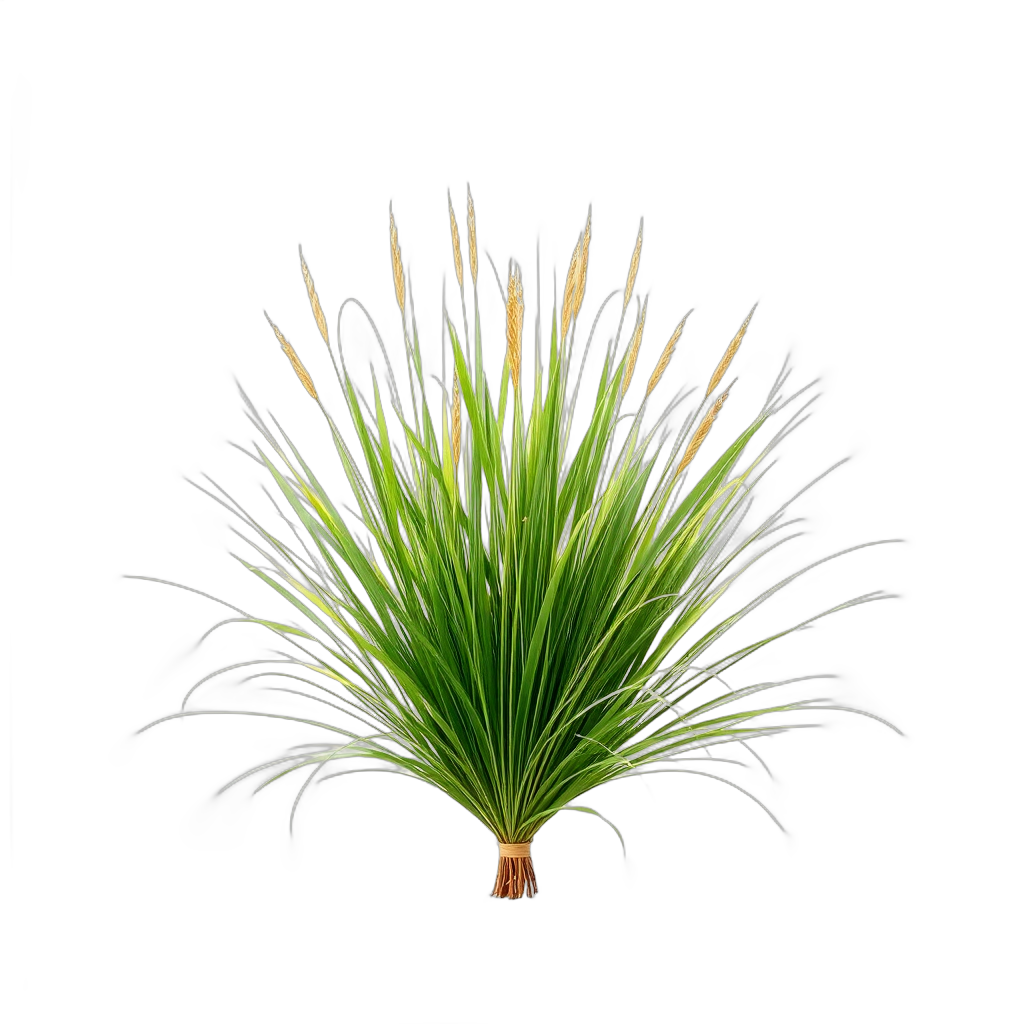
Prairie Cordgrass
Spartina pectinata
grows to 6 feet, blooms in summer. Yellow fall color.
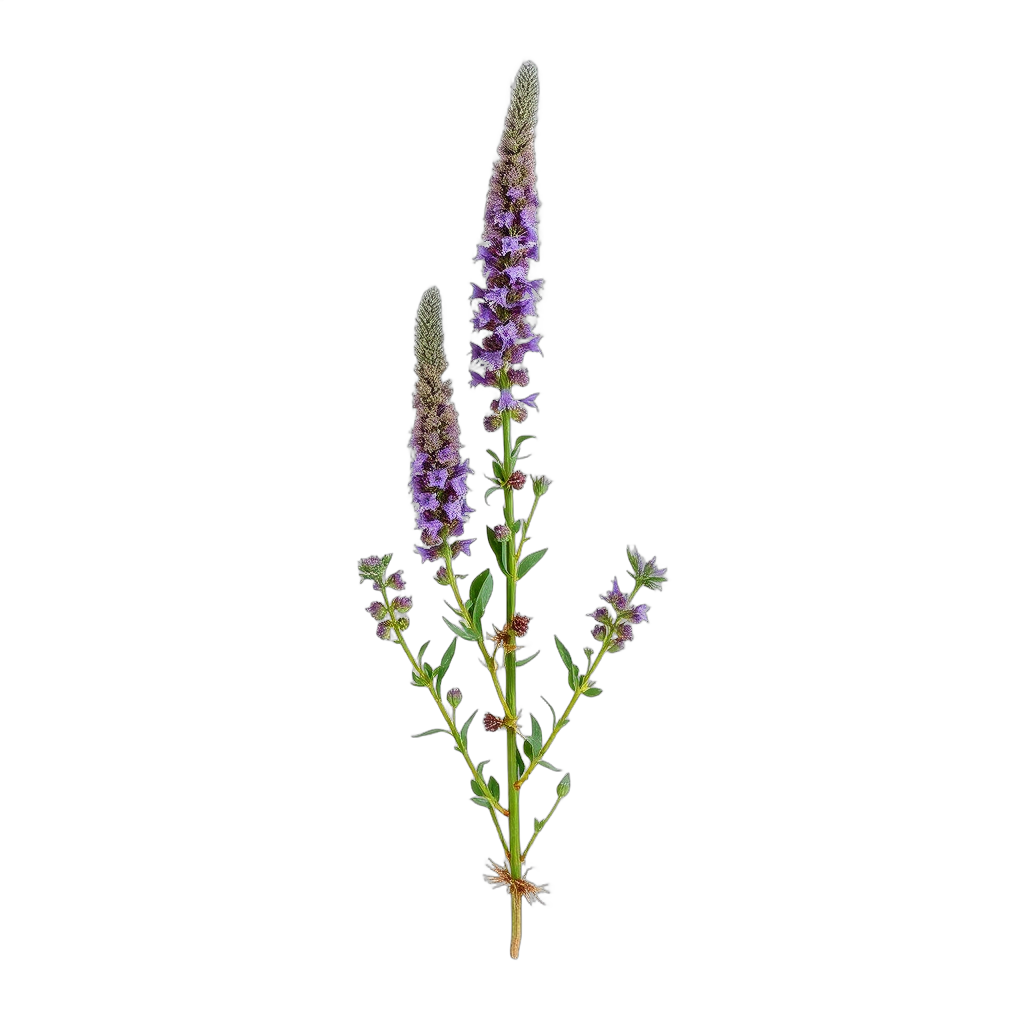
Anise Hyssop
Agastache foeniculum
grows to 3 feet, purple blooms in summer. Attracts hummingbirds.
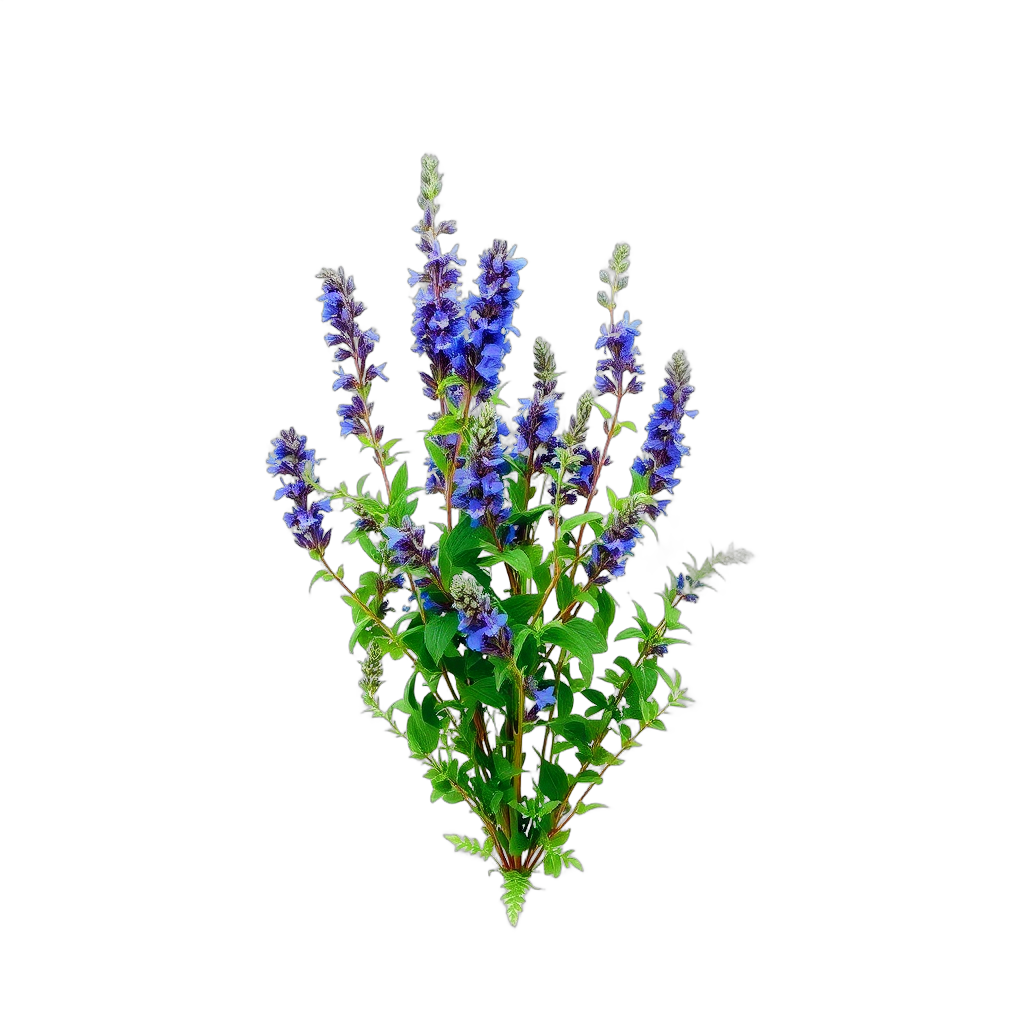
Azure Sage
Salvia azurea
grows to 4 feet, blue blooms in fall. Attracts hummingbirds.
Zone and sun checks come from our database — confirm with your local nursery before you buy.
Bloom Calendar for Lawrence
spring
Blue False Indigo, Foxglove Beardtongue, Golden Alexandersummer
Path Rush, Prairie Cordgrass, Anise Hyssopfall
Azure Sage, Maximilian Sunflower, New England Asterwinter
Limited bloomsDesign Tips for Lawrence (Zone 6b)
- Use warm-season prairie grasses as the backbone: Calamagrostis × acutiflora 'Karl Foerster' and Panicum virgatum 'Shenandoah' handle July highs near 89°F and stand through a 19°F January average low
- Repeat one plant in large groups of five to nine: Echinacea purpurea 'Magnus' or Sporobolus heterolepis 'Tara' read as modern when massed and as messy when scattered
- Raise planting beds 6–8 inches above grade if water stands overnight after a rain: clay holds winter wet that kills Mediterranean plants
- Choose crushed limestone and gravel for paths and parking strips: they drain in a 39-inch rain year and match the pale stone found around Lawrence
- Set steel edging 3/16-inch thick where beds meet turf: it holds a crisp line against mowers and survives freeze-thaw cycles better than plastic
- Install drip irrigation before planting: new grasses and shrubs need regular water through their first summer, and drip keeps foliage dry
- Cut grasses back to 4–6 inches in late February, before the new growth starts around the median last frost on April 12
Where to Source Plants in Lawrence
Skip the big-box stores. These independent Lawrence nurseries specialize in the plants that make modern/minimalist gardens thrive in Zone 6b.
Kaw Valley Greenhouses
Lawrence (23rd & Louisiana)
Family-owned garden center operating since 1967, selling locally grown vegetables, perennials and annuals plus soil and pottery; open as a seasonal garden center from spring into June
Vinland Valley Nursery
Baldwin City (about 12 miles south)
Organically grown perennials, trees, shrubs, native plants, herbs and fruit plants, with bulk compost, topsoil and mulch for pickup
Earl May Garden Center
Lawrence (Iowa St)
Regional garden center chain with trees, shrubs, roses, perennials, ornamental grasses, annuals, seed and lawn care
Modern/Minimalist Landscaping Cost Ranges
| Project Scope | Estimated Cost |
|---|---|
| Poured-concrete patio with gravel joints (250–400 sqft) | $2,600–$5,100 |
| Low-voltage landscape lighting (6 fixtures) | $1,200–$2,000 |
| Composite decking boards, surface only on existing framing (200 sqft) | $4,700–$5,800 |
| AI visualization (ProScapeAI) | Free to start |
National average installed ranges for 2026 from our landscaping price list (Homewyse and other published sources). Prices in Lawrence, KS vary with site, materials and contractor, so get two or three local quotes.
Lawrence Climate & Growing Zone
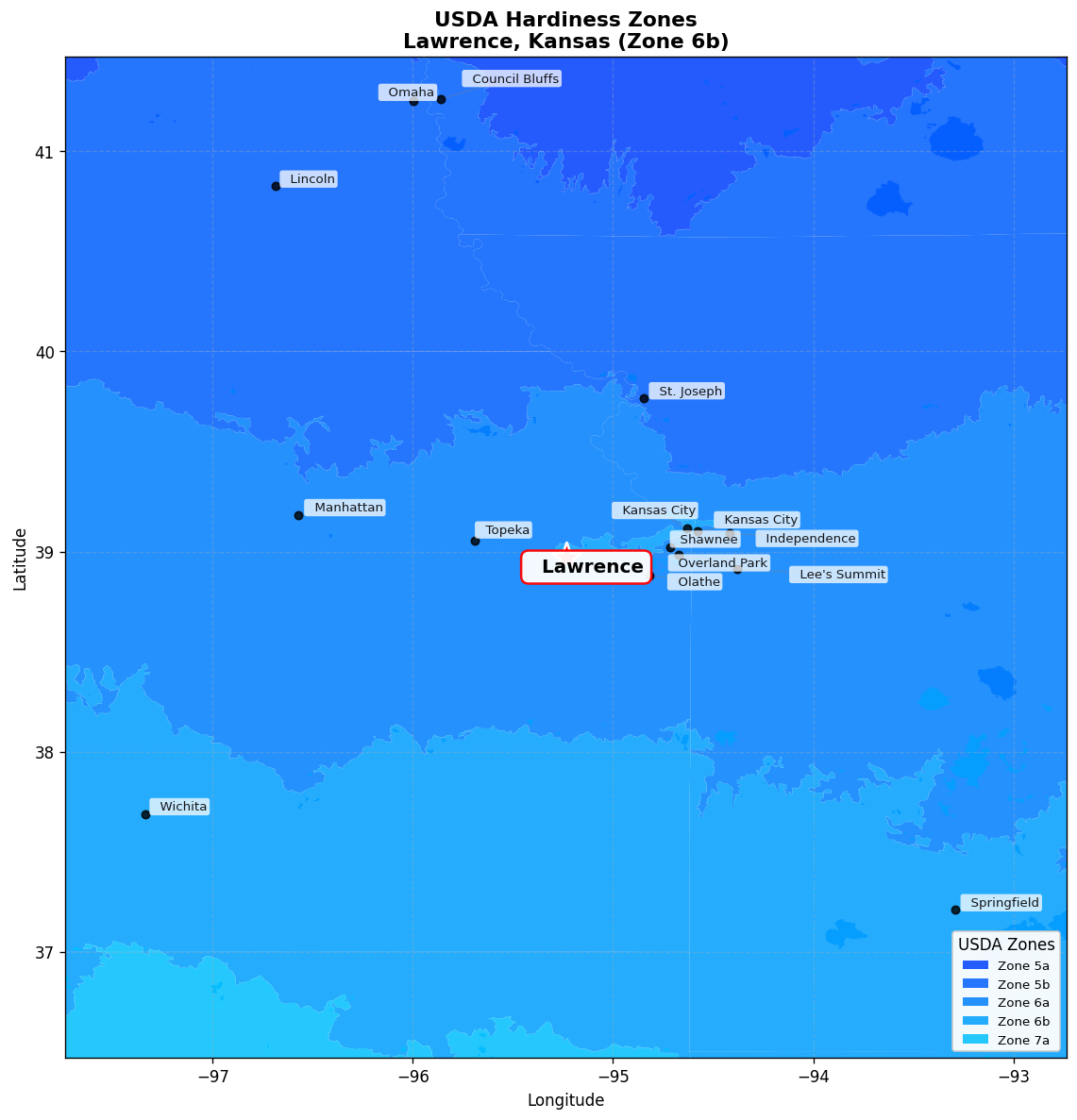
USDA Zone 6b
Hardiness zone for Lawrence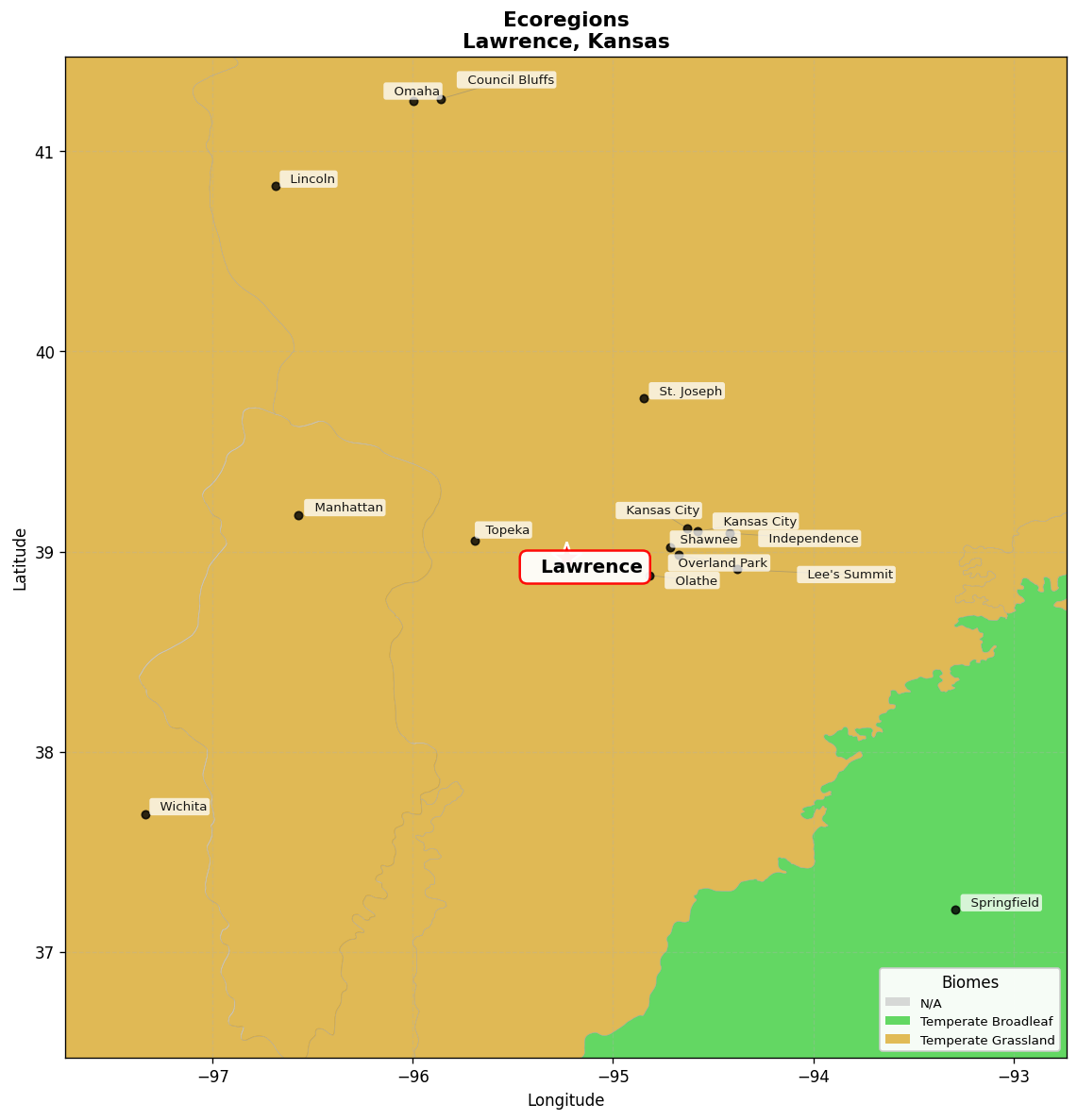
Central Tallgrass prairie
Native ecoregionFrequently Asked Questions
How much does a modern landscape cost in Lawrence, KS?
Costs vary with site, access, materials and local labor rates, so get two or three local quotes before you budget.
Is a modern garden low maintenance in Lawrence's climate?
It can be, if the plants suit the site. Prairie grasses need one cutback in late February and little else. The first summer needs regular drip watering while roots establish, especially when July highs average near 89°F. Heavy clay may need bed building or amending to prevent winter rot, and mulch needs refreshing every couple of years.
What is the best time to plant in Lawrence?
Mid-September through October is ideal, because roots establish before the next summer's heat. April through mid-May is the second window. At the Lawrence NOAA station the median last 32°F frost is around April 12 and the median first frost around October 28, with about 199 growing days between. Avoid midsummer planting without a reliable watering plan.
What survives Lawrence's heat, cold and hail in a modern border?
Prairie-adapted plants do best: Calamagrostis × acutiflora 'Karl Foerster', Panicum virgatum 'Shenandoah', Sporobolus heterolepis 'Tara', Echinacea purpurea 'Magnus' and Salvia nemorosa 'Caradonna'. They handle January lows around 19.4°F on average, July highs near 89°F and spring hail. Lavender, rosemary and many ornamental Mediterranean plants tend to rot in wet clay, so substitute Perovskia atriplicifolia 'Little Spire' for a similar silvery look.
Do I need a permit for a patio, wall or fence in Lawrence?
Requirements depend on the lot, zoning and the type of structure. Fences, retaining walls and anything that changes drainage or sits near a property line or easement can trigger review. Plan the design first, then confirm requirements with the City of Lawrence planning and development services office before construction starts.
Which grasses suit a modern Lawrence yard?
Calamagrostis × acutiflora 'Karl Foerster' gives a tall, vertical accent; Panicum virgatum 'Shenandoah' adds burgundy fall color; Schizachyrium scoparium 'The Blues' is a blue-green mid-height native; Sporobolus heterolepis 'Tara' makes tidy low mounds. All four are warm-season grasses that start growth in late spring and look best from July through winter. Cut them back to 4–6 inches in late February.
Can a modern design handle heavy clay soil?
Yes, if the beds are built for it. Raise planting areas 6–8 inches, use crushed limestone or gravel for paths so water moves through, and select plants known to tolerate clay such as Echinacea purpurea 'Magnus', Amsonia hubrichtii and Panicum virgatum 'Northwind'. Avoid digging deep pits that fill with water. A spade test after a rain shows how long water stands in the soil.