4 Cottage Garden Ideas for Lexington, KY | Bluegrass Cottage Gardens in Zone 6b
Native plants from the Interior Plateau US Hardwood Forests (Zone 6b) — Humid subtropical climate
Why Cottage/English Gardens in Lexington-Fayette?
Lexington sits in the heart of the Interior Plateau US Hardwood Forests ecoregion—the Kentucky Bluegrass region—where Zone 6b winters, 45 inches of annual rainfall, and rich limestone-based soil create one of the most favorable cottage gardening environments in the eastern United States. The Bluegrass region’s limestone bedrock naturally raises soil pH to slightly alkaline levels, which is surprisingly beneficial for cottage favorites like roses, delphiniums, and daylilies that prefer near-neutral to slightly alkaline conditions. The same geology that makes this region ideal for Thoroughbred horses—deep, rich soils over limestone—makes it exceptional for the deep-rooted cottage perennials that build on soil quality over years.
Lexington’s cottage garden tradition is tied directly to its architecture and culture. Chevy Chase, Ashland Park, and the Victorian Village neighborhoods are lined with early 20th-century homes whose generous front porches, wide setbacks, and surrounding gardens create the perfect backdrop for English-inspired cottage planting. The University of Kentucky Arboretum maintains demonstration cottage borders that many Lexington homeowners use as a direct reference for plant selection and planting style. And the city’s equestrian culture translates into a genuine appreciation for lush, well-maintained landscapes—Lexington regularly appears on lists of America’s most beautiful small cities partly because of its residential gardens.
The primary horticultural challenge in Lexington is managing the transition between the city’s harsh winters and hot, humid summers. Zone 6b winters bring regular sub-zero temperatures that stress marginally-hardy cottage plants; summer humidity above 80% promotes fungal diseases on roses and other susceptible species. The solution is selecting cottage plants with demonstrated Zone 6 cold hardiness and strong disease resistance—the Kentucky Cooperative Extension Service and the UK Arboretum are both excellent local resources for trialed variety recommendations.
4 Cottage/English Design Ideas for Lexington-Fayette
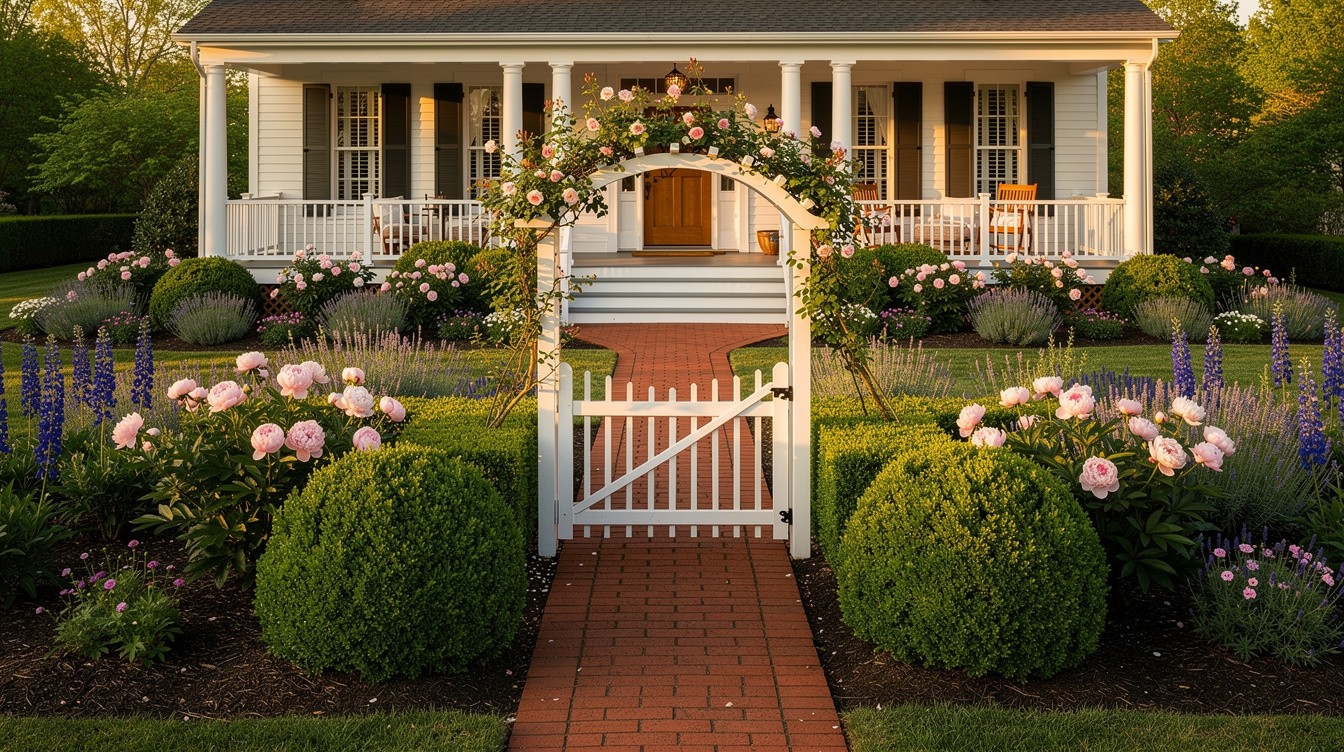
Boxwood-Framed Entry with Roses and Peonies
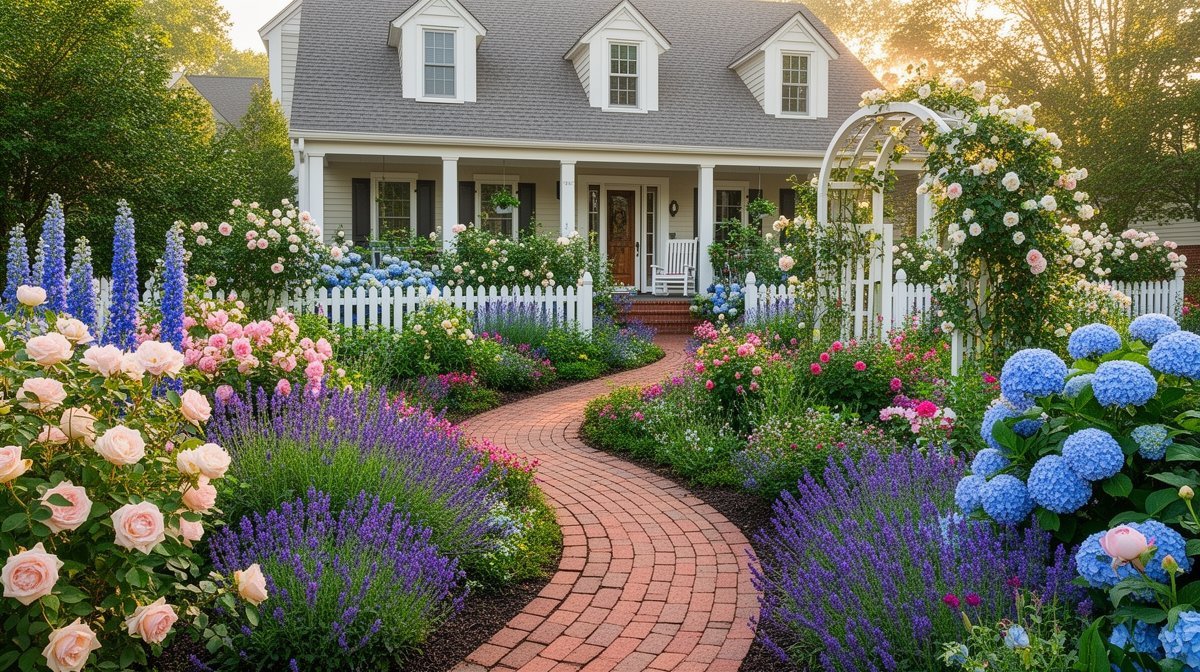
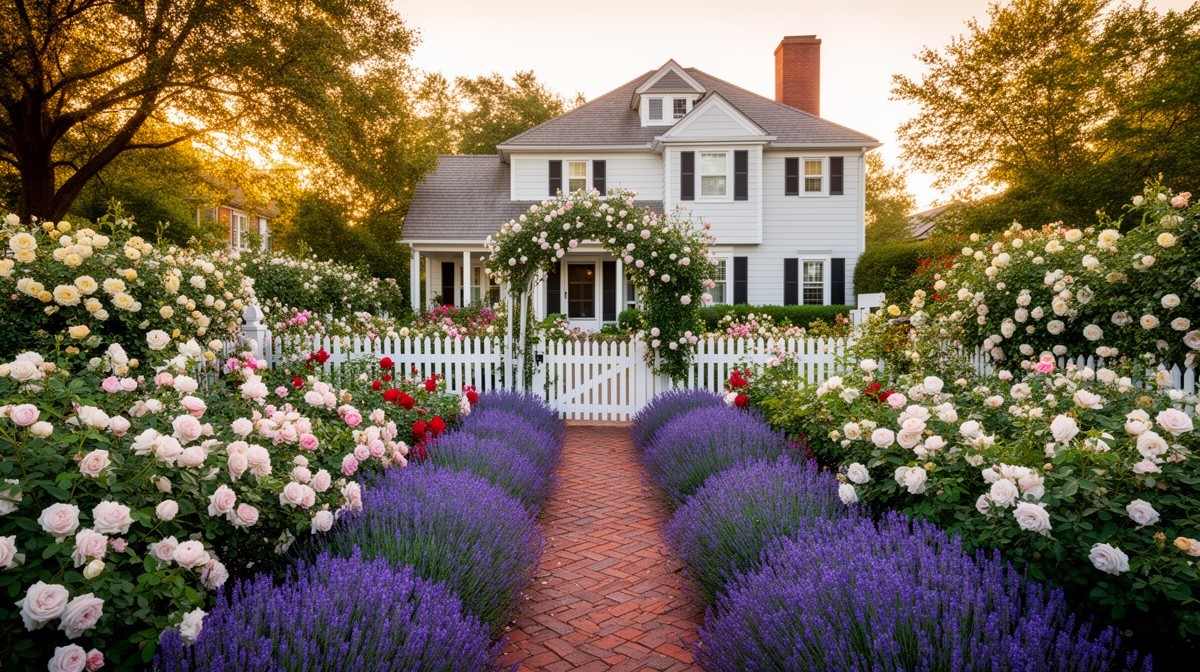
$12–25/sqftA traditional Kentucky cottage entry: clipped boxwood hedges frame a brick path leading to a columned front porch, with climbing roses on a simple white arbor at the gate and mixed cottage borders of peonies, delphiniums, and catmint flanking the walk. The boxwood provides year-round evergreen structure that anchors the cottage design through Lexington’s winter months—the green geometry visible above snow creating the sense of a cared-for garden even in January. When the peonies open in May, the combination of white porches, brick path, climbing roses, and peony borders is the quintessential Chevy Chase front yard.
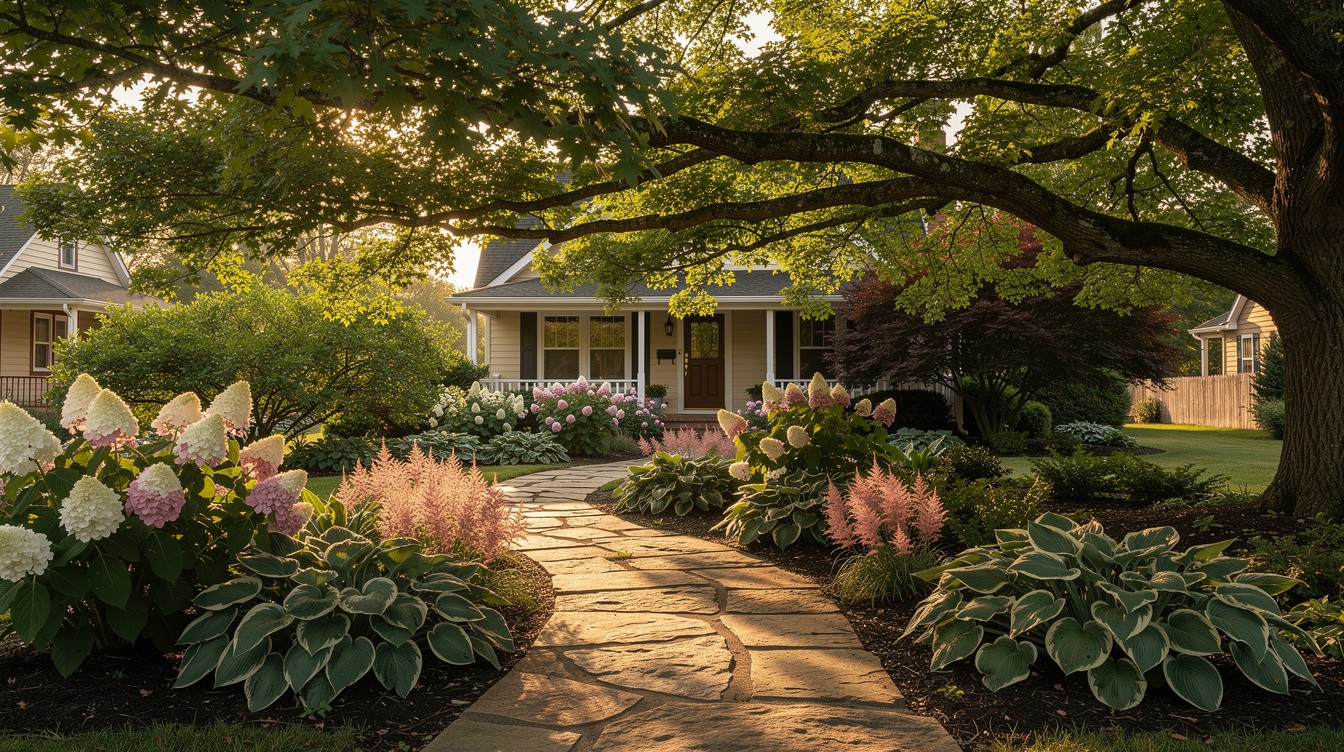
Limestone Path Cottage with Shade Perennials
$10–20/sqftKentucky’s signature building material—native limestone—creates a path through a richly layered shade cottage garden under the canopy of a mature white oak or sugar maple. Oakleaf hydrangeas bloom June through September in the dappled shade; hostas provide bold foliage interest through the summer months; and astilbe spikes add color May and June. In fall, the sugar maple canopy turns vivid red-orange, framing the cottage garden below. The design uses what Lexington’s mature neighborhoods already provide—towering canopy trees—as the primary design asset.
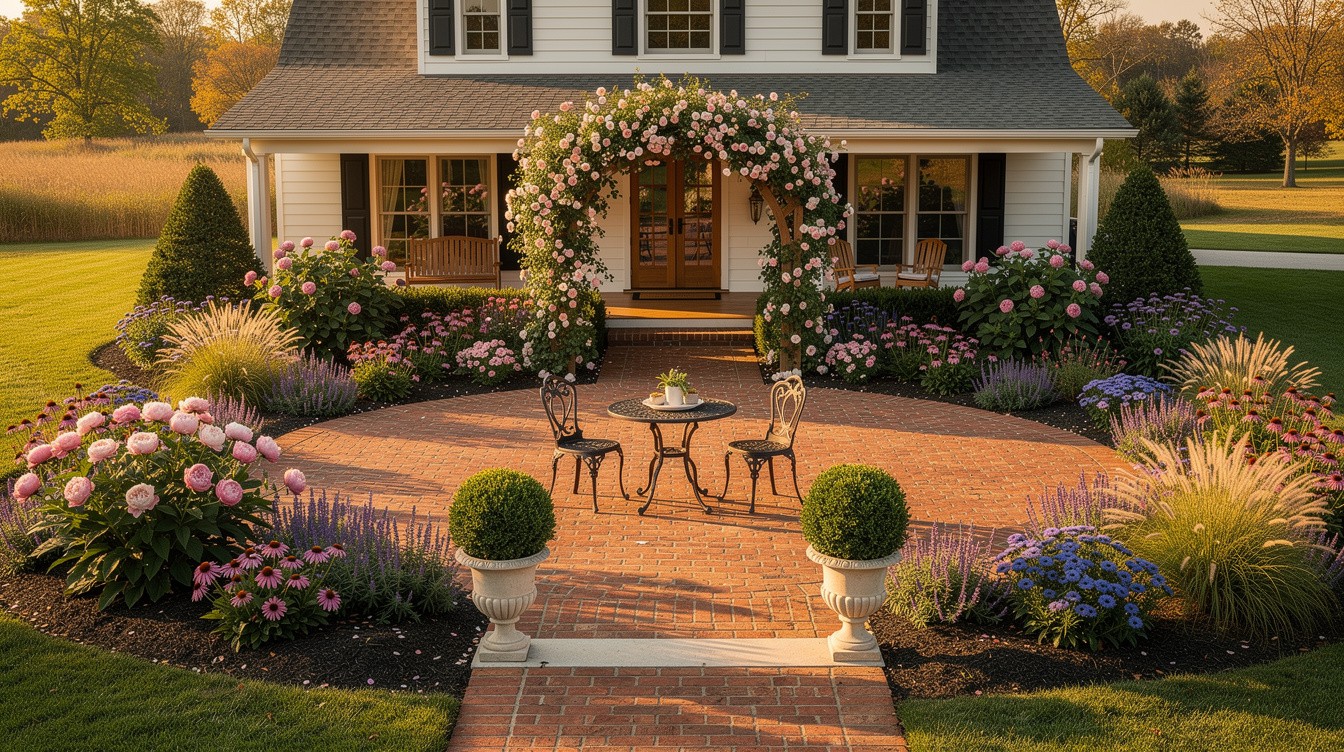
Brick Patio with Rose Arbor and Bluegrass Perennial Borders
$18–38/sqftA generous brick patio at the back of a Lexington craftsman home features a rose-covered arbor entry from the house, with mixed cottage borders of Kentucky’s best performers—peonies in spring, salvias and coneflowers through summer, ornamental grasses and asters in fall—wrapping the patio in a three-season bloom calendar. A cast iron bistro set and potted boxwood topiaries complete the Kentucky cottage atmosphere. The brick patio’s warmth extends outdoor use into October in Lexington’s mild fall—one of the best months in the Bluegrass.
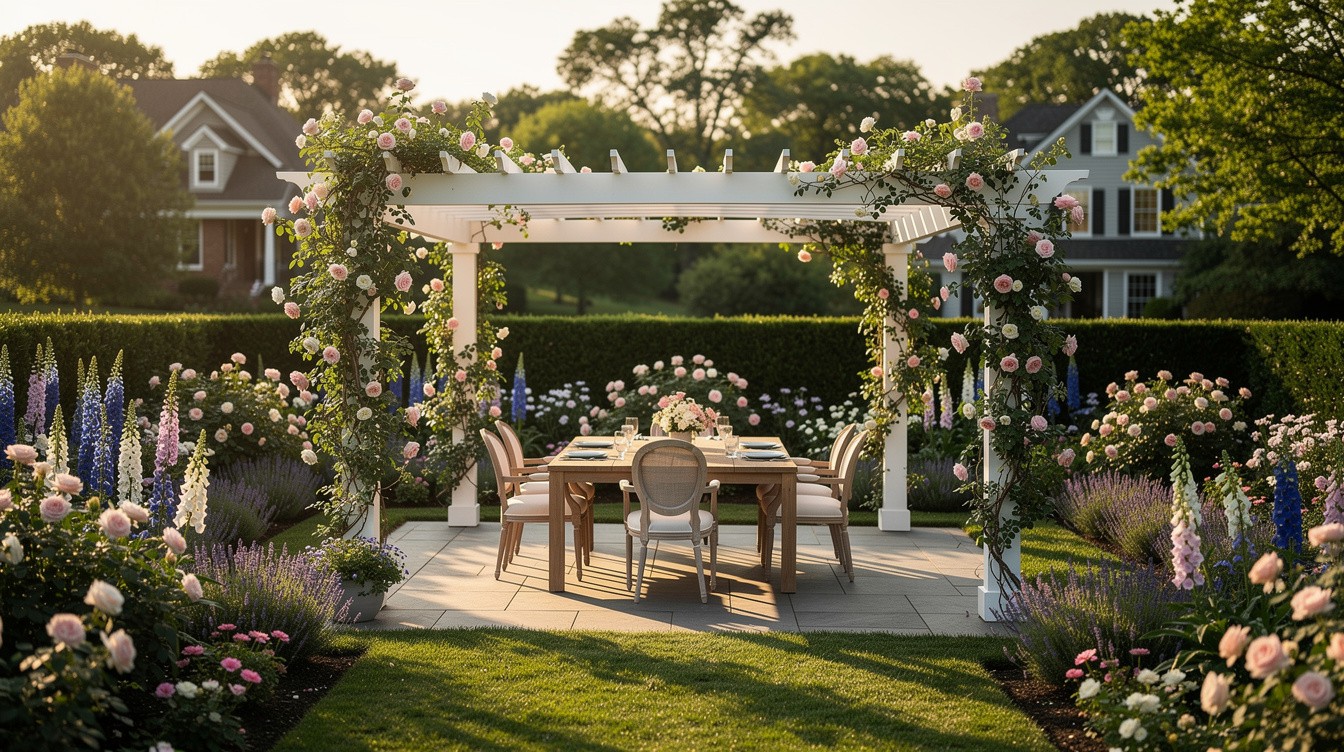
Pergola Garden with English Cottage Borders
$22–48/sqftA white painted wood pergola creates an outdoor dining room in a generous backyard cottage garden—mixed English-style borders of roses, delphiniums, foxgloves, and lavender surrounding a lawn panel, with the pergola and dining table as the focal destination. The design draws on the formal English cottage tradition that Lexington’s equestrian gentry have always loved: generous, abundant, and clearly expensive while appearing effortless. Clematis and climbing roses on the pergola posts provide the vertical flowering element that makes Kentucky cottage gardens feel complete.
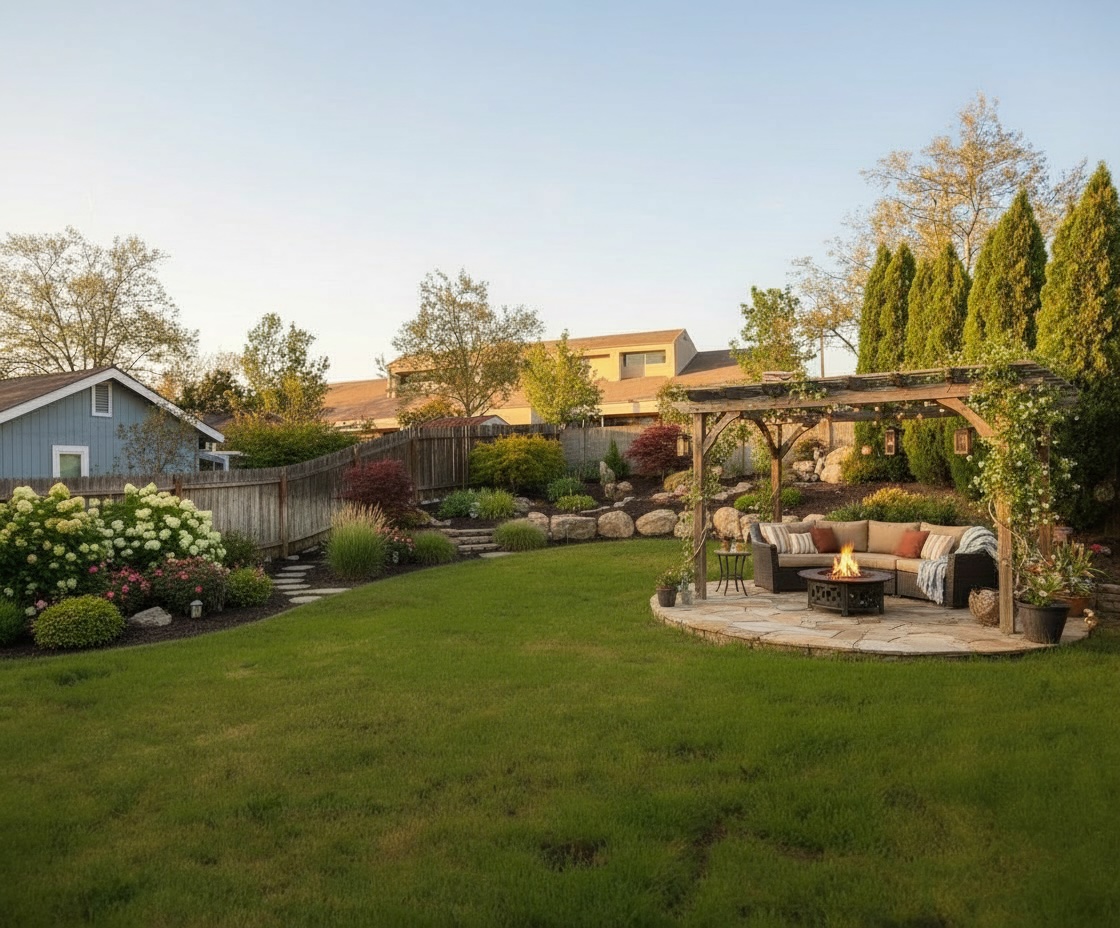
See how a cottage/english garden looks on YOUR property
Upload a photo of your Lexington-Fayette yard and visualize your dream garden in seconds.
Try ProScapeAI Free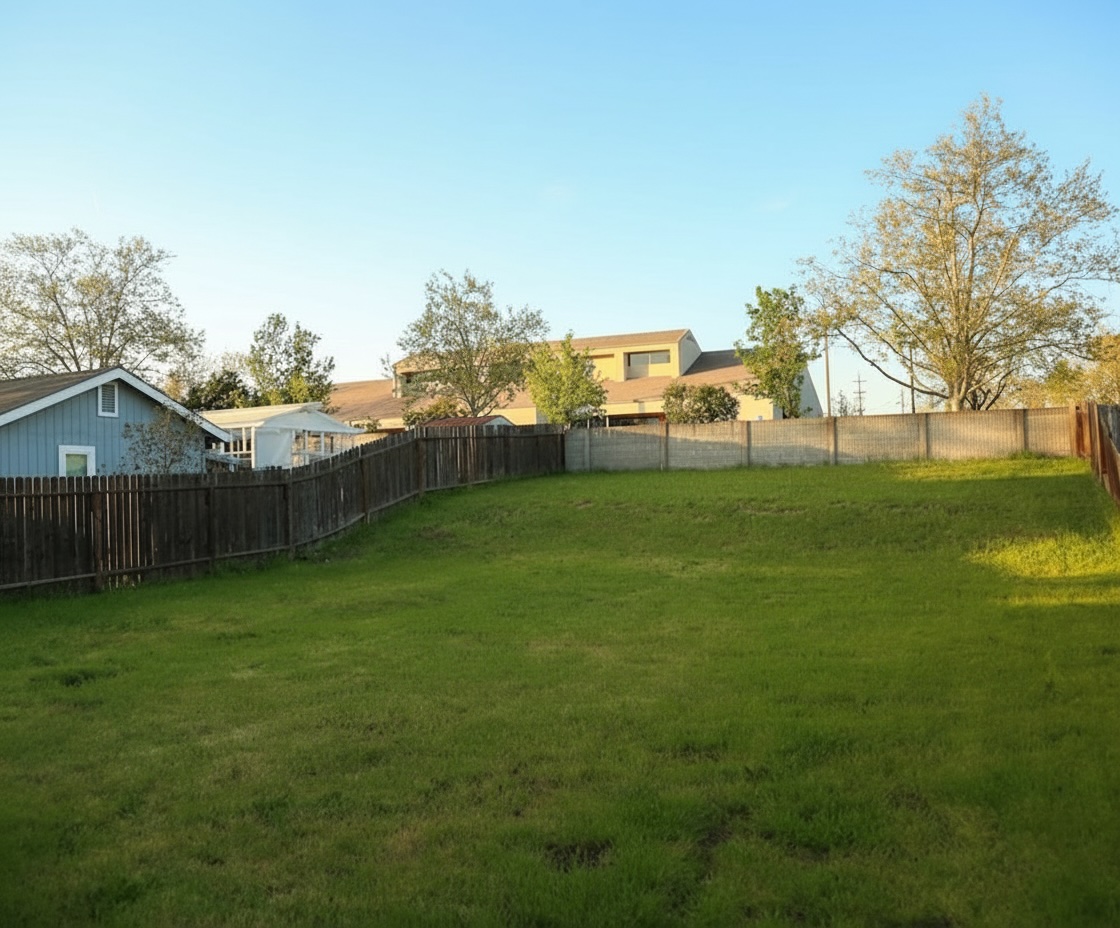
Featured Trees & Shrubs for Cottage/English Gardens
Browse all 173 plants for Lexington-Fayette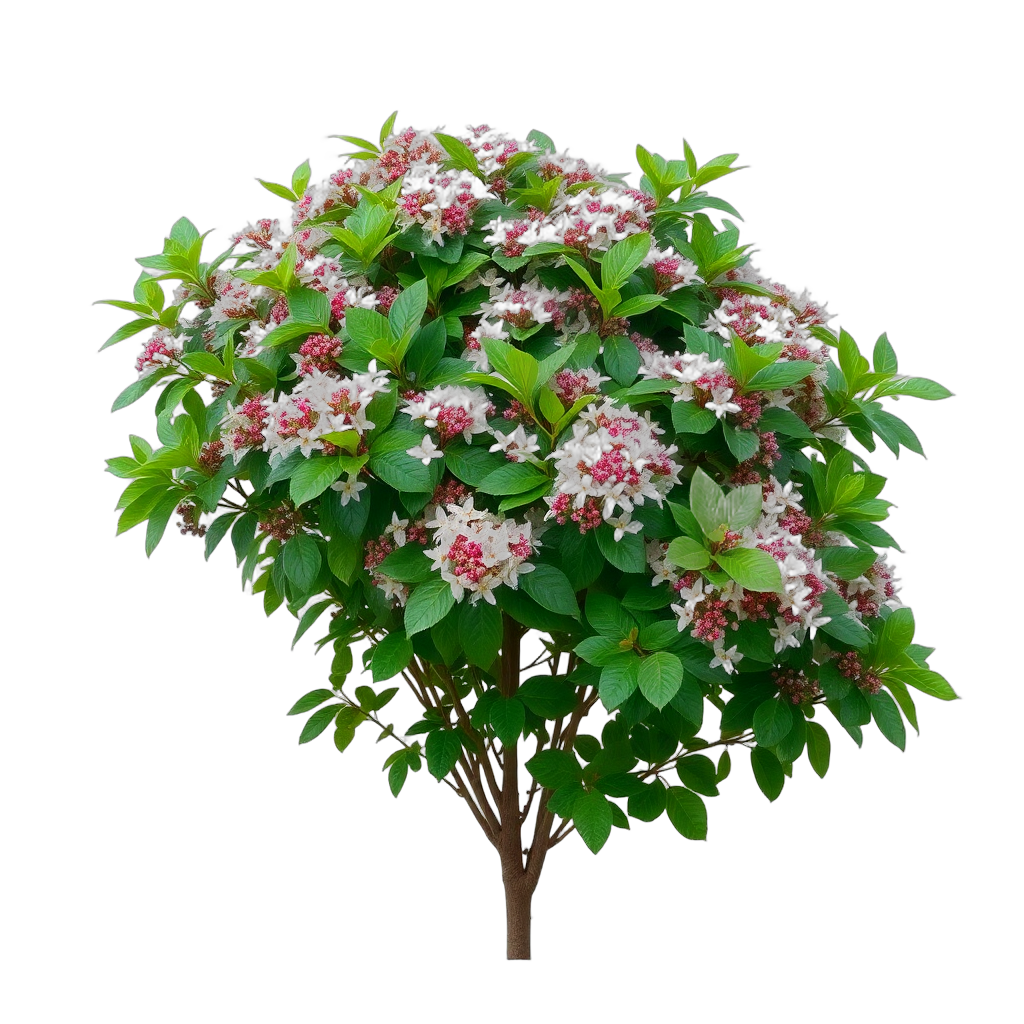
Blackhaw Viburnum
Viburnum prunifolium
medium-sized at 12 feet, white blooms in spring. Pollinator-friendly.
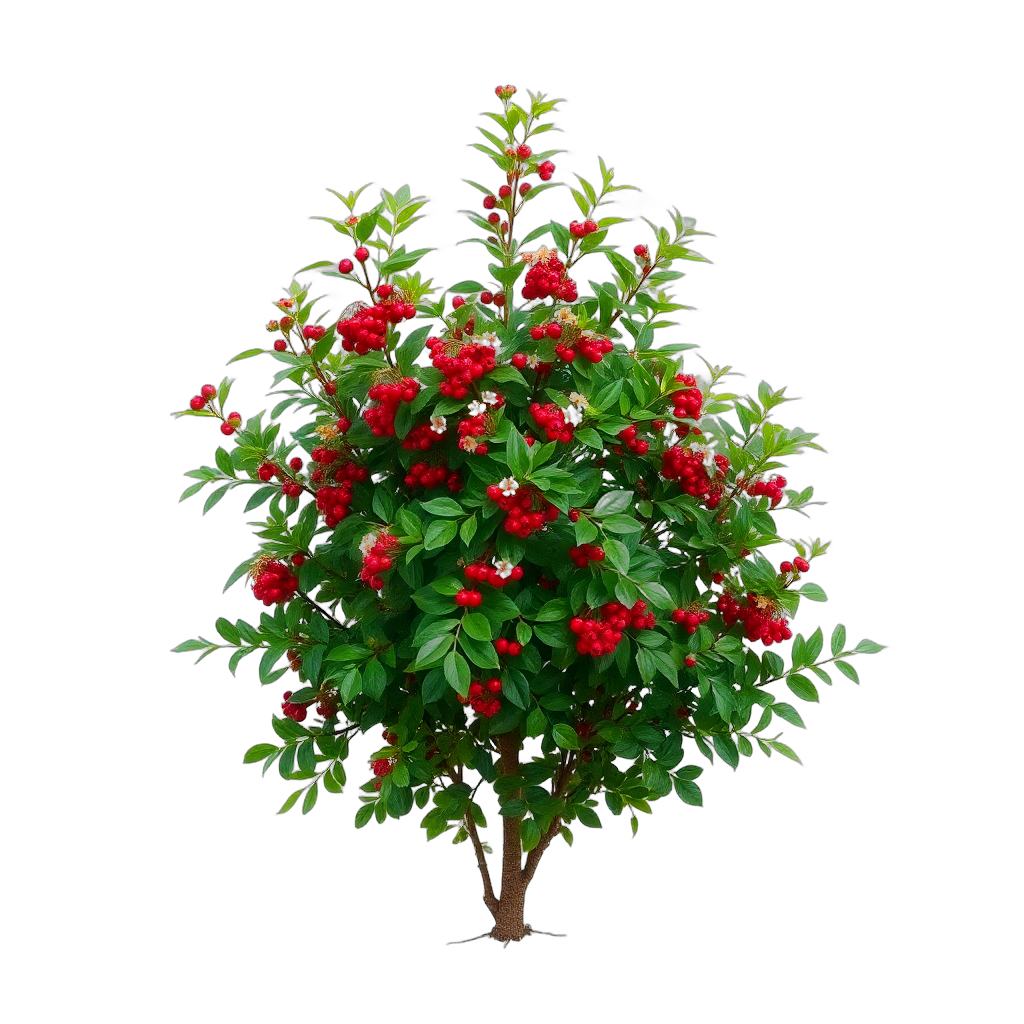
Coralberry
Symphoricarpos orbiculatus
grows to 6 feet, pink blooms in summer. Pollinator-friendly.

Shrubby St. John's Wort
Hypericum prolificum
grows to 4 feet, yellow blooms in summer. Pollinator-friendly.

Vernal Witch Hazel
Hamamelis vernalis
medium-sized at 8 feet, yellow blooms in spring. Pollinator-friendly.
Featured Grasses & Groundcovers for Cottage/English Gardens
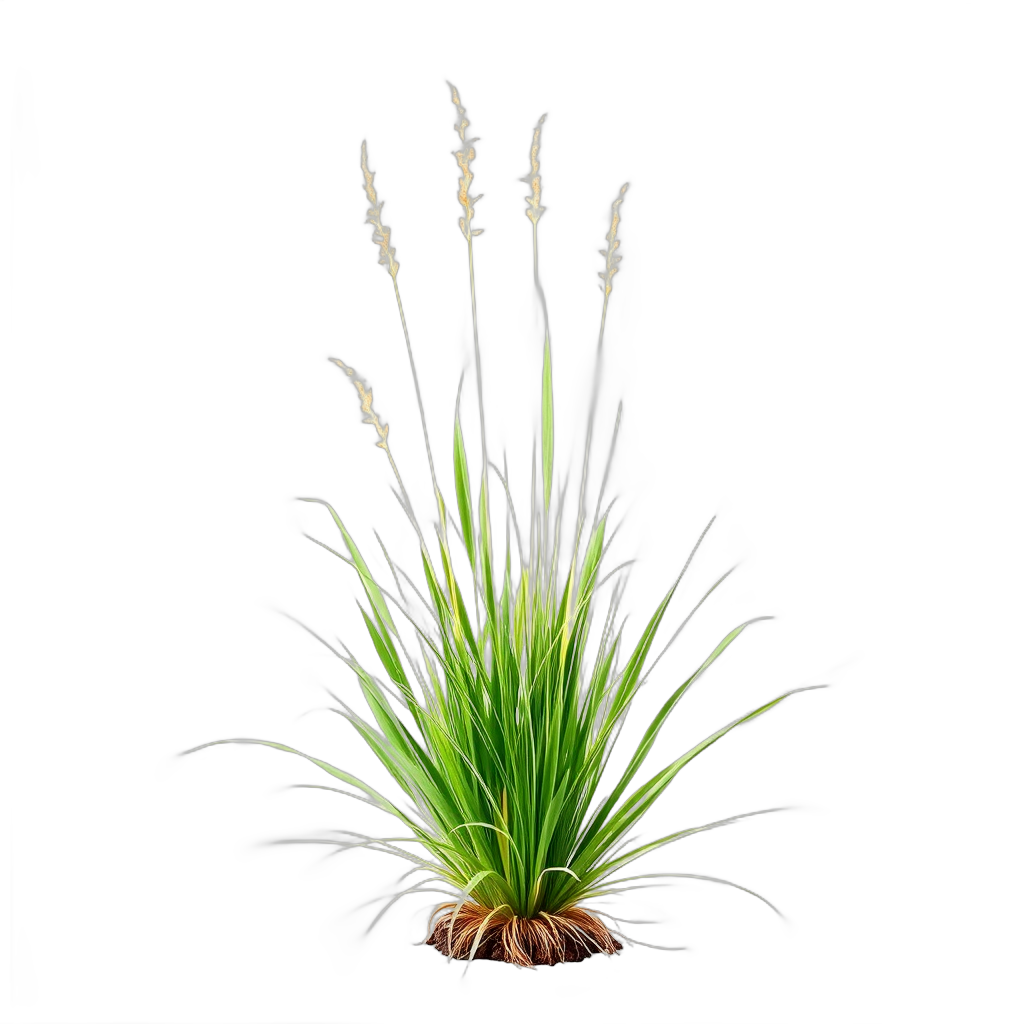
Northern Sea Oats
Chasmanthium latifolium
grows to 4 feet, blooms in fall. Bronze fall color.

Dwarf Fernleaf Bamboo
Pleioblastus distichus
low-growing ground cover, blooms in none. Evergreen year-round.
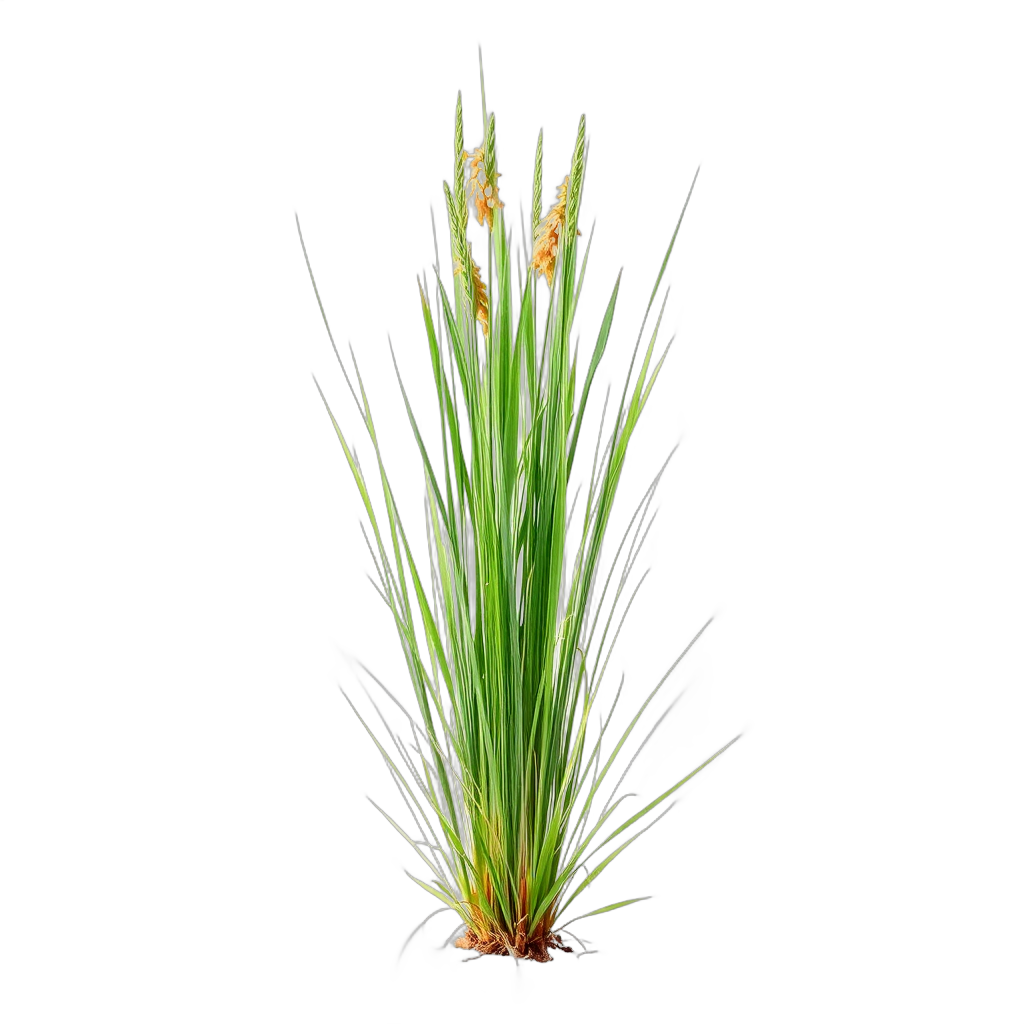
Eastern Gamagrass
Tripsacum dactyloides
grows to 6 feet, blooms in summer. Yellow fall color.

Large-leaf Bamboo
Indocalamus tessellatus
grows to 5 feet, blooms in none. Evergreen year-round.
Featured Flowers & Perennials for Cottage/English Gardens
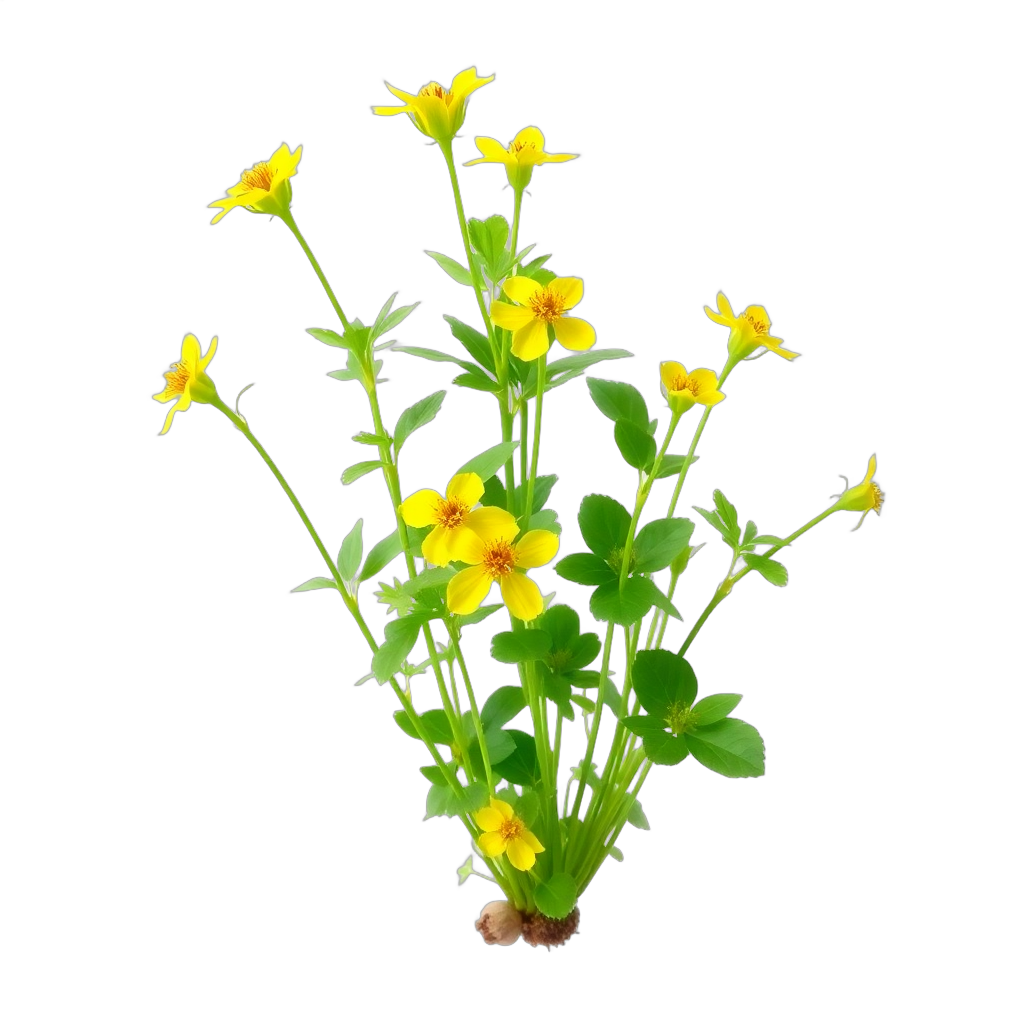
Celandine Poppy
Stylophorum diphyllum
low-growing ground cover, yellow blooms in spring.
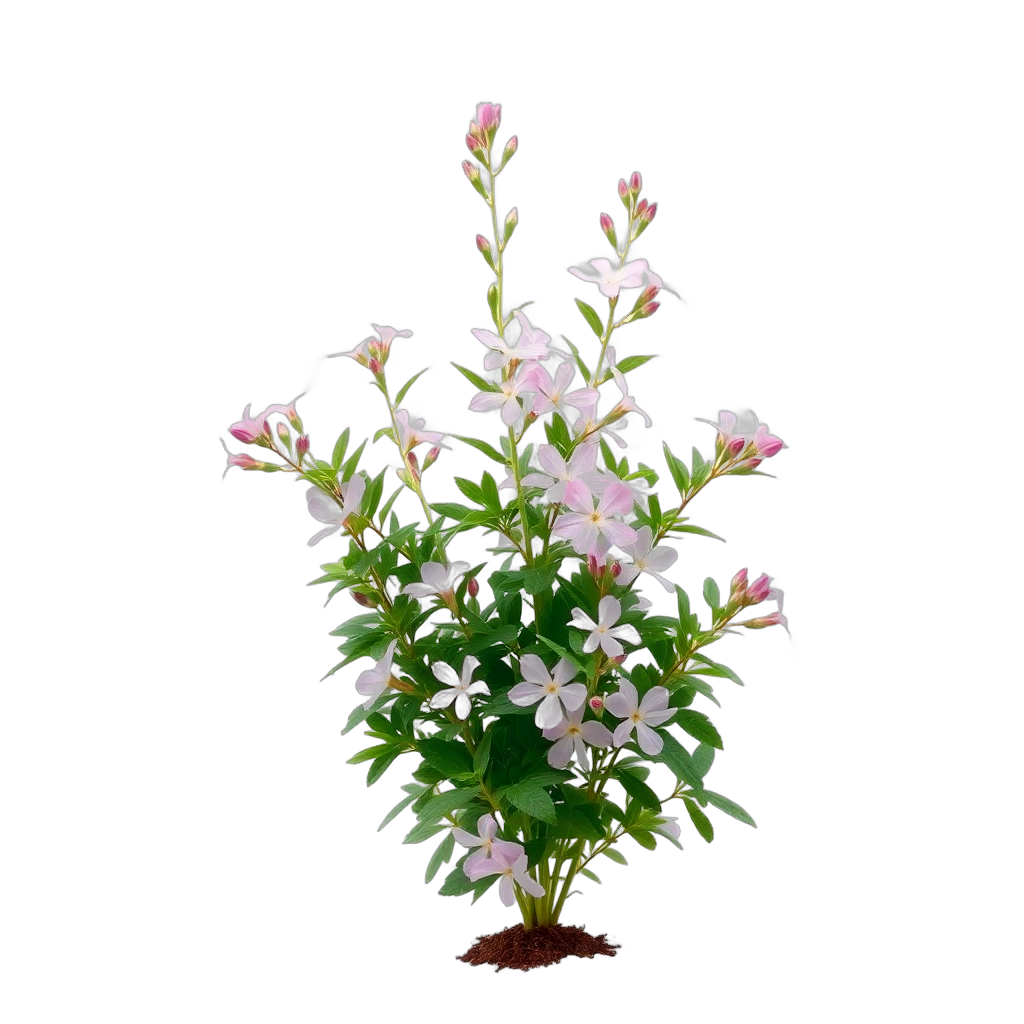
Garden Phlox
Phlox paniculata
grows to 3 feet, multi blooms in summer. Attracts hummingbirds.
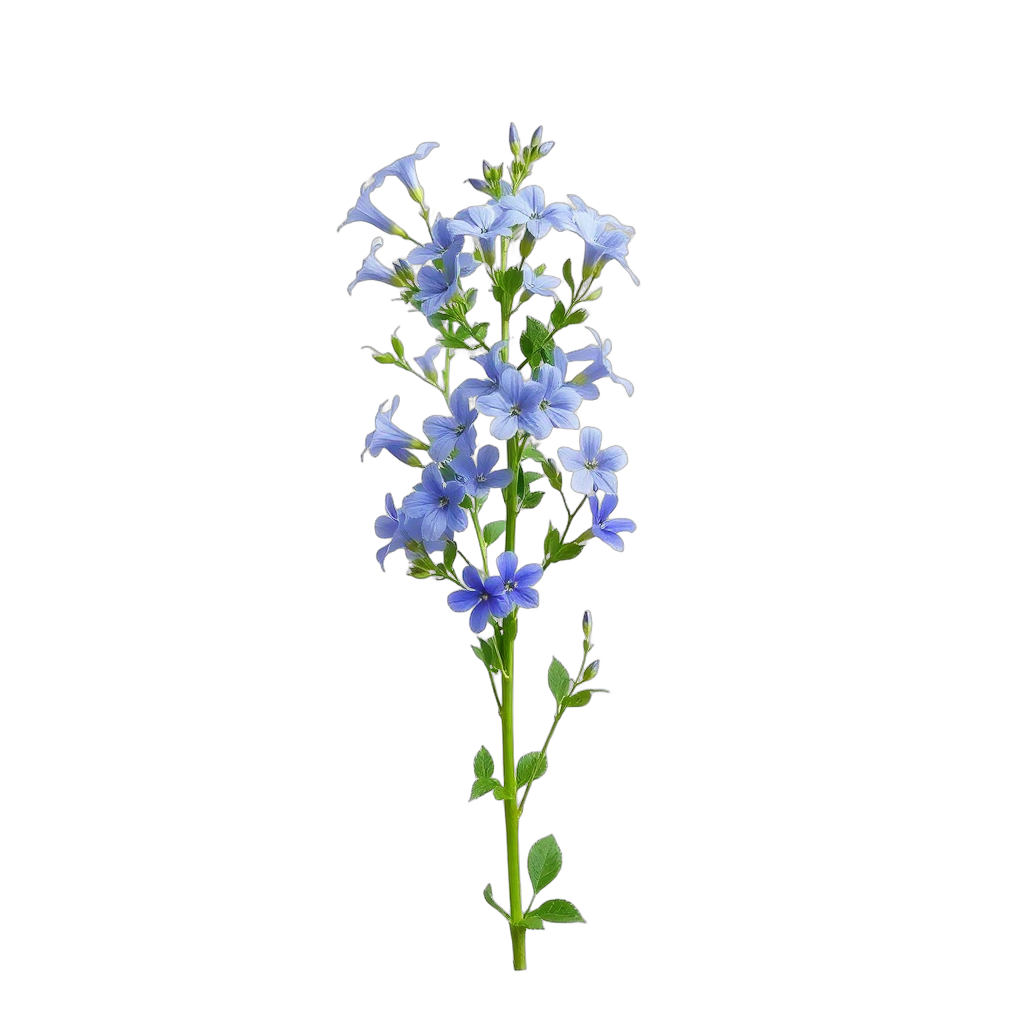
Wild Blue Phlox
Phlox divaricata
low-growing ground cover, blue blooms in spring. Attracts butterflies.

Parrot's Feather
Myriophyllum aquaticum
grows to 3 feet, white blooms in summer. Evergreen year-round.
Zone and sun checks come from our database — confirm with your local nursery before you buy.
Bloom Calendar for Lexington-Fayette
spring
Celandine Poppy, Wild Blue Phlox, Blackhaw Viburnumsummer
Garden Phlox, Coralberry, Shrubby St. John's Wortfall
Northern Sea Oatswinter
Limited bloomsDesign Tips for Lexington-Fayette (Zone 6b)
- Use Kentucky native limestone for paths rather than imported flagstone—it’s the authentic Bluegrass material, visually warm and appropriate to the region’s character, and locally available at lower cost than imported stone
- Choose blight-resistant boxwood varieties—‘NewGen Independence’ or Japanese boxwood—rather than the traditional English boxwood that dominates older Lexington cottage gardens; blight-resistant varieties provide identical visual character with dramatically lower loss risk
- Plant peonies in October rather than spring—Lexington’s Zone 6b winters provide exactly the cold stratification peonies need for reliable bloom, and fall-planted peonies bloom their first spring while spring-planted ones typically skip their first year
- Use the UK Arboretum’s plant trials data for variety selection—the University of Kentucky systematically tests cottage perennials for Zone 6b performance and the results are freely available online, providing regionally-specific guidance no national list can match
- Include garden phlox as a key summer cottage plant—choose mildew-resistant cultivars like ‘David’, ‘Jeana’, or ‘Shortwood’ to avoid the powdery mildew that ruins unsuspecting varieties in Lexington’s humid summers, and space plants generously for air circulation
- Install fall-blooming ornamental grasses and asters at the back of cottage borders to extend the display into October and November—Lexington’s spectacular fall foliage season makes the garden most beautiful in autumn, and late-season plants capitalize on that backdrop
Where to Source Plants in Lexington-Fayette
Skip the big-box stores. These independent Lexington-Fayette nurseries specialize in the plants that make cottage/english gardens thrive in Zone 6b.
Michler’s Florist & Greenhouses
Chevy Chase
Lexington’s beloved independent nursery in the heart of Chevy Chase—exceptional cottage plants, roses, perennials, and design expertise
Kentucky Wholesale Nursery
Georgetown (north of Lexington)
Wholesale and retail nursery with large selection of Bluegrass-adapted cottage shrubs, trees, and perennials
Nature Hills Nursery
Online shipping to Lexington
Large online nursery with excellent selection of Zone 6b-rated cottage perennials shipped directly to Lexington homes
Four Seasons Nursery
Lexington
Full-service local nursery with cottage plants, perennials, and knowledgeable staff familiar with Bluegrass planting conditions
Anderson’s Nursery
Lexington
Family-owned nursery with strong perennial and cottage shrub selection, serving Lexington gardens since 1975
Cottage/English Landscaping Costs in Lexington-Fayette
| Project Scope | Estimated Cost |
|---|---|
| Boxwood-framed entry with brick path, rose arbor, and peony borders | $10,000 – $22,000 |
| Shade cottage garden with limestone path and mixed perennial borders | $7,000 – $18,000 |
| Brick patio with rose arbor and three-season cottage border planting | $18,000 – $40,000 |
| Pergola dining garden with English cottage borders | $20,000 – $50,000 |
| Boxwood hedging installation (50 linear feet, established plants) | $2,500 – $6,500 |
| Annual cottage garden maintenance (mulching, pruning, dividing) | $1,200 – $2,800/year |
| AI visualization with ProScapeAI | Free to start |
Estimates based on Lexington-Fayette, KY-area contractor rates as of 2026. Actual costs vary by site conditions, materials, and contractor.
Lexington-Fayette Climate & Growing Zone
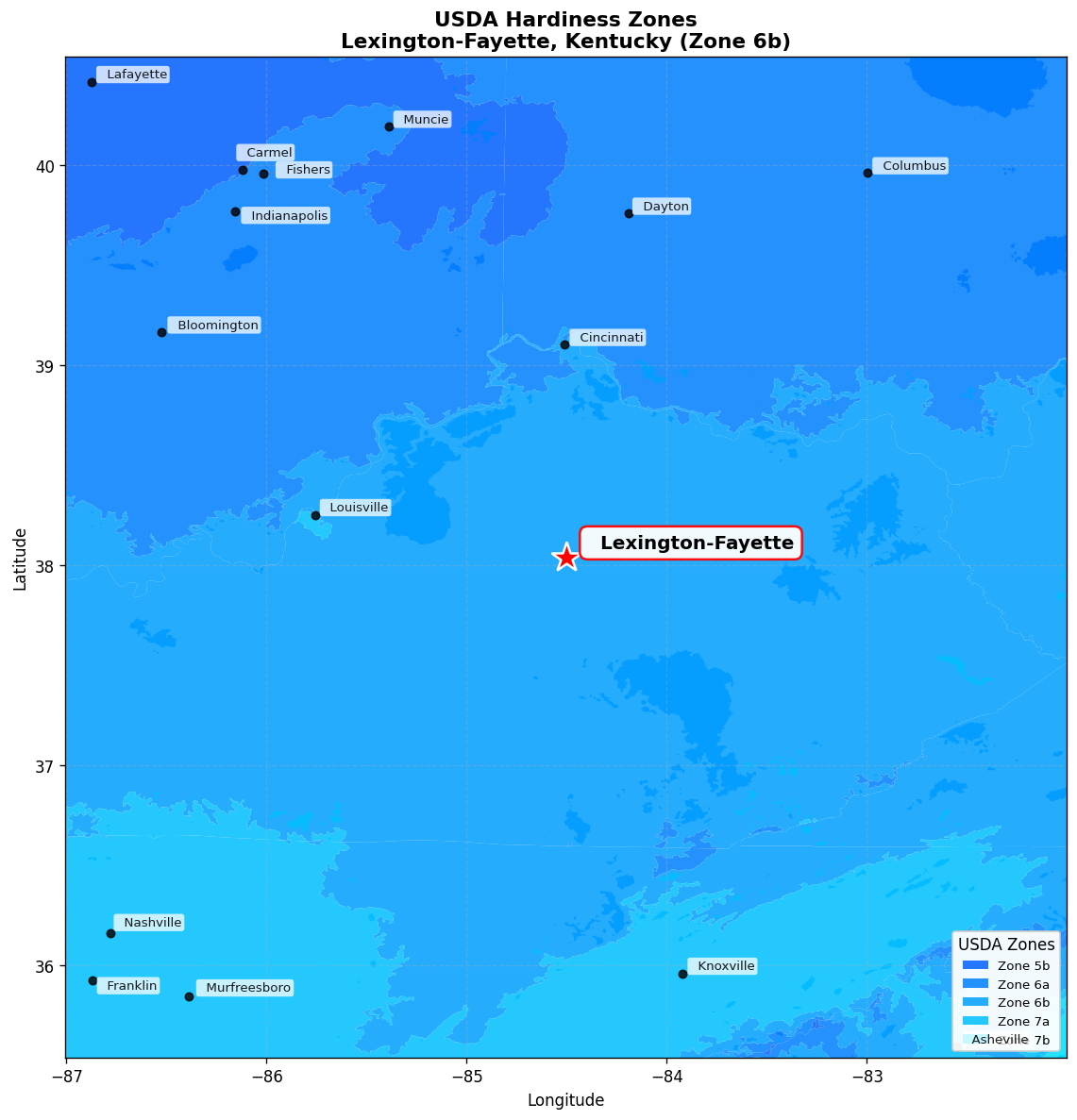
USDA Zone 6b
Hardiness zone for Lexington-Fayette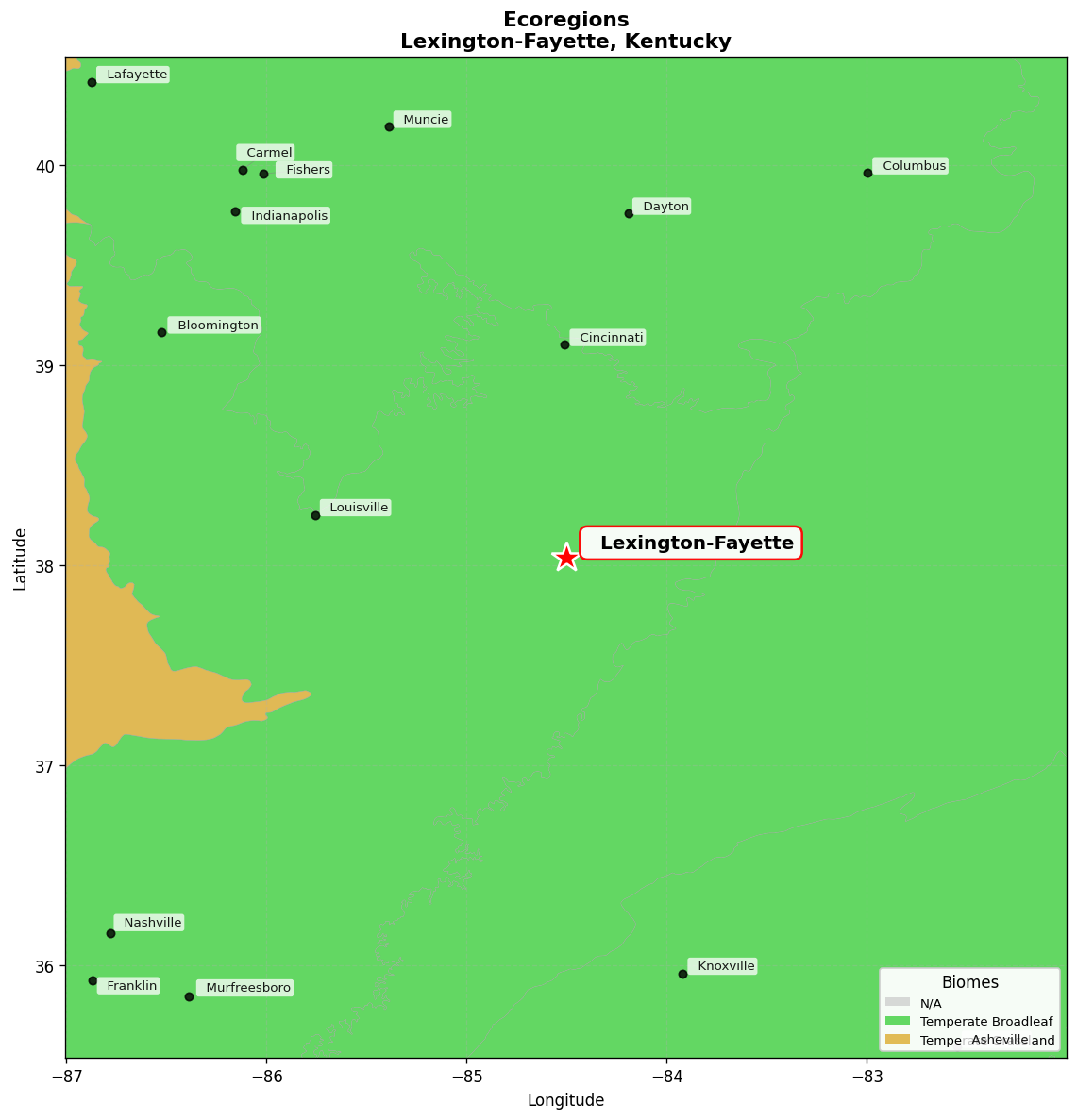
Interior Plateau US Hardwood Forests
Native ecoregionFrequently Asked Questions
What cottage plants grow best in Lexington’s Zone 6b Bluegrass limestone soil?
Lexington’s limestone-based soil is a genuine advantage for many cottage plants. Top performers: peonies (exceptional in Bluegrass limestone—some plants persist 50+ years in Lexington gardens), boxwood (the traditional Kentucky cottage hedge, thriving in alkaline-adjacent soil), daylilies (extraordinarily adaptable, bloom June–September), Knock Out roses (disease-resistant, reliable in Zone 6b), garden phlox (semi-native, tolerates Kentucky humidity better than many perennials), hostas (excellent shade performers), oakleaf hydrangeas (native to the region, blooms June–September), and astilbe (reliably perennial in Zone 6b with adequate moisture). The UK Cooperative Extension publishes a comprehensive list of Zone 6b perennials trialed in Lexington conditions.
How do I protect roses through Lexington’s Zone 6b winters?
Zone 6b winters regularly bring temperatures to −5 to −10°F—below the hardiness limit of many traditional cottage roses. Strategies: choose roses rated Zone 5 or 6 (not Zone 7 or warmer), including hardy Knock Out series, Canadian Explorer series roses (bred for Zone 3–4 hardiness), and own-root David Austin varieties; apply a 6-inch mound of compost or wood chips over the graft union of grafted roses after Thanksgiving; in very cold sites, consider adding a foam rose cone for the most tender varieties through February. Climbing roses in Zone 6b benefit from being laid down against the house foundation and covered with leaves—the house foundation provides significant thermal protection.
When is the best planting time for Lexington cottage gardens?
Fall (September–November) is ideal for perennials, roses, shrubs, and bulbs. Lexington’s mild fall allows root establishment before winter dormancy, and spring emergence from fall-planted specimens is consistently stronger than spring-planted equivalents. Peonies must be planted in fall for reliable bloom. Spring (March–May) works for annuals and warm-season perennials. Avoid planting tender specimens after mid-October—Zone 6b’s first frost (average October 15–20) leaves insufficient time for new root establishment before hard freeze.
Do delphiniums grow well in Lexington?
Delphiniums are challenging in Lexington’s hot, humid climate—they prefer cooler temperatures and drier air than Kentucky typically provides in summer. They can succeed in Lexington with care: plant in fall in well-draining, compost-amended soil; ensure full sun and excellent air circulation to reduce fungal pressure; deadhead promptly after the first bloom flush to encourage reblooming; and divide clumps every 3 years to maintain vigor. Pacific Giant hybrid series are the most heat-tolerant delphiniums for Zone 6b. Alternatively, annual larkspur (Consolida) provides similar spire color with less maintenance pressure and actually naturalizes in Kentucky’s limestone soil.
How do I manage boxwood blight in Lexington cottage gardens?
Boxwood blight (Calonectria pseudonaviculata) has become a significant concern in Kentucky cottage gardens. Prevention strategies: avoid boxwood in areas with poor air circulation or overhead irrigation; choose resistant varieties like ‘NewGen Independence’, ‘NewGen Freedom’, or Japanese boxwood (Buxus microphylla var. japonica) over the highly susceptible English boxwood (B. sempervirens) widely planted in older Lexington gardens; disinfect pruning tools between cuts; and remove all fallen leaves from under boxwood immediately as the blight pathogen persists in leaf debris. If blight appears, remove infected branches, improve air circulation by thinning, and apply a registered fungicide on a preventative schedule in spring.
How much does a cottage garden installation cost in Lexington?
Lexington landscaping costs are moderate by Midwest standards, reflecting Kentucky’s reasonable labor rates and material costs. A boxwood-framed cottage entry with brick path and rose arbor typically costs $10,000–22,000. A shade cottage garden with limestone path and perennial borders runs $8,000–18,000. A brick patio with rose arbor and cottage borders ranges $18,000–40,000. A pergola cottage garden runs $20,000–50,000. Annual maintenance for an established Lexington cottage garden (mulching, pruning boxwood twice annually, dividing perennials every 3–5 years) runs $1,200–2,800/year.