4 Modern Garden Ideas for Lincoln, NE | Contemporary Prairie Landscape for Zone 6a
Native plants from the Central Tallgrass prairie (Zone 6a) — Humid continental (hot summer) climate
For a modern garden in Lincoln, NE, a zone 6a city with a humid continental (hot summer) climate, start with Little bluestem (mass planting), prairie dropseed (edging) and switchgrass accent, the plants this guide's first design is built on.
Why Modern/Minimalist Gardens in Lincoln?
Lincoln’s modern landscape movement takes its cues from the prairie itself: vast horizontal sweeps, repetitive grasses moving in the wind, and a color palette of green, gold, and copper. Contemporary landscape designers working in Lincoln have found that the Central Tallgrass Prairie’s native plant palette translates beautifully into minimalist design: ornamental grasses in mass plantings, rectilinear concrete hardscape, and a restrained three-species plant palette create outdoor spaces that feel both contemporary and deeply rooted in Nebraska’s landscape.
Lincoln’s growing tech and university economy has produced a wave of younger homeowners in neighborhoods like Fallbrook, Southwest Lincoln, and the new subdivisions along Rokeby Road who are interested in modern homes with landscapes that match. The old Nebraska default (bluegrass lawn, foundation shrubs, maple tree) is giving way to concrete, steel edging, and native grasses that deliver visual interest through all four seasons with a fraction of the maintenance.
Lincoln’s winters test every hardscape material selection, and the modern landscape demands materials that hold up to Zone 6a’s freeze-thaw cycles. Concrete, natural stone, and Corten steel are the right choices: they age beautifully through Nebraska winters and read as intentional in the spring. Native grasses like little bluestem, switchgrass, and prairie dropseed add the movement and seasonal color change that makes a minimalist Lincoln garden feel alive rather than barren.
4 Modern/Minimalist Design Ideas for Lincoln

AI-generated image
The Concrete and Grass Entry
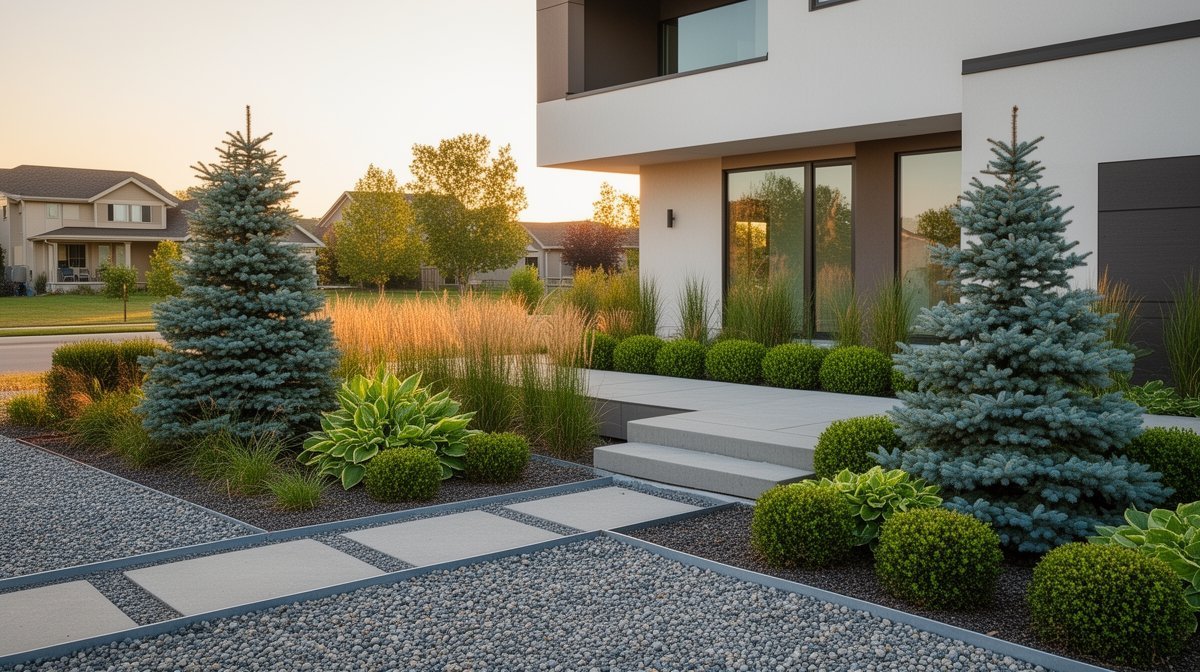
$12–20/sqftA modern front yard defined by large concrete pavers set in a grid pattern with ornamental grass plantings between the paving units. Little bluestem is massed in rectangular steel-edged beds flanking the front walk, its blue-green summer color transitioning to brilliant copper-orange by October. The house facade is a contemporary design with horizontal lines, and the rectilinear paving echoes the architecture. Zero lawn, zero curved lines, zero ornamental flower borders, just the graphic contrast of concrete, steel, and grass.

AI-generated image
The Prairie Grid Garden
$10–18/sqftA front yard divided into a geometric grid of rectangular planting zones separated by concrete walking surfaces. Each zone is planted with a single species in mass: one block of little bluestem, one block of prairie dropseed, one block of blue wild indigo. The strict geometry contrasts with the natural movement of the grasses in Lincoln’s reliable breezes. In late October, each block is a different shade of gold, rust, and bronze, a painterly autumn palette created by simple repetition.

AI-generated image
The Modern Concrete Patio Garden
$15–28/sqftA poured concrete patio with a smooth broom finish extends from the back of the house, flanked by linear raised planting beds in Corten steel. The beds hold switchgrass and little bluestem, their height creating privacy from neighboring yards. A simple outdoor dining set and two lounge chairs occupy the patio. In fall, the grasses frame the patio in copper and bronze. A single specimen hackberry or bur oak provides a canopy anchor at the far end. The design is complete with five species and three materials.

AI-generated image
The Four-Season Privacy Screen Garden
$8–14/sqftA continuous linear planting of tall ornamental grasses (switchgrass 'Shenandoah' or 'Prairie Fire') creates a living privacy screen along a back property line or patio edge. Behind a concrete patio, the screen reaches 5–6 feet by August, its red-tinged foliage catching Lincoln’s late afternoon light. A second layer of prairie dropseed at the base provides low coverage. In winter, the bleached straw-colored culms stand through January snowstorms, holding the garden’s structure. Cut back once in March and the cycle restarts.
See how a modern/minimalist garden looks on YOUR property
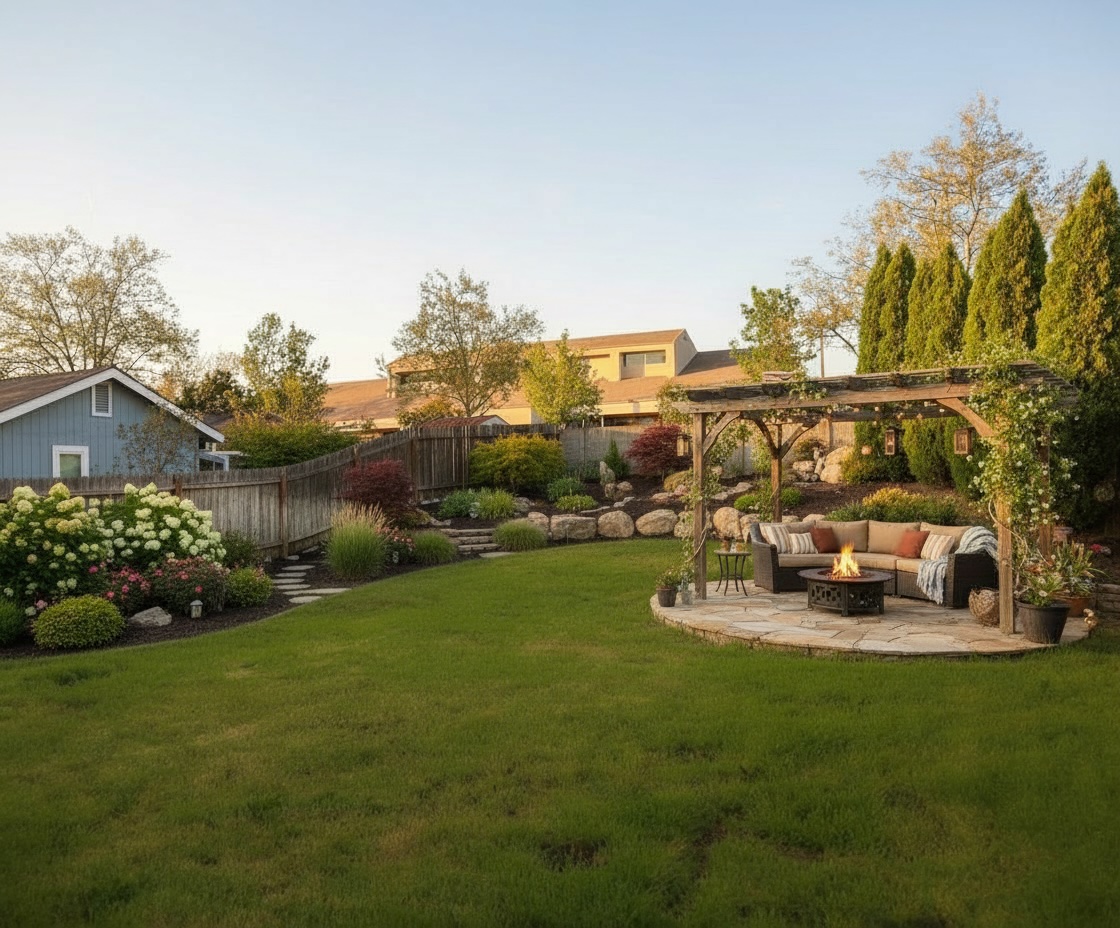
Upload a photo of your Lincoln yard and visualize your dream garden in seconds.
Try ProScapeAI Free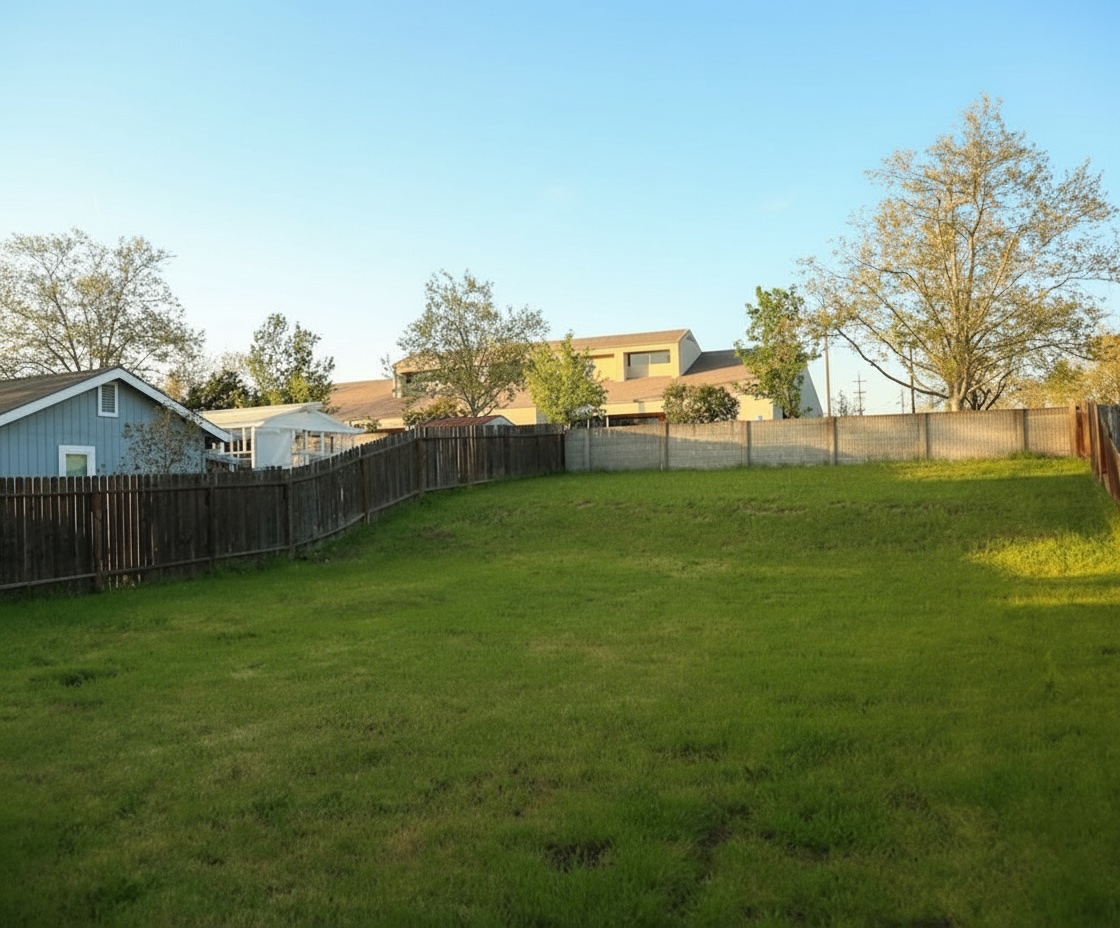
AI-generated image
Featured Trees & Shrubs for Modern/Minimalist Gardens
Browse all 194 plants for Lincoln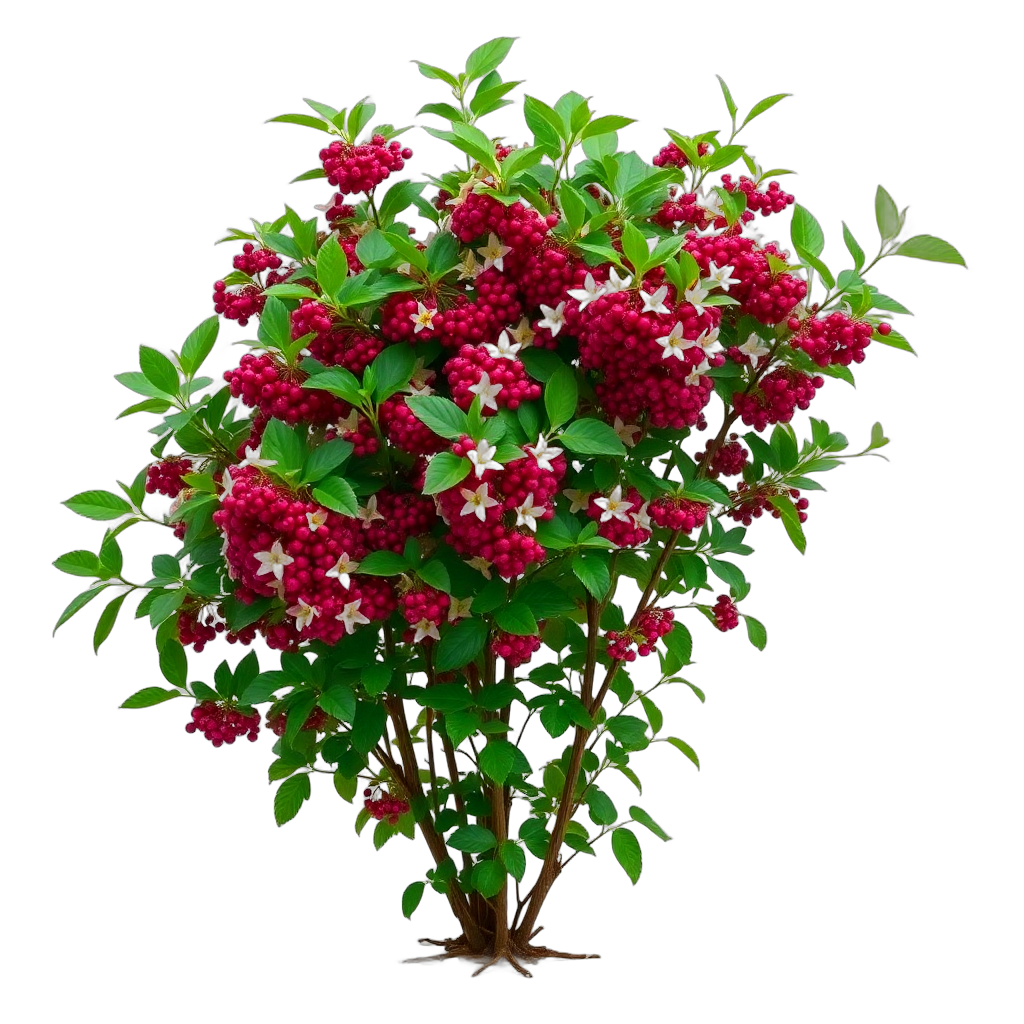
Clove Currant
Ribes odoratum
grows to 6 feet, yellow blooms in spring. Attracts hummingbirds.
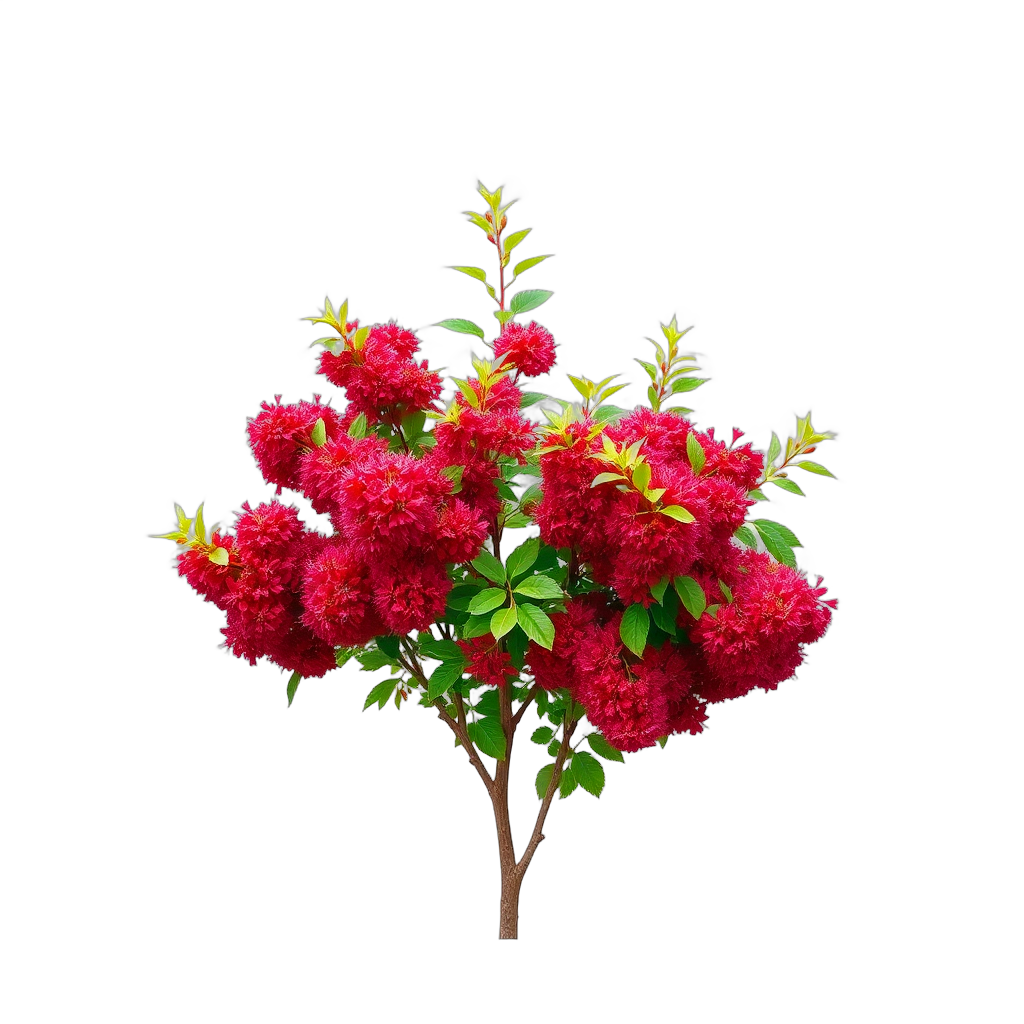
Fragrant Sumac
Rhus aromatica
grows to 4 feet, yellow blooms in spring. Attracts butterflies.
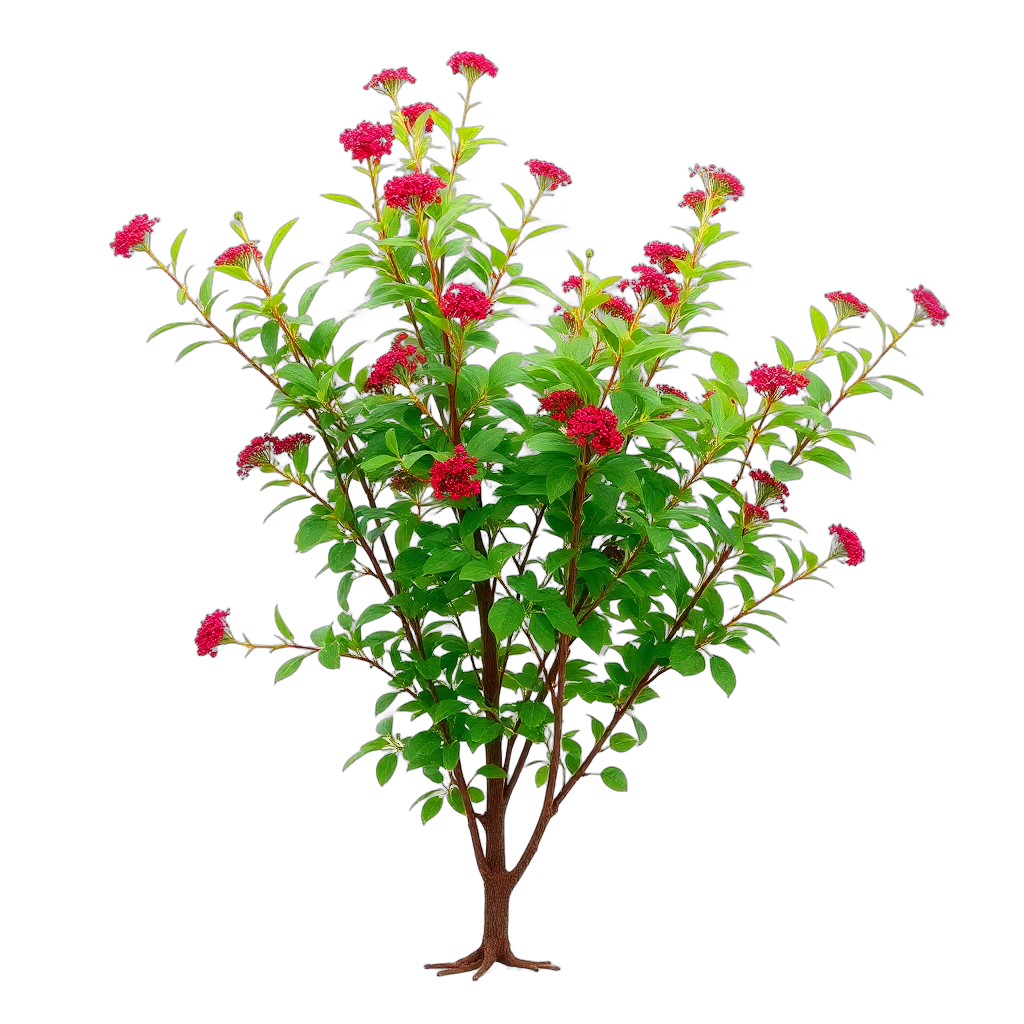
Smooth Sumac
Rhus glabra
medium-sized at 12 feet, white,green blooms in summer. Attracts butterflies.
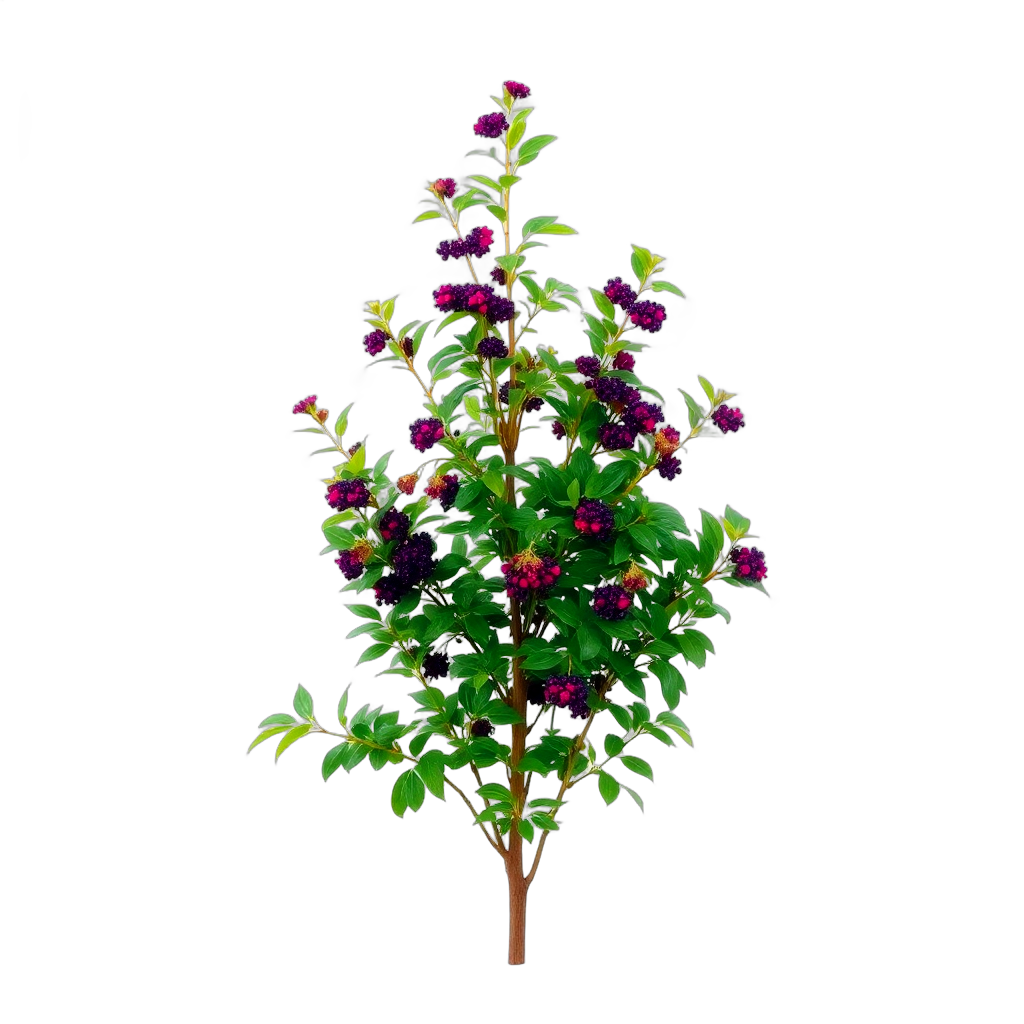
American Beautyberry
Callicarpa americana
grows to 6 feet, pink blooms in summer. Pollinator-friendly.
Featured Grasses & Groundcovers for Modern/Minimalist Gardens
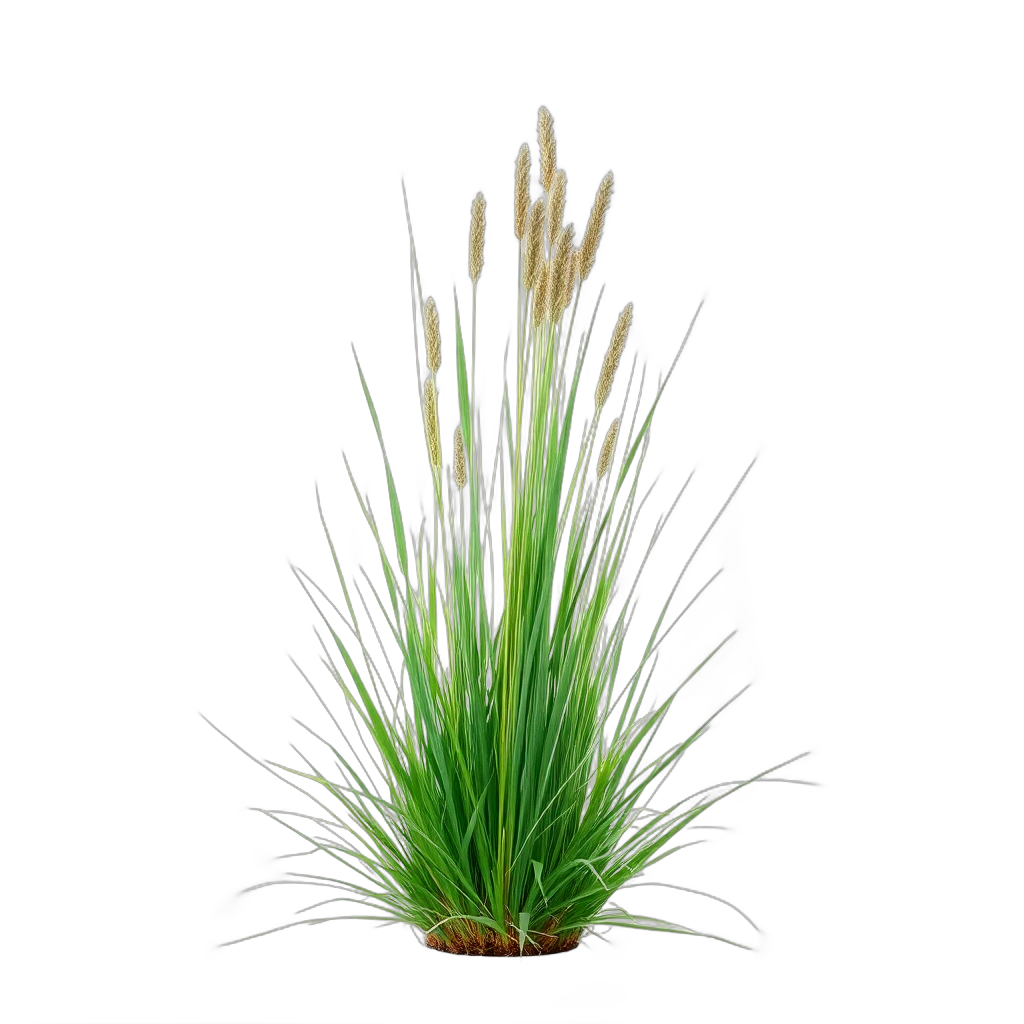
Big Bluestem
Andropogon gerardii
medium-sized at 7 feet, purple blooms in fall. Bronze,burgundy fall color.
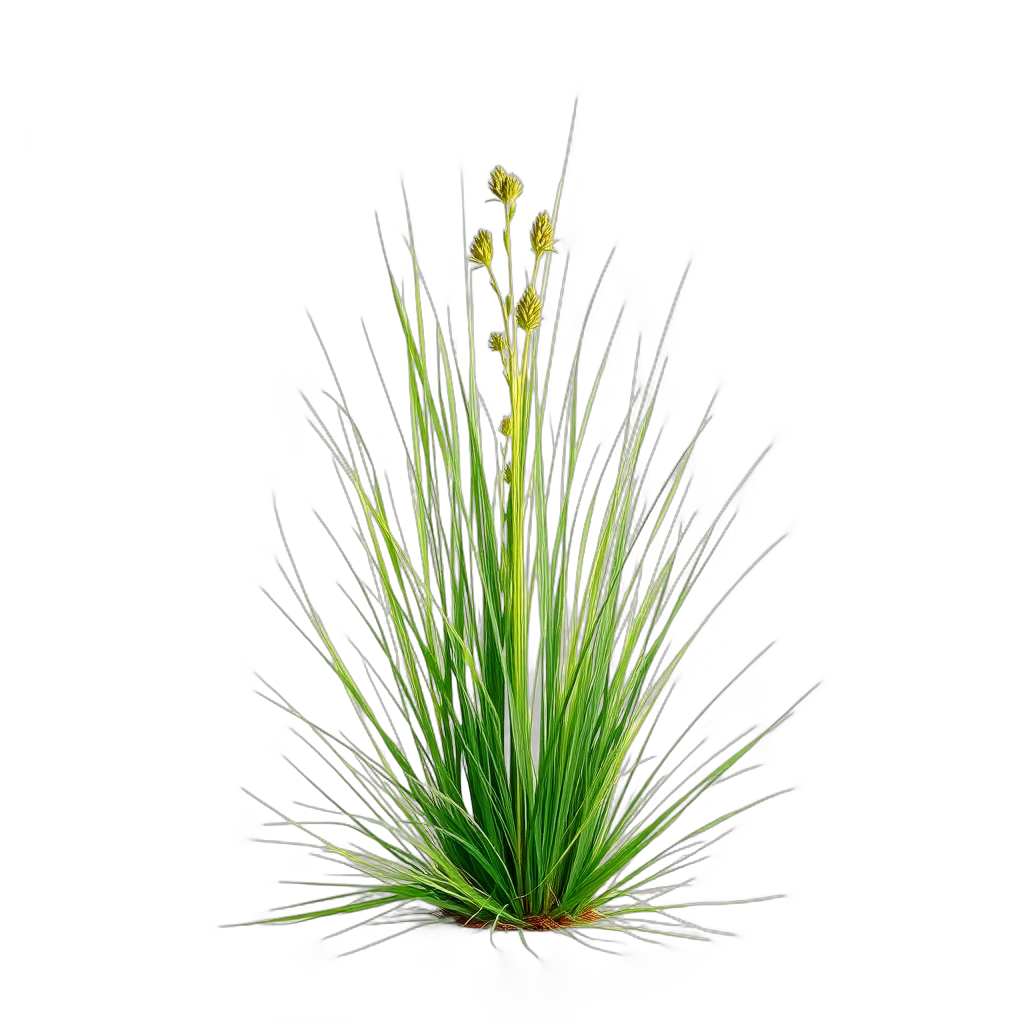
Canada Wild Rye
Elymus canadensis
grows to 4 feet, blooms in summer. Yellow fall color.
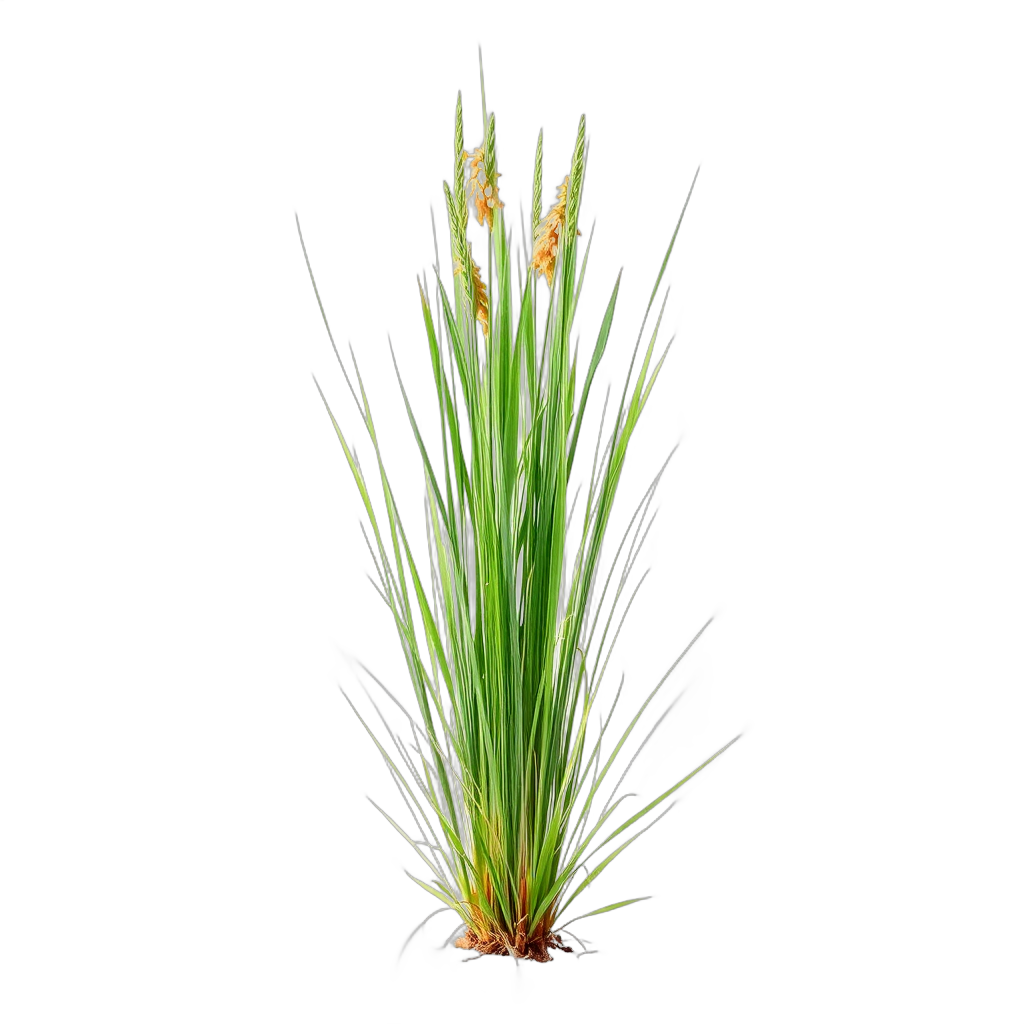
Eastern Gamagrass
Tripsacum dactyloides
grows to 6 feet, blooms in summer. Yellow fall color.
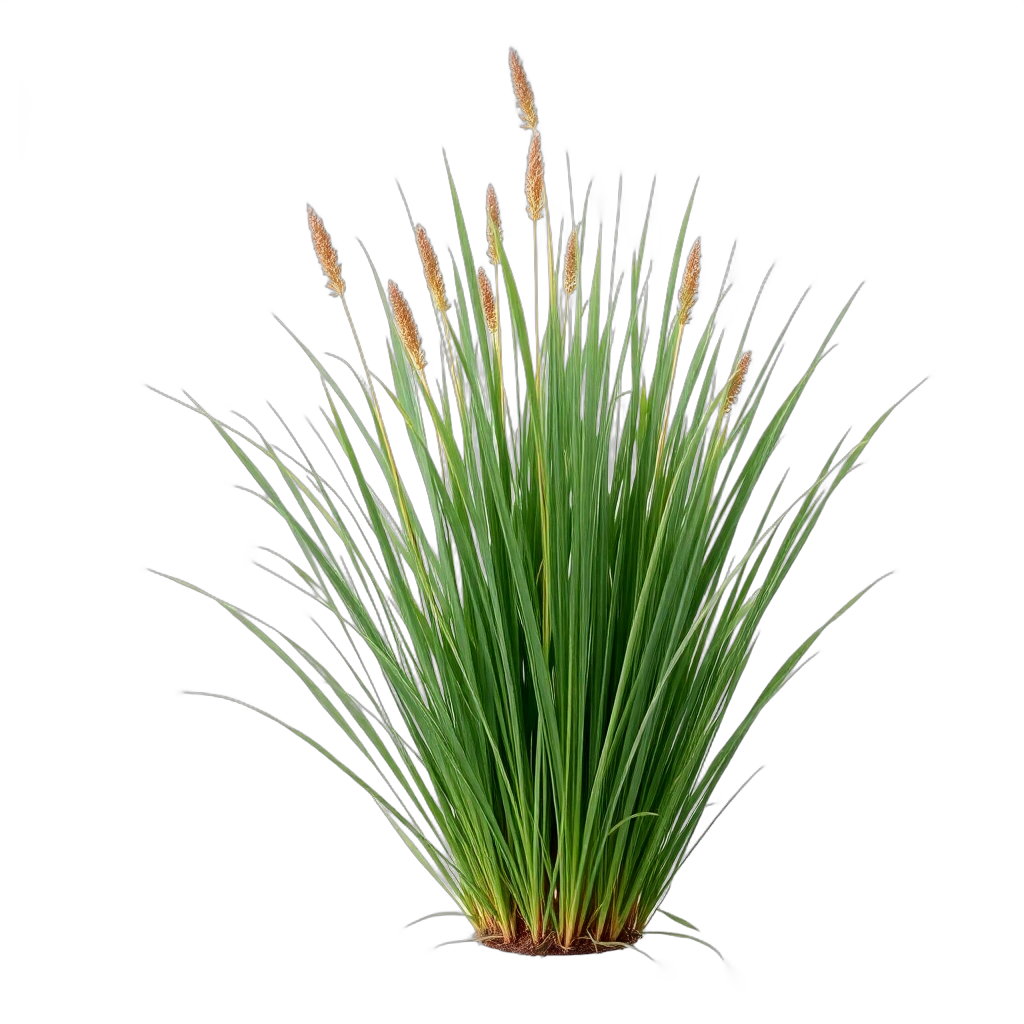
Heavy Metal Switchgrass
Panicum 'Heavy Metal'
grows to 4 feet, pink blooms in summer. Yellow fall color.
Featured Flowers & Perennials for Modern/Minimalist Gardens
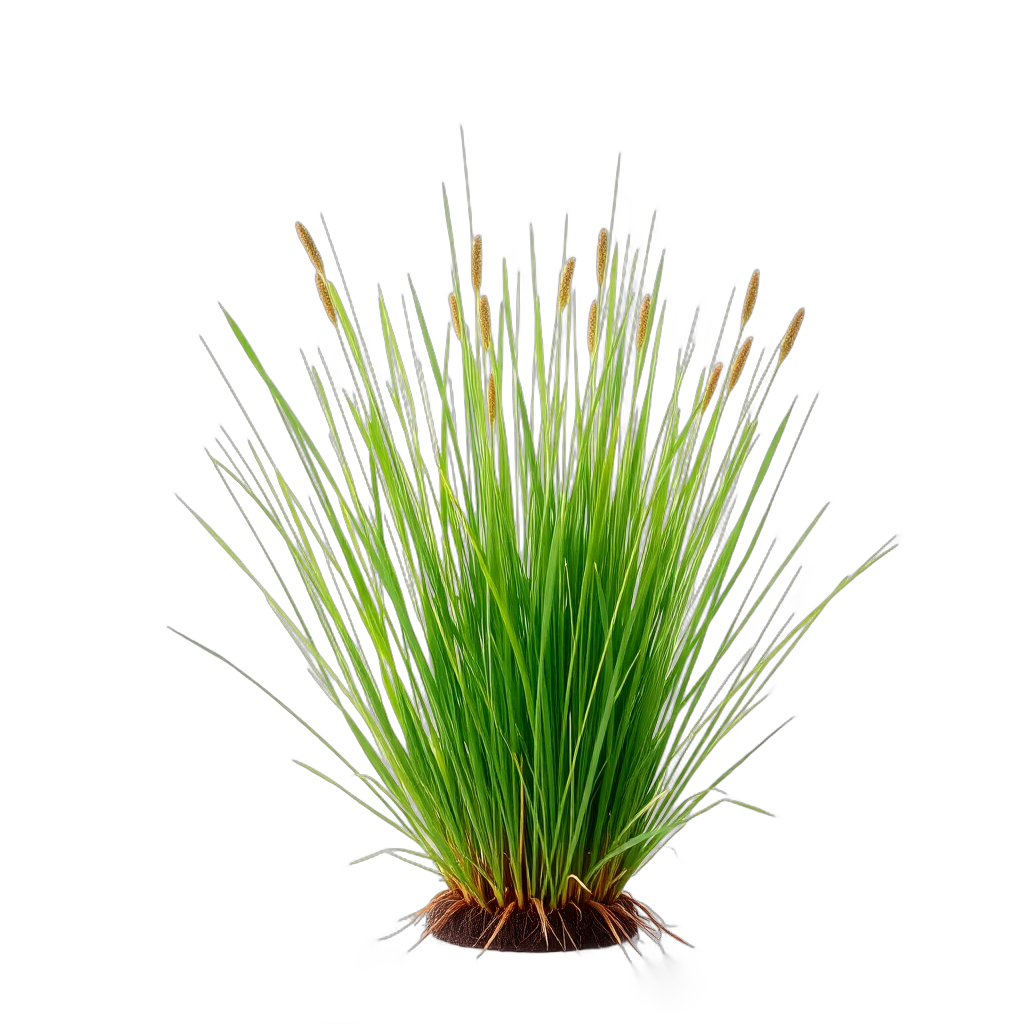
Path Rush
Juncus tenuis
low-growing ground cover, blooms in summer. Evergreen year-round.
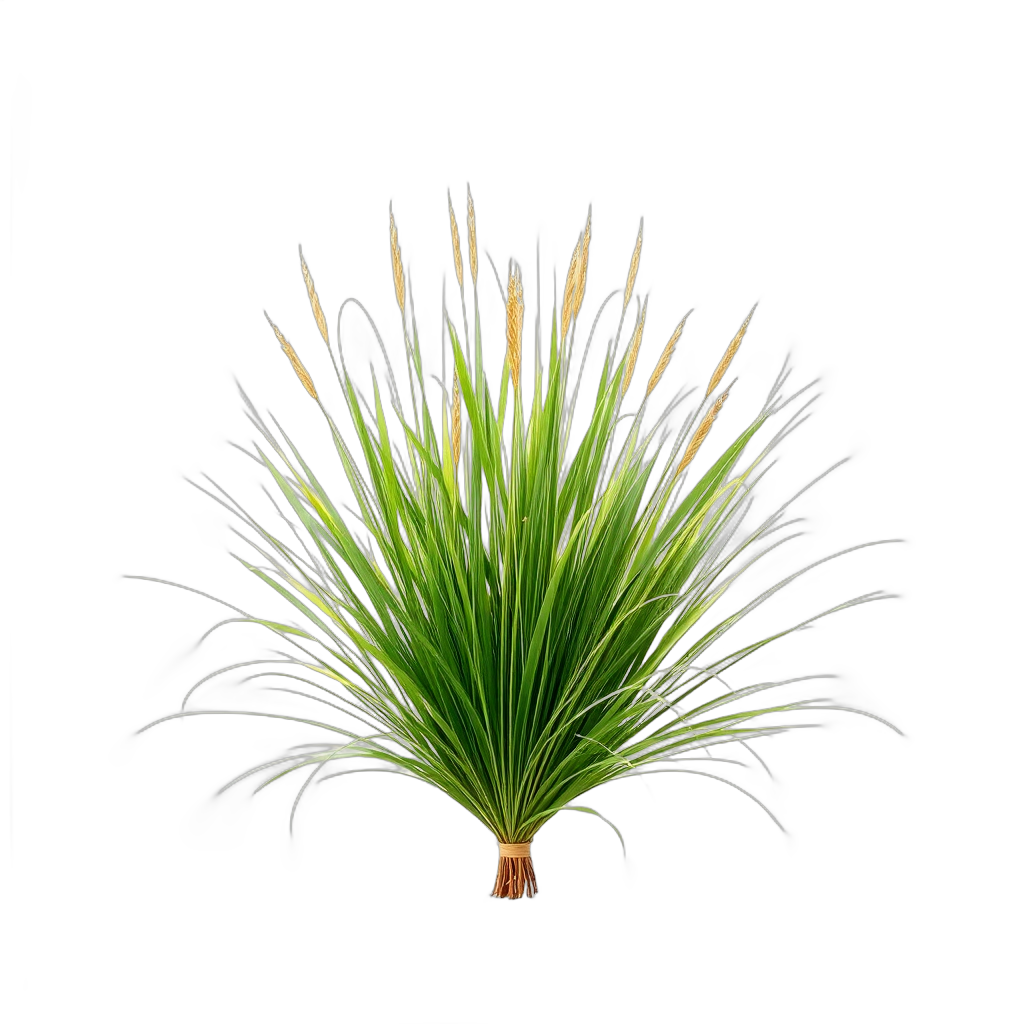
Prairie Cordgrass
Spartina pectinata
grows to 6 feet, blooms in summer. Yellow fall color.
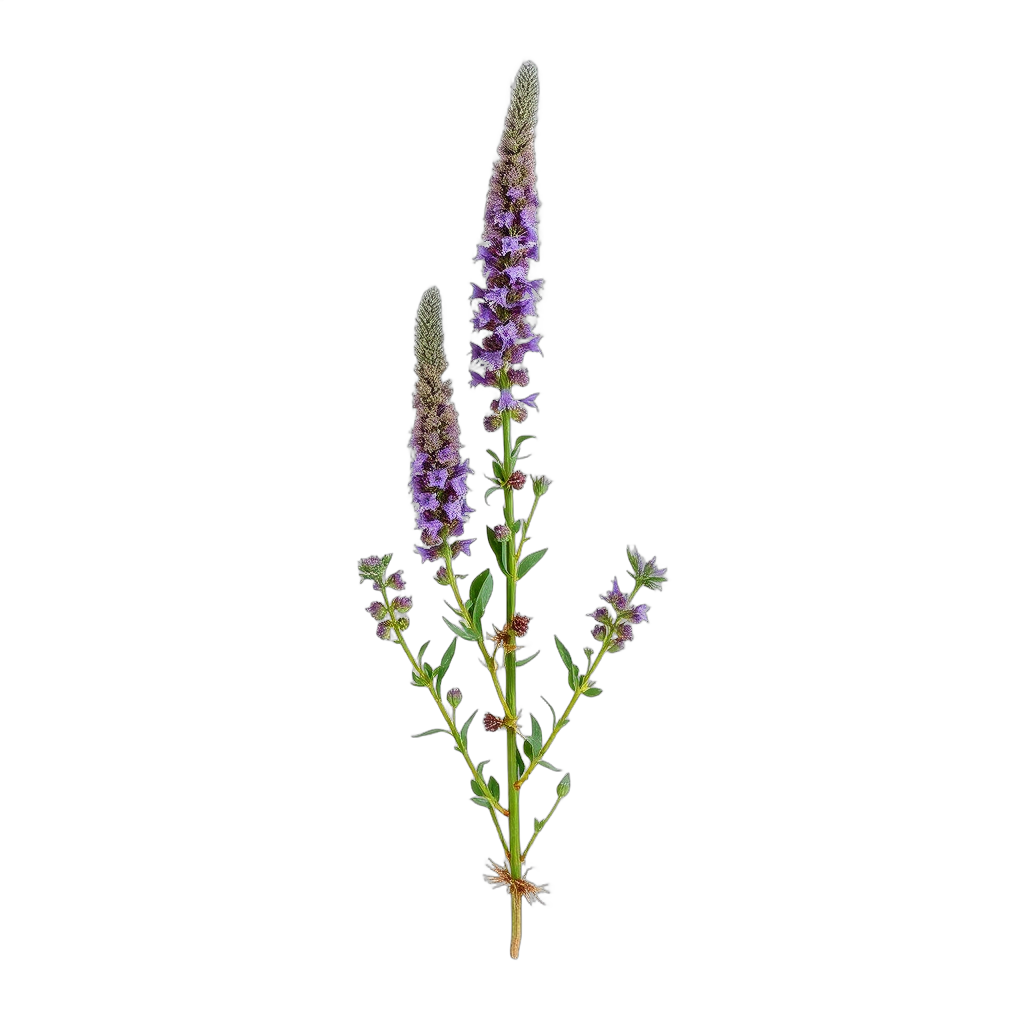
Anise Hyssop
Agastache foeniculum
grows to 3 feet, purple blooms in summer. Attracts hummingbirds.
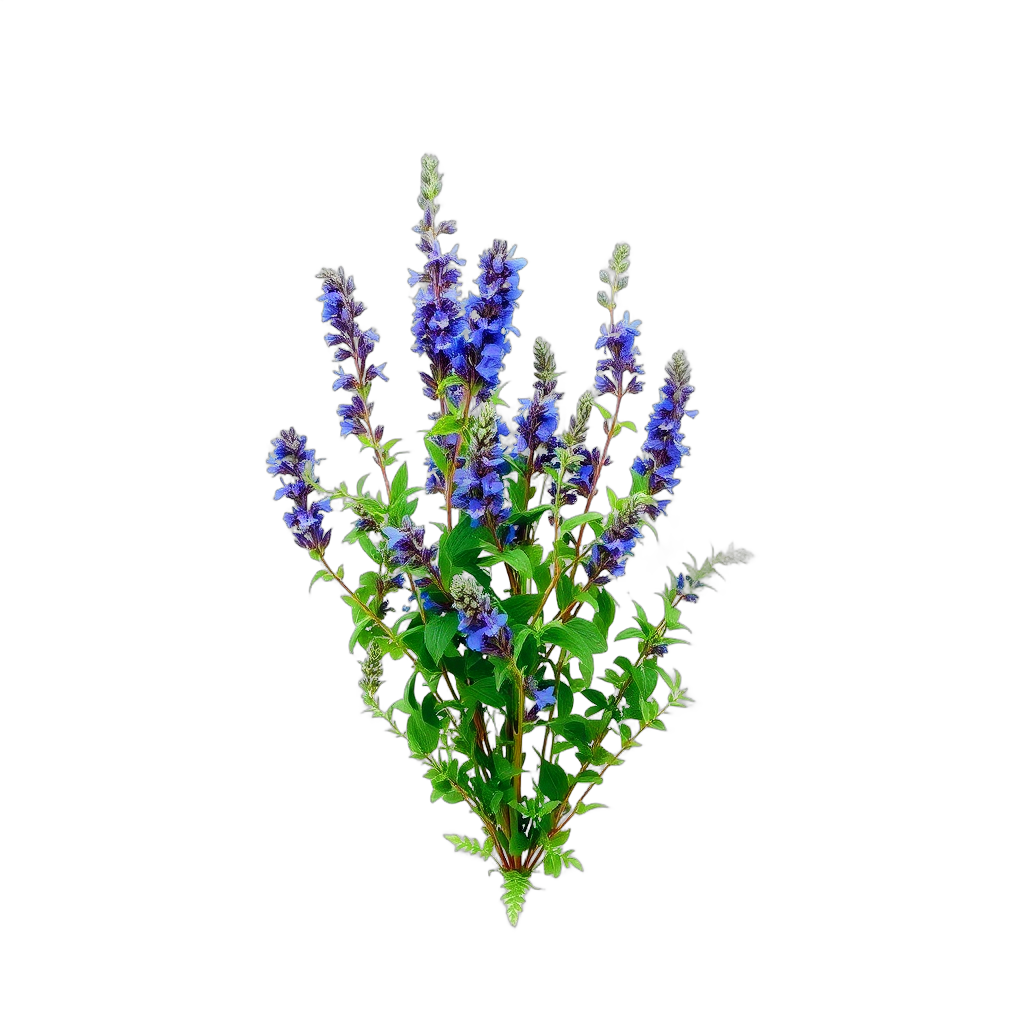
Azure Sage
Salvia azurea
grows to 4 feet, blue blooms in fall. Attracts hummingbirds.
Zone and sun checks come from our database — confirm with your local nursery before you buy.
Bloom Calendar for Lincoln
spring
Blue False Indigo, Foxglove Beardtongue, Golden Alexandersummer
Path Rush, Prairie Cordgrass, Anise Hyssopfall
Azure Sage, Maximilian Sunflower, New England Asterwinter
Limited bloomsDesign Tips for Lincoln (Zone 6a)
- Mass native grasses in blocks of 7–15 plants for a modern prairie effect: single specimens scattered in beds look amateur; large masses create the sweeping visual impact of the real prairie
- Use Corten steel for edging and planters in Lincoln: it develops a rich rust patina within 6 months and becomes more beautiful over time, handling Zone 6a winters without degradation
- Leave all ornamental grasses standing through winter: they are Lincoln’s best winter interest plant and cutting them back in fall removes the structure that makes the garden beautiful in January snowstorms
- Add landscape lighting with uplights under little bluestem: the backlit copper fall color of little bluestem is one of the most striking autumn effects in the Midwest, best appreciated at dusk
- Specify locally grown native plants from Lincoln nurseries rather than shipped-in stock: locally grown plants have already adapted to Lincoln’s specific rainfall patterns and soil and establish faster
- Design for the October ‘peak’: Lincoln’s native grass garden reaches its visual maximum in late October when little bluestem turns copper, switchgrass turns red, and the seed heads catch the low autumn light
Where to Source Plants in Lincoln
Skip the big-box stores. These independent Lincoln nurseries specialize in the plants that make modern/minimalist gardens thrive in Zone 6a.
Campbell’s Nursery
South Lincoln
Native and ornamental grasses, perennials, and shrubs: Lincoln’s premier independent garden center
Landmark Nursery & Landscaping
Eagle (east of Lincoln)
15-acre center with largest tree and shrub selection in Lincoln: full landscape installation services
Nebraska Nursery & Color Gardens
Southwest Lincoln
Full-service garden center with native plant section and landscape services
Canoyer Garden Center Lincoln
East Lincoln
Curated selection of natives, perennials, and contemporary ornamentals
Heritage Nursery – Lincoln
Lincoln
Wholesale and retail native trees and structural plants for modern prairie-inspired landscapes
Modern/Minimalist Landscaping Cost Ranges
| Project Scope | Estimated Cost |
|---|---|
| Concrete patio installation (300 sqft) | $3,100–$3,800 |
| Low-voltage landscape lighting (6 fixtures) | $1,200–$2,000 |
| Composite decking boards, surface only on existing framing (200 sqft) | $4,700–$5,800 |
| AI visualization with ProScapeAI | Free to start |
National average installed ranges for 2026 from our landscaping price list (Homewyse and other published sources). Prices in Lincoln, NE vary with site, materials and contractor, so get two or three local quotes.
Lincoln Climate & Growing Zone
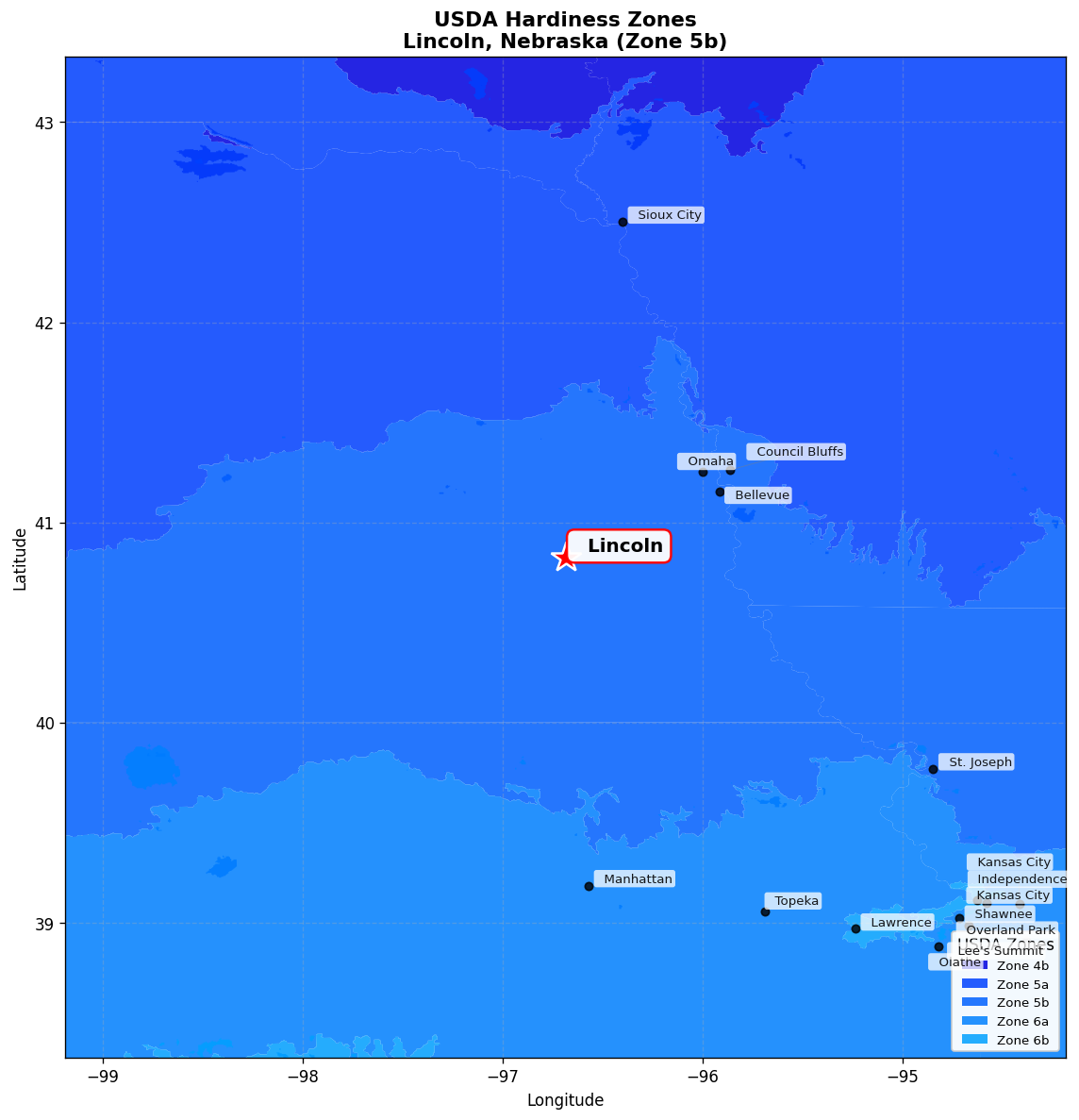
USDA Zone 6a
Hardiness zone for Lincoln
Central Tallgrass prairie
Native ecoregionFrequently Asked Questions
What hardscape materials hold up to Lincoln’s Zone 6a freeze-thaw winters?
Concrete is the workhorse of Lincoln landscaping: it handles freeze-thaw cycles well when properly poured with control joints and adequate base preparation. Natural stone pavers (limestone, sandstone, and quartzite) also perform excellently. Corten steel edging and planters are ideal: they develop a protective rust patina and are impervious to freeze-thaw. Avoid brick pavers without a proper compacted base (they heave in Lincoln’s clay soils), plastic edging (it migrates), and unsealed porous stone without adequate slope for drainage.
What are the best ornamental grasses for a modern Lincoln garden?
Little bluestem is Lincoln’s native ornamental grass of choice: its fall copper color is unmatched and it does well in Zone 6a with zero irrigation after establishment. Switchgrass 'Shenandoah' adds burgundy-red summer color; 'Thundercloud' is more compact. Prairie dropseed is a fine-textured, tidy native for edging and borders. For taller screens, big bluestem (5–6 feet) or Indian grass create dramatic vertical elements. Avoid non-native maiden grass (Miscanthus) in Lincoln: it has shown invasive tendencies in the Midwest.
How much does a modern landscape cost in Lincoln?
Costs vary with site, access, materials and local labor rates, so get two or three local quotes before you budget.
Can I do a modern minimal landscape without irrigation in Lincoln?
Yes, and Lincoln is an ideal city for it. Native grasses (little bluestem, switchgrass, prairie dropseed) are fully established on Lincoln’s natural 27–30 inches of annual rainfall after a single establishment year with supplemental irrigation. In year one, provide weekly deep watering June–August; in year two, water only during extended dry spells; from year three onward, the prairie palette is self-sustaining. No irrigation system required. The main water use shifts to the first summer, not an ongoing cost.
What’s the best time to plant a native grass garden in Lincoln?
Container-grown native grasses plant well any time from May 1 through September 15 in Lincoln, with spring (May–June) and early fall (August–September 15) being optimal. Summer planting works but requires more establishment watering. Direct seeding is best done in fall (October–November) for winter cold stratification, with germination in spring. Native grasses grow slowly in their first season (‘sleep, creep, leap’ is the accurate description), so patience through the first year is rewarded with a full display in year two.
How do I add winter interest to a modern Lincoln garden?
Native grasses are Lincoln’s greatest winter asset: little bluestem, switchgrass, and prairie dropseed all hold their structure through Nebraska winters, their bleached stems and seed heads catching snow and light. Never cut back until late March. Add specimen trees with winter bark interest: river birch (cinnamon exfoliating bark), bur oak (rugged sculptural silhouette), or hackberry (corky ridged bark). Steel or concrete planters with simple evergreen screening plants (dwarf blue spruce, ornamental kale in fall) provide seasonal color. The key is to design for January, not just July.