4 Modern Garden Ideas for Omaha, NE | Prairie-Modern Landscape Design in Zone 5b
Native plants from the Central Tallgrass prairie (Zone 5b) — Humid continental (hot summer) climate
Why Modern/Minimalist Gardens in Omaha?
Omaha's landscape design scene is finding its authentic voice, and that voice sounds like the prairie. The Central Tallgrass Prairie ecoregion provides modern landscape design with the most compelling native plant palette in America: big bluestem, switchgrass, prairie dropseed, and Indiangrass are among the most architecturally beautiful grasses anywhere, and they're native to the very ground beneath Omaha's subdivisions. Modern landscape design that references prairie aesthetics — bold grass masses, horizontal views, seasonal color sequences from native perennials, and the structural drama of winter seed heads — is simultaneously ecologically authentic, visually compelling, and essentially maintenance-free after establishment. This is the strongest argument for modern prairie-inspired landscape design anywhere in the Midwest.
The practical climate challenges are wind and continental extremes. Zone 5b winters (-15°F), hot dry summers (July average 89°F), significant wind exposure from prevailing southwesterlies, and 30-inch annual rainfall all demand plant selection and design decisions that respond to the actual climate rather than importing design solutions from more temperate cities. Modern hardscape in Omaha must handle freeze-thaw cycles (frost depth 30–36 inches), and plant selections must tolerate both winter cold and summer heat without irrigation dependence after establishment. The prairie plant palette handles all of these demands naturally — these plants evolved here.
Omaha's neighborhoods of Dundee, Midtown, Aksarben Village, and the Blackstone District are undergoing genuine urban revitalization that creates strong demand for landscape design. The Blackstone District's restaurant and boutique hotel district has produced residential spillover investment in the adjacent older neighborhoods. Aksarben Village's mixed-use development has attracted a young professional population that values design and low-maintenance living. The Millard and Elkhorn suburbs on Omaha's western edge have the newer construction and larger lots that support more ambitious modern landscape programs. All of these contexts benefit from design that engages with Omaha's specific identity rather than importing coastal or European references.
4 Modern/Minimalist Design Ideas for Omaha
AI-generated image
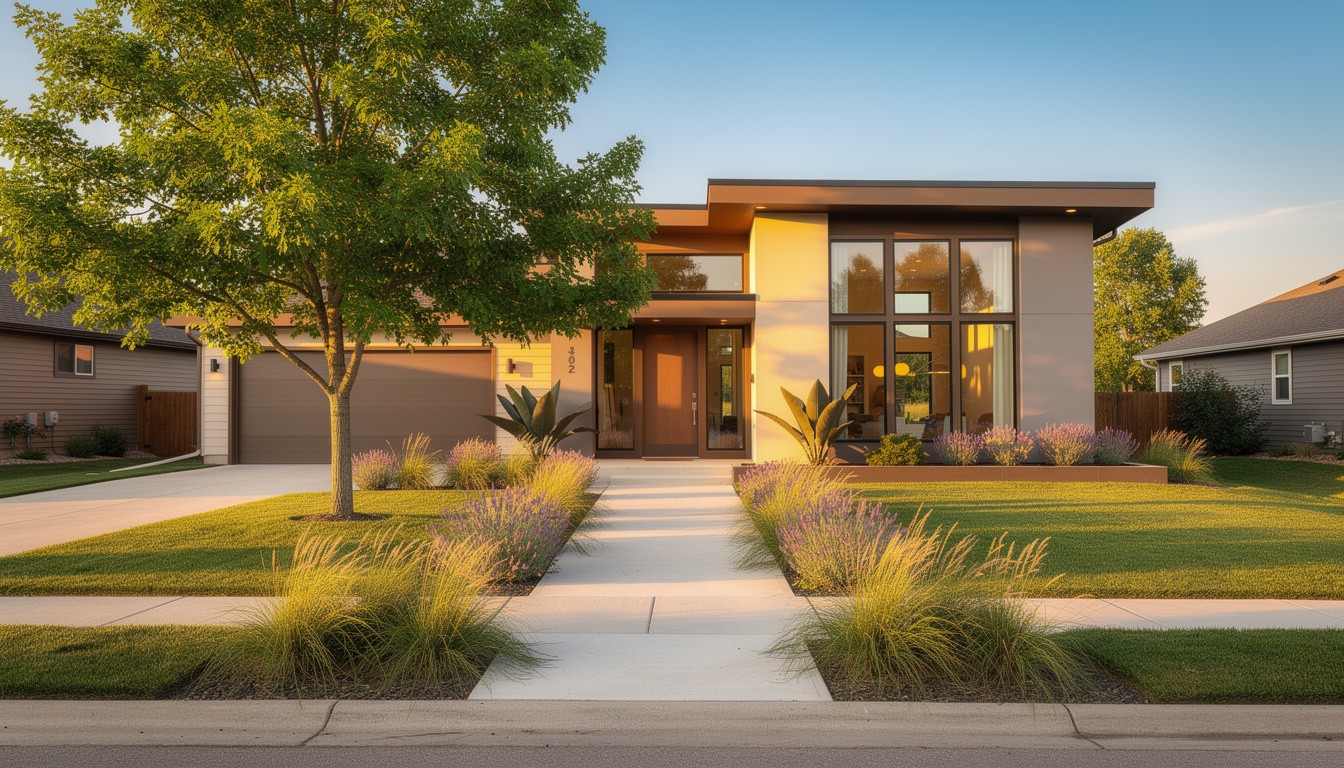
The West Omaha Prairie Modern Front
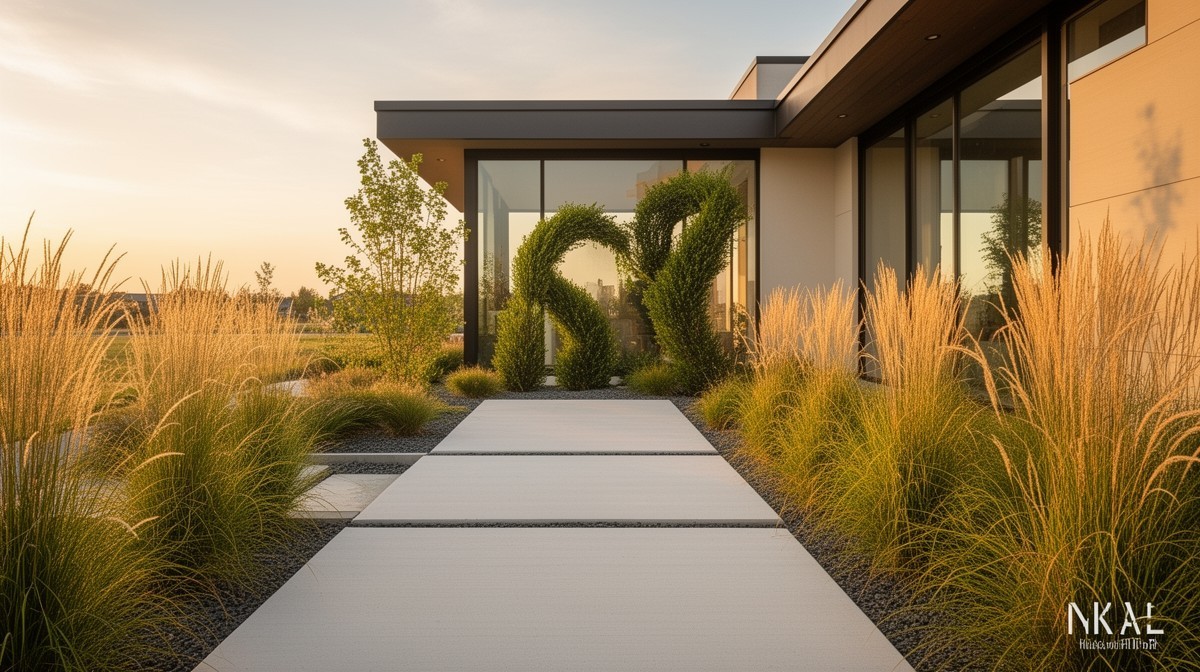
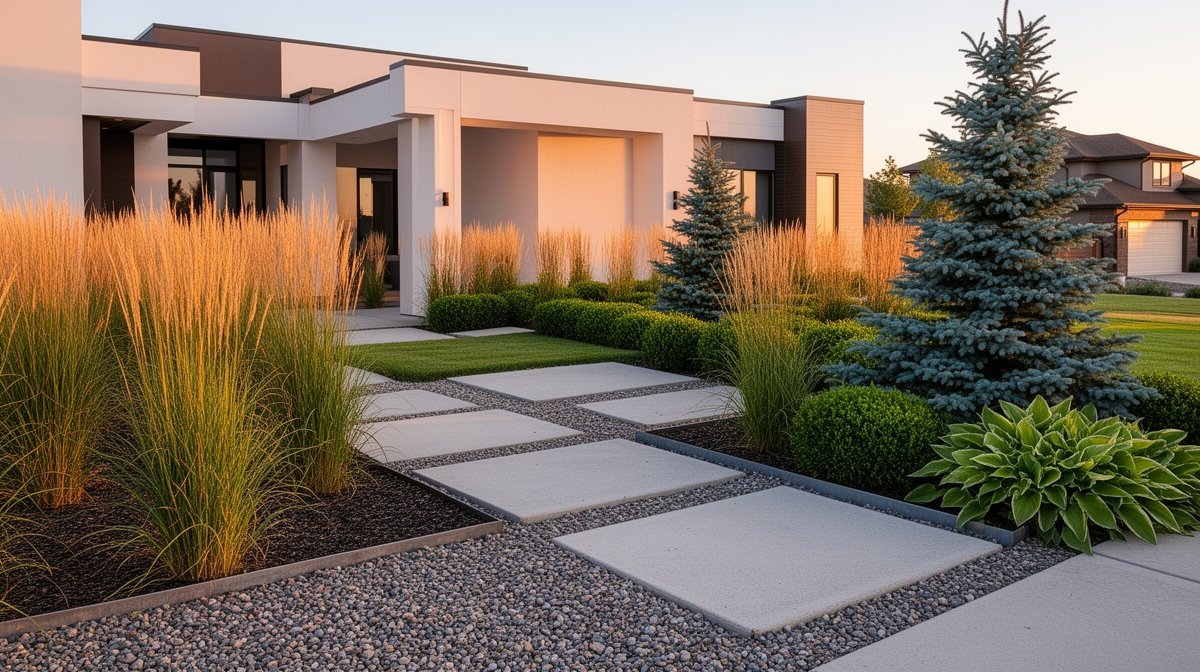
$12–22/sqftA two-story contemporary home with warm wood and stone cladding sits behind a concrete path flanked by two symmetrical rows of ornamental grasses — feather reed grass at mid-height with low prairie dropseed filling the ground plane between them. The planting evokes the Nebraska prairie context in a designed, controlled form that suits modern architecture without referencing it too literally. A single large shade tree anchors the left corner. The design uses Nebraska-native and prairie-adapted grasses that thrive in Omaha's continental climate, summer heat, and variable rainfall.
AI-generated image
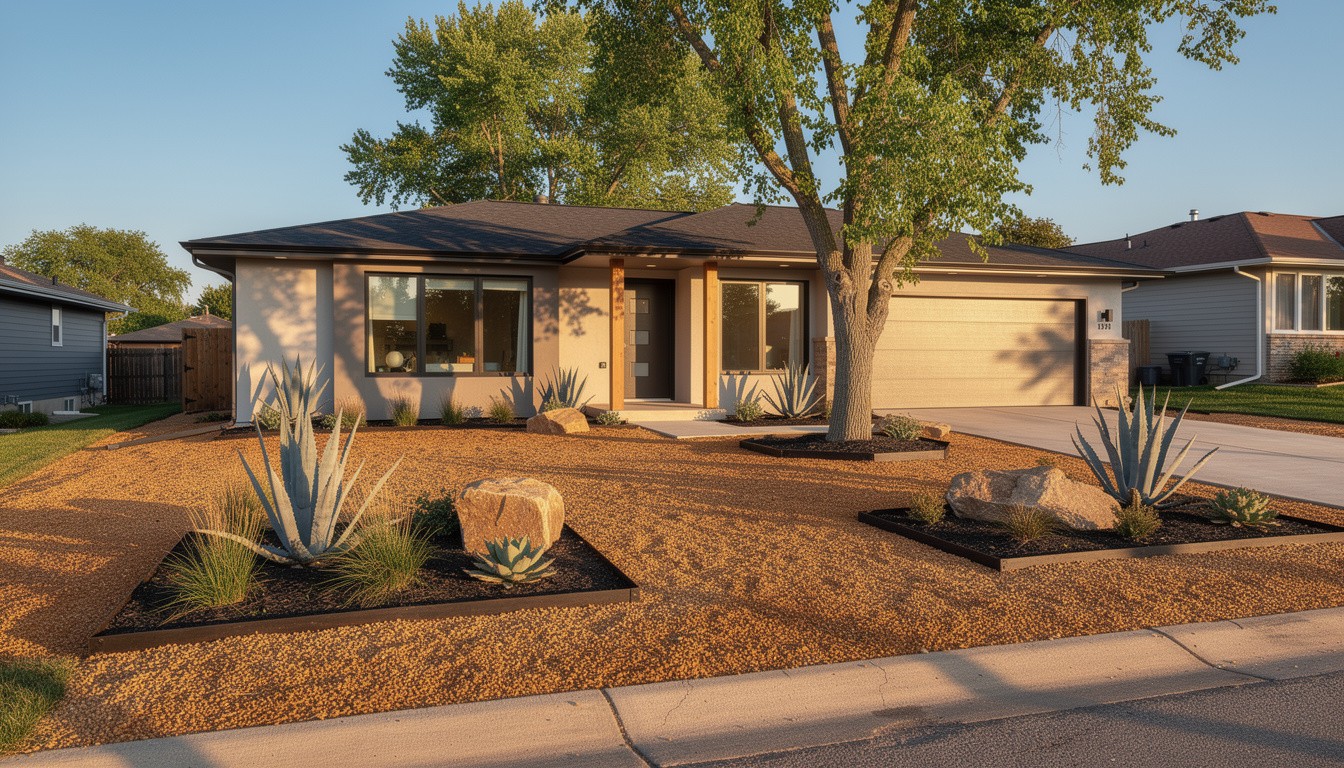
The Corten Boulder Desert Modern
$12–24/sqftA white contemporary home with a dark gabled roof is fronted by a decomposed granite field with Corten steel raised beds and boulders as accent elements, planted with agave, yucca, and ornamental grasses. Omaha's Zone 5b climate requires Zone 4+ hardy specimens, but the warm Nebraska summers and high sunshine hours allow a convincing desert-modern aesthetic using fully cold-hardy substitutes. The boulders add natural weight that prevents the composition from feeling too manicured. The entire front yard is low-maintenance once established.
AI-generated image
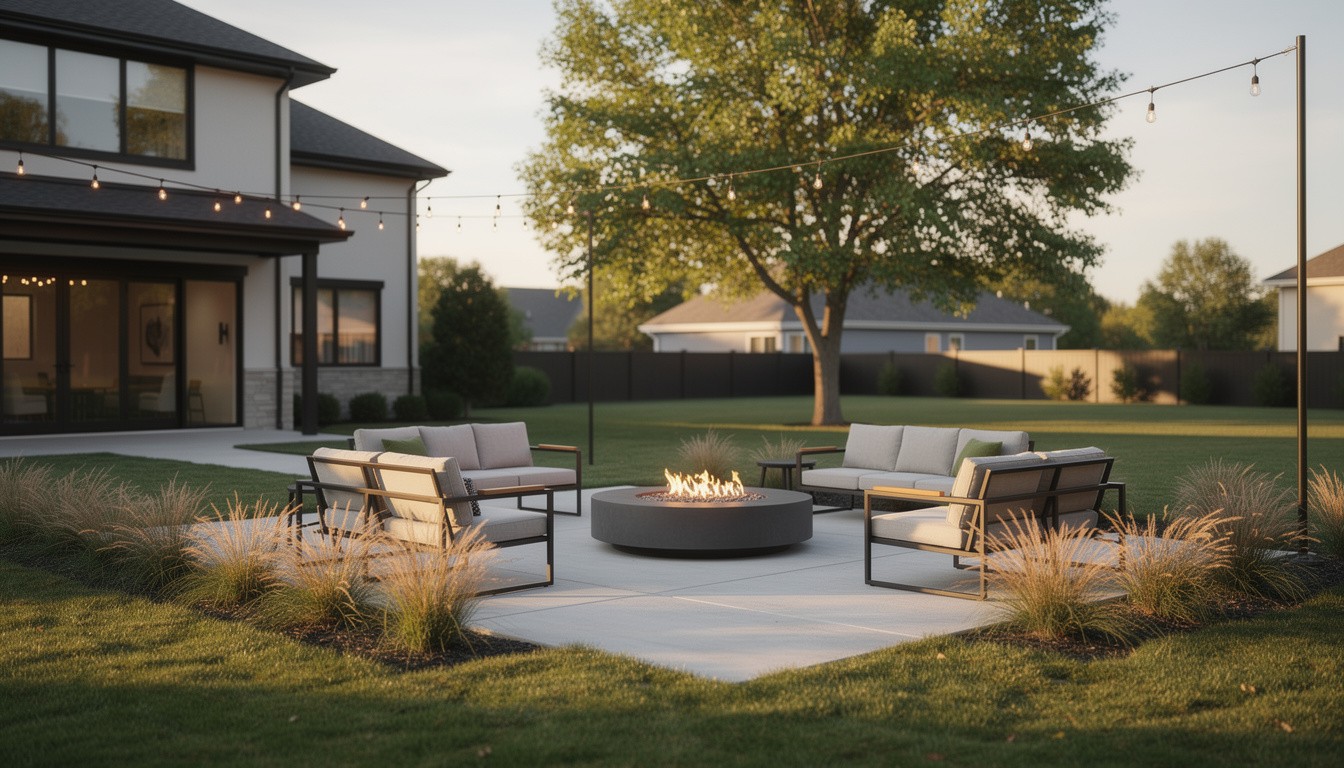
The Aksarben Fire Pit Terrace
$16–34/sqftA concrete patio in front of a white contemporary home opens onto a circular seating arrangement centered on a concrete fire bowl. The patio is furnished with outdoor chairs and a coffee table, with string lights running overhead and ornamental grasses at the perimeter. A large tree provides shade at the back of the yard. The simplicity of this design — concrete, fire pit, grass borders — is its strength. Omaha's hot summers and cool fall evenings make the fire feature particularly valuable for extending the outdoor season from September through November.
AI-generated image
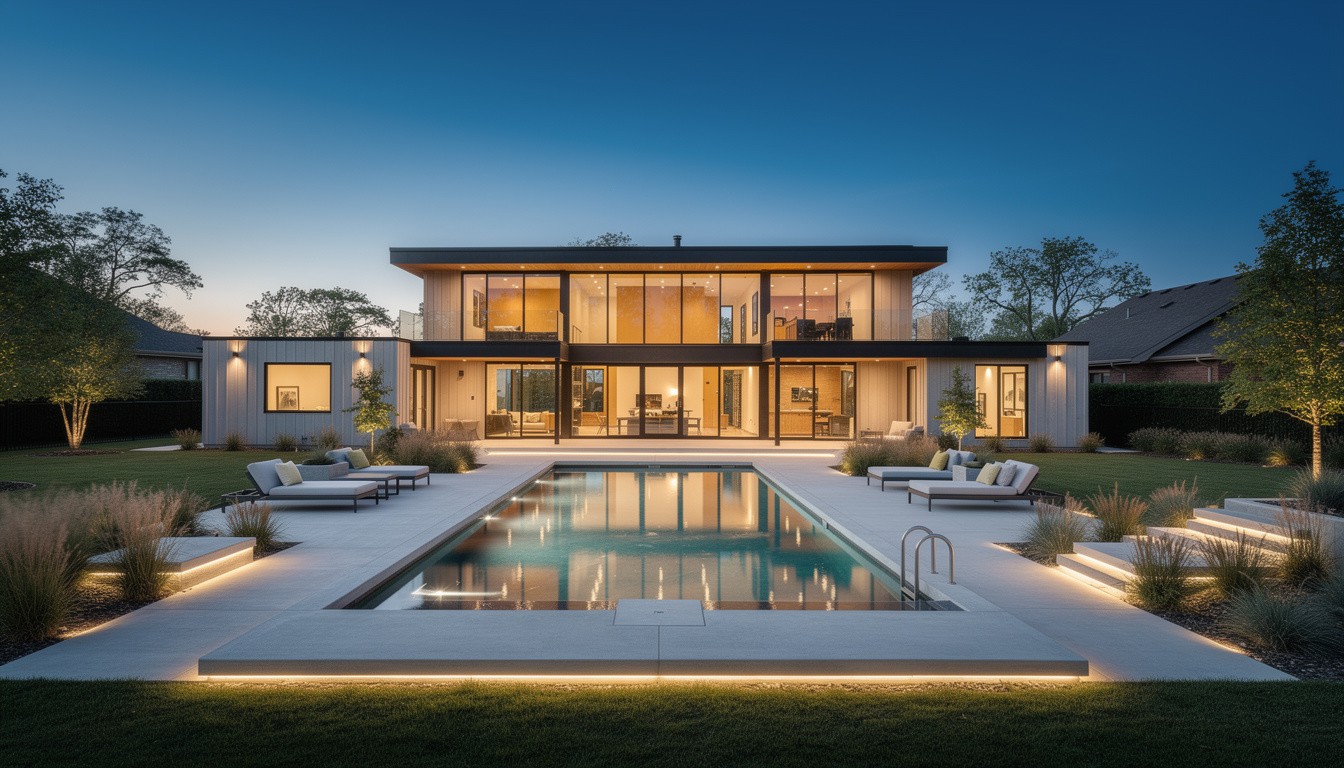
The Elkhorn Modern Pool Terrace
$38–75/sqftA contemporary two-story home with board-and-batten siding opens onto a full-width pool terrace with a rectangular pool surrounded by large-format concrete pavers and lounge chairs on both sides. Landscape lighting illuminates the pool edge and uplights accent the architectural plantings at the property perimeter. A separate outdoor seating area with a fire element sits at the far end of the terrace. Omaha's hot, sunny summers — July averages above 88°F — make pool use genuinely rewarding, and the modern hardscape adds year-round visual value to the property.
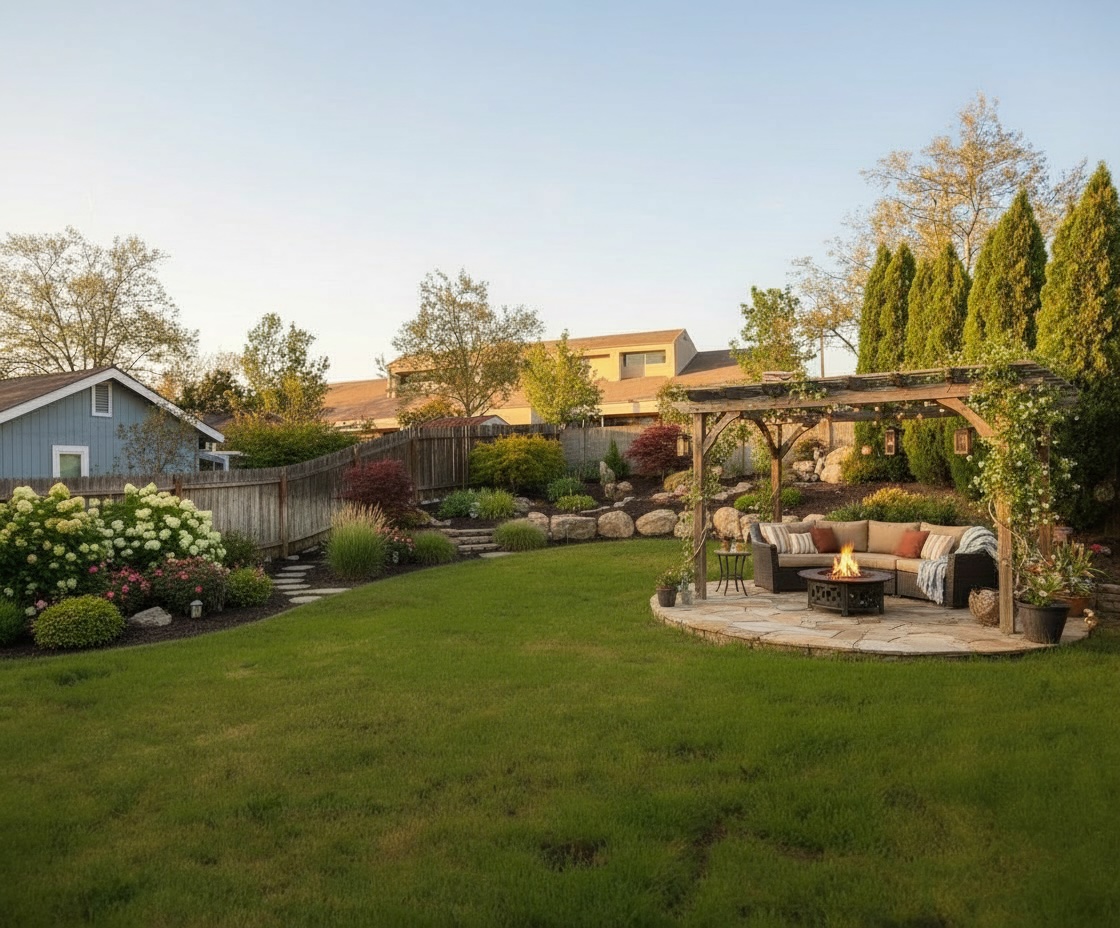
See how a modern/minimalist garden looks on YOUR property
Upload a photo of your Omaha yard and visualize your dream garden in seconds.
Try ProScapeAI Free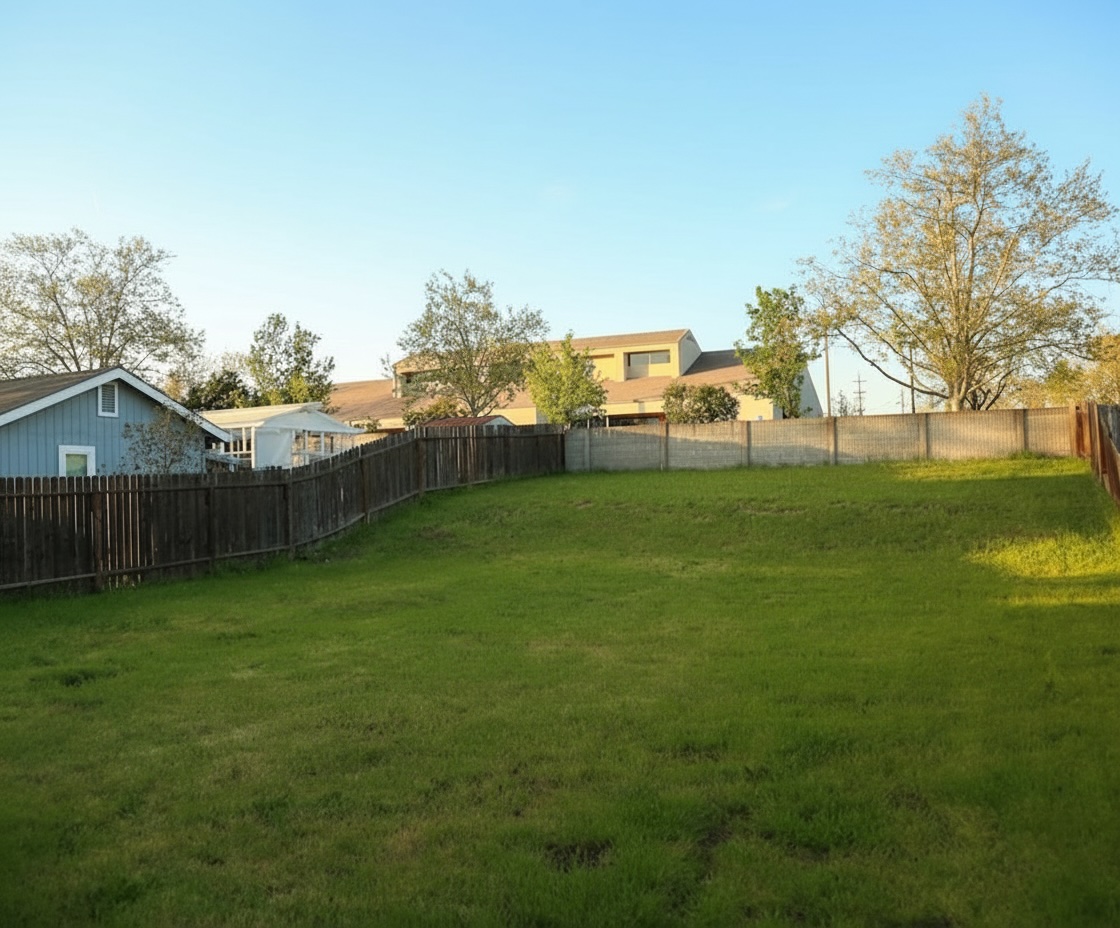
AI-generated image
Featured Trees & Shrubs for Modern/Minimalist Gardens
Browse all 193 plants for Omaha
Clove Currant
Ribes odoratum
grows to 6 feet, yellow blooms in spring. Attracts hummingbirds.

Fragrant Sumac
Rhus aromatica
grows to 4 feet, yellow blooms in spring. Attracts butterflies.
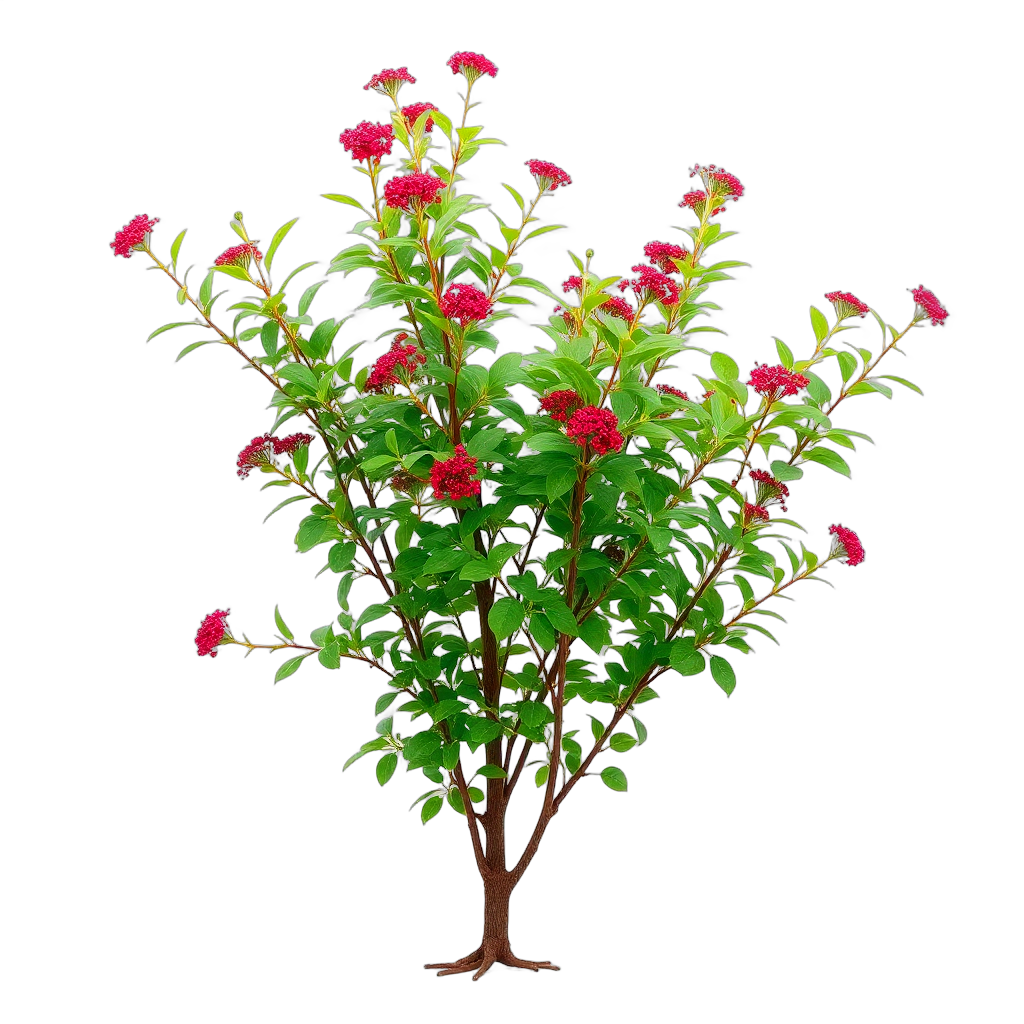
Smooth Sumac
Rhus glabra
medium-sized at 12 feet, white,green blooms in summer. Attracts butterflies.
Featured Grasses & Groundcovers for Modern/Minimalist Gardens
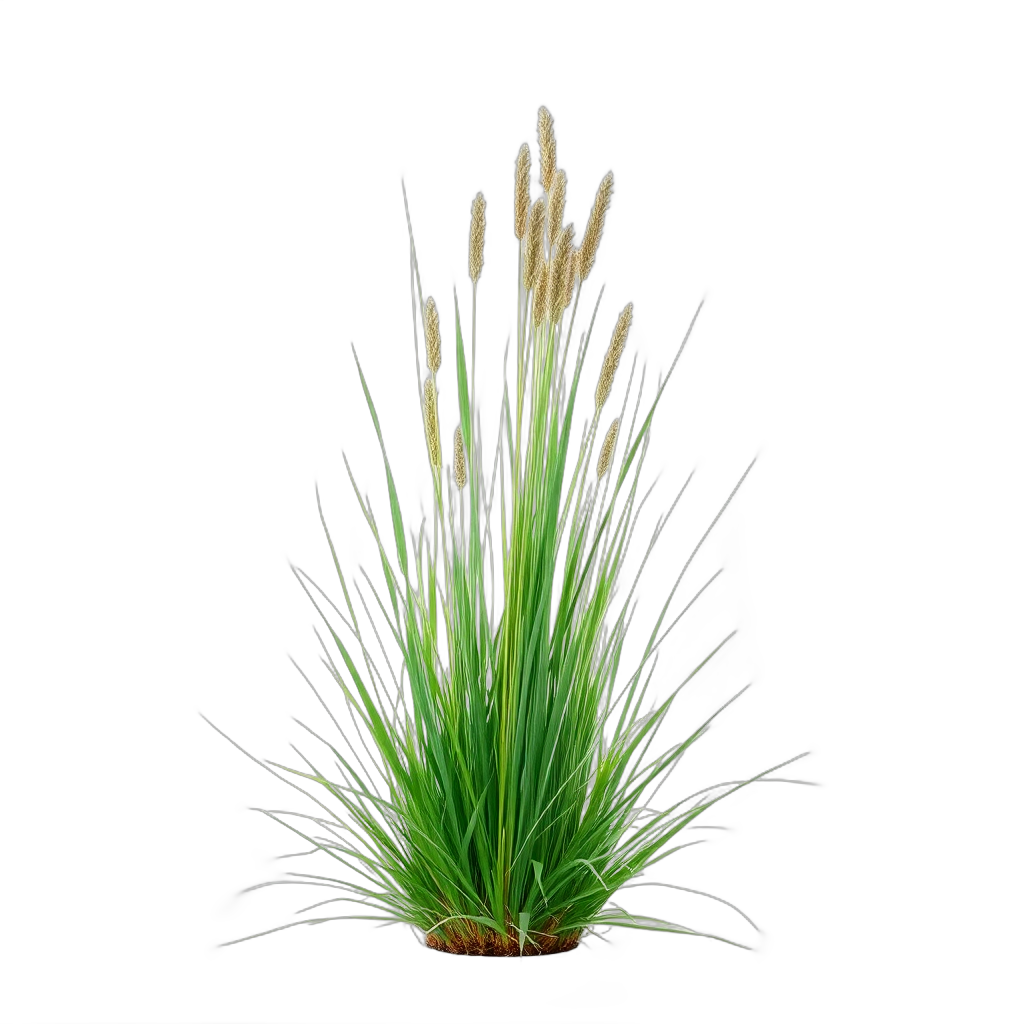
Big Bluestem
Andropogon gerardii
medium-sized at 7 feet, purple blooms in fall. Bronze,burgundy fall color.
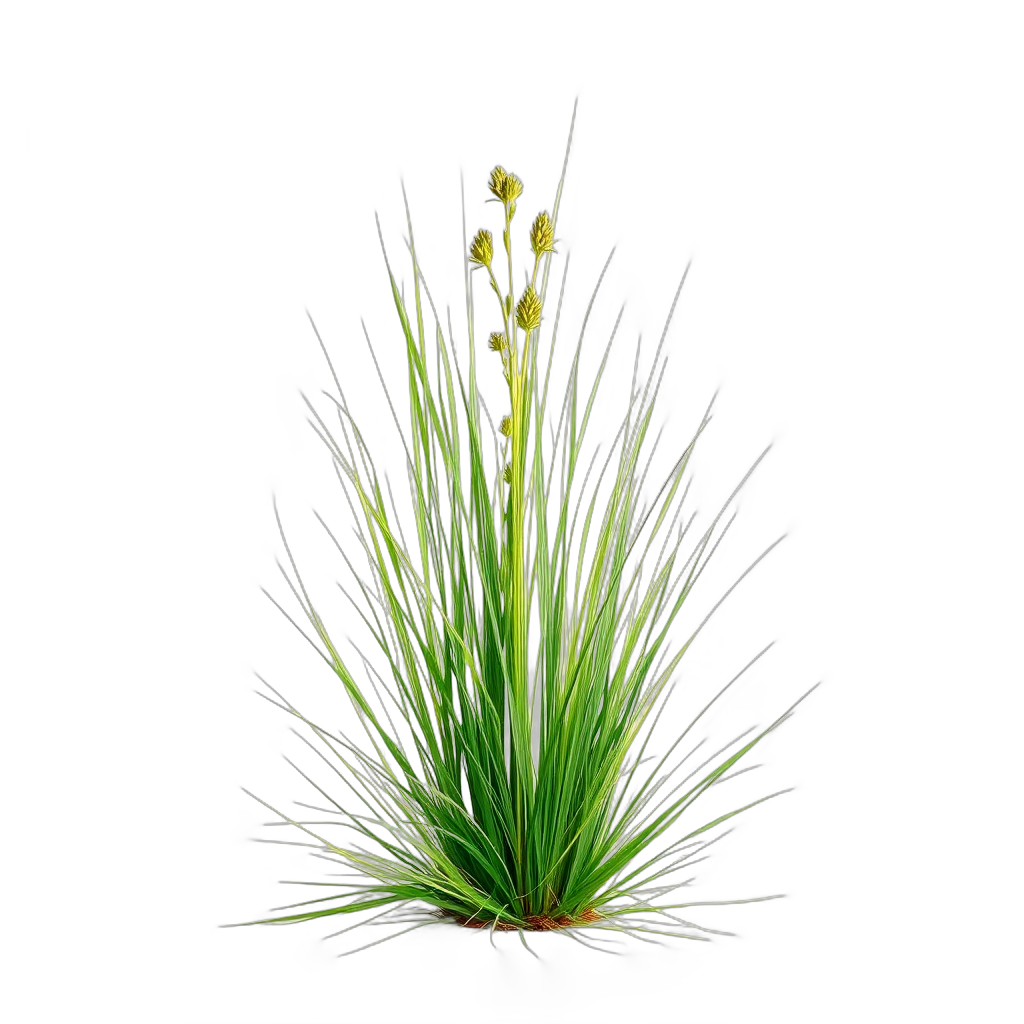
Canada Wild Rye
Elymus canadensis
grows to 4 feet, blooms in summer. Yellow fall color.
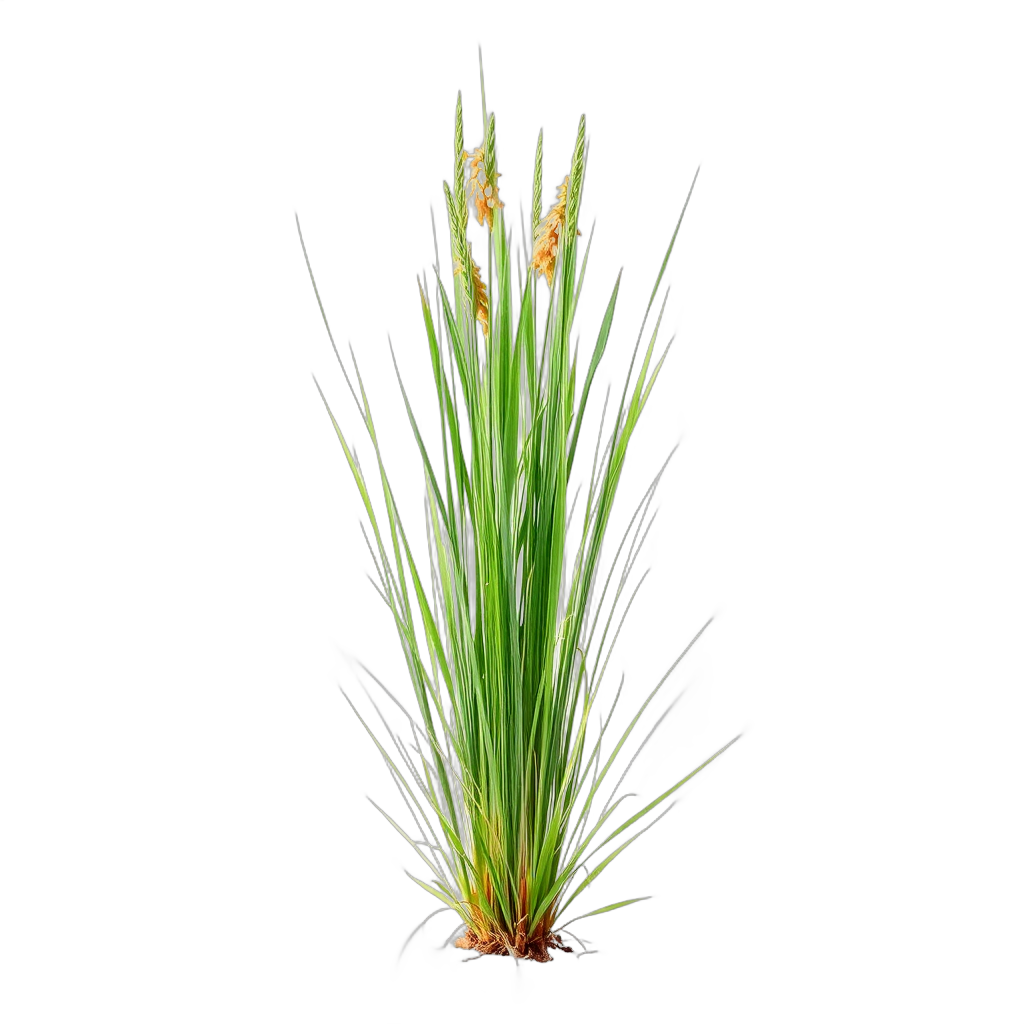
Eastern Gamagrass
Tripsacum dactyloides
grows to 6 feet, blooms in summer. Yellow fall color.
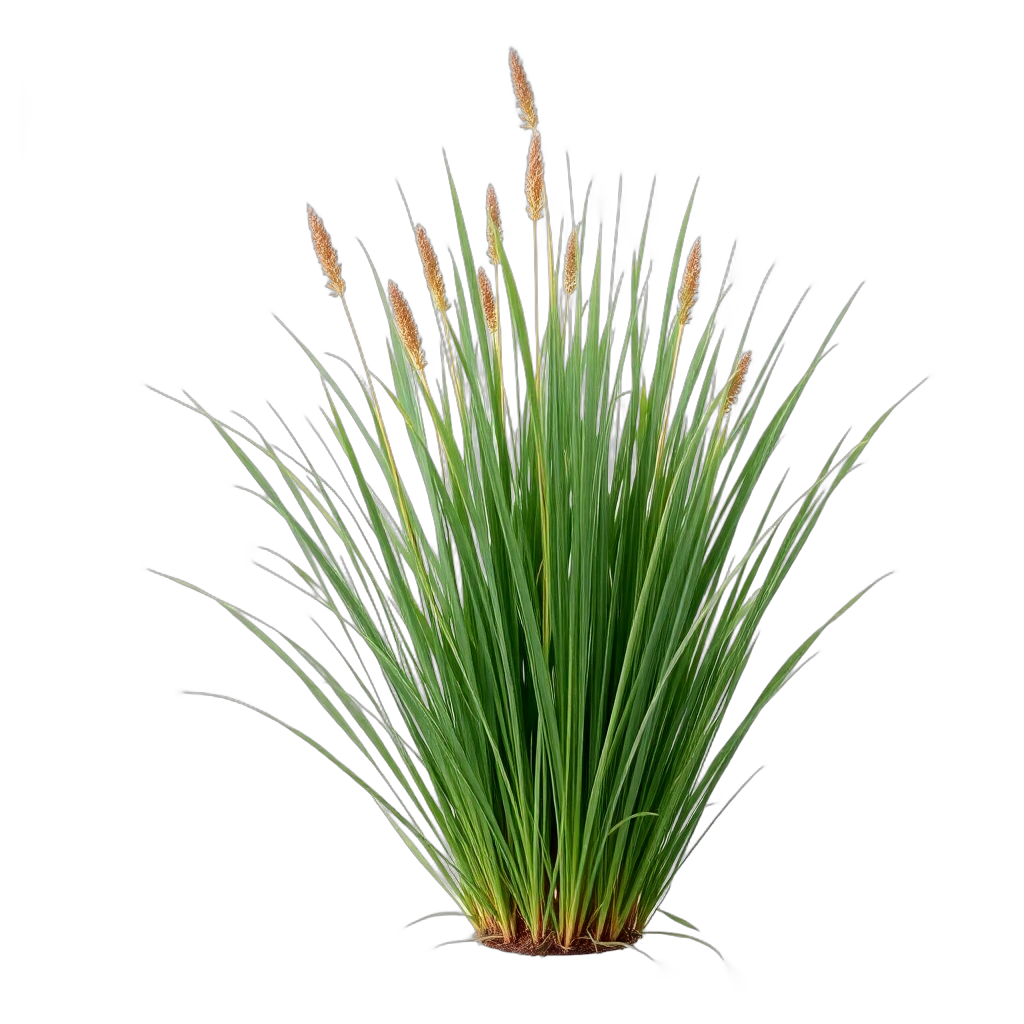
Heavy Metal Switchgrass
Panicum 'Heavy Metal'
grows to 4 feet, pink blooms in summer. Yellow fall color.
Featured Flowers & Perennials for Modern/Minimalist Gardens
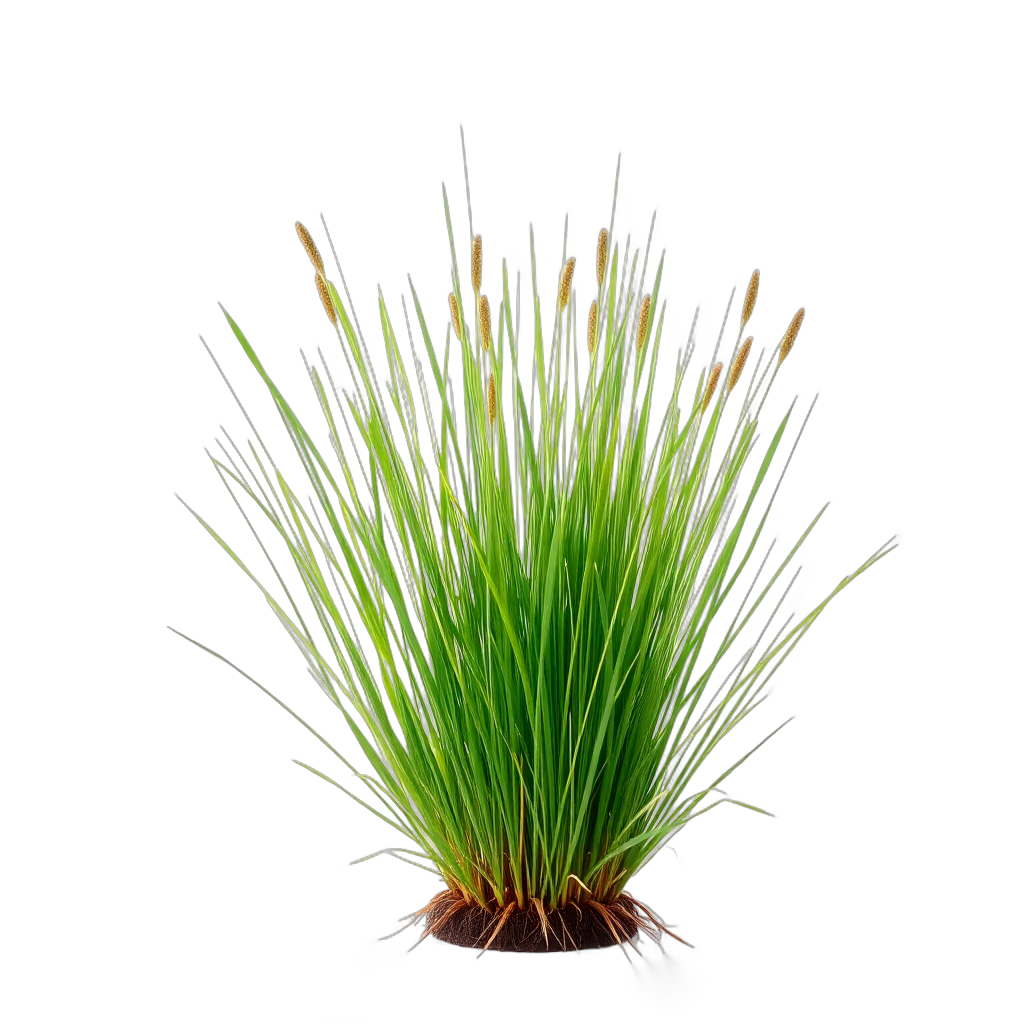
Path Rush
Juncus tenuis
low-growing ground cover, blooms in summer. Evergreen year-round.
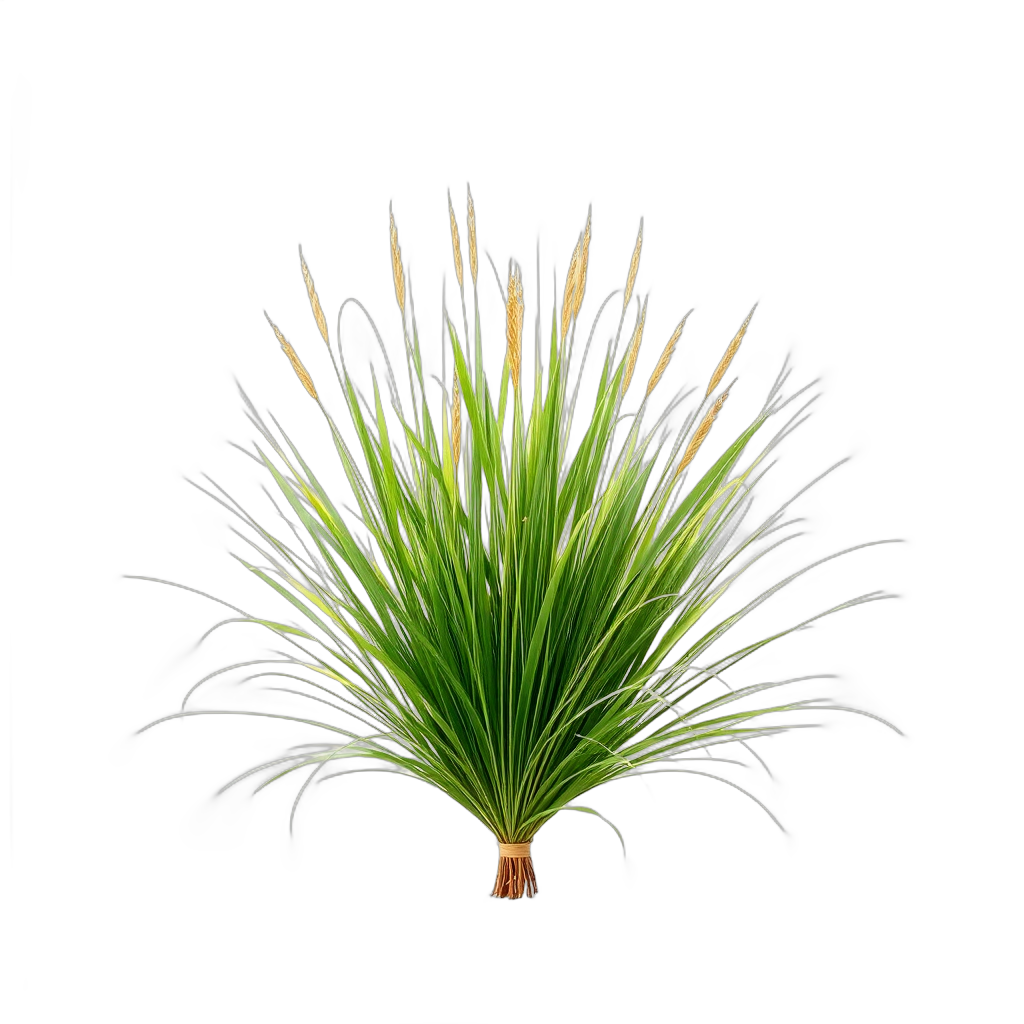
Prairie Cordgrass
Spartina pectinata
grows to 6 feet, blooms in summer. Yellow fall color.
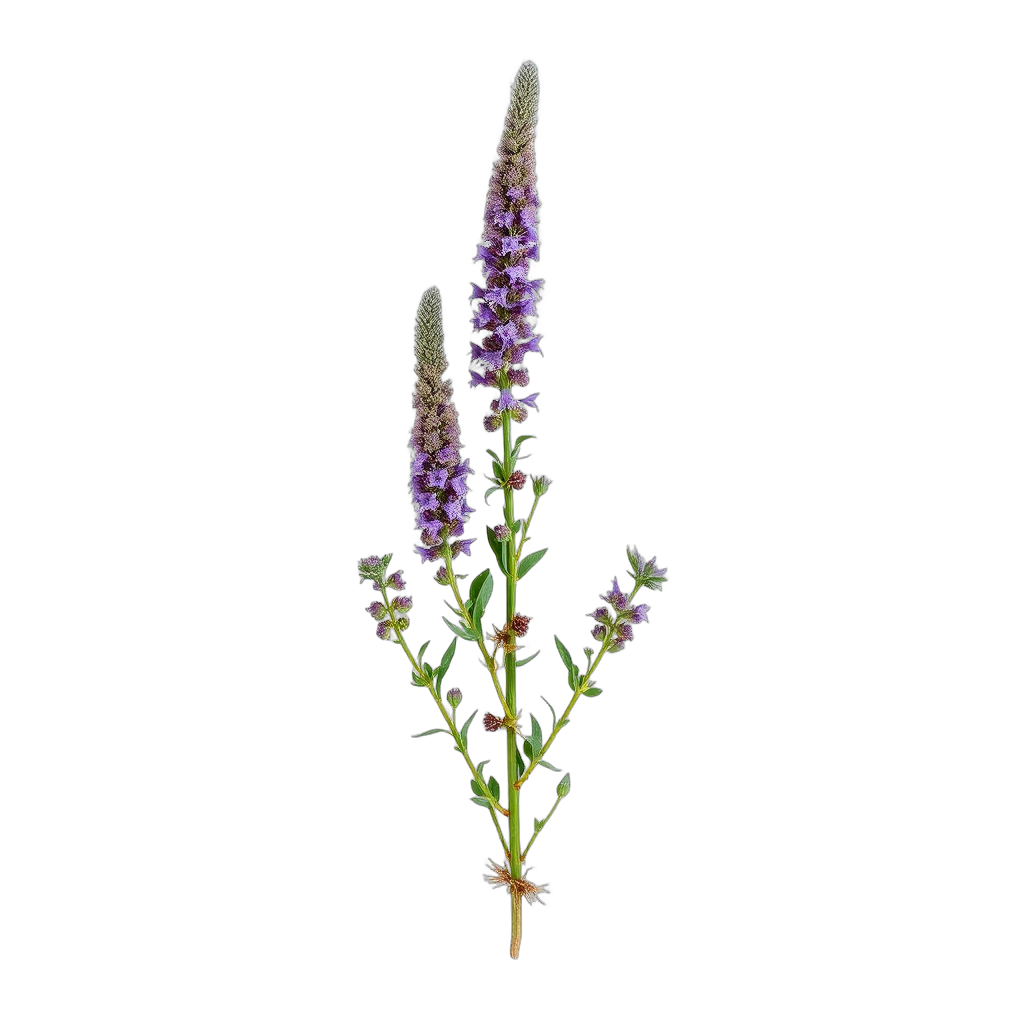
Anise Hyssop
Agastache foeniculum
grows to 3 feet, purple blooms in summer. Attracts hummingbirds.
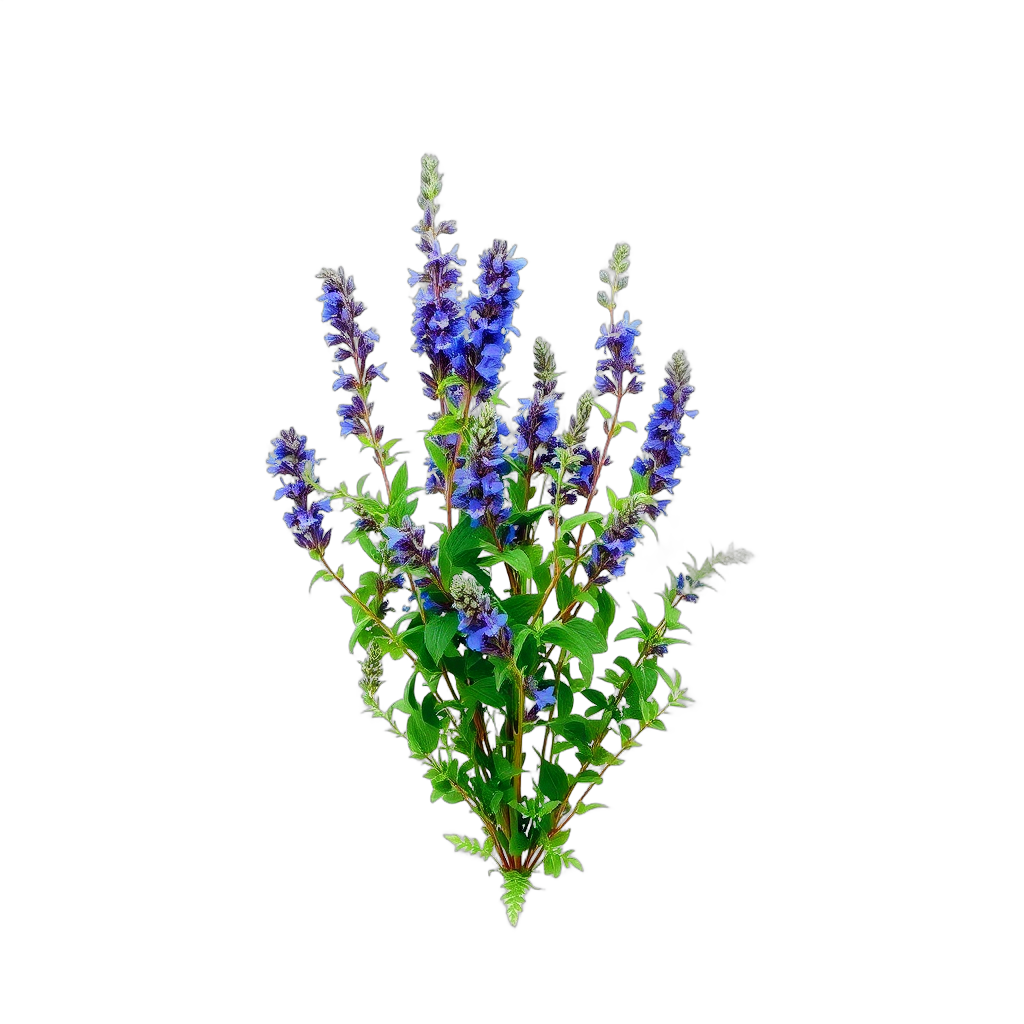
Azure Sage
Salvia azurea
grows to 4 feet, blue blooms in fall. Attracts hummingbirds.
Zone and sun checks come from our database — confirm with your local nursery before you buy.
Bloom Calendar for Omaha
spring
Blue False Indigo, Foxglove Beardtongue, Golden Alexandersummer
Path Rush, Prairie Cordgrass, Anise Hyssopfall
Azure Sage, Maximilian Sunflower, New England Asterwinter
Limited bloomsDesign Tips for Omaha (Zone 5b)
- Design for wind first in Omaha: every modern landscape plan should address the prevailing southwest wind with a windbreak hedge, dense shrub mass, or fence before placing any other elements; the windbreak transforms the microclimate behind it and dramatically expands your planting palette
- Use native prairie grasses as the dominant plant in Omaha modern landscapes — big bluestem, switchgrass, and prairie dropseed are simultaneously the most ecologically appropriate and the most visually spectacular plants available for this climate, and they require virtually zero maintenance after establishment
- Specify 8-inch crushed stone subbase for all Omaha hardscape — the frost depth (30–36 inches) and clay soils create significant heave risk, and proper drainage aggregate under all paving is the difference between surfaces that last decades and ones that require replacement within 5 years
- Embrace the seasonal drama of the Central Tallgrass Prairie: switchgrass turns red in October, big bluestem goes copper, seed heads catch frost and snow in November and December, and the standing winter structure of native grasses makes Omaha's snowy winters visually interesting rather than bleak
- Corten steel planters and edging reference Omaha's Union Pacific railroad heritage authentically — this is an industrial material with deep local meaning in the city that has been the nation's rail hub, and it reads as culturally appropriate rather than imported design language
- Plant bur oak as a statement specimen tree for any Omaha property with space — it's the signature tree of the prairie oak savanna that preceded the city, it's available in 2–4 inch caliper sizes for immediate visual impact, and 50 years from now it will be the defining feature of the landscape more than any hardscape element
Where to Source Plants in Omaha
Skip the big-box stores. These independent Omaha nurseries specialize in the plants that make modern/minimalist gardens thrive in Zone 5b.
Mulhall's
Central Omaha (Midtown)
Premier Omaha independent; outstanding native prairie plants, ornamental grasses, and architectural plant selection
Baker Nurseries
West Omaha (Elkhorn)
Full-service independent; strong Zone 5b tree and shrub selection including native Great Plains species
Wenninghoff Farm and Nursery
Gretna (southwest Omaha)
Family-owned; perennials, native plants, and trees well-selected for Nebraska's Zone 5b climate
Stock Seed Farms
Murdock, NE (west of Omaha)
Native grass and wildflower seed specialist; ideal source for prairie meadow establishment in Omaha landscapes
Earl May Garden Center
Multiple Omaha-area locations
Midwestern chain with reliable Zone 5b inventory; good source for ornamental grasses and landscape perennials
Modern/Minimalist Landscaping Costs in Omaha
| Project Scope | Estimated Cost |
|---|---|
| Front yard modern redesign (turf removal + gravel + specimen plants) | $5,000 – $14,000 |
| Concrete paver terrace (200–400 sqft) | $8,000 – $22,000 |
| Backyard modern room with fire pit + seating | $12,000 – $40,000 |
| Pool deck + landscaping (full backyard) | $38,000 – $95,000 |
| Corten steel raised planter beds | $400 – $1,200 each |
| AI visualization with ProScapeAI | Free to start |
Estimates based on Omaha, NE-area contractor rates as of 2026. Actual costs vary by site conditions, materials, and contractor.
Omaha Climate & Growing Zone
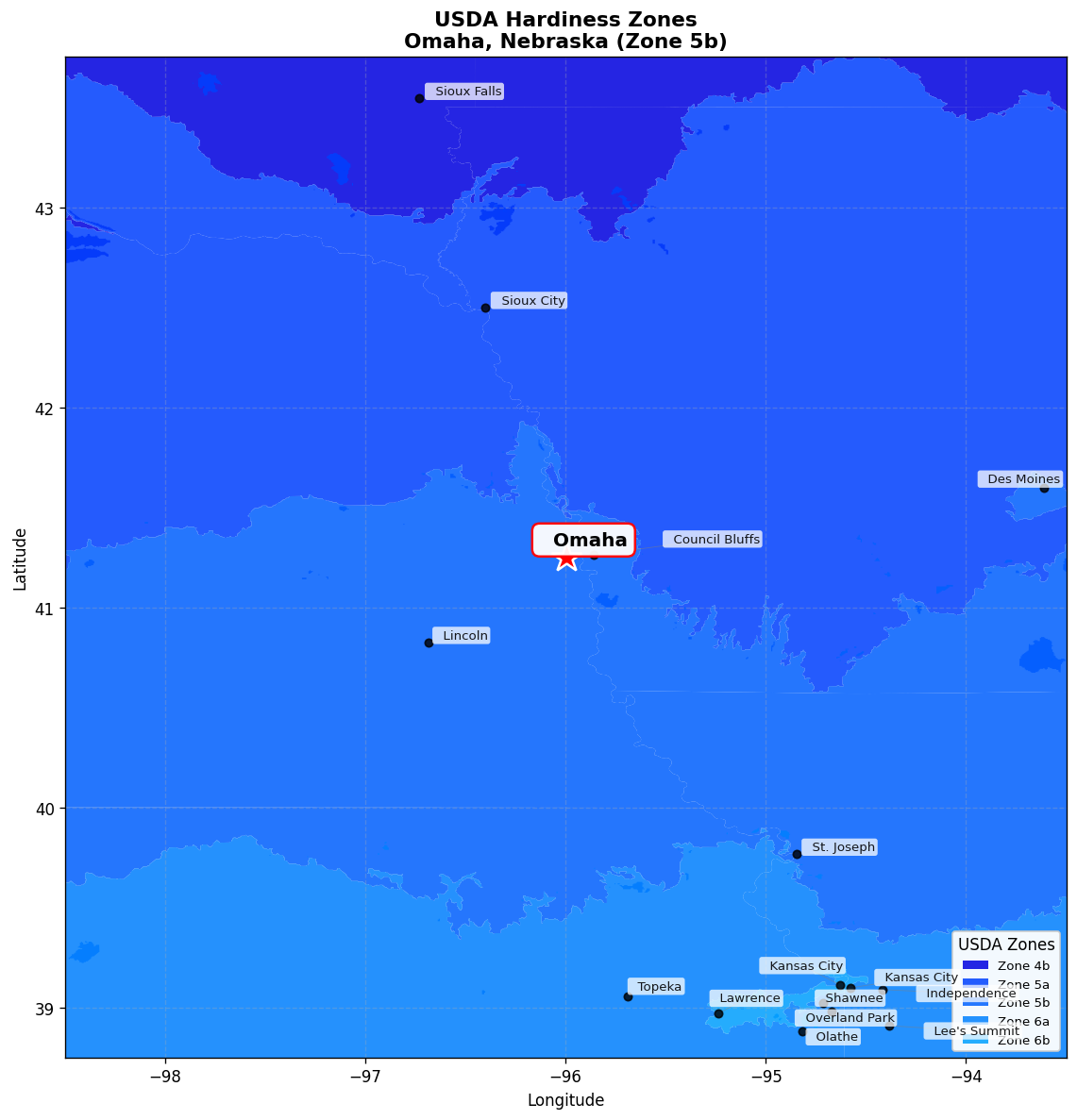
USDA Zone 5b
Hardiness zone for Omaha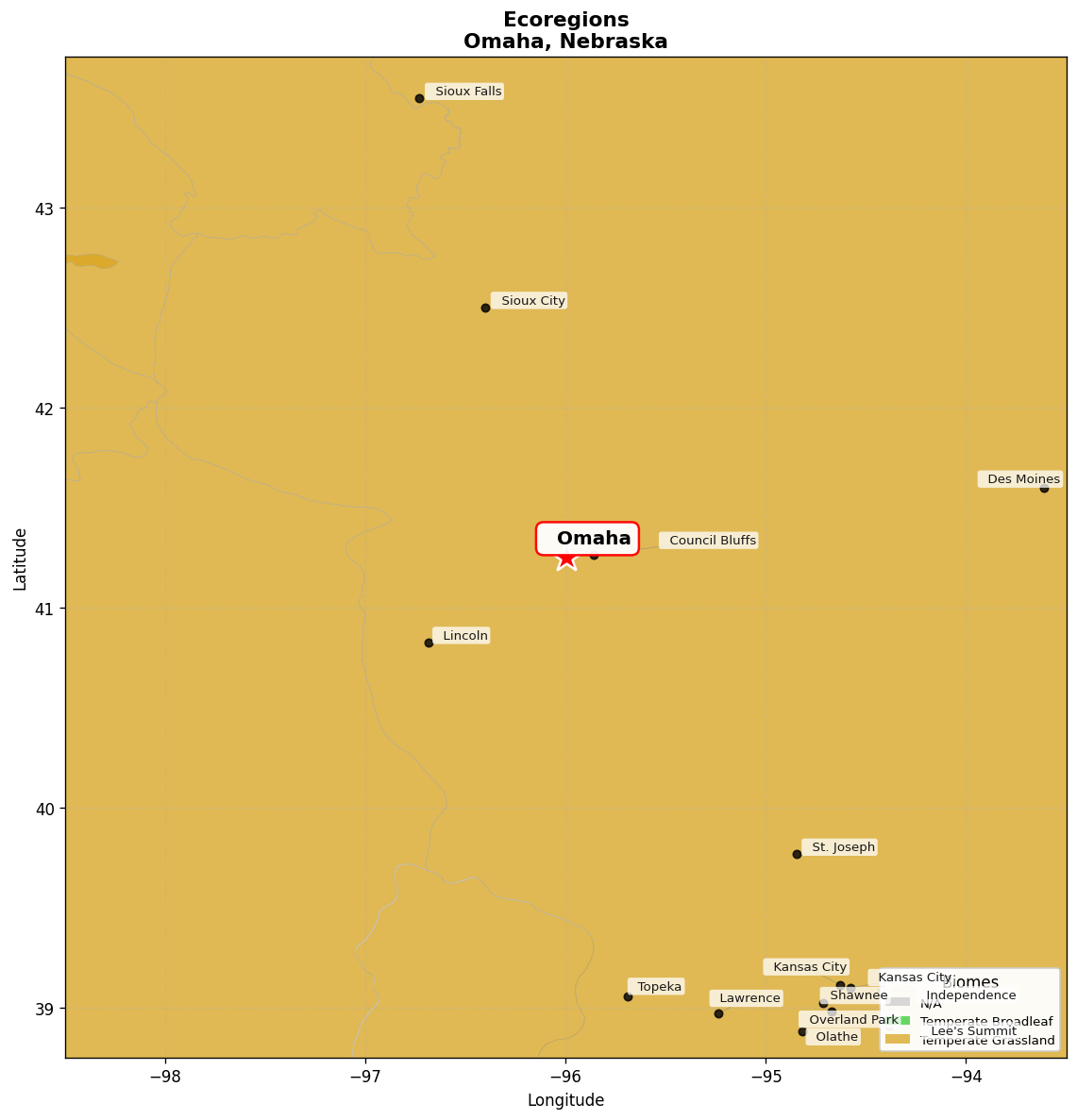
Central Tallgrass prairie
Native ecoregionFrequently Asked Questions
What modern architectural plants are Zone 5b-hardy and wind-tolerant in Omaha?
Zone 4 or colder with proven wind tolerance is the Omaha standard. Big bluestem (Zone 3, native, extremely wind-tolerant), switchgrass (Zone 4, native, flexible stems that move rather than break in wind), prairie dropseed (Zone 3, native, fine-textured), Karl Foerster grass (Zone 5, flexible, wind-tolerant), bur oak (Zone 3, native, wind-hardy), hackberry (Zone 2, native, wind-tolerant street tree), and sedum (Zone 3) are all proven Omaha performers. Rugosa roses (Zone 2–3) are both cold-hardy and wind-tolerant shrubs that add cottage character to modern designs. Avoid upright, stiff ornamental grasses and tall narrow conifers in exposed positions — they snap in Omaha's wind. Choose flexible, low-center-of-gravity forms.
How deep is the frost in Omaha and what does it mean for hardscape?
Omaha's frost depth reaches 30–36 inches — significant but less extreme than Milwaukee (42–48 inches) or Minneapolis (48–60 inches). Minimum subbase requirements: 8 inch compacted crushed stone under all concrete and paver surfaces. Concrete minimum 4 inches thick with rebar. Post footings for pergolas and fences at 36–42 inches below grade. The heavy clay soils in many Omaha areas compound freeze-thaw heave risk — proper drainage aggregate is essential. Omaha also sees significant freeze-thaw cycling (multiple freeze-thaw events per winter rather than one sustained freeze), which is harder on hardscape than single freeze winters. Professional Omaha landscape contractors understand local frost conditions; always ask for subbase depth specifications.
Can I have a maintenance-free landscape in Omaha with native prairie plants?
Near-zero maintenance after establishment, yes. Native prairie grasses (big bluestem, switchgrass, prairie dropseed) evolved in Omaha's specific climate and require no irrigation after establishment (once per week in year 1, year 2 for root establishment, then nothing), no fertilizer, and one annual cut-back in early March. Native prairie perennials (coneflower, black-eyed Susan, blazing star, wild bergamot) have the same minimal requirements. The combination of native grasses with proper mulch eliminates nearly all weeding after year 2. This is genuinely achievable in Omaha in a way that it isn't with conventional turf or high-maintenance exotics: the plants are adapted to exactly the conditions they'll experience.
What is the bur oak and why is it significant for Omaha landscaping?
Bur oak (Quercus macrocarpa) is the signature tree of the Central Tallgrass Prairie and one of the most architecturally dramatic trees in North America. It was the dominant tree species in the oak savanna that covered much of eastern Nebraska before European settlement. Its characteristics: massive spreading crown (60–80 feet wide at maturity), deeply furrowed dramatic bark, fire-resistant thick bark from evolutionary adaptation to prairie fires, Zone 3 cold hardiness, extreme drought tolerance once established, and exceptional wind resistance from its deep taproot. It grows slowly (12–18 inches per year in good soil) but is available in 2–4 inch caliper nursery specimens for immediate presence. As a statement tree in a modern Omaha landscape, nothing is more authentic or ultimately more impressive.
How does Omaha's summer heat affect modern landscape plants?
Omaha's July and August are hot and often dry: average high 89°F, with heat waves regularly reaching 95–100°F. For modern landscape plants, heat tolerance is as important as cold tolerance. Prairie natives handle heat easily — they evolved in it. Ornamental grasses (big bluestem, switchgrass, Karl Foerster) actually perform best in heat with dry conditions. Non-native ornamental plants need more attention: sedum, rudbeckia, and coneflower are heat-tolerant; Karl Foerster grass, while technically Zone 5, tolerates Omaha's heat well. Avoid shade-tolerant or moisture-requiring plants (astilbe, hostas, ferns) in exposed sunny positions — they decline in Omaha's summer heat without reliable irrigation. Design with heat and drought tolerance as the primary filter, adding cold hardiness as the secondary requirement.
What is a realistic modern landscape budget in Omaha?
Omaha's construction market is below Chicago but comparable to peer Midwest cities. A front yard prairie-style modern redesign (400–600 sqft, turf removal, decomposed granite, native grass masses, steel edging) runs $6,000–14,000 professionally installed. A backyard terrace with concrete pavers, Corten planters, and windbreak hedge runs $15,000–38,000. Estate-scale Elkhorn or Millard projects with drive, meadow, and terrace run $35,000–80,000. Custom Corten steel planters from local Omaha metal fabricators run $400–1,000 per unit. Native grass and perennial mass planting (plants + mulch + edging) installed runs $8–15/sqft. Omaha's landscape labor is 10–20% below Chicago rates.