4 Desert Garden Ideas for Longmont, CO | Cold-Hardy Xeric Zone 5b
Native plants from the Western shortgrass prairie (Zone 5b) — Cold semi-arid climate
For a desert garden in Longmont, CO, a zone 5b city with a cold semi-arid climate, start with Agave parryi var. neomexicana, Yucca glauca and Gaillardia aristata 'Arizona Sun', the plants this guide's first design is built on.
Why Desert/Xeriscape Gardens in Longmont?
A desert garden can work in Longmont, but it has to be a cold desert. The NOAA 1991–2020 normals for Longmont 2 ESE give 15.21 inches of precipitation a year, a July average high of 90.8°F and a January average low of 14.4°F. Saguaro and golden barrel cactus would not survive those winters. The plants that do come from the high deserts and shortgrass prairie of Colorado and New Mexico: Agave parryi var. neomexicana, Yucca glauca, Opuntia polyacantha and Echinocereus triglochidiatus all handle zone 5b if their roots stay out of wet clay.
Winter wet kills desert plants faster than cold does, and Front Range clay is common around Longmont, so most successful desert beds are built up with gravel and set on a slight mound. Plant Agave parryi var. neomexicana and Hesperaloe parviflora on a south or west slope with 6–10 inches of coarse sand or crushed stone worked into the top layer. Add Penstemon pinifolius, Gaillardia aristata 'Arizona Sun', Sphaeralcea coccinea and Delosperma cooperi 'Table Mountain' for color, and Ericameria nauseosa or Artemisia frigida to carry the gray-green foliage tones that read as desert in a cold climate.
The calendar is short. The median last 32°F night falls around May 7 and the median first one around October 5, so frost can arrive in the first week of May or the second week of October. Plant container stock from mid-May through June so roots reach down before winter, and skip planting after mid-September. Water new plants every week or two for the first summer, then pull back to rain and an occasional deep soak in July and August.
Longmont's landscape standards, Section 15.05.040 of the municipal code, make drought-tolerant vegetation or native ground cover the primary ground cover and prohibit nonfunctional turf in new development and redevelopment. An existing single-family yard may sit outside those standards, so check with the city, and read any HOA covenants too, since some associations limit gravel or require a share of living plants.
4 Desert/Xeriscape Design Ideas for Longmont
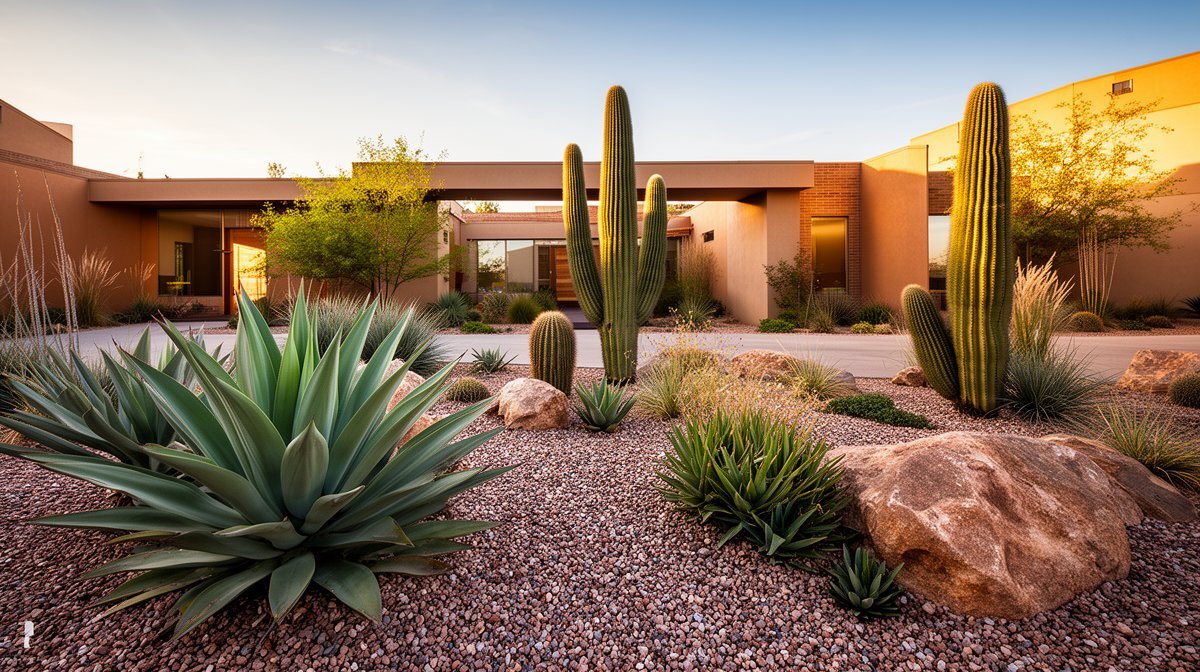
AI-generated image
The Agave and Gravel Front Yard
$14–30/sqftA tan or white stucco ranch has its front lawn replaced with a gently mounded gravel bed in warm 3/4-inch decomposed granite. Three Agave parryi var. neomexicana sit at the corners as architectural accents, with Yucca glauca spikes between and Gaillardia aristata 'Arizona Sun' drifting along the edges. A dry-laid flagstone path runs to the door, and a few boulders break the surface.
Try this on your yard: The Agave and Gravel Front YardAI-generated image
The Prickly Pear Rock Garden
$18–35/sqftA raised berm on a corner lot is built from 12 inches of coarse sand and crushed stone topped with cobble. Opuntia polyacantha sprawls across the south face, Echinocereus triglochidiatus forms scarlet-flowering mounds in the crevices, and Hesperaloe parviflora sends up coral flower spikes in summer. The sandy mix drains in minutes, which is what these plants need to get through a wet March.
Try this on your yard: The Prickly Pear Rock GardenAI-generated image
The Xeric Patio Retreat
$22–45/sqftA flagstone patio behind a brick home is wrapped by gravel beds on three sides. Ericameria nauseosa and Artemisia frigida give silvery foliage along the fence, Muhlenbergia reverchonii 'Undaunted' puffs pink in autumn, and Agastache rupestris perfumes the seating area. A metal pergola or shade sail covers the table from the 4 p.m. sun.
Try this on your yard: The Xeric Patio RetreatAI-generated image
The Prairie Cactus Parkway
$10–22/sqftThe strip between sidewalk and curb is cleared of sod and rebuilt with a low carpet of Bouteloua gracilis 'Blonde Ambition' and bands of Delosperma cooperi 'Table Mountain'. Four Yucca glauca anchor each end, and flat river rocks make a stepping line for visitors getting out of cars. The planting stays under 24 inches so it does not block sight lines.
Try this on your yard: The Prairie Cactus ParkwaySee how a desert/xeriscape garden looks on YOUR property
Upload a photo of your Longmont yard and visualize your dream garden in seconds.
Try ProScapeAI Free

AI-generated image
Featured Trees & Shrubs for Desert/Xeriscape Gardens
Browse all 159 plants for Longmont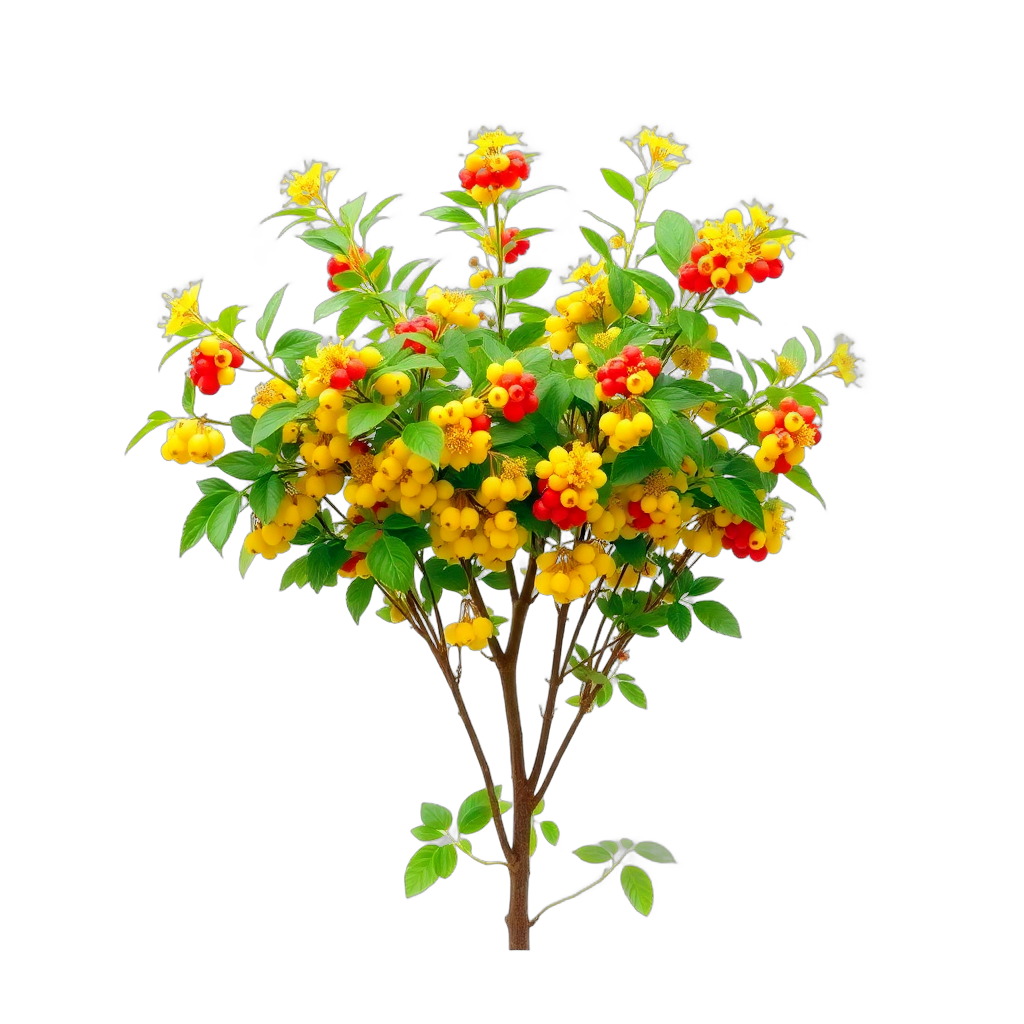
Golden Currant
Ribes aureum
grows to 6 feet, yellow blooms in spring. Attracts hummingbirds.
Featured Grasses & Groundcovers for Desert/Xeriscape Gardens
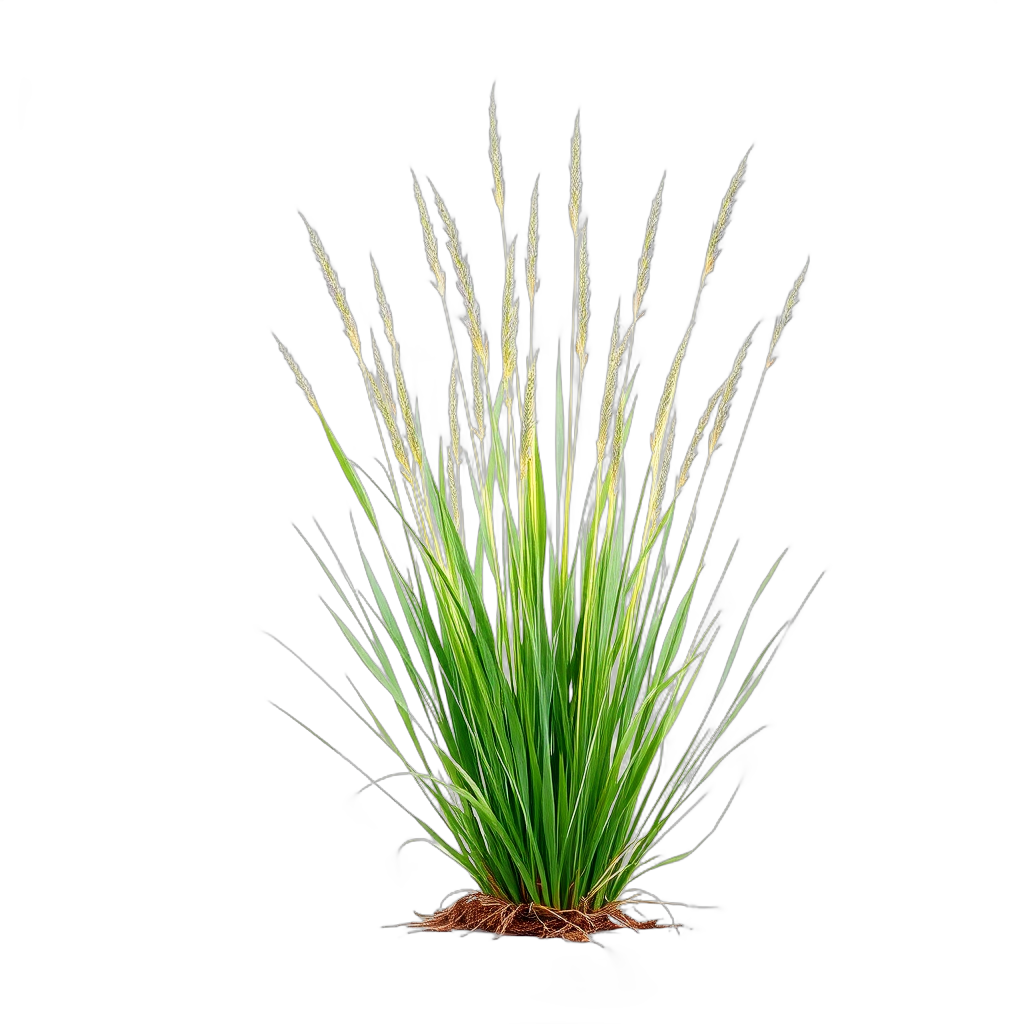
Blue Grama Grass
Bouteloua gracilis
low-growing ground cover, purple blooms in summer. Yellow fall color.
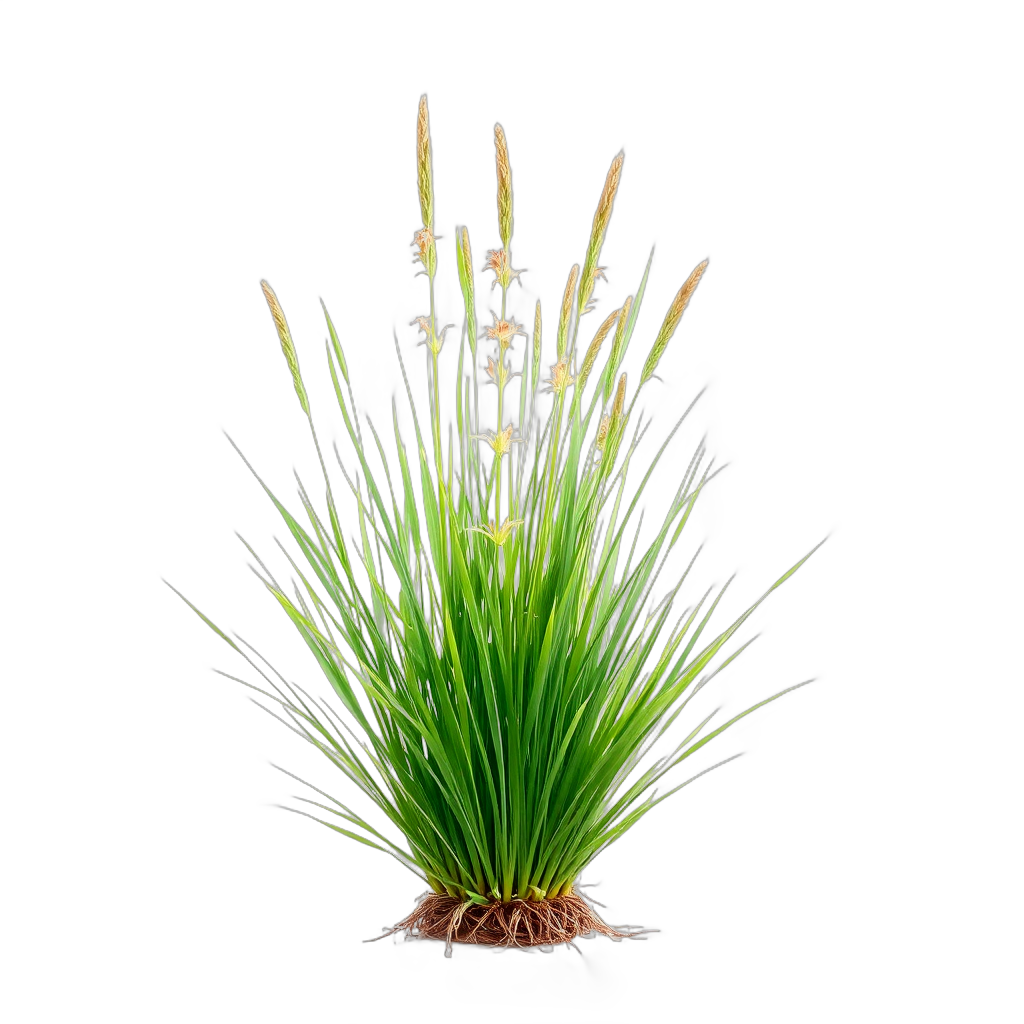
Buffalo Grass
Buchloe dactyloides
low-growing ground cover, blooms in summer. Yellow fall color.
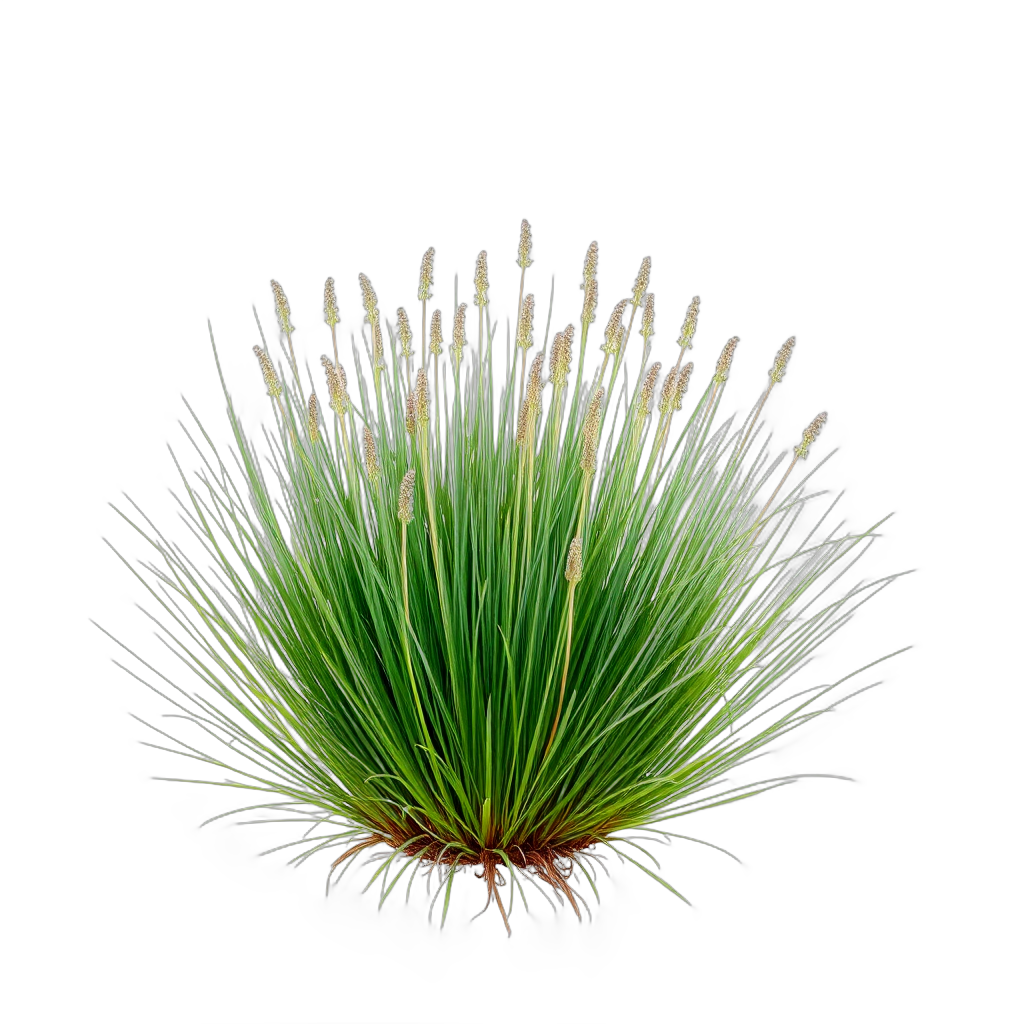
Little Bluestem
Schizachyrium scoparium
grows to 3 feet, blooms in summer. Red,burgundy fall color.
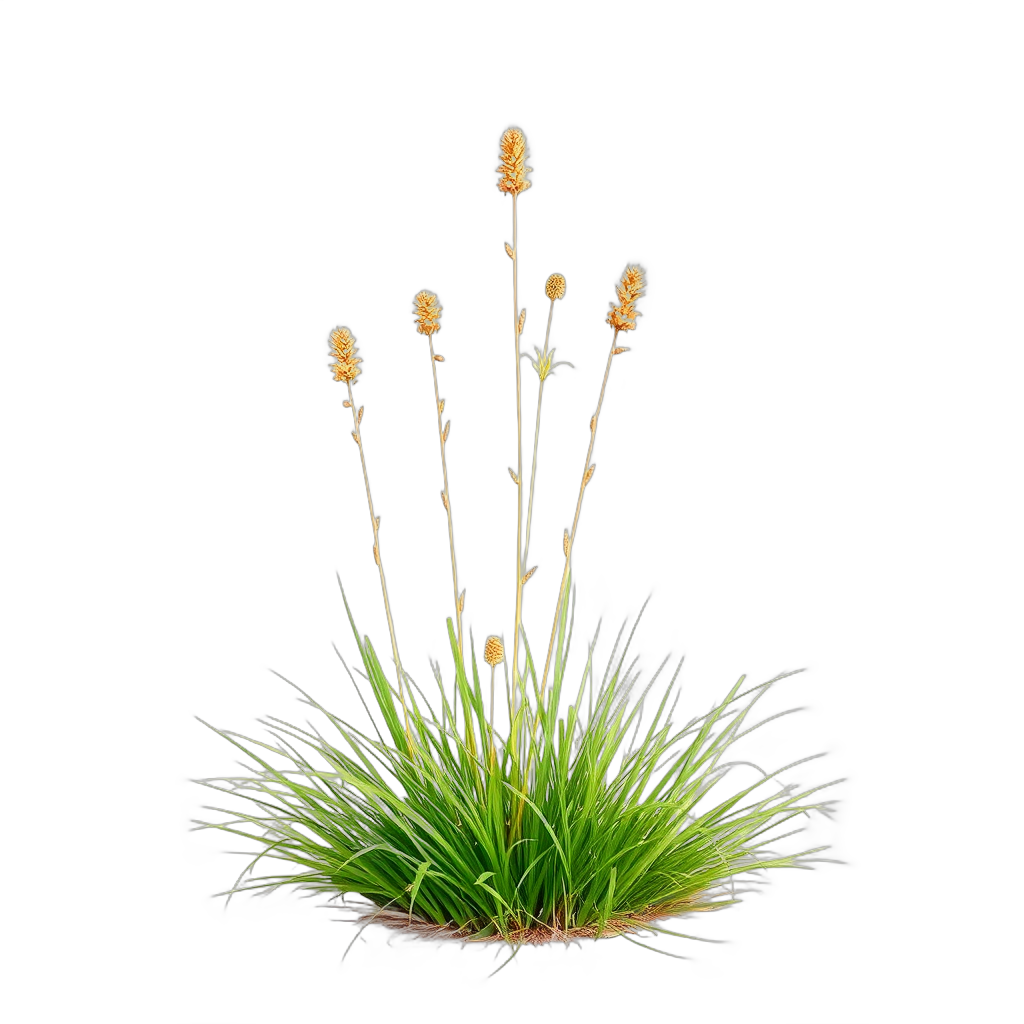
Sand Dropseed
Sporobolus cryptandrus
low-growing ground cover, blooms in summer. Orange fall color.
Featured Flowers & Perennials for Desert/Xeriscape Gardens
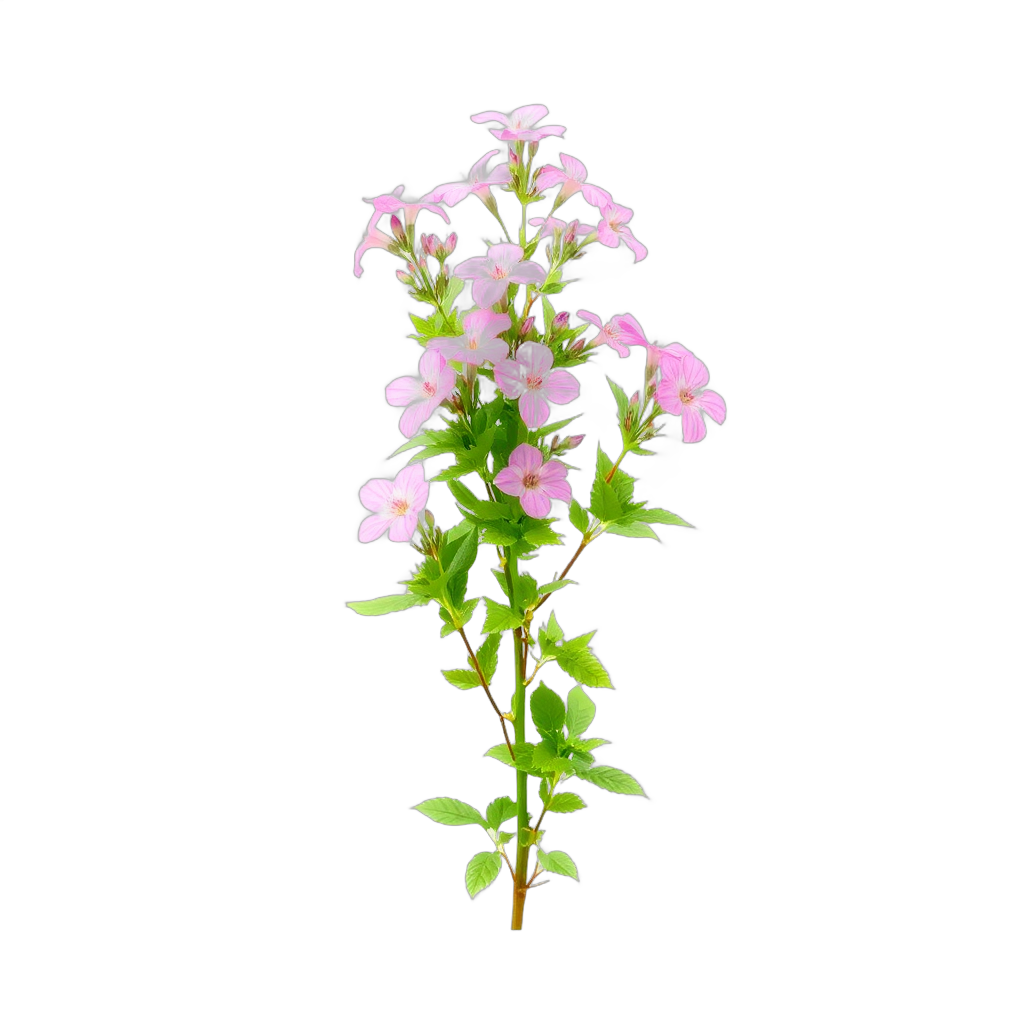
Hood's Phlox
Phlox hoodii
low-growing ground cover, white blooms in spring. Attracts butterflies.
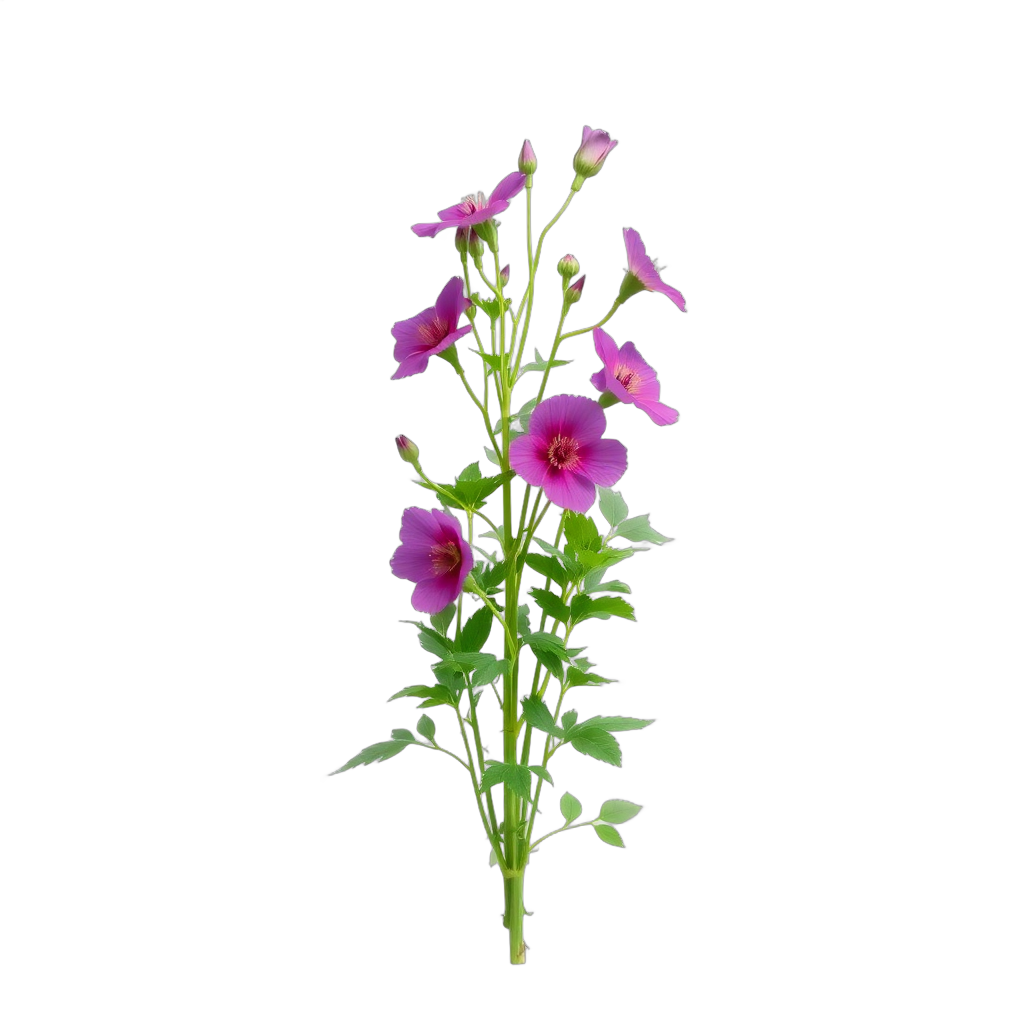
Purple Poppy Mallow
Callirhoe involucrata
low-growing ground cover, purple blooms in summer. Attracts butterflies.
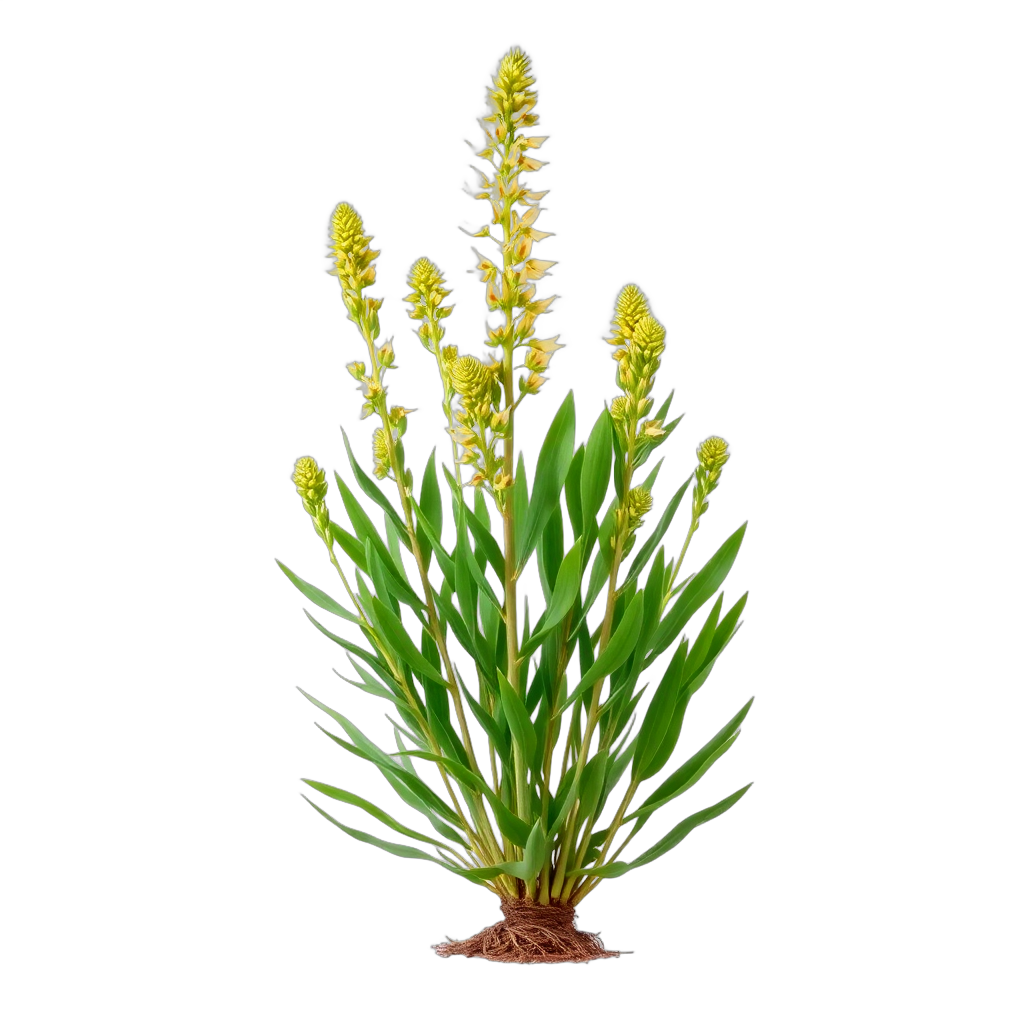
Soapweed Yucca
Yucca glauca
low-growing ground cover, white blooms in spring. Pollinator-friendly.
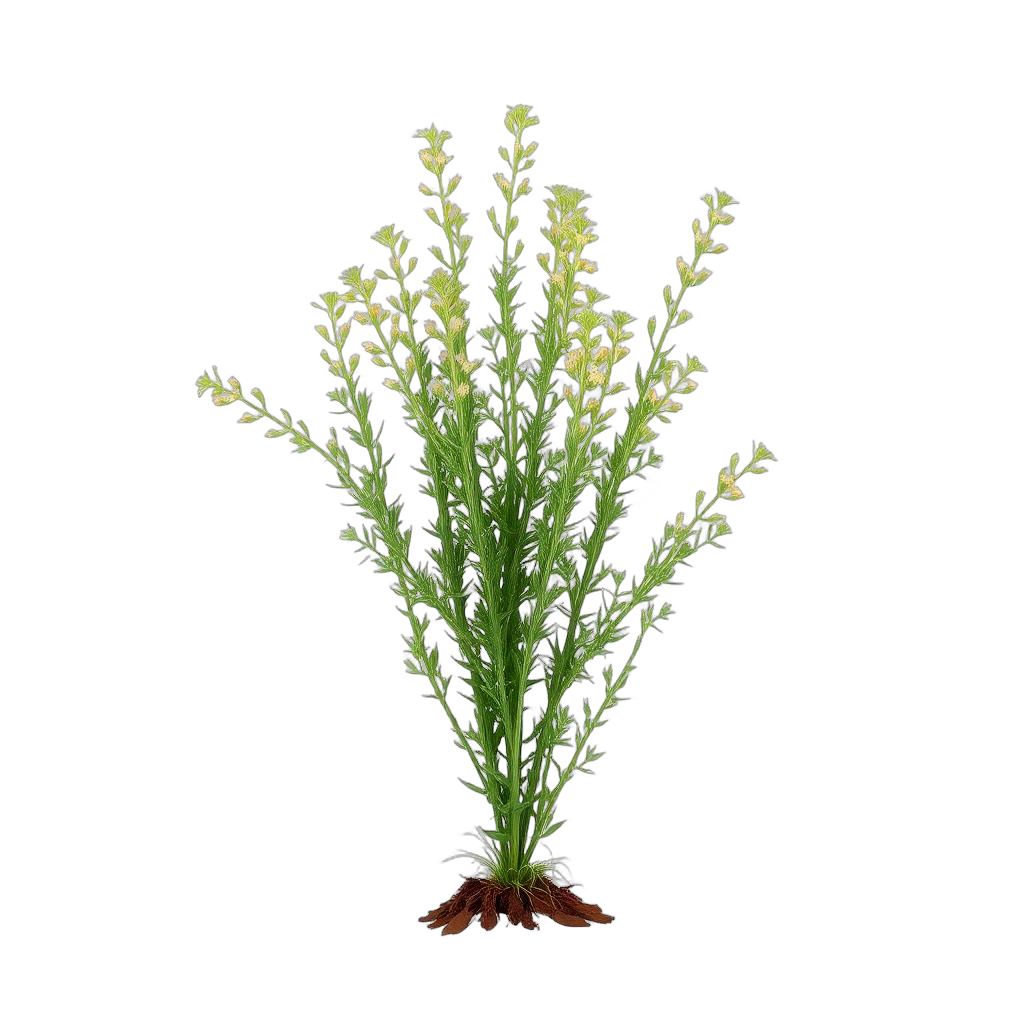
White Sage
Artemisia ludoviciana
low-growing ground cover, white blooms in summer. Fragrant.
Zone and sun checks come from our database — confirm with your local nursery before you buy.
Bloom Calendar for Longmont
spring
Hood's Phlox, Soapweed Yucca, Golden Currantsummer
Purple Poppy Mallow, White Sage, Blue Grama Grassfall
Limited bloomswinter
Limited bloomsDesign Tips for Longmont (Zone 5b)
- Choose cold-hardy species only: Agave parryi var. neomexicana, Opuntia polyacantha and Yucca glauca handle January lows averaging 14.4°F, while tropical desert plants will die in the first winter.
- Build the bed 8–12 inches above grade with coarse sand and crushed stone: winter wet around the roots kills more desert plants in Longmont than cold does.
- Plant between mid-May and June: the median last 32°F night is around May 7 and the first fall frost around October 5, so spring planting gives roots a full season.
- Use gravel instead of bark: it drains fast and keeps crowns dry, though dark stone reflects July heat, so keep it back from west-facing walls.
- Water new plants every week or two in year one, then stop: Longmont's 15.21 inches of annual precipitation is enough for established Penstemon pinifolius and Sphaeralcea coccinea.
- Add one fall bloomer such as Muhlenbergia reverchonii 'Undaunted' so the garden is not just gravel after the summer flowers fade.
- Check your HOA covenants before pulling sod, since some associations require a share of living plants or limit rock beds.
Where to Source Plants in Longmont
Skip the big-box stores. These independent Longmont nurseries specialize in the plants that make desert/xeriscape gardens thrive in Zone 5b.
The Flower Bin Garden Center & Nursery
Longmont (Nelson Road)
Family-run garden center selling perennials, roses, annuals, herbs, vegetables, cacti and succulents, with Proven Winners and Monrovia stock and a gift house
Harlequin's Gardens
Boulder (North 26th Street)
Boulder's specialist in native, xeriscape and Colorado-adapted perennials, hardy roses, hardy cacti and fruit trees, with organic soil and mulch products
Desert/Xeriscape Landscaping Cost Ranges
| Project Scope | Estimated Cost |
|---|---|
| Dry-laid flagstone patio (200–300 sqft) | $5,000–$9,600 |
| Drip irrigation system (500 sqft of planted area) | $1,200–$2,200 |
| Block fire pit, stacked block, capped (1 fire pit) | $580–$770 |
| AI visualization (ProScapeAI) | Free to start |
National average installed ranges for 2026 from our landscaping price list (Homewyse and other published sources). Prices in Longmont, CO vary with site, materials and contractor, so get two or three local quotes.
Longmont Climate & Growing Zone
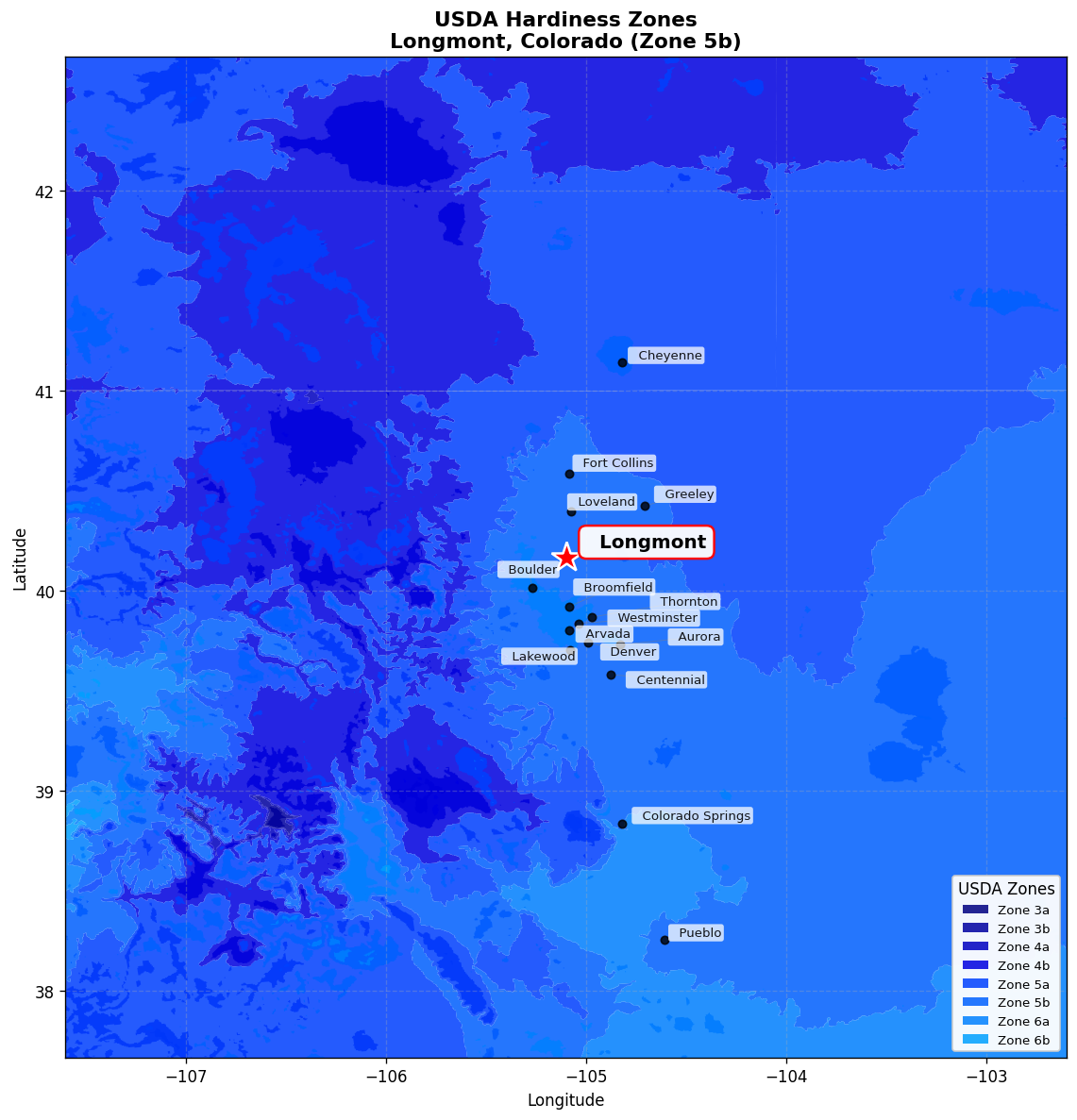
USDA Zone 5b
Hardiness zone for Longmont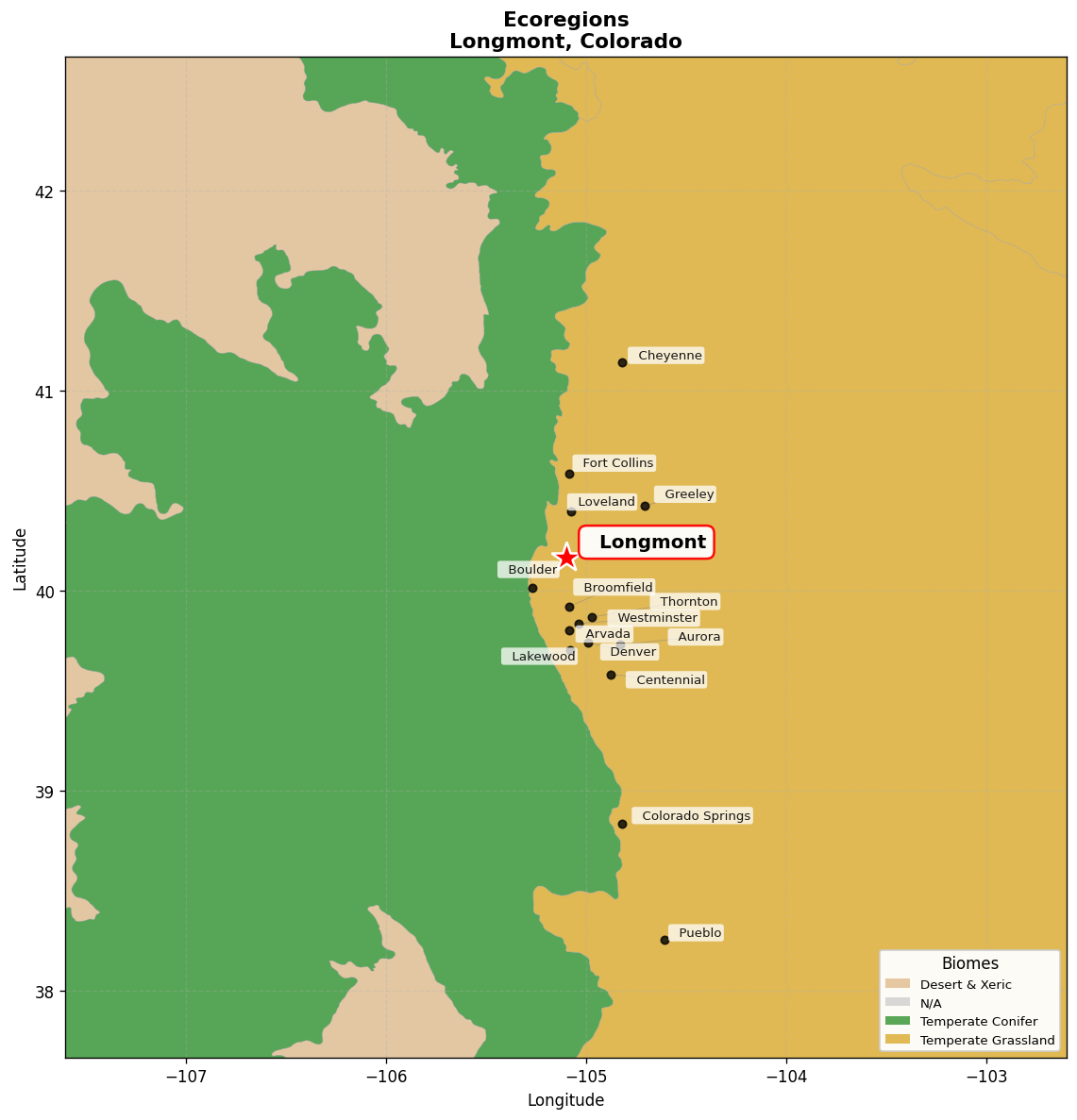
Western shortgrass prairie
Native ecoregionFrequently Asked Questions
How much does a desert garden cost in Longmont, CO?
Buying Yucca glauca and Opuntia polyacantha in one-gallon pots and planting them yourself lowers the plant cost substantially. Costs vary with site, access, materials and local labor rates, so get two or three local quotes before you budget.
Can cactus and agave survive Longmont winters?
Some can. Longmont's January average low is 14.4°F and zone 5b winters go colder, so only cold-hardy species work. Agave parryi var. neomexicana, Opuntia polyacantha, Echinocereus triglochidiatus and Yucca glauca are reliable in zone 5, as is Hesperaloe parviflora in a protected spot. Skip saguaro, golden barrel and standard Agave americana. Wet roots in winter are what kill plants here, so drainage matters more than the lows.
How do I stop winter rot in clay soil?
Build up rather than dig down. Mound the bed 8–12 inches with a mix of coarse sand, crushed stone and a little native soil, set plants on the slope so water runs away from the crown, and top with gravel instead of bark. A gravel top layer keeps the neck of Agave parryi var. neomexicana and Opuntia dry through March and April.
When is the best time to plant a desert garden in Longmont?
Plant from mid-May through June. The median last 32°F night is around May 7 and the median first one around October 5 (NOAA 1991–2020 normals for Longmont 2 ESE), so a plant needs the summer to root before winter. Avoid planting after mid-September. Do stone, edging and grading in early spring or fall.
Do I need a permit or approval to replace my lawn?
For an existing single-family yard, a permit is often not required just to replace lawn, but check with the City of Longmont first. Section 15.05.040 of the municipal code makes drought-tolerant vegetation or native ground cover the primary ground cover and bars nonfunctional turf in new development and redevelopment. If your property is in an HOA, read the covenants, since some associations limit gravel or require a share of living plants.
How much water does a desert garden need in Longmont?
Annual precipitation at the NOAA Longmont 2 ESE station is 15.21 inches, and July highs average 90.8°F. New plants need water every week or two in their first summer, then a deep soak every 2–3 weeks in July and August. Gaillardia aristata 'Arizona Sun' and Penstemon pinifolius bloom longer with a little extra summer water.
Where can I buy xeric plants near Longmont?
Harlequin's Gardens in north Boulder specializes in native, xeriscape and Colorado-adapted plants and hardy cacti, and The Flower Bin on Nelson Road in Longmont sells perennials and cacti and succulents. Ask each nursery which of their cacti and agaves are rated for zone 5 before buying, since stock changes with the season.