4 English Cottage Garden Ideas for Newton, MA | Zone 6b Borders
Native plants from the Northeast US Coastal forests (Zone 6b) — Humid continental (warm summer) climate
For a cottage garden in Newton, MA, a zone 6b city with a humid continental (warm summer) climate, start with Rosa 'New Dawn' on the arbor, Rosa 'Sally Holmes' and Lavandula × intermedia 'Phenomenal', the plants this guide's first design is built on.
Why Cottage/English Gardens in Newton?
Newton has the houses a cottage garden asks for. West Newton, Newtonville and Auburndale are full of Victorian and Queen Anne houses with porches, Waban and Newton Centre have Colonials and Tudors on deep lots, and Newton Highlands mixes in smaller early 20th century houses, many sitting only 15 to 30 feet back from the sidewalk. A picket or iron-rail fence, a gate with a rose over it and a border three layers deep fit that setback well. The city has called itself the Garden City for generations, and the tall maples and oaks in older neighborhoods give the style its shaded edges.
Newton is USDA Zone 6b, with winter lows of about -5 to 0°F, roughly 44 inches of precipitation a year and frost that can reach 4 feet. Last frost falls around late April and first frost in mid to late October. That is cold enough to remove a few English classics. Lavandula angustifolia 'Hidcote' tends to rot in wet spring soil, and Delphinium elatum is a short-lived guest. What holds is the tougher list: Rosa 'New Dawn' and Rosa 'Sally Holmes' with a little winter mulch, Paeonia 'Sarah Bernhardt', Nepeta × faassenii 'Walker's Low', Salvia nemorosa 'May Night' and Lavandula × intermedia 'Phenomenal', which is rated to Zone 5. Tender David Austin roses such as Rosa 'Olivia Rose Austin' are a gamble except against a south wall.
Soil changes block by block. Much of the city sits on glacial till, a stony, compacted mix with ledge close to the surface in places, while low ground near the Charles River and the wetlands holds water into May. New England soil usually tests acidic, around pH 5.0–6.5, which suits Hydrangea and Clematis but runs sour for lavender and roses. Test first, add lime where the test says so, and build beds up 6–8 inches in any spot that stays wet after thaw.
Two local rules matter before digging. Newton's Tree Preservation Ordinance requires a permit from the city's Tree Warden to remove a tree on private property, with only trees under 6 inches in trunk diameter exempt, so check before taking out the old maple that shades a border. Beds near a wetland or stream also fall under the state Wetlands Protection Act, which regulates work within 100 feet of a resource area.
4 Cottage/English Design Ideas for Newton
AI-generated image
The Picket Fence Rose Walk
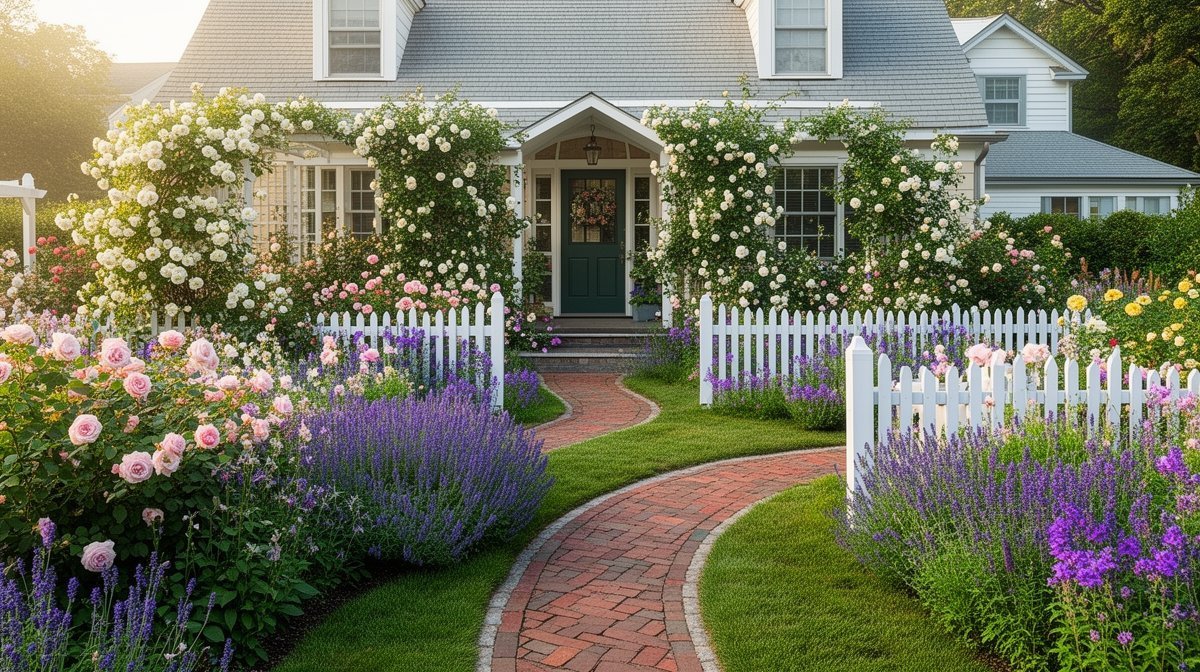
$24–48/sqftA white cedar picket fence runs across a Waban or Newton Centre Colonial front yard, with a gate under a timber arbor holding a climbing rose. A bluestone walk curves through the gate to the front steps, with a continuous ribbon of lavender along the fence line and shrub roses massed behind it. Morning sun reaches the rose beds from the east, which dries the foliage early and keeps blackspot down in a humid New England June.
Try this on your yard: The Picket Fence Rose WalkAI-generated image
The Victorian Porch Border
$22–45/sqftA deep three-layer border runs along the foundation of a painted Queen Anne with a wraparound porch, with tall spires at the back, a middle band of mounding perennials and low foliage at the front. A white clematis climbs a trellis at the porch corner and pots of annuals sit on the steps. The border is deep enough to read from the sidewalk while leaving a 3-foot path to the door.
Try this on your yard: The Victorian Porch BorderAI-generated image
The Woodland Cottage Corner
$18–38/sqftUnder two mature oaks at the back of a lot, a gravel path winds between planting beds that hold up to dry shade. A bench sits at the bend and a low fieldstone wall, built from the stone the lot already produced, holds the slope. Spring is the high point: hellebores, bleeding heart and columbine open under bare branches, and foliage carries the beds through summer.
Try this on your yard: The Woodland Cottage CornerAI-generated image
The Pergola and Cutting Garden
$32–65/sqftA cedar pergola draped with roses shelters a dining table at the back of a larger Chestnut Hill or Oak Hill lot, and raised cutting beds run along a sunny fence. Gravel paths between the beds give wheelbarrow access and drain quickly after rain. From July to frost the beds supply armfuls of cut flowers, and the pergola gives shade through the afternoon.
Try this on your yard: The Pergola and Cutting GardenSee how a cottage/english garden looks on YOUR property
Upload a photo of your Newton yard and visualize your dream garden in seconds.
Try ProScapeAI Free

AI-generated image
Featured Trees & Shrubs for Cottage/English Gardens
Browse all 181 plants for Newton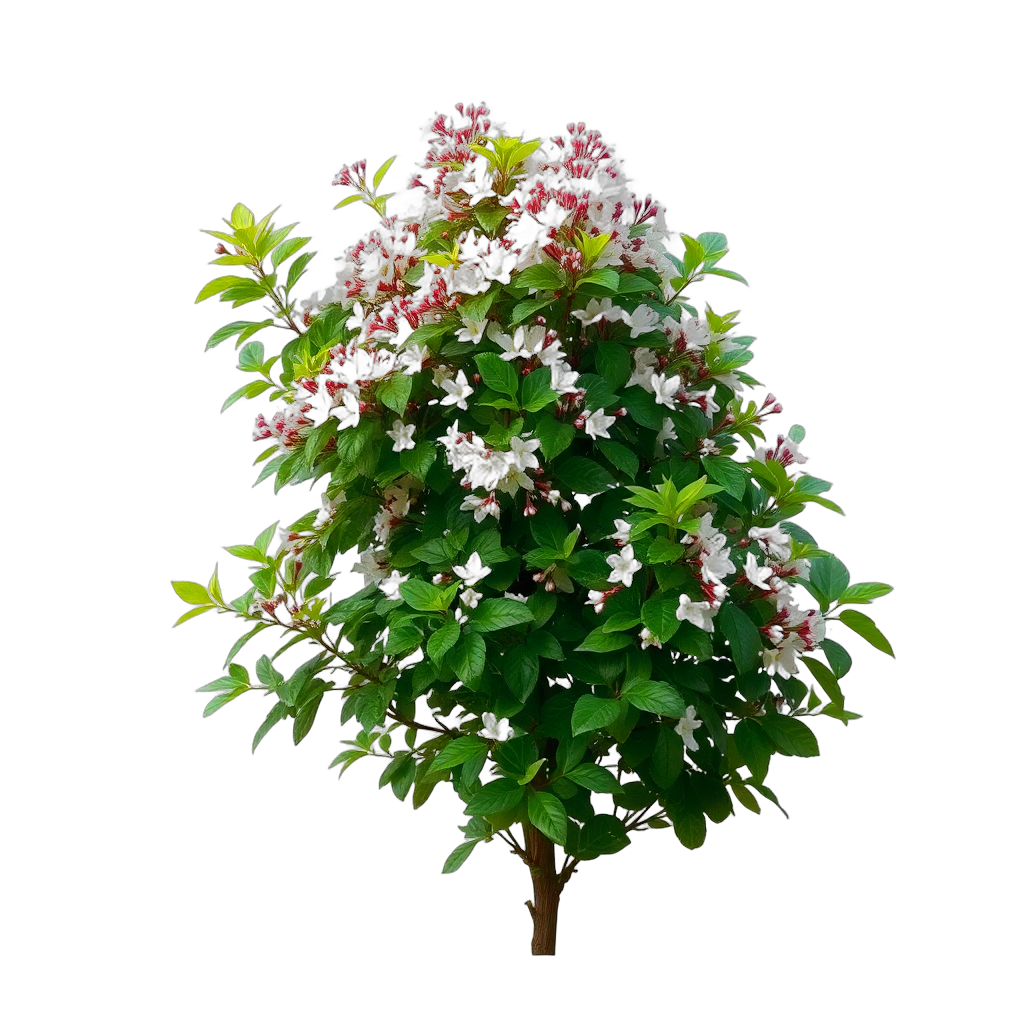
Arrowwood Viburnum
Viburnum dentatum
medium-sized at 10 feet, white blooms in spring. Pollinator-friendly.
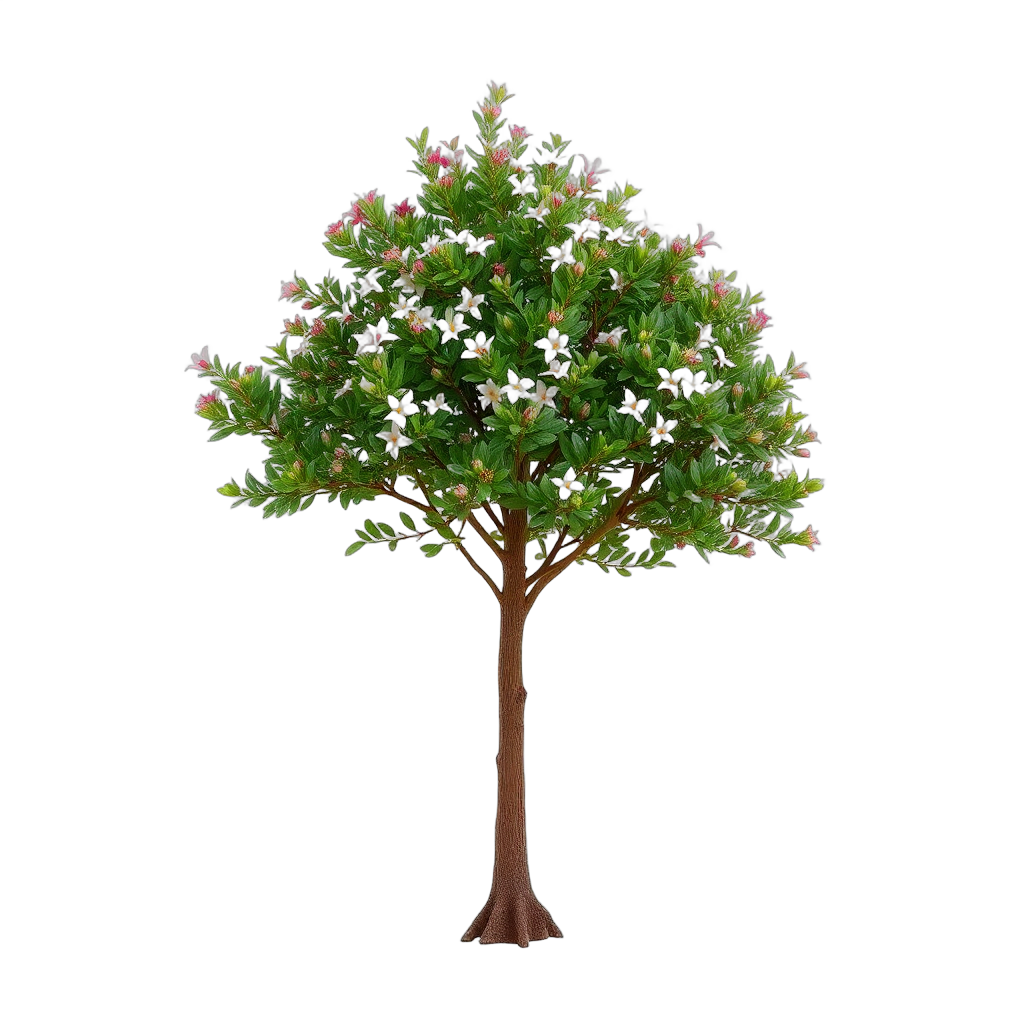
Coastal Leucothoe
Leucothoe axillaris
grows to 3 feet, white blooms in spring. Evergreen year-round.
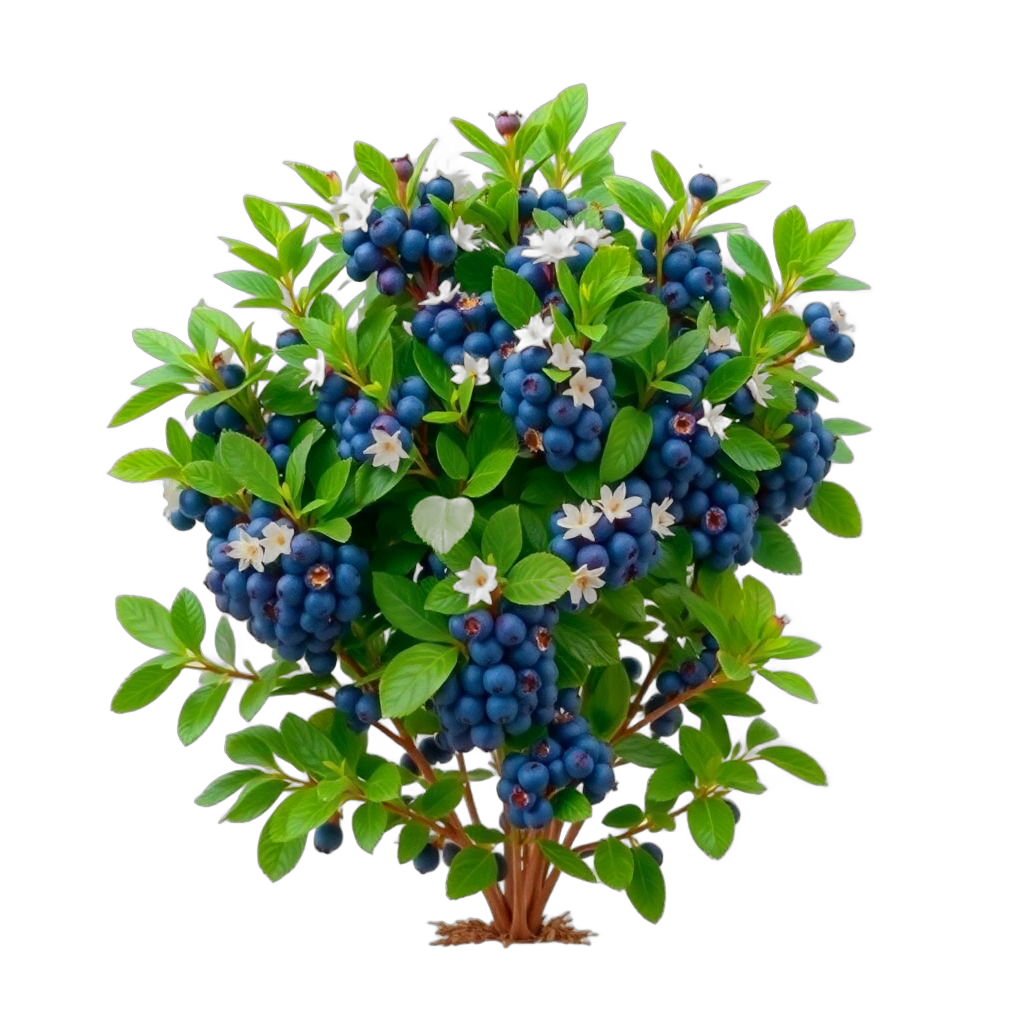
Highbush Blueberry
Vaccinium corymbosum
medium-sized at 7 feet, white blooms in spring. Attracts butterflies.

Inkberry
Ilex glabra
medium-sized at 8 feet, white blooms in spring. Pollinator-friendly.
Featured Grasses & Groundcovers for Cottage/English Gardens
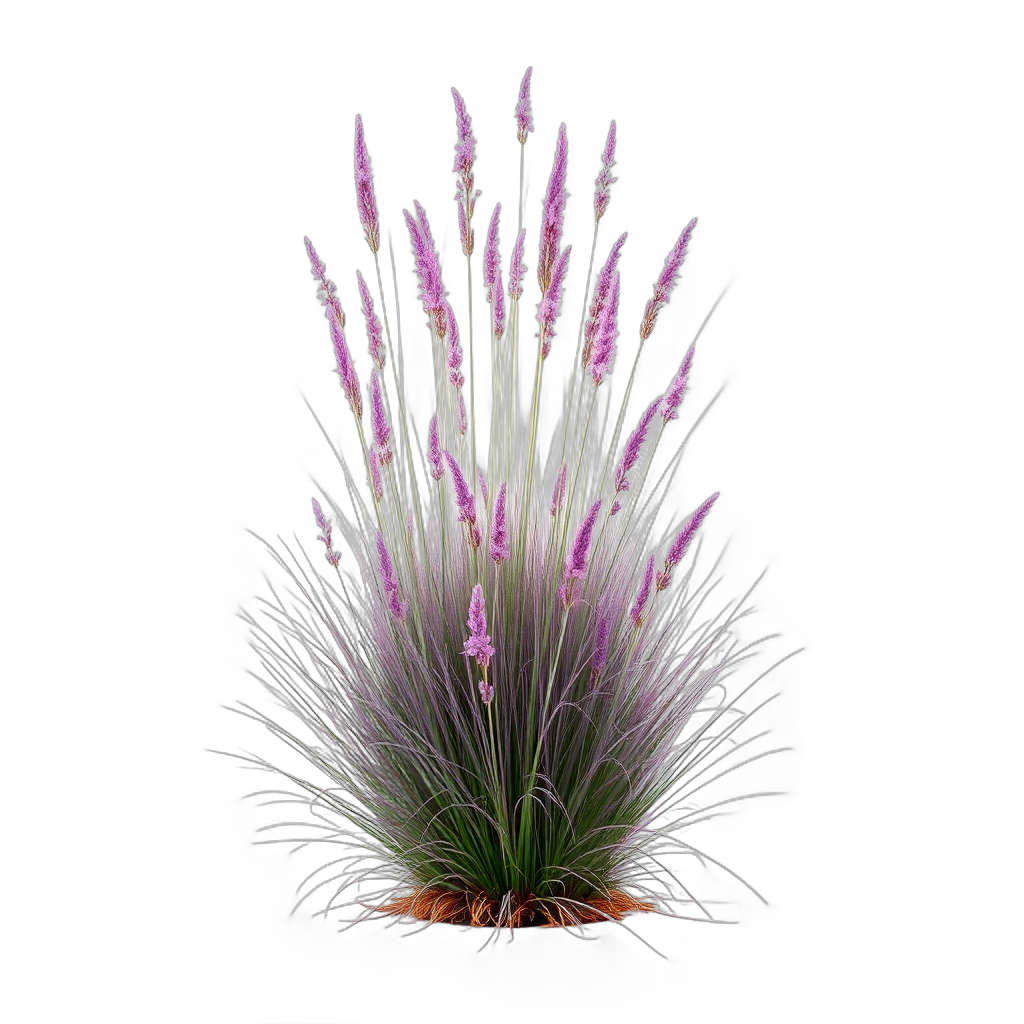
Purple Love Grass
Eragrostis spectabilis
low-growing ground cover, purple blooms in fall. Orange fall color.

Broad-leaf Bamboo
Sasa palmata
medium-sized at 7 feet, blooms in none. Evergreen year-round.
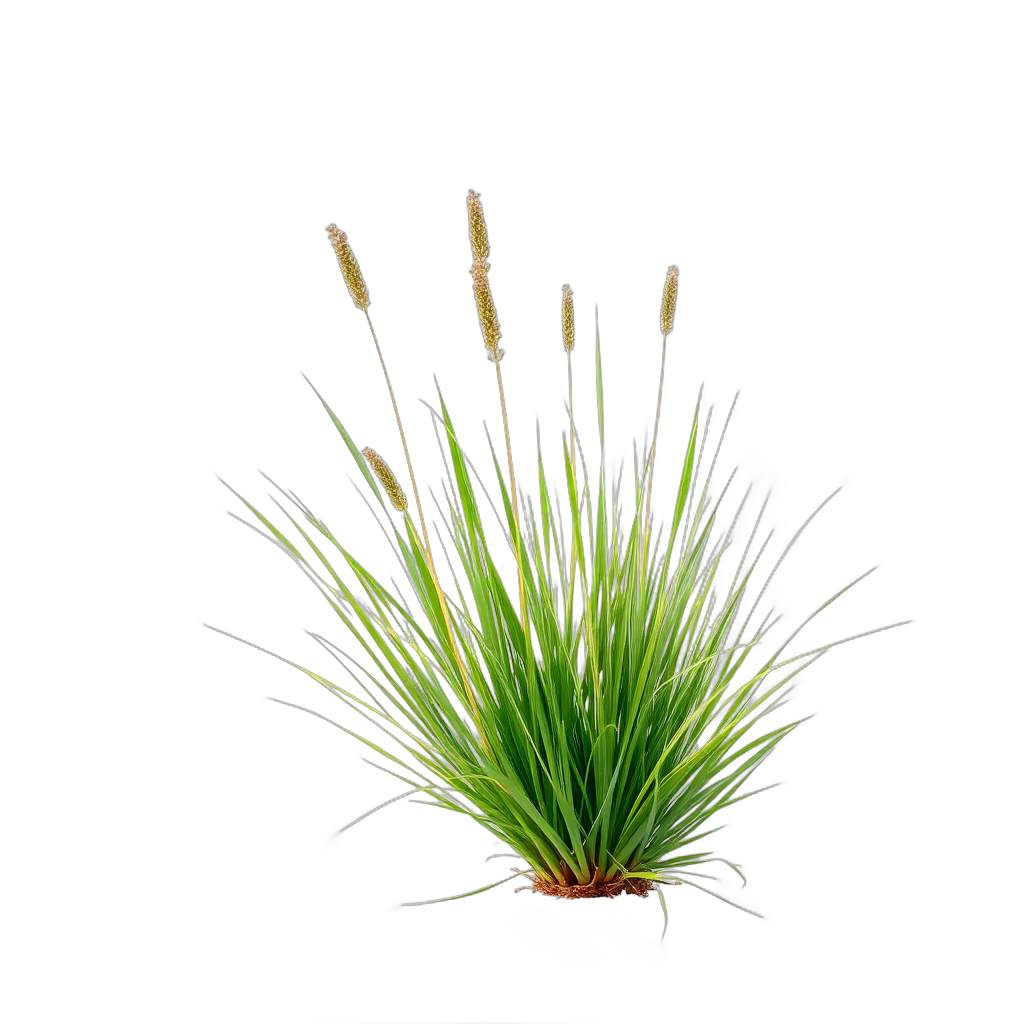
Deer Grass
Muhlenbergia rigens
grows to 3 feet, yellow blooms in fall. Evergreen year-round.
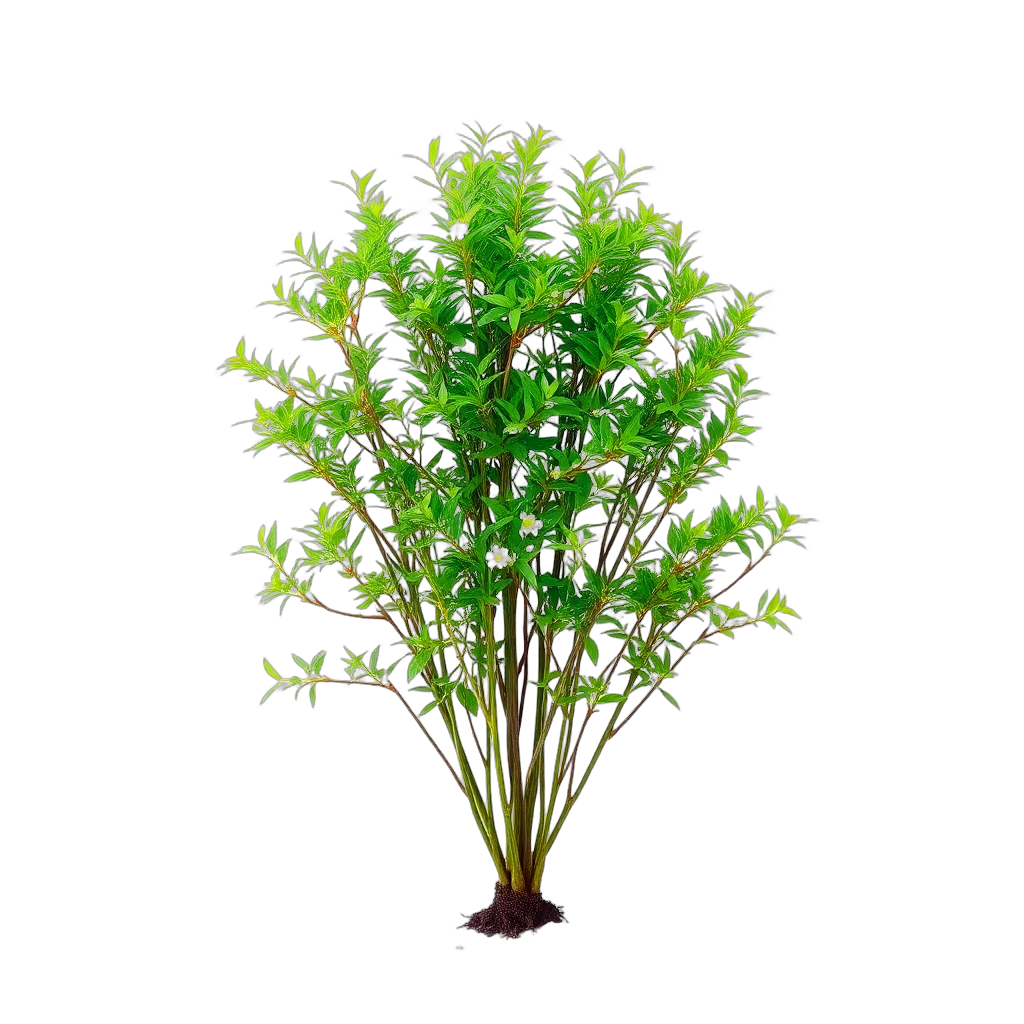
Dwarf Fernleaf Bamboo
Pleioblastus distichus
low-growing ground cover, blooms in none. Evergreen year-round.
Featured Flowers & Perennials for Cottage/English Gardens
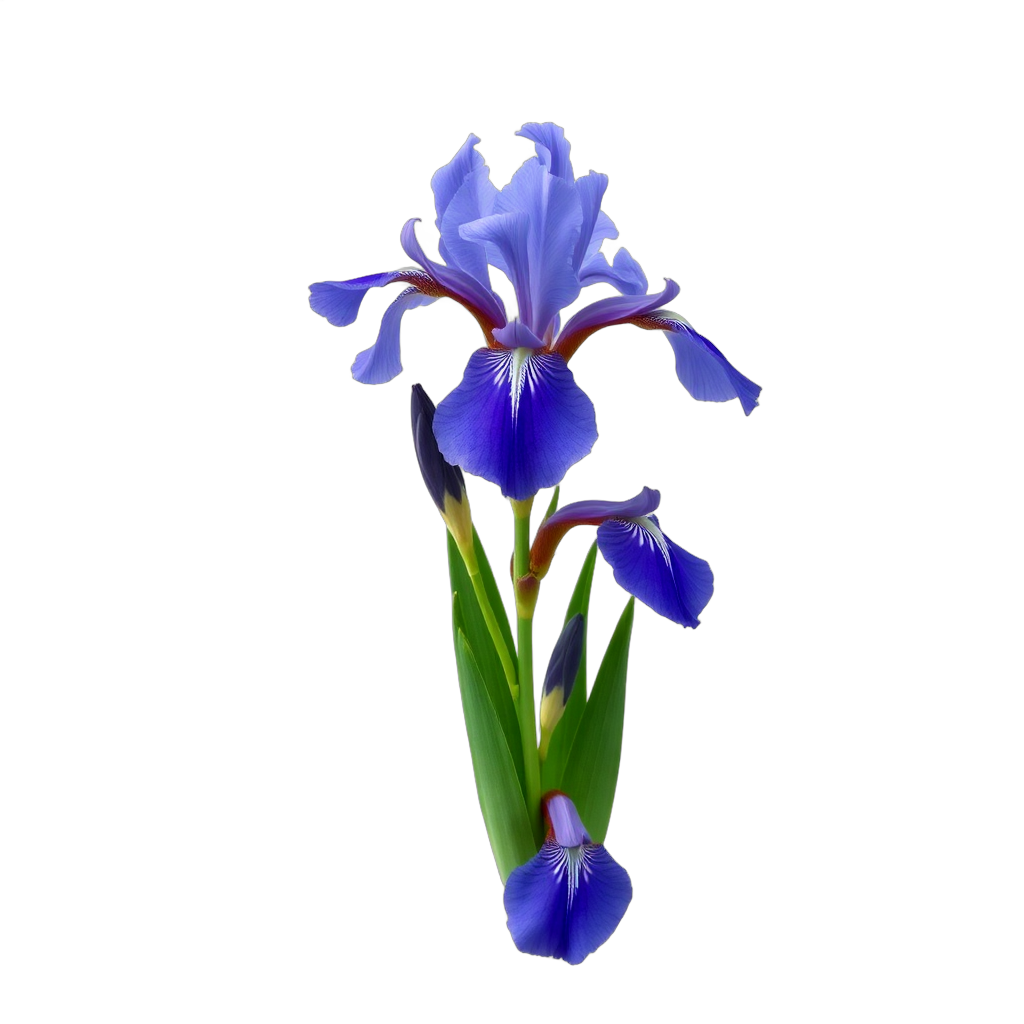
Blue Flag Iris
Iris versicolor
low-growing ground cover, purple blooms in spring. Attracts butterflies.

New York Ironweed
Vernonia noveboracensis
grows to 6 feet, purple blooms in fall. Attracts butterflies.
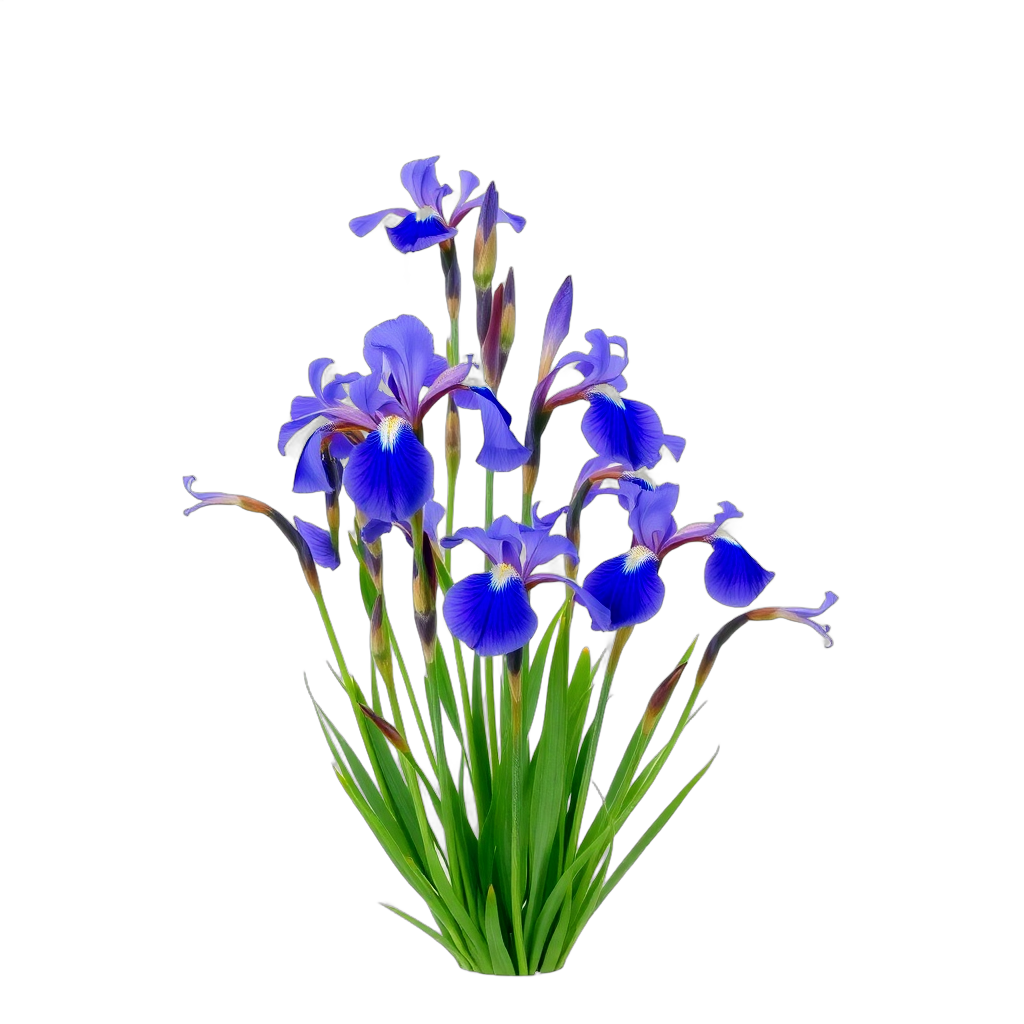
Southern Blue Flag
Iris virginica
low-growing ground cover, blue blooms in spring. Attracts butterflies.

Eastern Prickly Pear
Opuntia humifusa
low-growing ground cover, yellow blooms in summer. Attracts butterflies.
Zone and sun checks come from our database — confirm with your local nursery before you buy.
Bloom Calendar for Newton
spring
Blue Flag Iris, Southern Blue Flag, Arrowwood Viburnumsummer
Ruby Spice Summersweet, Summersweet, Eastern Prickly Pearfall
New York Ironweed, Purple Love Grasswinter
Limited bloomsDesign Tips for Newton (Zone 6b)
- Test the soil before adding roses or lavender: Newton soil usually runs pH 5.0–6.5 and Lavandula × intermedia 'Phenomenal' wants 6.5–7.0, so a UMass soil test and a bag of pelletized lime are the cheapest steps of the season
- Build beds up 6–8 inches in spots that stay wet after thaw: wet crowns in March kill more lavender and roses in Newton than cold does
- Mulch rose crowns with 8–10 inches of leaves or compost after the ground freezes: Zone 6b lows of -5 to 0°F will kill back Rosa 'Olivia Rose Austin' but let Rosa 'New Dawn' and Rosa 'Sally Holmes' come back strong
- Use fieldstone from your own yard for edging and low walls: glacial till is full of it, and a dry wall matches the local look at a fraction of the price of imported stone
- Pick Paeonia 'Sarah Bernhardt' and Hydrangea arborescens 'Annabelle' for reliable bloom: both thrive through a Newton freeze and carry the border from late May into August
- Keep frost depth near 4 feet in mind: set fence and arbor posts at least 42 inches deep so heaving does not tilt the gate in the first spring
- Check the Tree Warden's permit rule before removing any tree 6 inches or larger: a shaded border under a mature maple is often worth keeping, and Hakonechloa macra 'Aureola' and Hosta 'Halcyon' thrive underneath
Where to Source Plants in Newton
Skip the big-box stores. These independent Newton nurseries specialize in the plants that make cottage/english gardens thrive in Zone 6b.
Russell's Garden Center
Wayland (Route 20)
Family-owned garden center since 1876 with annuals, perennials, trees, shrubs, herbs and garden supplies, a short drive west of Newton
Allandale Farm
Chestnut Hill / Brookline line
Working farm beside Newton's southeast edge with a seasonal greenhouse garden center open each spring; its year-round farmstand and garden center is planned for 2027
Weston Nurseries
Hopkinton (East Main Street)
Large nursery listing more than 4,000 plant types, including trees, shrubs, perennials and annuals; a good source for named roses, hydrangeas and specimen shrubs
Native Plant Trust, Garden in the Woods
Framingham
Regional native plant garden with seasonal plant sales (closed in winter) and an online shop for seeds, books and tools; useful for woodland and native substitutes
Cottage/English Landscaping Cost Ranges
| Project Scope | Estimated Cost |
|---|---|
| Bluestone walkway (100–200 sqft) | $3,000–$7,600 |
| Dry-laid bluestone patio or seating circle (150–300 sqft) | $3,700–$9,600 |
| Picket fence, 4 ft tall (60 linear ft) | $1,500–$2,400 |
| AI visualization (ProScapeAI) | Free to start |
National average installed ranges for 2026 from our landscaping price list (Homewyse and other published sources). Prices in Newton, MA vary with site, materials and contractor, so get two or three local quotes.
Newton Climate & Growing Zone
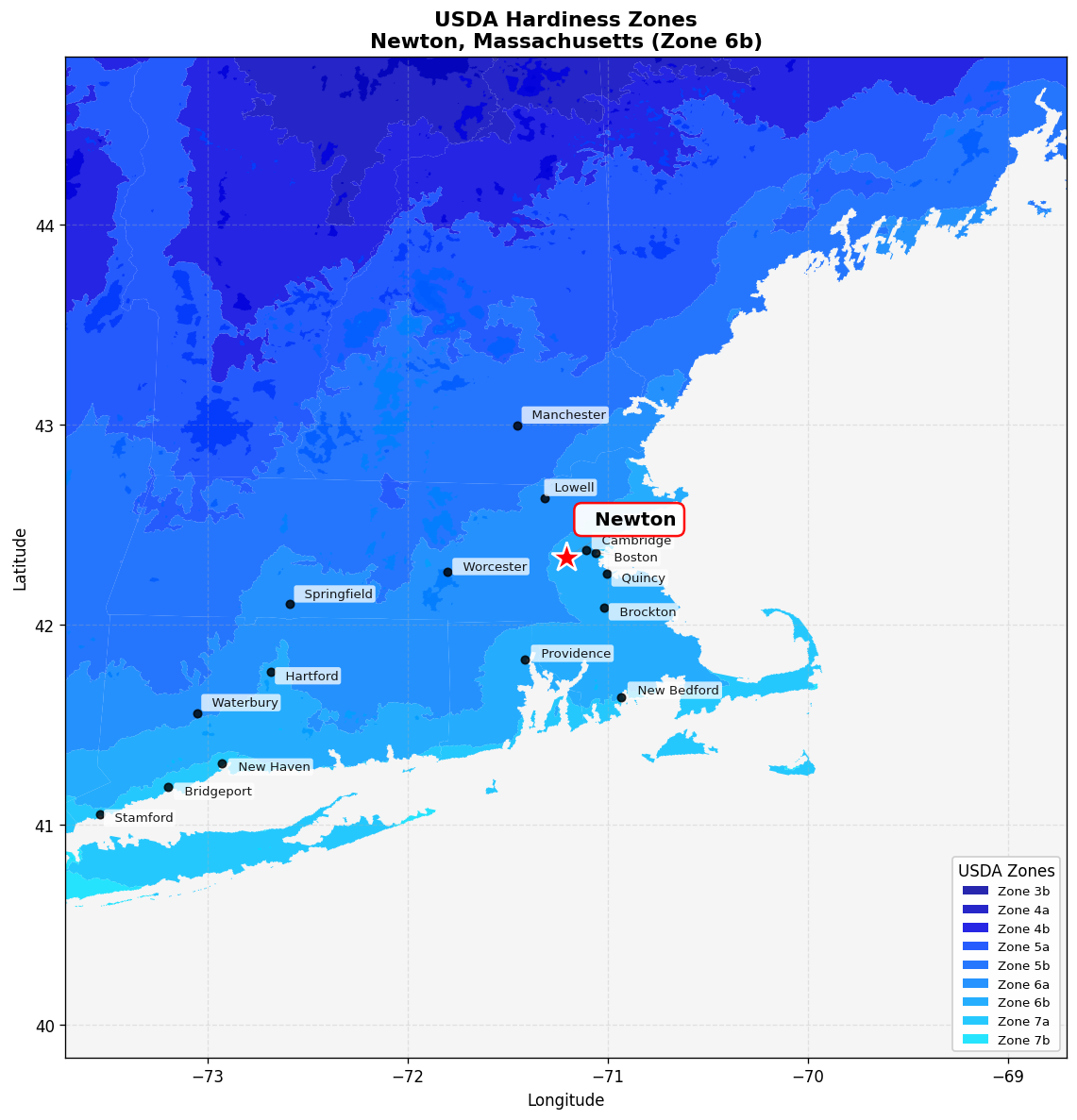
USDA Zone 6b
Hardiness zone for Newton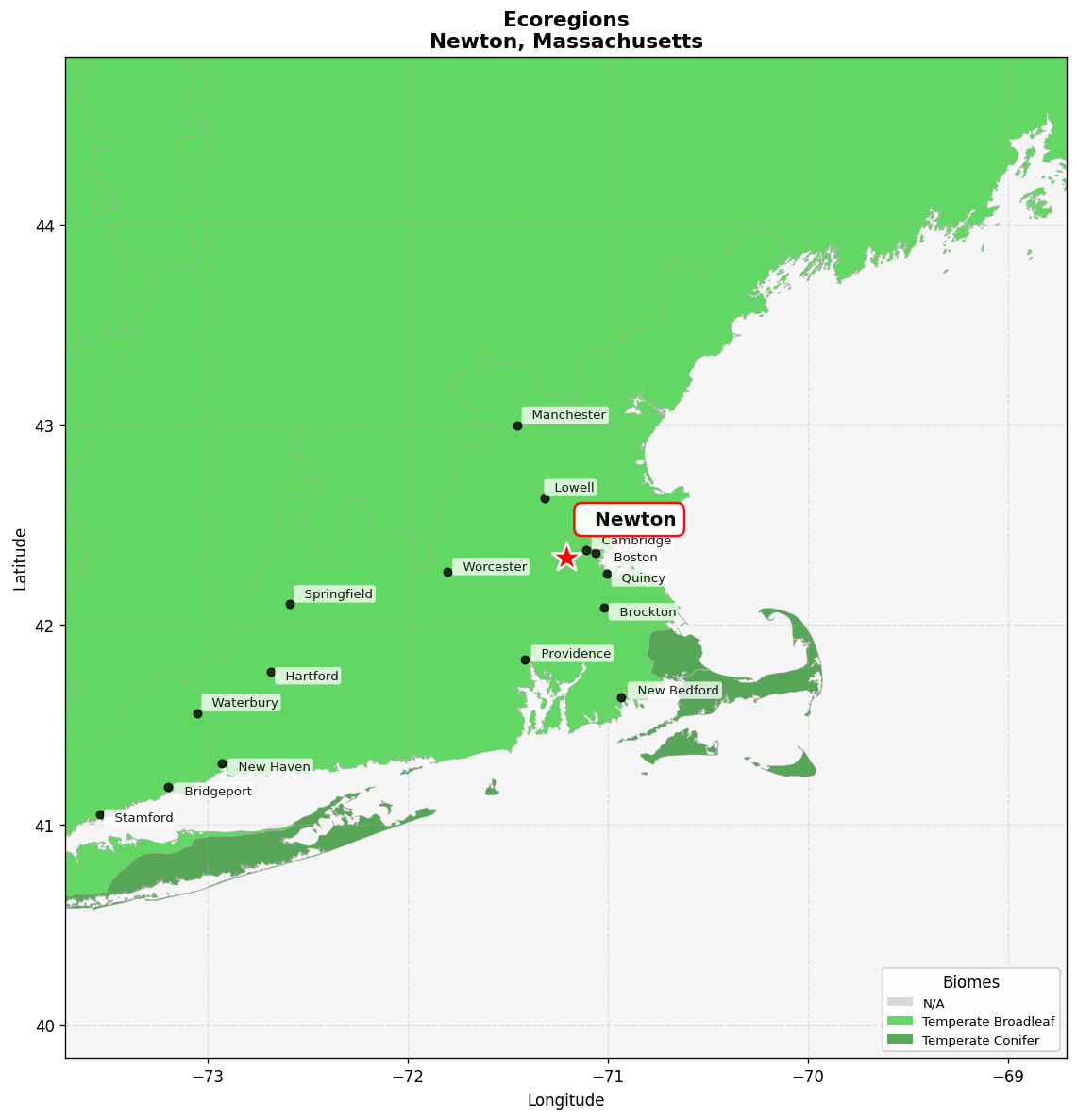
Northeast US Coastal forests
Native ecoregionFrequently Asked Questions
How much does an English cottage garden cost in Newton, MA?
Greater Boston labor runs well above the national average, so budget for it. Costs vary with site, access, materials and local labor rates, so get two or three local quotes before you budget.
Which roses survive Newton winters?
Choose cold hardy and disease tolerant. Rosa 'New Dawn' is a dependable climber, Rosa 'Sally Holmes' and Rosa 'Julia Child' carry the shrub layer, and Rosa 'Zephirine Drouhin' is thornless for an arbor you brush past. Winter lows of -5 to 0°F can kill back tender hybrid teas and some English roses, so mulch crowns with 8–10 inches of leaves or compost after the ground freezes. Give every rose six or more hours of sun and water at the base to limit blackspot.
Can lavender grow in Newton?
Yes, with the right cultivar. Lavandula × intermedia 'Phenomenal' handles Zone 6b winters and humid summers, while Lavandula angustifolia 'Hidcote' often rots in wet spring soil and heaves in March thaws. Plant on a mound 6–8 inches high, work in coarse grit, mulch with pea gravel and keep the pH near 6.5–7.0, since native soil usually tests acidic. Shear a third off right after bloom and avoid fall pruning.
When is the best time to plant in Newton?
Late April through May is the main planting window once the soil can be worked, and mid-August through late September is the second, when roots grow in warm soil before freeze-up. Bare-root roses go in as soon as the ground thaws. Last frost falls around late April and first frost in mid to late October, so tender annuals wait until mid-May. Avoid planting new perennials in the heat of July.
What do I need to do before removing a tree or digging near a wetland?
Newton's Tree Preservation Ordinance requires a permit from the Tree Warden to remove a tree on private property, with trees under 6 inches in trunk diameter exempt. Work within 100 feet of a wetland, stream or pond can fall under the Massachusetts Wetlands Protection Act and need Conservation Commission review. Confirm both with the City of Newton before cutting or digging.
How do I keep deer and rabbits out of a Newton cottage garden?
Deer are present across Newton, with rabbits and squirrels adding pressure in many yards. Build the border around plants they tend to skip: Nepeta × faassenii 'Walker's Low', Lavandula × intermedia 'Phenomenal', Salvia nemorosa 'May Night', Digitalis × mertonensis and Paeonia 'Sarah Bernhardt'. Hostas and tulips are the first things eaten. A fenced front garden is the most reliable protection.
How do I deal with stony, compacted soil?
Glacial till is full of stone and compacts under foot traffic. Rather than digging deep holes, build beds up with 2–4 inches of compost spread on top and plant into the blend. Remove larger stones and use them for a dry wall or bed edge. A soil test through the UMass Amherst Soil and Plant Nutrient Testing Laboratory tells you how much lime to add before planting roses and lavender.