4 Desert Garden Ideas for Newport Beach, CA | Zone 10b Coastal Succulents
Native plants from the California coastal sage and chaparral (Zone 10b) — Cold semi-arid climate
For a desert garden in Newport Beach, CA, a zone 10b city with a cold semi-arid climate, start with Agave americana 'Mediopicta Alba', Senecio mandraliscae and Yucca rostrata, the plants this guide's first design is built on.
Why Desert/Xeriscape Gardens in Newport Beach?
A desert garden suits Newport Beach for a practical reason: the city gets very little rain. NOAA's 1991–2020 normals for the Newport Beach Harbor station show about 9.4 inches a year, with June through September each averaging 0.1 inch or less. Succulents, agaves and silver-leaved shrubs are built for that pattern, and a gravel-and-boulder yard keeps the front of a Newport Heights ranch house or a Balboa cottage looking sharp with a fraction of the water of lawn. Owners also like that it holds its look through the long dry months when other beds go bare.
The coast changes which desert plants work. The January average low is 50.4°F, July averages 71.8°F for a daytime high, and normals show no days below freezing, so frost-tender succulents like Aeonium 'Zwartkop', Aloe 'Blue Elf' and Agave attenuata live outside all year. What the ocean does not give is Palm Springs heat. A cool marine layer and fog keep summer mild, which is why true Sonoran heat-lovers such as saguaro and many cholla look pale and sulk here, and why coastal-friendly Mexican, South African and Canary Island plants do better. Good choices are Agave 'Blue Glow', Agave americana 'Mediopicta Alba', Dudleya brittonii, Euphorbia tirucalli 'Sticks on Fire', Senecio mandraliscae and Salvia clevelandii 'Winnifred Gilman'.
Winter is the risk. Most of the year's rain falls from November to March, with January averaging 2.2 inches and February 2.4, and a wet week on poorly drained soil rots succulent crowns fast. Coastal soils run sandy near the bay and heavier on bluffs and fill, so mound beds 6–12 inches above grade, add pumice or coarse sand, and top with 2 inches of decomposed granite or crushed gravel. Keep agaves out of low spots where water stands. Salt spray within a few blocks of the water burns thin leaves, so use stiff, waxy plants like Agave attenuata, Aloe striata and Dasylirion longissimum near Balboa and Balboa Island.
The city's Chapter 14.17 water efficient landscape ordinance sets landscape water rules, and other water agencies may serve parts of Newport Beach, so confirm your supplier before you plan irrigation or ask about rebates. Some areas sit in the Coastal Zone, so ask the Planning Division whether a coastal development permit covers walls, boulders or large hardscape. A desert design that drains on site and uses drip lines for only the few plants that need summer water fits within these rules.
4 Desert/Xeriscape Design Ideas for Newport Beach
AI-generated image
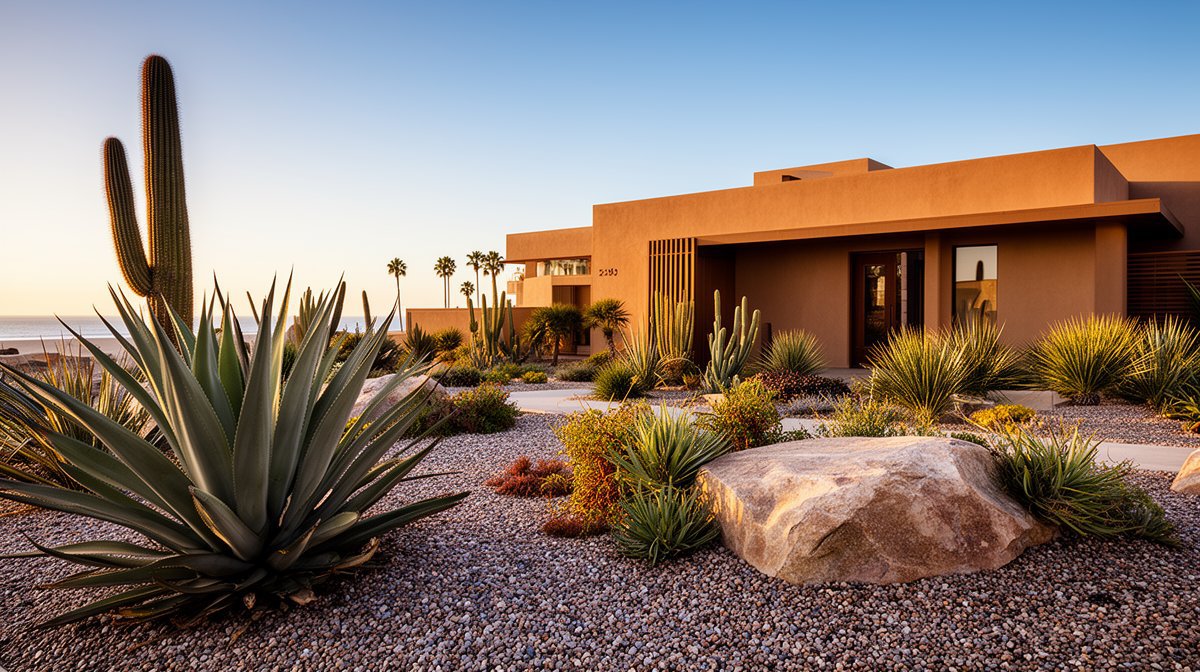
The Agave and Boulder Front Yard
$14–30/sqftA Newport Heights ranch-style front yard with large lichen-streaked boulders set in a flowing gravel bed and a decomposed granite path curving to the door. Three Agave americana 'Mediopicta Alba' sit at the corners with a drift of blue Senecio mandraliscae between them, and the low afternoon sun backlights the leaf edges. A single Yucca rostrata gives height beside the garage.
Try this on your yard: The Agave and Boulder Front YardAI-generated image
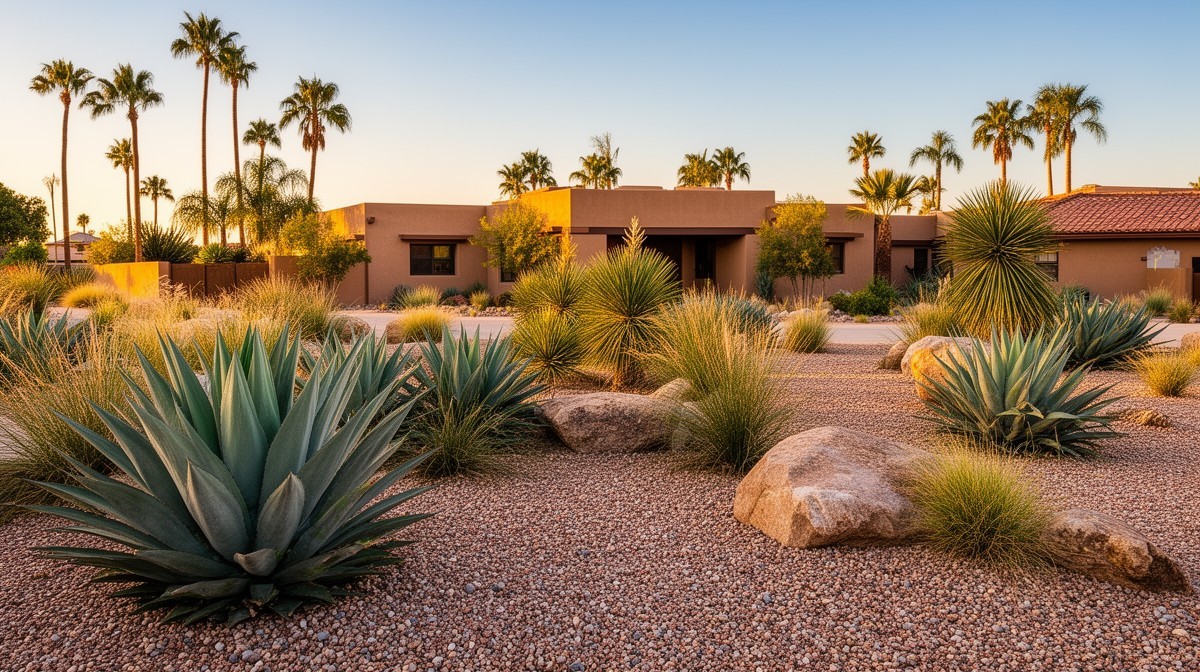
The Gravel Court With Aloes
$12–26/sqftA Balboa bungalow courtyard with a gravel floor, a low whitewashed block wall and a few aloes in clay pots. Aloe 'Blue Elf' blooms orange in winter against the wall, and a wind-tolerant Agave attenuata is the single focal plant where the sea breeze comes down the street. Salt-proof, fog-friendly and nearly dry in summer.
Try this on your yard: The Gravel Court With AloesAI-generated image
The Coastal Sage and Succulent Slope
$22–45/sqftA terraced hillside backyard in Corona del Mar with stacked-stone retaining walls and silver sage planted at the base of each step. Salvia clevelandii 'Winnifred Gilman' and Artemisia californica 'Canyon Gray' perfume the air, while Dudleya brittonii and Euphorbia 'Sticks on Fire' sit in the crevices facing afternoon sun. The planting reads as a dry California hillside.
Try this on your yard: The Coastal Sage and Succulent SlopeAI-generated image
The Pool Surround Desert Garden
$20–40/sqftA pool deck framed by large raised planters of mixed succulents on one side and a gravel bed on the other. Dasylirion longissimum stands in the bed like a green starburst, while a row of Agave 'Blue Glow' catches low evening light along the fence. Leaf litter is minimal, so the pool stays clean.
Try this on your yard: The Pool Surround Desert GardenSee how a desert/xeriscape garden looks on YOUR property
Upload a photo of your Newport Beach yard and visualize your dream garden in seconds.
Try ProScapeAI Free

AI-generated image
Featured Trees & Shrubs for Desert/Xeriscape Gardens
Browse all 212 plants for Newport Beach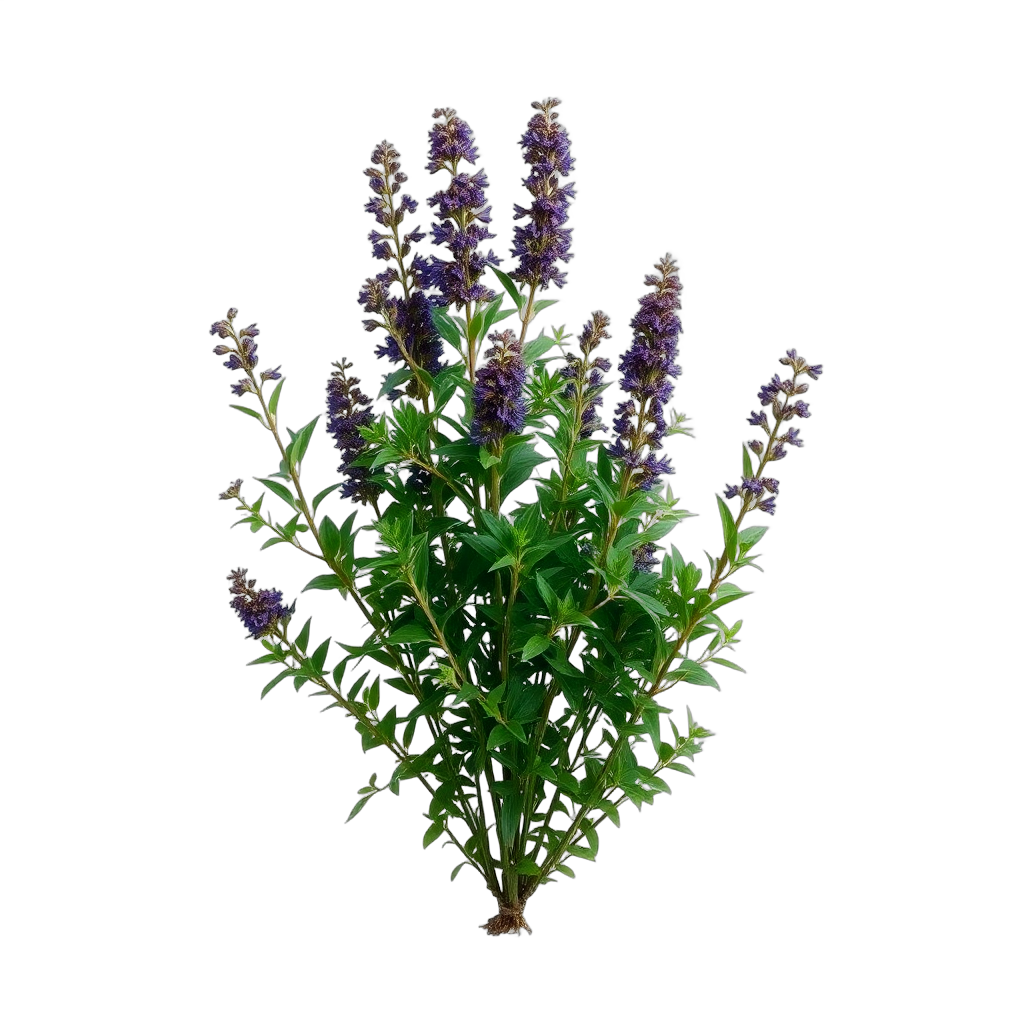
Black Sage
Salvia mellifera
grows to 4 feet, white blooms in spring. Attracts butterflies.
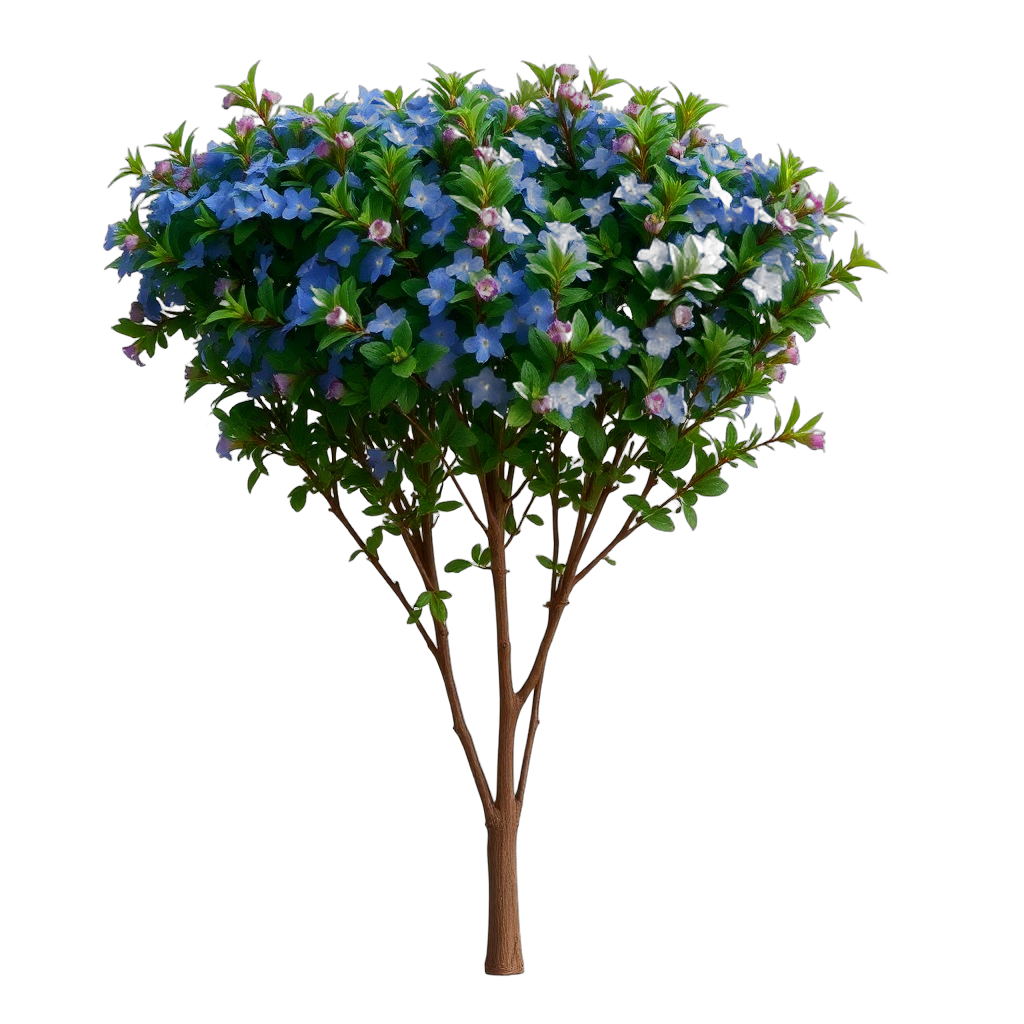
Blue Blossom
Ceanothus thyrsiflorus
medium-sized at 12 feet, blue blooms in spring. Attracts butterflies.
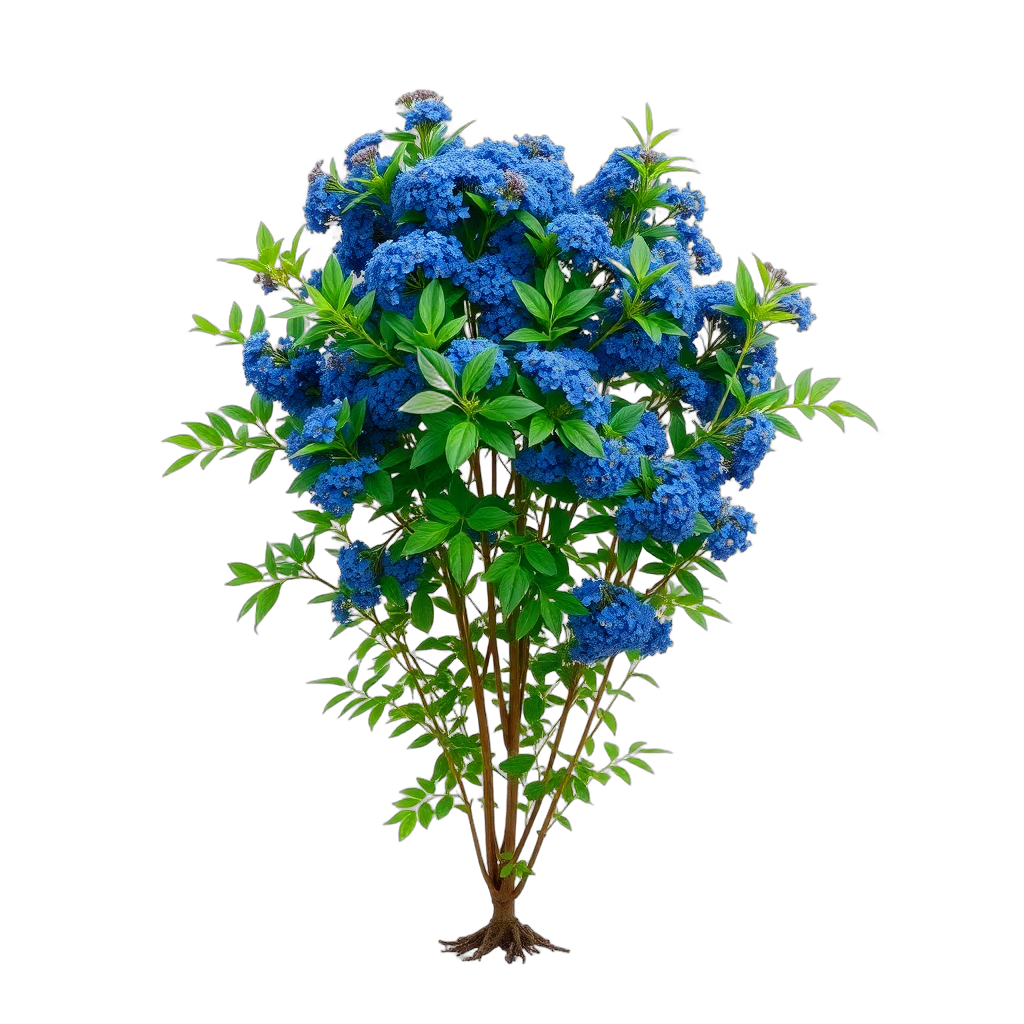
Blue Elderberry
Sambucus cerulea
medium-sized at 15 feet, white blooms in spring. Attracts butterflies.
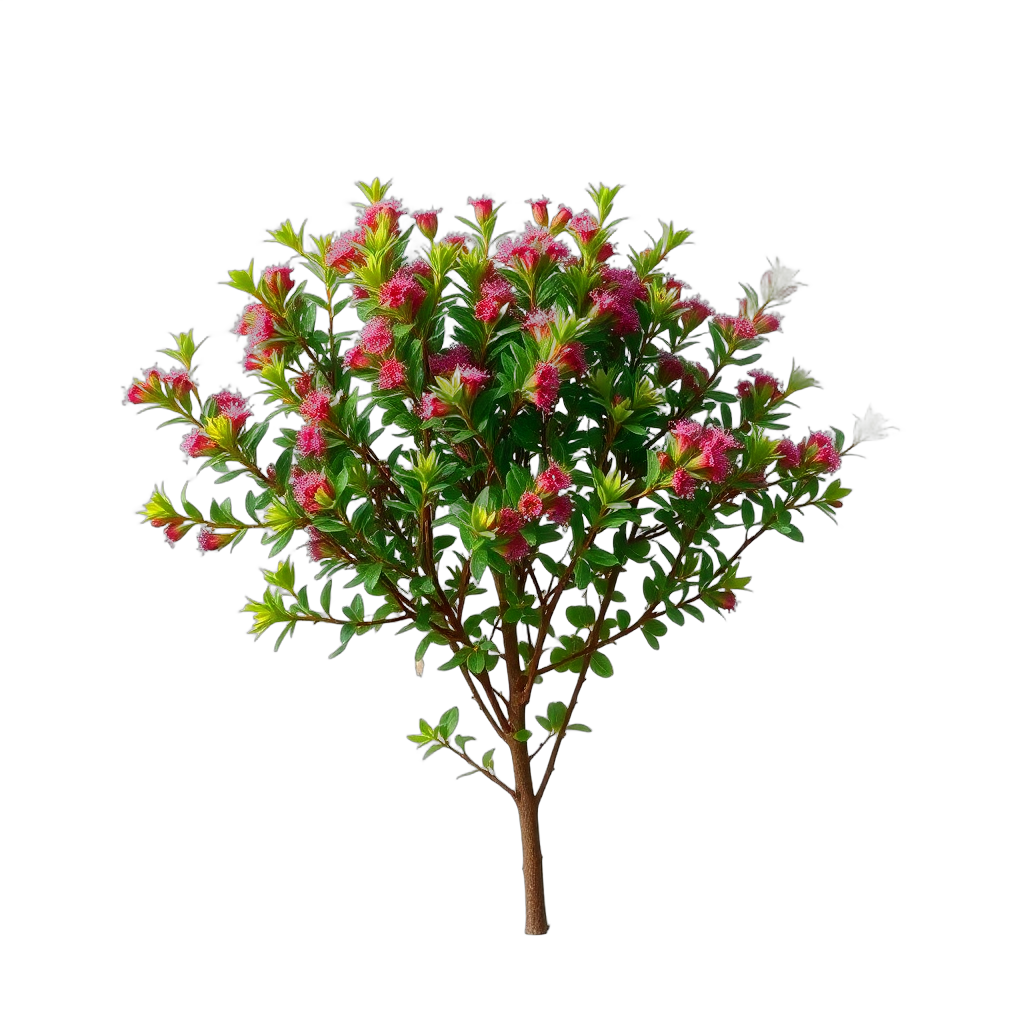
Buckbrush
Ceanothus cuneatus
medium-sized at 7 feet, white blooms in spring. Attracts butterflies.
Featured Grasses & Groundcovers for Desert/Xeriscape Gardens
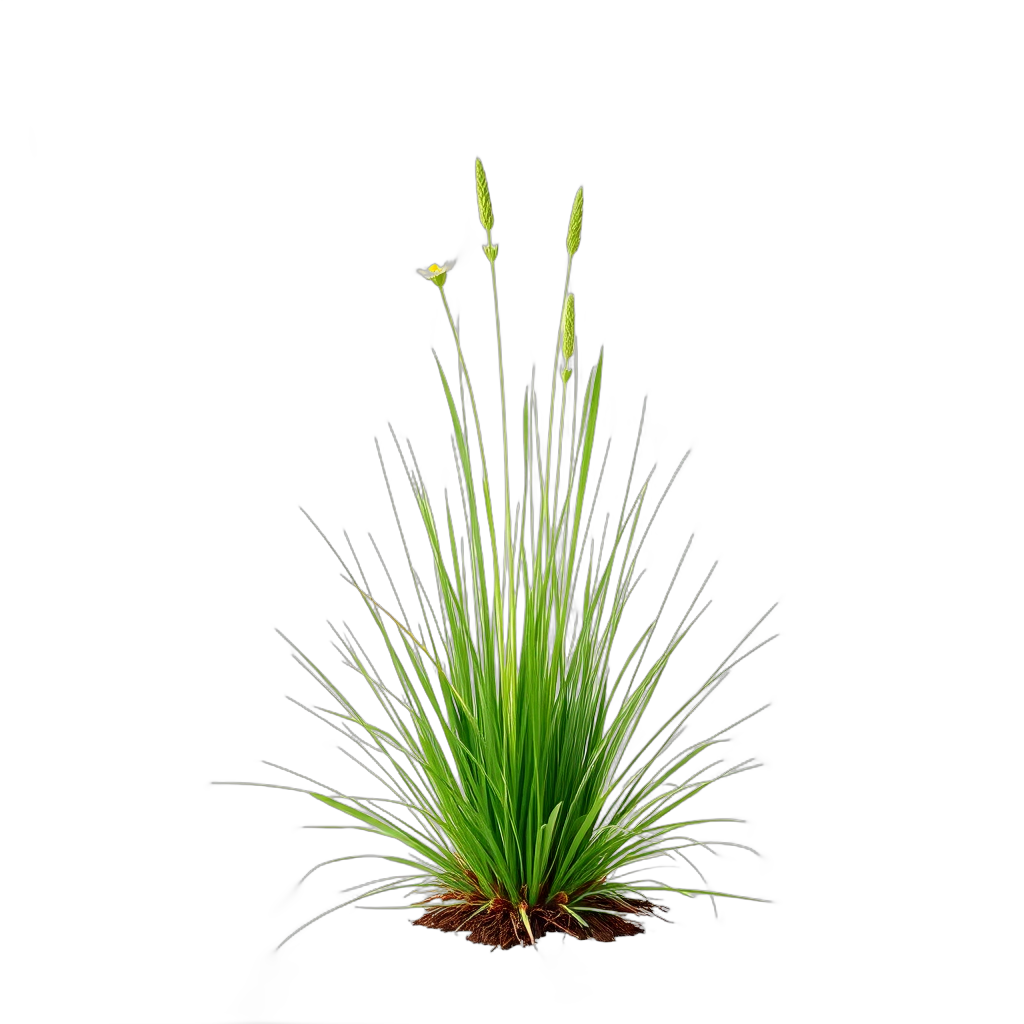
California Brome
Bromus carinatus
low-growing ground cover, blooms in spring. Yellow fall color.
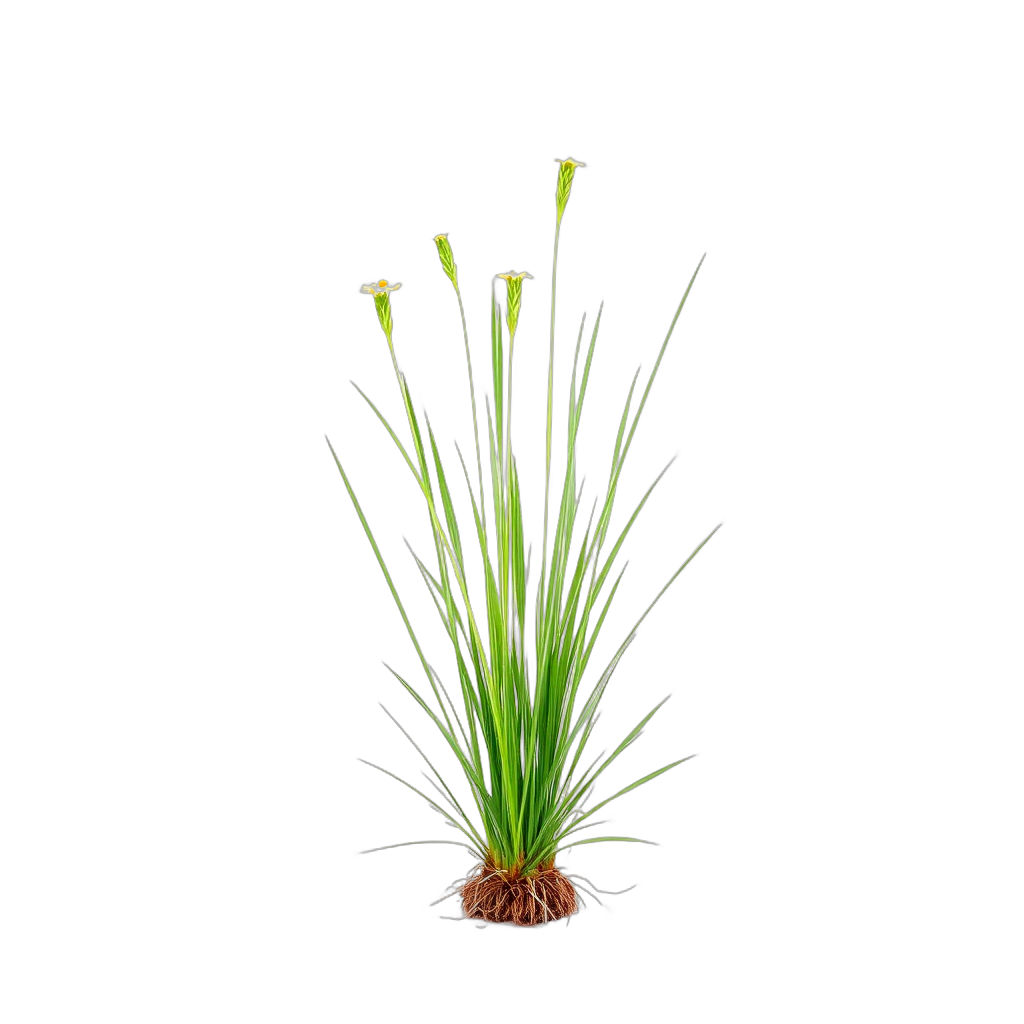
California Melic
Melica californica
low-growing ground cover, blooms in spring.
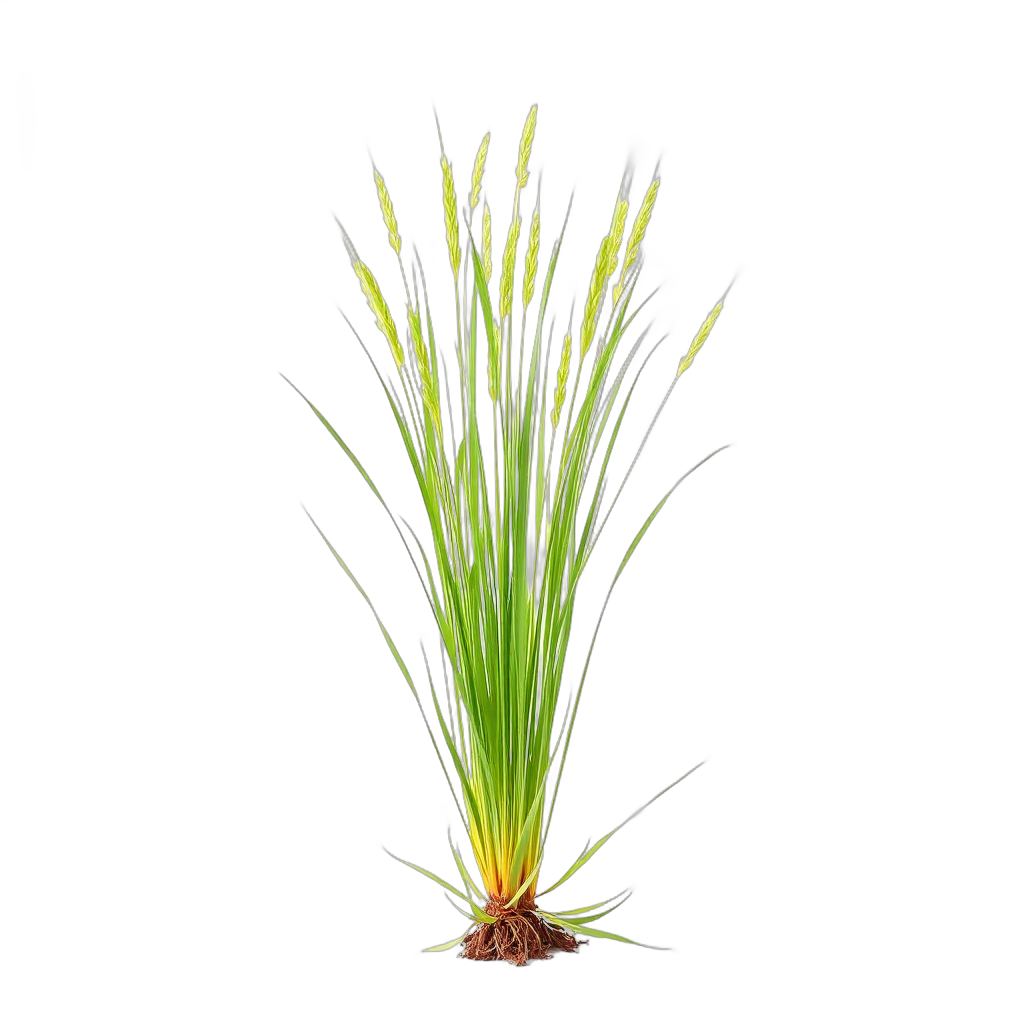
California Oatgrass
Danthonia californica
low-growing ground cover, blooms in spring. Yellow fall color.
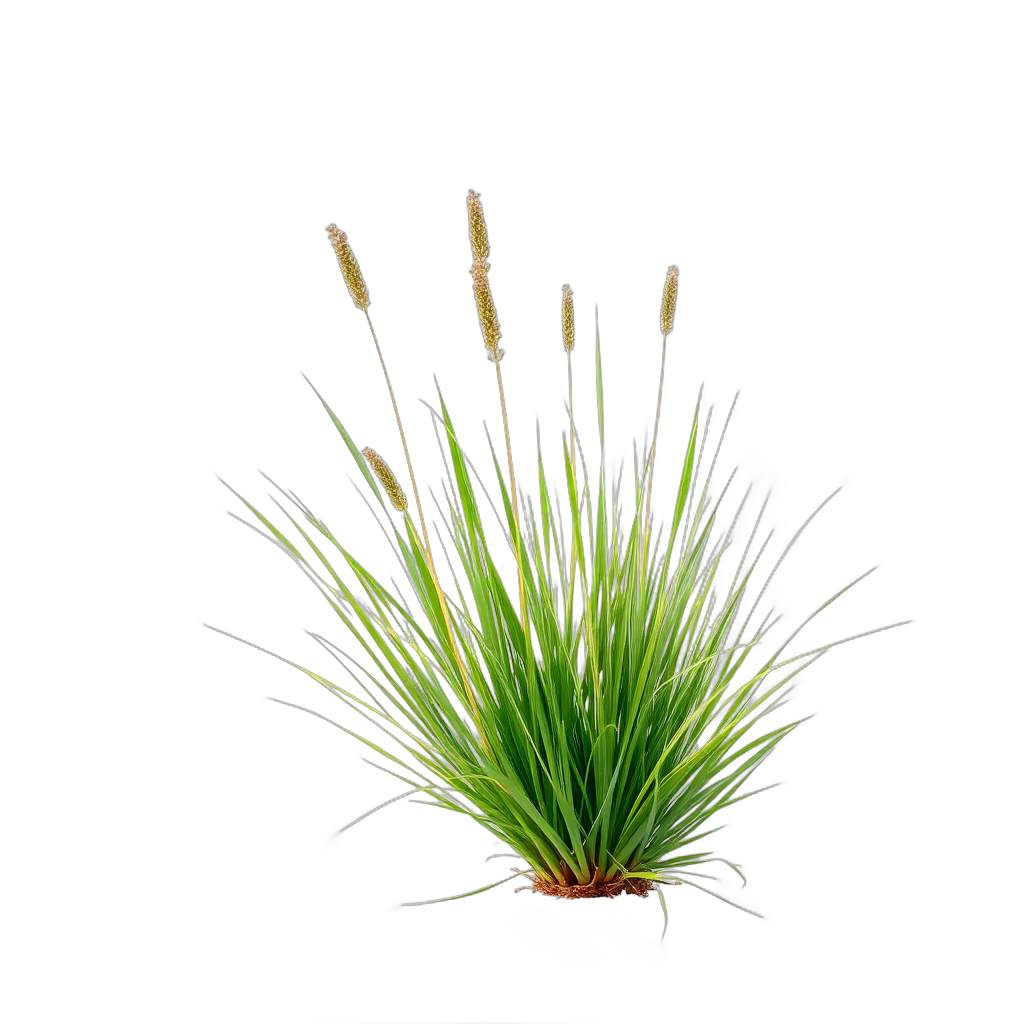
Deer Grass
Muhlenbergia rigens
grows to 3 feet, yellow blooms in fall. Evergreen year-round.
Featured Flowers & Perennials for Desert/Xeriscape Gardens
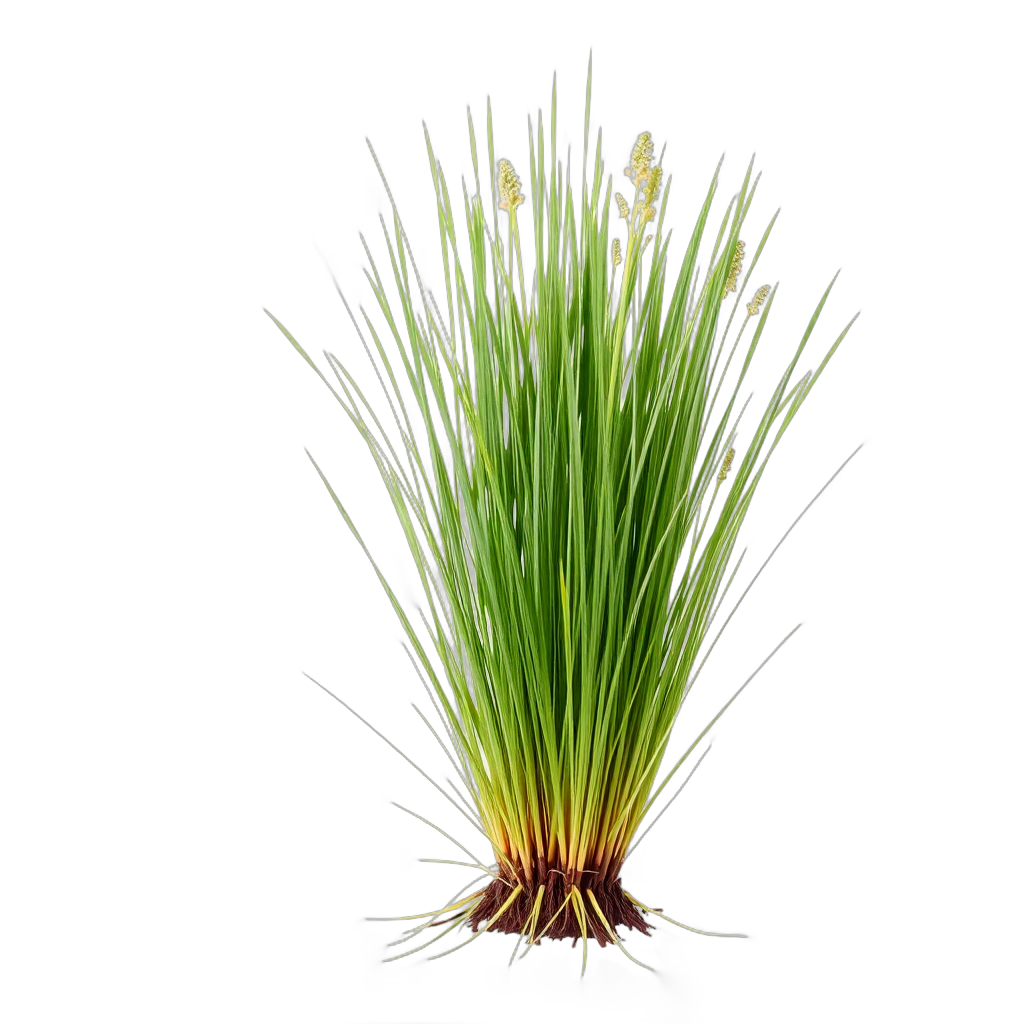
California Gray Rush
Juncus patens
low-growing ground cover, blooms in summer. Evergreen year-round.
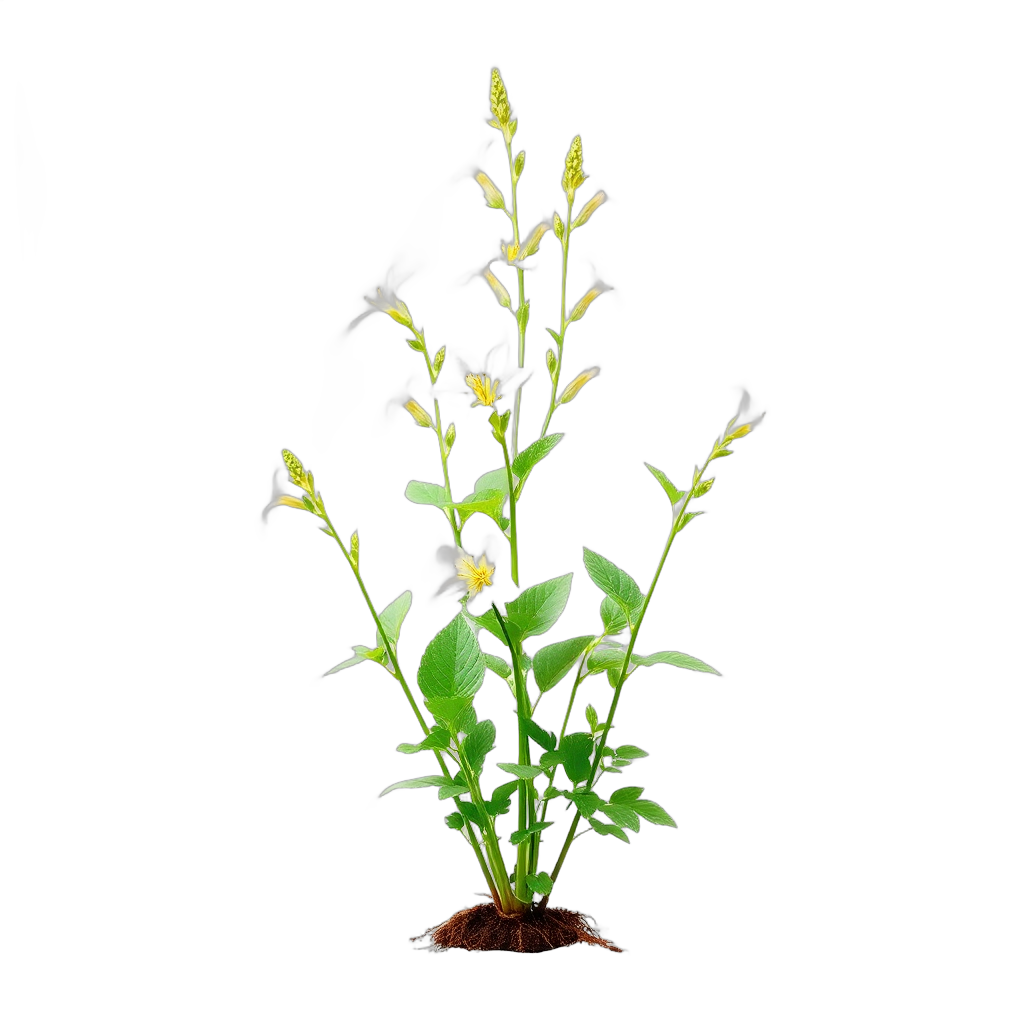
Beach Evening Primrose
Camissonia cheiranthifolia
low-growing ground cover, yellow blooms in spring. Attracts butterflies.
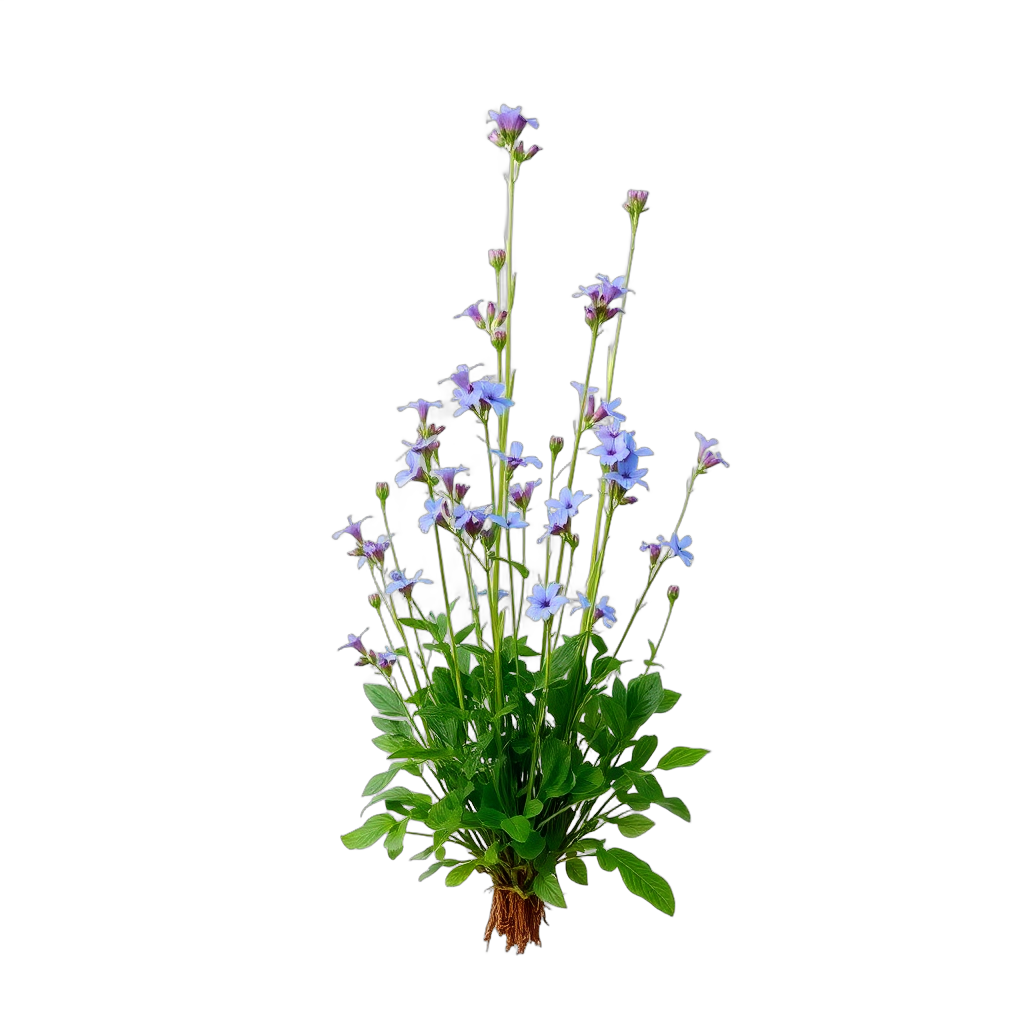
Blue Dicks
Dichelostemma capitatum
low-growing ground cover, blue blooms in spring. Pollinator-friendly.
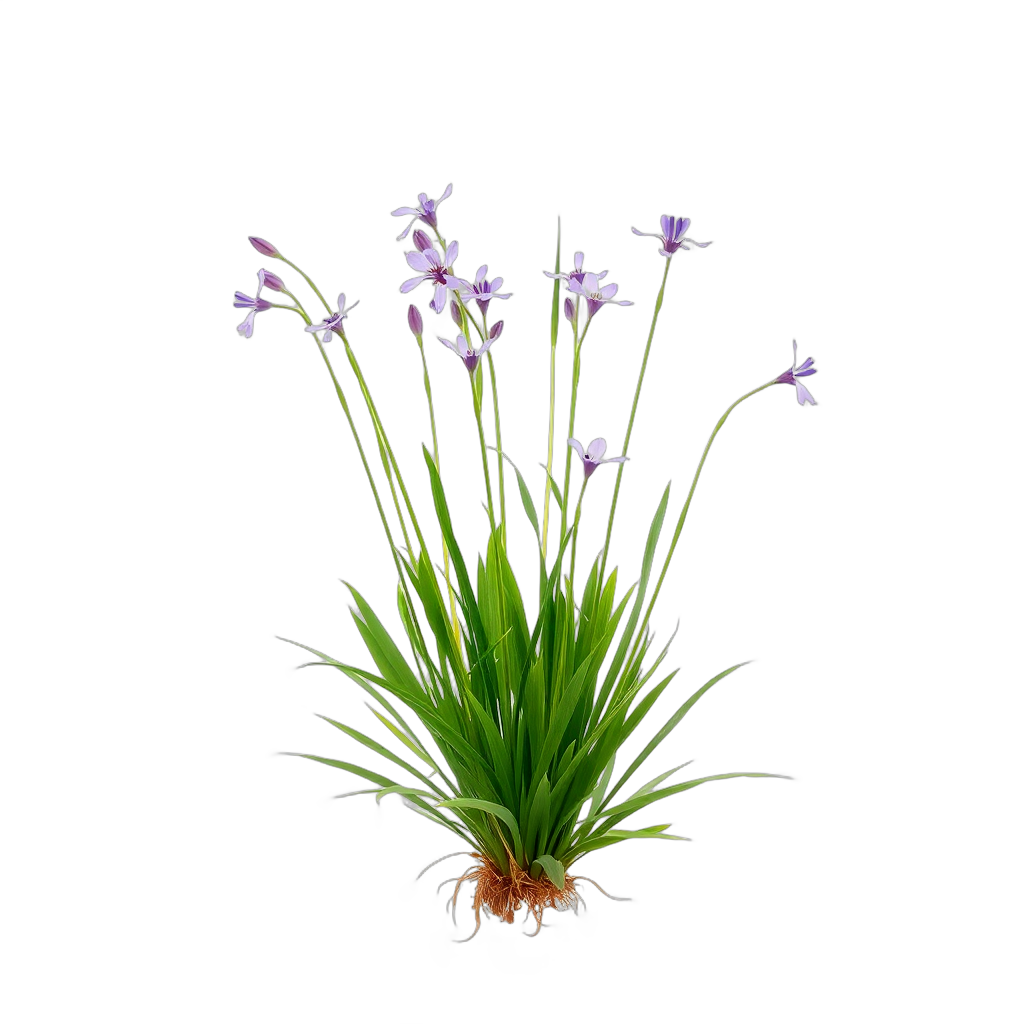
Blue-Eyed Grass
Sisyrinchium bellum
low-growing ground cover, blue blooms in spring. Attracts butterflies.
Zone and sun checks come from our database — confirm with your local nursery before you buy.
Bloom Calendar for Newport Beach
spring
Beach Evening Primrose, Blue Dicks, Blue-Eyed Grasssummer
California Gray Rush, Hooker's Evening Primrose, Hummingbird Mintfall
California Fuchsiawinter
Limited bloomsDesign Tips for Newport Beach (Zone 10b)
- Mound beds 6–12 inches: NOAA normals show about 2.2 inches of rain in January and 2.4 in February, enough to rot succulent crowns on flat, slow-draining soil.
- Pick coastal-friendly succulents like Agave attenuata and Aloe striata; Sonoran heat-lovers sulk under the cool marine layer.
- Top beds with 2 inches of decomposed granite or crushed gravel to suppress weeds and keep the stems of agaves dry.
- Rinse salt from leaves occasionally in the weeks after a strong onshore wind if you live within a block or two of the water.
- Use stiff, waxy-leaved plants like Dasylirion longissimum and Yucca rostrata near Balboa and Balboa Island, where salt spray burns soft foliage.
- Water new plants every 7–10 days through the first summer, then cut back to every 3–4 weeks once established.
- Confirm which water agency serves your address before choosing rebates or irrigation changes.
Where to Source Plants in Newport Beach
Skip the big-box stores. These independent Newport Beach nurseries specialize in the plants that make desert/xeriscape gardens thrive in Zone 10b.
Roger's Gardens
Corona del Mar
Roses, citrus and fruit trees, landscape plants and herbs, with pottery and outdoor furniture
Armstrong Garden Center Newport Beach
East Coast Hwy
Waterwise plants, trees, shrubs, seasonal color, design consultations and a personal shopper service
Armstrong Garden Center Costa Mesa
Costa Mesa
Armstrong-grown plants, trees, shrubs, landscape design and installation
Desert/Xeriscape Landscaping Cost Ranges
| Project Scope | Estimated Cost |
|---|---|
| Drip irrigation system (500 sqft of planted area) | $1,200–$2,200 |
| Block fire pit, stacked block, capped (1 fire pit) | $580–$770 |
| Landscape gravel court (200 sqft) | $170–$370 |
| AI visualization (ProScapeAI) | Free to start |
National average installed ranges for 2026 from our landscaping price list (Homewyse and other published sources). Prices in Newport Beach, CA vary with site, materials and contractor, so get two or three local quotes.
Newport Beach Climate & Growing Zone
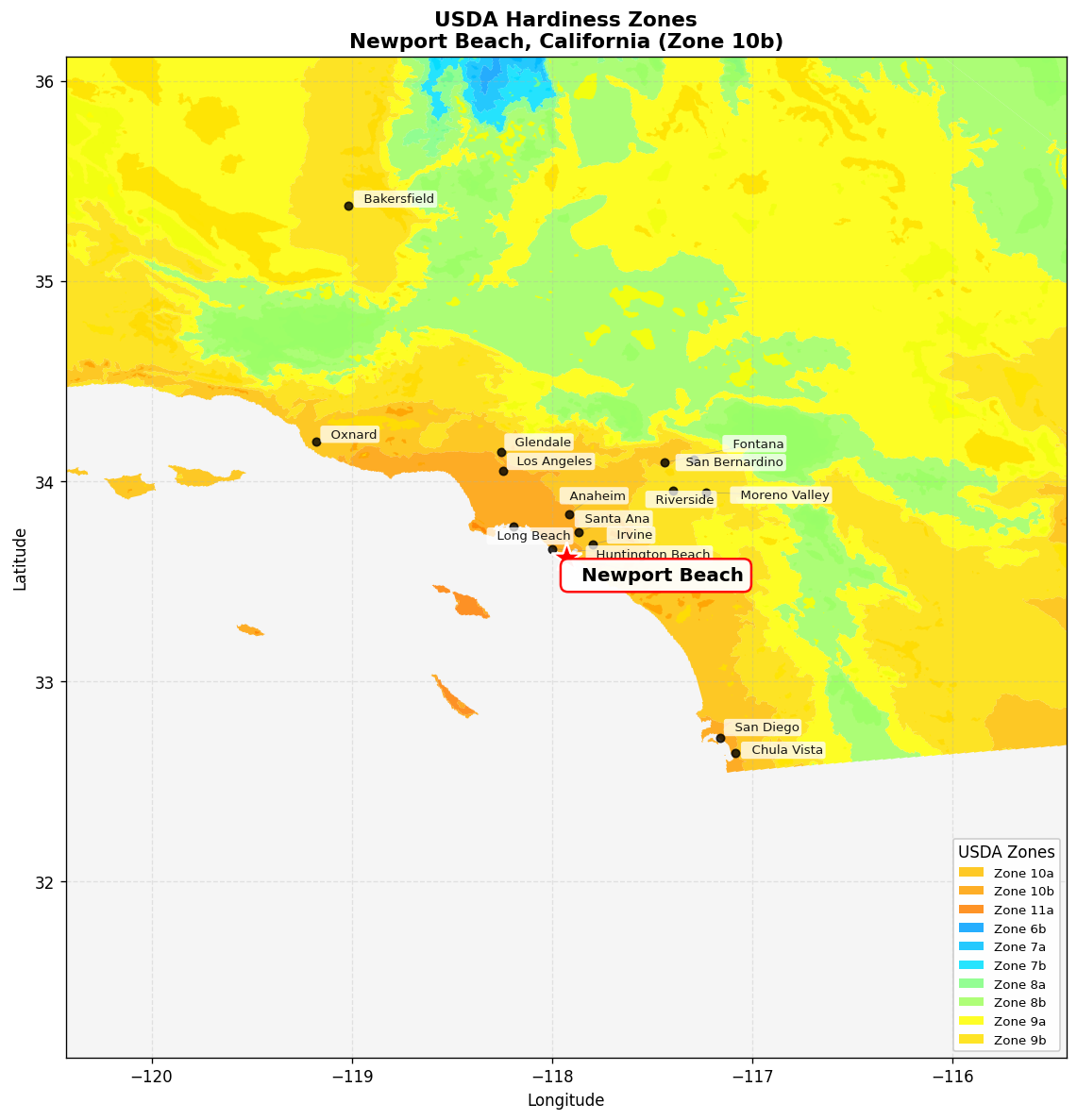
USDA Zone 10b
Hardiness zone for Newport Beach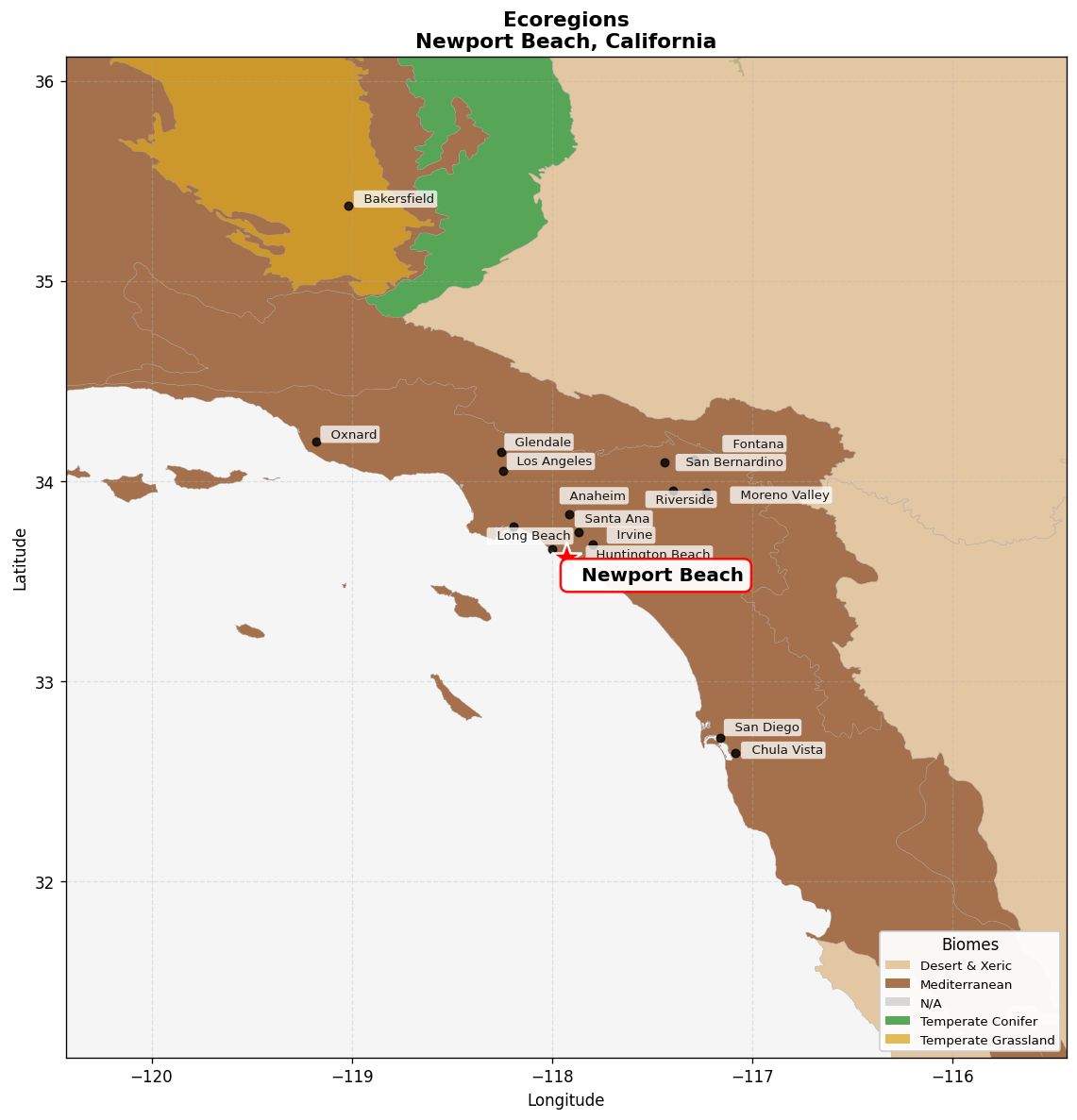
California coastal sage and chaparral
Native ecoregionFrequently Asked Questions
How much does desert landscaping cost in Newport Beach?
Large specimen agaves and Yucca rostrata are the biggest line items. Orange County labor costs run above the national average, so request at least two written bids.
Is a desert garden low maintenance near the coast?
Yes. Agave attenuata, Aloe striata and Dudleya brittonii want little more than an annual cleanup of dead leaves, and gravel mulch keeps weeds down. Expect to remove a few rotted plants after a wet winter, so choose well-drained mounds.
When is the best time to plant a desert garden in Newport Beach?
Fall through early spring. NOAA normals show no freezing days, so frost is not the limit, but winter rain peaks in January and February at about 2.2 and 2.4 inches. Plant in October or November so roots settle before the wettest weeks.
Do I need a permit or follow water rules for my yard in Newport Beach?
Planting alone usually does not need a permit, but walls, boulders and large hardscape might. Chapter 14.17 sets the city's water efficient landscape rules, and other water agencies may serve parts of town. Check with the Planning Division, especially if you are in the Coastal Zone.
What desert plants do well near the ocean?
Agave attenuata, Aloe striata, Aloe 'Blue Elf', Dudleya brittonii and Senecio mandraliscae tolerate fog and salt. Saguaro and many cholla struggle in the cool coastal summer.
How do I stop succulents rotting in winter rain?
Raise the bed 6–12 inches, mix in pumice or coarse sand, and top with 2 inches of decomposed granite. Avoid planting in low spots near Balboa and in Newport Heights where water collects.