4 Modern Landscape Ideas for North Charleston, SC | Zone 9a Designs
Native plants from the Southeast US conifer savannas (Zone 9a) — Humid subtropical climate
For a modern garden in North Charleston, SC, a zone 9a city with a humid subtropical climate, start with Muhlenbergia capillaris 'Regal Mist', Pennisetum alopecuroides 'Hameln' and Ilex vomitoria 'Schillings Dwarf', the plants this guide's first design is built on.
Why Modern/Minimalist Gardens in North Charleston?
Modern landscaping suits North Charleston better than most visitors would guess. The 1960s–70s brick ranches of Northwoods, the low-slung lots of Wescott and Pepperhill, and the newer townhouses and infill homes around Park Circle have flat rooflines and straight lot lines, which is exactly what a clean, geometric garden wants. Large format pavers, a long gravel strip and repeated blocks of grass and shrub make a 40-foot frontage read as one composition.
Zone 9a brings winter lows of 20–25°F, July highs near 91°F, dew points in the 70s and roughly 50 inches of rain a year, so you need plants that handle both a wet storm in August and a dry week in May. Muhlenbergia capillaris 'Regal Mist' (pink muhly) glows in October and shrugs at humidity. Pennisetum alopecuroides 'Hameln' and Carex 'Evergold' give fine, fast texture. Ilex vomitoria 'Schillings Dwarf' clips into the crisp low hedges modern design leans on. The Mediterranean classics, such as Lavandula angustifolia 'Hidcote' or ornamental sage that likes dry heat, rot here in wet summers, and Pennisetum setaceum 'Rubrum' can freeze back in a hard winter, so choose the hardier Pennisetum alopecuroides instead.
Soil is mostly Coastal Plain sand, acidic (roughly pH 5.0–6.0), low in organic matter, and fast-draining in a dry spell but wet on the low, flat lots near the creeks and marsh edge. A concrete or gravel hardscape works with that: raise planting beds 6–10 inches, edge them in steel or concrete, and cut compost and pine bark into the sand. Pine straw or pine bark mulch looks tidy next to crisp edges and stays put in a summer downpour. Check each bed for standing water after a heavy rain, because a modern garden has no loose edges to hide it. Root-knot nematodes occur in the sand, so rotate or refresh planting beds with compost every spring.
The City of North Charleston routes tree removal applications through its Zoning Department and has a tree preservation ordinance, so a modern layout should be drawn around mature live oaks and pecans rather than through them. Fence and wall rules vary by height and material, and Olde North Charleston has its own historic district, so confirm details with the city. Plant in October and November, when the soil is warm and the air is cooler, and set steel and concrete edging first to keep the lines crisp.
4 Modern/Minimalist Design Ideas for North Charleston
AI-generated image
The Gravel and Grass Front Yard
$14–30/sqftA 1970s brick ranch loses its patchy lawn to a wide gravel court, with five stepping stones of large-format concrete leading from the driveway to the door. Three blocks of grass and one low hedge repeat across the front, with a single crape myrtle trunk for height. The planting is aligned to the house's long horizontal line, so the whole frontage reads as one calm rectangle.
Try this on your yard: The Gravel and Grass Front YardAI-generated image
The Concrete Courtyard Entry
$28–55/sqftA modern infill house near Park Circle gets a small front courtyard defined by a low board-formed concrete wall and a single Japanese maple in a steel planter. Gravel fills the floor and one stripe of grass runs along the wall. Western light hits the courtyard in the afternoon, so the garden uses sun-tolerant grasses instead of shade perennials.
Try this on your yard: The Concrete Courtyard EntryAI-generated image
The Rain Garden Spine
$16–34/sqftA downspout from the roof feeds a shallow gravel swale that runs the length of a back yard, lined with a single row of Iris and sedge. Low stepping slabs cross it like bridges and a simple wood deck sits on the sunny end. The swale catches the heavy summer storms on a low, flat lot and drains slowly into the soil.
Try this on your yard: The Rain Garden SpineAI-generated image
The Modern Pool Terrace
$30–62/sqftA rectangular pool and a long deck are screened by a line of narrow evergreens, with large-format porcelain pavers and a row of potted cycads at the end. Planting is bold and sparse: three plant types repeated down the length of the terrace so it reads as one gesture. The terrace faces south, so everything within it takes full sun and 91°F heat.
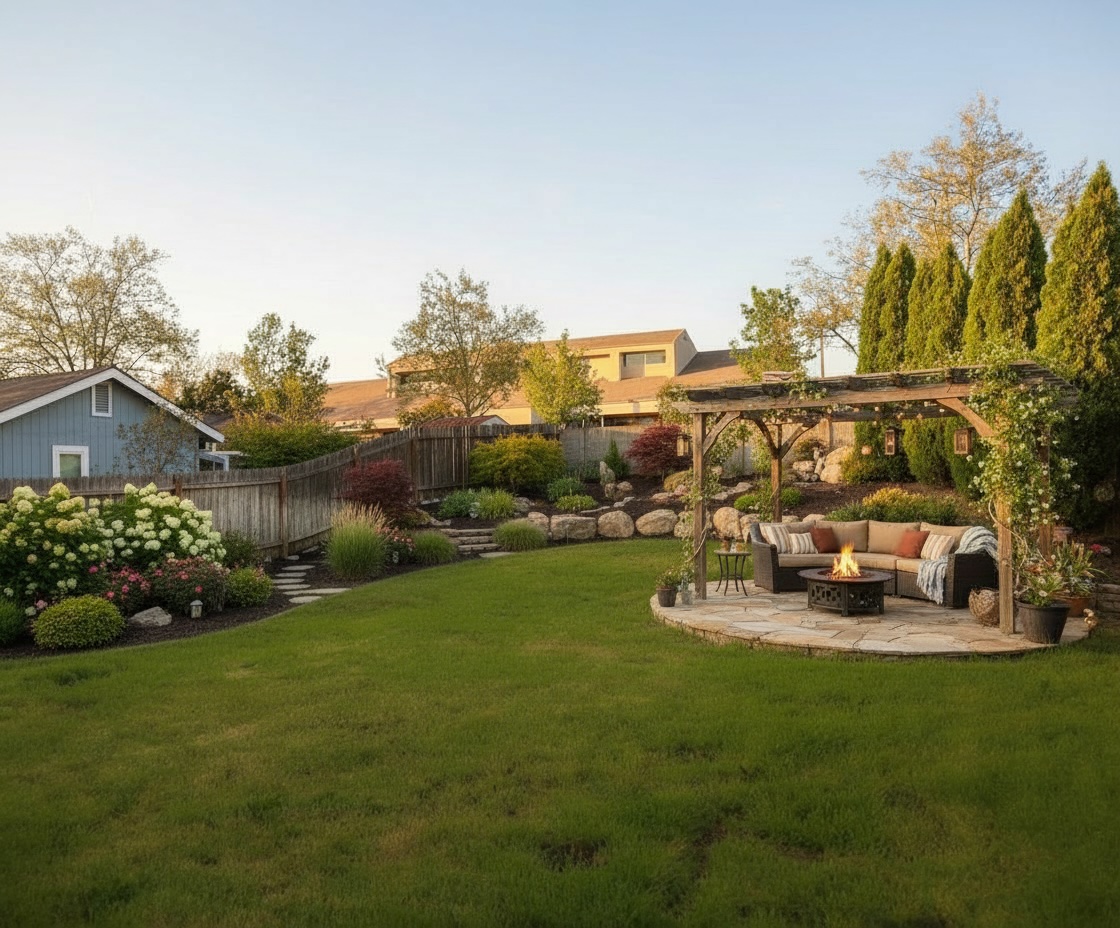
Try this on your yard: The Modern Pool TerraceSee how a modern/minimalist garden looks on YOUR property
Upload a photo of your North Charleston yard and visualize your dream garden in seconds.
Try ProScapeAI Free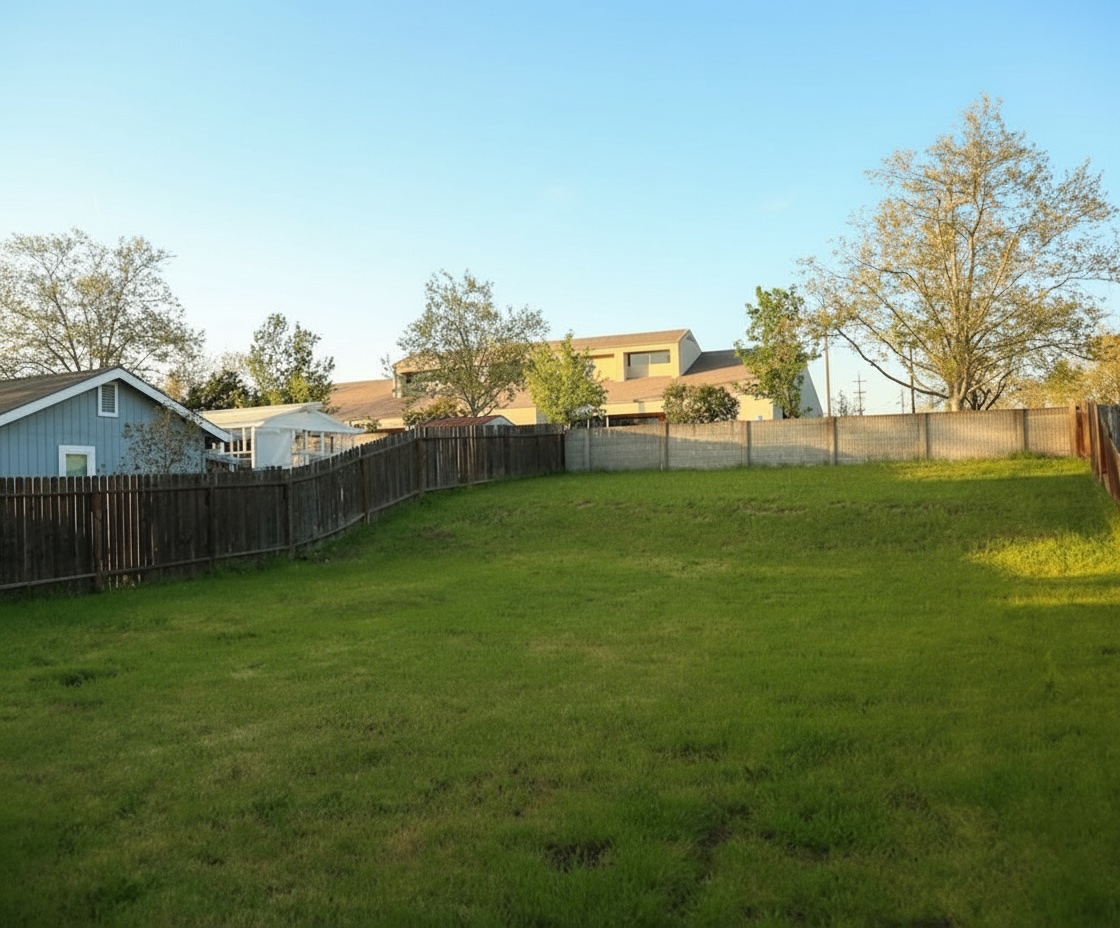
AI-generated image
Featured Trees & Shrubs for Modern/Minimalist Gardens
Browse all 181 plants for North Charleston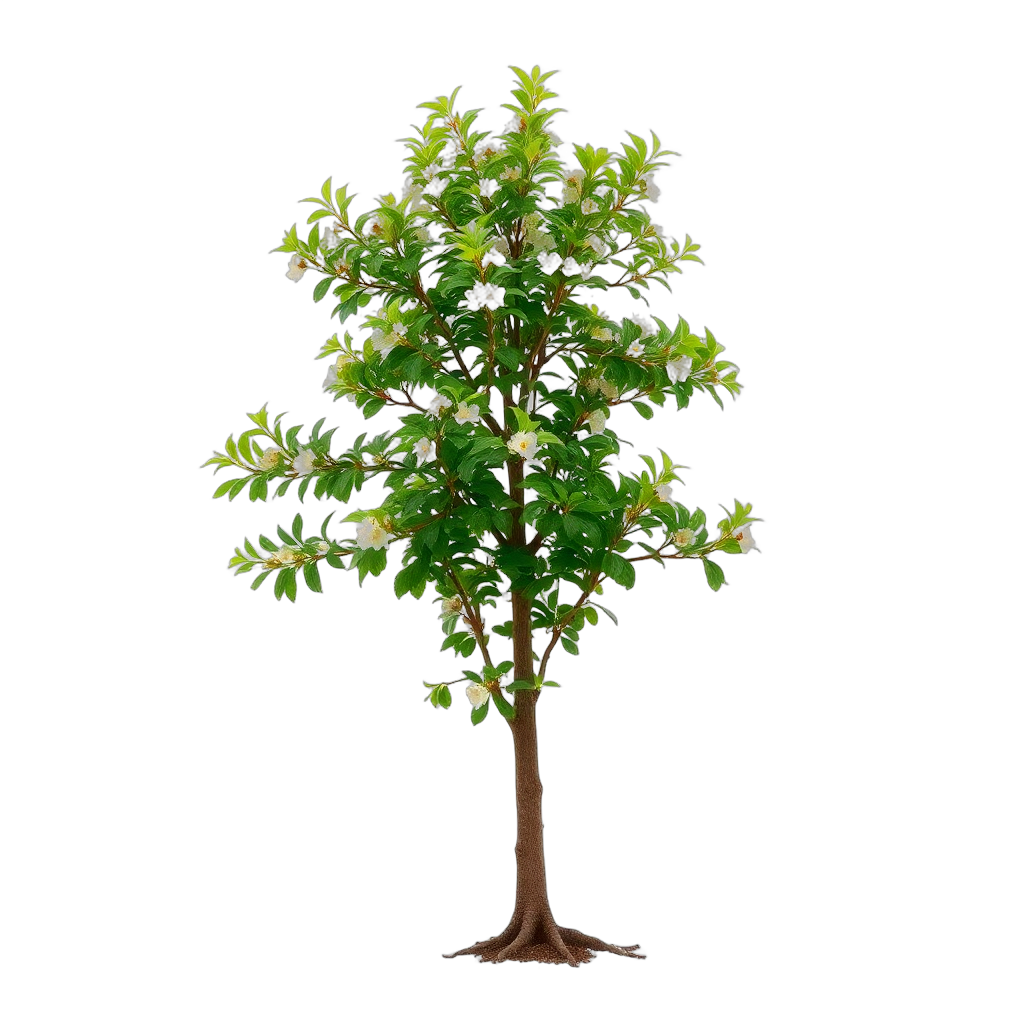
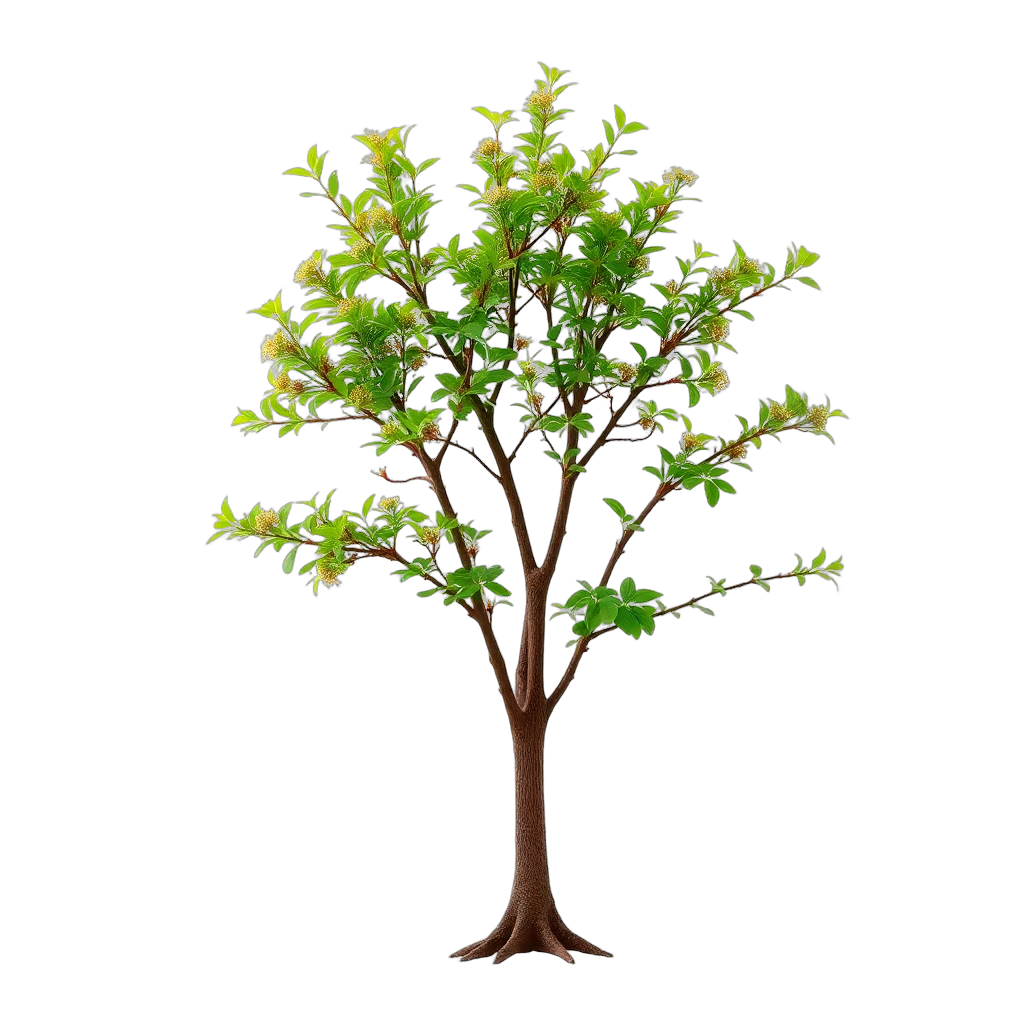
Buckwheat Tree
Cliftonia monophylla
medium-sized at 15 feet, white blooms in spring. Attracts butterflies.
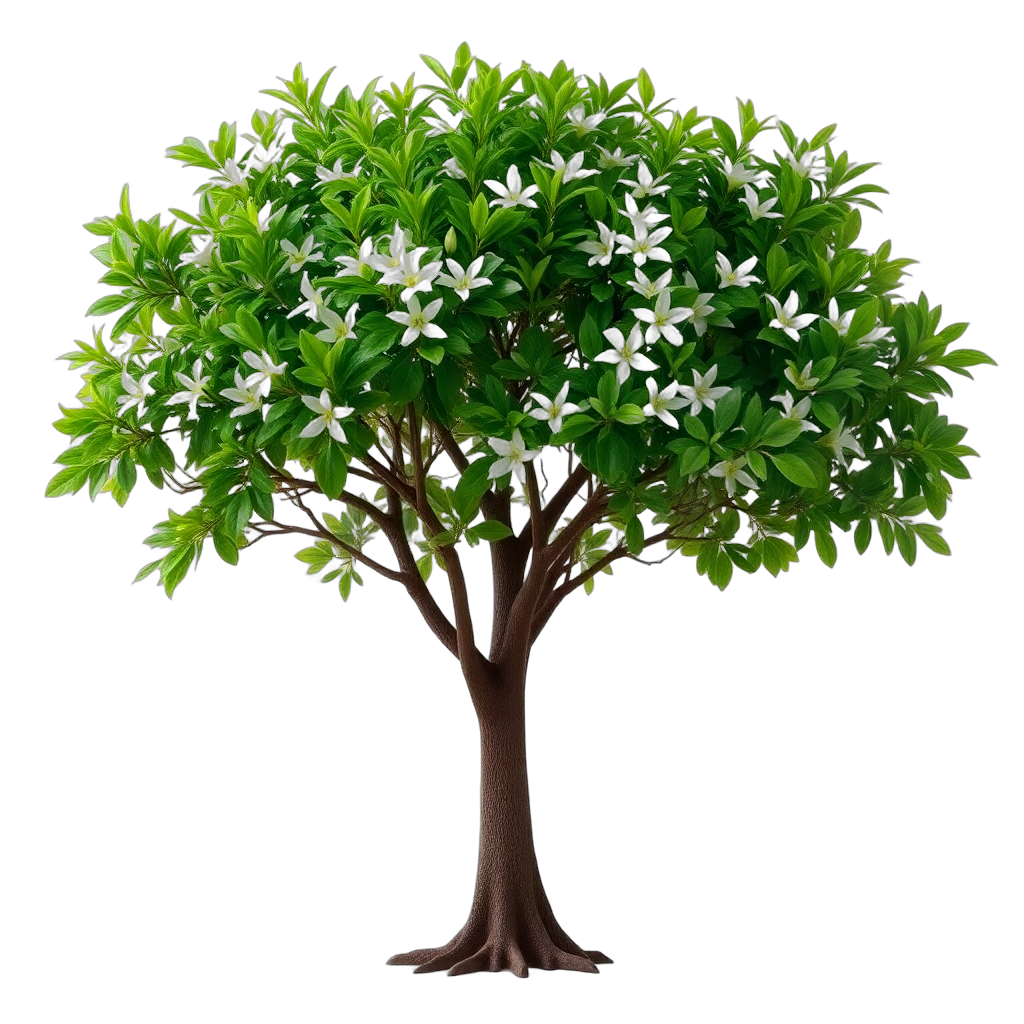
Fetterbush
Lyonia lucida
grows to 6 feet, white blooms in spring. Evergreen year-round.
Florida Anise
Illicium floridanum
medium-sized at 8 feet, red blooms in spring. Evergreen year-round.

Inkberry
Ilex glabra
medium-sized at 8 feet, white blooms in spring. Pollinator-friendly.
Featured Grasses & Groundcovers for Modern/Minimalist Gardens

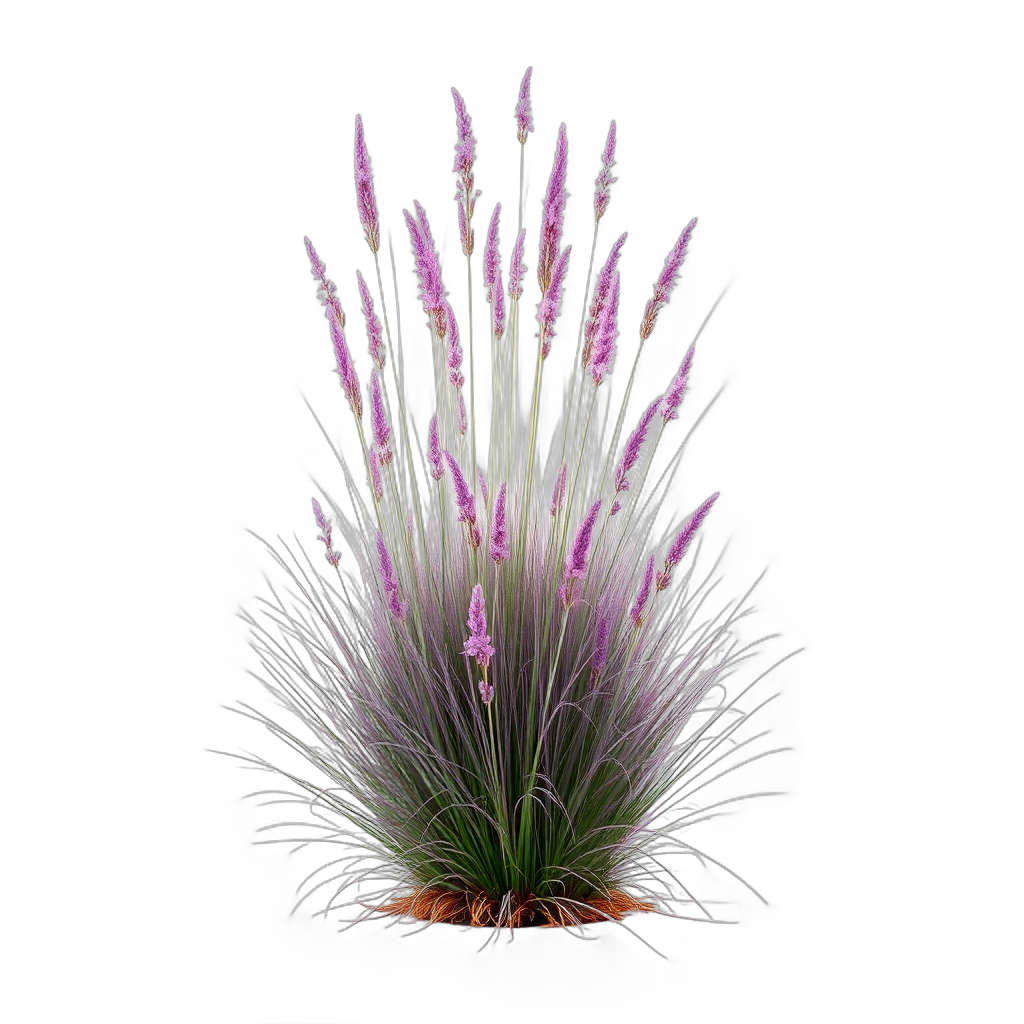
Pink Muhly Grass
Muhlenbergia capillaris
grows to 3 feet, pink blooms in fall.
Purple Love Grass
Eragrostis spectabilis
low-growing ground cover, purple blooms in fall. Orange fall color.
Featured Flowers & Perennials for Modern/Minimalist Gardens
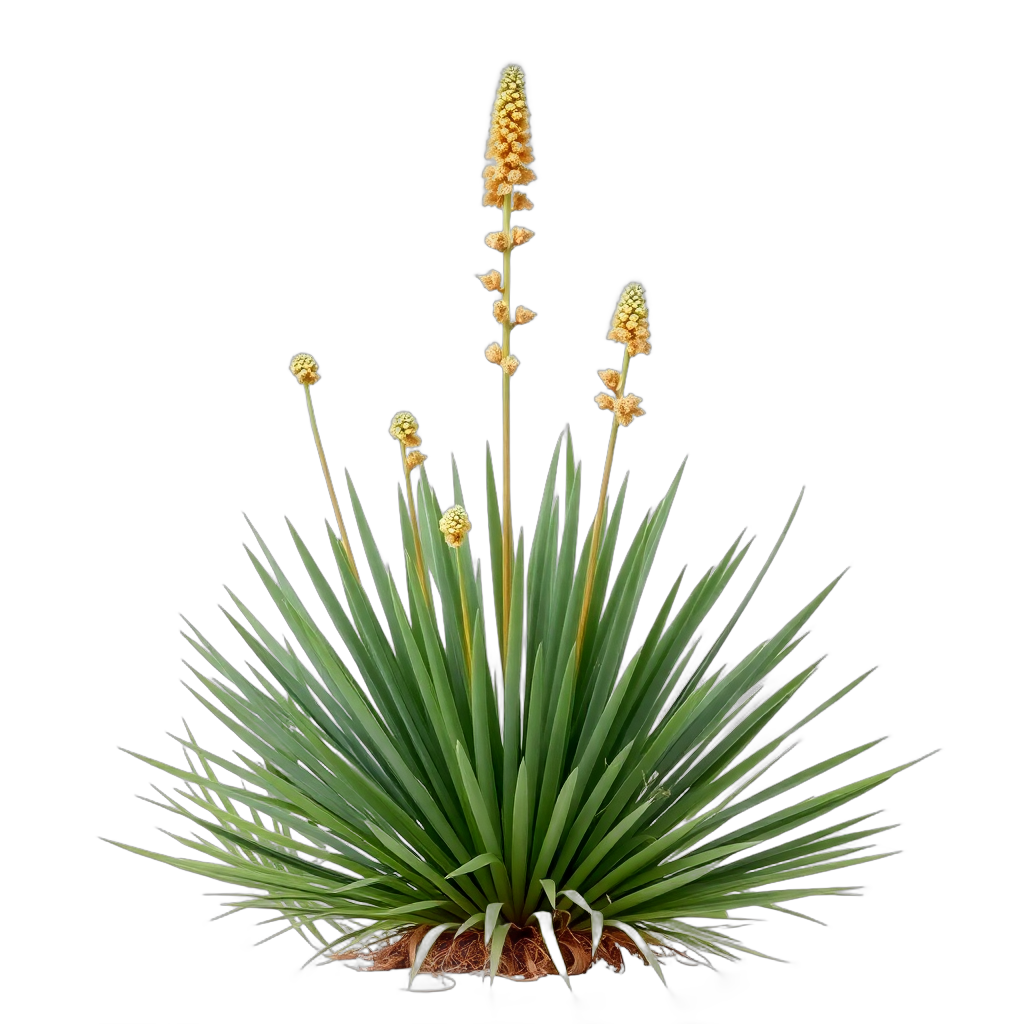
Adam's Needle
Yucca filamentosa
low-growing ground cover, white blooms in summer. Attracts hummingbirds.

Papyrus
Cyperus papyrus
grows to 5 feet, blooms in summer. Pollinator-friendly.

Water Hyacinth
Eichhornia crassipes
low-growing ground cover, purple blooms in summer. Attracts butterflies.

Water Plantain
Alisma plantago-aquatica
low-growing ground cover, white blooms in summer. Attracts butterflies.
Zone and sun checks come from our database — confirm with your local nursery before you buy.
Bloom Calendar for North Charleston
spring
Buckwheat Tree, Fetterbush, Florida Anisesummer
Adam's Needle, Swamp Cyrilla, Loblolly Bayfall
Pink Muhly Grass, Purple Love Grasswinter
Limited bloomsDesign Tips for North Charleston (Zone 9a)
- Raise planting beds 6–10 inches and edge them in steel: North Charleston's flat lots can pond for days after a summer storm, and crisp modern edges show every puddle
- Build the plant palette on Muhlenbergia capillaris 'Regal Mist' and Pennisetum alopecuroides 'Hameln': both handle 91°F heat and humidity, while Pennisetum setaceum 'Rubrum' can freeze back in a hard Zone 9a winter
- Use pine bark or pine straw mulch rather than lightweight shredded hardwood: it stays in place through a summer downpour and keeps sandy soil in the pH 5.0–6.0 range that Loropetalum and Ilex like
- Lay angular crushed granite over compacted base and fabric: round pea gravel migrates, and organic debris from live oaks and pines needs raking off a few times a year
- Repeat three plant types in large blocks: modern design reads best with restraint, and fewer species mean fewer pest and disease problems in humid summers
- Design a drainage path first: route downspouts to a gravel swale or rain garden with Iris virginica 'Contraband' and Juncus effusus 'Spiralis' before laying any pavers
- Check cold hardiness of palms and cycads: Rhapidophyllum hystrix and Cycas revoluta handle 20–25°F, but Phoenix canariensis and Roystonea can burn in an unusually hard freeze
Where to Source Plants in North Charleston
Skip the big-box stores. These independent North Charleston nurseries specialize in the plants that make modern/minimalist gardens thrive in Zone 9a.
Terra Bella Garden Center
North Charleston (Forest Hills Drive)
Independently owned garden center with an on-site nursery of trees, shrubs and plants suited to the local climate, bulk mulch and soil, and design help from a consultation to a full install
Hyams Garden Center and Accent Store
James Island (Folly Road)
Independent Charleston garden center since 1981 with bedding plants, trees, tropicals, herbs and water plants, a diagnostic center, delivery and planting
Brownswood Nursery & Landscape
Johns Island
Grower of its own trees, shrubs, perennials and grasses since 1978, with in-yard design consultations, installation and a quick-sketch planning service
Abide A While Garden Center
Mount Pleasant (Highway 17 North)
Family-owned garden center and nursery since 1957, with custom container arrangements and free plant diagnosis
Hidden Ponds Nursery
Awendaw (Highway 17 North)
Local nursery with camellias, azaleas, crape myrtles, Carolina jessamine and Southern magnolias, plus installs, deliveries and container gardens
Modern/Minimalist Landscaping Cost Ranges
| Project Scope | Estimated Cost |
|---|---|
| Concrete patio, broom finish (200 sqft) | $2,100–$2,500 |
| Low-voltage landscape lighting (6 fixtures) | $1,200–$2,000 |
| Composite decking boards, surface only on existing framing (200 sqft) | $4,700–$5,800 |
| AI visualization (ProScapeAI) | Free to start |
National average installed ranges for 2026 from our landscaping price list (Homewyse and other published sources). Prices in North Charleston, SC vary with site, materials and contractor, so get two or three local quotes.
North Charleston Climate & Growing Zone
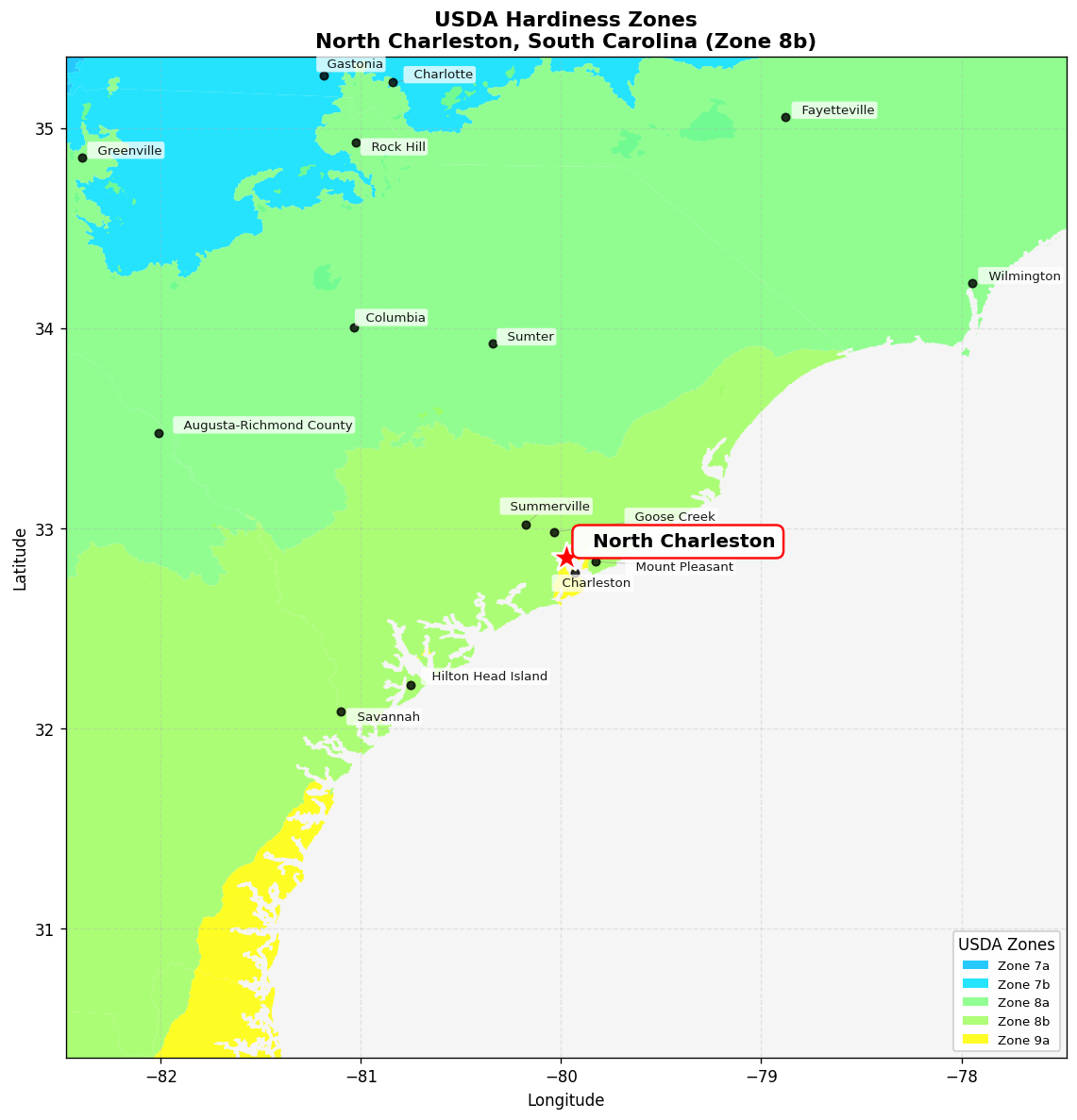
USDA Zone 9a
Hardiness zone for North Charleston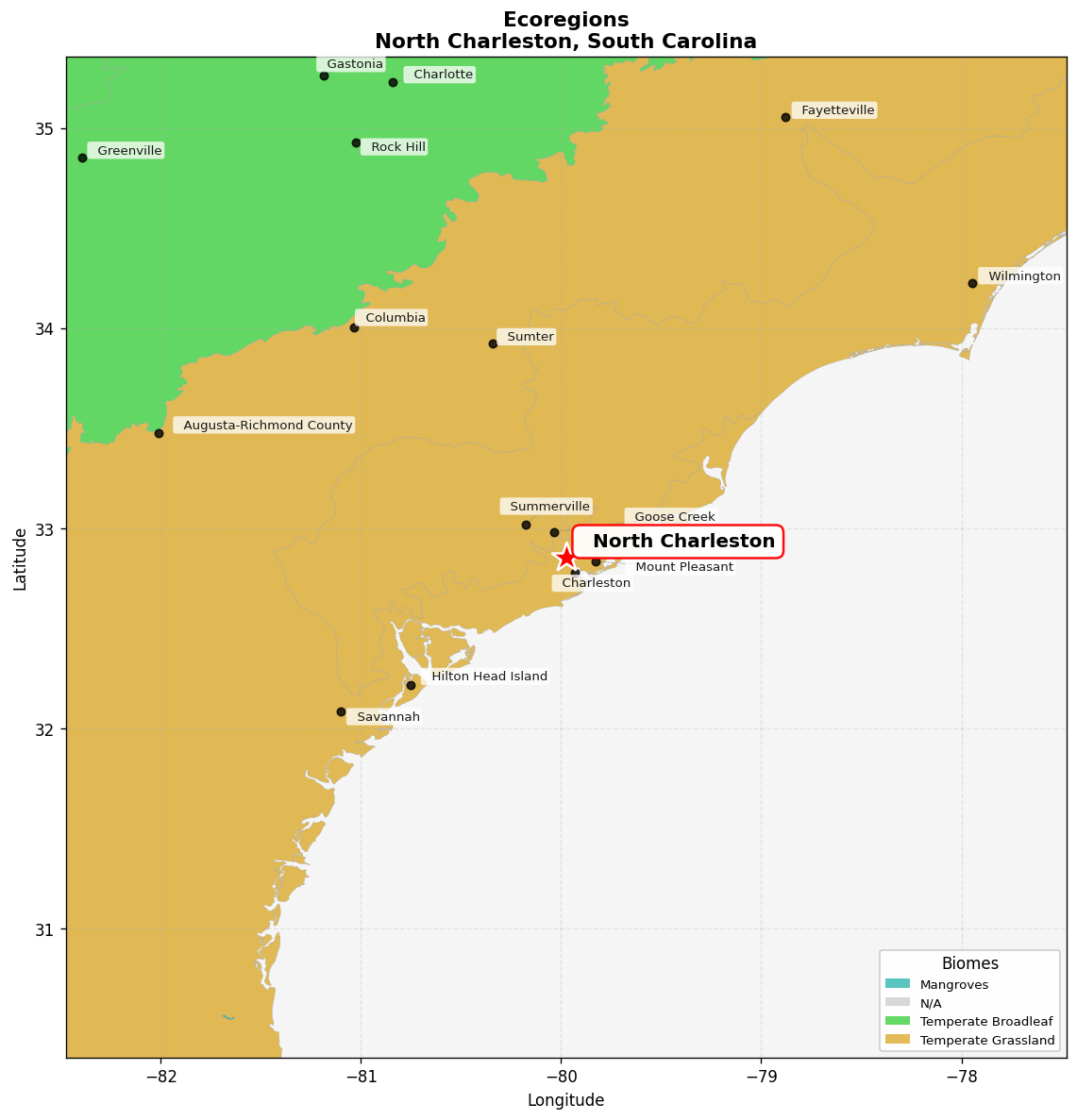
Southeast US conifer savannas
Native ecoregionFrequently Asked Questions
How much does a modern landscape cost in North Charleston?
Costs vary with site, access, materials and local labor rates, so get two or three local quotes before you budget.
Is a modern landscape low maintenance in North Charleston's climate?
It can be, with some work up front. Gravel and grass beds need fewer inputs than turf and flower beds, but Charleston's humid summers push weeds through gravel, so lay woven landscape fabric under it and edge with steel. Cut back Muhlenbergia capillaris 'Regal Mist' and Pennisetum alopecuroides 'Hameln' to 6 inches in late February, and renew mulch each spring.
What grasses and shrubs handle humidity and heat here?
Muhlenbergia capillaris 'Regal Mist', Pennisetum alopecuroides 'Hameln', Carex 'Evergold', Ilex vomitoria 'Schillings Dwarf', Loropetalum chinense 'Ruby' and Nandina 'Gulf Stream' all handle 91°F July highs and wet summers. Avoid Mediterranean species like Lavandula angustifolia 'Hidcote' and Santolina, which rot in humidity, and Pennisetum setaceum 'Rubrum', which can freeze back in a hard Zone 9a winter.
What is the best time to plant in North Charleston?
October through early December is the best window: the soil is warm, rain is gentler, and roots grow all winter. February to April is the second window. Avoid July and August, when highs average near 91°F. The last frost usually falls in early March and the first in late November, so the growing season is roughly 260 days. Frost depth is only an inch or two, so footings and irrigation lines need no deep burial.
What about stormwater and flooding on my lot?
Many North Charleston lots are low and flat, and a heavy summer storm can leave water standing for days. Raise planting beds 6–10 inches, route downspouts into a gravel swale or rain garden, and choose wet-tolerant plants such as Iris virginica 'Contraband', Juncus effusus 'Spiralis' and Hibiscus coccineus for the low spots. If your lot floods during storms, check with the city before regrading, because drainage changes can affect neighbors.
Do I need a permit for a wall, fence or tree work in North Charleston?
The City of North Charleston handles tree removal applications through its Zoning Department and has a tree preservation ordinance. Walls and fences may need a permit or review depending on height, material and location, and Olde North Charleston has its own historic and neighborhood conservation district. Check HOA rules in newer subdivisions. No official fence height threshold was found, so confirm it with the city before building.
Does gravel work in a wet Lowcountry climate?
Yes, if it is laid properly. Use a compacted base of crushed stone 3–4 inches deep, weed barrier fabric, and a top layer of angular gravel such as 3/8-inch crushed granite, which stays put better than round pea gravel. Edge in steel so the gravel does not migrate into beds, and rake away fallen oak and pine debris, because organic matter on top of gravel breeds weeds.