4 English Cottage Garden Ideas for North Charleston, SC | Zone 9a
Native plants from the Southeast US conifer savannas (Zone 9a) — Humid subtropical climate
For a cottage garden in North Charleston, SC, a zone 9a city with a humid subtropical climate, start with Rosa 'New Dawn' on the arbor, Rosa 'Old Blush' and Lavandula × intermedia 'Phenomenal', the plants this guide's first design is built on.
Why Cottage/English Gardens in North Charleston?
North Charleston has more cottage-garden bones than its industrial reputation suggests. Park Circle's tight grid of 1920s–40s bungalows and cottages, with shallow front setbacks and deep porches, is the right backdrop for a picket fence, a rose arbor and a border that reads from the sidewalk. Farther out, the 1960s–70s brick ranches of Northwoods and the newer lots in Wescott and Pepperhill take the same style with a little more lawn in front. A cottage garden works best on a small lot, where 300 square feet of dense planting looks intended.
Zone 9a means winter lows of 20–25°F on the coldest nights, so tender plants mostly survive, but July highs near 91°F, dew points in the 70s and roughly 50 inches of rain a year decide the plant list. English delphinium and true foxglove behave as cool-season annuals here: sow or plant them in October and expect them to finish by early June. Lavandula angustifolia 'Hidcote' rots in its second wet August. Lavandula × intermedia 'Phenomenal' and Lavandula dentata last longer in a raised, gritty bed, and Nepeta × faassenii 'Walker's Low' gives the same blue-gray ribbon with far less fuss. The roses that earn their space are the old, heat-proven ones: Rosa 'Old Blush', Rosa 'Louis Philippe', Rosa 'Mutabilis' and Rosa 'New Dawn' on the arbor, flowering for most of nine months with little blackspot drama.
Soil is mostly Coastal Plain sand, acidic (roughly pH 5.0–6.0), low in organic matter and quick to drain in July but slow to drain on the flat, low parts of the city where the water table sits close to the surface. Both problems get the same answer. Build beds 6–10 inches above grade and cut in compost and pine bark, so roots have drainage in winter and a moisture reserve in summer. Mulch with pine straw, which stays put in a Lowcountry downpour and keeps the acidity that Camellia japonica 'Pink Perfection', Gardenia jasminoides 'Frostproof' and Hydrangea quercifolia 'Snow Queen' like. Lime only the lavender and rose beds, toward pH 6.5. Root-knot nematodes are common in sandy ground, so refresh beds with compost every spring.
The City of North Charleston routes tree removal applications through its Zoning Department and has a tree preservation ordinance, so plan a border around an old live oak or pecan rather than through its roots. Olde North Charleston has its own historic district and neighborhood conservation district, so confirm fence and gate details with the city if your lot falls inside it. Plant in October and November while the soil is warm and hurricane season is winding down.
4 Cottage/English Design Ideas for North Charleston
AI-generated image
The Park Circle Porch Border
$20–42/sqftA 1930s bungalow with a deep front porch gets a low white picket fence and a gate with a short arbor of climbing roses. Behind the fence a three-layer border runs the full frontage: tall spires at the back, lavender and catmint in the middle, low edging at the front, with a curved brick walk running to the steps. Morning sun hits the east-facing front, which dries the rose leaves early and keeps blackspot down.
Try this on your yard: The Park Circle Porch BorderAI-generated image
The Old Rose and Camellia Border
$18–38/sqftA ranch-style brick house with a wide, sunny front lawn gives up a 10-foot-deep bed along the foundation. Old garden roses fill the front half in cream, pink and crimson, with camellias behind them for a December show when the roses slow down. A gravel path with a bench at the corner turns the border into a place to sit rather than just a view.
Try this on your yard: The Old Rose and Camellia BorderAI-generated image
The Backyard Tea Circle
$22–48/sqftA round of gravel or flagstone is set into the back lawn with a bistro table and two chairs, ringed with waist-high drifts of cool-season color. In fall, foxglove and snapdragon are planted among Echinacea and salvia that carry the border through summer. A white rose arch frames the view back to the house and a small live oak or crape myrtle shades the far corner.
Try this on your yard: The Backyard Tea CircleAI-generated image
The Pollinator Cottage Fence Line
$14–30/sqftA chain-link side yard is hidden behind a mixed hedge and cottage planting, so the fence line becomes the garden. Native and old-fashioned perennials bloom in sequence from spring to the first frost in late November, with a short brick path to a corner bench. The bed gets full afternoon sun, so everything in it handles a 91°F July.
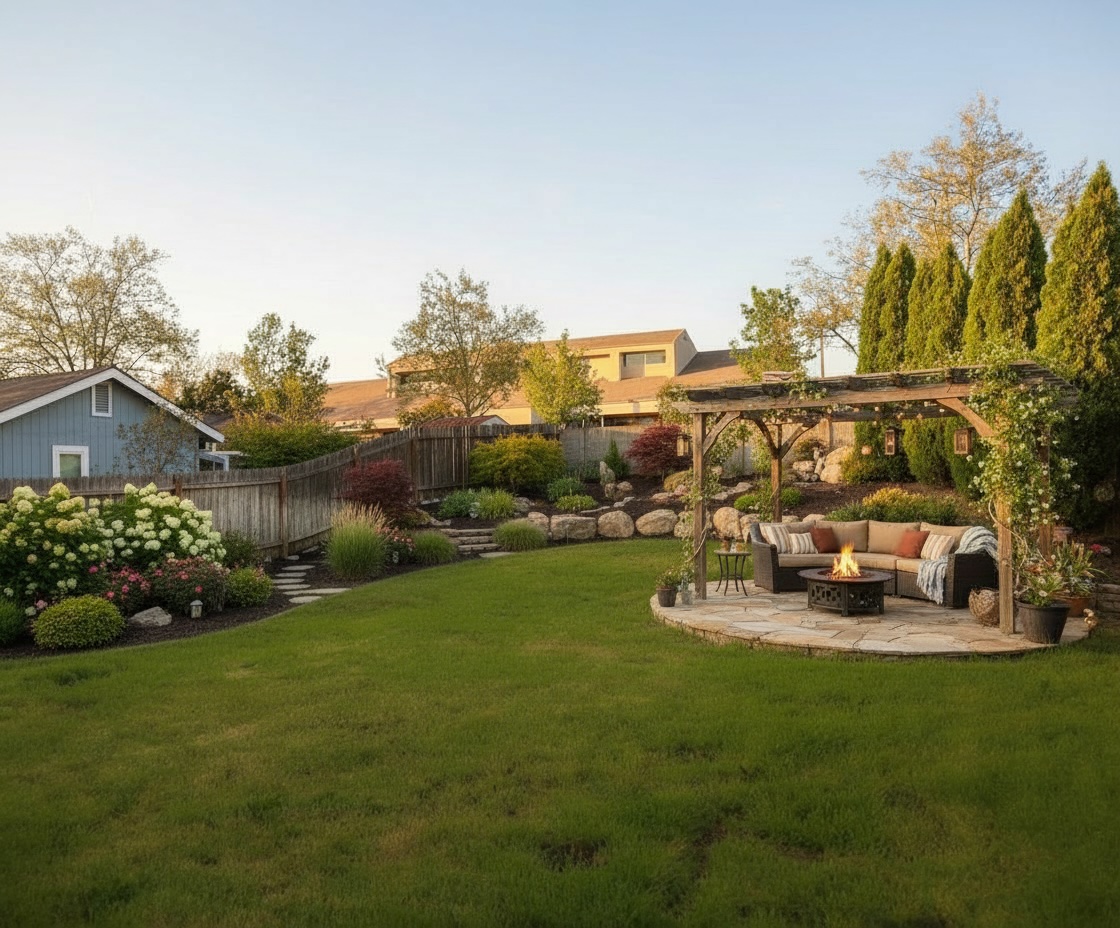
Try this on your yard: The Pollinator Cottage Fence LineSee how a cottage/english garden looks on YOUR property
Upload a photo of your North Charleston yard and visualize your dream garden in seconds.
Try ProScapeAI Free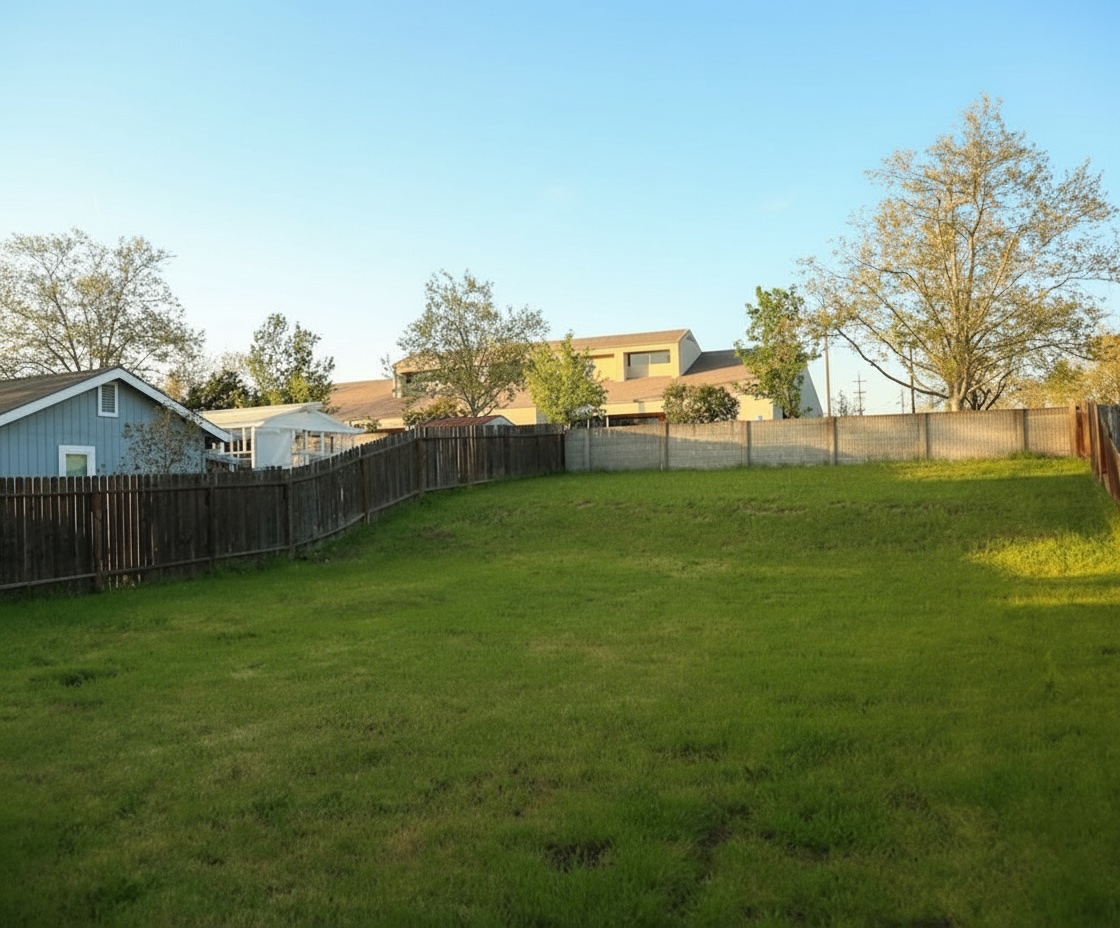
AI-generated image
Featured Trees & Shrubs for Cottage/English Gardens
Browse all 181 plants for North Charleston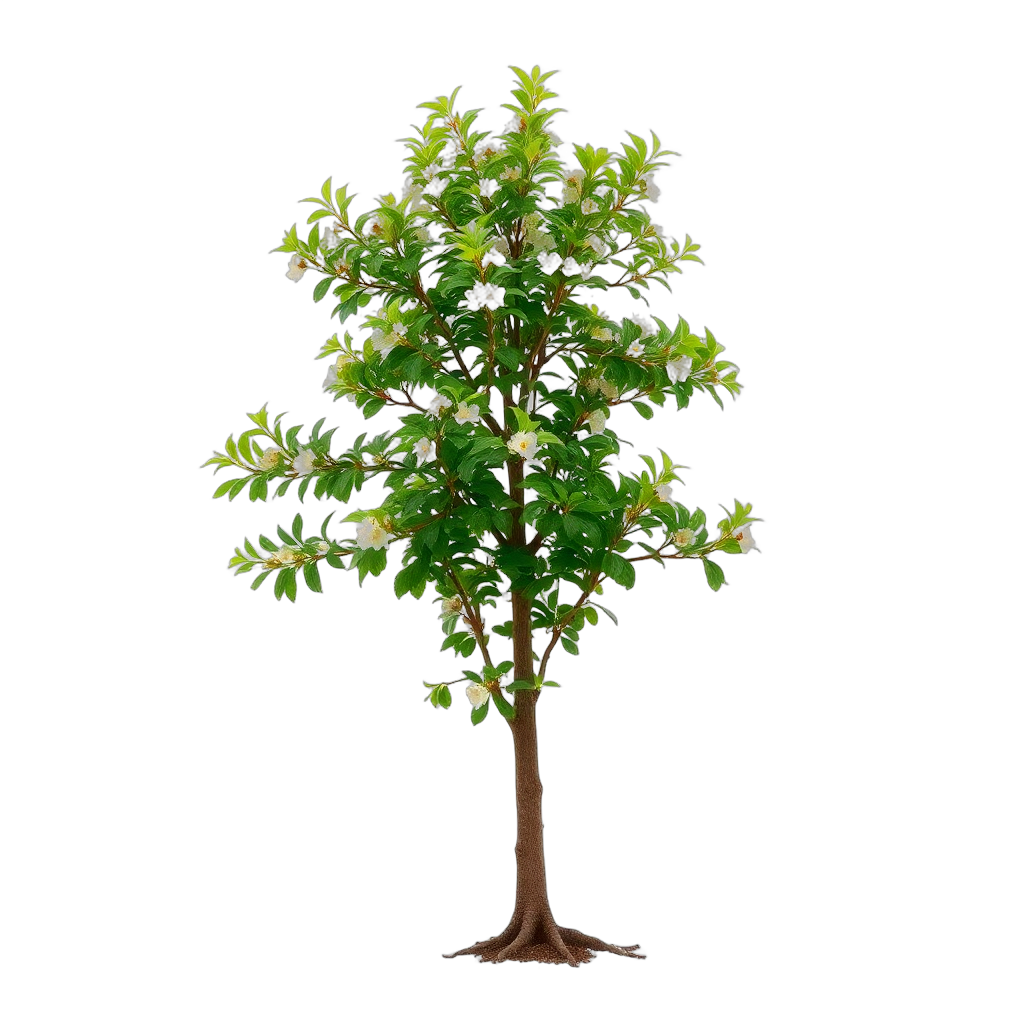
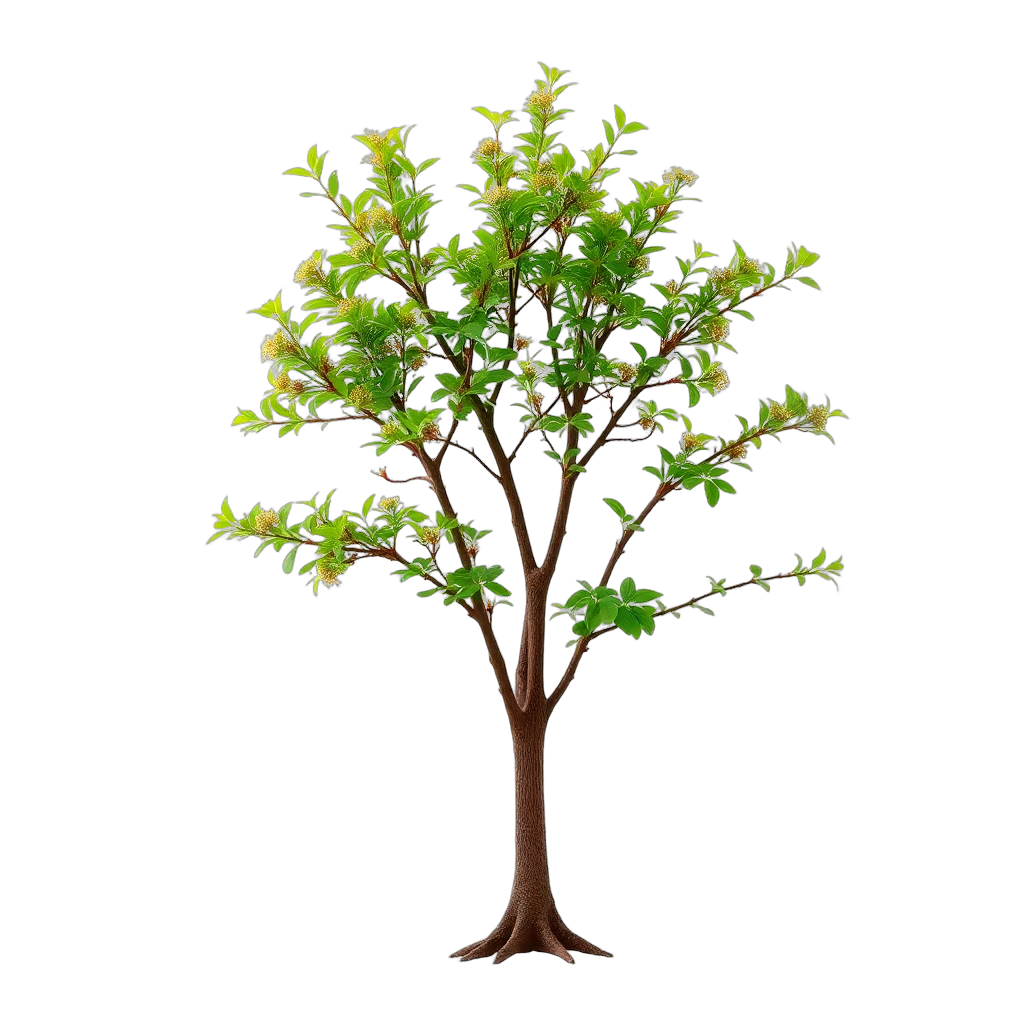
Buckwheat Tree
Cliftonia monophylla
medium-sized at 15 feet, white blooms in spring. Attracts butterflies.
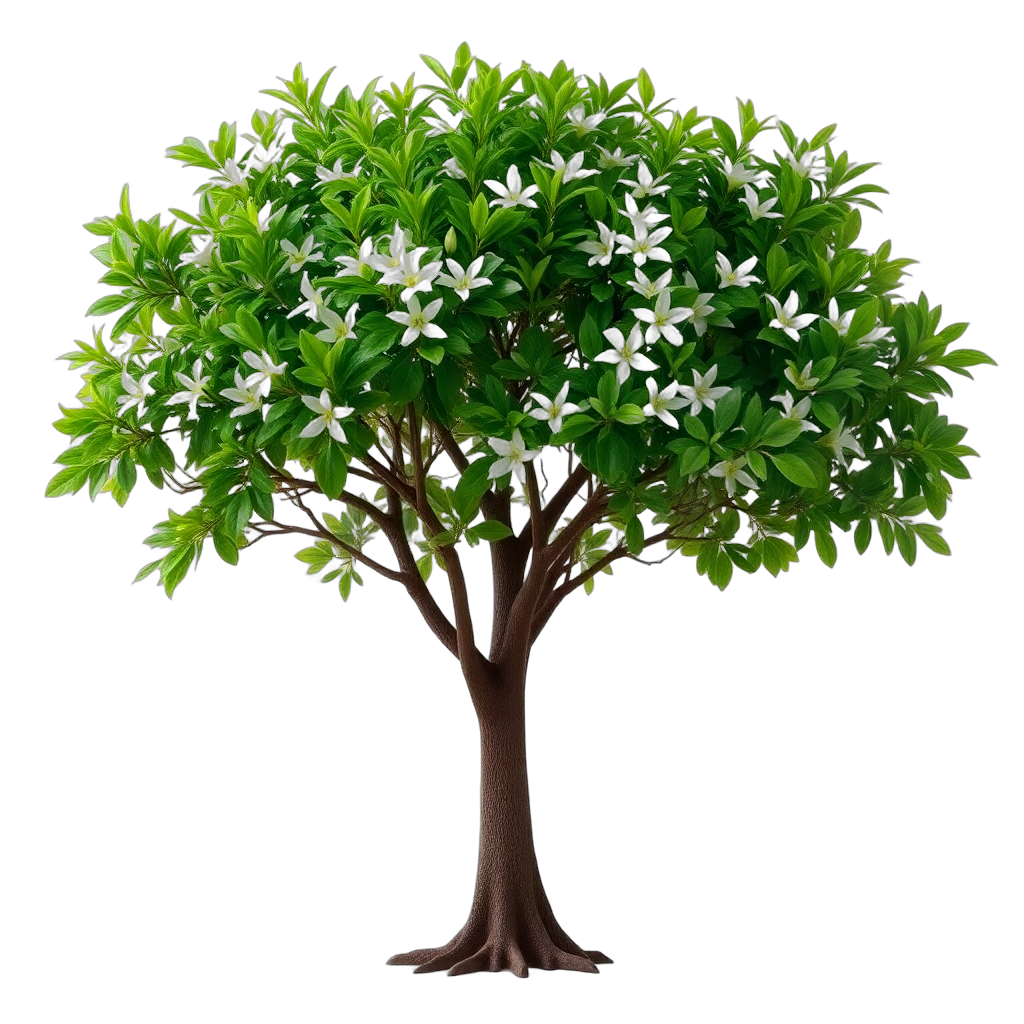
Fetterbush
Lyonia lucida
grows to 6 feet, white blooms in spring. Evergreen year-round.
Florida Anise
Illicium floridanum
medium-sized at 8 feet, red blooms in spring. Evergreen year-round.

Inkberry
Ilex glabra
medium-sized at 8 feet, white blooms in spring. Pollinator-friendly.
Featured Grasses & Groundcovers for Cottage/English Gardens

Pink Muhly Grass
Muhlenbergia capillaris
grows to 3 feet, pink blooms in fall.
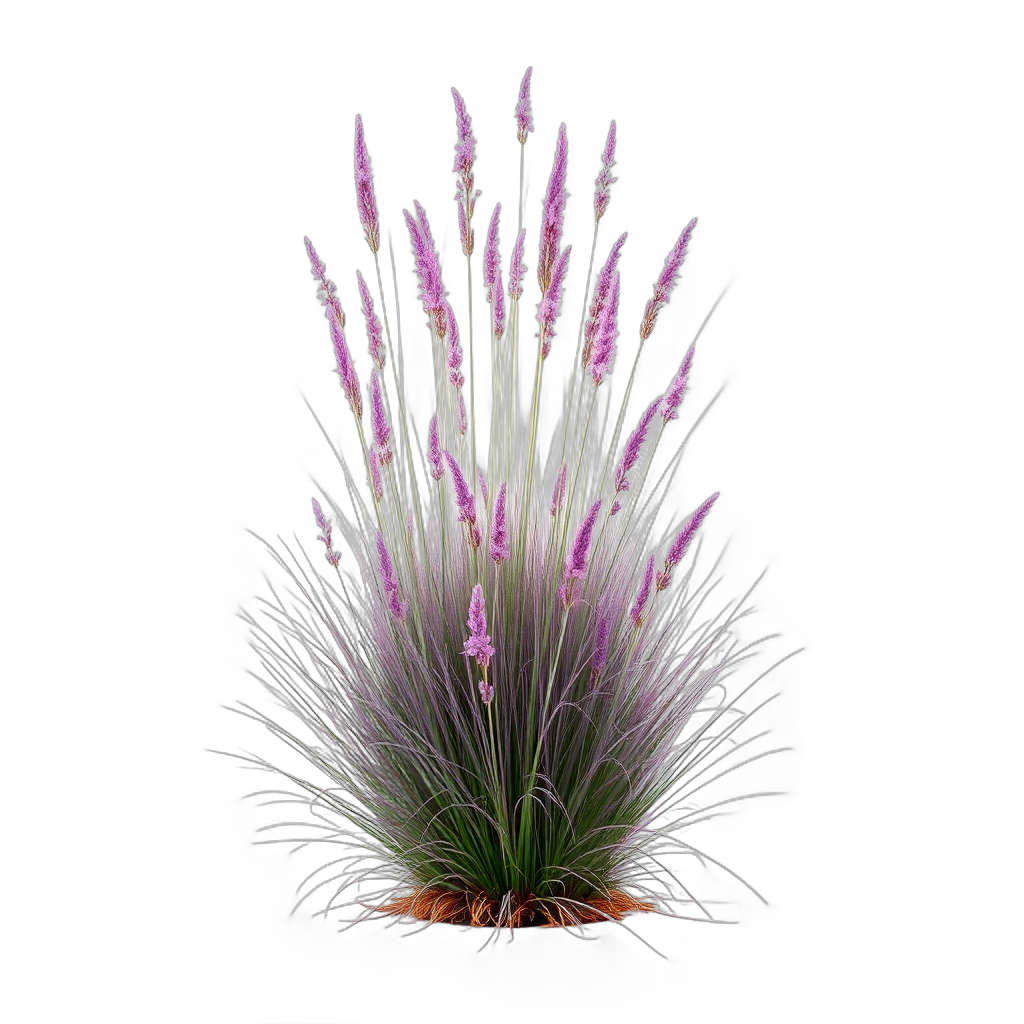
Purple Love Grass
Eragrostis spectabilis
low-growing ground cover, purple blooms in fall. Orange fall color.
Featured Flowers & Perennials for Cottage/English Gardens
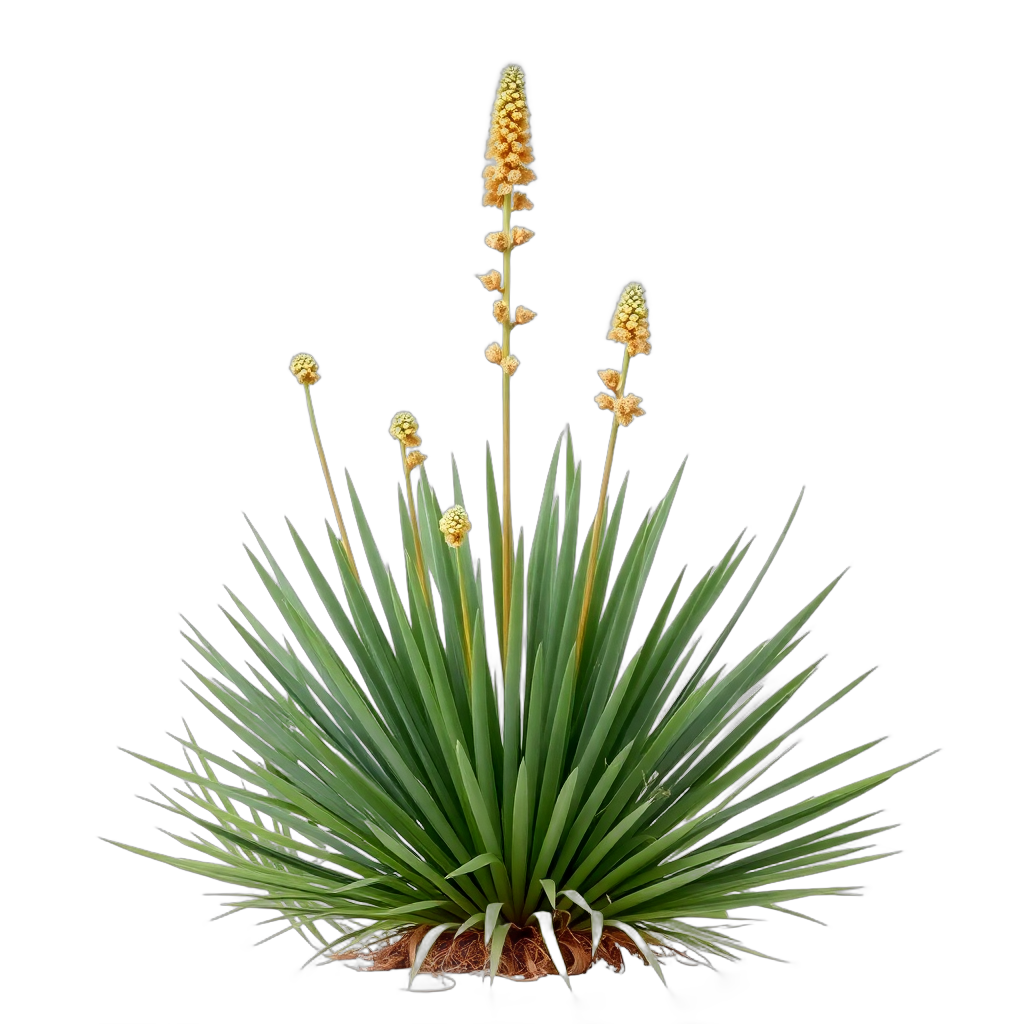
Adam's Needle
Yucca filamentosa
low-growing ground cover, white blooms in summer. Attracts hummingbirds.

Papyrus
Cyperus papyrus
grows to 5 feet, blooms in summer. Pollinator-friendly.

Water Hyacinth
Eichhornia crassipes
low-growing ground cover, purple blooms in summer. Attracts butterflies.

Water Plantain
Alisma plantago-aquatica
low-growing ground cover, white blooms in summer. Attracts butterflies.
Zone and sun checks come from our database — confirm with your local nursery before you buy.
Bloom Calendar for North Charleston
spring
Buckwheat Tree, Fetterbush, Florida Anisesummer
Adam's Needle, Swamp Cyrilla, Loblolly Bayfall
Pink Muhly Grass, Purple Love Grasswinter
Limited bloomsDesign Tips for North Charleston (Zone 9a)
- Build every bed 6–10 inches above grade with compost and pine bark: North Charleston's sandy Coastal Plain soil drains fast in July but low, flat lots hold winter and storm water around the crowns
- Swap the English rose list for old garden roses: Rosa 'Old Blush', Rosa 'Louis Philippe' and Rosa 'Mutabilis' flower most of nine months here, while hybrid teas defoliate with blackspot in a 50-inch rain year
- Use pine straw instead of shredded hardwood: it knits together and stays in the bed through a summer downpour, and it keeps soil in the acidic pH 5.0–6.0 range that camellias, gardenias and hydrangeas like
- Treat foxglove and delphinium as fall-planted annuals: set Digitalis purpurea 'Camelot Rose' in October and replace it each year, instead of hoping for a perennial summer
- Pick lavender by species: Lavandula × intermedia 'Phenomenal' in a gritty raised bed will outlive Lavandula angustifolia 'Hidcote' by several years in 91°F July heat and high humidity
- Plan for hurricane season: set arbors with 4x4 posts sunk 30 inches or more and avoid tall, thin trellises, and plant larger shrubs after the storm window closes in late October
- Test the soil before liming: sandy ground is already acidic, so add lime only to the rose and lavender beds and leave the camellias, gardenias and hydrangeas on the natural side
Where to Source Plants in North Charleston
Skip the big-box stores. These independent North Charleston nurseries specialize in the plants that make cottage/english gardens thrive in Zone 9a.
Terra Bella Garden Center
North Charleston (Forest Hills Drive)
Independently owned garden center with an on-site nursery of trees, shrubs and plants suited to the local climate, bulk mulch and soil, and design help from a consultation to a full install
Hyams Garden Center and Accent Store
James Island (Folly Road)
Independent Charleston garden center since 1981 with bedding plants, trees, tropicals, herbs and water plants, a diagnostic center, delivery and planting
Brownswood Nursery & Landscape
Johns Island
Grower of its own trees, shrubs, perennials and grasses since 1978, with in-yard design consultations, installation and a quick-sketch planning service
Abide A While Garden Center
Mount Pleasant (Highway 17 North)
Family-owned garden center and nursery since 1957, with custom container arrangements and free plant diagnosis
Hidden Ponds Nursery
Awendaw (Highway 17 North)
Local nursery with camellias, azaleas, crape myrtles, Carolina jessamine and Southern magnolias, plus installs, deliveries and container gardens
Cottage/English Landscaping Cost Ranges
| Project Scope | Estimated Cost |
|---|---|
| Clay brick walkway on a compacted base (150–250 sqft) | $3,000–$6,500 |
| Gravel or flagstone seating circle (200–300 sqft) | $170–$9,600 |
| Picket fence, 4 ft tall (60 linear ft) | $1,500–$2,400 |
| AI visualization (ProScapeAI) | Free to start |
National average installed ranges for 2026 from our landscaping price list (Homewyse and other published sources). Prices in North Charleston, SC vary with site, materials and contractor, so get two or three local quotes.
North Charleston Climate & Growing Zone
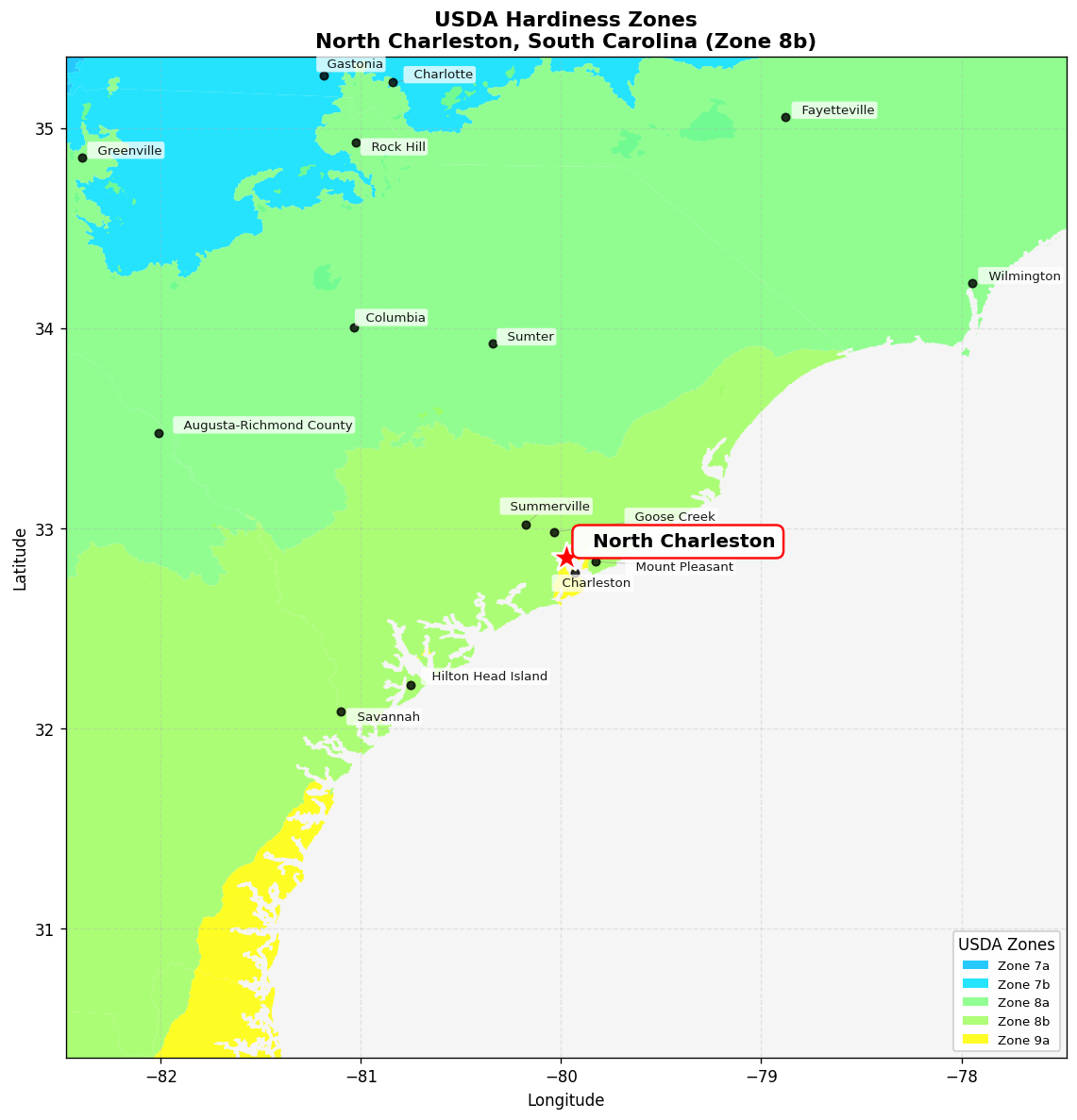
USDA Zone 9a
Hardiness zone for North Charleston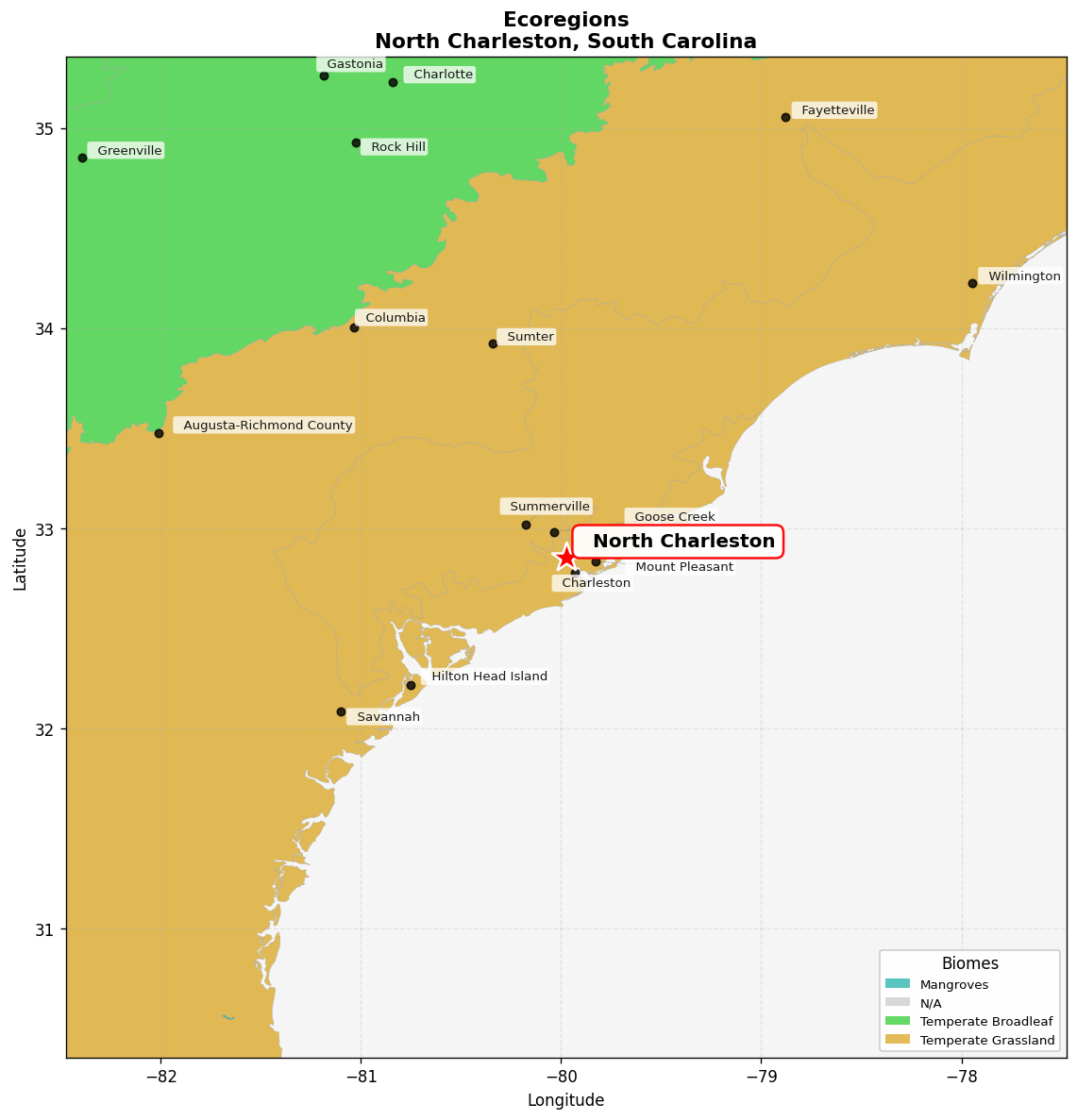
Southeast US conifer savannas
Native ecoregionFrequently Asked Questions
How much does a cottage garden cost in North Charleston?
Terra Bella Garden Center's 'We Plan You Plant' service is one way to pay for a design and install the work yourself. Costs vary with site, access, materials and local labor rates, so get two or three local quotes before you budget.
Which roses survive North Charleston's heat and humidity?
Pick the old, disease-tolerant roses: Rosa 'Old Blush', Rosa 'Louis Philippe', Rosa 'Mutabilis' and Rosa 'New Dawn' for an arbor. Modern hybrid teas defoliate with blackspot by midsummer without a spray schedule. Give every rose six or more hours of sun with morning exposure, space plants three feet apart, and water at the base by drip rather than overhead.
Can I grow lavender in North Charleston?
Yes, with the right species and a raised bed. Lavandula × intermedia 'Phenomenal' and Lavandula dentata survive the humidity far better than Lavandula angustifolia 'Hidcote' or 'Munstead', which usually fail by their second August. Build the bed 8–10 inches up with coarse grit and pine bark, lime toward pH 6.5, mulch with gravel instead of pine straw, and shear back by a third after bloom.
What is the best time to plant a cottage garden in North Charleston?
October through early December is the best window, since the soil is still warm, the rain is gentler, and roots grow all winter. Plant foxglove, snapdragon and delphinium seedlings in October for spring bloom. February and March is the second window, and bare-root roses can go in while dormant. Avoid planting in July and August, when highs average about 91°F. Hurricane season runs June 1 to November 30, so wait until late October to set anything tall.
What survives a North Charleston winter?
Zone 9a lows of 20–25°F are mild for most of the cottage plant list. Rosa 'Old Blush', Camellia sasanqua 'Yuletide', Loropetalum chinense 'Ruby' and Salvia greggii 'Furman's Red' all come through fine. The occasional hard freeze can burn the tips of tender plants like Gardenia jasminoides 'Frostproof' and Lagerstroemia, so mulch 2–3 inches deep around the crowns in November. Frost depth is negligible, so there is no need to bury plants or set irrigation lines deep.
Do I need a permit for a fence or tree work in North Charleston?
The City of North Charleston handles tree removal applications through its Zoning Department and has a tree preservation ordinance. Fences, arbors and walls may need a permit or review depending on height, materials and location, and Olde North Charleston has its own historic and neighborhood conservation district. Call the city's Zoning Department before you build or remove a mature tree, and check HOA rules if you live in a newer subdivision. No official fence height threshold was found, so confirm it with the city.
What should I do about nematodes and sandy soil?
Root-knot nematodes are common in warm Coastal Plain sand. Cut in 2–3 inches of compost every spring, plant French marigold Tagetes patula 'Nemagold' as a cover in empty beds, and favor tolerant plants such as Rosa 'Old Blush', Lantana camara 'Miss Huff' and Salvia greggii. Mulch with pine straw and water deeply and less often, so the sand does not dry out between visits.