4 Tropical Garden Ideas for Pompano Beach, FL | Zone 11a Designs
Native plants from the Everglades flooded grasslands (Zone 11a) — Tropical rainforest climate
For a tropical garden in Pompano Beach, FL, a zone 11a city with a tropical rainforest climate, start with Roystonea regia, Philodendron 'Xanadu' and Zamia furfuracea, the plants this guide's first design is built on.
Why Tropical/Lush Gardens in Pompano Beach?
Pompano Beach sits in USDA Zone 11a, where winter lows usually bottom out in the upper 30s to low 40s °F and a true tropical garden stays in the ground all year. The city's ranch houses, 1960s block homes and canal-side lots along the Intracoastal give you flat, bright ground and plenty of wall space to carry big leaves. Cocos nucifera 'Malayan Dwarf' leaning over a roofline, Heliconia psittacorum 'Lady Di' in the shade of a Roystonea regia, and a Clusia guttifera hedge shutting out the neighbor's driveway are everyday sights in Broward County, not exotic experiments.
Soil is where tropical plantings quietly fail. The Atlantic Coastal Ridge under the eastern part of the city is sand over limestone, and it runs alkaline, commonly pH 7.5–8.3. That locks up iron and manganese, which is why Ixora 'Nora Grant' turns yellow between green veins and queen palms push out frizzled new fronds. Feed palms a controlled-release 8-2-12 with magnesium four times a year, drench shrubs with chelated iron, and choose plants that tolerate lime: Thrinax radiata, Coccothrinax argentata, Bougainvillea 'Barbara Karst' and Hibiscus rosa-sinensis 'Brilliant'. West of the ridge, toward the old Everglades edge, the ground is wetter and heavier, so mound beds there.
Rain runs roughly 60 inches a year, most of it from May through October, so drainage matters more than watering. Build beds 8–12 inches above grade, because Plumeria and Alcantarea rot from below, not from drought. The same storms drive the tree list. Sabal palmetto, gumbo limbo (Bursera simaruba), pigeon plum (Coccoloba diversifolia) and Quercus virginiana have a good record in South Florida hurricanes, while Ficus benjamina, Australian pine and brittle royal poinciana lose limbs or topple. Near the beach and along the Intracoastal, put Coccoloba uvifera and silver buttonwood on the salt side and keep the soft-leaved plants behind them.
The cold snap is the rare event to plan for. A night in the mid-30s will scorch Codiaeum 'Petra' and Heliconia leaves, so site tender plants under a canopy or beside a south wall. Water rules are simple but strict: the city follows the South Florida Water Management District's two-day-a-week limit, and drip lines on a timer keep new plantings inside it.
4 Tropical/Lush Design Ideas for Pompano Beach
AI-generated image
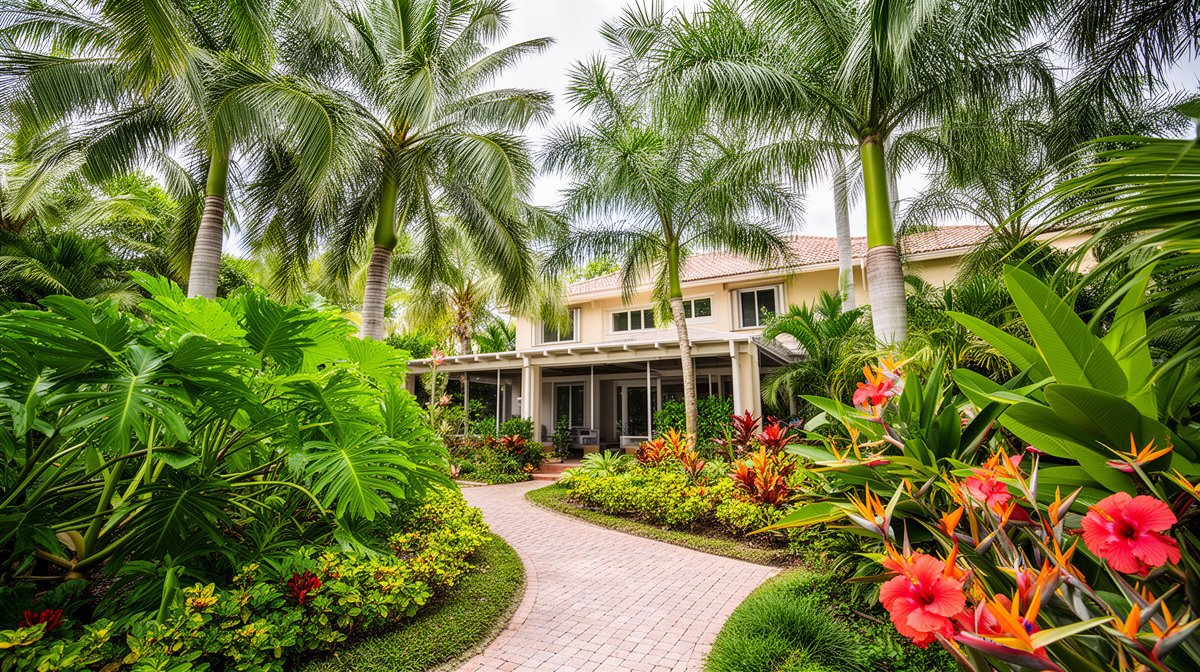
The Royal Palm Courtyard
$18–36/sqftA square courtyard garden fronts a 1960s ranch house, with three Roystonea regia at staggered heights in a gravel bed and a dense under-layer of Philodendron 'Xanadu' and Zamia furfuracea along the walls. Late afternoon sun hits the western wall, so the Strelitzia nicolai goes there and the Alpinia zerumbet 'Variegata' sits where morning light reaches it. A crushed limestone path runs from the driveway to the front door, lit from below.
Try this on your yard: The Royal Palm CourtyardAI-generated image
The Heliconia and Croton Color Border
$14–30/sqftA 12-foot-deep border runs the length of a west-facing fence, built in blocks of five or more rather than one-of-each. Codiaeum 'Petra' and 'Mammy' hold the front in orange and red, Heliconia psittacorum 'Lady Di' and 'Golden Torch' rise behind them, and Hibiscus 'Brilliant' crowns the back. A single Cocos nucifera 'Malayan Dwarf' shades the corner so the heliconias get the part sun they like.
Try this on your yard: The Heliconia and Croton Color BorderAI-generated image
The Canal-Side Palm Terrace
$28–55/sqftA travertine terrace steps down toward a seawall, edged by silver buttonwood and sea grape on the salt-exposed side. Behind them, a Thrinax radiata grove and a Licuala grandis cluster give a layered frame to a dining table, and bromeliads such as Aechmea blanchetiana sit in the live oak shade. Lighting skims the trunks so the terrace works as an evening room.
Try this on your yard: The Canal-Side Palm TerraceAI-generated image
The Hibiscus Wall Garden
$12–26/sqftA privacy planting along a narrow side yard stacks a Clusia guttifera hedge in front of a painted concrete block wall, with a ribbon of Bougainvillea 'Barbara Karst' spilling over the top. At the base, Caladium 'Florida Sweetheart' and Ctenanthe 'Burle Marxii' fill the shade, and a small bubbler fountain masks street noise. It costs little in hardscape and works on a lot with a shared fence line.
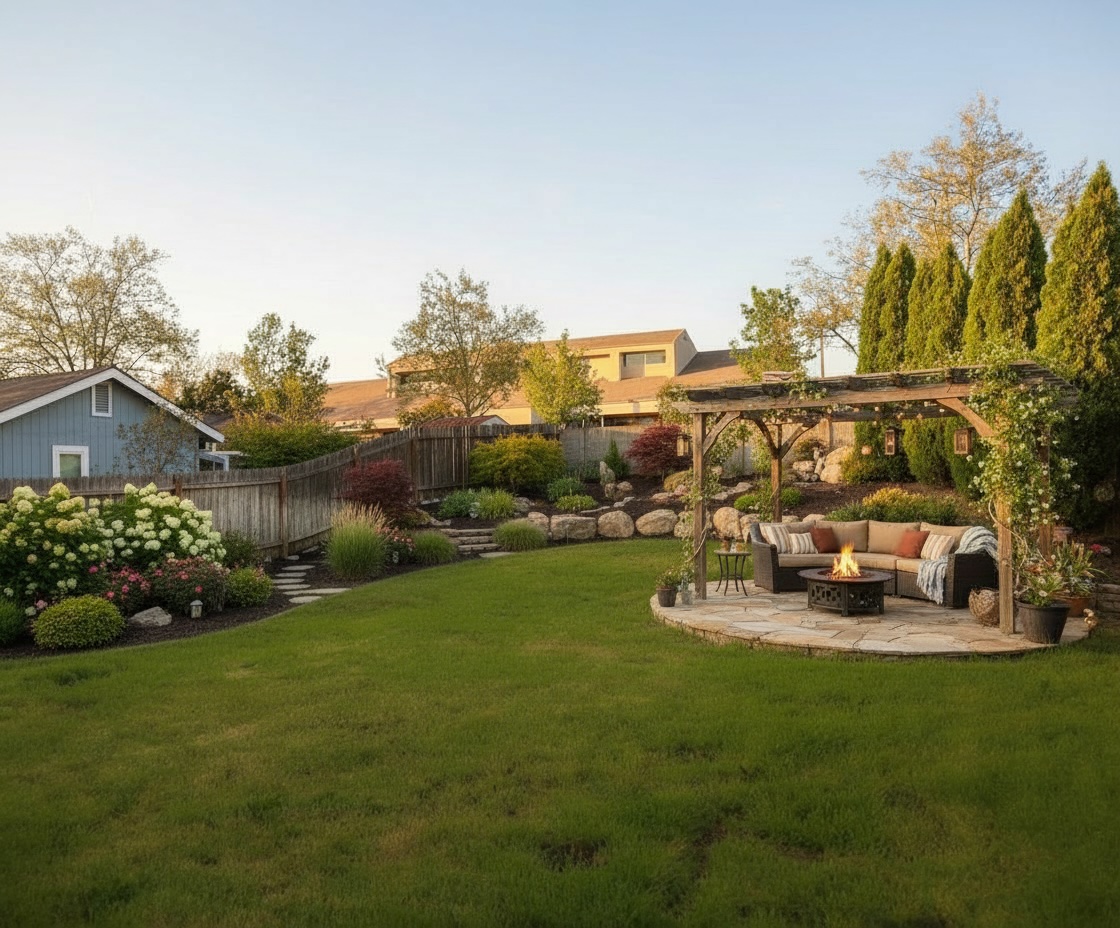
Try this on your yard: The Hibiscus Wall GardenSee how a tropical/lush garden looks on YOUR property
Upload a photo of your Pompano Beach yard and visualize your dream garden in seconds.
Try ProScapeAI Free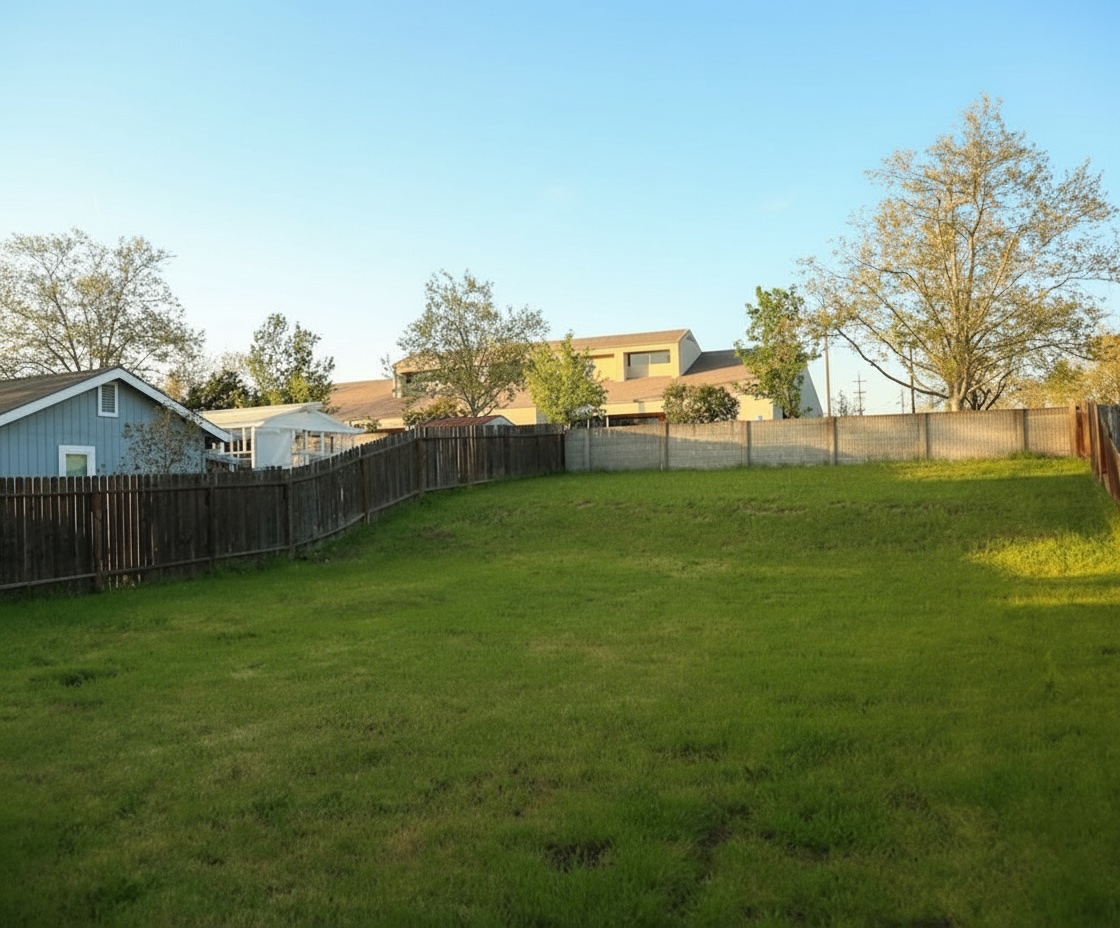
AI-generated image
Featured Trees & Shrubs for Tropical/Lush Gardens
Browse all 150 plants for Pompano Beach
Cabbage Palm
Sabal palmetto
reaches 40 feet tall, white,yellow blooms in spring. Pollinator-friendly.

California Fan Palm
Washingtonia filifera
reaches 40 feet tall, white blooms in spring. Pollinator-friendly.

Canary Island Date Palm
Phoenix canariensis
reaches 40 feet tall, yellow blooms in spring. Pollinator-friendly.

Chilean Wine Palm
Jubaea chilensis
large shade tree reaching 60+ feet, purple,yellow blooms in summer. Pollinator-friendly.
Featured Grasses & Groundcovers for Tropical/Lush Gardens
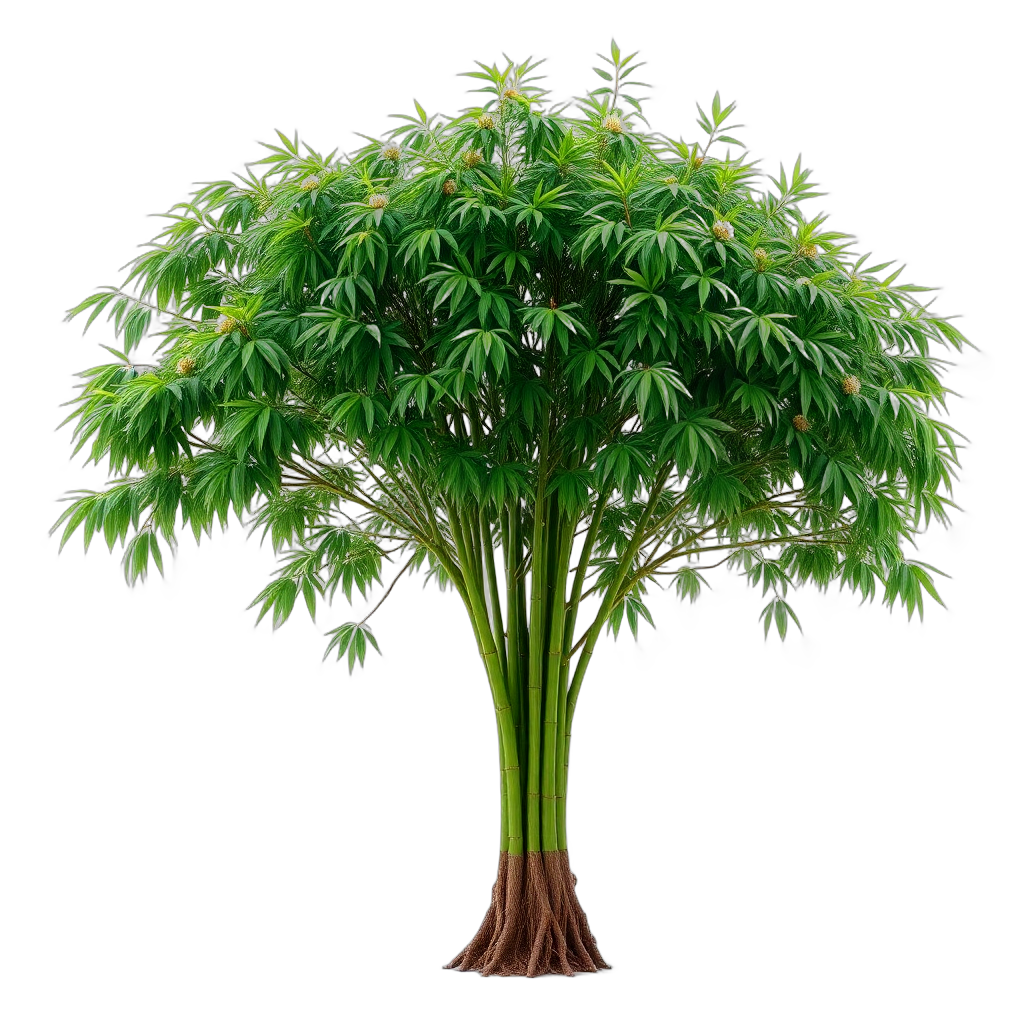
Giant Bamboo
Dendrocalamus giganteus
large shade tree reaching 90+ feet, blooms in none. Evergreen year-round.
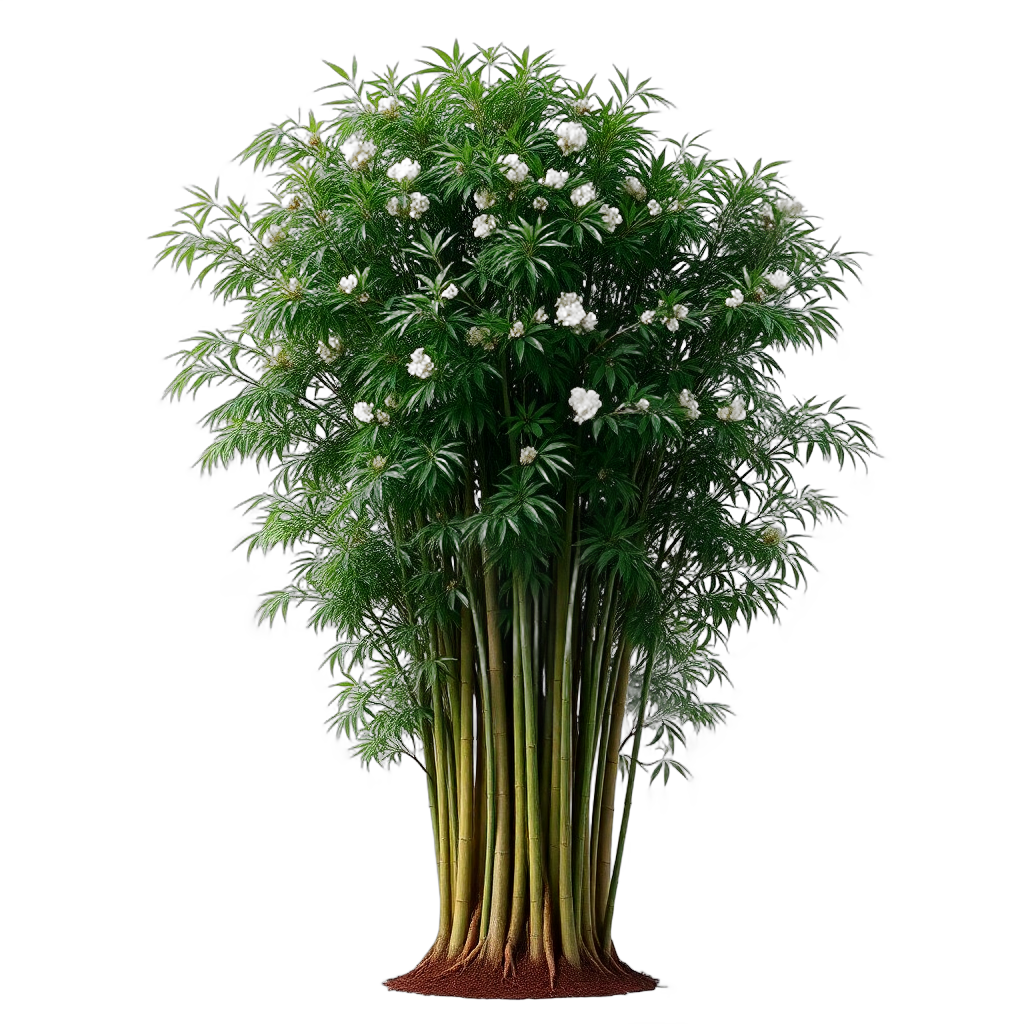
Giant Timber Bamboo
Bambusa oldhamii
large shade tree reaching 50+ feet, blooms in none. Evergreen year-round.
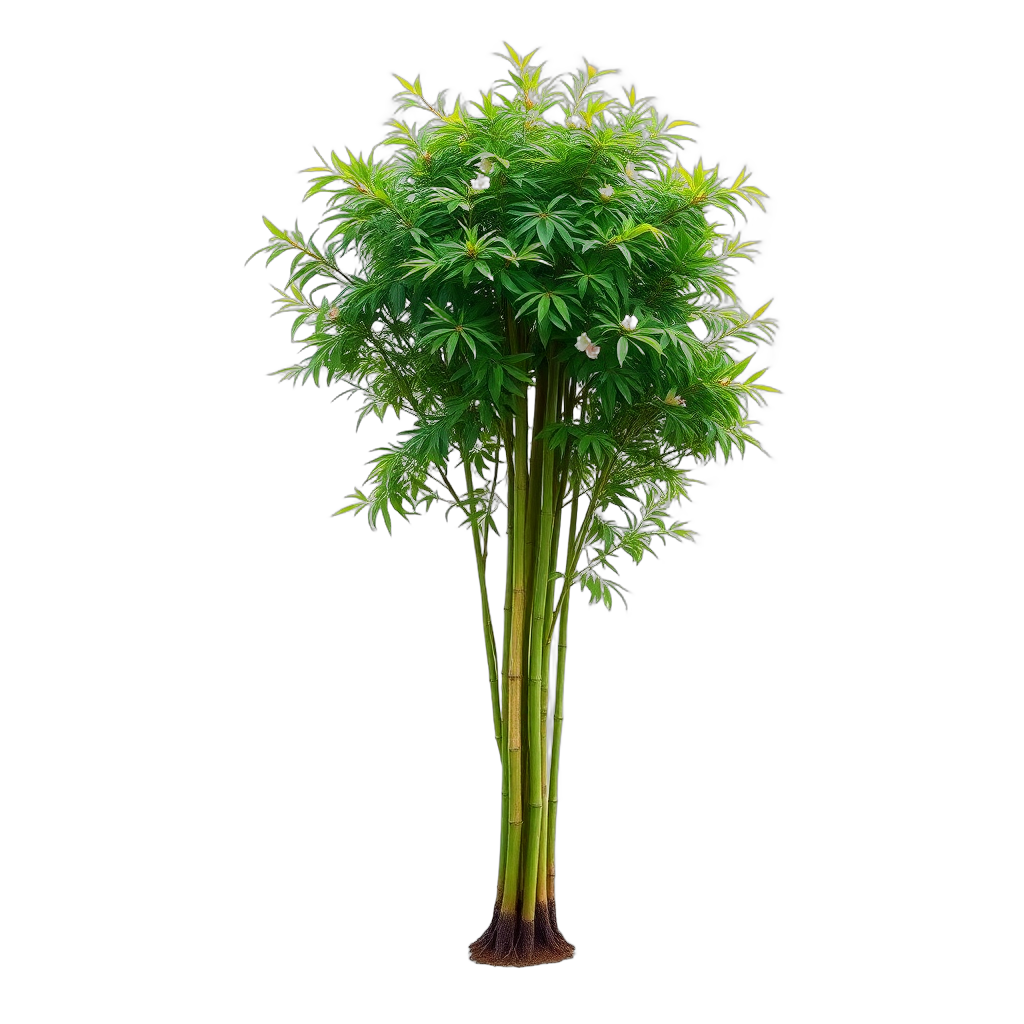
Hedge Bamboo
Bambusa multiplex
reaches 20 feet tall, blooms in none. Evergreen year-round.
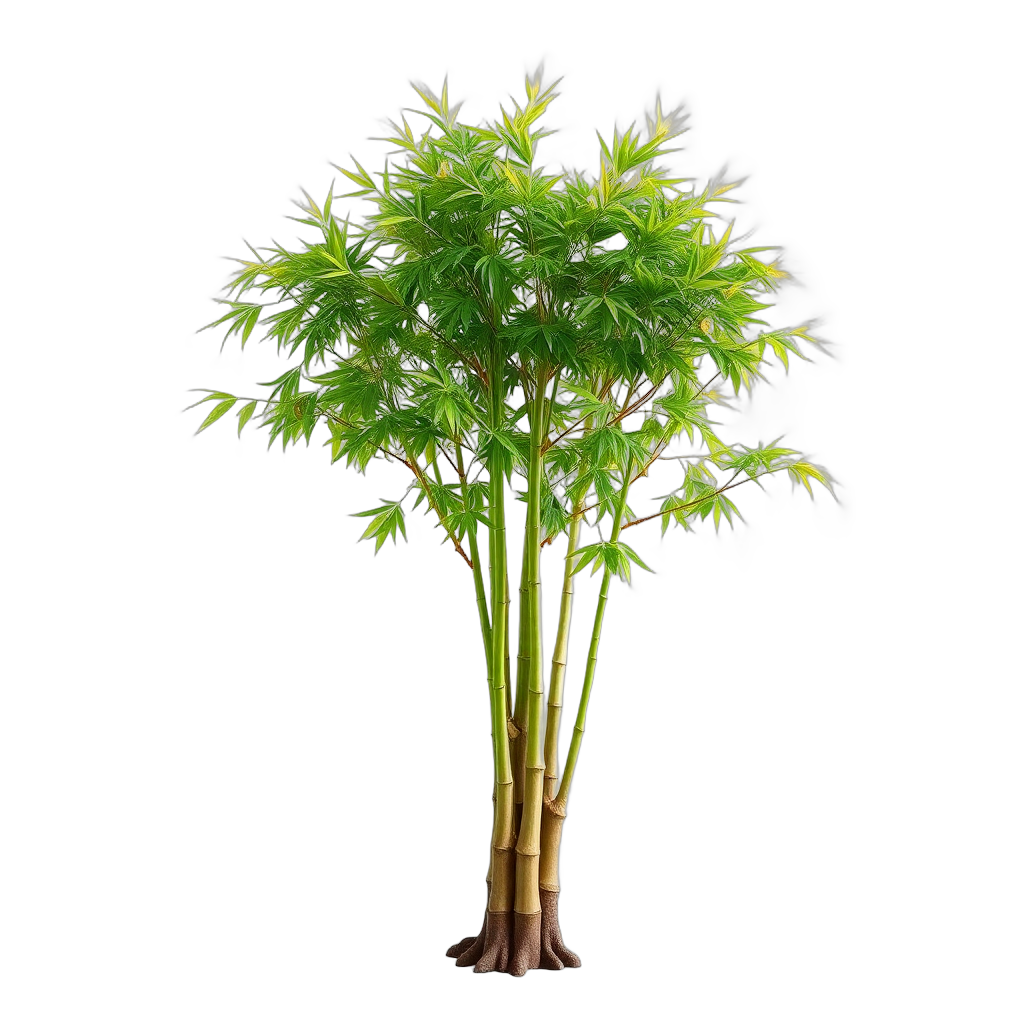
Yellow Groove Bamboo
Phyllostachys aureosulcata
reaches 30 feet tall, blooms in none. Evergreen year-round.
Featured Flowers & Perennials for Tropical/Lush Gardens

American White Water Lily
Nymphaea odorata
low-growing ground cover, white,pink blooms in summer. Attracts butterflies.

Broadleaf Arrowhead
Sagittaria latifolia
low-growing ground cover, white blooms in summer. Attracts butterflies.

European White Water Lily
Nymphaea alba
low-growing ground cover, white blooms in summer. Attracts butterflies.

Water Fern
Azolla filiculoides
low-growing ground cover, blooms in none. Red fall color.
Zone and sun checks come from our database — confirm with your local nursery before you buy.
Bloom Calendar for Pompano Beach
spring
Wild Celery, African Daisy, African Daisy Hybridsummer
American White Water Lily, Broadleaf Arrowhead, European White Water Lilyfall
American White Water Lily, Broadleaf Arrowhead, African Daisywinter
Limited bloomsDesign Tips for Pompano Beach (Zone 11a)
- Mound every bed 8–12 inches above grade: with about 60 inches of rain a year, mostly May through October, Plumeria and Alcantarea rot from below long before heat harms them
- Treat pH 7.5–8.3 as the design brief: feed palms controlled-release 8-2-12 with magnesium four times a year and drench Ixora 'Nora Grant' with chelated iron instead of fighting the limestone with lime-based amendments
- Plant Cocos nucifera 'Malayan Dwarf' and Roystonea regia in staggered heights, not matched pairs, so a few palms read as a grove instead of a driveway line
- Mass Codiaeum 'Petra' and 'Mammy' in blocks of five or more so they read as a color field, and keep them under a canopy or beside a south wall in case a cold night drops into the mid-30s
- Choose wind-tested trees for the structure: Sabal palmetto, Bursera simaruba, Coccoloba diversifolia and Quercus virginiana outlast Ficus benjamina and Australian pine in a Broward hurricane
- Put Coccoloba uvifera, silver buttonwood and Thrinax radiata on the salt side of canal and Intracoastal lots and keep the soft-leaved plants behind them
- Use drip lines on a timer that respects the city's two-day-a-week SFWMD limit, and light upward through palm trunks rather than flooding the lawn so evenings stay usable
Where to Source Plants in Pompano Beach
Skip the big-box stores. These independent Pompano Beach nurseries specialize in the plants that make tropical/lush gardens thrive in Zone 11a.
Nu Turf of Pompano Beach
North Dixie Highway, Pompano Beach
Family owned and operated since 1973: exotic fruit trees, shade trees, palms, succulents, roses and Florida natives, plus bagged and bulk mulch, rock, soil and St. Augustine sod
Living Color Garden Center
Griffin Road, Fort Lauderdale
Five acres of plants, pottery, fountains and garden supplies since 1990, with about 80% of its plants grown at its sister company, Black Olive East Nursery
Flamingo Road Nursery
Davie
Plants plus the largest local selection of fountains, pottery and hardscape materials, with in-home garden consultations
Tropical/Lush Landscaping Cost Ranges
| Project Scope | Estimated Cost |
|---|---|
| Interlocking concrete pavers patio (200 sqft) | $4,300–$5,700 |
| Low-voltage landscape lighting (6 fixtures) | $1,200–$2,000 |
| Tree planting labor, tree not included (2 trees) | $1,200–$1,500 |
| AI visualization (ProScapeAI) | Free to start |
National average installed ranges for 2026 from our landscaping price list (Homewyse and other published sources). Prices in Pompano Beach, FL vary with site, materials and contractor, so get two or three local quotes.
Pompano Beach Climate & Growing Zone
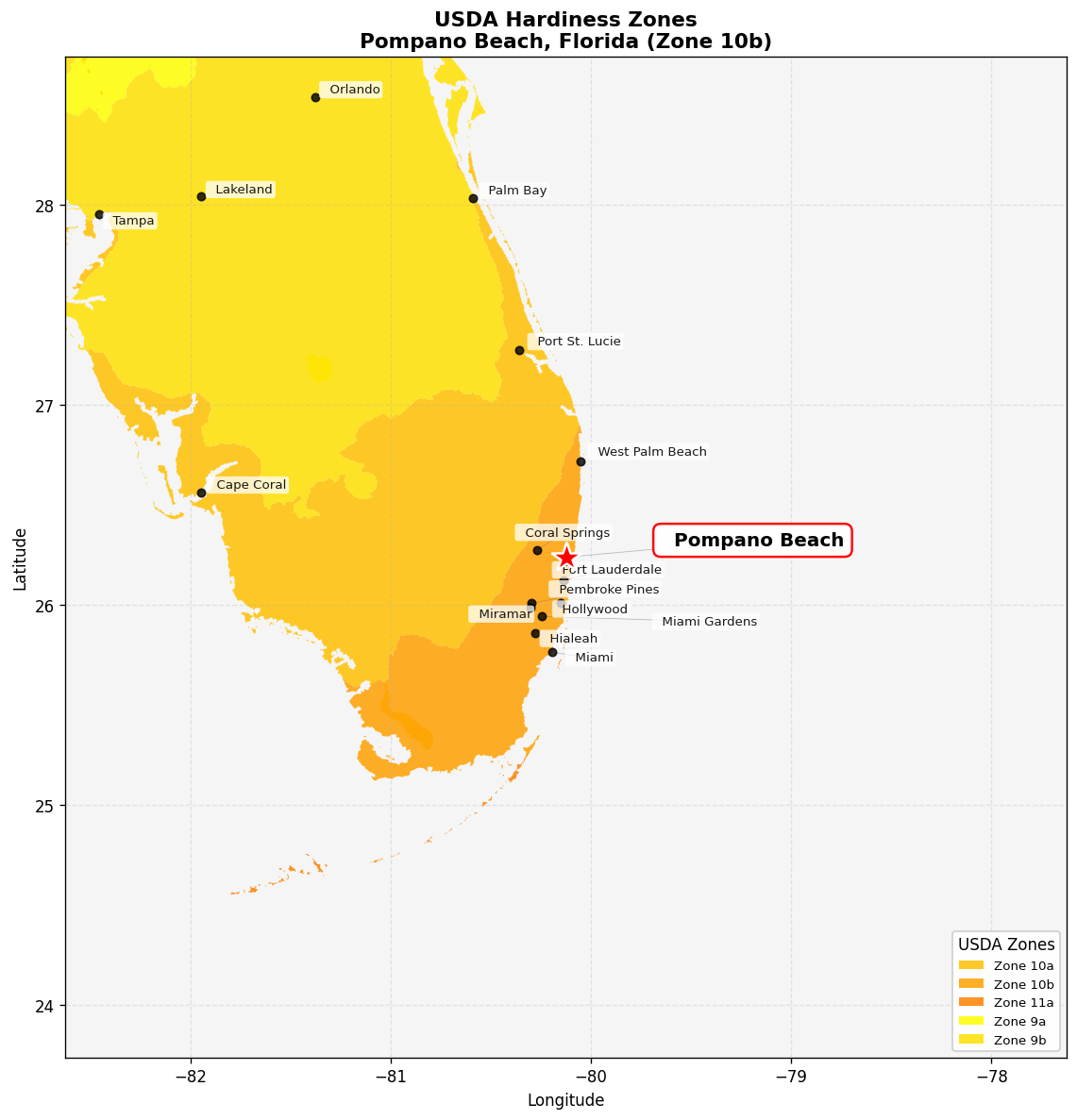
USDA Zone 11a
Hardiness zone for Pompano Beach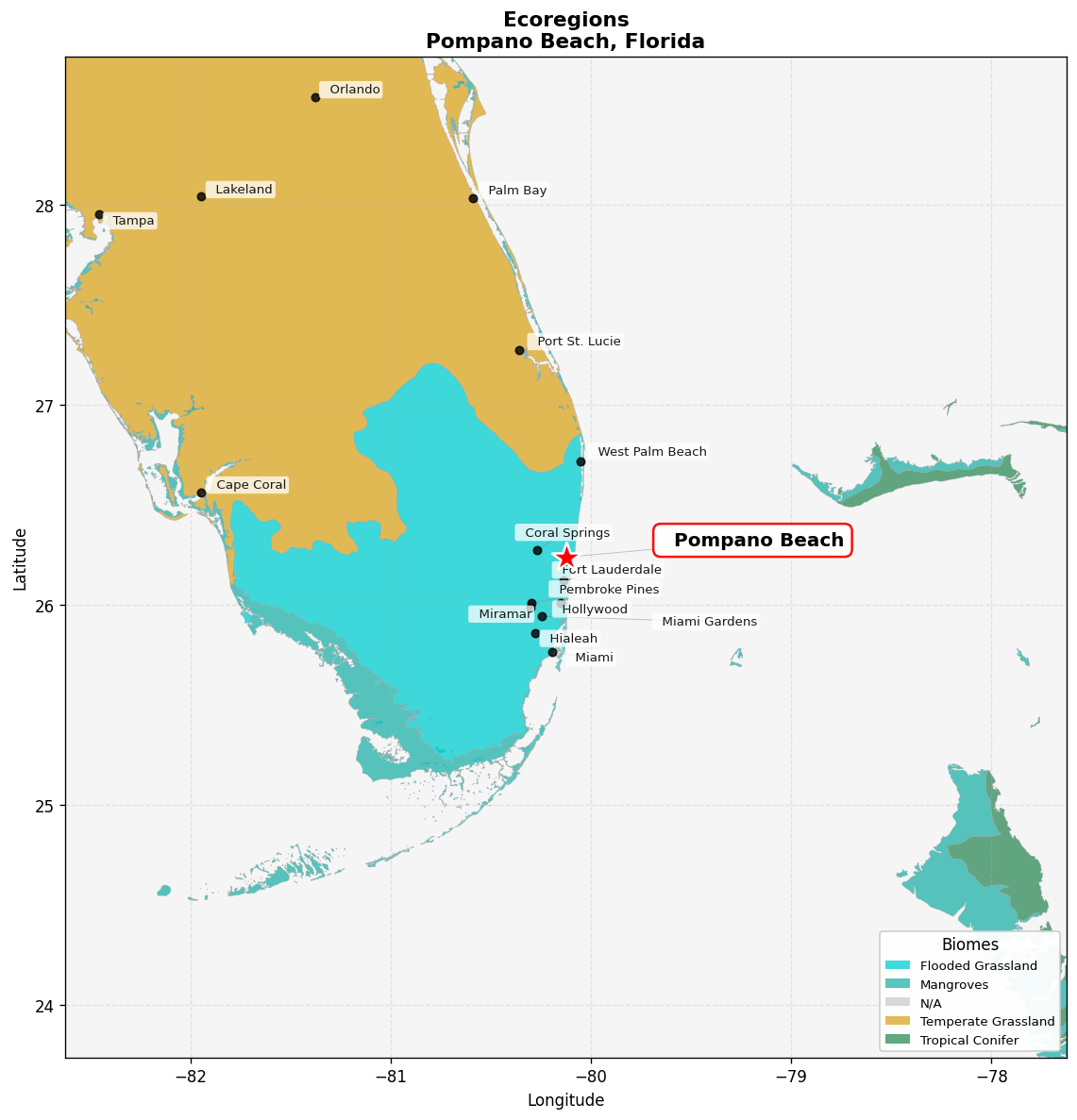
Everglades flooded grasslands
Native ecoregionFrequently Asked Questions
How much does a tropical garden cost in Pompano Beach, FL?
Broward County labor runs close to the national average for the Southeast, and plant stock is cheap compared with most of the country because many of the palms and crotons are grown within an hour. Prices vary with site, size and finishes, so get two or three local quotes.
How much maintenance does a tropical garden need in Pompano Beach?
More pruning than watering. Palms need a controlled-release 8-2-12 with magnesium four times a year, plus removal of dead fronds. Crotons and hibiscus take a hard shear in March, and gingers and heliconias need old stalks cut to the ground after bloom. Irrigation can be light once beds are established, but the city follows the SFWMD two-day-a-week rule, so keep drip zones on a timer and use mulch 3 inches deep.
When is the best time to plant tropical plants in Pompano Beach?
June through September is the best planting window, when the wet season supplies natural water and heat drives fast root growth. Avoid planting tender crotons and heliconias in December through February, when a night in the mid-30s can scorch them. Palms establish best from May to August. Planting before hurricane season peaks in September gives roots time to anchor.
Do I need a permit or HOA approval for landscaping in Pompano Beach?
Yes in some cases. The city lists a tree permit requirement for removing or substantially altering a tree, so confirm with Pompano Beach before taking down a mature oak or mahogany. Irrigation falls under the SFWMD two-day-a-week limit, with no sprinkling from 10 a.m. to 4 p.m., and reuse water is exempt. Condo and HOA communities such as Palm Aire add their own plant lists, wall-height limits and approval steps, so get written sign-off before you start.
What survives a cold snap and a hurricane in Pompano Beach?
Lows rarely drop below the mid-30s, but when they do, Codiaeum 'Petra', Heliconia and Hibiscus can scorch, so plant them under a canopy or beside a south wall. For wind, choose Sabal palmetto, Coccothrinax argentata, Thrinax radiata, Bursera simaruba, Coccoloba diversifolia and Quercus virginiana. Brittle trees such as Ficus benjamina, Australian pine and royal poinciana often fail in hurricanes.
Why do my palms and shrubs have yellow leaves in Pompano Beach?
Alkaline limestone soil at pH 7.5–8.3 ties up iron and manganese, which shows up as yellow leaves with green veins on Ixora 'Nora Grant' and frizzled new fronds on queen palms. Drench shrubs with chelated iron and manganese, feed palms an 8-2-12 with magnesium, and avoid lime-based amendments.
Can I grow coconut palms in Pompano Beach?
Yes, but choose carefully. Cocos nucifera 'Malayan Dwarf' has a better record against lethal yellowing than the older Jamaica Tall, and it stays shorter around roof lines and power lines. Plant it high on a mound with good drainage, feed it palm fertilizer four times a year, and keep it away from salt-sprayed seawall edges.