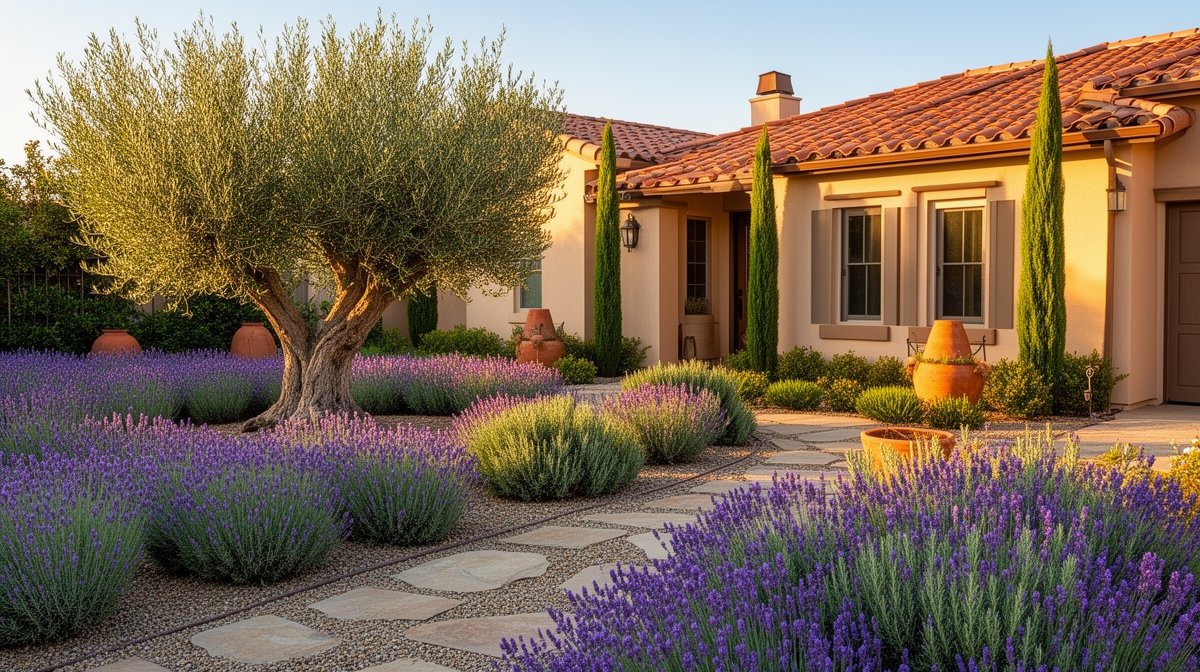
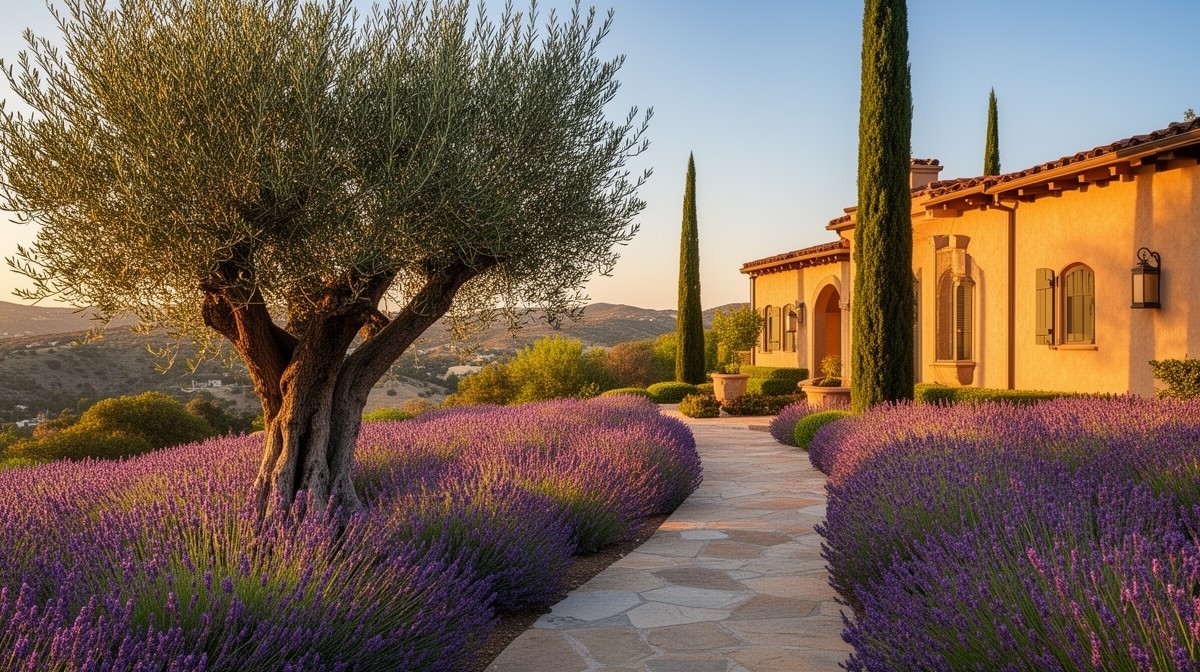
4 Mediterranean Garden Ideas for Rancho Cucamonga, CA | Olive, Citrus & Lavender Design for Zone 10a
Native plants from the California coastal sage and chaparral (Zone 10a) — Mediterranean (hot summer) climate
Why Mediterranean Gardens in Rancho Cucamonga?
Almost every American city that builds a Mediterranean garden is imitating a climate it does not have. Rancho Cucamonga is not. This is a genuine Köppen Csa climate — dry-summer subtropical, the same classification as Andalusia, Sicily and the Peloponnese — and the valley has been farmed that way for nearly two centuries. Mission grapes went into the Cucamonga plain in the 1830s, the Thomas Winery at Foothill and Vineyard claims the oldest winery site in California, gnarled old-vine Zinfandel still stands in the Cucamonga Valley AVA, and the Route 66 corridor was lined with navel orange packing houses long before it was lined with tract homes. Olea europaea, Citrus and Vitis vinifera are not a decorative theme borrowed from Tuscany here. They are the historical land use of this exact ground.
That heritage gives you an unusually confident plant palette. Zone 10a lets you grow the true Mediterranean canon outdoors, permanently, with no winter protection scheme: fruitless Olea europaea 'Wilsonii' and 'Swan Hill' for silver canopy, Citrus × sinensis 'Washington Navel' and Citrus × limon 'Improved Meyer' for evergreen structure that also feeds you, Punica granatum 'Wonderful' and Ficus carica 'Black Mission' for late-summer fruit, and Cupressus sempervirens for vertical punctuation. Underneath, the drifts that make the style read are Lavandula × intermedia 'Provence' and 'Grosso' — not English lavender, which sulks inland — plus Lavandula stoechas 'Otto Quast', Westringia fruticosa 'Morning Light', Teucrium fruticans 'Azureum', Phlomis fruticosa, Salvia clevelandii 'Winnifred Gilman' and Rosmarinus (Salvia rosmarinus) 'Huntington Carpet' spilling over walls. Bougainvillea 'Barbara Karst' supplies the one hit of magenta the whole scheme needs.
The local caveats are specific. Our alluvial fan soil — Tujunga and Hanford sandy loam over Cucamonga Canyon cobble — is essentially ideal for olives and lavender, but it runs alkaline at pH 7.5–8, and Cucamonga Valley Water District tap water is hard, so citrus commonly shows interveinal iron chlorosis and wants chelated iron plus soil sulfur rather than more nitrogen. San Bernardino County sits inside the state's Asian citrus psyllid quarantine, so buy citrus only from licensed California nurseries and never move a tree out of the area. Choose fruitless olive cultivars unless you enjoy purple stains on terracotta. And north of Banyan Street, where Alta Loma and Etiwanda meet the Very High Fire Hazard Severity Zone, Italian cypress and bougainvillea are both high-fuel — keep them well clear of eaves and out of the five-foot Zone 0 band around the house.
4 Mediterranean Design Ideas for Rancho Cucamonga
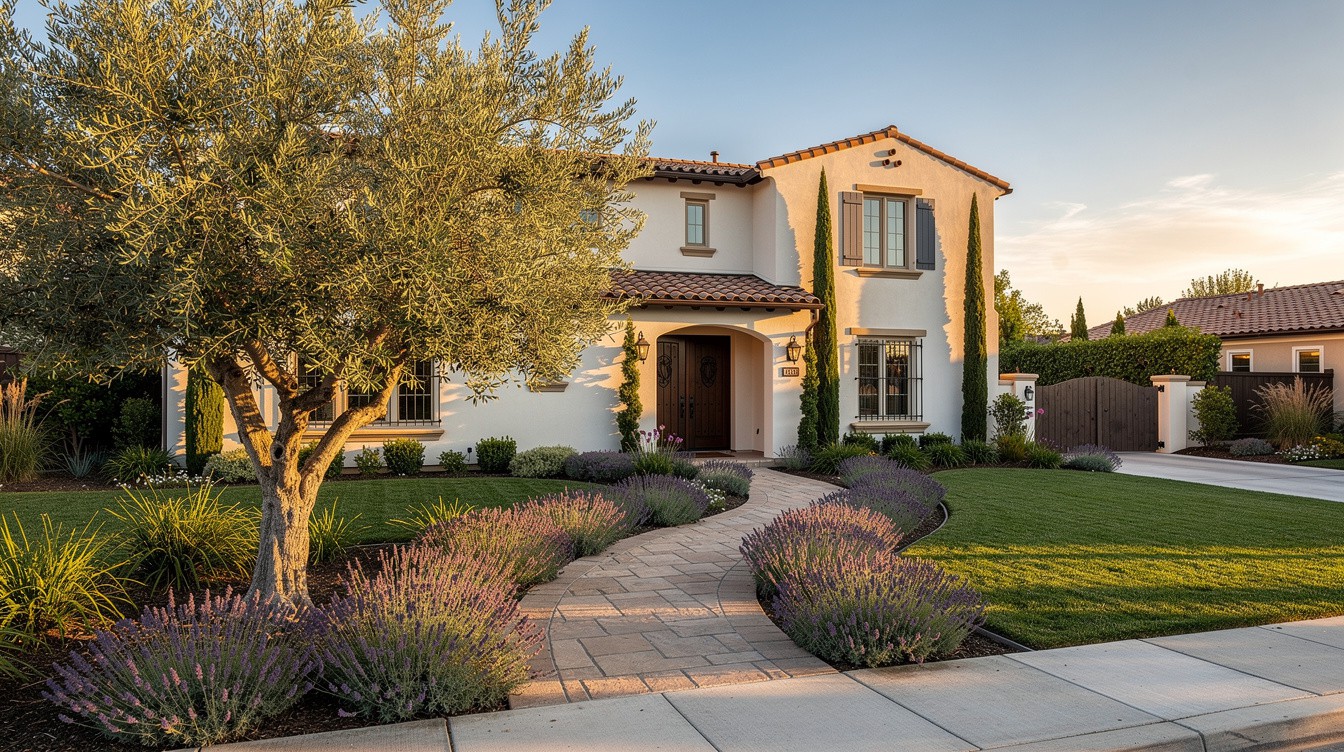
The Olive and Cypress Entry
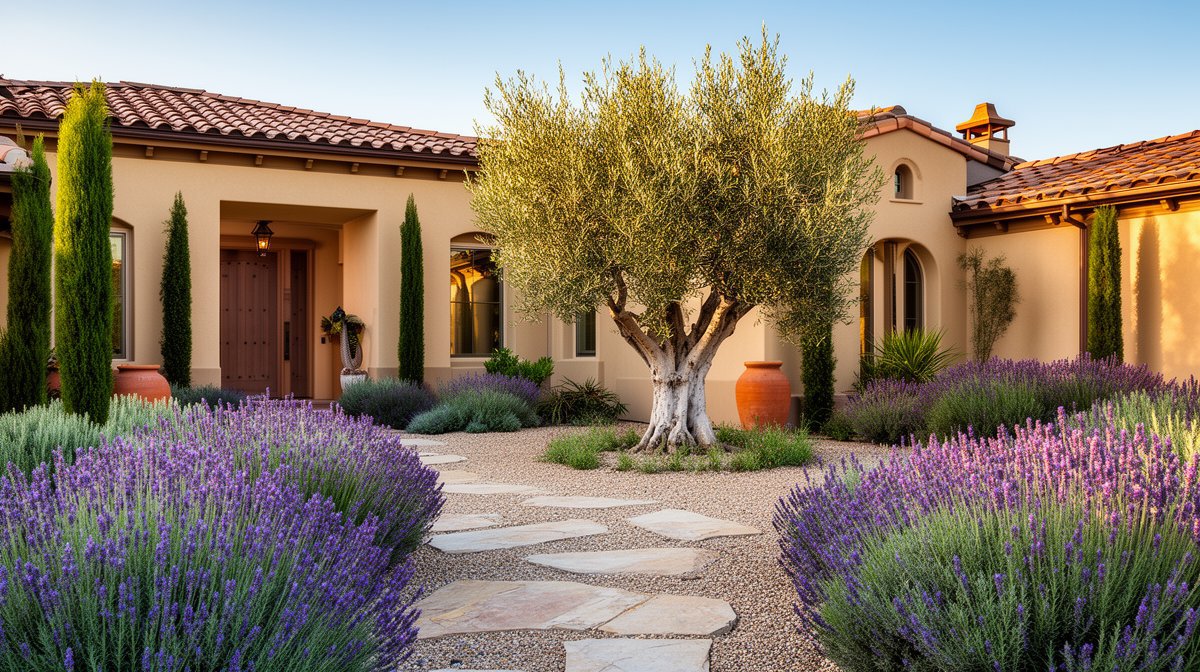
$20–38/sqftA two-story cream-stucco home with a barrel-tile roof, arched entry and wrought-iron window grilles, fronted by a mature multi-trunk olive whose silver canopy breaks up the whole facade. Slim Italian cypress stand as green exclamation points against the stucco on either side of the door. A tumbled-paver walkway curves rather than runs straight from the drive to the entry, and it is lined the entire way with dense drifts of lavender that spill onto the paving. Two clean panels of lawn are kept as negative space, not as the main event, and a low band of gray-green shrubs and strappy foliage ties the beds back to the house.
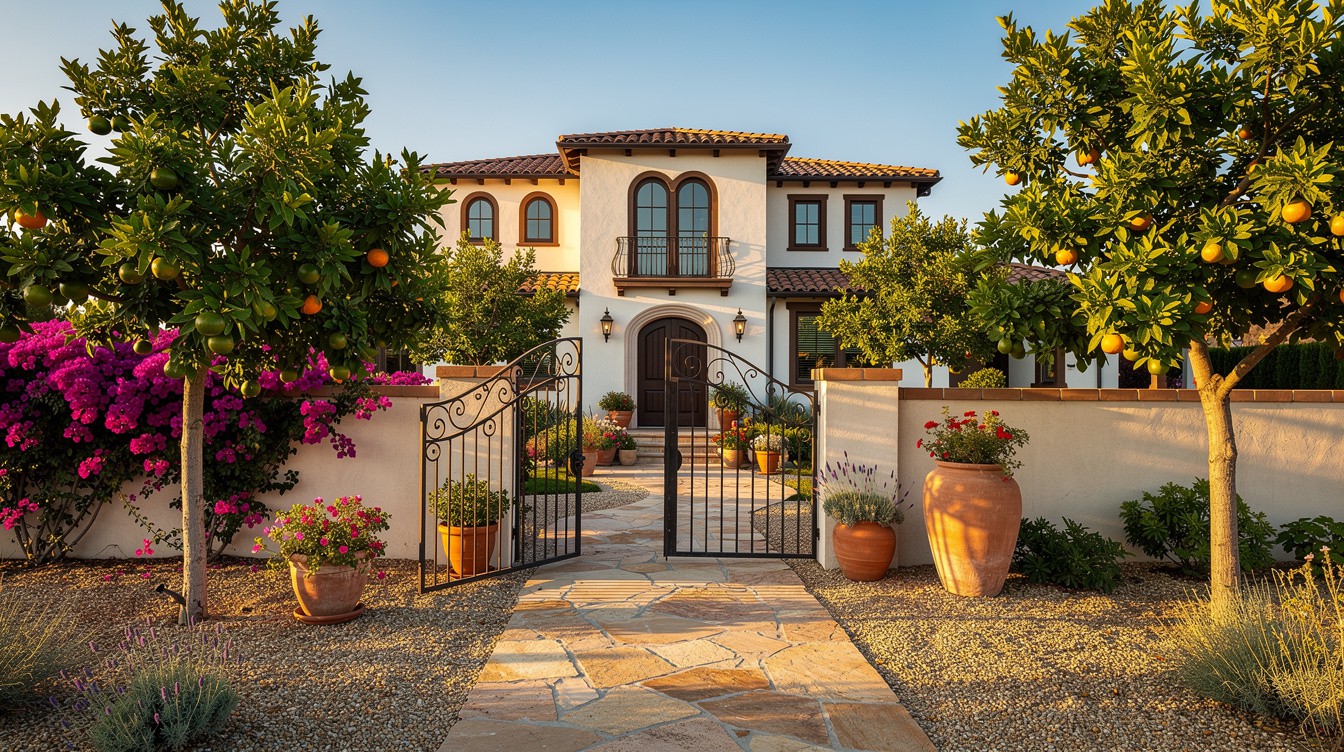
The Walled Citrus Courtyard
$26–48/sqftA plastered garden wall with tile-capped coping closes the front yard off from the street, opened by a pair of scrolled wrought-iron gates. Inside, a buff flagstone path leads to an arched front door past terracotta olive jars and pots of geraniums. The ground plane is gravel, not lawn — the low-water move that makes the rest of the budget possible — and standard citrus trees heavy with fruit frame both sides of the entry. A curtain of magenta bougainvillea pours over the left wall, the single saturated color against all that cream plaster and pale stone.
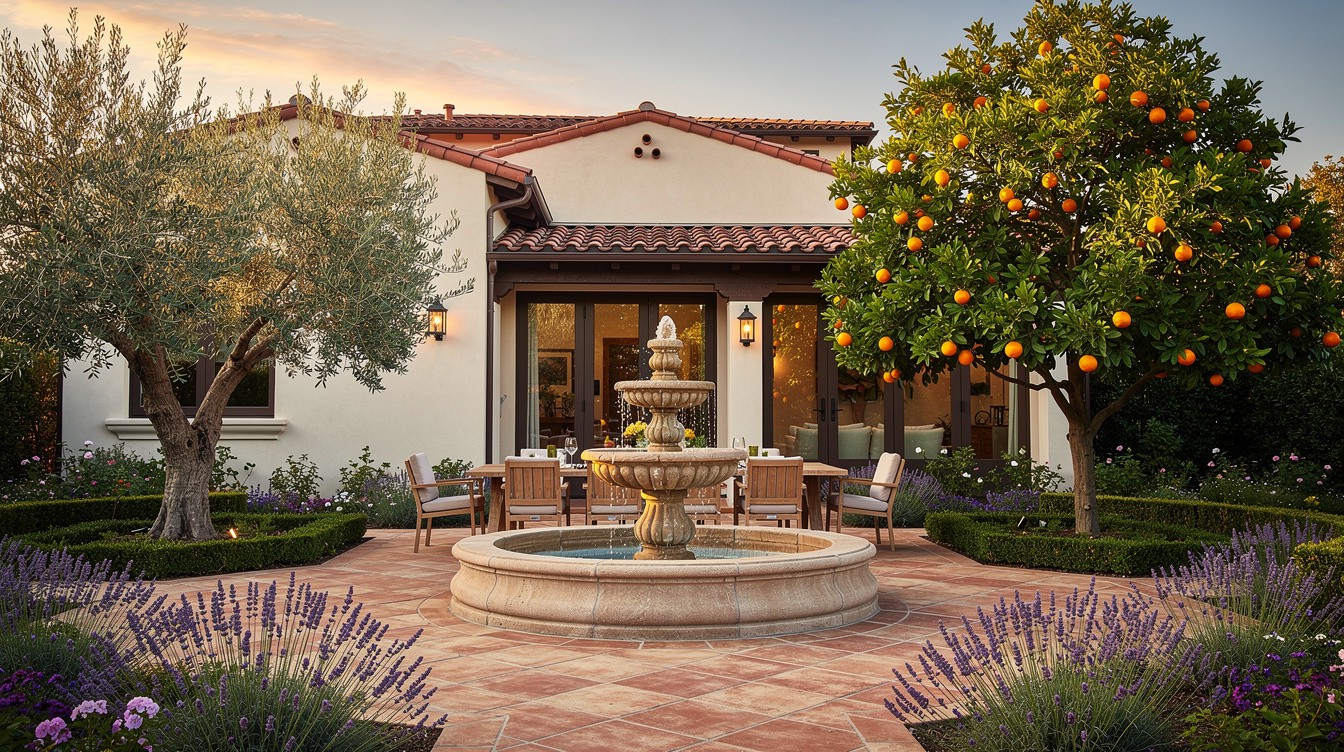
The Fountain Courtyard
$30–60/sqftA terracotta-tiled rear courtyard organized around a three-tier cast-stone fountain, with low clipped hedges forming a simple parterre that gives the space its geometry. An old olive anchors the left corner and a heavily fruiting orange tree balances it on the right — silver against glossy dark green, the classic Mediterranean contrast. Lavender fills the outer beds and softens every hard edge, and a dining set sits just off the French doors under the tile roof overhang. It works because the plan is symmetrical and the planting is not: everything is clipped, nothing is fussy.
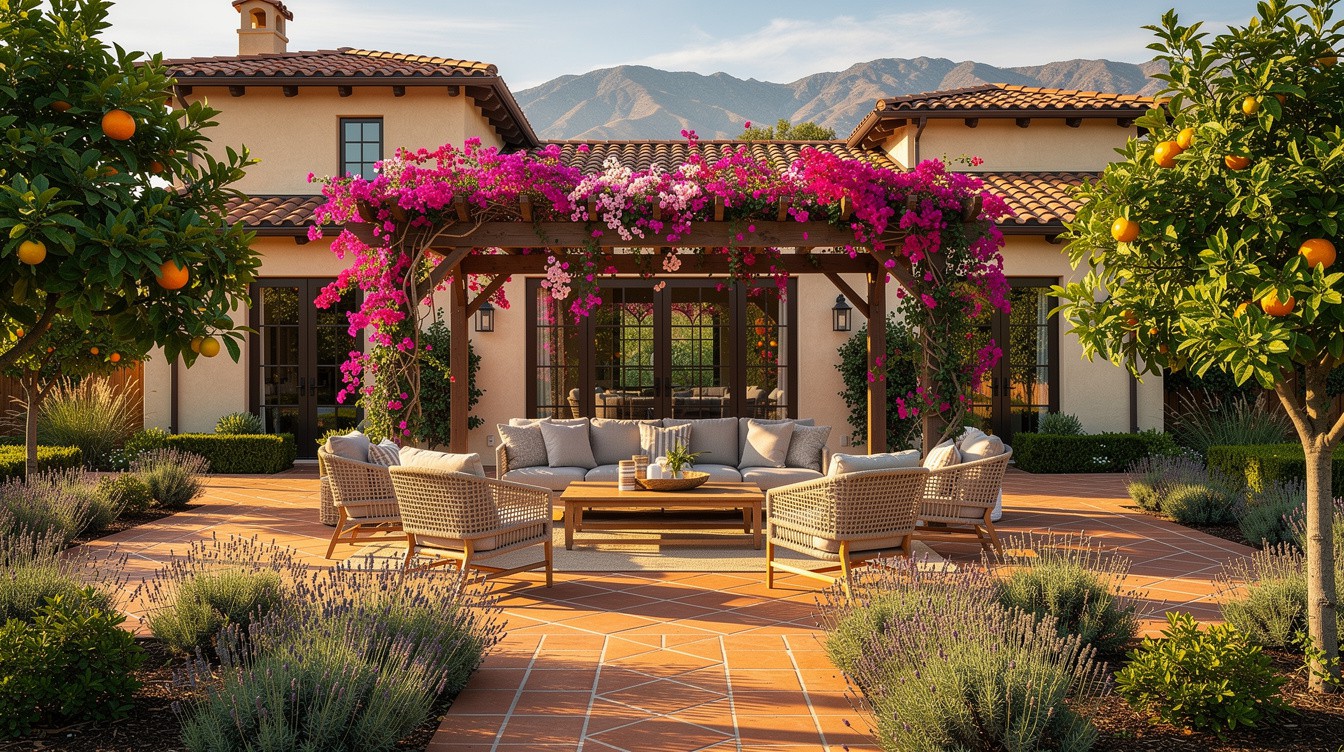
The Bougainvillea Loggia
$28–55/sqftA generous terracotta terrace runs the width of the house, covered at the center by a heavy timber pergola completely consumed by magenta and blush bougainvillea. A deep modular sectional and low table make it a genuine outdoor living room rather than a patio set. Citrus trees in the ground frame both sides at eye level, rows of lavender and clipped boxwood cubes edge the paving, and the San Gabriel Mountains rise directly behind the roofline. The paving is laid on a diagonal grid, which is what keeps a large expanse of terracotta from reading as a parking lot.
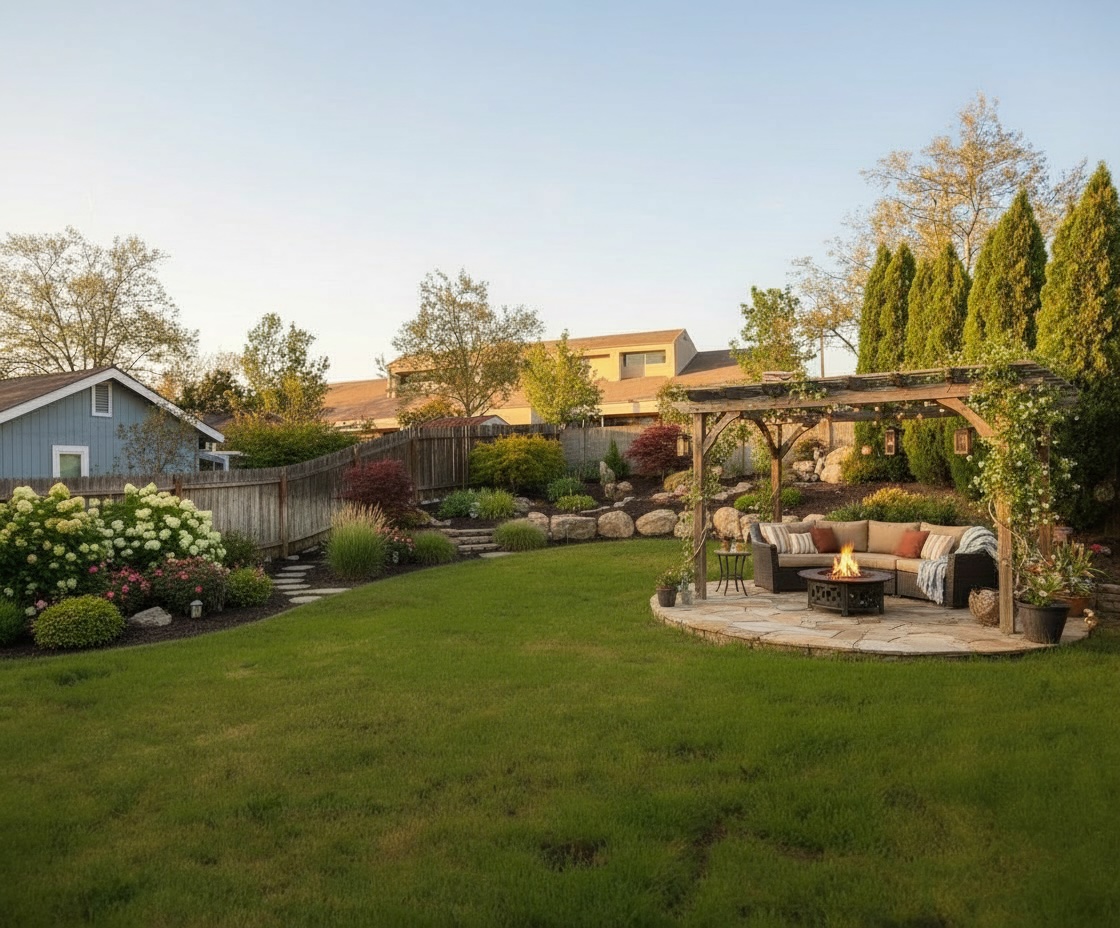
See how a mediterranean garden looks on YOUR property
Upload a photo of your Rancho Cucamonga yard and visualize your dream garden in seconds.
Try ProScapeAI Free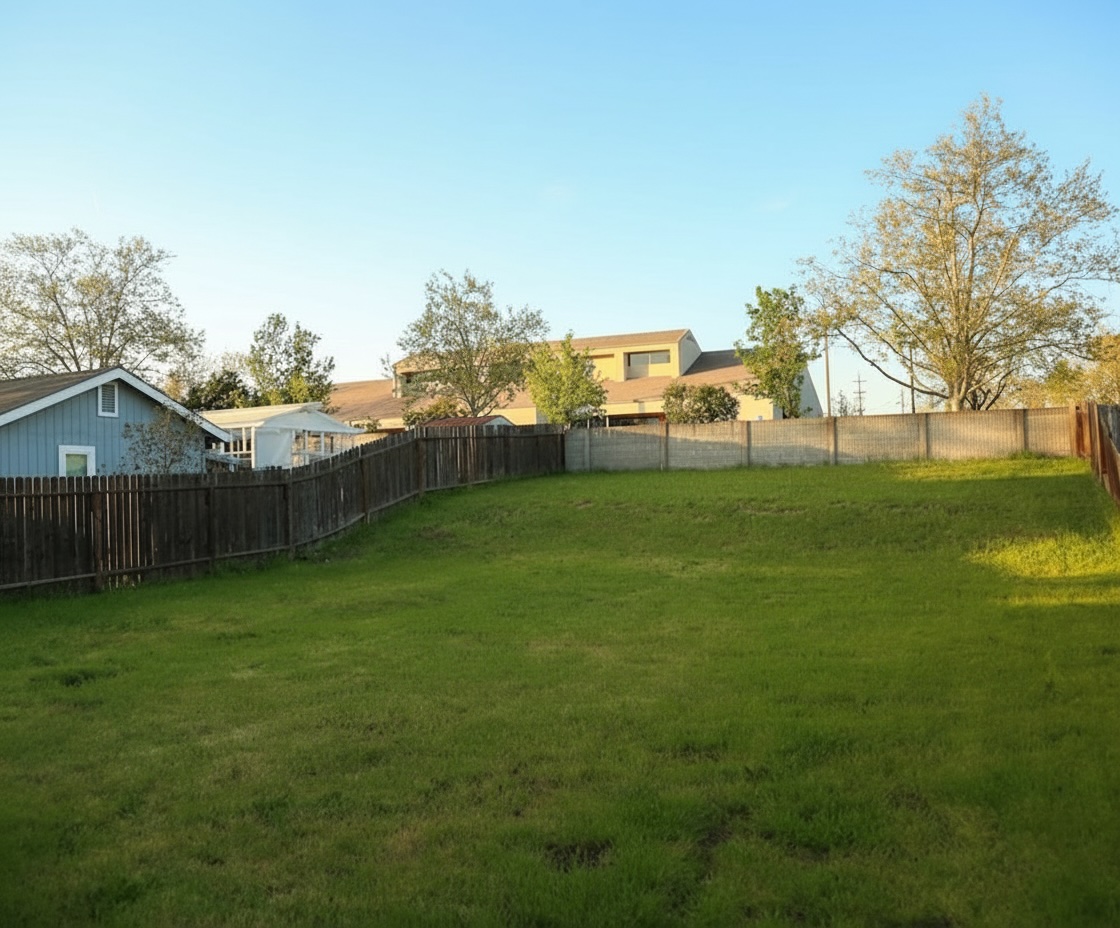
Featured Trees & Shrubs for Mediterranean Gardens
Browse all 115 plants for Rancho Cucamonga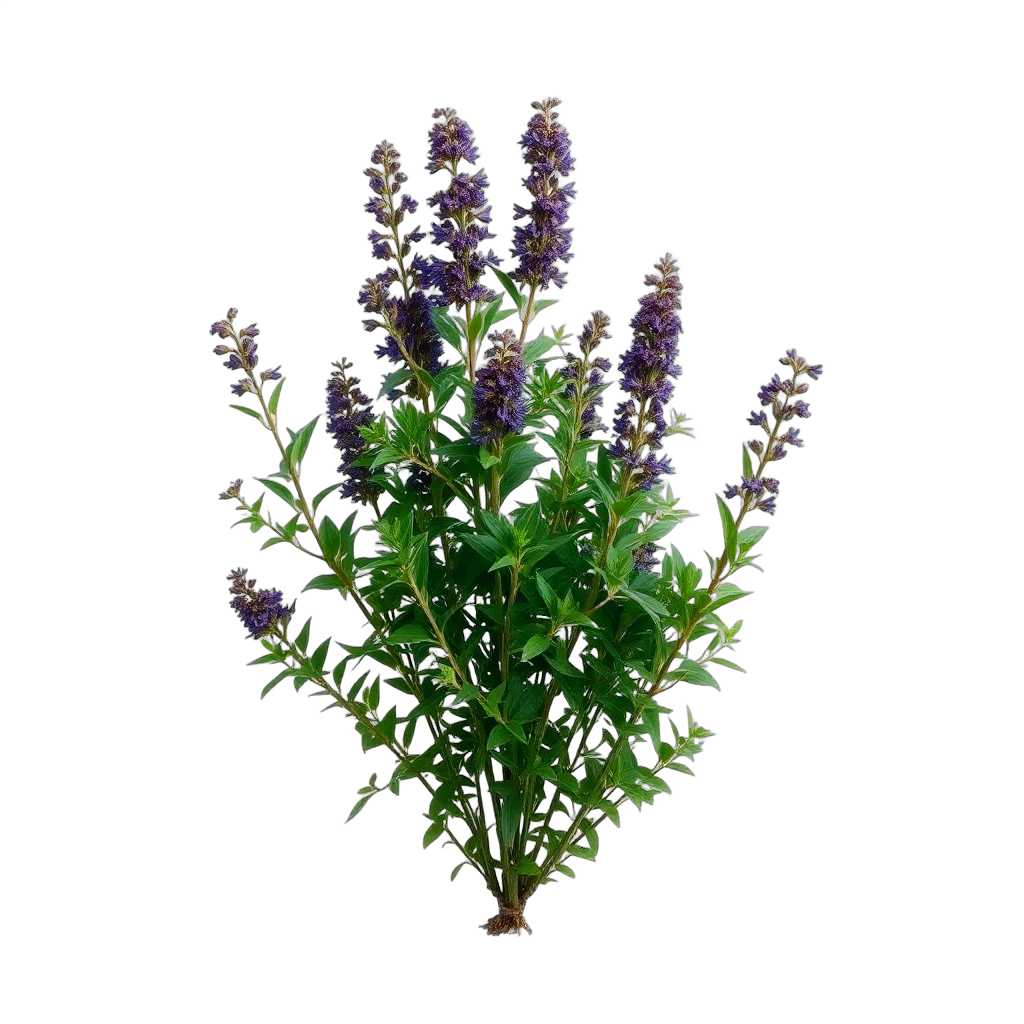
Black Sage
Salvia mellifera
grows to 4 feet, white blooms in spring. Attracts butterflies.
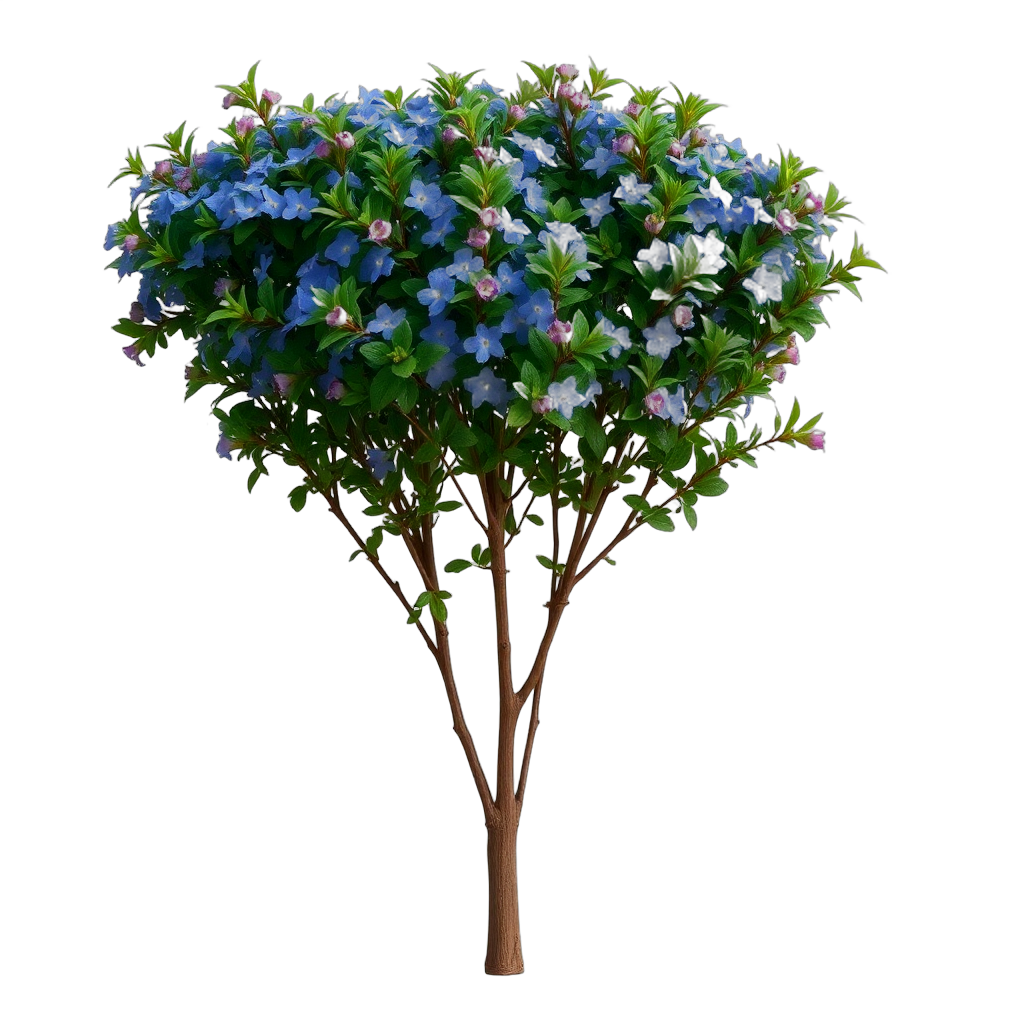
Blue Blossom
Ceanothus thyrsiflorus
medium-sized at 12 feet, blue blooms in spring. Attracts butterflies.

Blue Elderberry
Sambucus cerulea
medium-sized at 15 feet, white blooms in spring. Attracts butterflies.
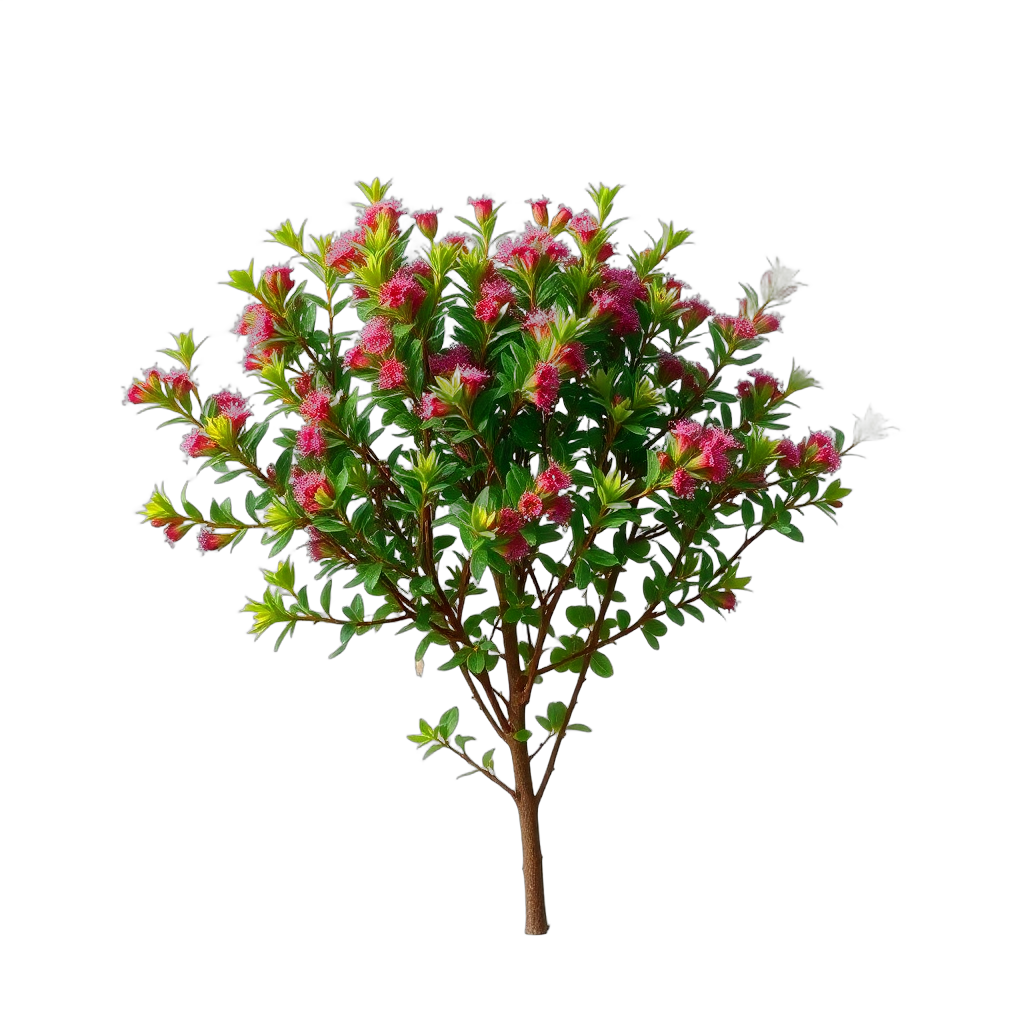
Buckbrush
Ceanothus cuneatus
medium-sized at 7 feet, white blooms in spring. Attracts butterflies.
Featured Grasses & Groundcovers for Mediterranean Gardens
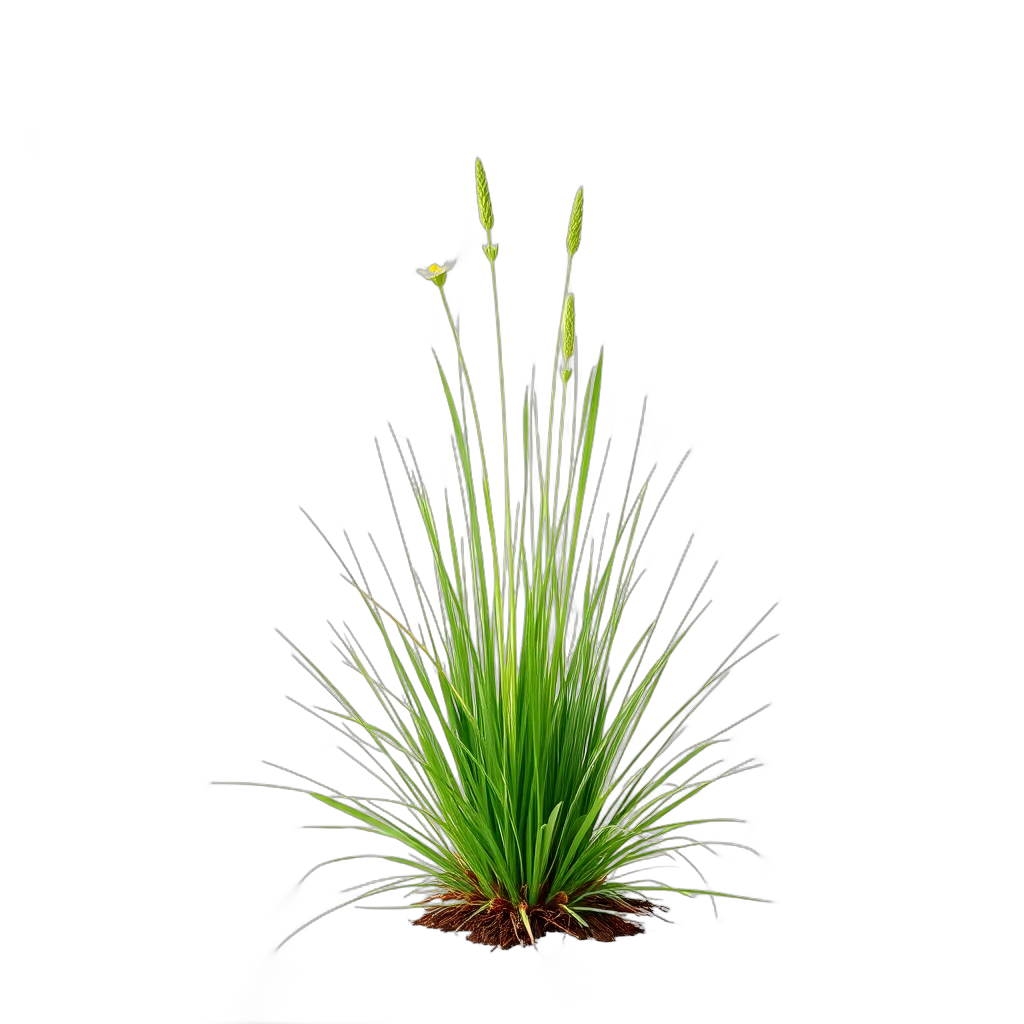
California Brome
Bromus carinatus
low-growing ground cover, blooms in spring. Yellow fall color.
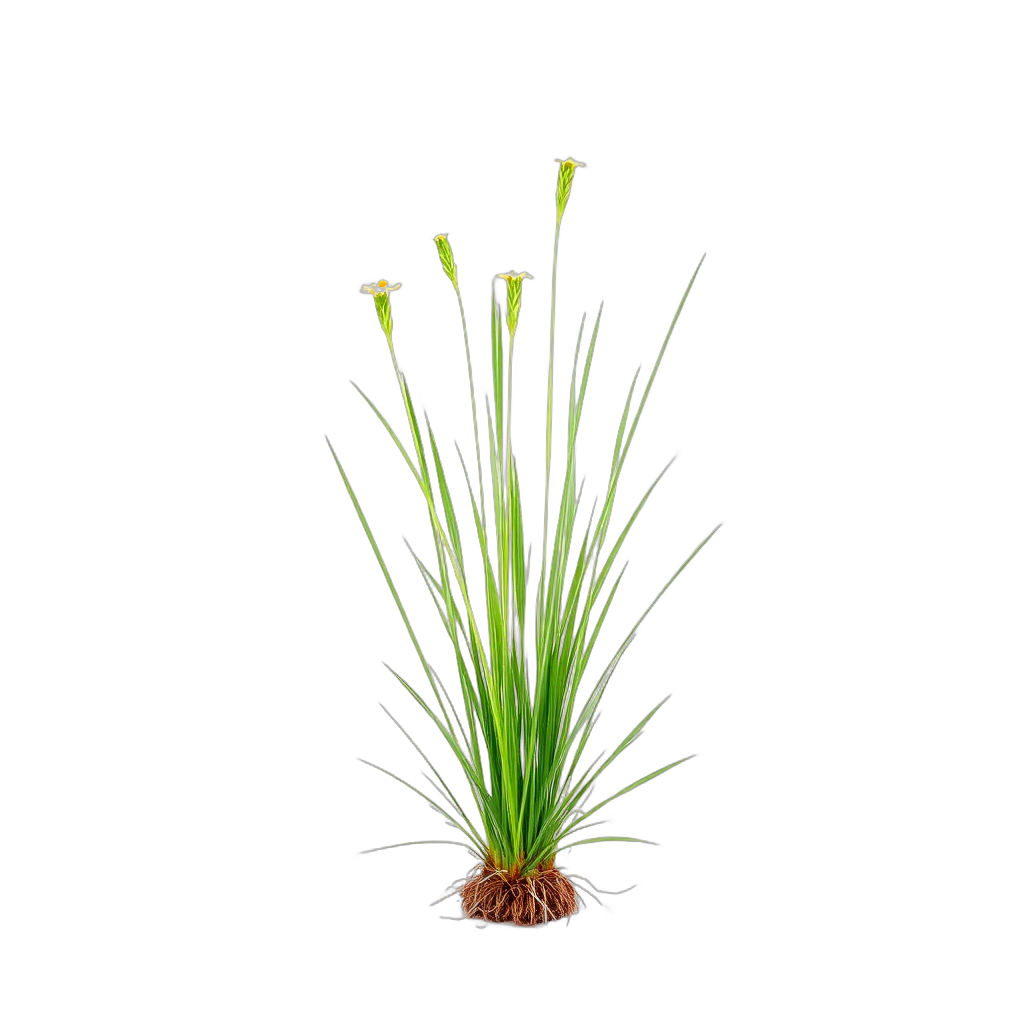
California Melic
Melica californica
low-growing ground cover, blooms in spring.
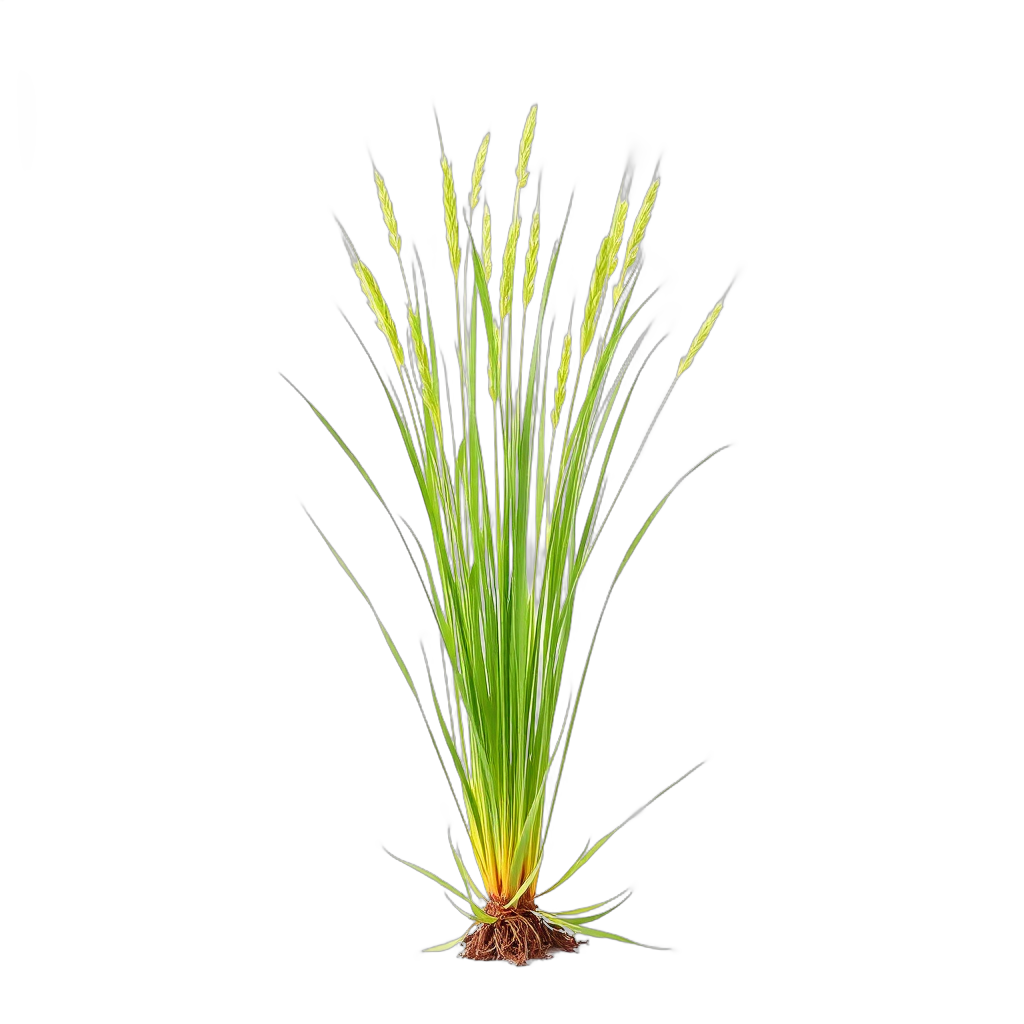
California Oatgrass
Danthonia californica
low-growing ground cover, blooms in spring. Yellow fall color.
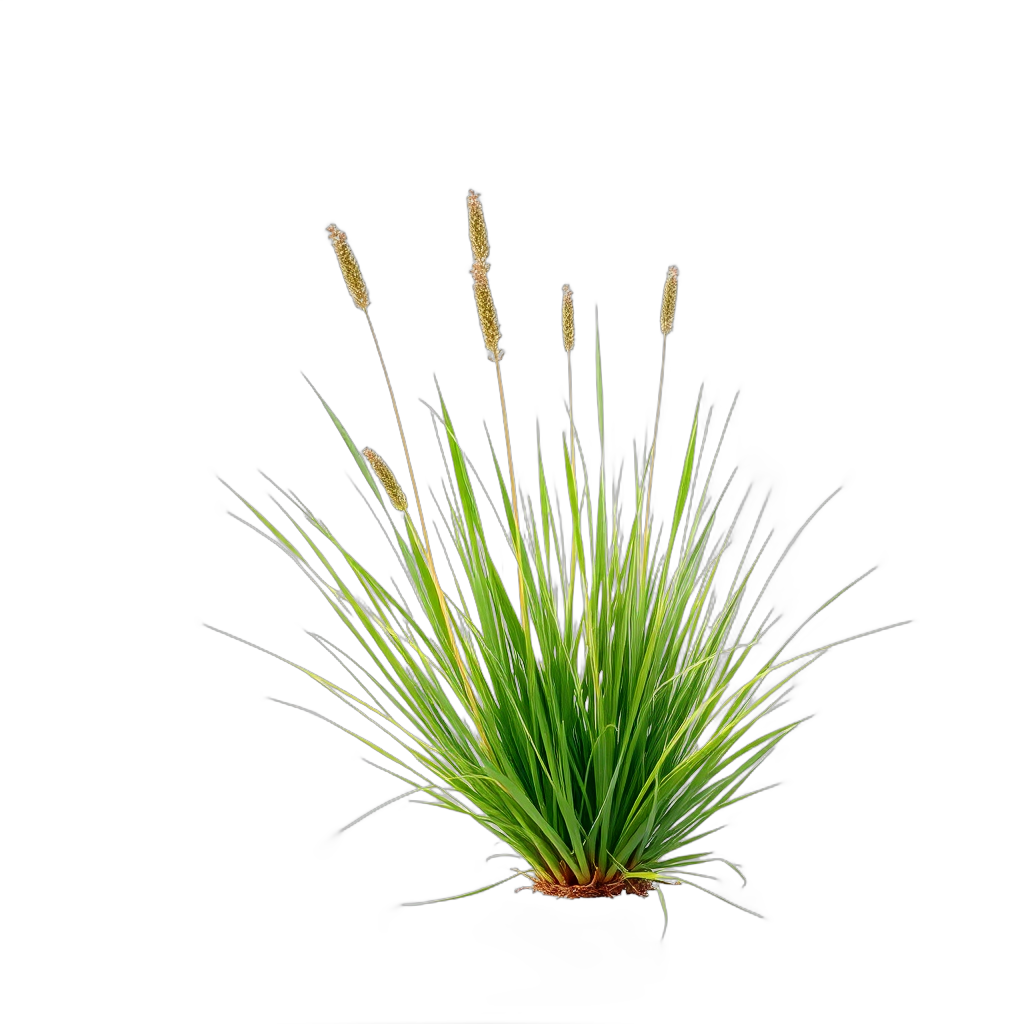
Deer Grass
Muhlenbergia rigens
grows to 3 feet, yellow blooms in fall. Evergreen year-round.
Featured Flowers & Perennials for Mediterranean Gardens
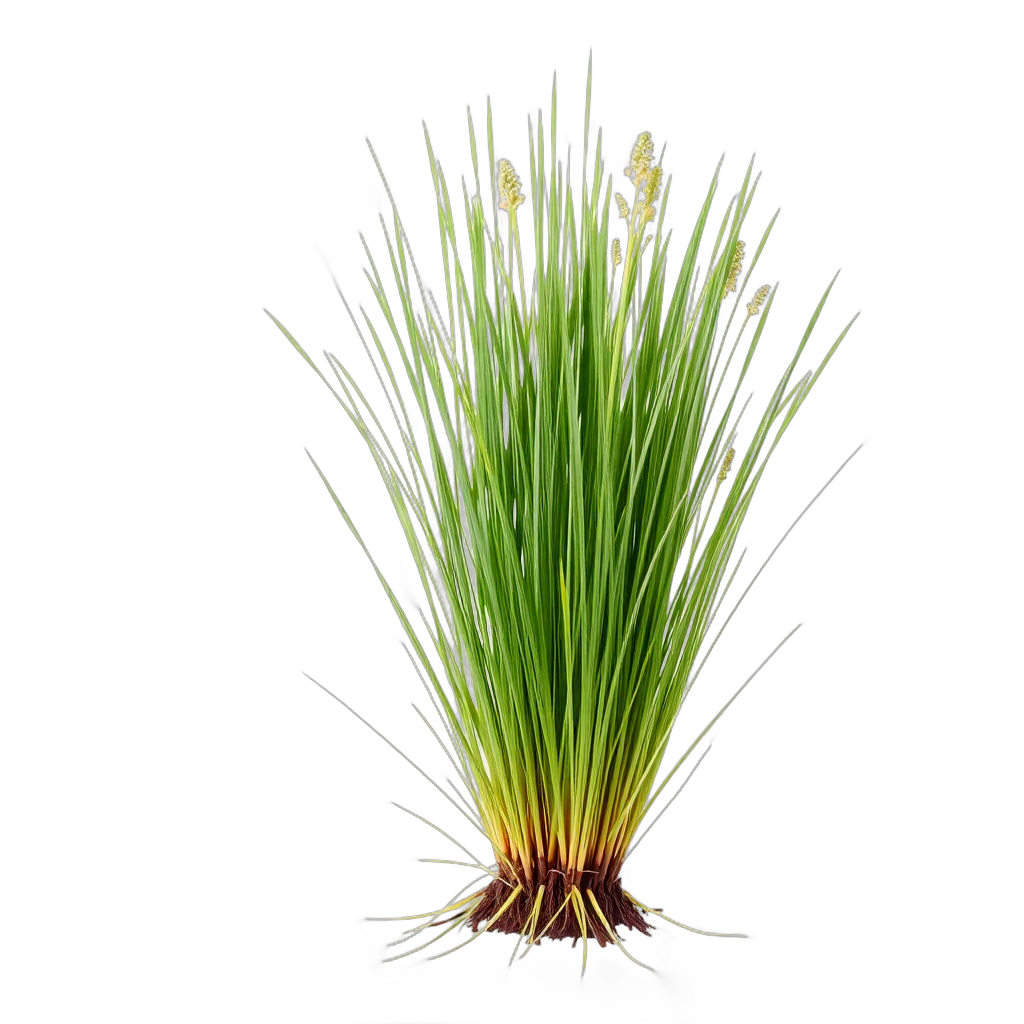
California Gray Rush
Juncus patens
low-growing ground cover, blooms in summer. Evergreen year-round.
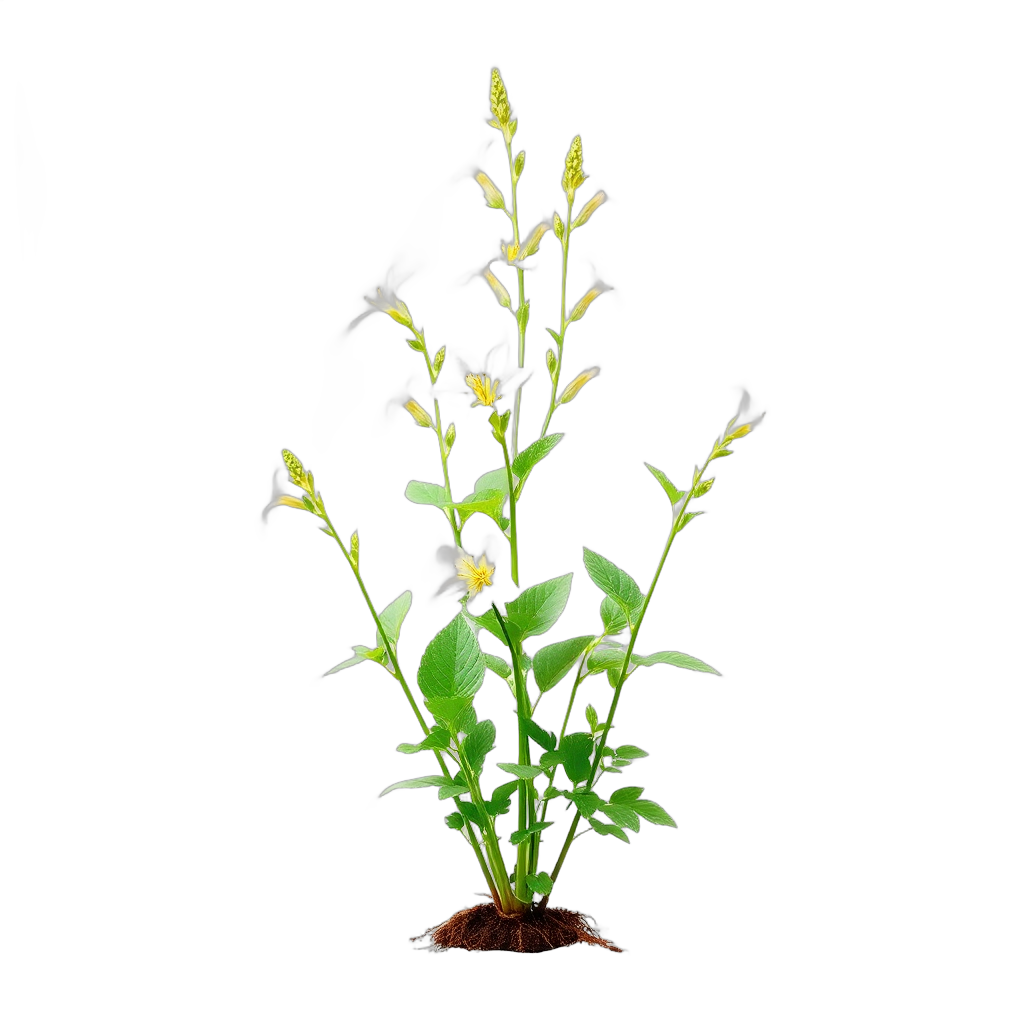
Beach Evening Primrose
Camissonia cheiranthifolia
low-growing ground cover, yellow blooms in spring. Attracts butterflies.
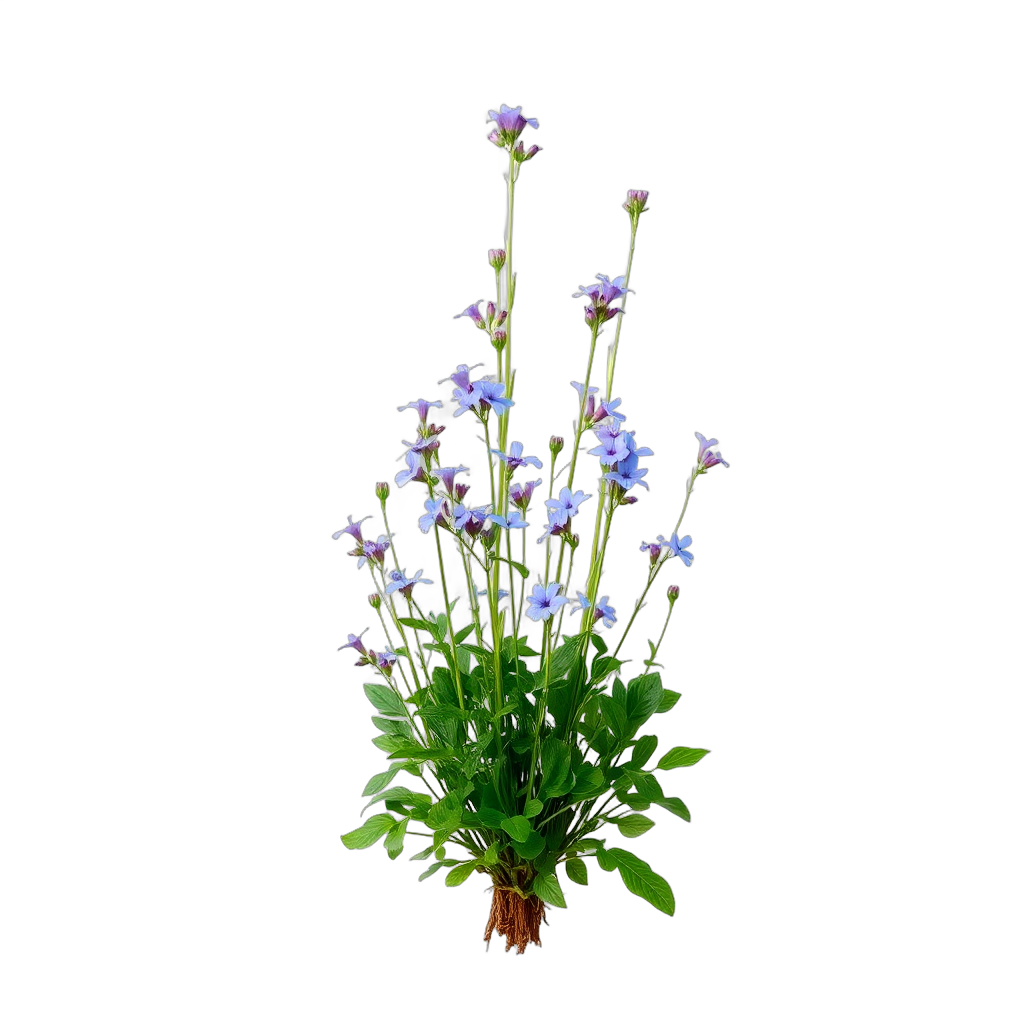
Blue Dicks
Dichelostemma capitatum
low-growing ground cover, blue blooms in spring. Pollinator-friendly.
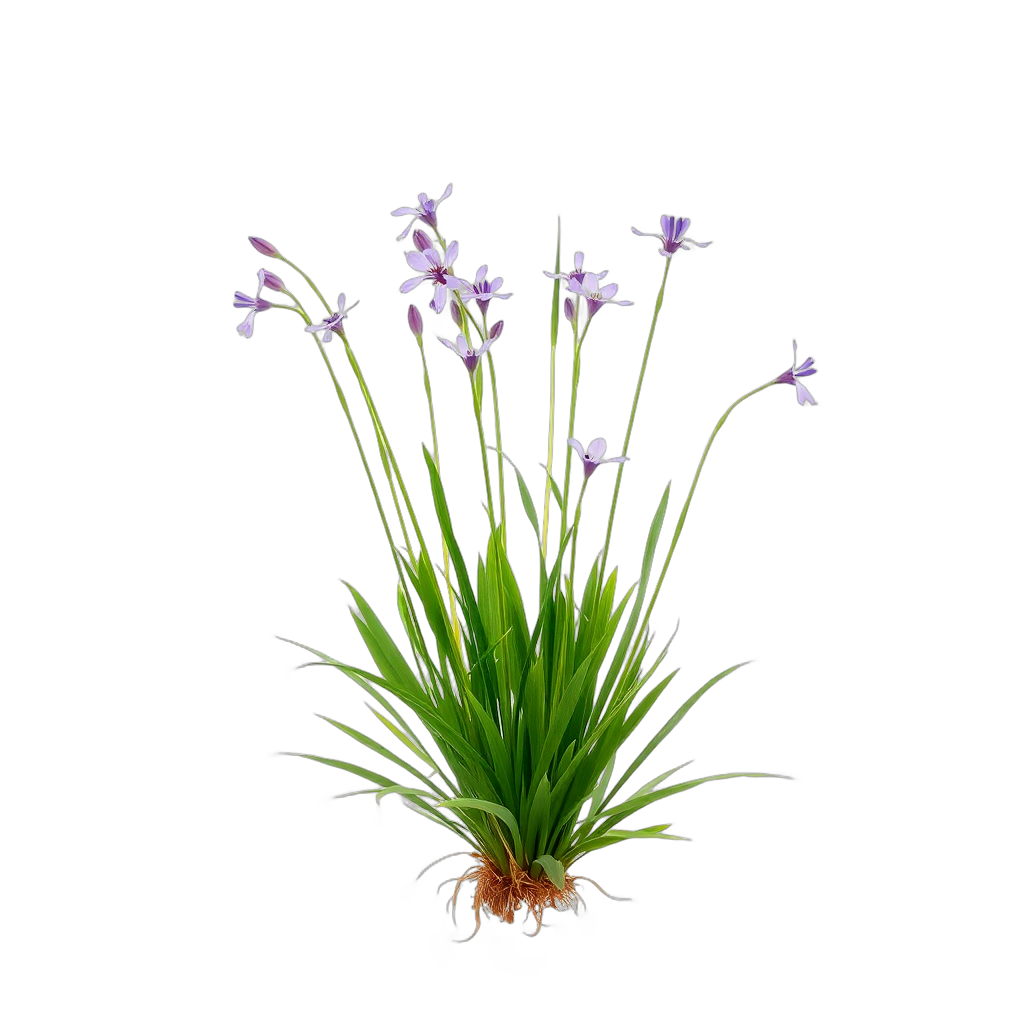
Blue-Eyed Grass
Sisyrinchium bellum
low-growing ground cover, blue blooms in spring. Attracts butterflies.
Bloom Calendar for Rancho Cucamonga
spring
Beach Evening Primrose, Blue Dicks, Blue-Eyed Grasssummer
California Gray Rush, Hooker's Evening Primrose, Hummingbird Mintfall
California Fuchsiawinter
Limited bloomsDesign Tips for Rancho Cucamonga (Zone 10a)
- Specify fruitless olives — Olea europaea 'Wilsonii', 'Swan Hill' or 'Majestic Beauty' — anywhere a canopy overhangs terracotta, pavers or a driveway; fruiting olives stain Saltillo purple every October and the cleanup never ends
- Use Lavandula × intermedia 'Provence' and 'Grosso' instead of English lavender; the intermedia hybrids handle 105°F Rancho Cucamonga afternoons and the fast-draining Tujunga sandy loam that rots L. angustifolia within two seasons
- Put citrus on its own irrigation valve, never mixed with olives or lavender — Citrus 'Washington Navel' wants steady moisture while the Mediterranean shrubs want to dry out, and one shared valve guarantees you lose half the planting
- Expect iron chlorosis, not nitrogen deficiency: yellow leaves with green veins on citrus in this valley come from alkaline alluvial soil plus hard CVWD water, so treat with chelated iron and soil sulfur rather than piling on more fertilizer
- Lay large-format terracotta on a diagonal grid — a straight orthogonal field of tile across a wide Rancho Cucamonga backyard reads as a parking lot, while a 45-degree layout makes the same paving feel like a courtyard
- Keep Cupressus sempervirens and Bougainvillea 'Barbara Karst' away from eaves and out of the five-foot Zone 0 band if you are north of Banyan in Alta Loma or Etiwanda; swap in Arbutus unedo 'Compacta' and Rhus integrifolia at the wildland edge
Where to Source Plants in Rancho Cucamonga
Skip the big-box stores. These independent Rancho Cucamonga nurseries specialize in the plants that make mediterranean gardens thrive in Zone 10a.
C&J Gardening Center
Grove Avenue
Wide selection of trees and plants with a specialty in exotic fruit trees and home delivery.
Dean's Greens
Etiwanda / Baseline Road
Retail nursery offering vibrant blooms, healthy vegetable starts, and lawn supplies.
Parkview Nursery
Riverside
Full-service garden center with a large stock of quality plants including California natives.
Sunshine Growers Nursery
Ontario
Large wholesale and retail nursery covering everything from bedding plants to large trees.
Mediterranean Landscaping Costs in Rancho Cucamonga
| Project Scope | Estimated Cost |
|---|---|
| Front yard Mediterranean conversion (600–900 sqft with specimen olive) | $12,000 – $30,000 |
| Stucco garden wall with wrought-iron gates (per linear foot) | $180 – $400/ln ft |
| Saltillo terracotta courtyard patio (300–500 sqft, sealed) | $9,000 – $22,000 |
| Cast-stone tiered fountain, plumbed and set | $3,500 – $12,000 |
| Timber pergola loggia with bougainvillea and lighting | $14,000 – $35,000 |
| AI visualization with ProScapeAI | Free to start |
Estimates based on Rancho Cucamonga, CA-area contractor rates as of 2026. Actual costs vary by site conditions, materials, and contractor.
Rancho Cucamonga Climate & Growing Zone
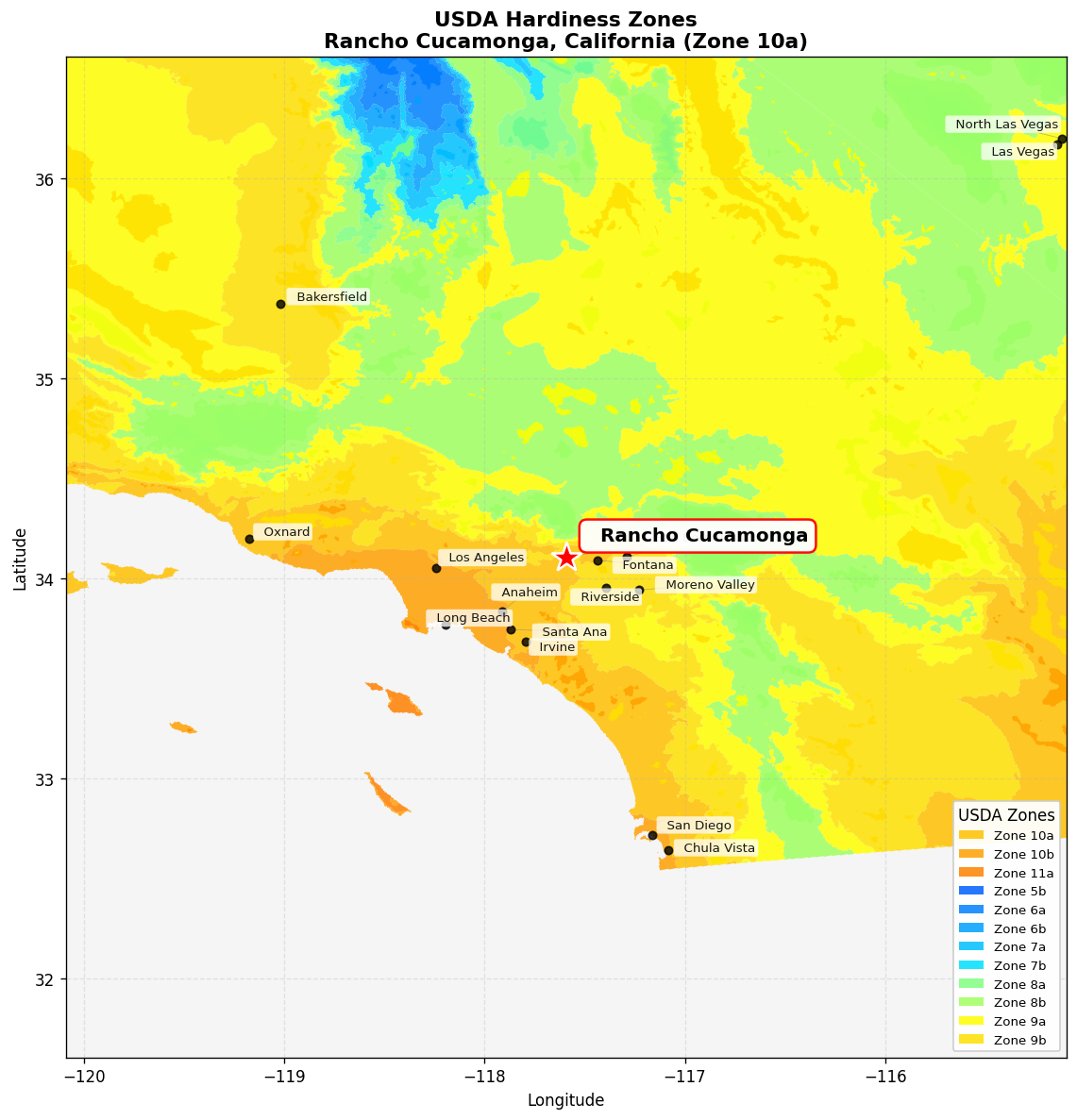
USDA Zone 10a
Hardiness zone for Rancho Cucamonga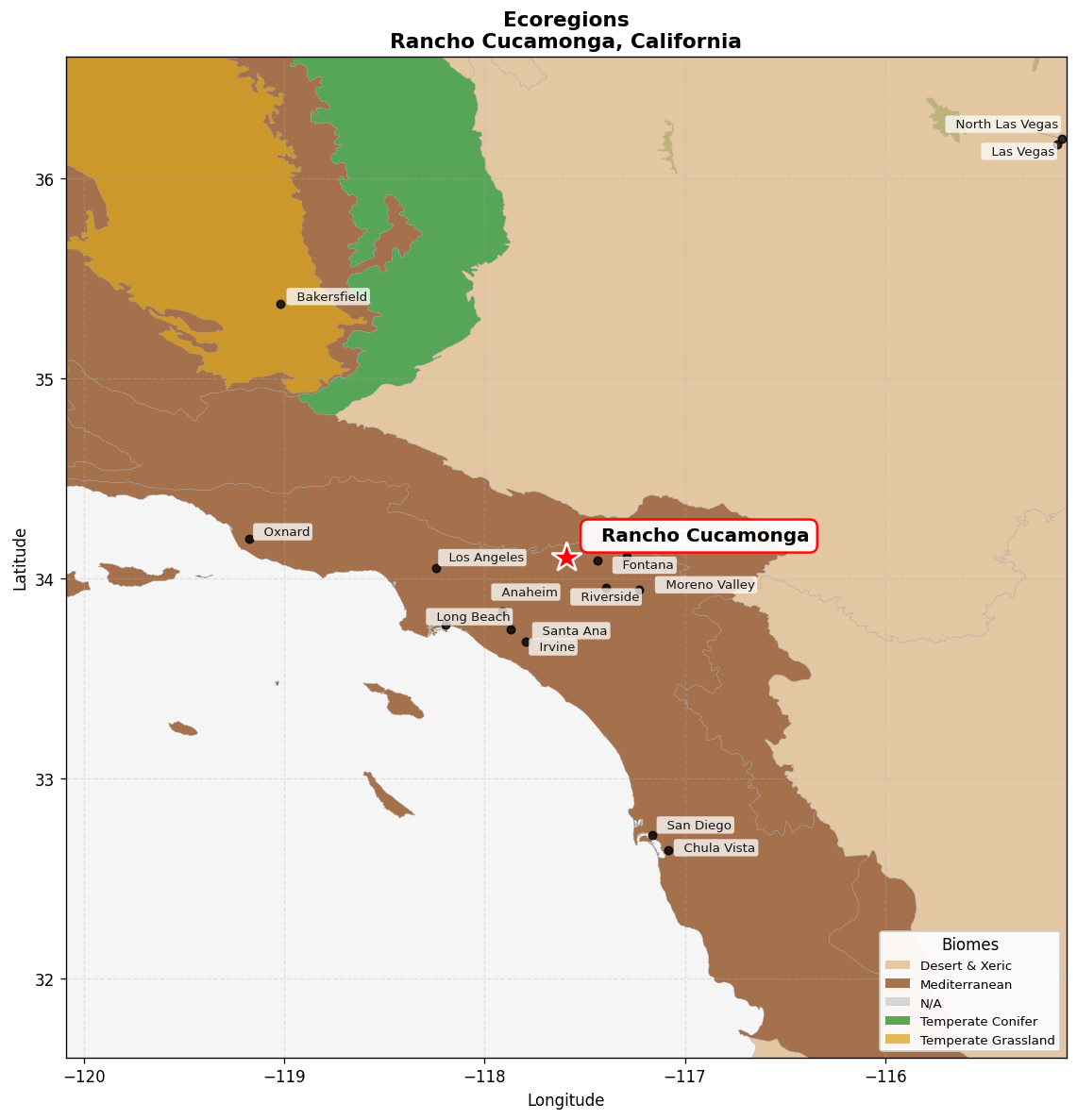
California coastal sage and chaparral
Native ecoregionFrequently Asked Questions
How much does a Mediterranean landscape cost in Rancho Cucamonga?
Inland Empire labor runs about 10–20% below coastal Los Angeles and Orange County, so this style is comparatively affordable here. A front-yard conversion with a specimen Olea europaea 'Wilsonii', paver walkway, DG fields and lavender drifts typically runs $12,000–30,000 for 600–900 sqft. A plastered garden wall with iron gates adds $180–400 per linear foot. A Saltillo courtyard with a three-tier cast-stone fountain runs $25,000–55,000. A full bougainvillea loggia terrace with pergola, sectional-scale paving and lighting lands around $35,000–80,000. Specimen olives are the biggest single line item — a 36-inch box multi-trunk can run $1,500–4,000 installed.
Do olive and citrus trees really perform here, or is it just a look?
They perform better here than almost anywhere in the country — this valley grew both commercially. For olives, use fruitless cultivars: Olea europaea 'Wilsonii', 'Swan Hill' or 'Majestic Beauty'. Fruiting varieties will stain Saltillo tile and paving purple every autumn, and 'Swan Hill' also produces dramatically less allergenic pollen. For citrus, San Bernardino County is inside California's Asian citrus psyllid and huanglongbing quarantine, so you must buy from a licensed California nursery selling trees grown in approved insect-resistant structures, and you cannot legally move citrus plants out of the quarantine area. Watch for yellowing between the leaf veins — that is iron chlorosis from our pH 7.5–8 soil and hard CVWD water, corrected with chelated iron and soil sulfur, not more fertilizer.
Will terracotta and Saltillo tile hold up in this climate?
Yes, with the right prep. Saltillo is porous, and Rancho Cucamonga's hard water will push white efflorescence to the surface if you let sprinklers or fountain overspray hit it — keep irrigation off the tile and use drip everywhere. Install over a properly reinforced slab, use a penetrating (not topical, glossy) sealer, and plan on resealing every 18–24 months. Be honest about heat: a west-facing terracotta terrace can exceed 140°F underfoot on a 105°F August afternoon, which is exactly why the loggia design puts a pergola and citrus canopies over the used portion. Lighter grout and larger-format pavers reduce both glare and the fussiness of a big field of tile.
How do I keep water use down with all this planting?
Mediterranean is the easiest style in Rancho Cucamonga to make genuinely low-water, because the palette wants what our climate gives. Once established, Olea europaea 'Wilsonii', Lavandula × intermedia 'Provence', Westringia fruticosa 'Morning Light', Teucrium fruticans 'Azureum' and Salvia clevelandii 'Winnifred Gilman' survive on deep, infrequent irrigation — roughly twice a month in summer. Keep citrus and Punica granatum 'Wonderful' on their own separate valve, since they genuinely need regular water. Cucamonga Valley Water District customers can usually claim a turf-replacement rebate through Metropolitan's SoCal Water$mart program (commonly $2–5 per square foot; confirm the current rate first), and permitted projects over 500 sqft of new or rehabilitated landscape fall under California's MWELO documentation requirements.
Is Mediterranean planting safe in the Alta Loma and Etiwanda fire zone?
Parts of it are, and two signature elements are not. North of Banyan Street the foothills sit in a Very High Fire Hazard Severity Zone, ground the 2003 Grand Prix Fire moved through. Cupressus sempervirens is a notorious ember torch and Bougainvillea 'Barbara Karst' accumulates dry litter — neither belongs against a wall or under eaves up there, and California's Zone 0 rules keep the first five feet around the house free of woody plants and bark mulch entirely. Better foothill substitutes: Arbutus unedo 'Compacta', Rhus integrifolia, Heteromeles arbutifolia (toyon), Aloe striata and Agave ovatifolia, with DG or gravel in the Zone 0 band and irrigated Lavandula dentata just beyond it.
When should Mediterranean planting go in, and how do I handle Santa Ana winds?
Plant October through early December. Olives, lavender and Westringia establish through our wet, mild winter and are drought-hardy by their first summer; anything planted in July spends the season merely surviving. Citrus is the exception — set it out in March or April so it is not fighting a frost. Despite the Zone 10a label, cold air drains off the San Gabriels and north Rancho Cucamonga foothill pockets can dip into the upper 20s, enough to damage young 'Improved Meyer' lemons. On wind: Santa Anas out of Cajon Pass hit 50–60 mph across Etiwanda, so stake newly planted olives low and wide, set pergola posts in concrete footings, and never plant a tall Italian cypress in an unstaked windrow — they lean permanently.