4 Modern Garden Ideas for Rancho Cucamonga, CA | Clean-Line Drought-Tolerant Design for Zone 10a
Native plants from the California coastal sage and chaparral (Zone 10a) — Mediterranean (hot summer) climate
Why Modern/Minimalist Gardens in Rancho Cucamonga?
Modern landscape design has an unfair advantage in Rancho Cucamonga: the backdrop. The San Gabriel front rises abruptly to over 8,000 feet three miles north of Baseline Road, so a restrained composition of concrete, gravel and architectural plants gets a mountain wall behind it that flat cities simply cannot buy. The housing stock cooperates too — 1960s post-and-beam and flat-parapet ranches south of Foothill and through old Cucamonga, and the crisp stucco-and-black-glass contemporaries filling in Rancho Etiwanda Estates, Haven View Estates and north Day Creek. Both want the same thing from a landscape: strong geometry, few materials, and plants used as sculpture rather than as decoration.
Zone 10a here occupies a genuine sweet spot — hot enough for desert plants that fail on the coast, mild enough for California natives that broil in Phoenix. The structural anchors are Agave ovatifolia, Agave parryi var. truncata, Agave 'Blue Glow', Yucca rostrata 'Sapphire Skies', Dasylirion wheeleri and Hesperaloe parviflora 'Brakelights'. The soft counterweight is grass: Muhlenbergia rigens (deergrass) for that upright fountain form, Muhlenbergia capillaris 'Regal Mist' for October pink, Muhlenbergia dubia, Bouteloua gracilis 'Blonde Ambition' and Leymus condensatus 'Canyon Prince' for blue. Color comes in drifts, not dots — Salvia clevelandii 'Winnifred Gilman', Salvia leucantha 'Santa Barbara', Lavandula × intermedia 'Provence', Epilobium canum 'Everett's Choice' and Ceanothus 'Concha'. For canopy, Arbutus 'Marina', Cercis occidentalis, Chilopsis linearis 'Bubba' and Pistacia chinensis 'Keith Davey' all hold their shape in wind. One warning worth its own line: Agave attenuata scorches badly in full inland sun, so use it only in filtered shade and reach for Agave ovatifolia when the spot bakes.
The practical case is even stronger than the aesthetic one. Rancho Cucamonga gets roughly 17 inches of rain, essentially all between November and March, and sits on Tujunga and Hanford sandy loam over Cucamonga Canyon cobble — a free-draining alluvial fan that is close to a perfect gravel-garden substrate and an excellent base under poured concrete. Turf removal usually qualifies for a Metropolitan SoCal Water$mart rebate through Cucamonga Valley Water District, and AB 1572 is steadily phasing potable irrigation off non-functional turf in HOA common areas across Terra Vista and Victoria Gardens. Build for wind — Santa Anas out of Cajon Pass hit 50–60 mph, so shade structures need engineered footings — and if you are north of Banyan Street in the Very High Fire Hazard Severity Zone, put gravel rather than bark mulch in the five-foot Zone 0 band and cut grasses back before October.
4 Modern/Minimalist Design Ideas for Rancho Cucamonga
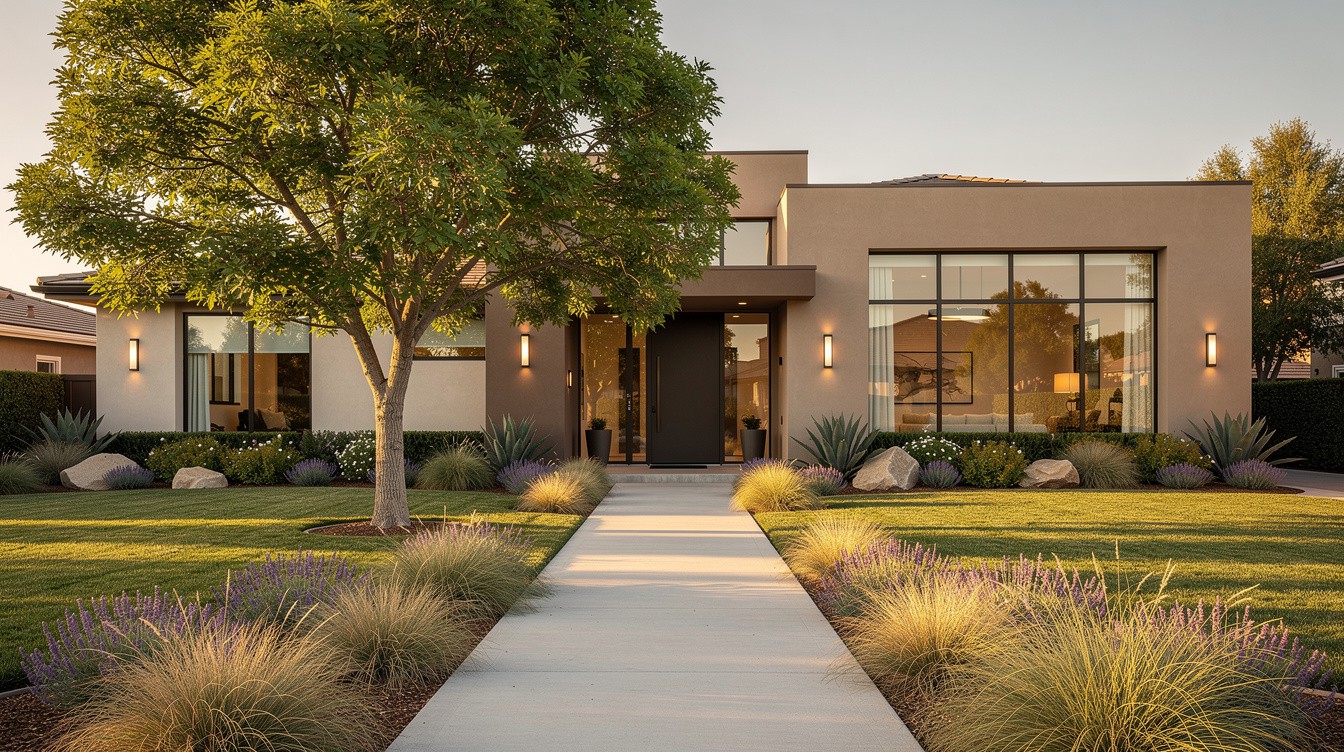
The Grass-Drift Entry Walk
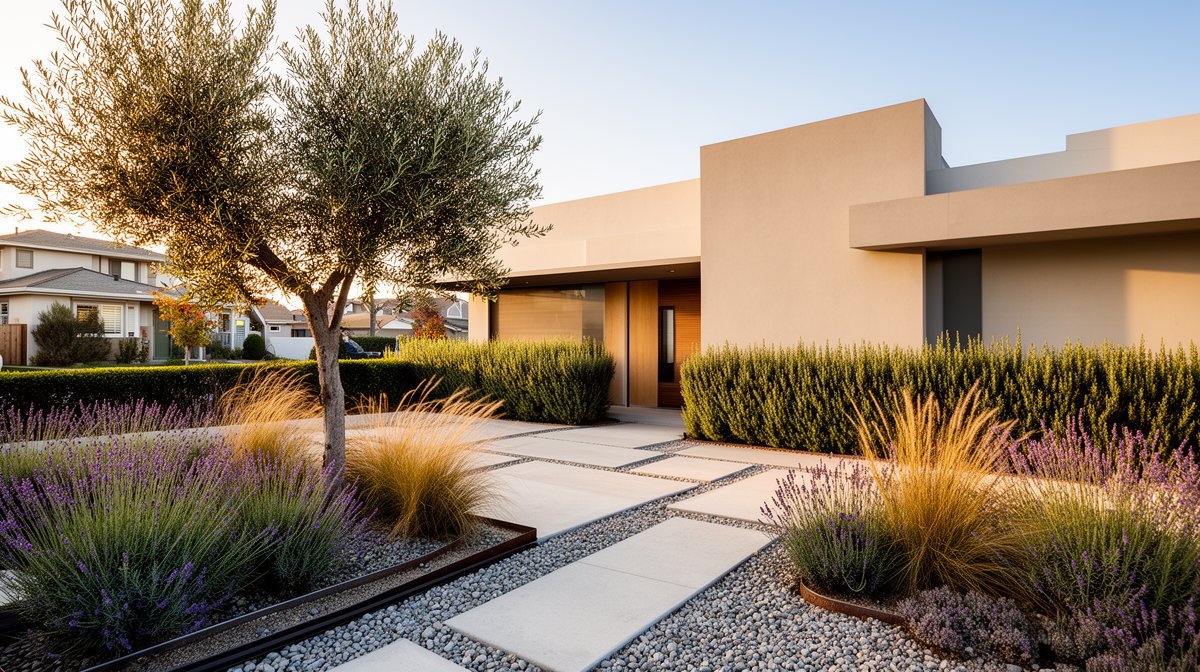
$14–26/sqftA low flat-roofed contemporary in warm taupe stucco, with a tall black-framed window wall and a recessed entry lit by slim sconces. The walkway is a single ribbon of poured concrete running dead straight from the street to the door — no curves, no pattern, no border. Everything else is planting. Two clean lawn panels flank the walk, and the beds against the house are a rhythmic run of clipped low hedge, silver-blue agave rosettes and pale granite boulders. Along the last third of the walk, big informal drifts of golden fountain-form grasses and purple-flowering salvia lean into the path and catch the low evening light, and a mature shade tree throws its canopy across the left half of the facade.
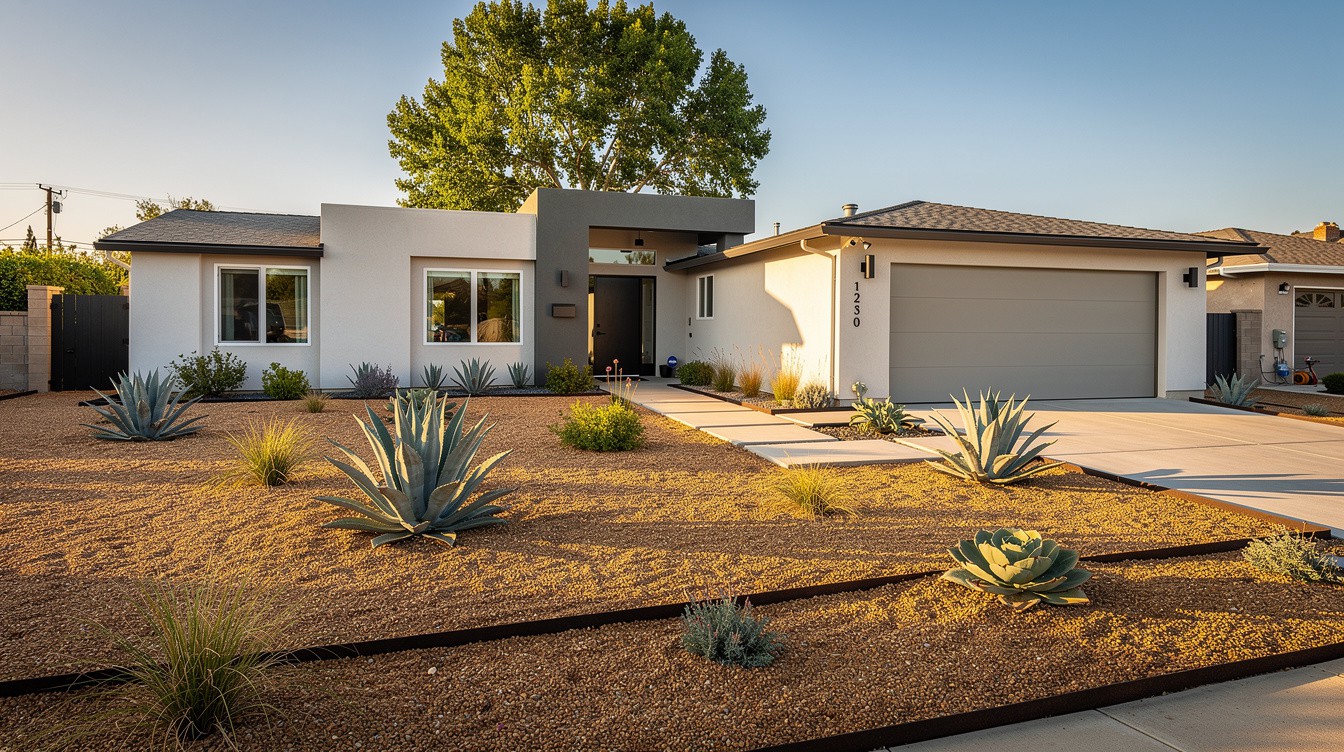
The Zero-Turf Gravel Front
$8–16/sqftA white mid-century ranch with a raised parapet over the entry and a wide two-car garage, and not a blade of grass in front of it. The whole yard is a gravel field split into two tones — a coarse brown DG and a golden pea gravel — divided by low steel bands that step across the slope and give the composition its lines. Sculptural blue agaves are placed as individual specimens with real space around them, small grass tufts and low silver shrubs fill the gaps, and a run of square concrete pads floats across the gravel from the driveway to the entry. This is the cheapest design on the page per square foot and the one most likely to pay for a chunk of itself in rebate money.
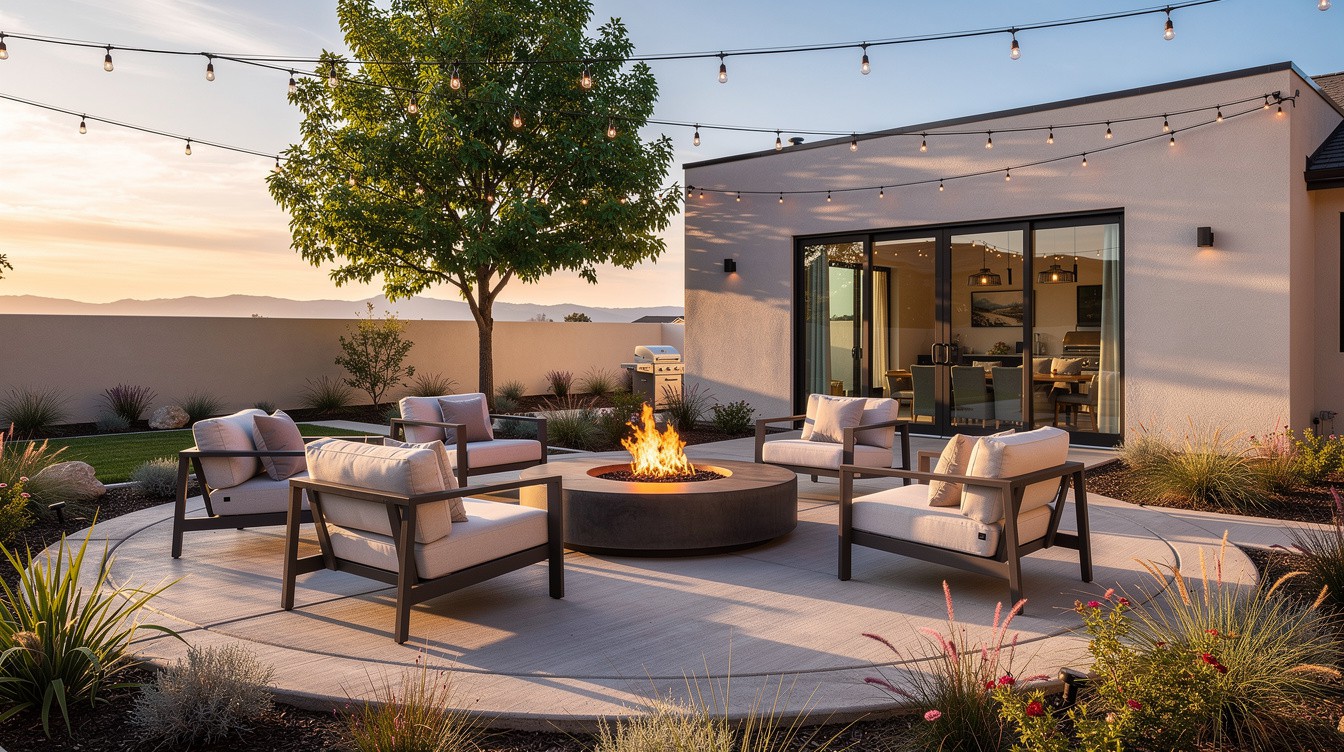
The Round Fire Court
$20–38/sqftA circular poured-concrete pad set into the lawn, with a heavy round cast-concrete gas fire bowl at the center and four low-slung modern lounge chairs around it. Catenary string lights sweep overhead from the house to steel posts, a small deciduous tree stands just off the circle for daytime shade, and a built-in grill sits against the block wall. The wall is kept low enough that the San Gabriel ridge stays in view at sunset. The beds around the circle are gravel and dark mulch planted loosely with grasses, silver subshrubs and red-flowering perennials, with a modest strip of lawn retained on one side rather than the whole yard.
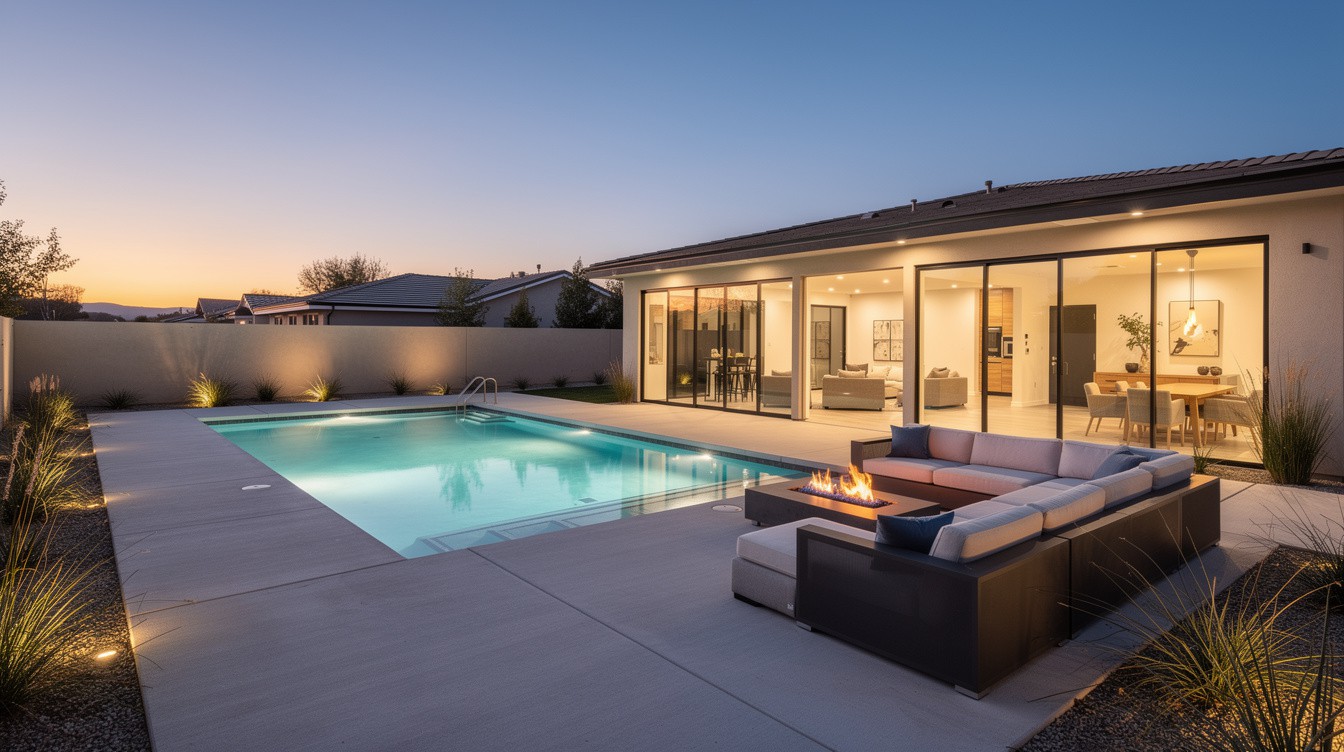
The Twilight Pool Terrace
$45–90/sqft (pool inclusive)A rectangular pool set flush into a broad sand-finish concrete deck, photographed at dusk with the water lit and the house glowing behind a full run of black-framed sliding glass. A large modular sectional wraps a linear stainless fire table on the deck's warm side, and the planting is intentionally almost absent: a narrow gravel border at the perimeter wall holding uplit grasses and a few spiky accents, nothing else. That restraint is the design. The white perimeter wall becomes a projection screen for grass shadows after dark, and the mountains stay a silhouette on the horizon instead of competing with a busy border.
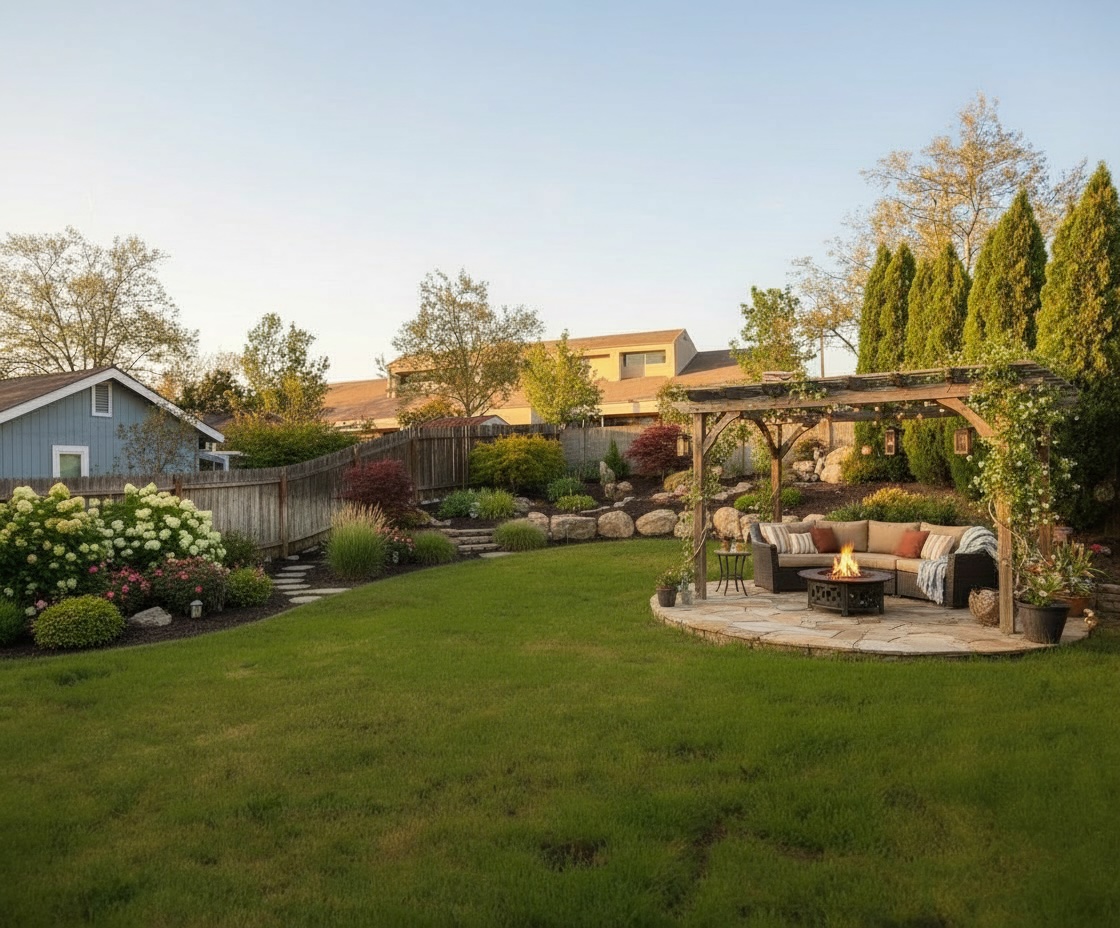
See how a modern/minimalist garden looks on YOUR property
Upload a photo of your Rancho Cucamonga yard and visualize your dream garden in seconds.
Try ProScapeAI Free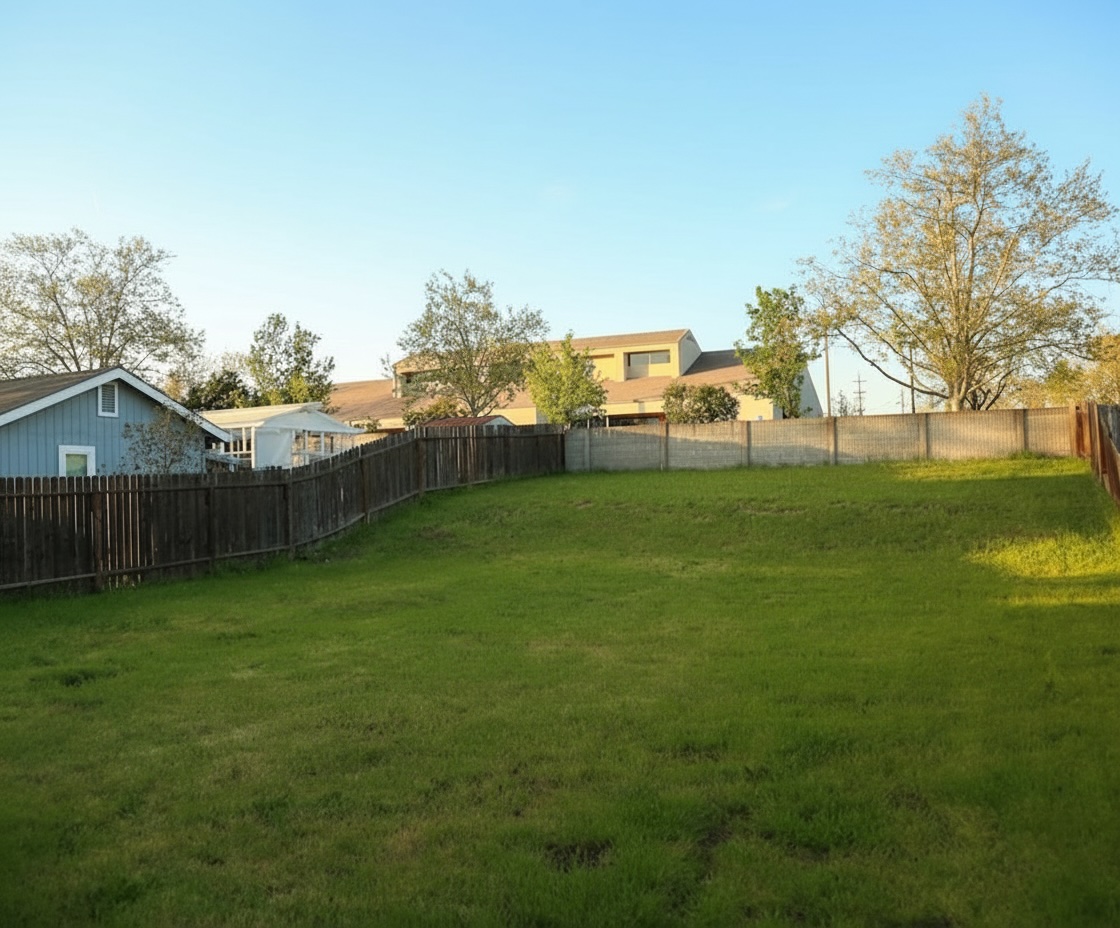
Featured Trees & Shrubs for Modern/Minimalist Gardens
Browse all 115 plants for Rancho Cucamonga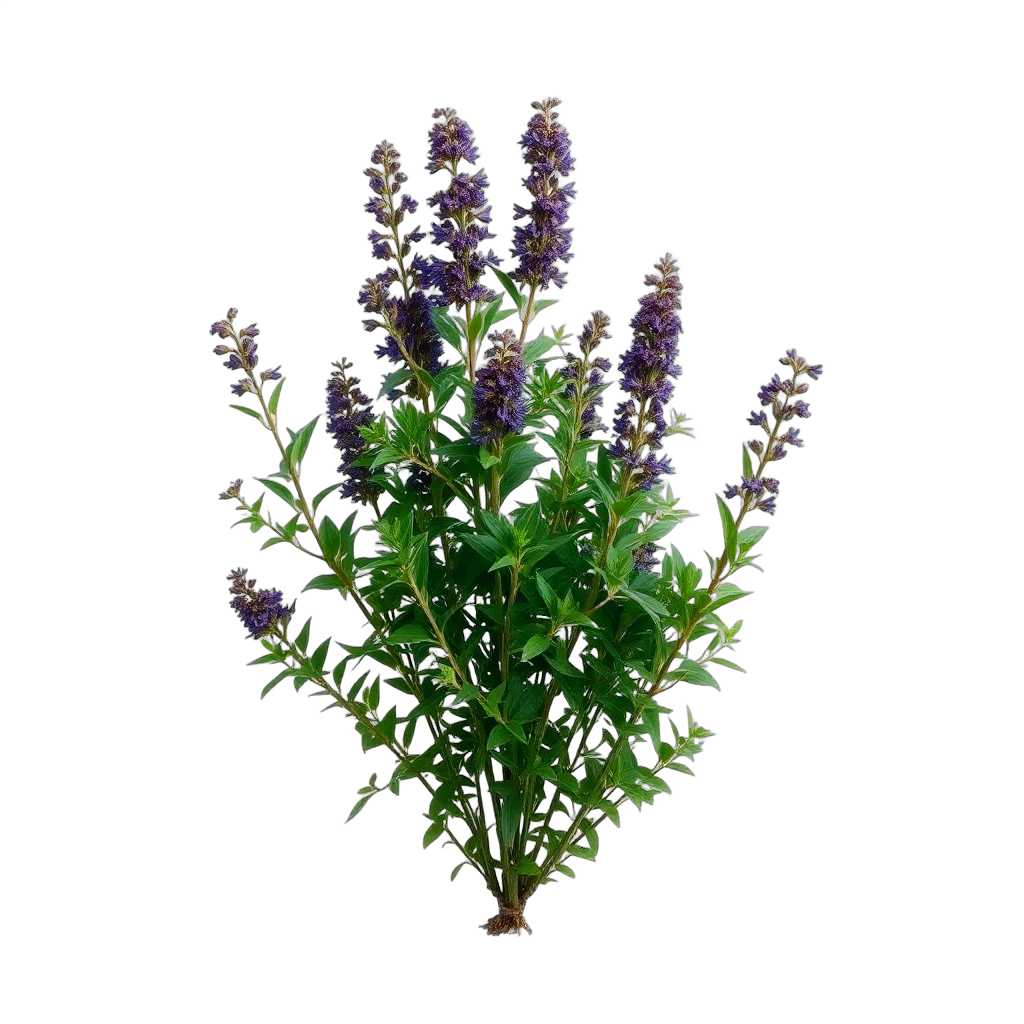
Black Sage
Salvia mellifera
grows to 4 feet, white blooms in spring. Attracts butterflies.
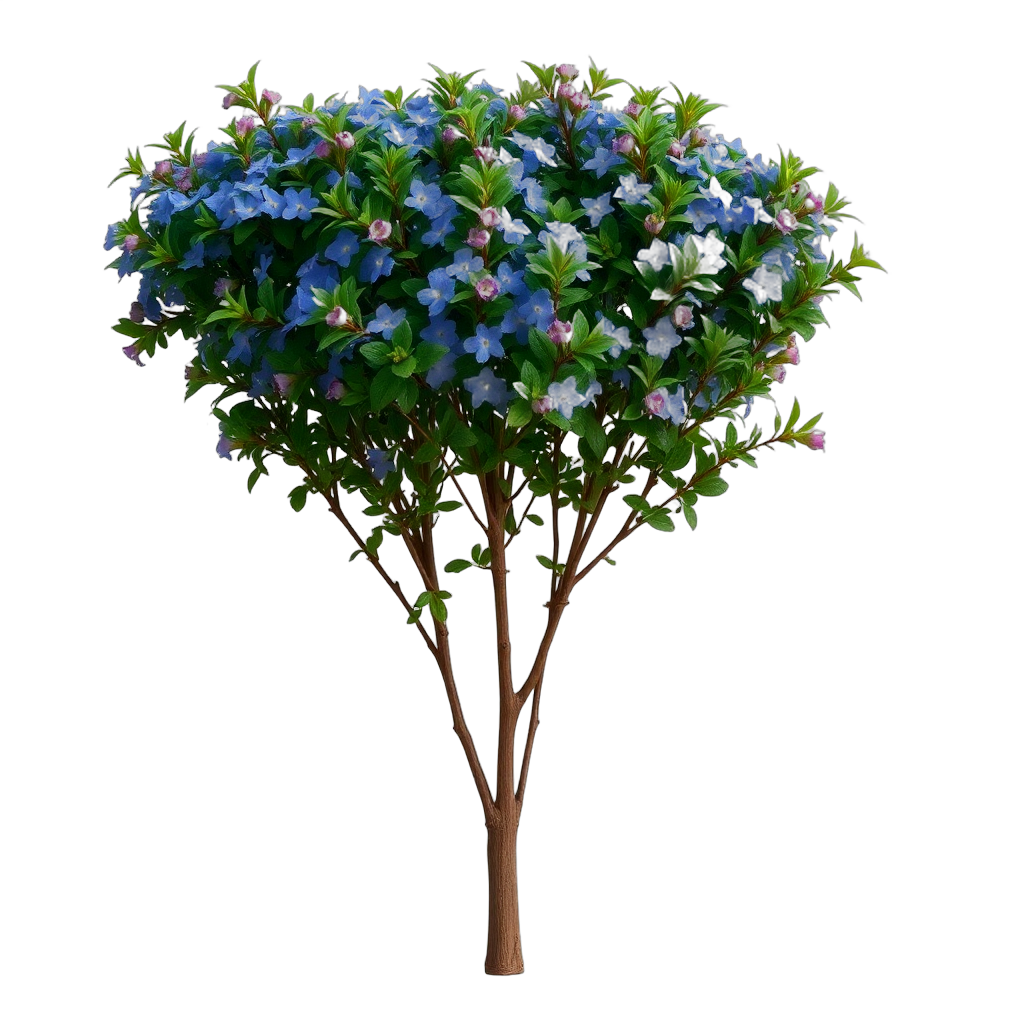
Blue Blossom
Ceanothus thyrsiflorus
medium-sized at 12 feet, blue blooms in spring. Attracts butterflies.
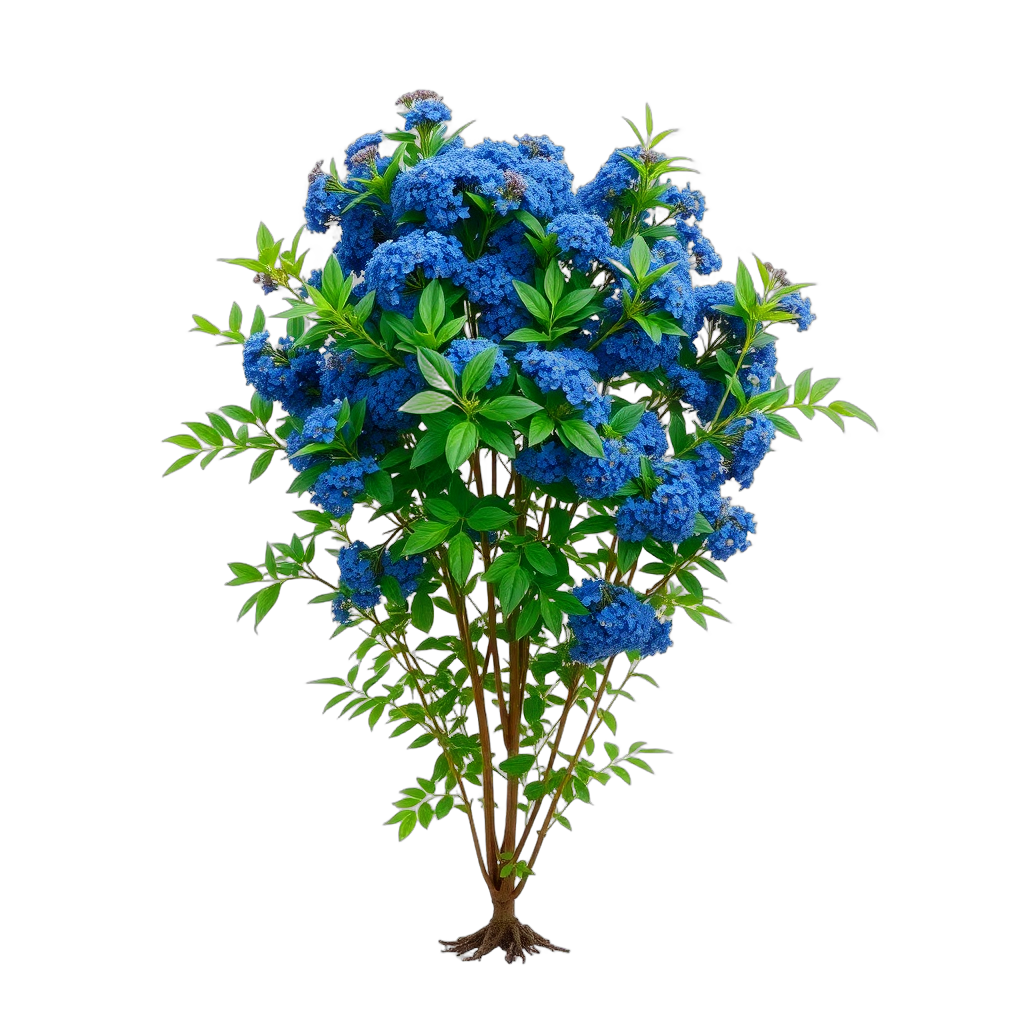
Blue Elderberry
Sambucus cerulea
medium-sized at 15 feet, white blooms in spring. Attracts butterflies.
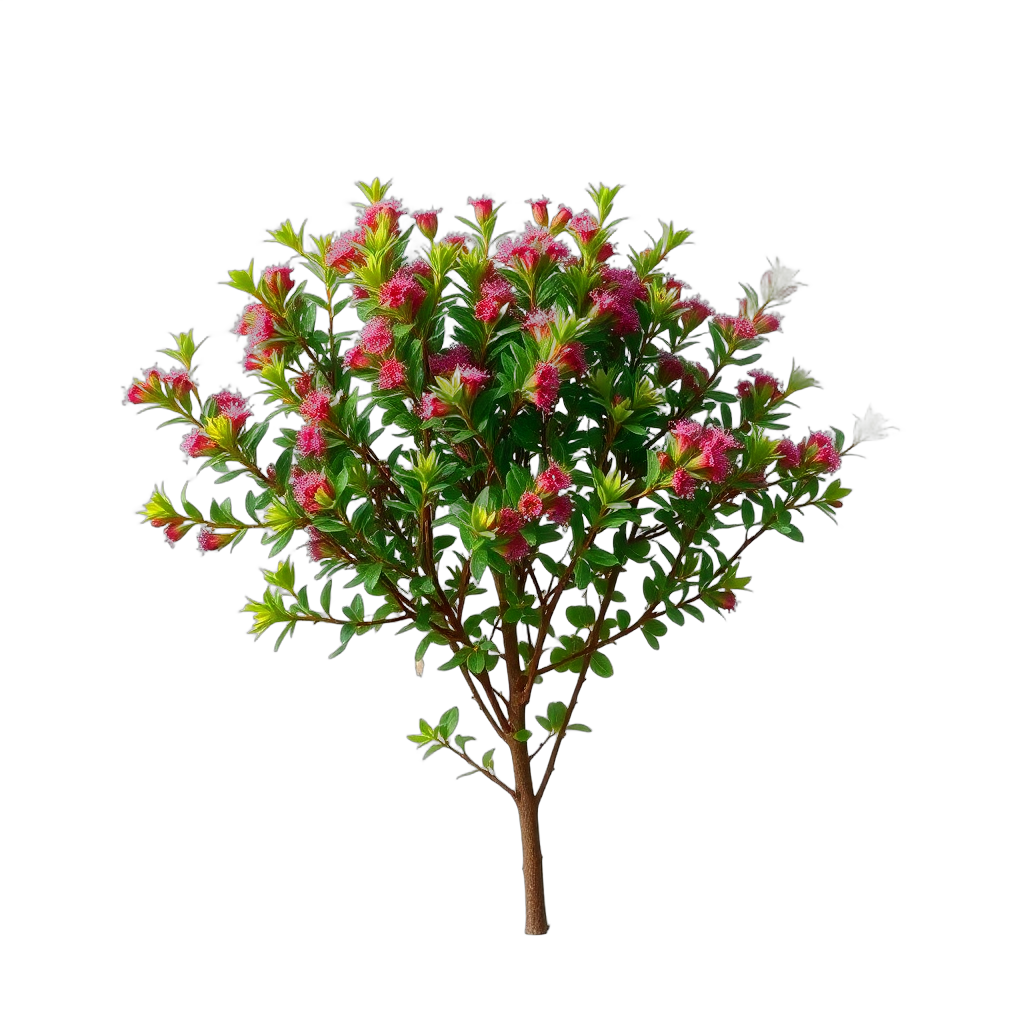
Buckbrush
Ceanothus cuneatus
medium-sized at 7 feet, white blooms in spring. Attracts butterflies.
Featured Grasses & Groundcovers for Modern/Minimalist Gardens
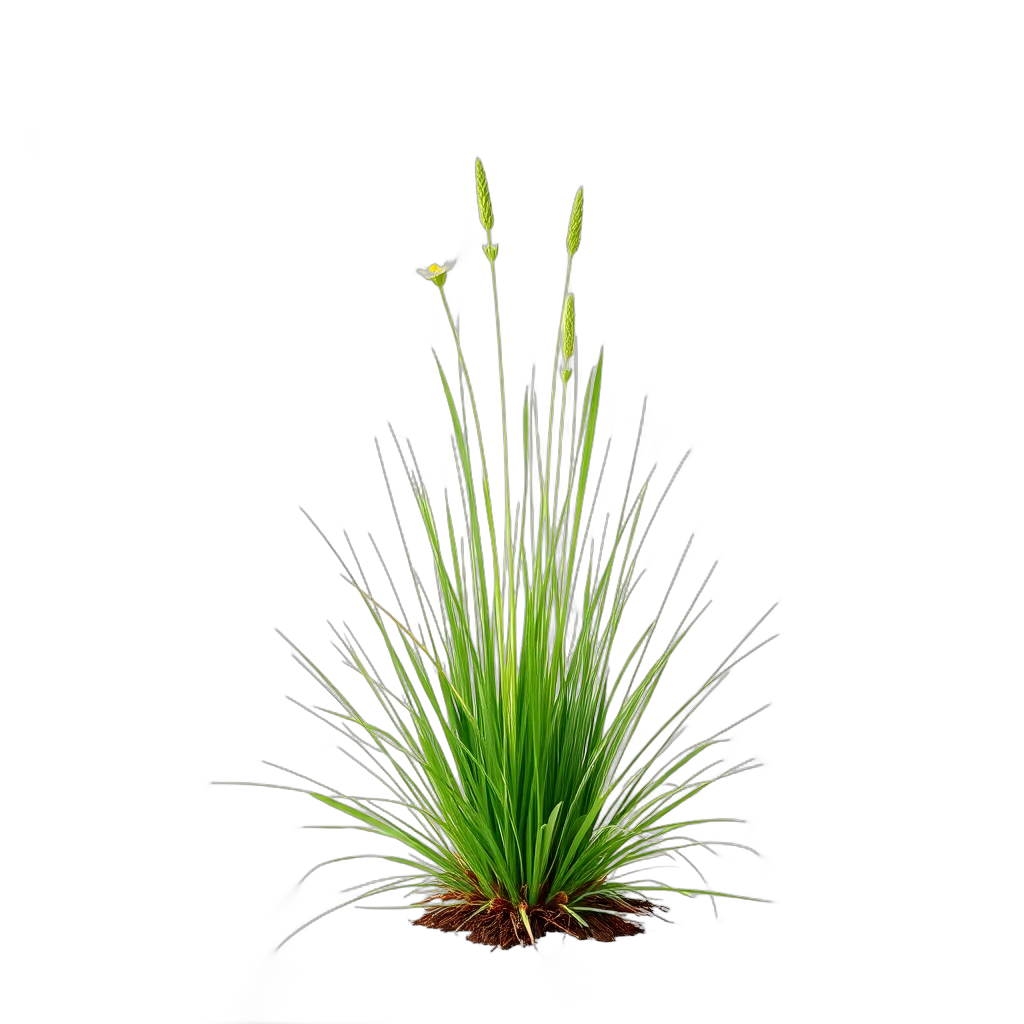
California Brome
Bromus carinatus
low-growing ground cover, blooms in spring. Yellow fall color.
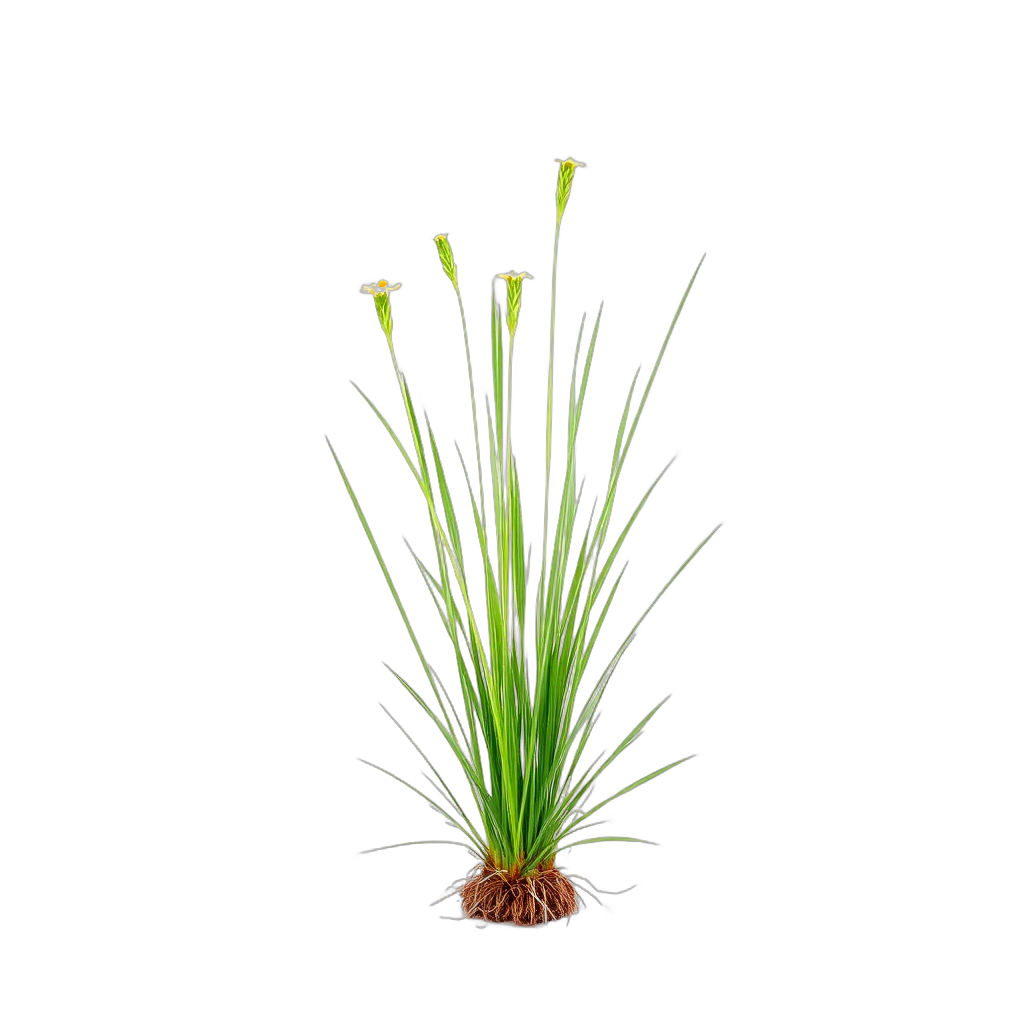
California Melic
Melica californica
low-growing ground cover, blooms in spring.
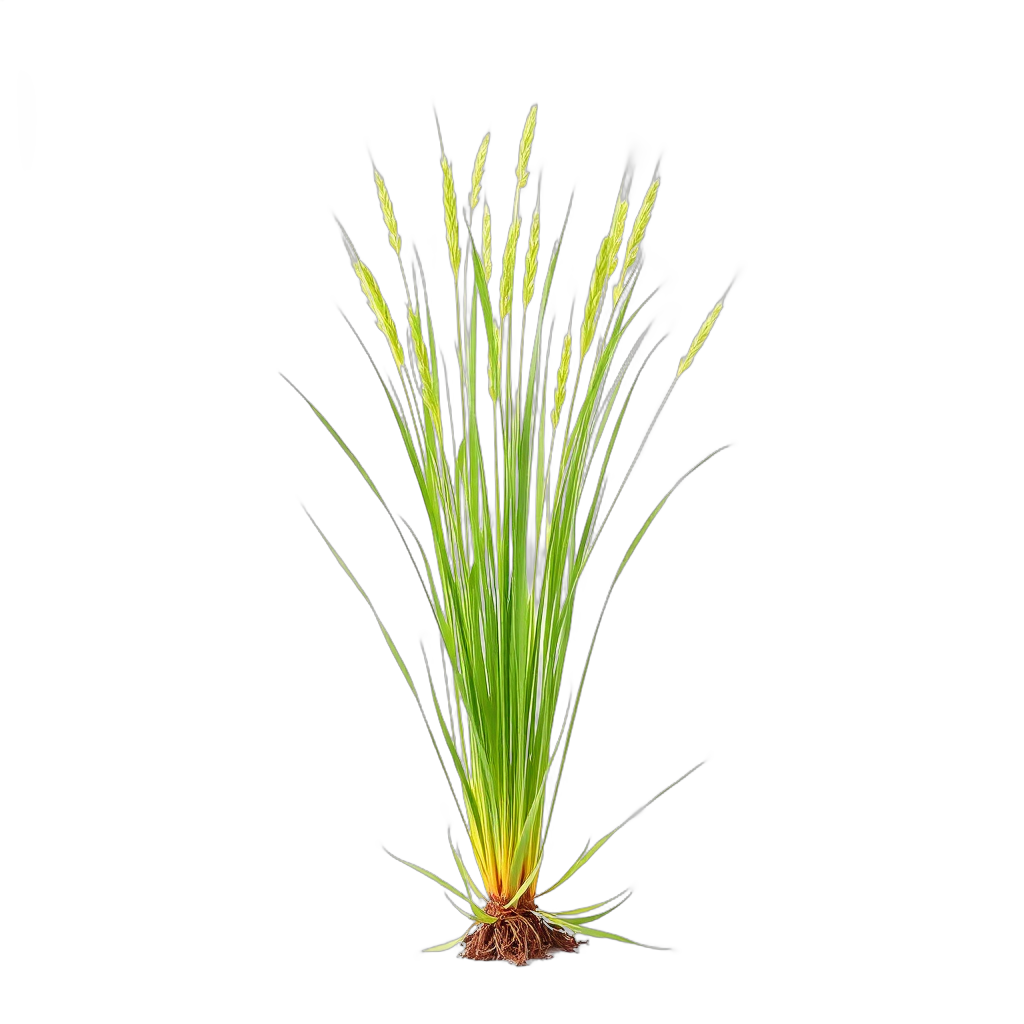
California Oatgrass
Danthonia californica
low-growing ground cover, blooms in spring. Yellow fall color.
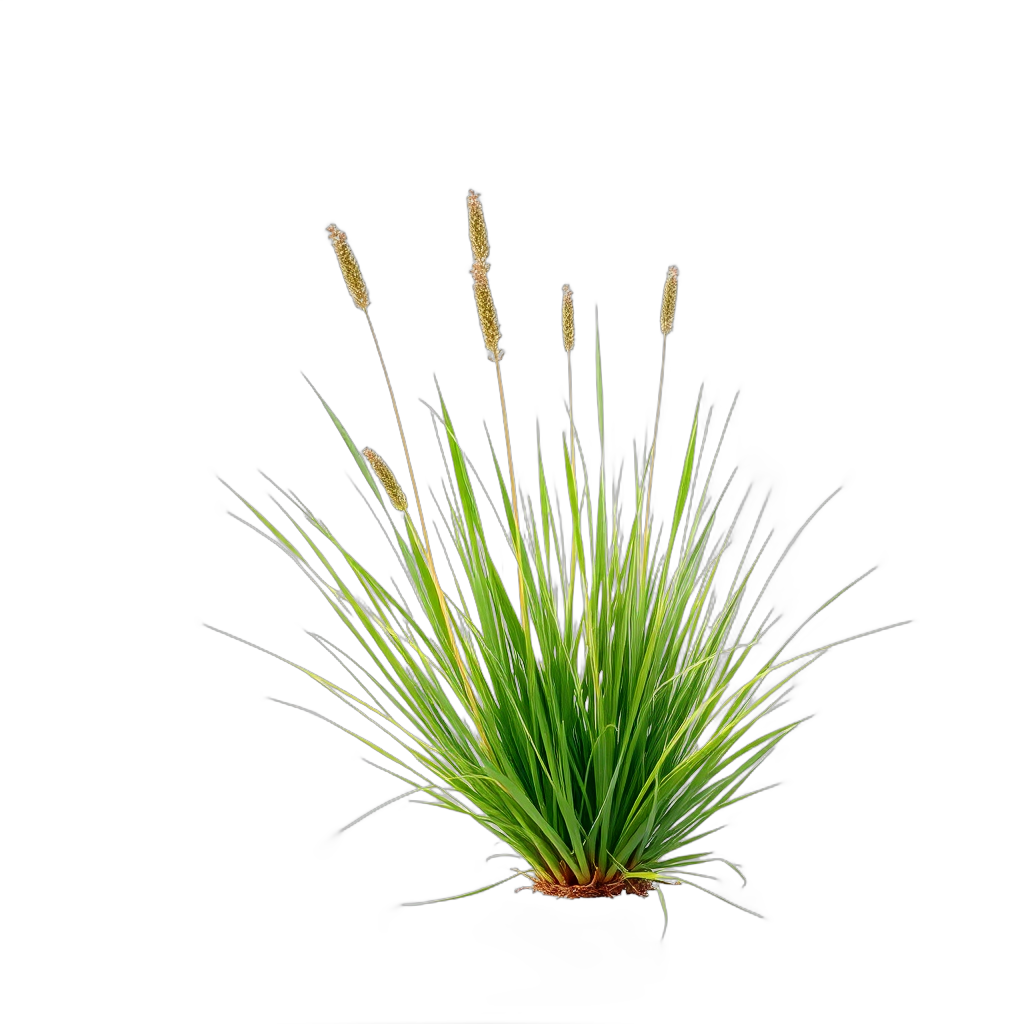
Deer Grass
Muhlenbergia rigens
grows to 3 feet, yellow blooms in fall. Evergreen year-round.
Featured Flowers & Perennials for Modern/Minimalist Gardens
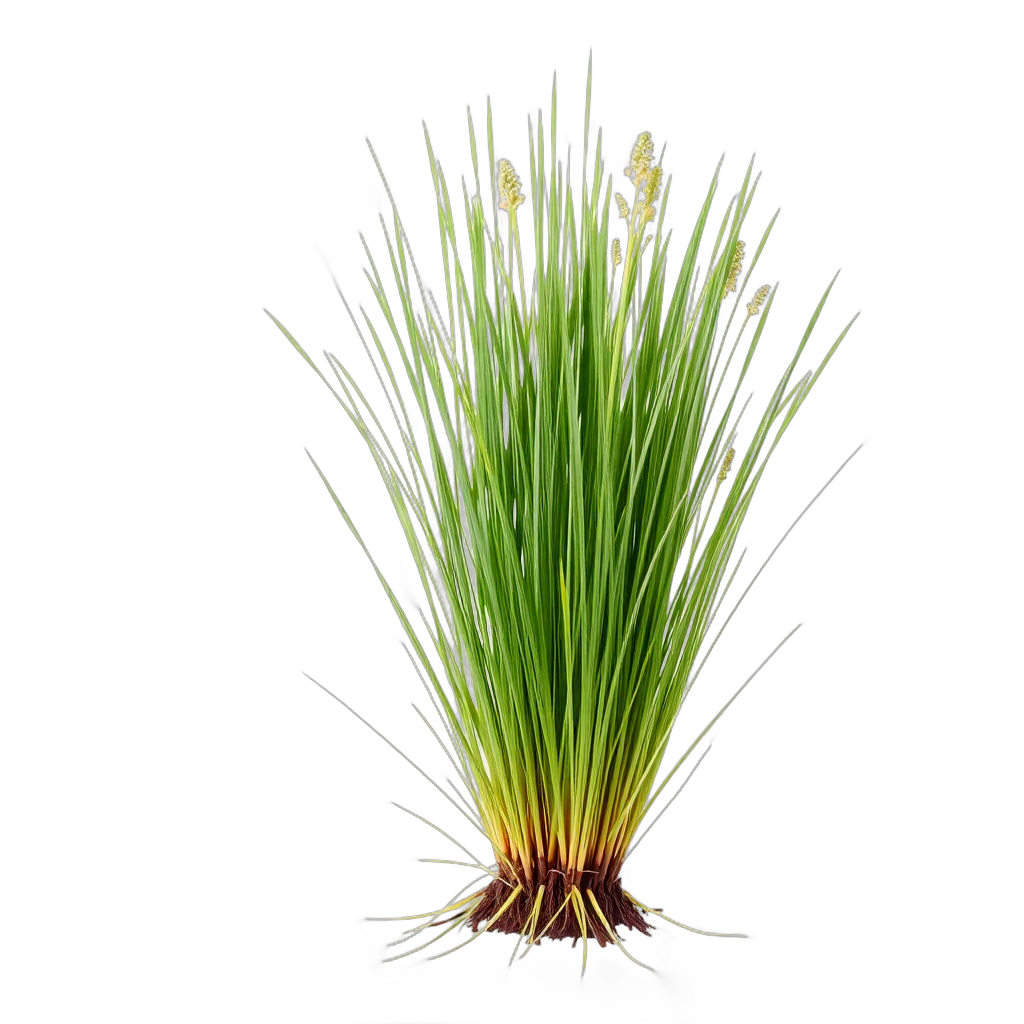
California Gray Rush
Juncus patens
low-growing ground cover, blooms in summer. Evergreen year-round.
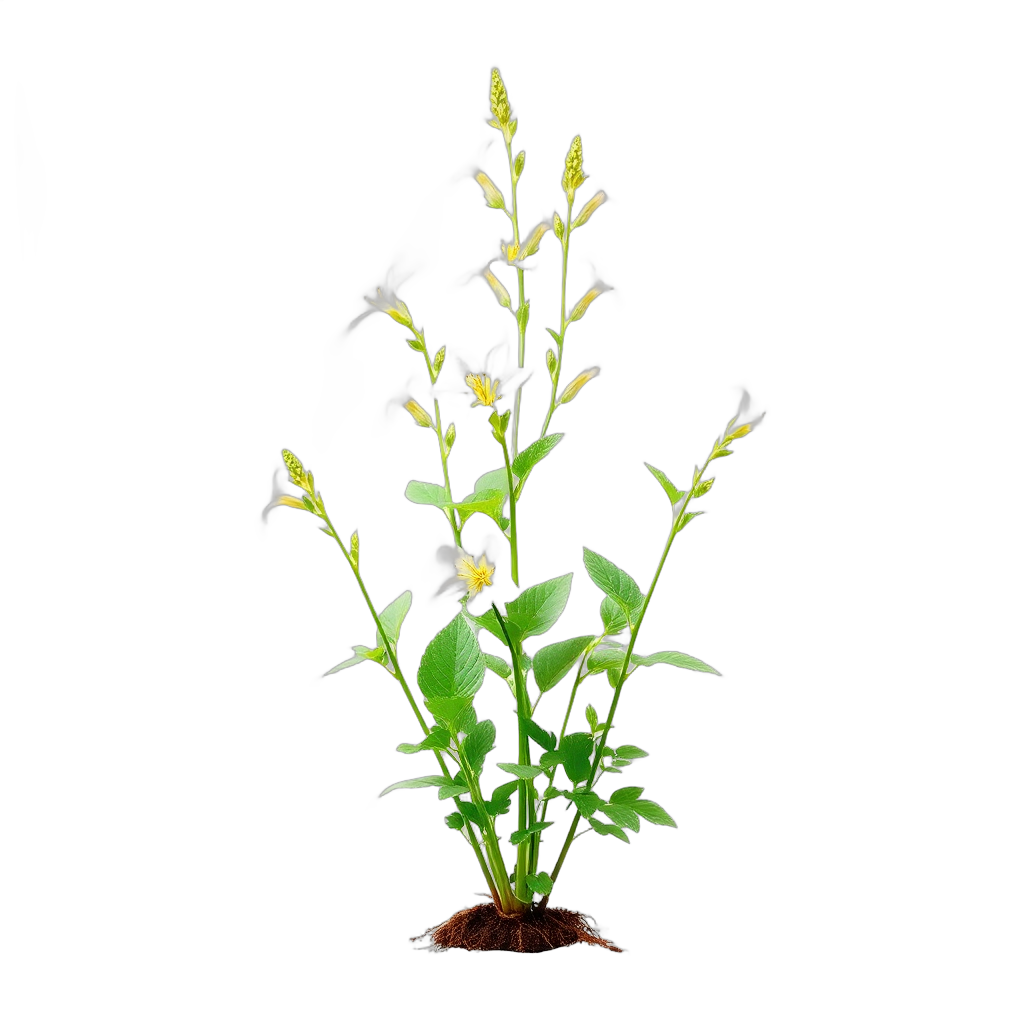
Beach Evening Primrose
Camissonia cheiranthifolia
low-growing ground cover, yellow blooms in spring. Attracts butterflies.
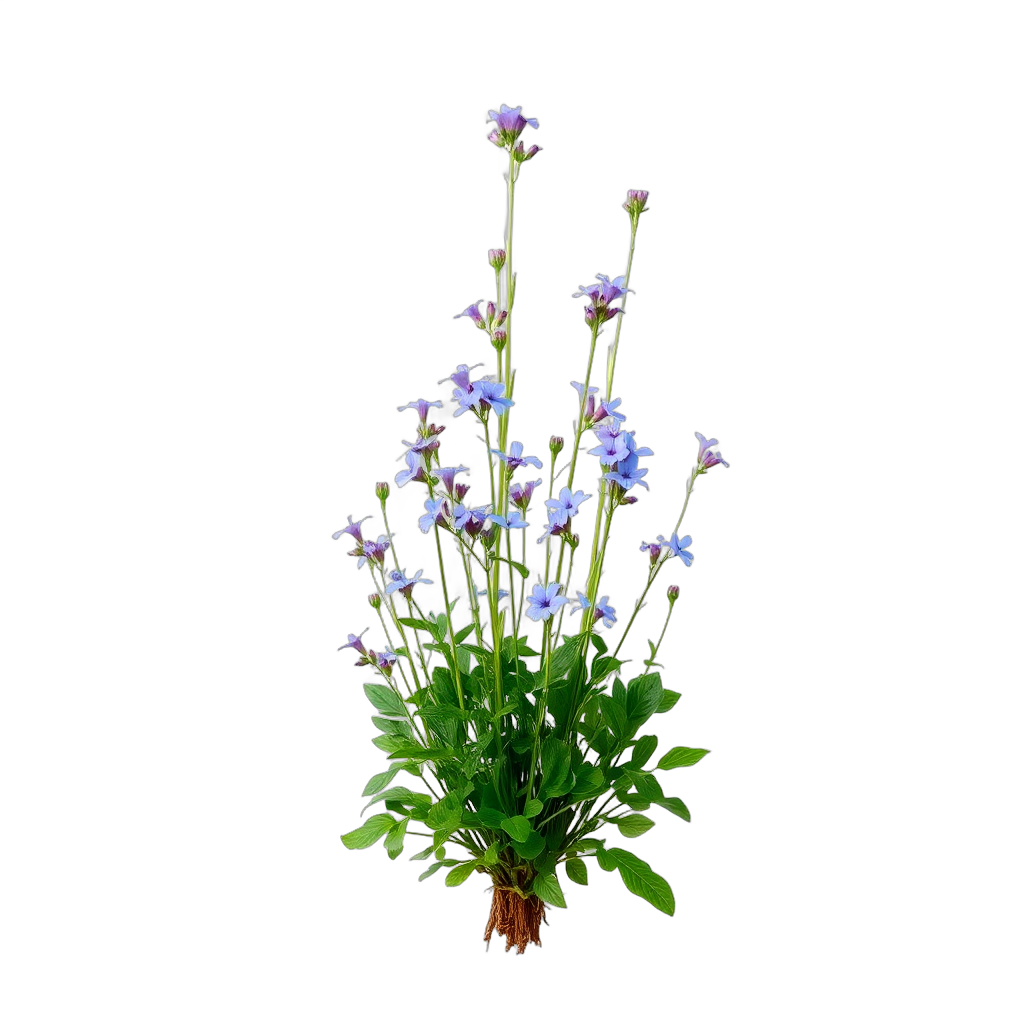
Blue Dicks
Dichelostemma capitatum
low-growing ground cover, blue blooms in spring. Pollinator-friendly.
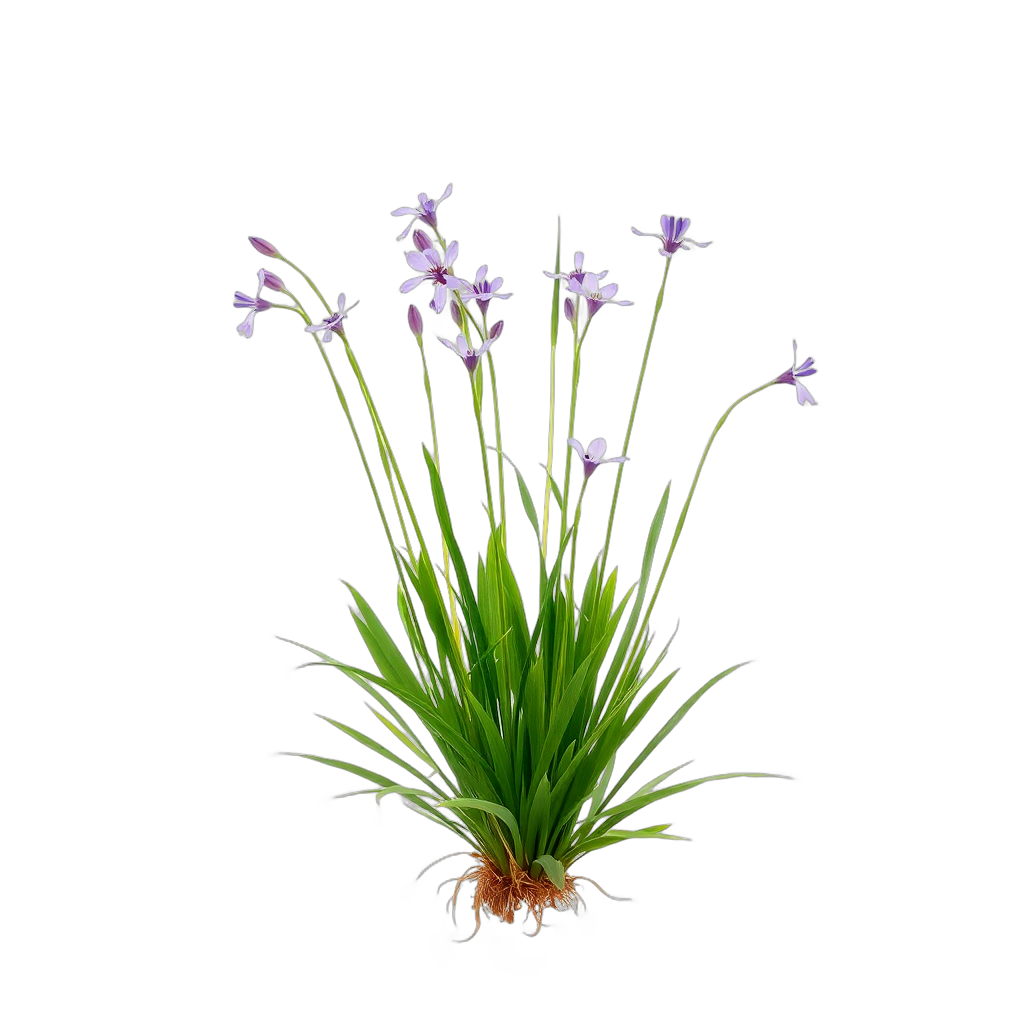
Blue-Eyed Grass
Sisyrinchium bellum
low-growing ground cover, blue blooms in spring. Attracts butterflies.
Bloom Calendar for Rancho Cucamonga
spring
Beach Evening Primrose, Blue Dicks, Blue-Eyed Grasssummer
California Gray Rush, Hooker's Evening Primrose, Hummingbird Mintfall
California Fuchsiawinter
Limited bloomsDesign Tips for Rancho Cucamonga (Zone 10a)
- Use Muhlenbergia rigens the way a Phoenix designer uses gravel-and-agave alone — deergrass gives modern Rancho Cucamonga gardens the soft fountain form that keeps all that concrete from feeling hostile, and it is a local native that needs almost no water once established
- Never plant Agave attenuata in full inland sun; it scorches to brown paper by August on any south or west exposure here — specify Agave ovatifolia or Agave parryi var. truncata for the exposed spots and save attenuata for filtered shade
- Skip plastic weed fabric under decomposed granite; on our fast-draining alluvial soil it clogs, buckles and traps windborne seed on top anyway, while compacted DG straight over graded native soil stays cleaner and lets water reach roots
- Design around the mountains, not around the house — keep everything in the middle of a north-facing Etiwanda or Day Creek backyard low, and let the San Gabriel ridge be the vertical element you never had to pay for
- Set string-light posts and pergola columns in real concrete footings sized for 50–60 mph Santa Ana gusts out of Cajon Pass; catenary lighting pulls surprisingly hard and surface-mounted posts fail in the first October wind event
- Uplight the grasses and the boulders rather than the house — Muhlenbergia capillaris 'Regal Mist' and Yucca rostrata 'Sapphire Skies' throw the shadows that make a modern garden read after dark, and Rancho Cucamonga gives you warm outdoor evenings nine months a year to enjoy them
Where to Source Plants in Rancho Cucamonga
Skip the big-box stores. These independent Rancho Cucamonga nurseries specialize in the plants that make modern/minimalist gardens thrive in Zone 10a.
C&J Gardening Center
Grove Avenue
Wide selection of trees and plants with a specialty in exotic fruit trees and home delivery.
Dean's Greens
Etiwanda / Baseline Road
Retail nursery offering vibrant blooms, healthy vegetable starts, and lawn supplies.
Parkview Nursery
Riverside
Full-service garden center with a large stock of quality plants including California natives.
Sunshine Growers Nursery
Ontario
Large wholesale and retail nursery covering everything from bedding plants to large trees.
Modern/Minimalist Landscaping Costs in Rancho Cucamonga
| Project Scope | Estimated Cost |
|---|---|
| Front yard turf-to-gravel conversion (700–1,000 sqft with agaves) | $6,000 – $15,000 |
| Poured concrete patio or walkway (300–500 sqft) | $6,000 – $16,000 |
| Backyard fire court with gas fire bowl, lighting and planting | $18,000 – $45,000 |
| Pool + concrete terrace + fire table + landscape lighting | $85,000 – $180,000 |
| Corten steel edging and low-voltage lighting package | $3,000 – $9,000 |
| AI visualization with ProScapeAI | Free to start |
Estimates based on Rancho Cucamonga, CA-area contractor rates as of 2026. Actual costs vary by site conditions, materials, and contractor.
Rancho Cucamonga Climate & Growing Zone
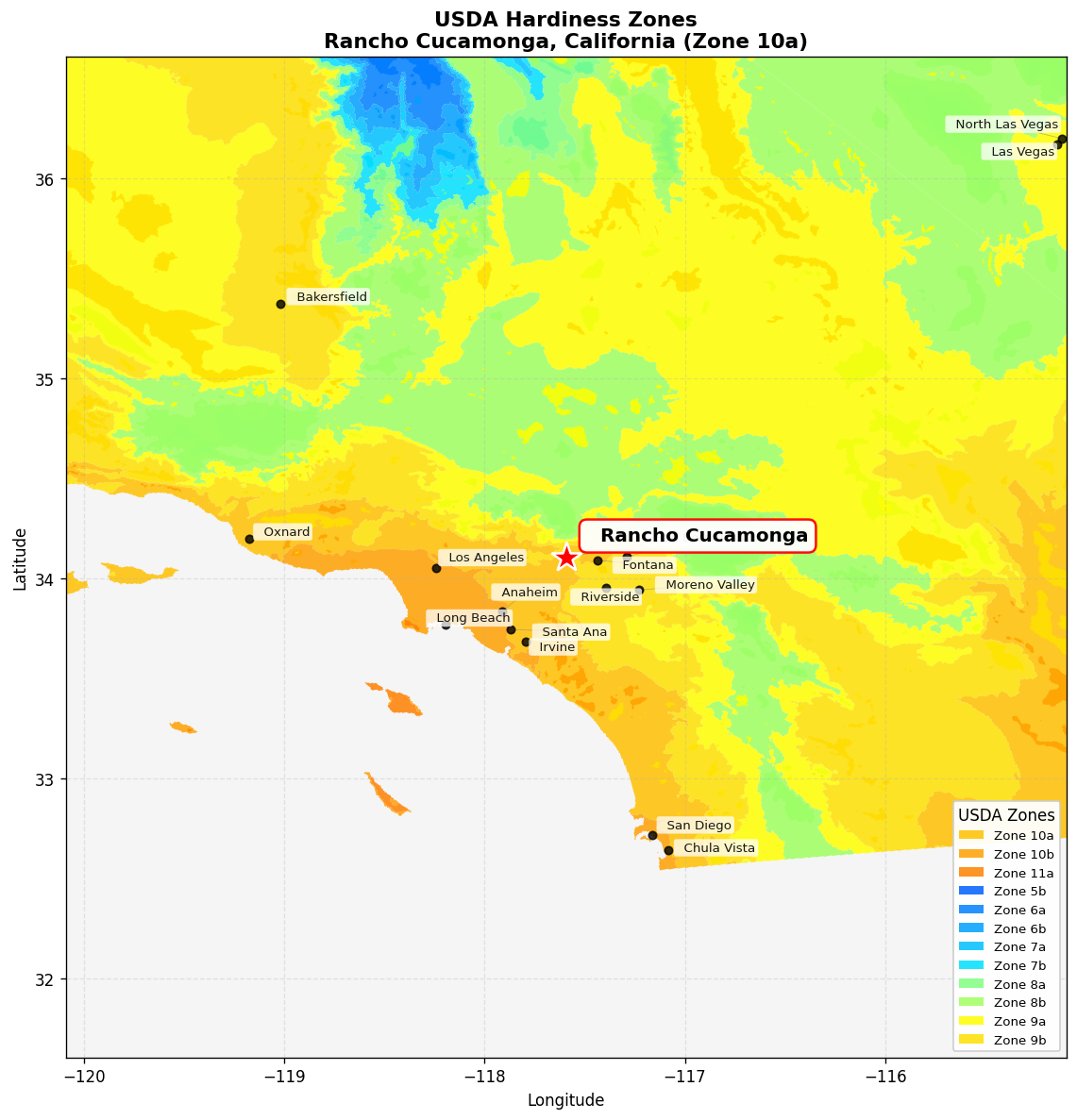
USDA Zone 10a
Hardiness zone for Rancho Cucamonga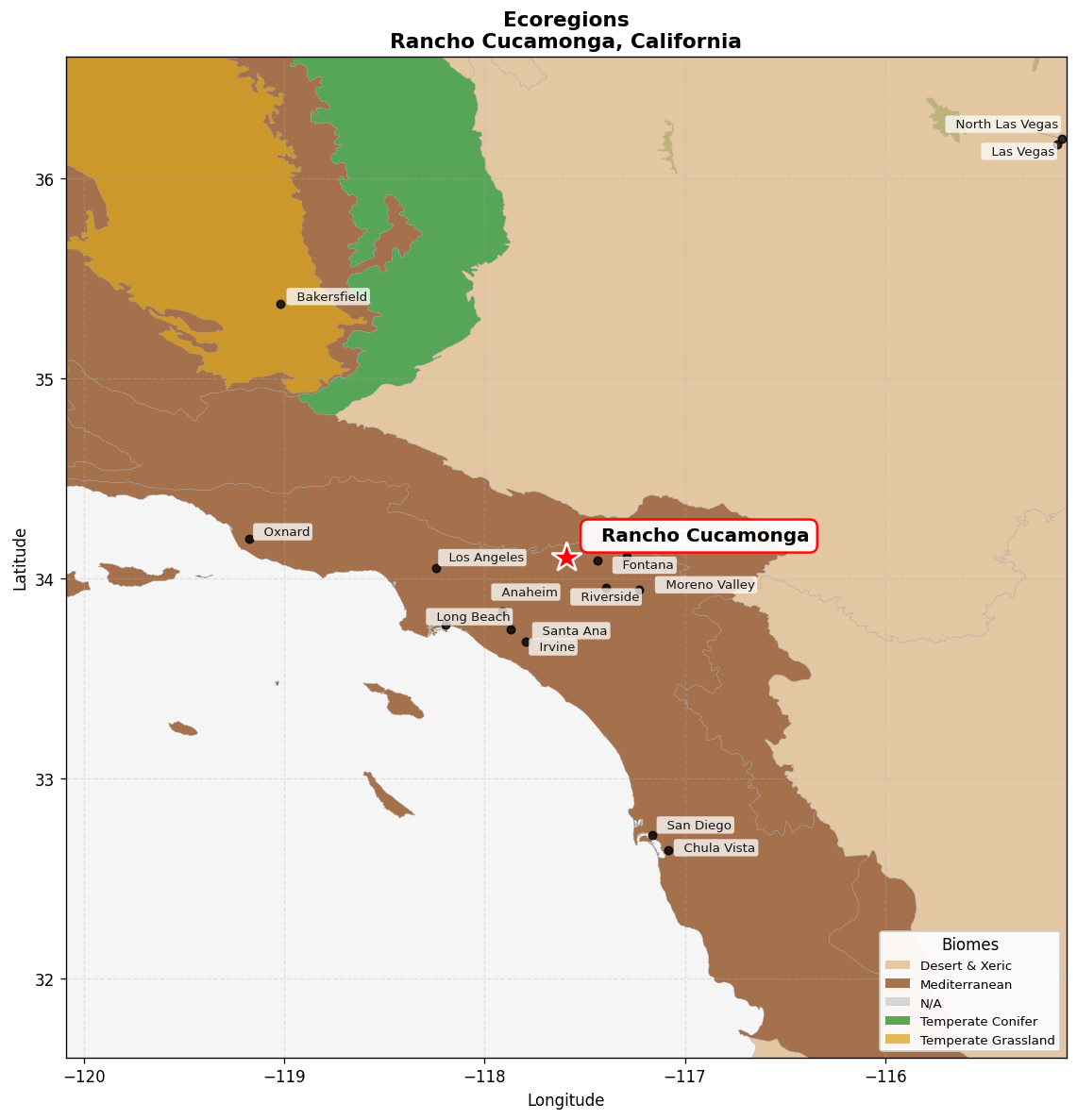
California coastal sage and chaparral
Native ecoregionFrequently Asked Questions
How much does modern landscaping cost in Rancho Cucamonga?
Inland Empire labor runs roughly 10–20% under coastal Los Angeles and Orange County, which shows up most in concrete. A gravel-and-agave front yard conversion for a typical 700–1,000 sqft front lawn runs $6,000–15,000 installed, and the turf-replacement rebate can claw back a meaningful share of that. A poured concrete patio of 300–500 sqft is $6,000–16,000. A backyard fire court with a cast-concrete bowl, gas line, string lighting and planting runs $18,000–45,000. A full pool terrace with gunite pool, deck, fire table and lighting typically lands between $85,000 and $180,000. A DIY DG-and-succulent front yard can be done for under $5 per square foot in materials.
Which agaves and succulents actually survive a Rancho Cucamonga year?
The constraint is not summer, it is the combination of 100°F+ full sun and the cold-air drainage that pulls foothill pockets into the upper 20s some winters despite the Zone 10a label. Bulletproof choices are Agave ovatifolia, Agave parryi var. truncata, Agave americana, Agave 'Blue Glow', Yucca rostrata 'Sapphire Skies', Dasylirion wheeleri, Hesperaloe parviflora 'Brakelights' and Aloe striata. Agave attenuata is the classic mistake — it scorches to brown paper in full inland sun and burns in a hard frost, so keep it in filtered shade near a north wall. Aloe vera and most Aeoniums also want afternoon protection. Plant everything slightly proud of grade and mulch with gravel, never bark.
How much can I get back for tearing out my lawn?
Cucamonga Valley Water District participates in Metropolitan Water District's SoCal Water$mart turf-replacement program, which has commonly paid in the $2–5 per square foot range — verify the current rate and get your application approved before you demolish anything, because pre-inspection is usually required. If you are in an HOA in Terra Vista, Victoria Gardens or Victoria Groves, AB 1572 is phasing out potable irrigation of non-functional turf in common areas, so association resistance to turf removal is fading fast. Permitted projects with more than 500 sqft of new or rehabilitated landscape trigger California's MWELO documentation requirements; the prescriptive compliance appendix is the simpler path for most residential jobs.
Will poured concrete crack in this climate?
Less than you would fear, and the reason is the soil. Tujunga and Hanford sandy loam over Cucamonga Canyon cobble is a free-draining, low-expansion alluvial base — far kinder to slabs than the clays most of the country deals with. Still, do it properly: 4 inches of concrete over 4 inches of compacted Class II base, fiber or wire reinforcement, and sawcut control joints at roughly 10-foot intervals within 24 hours of the pour. Our diurnal swing is large — a 40°F difference between a July afternoon and dawn is normal — so honor expansion joints where the slab meets the house or a pool shell. Broom or sand finishes hide the fine alkaline DG dust that coats everything here; polished finishes show it within a week.
Is a gravel-and-grasses garden a fire risk in the Alta Loma foothills?
The gravel is an asset; the grasses need managing. North of Banyan Street and 24th Street the foothills sit in a Very High Fire Hazard Severity Zone, ground the 2003 Grand Prix Fire moved through, and California's Zone 0 rules keep the first five feet around the structure free of woody plants and combustible mulch — a DG or pea gravel field satisfies that better than almost any other treatment. Beyond five feet, cut Muhlenbergia rigens and Bouteloua gracilis 'Blonde Ambition' back before October so they enter Santa Ana season green rather than as standing thatch, and keep them irrigated. Avoid Cortaderia selloana (pampas grass), Juniperus, Cupressus sempervirens and Adenostoma fasciculatum (chamise) near the wildland edge; Arbutus unedo 'Compacta', Rhus integrifolia and Aloe striata are the safer structural substitutes.
When should modern landscaping be installed here?
October through early December is the best planting window — Muhlenbergia rigens, Ceanothus 'Concha', Salvia clevelandii 'Winnifred Gilman' and Arbutus 'Marina' all root through our cool, damp winter and reach summer already established. February and March are a solid second window, and the right time for frost-sensitive succulents. Skip June through mid-September for planting; even on drip, a new Yucca rostrata baking at 105°F is just holding on. Hardscape is year-round work since there is effectively no frost depth to design around, but avoid pouring concrete during a Santa Ana event — 60 mph wind and single-digit humidity flash-dry a slab surface and cause crazing. Winter is also when installers have the most schedule availability.