4 Mediterranean Garden Ideas for Pomona, CA | Zone 10a Design
Native plants from the California coastal sage and chaparral (Zone 10a) — Mediterranean (hot summer) climate
Why Mediterranean Gardens in Pomona?
Pomona does not have to imitate the Mediterranean — it already is one. The city sits squarely in the hot-summer Mediterranean zone (Köppen Csa), the same wet-winter, bone-dry-summer rhythm that shaped the gardens of Andalusia, Provence and Tuscany, and the architecture followed the climate here a century ago. Spanish Colonial Revival and Mission Revival houses run through the Lincoln Park, Hacienda Park and Wilton Heights historic districts; the Adobe de Palomares of 1854 and Casa Primera still stand as the originals; and the 1970s and 1980s hillside tracts in Phillips Ranch and Ganesha Hills went up under the same barrel-tile roofs. White stucco, arched openings, wrought iron, terracotta and a courtyard are not a theme in Pomona, they are the local vernacular — which is why an olive tree, a bank of lavender and a tiled patio look like they belong here rather than like a set piece.
The numbers back the style. Pomona gets roughly 17 inches of rain a year, essentially all of it between November and March, then five to six months with almost none. July and August highs average in the mid-90s and Santa Ana events push past 105°F with single-digit humidity; January lows sit in the low 40s, giving a Zone 10a rating with only light frost in the coldest hillside pockets. That profile is exactly what Olea europaea, Lavandula, Rosmarinus, Cistus, Phlomis fruticosa, Punica granatum and Cupressus sempervirens evolved for — plants that fill their tanks in winter, coast through a rainless summer and actively resent being watered like a lawn. It is also citrus country, and always was: Pomona is named for the Roman goddess of fruit and the valley floor was a sea of Washington navel groves before the tracts arrived. Citrus does still need summer water, so it belongs on its own hydrozone rather than mixed among the lavender. One local rule matters before you buy any: Los Angeles County sits inside a state Asian citrus psyllid and huanglongbing quarantine, so citrus nursery stock must come from licensed nurseries with certified trees and cannot be carried out of the quarantine area.
The soil is a gift for this style. Pomona is built on the alluvial fan spread out below the San Gabriels by San Antonio and San Jose Creeks — Hanford and Ramona sandy loams, gritty with decomposed granite, sharply drained, and alkaline at pH 7.2 to 8.2. Mediterranean plants want precisely that: lean, fast-draining, slightly alkaline ground. The single most common way to kill an olive or a lavender in this valley is kindness, either a rich compost-heavy backfill or a drip line left on a turf schedule. Plant on a slight mound, backfill with native soil, mulch with decomposed granite or gravel rather than bark, and water deeply but rarely. Two cautions: older terraces above Ganesha Park hide caliche hardpan a foot or two down, so probe before planting a specimen tree, and imported Colorado River water carries enough dissolved salt that one long leaching irrigation each winter, plus gypsum, keeps sodium moving below the root zone.
Water regulation is the last design input, and it favours this style heavily. California's Model Water Efficient Landscape Ordinance governs permitted landscape rehabilitations — light prescriptive compliance from about 500 square feet, full documentation above 2,500 — and a Mediterranean plant list passes its water budget almost automatically where a lawn does not. Pomona falls in the Three Valleys Municipal Water District service area, so the regional SoCal Water$mart turf replacement rebate, roughly $2 per square foot at the base rate, can offset a lawn-to-courtyard conversion. Recirculating fountains are generally allowed where free-flowing water features are not, which is why the classic tiered basin survives in California courtyards. Owners in the historic districts should confirm whether street-visible walls, gates, driveways and paving need a Certificate of Appropriateness, and hillside owners in Phillips Ranch and Ganesha Hills should keep the first five feet around the house free of woody fuel and skip flammable bark right against the walls. Requirements change — verify with the City of Pomona and your water provider before you build.
4 Mediterranean Design Ideas for Pomona

The Olive and Cypress Entry
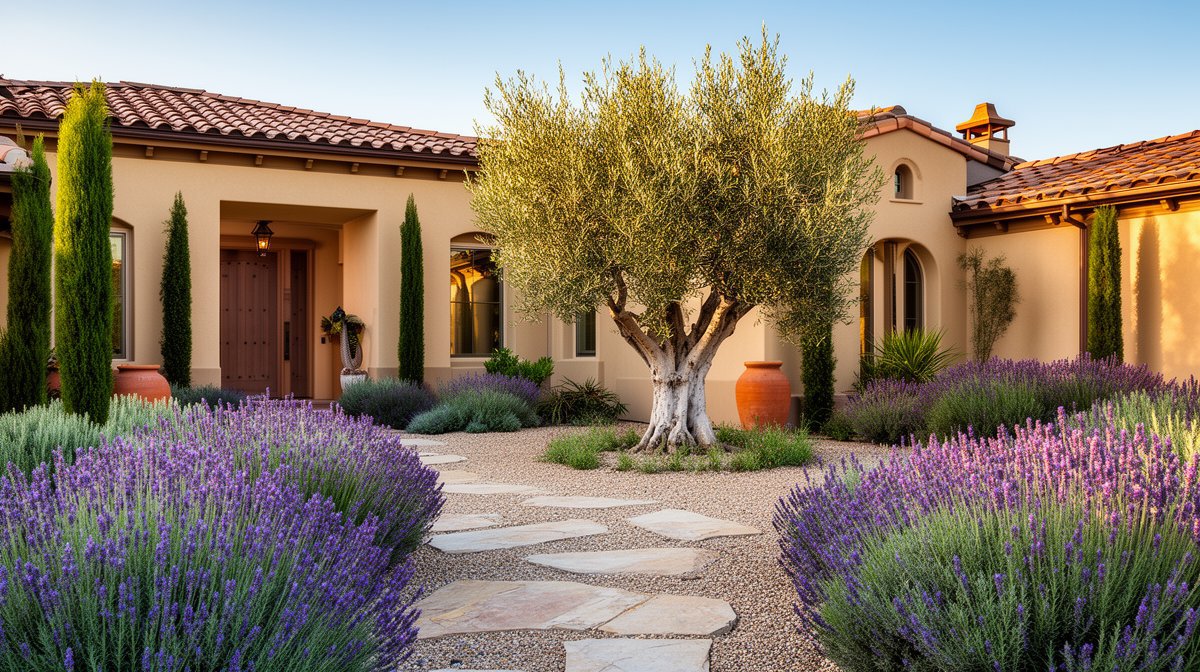
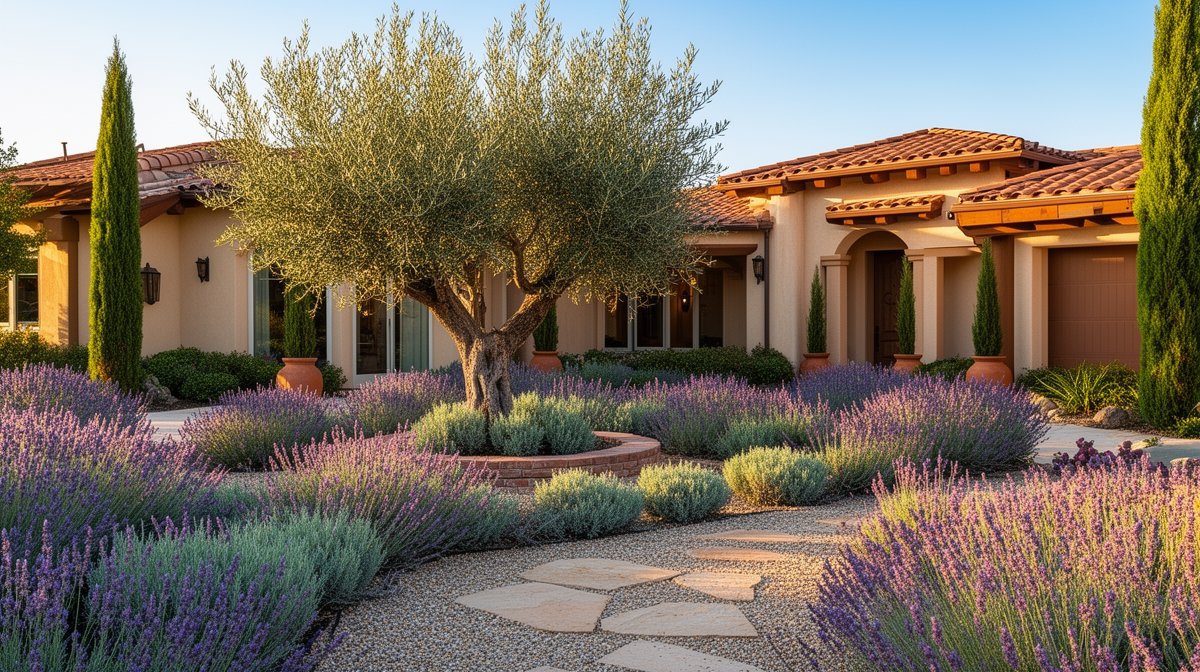
$25–45/sqftA white stucco Spanish Revival house with a deep terracotta barrel-tile roof, arched windows behind wrought-iron grilles and a plank wood door, fronted by a single magnificent multi-trunk olive planted just off the entry axis so its silver canopy breaks the facade. A file of narrow Italian cypress stands sentinel at the property corners and against the gable ends. A pale flagstone landing steps down to a broad concrete drive, and the drive is broken up by island beds of mounded purple lavender, low clipped spheres and Mediterranean fan palms tucked against the foundation. Two panels of lawn remain either side — small, shaped and easily reduced later. The whole composition is symmetrical and calm, and every plant in it is happy on one deep soak a week.

The Bougainvillea Courtyard Motor Court
$18–34/sqftA single-story white stucco cottage under clay tile, with three arched windows and an arched wood door set with an iron grille. A curtain of magenta bougainvillea pours over the roofline and down the courtyard wall — the loudest thing in the picture and, in Pomona, one of the toughest. A low stuccoed garden wall with a tile cap and a scrolled iron gate carves out a private forecourt, and the entire driveway apron has been replaced with stabilised decomposed granite laid around a flagstone entry landing. Terracotta pots of lavender and pink pelargonium line the door, and two mature orange trees heavy with fruit frame the frame. There is no irrigated turf anywhere in the design.

The Fountain Courtyard Dining Room
$35–70/sqftA low white stucco house with a terracotta tile roof and glass doors opening onto a full saltillo-tiled courtyard, with a three-tier cast stone fountain standing in a wide round basin dead centre and a four-seat dining table set just behind it. A mature olive leans in from the left, an orange tree loaded with fruit balances it on the right, and banks of lavender edge the tile on both sides. Two brick risers step up to the house doors. The fountain is the point: it recirculates, it cools the air by several degrees in the dry heat, and its sound covers traffic noise — the reason this arrangement has survived in Californian courtyards for two centuries.

The Bougainvillea Pergola Terrace
$40–75/sqftA two-story cream stucco house with an arcaded loggia of three tall arches, fronted by a heavy rough-sawn timber pergola that runs the width of the terrace and is completely draped in magenta bougainvillea. Underneath sits a low outdoor sectional with pale cushions and a long timber coffee table; the floor is warm terracotta tile laid in a wide running pattern. Orange trees in full fruit close both edges of the view, drifts of lavender flank the terrace, and a strip of lawn survives at the back. It is a big, generous, resolutely low-water outdoor room — the pergola and the bougainvillea between them do the shading work an awning would otherwise have to.
See how a mediterranean garden looks on YOUR property
Upload a photo of your Pomona yard and visualize your dream garden in seconds.
Try ProScapeAI Free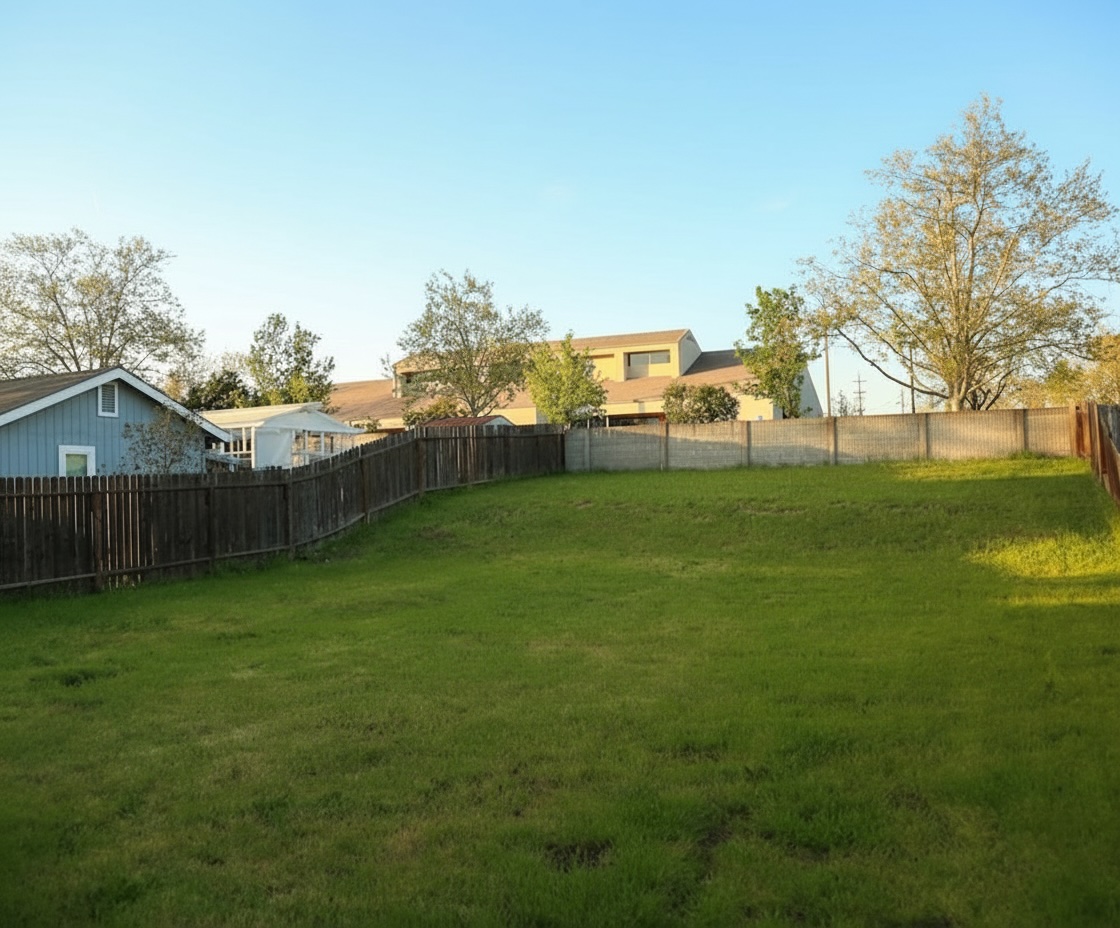
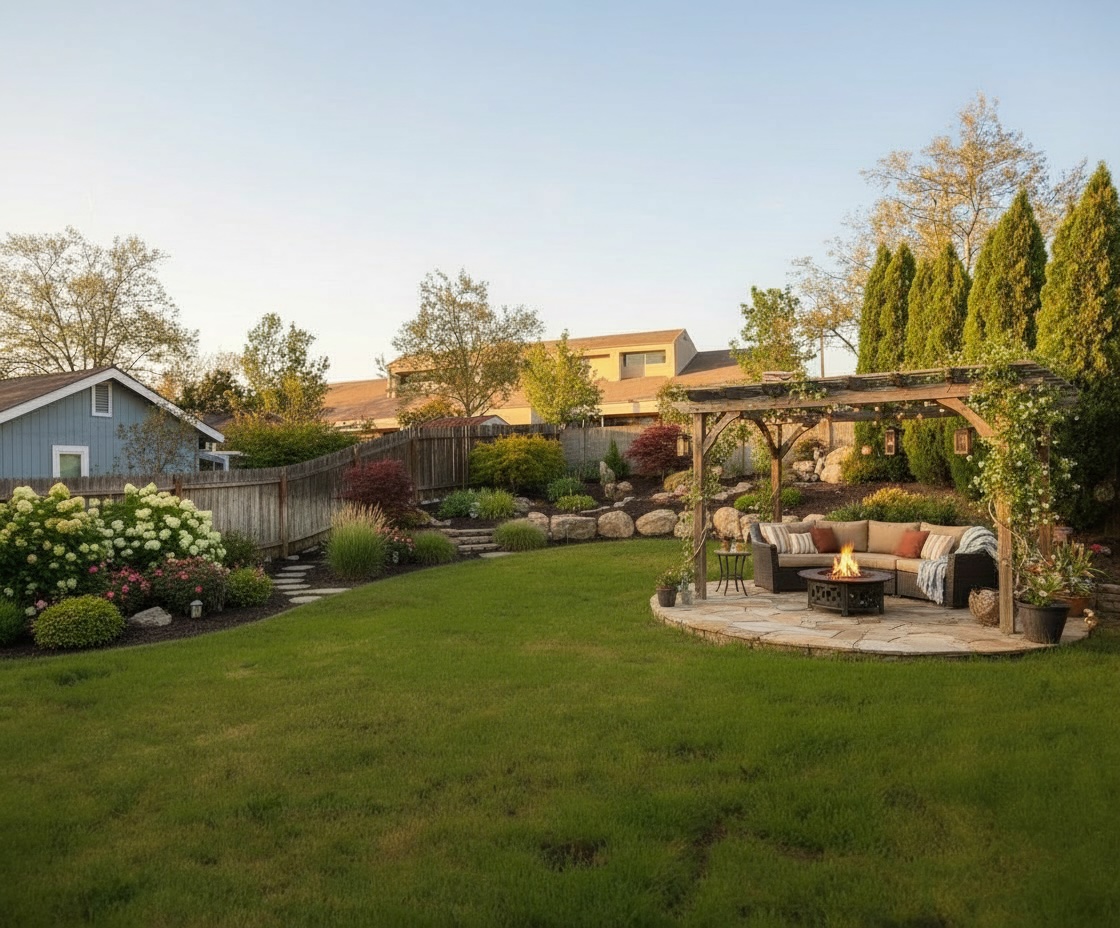
Featured Trees & Shrubs for Mediterranean Gardens
Browse all 219 plants for Pomona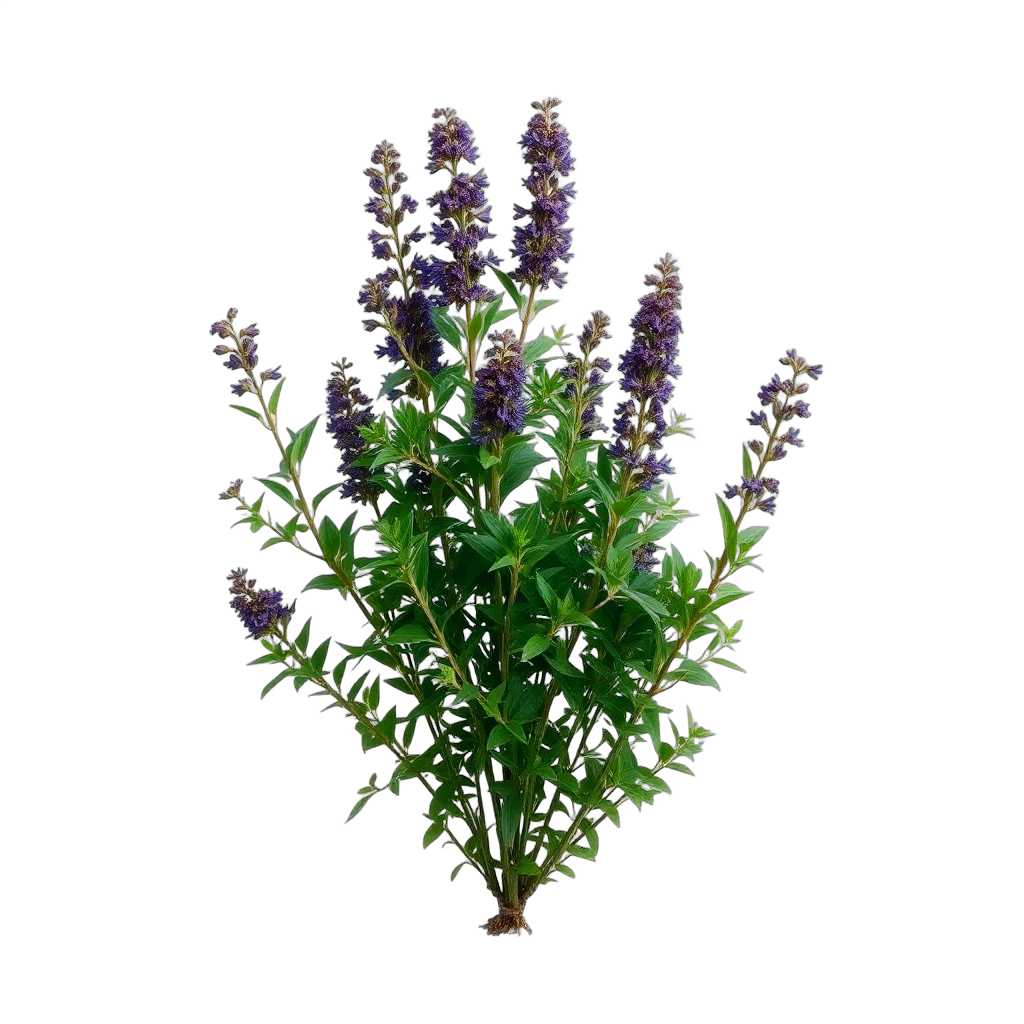
Black Sage
Salvia mellifera
grows to 4 feet, white blooms in spring. Attracts butterflies.
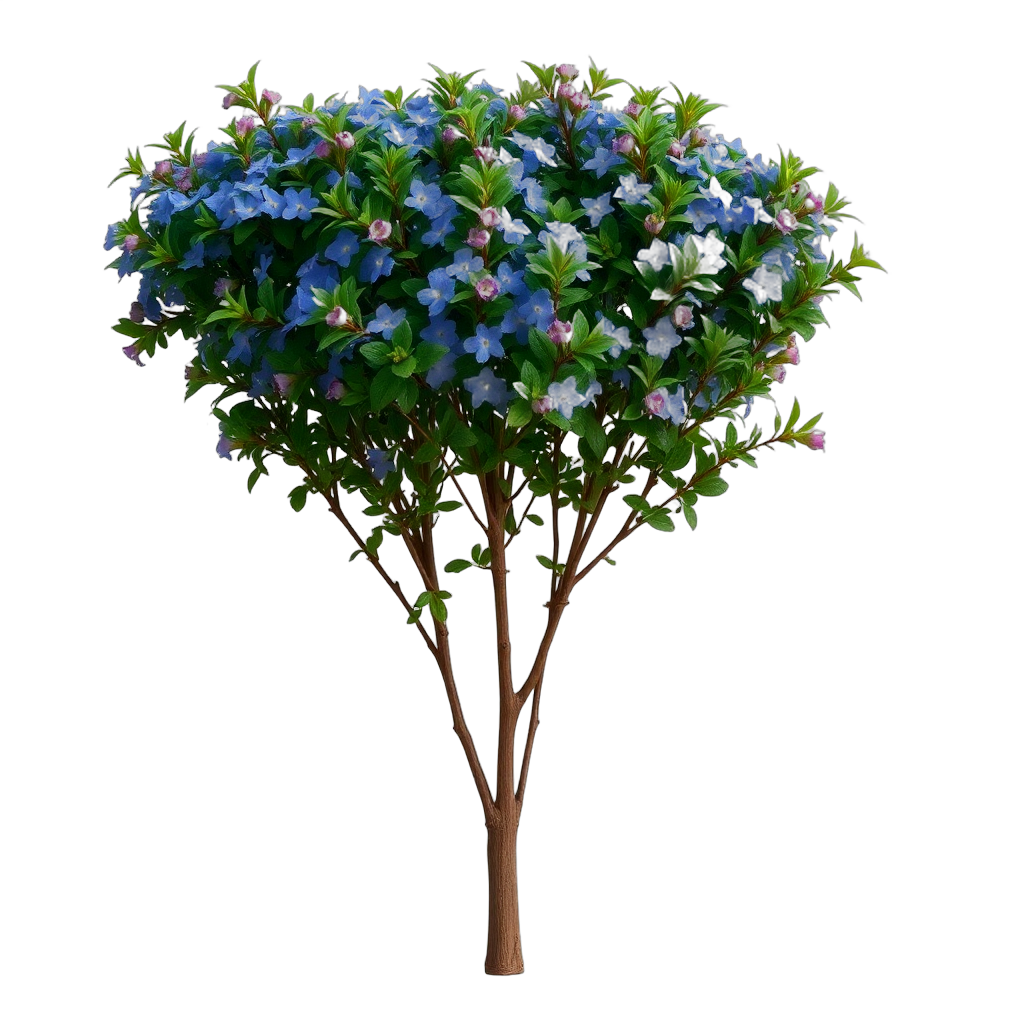
Blue Blossom
Ceanothus thyrsiflorus
medium-sized at 12 feet, blue blooms in spring. Attracts butterflies.

Blue Elderberry
Sambucus cerulea
medium-sized at 15 feet, white blooms in spring. Attracts butterflies.
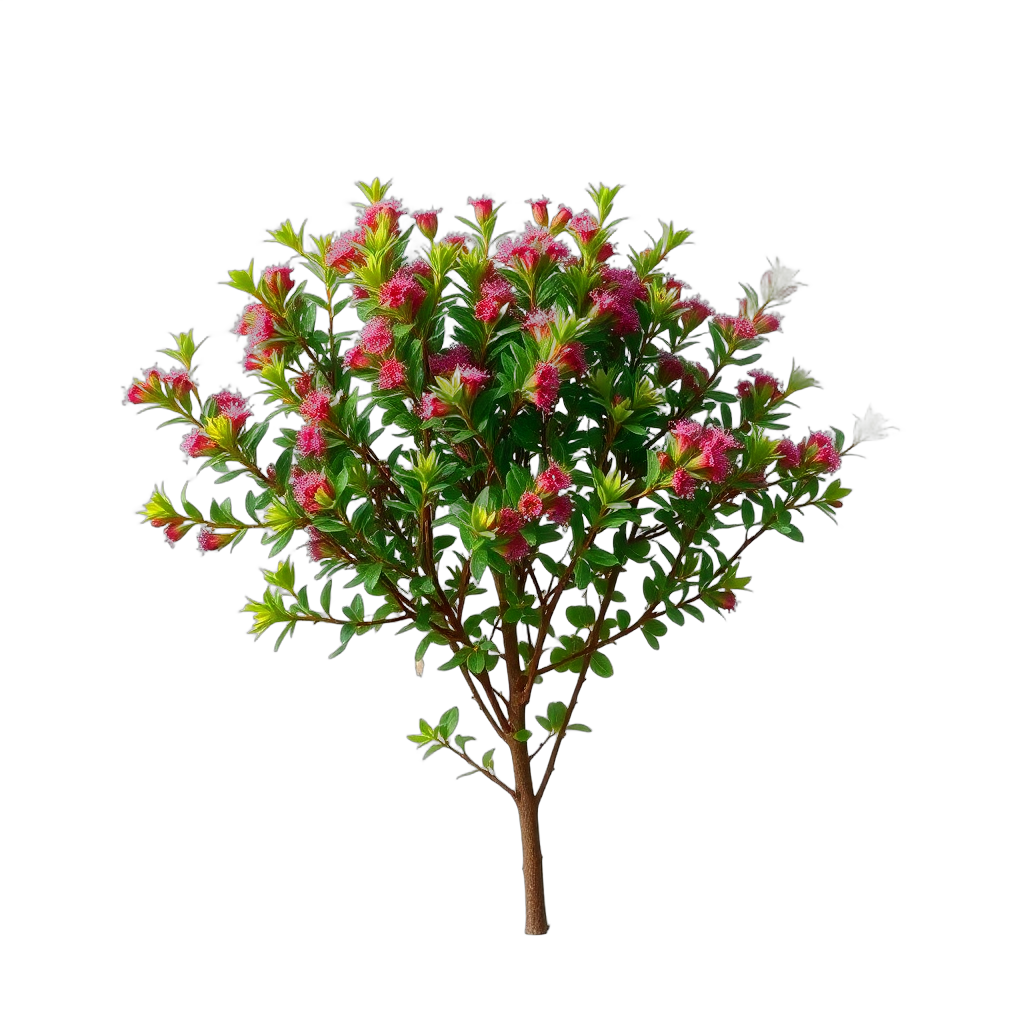
Buckbrush
Ceanothus cuneatus
medium-sized at 7 feet, white blooms in spring. Attracts butterflies.
Featured Grasses & Groundcovers for Mediterranean Gardens
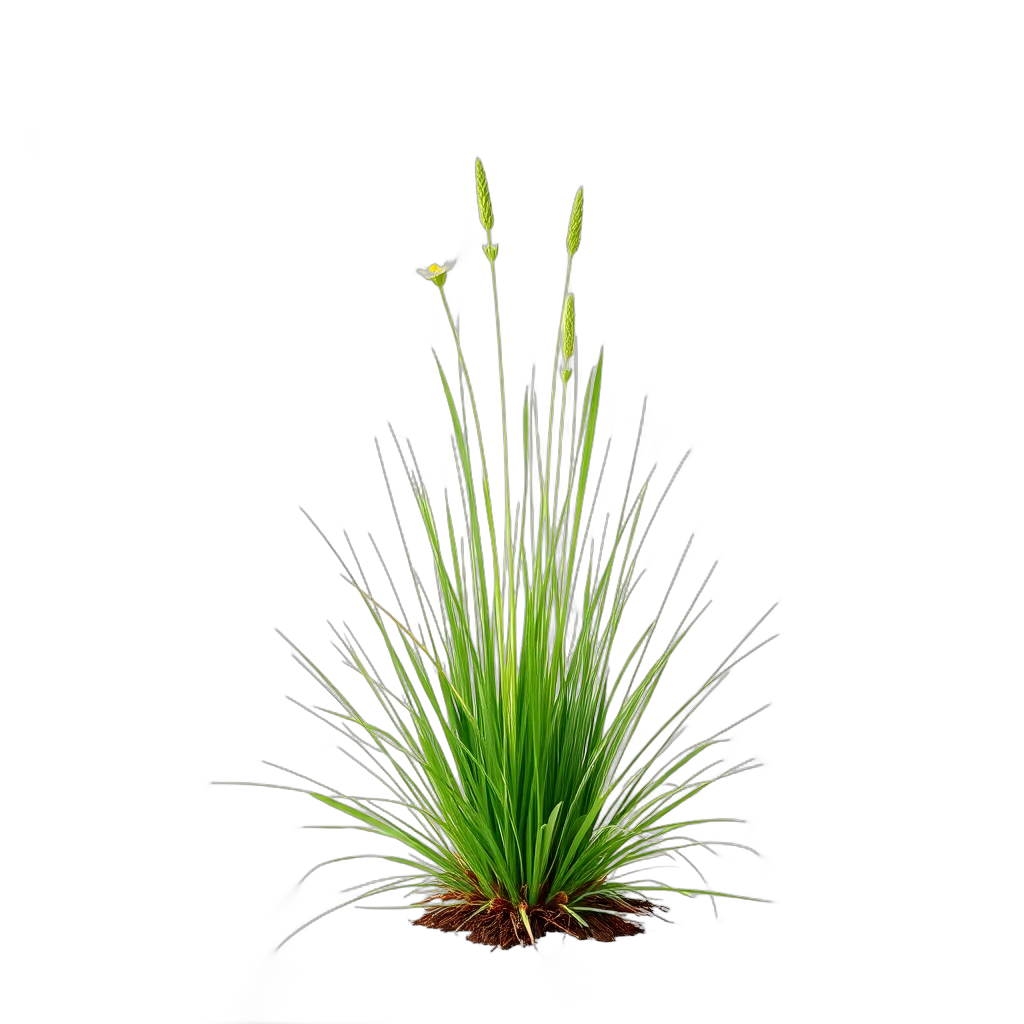
California Brome
Bromus carinatus
low-growing ground cover, blooms in spring. Yellow fall color.
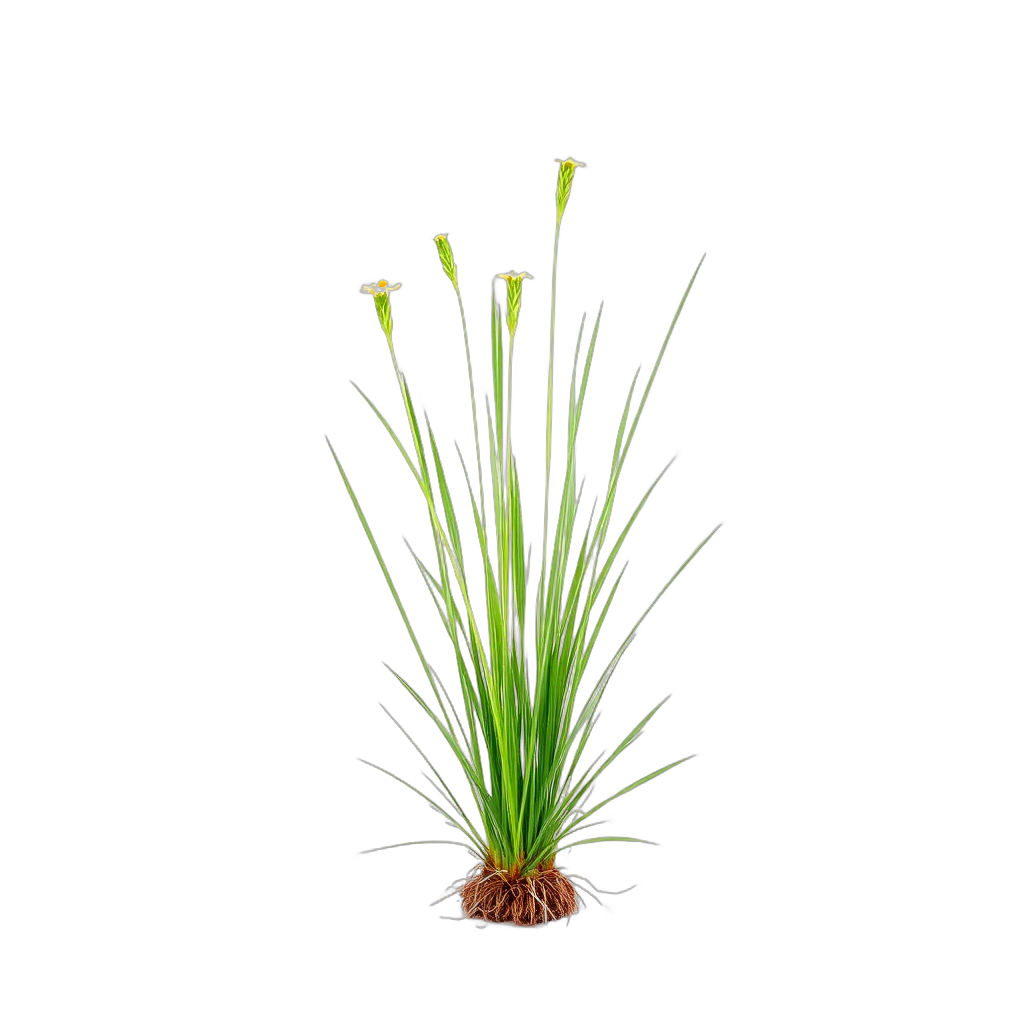
California Melic
Melica californica
low-growing ground cover, blooms in spring.
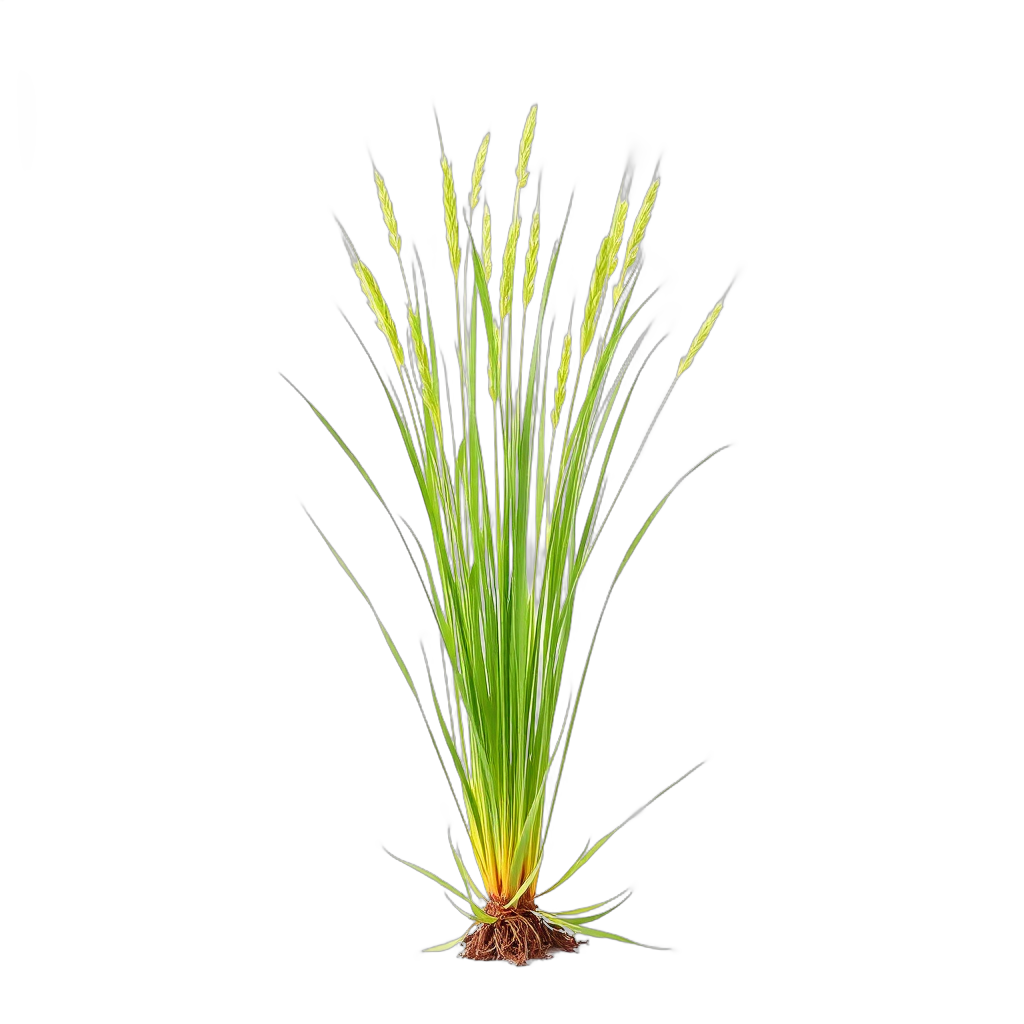
California Oatgrass
Danthonia californica
low-growing ground cover, blooms in spring. Yellow fall color.
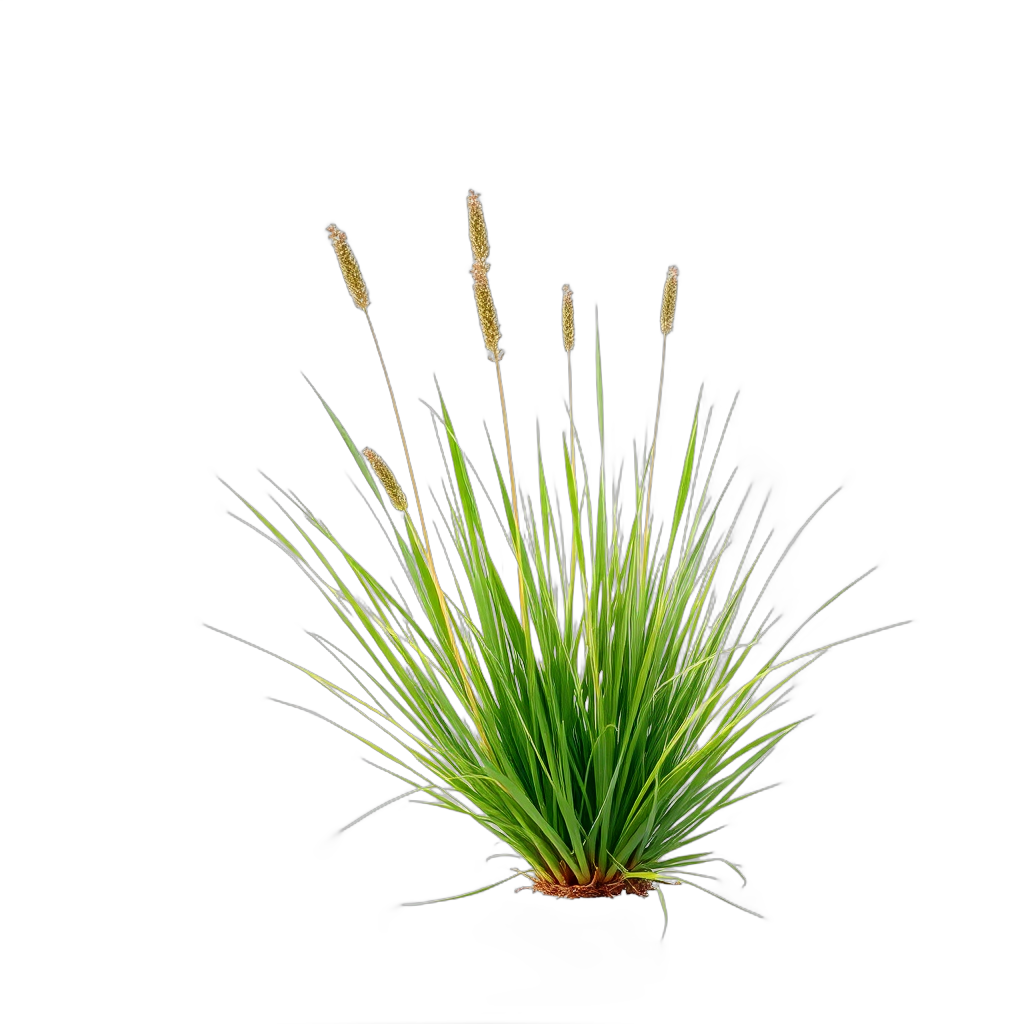
Deer Grass
Muhlenbergia rigens
grows to 3 feet, yellow blooms in fall. Evergreen year-round.
Featured Flowers & Perennials for Mediterranean Gardens
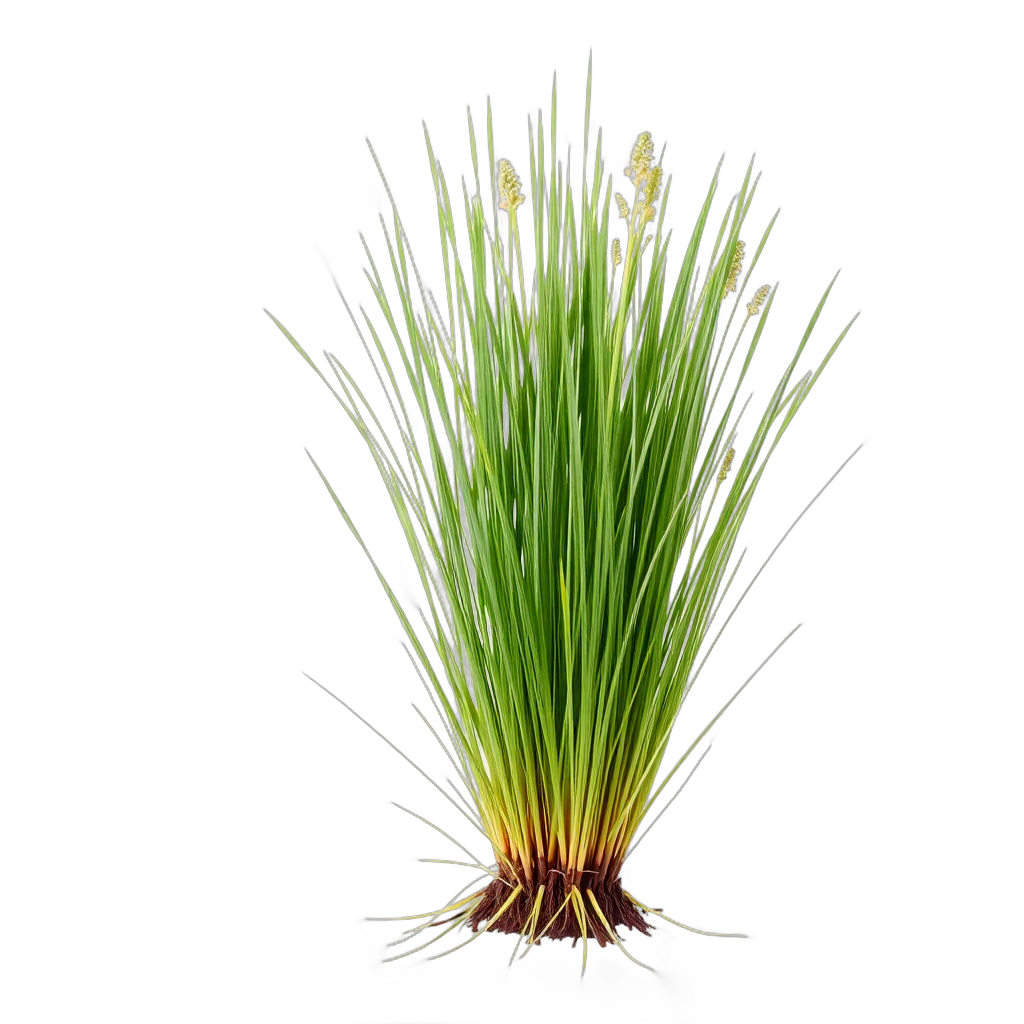
California Gray Rush
Juncus patens
low-growing ground cover, blooms in summer. Evergreen year-round.
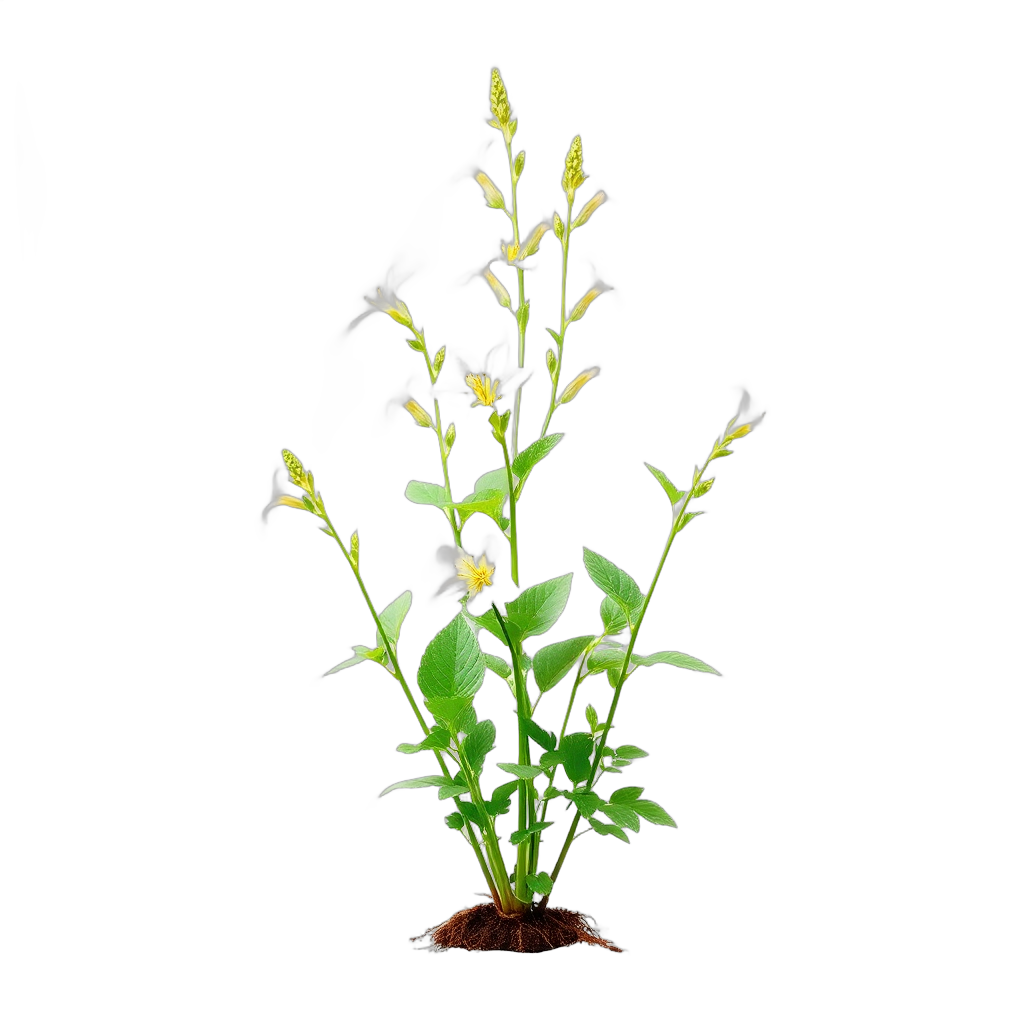
Beach Evening Primrose
Camissonia cheiranthifolia
low-growing ground cover, yellow blooms in spring. Attracts butterflies.
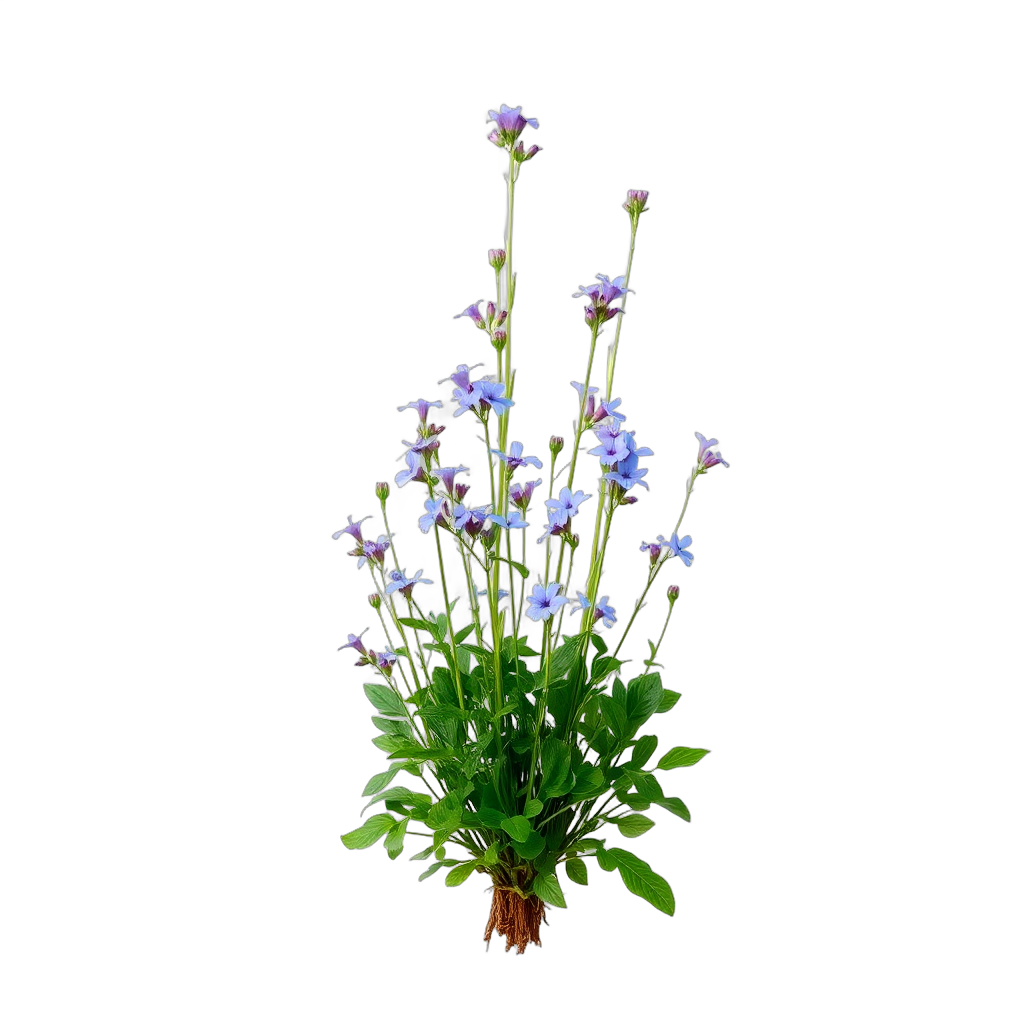
Blue Dicks
Dichelostemma capitatum
low-growing ground cover, blue blooms in spring. Pollinator-friendly.
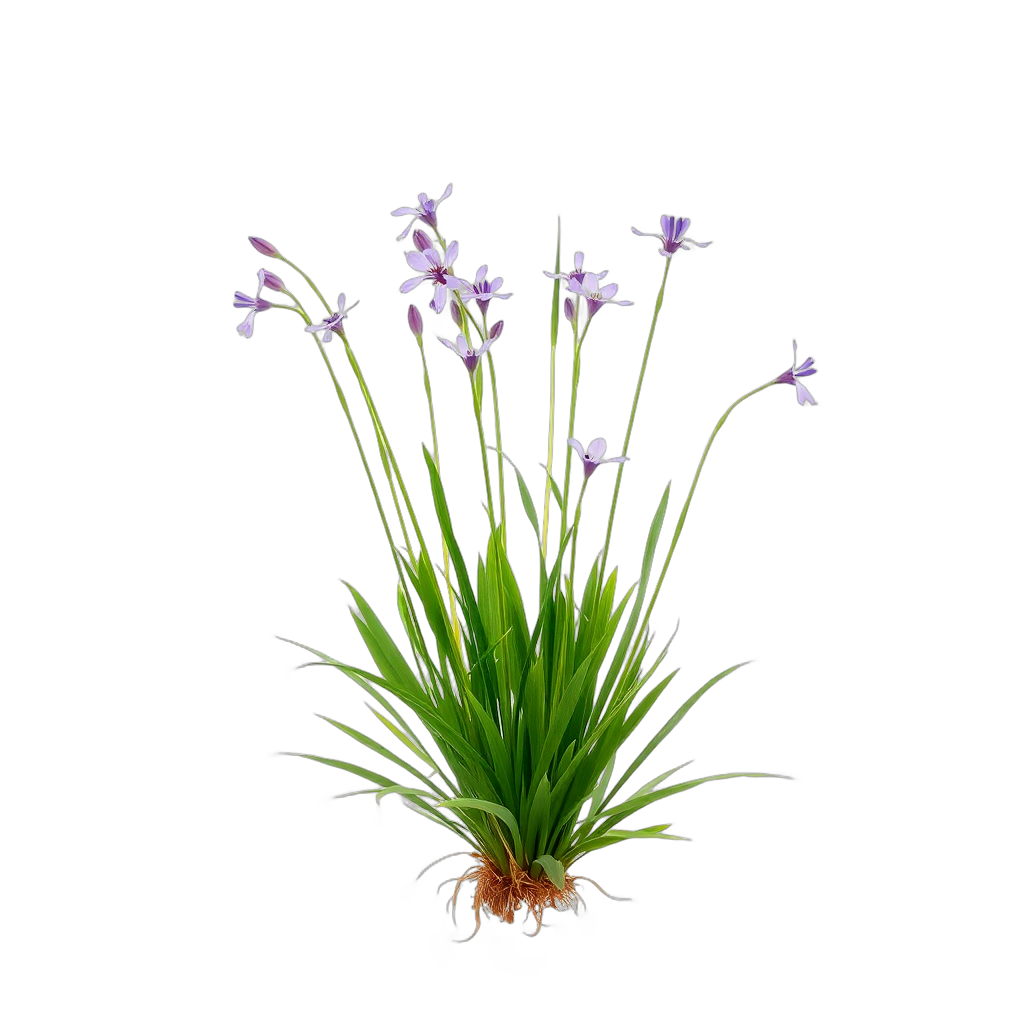
Blue-Eyed Grass
Sisyrinchium bellum
low-growing ground cover, blue blooms in spring. Attracts butterflies.
Zone and sun checks come from our database — confirm with your local nursery before you buy.
Bloom Calendar for Pomona
spring
Beach Evening Primrose, Blue Dicks, Blue-Eyed Grasssummer
California Gray Rush, Hooker's Evening Primrose, Hummingbird Mintfall
California Fuchsiawinter
Limited bloomsDesign Tips for Pomona (Zone 10a)
- Plant lean and plant high — Olea europaea, Lavandula × intermedia, Cistus and Phlomis fruticosa all want Pomona's gritty alkaline sandy loam exactly as it is; a rich compost backfill and a mound-free planting hole is the most reliable way to lose them in year three
- Give citrus its own valve. 'Washington' navel and 'Improved Meyer' lemon need real summer water in mid-90s heat, while the lavender and rosemary around them need almost none — sharing a zone means one of the two groups is always being mistreated
- Mulch with decomposed granite or gravel instead of bark under Mediterranean shrubs; it mimics their native scree, keeps crowns dry through the November-to-March rains, and on hillside lots in Phillips Ranch and Ganesha Hills it removes flammable fuel from the first five feet around the house
- Choose light buff paving over dark. Pomona sees 105°F-plus Santa Ana heat, and a dark terracotta or charcoal DG surface can sit 40 to 50 degrees above air temperature, cooking both bare feet and the root zones of anything planted at its edge
- Put a recirculating fountain where you sit, not where you look — evaporative cooling from a tiered basin is measurable in single-digit humidity, and it masks the traffic noise that carries across the valley floor from the 10 and 71
- Prune bougainvillea immediately after each flush and keep it thirsty; Bougainvillea 'Barbara Karst' blooms on new wood under stress, so a well-fed, well-watered plant gives a green wall and no magenta
- Run one long leaching irrigation each winter and spread gypsum — imported Colorado River water leaves salt behind in Pomona's fast-draining alluvium, and salt burn on Punica granatum, Myrtus communis and citrus leaf margins is usually a sodium problem, not a fertiliser one
- Use Cupressus sempervirens sparingly and symmetrically. Two or four columns frame a Spanish facade; a dozen turn a Pomona front yard into a hedge maze and each one still needs 20 feet of vertical room it will eventually use
Where to Source Plants in Pomona
Skip the big-box stores. These independent Pomona nurseries specialize in the plants that make mediterranean gardens thrive in Zone 10a.
Glendora Gardens Nursery and Tree Farm
Glendora
Family-owned ten-acre garden center and tree farm stocking California-friendly specimen and shade trees, hedges, shrubs, perennials, grasses, vines and succulents
Sarvodaya Farms & Nursery
Pomona
Nonprofit regenerative farm nursery in Pomona growing pesticide-free fruit trees, subtropicals, berries, perennial vegetables, culinary and medicinal herbs, and California natives in their own organic mixes
Waterwise Community Nursery
Montclair
Chino Basin Water Conservation District nursery selling California natives and low-water Mediterranean-climate plants chosen for Inland Valley water budgets; open Saturdays
All Season Nursery Inc.
Chino
Family-owned grower since 2003 specializing in locally adapted drought-tolerant shade trees, ornamental specimens, privacy hedges, flowering shrubs and grasses
Noren's Nursery
Claremont
Boutique mother-and-son nursery with the area's best cactus, succulent and tillandsia selection, plus vintage pottery and drought-tolerant plant guidance
Mediterranean Landscaping Costs in Pomona
| Project Scope | Estimated Cost |
|---|---|
| Front-yard Mediterranean conversion (500–700 sqft: turf removal, DG or flagstone, olive, cypress, lavender) | $12,000 – $30,000 |
| Saltillo or terracotta tile patio (300–500 sqft over existing slab) | $12,000 – $32,000 |
| Three-tier cast stone fountain, set and plumbed with recirculating pump | $3,500 – $12,000 |
| Stuccoed courtyard wall with tile cap and wrought-iron gate (per linear foot) | $180 – $350 |
| Specimen fruitless olive, 36-inch box, delivered and planted | $1,200 – $3,500 |
| Timber pergola with bougainvillea and low-voltage lighting (12–18 ft span) | $9,000 – $28,000 |
| AI visualization with ProScapeAI | Free to start |
Estimates based on Pomona, CA-area contractor rates as of 2026. Actual costs vary by site conditions, materials, and contractor.
Pomona Climate & Growing Zone
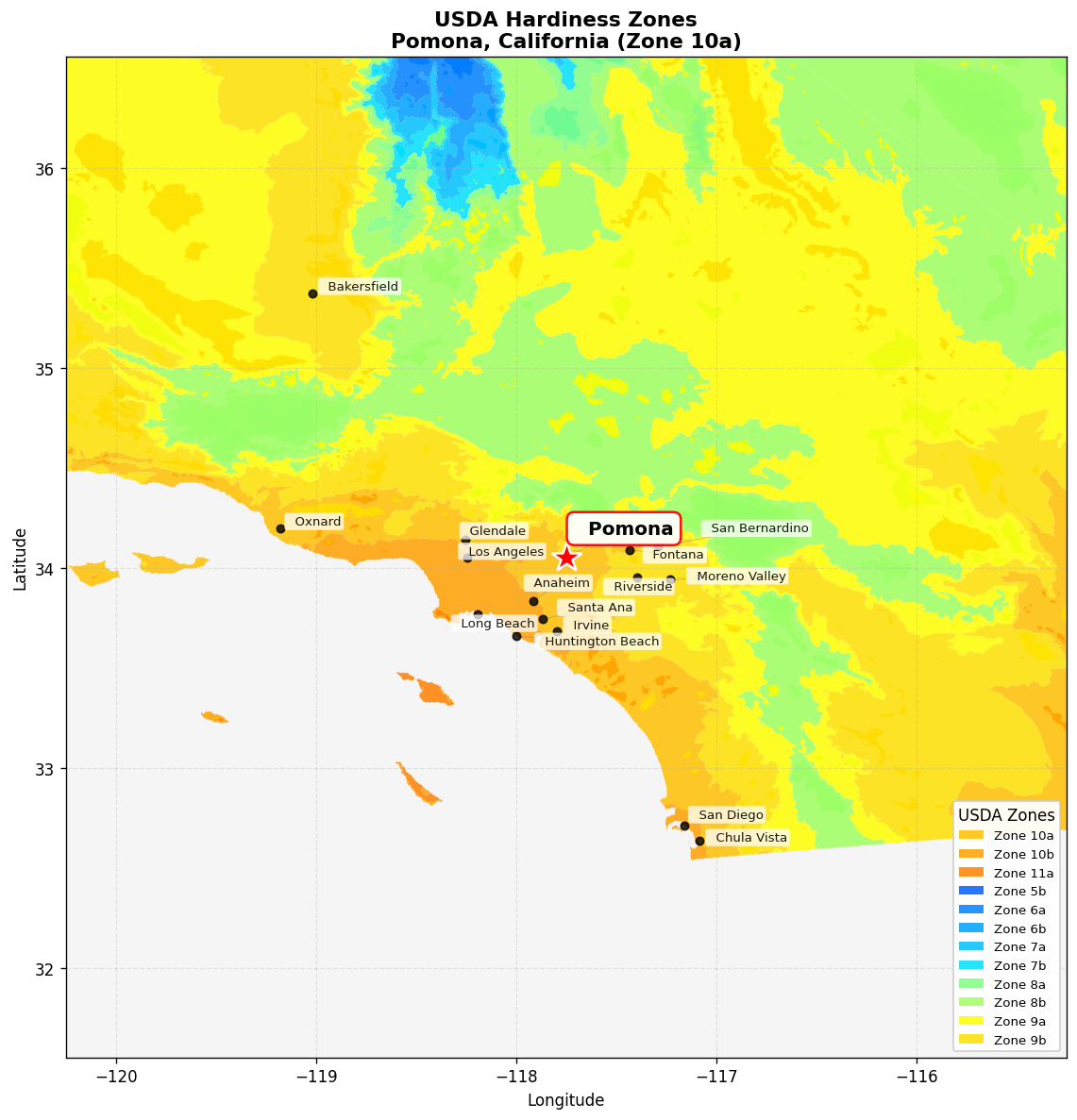
USDA Zone 10a
Hardiness zone for Pomona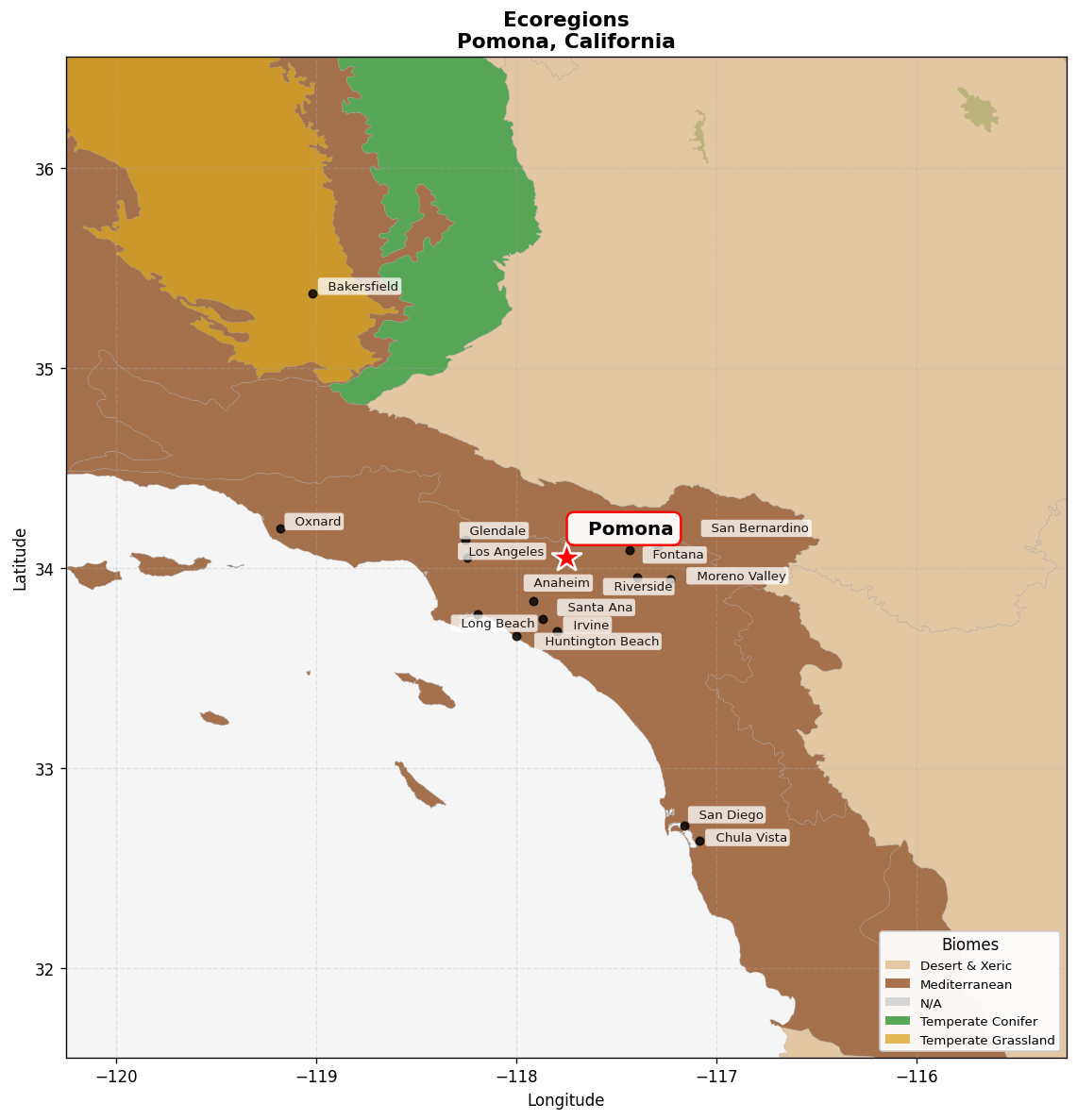
California coastal sage and chaparral
Native ecoregionFrequently Asked Questions
How much does a Mediterranean landscape cost in Pomona?
Los Angeles County labour runs 20–35% above national averages. A front-yard Mediterranean conversion on a typical 500–700 square foot Pomona frontage — turf removal, decomposed granite or flagstone paving, an olive, cypress and lavender planting — comes in around $12,000 to $30,000 installed. A saltillo or terracotta tile patio of 300 to 500 square feet runs $12,000 to $32,000 depending on subslab condition. A three-tier cast stone fountain plumbed and set costs $3,500 to $12,000. Stuccoed garden walls with an iron gate run $180 to $350 per linear foot. Specimen trees are the wildcard: a 36-inch box Olea europaea 'Swan Hill' installed is $1,200 to $3,500, and a 48-inch box specimen can reach $7,000.
Which olive tree should I plant in Pomona, and will it make a mess?
Plant a fruitless cultivar. Olea europaea 'Swan Hill' is the standard because it sets almost no fruit and produces very little of the pollen that drives spring allergy complaints across the Inland Valley; 'Wilsonii' and 'Majestic Beauty' are the other reliable low-fruit selections. Fruiting olives drop black, staining fruit onto tile and driveways for weeks and seed themselves into beds. Olives are otherwise close to perfect here — fully hardy in Zone 10a, indifferent to alkaline sandy loam, and content on a deep soak every two to three weeks once established. Plant slightly high on a mound, never in a compost-rich hole, and skip bark mulch against the trunk. Verify with your city whether fruitless olive is required or simply advised before you buy.
Can I still plant citrus in Pomona?
Yes, but under quarantine rules. Los Angeles County is inside California's Asian citrus psyllid and huanglongbing quarantine area, which means citrus nursery stock must be bought from a licensed nursery selling certified, protected trees, and you cannot move citrus plants, cuttings or budwood out of the quarantine zone. Some local nurseries have stopped carrying citrus entirely because of it. Once planted, citrus does well: 'Washington' navel, 'Improved Meyer' lemon, 'Bearss' lime and 'Dancy' tangerine all fruit heavily in Pomona's heat. Give them their own irrigation zone — they need real summer water, unlike the lavender and olives around them — and treat the alkaline-soil chlorosis with chelated iron and zinc. Confirm current quarantine boundaries with CDFA before you buy.
How much water does a Mediterranean garden in Pomona actually use?
Once established, roughly a quarter to a third of what the same area of cool-season lawn drinks. Pomona's 17 inches of winter rain does a meaningful share of the work for Lavandula, Salvia rosmarinus, Cistus, Phlomis fruticosa and Santolina chamaecyparissus, which after their first two years want one deep soak every ten to twenty days in summer and nothing at all in winter. The mistake that kills these plants is a shared valve with citrus, lawn or roses. Split the irrigation: one low-frequency drip zone for the Mediterranean shrubs, one regular zone for citrus and any turf panel. Pair that with a weather-based controller and the SoCal Water$mart turf rebate through Three Valleys Municipal Water District, roughly $2 per square foot of grass removed at the base rate, and the conversion pays back faster than most people expect.
Will bougainvillea survive a Pomona winter?
In most of the city, comfortably. Zone 10a lows in the low 40s rarely trouble Bougainvillea 'Barbara Karst' or 'San Diego Red', which are the two toughest cultivars for inland Los Angeles County; a hard radiational frost in a low-lying hillside pocket can burn foliage back, but established plants regrow fast in spring. Three rules get the flowering shown in these designs. Keep it dry and lean — bougainvillea blooms on stress, and overwatering gives you a green wall with no colour. Disturb the roots as little as possible when planting; they resent it more than almost any other vine. And prune hard right after each bloom cycle, not in the middle of one, because flowers come on new wood.
Is decomposed granite or gravel better than a lawn in Pomona?
For this style, yes, with a caveat about heat. Stabilised decomposed granite is the traditional Mediterranean surface, drains straight into Pomona's sandy alluvium, and costs roughly $6 to $14 per square foot installed against $12 to $30 for tile. Choose a light buff or gold tone rather than a dark one — dark aggregate in full sun can run 40 to 50 degrees above air temperature on a 105°F August afternoon and radiate that heat straight at the house and at nearby plants. Keep a permeable base under it so it counts toward MWELO's water budget rather than against your stormwater. Edge it properly with steel or brick, and top it up every three to four years where cars turn.
Do I need approval for a courtyard wall, gate or paving in Pomona?
Often, yes. Building permits are typically required for retaining walls above four feet, freestanding walls and fences above the height your zoning district allows, pools and any roofed structure, and driveway approaches into the public right of way have their own Public Works requirements. If the property lies in Lincoln Park, Hacienda Park, Wilton Heights or another locally designated historic district, street-visible walls, gates, driveways and paving may additionally need a Certificate of Appropriateness. Fountains that recirculate are generally treated differently from free-flowing water features under conservation rules. This is a landscape design service and not a permitting or engineering service — verify every requirement directly with the City of Pomona before construction begins.