4 English Cottage Garden Ideas for Reading, PA | Zone 7a Rowhouse Borders
Native plants from the Appalachian-Blue Ridge forests (Zone 7a) — Humid continental (hot summer) climate
For a cottage garden in Reading, PA, a zone 7a city with a humid continental (hot summer) climate, start with Rosa 'New Dawn' on the arch, Lavandula × intermedia 'Phenomenal' and Nepeta × faassenii 'Walker's Low', the plants this guide's first design is built on.
Why Cottage/English Gardens in Reading?
Reading has the housing stock a cottage garden wants. Brick rowhouses and twins in Centre Park, Callowhill and Millmont, the larger porch-front homes up the slope in Hyde Park and Wyomissing, and the stone-and-stucco houses around Mount Penn all sit close to the sidewalk, so a deep front border, a rose over the gate and a narrow brick walk read clearly from the street. A rowhouse front of 8 to 15 feet is easy to fill: one climbing rose, a ribbon of catmint and a few drifts of perennials make it look finished.
Zone 7a winters set the plant list. January averages sit around a 21–24°F low, the coldest night of a normal winter falls between about 0°F and 5°F, and July highs run close to 85–86°F. Annual precipitation runs about 45 inches, so wet, freezing crowns kill more perennials here than cold alone. Most of the English list holds: Rosa 'New Dawn', Rosa 'Olivia Rose Austin', Nepeta × faassenii 'Walker's Low', Geranium 'Rozanne' and Lavandula × intermedia 'Phenomenal' all take a Berks County winter. The classics that disappoint are old-wood bigleaf hydrangeas, whose flower buds often die in a hard February, and true Delphinium elatum, which sulks through humid July. Plant Hydrangea arborescens 'Annabelle' and Hydrangea paniculata 'Limelight' instead, and treat delphinium as a short-lived spring accent.
Reading sits where the Piedmont meets the ridges to the north, and city lots vary a lot. Many are heavy, slow-draining loam, and old rowhouse yards are full of brick, ash and builder's fill, so the pH can read anywhere from sour to alkaline within one block. Get a Penn State Extension soil test before you buy plants. Raise rose and lavender beds 6–8 inches with coarse grit worked in, and lime toward pH 6.5 only if the test calls for it. Ask the City of Reading codes office what frost depth it requires, and set any fence post or arbour footing below that line to stop heaving.
Deer are usually heavier where yards back onto woods and lighter on dense city blocks, where rabbits are the bigger worry. Build the backbone from plants both leave alone: Salvia nemorosa 'Caradonna', Nepeta 'Walker's Low', Digitalis purpurea and Lavandula × intermedia 'Phenomenal'. Before you build a fence or arbour, confirm height limits and setbacks with the City of Reading zoning office, and ask whether your block falls in a historic district that reviews exterior changes visible from the street.
4 Cottage/English Design Ideas for Reading
AI-generated image
The Rowhouse Rose Gate
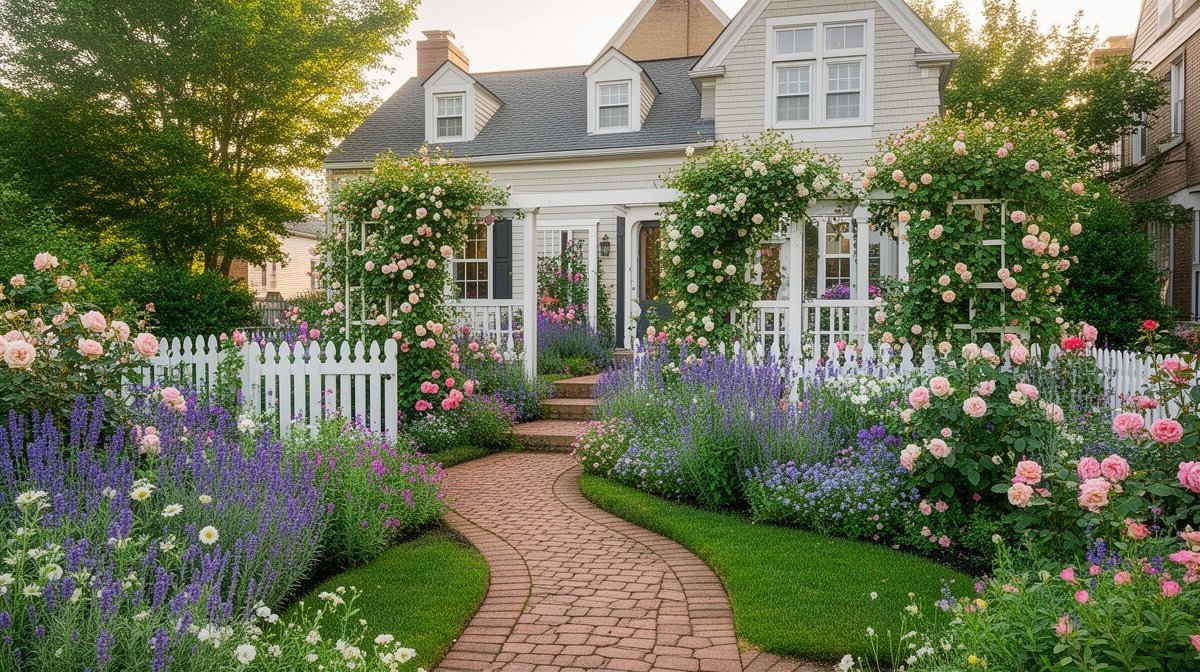
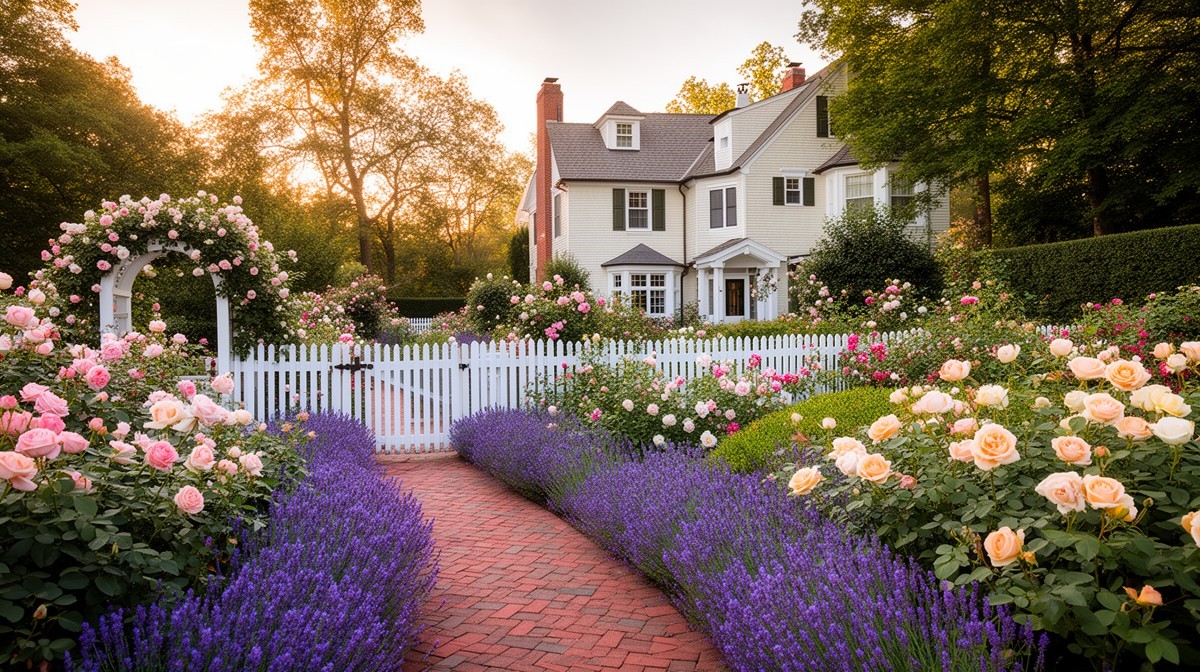
$20–40/sqftA low painted picket fence runs across a 12-foot brick rowhouse front, with a small cedar arch over the gate carrying a pink climbing rose. Catmint spills over the brick walk edge, two clipped boxwood spheres flank the steps, and a deep border of lavender and salvia fills the strip between fence and wall. A south or west facing front gives the roses the full sun they need, so check the orientation first.
Try this on your yard: The Rowhouse Rose GateAI-generated image
The Porch-Front Border
$22–45/sqftA deep border runs the full width of a Hyde Park or Wyomissing porch front, layered in three heights. Foxglove and Phlox 'David' stand at the back, coneflower and catmint in the middle, and lady's mantle and Hosta at the front edge. A flagstone walk bends to the steps, while a mature maple at the curb gives afternoon shade on the east end.
Try this on your yard: The Porch-Front BorderAI-generated image
The Backyard Tea Circle
$24–48/sqftA round gravel seating area, 12 feet across, sits at the back of a long city lot with a bistro table and two metal chairs. A white rose arch frames the view back to the house, and borders of roses, lavender and hydrangea curve around the circle. The fence line behind carries clematis, and a single serviceberry gives the corner height and spring flowers.
Try this on your yard: The Backyard Tea CircleAI-generated image
The Pollinator Cottage Strip
$14–30/sqftA 6-foot-deep strip between a driveway and a side fence swaps lawn for a loose mix of tough perennials that bees and butterflies work all summer. A low stone-dust path threads through, with a bench at the end. It is built for gardeners who want the cottage look with less deadheading and few deer problems.
Try this on your yard: The Pollinator Cottage StripSee how a cottage/english garden looks on YOUR property
Upload a photo of your Reading yard and visualize your dream garden in seconds.
Try ProScapeAI Free

AI-generated image
Featured Trees & Shrubs for Cottage/English Gardens
Browse all 246 plants for Reading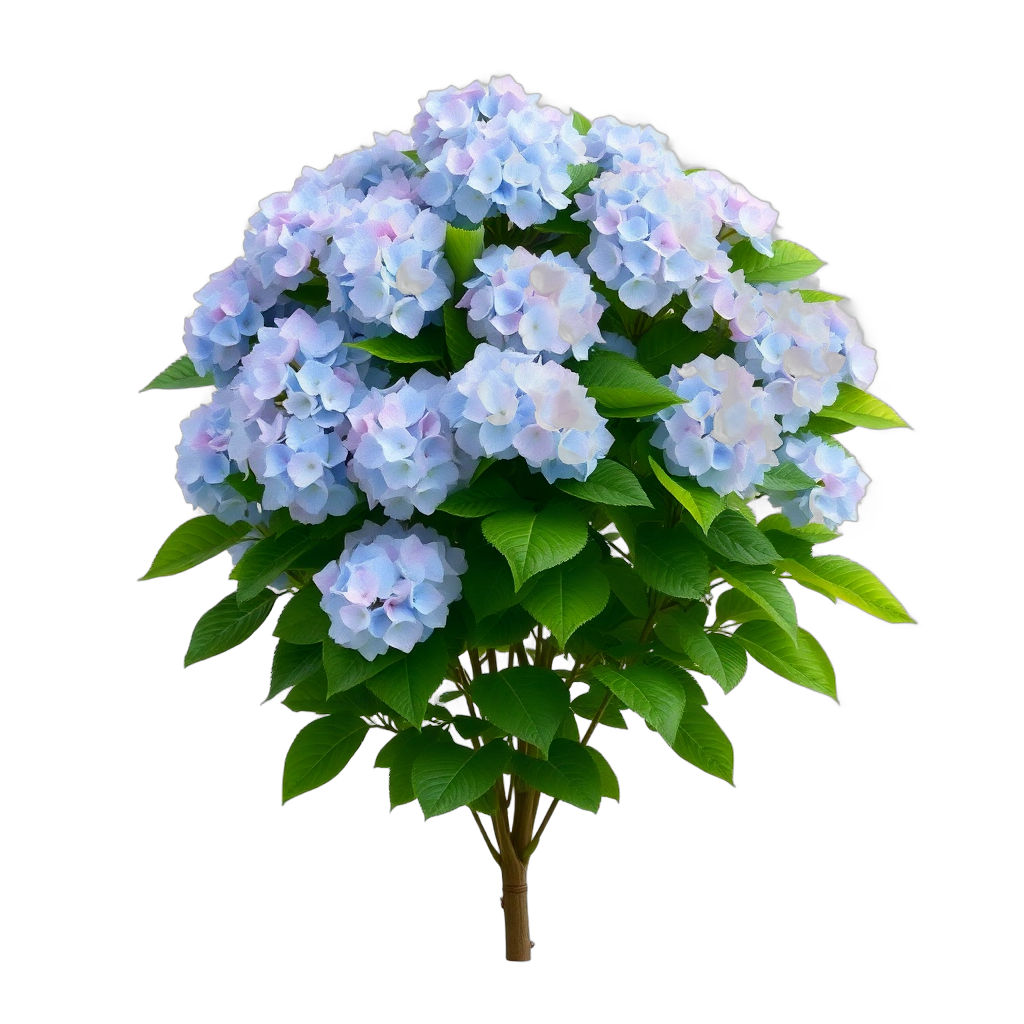
Annabelle Hydrangea
Hydrangea arborescens 'Annabelle'
grows to 5 feet, white blooms in summer. Pollinator-friendly.
Arrowwood Viburnum
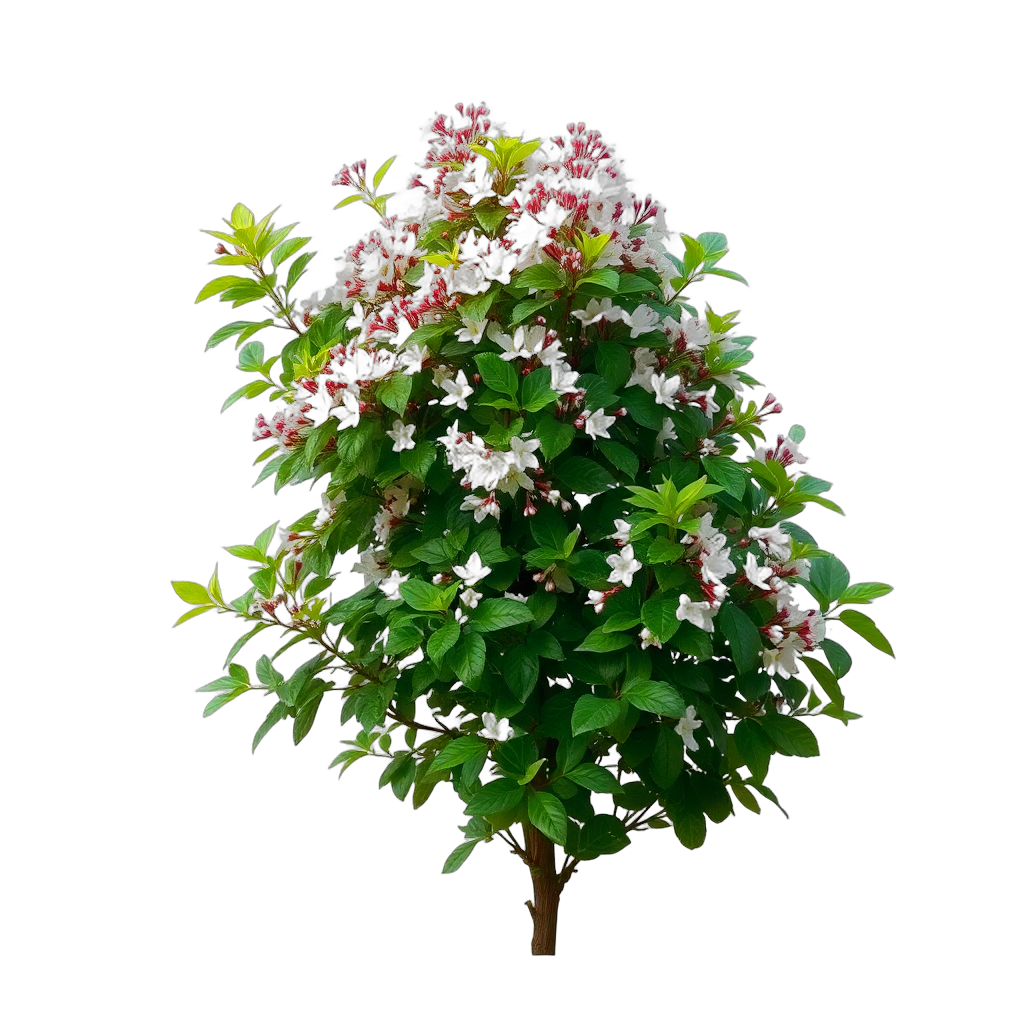
Viburnum dentatum
medium-sized at 10 feet, white blooms in spring. Pollinator-friendly.
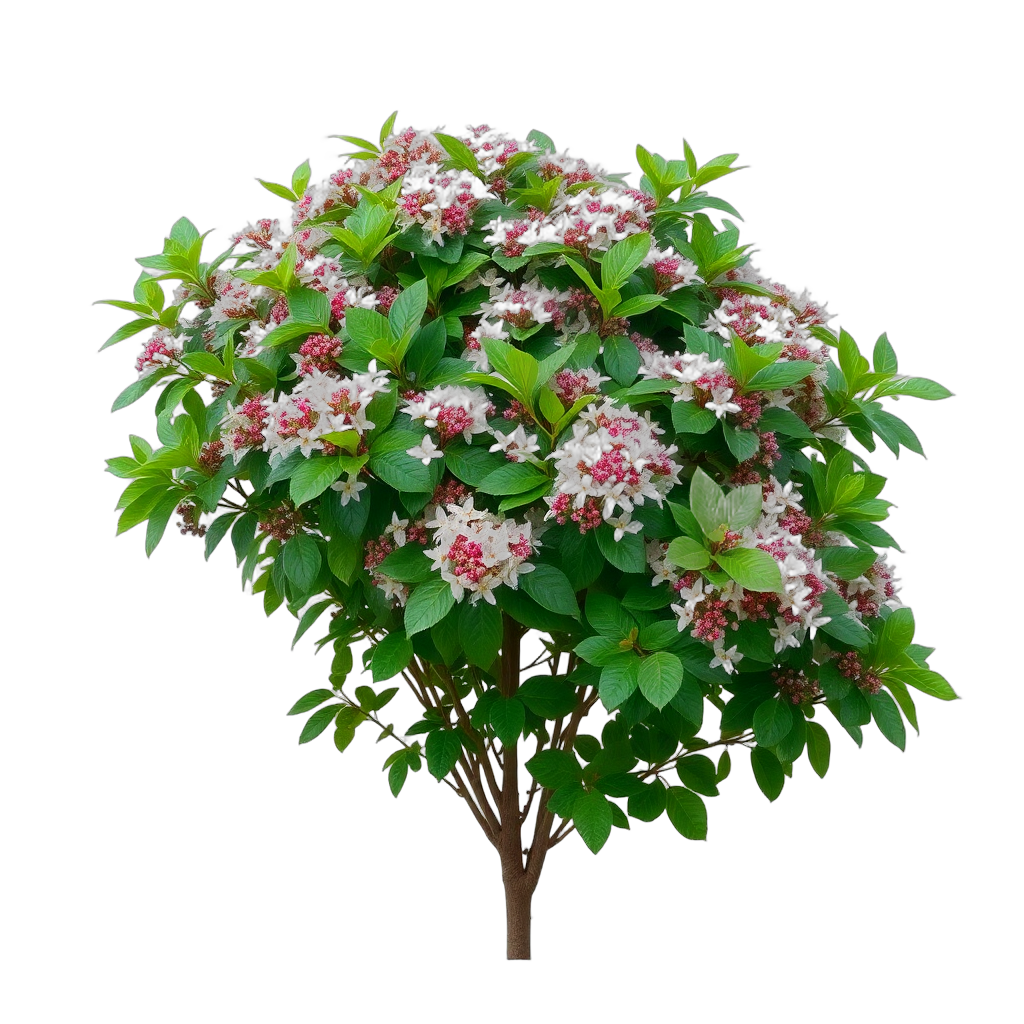
Blackhaw Viburnum
Viburnum prunifolium
medium-sized at 12 feet, white blooms in spring. Pollinator-friendly.
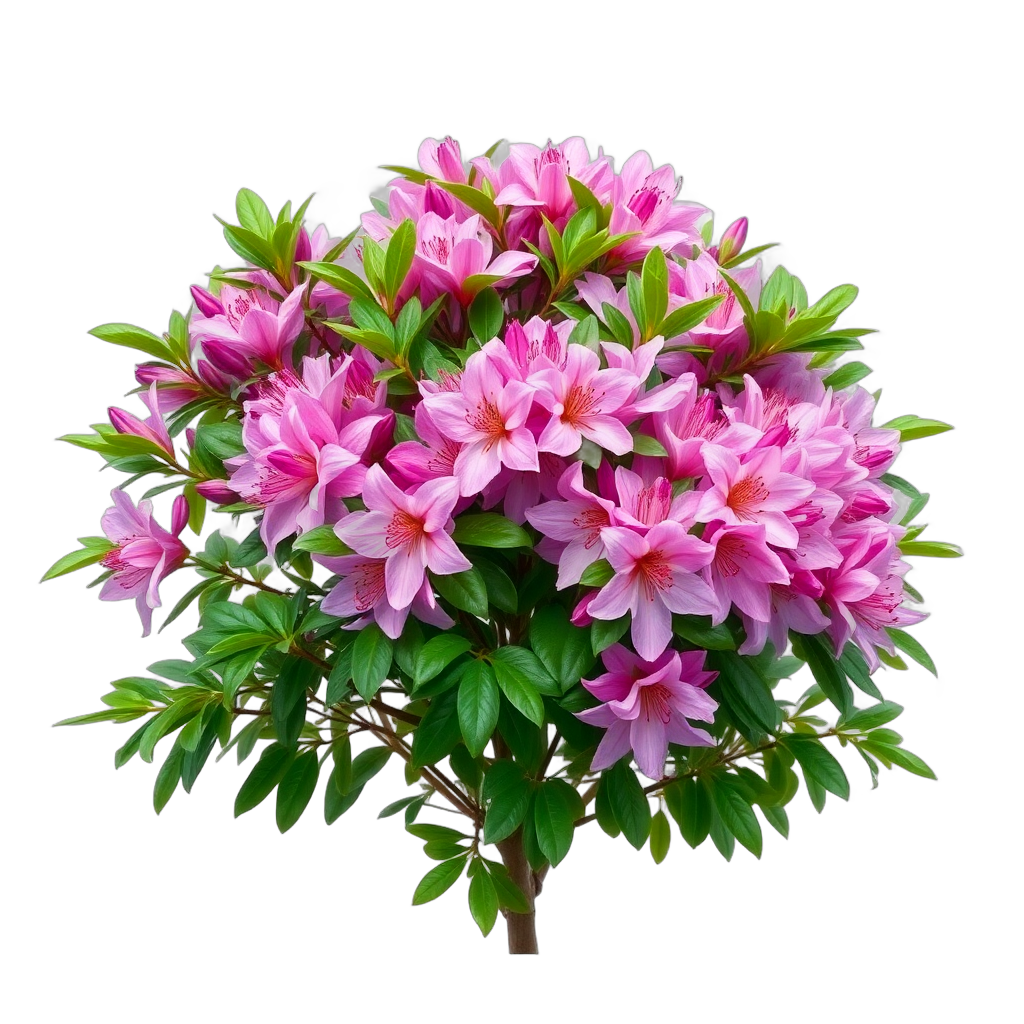
Carolina Rhododendron
Rhododendron carolinianum
grows to 5 feet, pink blooms in spring. Attracts butterflies.
Featured Grasses & Groundcovers for Cottage/English Gardens
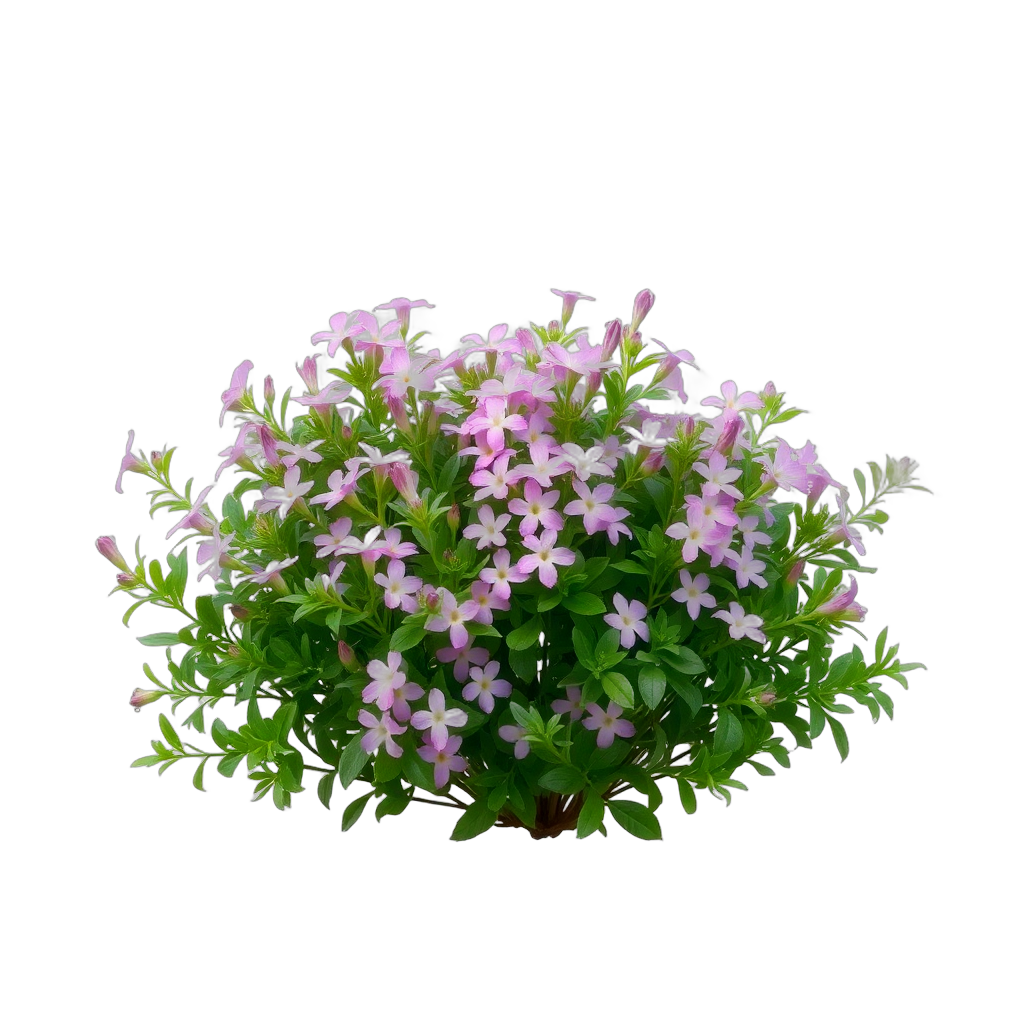
Creeping Phlox
Phlox subulata
low-growing ground cover, multi blooms in spring. Attracts butterflies.

Pennsylvania Sedge
Carex pensylvanica
low-growing ground cover, blooms in spring.

Arrow Bamboo
Pseudosasa japonica
medium-sized at 15 feet, blooms in none. Evergreen year-round.

Black Bamboo
Phyllostachys nigra
reaches 25 feet tall, blooms in none. Evergreen year-round.
Featured Flowers & Perennials for Cottage/English Gardens
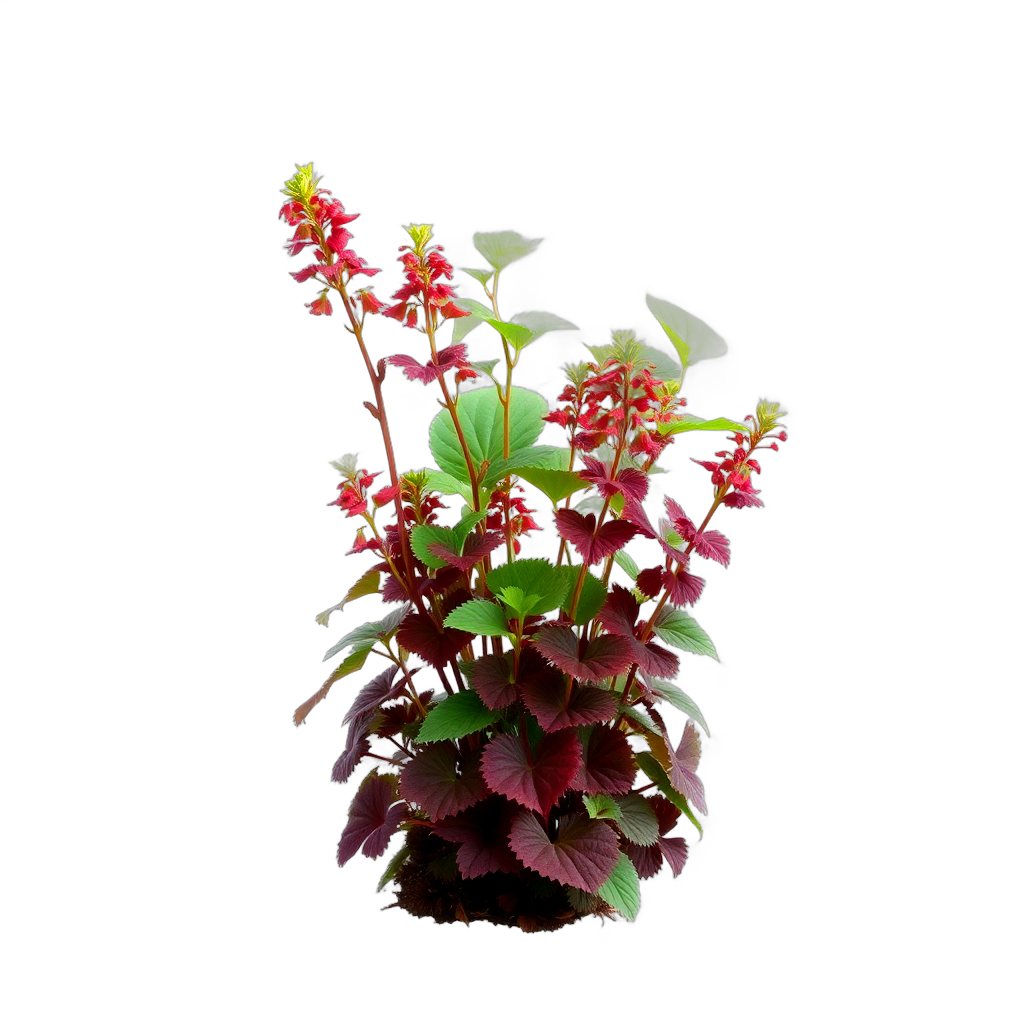
American Alumroot
Heuchera americana
low-growing ground cover, white blooms in spring. Pollinator-friendly.
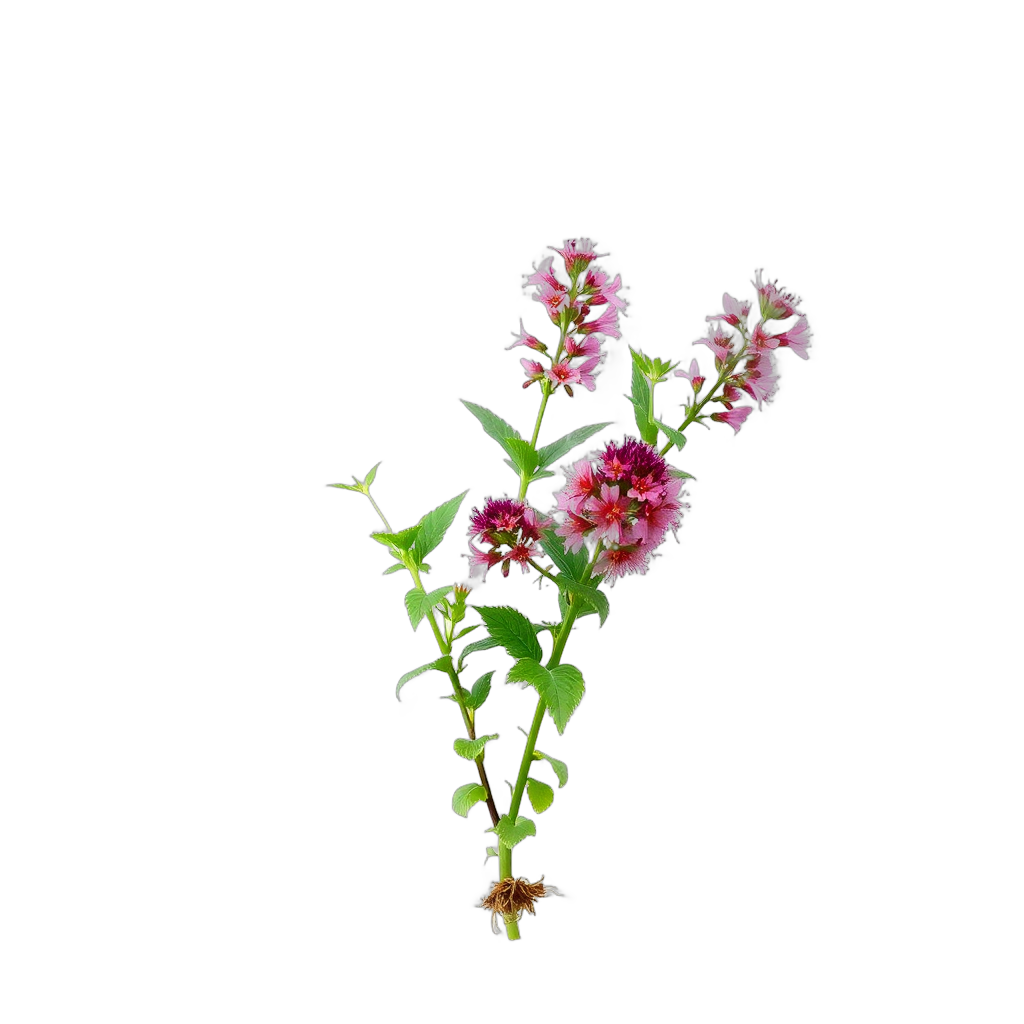
Bee Balm
Monarda didyma
grows to 3 feet, red blooms in summer. Attracts hummingbirds.
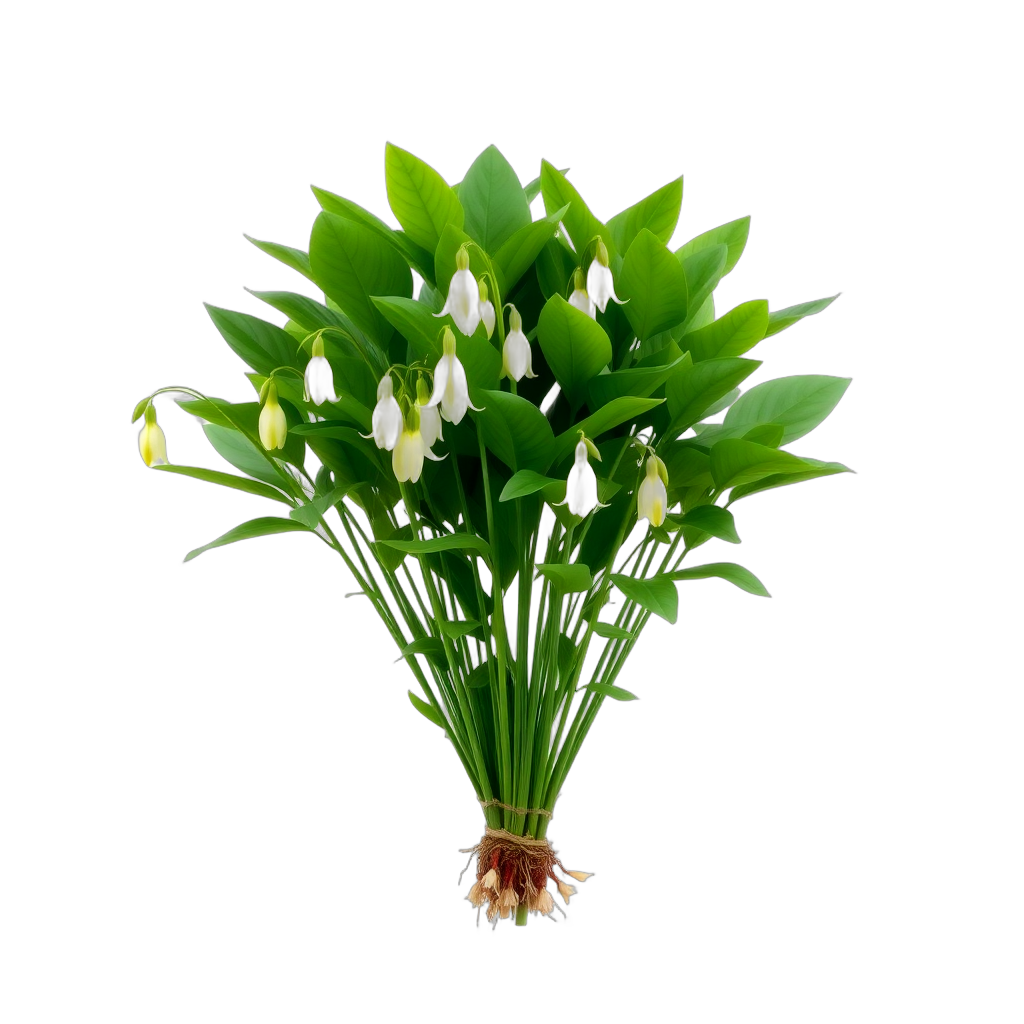
Bellwort
Uvularia grandiflora
low-growing ground cover, yellow blooms in spring. Pollinator-friendly.
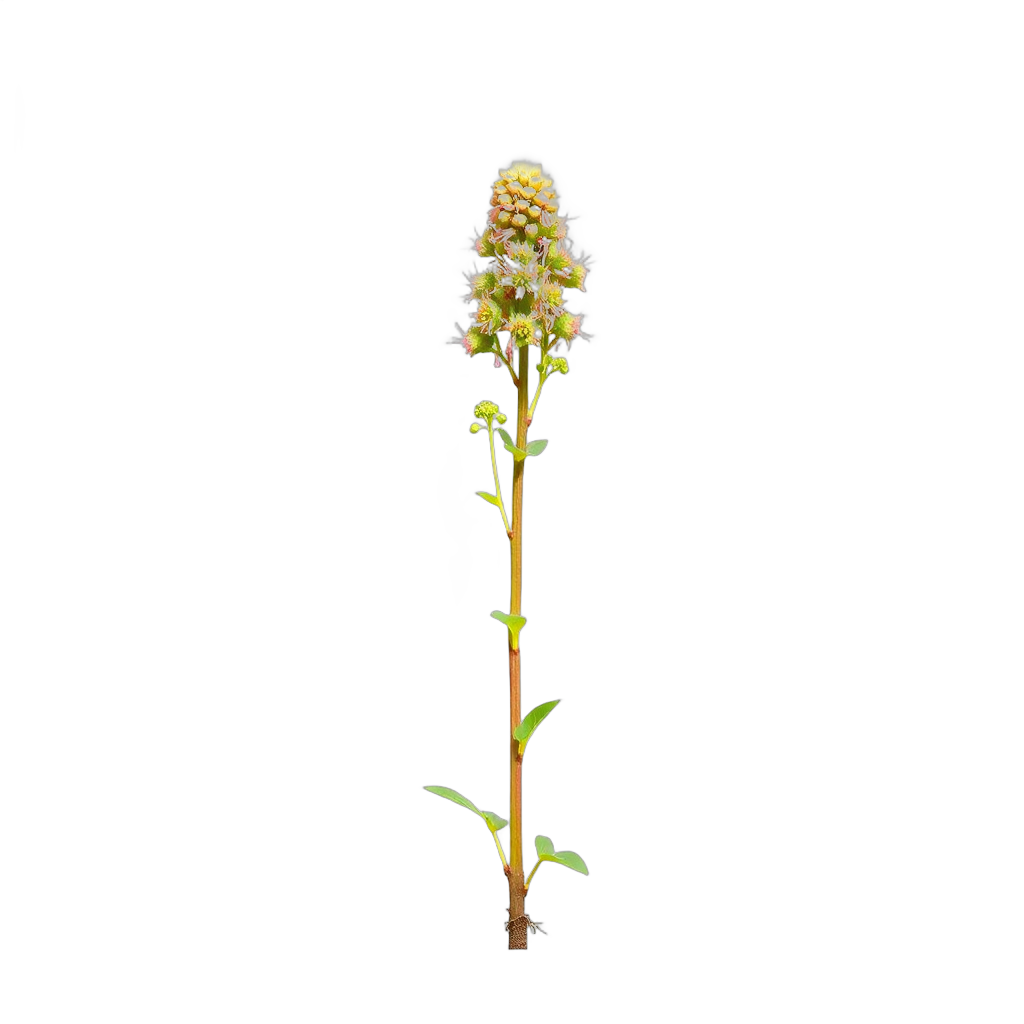
Bishop's Cap
Mitella diphylla
low-growing ground cover, white blooms in spring. Pollinator-friendly.
Zone and sun checks come from our database — confirm with your local nursery before you buy.
Bloom Calendar for Reading
spring
American Alumroot, Bellwort, Bishop's Capsummer
Bee Balm, Black Cohosh, Black Cohoshfall
Limited bloomswinter
Limited bloomsDesign Tips for Reading (Zone 7a)
- Get a Penn State Extension soil test before buying plants: old Reading lots carry brick, ash and fill, so pH can swing from sour to alkaline between neighboring yards and decides whether lavender lives
- Raise rose and lavender beds 6–8 inches with coarse grit: about 45 inches of rain a year and freeze-thaw winters rot crowns far more often than cold kills them
- Skip old-wood bigleaf hydrangeas, which lose buds in a Zone 7a February, and plant Hydrangea arborescens 'Annabelle' or Hydrangea paniculata 'Limelight', which bloom on new wood
- Set fence posts and arch footings below the frost depth the City of Reading codes office requires, or the gate will rack out of square after the first hard winter
- On a rowhouse front, put the roses against the sunniest wall and use catmint, Geranium 'Rozanne' and Salvia 'Caradonna' to hide the foundation line
- Plan for August: Phlox paniculata 'David', Echinacea 'Magnus' and Hydrangea 'Limelight' carry the border after the June rose peak until frost in mid-October
- Use brick-on-sand and gravel for paths where you can, so rain soaks in rather than running into the street
Where to Source Plants in Reading
Skip the big-box stores. These independent Reading nurseries specialize in the plants that make cottage/english gardens thrive in Zone 7a.
Ryeland Gardens
Womelsdorf
Independent garden center selling annuals, perennials, shrubs and trees plus gardening supplies, about 20 minutes west of Reading
Esbenshade's Garden Center (Mohnton)
Mohnton
Family-owned regional garden center, open at this site since 1994, with perennials, roses, trees and shrubs, bulbs, mulch and containers
Cottage/English Landscaping Cost Ranges
| Project Scope | Estimated Cost |
|---|---|
| Brick walkway on a compacted base (100–200 sqft) | $2,000–$5,200 |
| Bluestone patio or seating circle (200–350 sqft) | $5,000–$11,200 |
| Picket fence, 4 ft tall (60 linear ft) | $1,500–$2,400 |
| AI visualization (ProScapeAI) | Free to start |
National average installed ranges for 2026 from our landscaping price list (Homewyse and other published sources). Prices in Reading, PA vary with site, materials and contractor, so get two or three local quotes.
Reading Climate & Growing Zone
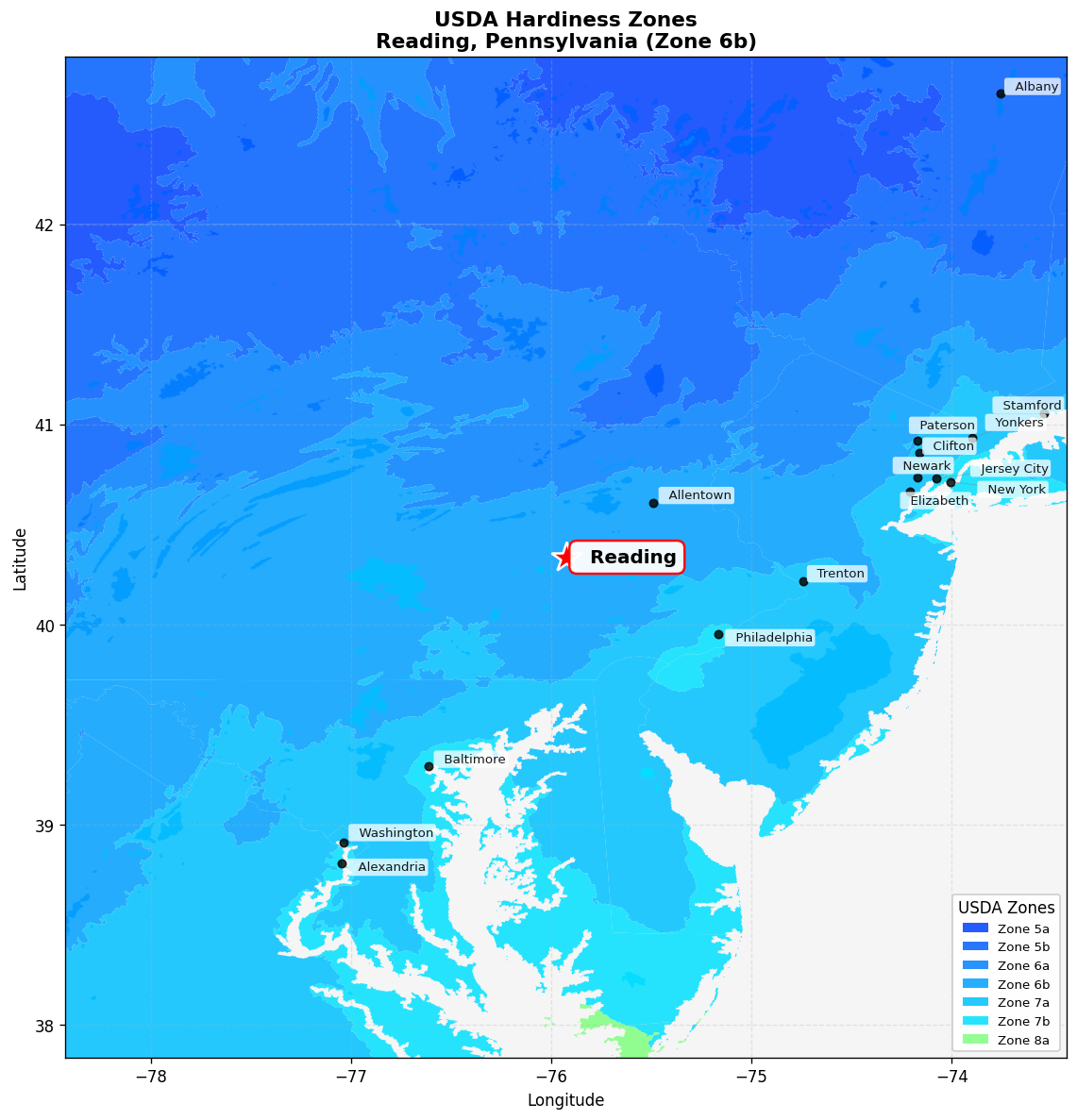
USDA Zone 7a
Hardiness zone for Reading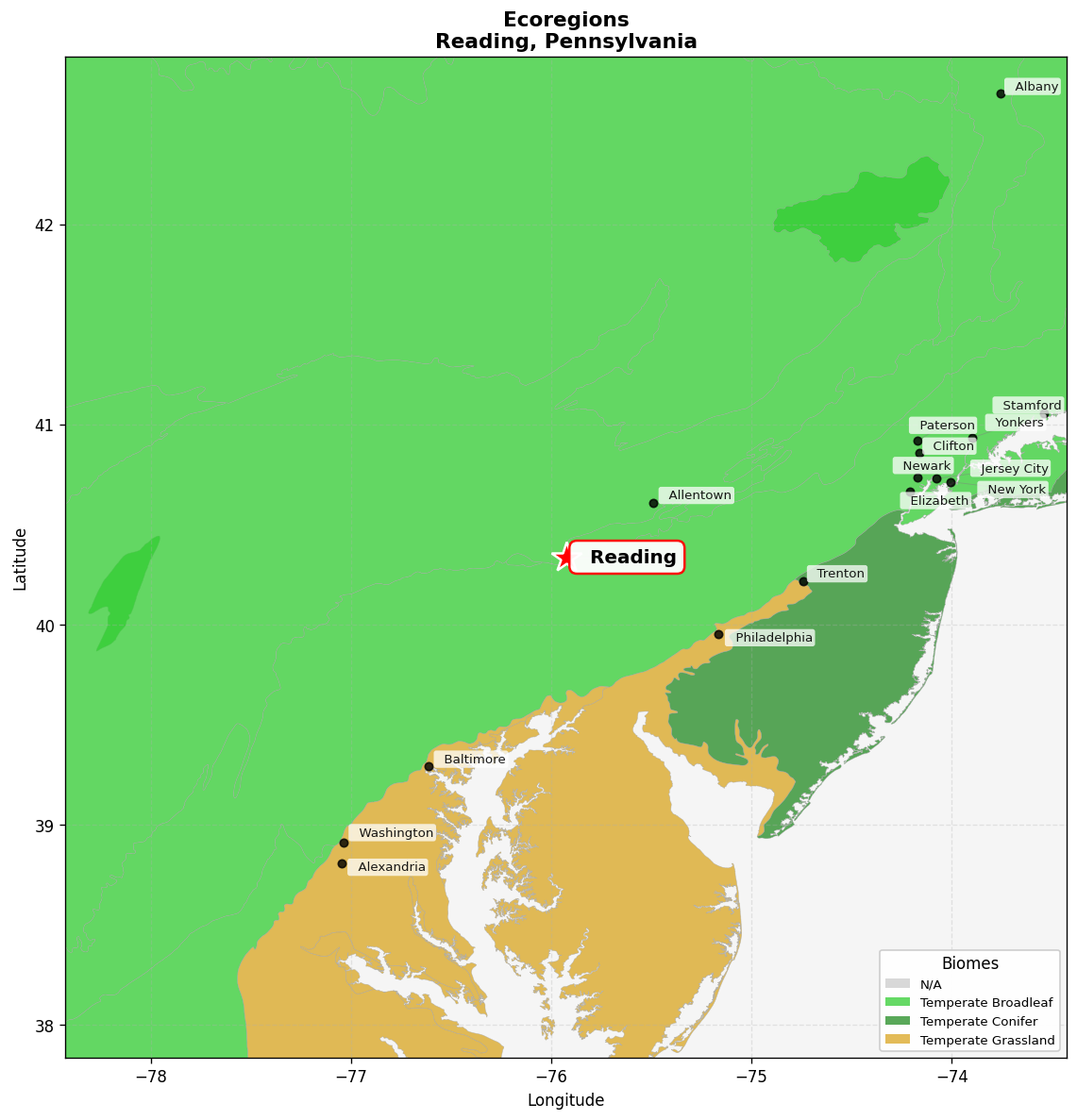
Appalachian-Blue Ridge forests
Native ecoregionFrequently Asked Questions
How much does a cottage garden cost in Reading, PA?
Prices vary with site, size and finishes, so get two or three local quotes. Brick or flagstone walks land around $20–38 per square foot and bluestone patios around $25–32.
Which roses survive Reading winters and humid summers?
Pick disease tolerance first. Rosa 'New Dawn' is the dependable climber, Rosa 'Zephirine Drouhin' is thornless and good beside a walk, and Rosa 'Sally Holmes', Rosa 'Olivia Rose Austin' and the Knock Out family carry the shrub layer without weekly spraying. Hybrid teas often defoliate by August in a wet year. Give every rose six or more hours of sun, space plants three feet apart, and water at the base with drip.
Can I grow English lavender and delphinium in Zone 7a?
Lavandula × intermedia 'Phenomenal' and 'Grosso' are the lavenders to buy, because they cope with humid summers and a Berks County winter. Lavandula angustifolia 'Hidcote' and 'Munstead' tend to rot in a wet third summer. Raise the bed 6–8 inches, add coarse grit and mulch with pea gravel. True Delphinium elatum 'Blue Bird' is a spring show that rarely lasts beyond a year or two, so plant Veronicastrum virginicum 'Fascination' for spires that stay.
When is the best time to plant a cottage garden in Reading?
Mid-September to mid-October is the best window, when soil is warm and autumn rain returns. Late April through May is the second window. Bare-root roses go in during late March while dormant. Avoid planting in July heat, when highs sit near 85–86°F. Last frost is typically in late April and first frost in mid-October, so foxglove set out in fall flowers the following June.
Do I need approval for a fence or arbour in Reading?
Fence height, setbacks and material rules are set by the City of Reading zoning code, and some blocks fall inside historic districts that review exterior changes visible from the street. Confirm with the City of Reading zoning office before you build. Homeowner associations in Wyomissing and the townships have their own rules.
How do I keep deer and rabbits out of a cottage garden here?
Deer pressure is usually higher where yards back onto woods. On dense city blocks, rabbits are the bigger issue and ignore few young plants. Build the backbone from Lavandula × intermedia 'Phenomenal', Nepeta 'Walker's Low', Salvia nemorosa 'Caradonna', Digitalis purpurea and Achillea 'Moonshine'. Protect new roses with chicken wire cages in their first winter, and rotate two repellents every few weeks in the growing season.
What do I do about heavy clay and builder's fill in an old city lot?
Dig a test hole and fill it with water: if it still holds water after 12 hours, raise the bed. Build the border 6–8 inches above grade with a loam and compost mix rather than digging planting pits that act as bathtubs. Remove brick rubble and ash where you can, send a Penn State Extension soil sample, and amend based on the pH result. Roses and lavender both fail fastest in wet clay.