4 Modern Landscape Ideas for Reading, PA | Clean-Lined Designs for Zone 7a
Native plants from the Appalachian-Blue Ridge forests (Zone 7a) — Humid continental (hot summer) climate
For a modern garden in Reading, PA, a zone 7a city with a humid continental (hot summer) climate, start with Calamagrostis × acutiflora 'Karl Foerster', Sporobolus heterolepis and Echinacea purpurea 'PowWow Wild Berry', the plants this guide's first design is built on.
Why Modern/Minimalist Gardens in Reading?
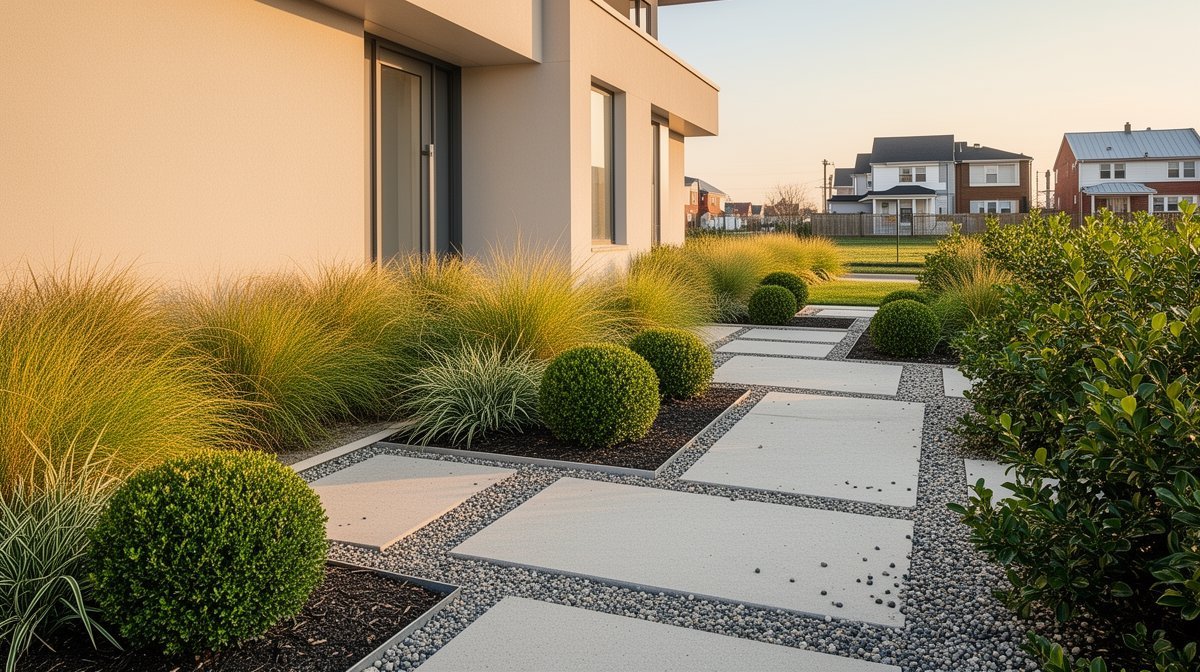
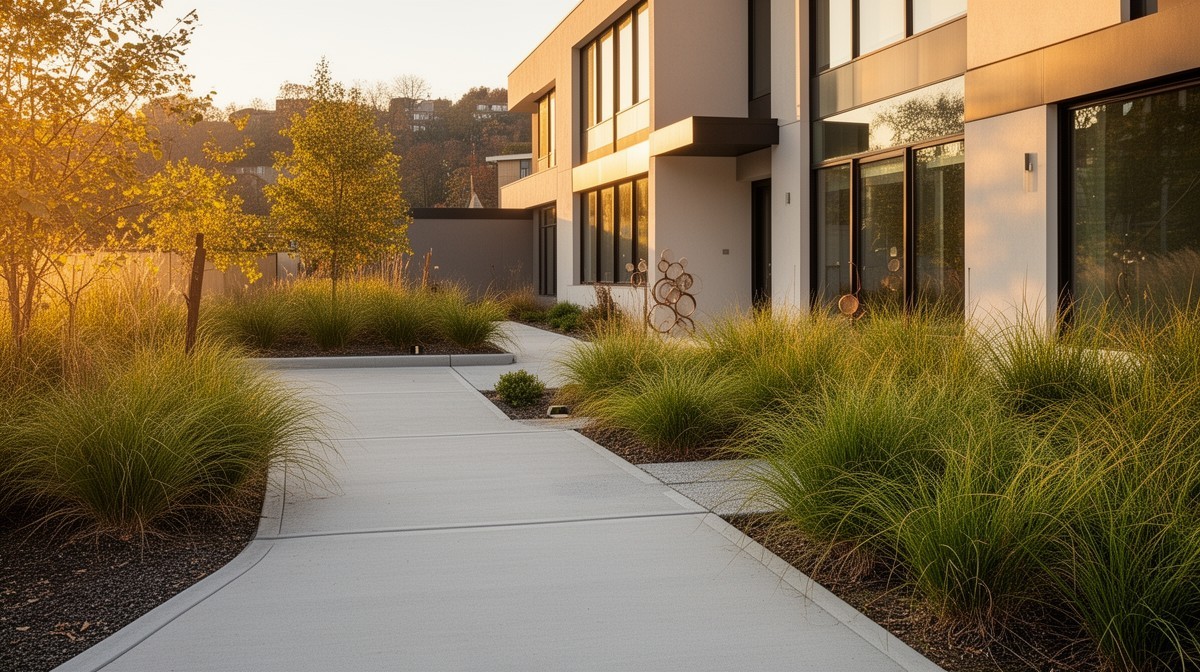
Modern landscaping works in Reading because the city already has strong lines to borrow from. Red brick rowhouses in Centre Park and Callowhill, the mid-century ranches and splits of Wyomissing Hills and the townships, and the new infill on former industrial sites all give a straight edge, a block of grasses or a slab of bluestone something to answer to. A modern garden is about restraint: a few materials, a few repeated plants, and clean edges that make a small lot look planned.
Zone 7a winters decide which architectural plants stay. January lows average about 21–24°F, the coldest night of a normal winter falls between about 0°F and 5°F, and July highs run near 85–86°F. Annual precipitation runs about 45 inches of rain a year. The plants that hold the modern look here are the cold-hardy, wet-tolerant grasses and structural perennials: Calamagrostis × acutiflora 'Karl Foerster', Panicum virgatum 'Shenandoah', Schizachyrium scoparium 'The Blues', Sporobolus heterolepis and Nepeta 'Walker's Low'. Mediterranean favorites such as Lavandula angustifolia and Stipa gigantea are short-lived in wet clay, so substitute Pennisetum alopecuroides 'Hameln' and Salvia nemorosa 'Caradonna'.
Soil is the quiet constraint. Reading lots range from heavy, slow-draining loam to compacted fill, and many are acidic to near neutral. A modern bed with grasses and flat-topped perennials tolerates that better than a rose border, but it still needs help: loosen compacted subsoil, add compost and raise planting areas a few inches. Get a Penn State Extension soil test, and set bluestone and paver bases on 4–6 inches of compacted stone because frost heave shows quickly on flat surfaces.
Modern designs read best against evergreen structure in a Zone 7a January. Use Juniperus chinensis 'Blue Point', Buxus 'NewGen Freedom' or Ilex glabra 'Gem Box' as year-round anchors, and add Cornus sericea 'Arctic Fire' for winter color. Before you build a wall, fence or patio, confirm setbacks and height limits with the City of Reading zoning office, and ask whether your block lies in a historic district with review of exterior changes.
4 Modern/Minimalist Design Ideas for Reading
AI-generated image
The Grass-and-Steel Rowhouse Front
$20–40/sqftA 12-foot rowhouse front is cleared of lawn and divided into two clean beds by a poured-concrete or bluestone walk. Corten-style steel edging holds drifts of grasses against the brick, and a single multi-stem serviceberry sits at the corner. Everything is low and repeated, so the front reads as one planting from the sidewalk.
Try this on your yard: The Grass-and-Steel Rowhouse FrontAI-generated image
The Ranch House Meadow Edge
$16–32/sqftA wide front yard in front of a mid-century ranch drops half its lawn for a wave of grasses and perennials planted in blocks, cut by a wide concrete walk set at an angle. Mulch is dark and flat, and a clipped evergreen block holds the corner by the door. The effect is controlled but not fussy, and it needs one fall cutback a year.
Try this on your yard: The Ranch House Meadow EdgeAI-generated image
The Courtyard Dining Terrace
$30–60/sqftA rear yard of 500 square feet becomes a paved terrace with a built-in bench along one fence, raised planter boxes and a single multi-stem tree. Grasses soften the fence line, and a low gas or LED fire feature gives evening use from April to October. Bluestone slabs are laid tight with fine gravel joints so water drains through.
Try this on your yard: The Courtyard Dining TerraceAI-generated image
The Stormwater Rain Garden Front
$18–38/sqftA shallow dip beside the driveway takes roof and drive runoff, planted with tough natives in a loose grid and edged in steel. A crisp gravel path crosses it on a stone slab bridge. The garden looks tidy and soaks up heavy summer storms instead of sending water to the street.
Try this on your yard: The Stormwater Rain Garden FrontSee how a modern/minimalist garden looks on YOUR property
Upload a photo of your Reading yard and visualize your dream garden in seconds.
Try ProScapeAI Free

AI-generated image
Featured Trees & Shrubs for Modern/Minimalist Gardens
Browse all 246 plants for Reading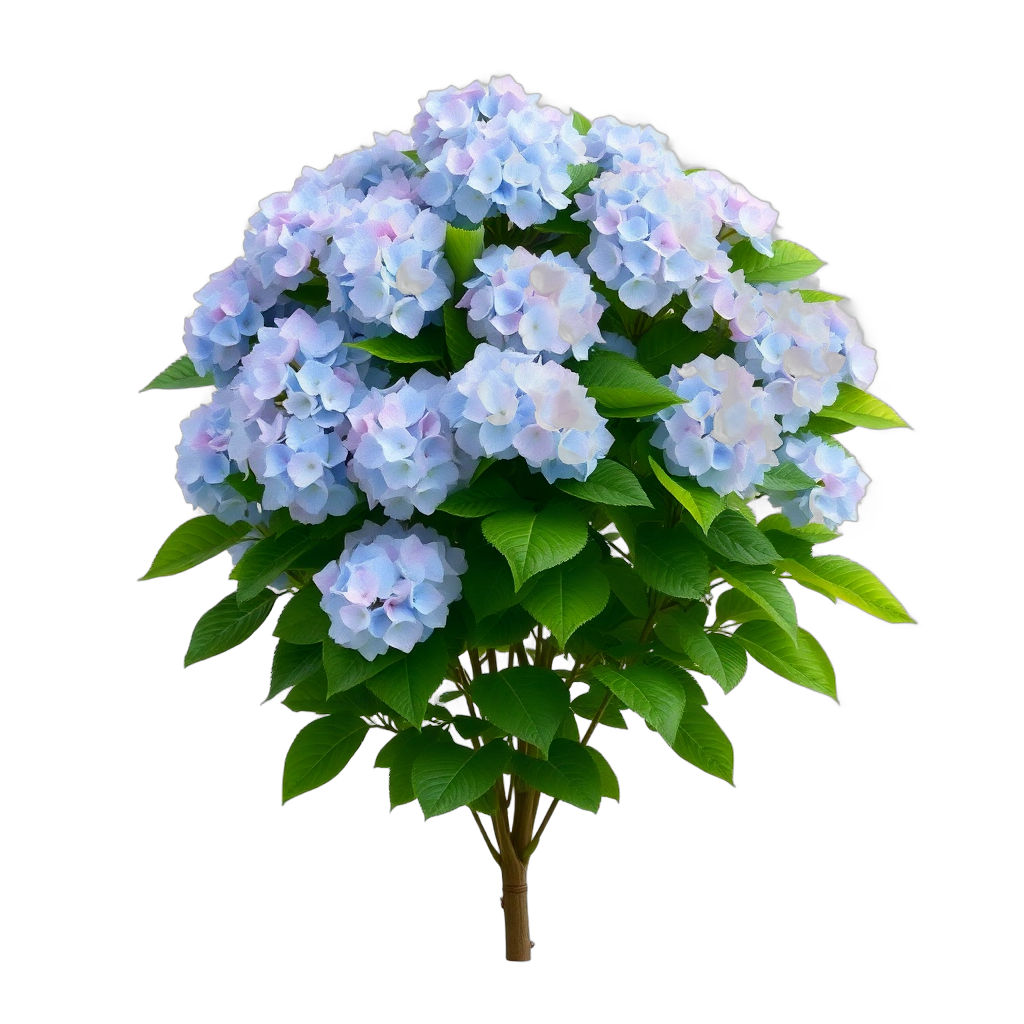
Annabelle Hydrangea
Hydrangea arborescens 'Annabelle'
grows to 5 feet, white blooms in summer. Pollinator-friendly.
Arrowwood Viburnum
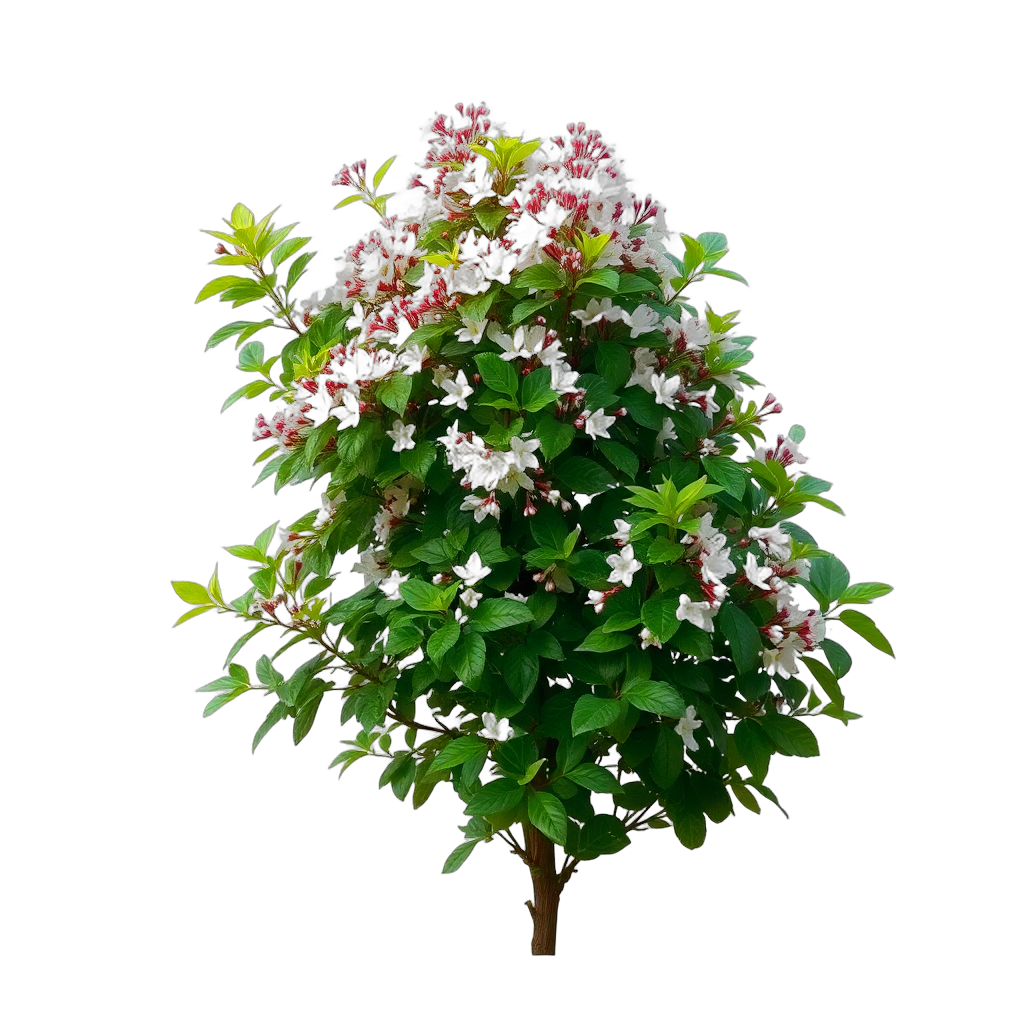
Viburnum dentatum
medium-sized at 10 feet, white blooms in spring. Pollinator-friendly.
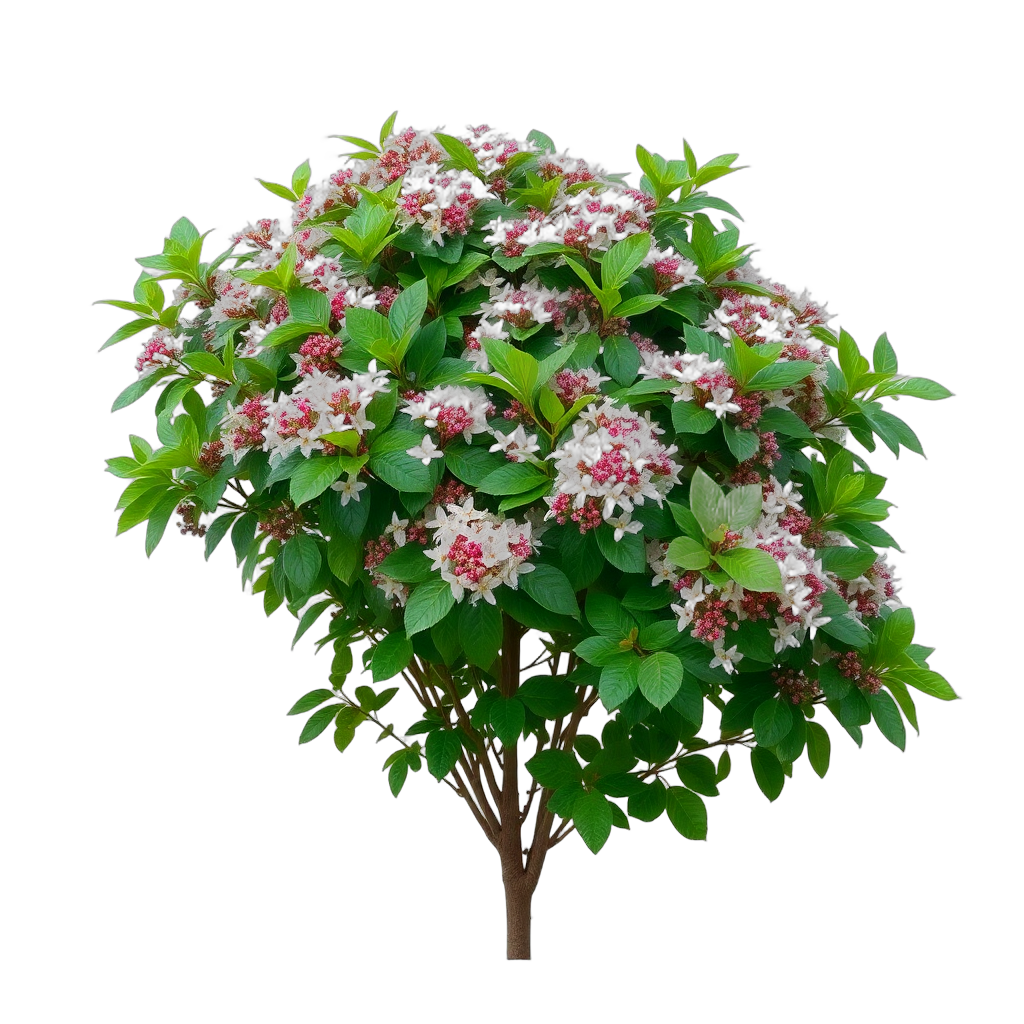
Blackhaw Viburnum
Viburnum prunifolium
medium-sized at 12 feet, white blooms in spring. Pollinator-friendly.
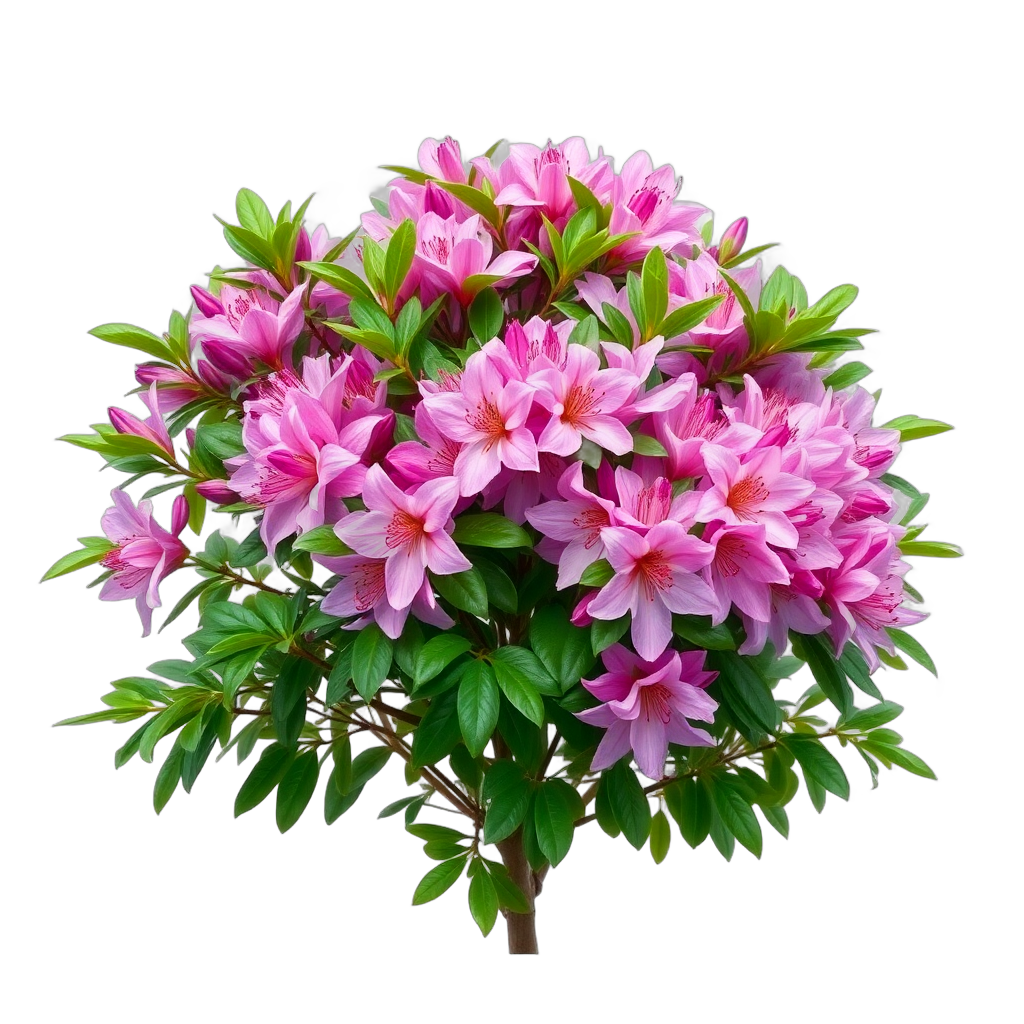
Carolina Rhododendron
Rhododendron carolinianum
grows to 5 feet, pink blooms in spring. Attracts butterflies.
Featured Grasses & Groundcovers for Modern/Minimalist Gardens
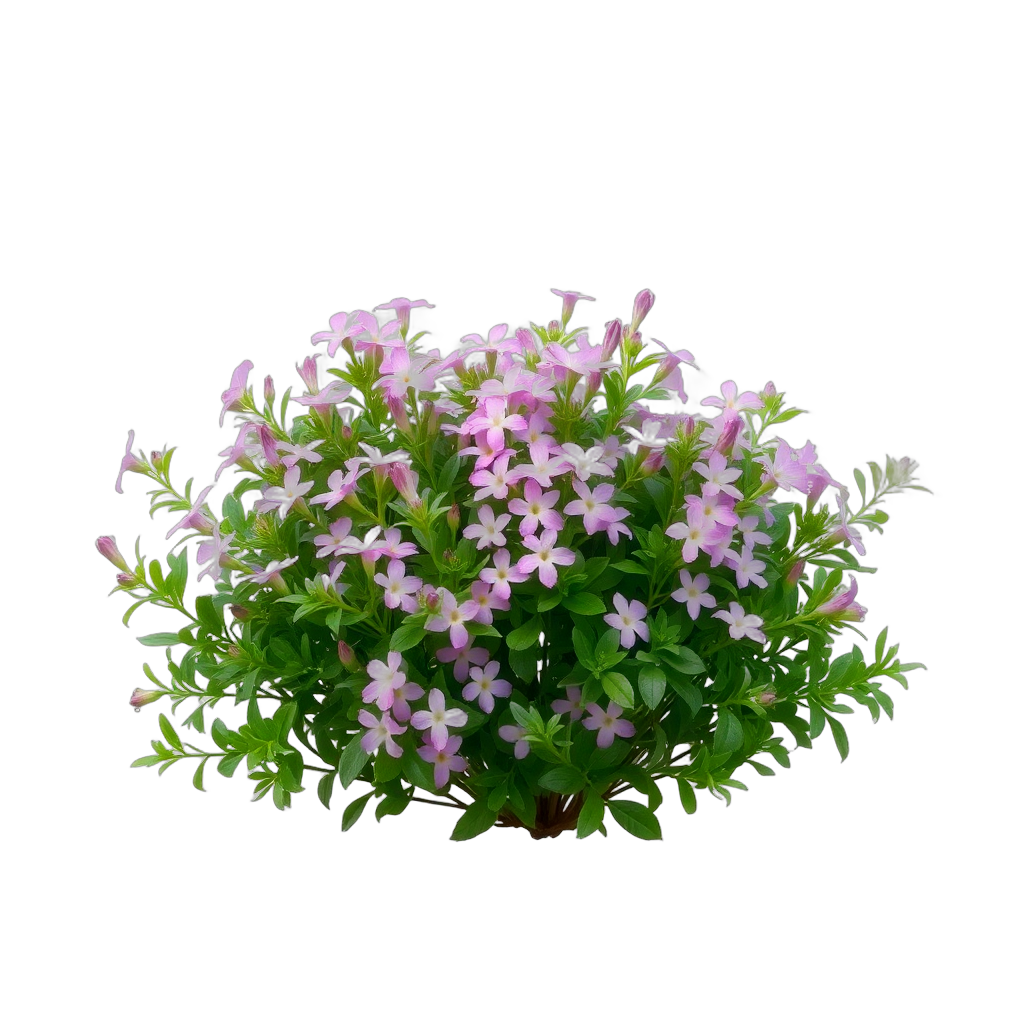
Creeping Phlox
Phlox subulata
low-growing ground cover, multi blooms in spring. Attracts butterflies.

Pennsylvania Sedge
Carex pensylvanica
low-growing ground cover, blooms in spring.

Arrow Bamboo
Pseudosasa japonica
medium-sized at 15 feet, blooms in none. Evergreen year-round.

Black Bamboo
Phyllostachys nigra
reaches 25 feet tall, blooms in none. Evergreen year-round.
Featured Flowers & Perennials for Modern/Minimalist Gardens
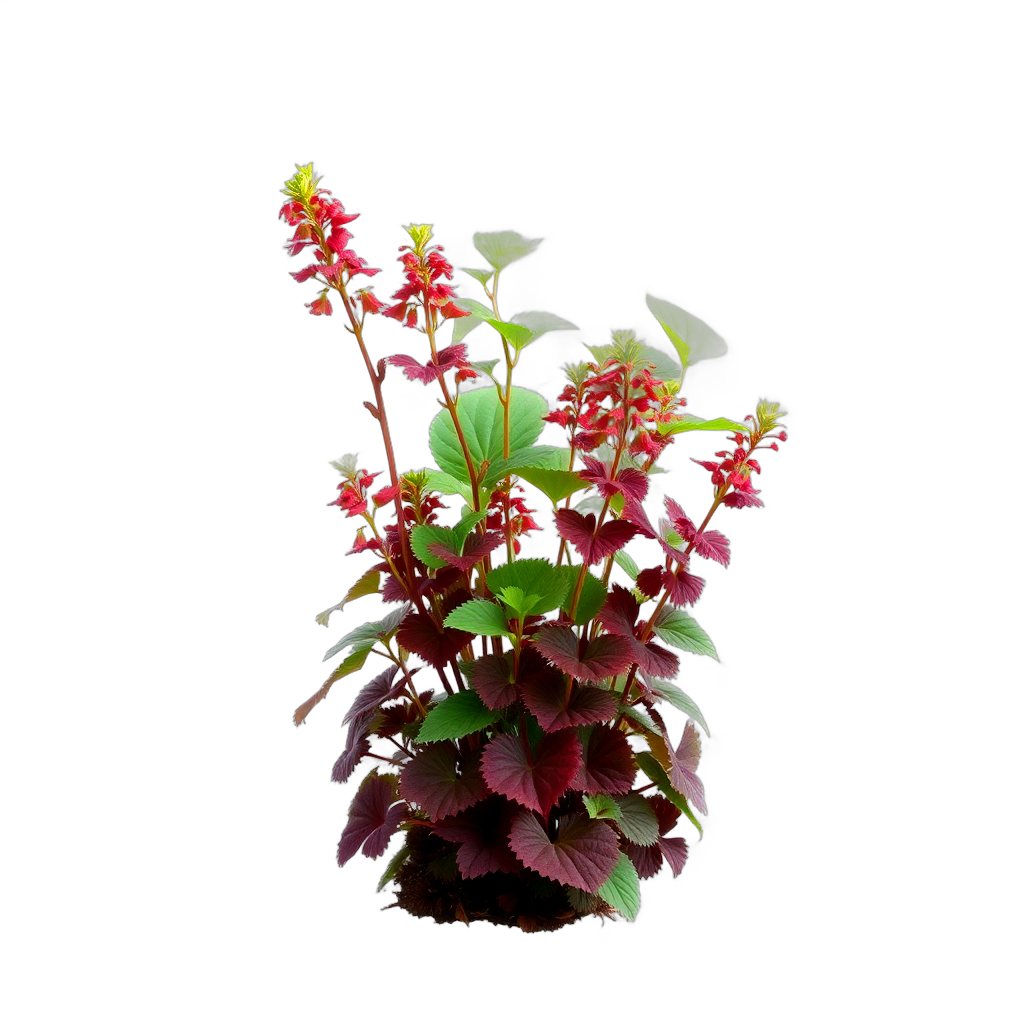
American Alumroot
Heuchera americana
low-growing ground cover, white blooms in spring. Pollinator-friendly.
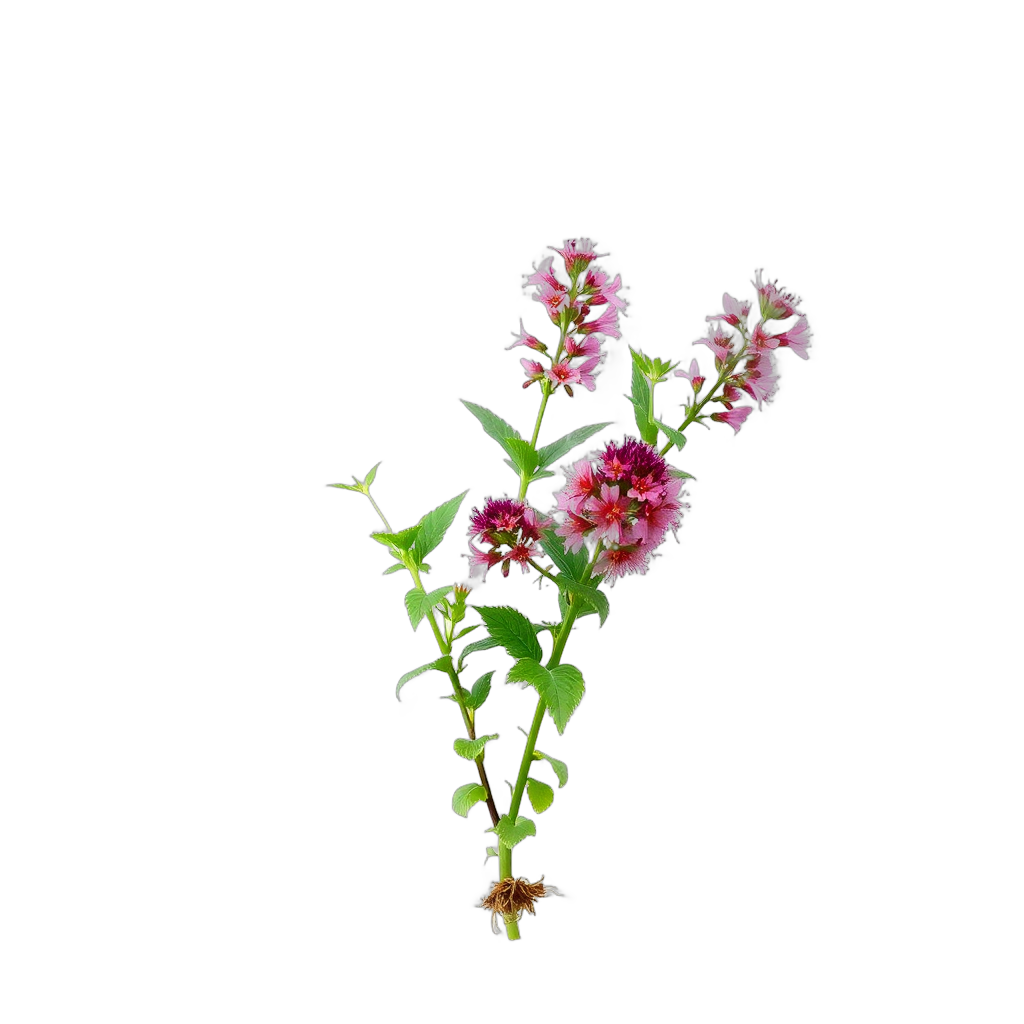
Bee Balm
Monarda didyma
grows to 3 feet, red blooms in summer. Attracts hummingbirds.
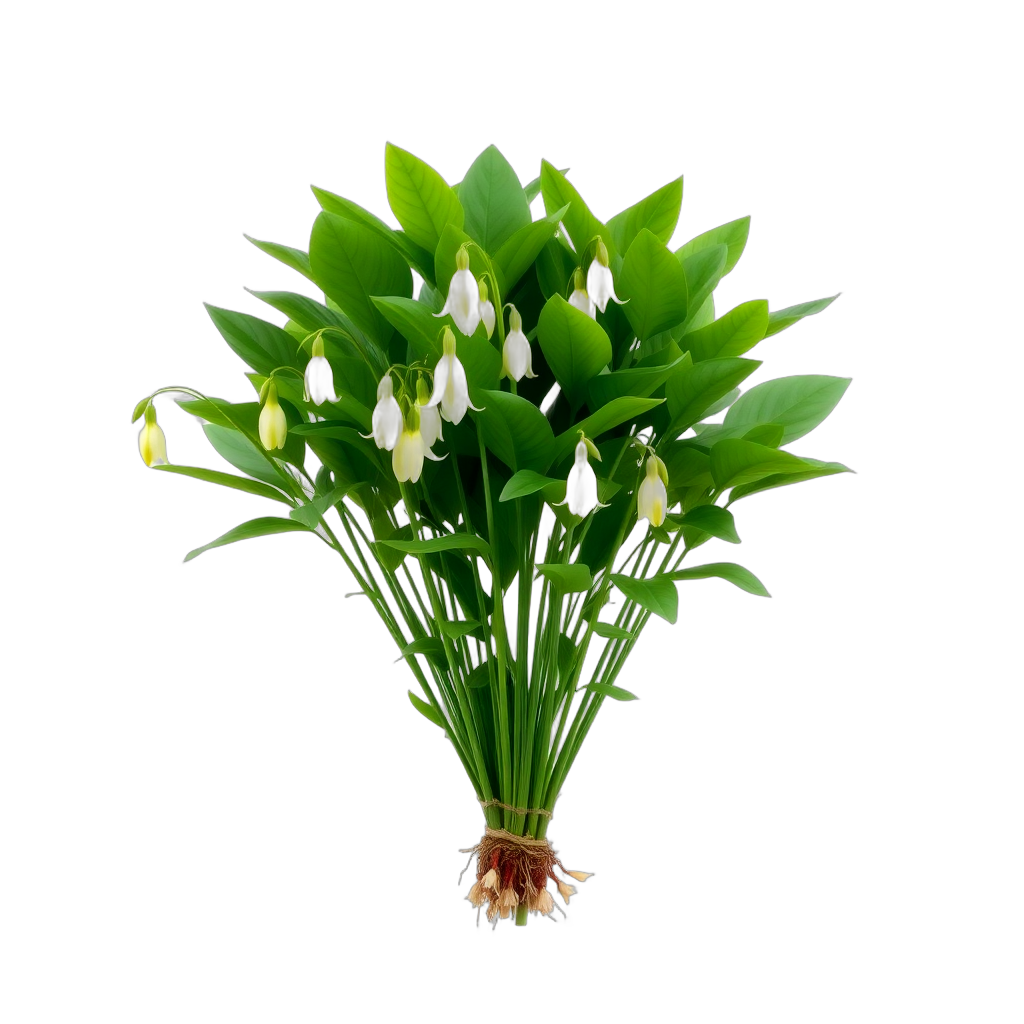
Bellwort
Uvularia grandiflora
low-growing ground cover, yellow blooms in spring. Pollinator-friendly.
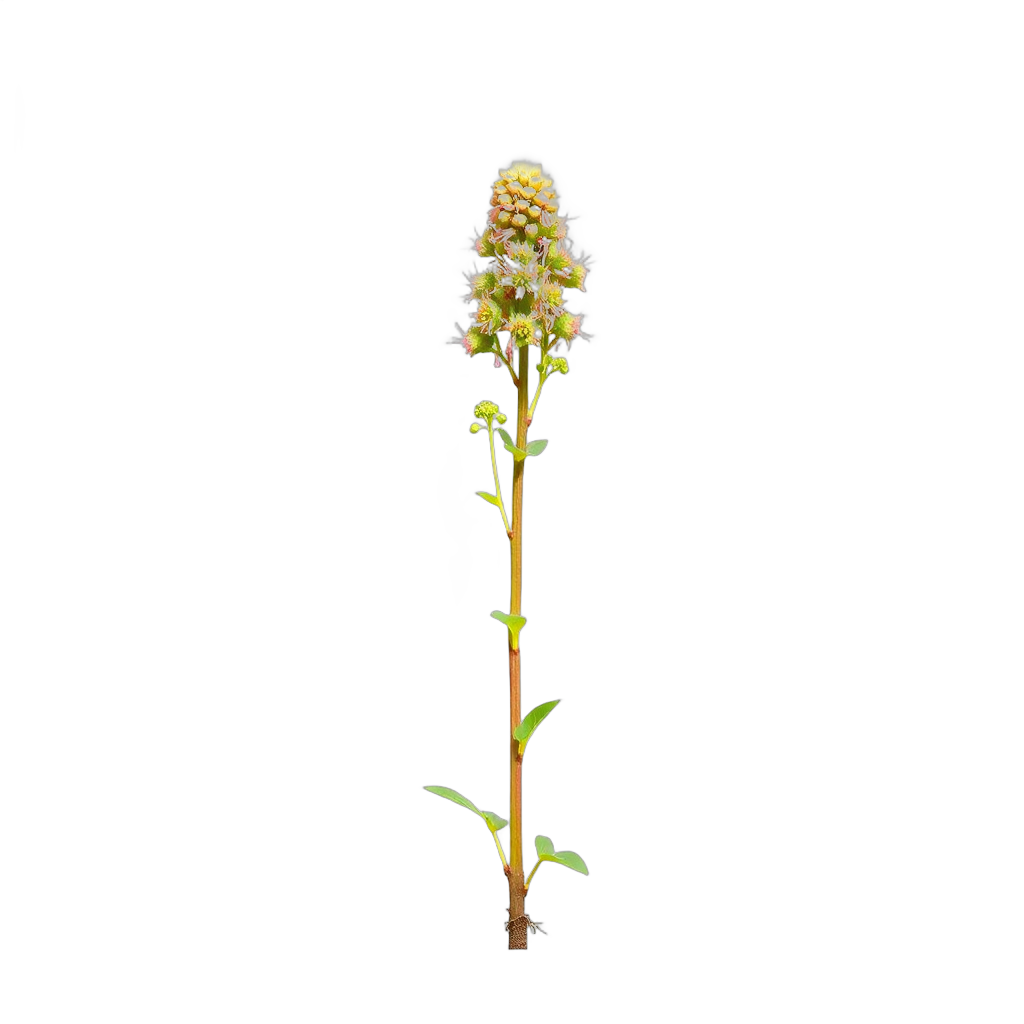
Bishop's Cap
Mitella diphylla
low-growing ground cover, white blooms in spring. Pollinator-friendly.
Zone and sun checks come from our database — confirm with your local nursery before you buy.
Bloom Calendar for Reading
spring
American Alumroot, Bellwort, Bishop's Capsummer
Bee Balm, Black Cohosh, Black Cohoshfall
Limited bloomswinter
Limited bloomsDesign Tips for Reading (Zone 7a)
- Use grasses that handle Zone 7a: Calamagrostis 'Karl Foerster', Panicum 'Shenandoah' and Schizachyrium 'The Blues' all hold at -5°F, but cut them back in late February before the new growth starts
- Build bluestone and paver bases on 4–6 inches of compacted stone, since flat surfaces show frost heaving first
- Raise planting areas a few inches and add compost: Reading soils range from heavy loam to compacted fill, and wet crowns kill more plants than cold does
- Add winter structure: Juniperus 'Blue Point', Buxus 'NewGen Freedom' and Cornus sericea 'Arctic Fire' keep a modern yard from looking empty from December to March
- Get a Penn State Extension soil test before planting, since pH varies widely between old city lots
- Keep the palette to two or three materials, such as bluestone, steel and one dark mulch, so a small rowhouse front stays calm
- Handle runoff with gravel joints and a small rain garden rather than piping everything to the curb
Where to Source Plants in Reading
Skip the big-box stores. These independent Reading nurseries specialize in the plants that make modern/minimalist gardens thrive in Zone 7a.
Ryeland Gardens
Womelsdorf
Independent garden center selling annuals, perennials, shrubs and trees plus gardening supplies, about 20 minutes west of Reading
Esbenshade's Garden Center (Mohnton)
Mohnton
Family-owned regional garden center, open at this site since 1994, with perennials, roses, trees and shrubs, bulbs, mulch and containers
Modern/Minimalist Landscaping Cost Ranges
| Project Scope | Estimated Cost |
|---|---|
| Bluestone patio or terrace (200–350 sqft) | $5,000–$11,200 |
| Concrete walkway, broom finish (100–200 sqft) | $1,200–$2,900 |
| Concrete patio, broom finish (200 sqft) | $2,100–$2,500 |
| AI visualization (ProScapeAI) | Free to start |
National average installed ranges for 2026 from our landscaping price list (Homewyse and other published sources). Prices in Reading, PA vary with site, materials and contractor, so get two or three local quotes.
Reading Climate & Growing Zone
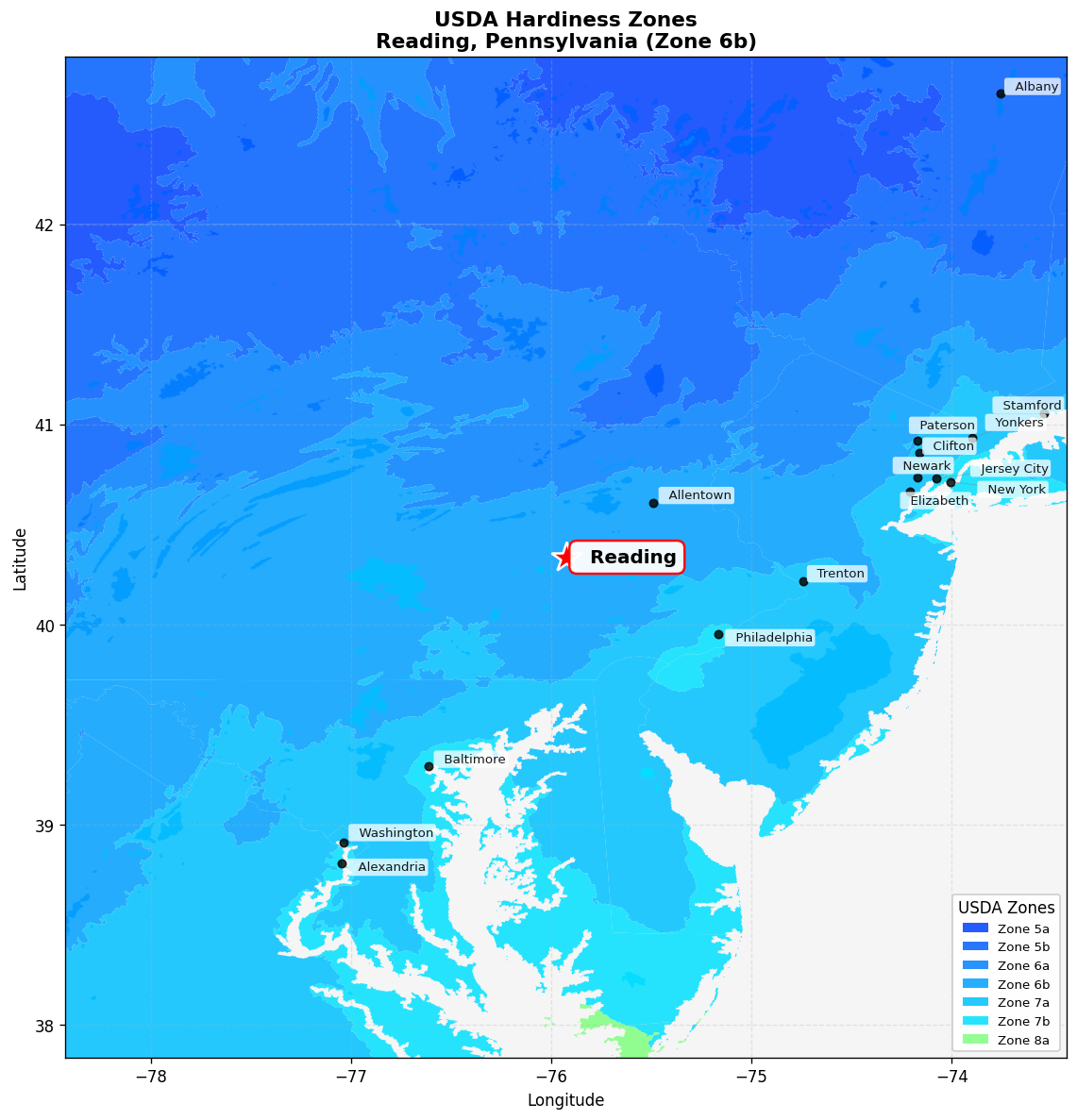
USDA Zone 7a
Hardiness zone for Reading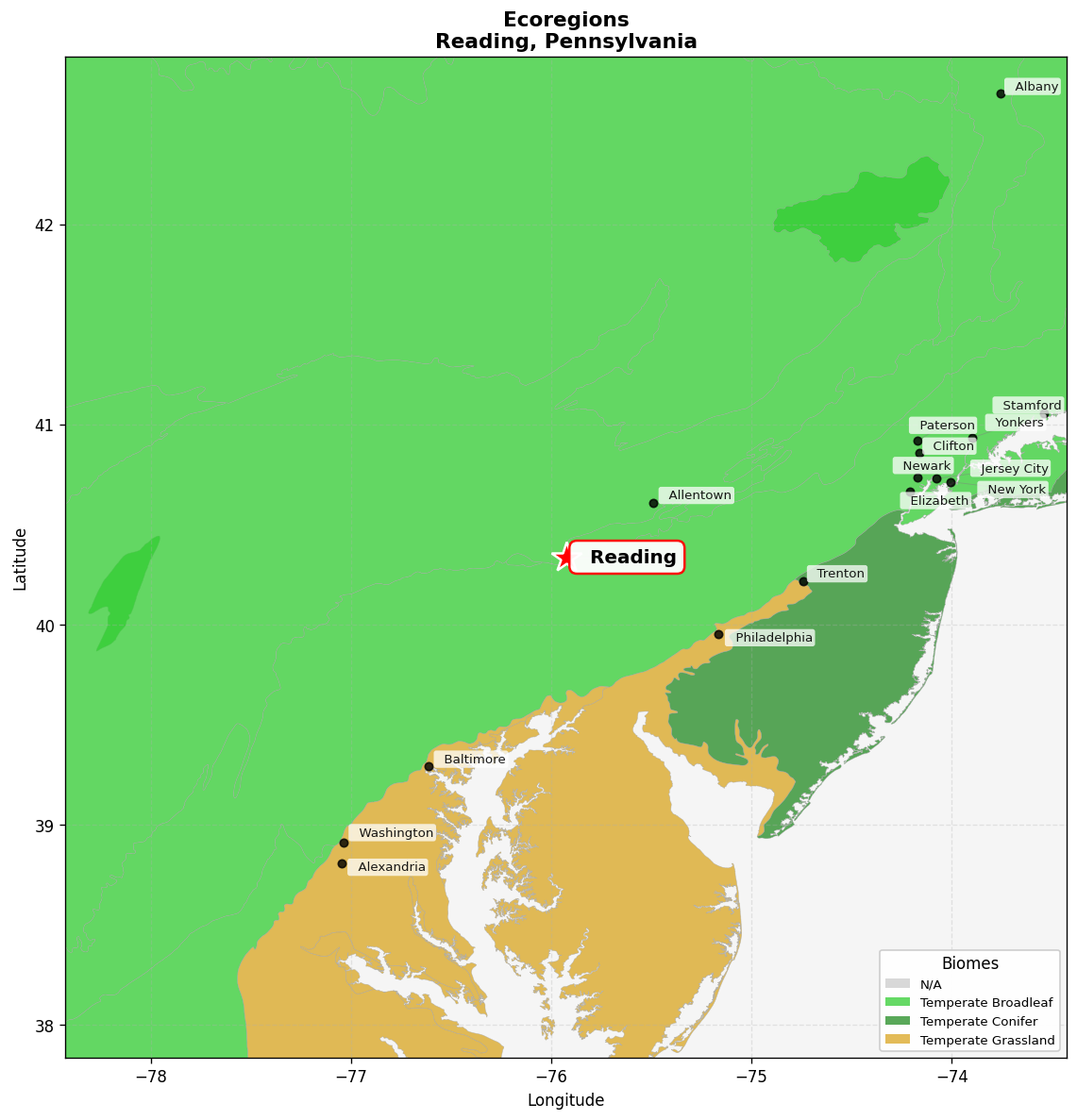
Appalachian-Blue Ridge forests
Native ecoregionFrequently Asked Questions
How much does modern landscaping cost in Reading, PA?
Prices vary with site, size and finishes, so get two or three local quotes. Bluestone patios cost about $25–32 per square foot, concrete walks $12–15.
Is a modern landscape low maintenance in Reading's climate?
Mostly. Grasses need one cutback in late February, before new growth starts, and perennials like Echinacea and Sedum 'Autumn Joy' ask for little else. Steel edging and dark mulch need topping up every year or two. The real cost is weeds in thin mulch, so lay 3 inches over fabric-free, well-prepared soil. Avoid sprawling plants that need staking.
Which grasses survive Reading winters?
Calamagrostis × acutiflora 'Karl Foerster', Panicum virgatum 'Shenandoah', Schizachyrium scoparium 'The Blues', Sporobolus heterolepis and Pennisetum alopecuroides 'Hameln' all hold through Zone 7a winters of 0°F to 5°F. Tender grasses such as Pennisetum setaceum 'Rubrum' die and should be planted as annuals only.
When is the best time to plant in Reading?
Mid-September to mid-October is the strongest window for shrubs, trees and perennials. Warm-season grasses like Panicum and Schizachyrium do best planted in May and June, once the soil is warm. Avoid July heat, with highs near 85–86°F, unless you can water every few days.
Do I need a permit for a patio, wall or fence in Reading?
Setbacks, fence heights, retaining walls and impervious surface limits are set by the City of Reading and its neighboring townships, and some blocks sit in historic districts. Confirm with the City of Reading zoning office before you build. Wyomissing and the other boroughs have their own codes.
Will Mediterranean plants work in a modern design here?
Some will, some will not. Lavandula angustifolia and Stipa gigantea rot in wet clay and are short-lived. Use Lavandula × intermedia 'Phenomenal' in a raised, gritty bed and Pennisetum alopecuroides 'Hameln' as the grass substitute, and mulch with gravel, not wood chips, around the crowns.
How can a modern yard handle stormwater in Reading?
Heavy summer storms push runoff off hard surfaces quickly. Use gravel joints between bluestone slabs, direct downspouts into a shallow rain garden of Carex vulpinoidea, Iris versicolor and Panicum 'Heavy Metal', and keep the area at least 10 feet from the foundation. Ask the City of Reading what stormwater rules apply to your lot before you regrade.