4 Desert Garden Ideas for Rio Rancho, NM | Zone 7b Cold-Hardy Xeric Designs
Native plants from the Colorado Plateau shrublands (Zone 7b) — Cold semi-arid climate
For a desert garden in Rio Rancho, NM, a zone 7b city with a cold semi-arid climate, start with Ericameria nauseosa, Fallugia paradoxa and Bouteloua gracilis 'Blonde Ambition', the plants this guide's first design is built on.
Why Desert/Xeriscape Gardens in Rio Rancho?
Rio Rancho sits on a high mesa west of the Rio Grande, and a desert garden here is a cold-desert garden. NOAA's 1991–2020 normals for the Albuquerque Sunport, the closest official station, give 8.84 inches of precipitation a year, a January average low of 26.4°F and a July average high of 91.2°F, with roughly 8 inches of snow in a normal winter. The median last freeze is around April 6 and the median first freeze around November 3. Zone 7b cold snaps reach 5–10°F, which rules out the saguaro-and-palo-verde look of Phoenix and points toward the plants of the Colorado Plateau shrublands and the Chihuahuan edge.
That means swapping the low-desert classics for hardy substitutes. Agave americana and Aloe vera freeze, so Agave parryi var. truncata and Agave neomexicana take their place. Mexican bird of paradise and bougainvillea are out; Chilopsis linearis 'Burgundy' and Salvia greggii 'Furman's Red' bring the flowers. Prickly pear and cholla are the sculptural backbone: Opuntia phaeacantha, Cylindropuntia imbricata and Echinocereus triglochidiatus all handle Rio Rancho winters without protection, provided the soil drains. Chamisa (Ericameria nauseosa) and Apache plume (Fallugia paradoxa) cover the shrub layer and bloom from late summer into fall.
The soil helps and hurts. Local soils are sandy loam with calcium carbonate and, in places, a hard caliche layer, and they are generally alkaline. Drainage is fast, which cacti and penstemons want. The same soils erode once native vegetation is disturbed, so a desert garden here should keep as much of the existing cover as possible, and hold new ground with rock mulch the day planting ends. Where caliche blocks the subsoil, break through it before setting a tree so water does not pool in the planting pocket.
Rio Rancho's land use code (Title XV, Chapter 154) already points the front yard toward the desert. Cool-season turf is prohibited there, front-yard plants must not be on the city's high-water-use list, and each single-family lot needs two trees (1½-inch caliper deciduous or 8-foot evergreens) and three 5-gallon shrubs, or an equivalent approved plan. Desert gardens meet this by default, and the desert willow, pinon pine and Apache plume count toward it. Lots in the older Rio Rancho Estates area often have wide frontages, which gives room for a dry wash or a boulder garden.
4 Desert/Xeriscape Design Ideas for Rio Rancho
AI-generated image
The Dry Wash Front Yard
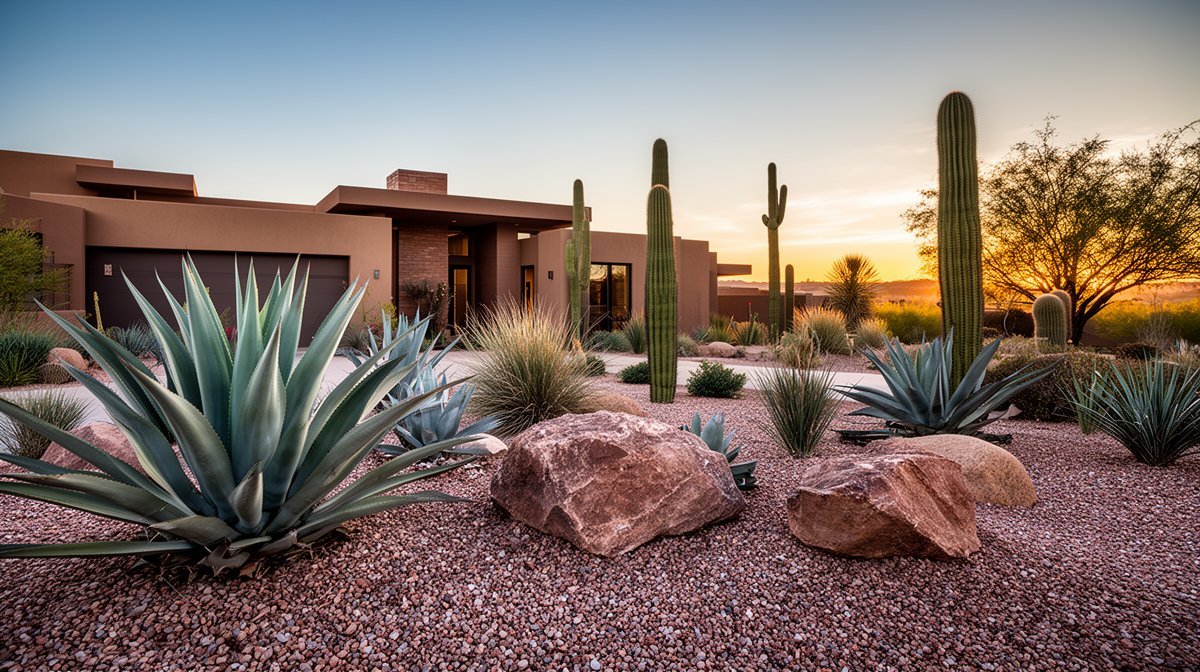
$12–26/sqftA meandering channel of 2–4 inch river cobble winds across the front yard from a downspout to the street, edged with larger boulders half-buried on the downhill side. Chamisa and Apache plume line the banks, with clumps of Bouteloua gracilis 'Blonde Ambition' in the gravel between. In a July monsoon storm the channel carries real runoff, which keeps roof water on the lot and waters the shrubs for free.
Try this on your yard: The Dry Wash Front YardAI-generated image
The Cactus and Agave Boulder Garden
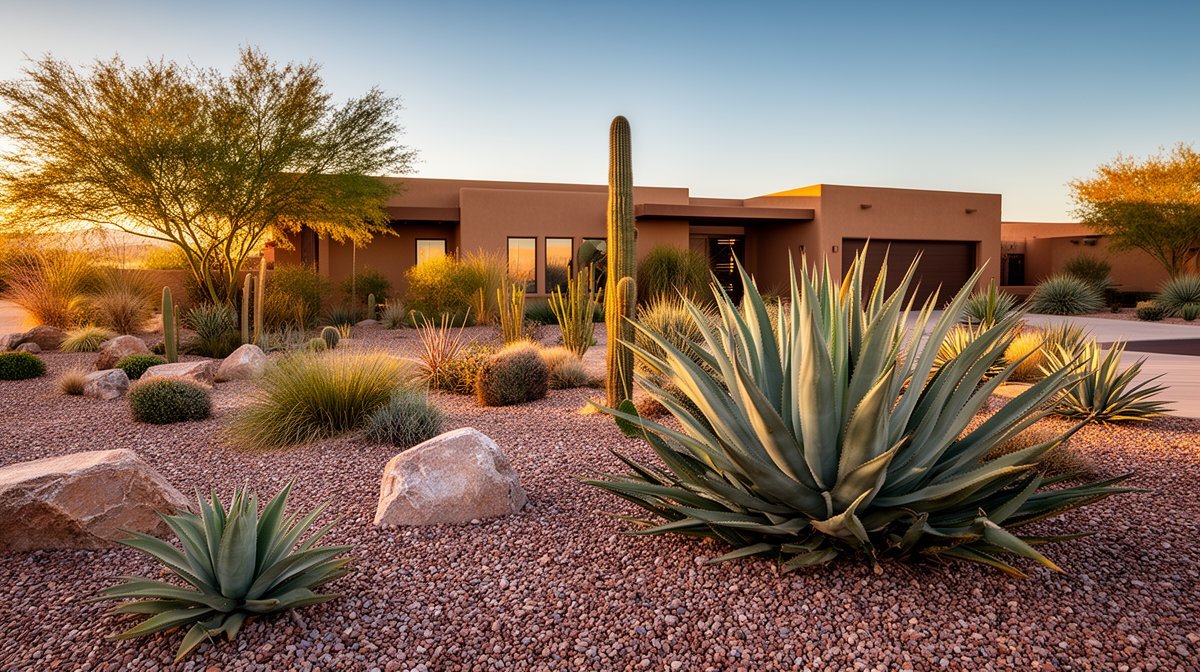
$14–30/sqftFour large moss-rock boulders anchor an island bed of tan gravel beside the driveway, planted in loose groups instead of rows. Cylindropuntia imbricata rises behind low Opuntia phaeacantha pads, with one Agave neomexicana in a boulder crevice, and a mat of Delosperma 'Fire Spinner' spills over the lower stones. The planting reads well in winter, when the cholla stems turn purple and the gravel holds a skim of snow.
Try this on your yard: The Cactus and Agave Boulder GardenAI-generated image
The Penstemon Drift Garden
$16–32/sqftA broad front bed is planted in drifts of color that follow each other through the season: pink and blue penstemons in May, yellow Calylophus and Berlandiera in the heat of summer, then gold chamisa and silver Artemisia 'Powis Castle' into fall. A flagstone path crosses the bed to the porch, and a Pinus edulis in the corner counts toward the city's two-tree rule and gives the bed winter structure.
Try this on your yard: The Penstemon Drift GardenAI-generated image
The Desert Willow Patio
$25–38/sqftA flagstone patio at the back of the house is shaded by a single Chilopsis linearis 'Burgundy' near the corner, with a gas fire pit set into the center and low sitting walls built of local fieldstone. Around the edges, Rhus trilobata 'Autumn Amber', Ephedra viridis and Nolina microcarpa soften the block wall. Dusk is the best hour, when the willow's flowers close and the cooling air drops from 91°F highs to the 60s.
Try this on your yard: The Desert Willow PatioSee how a desert/xeriscape garden looks on YOUR property
Upload a photo of your Rio Rancho yard and visualize your dream garden in seconds.
Try ProScapeAI Free

AI-generated image
Featured Trees & Shrubs for Desert/Xeriscape Gardens
Browse all 160 plants for Rio Rancho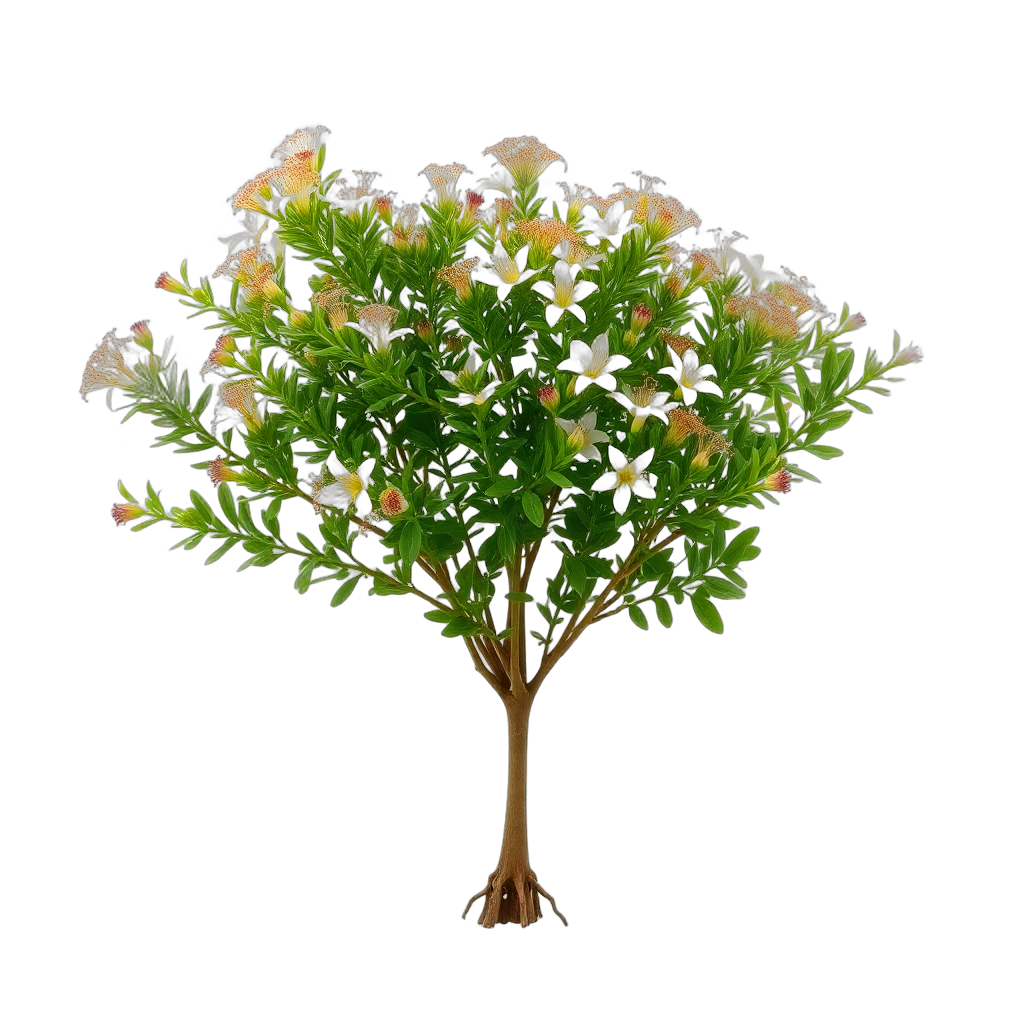
Apache Plume
Fallugia paradoxa
grows to 6 feet, white blooms in summer. Attracts butterflies.
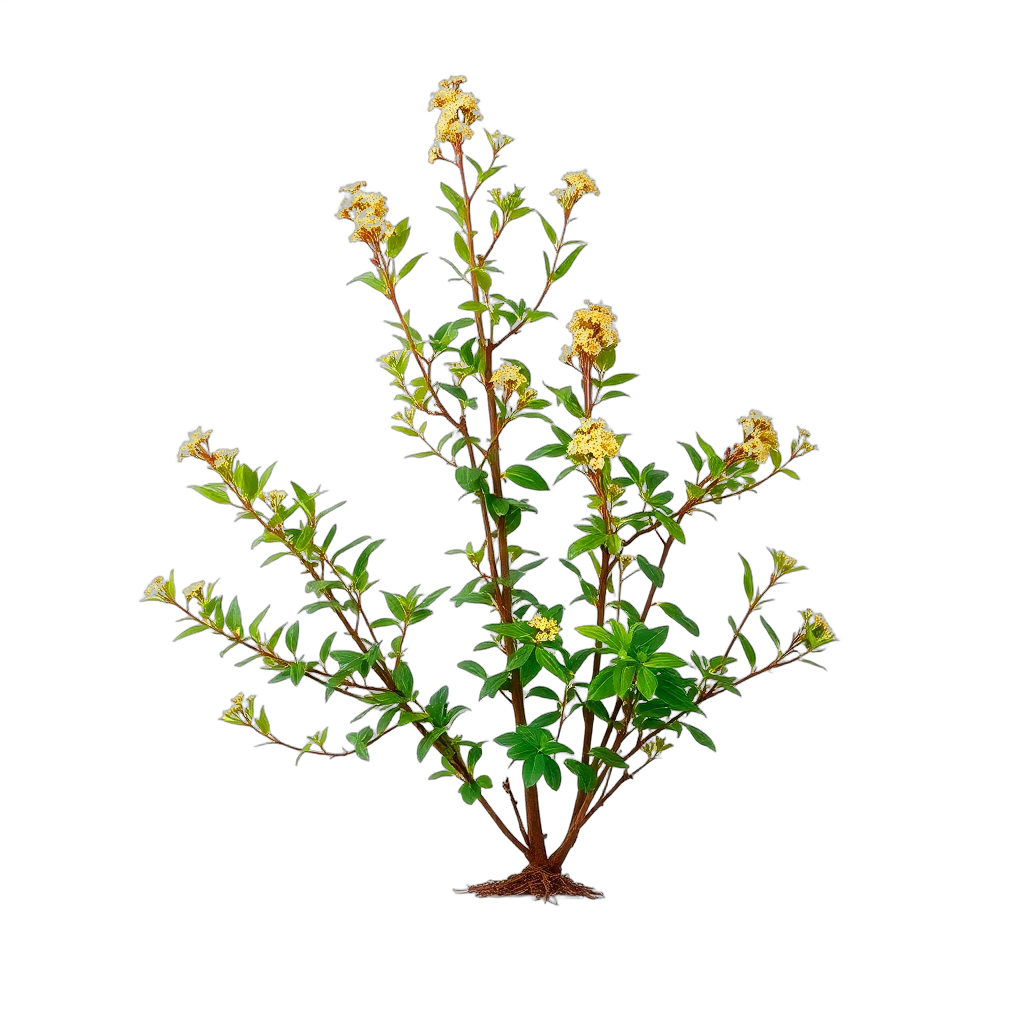
Cliff Fendlerbush
Fendlera rupicola
grows to 5 feet, white blooms in spring. Pollinator-friendly.
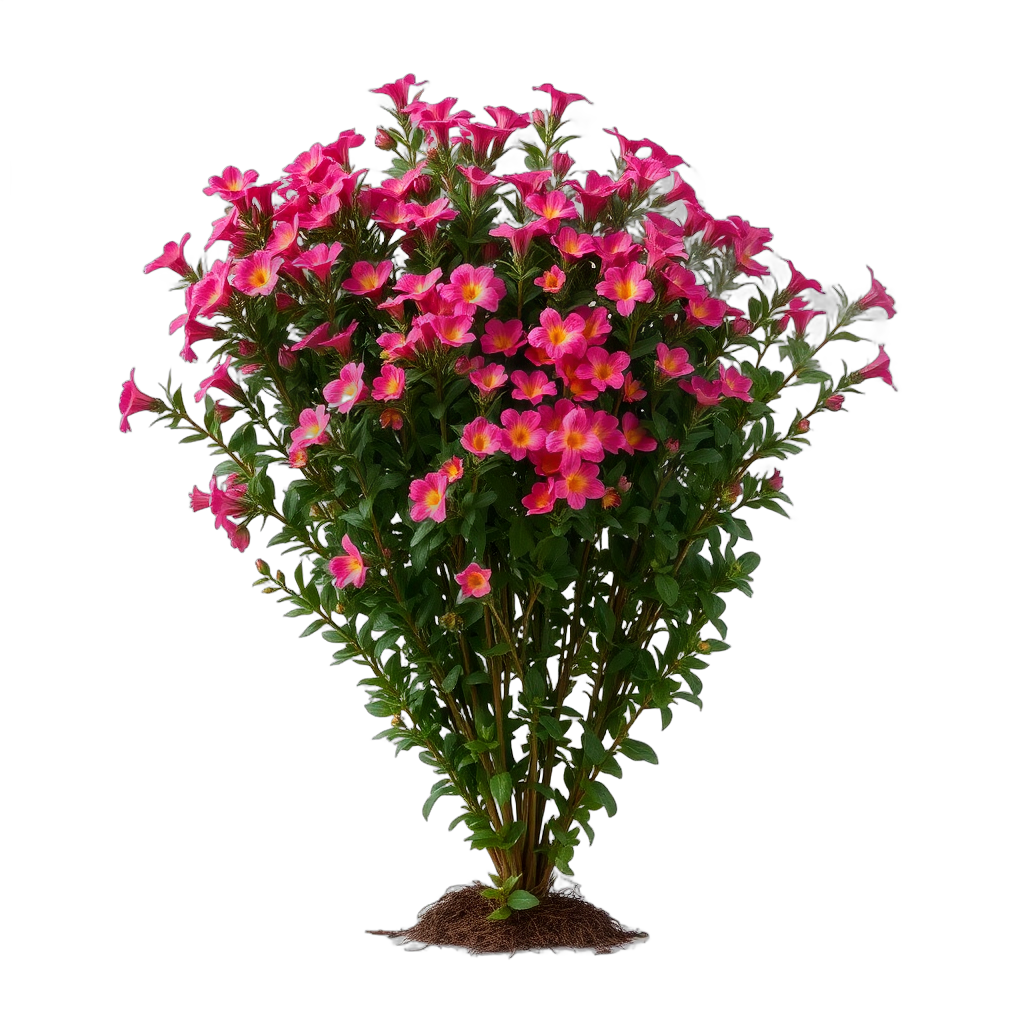
Cliffrose
Purshia mexicana
medium-sized at 8 feet, yellow blooms in spring. Attracts butterflies.
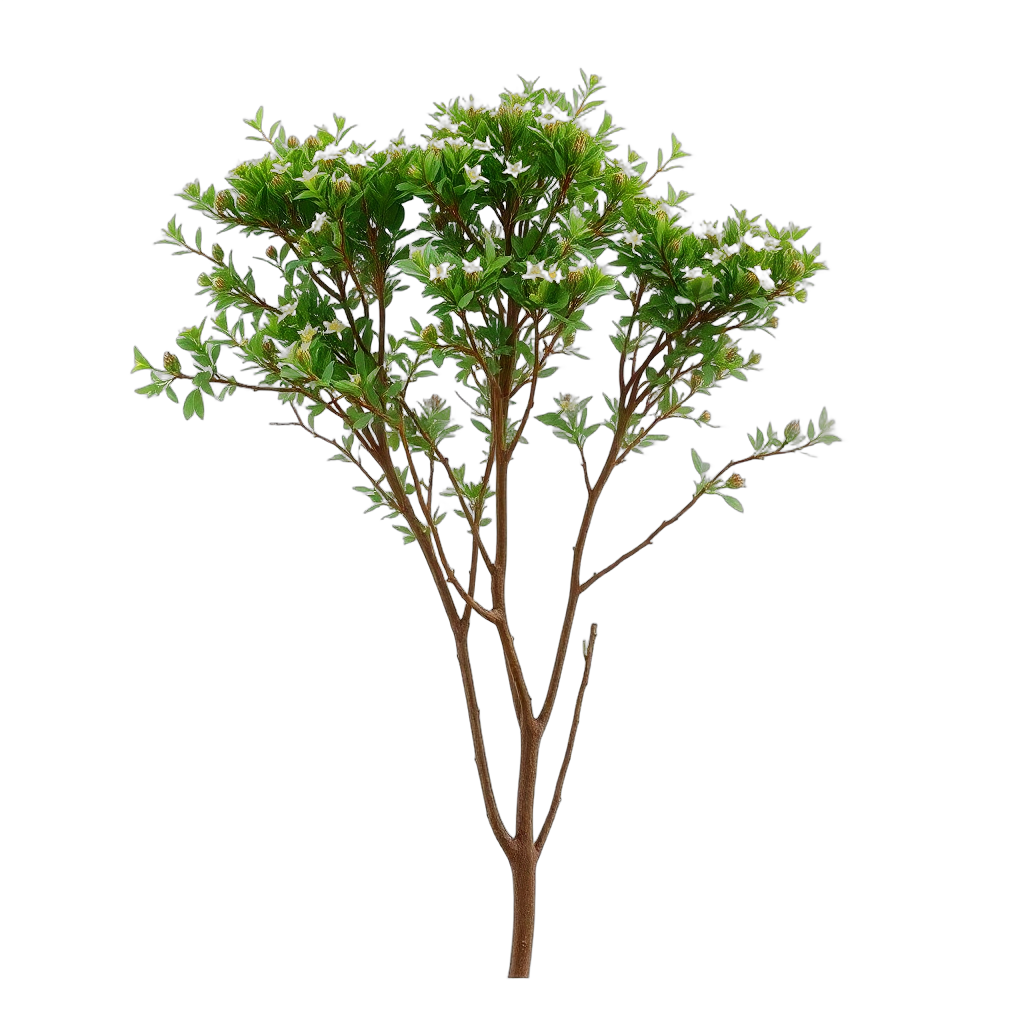
New Mexico Privet
Forestiera neomexicana
medium-sized at 10 feet, blooms in spring. Pollinator-friendly.
Featured Grasses & Groundcovers for Desert/Xeriscape Gardens
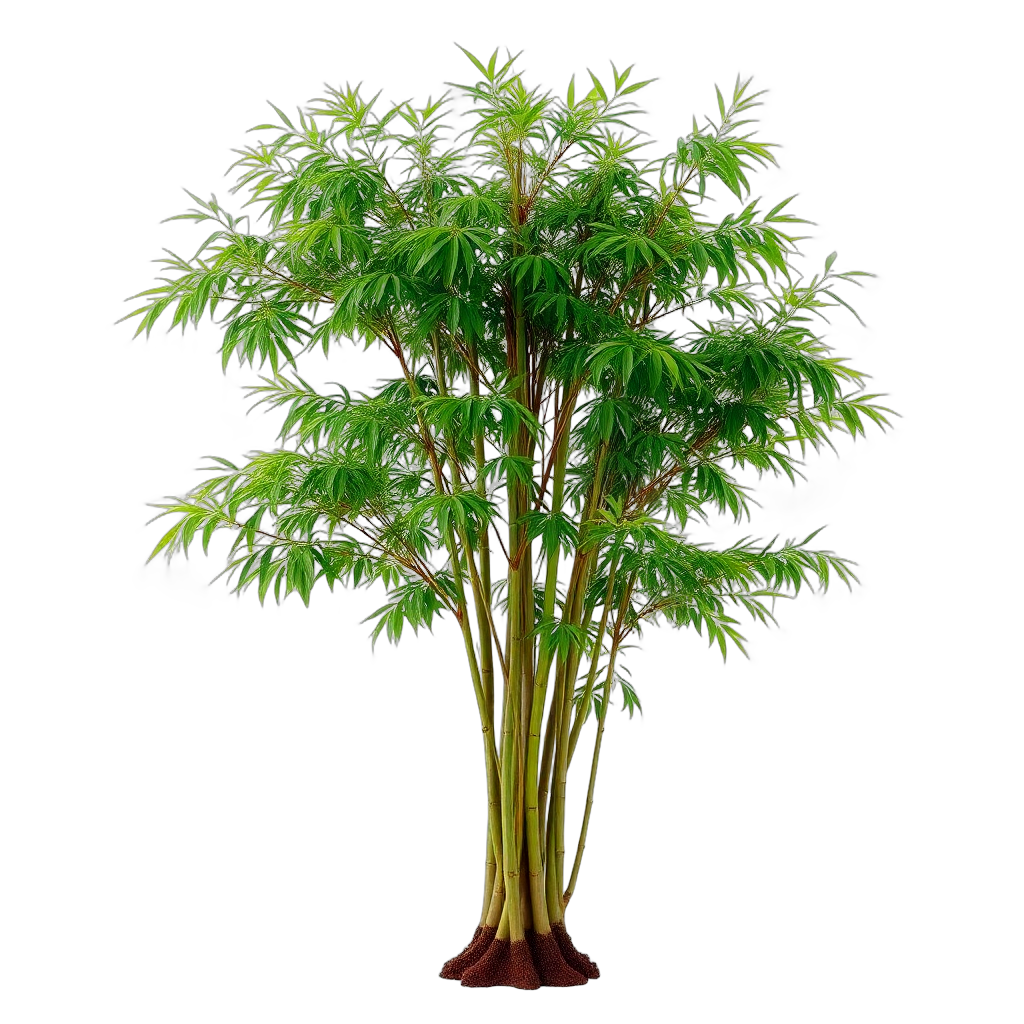
Arrow Bamboo
Pseudosasa japonica
medium-sized at 15 feet, blooms in none. Evergreen year-round.
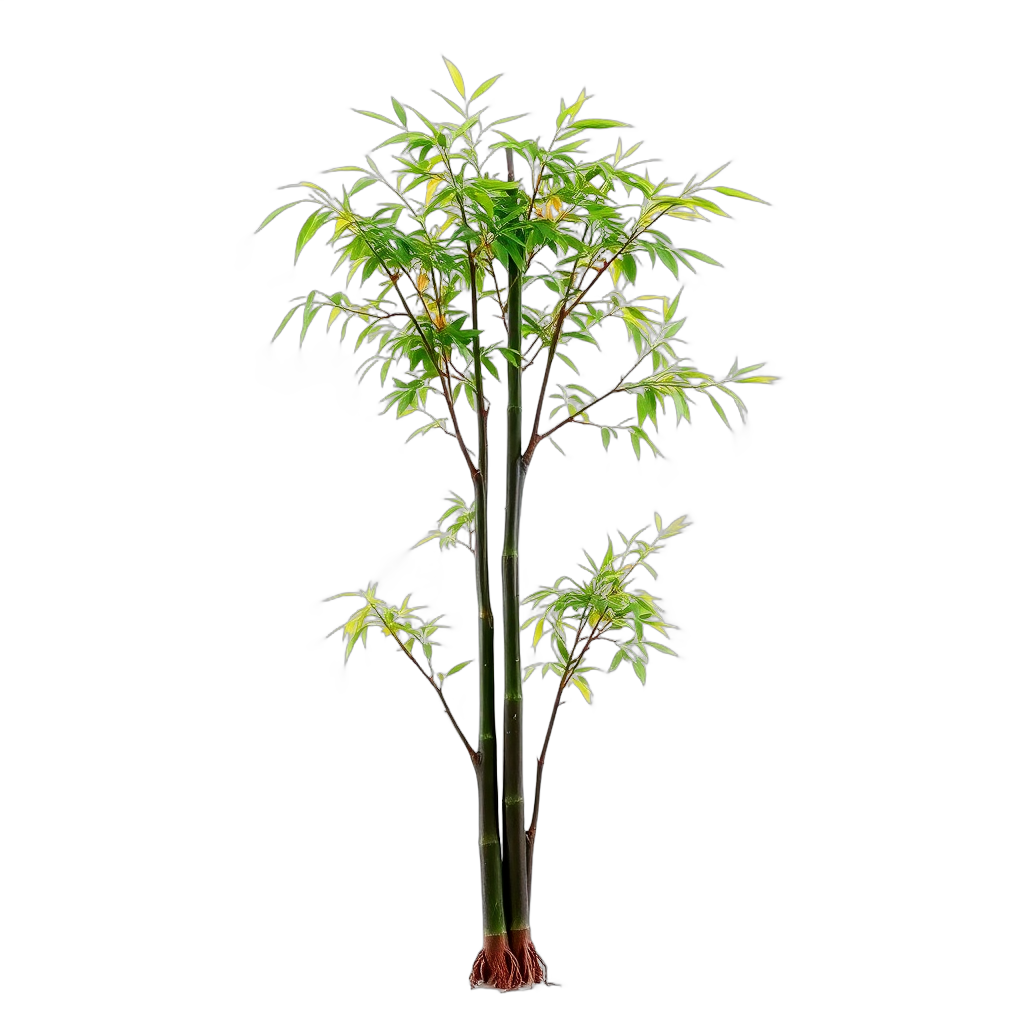
Black Bamboo
Phyllostachys nigra
reaches 25 feet tall, blooms in none. Evergreen year-round.
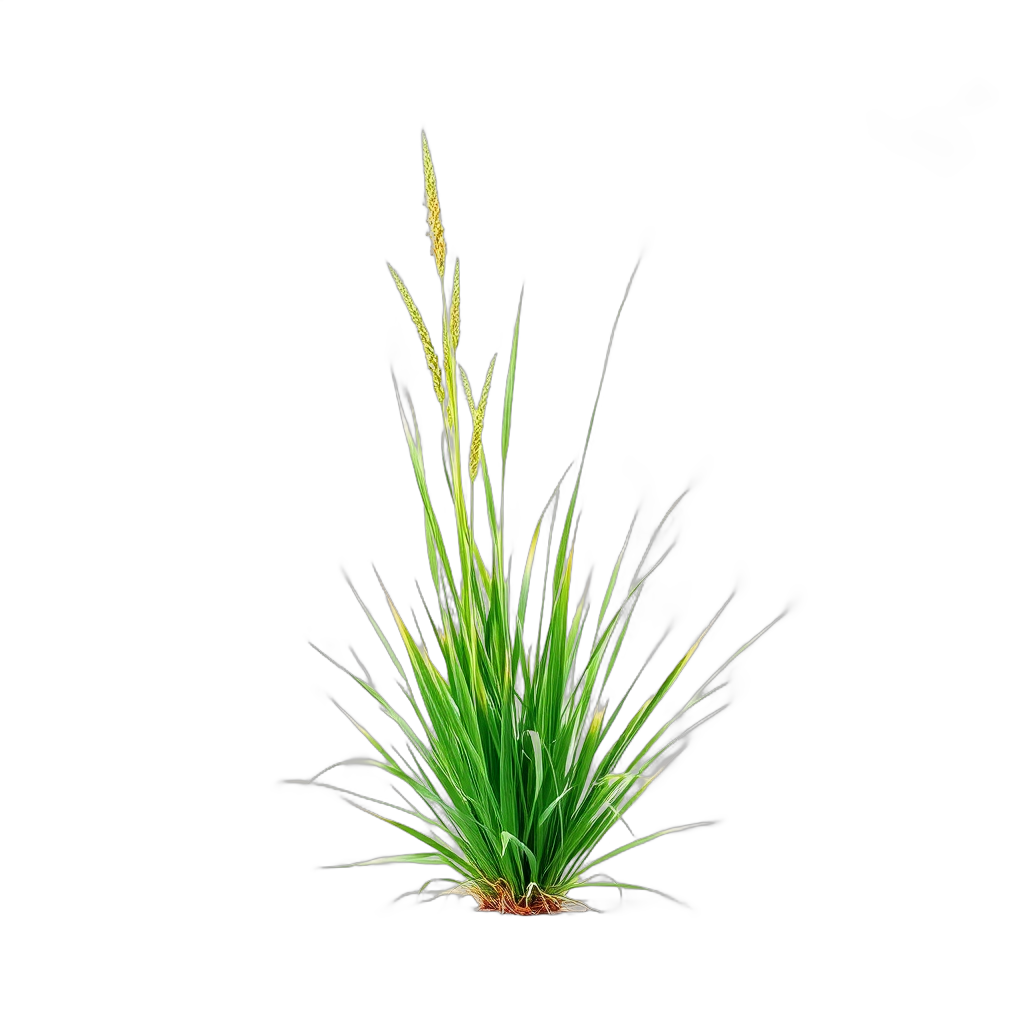
Bull Grass
Muhlenbergia emersleyi
grows to 4 feet, purple blooms in fall. Yellow fall color.
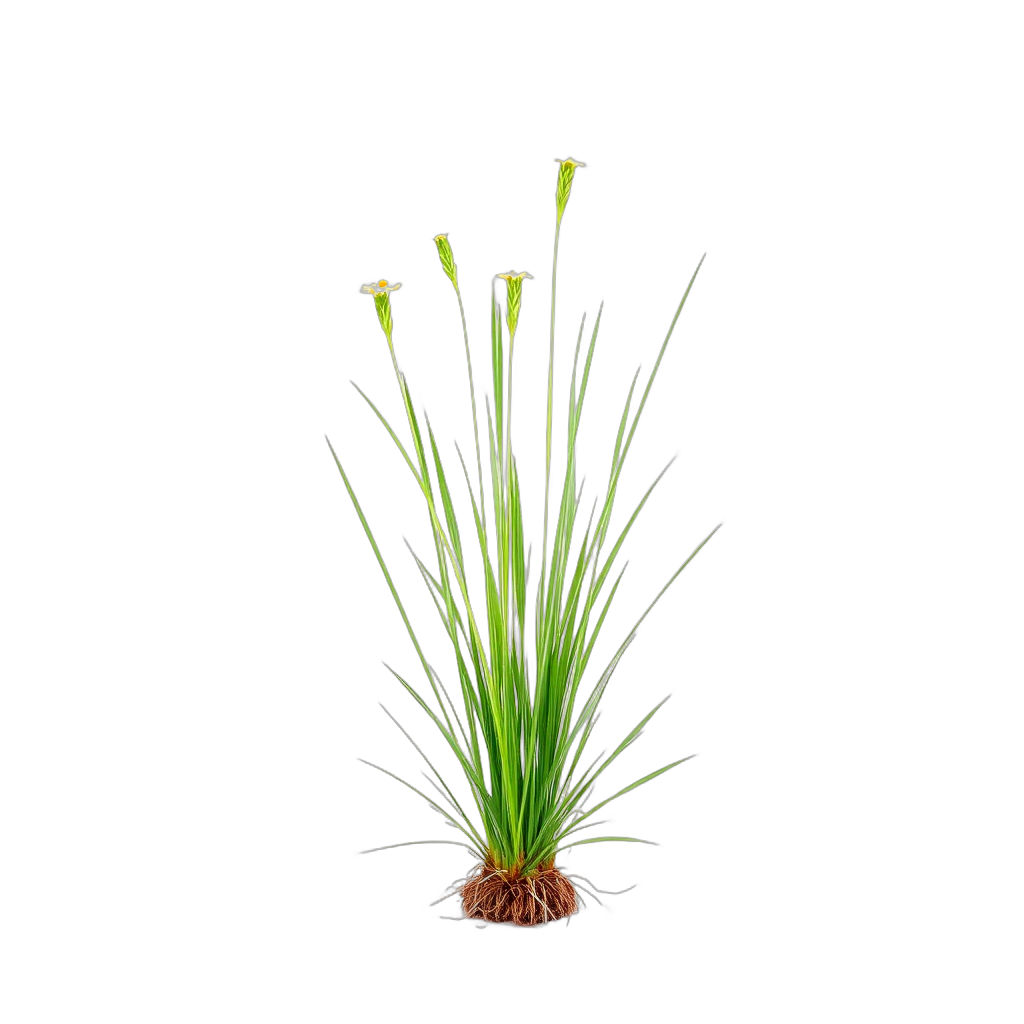
California Melic
Melica californica
low-growing ground cover, blooms in spring.
Featured Flowers & Perennials for Desert/Xeriscape Gardens
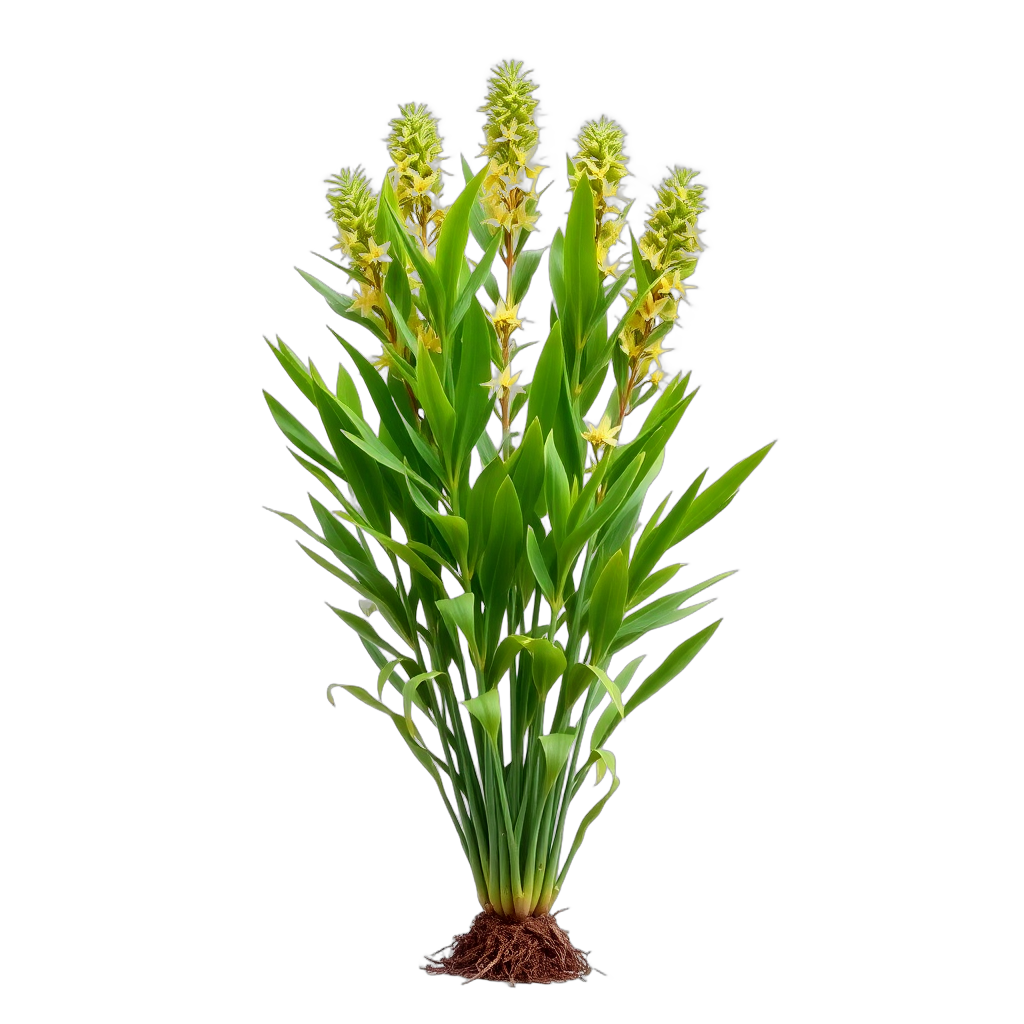
Banana Yucca
Yucca baccata
low-growing ground cover, white blooms in spring. Attracts hummingbirds.
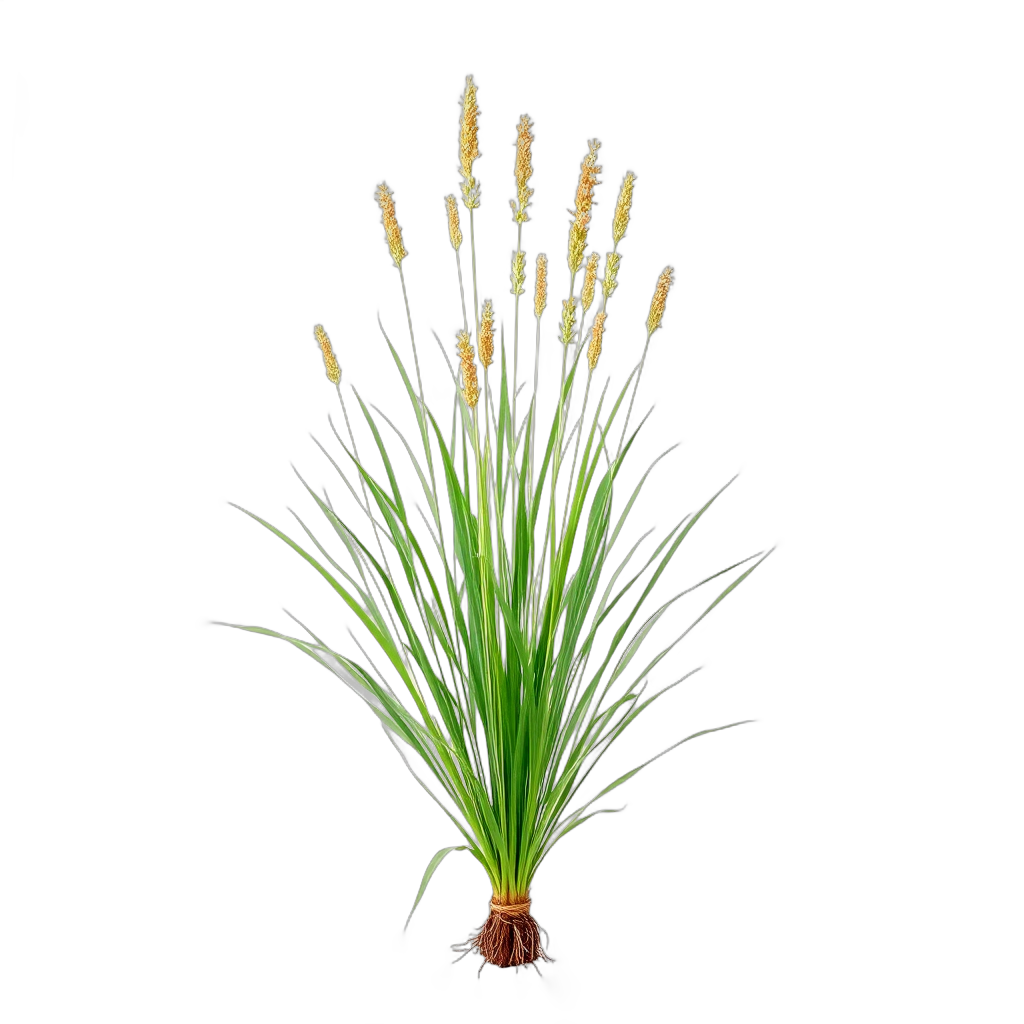
Beargrass
Nolina microcarpa
low-growing ground cover, white blooms in summer. Evergreen year-round.

Water Fern
Azolla filiculoides
low-growing ground cover, blooms in none. Red fall color.
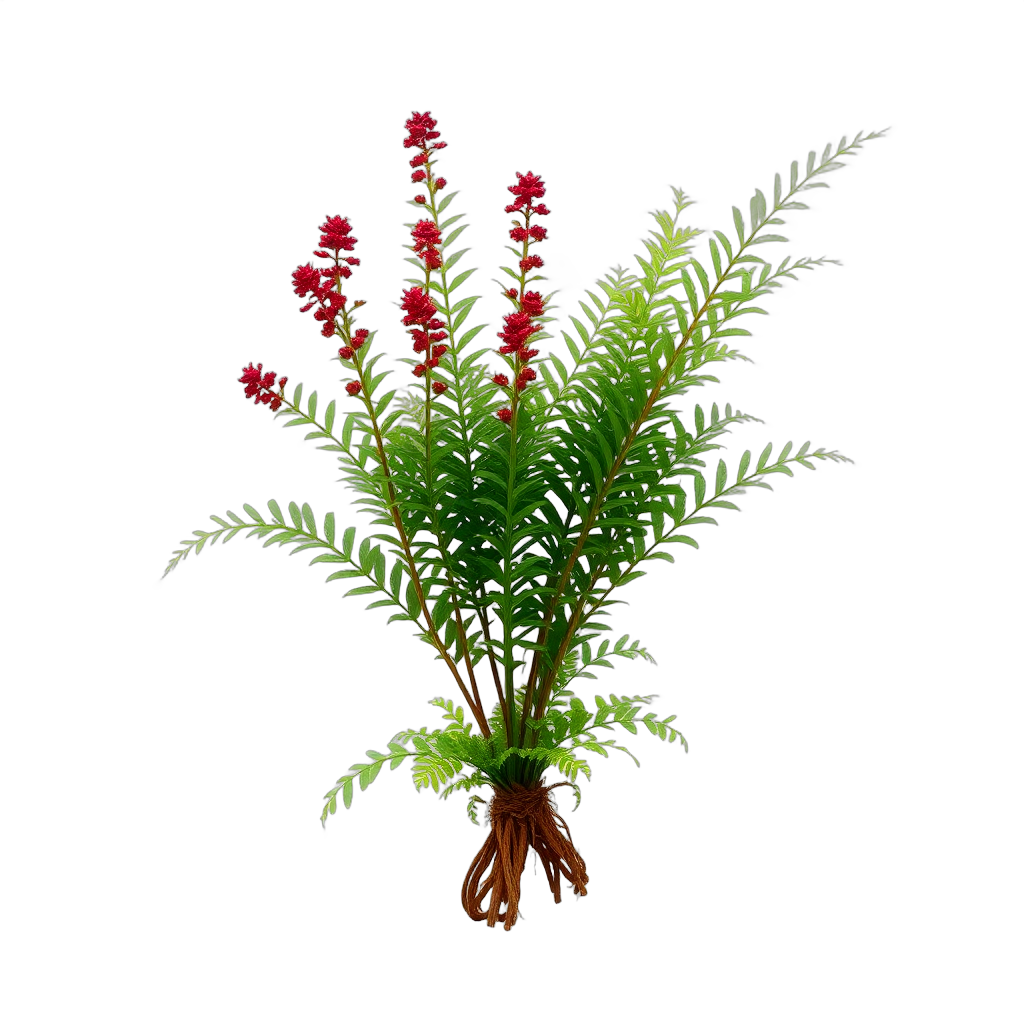
Holly Fern
Cyrtomium falcatum
low-growing ground cover, blooms in none. Evergreen year-round.
Zone and sun checks come from our database — confirm with your local nursery before you buy.
Bloom Calendar for Rio Rancho
spring
Banana Yucca, Cliff Fendlerbush, Cliffrosesummer
Beargrass, Apache Plume, Angel's Fishing Rodfall
Rubber Rabbitbrush, Anise Sagewinter
Limited bloomsDesign Tips for Rio Rancho (Zone 7b)
- Mound every cactus and agave bed 10–12 inches high with pumice or coarse gravel mixed in: Opuntia phaeacantha and Agave neomexicana survive 5°F cold snaps on dry roots and rot in wet winter soil
- Break through caliche with an auger before planting any tree, and backfill with native soil: a pocket that holds water kills Chilopsis linearis 'Burgundy' and Pinus edulis faster than cold does
- Use 3/4-inch gravel on open ground instead of fine decomposed granite: spring winds lift fine material off the mesa, and the sandy loam beneath erodes once exposed
- Plant the Fallugia paradoxa and Ericameria nauseosa in loose groups of three to five, set 4–6 feet apart, so they fill in by year three without extra water
- Build the dry wash where the roof water already goes: a downspout or driveway edge carries monsoon runoff, and a cobble channel to a shrub bed puts that water to use
- Choose bloom in sequence: Penstemon pseudospectabilis in May, Berlandiera lyrata through summer, chamisa in September, so the garden does not go dormant in the heat
- Count the trees early: the city requires two in the front yard, and a Chilopsis linearis 'Burgundy' and a Pinus edulis meet it while suiting the soil's alkalinity
Where to Source Plants in Rio Rancho
Skip the big-box stores. These independent Rio Rancho nurseries specialize in the plants that make desert/xeriscape gardens thrive in Zone 7b.
Plants of the Southwest
North Valley, Albuquerque
Seeds, trees, shrubs, grasses, cacti and perennials that are native and desert adapted
Osuna Nursery
Northeast Heights, Albuquerque
Family-owned garden center with departments for natives, conifers, trees and shrubs, fountains and statuary
All Seasons Landscape (nursery and supplies)
Rio Rancho
Landscape supply yard in Rio Rancho with flagstone, moss rock boulders, mulch and compost, plus some plants such as palm yucca and prickly pear
Desert/Xeriscape Landscaping Cost Ranges
| Project Scope | Estimated Cost |
|---|---|
| Drip irrigation system (500 sqft of planted area) | $1,200–$2,200 |
| Block fire pit, stacked block, capped (1 fire pit) | $580–$770 |
| Landscape gravel court (200 sqft) | $170–$370 |
| AI visualization (ProScapeAI) | Free to start |
National average installed ranges for 2026 from our landscaping price list (Homewyse and other published sources). Prices in Rio Rancho, NM vary with site, materials and contractor, so get two or three local quotes.
Rio Rancho Climate & Growing Zone
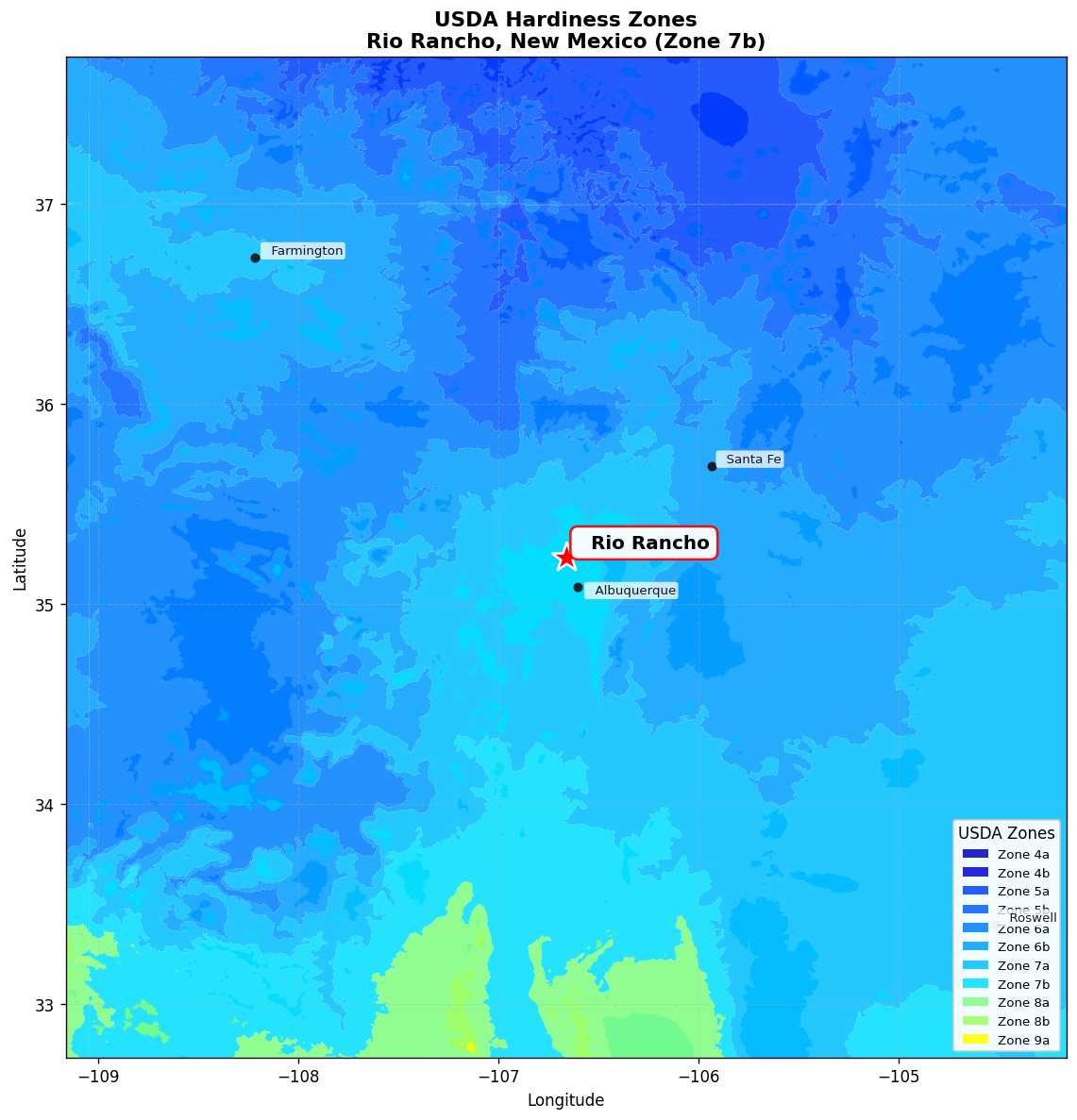
USDA Zone 7b
Hardiness zone for Rio Rancho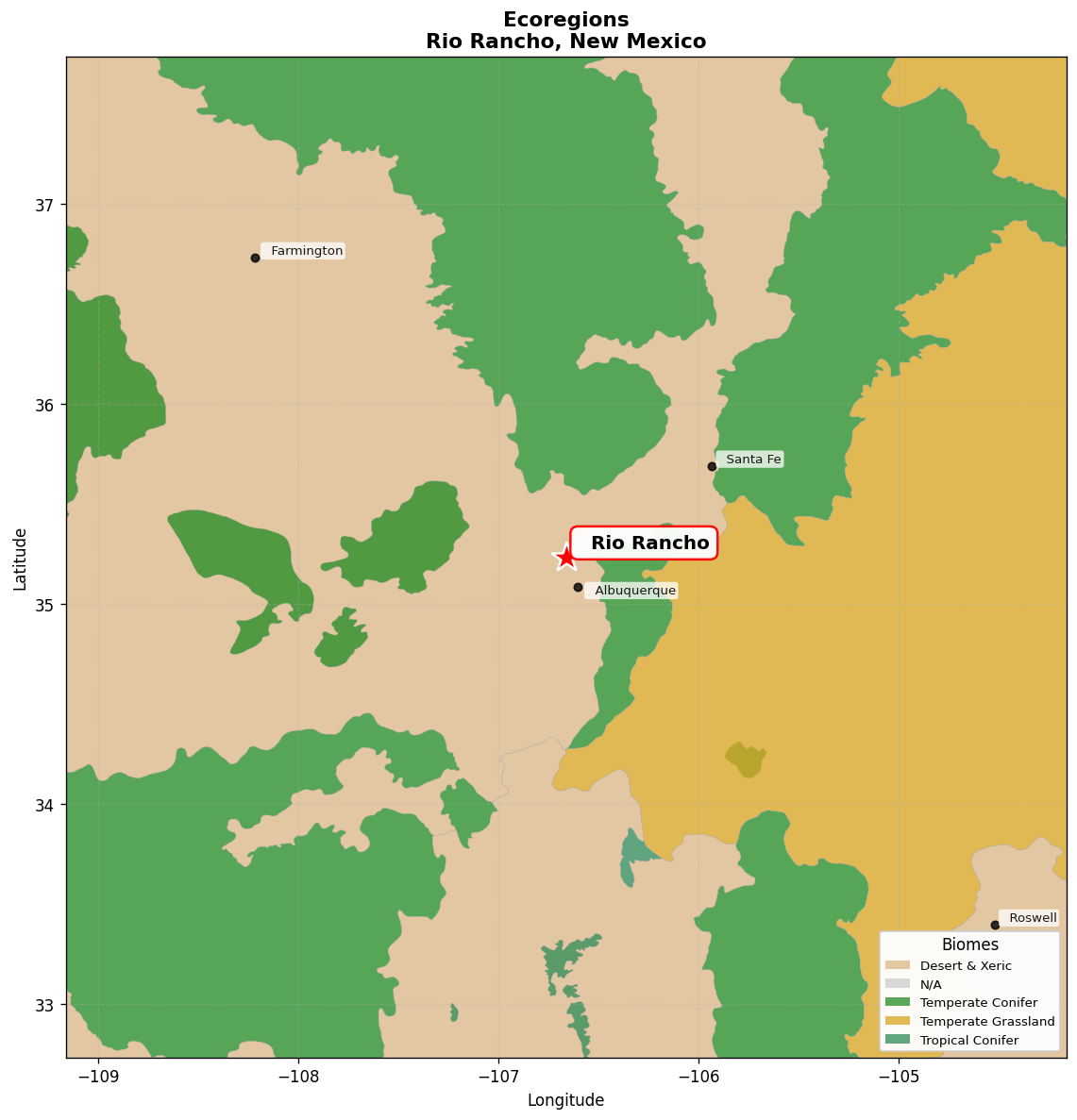
Colorado Plateau shrublands
Native ecoregionFrequently Asked Questions
How much does a desert garden cost in Rio Rancho, NM?
Typical Albuquerque-metro installed ranges apply, so collect at least two written bids. Buying Penstemon eatonii, Fallugia paradoxa and Ericameria nauseosa in 1-gallon pots and planting them yourself cuts the planting cost by more than half.
Is a desert garden really low maintenance in Rio Rancho?
After establishment, yes. With 8.84 inches of rain a year, new plants need drip water for two to three seasons, then little beyond a deep soak in a dry summer. The yearly jobs are cutting Ericameria nauseosa back by a third in late winter, deadheading penstemons in June, and pulling weeds out of the gravel. Wind carries weed seed across the mesa, so a spring pre-emergent saves time. Cylindropuntia imbricata needs nothing but gloves when something blows into it.
When should I plant a desert garden in Rio Rancho?
Late September through October, and again in spring after the median last freeze of about April 6, per NOAA's Albuquerque Sunport normals. Fall planting lets roots grow through winter before the dry spring wind. Plant cactus and agave in late spring or early summer so they have a full warm season of root growth before their first freeze. Skip planting in the hottest weeks of June and July, when highs average around 91°F.
What are the front-yard landscaping rules in Rio Rancho?
Under the City of Rio Rancho Municipal Code, Title XV, Chapter 154, single-family front yards need at least two trees (1½-inch caliper deciduous, or evergreens 8 feet tall) and three 5-gallon shrubs, or an equivalent plan approved by Development Services. Cool-season turf grass such as Kentucky bluegrass and fescue is prohibited in front yards, and front-yard plants must not be listed as high water use on the city's plant list. The city code says HOA bylaws and covenants may not require a minimum amount of live grass. Check HOA design review separately.
Which desert plants survive Rio Rancho winters?
Zone 7b brings January average lows near 26°F and cold-snap lows of 5–10°F. Opuntia phaeacantha, Cylindropuntia imbricata, Echinocereus triglochidiatus, Agave parryi var. truncata, Agave neomexicana, Yucca baccata and Dasylirion wheeleri all take it with good drainage. Saguaro, Agave americana, Aloe vera and most Mexican columnar cacti do not. A bed mounded 10–12 inches high with pumice or coarse gravel mixed in is the main protection against winter wet.
How do I deal with caliche when planting in Rio Rancho?
Caliche is a hard calcium carbonate layer found in places beneath the sandy loam. Break through it with a digging bar or rented auger before setting a tree or large shrub, so water drains from the planting hole instead of pooling and rotting roots. Backfill with the native soil, not rich amended mix. For cacti and agaves, skip the digging and plant in raised mounds over the caliche.
Are there water rebates for removing a lawn in Rio Rancho?
Cool-season turf is prohibited in new front yards, though lawns installed before October 31, 2011 are exempt. Replacing an older front lawn with a desert garden is straightforward. Ask Rio Rancho Utilities whether a turf-removal incentive is currently open before removing anything, because programs of this kind normally require approval before work begins.