4 Mediterranean Landscape Ideas for Salem, OR (Zone 8b)
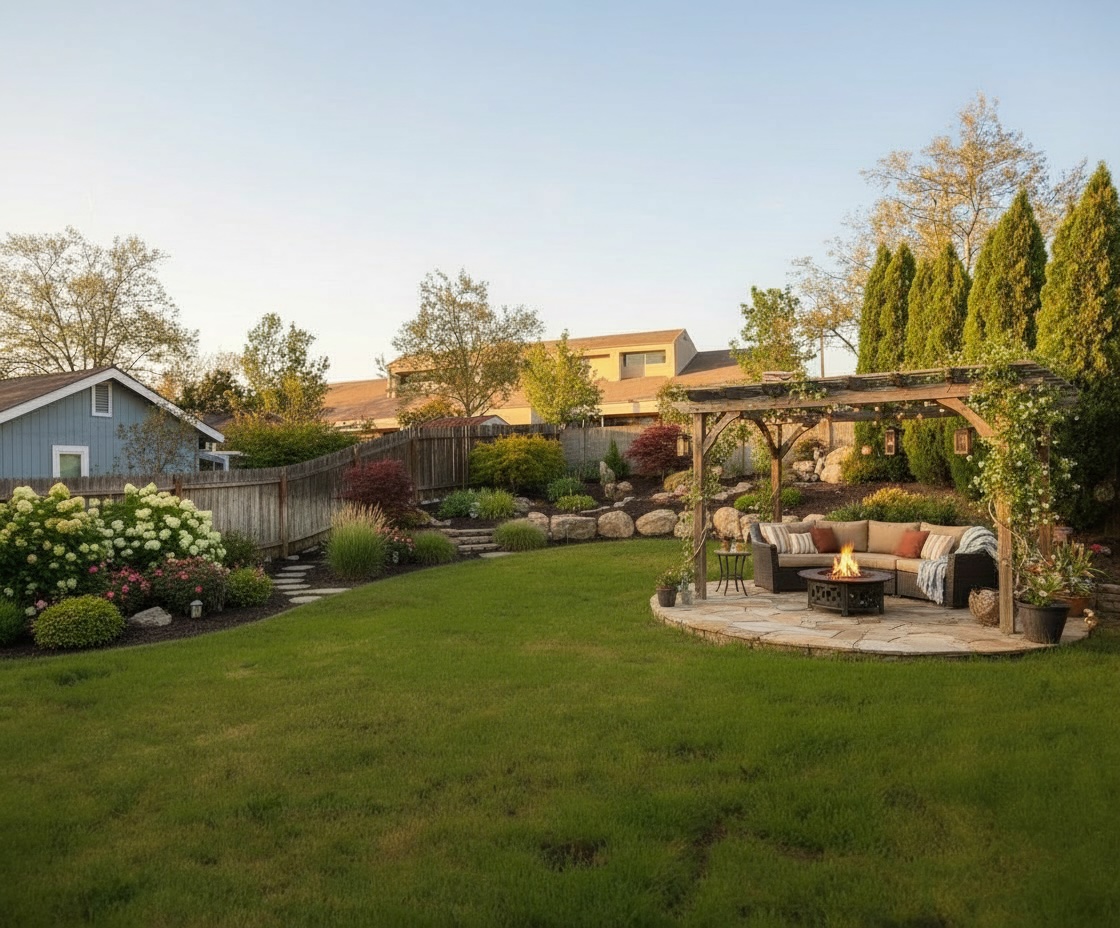
Native plants from the Willamette Valley oak savanna (Zone 8b) — Mediterranean (warm summer) climate
Why Mediterranean Gardens in Salem?
Salem is one of the few American cities where a Mediterranean garden is not a costume. The Köppen classification here is Csb — warm-summer Mediterranean, the same class as coastal Tuscany, northern Portugal and the Rioja — and the numbers back it up: roughly 40 inches of rain a year, of which under an inch and a half falls across July and August combined, with July highs in the low 80s and regular stretches over 95°F. The Eola-Amity Hills AVA starts at the western edge of town and grows Pinot noir on the same red basalt clay that sits under South Salem, and the Oregon Olive Mill at Dayton, twenty-five minutes north, presses Olea europaea 'Arbequina' and 'Frantoio' from Willamette Valley groves. Lavender, olives, rosemary and grapes are not aspirational here; they are already the local agriculture.
The constraint is winter, and it is a wet one rather than a cold one. Zone 8b means typical lows of 15–20°F, and Salem gets periodic arctic outbreaks and ice storms — February 2021 and January 2024 both took out mature trees across Marion County. Bougainvillea, true oranges and lemons will not live outdoors through that, so the honest design puts them in terracotta on castors and rolls them into the garage in December. The hardy stand-ins are genuinely good: Lagerstroemia indica x fauriei 'Tuscarora' gives the hot magenta wall colour that bougainvillea gives in California, Campsis radicans 'Madame Galen' smothers a pergola in one season, and Citrus junos — yuzu — plus Poncirus trifoliata 'Flying Dragon' are citrus that actually survive a Salem winter in the ground.
Everything else comes down to drainage. A Mediterranean plant in the Willamette Valley dies in February with wet feet, not in January from cold, and that single fact should shape the whole build. Oregon State University's Marion and Polk County Extension office in Salem ran multi-year field trials of hardy Mediterranean shrubs specifically for this valley — Cistus, Grevillea, Arctostaphylos and Callistemon among them — and the hybrid Grevillea x 'Neil Bell' carries the name of the Salem-based horticulturist who ran them. Follow their conclusion: plant on raised or bermed beds, cut coarse pumice or 1/4-inch minus into the backfill, mulch with crushed basalt rather than bark, and plant marginal woody things in April or May so they have a full growing season of root before their first wet winter. The valley floor's Woodburn and Amity silt loams hold a perched water table; the Jory and Nekia red clays of South Salem and the Eola Hills drain slowly but deeply. Both want the same answer, which is to build up.
The architecture is here too, in more places than people expect. Salem has a real seam of 1920s Spanish Colonial Revival around Gaiety Hill, Candalaria Heights and the Court-Chemeketa district — stucco, arched entries, barrel tile — and a much newer wave of tile-roofed builds through Creekside, Illahe Hills, Sunnyslope and West Salem that were practically drawn for this style. On the water side, Salem draws from the North Santiam through Geren Island, bills on a tiered rate that peaks in the summer irrigation season, and requires a tested backflow assembly on any in-ground system tied to the main — which is exactly why a gravel-and-Cistus front garden pays for itself here faster than in a rainy-summer city. Oregon lets you harvest roof rainwater without a water right, an 811 utility locate is required two business days before you dig, and a properly bermed Mediterranean border in Salem should need supplemental water only in its first two summers.
4 Mediterranean Design Ideas for Salem

The Olive and Cypress Entry
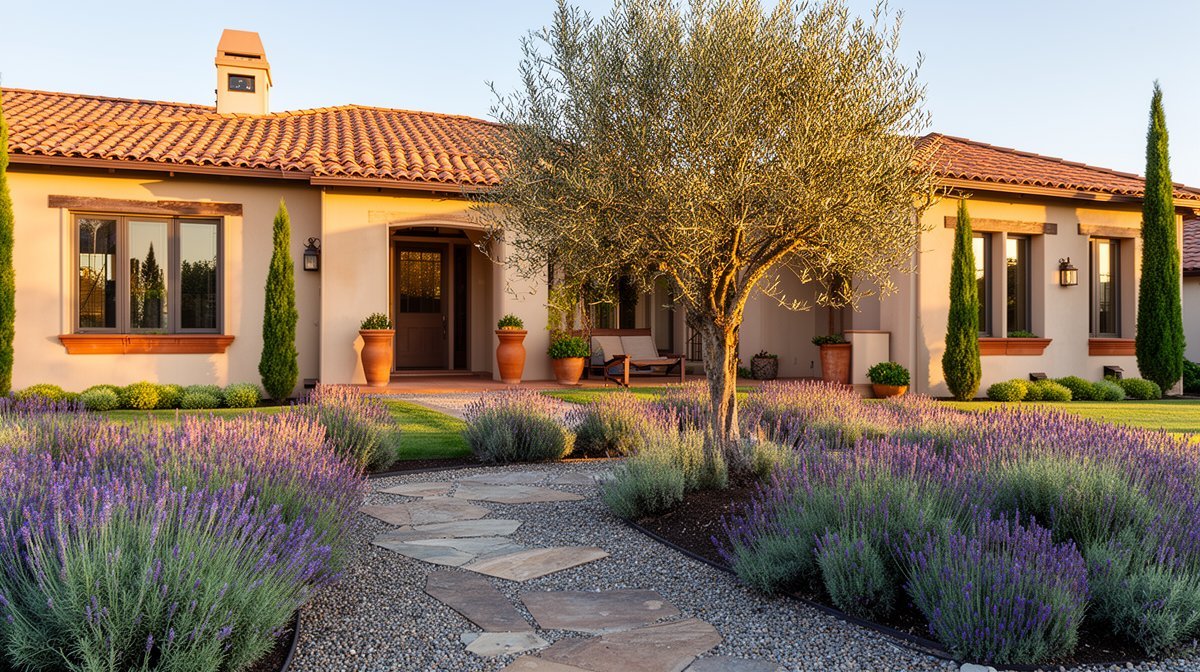
$12–24/sqftA single-storey cream stucco house under a red barrel-tile roof, with an arched entry and a warm wood door framed by two narrow columnar conifers standing like exclamation marks. A multi-stem olive with silver-grey foliage anchors the left side of the frontage and throws dappled shade across the drive apron, while the lawn is gone entirely — replaced by a wide sweep of purple lavender in bark on one side and a field of grey crushed basalt scattered with silver mounded shrubs on the other. A tan flagstone walk curves from the drive to the entry, and clipped green domes hold the foundation line tight under the windows. Very little of this needs water after year two.

The Gravel Courtyard and Espaliered Wall
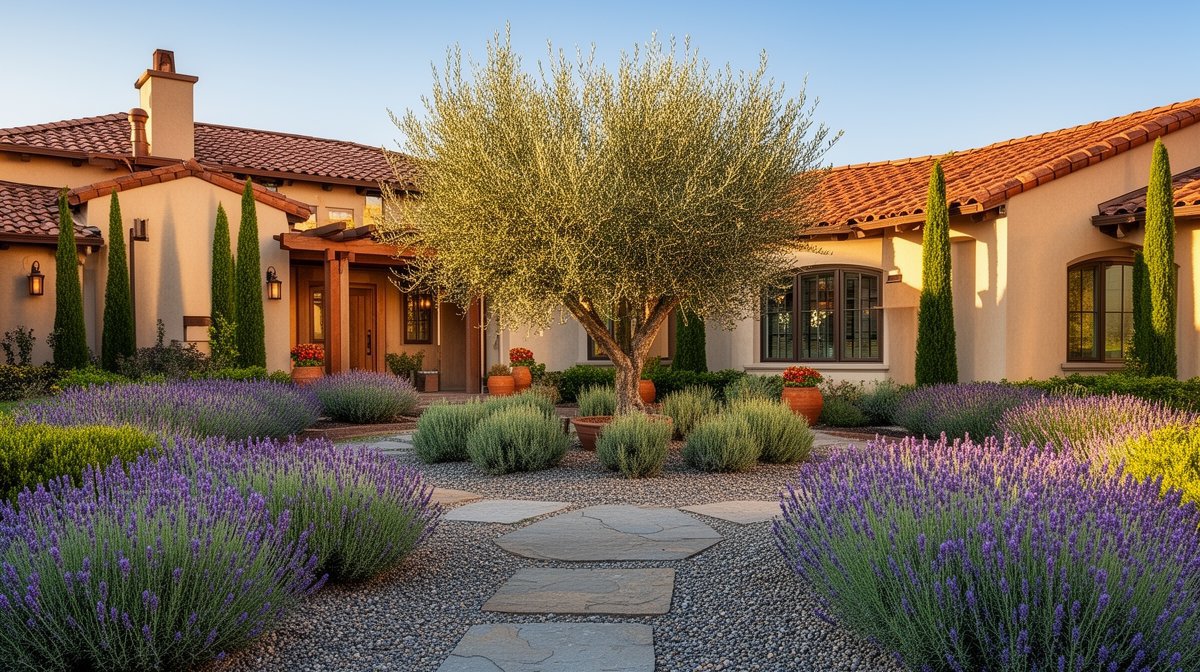
$14–28/sqftAn enclosed entry court behind a wrought-iron gate, floored in dark grey basalt gravel with large pale flagstone pads set into it as stepping stones — a surface that drains straight through a Salem December and needs no sealing. Cream stucco walls carry a small fruiting tree trained flat against the sun-facing side and a hot magenta climber spilling over the right-hand elevation, with big terracotta pots of airy yellow-flowering shrubs standing either side of the dark timber door under an iron lantern. Low silver and grey-green mounds run along the base of the wall where the reflected heat is fiercest. The whole thing is a courtyard, not a yard, which is the point.

The Fountain Courtyard at Golden Hour
$22–45/sqftThe centrepiece is a three-tier cast stone fountain standing in the middle of a warm terracotta-toned tile terrace, with metal-framed chairs and a dining table drawn up around it and catenary string lights running from the house to the fence. A mature olive leans in from the left and a heavily fruited citrus in a large pot holds the right corner, with long bands of lavender lining the path on both sides so the terrace is scented before you reach it. A narrow strip of lawn is kept deliberately, as a green foil rather than a play surface. Between the fountain, the tile and the low evening light, it is the design that most repays a Salem July evening.

The Pergola Lounge and Potted Citrus
$20–40/sqftA rough-sawn timber pergola smothered in a hot pink climber shelters a low, modern outdoor sectional at the edge of a square terracotta tile terrace, with the cream stucco house and its barrel tile roof closing the far side. Big terracotta pots hold a fruiting citrus at the terrace edge and a second, smaller one trained flat against the wall by the sliding doors. The planting is deliberately simple and repetitive — broad bands of lavender and silvery aromatic herbs framing three sides of the tile, no bedding, no annual replanting. It is the most affordable design in this set because the structure does the work and the plant list is short.
See how a mediterranean garden looks on YOUR property
Upload a photo of your Salem yard and visualize your dream garden in seconds.
Try ProScapeAI Free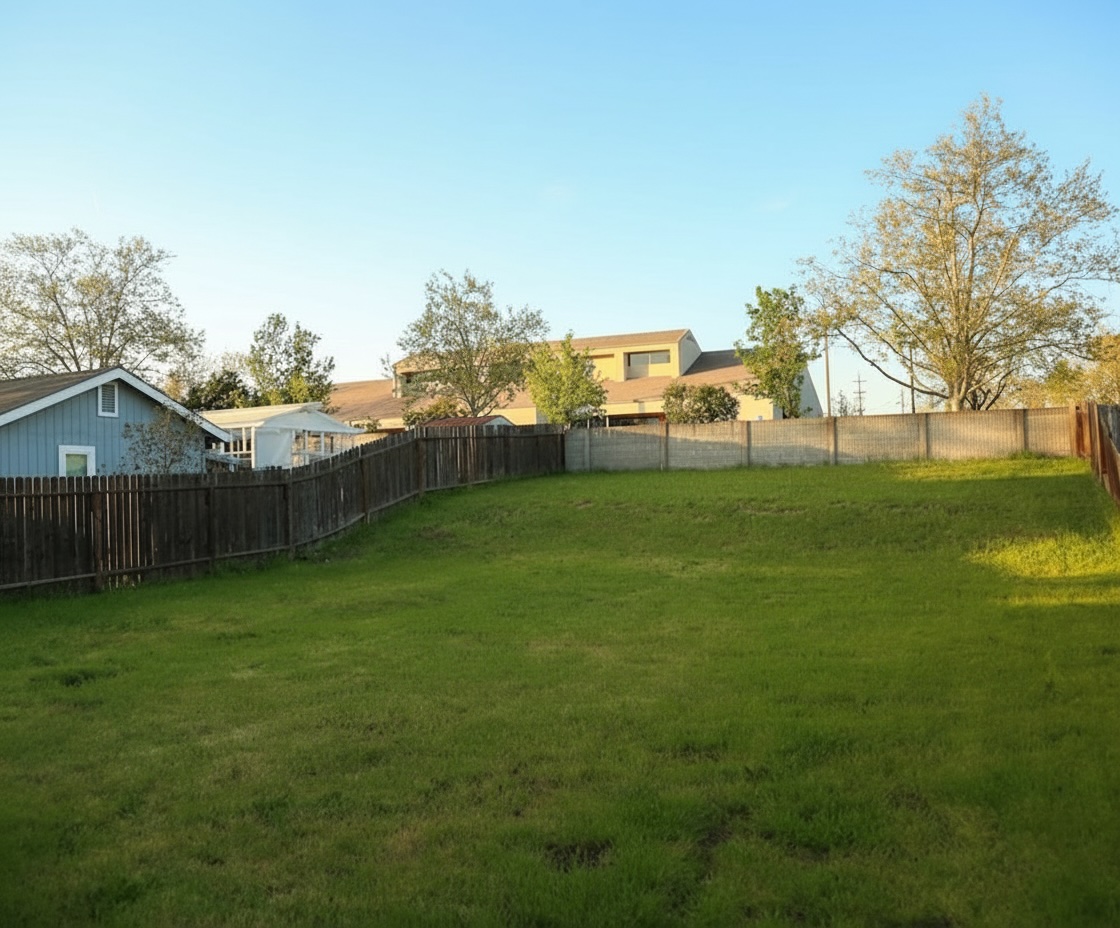
Featured Trees & Shrubs for Mediterranean Gardens
Browse all 151 plants for Salem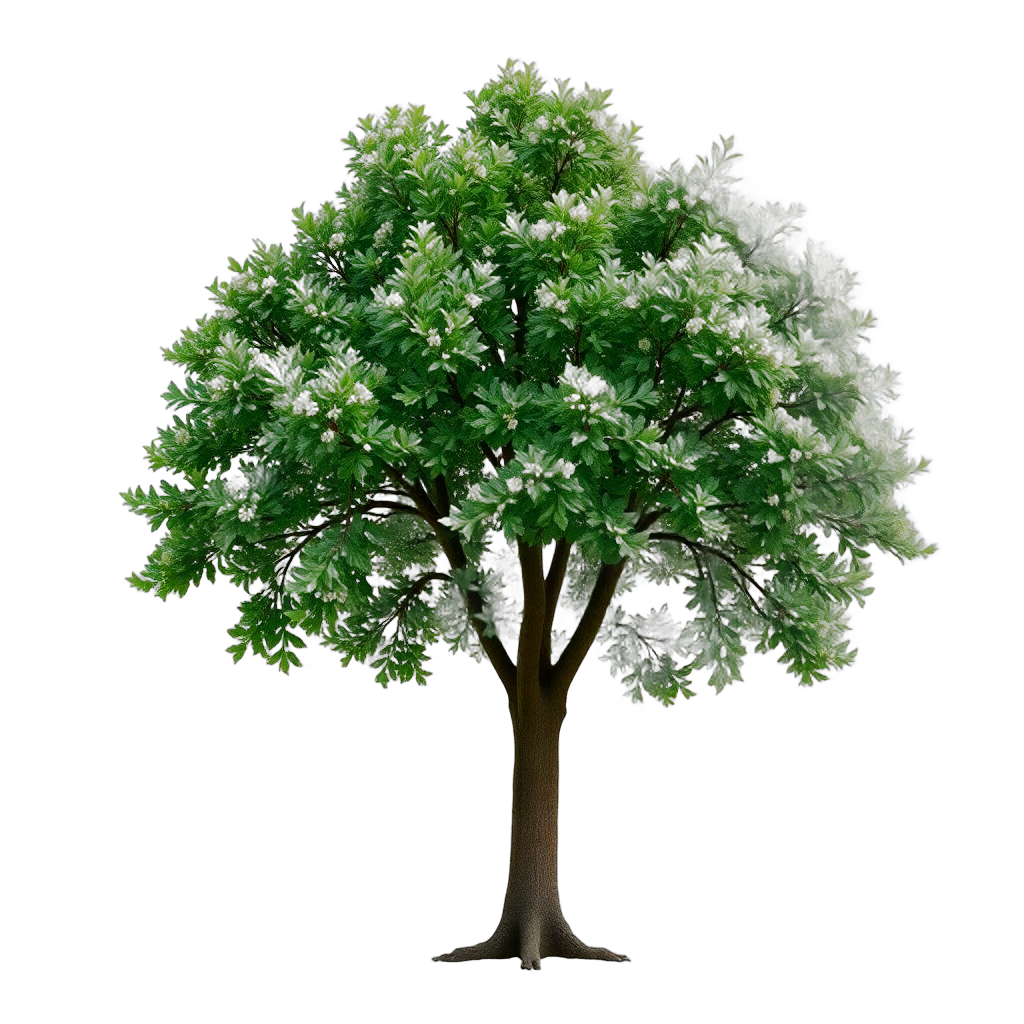
Oregon White Oak
Quercus garryana
large shade tree reaching 65+ feet, blooms in spring. Yellow fall color.
Featured Flowers & Perennials for Mediterranean Gardens

Water Lettuce
Pistia stratiotes
low-growing ground cover, white blooms in summer. Evergreen year-round.

Tussock Sedge
Carex stricta
low-growing ground cover, blooms in spring. Brown fall color.

Umbrella Sedge
Cyperus alternifolius
grows to 4 feet, blooms in summer. Evergreen year-round.
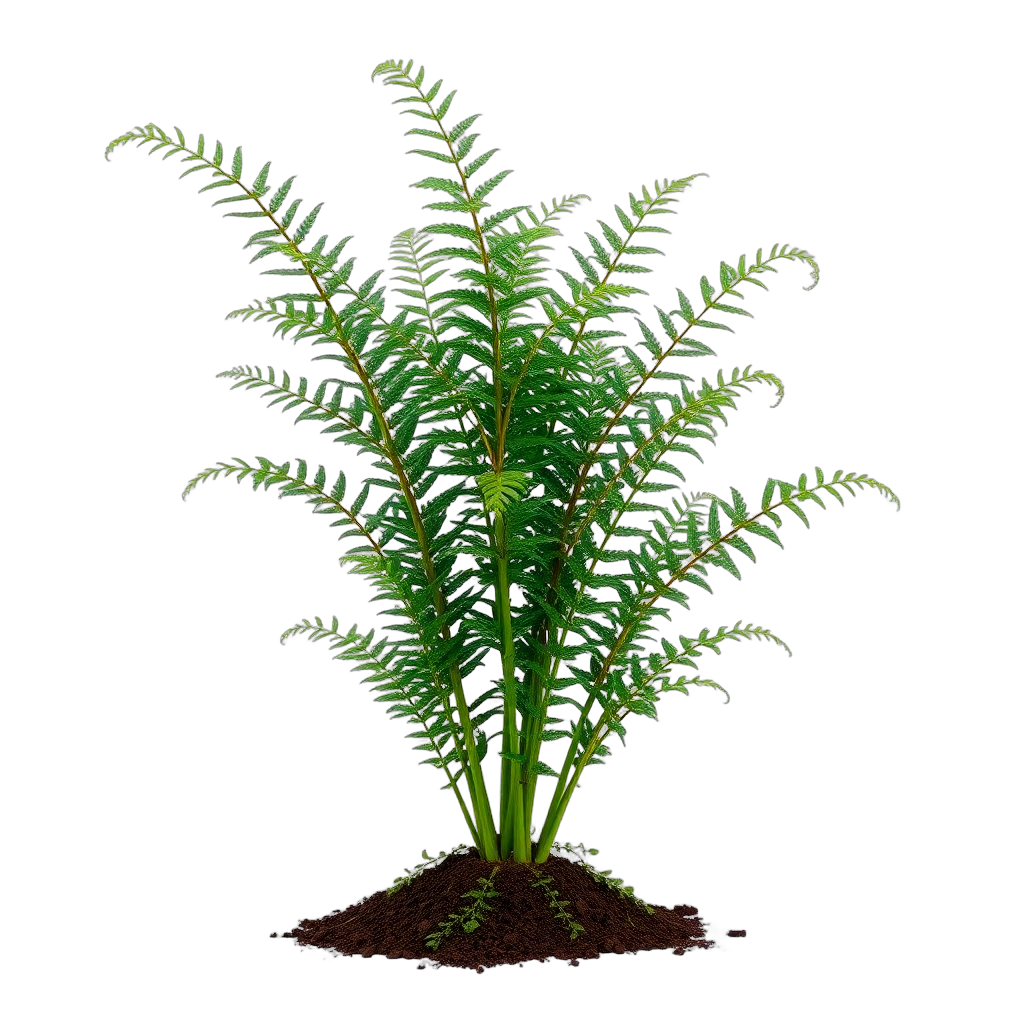
Deer Fern
Blechnum spicant
low-growing ground cover, blooms in none. Evergreen year-round.
Zone and sun checks come from our database — confirm with your local nursery before you buy.
Bloom Calendar for Salem
spring
Oregon White Oak, Tussock Sedge, Austrian Speedwellsummer
Water Lettuce, Umbrella Sedge, Alpine Sea Hollyfall
Autumn Snakerootwinter
Limited bloomsDesign Tips for Salem (Zone 8b)
- Berm before you plant: every Mediterranean shrub in Salem should sit six to twelve inches above grade in soil cut with coarse pumice, because 40 inches of winter rain on Woodburn silt loam or Jory clay kills far more of them than any 15°F night
- Mulch with 3/8-inch crushed basalt, not fir bark — bark holds water against the crown of a lavender or rosemary through a five-month wet season, and the gravel also warms the root zone weeks earlier in spring
- Plant marginal woody things in April or May rather than October, so they build a full season of root before their first Salem winter; this is the one place the standard Pacific Northwest fall-planting rule works against you
- Treat citrus and bougainvillea as furniture, not planting — big glazed pots on castors that come into the garage in December — and let Lagerstroemia 'Tuscarora' and Campsis 'Madame Galen' carry the hot colour in the ground
- Use the OSU Extension trial list as a shopping list: Cistus x purpureus, Arctostaphylos densiflora 'Howard McMinn', Grevillea x 'Neil Bell' and Callistemon viridiflorus were trialled in Salem specifically for this valley and have the winters behind them to prove it
- Buy olives, figs and rosemary from Oregon-grown stock rather than mild-coastal nursery stock; plants finished through a Willamette Valley winter are measurably tougher in their first February here
- Keep the palette silver, grey-green and terracotta and repeat only five or six plants at scale — Salem's low, long summer evening light does more for a restrained Mediterranean garden than any amount of variety
Where to Source Plants in Salem
Skip the big-box stores. These independent Salem nurseries specialize in the plants that make mediterranean gardens thrive in Zone 8b.
Terra Gardens Nursery & Bark
East Salem (Cordon Road NE)
Full-service garden centre with trees, shrubs, fruit trees, figs and rare citrus, plus bulk bark, soil, gravel and decorative stone with a blowing service — the one-stop for a whole install
Godfrey Nursery
Aumsville, about seven miles east of Salem
Family-owned grower with 35+ greenhouses and an acre of outdoor stock — Pacific Northwest-grown shrubs, trees, herbs and hardy perennials, open daily
Schreiner's Iris Gardens
North Salem / Keizer (Quinaby Road NE)
Bearded iris breeder since 1925 — tall, intermediate and dwarf bearded iris plus daylilies and allium bulbs, with display fields worth walking in May
Pedersens Nursery
North Salem / Keizer (River Road NE)
Greenhouse grower on the historic Egan Gardens site, reopened in 2024 — hanging baskets, annuals, starts and shrubs grown on-site rather than trucked in
Mediterranean Landscaping Costs in Salem
| Project Scope | Estimated Cost |
|---|---|
| Front-yard Mediterranean conversion (500–700 sqft, turf out, gravel in) | $8,000 – $18,000 |
| Gravel entry courtyard with set stone pads (200–350 sqft) | $5,000 – $12,000 |
| Frost-rated tile or porcelain paver terrace (300–450 sqft) | $12,000 – $28,000 |
| Cast stone recirculating fountain, installed and plumbed | $3,500 – $11,000 |
| Douglas fir pergola over a lounge or dining terrace | $16,000 – $38,000 |
| Specimen olive or multi-stem tree, planted on a drainage berm | $800 – $3,000 each |
| AI visualization with ProScapeAI | Free to start |
Estimates based on Salem, OR-area contractor rates as of 2026. Actual costs vary by site conditions, materials, and contractor.
Salem Climate & Growing Zone
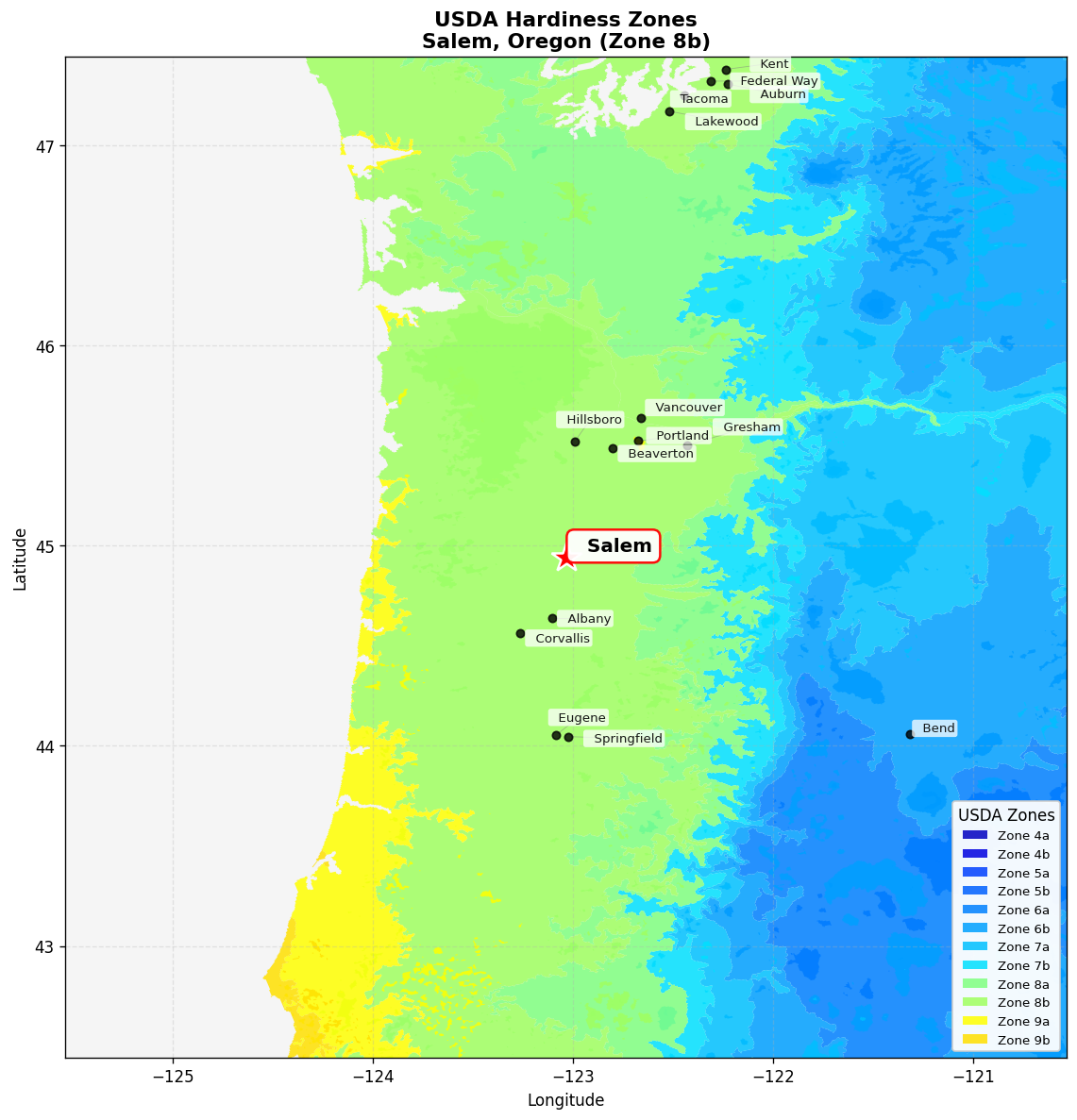
USDA Zone 8b
Hardiness zone for Salem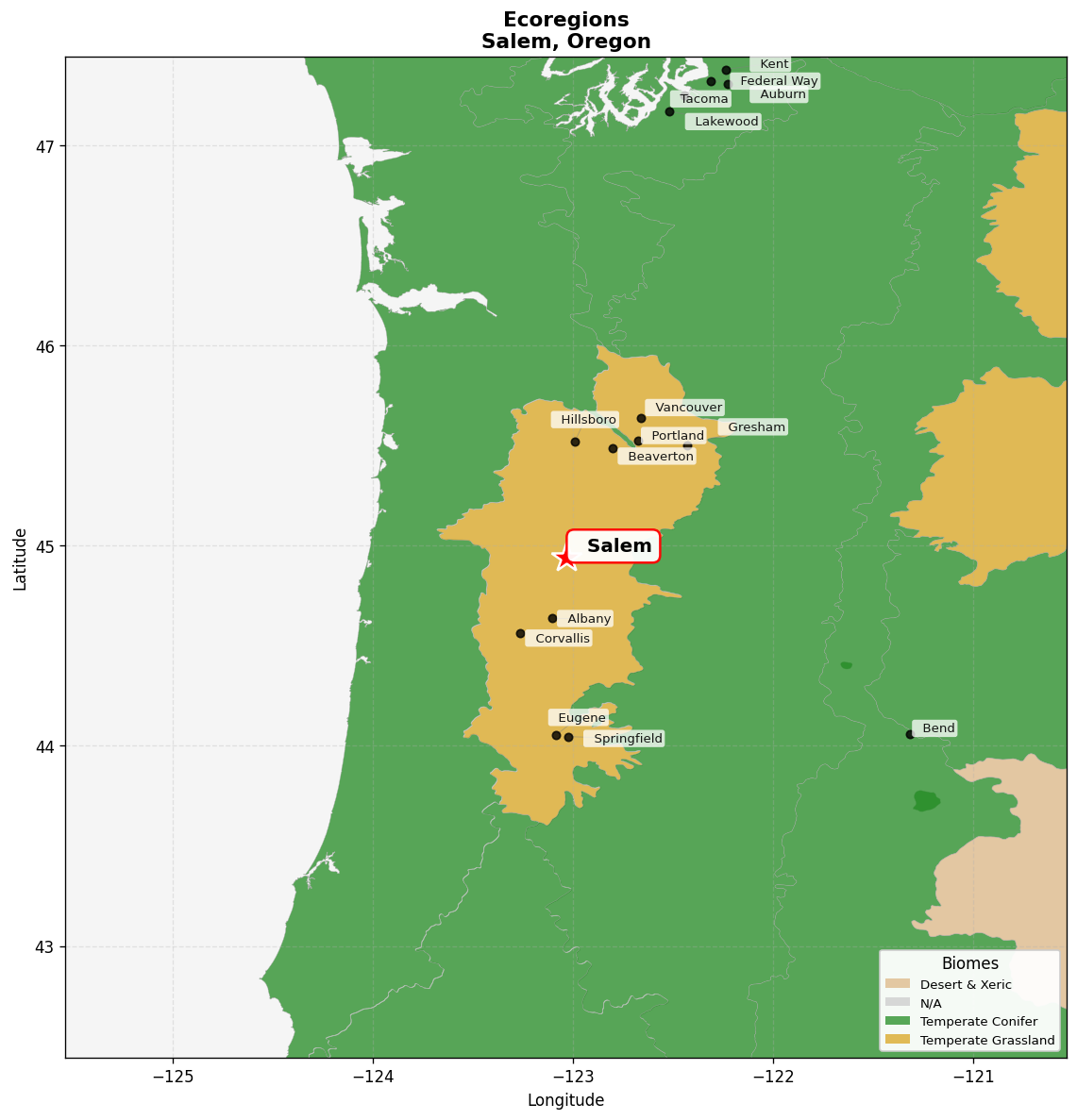
Willamette Valley oak savanna
Native ecoregionFrequently Asked Questions
Does a Mediterranean garden really suit Salem's climate?
Better than almost any other American city outside California. Salem's Köppen class is Csb — warm-summer Mediterranean — the same as coastal Tuscany and northern Portugal. Roughly 40 inches of rain falls here, but under an inch and a half of it across July and August combined, and July highs sit in the low 80s with regular runs over 95°F. That is a genuine three-month summer drought, which is exactly the pattern <em>Cistus</em>, <em>Lavandula</em>, <em>Rosmarinus</em> and <em>Olea europaea</em> evolved for. The Eola-Amity Hills wine country on Salem's western edge is the proof of concept. The difference from Provence is winter rain volume, not summer behaviour.
Can I actually grow olive trees in Salem?
Yes, with the right cultivar and the right spot. <em>Olea europaea</em> 'Arbequina', 'Frantoio' and 'Leccino' are the varieties Willamette Valley growers use, and the Oregon Olive Mill at Dayton — about 25 minutes from Salem — presses commercially from valley groves. Site an olive against a south or west wall on a raised, sharply drained berm, keep it unmulched at the trunk, and skip nitrogen feeding so it goes into winter hard rather than soft. Expect leaf burn and occasional dieback after an event like February 2021 or January 2024; mature trees regrow from the trunk. Buy a plant that was grown in Oregon rather than trucked from a mild coastal nursery.
What about citrus and bougainvillea — the plants in the photos?
Neither is hardy at Zone 8b, and pretending otherwise is how people lose $400 trees. Grow <em>Citrus</em> x <em>meyeri</em> 'Improved Meyer' and calamondin in big glazed pots on castors and roll them into an unheated garage from December to March. Two citrus relatives do live in the ground here: <em>Citrus junos</em>, the yuzu, takes roughly 10–15°F, and <em>Poncirus trifoliata</em> 'Flying Dragon' is fully hardy and makes a striking thorny sculpture. For the bougainvillea effect, plant <em>Lagerstroemia indica</em> x <em>fauriei</em> 'Tuscarora' or 'Zuni' against a hot wall, or run <em>Campsis radicans</em> 'Madame Galen' over the pergola — both give the saturated colour and both come back.
Why gravel mulch instead of bark?
Because the killer here is a wet crown in February, not August heat. Fir bark holds moisture against the collar of a rosemary or a lavender through five months of rain and rots it. A two-inch layer of 3/8-inch crushed basalt drains instantly, warms fast in spring, reflects heat back into the plant, keeps the leaves clean and lasts a decade instead of two years. Use it right at the crown even if you keep bark elsewhere in the garden. Skip the plastic weed fabric under it — it clogs, then traps water at exactly the depth you were trying to drain.
When should I plant Mediterranean shrubs in Salem?
April through May, which is the opposite of the usual Pacific Northwest fall-planting advice. Roses and hardy perennials do best planted in October here, but a marginal Mediterranean woody plant put in the ground in autumn goes straight into six months of cold, saturated soil with no root system, and a large share of them do not come out the other side. Plant in spring instead, water through the first two summers to build roots, and let it face its first wet winter as an established plant. From year three a bermed <em>Cistus</em>, <em>Arctostaphylos</em> or lavender planting in Salem should need essentially no supplemental water.
How much does a Mediterranean landscape cost in Salem?
A full front-yard conversion — turf removal, grading and berming, gravel field, steel edging and 40 to 70 plants — runs about $8,000 to $18,000 for a typical 500 to 700 square foot Salem frontage, or $12–24 per square foot. A gravel entry courtyard with set stone pads is $14–28 per square foot. A tile terrace with a cast stone fountain lands at $18,000 to $45,000 depending on size and the fountain itself, and a timber pergola over a lounge terrace is $16,000 to $38,000. Gravel material is cheap in Marion County — basalt is quarried locally — so the cost sits in grading, edging and labour rather than the rock.
Are there rules or licences I should check first?
Oregon requires a Landscape Contracting Business licence for landscape construction work over $1,000, issued by the Landscape Contractors Board, and their online lookup verifies it in a minute. Call 811 at least two business days before any digging — free and required statewide. Gravel conversions, planting beds and pathways need no permit, but retaining walls above four feet, roofed structures, and work in the public right-of-way do, and Salem has its own rules for trees in the planting strip. Thresholds change, so confirm current requirements with the City of Salem before the design becomes a build.